English日本語简体中文
Skip to main content
Dr. Peter C. Kang's Rhinoplasty Stories
PrologueBlogMy thoughtsNasal obstructionSurgical journalSurgical photos
About the surgeon

Wide and flattened nasal bridge: analyzing nasal bones, residual structures, and nasal tip

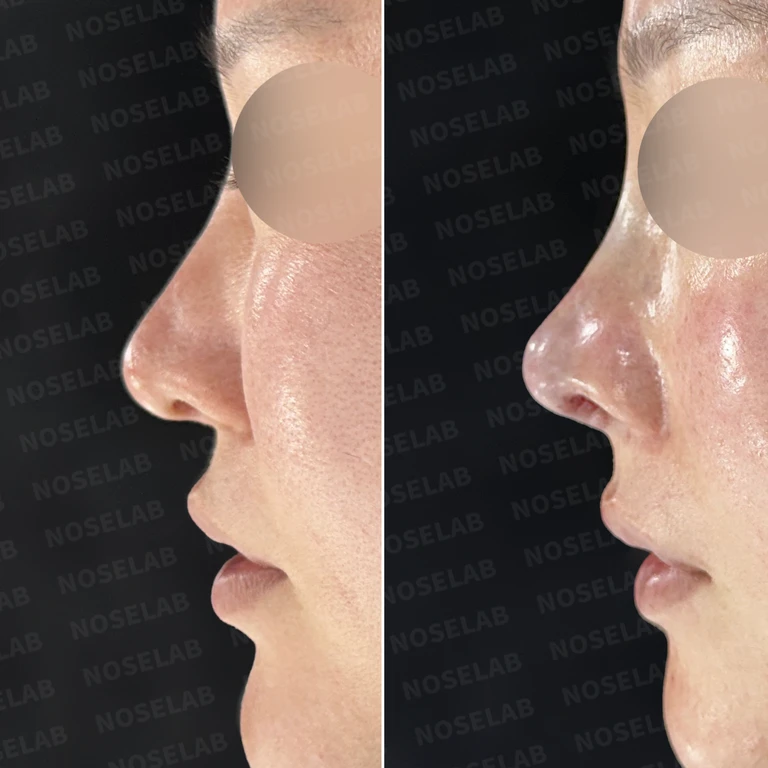
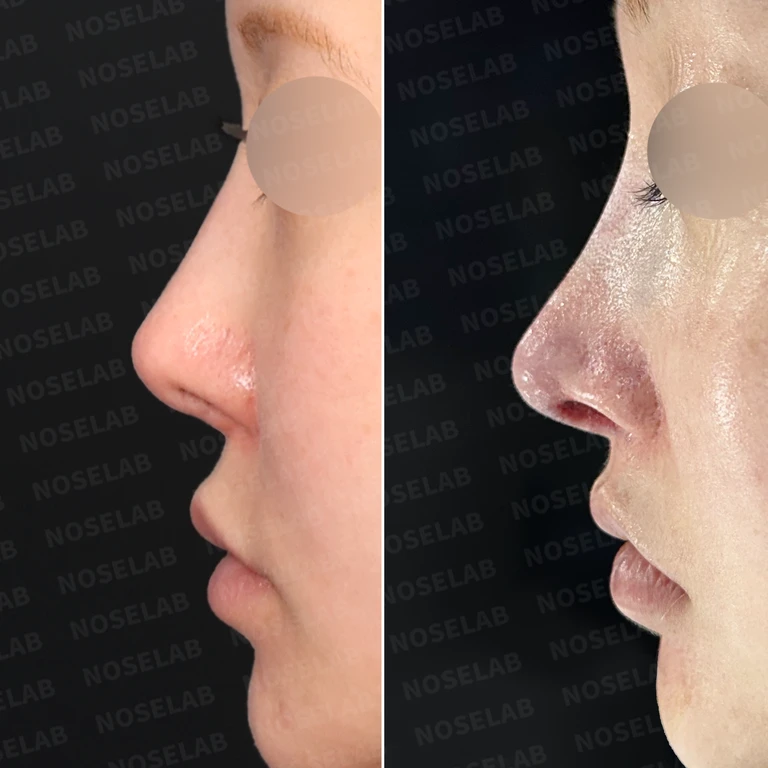
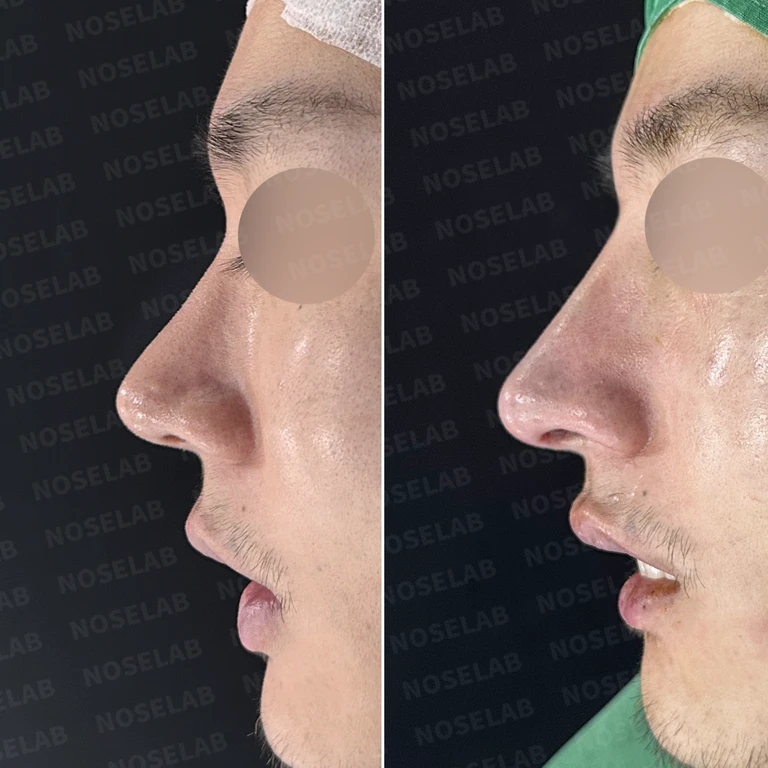
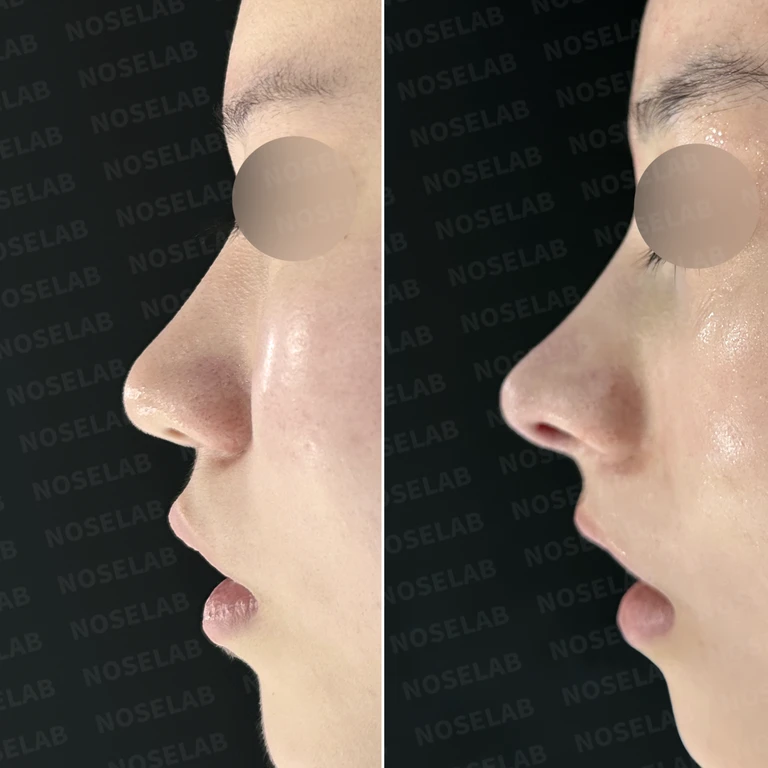
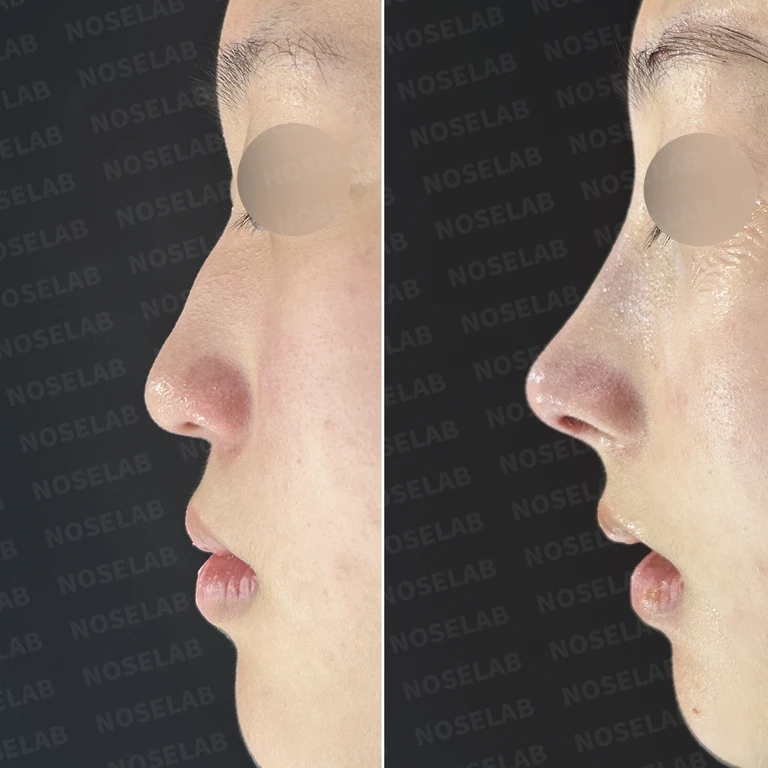
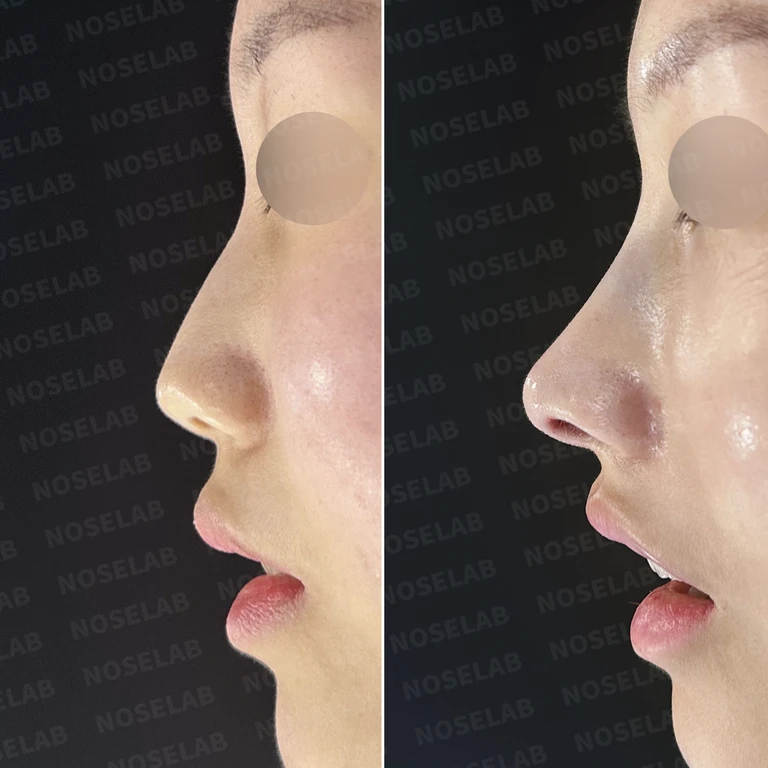
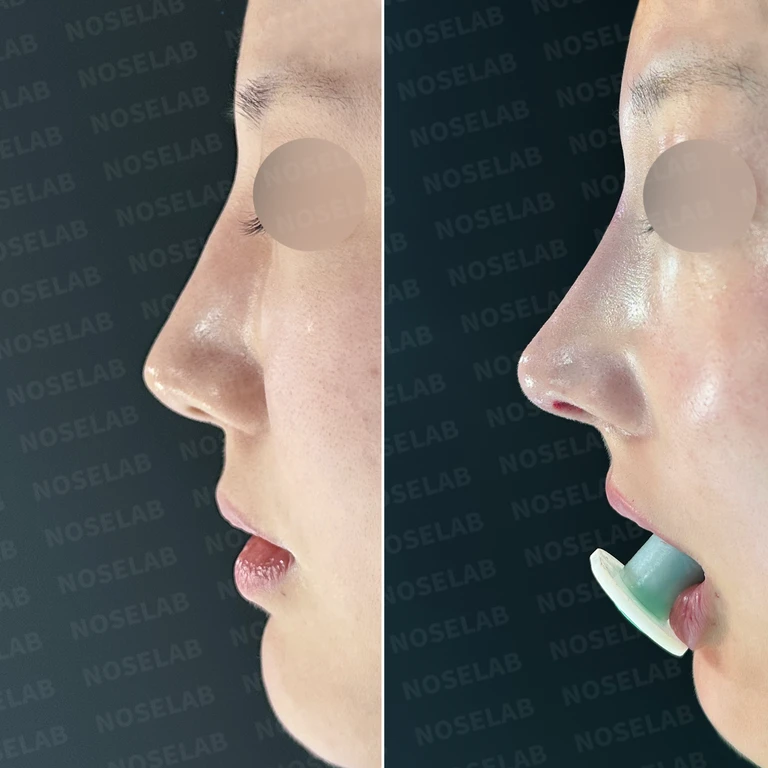
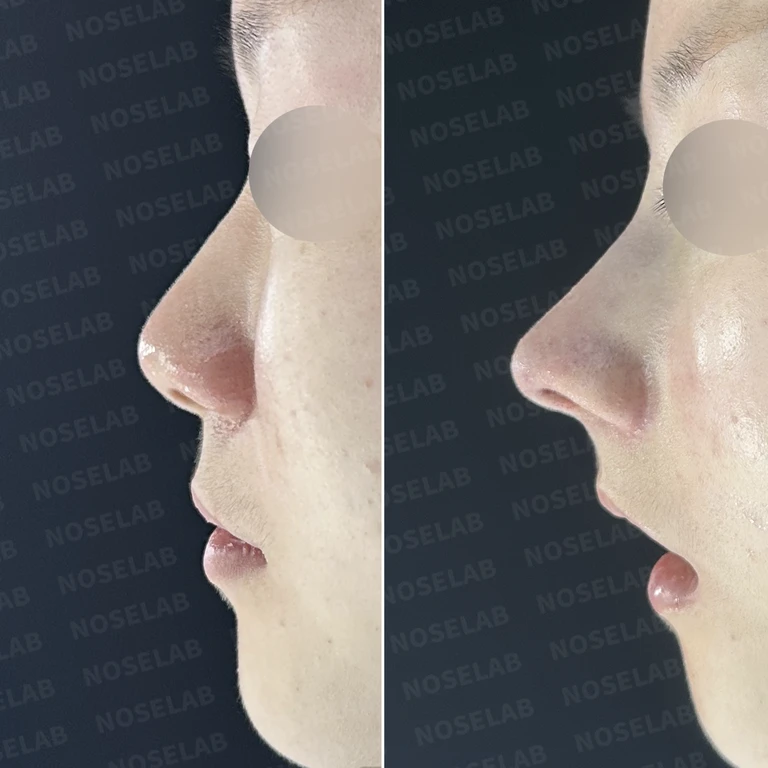
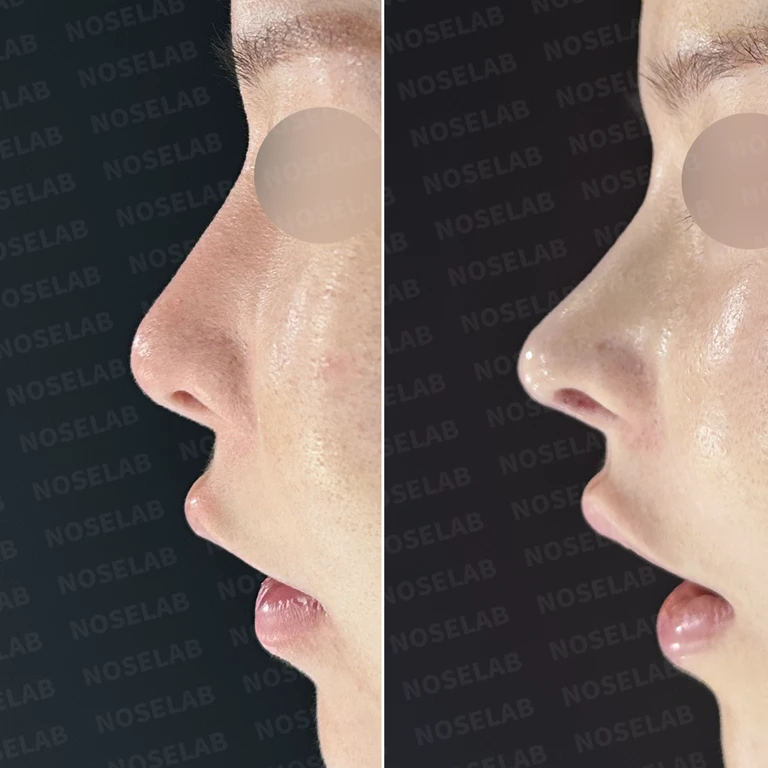
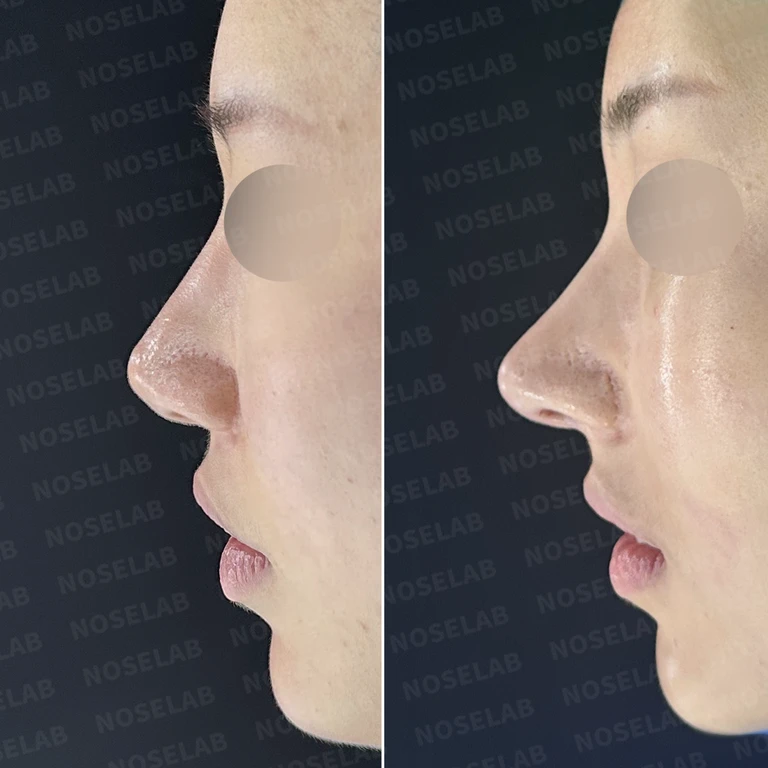
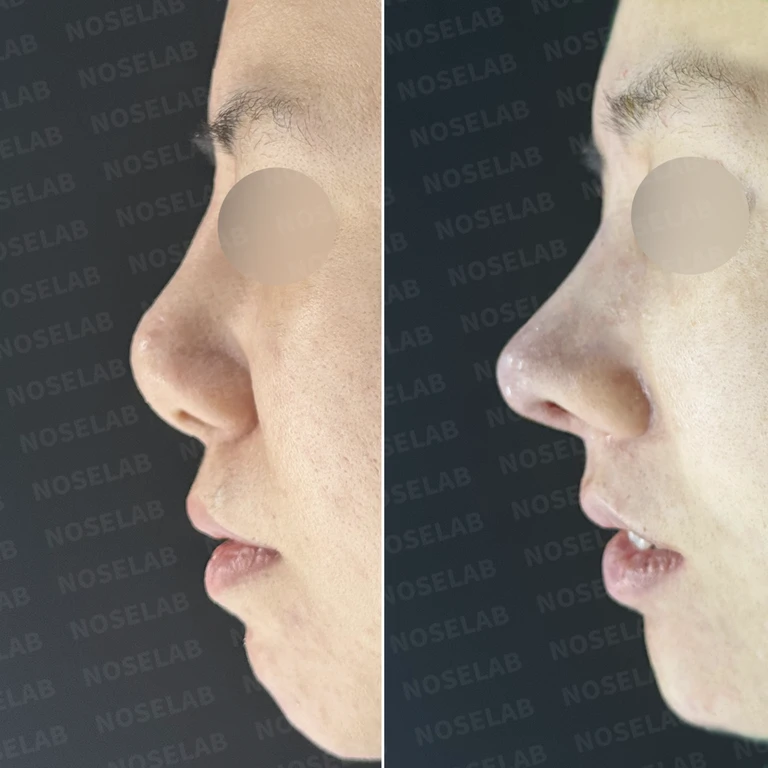
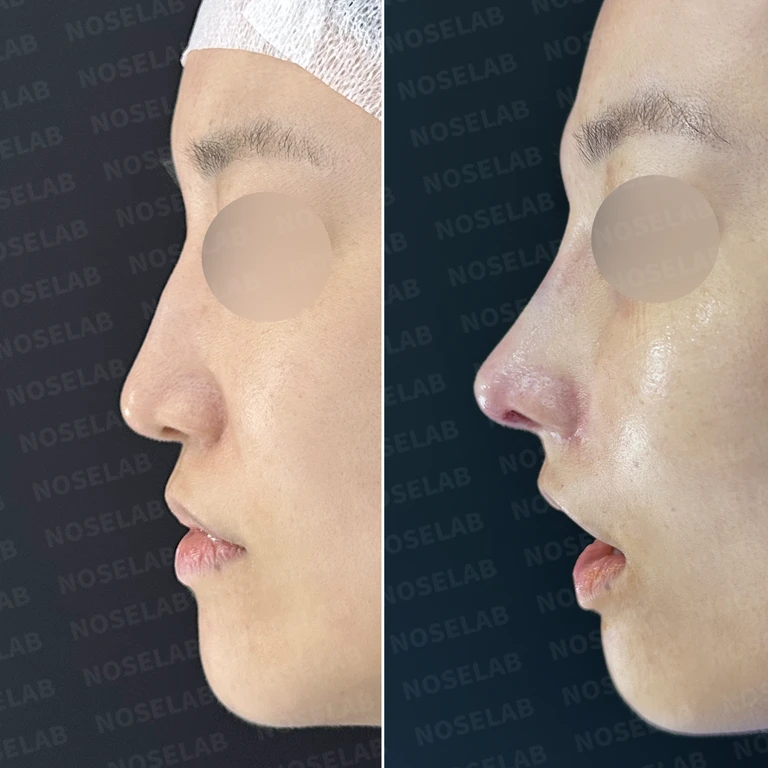
The description of a nasal bridge appearing splayed does not always refer to the same underlying condition. In one patient, a broad nasal tip and bridge were documented alongside drooping and deviation, while in another patient, residual filler in the glabella and granulation tissue on the bridge were identified. It is important to review both the wide appearance in the photos and the clinical findings documented beneath them.

In this case collection, you can compare not only the width from the front view, but also the tilt of the nasal tip and the surface texture of the glabella and bridge. In particular, for revision rhinoplasty articles, look at both the removal of previously placed materials and how the nasal bones or cartilages were addressed during this surgery. Even when patients desired a similarly slim impression, the starting points identified during surgery were different.

View before-and-after cases ↓Comprehensive rhinoplasty guide

Searching for surgical cases matching your criteria.
Why a high radix makes the nose look long and overly prominent — Before-and-after comparison
Before-and-after comparison

Why a high radix makes the nose look long and overly prominent

Following prior surgeries, a bulbous and drooping long nose with an excessively high radix and nasal obstruction was corrected using a closed approach. Scar tissue debridement, osteotomy, nasolabial angle correction, and septoplasty were performed concurrently.

Preoperative condition
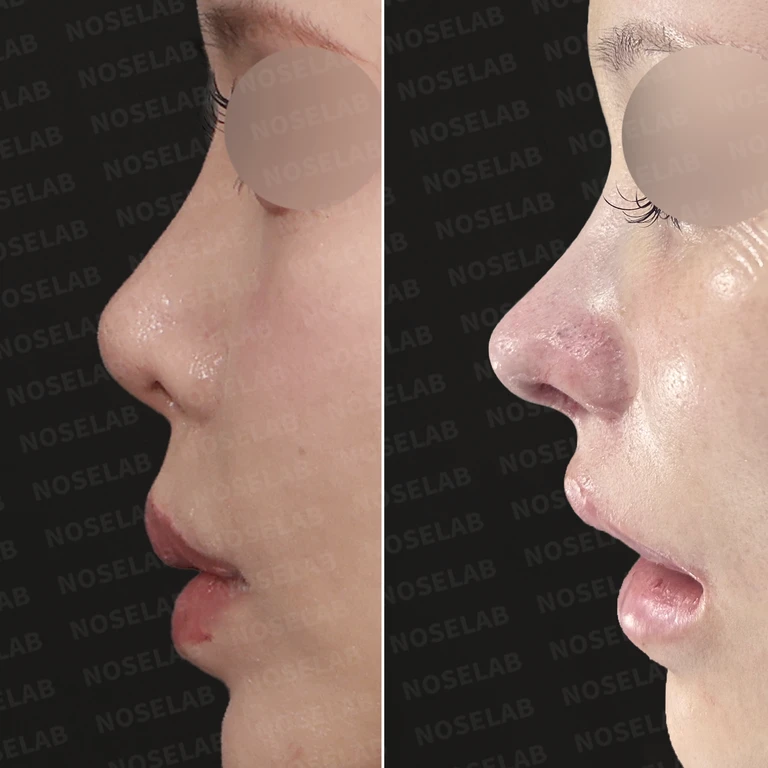
Why rib cartilage reconstruction is needed when the septum is weak, even in primary rhinoplasty — Before-and-after comparison
Before-and-after comparison

Why rib cartilage reconstruction is needed when the septum is weak, even in primary rhinoplasty

A case of correcting a short, upturned nasal tip and a pinched nostril caused by congenital septal cartilage weakness. Autologous rib cartilage was used to reconstruct the septum and lower lateral cartilage, combined with lowering the nostril rim and lateral osteotomy.

Preoperative condition · Postoperative record
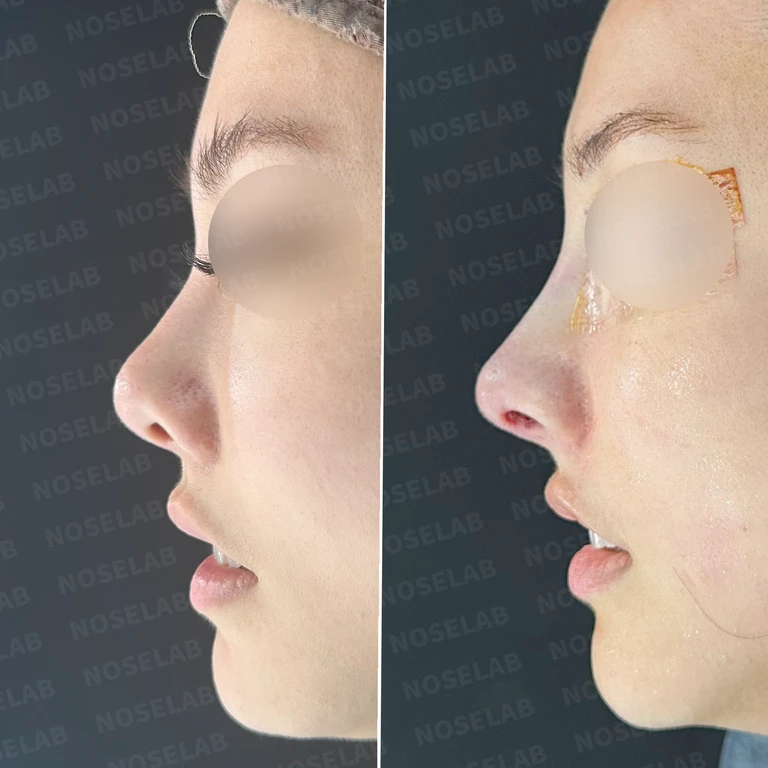
Why a nose operated on twice looks long and drooping, and how septal reconstruction using rib cartilage is performed — Before-and-after comparison
Before-and-after comparison

Why a nose operated on twice looks long and drooping, and how septal reconstruction using rib cartilage is performed

A revision rhinoplasty case where the septum was depleted due to excessive cartilage use in prior surgeries. The septum was reconstructed using autologous rib cartilage, a cartilage fragment on the bridge was removed, and silicone implant replacement was combined with osteotomy.

Preoperative condition · Postoperative record
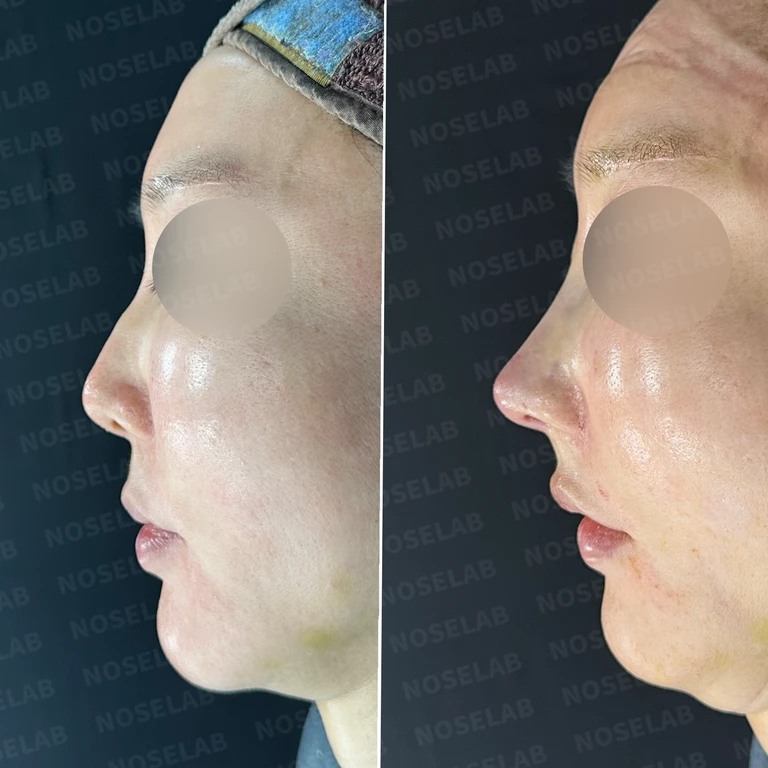
Why the nasal tip deviates to one side after rhinoplasty and methods for reconstructing its support structure — Before-and-after comparison
Before-and-after comparison

Why the nasal tip deviates to one side after rhinoplasty and methods for reconstructing its support structure

Septal cartilage damaged from previous surgeries was reconstructed using autologous rib cartilage, and the lower lateral cartilages were restored. Lateral osteotomy and rhinitis surgery were performed concurrently to correct the crooked nose and nostril asymmetry.

Preoperative condition
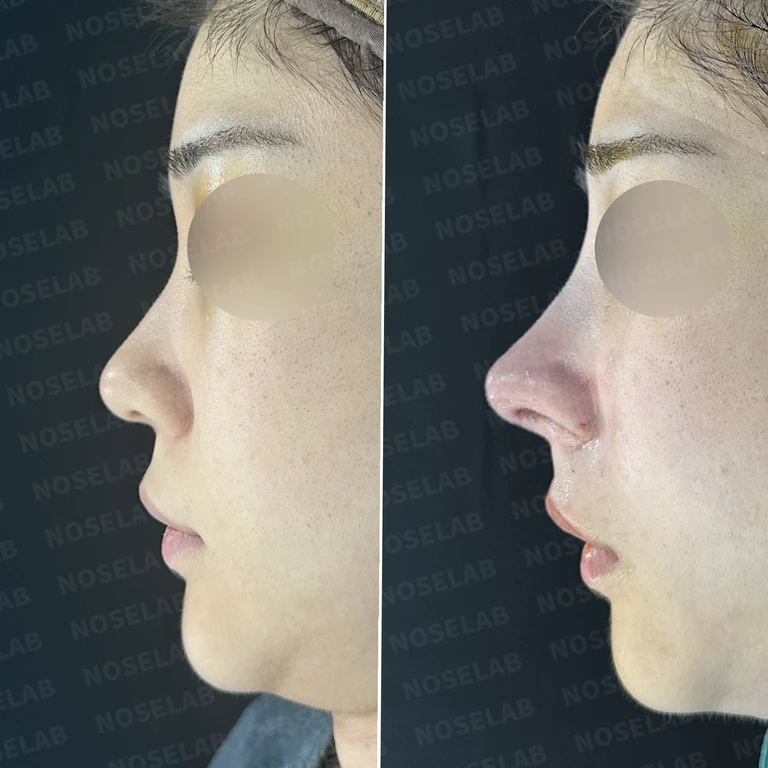
Why a nose can look short and upturned after repeated surgeries, and how rib cartilage tip extension works — Before-and-after comparison
Before-and-after comparison

Why a nose can look short and upturned after repeated surgeries, and how rib cartilage tip extension works

Through a closed approach, a nose that became low, upturned, and showed excessive nostril exposure after silicone implant removal was refined using autologous rib cartilage tip extension, nasal bridge height restoration, and correction of the nasolabial angle to 90 degrees.

Preoperative condition

Why a nose looks bulbous or pug-like, and how to refine both the nasal tip cartilage and nasal bones together — Before-and-after comparison
Before-and-after comparison

Why a nose looks bulbous or pug-like, and how to refine both the nasal tip cartilage and nasal bones together

A blunt, pug-like nose, retracted columella, and wide nasal bridge were transformed into a slim, three-dimensional profile using autologous rib cartilage tip plasty, columellar lowering, lateral osteotomy, and cartilage reduction with suturing.

Preoperative condition · Postoperative record

Why small lower lateral cartilages cause a drooping tip: rib cartilage reinforcement and osteotomy methods — Before-and-after comparison
Before-and-after comparison

Why small lower lateral cartilages cause a drooping tip: rib cartilage reinforcement and osteotomy methods

A drooping nasal tip and crooked dorsal hump caused by small lower lateral cartilages were refined through autologous rib cartilage support reinforcement, lateral osteotomy, a silicone implant, and nasolabial angle correction.

Preoperative condition · Postoperative record

Why the nasal bridge deviates and the tip appears drooping: How to correct it using only cartilage without implants — Before-and-after comparison
Before-and-after comparison

Why the nasal bridge deviates and the tip appears drooping: How to correct it using only cartilage without implants

For a patient who wanted primary rhinoplasty without artificial implants, lateral osteotomy was performed to straighten the deviated nasal bones, and donor rib cartilage and septal cartilage were used to reinforce the bridge and reshape the nasal tip.

Preoperative condition · Postoperative record

Why nasal bone deviation and dorsal humps remain after rhinoplasty: lateral osteotomy and autologous rib cartilage correction methods — Before-and-after comparison
Before-and-after comparison

Why nasal bone deviation and dorsal humps remain after rhinoplasty: lateral osteotomy and autologous rib cartilage correction methods

To correct the residual deviated nasal bone, dorsal hump, and nasal obstruction remaining after a previous silicone rhinoplasty, the existing implant was removed and lateral osteotomy, autologous rib cartilage tip plasty, and septoplasty were performed.

Preoperative condition · Postoperative record

Why the nasal bridge looks wide and the tip looks bulbous: how osteotomy and autologous rib cartilage correction work — Before-and-after comparison
Before-and-after comparison

Why the nasal bridge looks wide and the tip looks bulbous: how osteotomy and autologous rib cartilage correction work

A case of minimally correcting a deviated, small, and thin septum, then refining a wide nasal bridge and bulbous tip using lateral osteotomy, a custom-carved silicone implant, and autologous rib cartilage tip plasty.

Preoperative condition · Postoperative record

Why the nose flattens and widens after double-jaw surgery, and septal reconstruction — Before-and-after comparison
Before-and-after comparison

Why the nose flattens and widens after double-jaw surgery, and septal reconstruction

After double-jaw surgery weakened the septum, the nose became lower and wider; we reinforced it through septal reconstruction with autologous rib cartilage and completed a smooth profile using a customized silicone implant.

Preoperative condition

Why nasal tip cartilage shows through the skin and how dermis grafting reinforces it — Before-and-after comparison
Before-and-after comparison

Why nasal tip cartilage shows through the skin and how dermis grafting reinforces it

For a nose showing cartilage show-through through thinned skin, a widened nasal bridge, and nasal obstruction 7 years after surgery, autologous dermis reinforcement, autologous rib cartilage tip plasty, lateral osteotomy, and septoplasty were performed.

Preoperative condition · Postoperative record

Contracture causing the nose to harden and shorten after previous surgery: why it occurs and how it is reconstructed — Before-and-after comparison
Before-and-after comparison

Contracture causing the nose to harden and shorten after previous surgery: why it occurs and how it is reconstructed

For capsular contracture, septal damage, and asymmetric nasal bones following previous surgery, the implant and capsule were removed, and septal reconstruction, lateral osteotomy, and nasal bridge augmentation with autologous rib cartilage were performed.

Preoperative condition · Postoperative record

Why artificial dermis on the nasal bridge can remain as a dorsal hump and how it is reconstructed after removal — Before-and-after comparison
Before-and-after comparison

Why artificial dermis on the nasal bridge can remain as a dorsal hump and how it is reconstructed after removal

In a case where residual artificial dermis from a previous procedure formed a dorsal hump and weakened the septal support, the artificial dermis was dissected and removed, lateral osteotomy and dorsal hump reduction were performed, the nasal tip was reconstructed using autologous rib cartilage, and the silicone implant was replaced.

Preoperative condition

Why an autologous dermal graft absorbs, leading to a widened bridge and upturned nose, and how to correct it — Before-and-after comparison
Before-and-after comparison

Why an autologous dermal graft absorbs, leading to a widened bridge and upturned nose, and how to correct it

A case of an upturned nose and widened bridge caused by dermal graft absorption. After removing nasal filler placed 2 years ago, a straight bridge line was established through septal extension, alar rim lowering, and correction of the depressed dorsum.

Preoperative condition · Postoperative record

Why the glabella widens and the nasal tip upturns after repeated filler and thread treatments — Before-and-after comparison
Before-and-after comparison

Why the glabella widens and the nasal tip upturns after repeated filler and thread treatments

Foreign materials that had widened the glabella along with the previous implant were removed, and the upturned nose was corrected through partial septal reconstruction using autologous rib cartilage and nasolabial angle adjustment.

Preoperative condition · Postoperative record

Why a dorsal hump can reappear and nostrils become visible after hump reduction — Before-and-after comparison
Before-and-after comparison

Why a dorsal hump can reappear and nostrils become visible after hump reduction

Correction of a residual dorsal hump and excessive nostril show 17 years after hump surgery using residual filler removal, lateral osteotomy, and autologous rib cartilage septal extension.

Preoperative condition

Why the nose looks bulbous and spread out, and how to correct the nasolabial angle and columella — Before-and-after comparison
Before-and-after comparison

Why the nose looks bulbous and spread out, and how to correct the nasolabial angle and columella

A wide, blunt nasal bridge, drooping nasal tip, and retracted columella were corrected into a slim, three-dimensional profile using septal extension with autologous rib cartilage, nasolabial angle correction, and nostril sill reduction.

Preoperative condition · Postoperative record

No search results found

Please try searching with different keywords.

Scroll to keep reading

1 / 5Next case

Common questions before reading the cases

Is a splayed nasal bridge always documented as being caused by wide nasal bones?

No, it is not. In one original record, prior filler remnants were documented as the reason the glabella appeared high and splayed, and granulation tissue from a chronic foreign body reaction was noted on an uneven nasal bridge. Another case describes the width and asymmetry of both the nasal tip and bridge. Rather than determining the cause solely from the width seen in photos, it is important to review the examination and surgical findings of each case.

When comparing nasal bridge width, what else should I look for besides front-view photos?

Look at the documented nasal tip drooping, columella, and deviation. In one case, in addition to the splayed bridge and deviated nose on the front view, a drooping tip on the profile view and a retracted columella in the nostril view were described. This helps to see which areas were addressed together to change the wide appearance.

Related topics to explore

Bulbous nose / bulbous tipCrooked (deviated) noseOsteotomy and nasal bone correctionForeign body reaction

Surgical records referenced in this guide

  • How to correct nasal obstruction and a wide, spread-out nose
  • Foreign body removal and autologous rib cartilage revision rhinoplasty for chronic foreign body reaction and a long nose
  • Columellar retraction and contracted nose: Anatomy and reconstruction methods
Original article

Read more records

Planning a visit to Seoul?Prepare your consultation with the NOSELAB team.

International patient guideWhatsApp ↗
Dr. Peter C. Kang's Rhinoplasty Stories
Rhinoplasty guideCases by topicDr. Peter C. KangNaver Blog ↗
View original photo
Enlarged photo
WhatsAppChat with NOSELAB↗