Hello, I am Dr. Peter C. Kang.
Today, I will introduce a rhinoplasty case of a patient who wanted to improve a wide nasal bridge and a bulbous nasal tip.
🔍 Surgical history
This was the patient's first rhinoplasty.
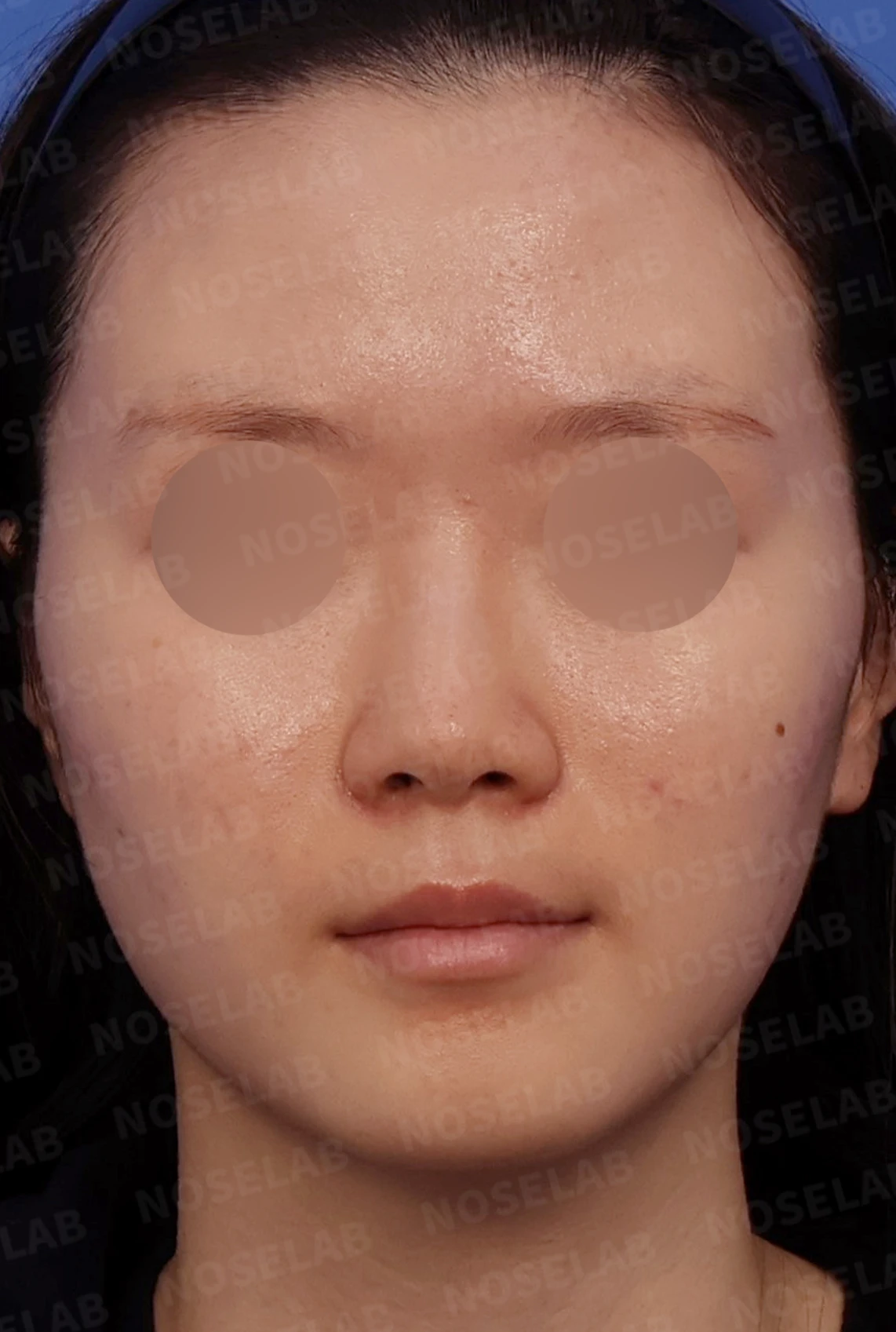
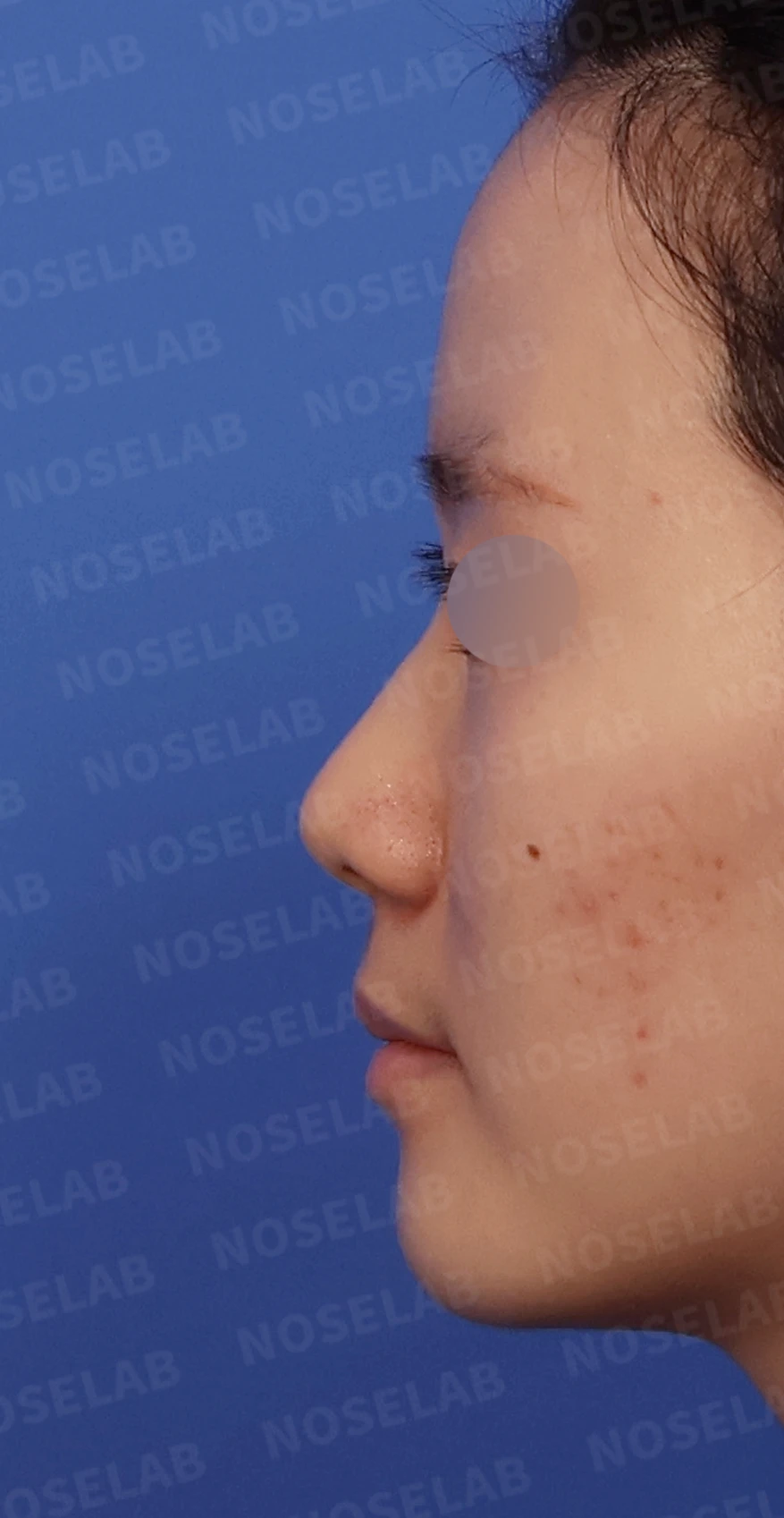
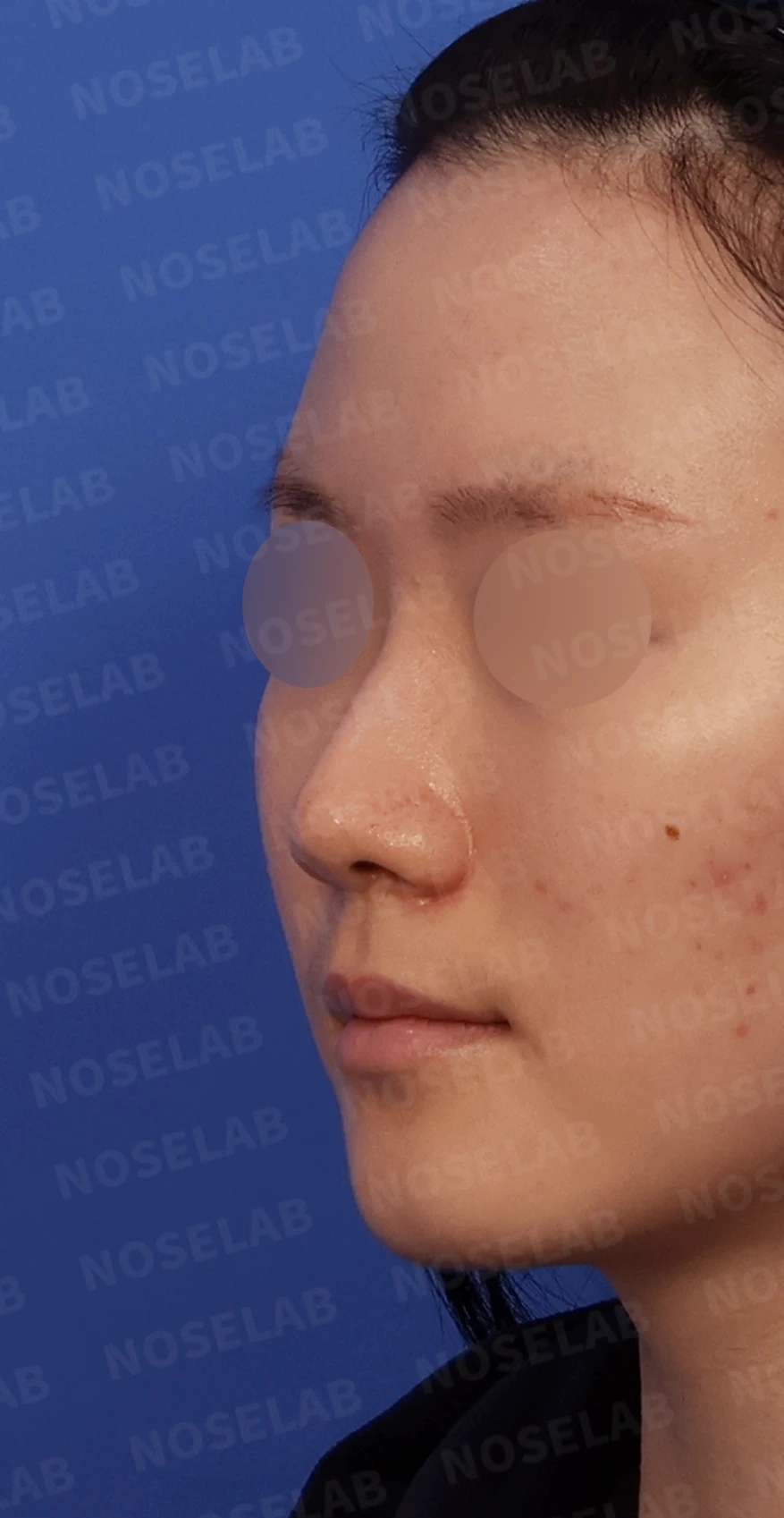
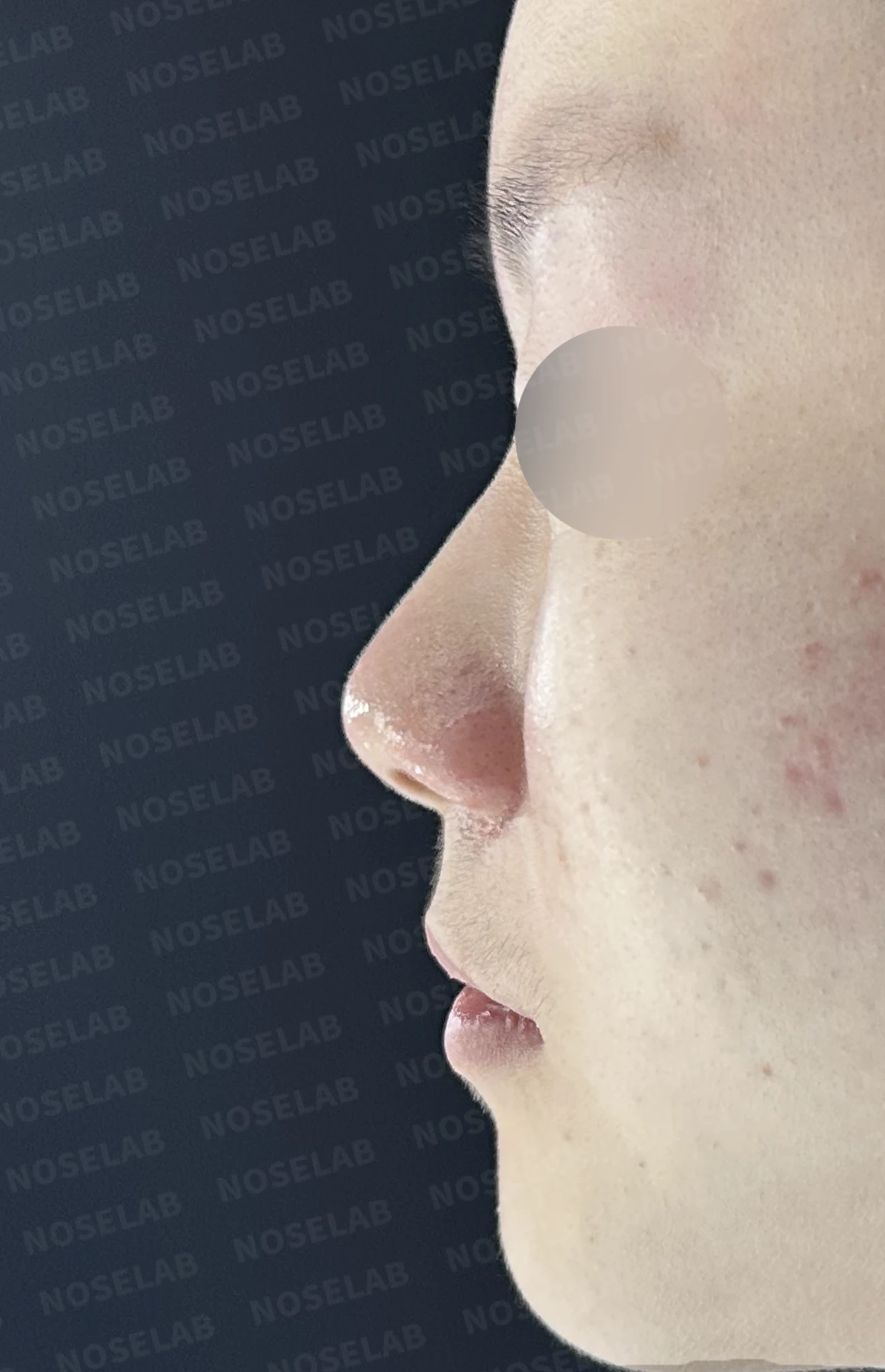
Front, left profile, and oblique views during design consultation.
💉 Patient requests
When the patient visited our clinic for consultation, the requests were as follows:
Improvement of bulbous nasal tip
Rounded rather than overly pointed
Desired an overall natural nasal shape
In particular, the patient had significant concerns about the bulbous appearance of the nasal tip and preferred a soft, natural tip rather than an overly sharp or pointed look.
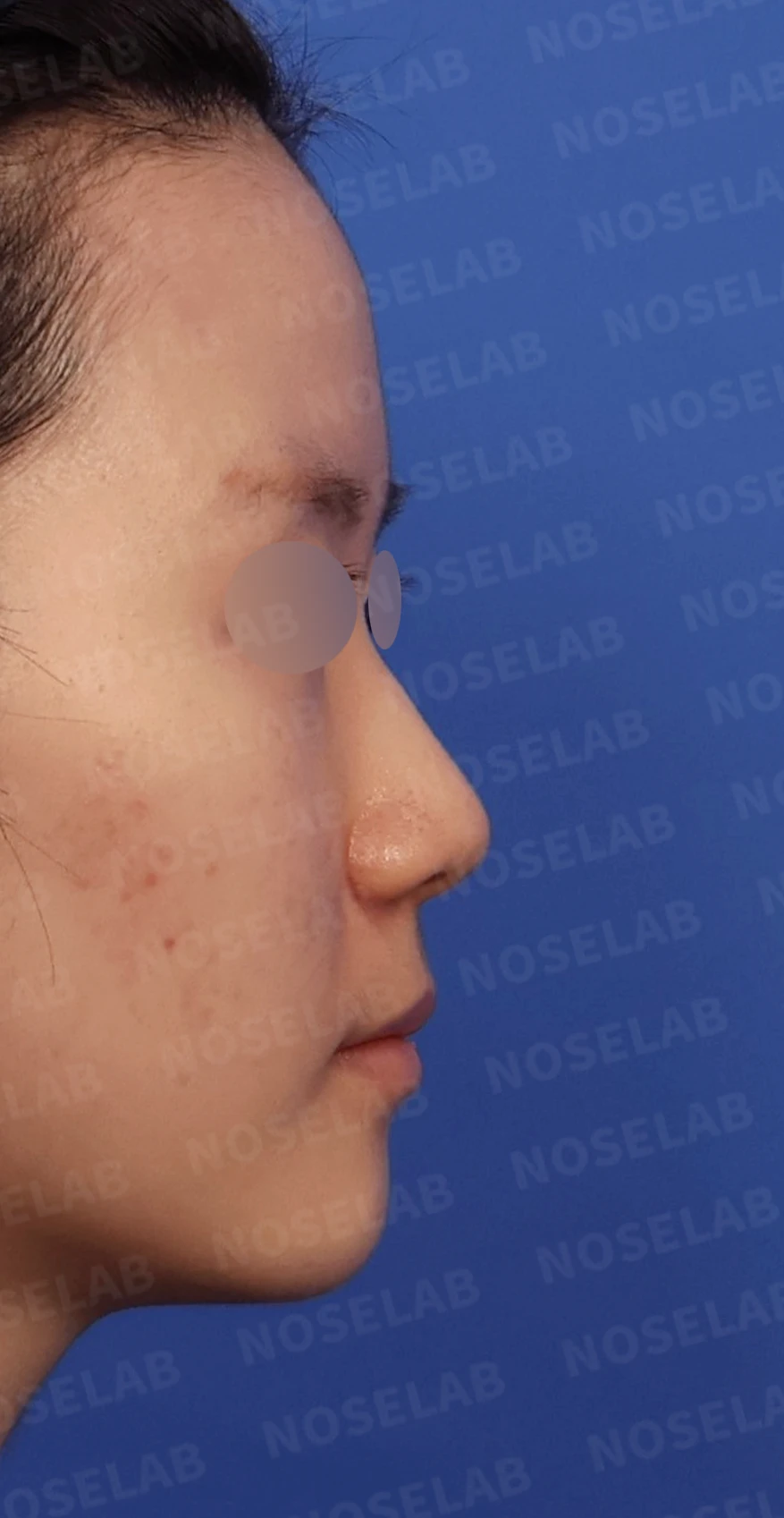
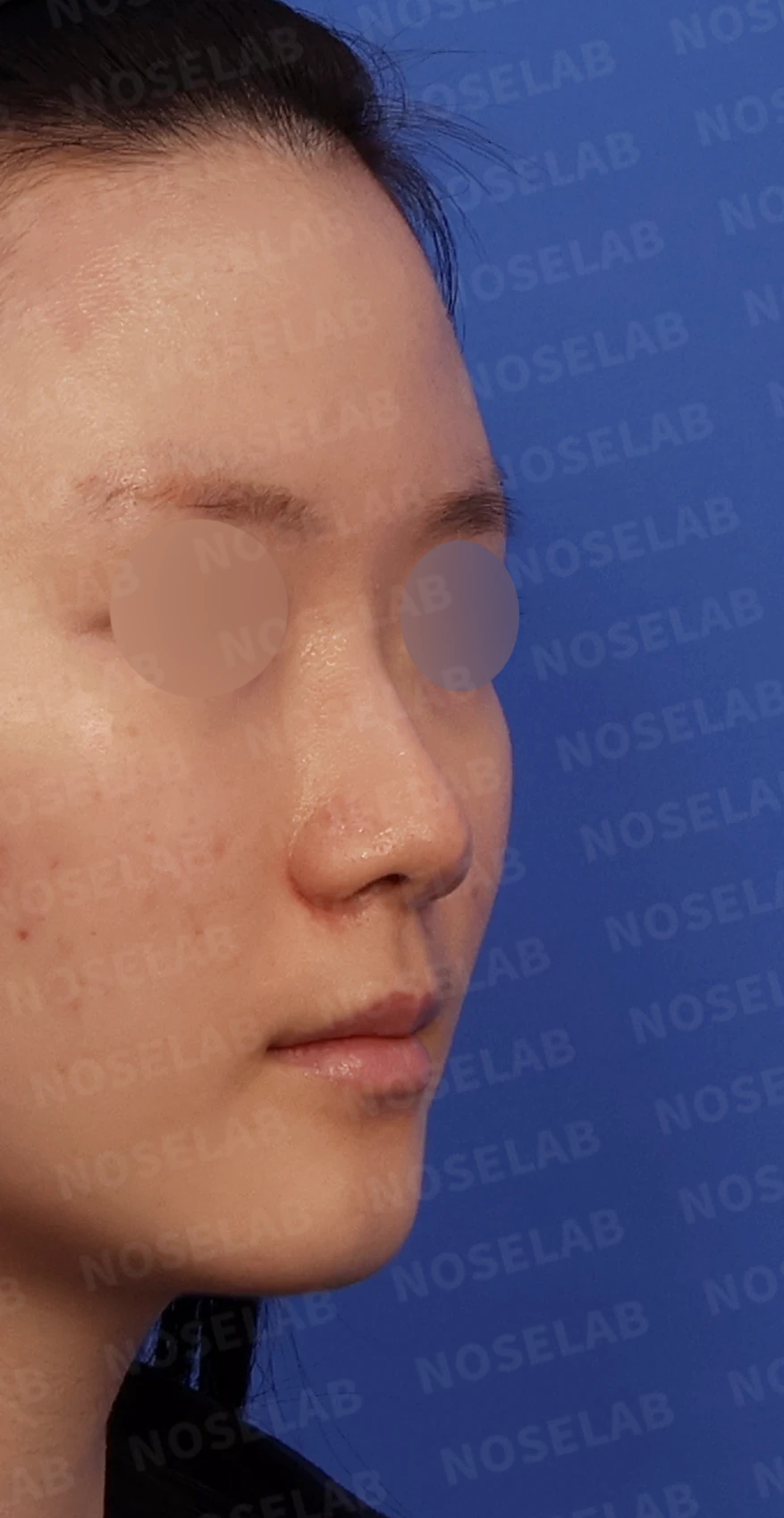
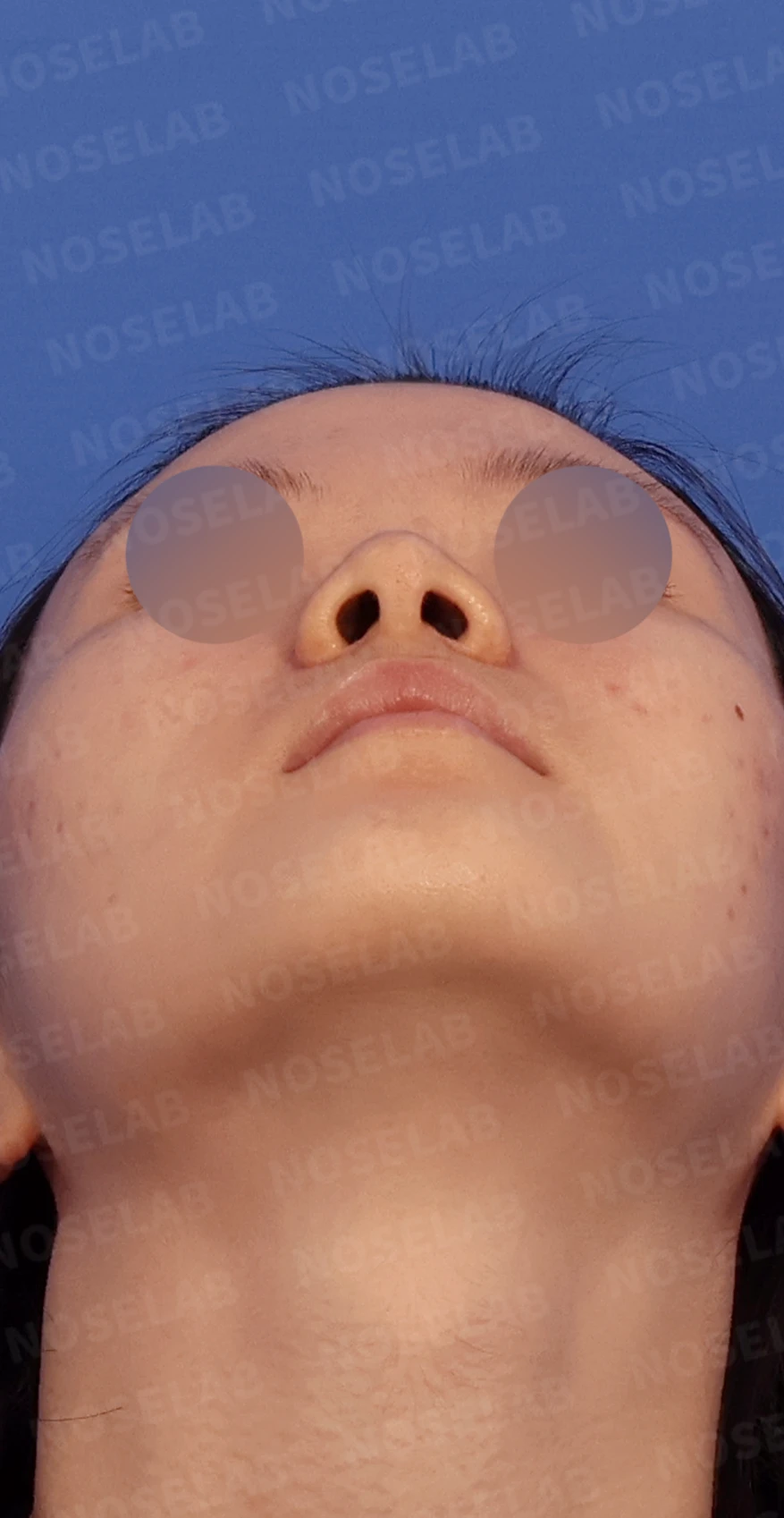
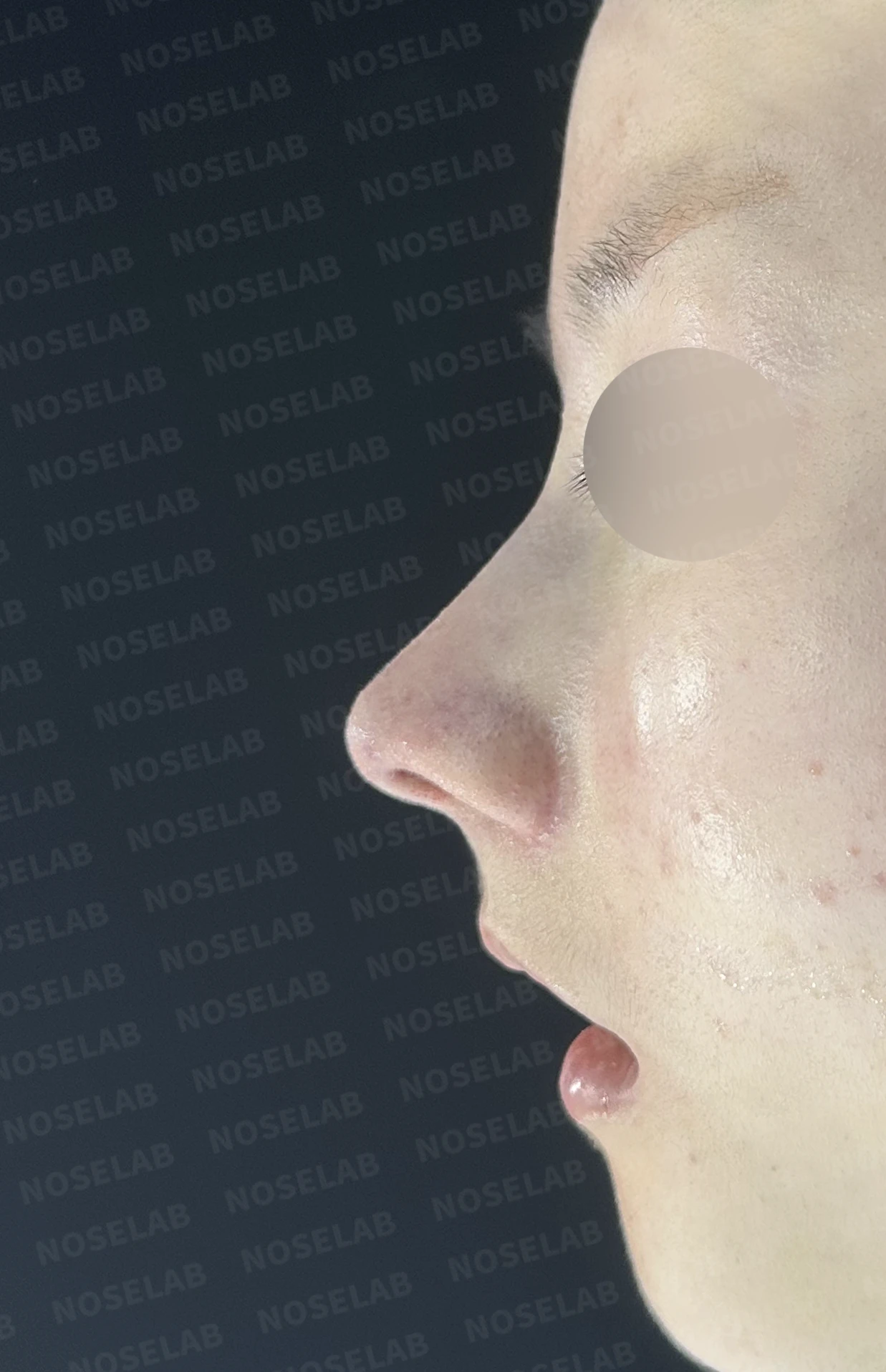
Right profile, oblique, and nostril views during design consultation.
🔧 Surgical plan and procedure
Upon checking the patient's septum in the operating room, the septal cartilage was deviated, thin, and small. Accordingly, I planned to minimally correct only the deviated segment and reconstruct the nasal tip using autologous rib cartilage.
1. Septoplasty
Selective correction of only the deviated portion of the septum
Maximum preservation of the thin, small septal cartilage
Performed strictly within a range that does not affect nasal function
2. Nasal tip plasty using autologous rib cartilage
Harvested autologous rib cartilage due to insufficient septal cartilage
Stable establishment of tip support
Refining the bulbous nasal tip into a natural, well-projected shape
Achieved the soft, rounded contour requested by the patient
3. Lateral osteotomy
Refined the wide-looking nasal bridge into a sleeker contour
Narrowed the nasal bone width to create a refined line
Natural transition between the nasal bridge and tip
4. Custom carving of the silicone implant
Silicone implant precisely carved to match the patient's nasal bone contours
Meticulously carved to fit the narrowed nasal bone contour after osteotomy
Smooth and natural nasal bridge line achieved
5. Nasolabial angle correction
Adjustment of the angle between the nose and the lips
Completed a more refined silhouette from the profile view
Improvement in overall facial balance
🌟 Surgical results
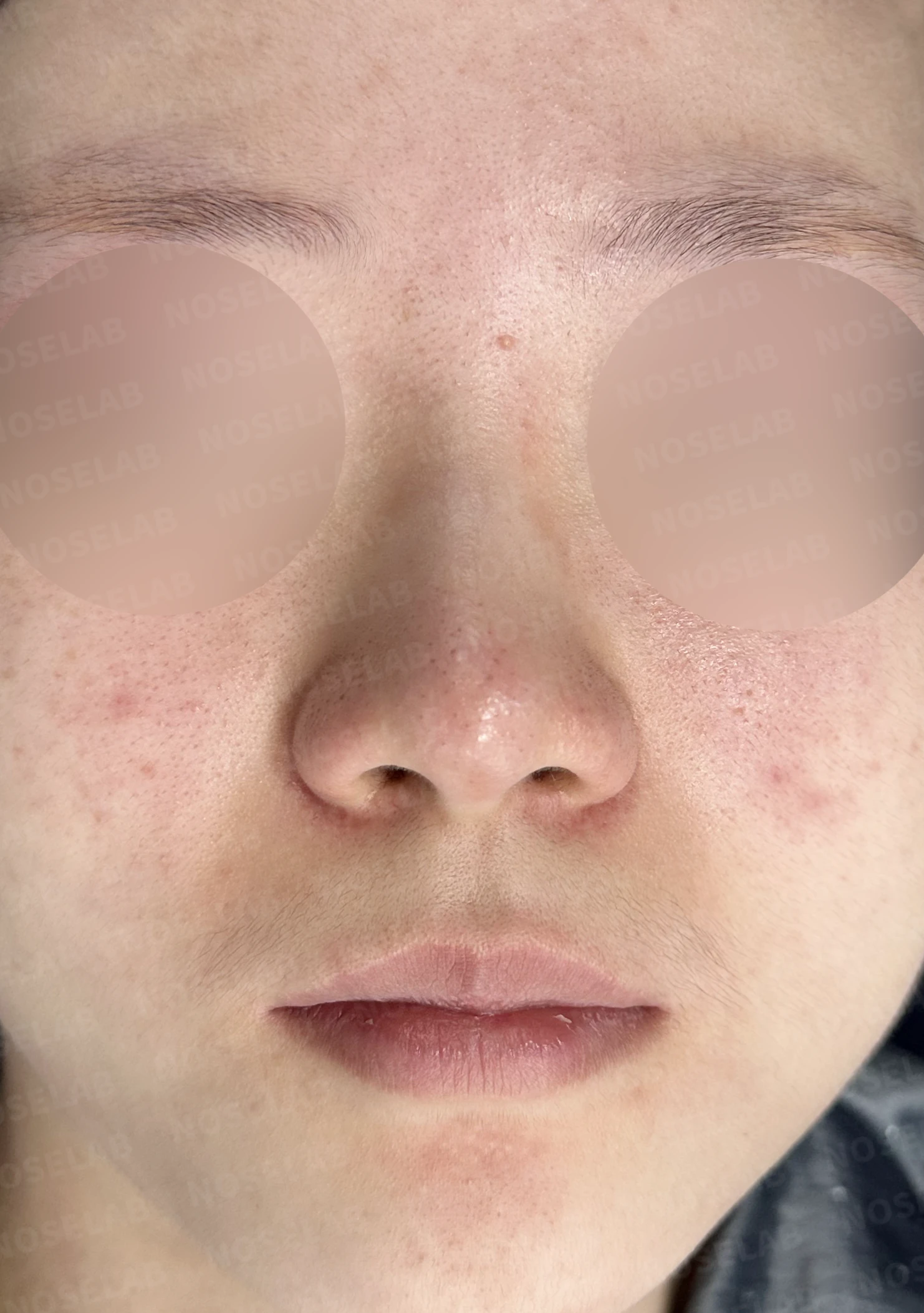
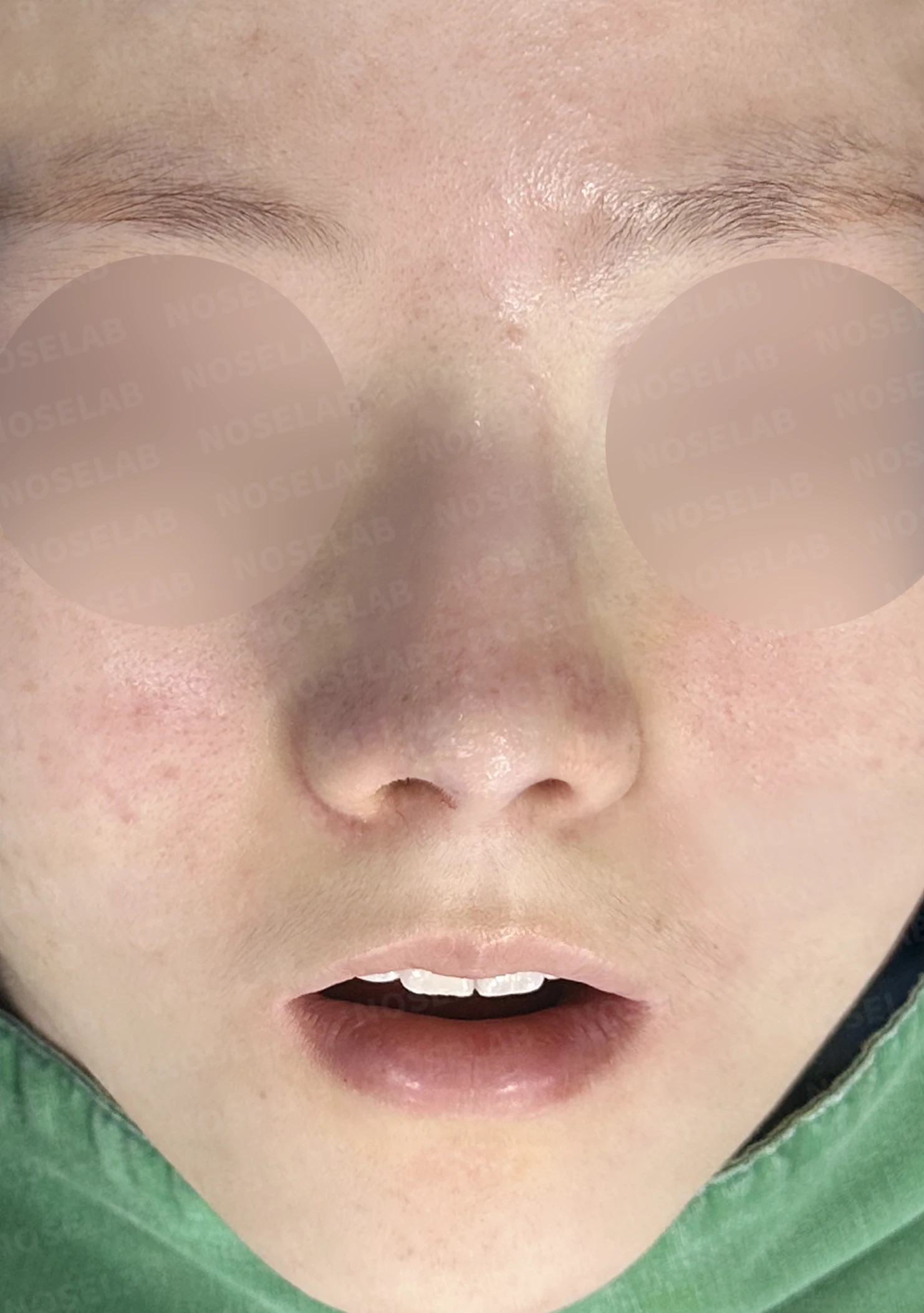
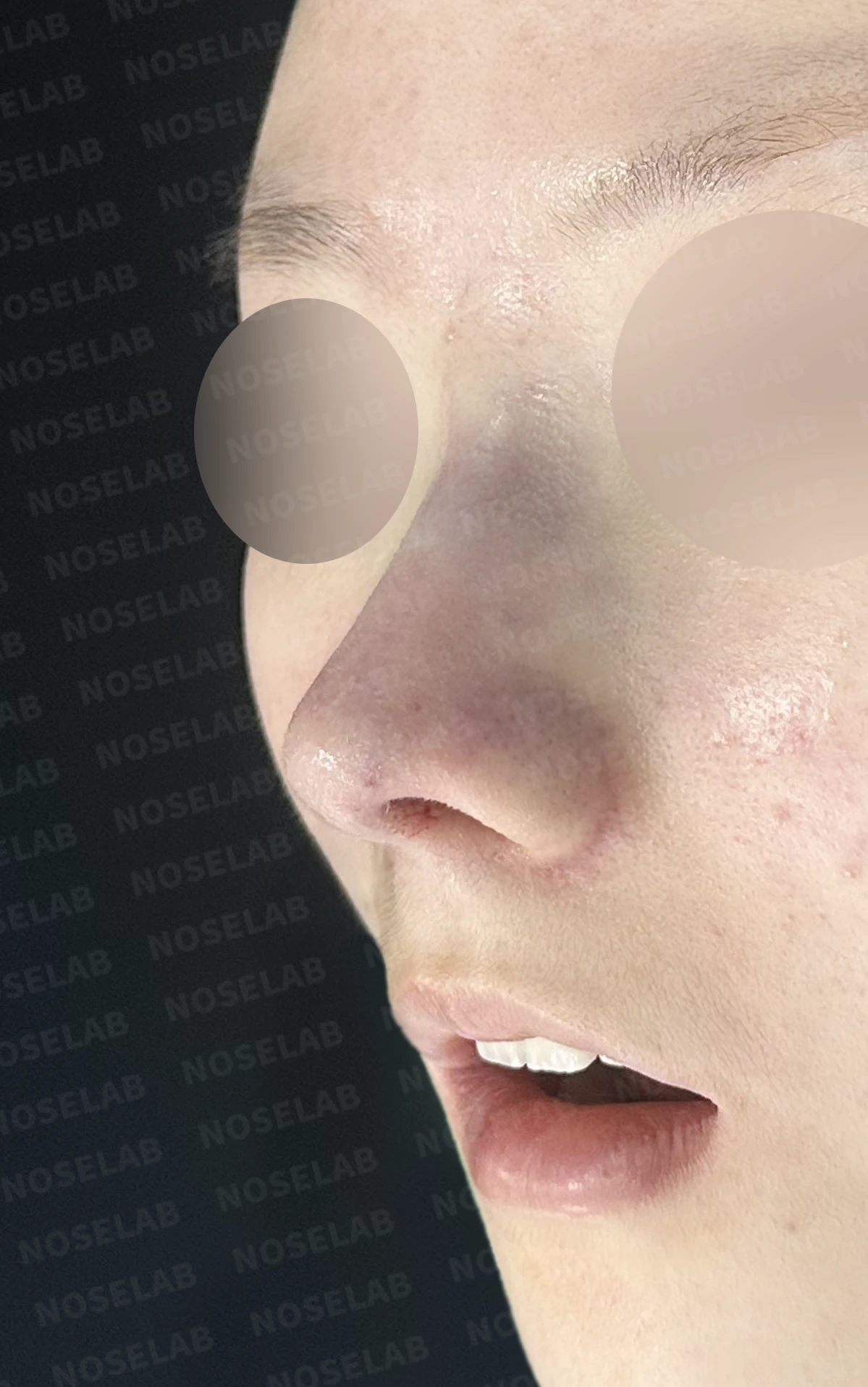
Before surgery / Day 0 immediately after surgery Photos taken immediately after surgery show swelling and may differ from the final result.
1. Frontal changes
The wide-looking nasal bridge was refined into a sleeker line
The bulbous nasal tip was naturally contoured
An overall refined and neat impression
Before surgery / Day 0 immediately after surgery Photos taken immediately after surgery show swelling and may differ from the final result.
2. Profile changes
A well-projected yet soft nasal tip line
A refined profile through nasolabial angle correction
A natural transition between the nasal bridge and tip
Before surgery / Day 0 immediately after surgery Photos taken immediately after surgery show swelling and may differ from the final result.
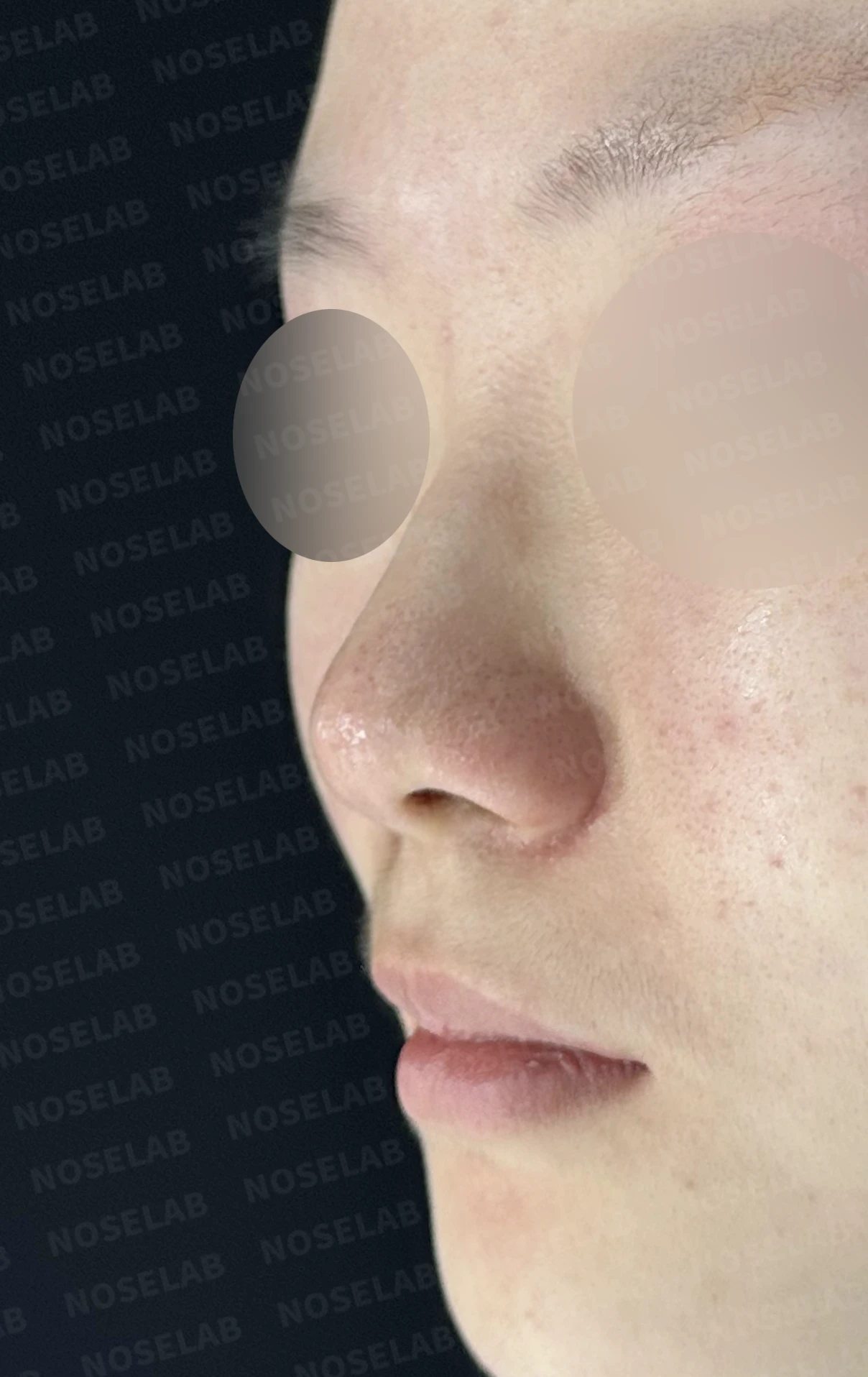
3. Changes in the nasal tip
Bulbousness was improved, creating a well-defined look
A natural shape without excessive sharpness
The soft, rounded nasal tip that the patient desired
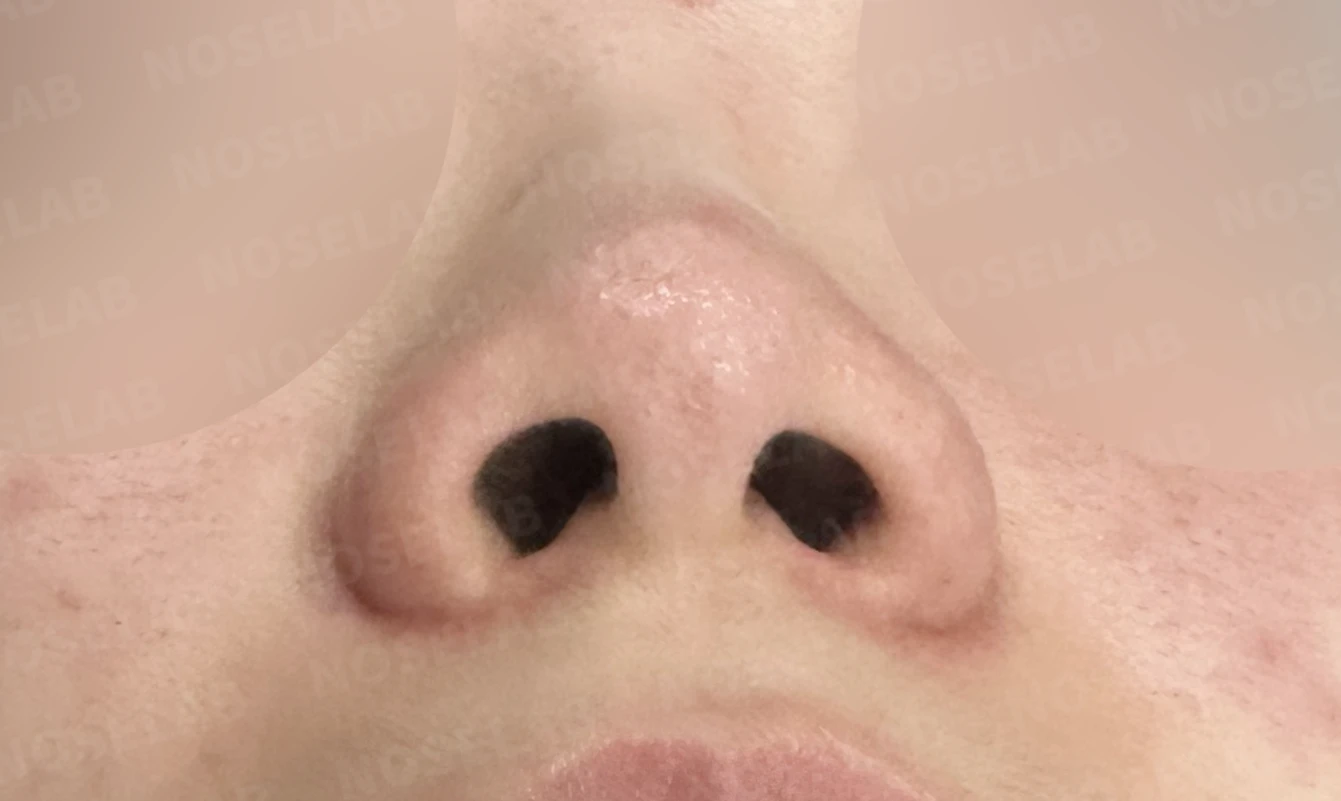
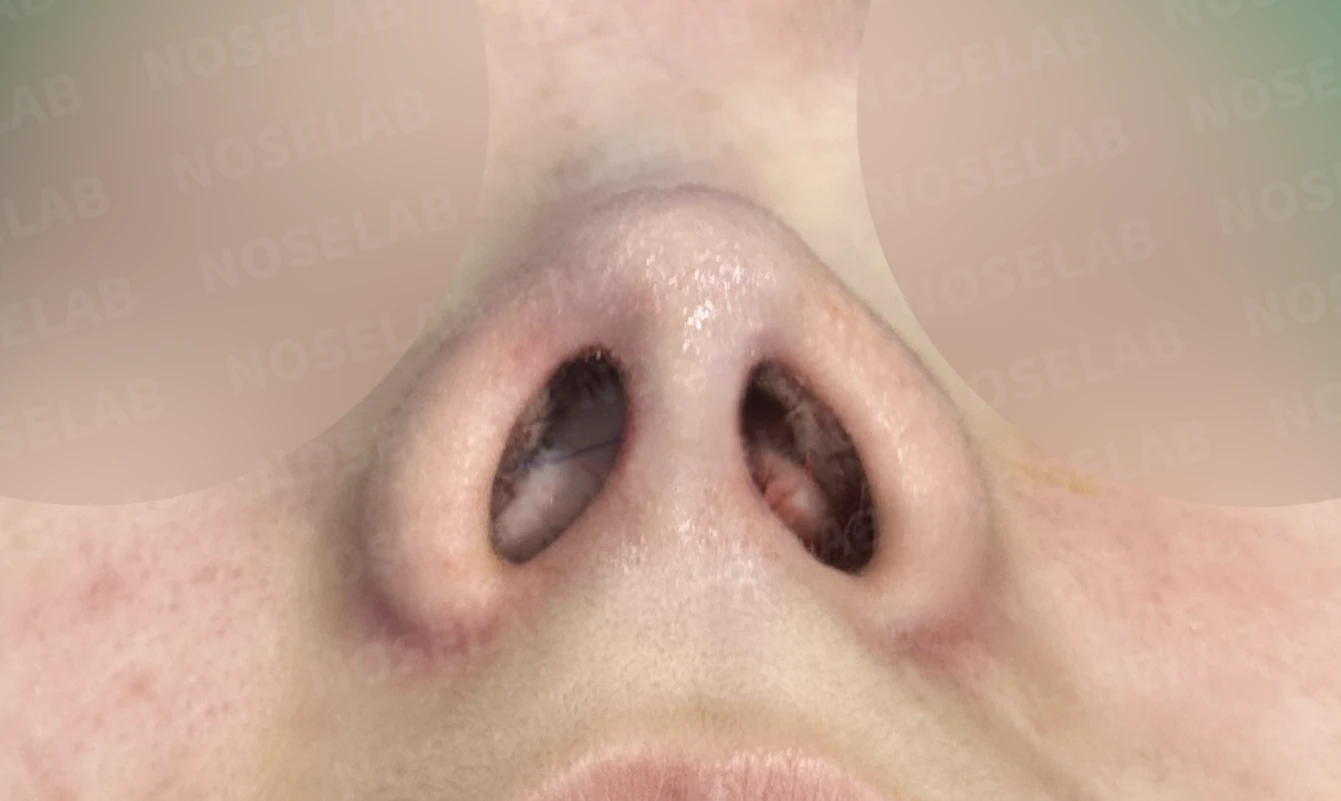
Before surgery / Day 0 immediately after surgery Photos taken immediately after surgery show swelling and may differ from the final result.
💡 Specialist opinion
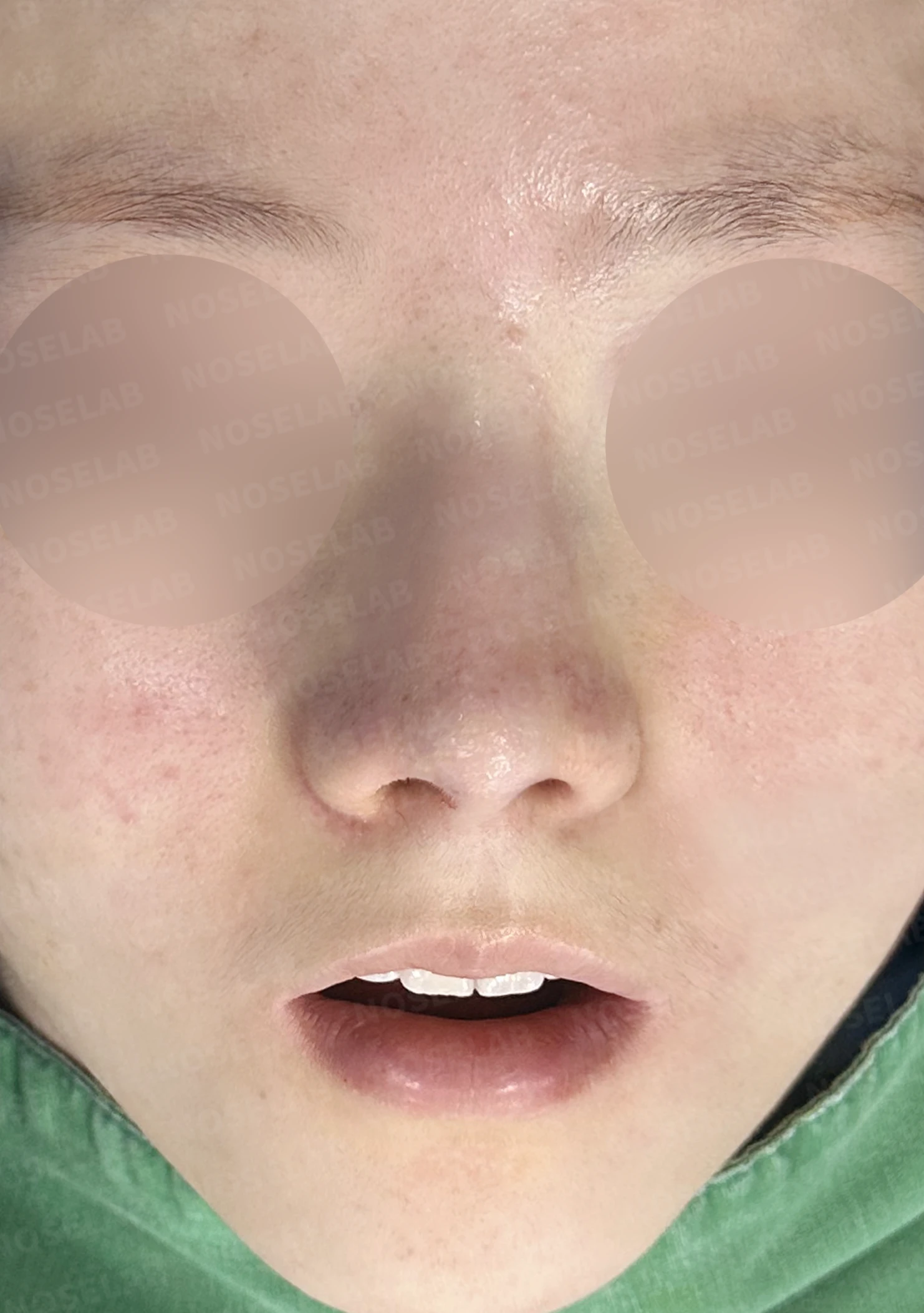
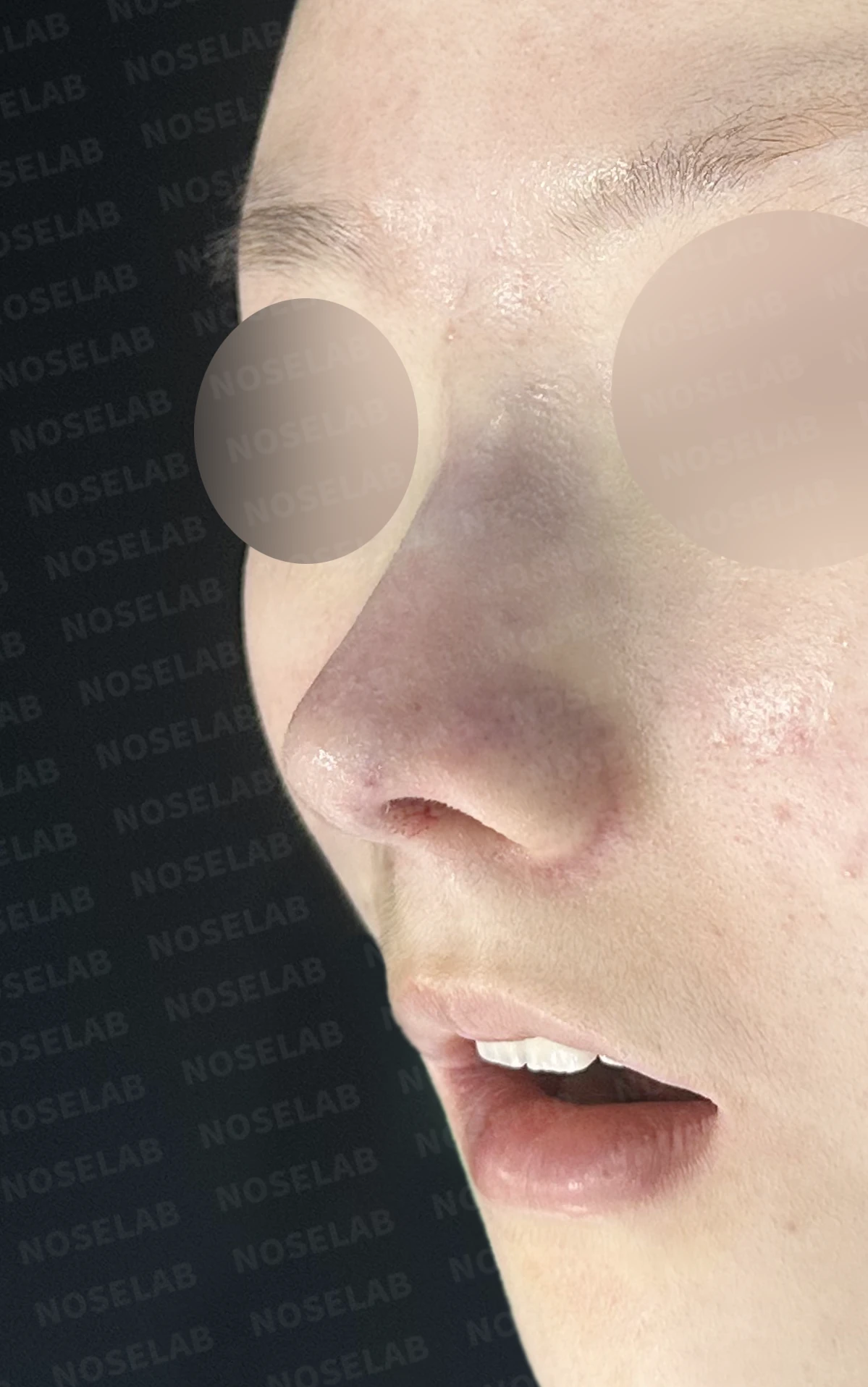
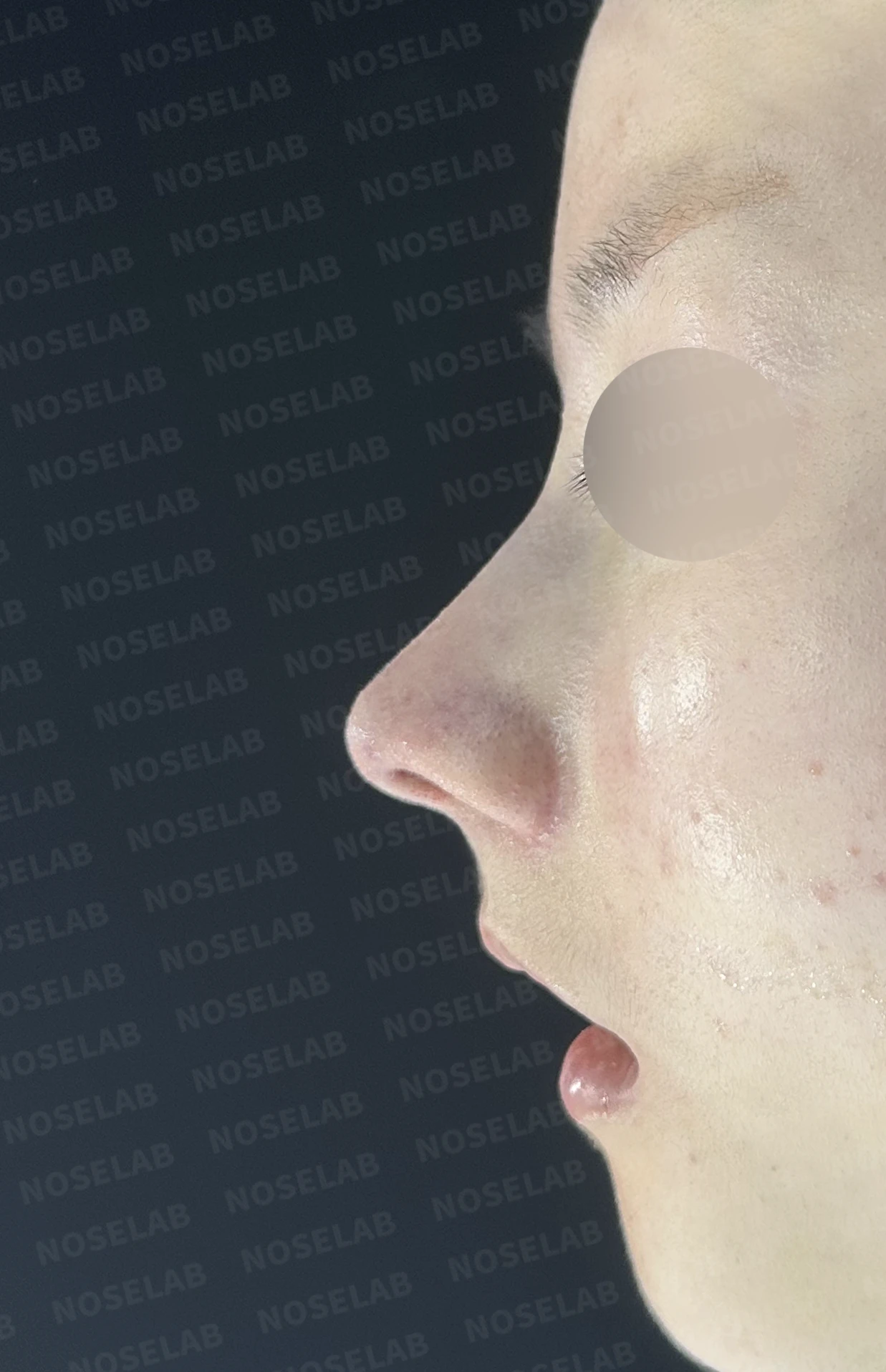
Front, oblique, and profile views on day 0 immediately after surgery. Photos taken immediately after surgery show swelling and may differ from the final result.
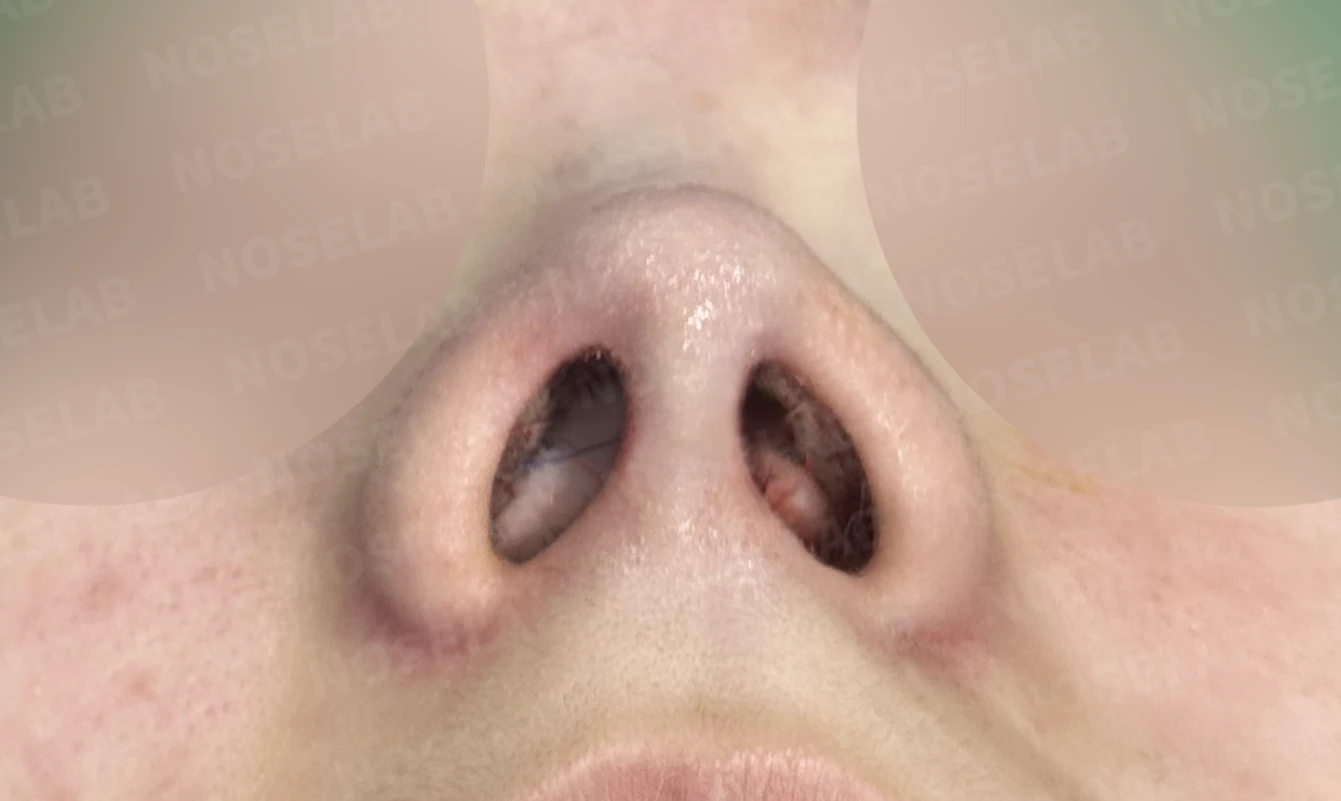
Nostril view on day 0 immediately after surgery. Photos taken immediately after surgery show swelling and may differ from the final result.
In rhinoplasty, the condition of the septal cartilage greatly influences the surgical plan. In this case, because the septal cartilage was deviated, thin, and small, the most suitable approach was determined after direct evaluation in the operating room.
When septal cartilage is insufficient, attempting to build tip projection solely with the septum can result in weak support, causing the nasal tip to droop or collapse over time. In such cases, using autologous rib cartilage to secure adequate structural support is important for stable, long-term results.
Additionally, the wide-looking nasal bridge was narrowed through lateral osteotomy to create a sleeker contour, and a silicone implant was carved precisely to match the nasal bone anatomy, achieving a natural bridge line.
As the patient desired, I was able to create a well-defined, natural nose that is not overly pointed. The most important aspect of rhinoplasty is harmonizing with the patient's face while accurately realizing their aesthetic goals.
I will continue to provide customized surgical care tailored to each patient. I hope this case helps those with similar concerns. This has been Dr. Peter C. Kang, Medical Director. Thank you.
#closedrhinoplasty #closedrevisionrhinoplasty #autologousribrhinoplasty #lateralosteotomy #bulboustip #nasalbridgeplasty #nasolabialanglecorrection #naturalrhinoplasty #tipplasty

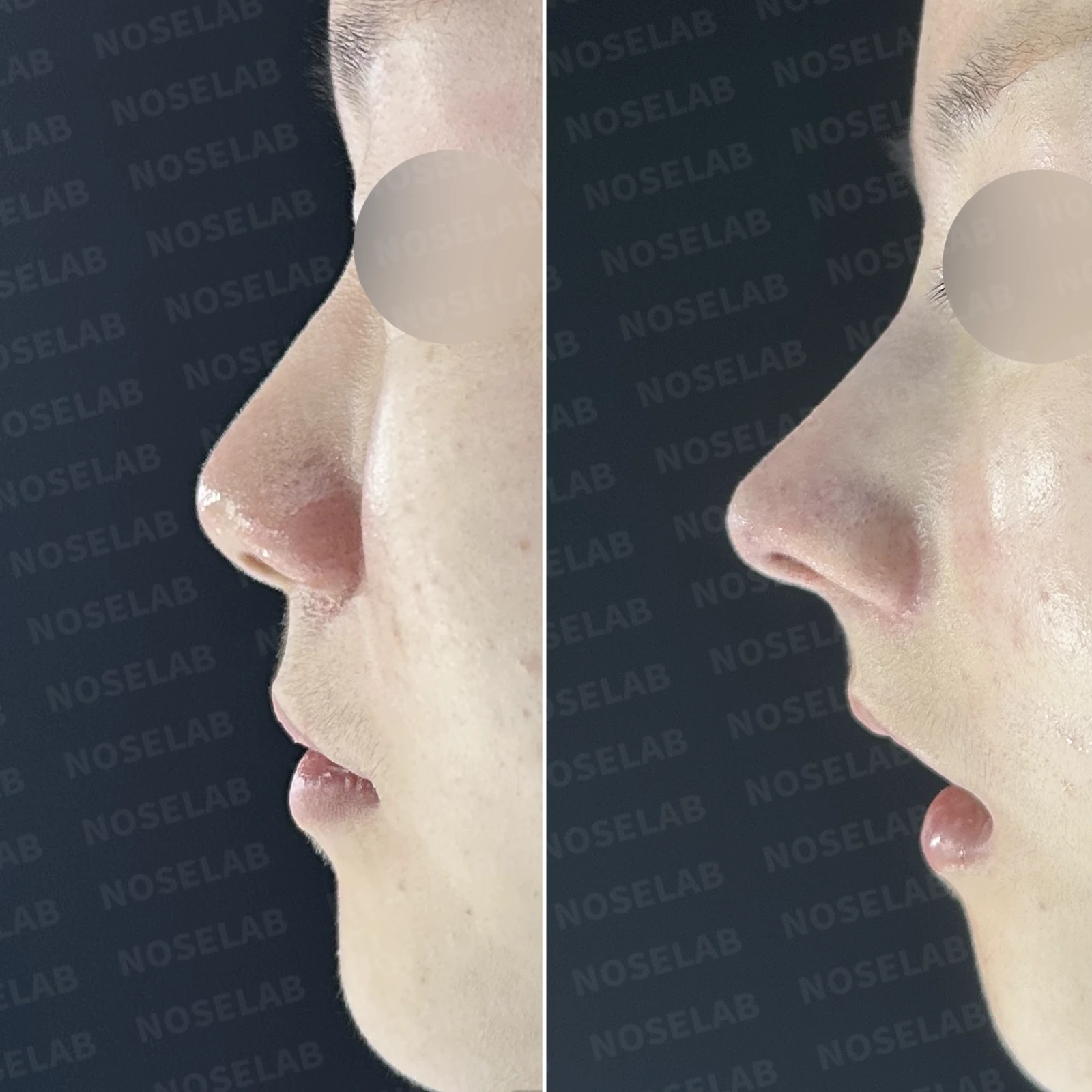
Limitations and risks
When autologous rib cartilage is used, scarring and pain may remain at the donor site on the chest, and pneumothorax (pleural injury) can occur rarely. Over time, the grafted cartilage may warp or undergo partial resorption.
When the septum is corrected at the same time, nasal obstruction may persist or recur, and in rare cases, septal perforation or changes in smell may occur.
Common potential risks include infection, bleeding, asymmetry, scarring, skin necrosis, and insufficient improvement; results vary depending on individual skin condition and previous surgical history.