Hello, I am Dr. Peter C. Kang.
Today, I will present a surgical case of nasal filler removal and correction of nasal obstruction, performed for filler received in December 2023.
🔍 Previous surgical and procedural history
2023: Nasal filler
2024: Double eyelid surgery
📊 Patient's requests
Correction of bulbous nose
A natural yet defined result
💉Preoperative status and analysis
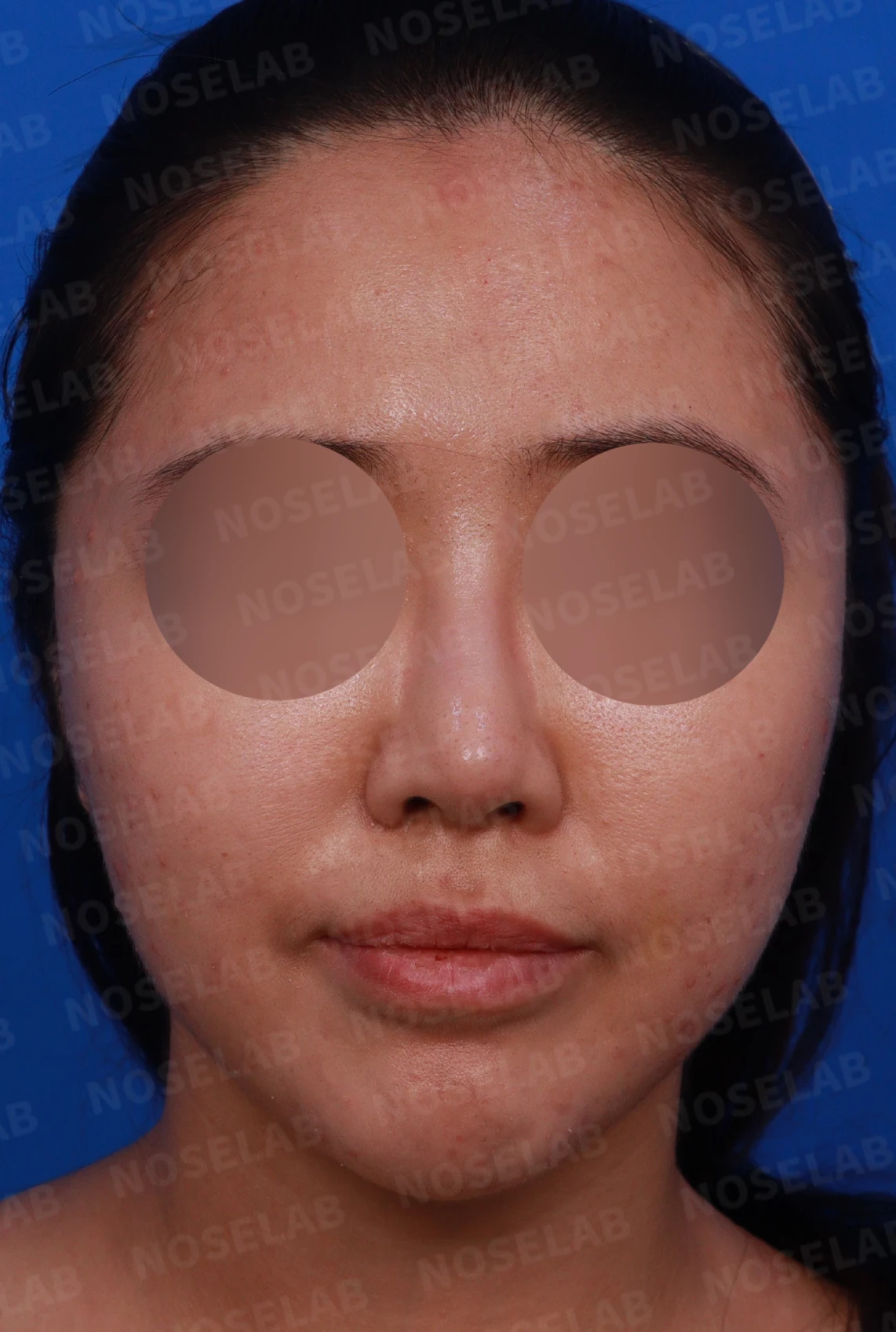
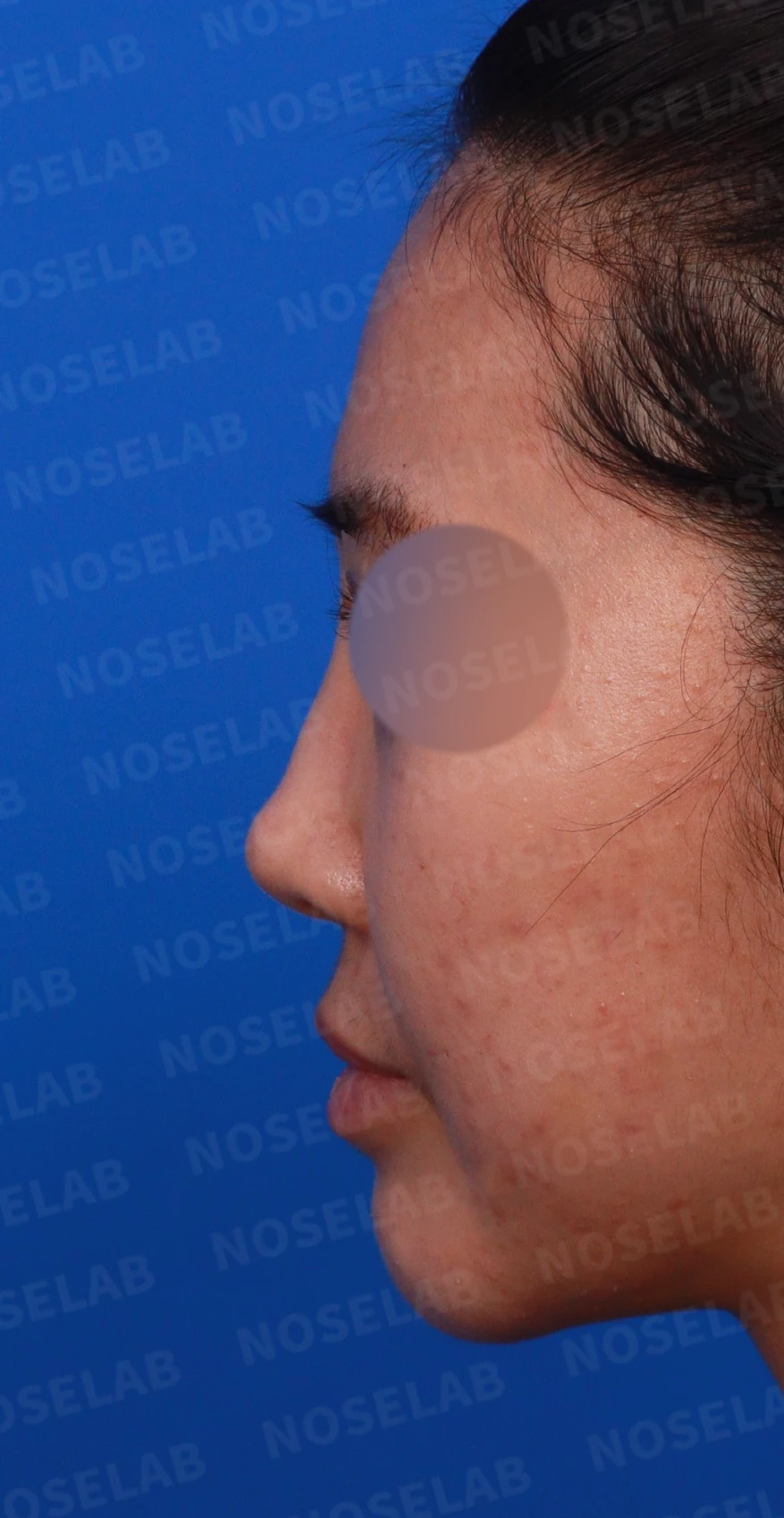
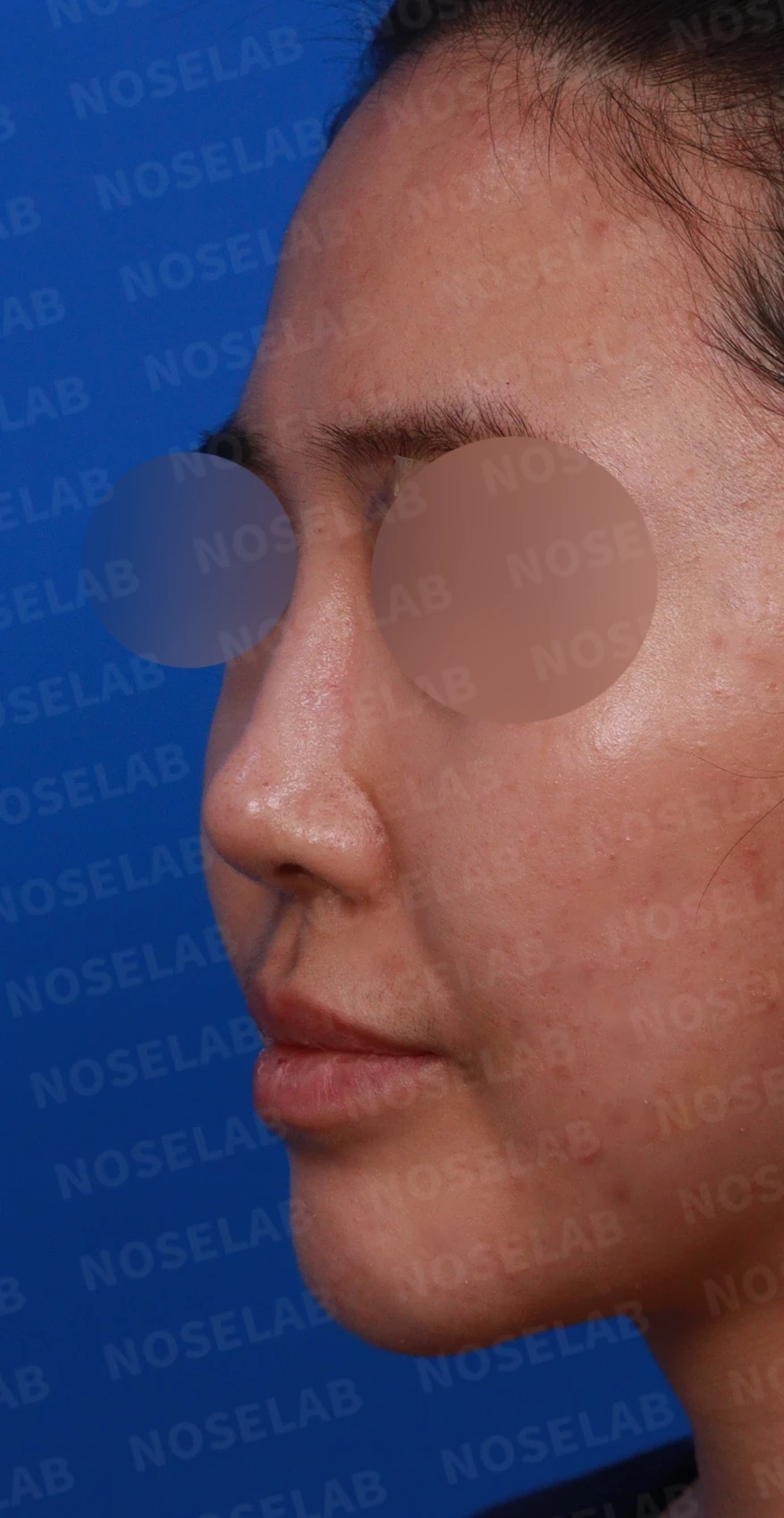
Front, left profile, and oblique views during design consultation
On the front view, the patient's nose appeared blunt and widened overall, and facial asymmetry caused the nose to deviate to one side. On the profile view, irregularities along the nasal bridge were noticeable, the high radix gave an unnatural appearance, and a protruding mouth was observed.
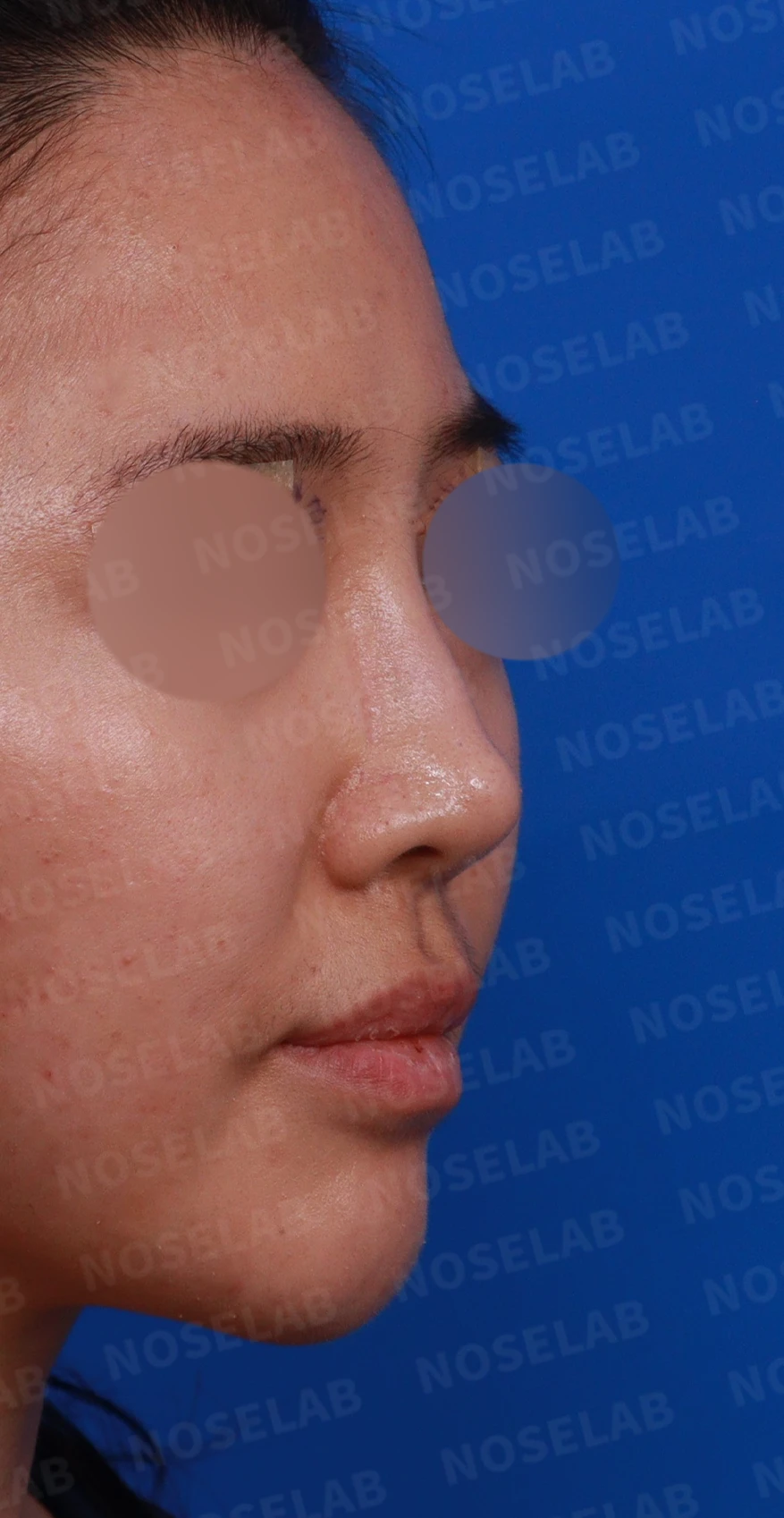
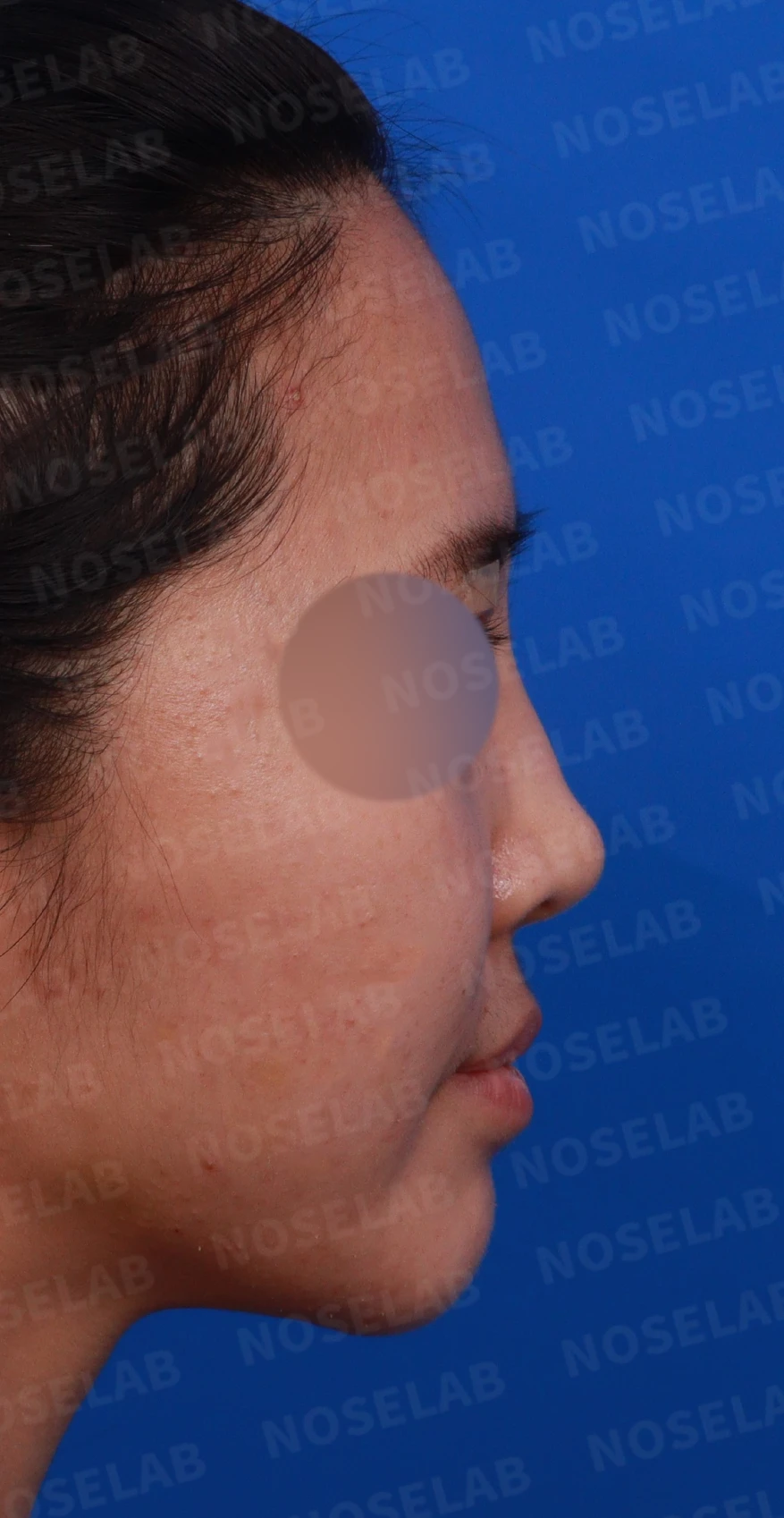
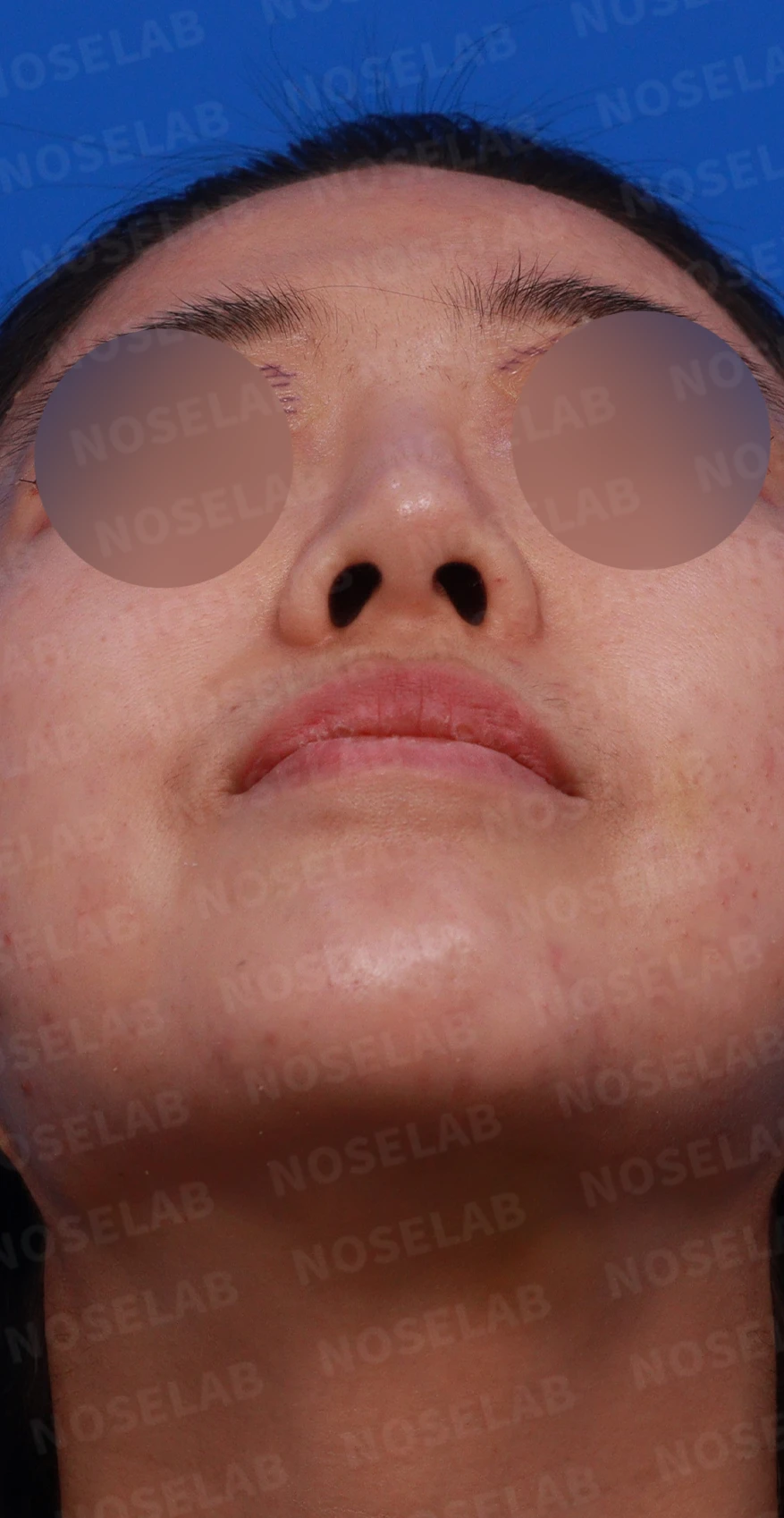
Design consultation: right oblique, profile, and basal (nostril) views
The basal view showed that the left nostril was larger than the right, and the columella was slightly tilted toward the left.
In addition, because the patient reported intermittent nasal obstruction, various examinations for nasal obstruction were conducted at our clinic. As a result, a deviated septum and hypertrophic rhinitis were diagnosed. To address both of these functional problems and cosmetic concerns, a meticulous surgical plan was established.
🔧Surgical plan and procedure
The surgical plan was approached from the following two aspects.
First, for functional improvement, septoplasty and submucosal resection of the inferior turbinates using radiofrequency laser were planned. This surgery fundamentally addresses the symptoms of nasal obstruction.
For cosmetic improvement, the following step-by-step procedures were performed:
The previously injected nasal filler was completely removed, and a silicone implant was used to smoothly elevate the nasal bridge.
The deviated septal cartilage was straightened, and using autologous rib cartilage, the nasal tip was naturally elevated.
The retracted columella was slightly lowered to adjust the nasolabial angle to 95 degrees, improving the appearance of the protruding mouth.
Lowering the radix and creating a smooth contour achieved a feminine dorsal line.
Nostril asymmetry was improved through lower lateral cartilage repositioning and suturing.
🌟Postoperative results
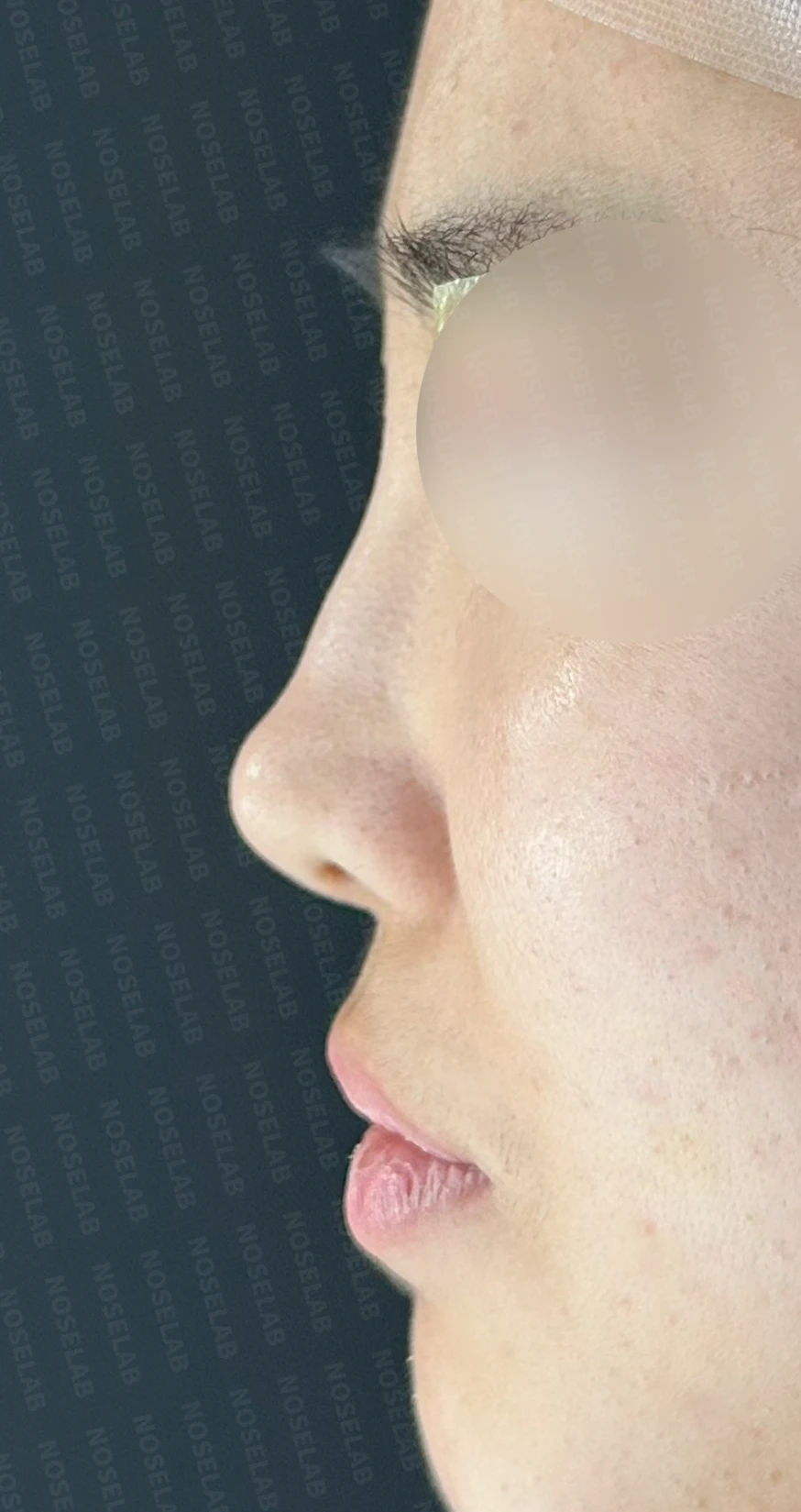
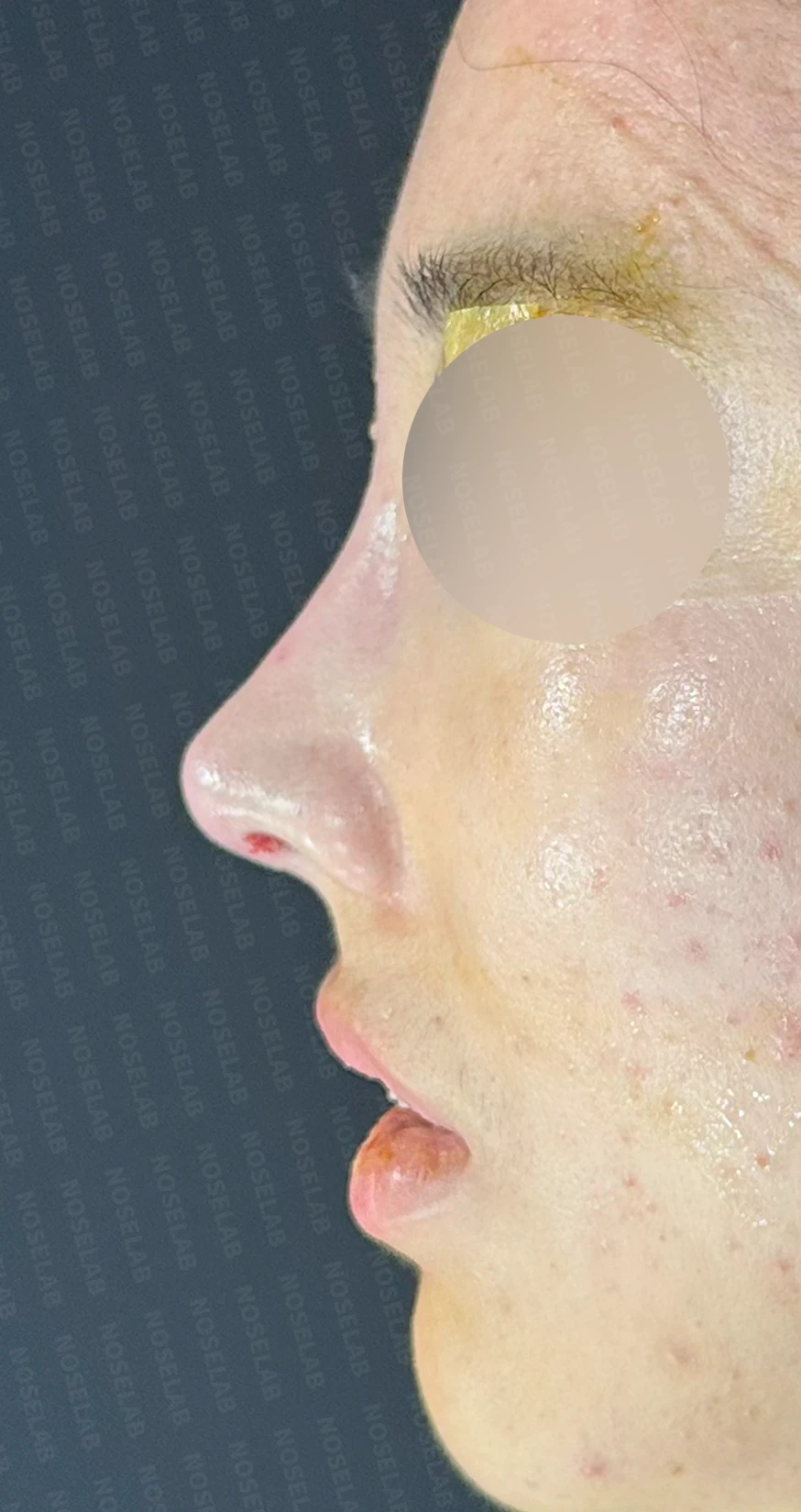
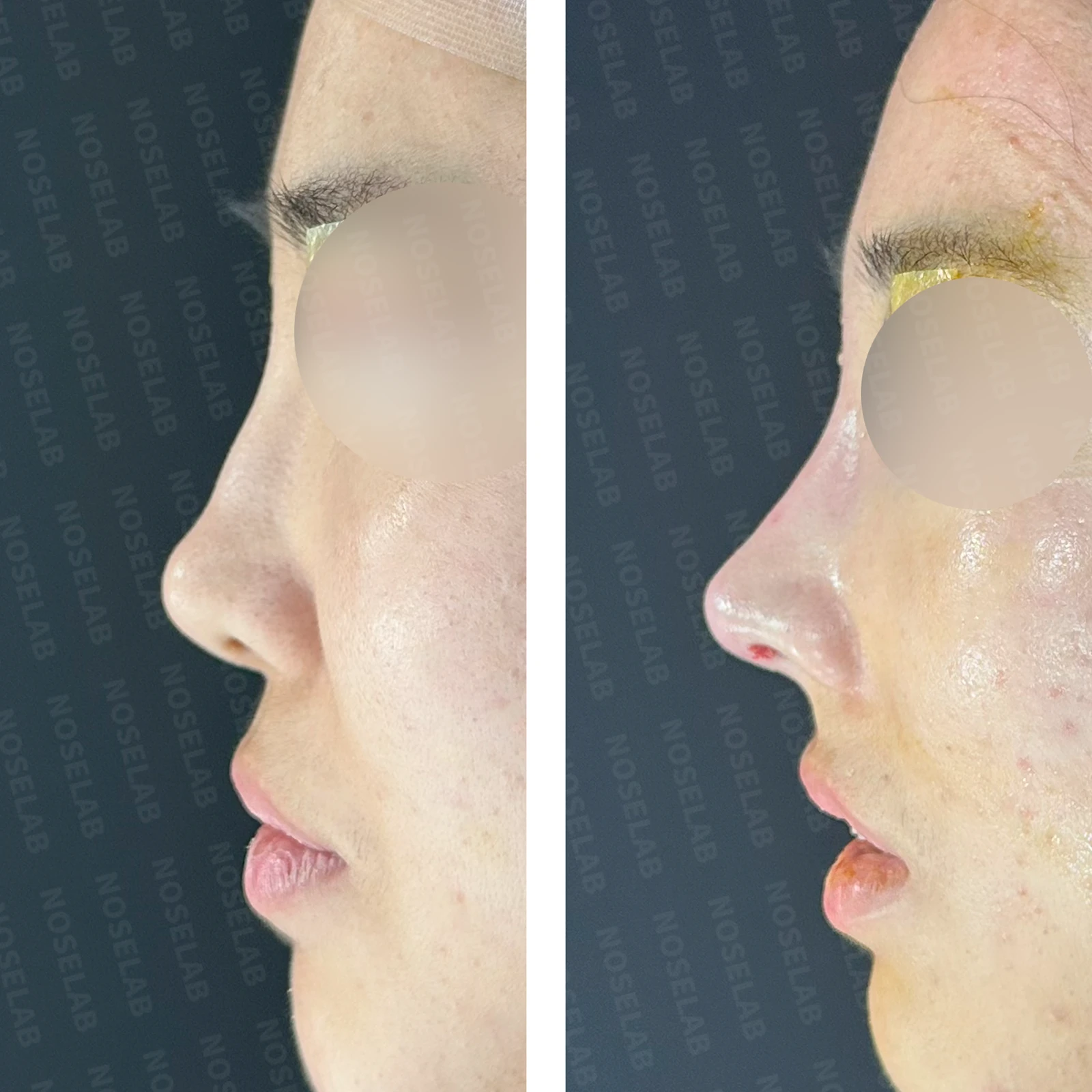
Before surgery / Day 0 immediately after surgery Photos taken immediately after surgery show swelling and may differ from the final result.
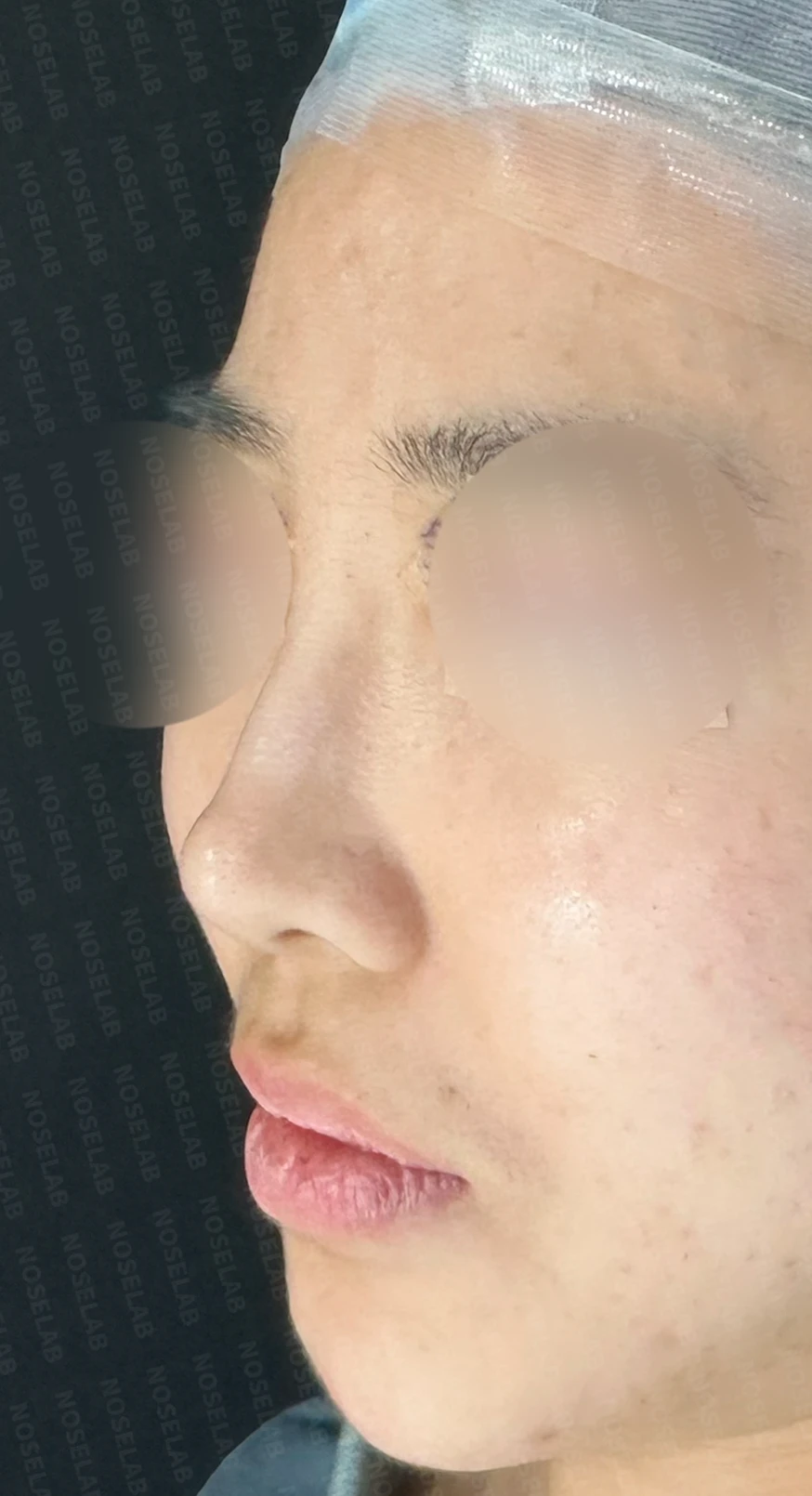
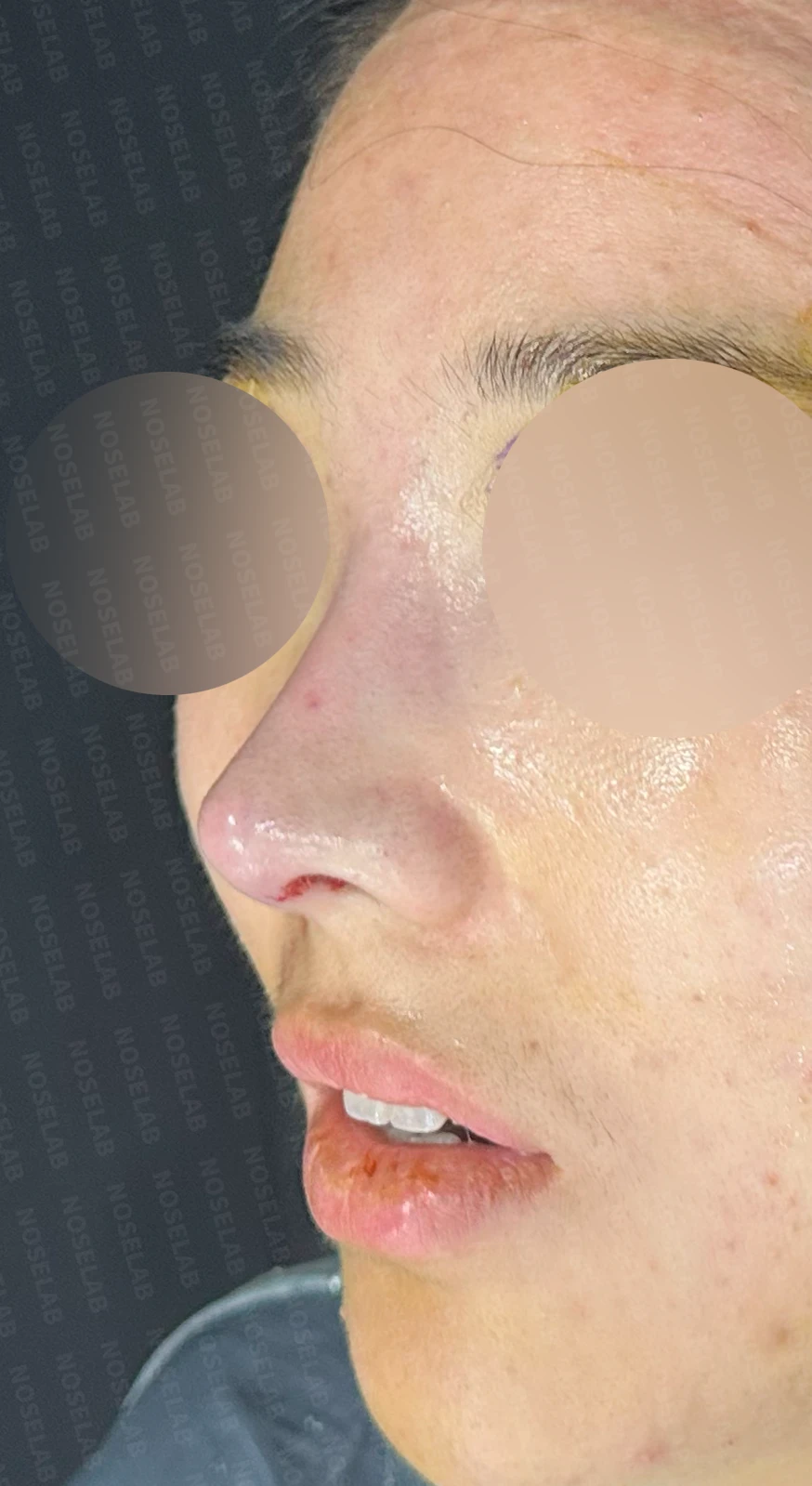
Before surgery / Day 0 immediately after surgery Photos taken immediately after surgery show swelling and may differ from the final result.
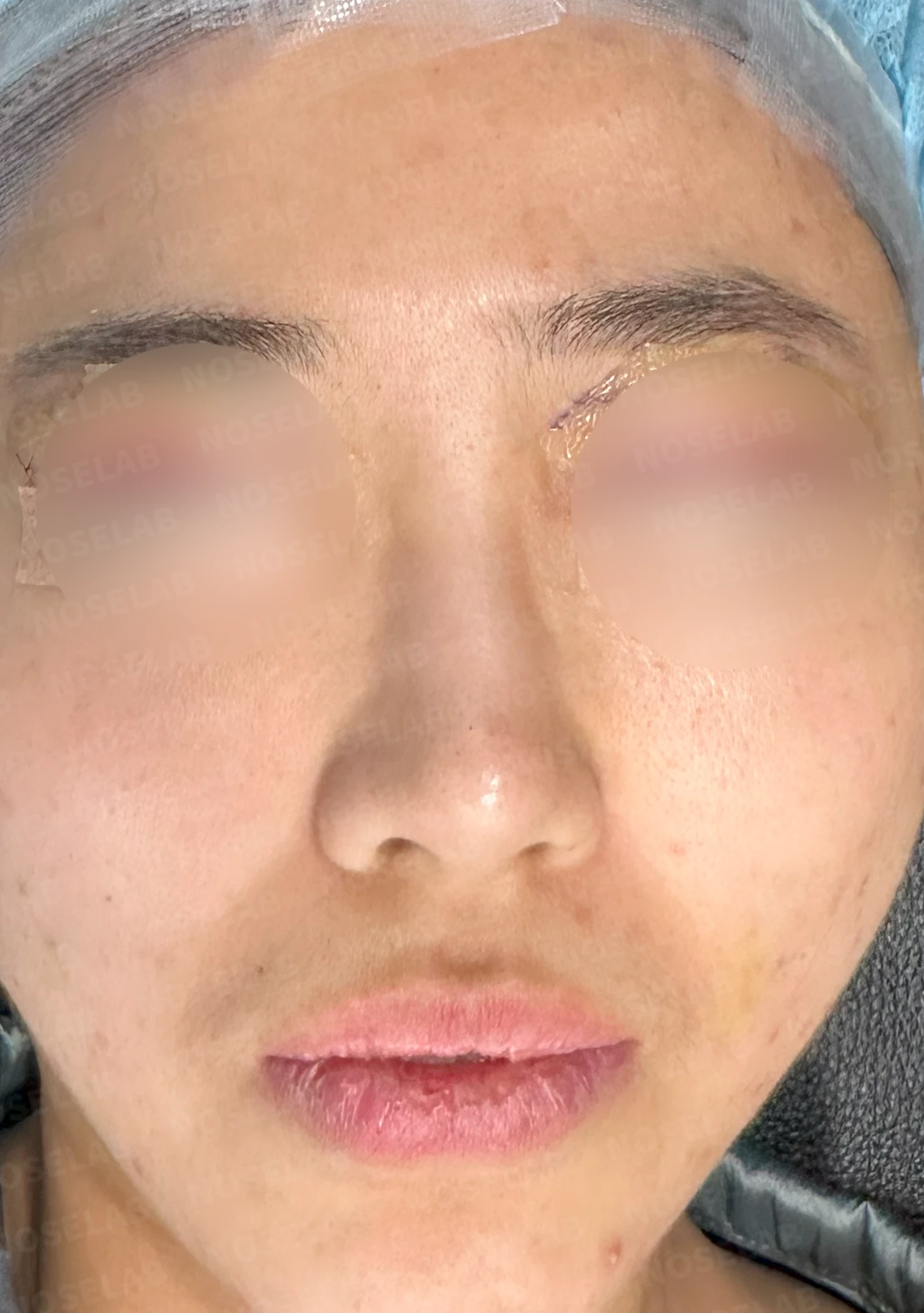
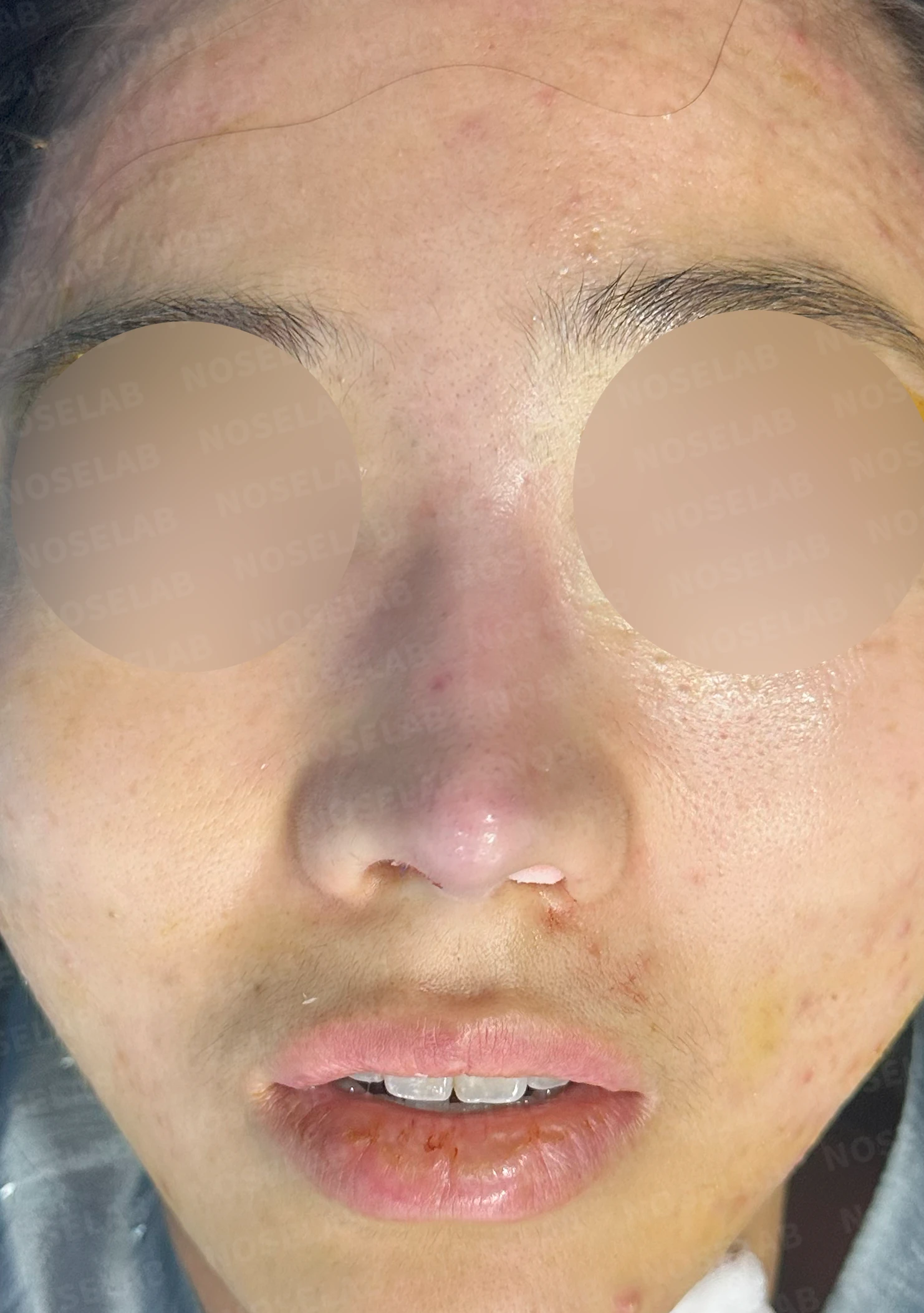
Before surgery / Day 0 immediately after surgery Photos taken immediately after surgery show swelling and may differ from the final result.
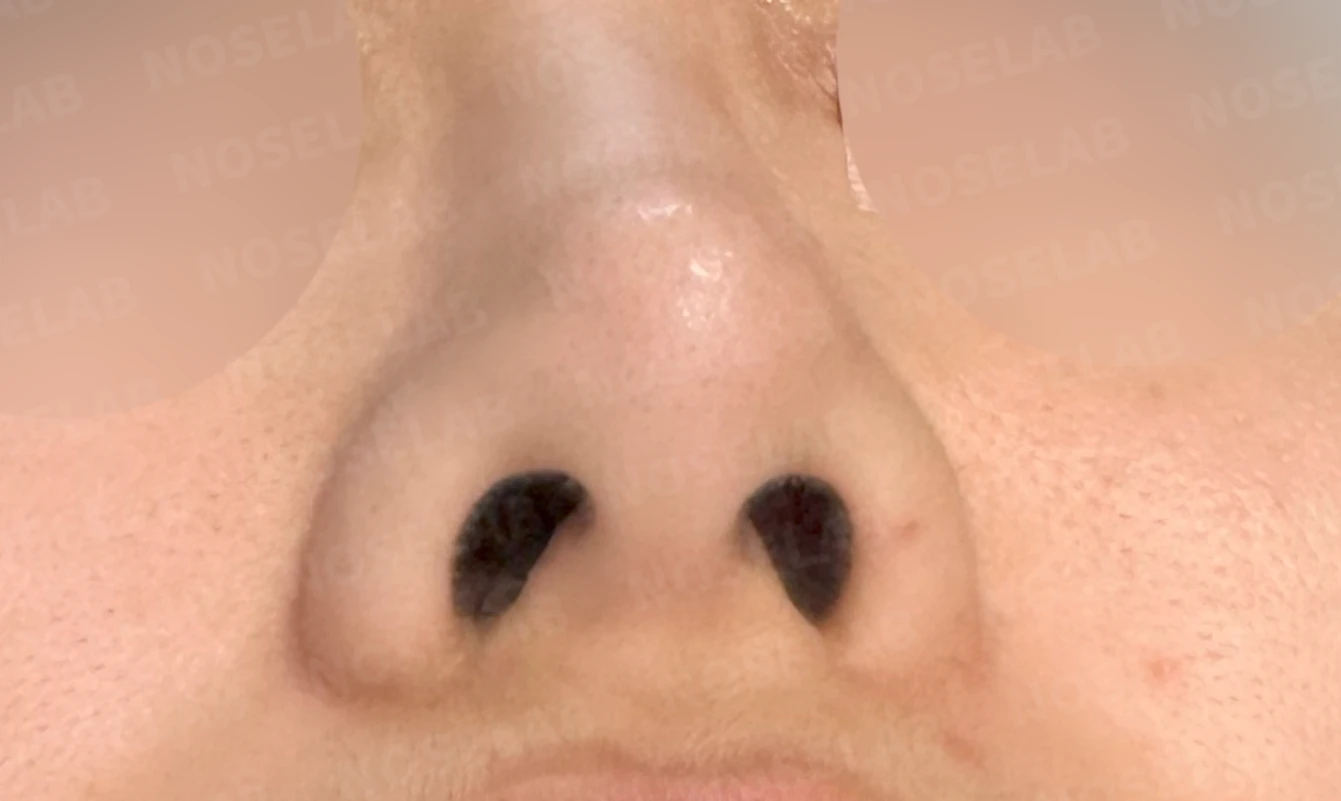
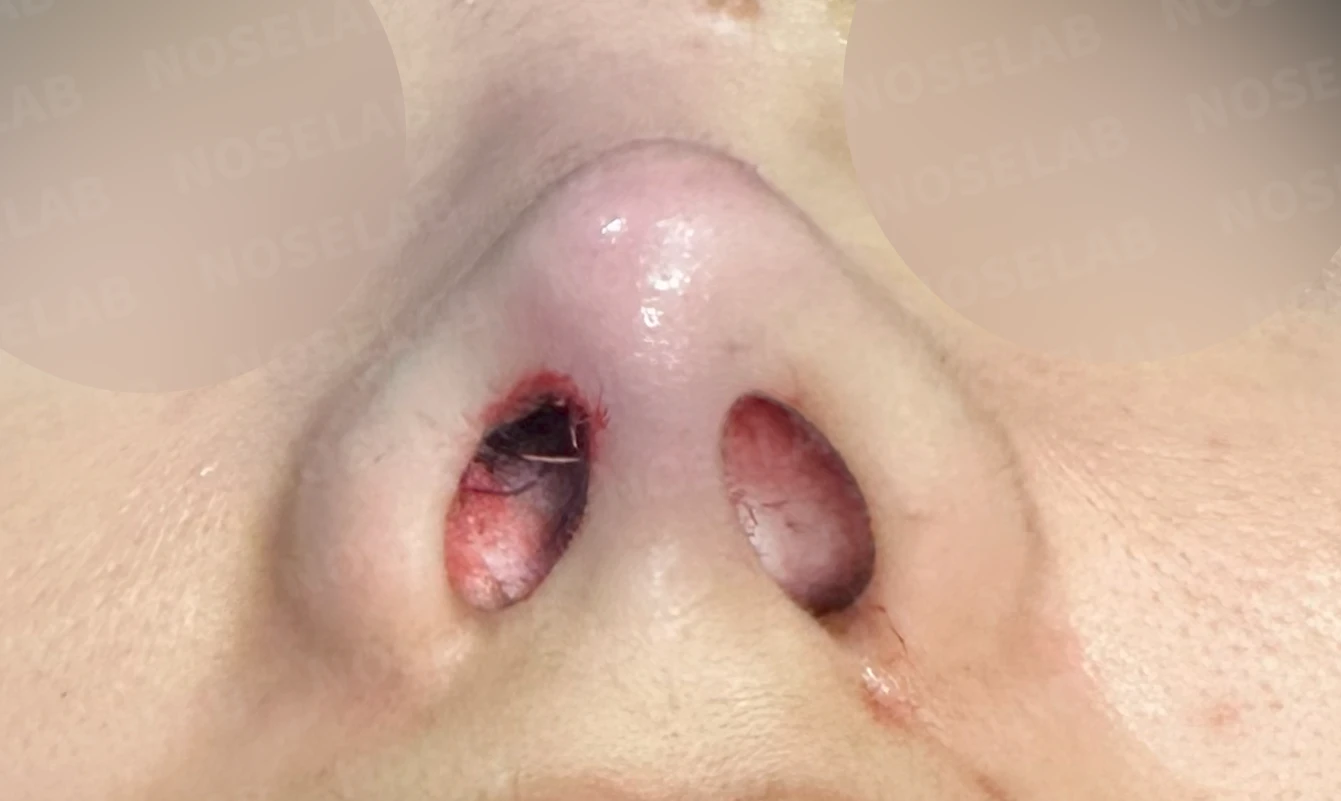
Before surgery / Day 0 immediately after surgery Photos taken immediately after surgery show swelling and may differ from the final result.
Noticeable changes were evident immediately after surgery. The previously blunt nasal tip became refined and natural, and adjusting the nasolabial angle improved the appearance of the protruding mouth. In particular, asymmetry between the left and right nostrils improved substantially, presenting a well-balanced overall appearance.
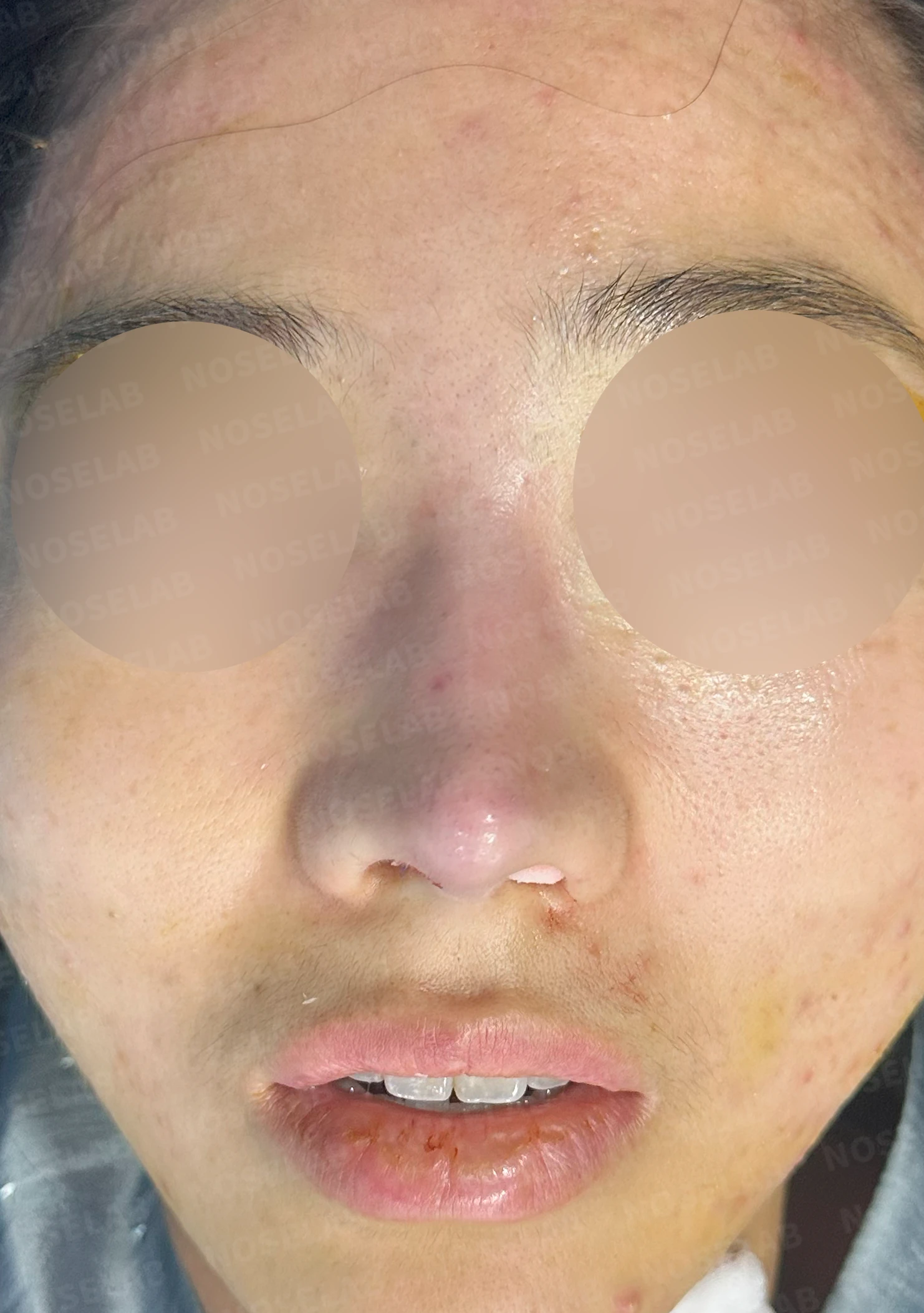
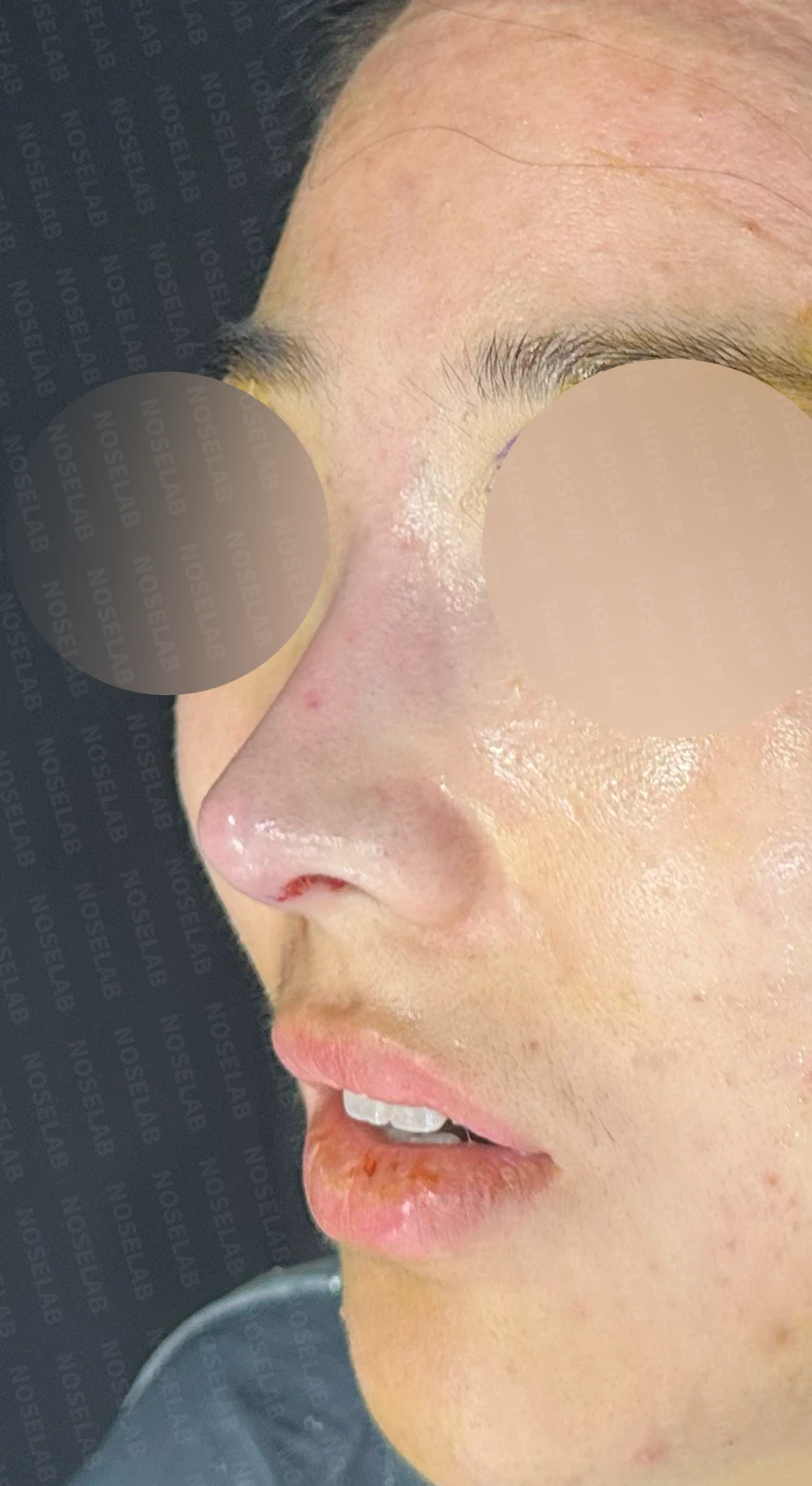
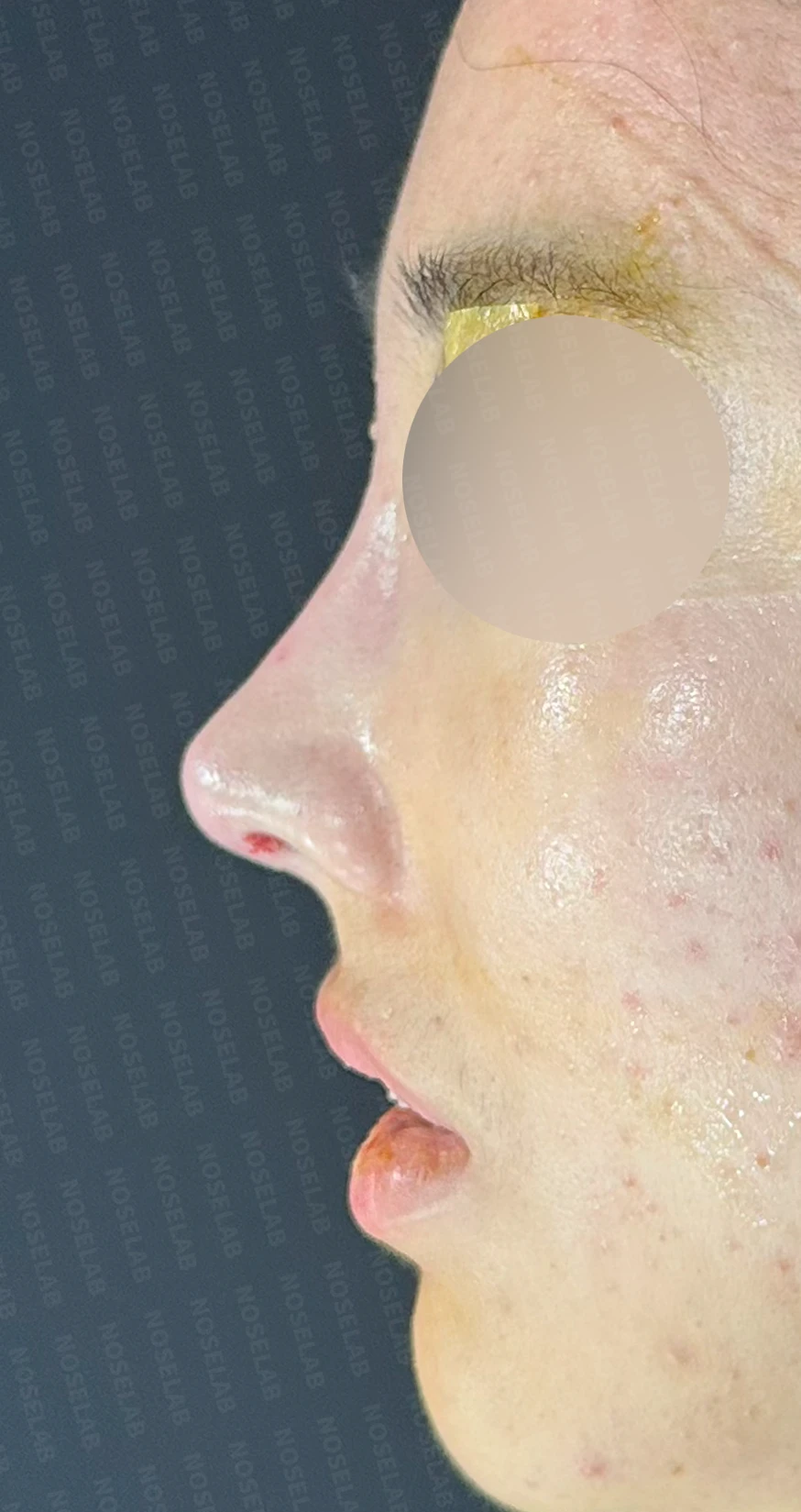
Front, oblique, and profile views on day 0 immediately after surgery. Photos taken immediately after surgery show swelling and may differ from the final result.
Nostril view on day 0 immediately after surgery. Photos taken immediately after surgery show swelling and may differ from the final result.
💡Conclusion
Nasal filler is only a temporary measure. Achieving a truly pleasing and healthy nose requires a systematic surgical approach. Because breathing function is an essential matter directly linked to quality of life, resolving functional issues alongside cosmetic improvement is critical.
I hope this case helps those troubled by unnatural results from nasal fillers, nasal obstruction, or nasal asymmetry. I will continue to do my best to support healthy, aesthetically pleasing results.
This was Dr. Peter C. Kang. Thank you.
Thank you.
#closedrhinoplasty #nasalfillersideeffects #nasalfillerremoval #deviatednosecorrection #deviatedseptum #nasalobstructionsurgery #rhinoplastyreviews #nasaltipcartilagerepositioning #protrudingmouthimprovement #autologouscartilagerhinoplasty

Limitations and risks
When autologous rib cartilage is used, scarring and pain may remain at the donor site on the chest, and pneumothorax (pleural injury) can occur rarely. Over time, the grafted cartilage may warp or undergo partial resorption.
When foreign materials such as injected fillers are removed and reconstructed, contracture may recur, nasal height and length may decrease, and staged surgery may be necessary depending on the skin condition.
When the septum is corrected at the same time, nasal obstruction may persist or recur, and in rare cases, septal perforation or changes in smell may occur.
Common potential risks include infection, bleeding, asymmetry, scarring, skin necrosis, and insufficient improvement; results vary depending on individual skin condition and previous surgical history.