Hello, I am Dr. Peter C. Kang.
Today, I would like to introduce a tailored revision rhinoplasty case involving septal reconstruction for a patient with a complex surgical history.
🔍 Surgical history
2007: Two-jaw surgery
2008: Silicone implant and septal cartilage surgery
2016–2018: Orthodontic treatment
2018: Alar reduction surgery
2020: 3-piece facial contouring surgery
Past: Nasal filler procedures
The patient preferred a glamorous aesthetic and did not want osteotomy.
💉 Primary symptoms and requests
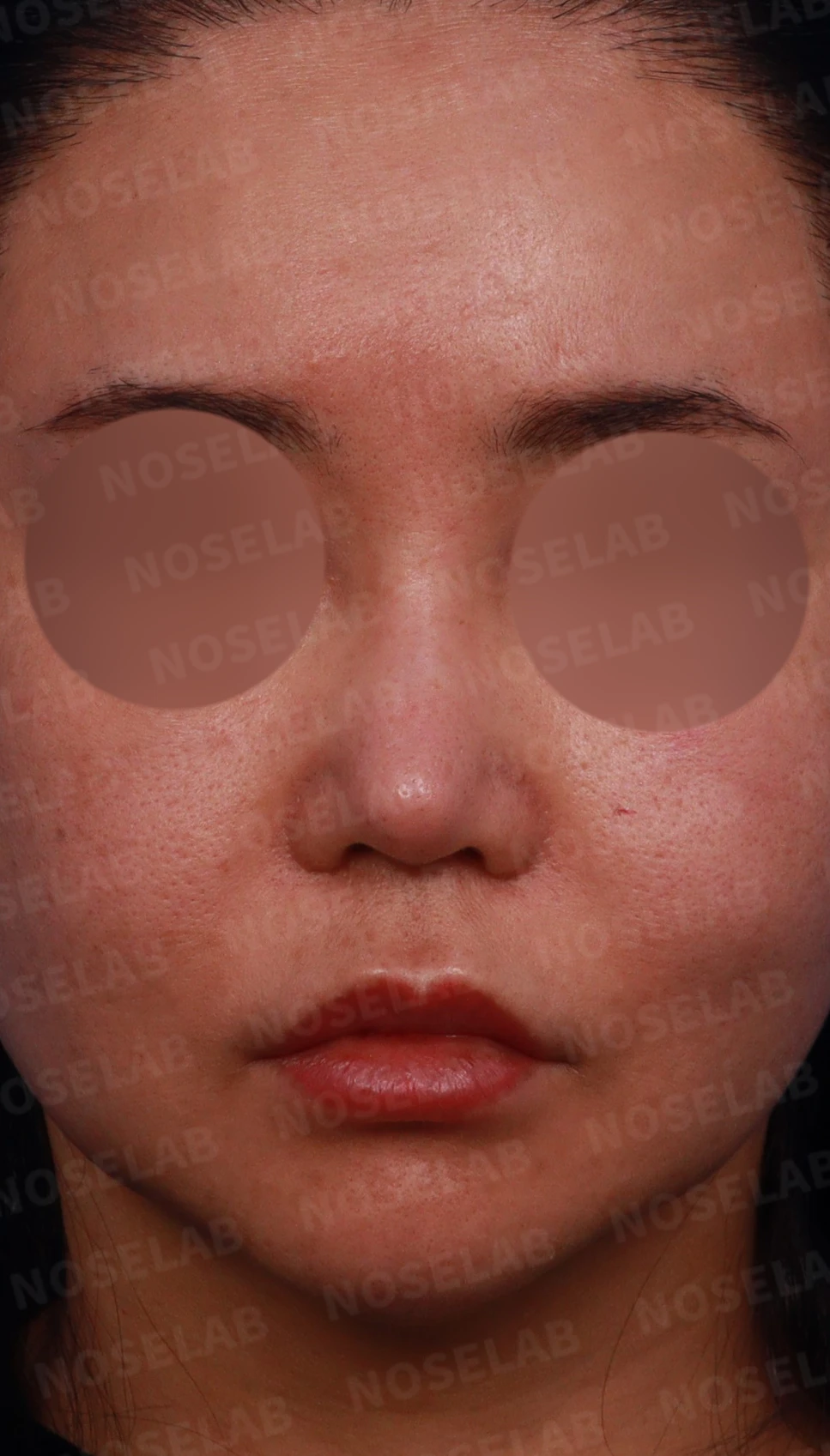
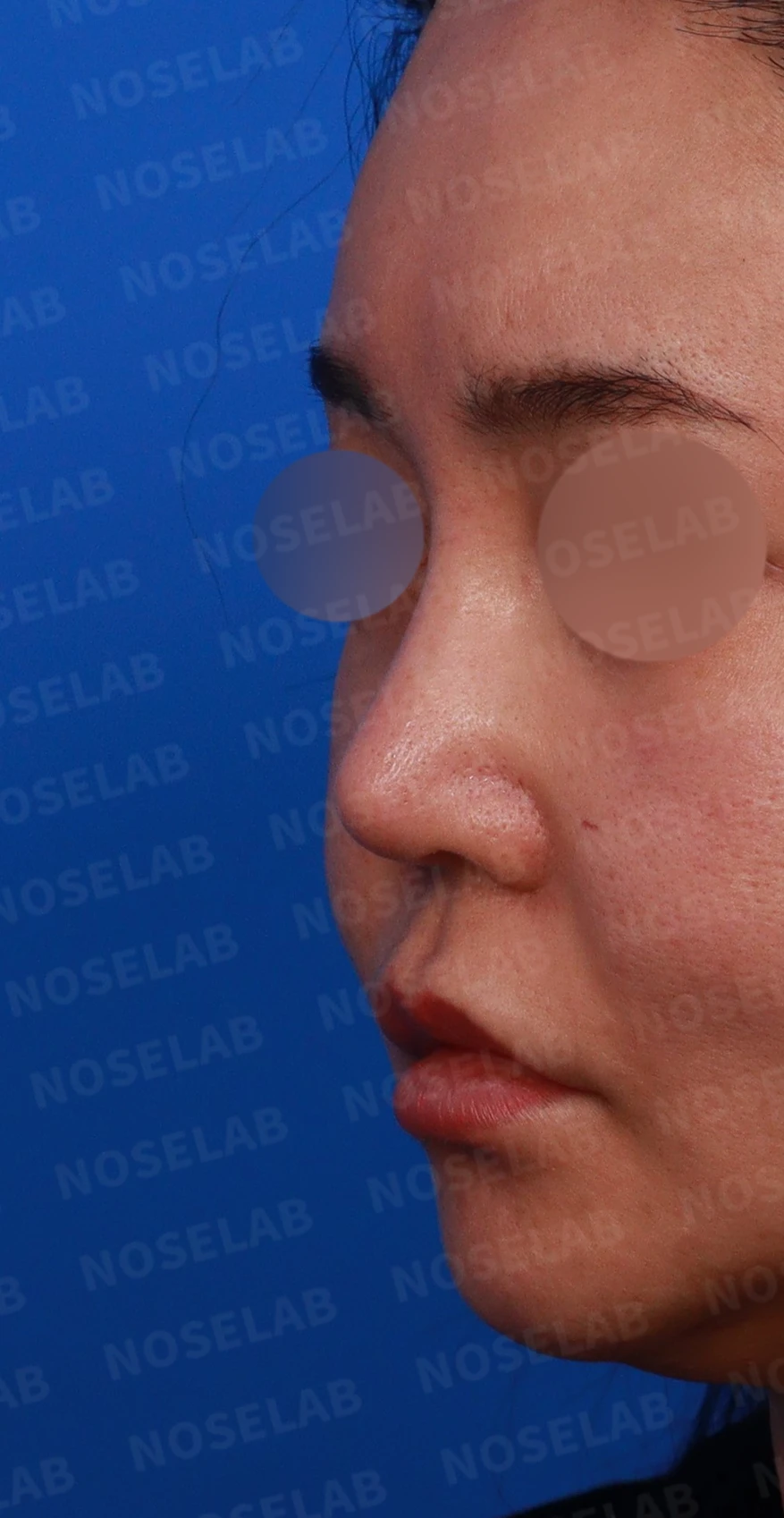
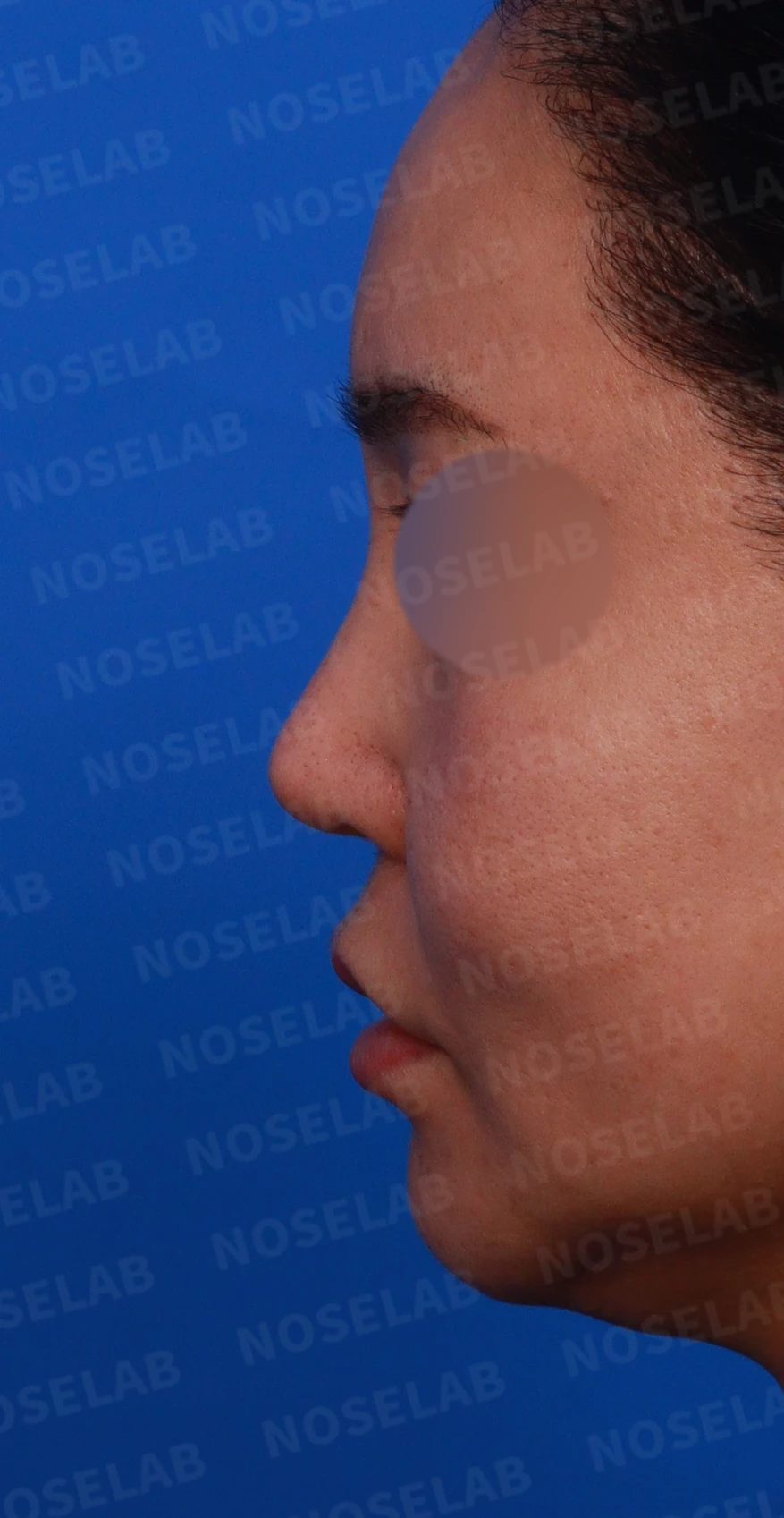
Design consultation: front, left oblique, and profile views
Correction of a small, crooked nose
Correction of nostril asymmetry
Improvement of breathing function
Desire for a change toward a glamorous appearance
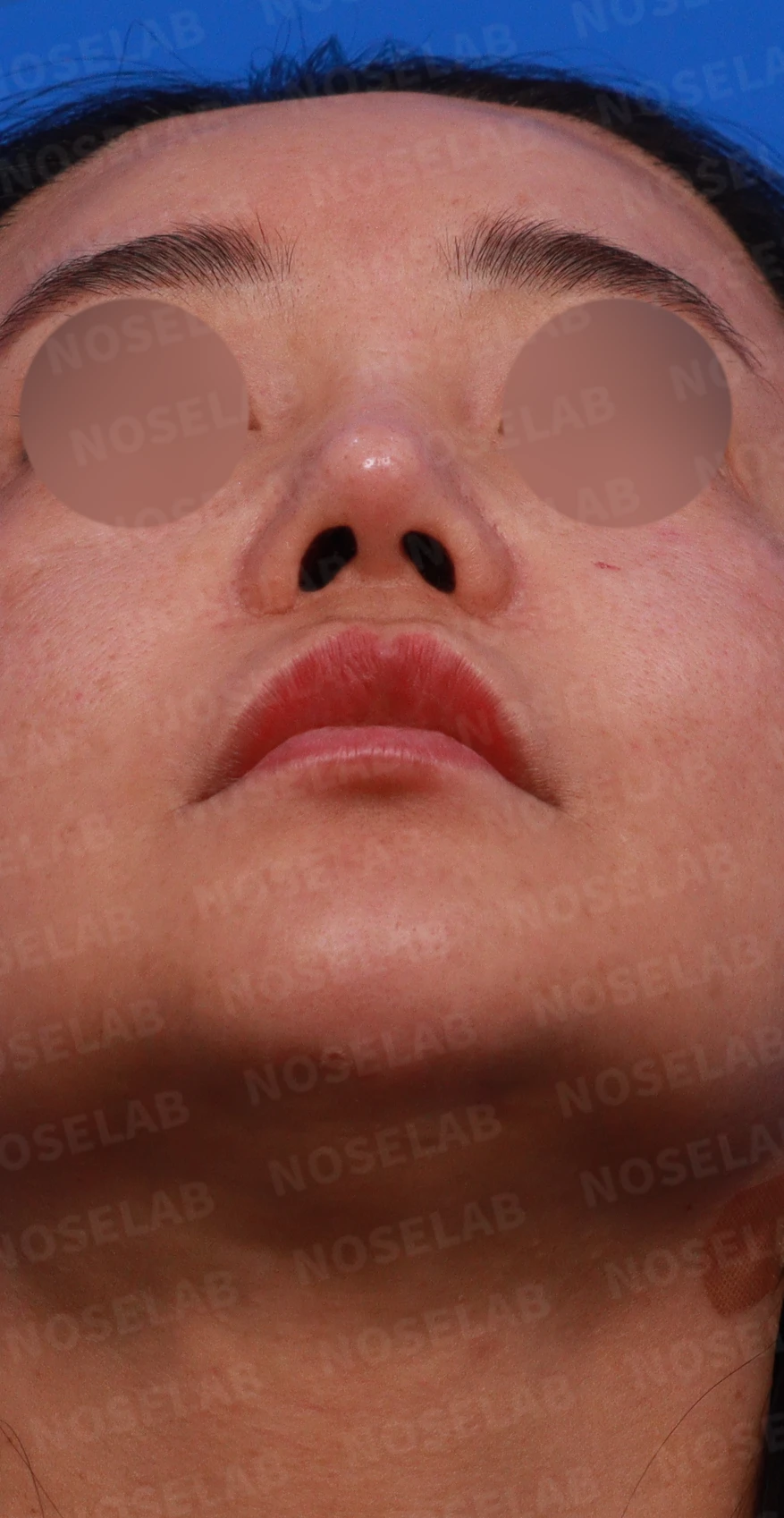
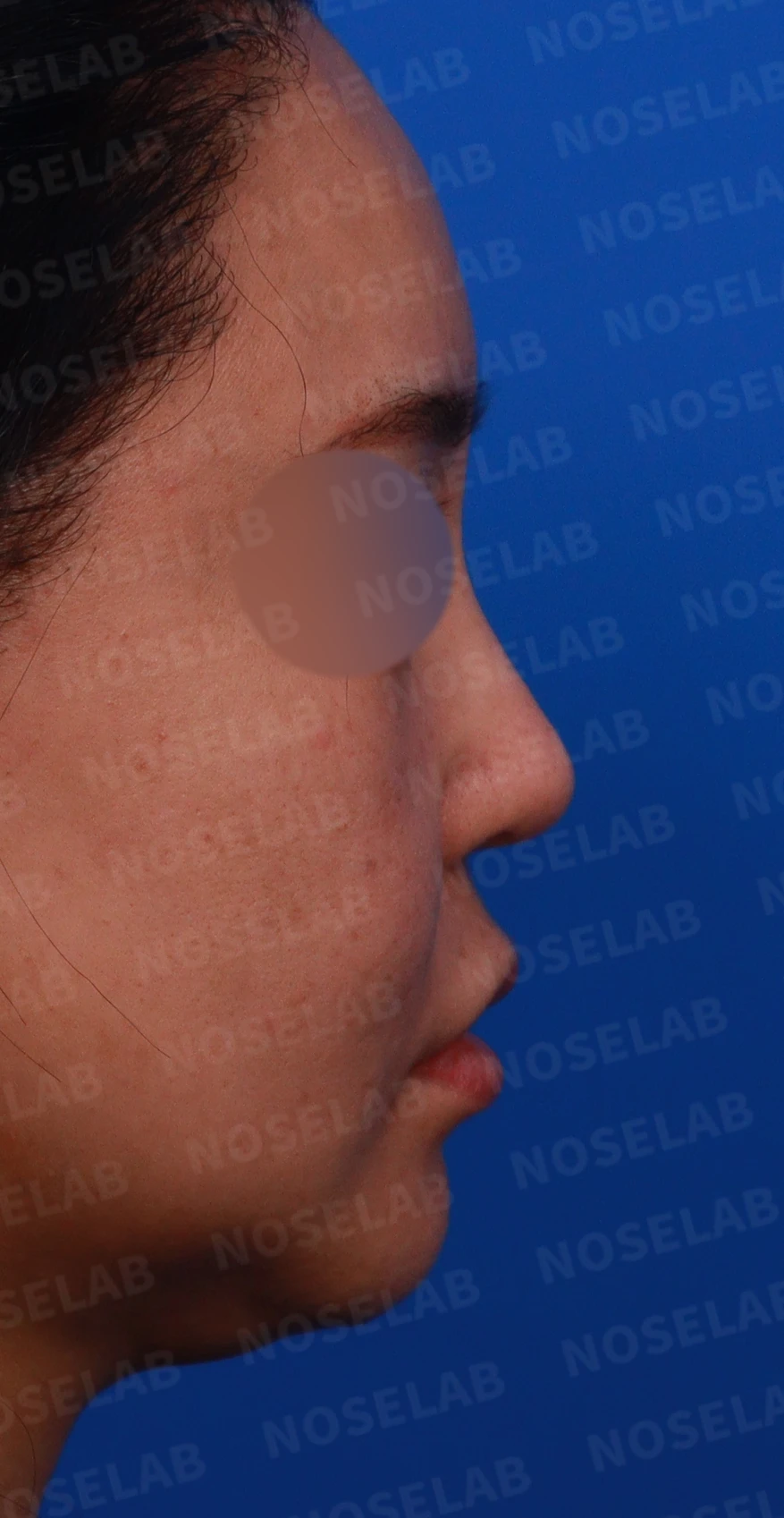
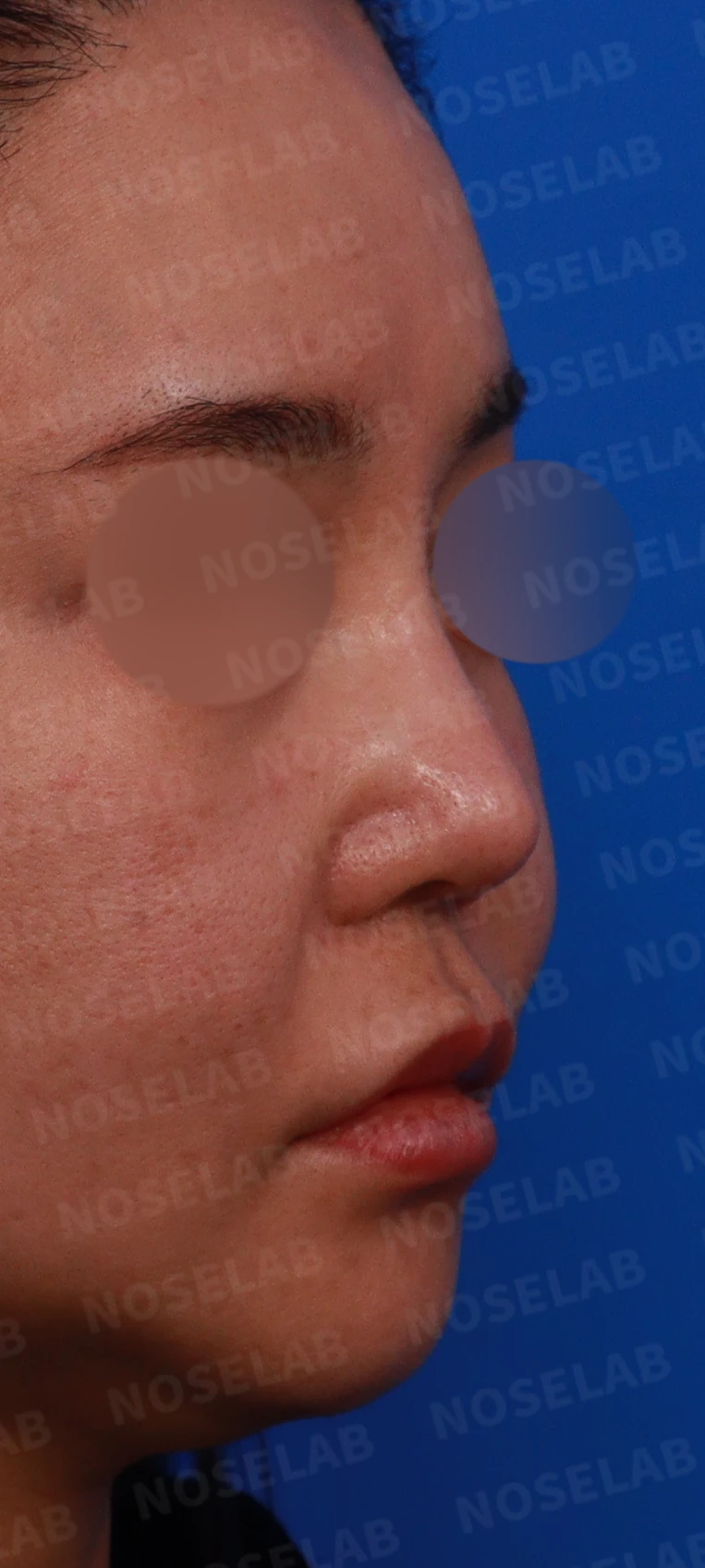
Design consultation photos: nostril, right profile, and oblique views
🔧 Surgical plan
Septal reconstruction using autologous rib cartilage
Lowering the columella and correcting the nasolabial angle
Septal extension graft
Foreign material removal
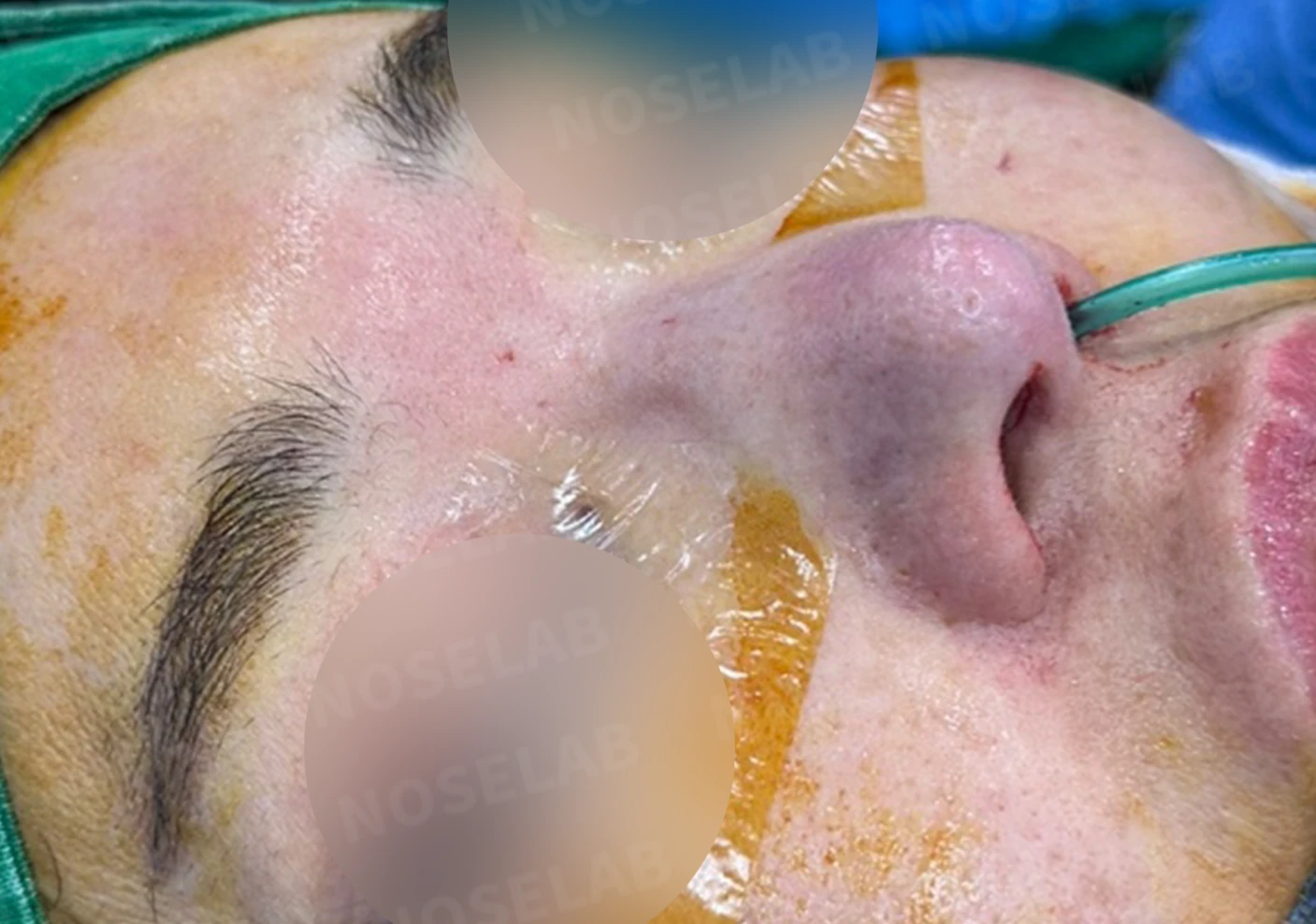
Appearance after foreign material removal
5. Additional surgery for functional improvement (septoplasty and radiofrequency laser submucosal resection of the inferior turbinate)
💉 Preoperative analysis
Front view
The radix appears high and widened due to residual nasal filler
Asymmetry of the glabella, nasal bones, and alae
Deviated nasal bridge
Blunt and broad nasal tip
2. Profile view
High radix starting point
Retracted columella
Protruding mouth findings
3. Nostrils
Asymmetry resulting from alar reduction surgery
Columella tilted to the right
Nasal tip deviated to the right
🌟 Surgical results
Front view
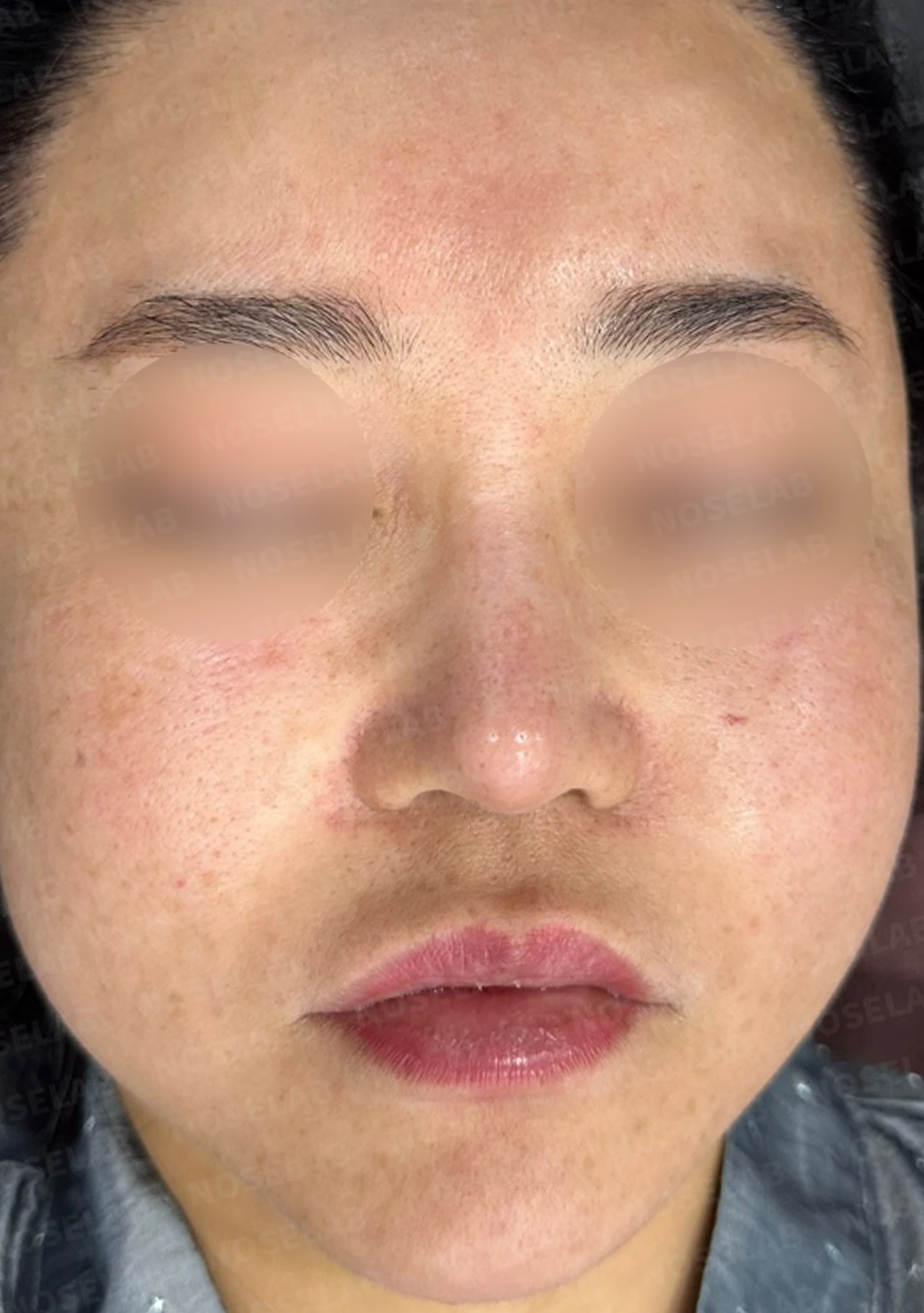
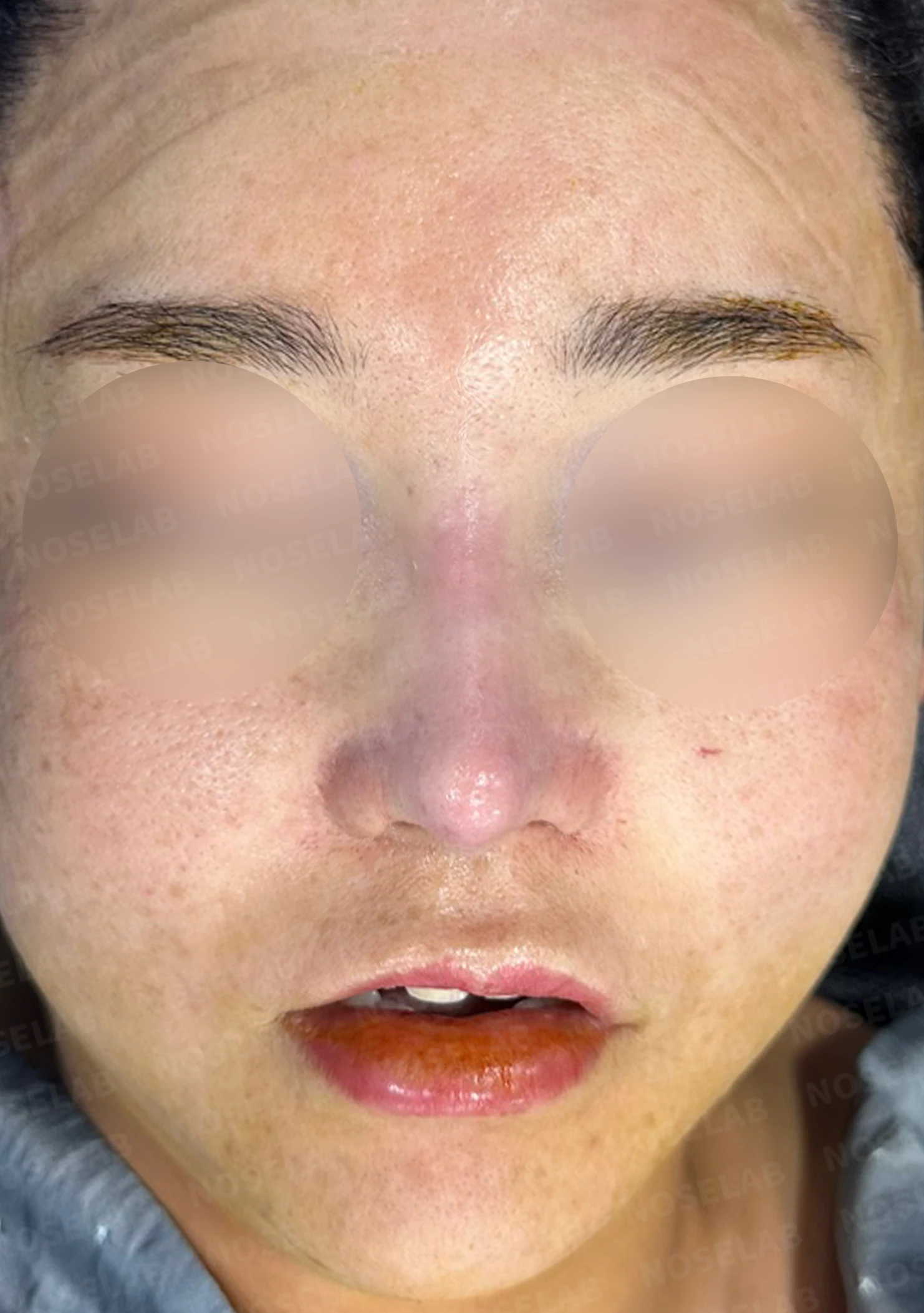
Before surgery / Day 0 immediately after surgery Photos taken immediately after surgery show swelling and may differ from the final result.
Radix lowered naturally following removal of nasal filler
Crooked nose corrected through improvement of nasal bone asymmetry
Deviation of the nasal tip has also improved
Alar asymmetry significantly improved
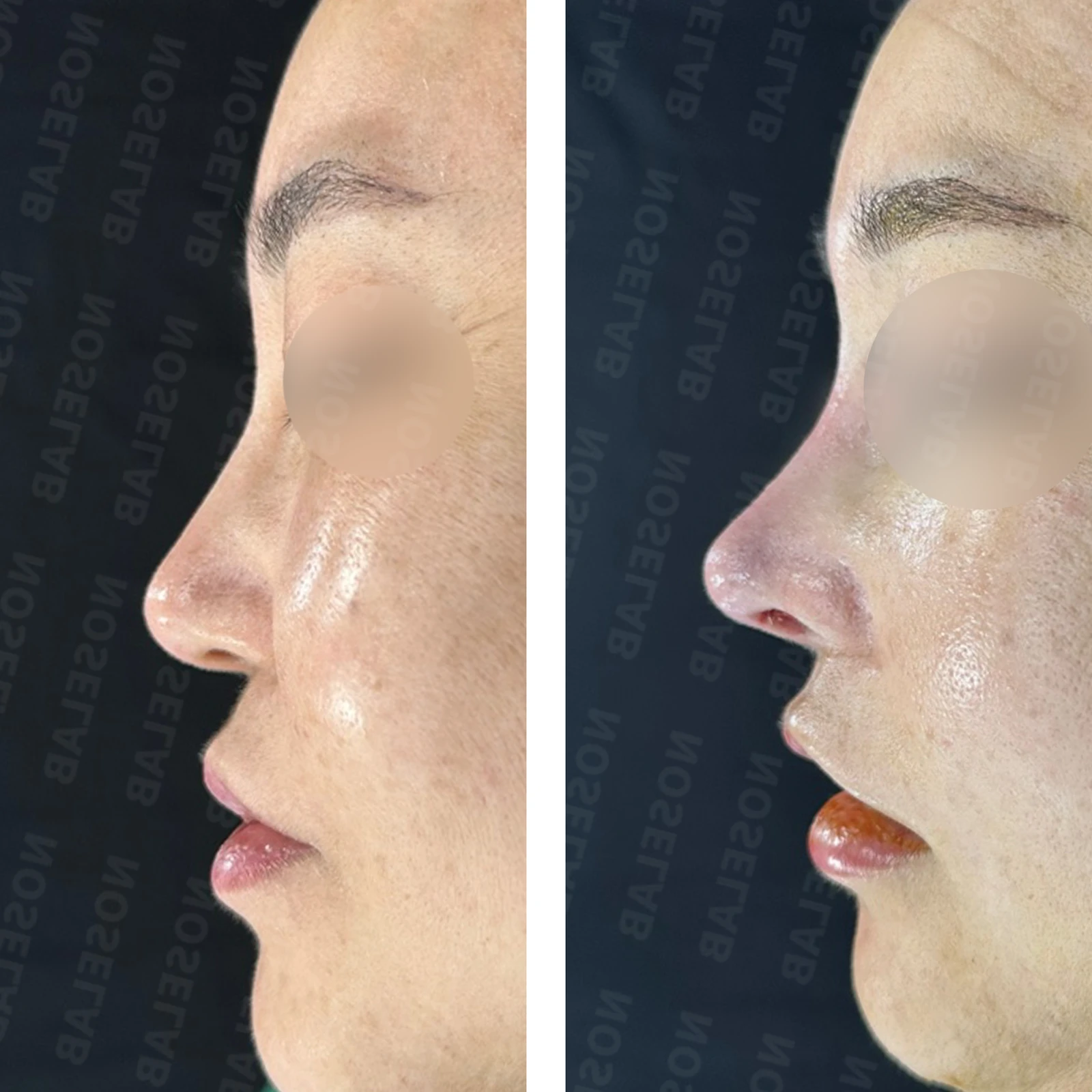
2. Profile view
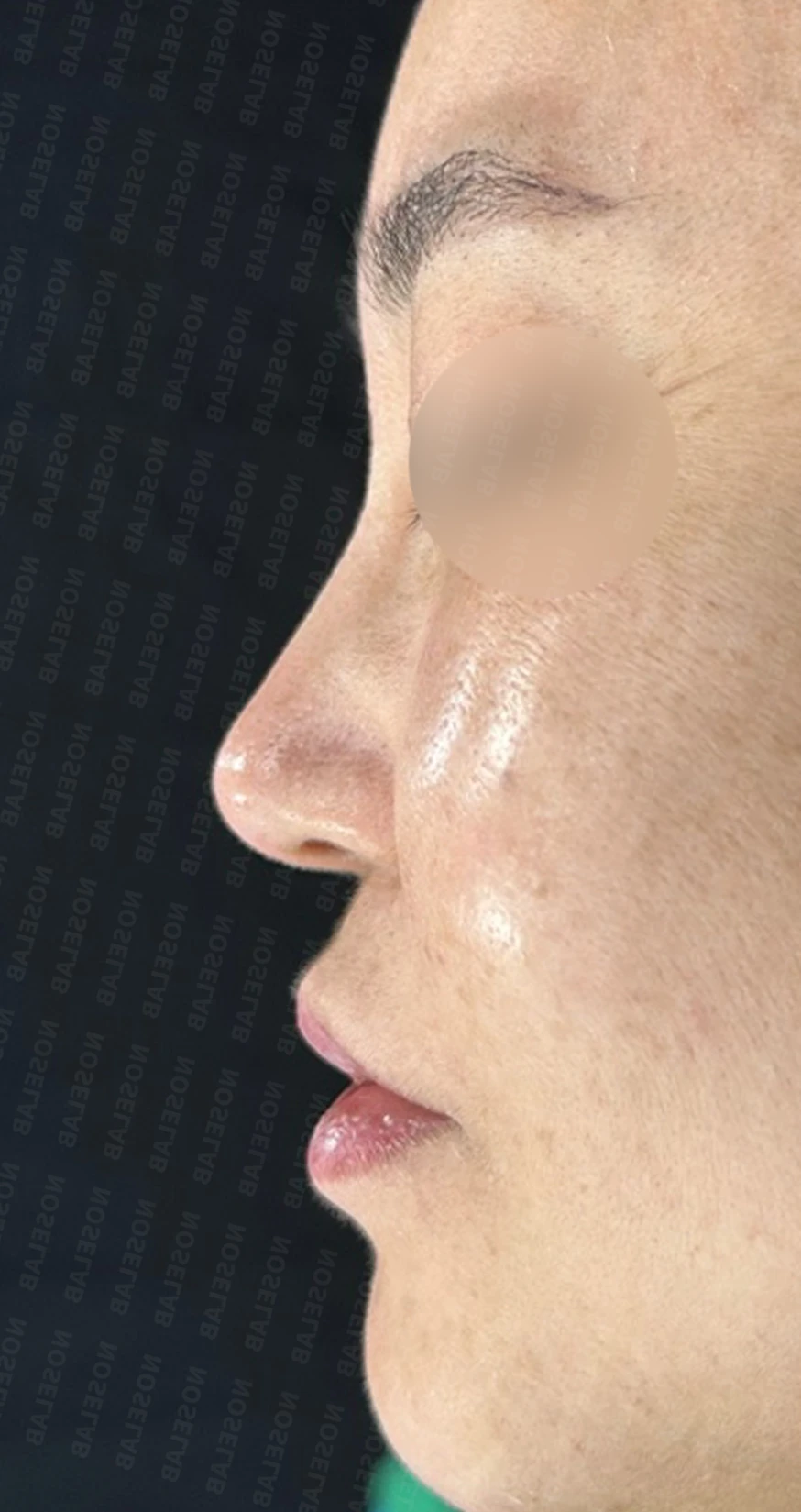
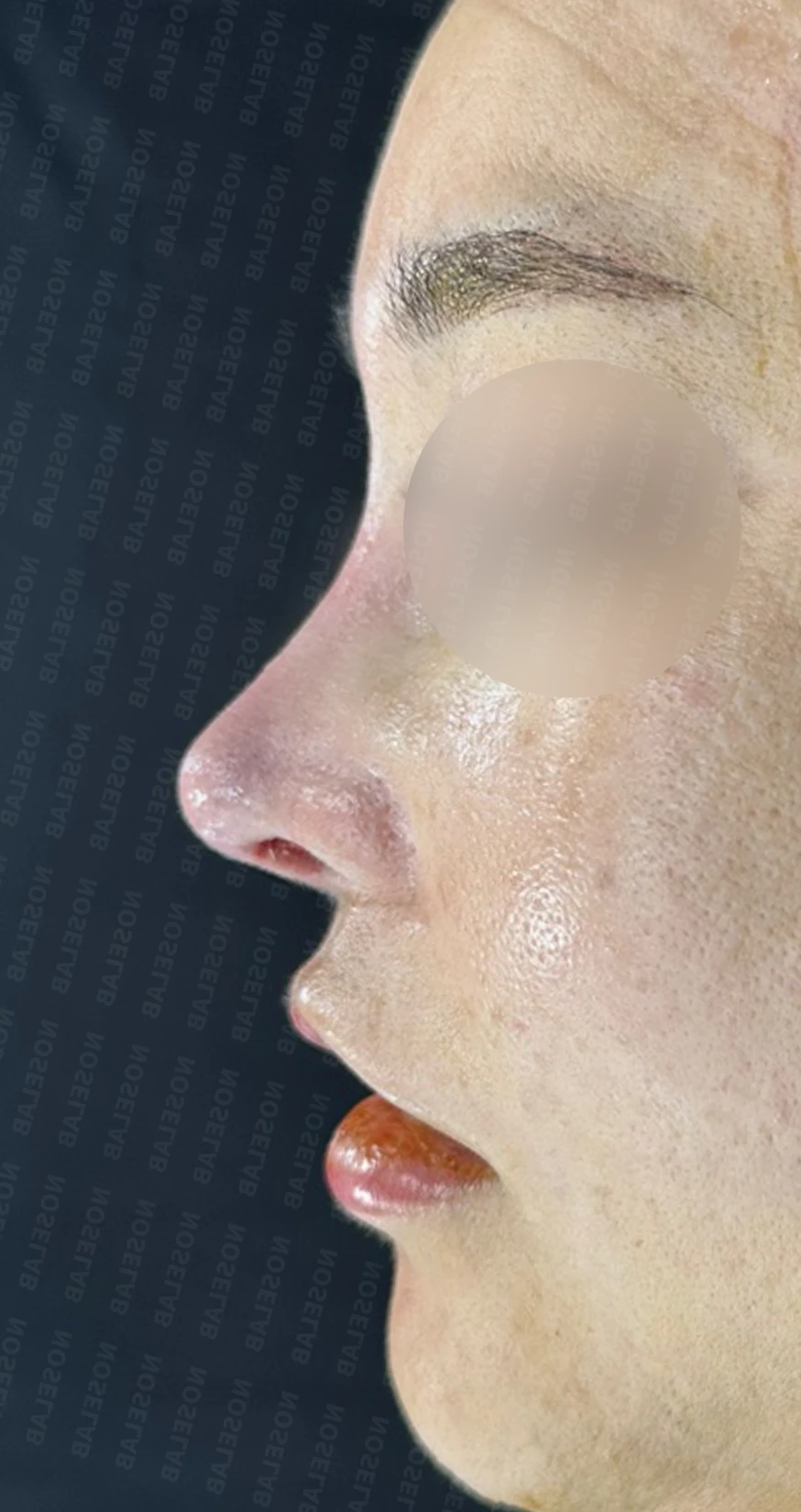
Before surgery / Day 0 immediately after surgery Photos taken immediately after surgery show swelling and may differ from the final result.
Radix lowered naturally
Improvement of the drooping nasal tip
Refined profile line
Improvement of protruding mouth through nasolabial angle correction
3. Oblique view
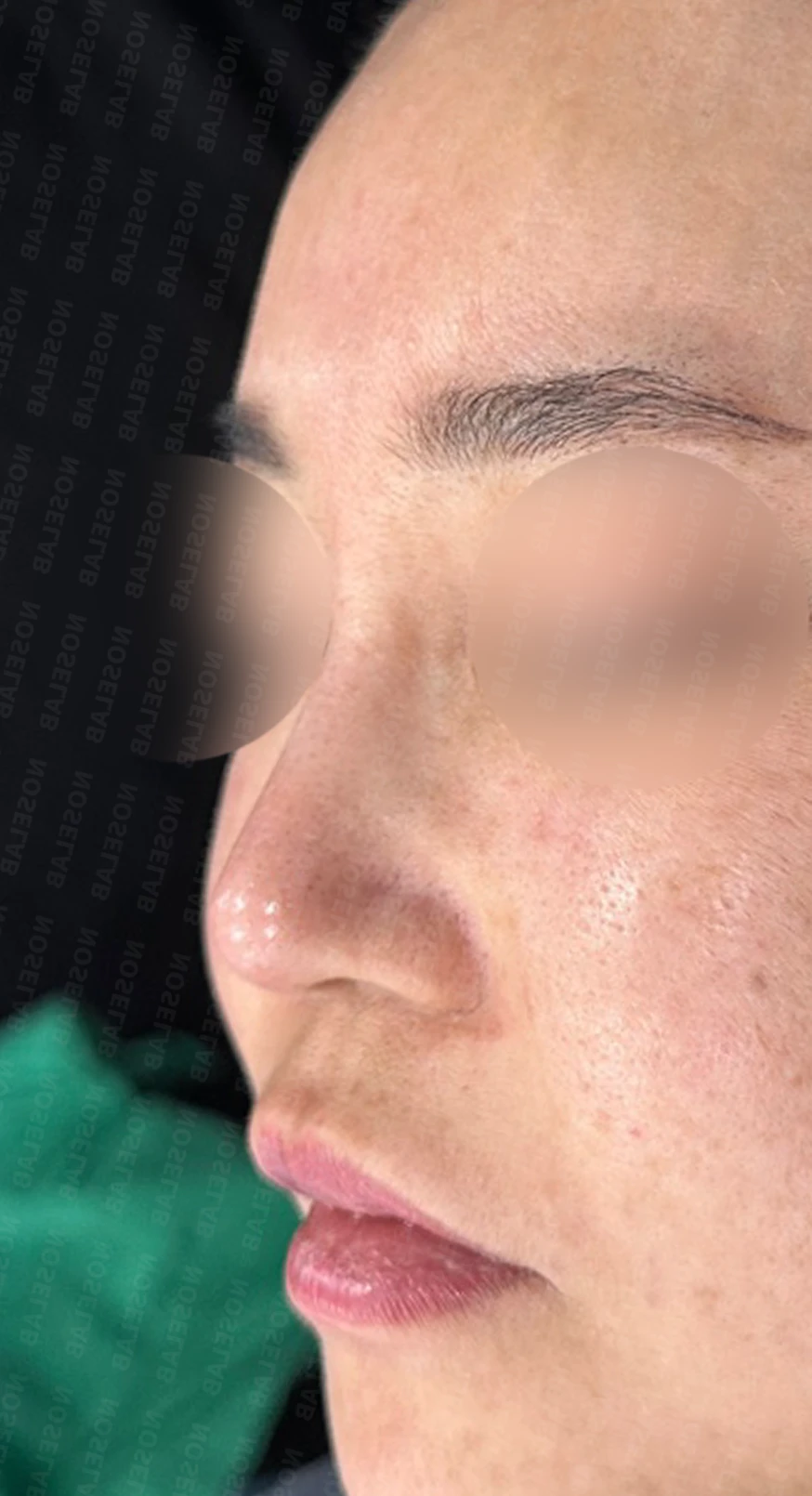
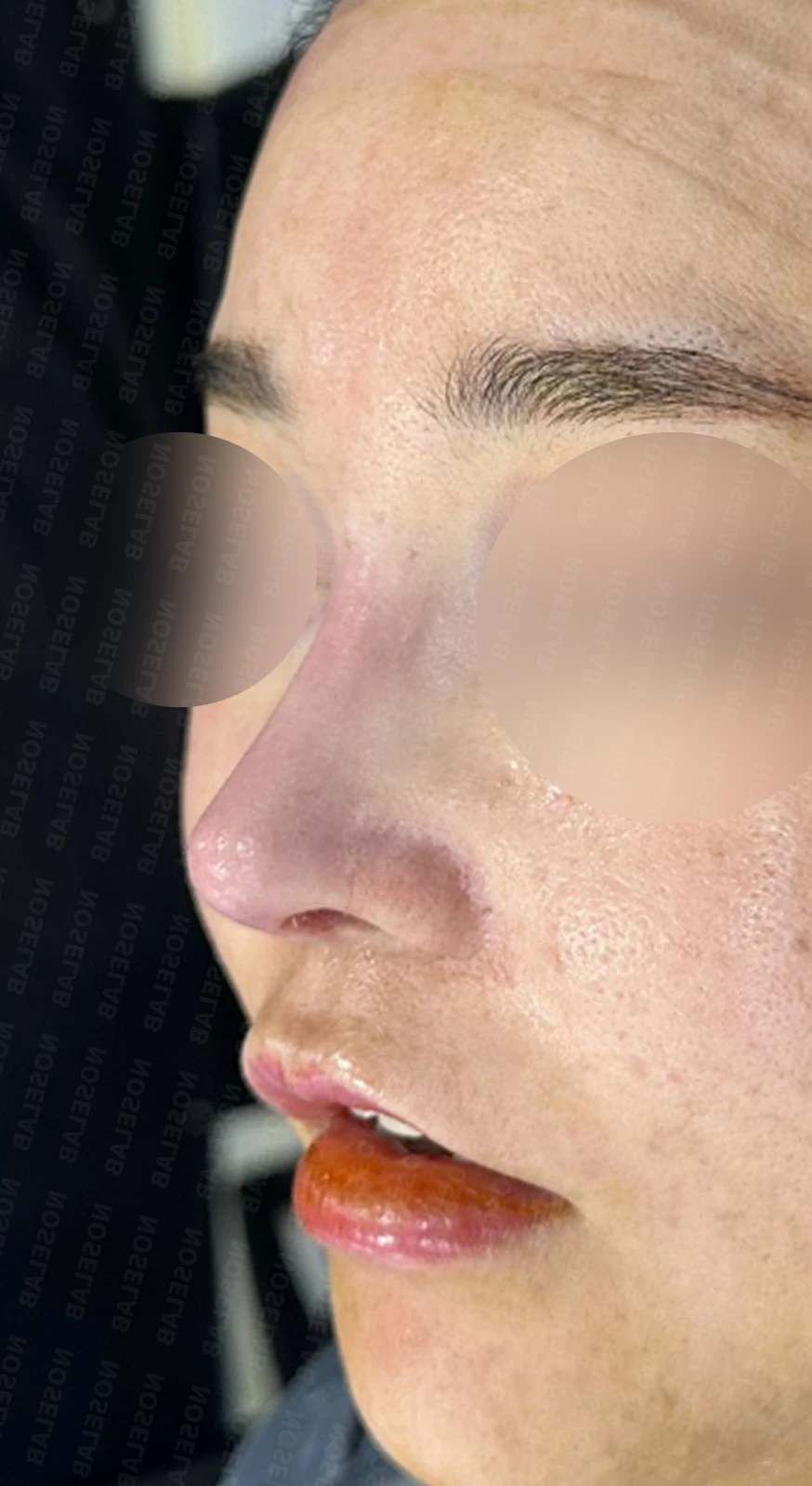
Before surgery / Day 0 immediately after surgery Photos taken immediately after surgery show swelling and may differ from the final result.
Added three-dimensional contour to a previously flat facial appearance
Nasal tip refined and corrected
Improvement of protruding mouth
4. Nostril correction
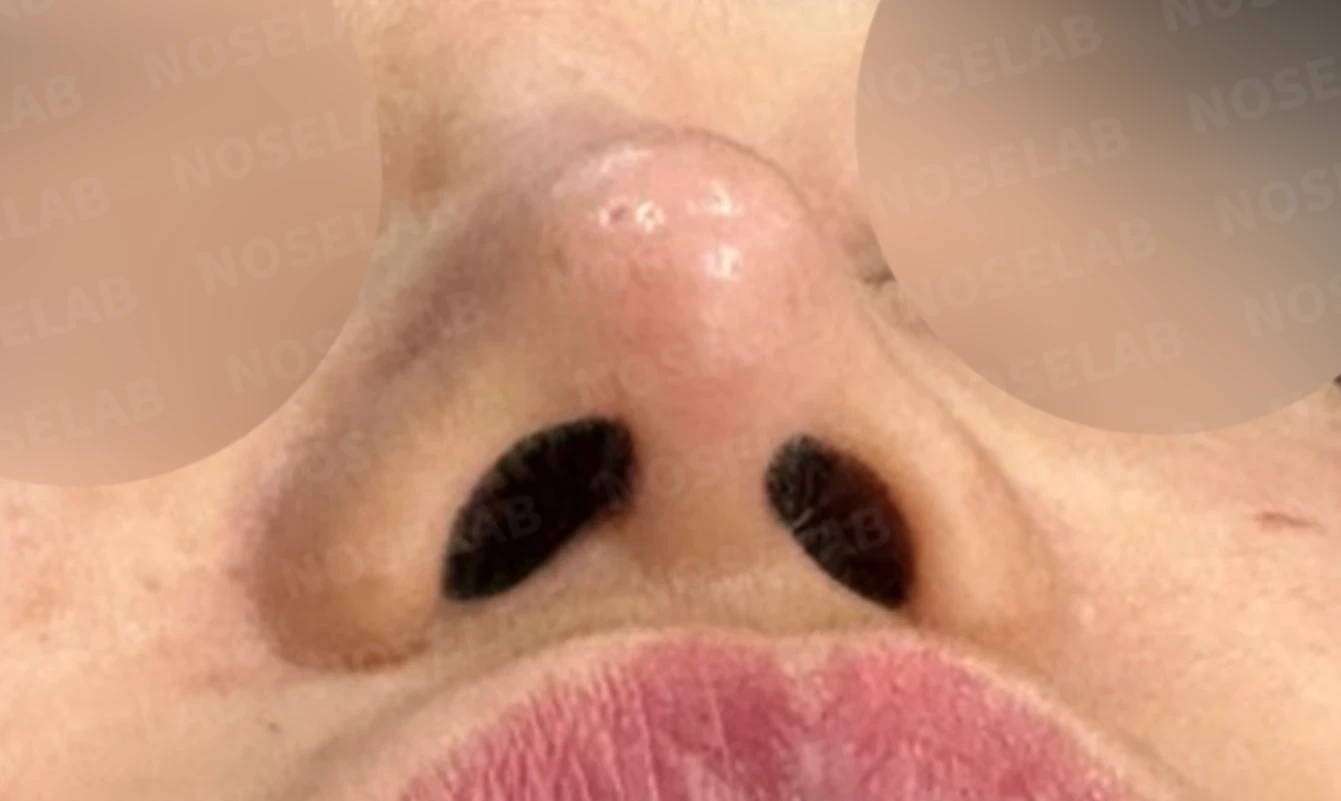
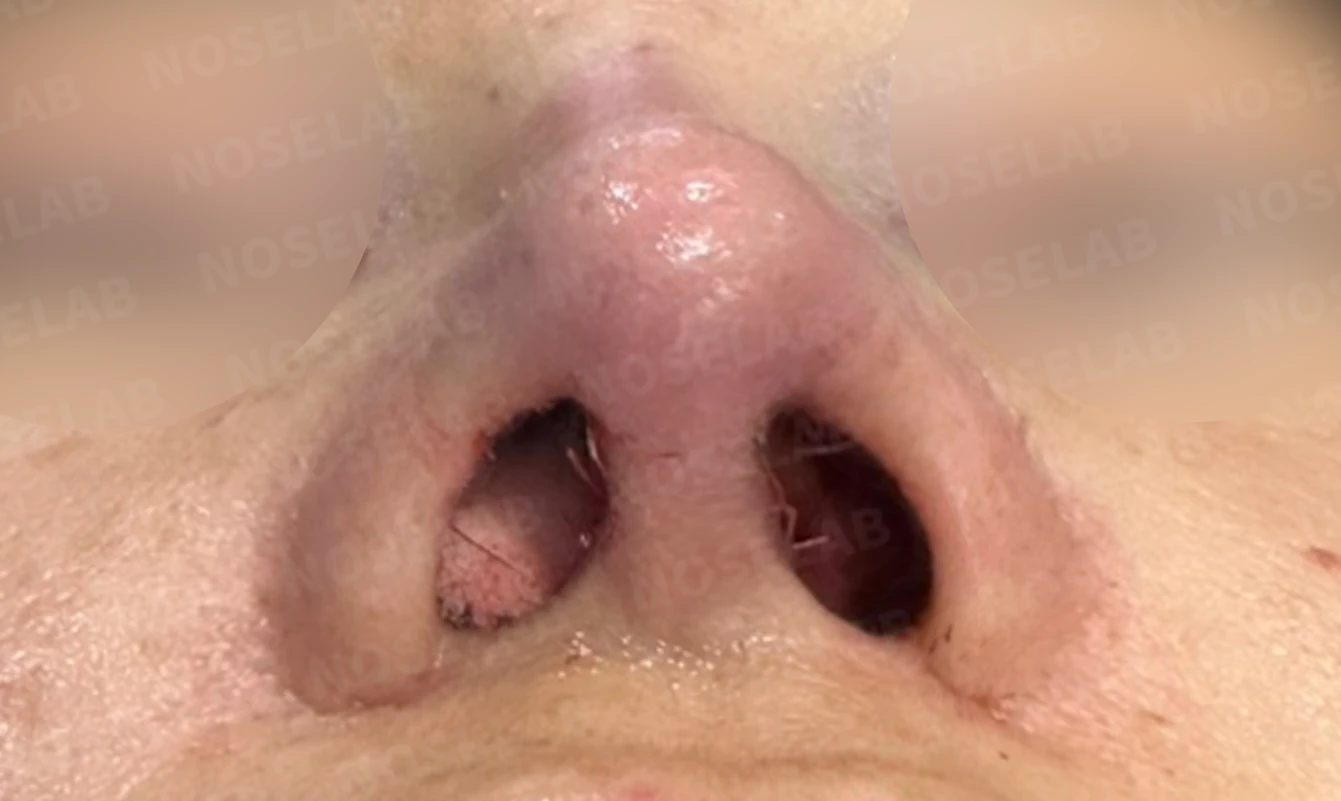
Before surgery / Day 0 immediately after surgery Photos taken immediately after surgery show swelling and may differ from the final result.
Achieving bilateral symmetry
Correction of columellar deviation
Improvement in alar asymmetry
💡 Specialist opinion
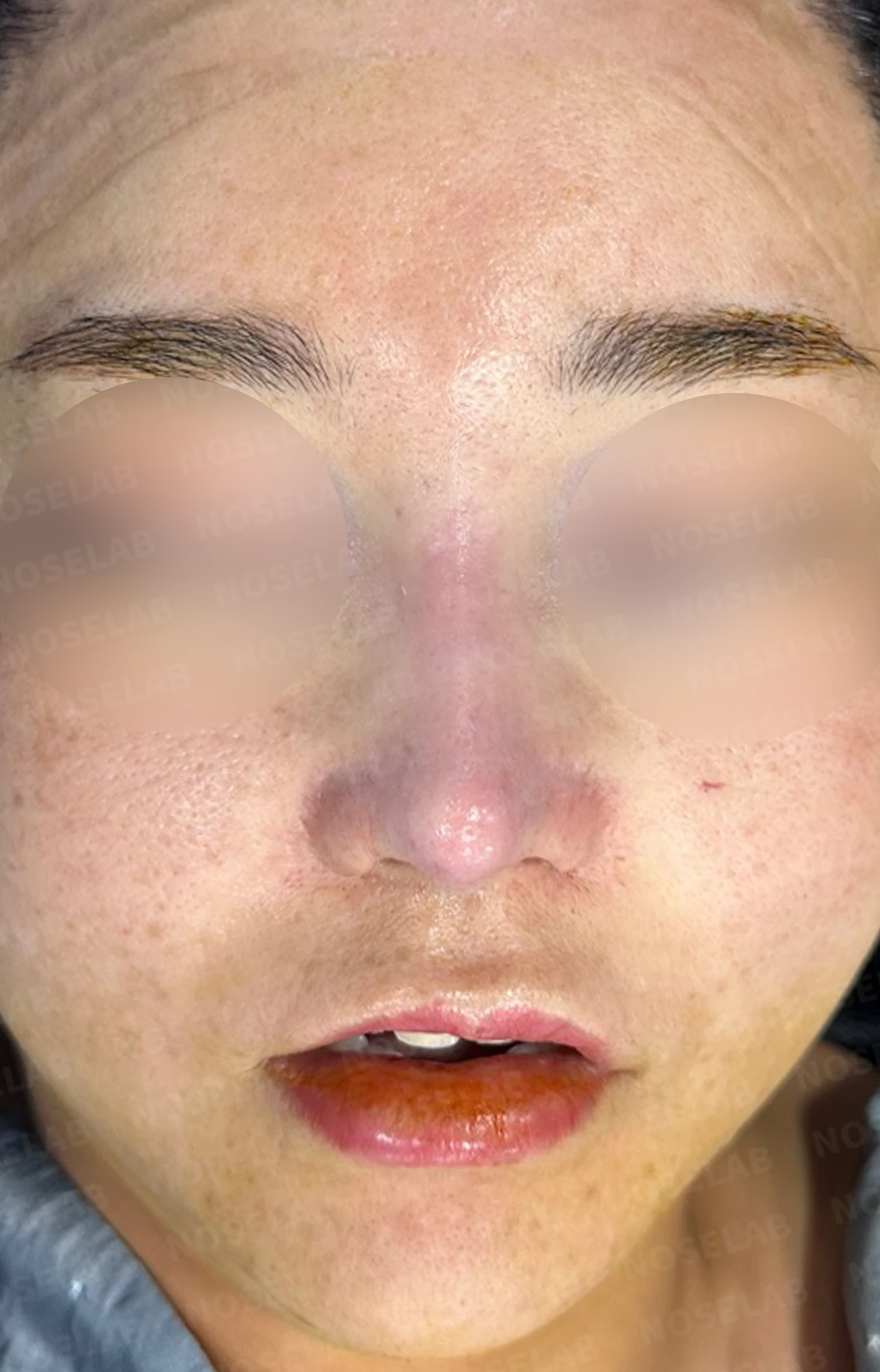
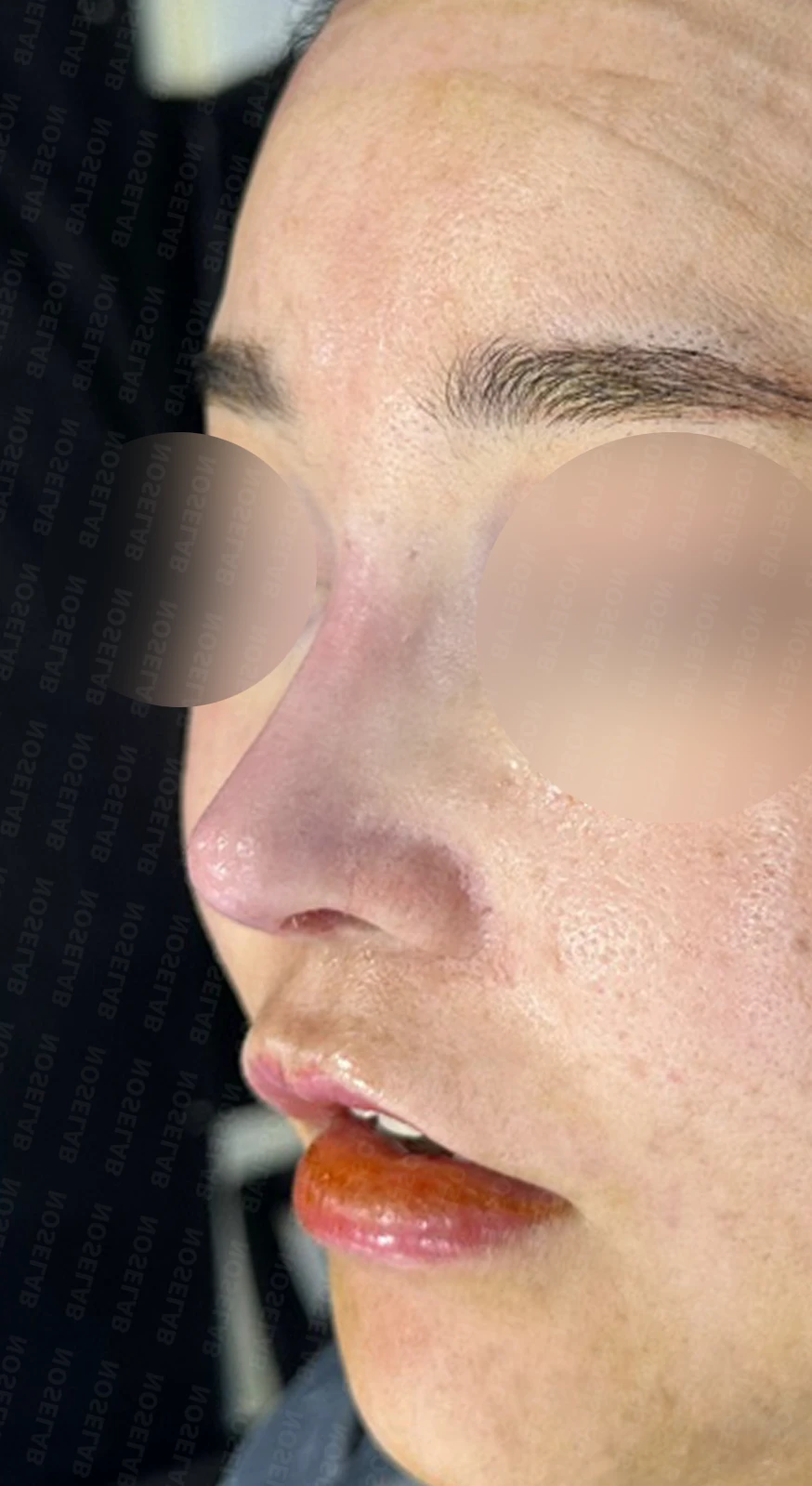
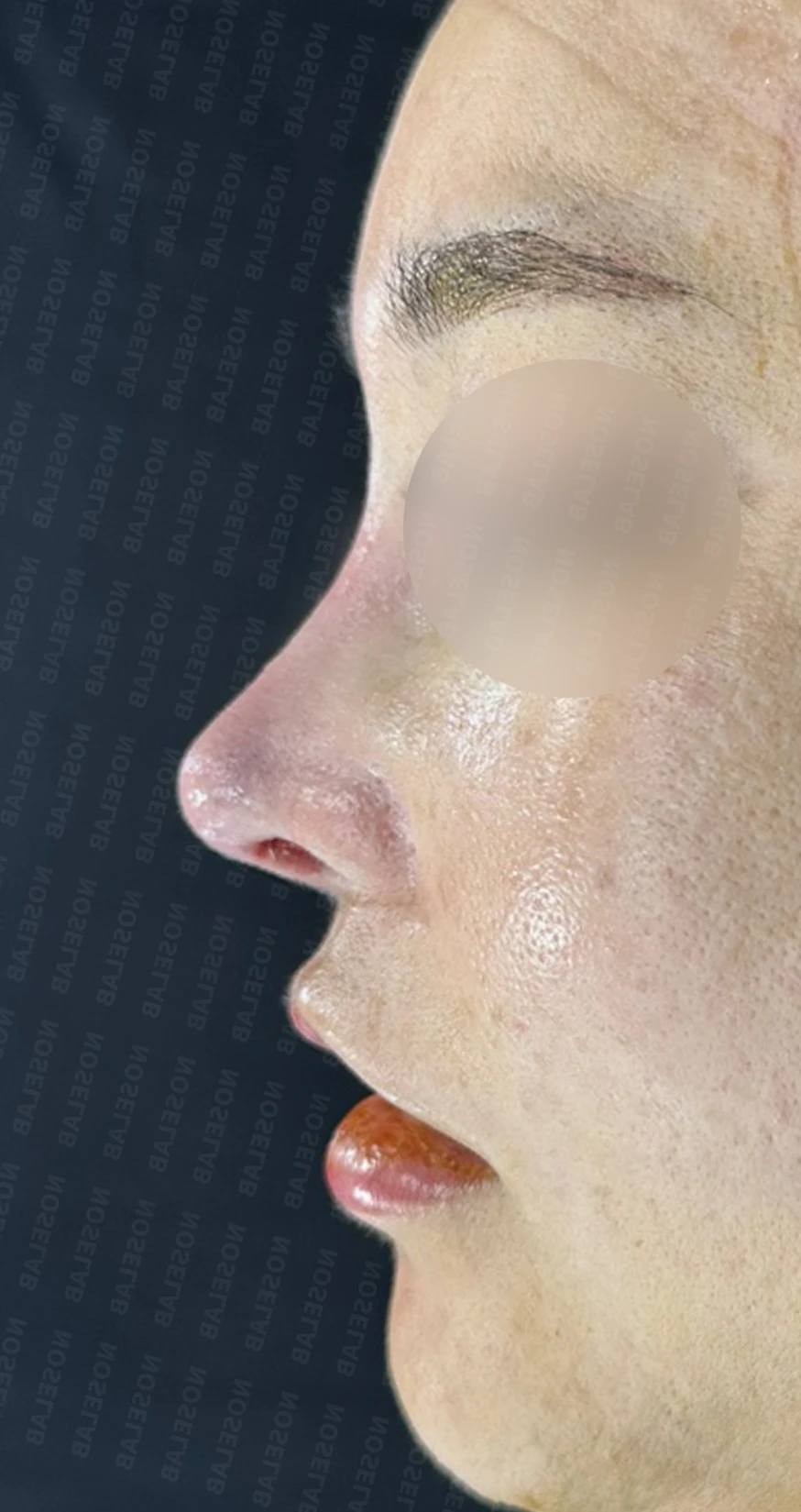
Front, oblique, and profile views on day 0 immediately after surgery Photos taken immediately after surgery show swelling and may differ from the final result.
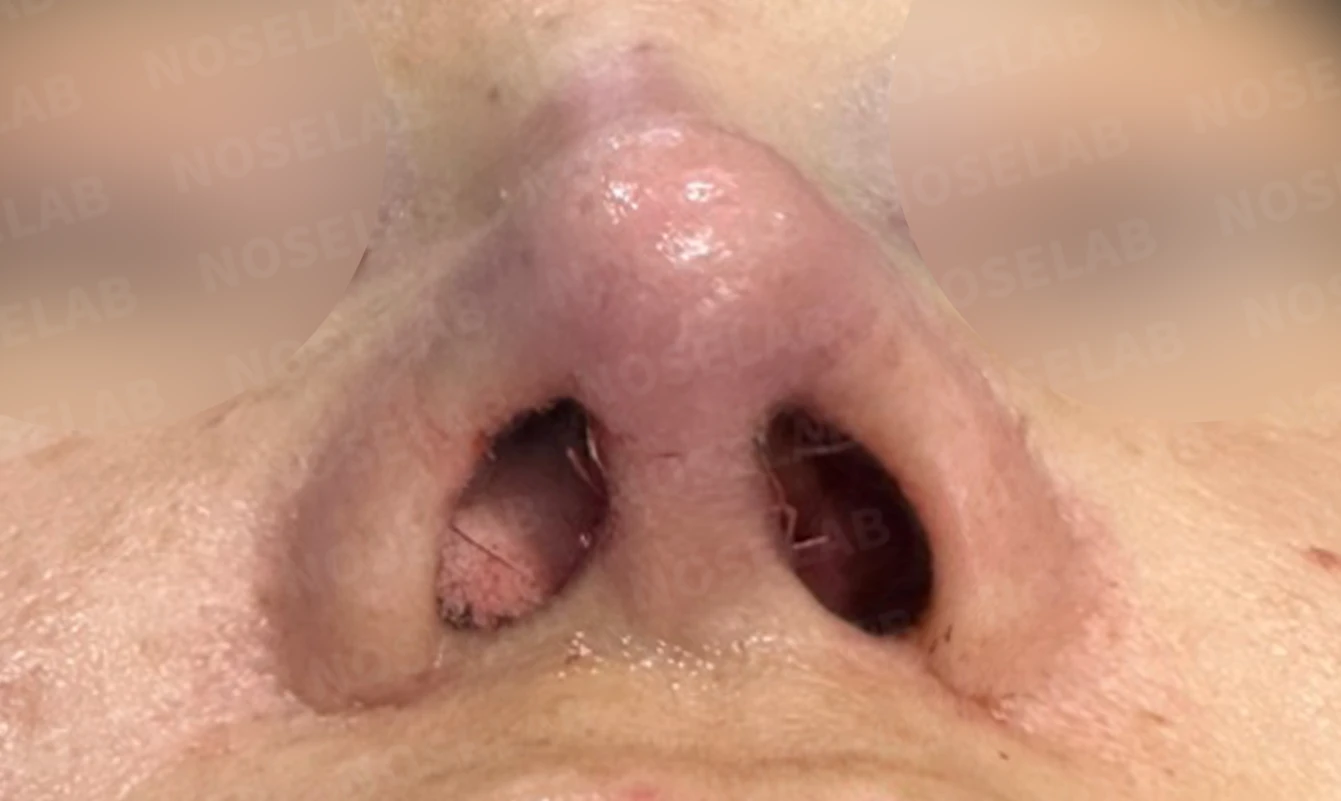
Nostril view on day 0 immediately after surgery Photos taken immediately after surgery show swelling and may differ from the final result.
This case involved resolving multiple complex issues resulting from a diverse surgical history. In particular, taking into account the tissue changes caused by prior filler and multiple surgeries including two-jaw surgery, a stable reconstruction was performed using autologous tissue.
Because two-jaw surgery involves surgical areas adjacent to the septal cartilage, changes in nasal shape can occur after surgery. By reconstructing the damaged septal cartilage with autologous rib cartilage, we were able to create the glamorous, refined appearance the patient desired. This was made possible through accurate problem analysis and meticulous surgical planning.
The overall appearance improved into the glamorous yet natural look the patient wanted, and breathing function was also enhanced, leading us to expect high patient satisfaction.
I hope this case is helpful to those facing similar concerns.
This was Dr. Peter C. Kang. Thank you.
Thank you.
#closedrhinoplasty #septalreconstruction #fillerremoval #crookednose #nostrilasymmetry #revisionrhinoplasty #customrhinoplasty #functionalimprovement #naturalnose
Limitations and risks
When autologous rib cartilage is used, scarring and pain may remain at the donor site on the chest, and pneumothorax (pleural injury) can occur rarely. Over time, the grafted cartilage may warp or undergo partial resorption.
When foreign materials such as injected fillers are removed and reconstructed, contracture may recur, nasal height and length may decrease, and staged surgery may be necessary depending on the skin condition.
When the septum is corrected at the same time, nasal obstruction may persist or recur, and in rare cases, septal perforation or changes in smell may occur.
Common potential risks include infection, bleeding, asymmetry, scarring, skin necrosis, and insufficient improvement; results vary depending on individual skin condition and previous surgical history.