Hello, I am Dr. Peter C. Kang.
Today, I would like to introduce a case of a male patient with complex problems including contracture deformity and a short, upturned nasal shape following multiple rhinoplasty surgeries.
Through this case, let us take a detailed look at the challenges and solutions in correcting contracture deformities.
1. Patient history
The patient had the following surgical history:
1. 2017: Septum + silicone implant
2. 2020: Silicone implant + autologous rib cartilage graft
3. December 2023: Silicone implant + harvesting new autologous rib cartilage
- After 3 months, the nasal tip became red and swelled like a balloon, requiring incision
4. Same-day irrigation + implant removal
2. Patient goals
- Correction of nasal obstruction (sometimes unable to taste food)
- Nasal reconstruction
- Straight line
- Slim impression
3. Design consultation
Let us analyze the patient's condition in detail:
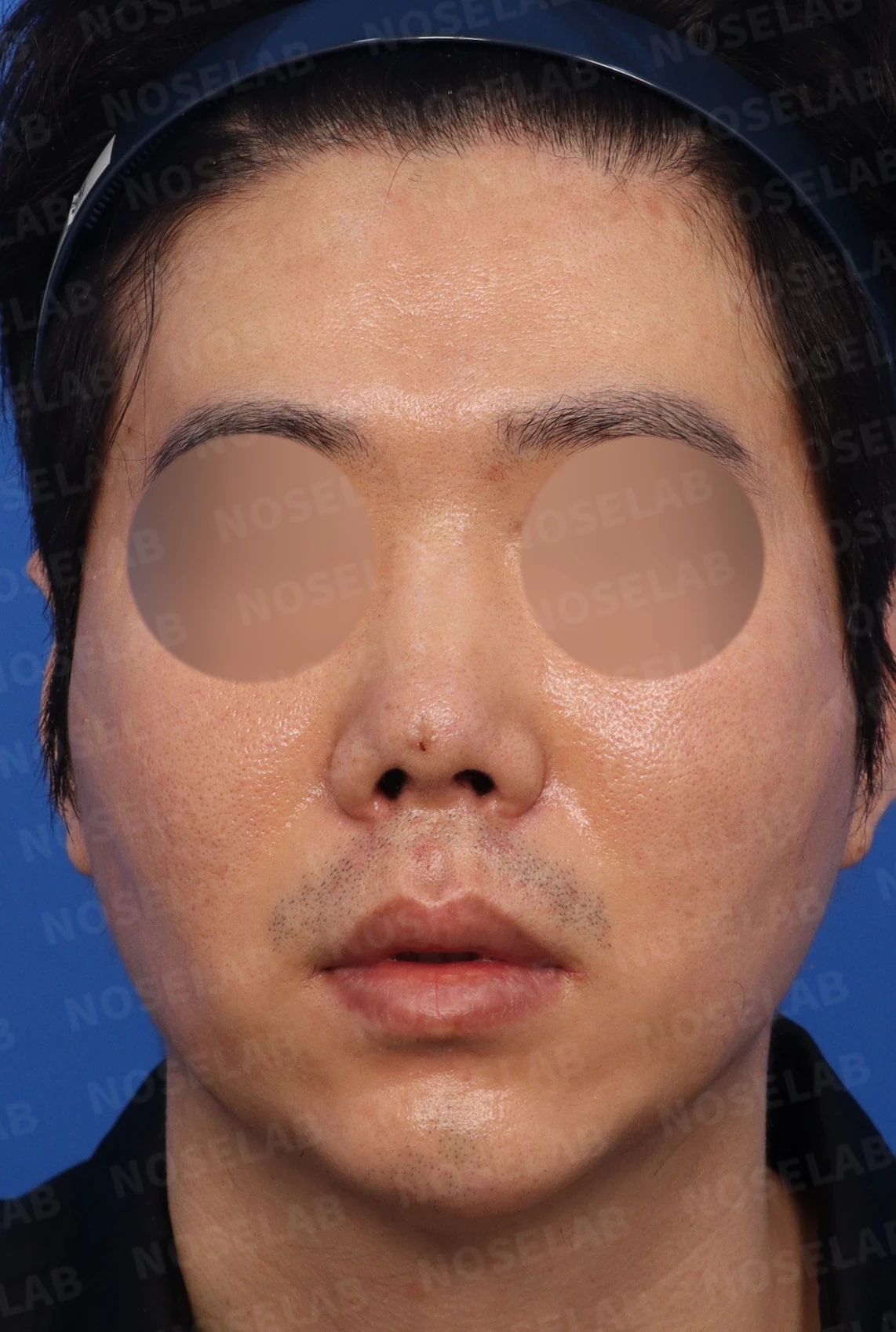
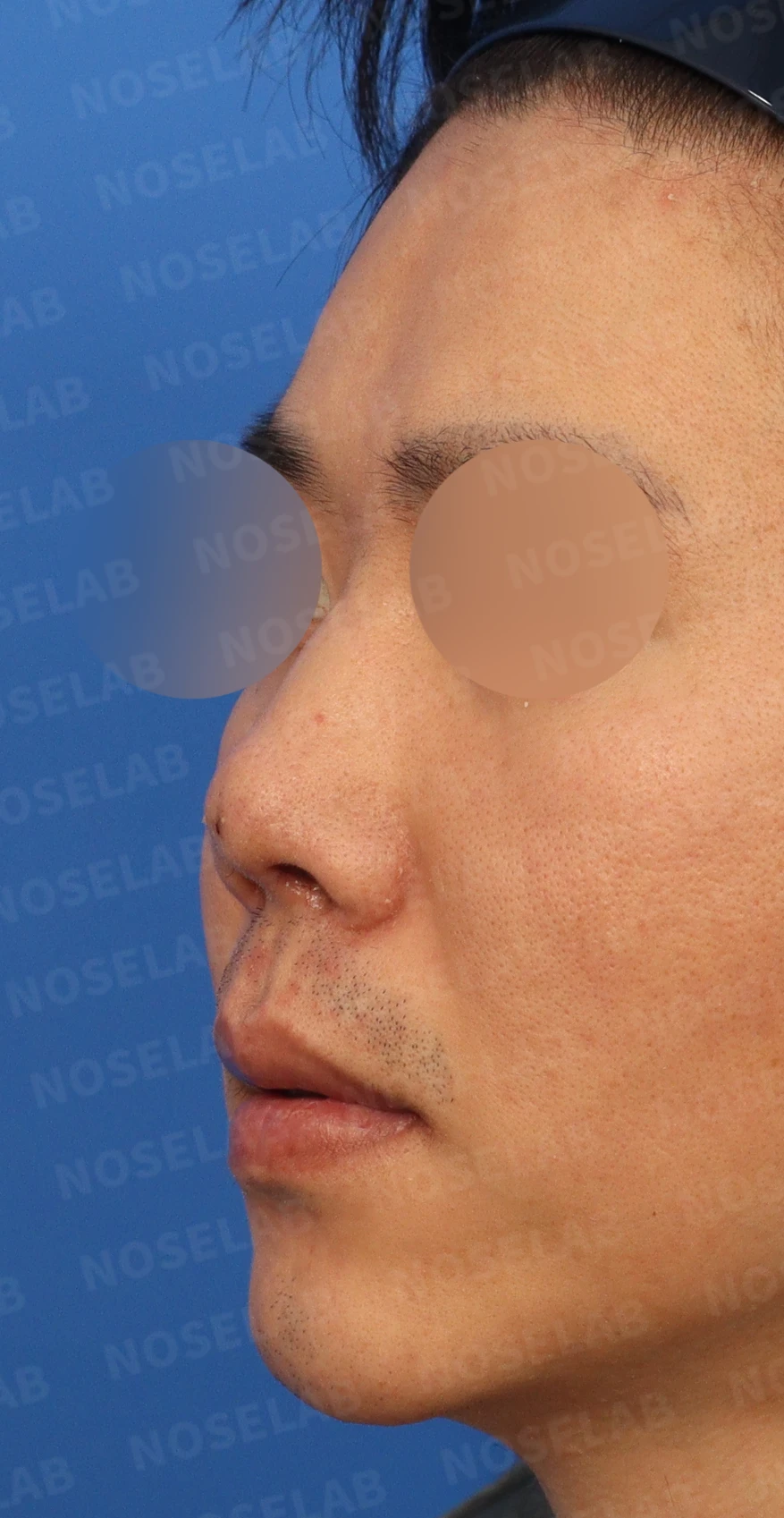
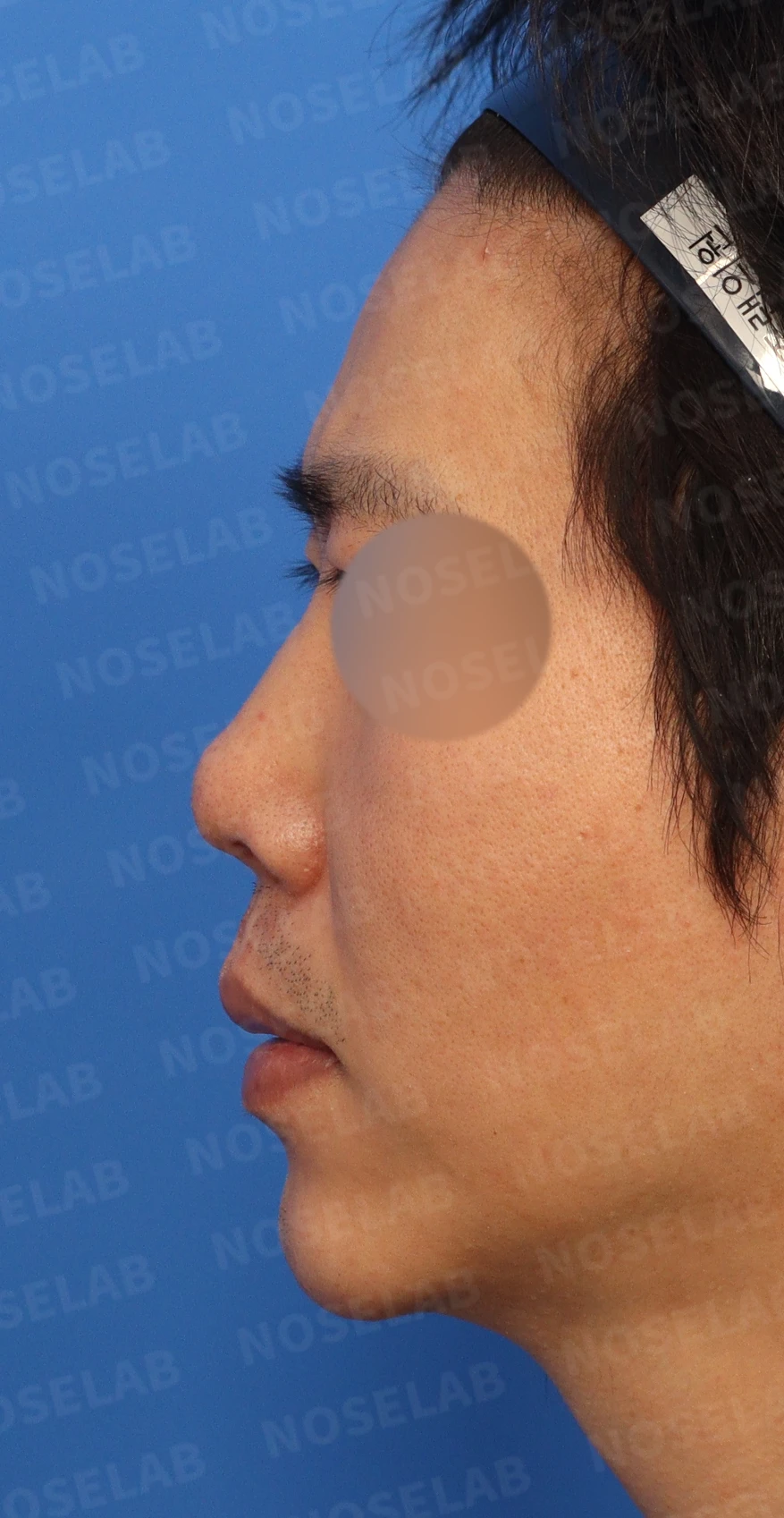
Design consultation: front, left oblique, and profile views.
Front view:
- Upturned
- Noticeable nostril asymmetry
- Significant nostril show
- The nasal bridge is wide, appears crooked, and lacks definition
Oblique view:
- Appears short and drooping
Profile view:
- Appears depressed
- Signs of a protruding mouth
- Overall short appearance
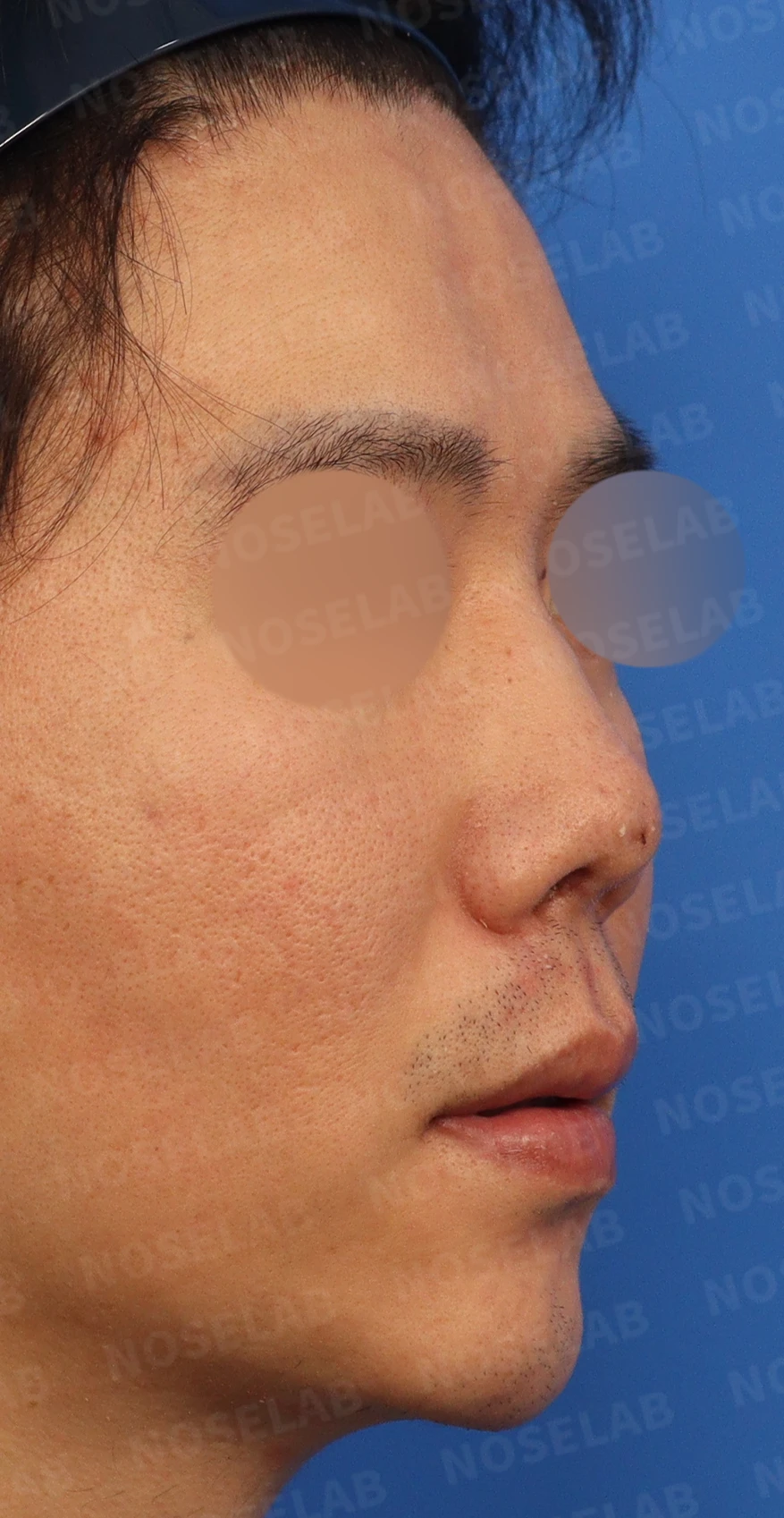
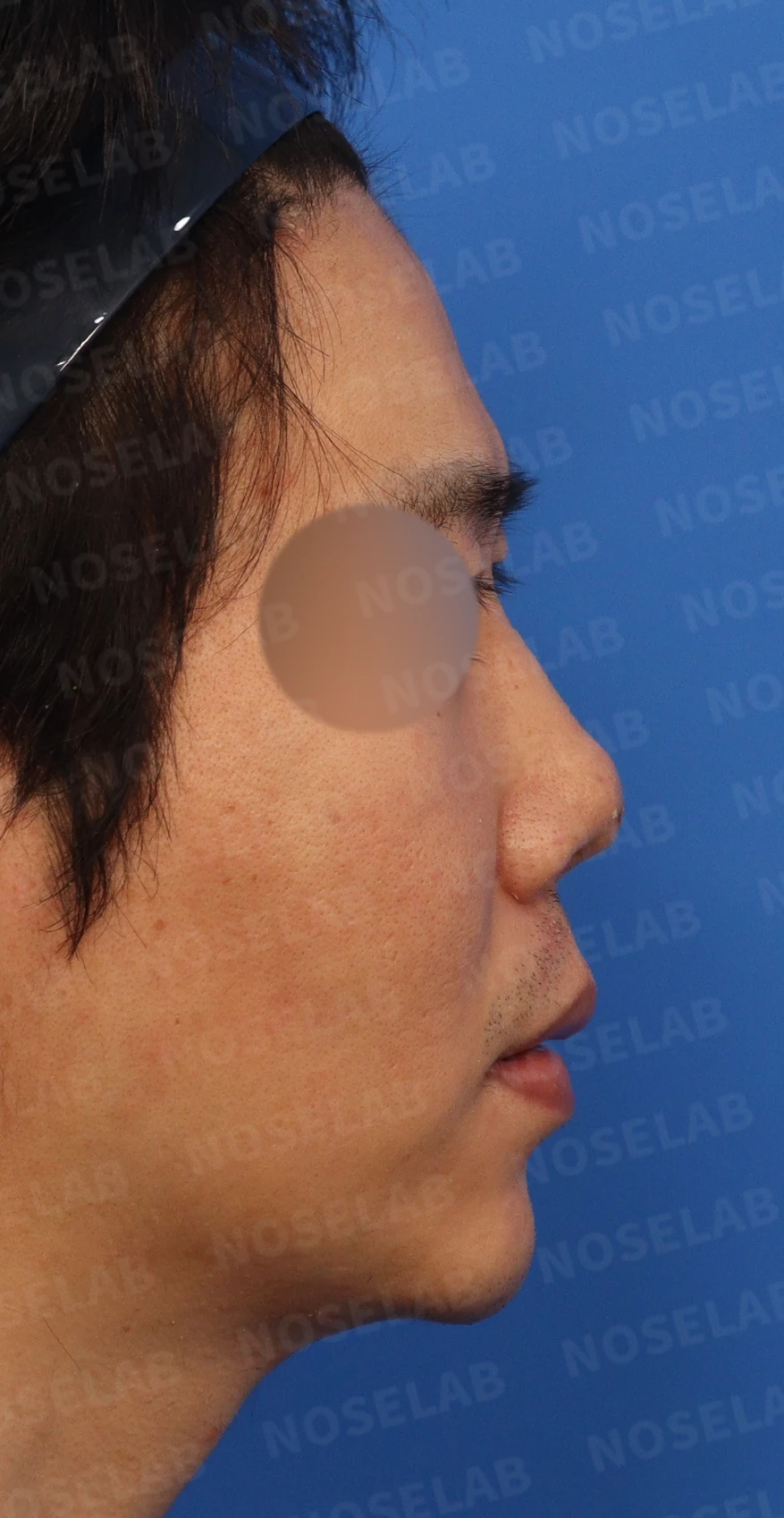
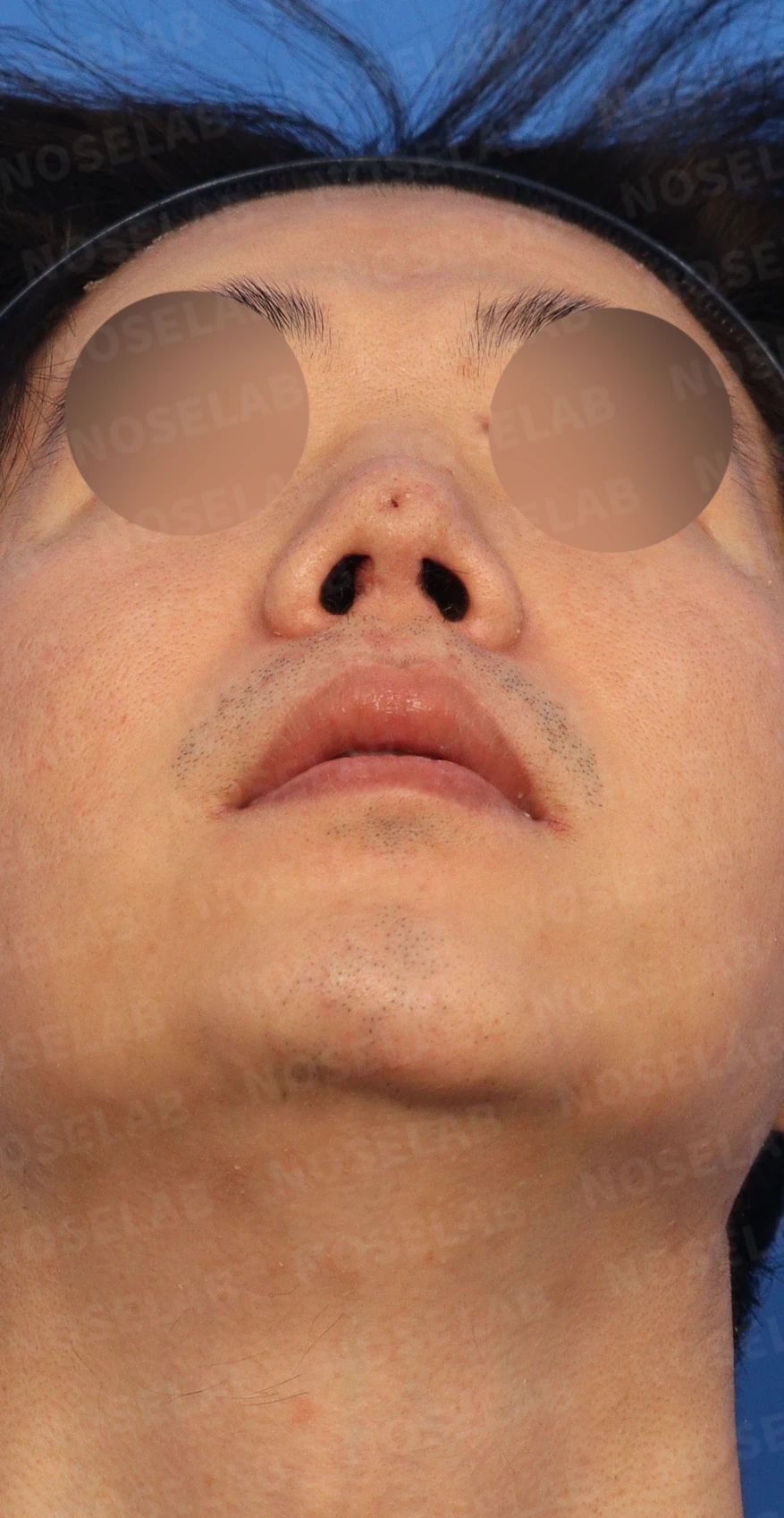
Right profile, oblique, and nostril views during design consultation.
Nostrils:
- Depressed scar is visible
- Noticeable nostril asymmetry
- Scar tissue protrudes on the right side of the columella
4. Surgical plan
To resolve these complex issues, the following surgical plan was established:
a) Stem cell injection therapy:
- Performed 5 sessions at 2-week intervals
- Administered the 6th stem cell injection treatment on the day of surgery
b) Autologous rib cartilage harvest:
- Because rib cartilage had previously been harvested twice from the right side, it was harvested from the left side this time.
c) Septal cartilage reconstruction and correction:
- Reconstruction of septal cartilage using autologous rib cartilage
- Straightening the septum deviated to the right to improve nasal obstruction
d) Nostril correction:
- Improving nostril asymmetry through nostril lowering
e) Nasal tip correction:
- Lowering the upturned area via septal extension using autologous rib cartilage
- Correcting the nasolabial angle by naturally lowering the columella (providing improvement for a protruding mouth)
f) Nasal bridge correction:
- Creating a natural, straight nasal bridge line using a silicone implant
- Correcting the wide and crooked appearance on the front view
g) Nasal tip scar improvement:
- Improving the depressed scar via subdermal dermis and cartilage grafting
5. Procedure details
Using a closed approach, the surgery was performed as follows:
a) Stem cell injection therapy:
- Tissue regeneration and healing were promoted through 5 prior sessions of stem cell injection therapy.
- The 6th stem cell injection treatment was administered on the day of surgery to assist postoperative recovery and reduce the possibility of recurrent contracture.
b) Autologous rib cartilage harvest:
- A sufficient amount of autologous rib cartilage was harvested from the left side.
- This was used for septal reconstruction, nasal tip correction, nasolabial angle adjustment, and other procedures.
c) Septal cartilage reconstruction and septoplasty:
- The damaged septal cartilage was reconstructed using the harvested autologous rib cartilage.
- The septum, which had deviated to the right, was straightened to resolve nasal obstruction and secure structural stability.
d) Nostril lowering:
- Through nostril lowering techniques, the retracted nostrils were brought down and asymmetry was improved.
e) Nasal tip:
- Septal extension using autologous rib cartilage was performed to naturally lower the upturned area.
- The columella was lowered appropriately to correct the nasolabial angle, which also produced an improvement in the protruding mouth.
f) Nasal bridge:
- A silicone implant was used to create a natural, straight nasal bridge line.
- The appearance that seemed wide and crooked from the front was corrected to produce a slim, straight line.
g) Nasal tip scar improvement:
- Dermis and cartilage were grafted beneath the skin at the site of the depressed nasal tip scar to create a smooth surface.
The entire procedure was performed via a closed approach, leaving no external scars.
6. Comparison of before-and-after photos
Comparing photos taken immediately after surgery on day 0 shows the following improvements: Photos taken immediately after surgery show swelling and may differ from the final result.
Front view:
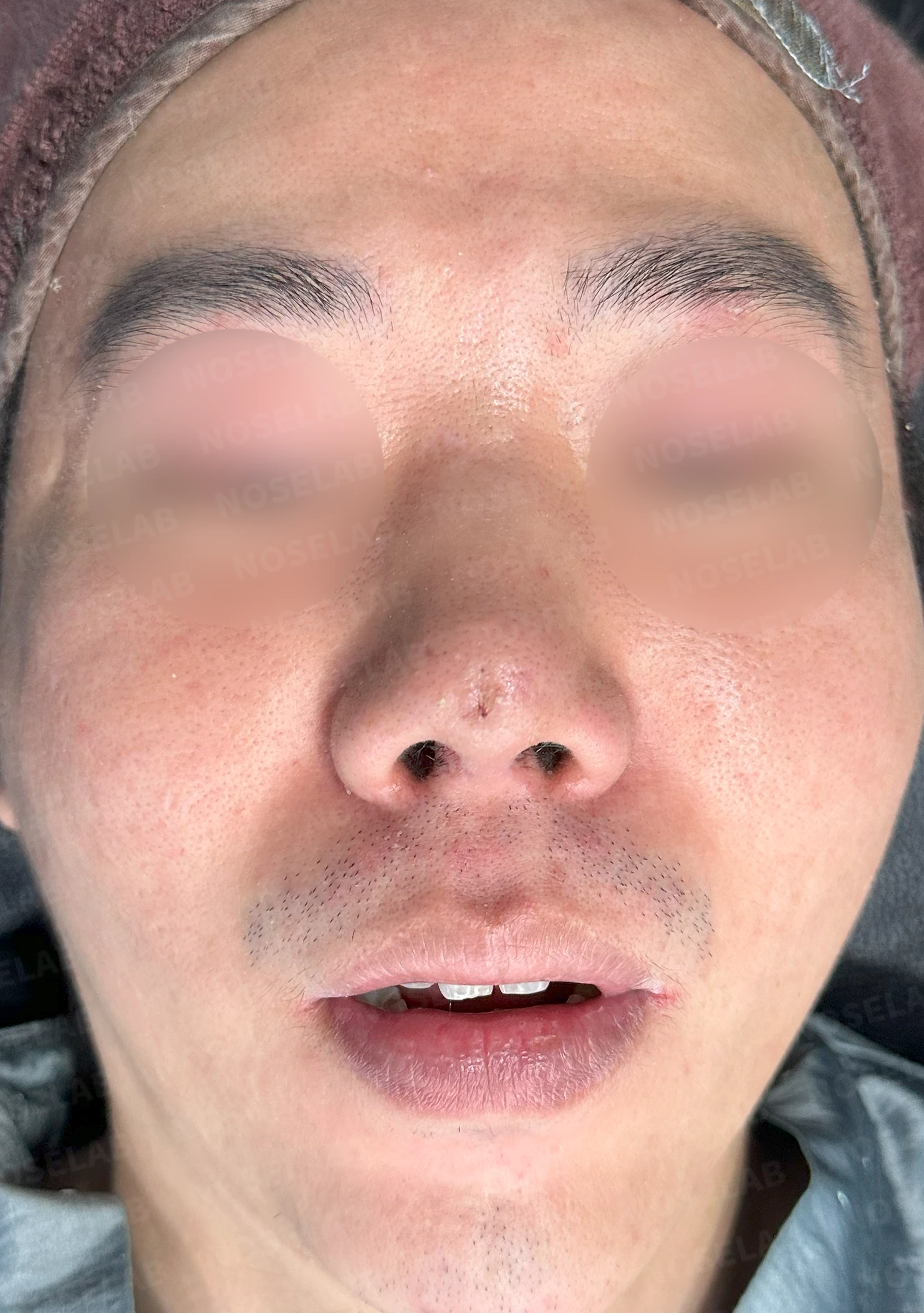
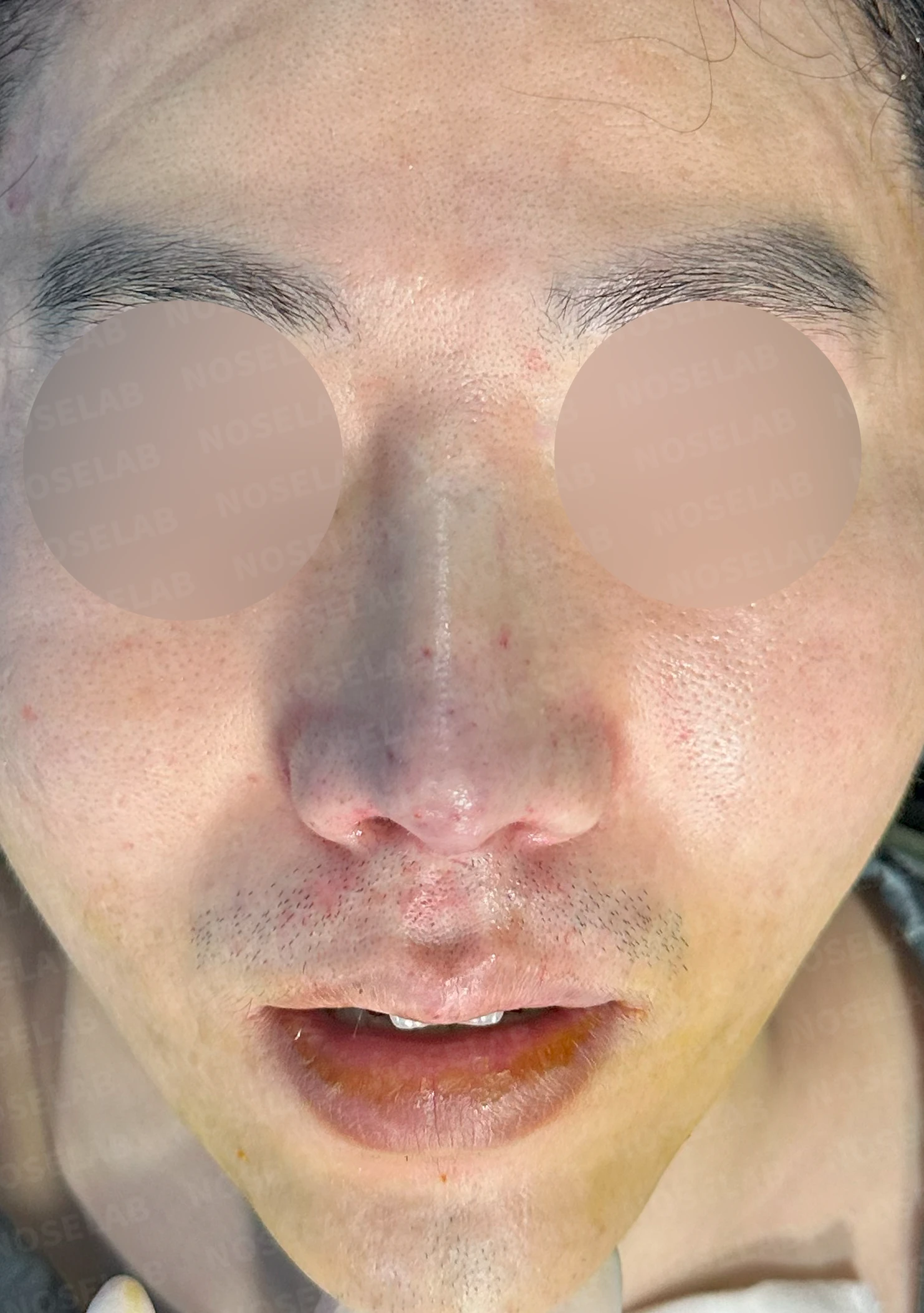
Before surgery / Day 0 immediately after surgery Photos taken immediately after surgery show swelling and may differ from the final result.
- The upturned nasal tip was naturally lowered, reducing nostril show.
- Nostril asymmetry was improved.
- The nasal bridge, which had appeared wide and crooked, became slim and straight.
Oblique view:
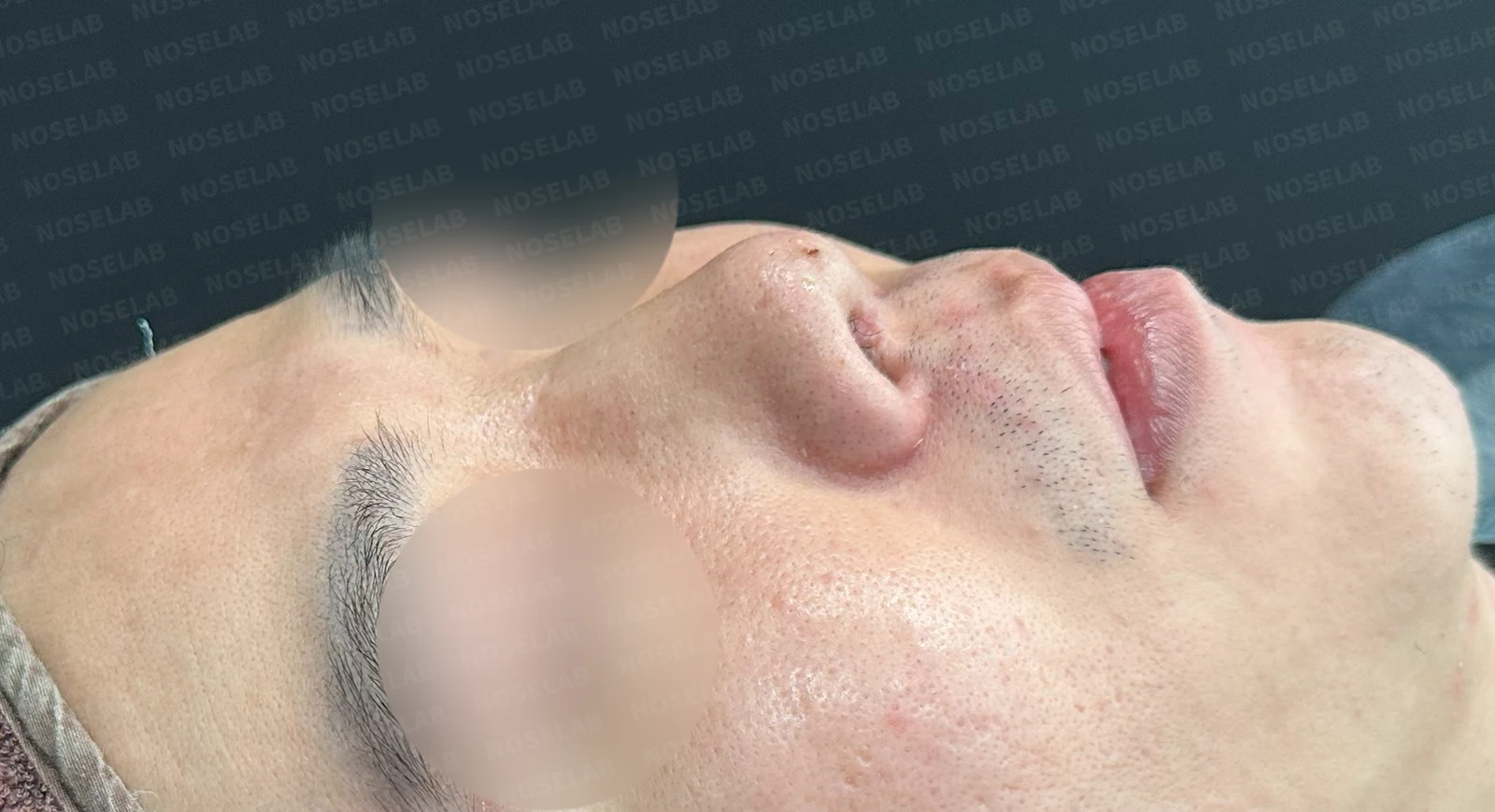
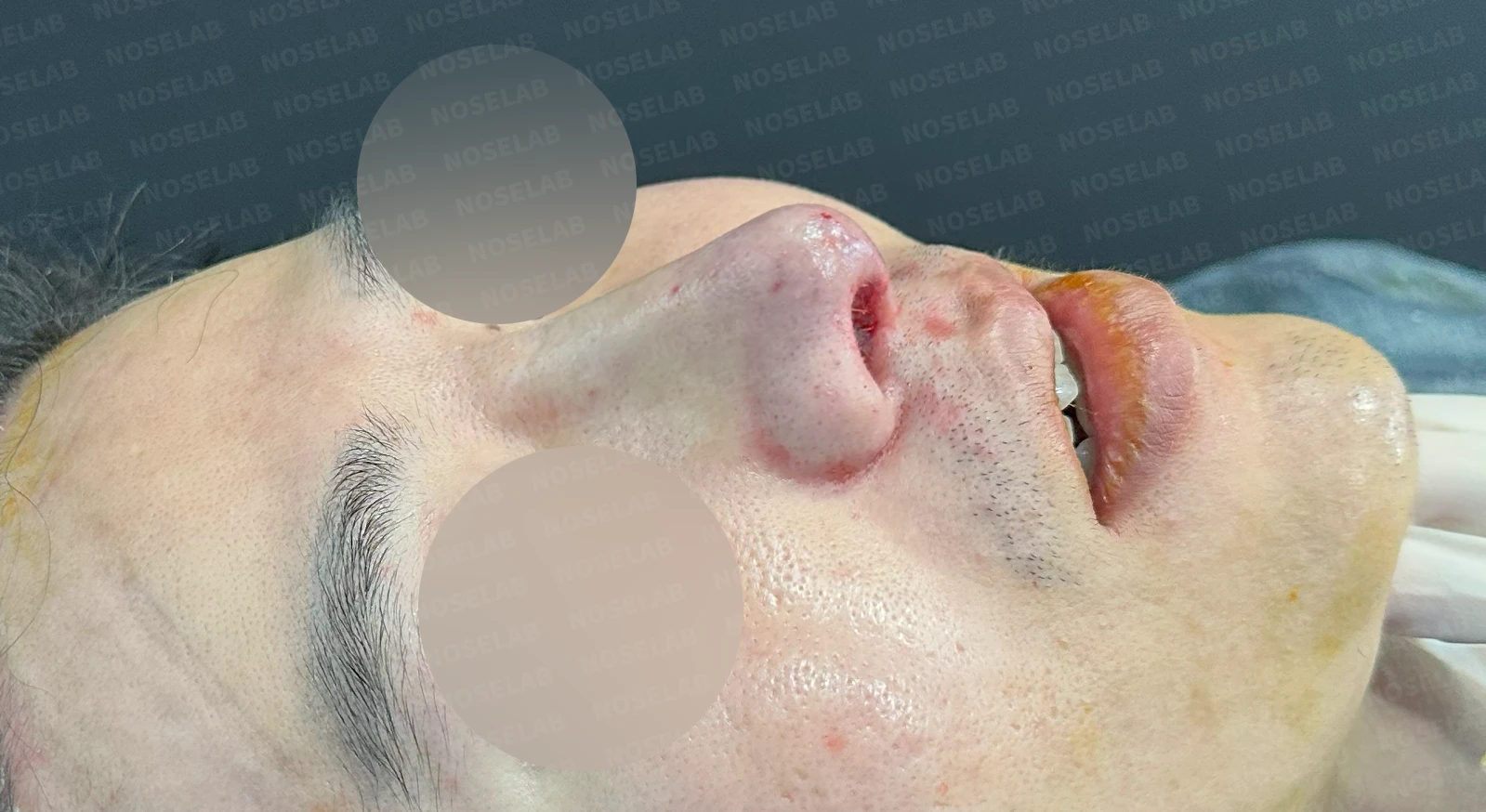
Before surgery / Day 0 immediately after surgery Photos taken immediately after surgery show swelling and may differ from the final result.
- The short, drooping impression was lengthened and elevated, improving overall balance.
- The overall line became smooth and natural.
Profile view:
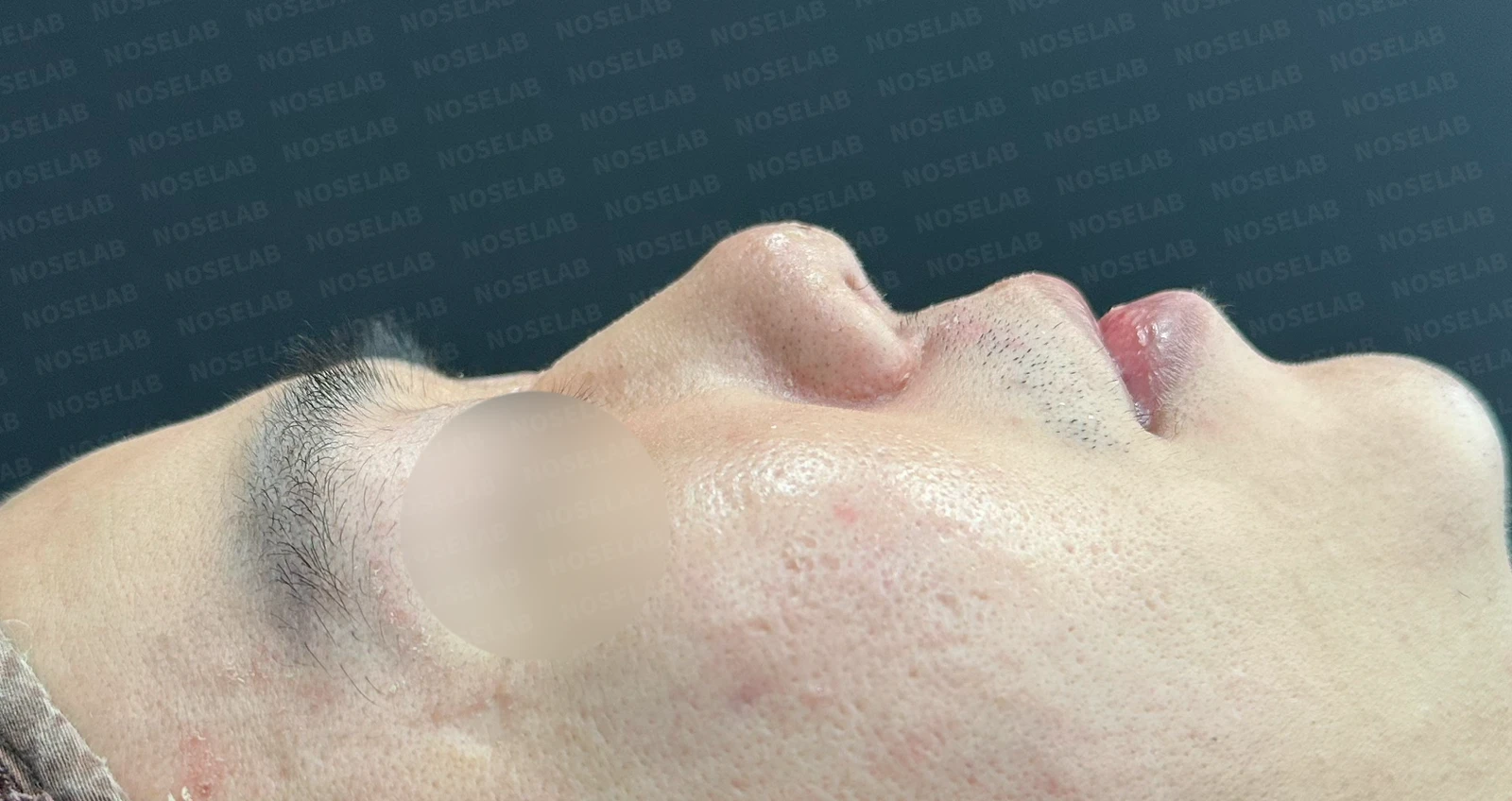
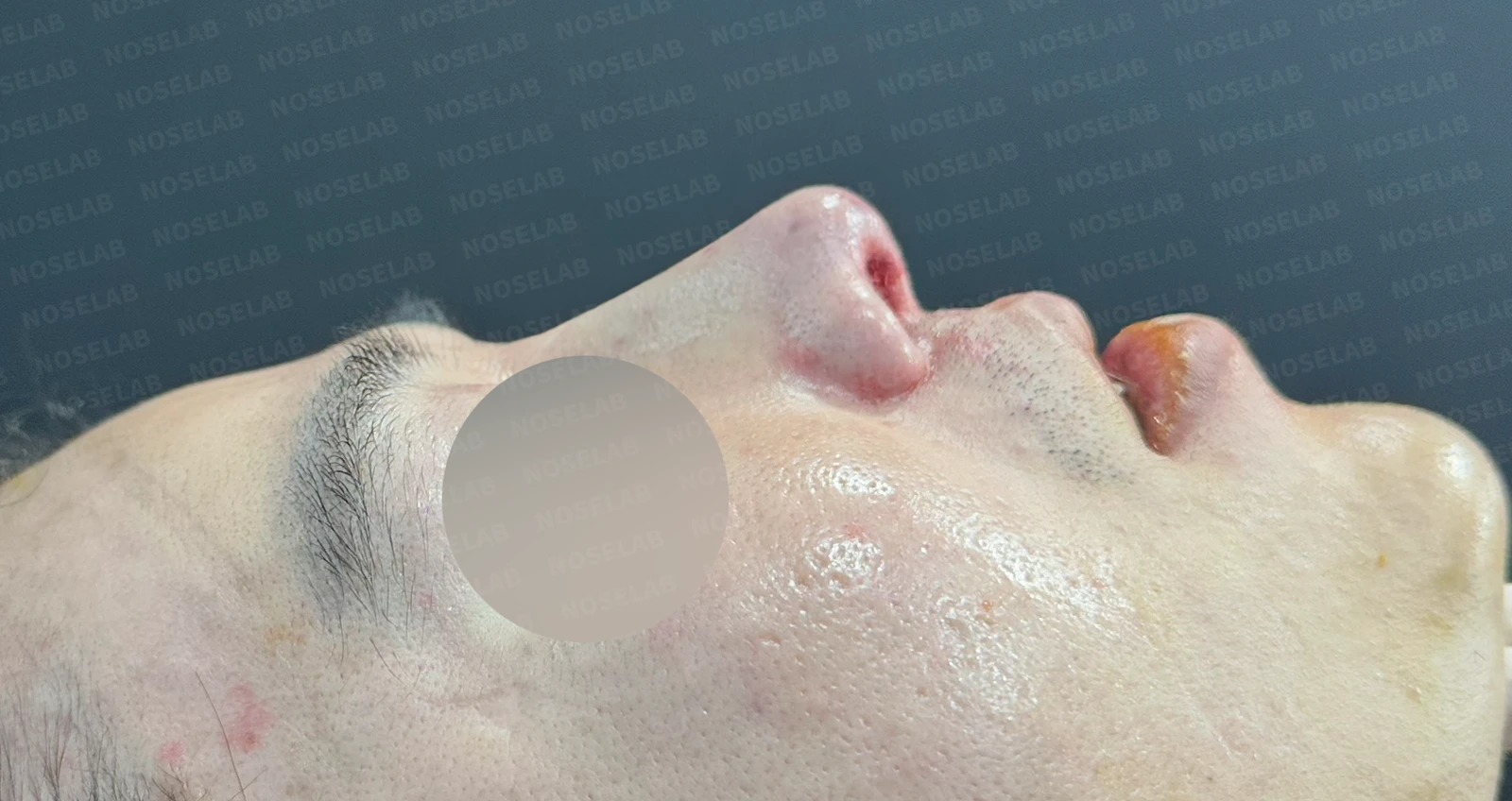
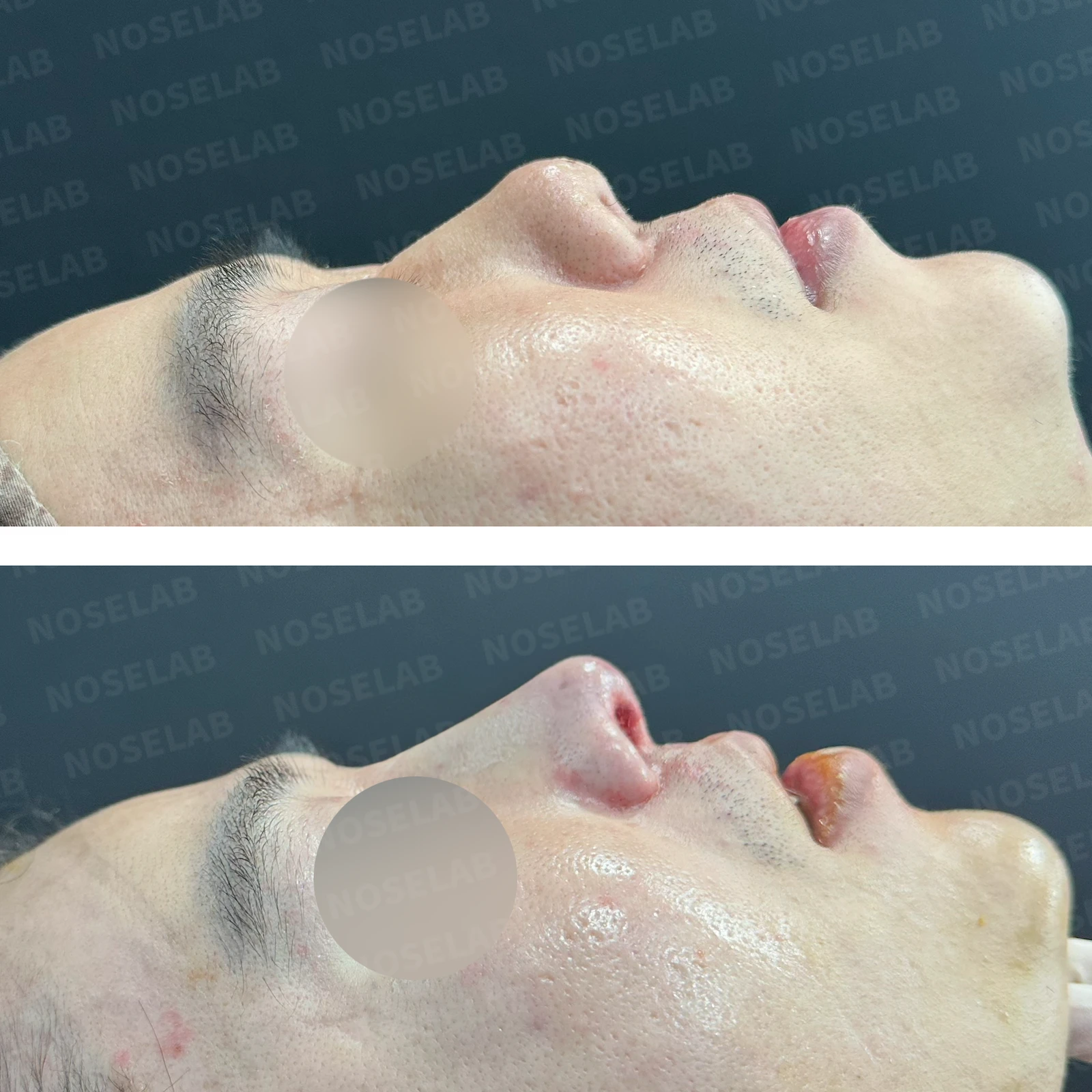
Before surgery / Day 0 immediately after surgery Photos taken immediately after surgery show swelling and may differ from the final result.
- The depressed nasal tip was appropriately elevated, improving overall height.
- The appearance of a protruding mouth was softened, enhancing overall facial harmony.
- Nasal length was appropriately restored, presenting a well-balanced appearance.
Nostrils:
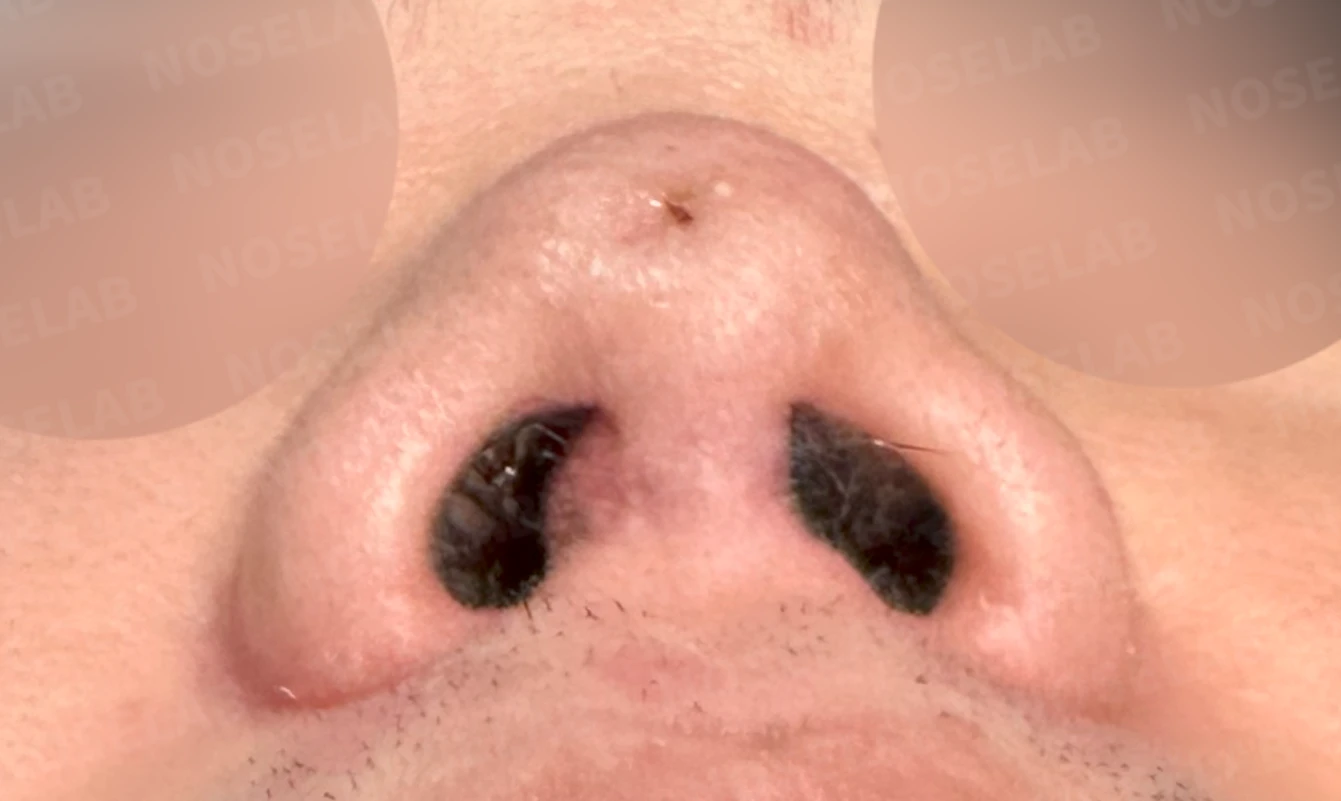
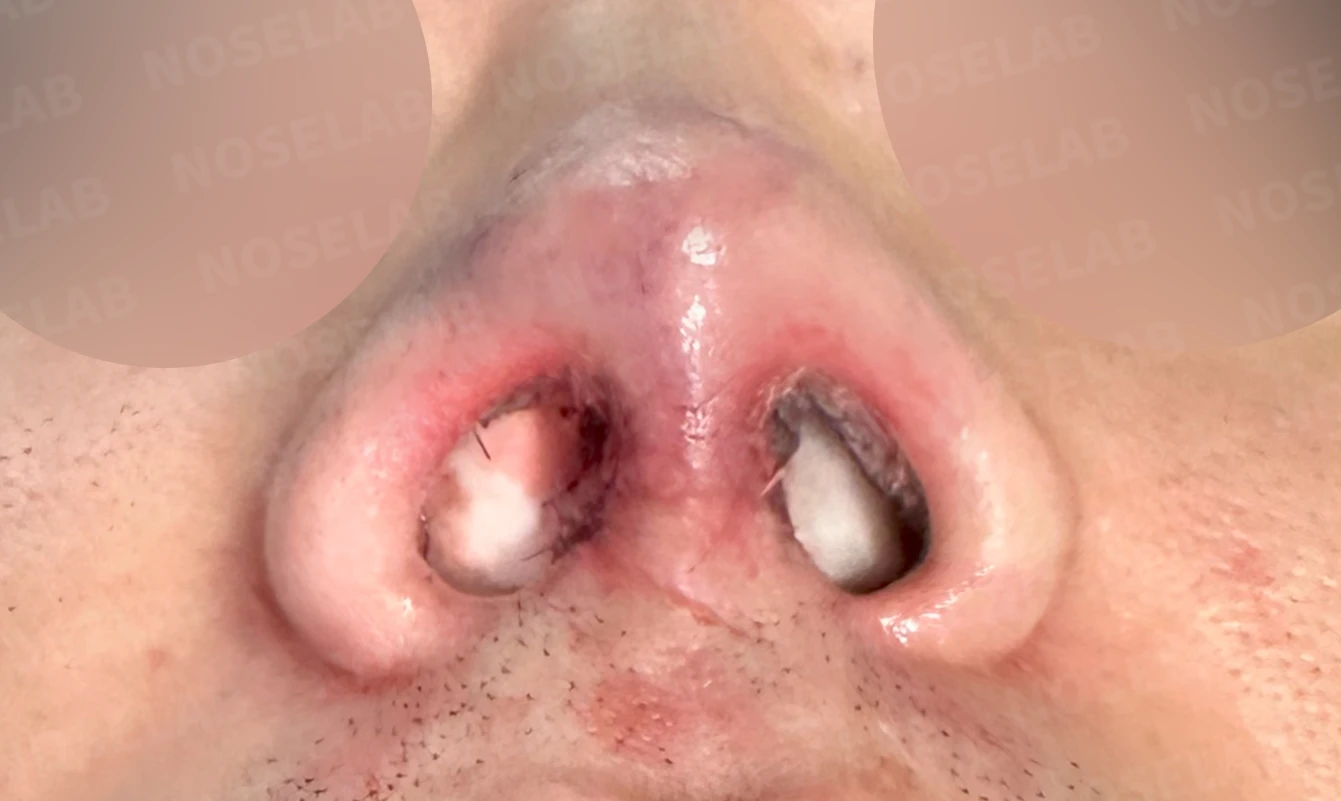
Before surgery / Day 0 immediately after surgery Photos taken immediately after surgery show swelling and may differ from the final result.
- The depressed scar on the nasal tip was improved, showing a smooth surface.
- Nostril asymmetry improved significantly.
- The protruding scar tissue on the right side of the columella was corrected.
7. Photos immediately after surgery
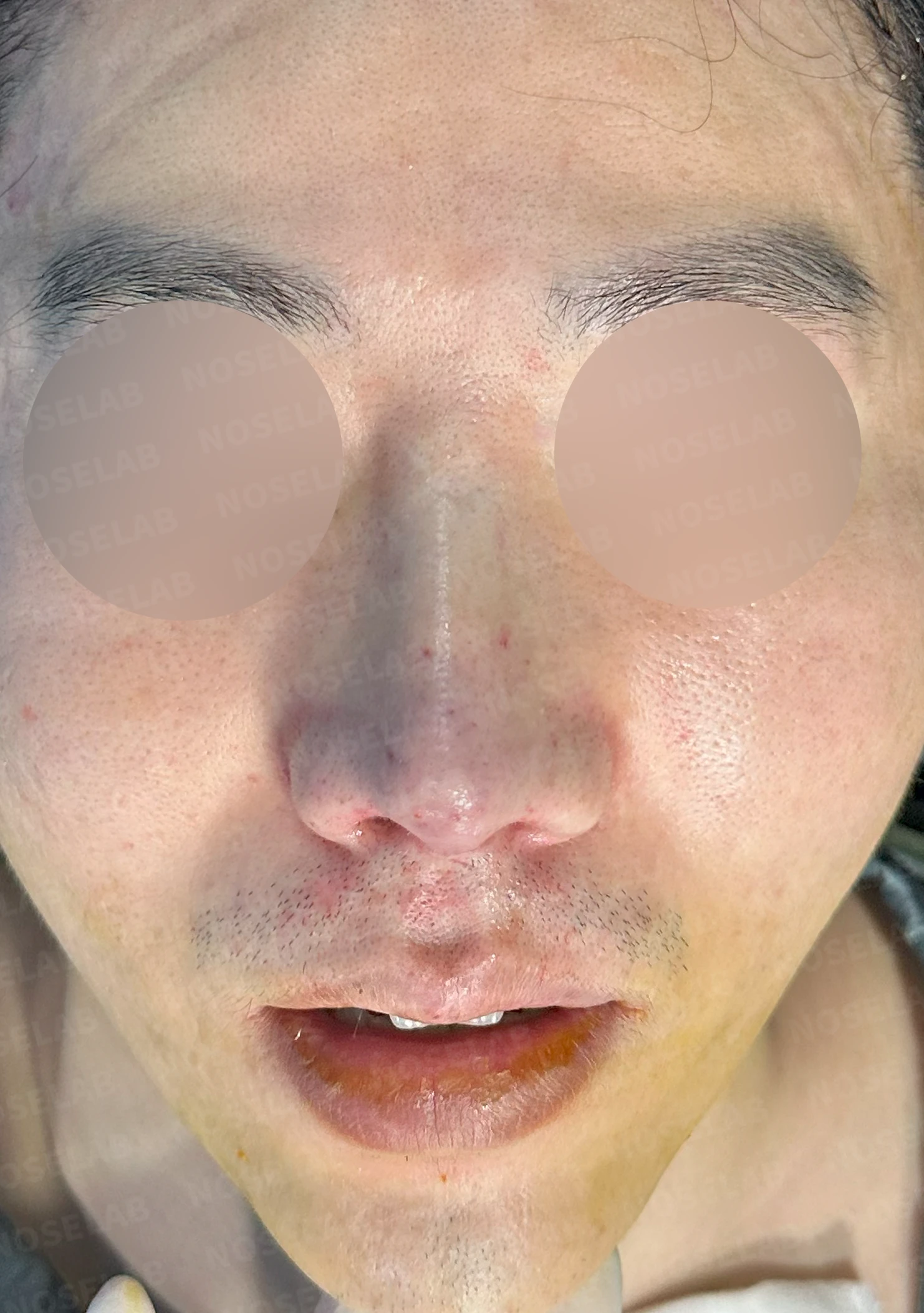
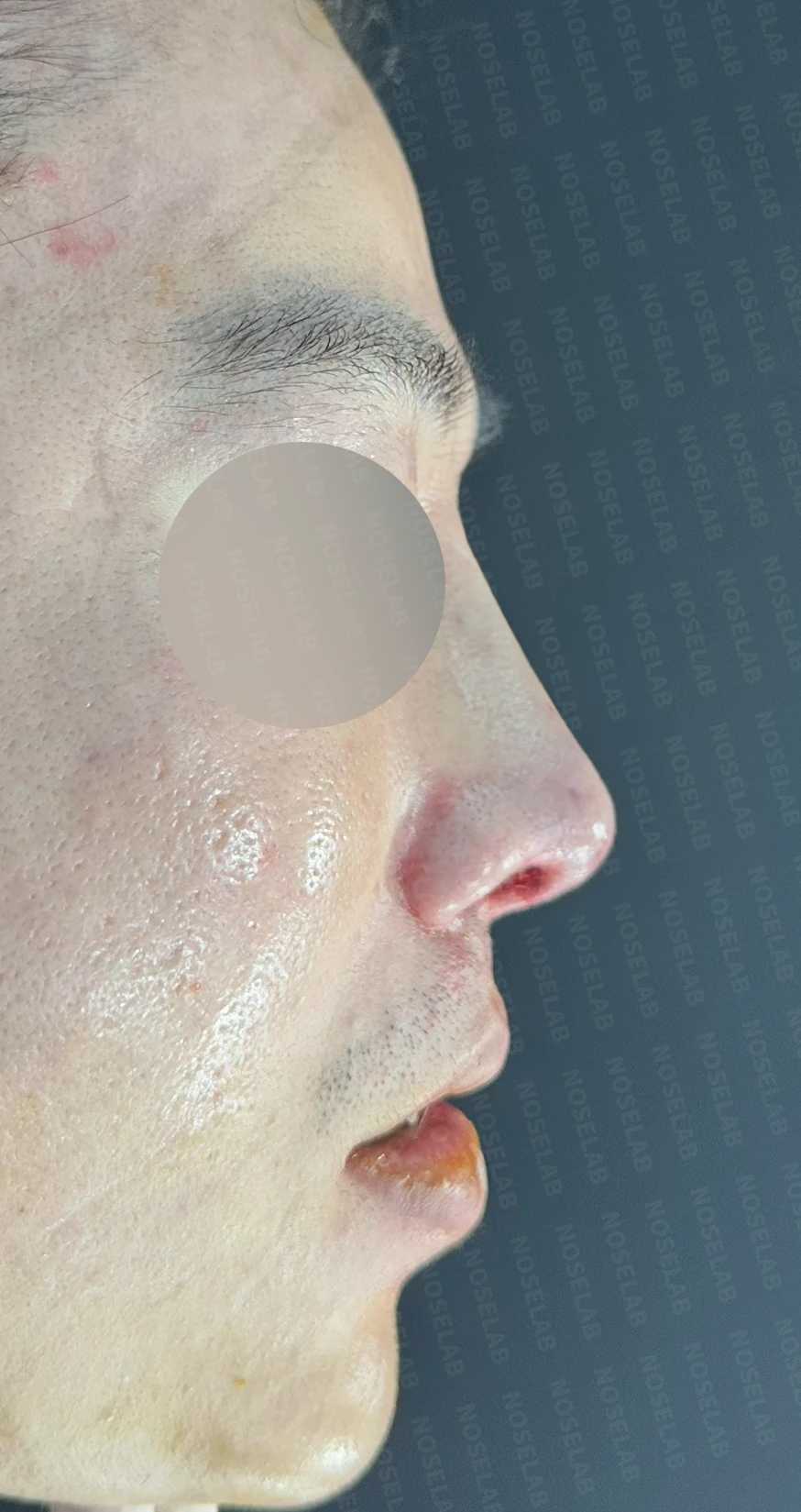
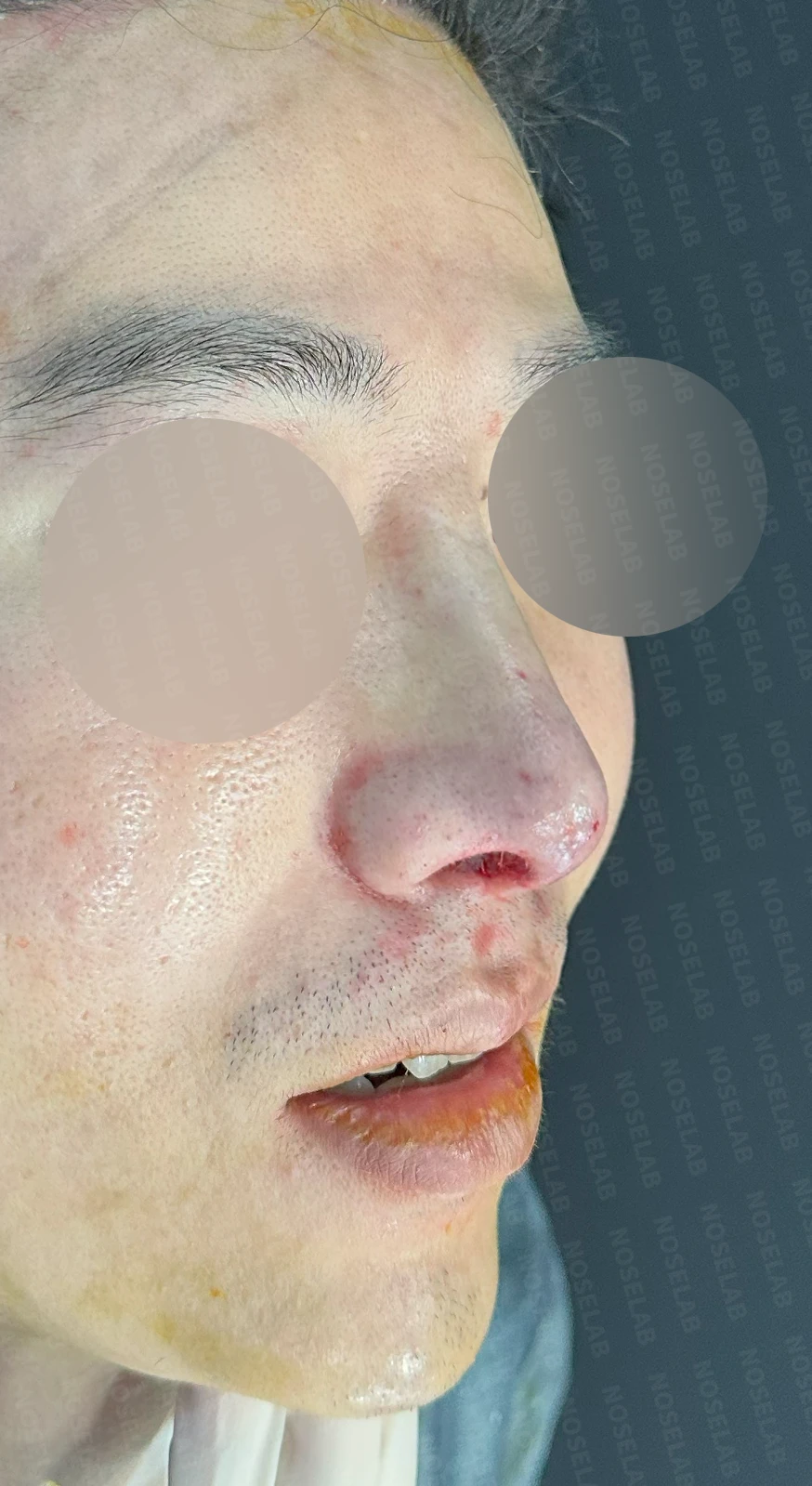
Front, profile, and oblique views taken immediately after surgery (day 0).Immediate postoperative photos show swelling and may differ from the final result.
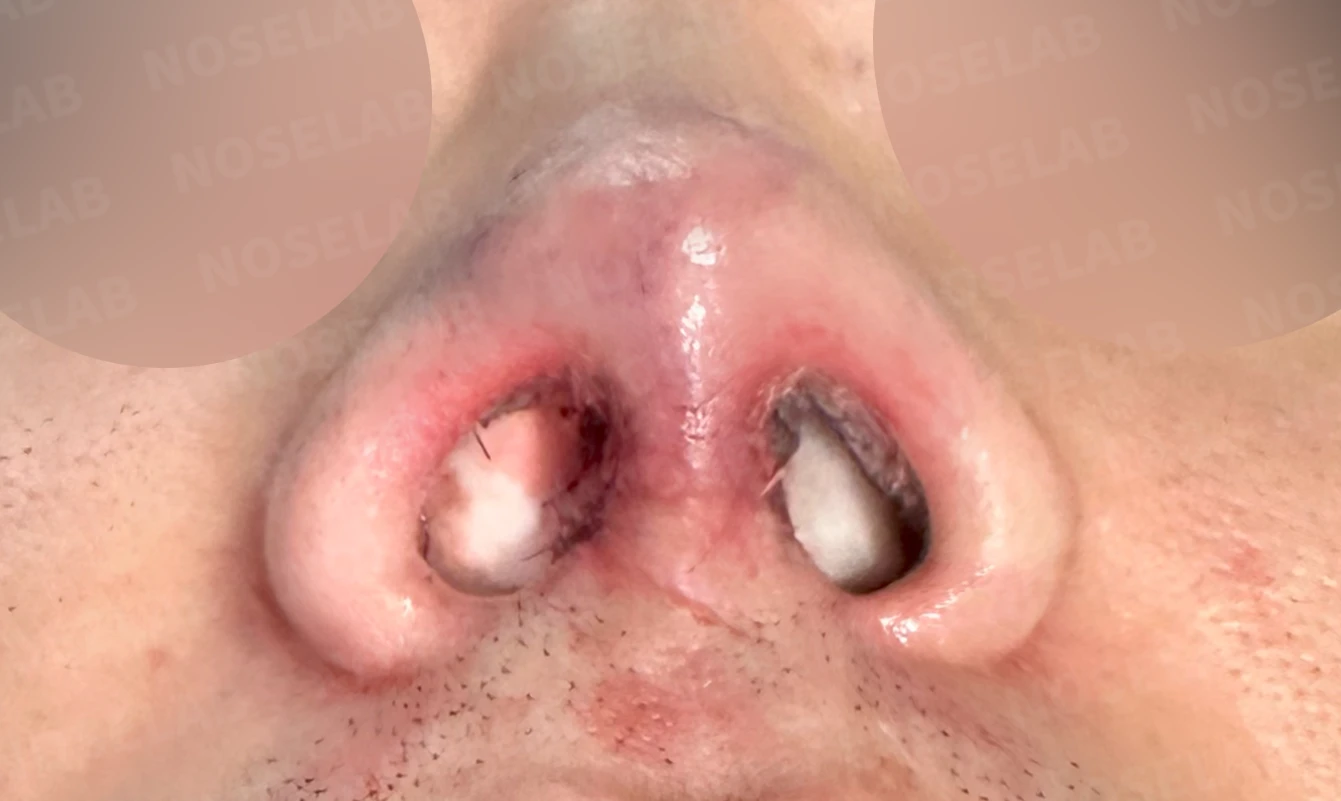
Nostril view on day 0 immediately after surgery. Photos taken immediately after surgery show swelling and may differ from the final result.
8. Overall assessment
Cases of this nature are challenging because they involve resolving complex problems that arose after multiple rhinoplasty procedures. Of particular note was the concurrent use of preoperative stem cell injection therapy. This greatly assisted in promoting tissue regeneration and healing, as well as reducing the possibility of recurrent contracture after surgery.
The use of autologous rib cartilage was the cornerstone of this surgery. In a contracted nose, strong contractile forces tend to cause recurrent contracture postoperatively, requiring a sturdy structural framework capable of resisting these forces. Autologous rib cartilage was an ideal choice, providing sufficient strength and volume without the risk of foreign-body rejection.
By applying multiple surgical techniques in combination—such as septal reconstruction, nasal tip refinement, and nasolabial angle correction—we were able to address the patient's various concerns. In particular, performing septoplasty together to resolve nasal obstruction serves as a good example of achieving functional as well as cosmetic improvement.
9. Concluding remarks
I hope this case offers reassurance to those troubled by complex issues such as contracted noses, upturned noses, or short noses. Even when complications have multiplied over several surgeries, satisfactory results can be achieved through proper planning and surgical technique.
Particularly in contracted noses, strong contractile forces that drive recurrent contracture arise after surgery, creating a need for a robust framework to withstand them. For this reason, the use of autologous rib cartilage is critical, and it is widely recognized as a safe and effective material.
Drawing on my anatomical knowledge as a board-certified otolaryngologist and extensive surgical experience, I provide surgical plans tailored to each individual patient. If you are considering rhinoplasty, especially revision surgery, I encourage you to consult with a specialist to find the approach most appropriate for you.
I will be with you every step of the way to achieve a beautiful and healthy nose.
This was Dr. Peter C. Kang. Thank you.
Thank you.
#contractednose #upturnednose #malerhinoplasty #shortnose #skindepression #autologousribcartilagegraft #closedrhinoplasty #revisionrhinoplasty #ENTspecialistrhinoplasty #safelyplannedrhinoplasty #stemcelltherapy #septalreconstruction #nasalbridgecorrection #tipplasty

Limitations and risks
When autologous rib cartilage is used, scarring and pain may remain at the donor site on the chest, and pneumothorax (pleural injury) can occur rarely. Over time, the grafted cartilage may warp or undergo partial resorption.
When revising after implant removal, contracture may progress again after removal, the nasal height and length may decrease, and staged surgery may be necessary depending on the skin condition.
When the septum is corrected at the same time, nasal obstruction may persist or recur, and in rare cases, septal perforation or changes in smell may occur.
Common potential risks include infection, bleeding, asymmetry, scarring, skin necrosis, and insufficient improvement; results vary depending on individual skin condition and previous surgical history.