English日本語简体中文
Skip to main content
Dr. Peter C. Kang's Rhinoplasty Stories
PrologueBlogMy thoughtsNasal obstructionSurgical journalSurgical photos
About the surgeon

Contracted nose revision: examining infection history and structural damage together

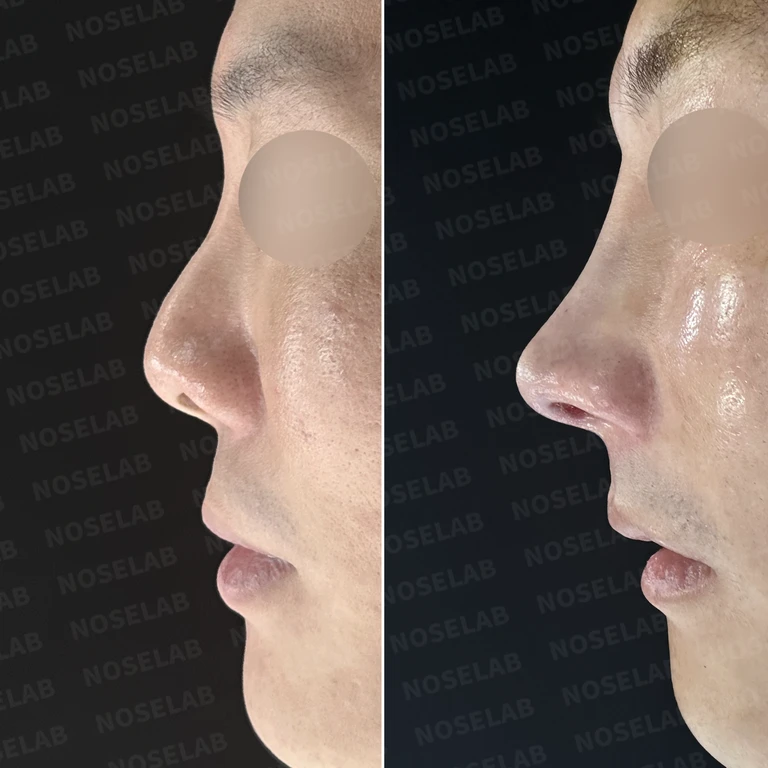
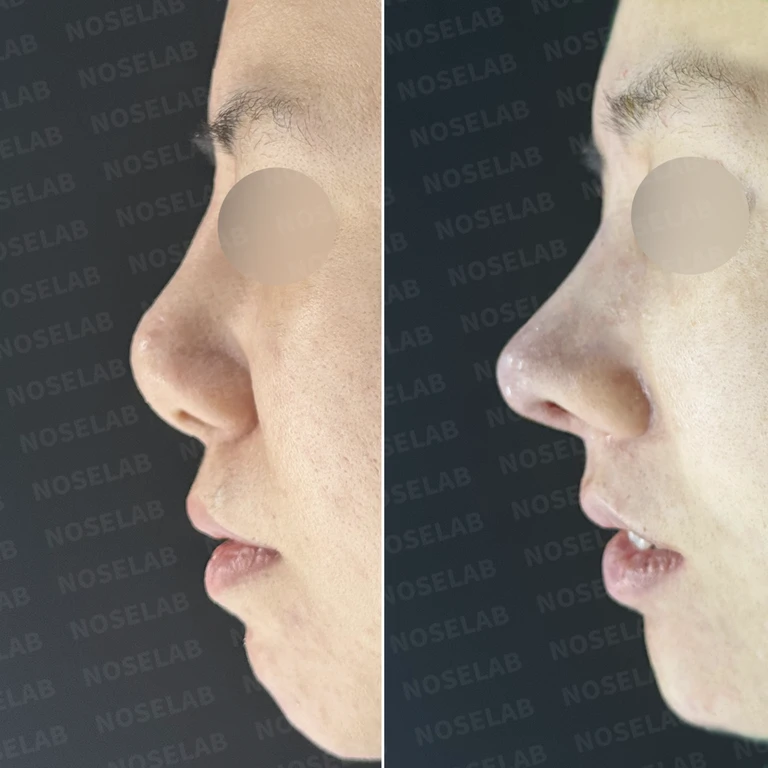
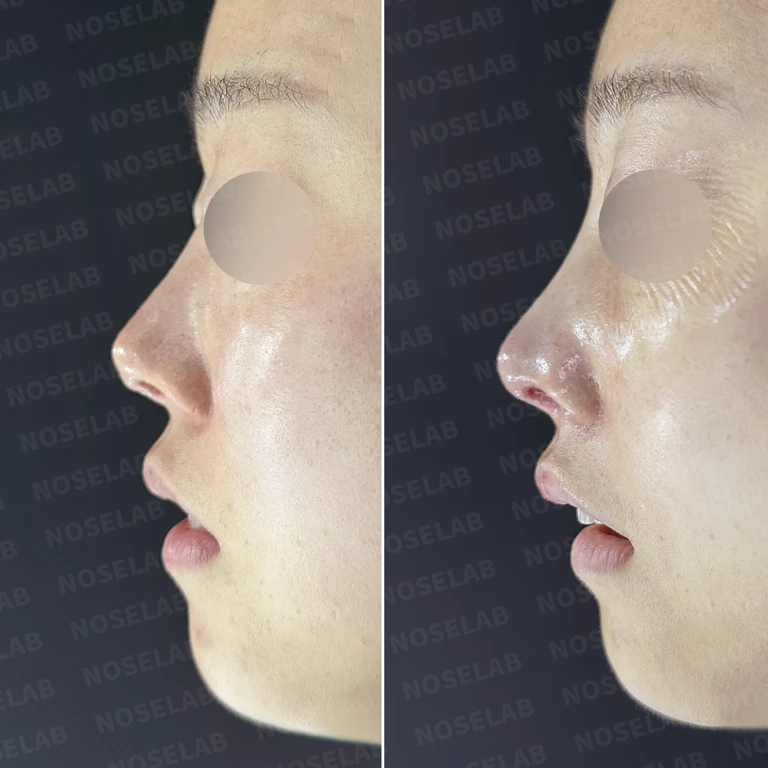
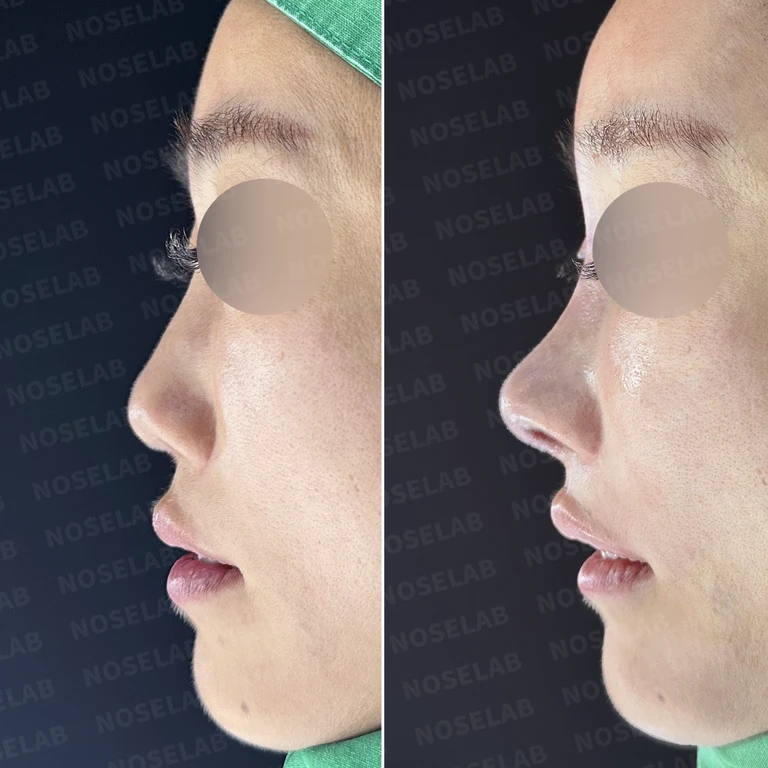
When reviewing contracted nose cases, looking only at an upturned nasal tip or a shortened shape makes it easy to overlook the clinical course that followed previous surgeries. These records feature patients whose nasal tips deformed after experiencing inflammation, as well as patients in whom very little septal cartilage remained and columellar retraction and narrowed nostrils were observed together. Understanding how external structural changes were linked to internal damage is essential.

Here, we review cases where contracture was recorded as an actual finding or medical history. The source records describe releasing contracted tissue and reconstructing damaged cartilage, as well as evaluating the remaining lower lateral cartilage and septum to perform partial reconstruction and septal extension. By distinguishing prior inflammation, the current condition of the tissue, and the surgical objectives, you can compare how individual cases differ even within the same category of contracted noses.

View before-and-after cases ↓Comprehensive rhinoplasty guide

Searching for surgical cases matching your criteria.
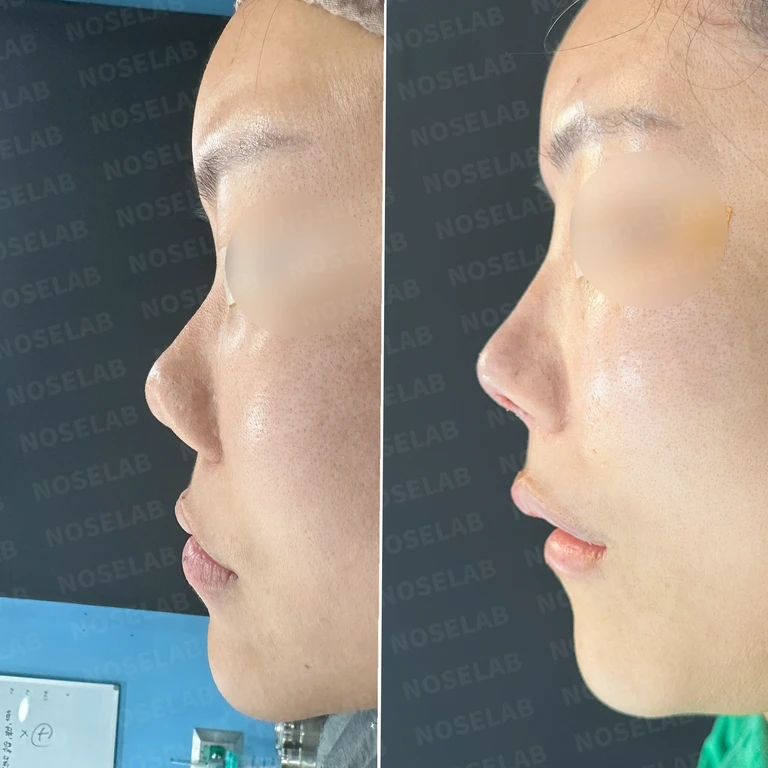
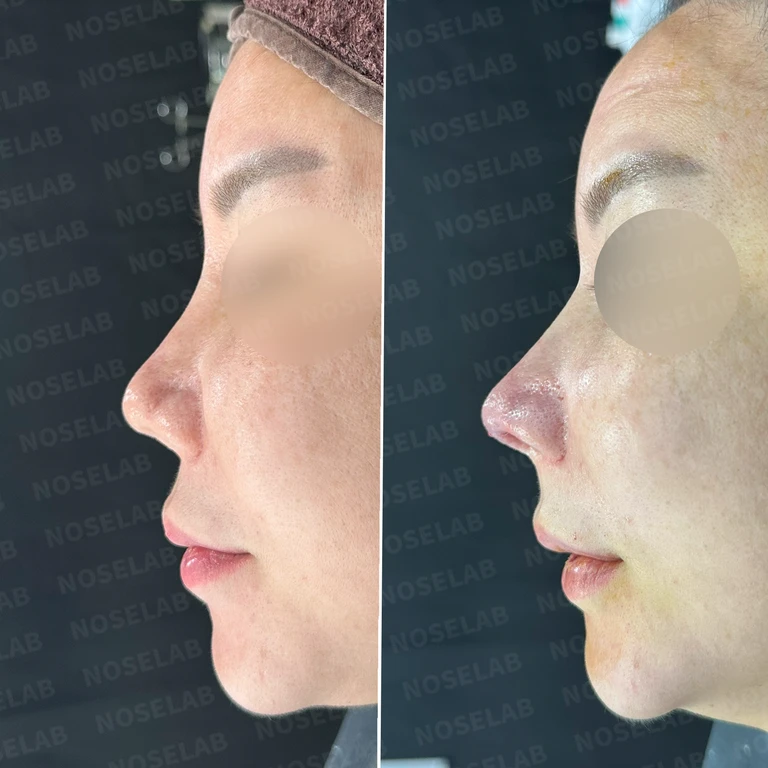
Why contracture remains in multiply operated noses: Reconstructing the columella and support framework — Before-and-after comparison
Before-and-after comparison

Why contracture remains in multiply operated noses: Reconstructing the columella and support framework

Contracture and septal defect resulting from repeated surgeries were reconstructed using autologous rib cartilage. For the retracted columella, retroauricular free skin flap grafting and perichondrium grafting were performed to restore its shape.

Preoperative condition
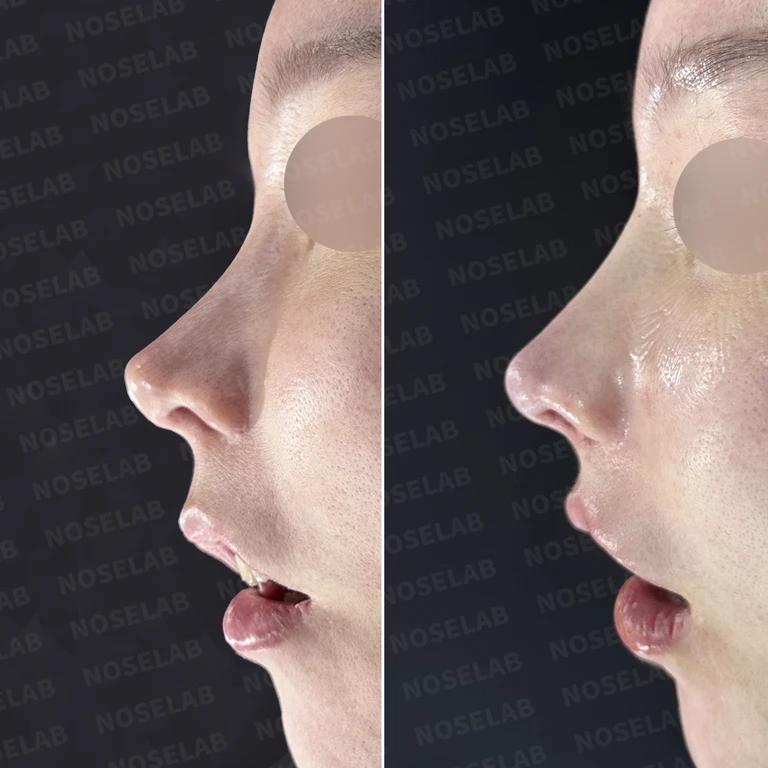
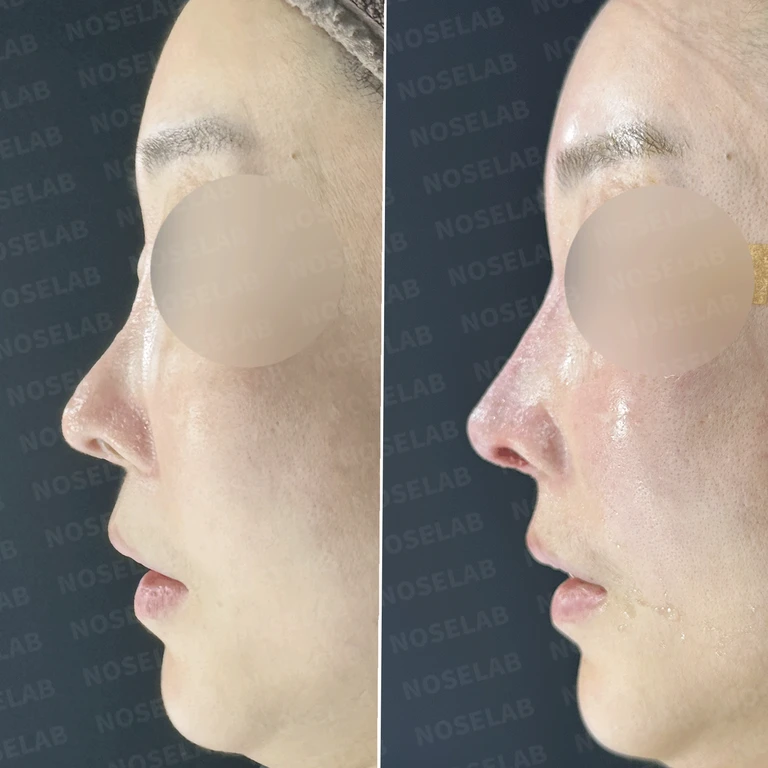
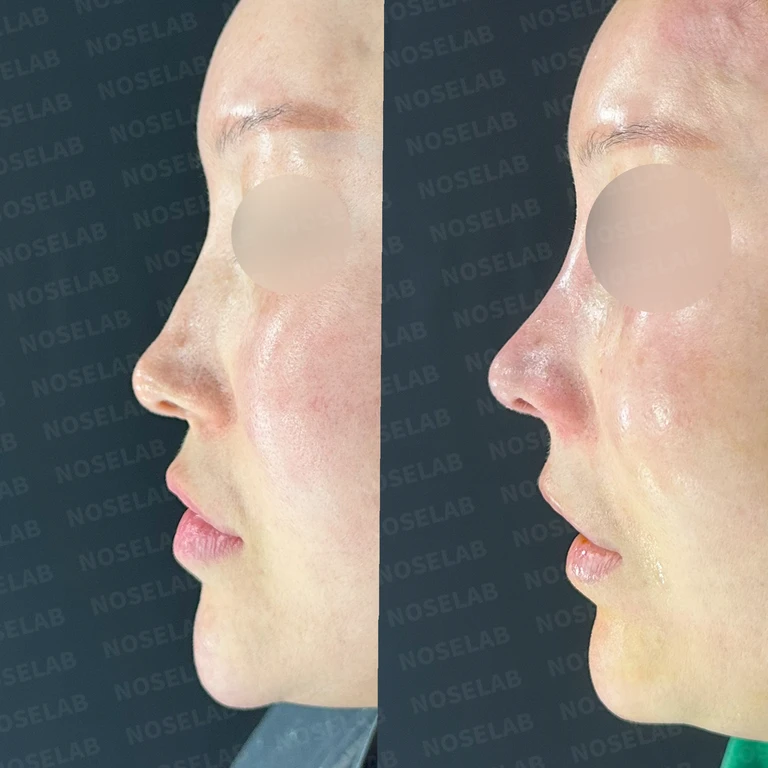
Why a nose operated on multiple times continues to appear upturned, and how septal reconstruction is performed — Before-and-after comparison
Before-and-after comparison

Why a nose operated on multiple times continues to appear upturned, and how septal reconstruction is performed

Following previous surgeries and double-jaw surgery, an upturned nasal tip and nostril asymmetry were precisely corrected using donor rib cartilage septal reconstruction, lower lateral cartilage restoration, and a composite dermis-fat graft to the soft triangle.

Preoperative condition · Postoperative record
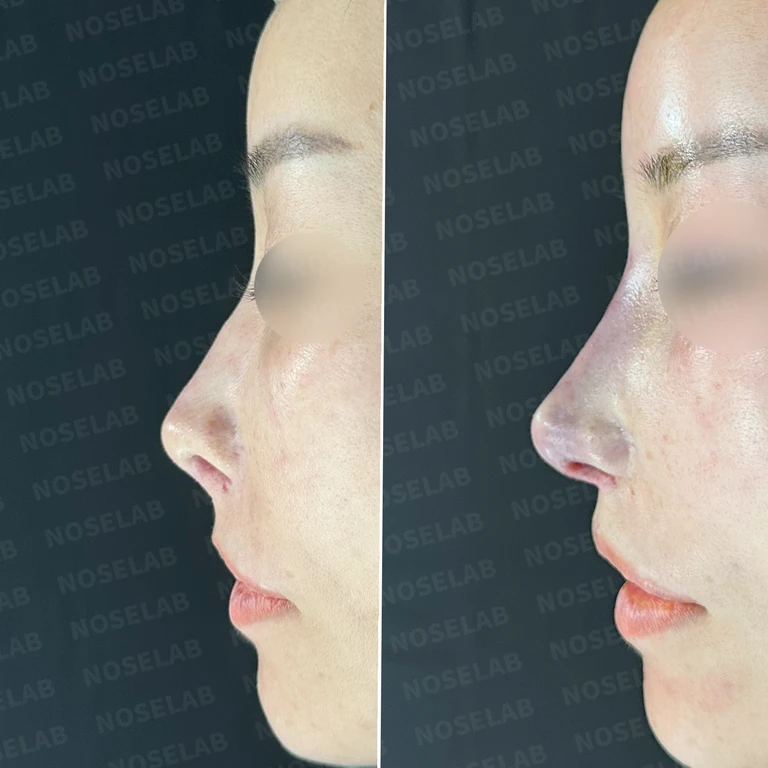
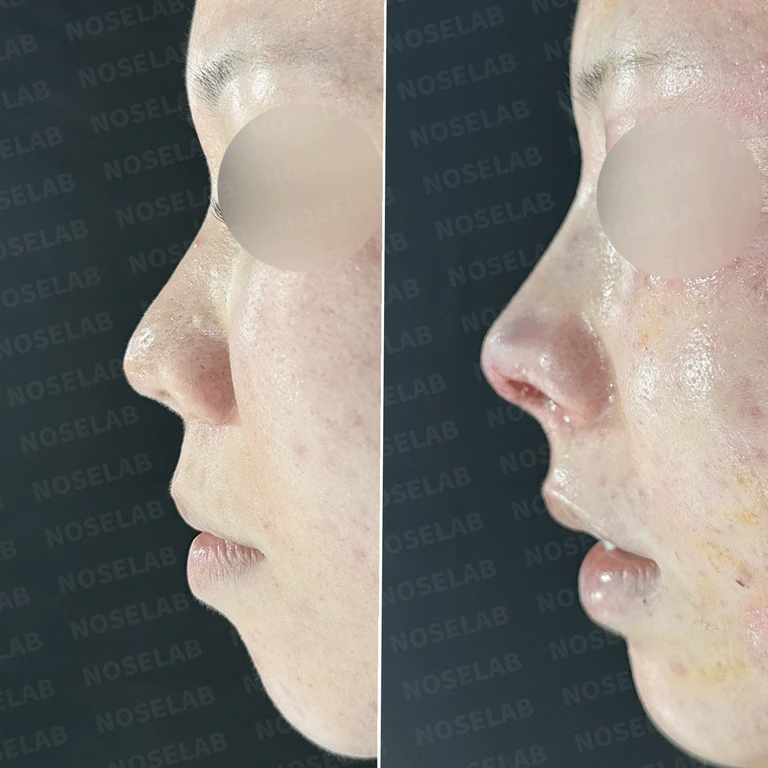
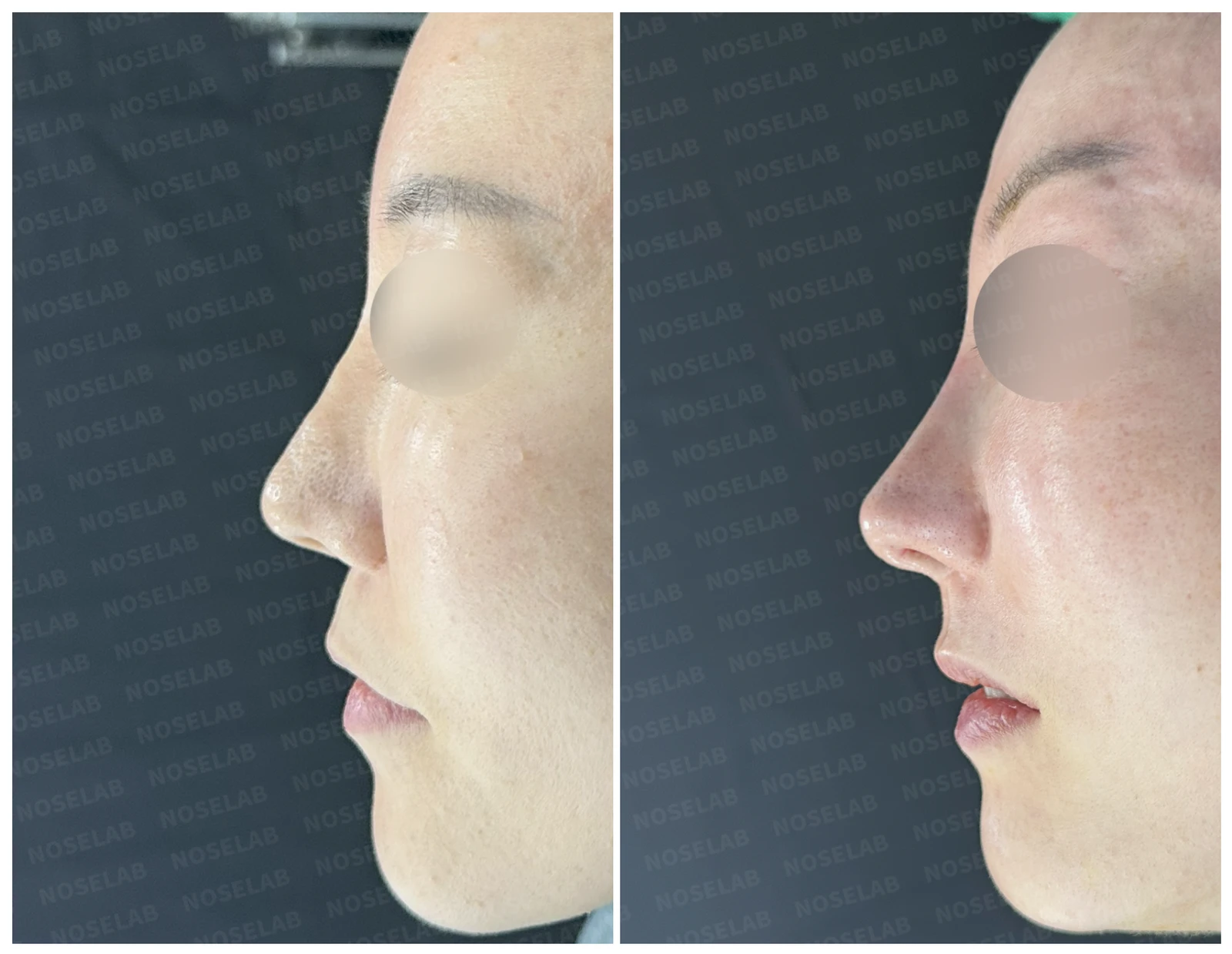
Contracted nose: How contracted tissue removal and autologous rib cartilage reconstruction are performed — Before-and-after comparison
Before-and-after comparison

Contracted nose: How contracted tissue removal and autologous rib cartilage reconstruction are performed

In a nose that became upturned and crooked due to contracture following implant surgery, fibrotic tissue was removed, the nasal tip was reconstructed with autologous rib cartilage, the columella was lowered, and the silicone implant was replaced.

Preoperative condition
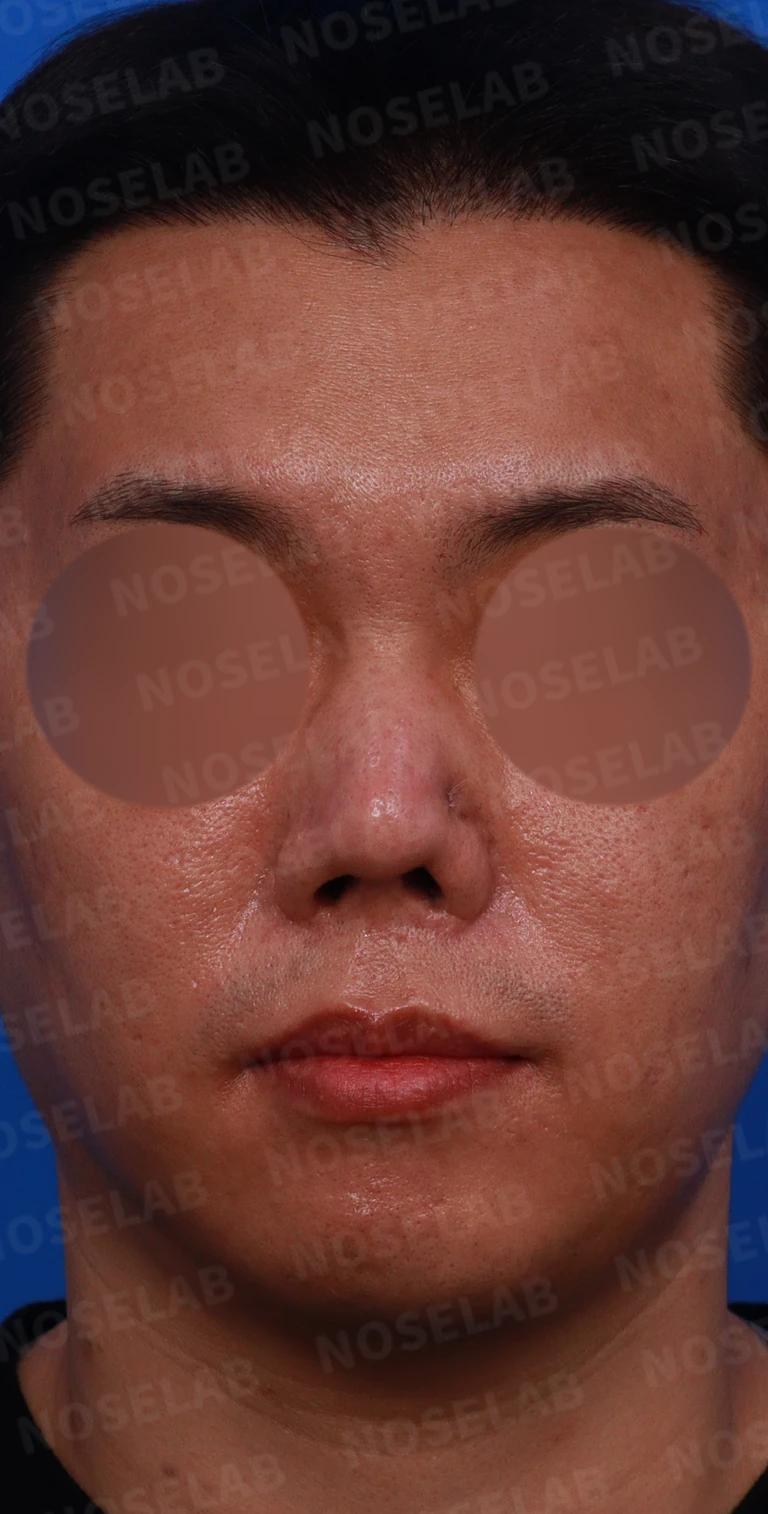
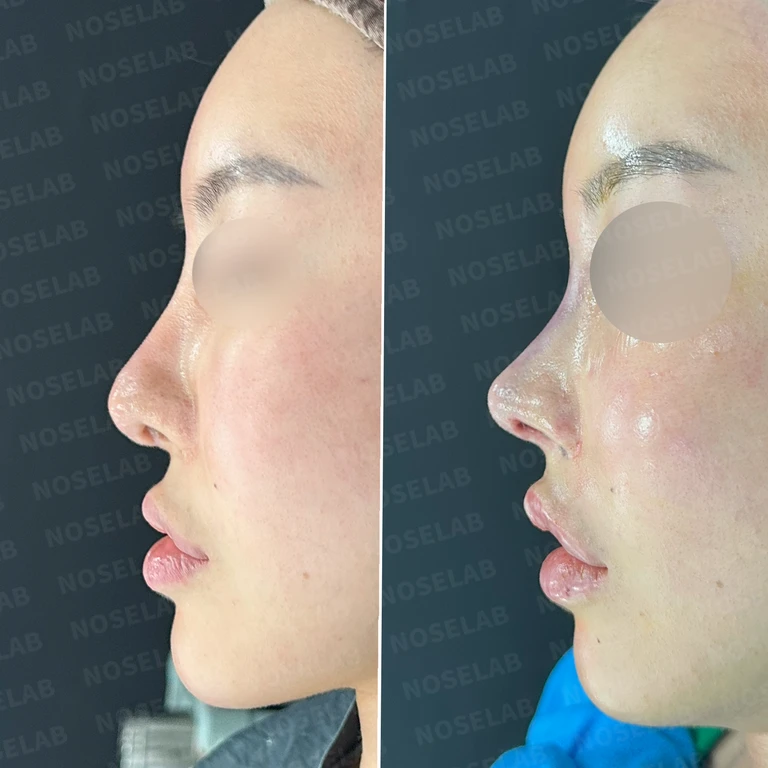
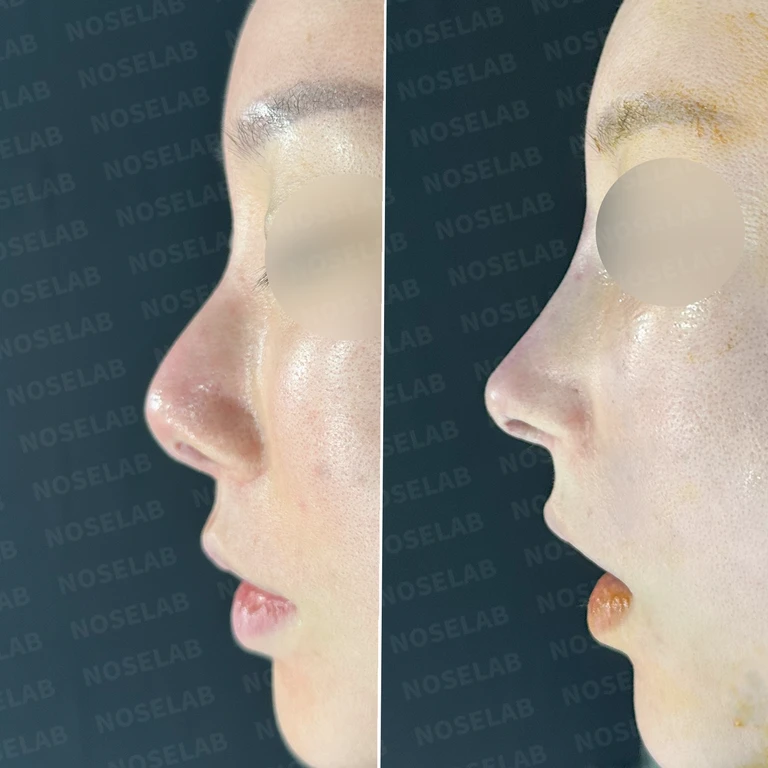
Contracture causing the nose to harden and shorten after previous surgery: why it occurs and how it is reconstructed — Before-and-after comparison
Before-and-after comparison

Contracture causing the nose to harden and shorten after previous surgery: why it occurs and how it is reconstructed

For capsular contracture, septal damage, and asymmetric nasal bones following previous surgery, the implant and capsule were removed, and septal reconstruction, lateral osteotomy, and nasal bridge augmentation with autologous rib cartilage were performed.

Preoperative condition · Postoperative record
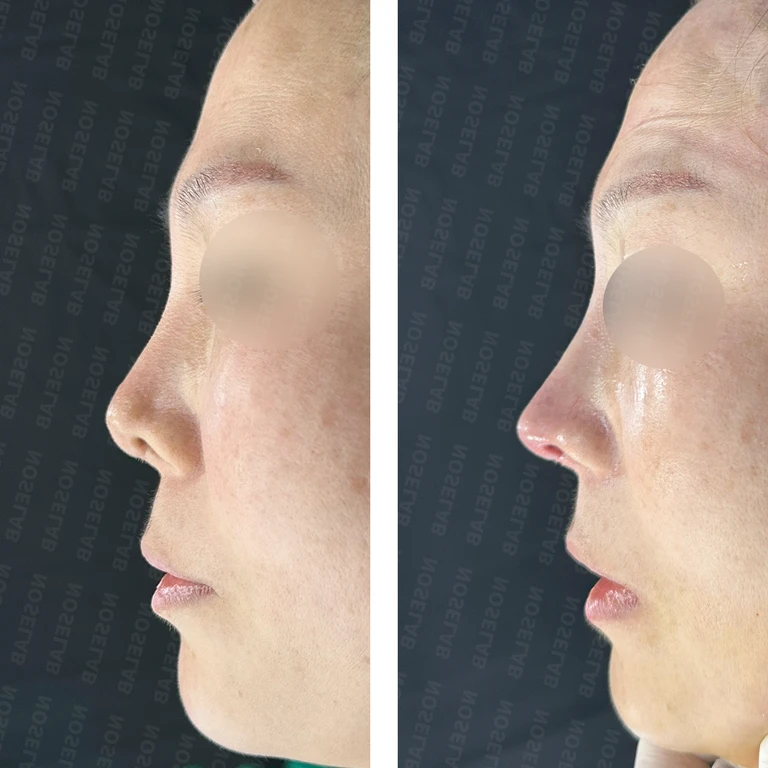
Why nasal tip skin thins and cartilage shows through, and how skin reinforcement is done — Before-and-after comparison
Before-and-after comparison

Why nasal tip skin thins and cartilage shows through, and how skin reinforcement is done

A case of skin thinning, cartilage show-through, and an upturned nose following contracted nose surgery. The skin was reinforced with dermis and autologous rib perichondrium, along with septal extension.

Previous surgeries and procedures

Foreign materials from illegal procedures in the nasal bridge: how to perform removal and total septal reconstruction — Before-and-after comparison
Before-and-after comparison

Foreign materials from illegal procedures in the nasal bridge: how to perform removal and total septal reconstruction

We removed foreign materials from illegal injections in the nasal bridge, completely reconstructed the cartilage-depleted septum using autologous rib cartilage, and performed dermal grafting on the thinned skin.

Preoperative condition

Why infection recurs after rhinoplasty: treatment of inflammation and staged reconstruction — Before-and-after comparison
Before-and-after comparison

Why infection recurs after rhinoplasty: treatment of inflammation and staged reconstruction

In a patient presenting with mucosal perforation and contracture deformity caused by implant infection, inflamed tissue was debrided and irrigated, followed by staged septal reconstruction.

Preoperative condition

Why saddle nose and nasal valve stenosis occur after repeated revision rhinoplasty, and how total reconstruction is performed — Before-and-after comparison
Before-and-after comparison

Why saddle nose and nasal valve stenosis occur after repeated revision rhinoplasty, and how total reconstruction is performed

This is a case where the nasal bones, septum, and keystone area were damaged after repeated surgeries, causing nasal obstruction due to nasal valve stenosis. Autologous rib cartilage was used to reconstruct the nasal support structure and nasal valve, while correcting bridge depression and asymmetry.

Previous surgeries and procedures

Why a mass obstructing the nostril develops, and how to perform resection and reconstruction — Before-and-after comparison
Before-and-after comparison

Why a mass obstructing the nostril develops, and how to perform resection and reconstruction

This is a case where a chronic inflammatory mass that developed after repeated surgeries and obstructed the nostril was precisely resected, restoring breathing function and stabilizing the nasal tip structure.

Previous surgeries and procedures

Why contracture and a crooked nose occur after repeated revision rhinoplasty, and how they are corrected — Before-and-after comparison
Before-and-after comparison

Why contracture and a crooked nose occur after repeated revision rhinoplasty, and how they are corrected

A case of improving an upturned tip, crooked nose, and nostril asymmetry that developed after four prior nasal surgeries and filler injections, using foreign material removal, septal extension with autologous rib cartilage, and silicone implant supplementation.

Previous surgeries and procedures

Why the nasal tip gets pinched and the columella retracts: how Medpor removal and reconstruction are performed — Before-and-after comparison
Before-and-after comparison

Why the nasal tip gets pinched and the columella retracts: how Medpor removal and reconstruction are performed

A case correcting a pinched nose caused by Medpor discovered after three surgeries and cartilage defects, through foreign material removal and full reconstruction of the alar cartilages and septum using autologous rib cartilage.

Preoperative condition

Why long-standing contracted noses and crooked noses occur together, and how reconstruction is performed — Before-and-after comparison
Before-and-after comparison

Why long-standing contracted noses and crooked noses occur together, and how reconstruction is performed

A case correcting a contracted nose, crooked nose, and pinched nostrils that developed after repeated surgeries, using silicone implant and scar tissue removal, nasal tip reconstruction with autologous rib cartilage, alar reconstruction with ear cartilage, and dermal grafting.

Preoperative condition

Why contracture and septal perforation occur after old Gore-Tex, and how reconstruction is performed — Before-and-after comparison
Before-and-after comparison

Why contracture and septal perforation occur after old Gore-Tex, and how reconstruction is performed

To resolve contracture, septal perforation, and cartilage loss that occurred after Gore-Tex surgery performed long ago, the septum was reconstructed using autologous rib cartilage and the perforation was closed.

Preoperative condition · Postoperative record

Why contracture and nasal obstruction develop together after multiple rhinoplasties, and how reconstruction is performed — Before-and-after comparison
Before-and-after comparison

Why contracture and nasal obstruction develop together after multiple rhinoplasties, and how reconstruction is performed

A case involving a patient who experienced septal cartilage damage, an upturned nasal tip, and severe nasal obstruction after 8 surgeries over 15 years, where the septum was reconstructed using autologous rib cartilage and reinforced with dermis.

Previous surgeries and procedures

Why grafted dermis repeatedly absorbs, and how to reconstruct the nose — Before-and-after comparison
Before-and-after comparison

Why grafted dermis repeatedly absorbs, and how to reconstruct the nose

A case in which nasal deformity and septal damage caused by repeated dermal grafting and absorption were corrected through structural reconstruction with autologous rib cartilage and recycling of existing dermis.

Preoperative condition

Why a thick columella and upturned nasal tip develop, and how autologous rib cartilage reconstruction is performed — Before-and-after comparison
Before-and-after comparison

Why a thick columella and upturned nasal tip develop, and how autologous rib cartilage reconstruction is performed

A case of an upturned nose with septal damage and contracture deformity from repeated surgeries, where the septum and lower lateral cartilages were reconstructed using autologous rib cartilage along with columellar width correction.

Preoperative condition

Examining the causes of a contracted nose and methods for reconstruction — Before-and-after comparison
Before-and-after comparison

Examining the causes of a contracted nose and methods for reconstruction

For a contracted nose and septal damage following repeated surgeries and implant removal, we reconstructed the septum using autologous rib cartilage while correcting the upturned tip and rhinitis.

Preoperative condition

How to correct a contracted nose and inflammation caused by residual foreign material — Before-and-after comparison
Before-and-after comparison

How to correct a contracted nose and inflammation caused by residual foreign material

Contracture and septal defect developed due to residual mesh and a foreign body reaction from previous surgeries. We removed the remaining foreign material, reconstructed the septum using autologous rib cartilage, and performed a skin graft to the columella.

Preoperative condition

No search results found

Please try searching with different keywords.

Scroll to keep reading

1 / 3Next case

Common questions before reading the cases

Should revision rhinoplasty for a contracted nose be understood simply as lowering an upturned nasal tip?

In these cases, not only the direction of the nasal tip but also the remaining supporting structures were addressed. For one patient, after confirming damage to the lower lateral cartilage and septum, partial reconstruction and septal extension were performed using autologous rib cartilage. Another record explains that the focus was placed on removing contracted tissue and reconstructing cartilage. It is important to distinguish between the visual lowering of the nasal tip seen in photos and the underlying framework restored beforehand.

What else should be evaluated in contracted nose cases with a history of inflammation?

Look closely at whether inflammation is part of the medical history and what specific structural damage was identified during surgery. One case record suggests that severe septal damage and the progression of contracture following inflammation were related to columellar retraction and nostril stenosis. This represents Dr. Kang's assessment regarding that specific patient. It does not mean every upturned or short nose falls into the category of inflammatory contracture.

Related topics to explore

Upturned noseShort noseSeptal damage and defectInflammation and infectionSeptal reconstruction

Surgical records referenced in this guide

  • Revision rhinoplasty approach for an upturned nose caused by contracture
  • Methods for correcting a contracted nose, crooked nose, and drooping tip using autologous rib cartilage
  • How to reconstruct a columella retracted by contracture
Original article

Read more records

Planning a visit to Seoul?Prepare your consultation with the NOSELAB team.

International patient guideWhatsApp ↗
Dr. Peter C. Kang's Rhinoplasty Stories
Rhinoplasty guideCases by topicDr. Peter C. KangNaver Blog ↗
View original photo
Enlarged photo
WhatsAppChat with NOSELAB↗