Hello, I am Dr. Peter C. Kang.
Today, I would like to introduce a special case of a patient who visited our clinic after undergoing repeated annual revision surgeries due to dermal absorption.
🔍 Surgical history
15 years ago: L-shaped silicone implant (contracture, pinched look, redness at the nasal tip)
14 years ago: Ear cartilage + silicone implant (aimed at improving thin nasal skin thickness)
11 years ago: Silicone implant + autologous dermis + ear cartilage + septum
10 years ago: Silicone implant + donor rib cartilage
8 years ago: Scalp fascia + postauricular dermis + buttock dermis
2 years ago: Scalp fascia + postauricular dermis + buttock dermis
15 years ago: Nasal filler procedure (scheduled for removal during surgery)
Current nasal obstruction symptoms, more severe on the left side
🔍 The patient's concerns
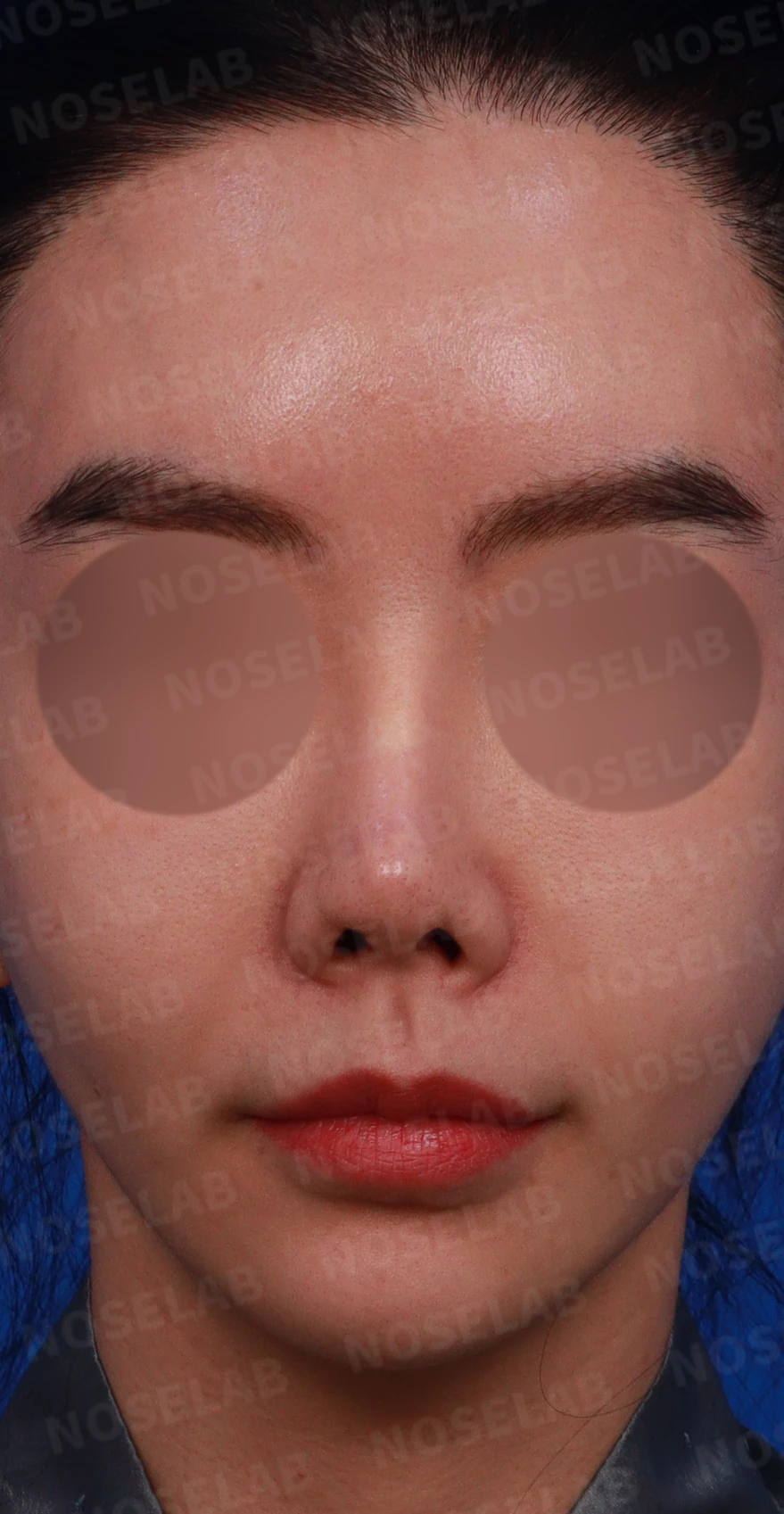
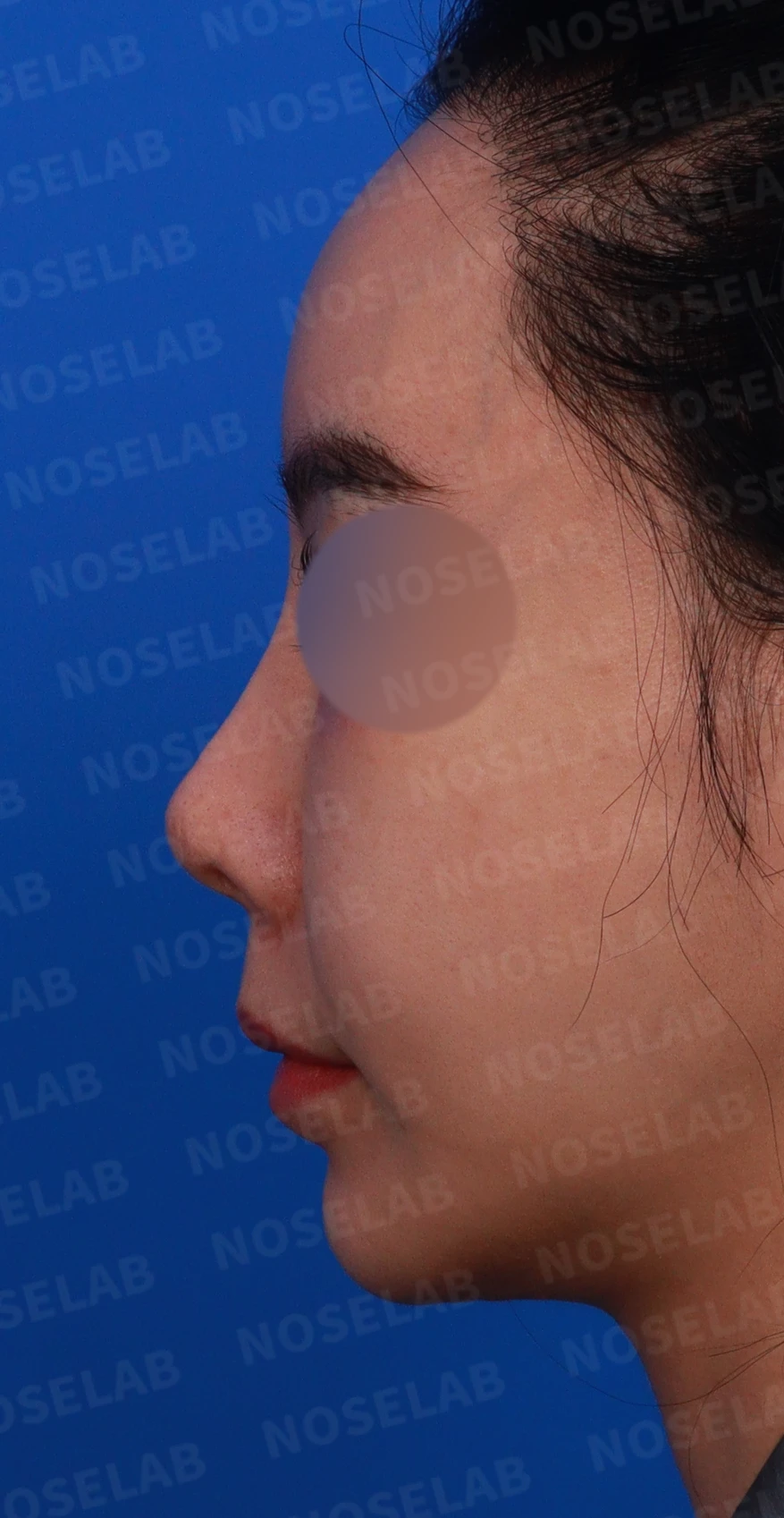
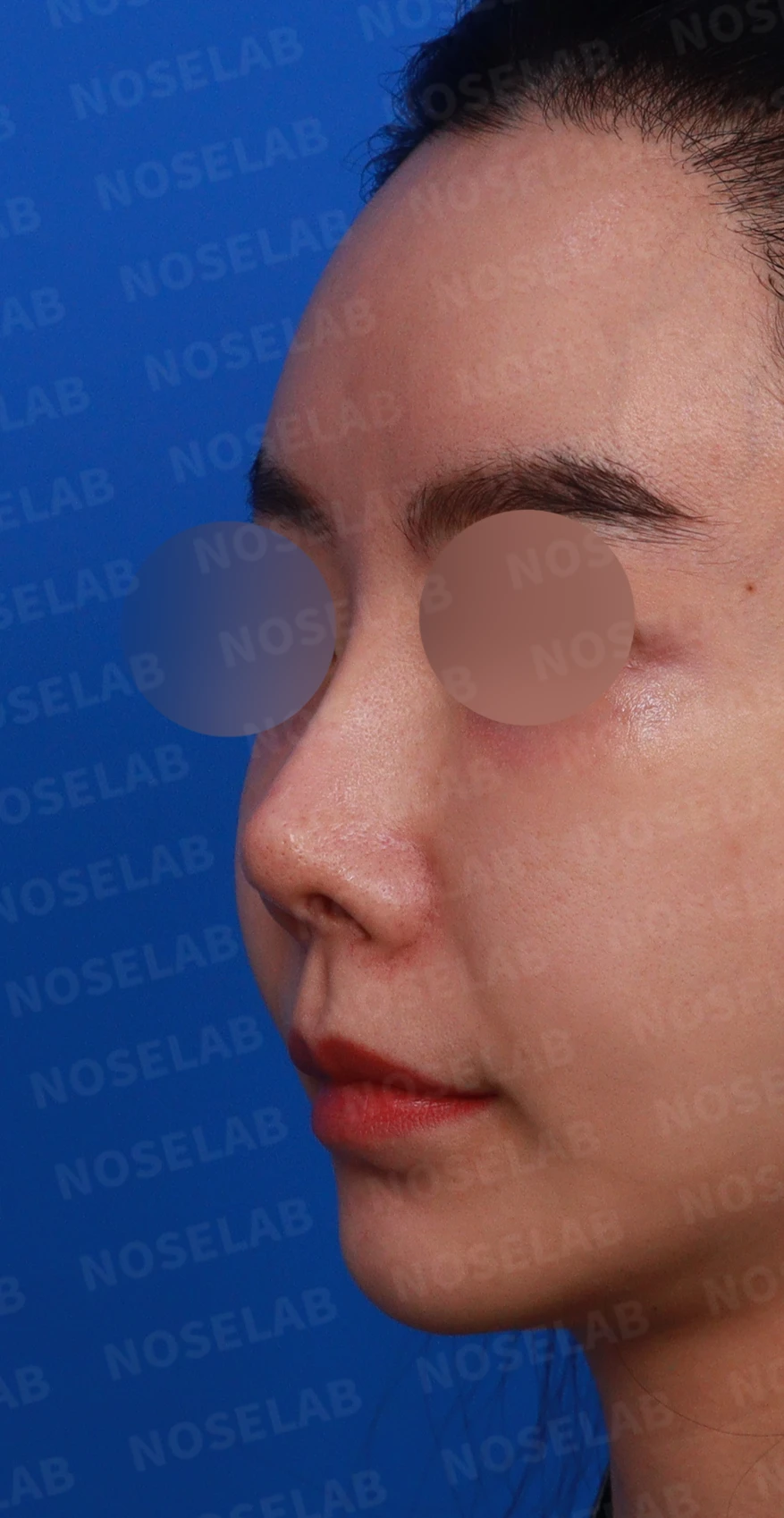
Front, left profile, and oblique views during design consultation.
Deformity of nasal shape as the grafted dermis continuously absorbed after surgery
Severe skin depression at the nasal tip due to multiple repeated surgeries
Repeated revision surgeries undergone to address these issues
Unnatural nasal shape
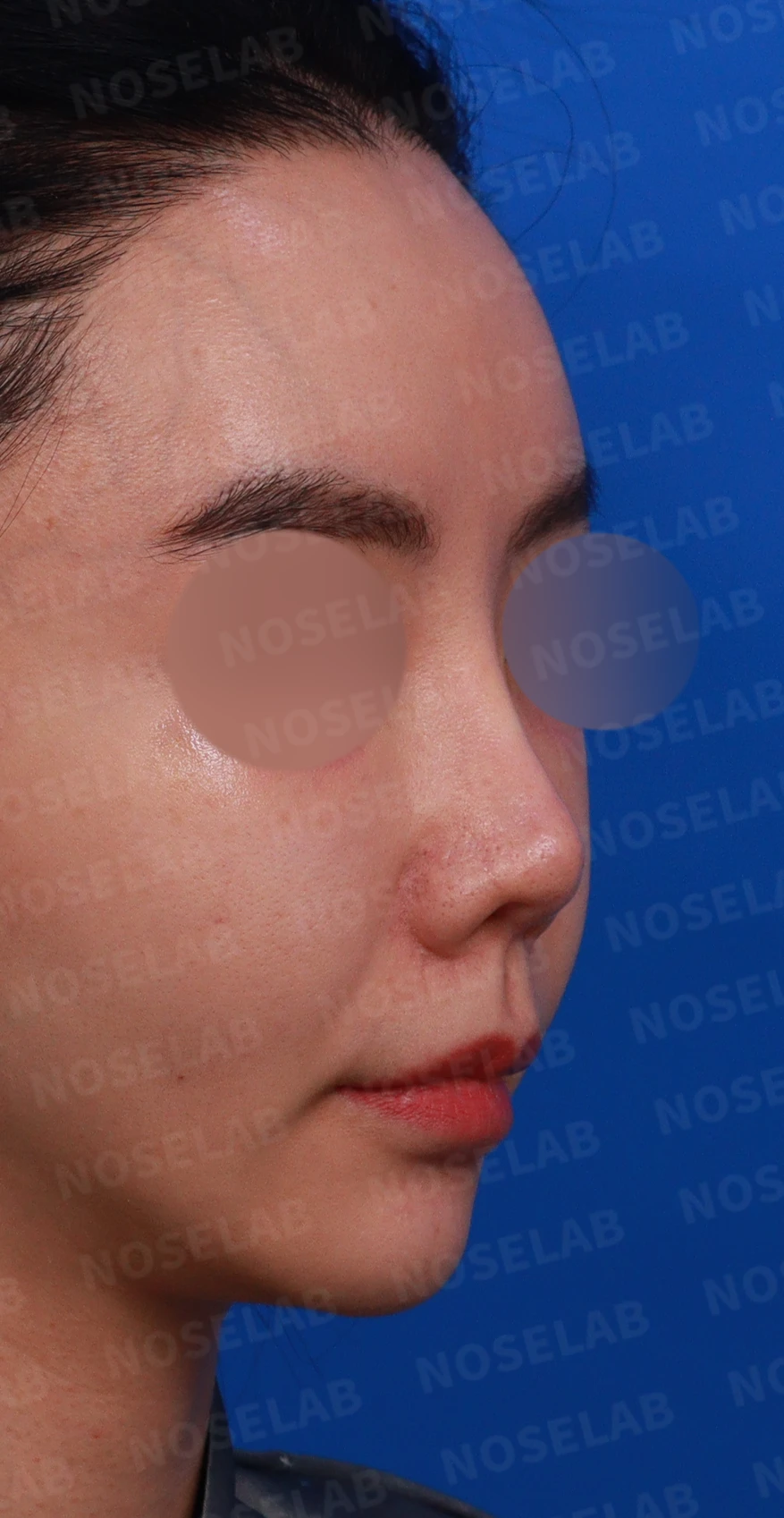
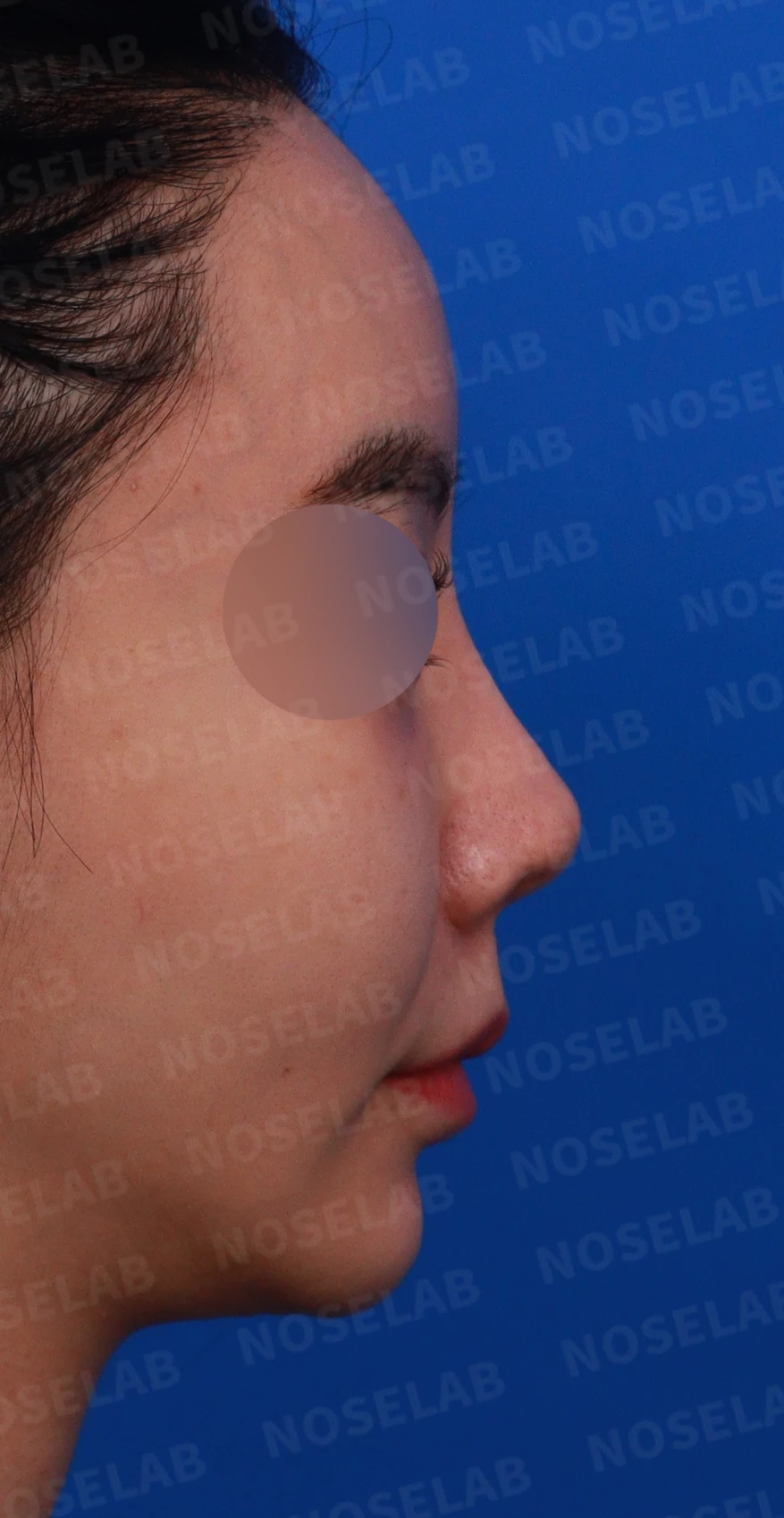
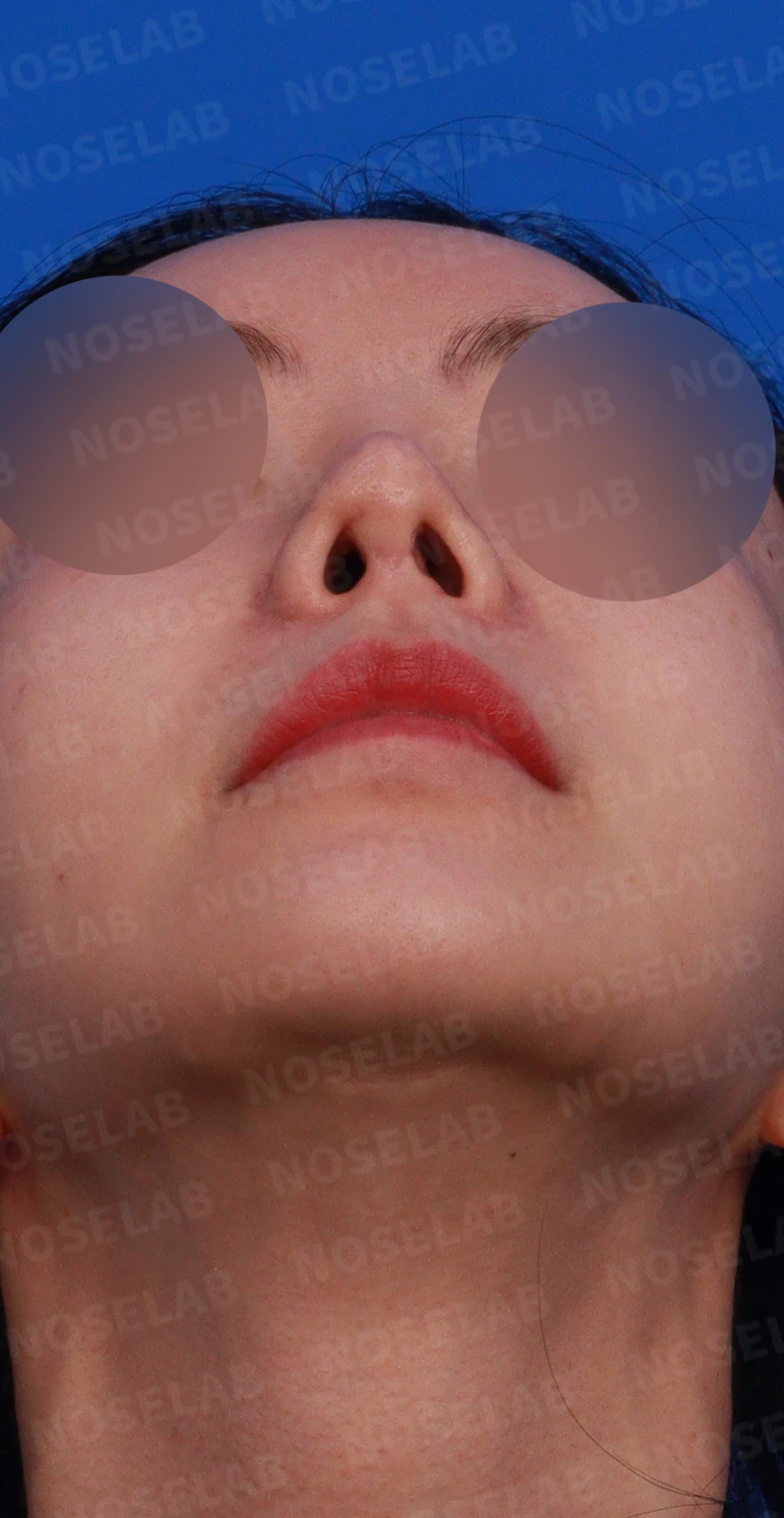
Design consultation: right oblique, profile, and basal (nostril) views.
💉 The patient's specific requests
A stable nose without further dermal absorption
A natural line where the nasal tip does not project too far forward
A natural shape that does not look overly operated
Thick and stable nasal volume
Long-term lasting results
Improvement of excessive nostril show
Correction of the alar position
Improvement of nostril asymmetry
A rounded nasal tip that is not sharp or pointy
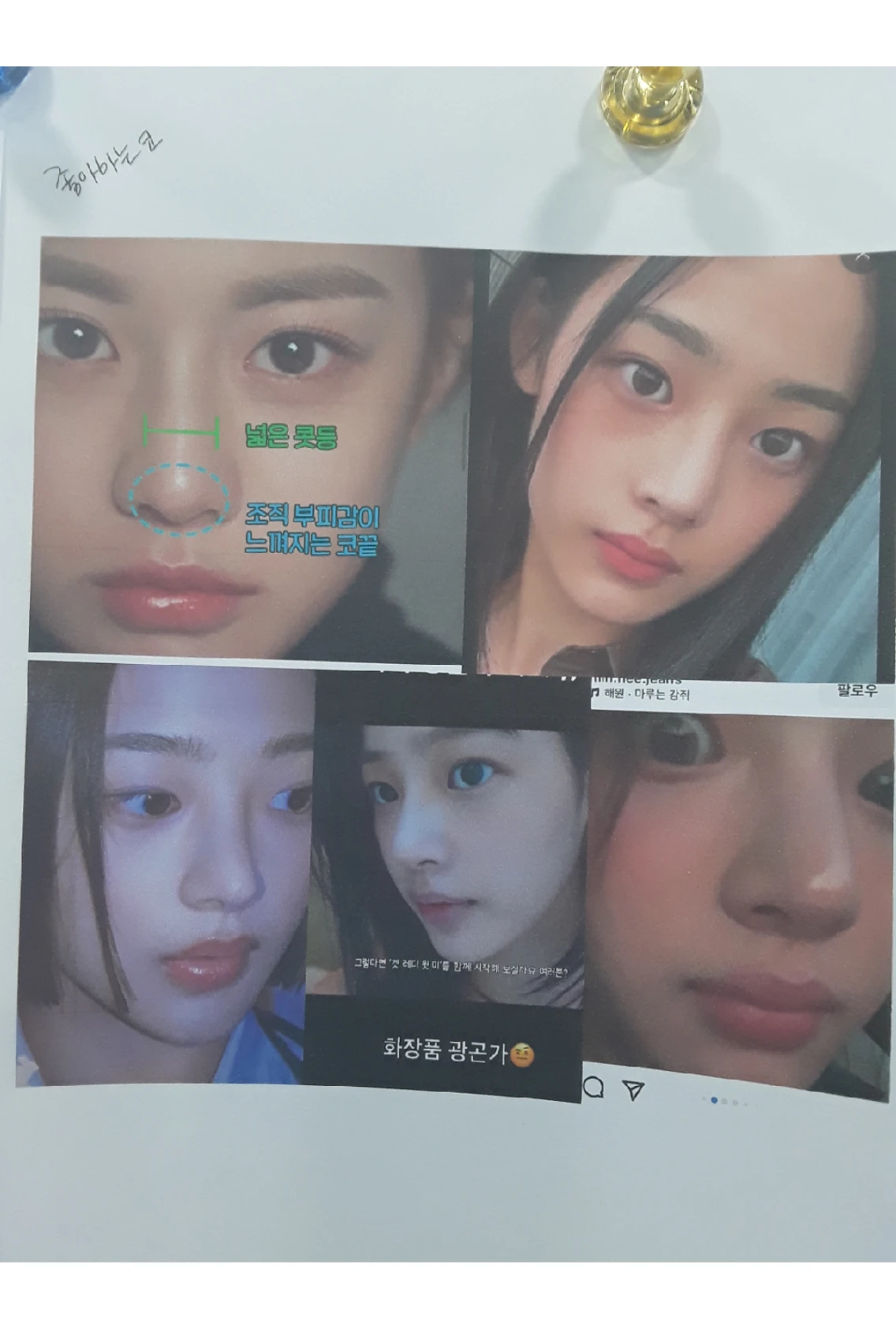
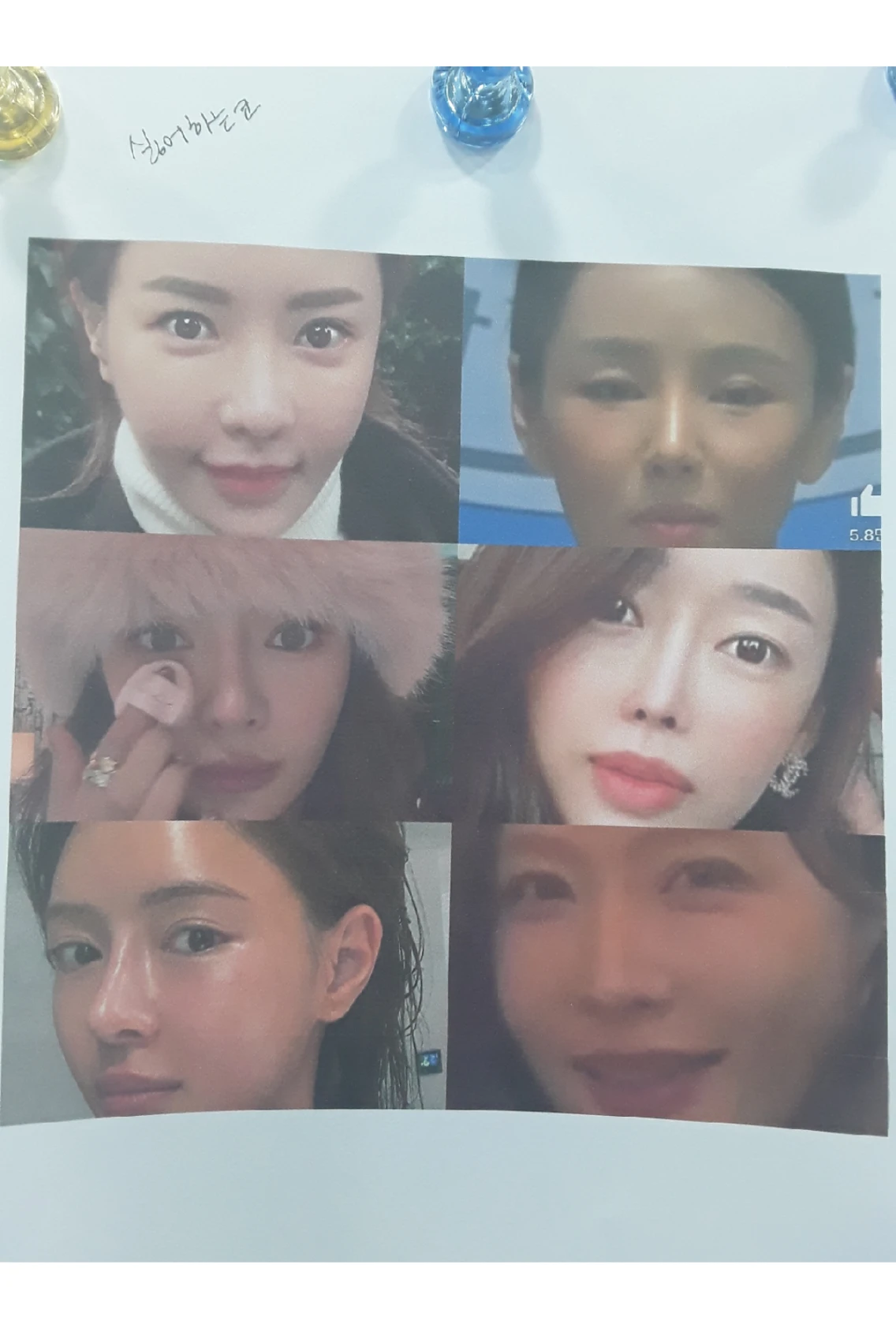
1. Shapes the patient prefers 2. Shapes the patient dislikes
🔧 Preoperative analysis
Front view
Asymmetry caused by repeated dermal absorption
A pinched-looking nasal tip due to contracture
Deviated nasal bridge
Excessive nostril show
Noticeable asymmetry of the nostrils and alae
2. Profile view
High radix starting point
Obtuse nasolabial angle
Unnatural nasal line
3. Nostrils
Severe asymmetry
Columella deviated to the right
Scar tissue in the right nostril
💉 Surgical plan and procedure
Structural reconstruction
Reconstruction of the severely damaged septum using autologous rib cartilage
Reconstruction of the lost lower lateral cartilage
Performance of nostril elongation
2. Volume improvement
Efficient recycling of existing autologous dermal tissue
Reinforcement around the cartilage to secure stability
Creation of overall volume
3. Functional improvement
Septoplasty and septal reconstruction
[8 before-and-after comparison photos]
🌟 Surgical results
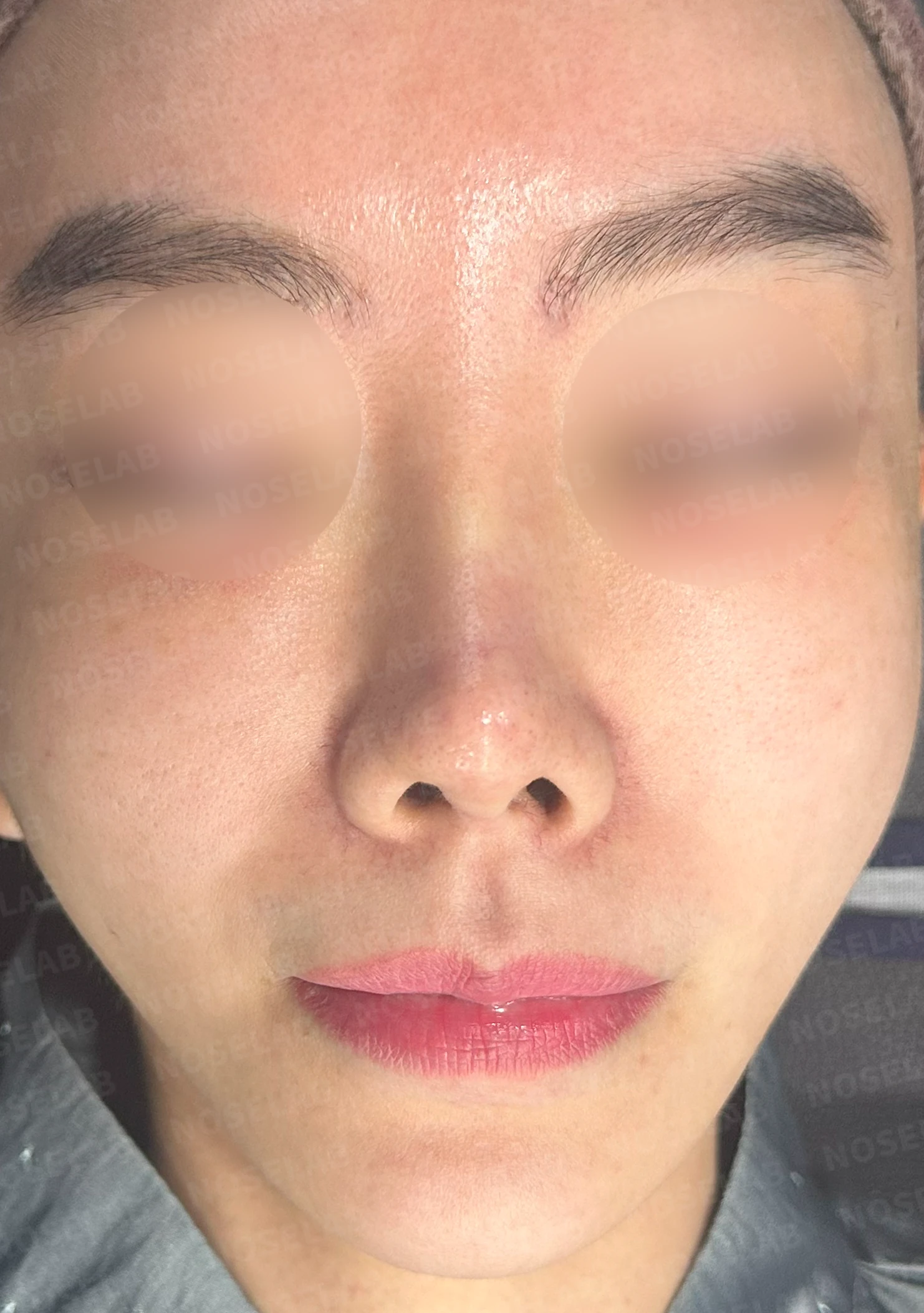
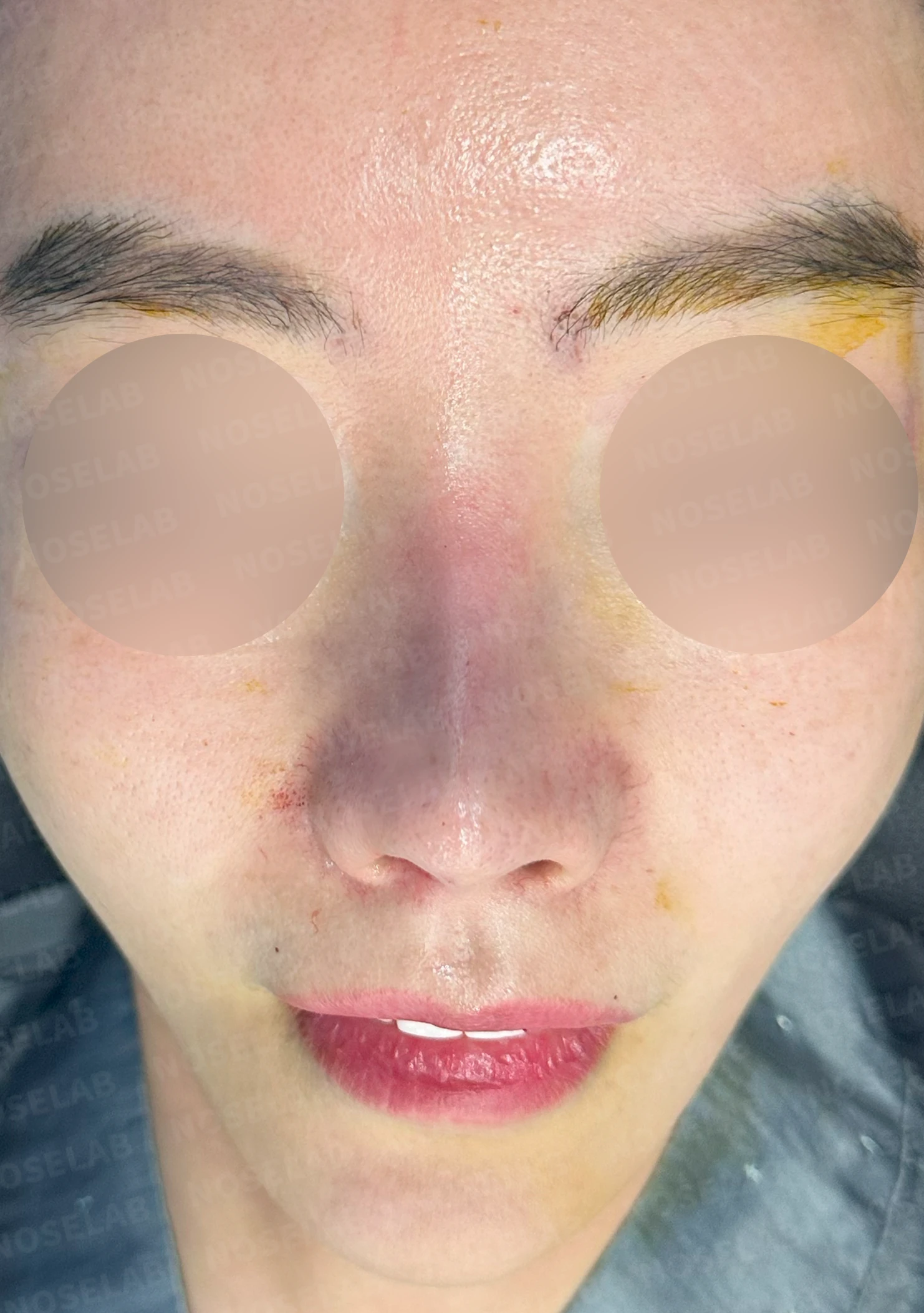
Before surgery / Day 0 immediately after surgery Photos taken immediately after surgery show swelling and may differ from the final result.
Front view improvement
Improvement of excessive nostril show
Marked improvement in nostril asymmetry
Natural bridge line
Correction of deviation
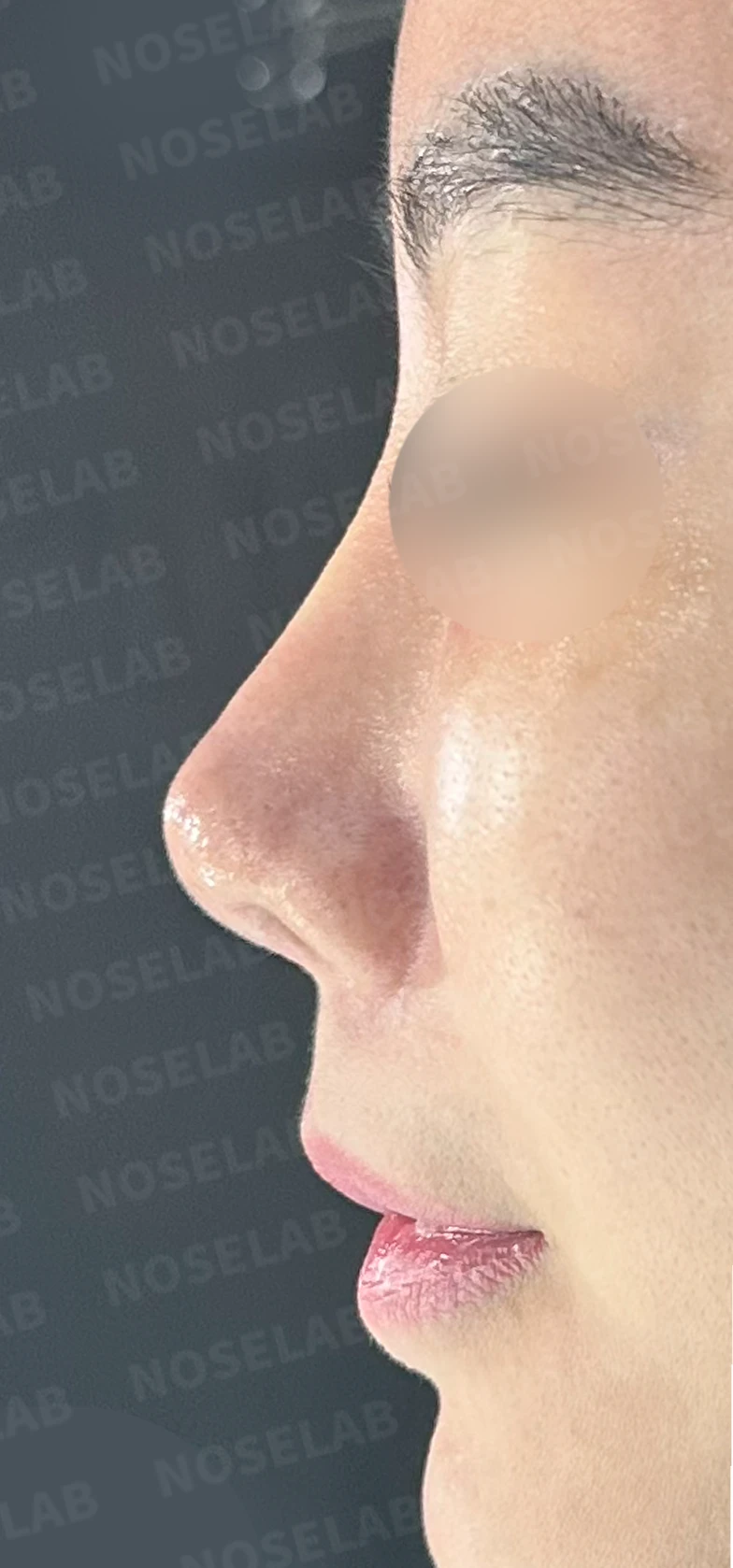
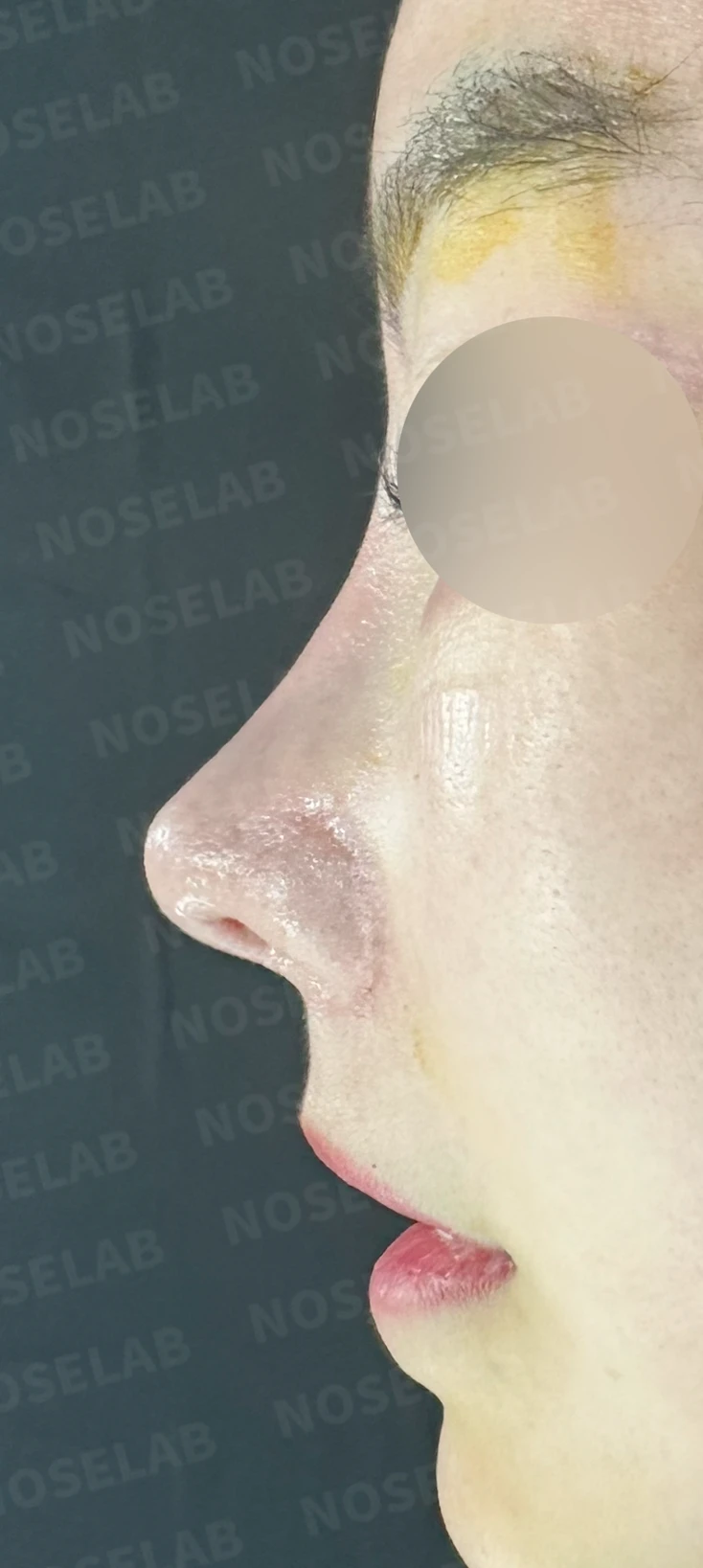
Before surgery / Day 0 immediately after surgery Photos taken immediately after surgery show swelling and may differ from the final result.
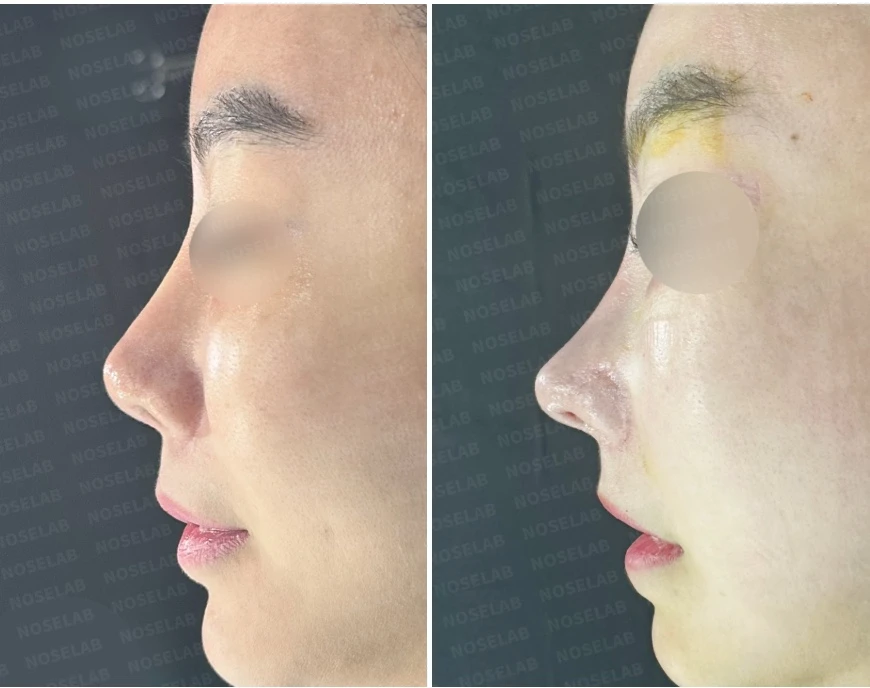
2. Profile view improvement
A natural line achieved by lowering the radix
Improvement in the upturned appearance by lowering the nasal tip position
Nasal length improved through appropriate correction of the nasolabial angle
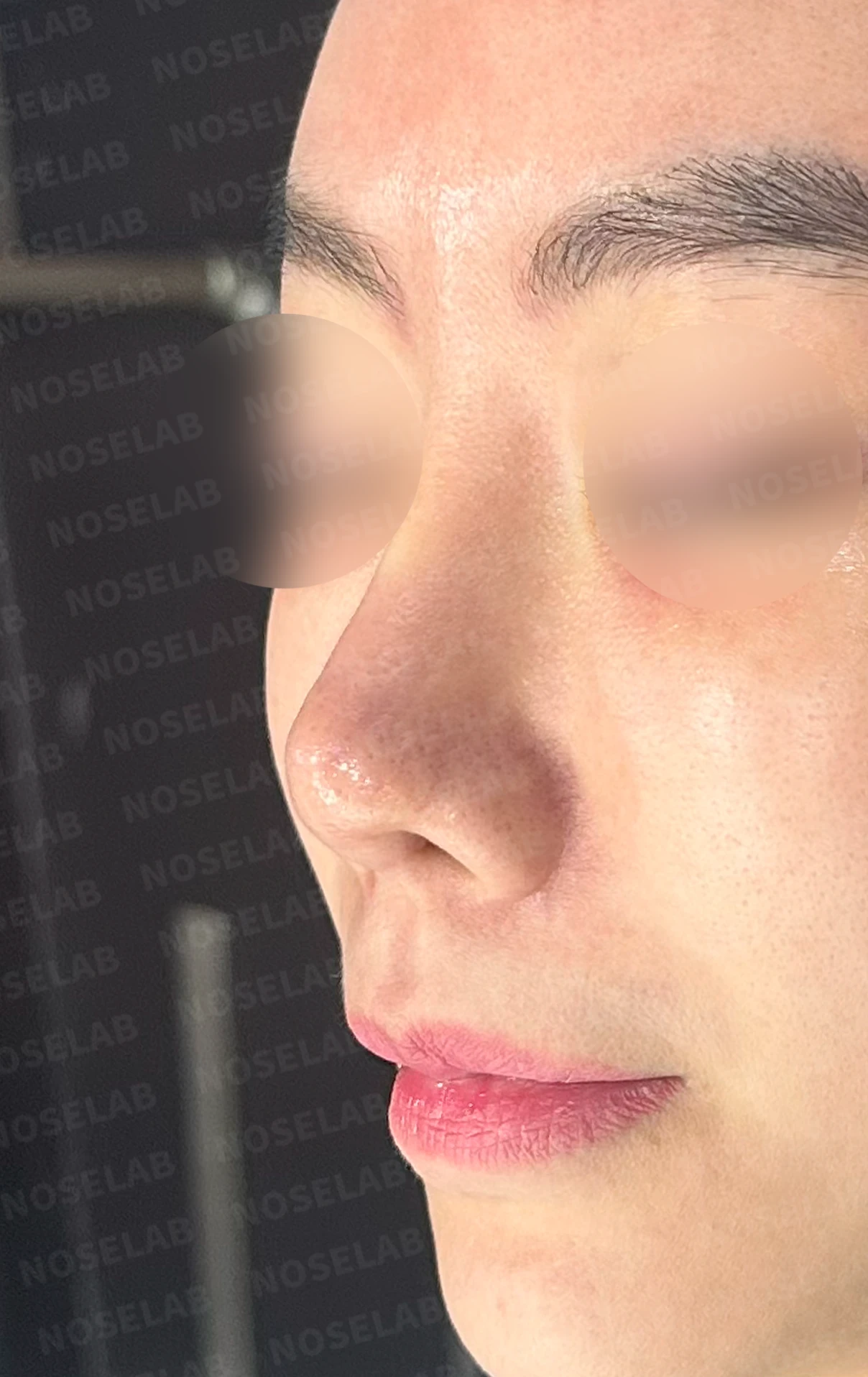
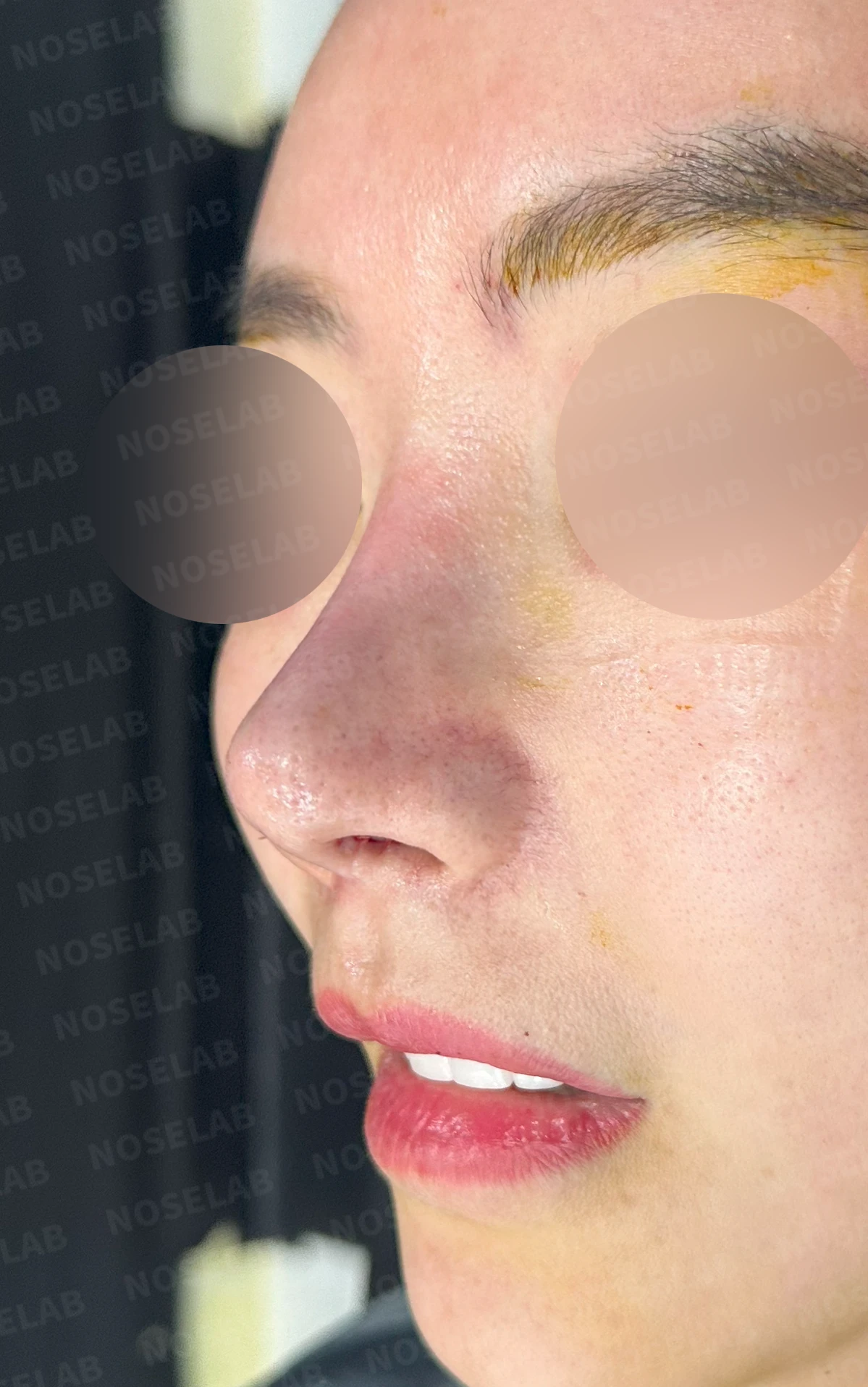
Before surgery / Day 0 immediately after surgery Photos taken immediately after surgery show swelling and may differ from the final result.
4. Nostril view improvement
Straightened columella
Improved symmetry between the left and right nostrils
Natural nostril shape
Improvement of scar tissue in the right nostril
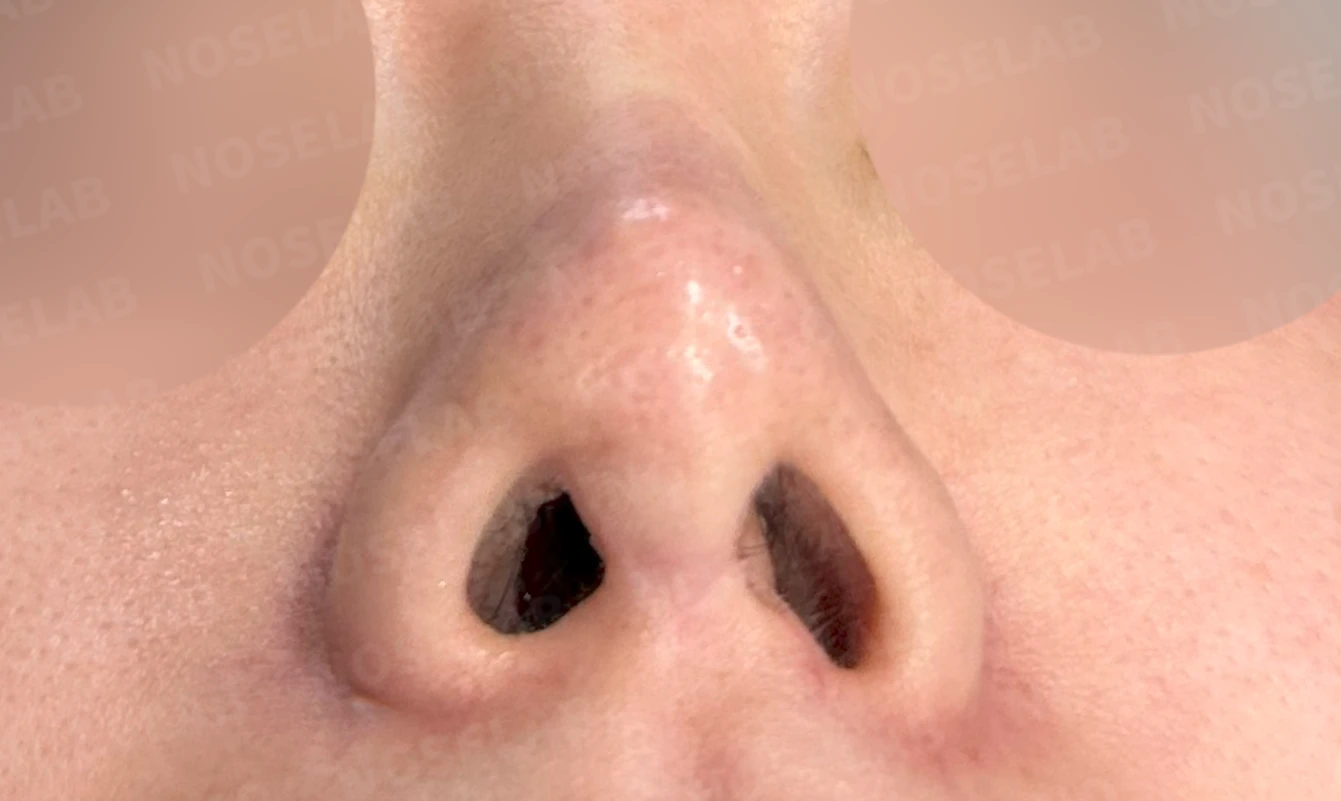
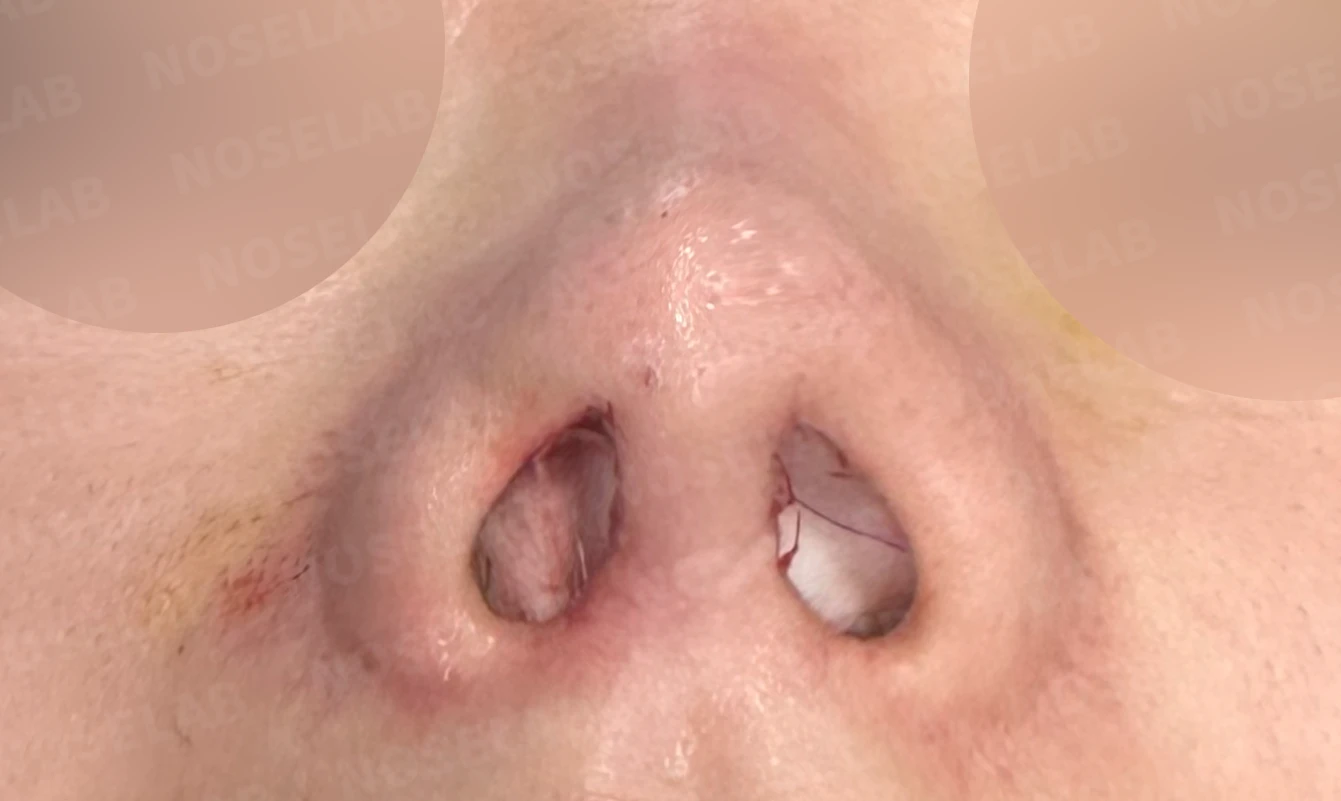
Before surgery / Day 0 immediately after surgery Photos taken immediately after surgery show swelling and may differ from the final result.
💡 Specialist's opinion
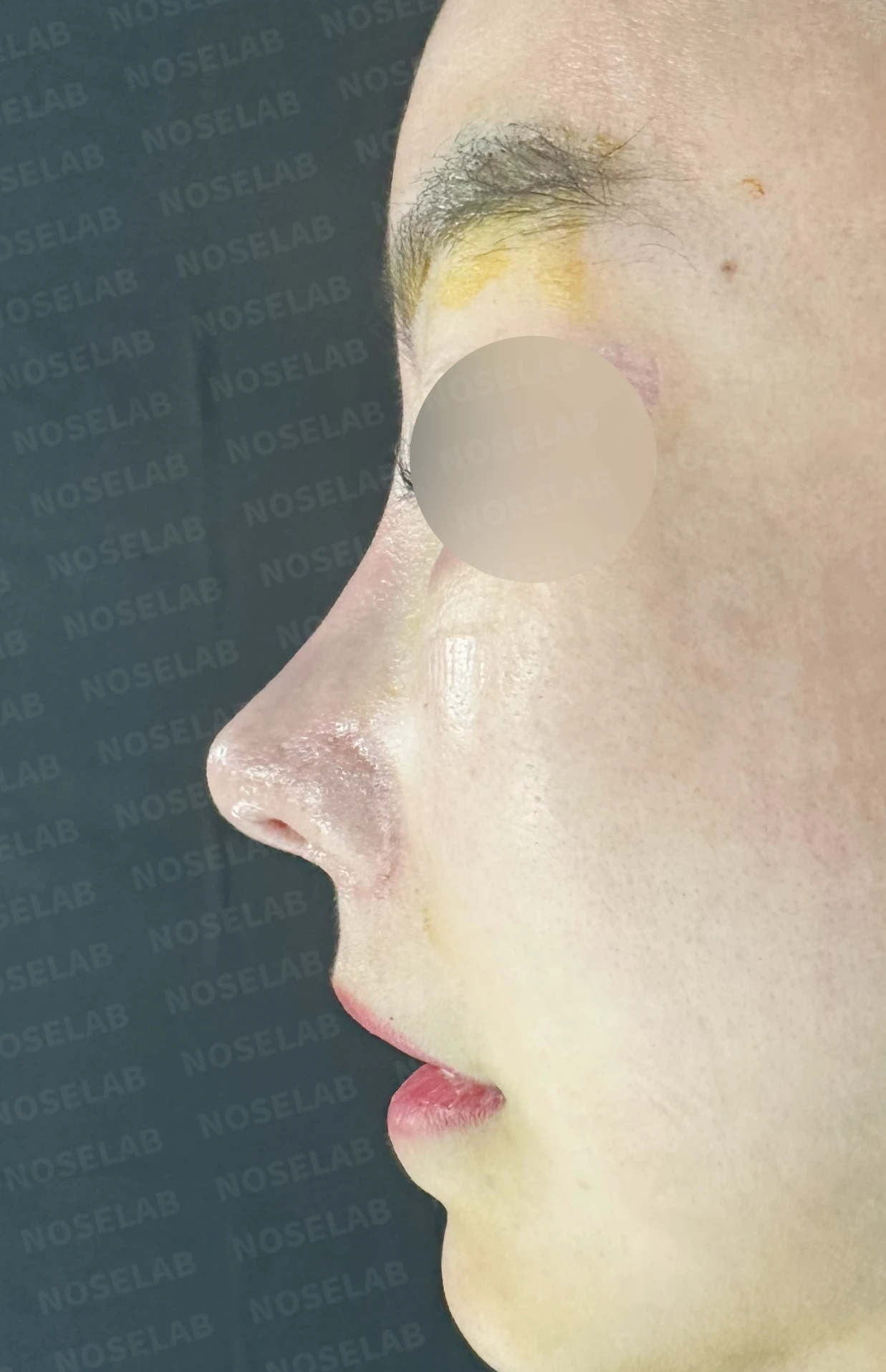
Front, profile, and oblique views taken immediately after surgery (day 0).Immediate postoperative photos show swelling and may differ from the final result.
Nostril view on day 0 immediately after surgery. Photos taken immediately after surgery show swelling and may differ from the final result.
Contracture deformities resulting from repeated dermal absorption and multiple revision surgeries are among the most challenging issues in rhinoplasty. In cases like this, stable results were achieved by thoroughly adhering to the following principles:
Thorough removal of previously damaged tissue
Solid and stable structural reconstruction
Creation of a natural line and volume
A comprehensive approach for long-term stability
In particular, to prevent dermal absorption and repeated revision surgeries that the patient was concerned about, we focused on maximizing the use of autologous tissue and building a stable support structure.
We will continue to listen carefully to our patients' concerns and do our utmost to achieve long-term stable results.
This was Dr. Peter C. Kang. Thank you.
Thank you.
#closedrhinoplasty #revisionrhinoplasty #dermalabsorptionimprovement #contracturecorrection #naturalnose #rhinoplastyrevision #customrhinoplasty

Limitations and risks
When autologous rib cartilage is used, scarring and pain may remain at the donor site on the chest, and pneumothorax (pleural injury) can occur rarely. Over time, the grafted cartilage may warp or undergo partial resorption.
When using donor rib cartilage, long-term follow-up is necessary because the grafted cartilage may resorb or warp.
When revising after implant removal, contracture may progress again after removal, the nasal height and length may decrease, and staged surgery may be necessary depending on the skin condition.
When the septum is corrected at the same time, nasal obstruction may persist or recur, and in rare cases, septal perforation or changes in smell may occur.
Common potential risks include infection, bleeding, asymmetry, scarring, skin necrosis, and insufficient improvement; results vary depending on individual skin condition and previous surgical history.