Hello, I am Dr. Peter C. Kang.
Today, I would like to share the case of a patient with a surgical history spanning more than 20 years who achieved natural improvement for a contracted nose.
📍 Surgical history
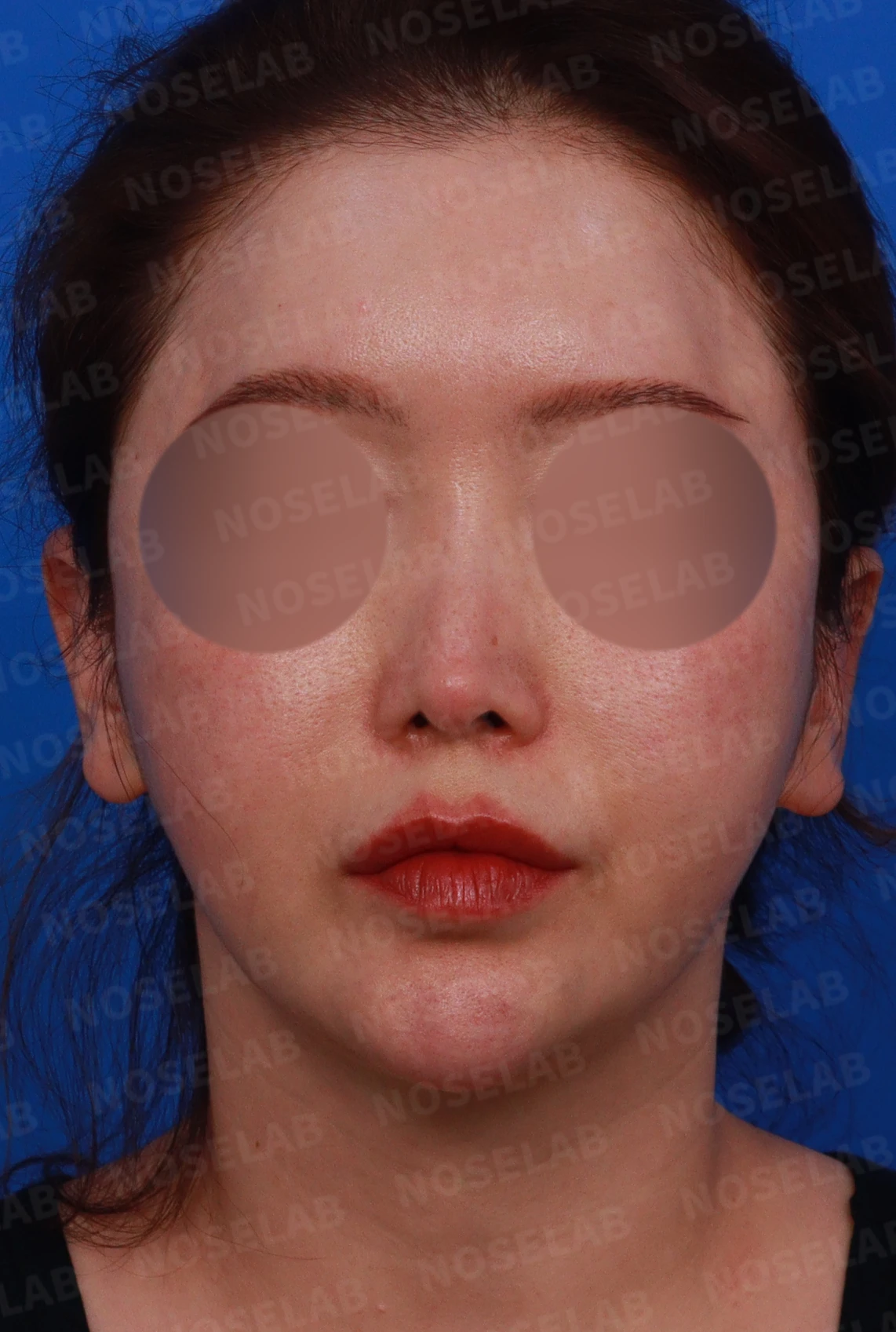
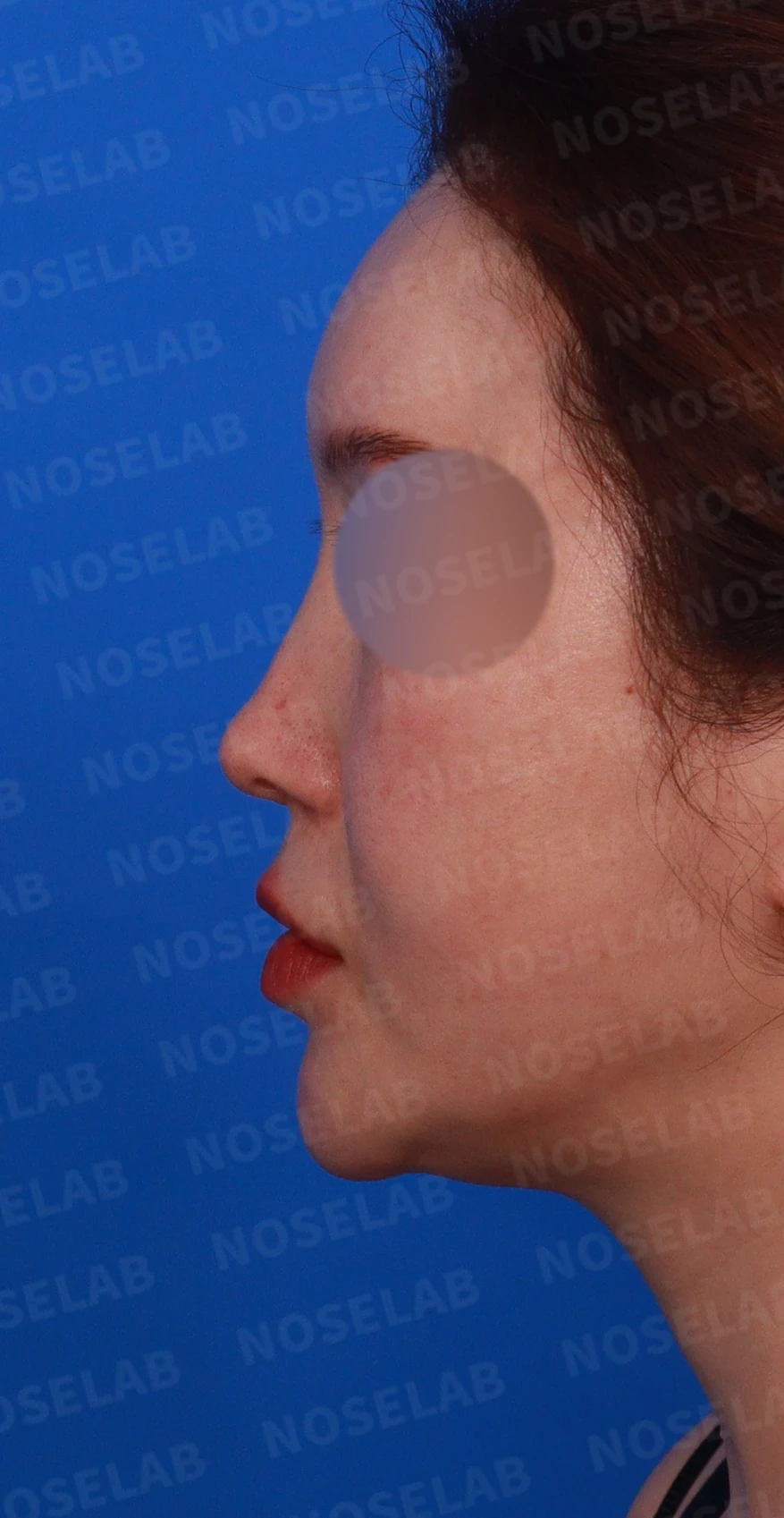
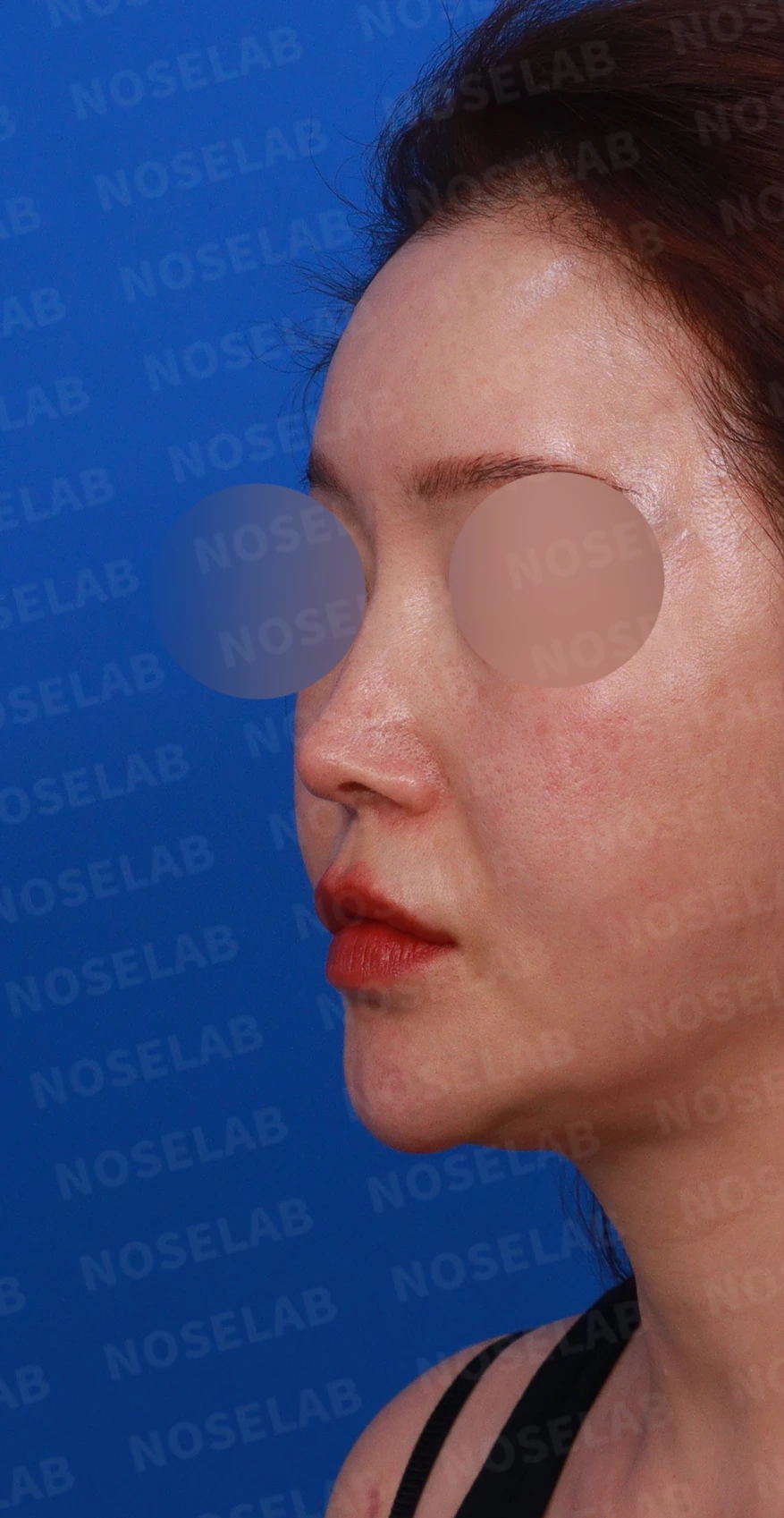
Front, left profile, and oblique views during design consultation
22 years ago: L-shaped silicone implant surgery
21 years ago: L-shaped silicone implant + ear cartilage surgery
10 years ago: Ear cartilage + autologous rib cartilage + silicone implant + nostril lengthening surgery
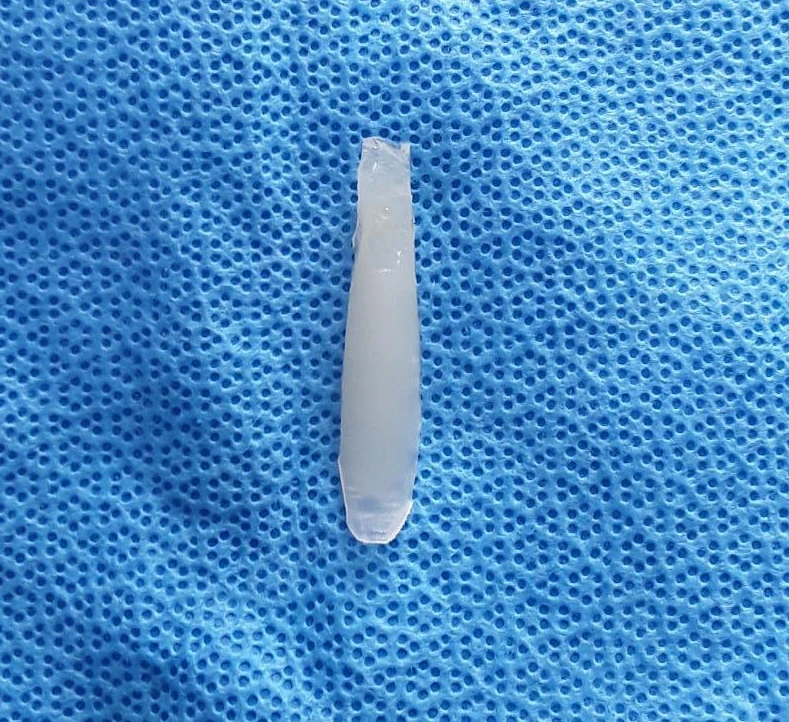
Removed silicone implant
🔎 Initial consultation findings
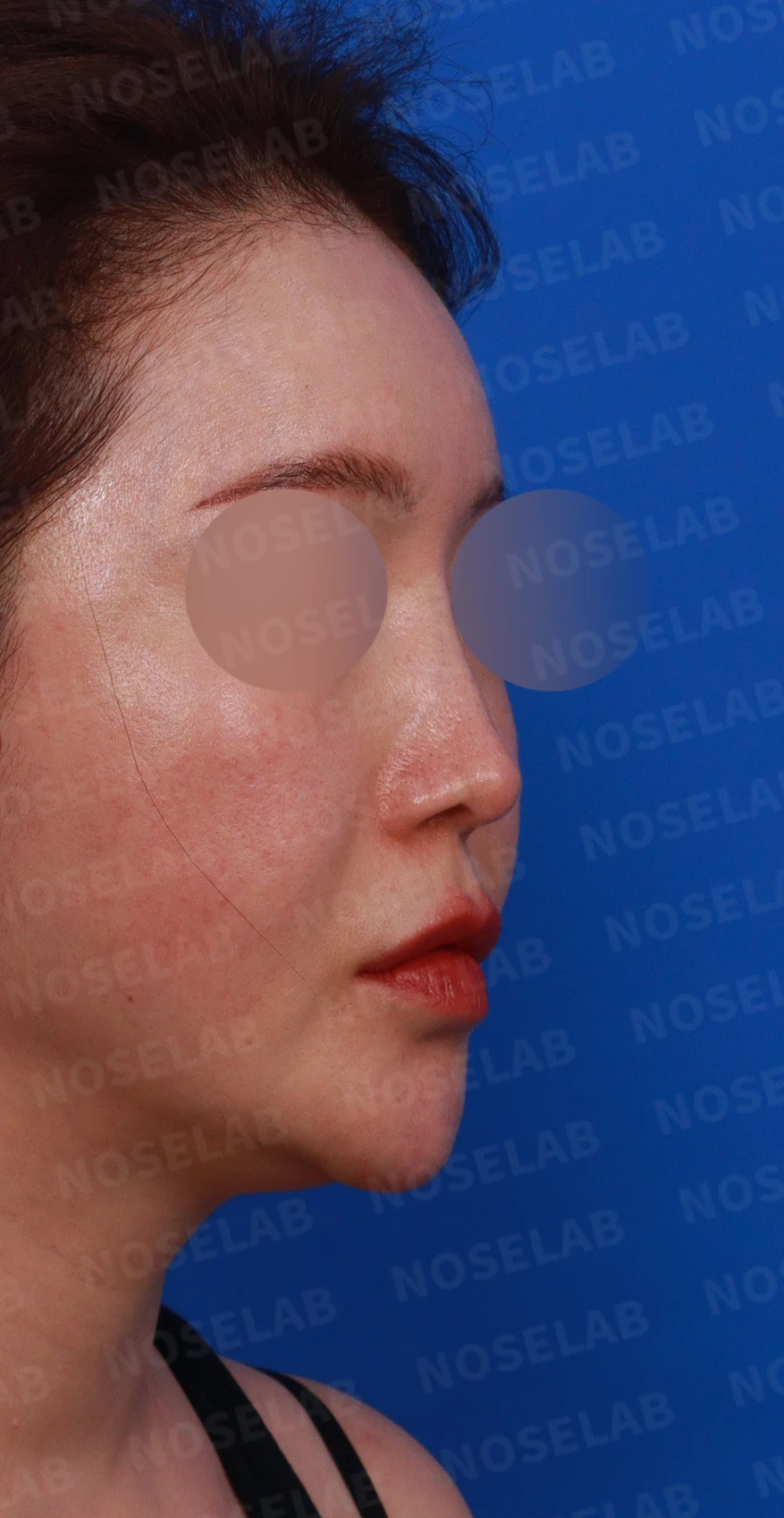
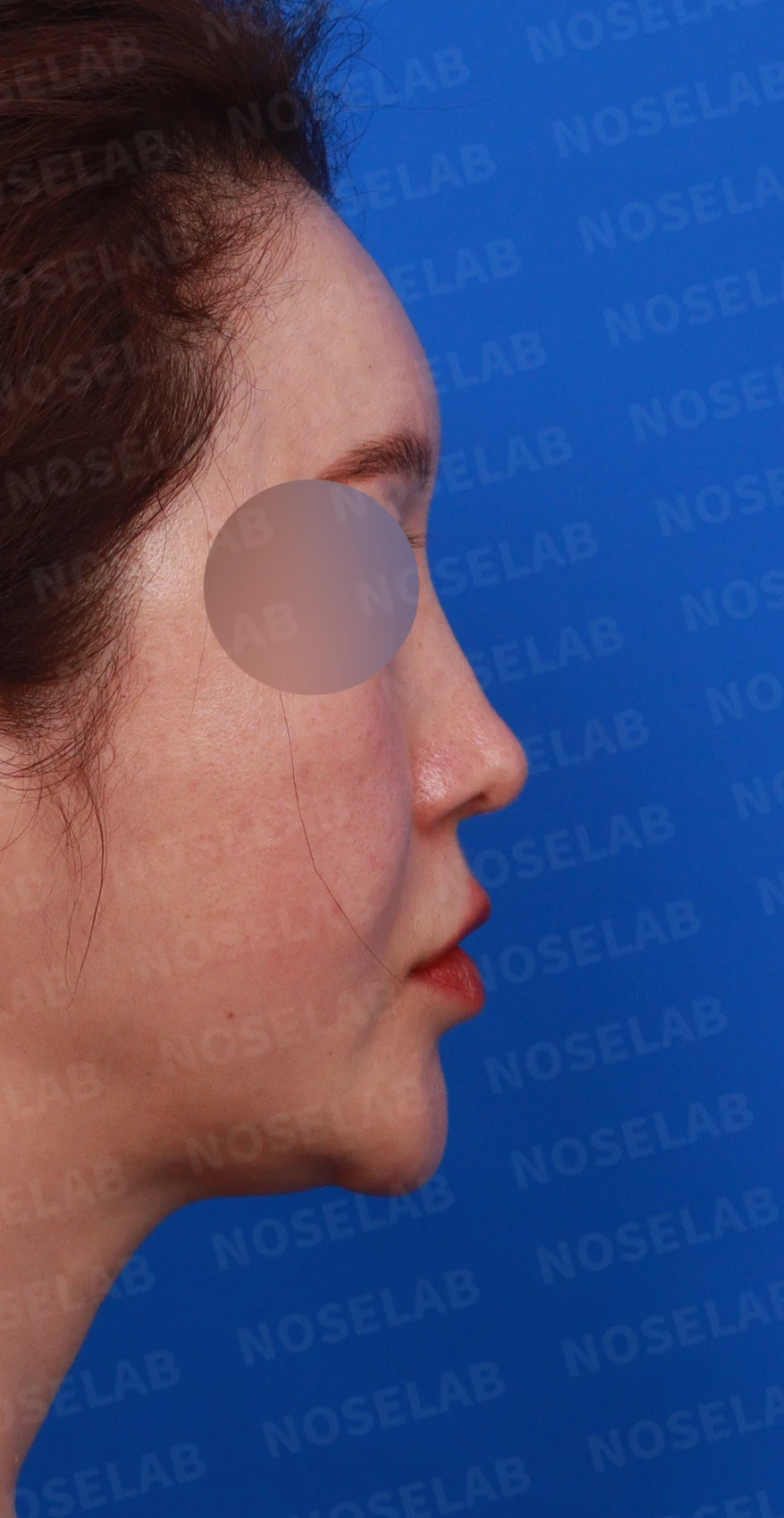
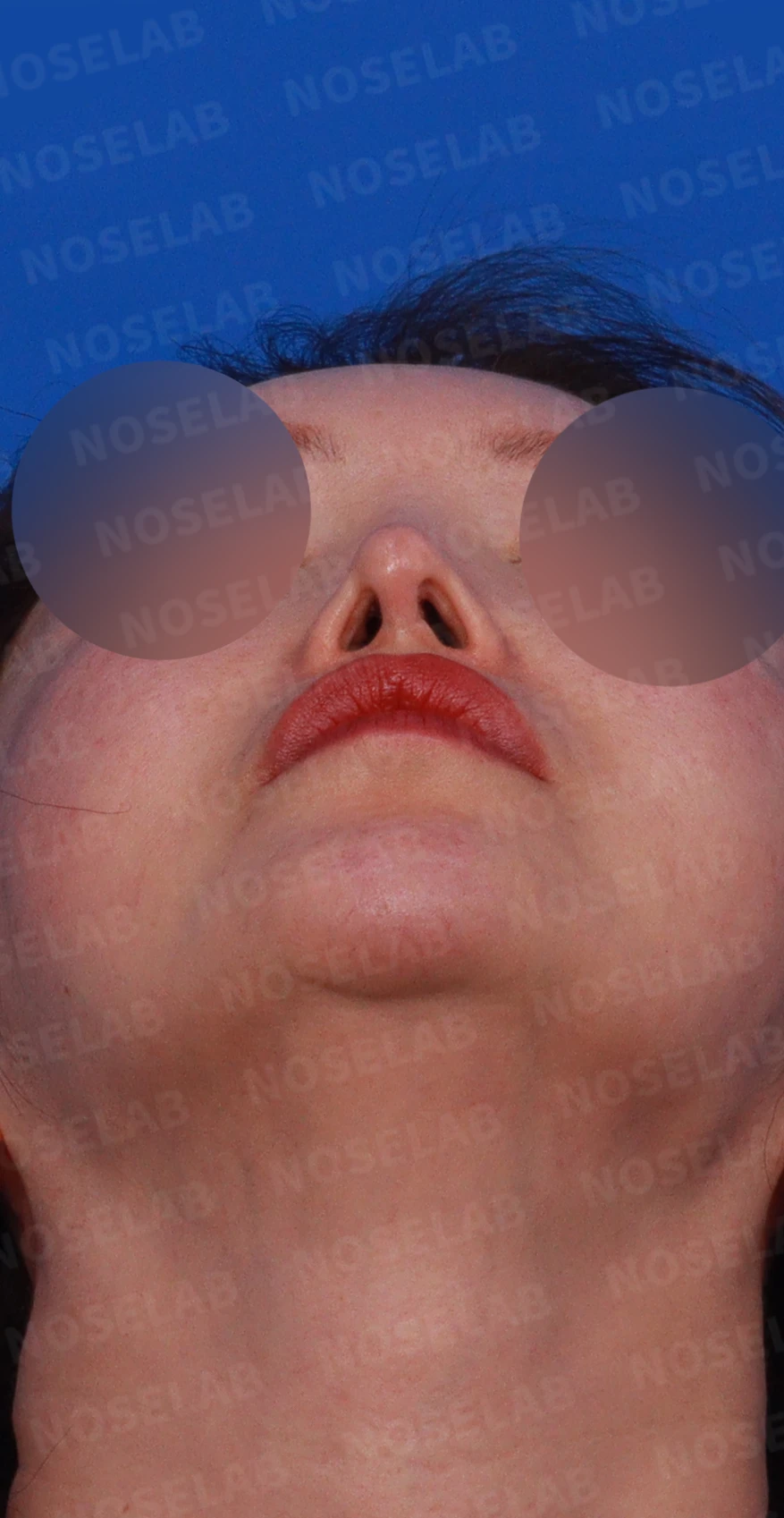
Design consultation: right oblique, profile, and basal (nostril) views
Front view
Deviated nose
Nostril asymmetry
Pinched nostril shape
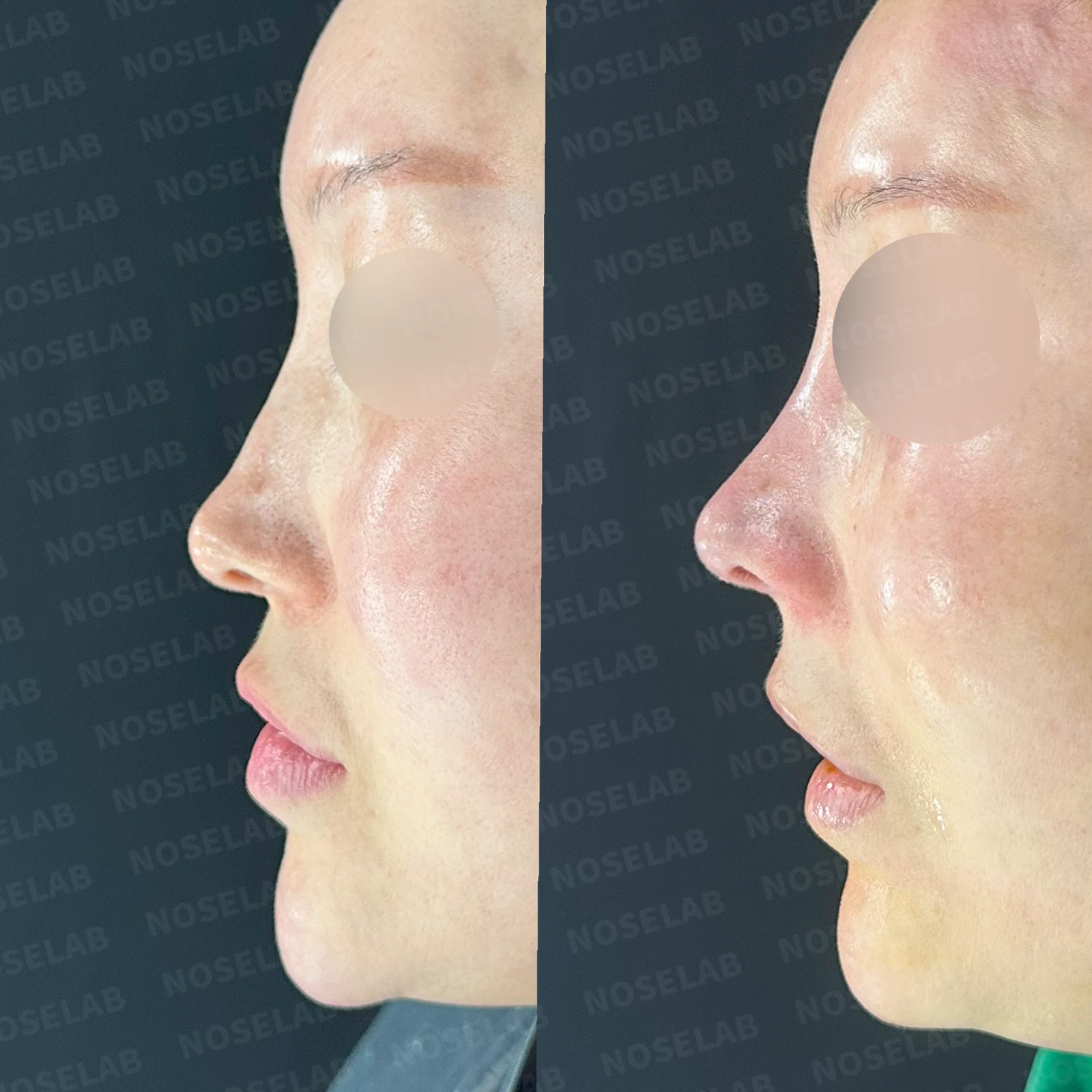
2. Profile view
High radix
Nose appearing long
Irregular nasal bridge
Nasal tip indentation
Protruding mouth findings
3. Nostrils
Nostril asymmetry
Columella deviated to the right
Extensive scar tissue inside the nostrils (skin tissue grafted during previous nostril lengthening)
4. Function
Nasal obstruction, right > left
Worsening symptoms during sleep
Crusting and scabs due to dry nasal passages in winter
✨ Patient's requests
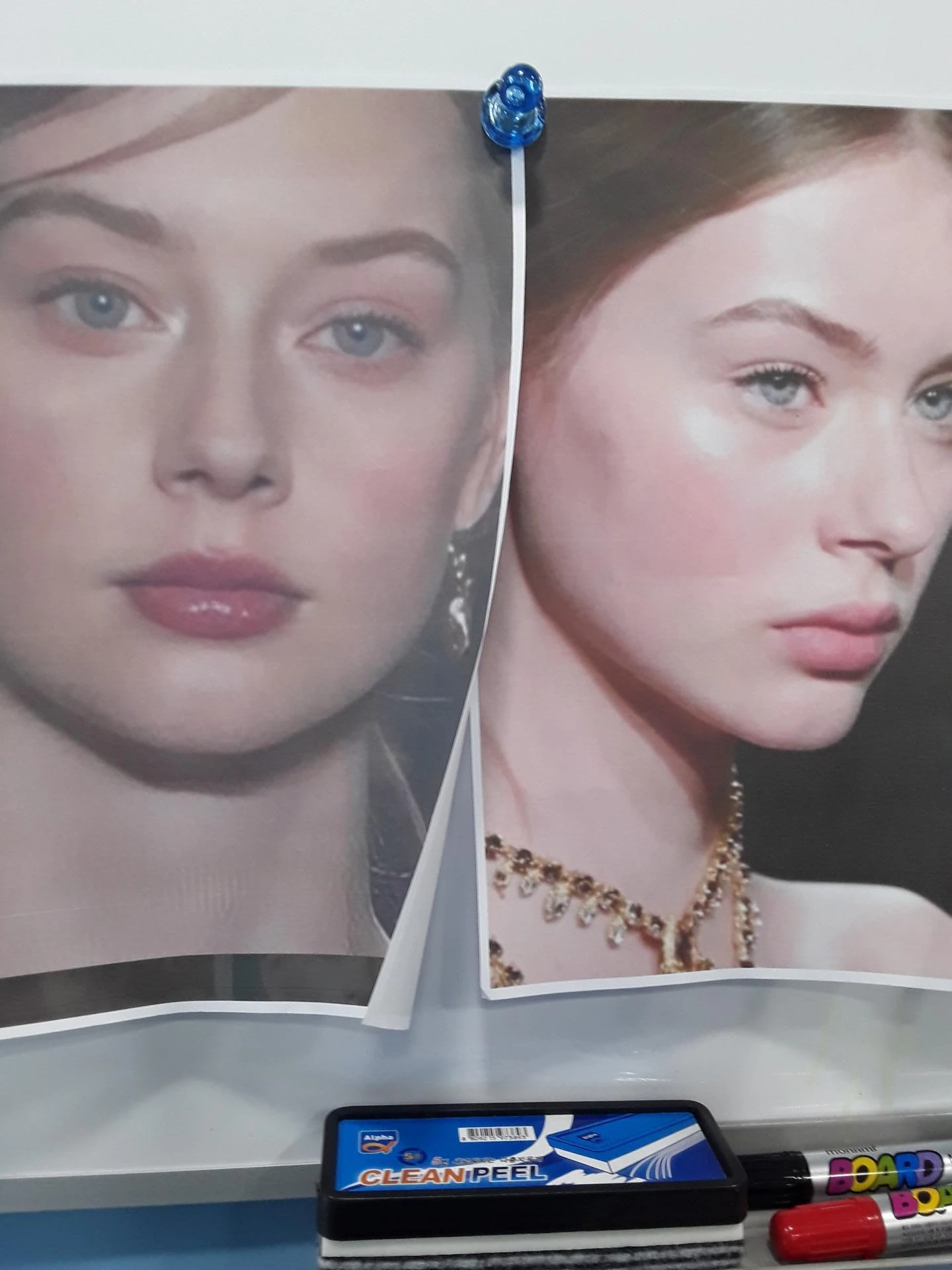
Nose style like Hanni from NewJeans
Natural result
Correction of deviated nose
Improvement of the perceived contracted nose

💉 Surgical procedure details
Structural improvement
Correction of the deviated nasal tip using autologous rib cartilage
Reconstruction of both alae by reusing existing ear cartilage
Improvement of the pinched nose shape
2. Tissue reinforcement
Reinforcement of thinned areas with a dermal graft
Smoothing of the uneven nasal bridge
Improvement of the nasal tip indentation
3. Functional improvement
Septoplasty
Radiofrequency submucosal resection of the inferior turbinates
Improvement of nasal obstruction
✅ Surgical results
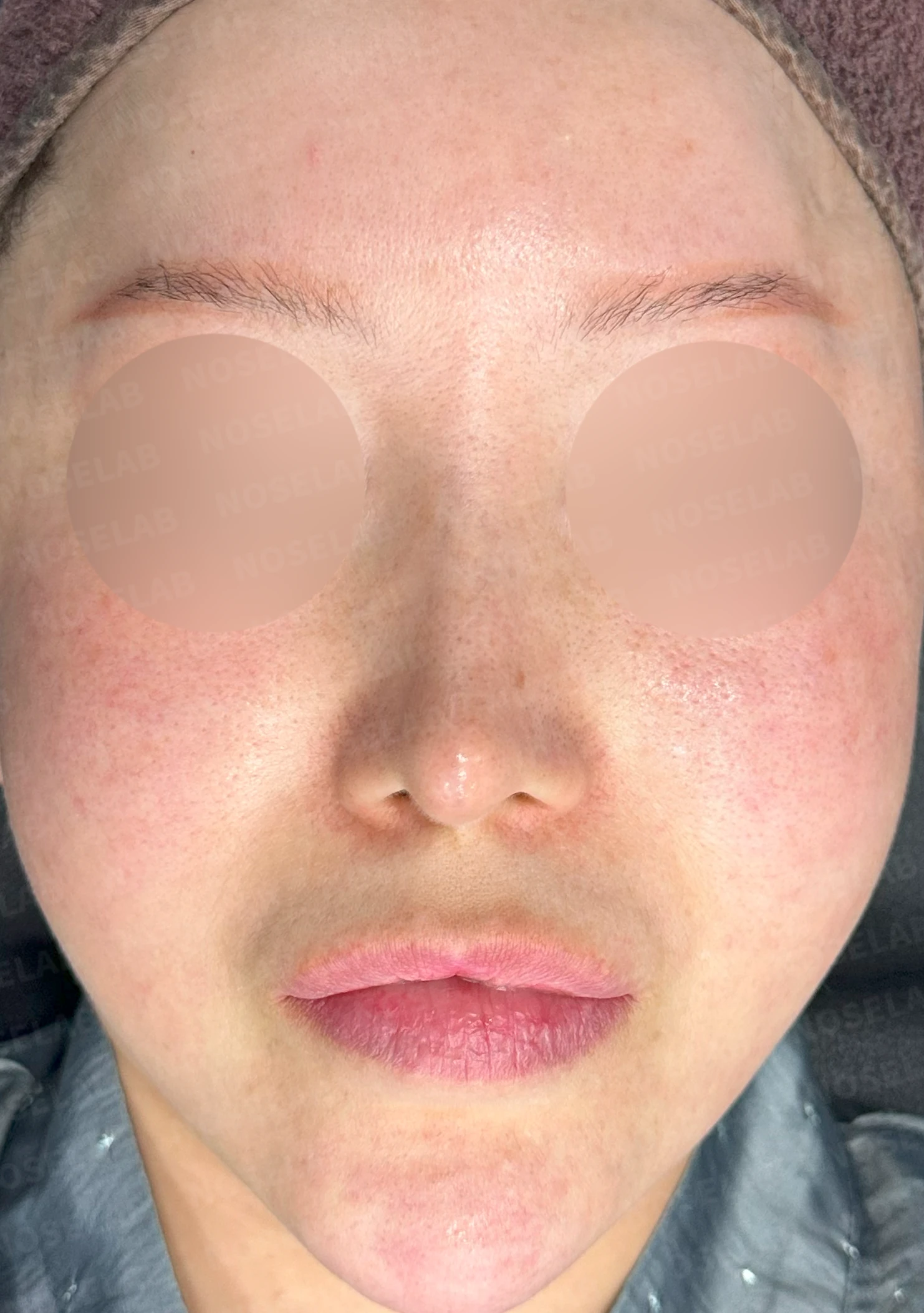
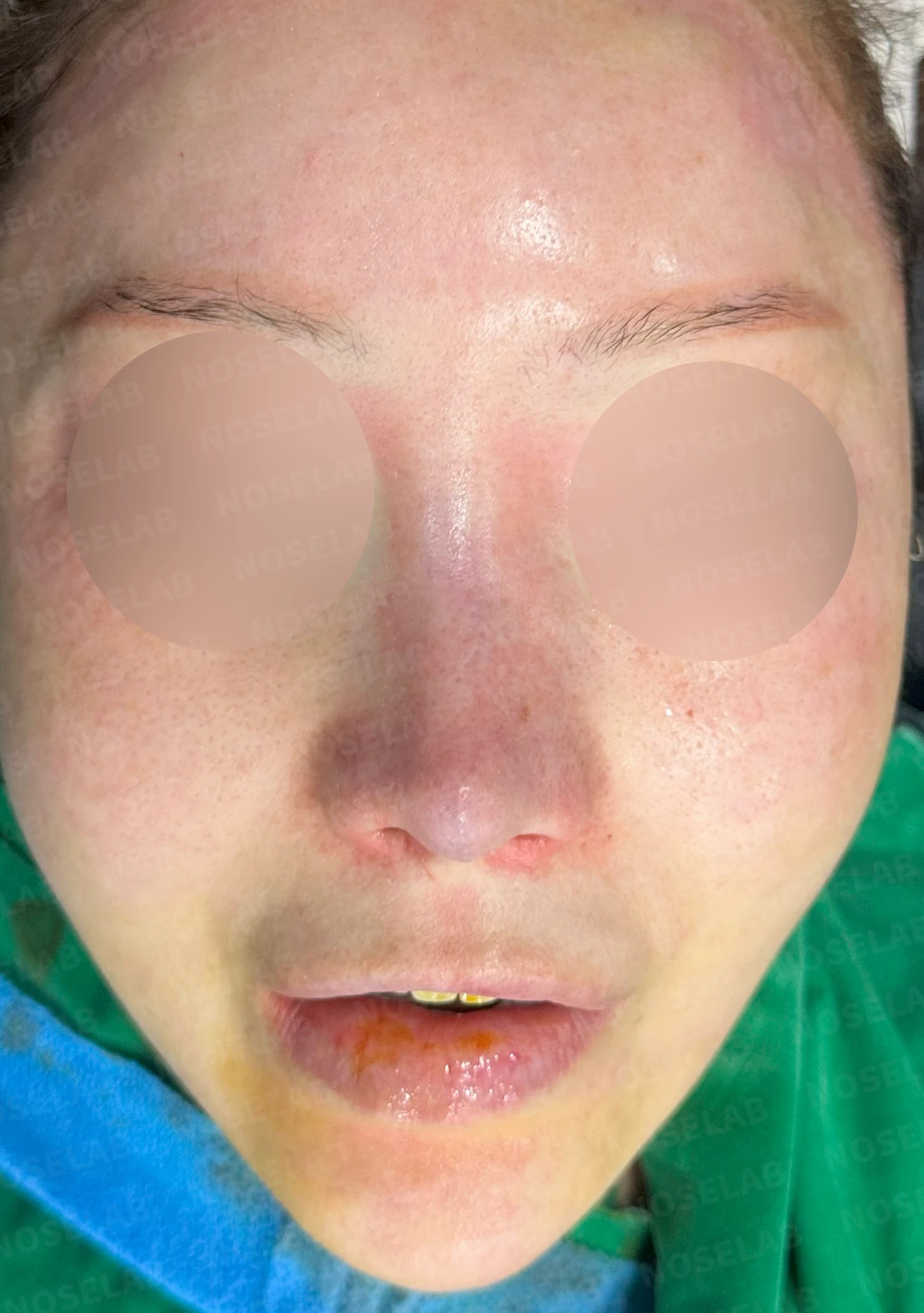
Before surgery / Day 0 immediately after surgery Photos taken immediately after surgery show swelling and may differ from the final result.
Front view
Improved crooked nose
Well-balanced nostrils
Natural width
Naturally widened nasal bridge width
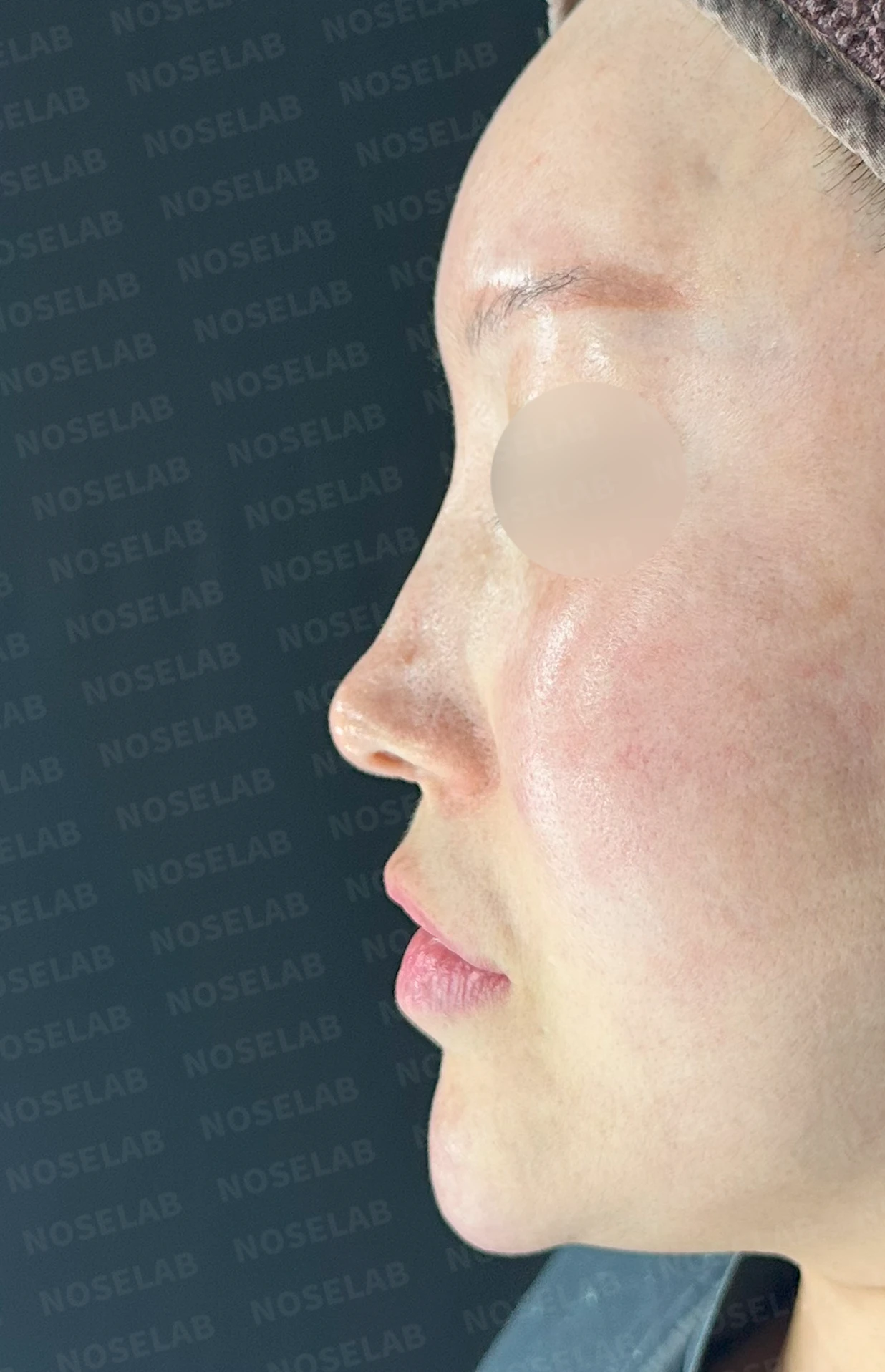
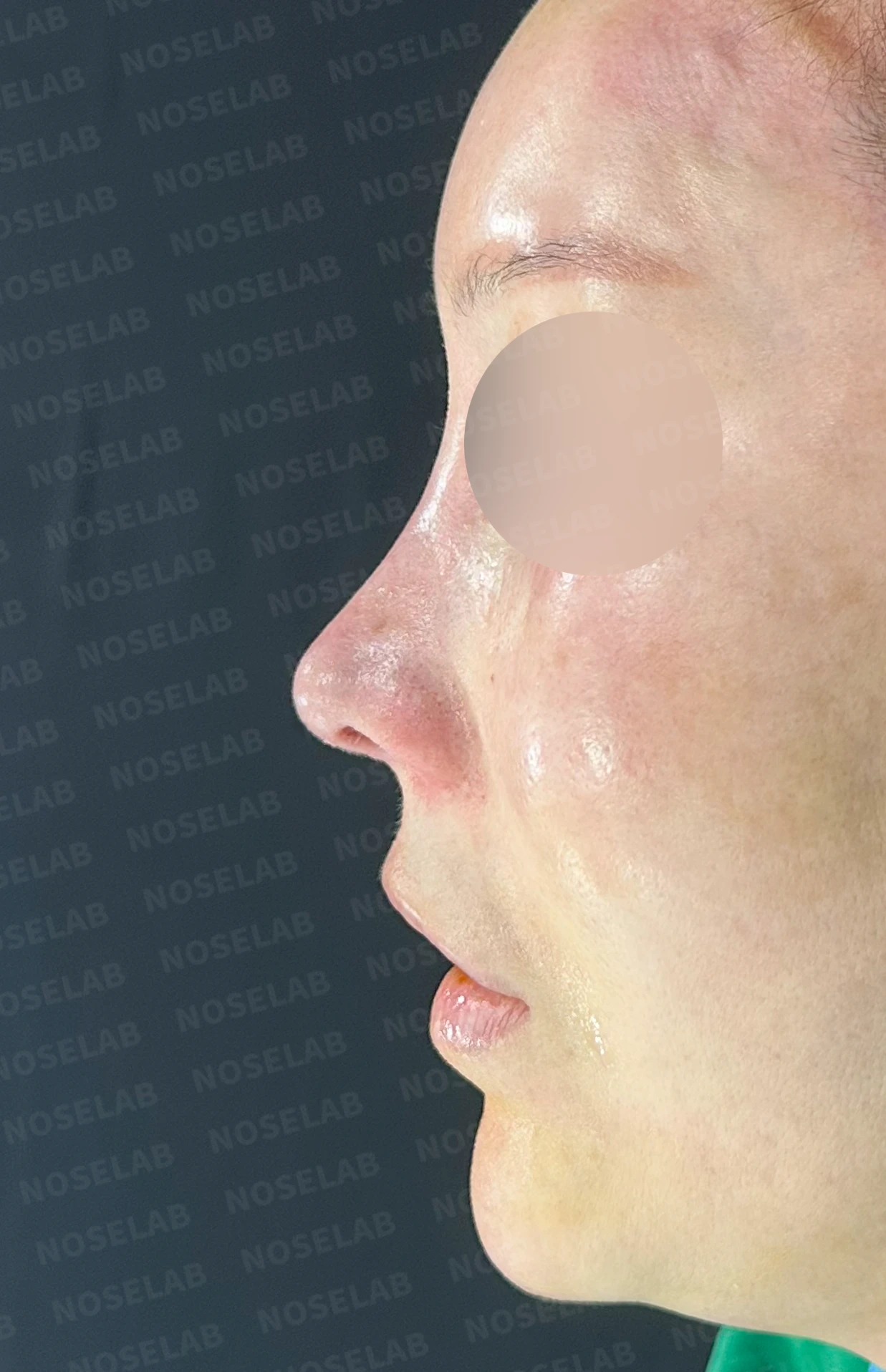
Before surgery / Day 0 immediately after surgery Photos taken immediately after surgery show swelling and may differ from the final result.
2. Profile view
Smoothed nasal bridge line
Improved nasal tip indentation
Natural radix position
Improvement of protruding mouth through nasolabial angle correction
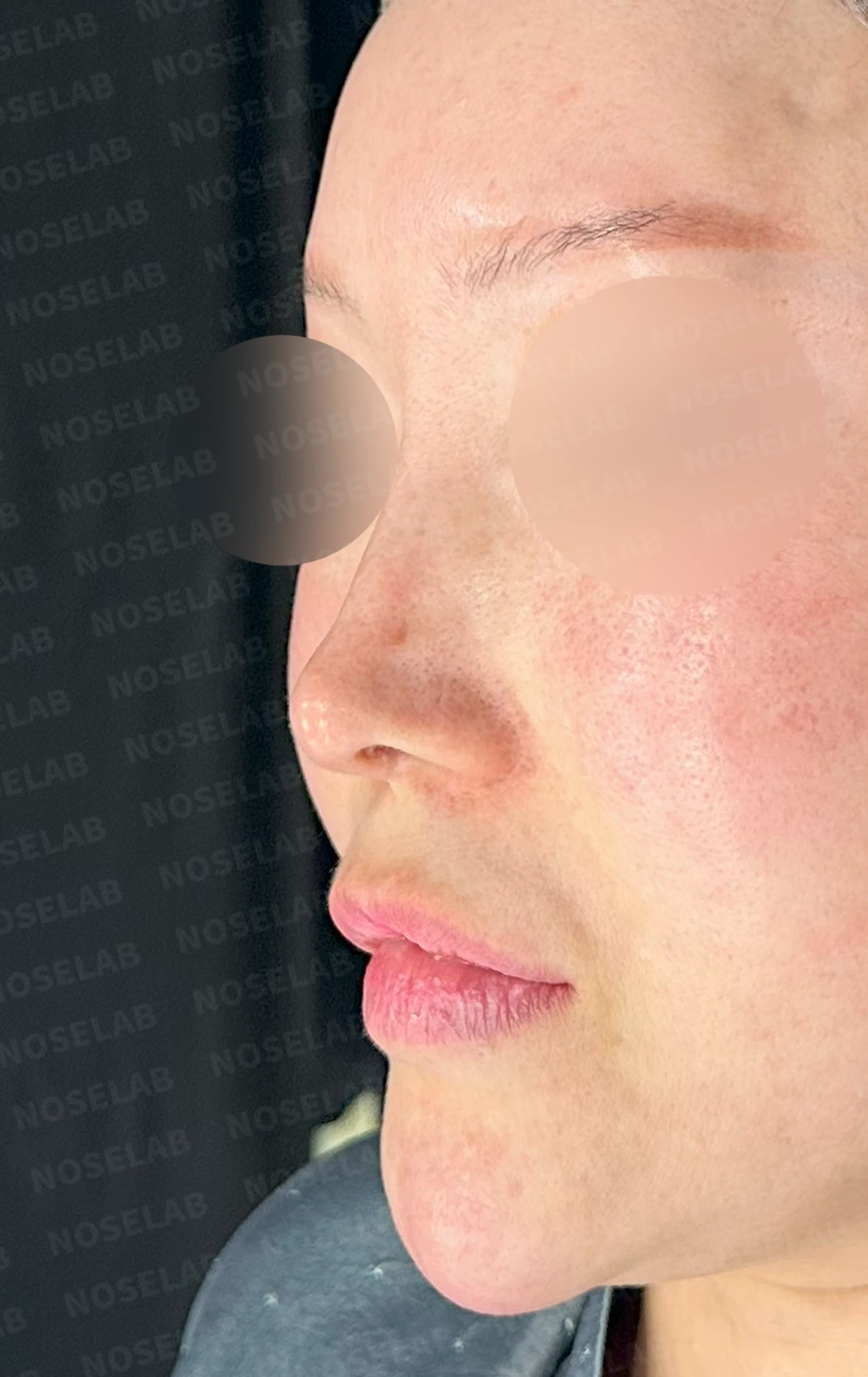
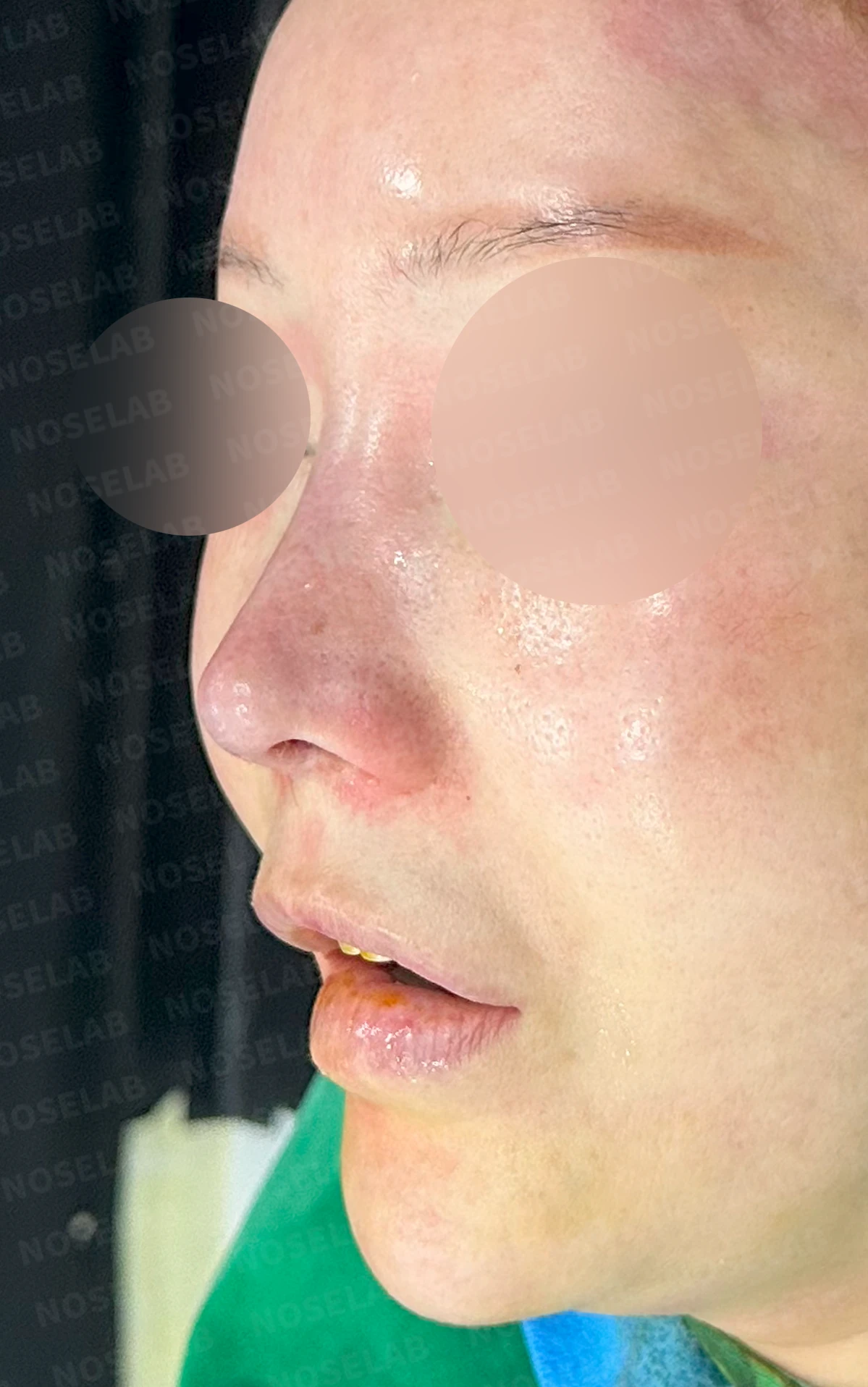
Before surgery / Day 0 immediately after surgery Photos taken immediately after surgery show swelling and may differ from the final result.
3. Nostrils
Improved nostril asymmetry
Straightened columella
Removal of skin tissue grafted during previous nostril lengthening surgery
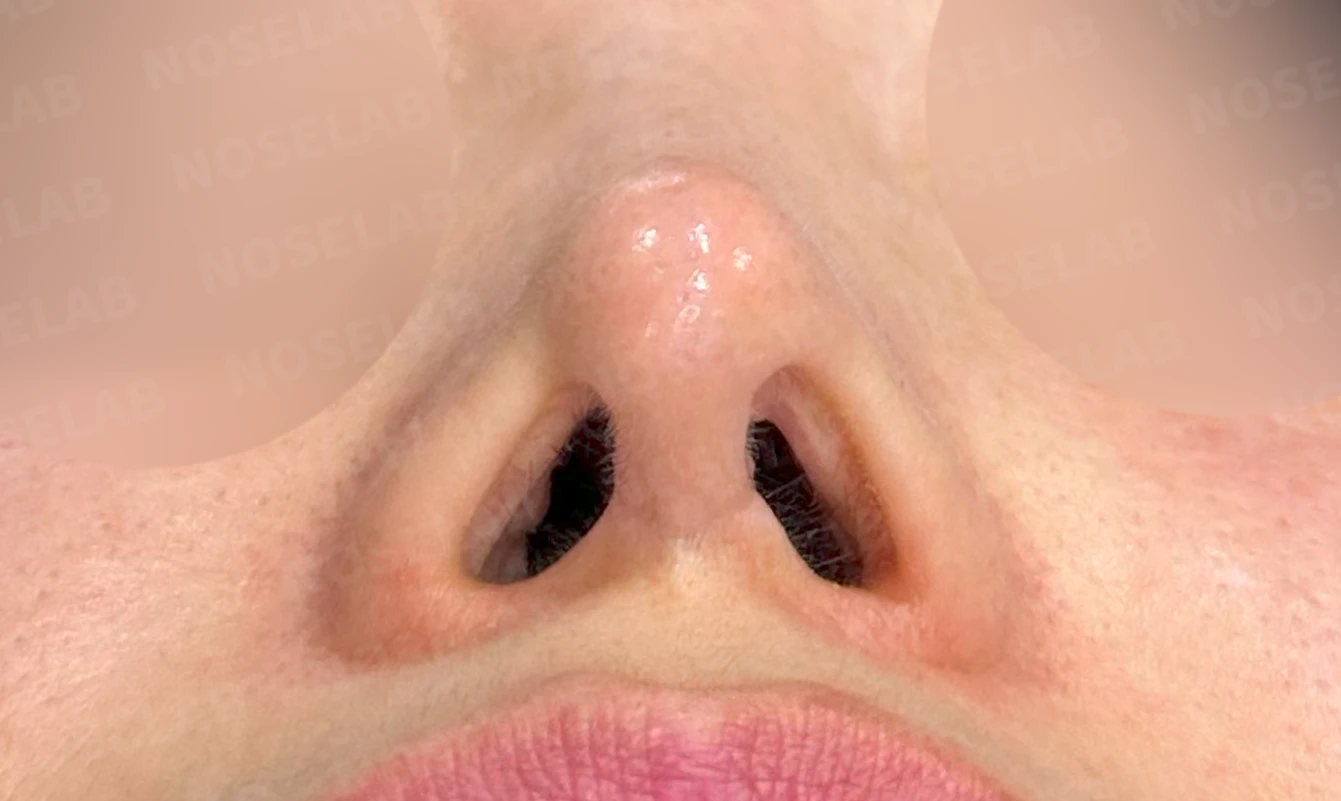
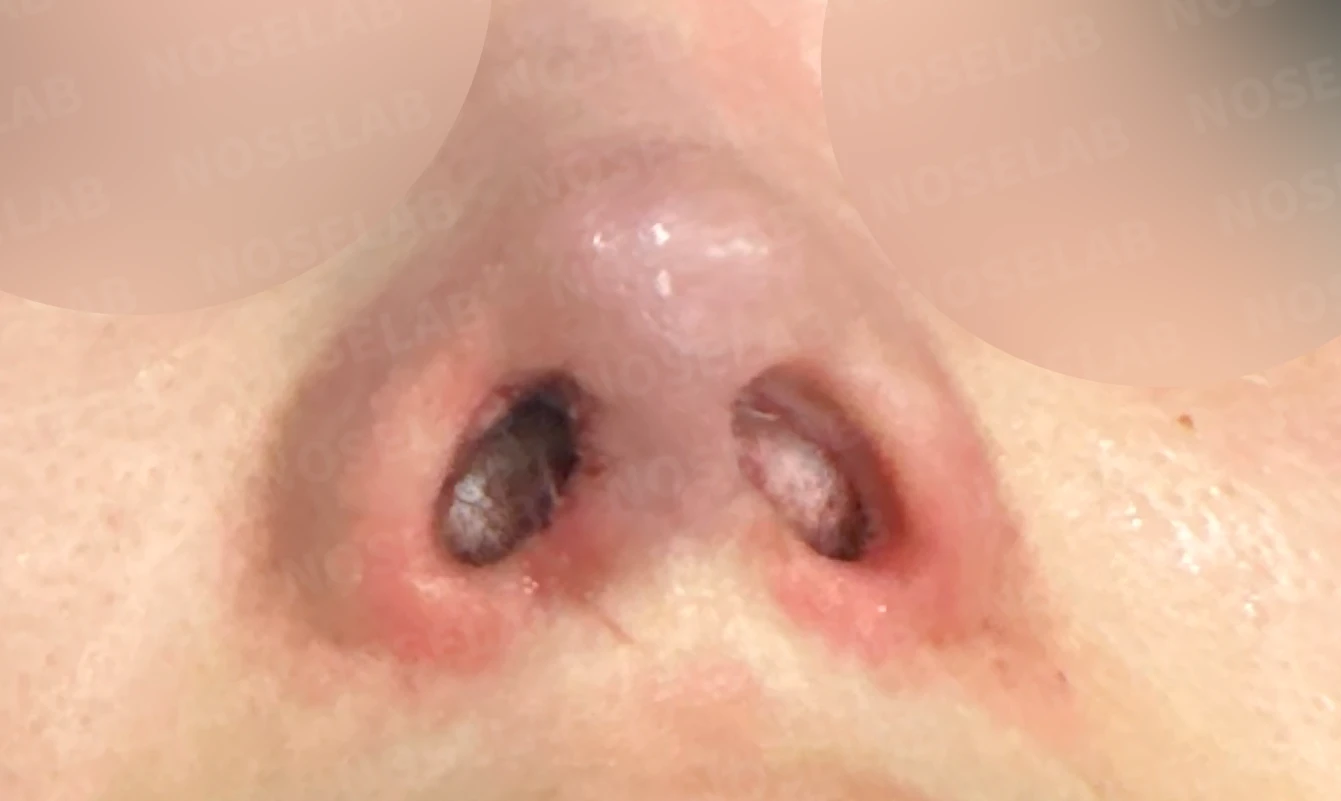
Before surgery / Day 0 immediately after surgery Photos taken immediately after surgery show swelling and may differ from the final result.
👨⚕️ Specialist's assessment
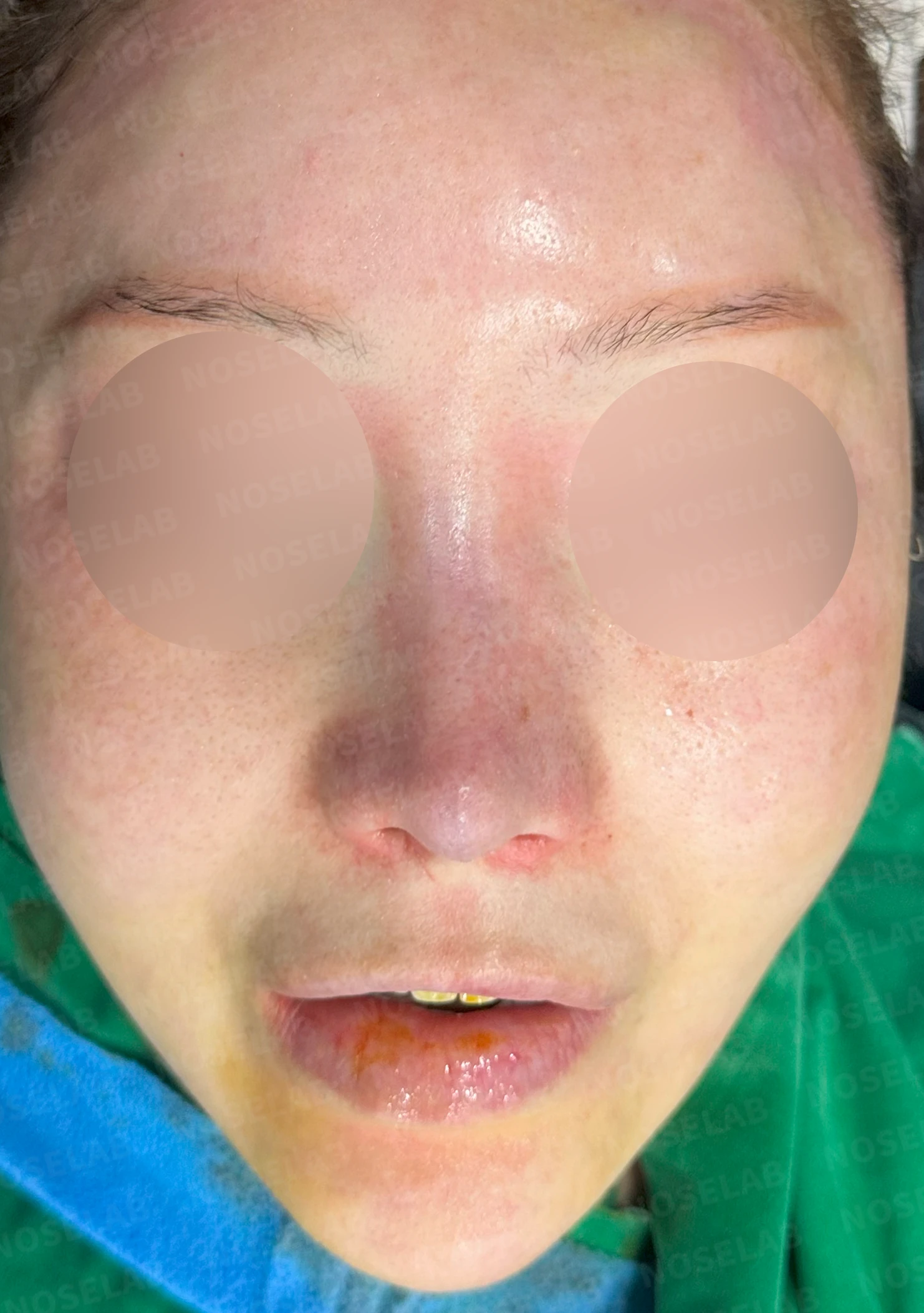
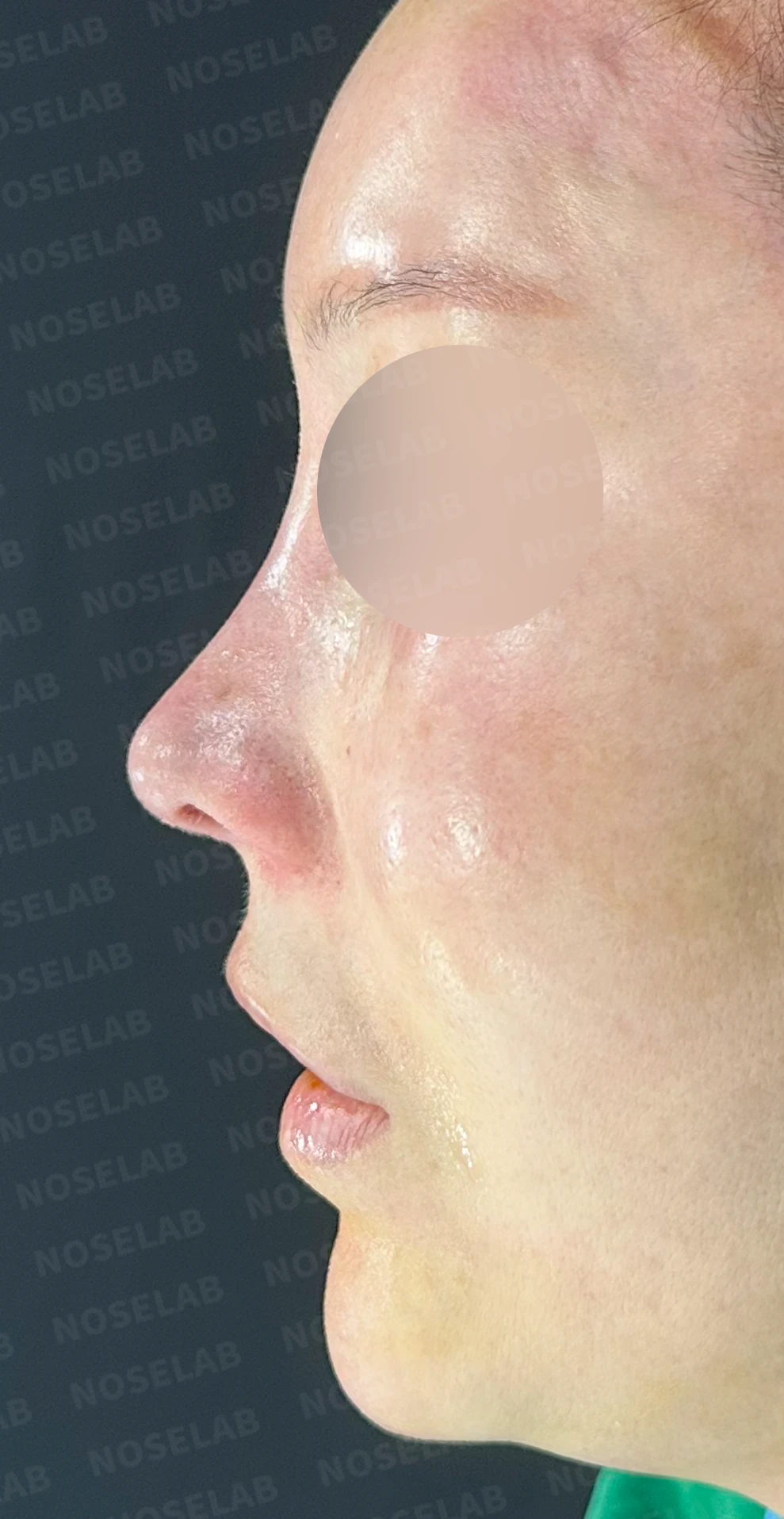
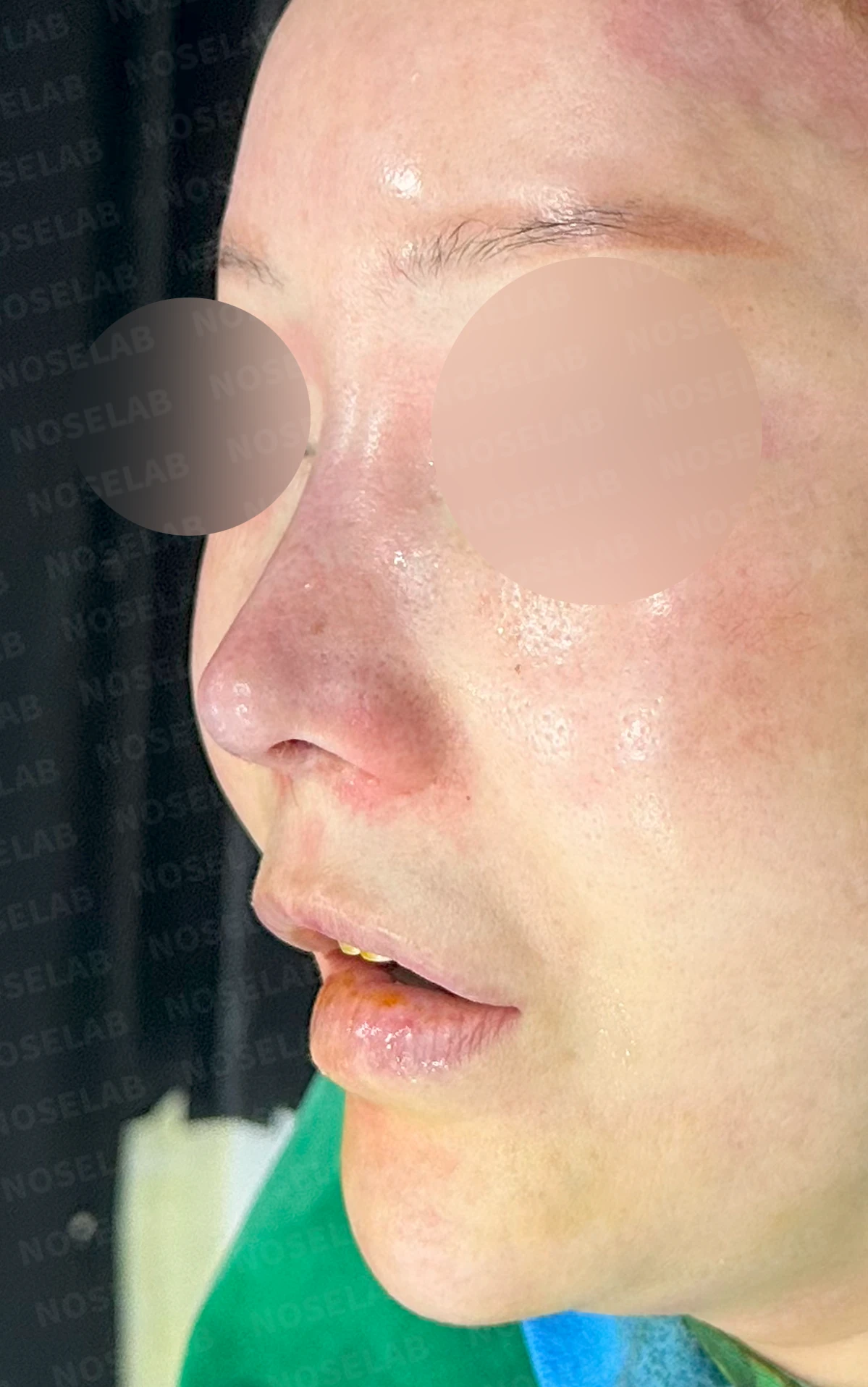
Front, profile, and oblique views immediately after surgery on day 0 Photos taken immediately after surgery show swelling and may differ from the final result.
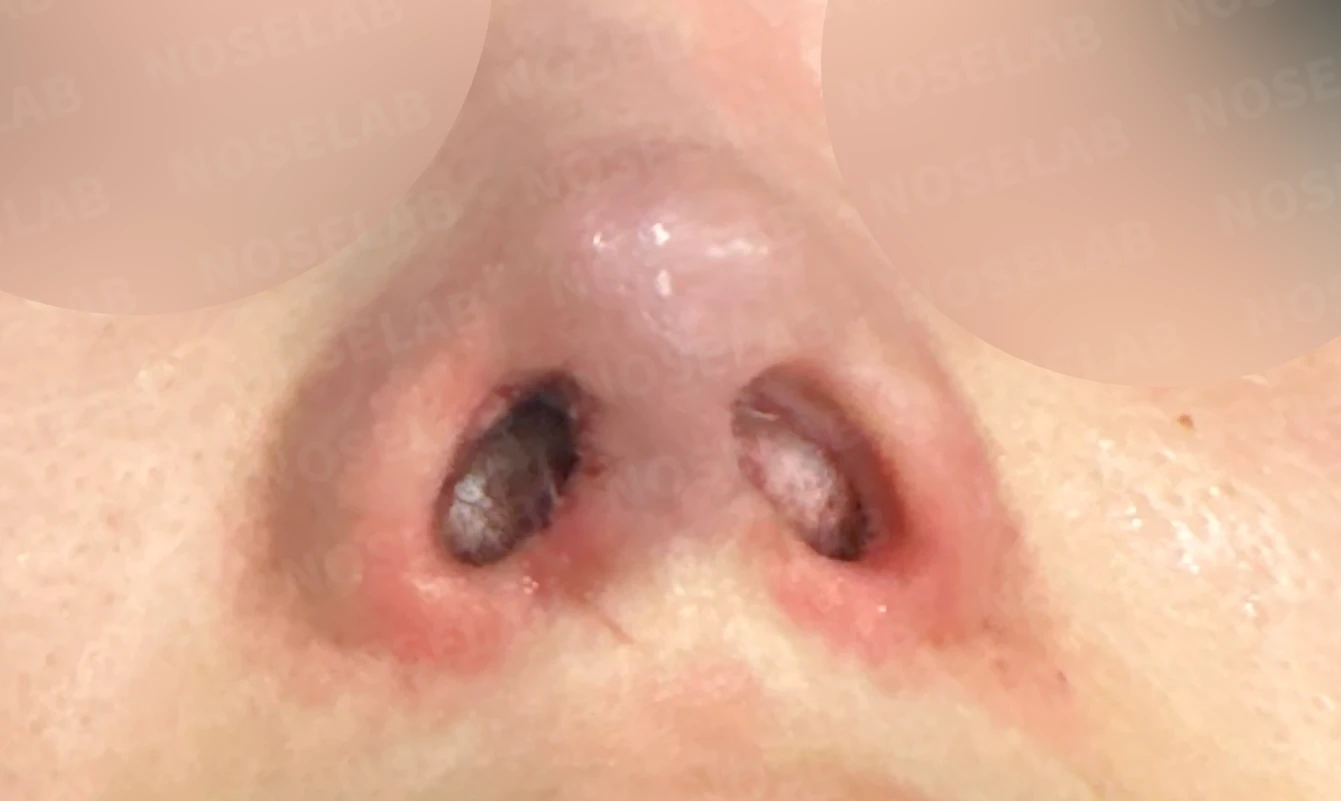
Nostril view on day 0 immediately after surgery Photos taken immediately after surgery show swelling and may differ from the final result.
This is a case where the patient visited to address a contracted nose, resolving complex issues stemming from nasal surgeries that began 22 years ago. Although there was significant internal scar tissue and deformity from repeated surgeries, natural improvement was achieved through nasal tip reconstruction with autologous rib cartilage, reuse of existing ear cartilage, and dermal grafting.
In particular, a natural nasal profile was created as the patient desired, while the crooked nose and nostril asymmetry were also improved. In addition, functional surgery significantly alleviated the nasal obstruction symptoms, improving breathing function.
This was Dr. Peter C. Kang. Thank you.
Thank you.
#closedrhinoplasty #revisionrhinoplasty #contractednosecorrection #crookednosecorrection #customrhinoplasty

Limitations and risks
When autologous rib cartilage is used, scarring and pain may remain at the donor site on the chest, and pneumothorax (pleural injury) can occur rarely. Over time, the grafted cartilage may warp or undergo partial resorption.
When revising after implant removal, contracture may progress again after removal, the nasal height and length may decrease, and staged surgery may be necessary depending on the skin condition.
When the septum is corrected at the same time, nasal obstruction may persist or recur, and in rare cases, septal perforation or changes in smell may occur.
Common potential risks include infection, bleeding, asymmetry, scarring, skin necrosis, and insufficient improvement; results vary depending on individual skin condition and previous surgical history.