Hello, I am Dr. Peter C. Kang.
Today, I would like to share the transformation story of a patient who decided to undergo revision rhinoplasty due to concerns about an upturned and crooked nose.
Through this case, let us examine in detail how complex nasal issues can be resolved and how a patient's specific requests can be reflected to achieve a satisfying result.
1. Patient history and requests
This patient had already undergone two prior rhinoplasty procedures.
- 2022: Ear cartilage to the nasal tip, autologous rib cartilage to the nasal bridge
- February 2024: Nasal tip with autologous rib cartilage, nasal bridge with silicone implant, deviated septum correction, foreign material removal
- April 2024: Alar lift
However, the results remained unsatisfactory, leading the patient to visit our clinic.
The patient's specific requests
1. Lower the radix
2. Raise the nasal tip by 2 mm
3. Remove foreign material from the nasal bridge
4. Correct the nasolabial angle so the philtrum does not look elongated
5. Lengthen and lower the nasal tip, improving the frontal ACR (alar-columellar relationship)
6. Reconstruct the nasal bridge without implants, leaving a slight dorsal hump
7. Create a rounded columella on the profile view
8. Lengthen the nostril appearance on the profile view
9. Correct the crooked appearance from the front
10. Correct the protruding cartilage on the left side of the columella
2. Design consultation
Let us analyze the patient's condition in detail:
Front view:
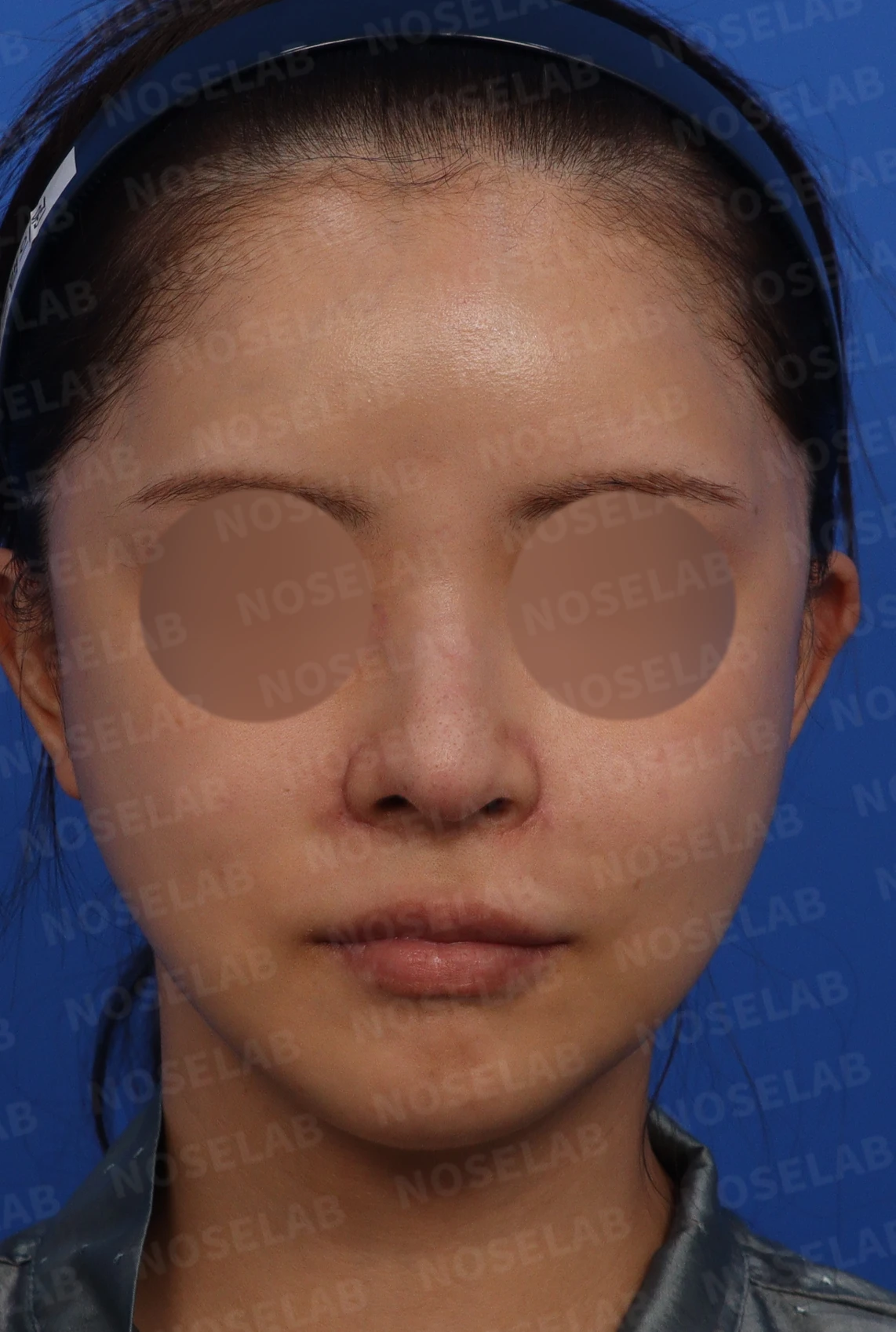
Front view
- The nasal tip appears wide and spread out
- The radix appears high
- The nasal bridge appears crooked
- Nostril asymmetry is observed
- The nose appears wide and spread out overall
Profile view:
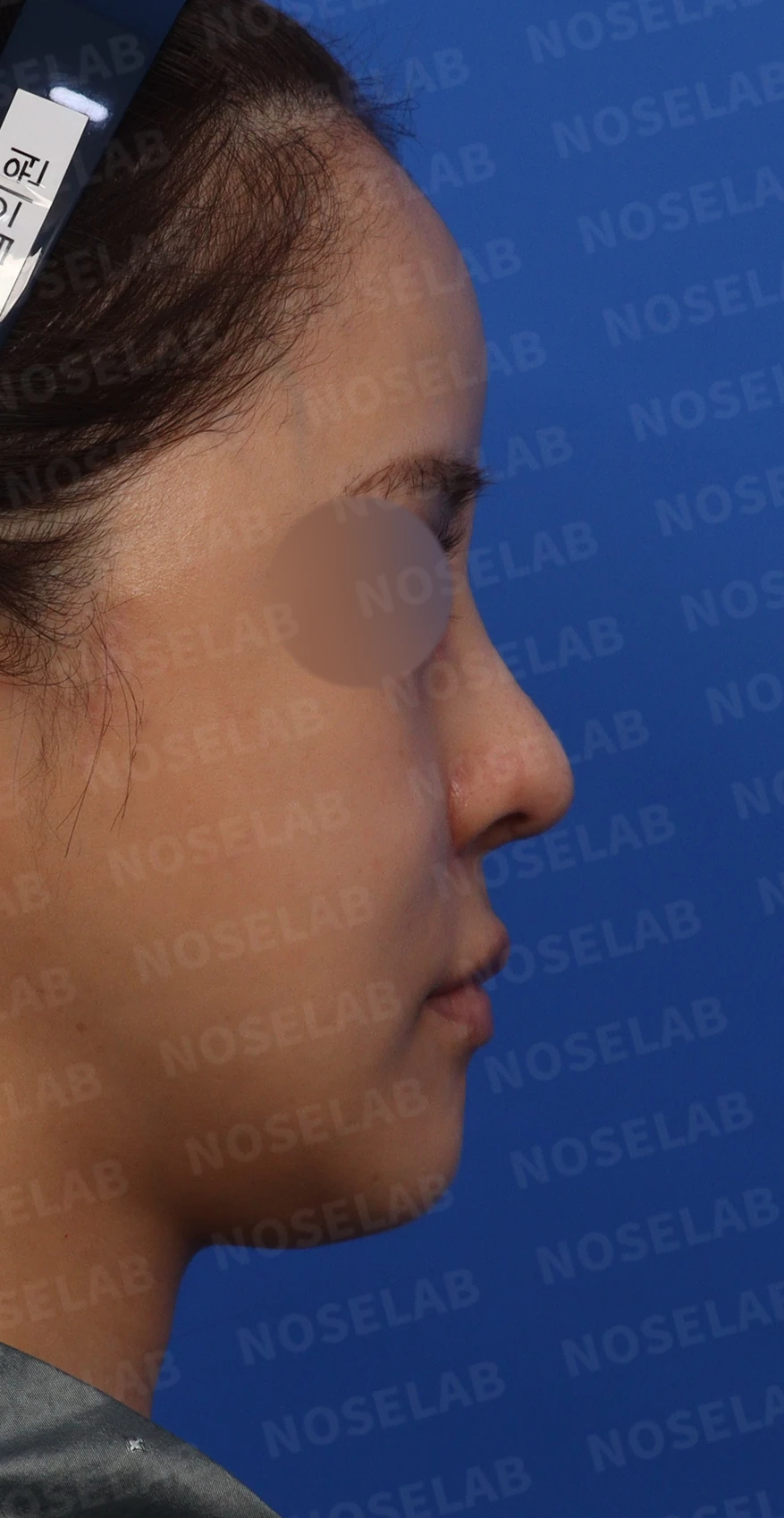
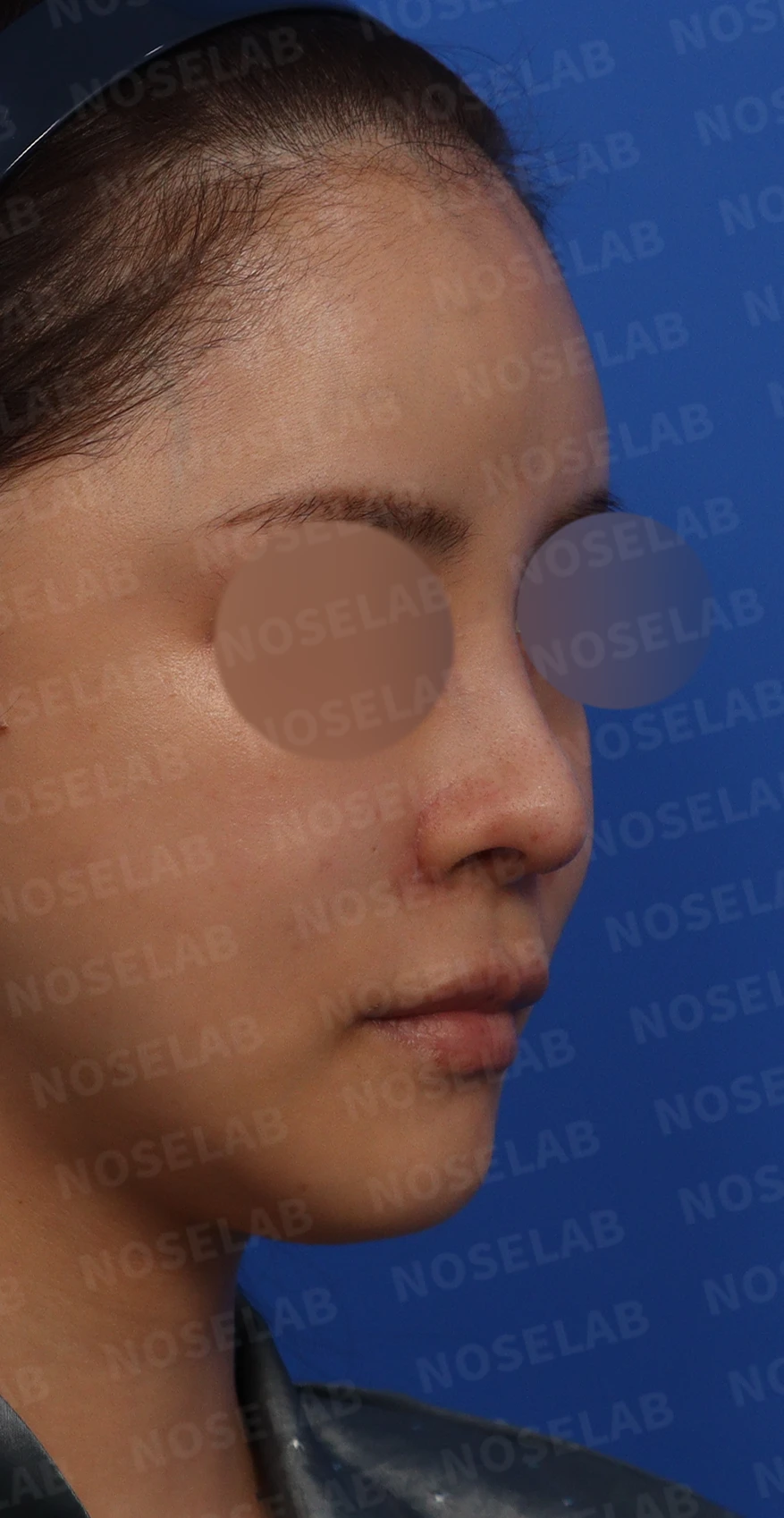
Profile view
- The nasal tip is drooping
- The radix is high
- Signs of a protruding mouth are visible
Nostrils:
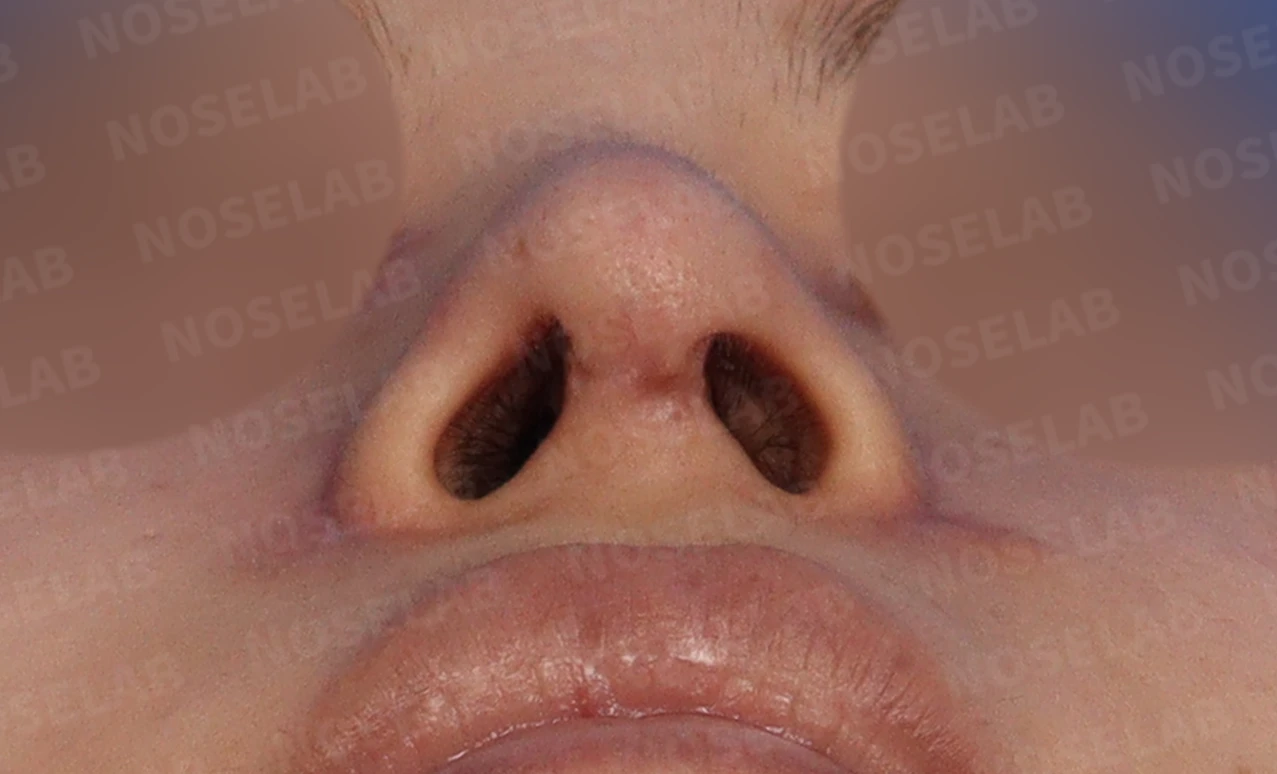
Basal view
- The nasal tip tilts to the right
- Nostril asymmetry is present
- Cartilage appeared protruding on the left side of the columella
3. Surgical plan and procedure details
The following procedures were performed using a closed approach:
a) Autologous rib cartilage harvest and grafting:
- A sufficient amount of autologous rib cartilage was harvested and used to reconstruct the nasal tip and nasal bridge.
b) Nasal tip reconstruction:
- Using autologous rib cartilage, septal extension was performed to project the nasal tip by 2 mm and add length.
- A natural nasal tip was created while considering the ACR (alar-columellar relationship).
c) Nasal bridge reconstruction:
- After removing the existing silicone implant and foreign material, the nasal bridge was reconstructed using autologous rib cartilage.
- In accordance with the patient's request, a subtle dorsal hump contour was created.
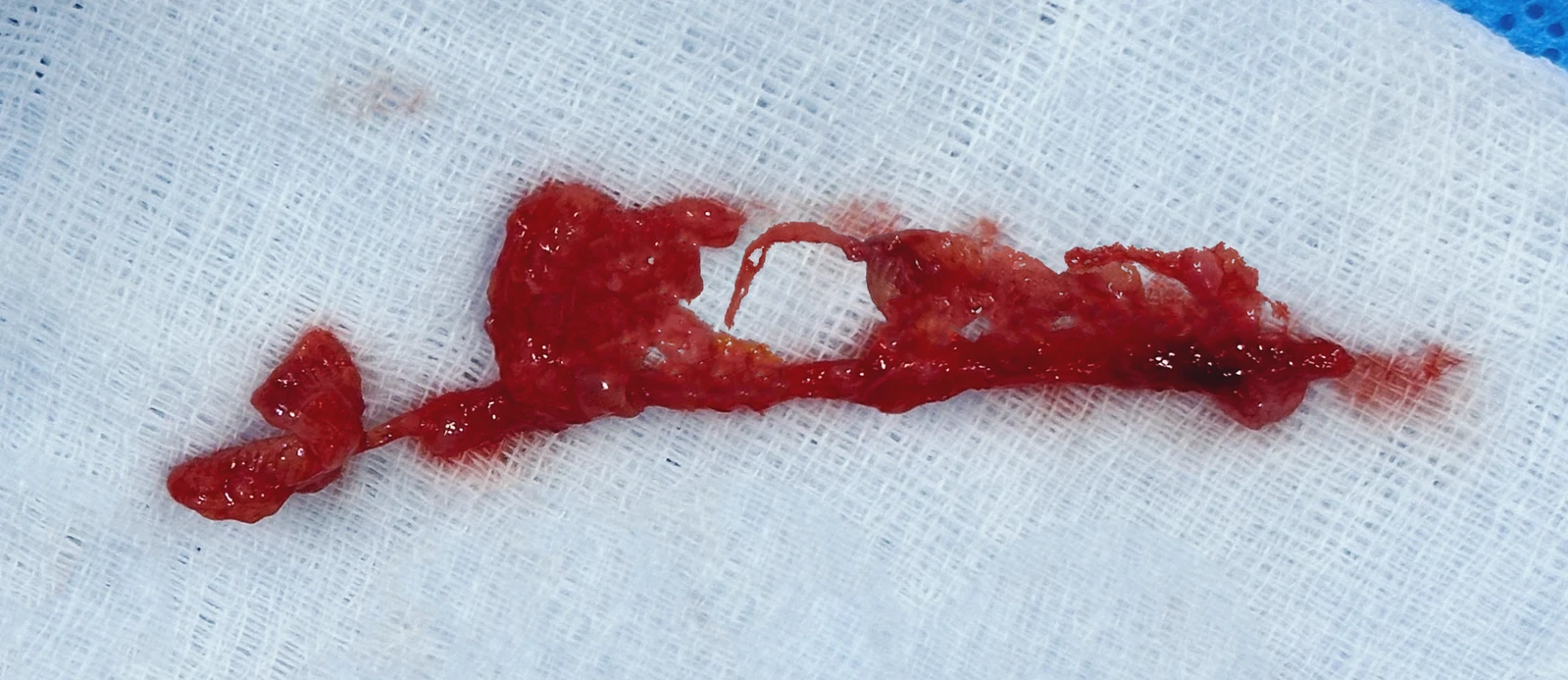
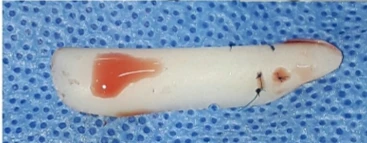
Removed foreign material (left), silicone implant (right)
d) Septoplasty and inferior turbinate reduction:
- Septoplasty was performed to improve nasal obstruction.
- Submucosal resection of the inferior turbinate using radiofrequency was performed to improve rhinitis symptoms.
e) Lateral osteotomy:
- Lateral osteotomy was performed to correct the wide, crooked nasal structure.
f) Correction of the nasolabial angle:
- The nasolabial angle was appropriately adjusted to improve the appearance of a protruding mouth and philtrum length.
g) Nostril lowering:
- Nostril lowering surgery was performed to improve the shape of the nostrils.
h) Alar reinforcement:
- The alae were reinforced using autologous cartilage.
i) Radix correction:
- The high-appearing radix was lowered to improve the overall length proportion of the nose.
j) Removal of protruding cartilage in the columella
- A protruding cartilage fragment on the left side of the columella was excised during surgery.
4. Comparison of before-and-after photos
Comparing photos taken immediately after surgery on day 0 shows the following improvements: Photos taken immediately after surgery show swelling and may differ from the final result.
Front view:
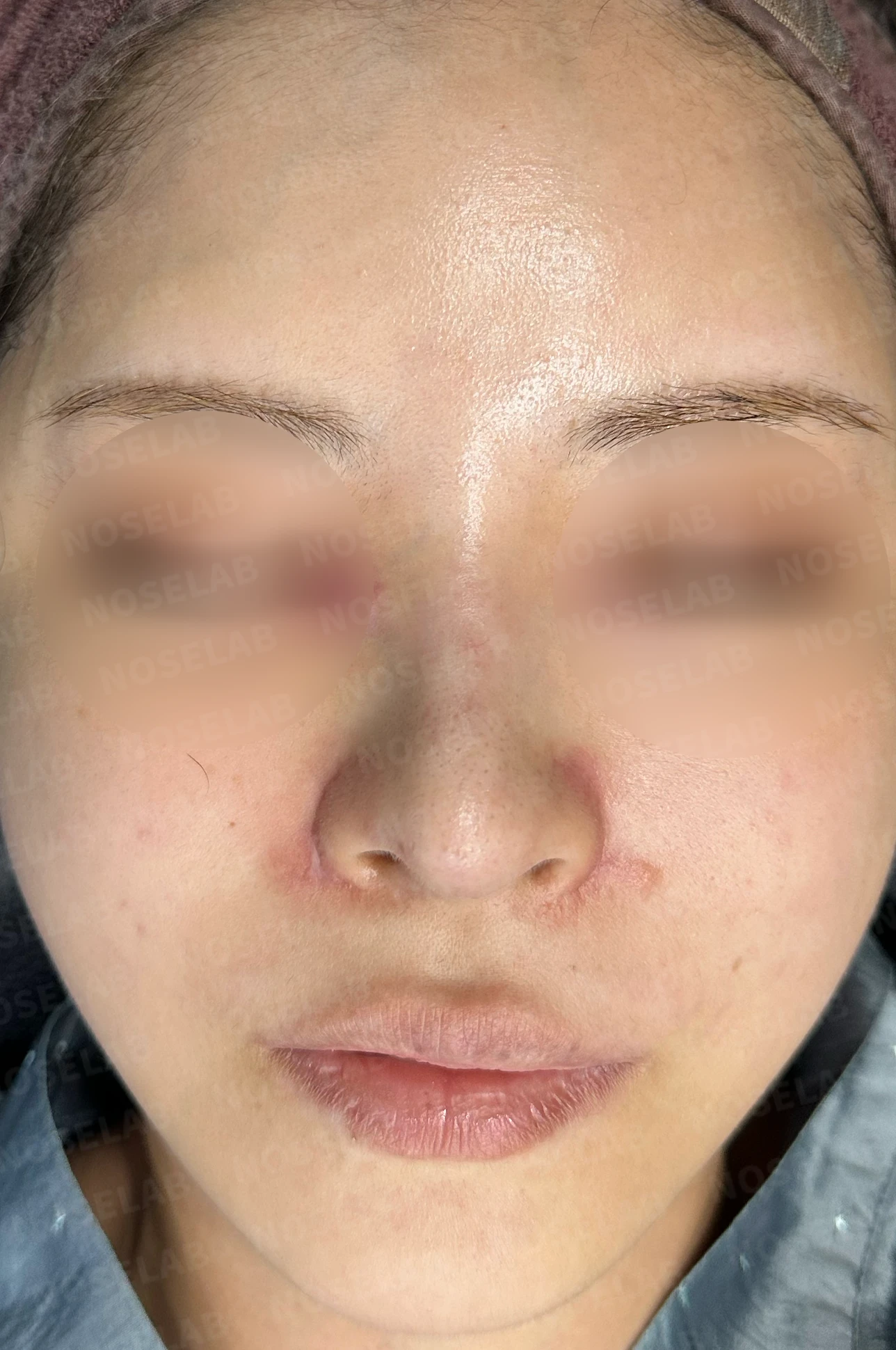
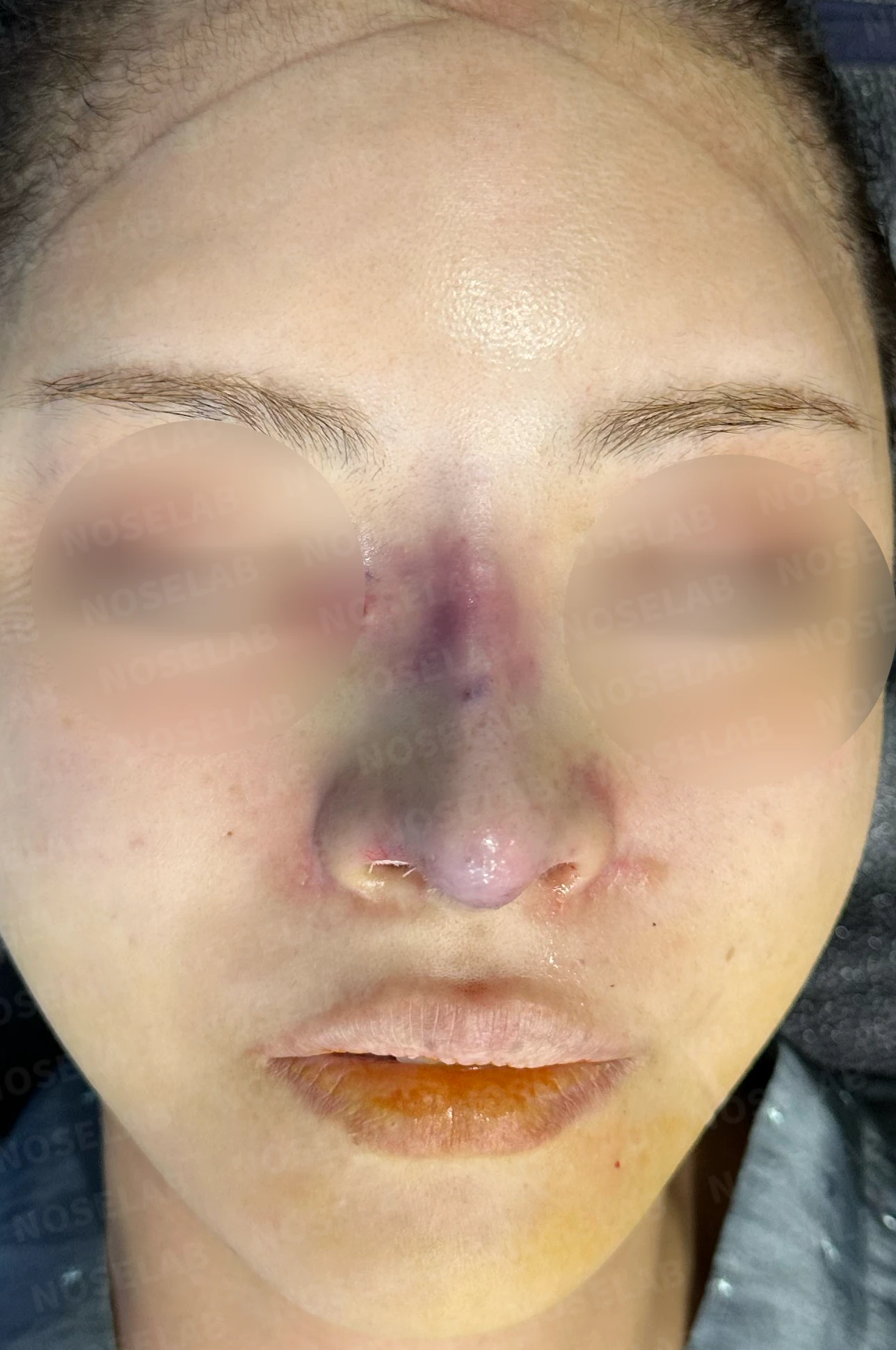
Before surgery / Day 0 immediately after surgery Photos taken immediately after surgery show swelling and may differ from the final result.
- The previously splayed nasal tip was gathered for a more refined appearance.
- The radix, which appeared high, was lowered naturally.
- The nasal bridge, which appeared crooked, was straightened.
- Nostril asymmetry improved significantly.
- The nose, which previously appeared wide overall, became slimmer.
- The ACR was improved.
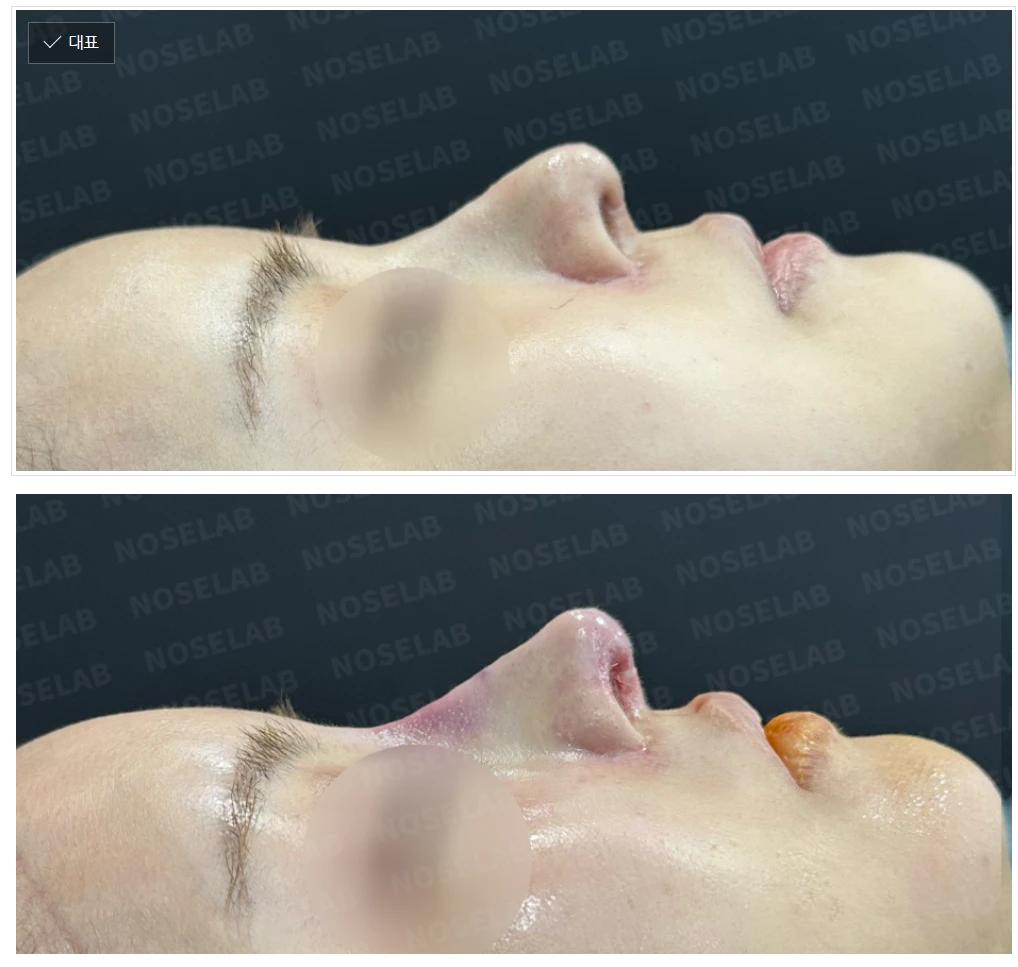
Profile view:
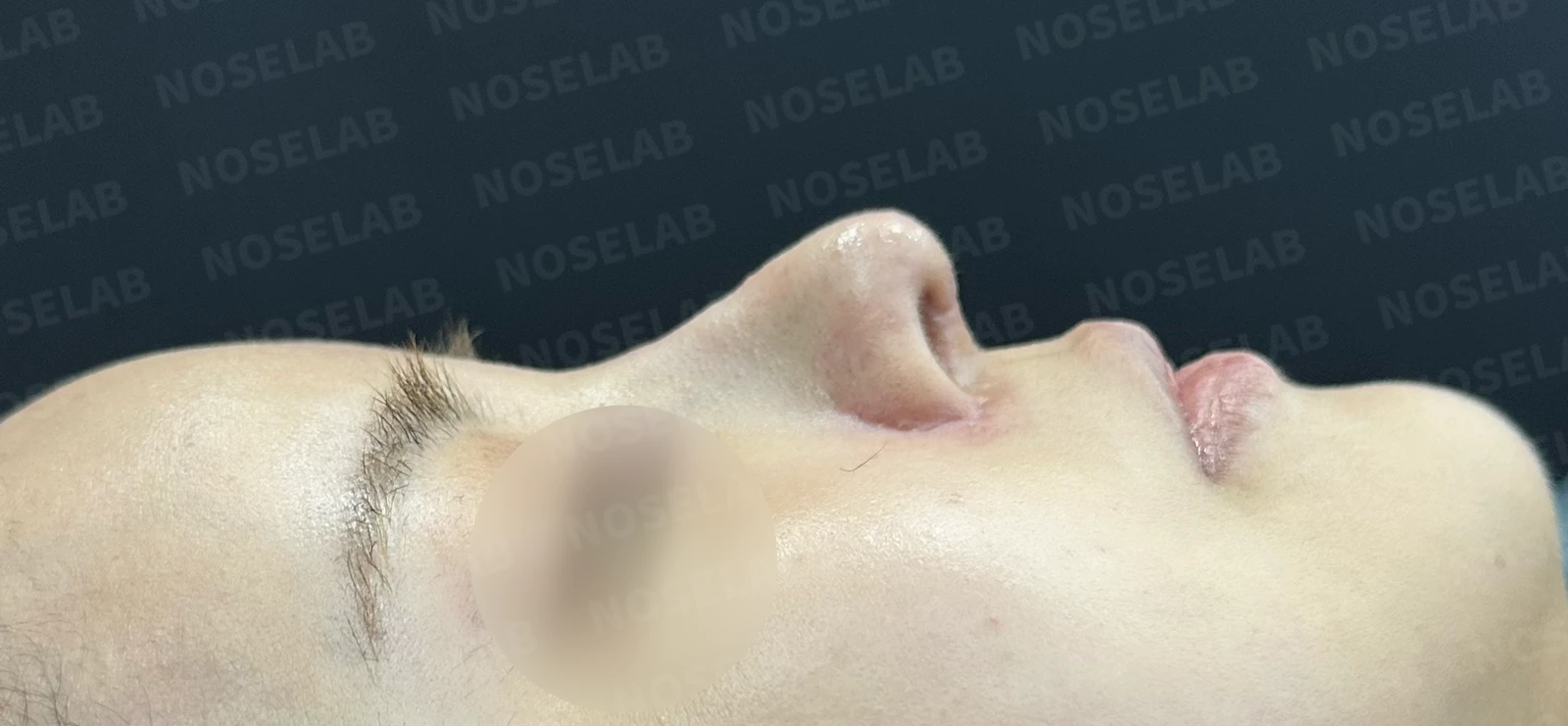
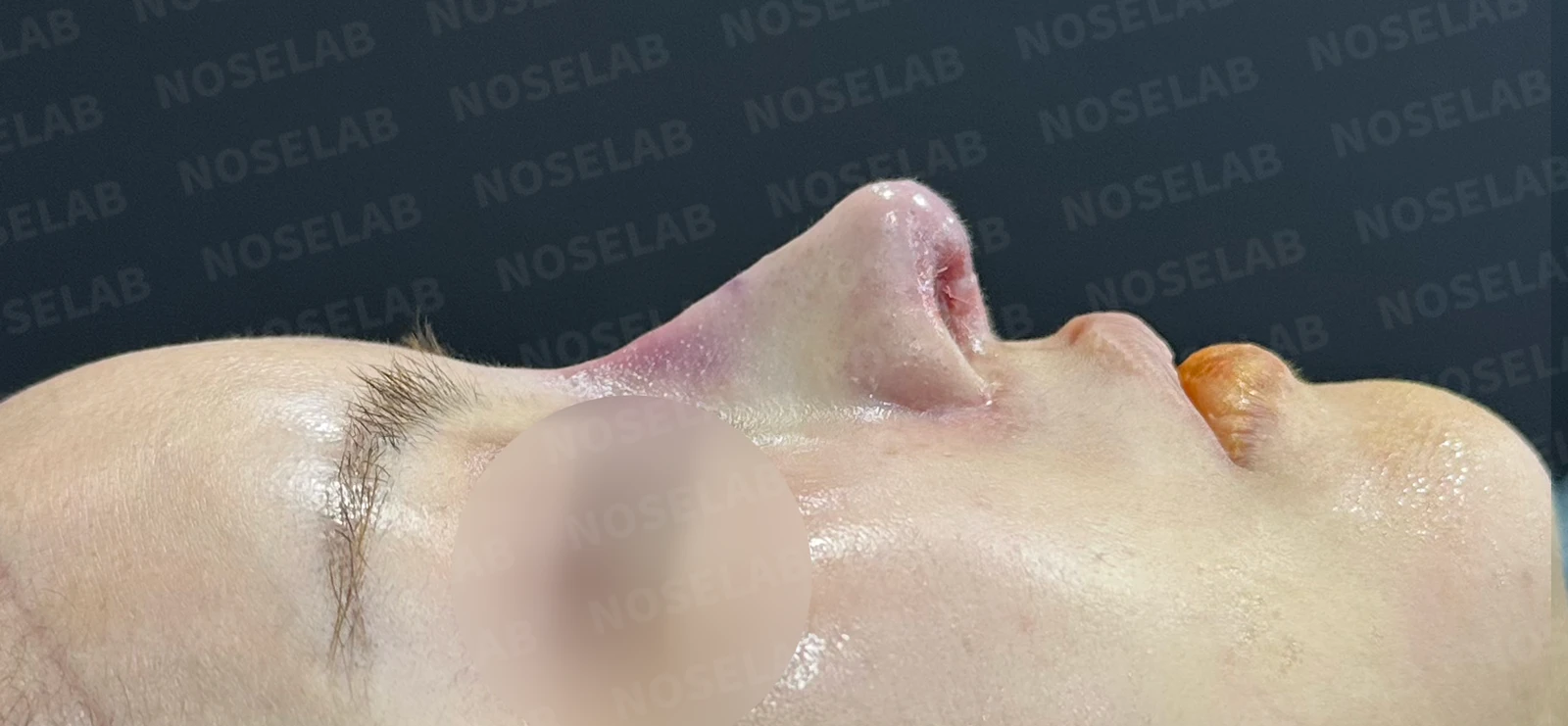
Before surgery / Day 0 immediately after surgery Photos taken immediately after surgery show swelling and may differ from the final result.
- The drooping tip was adequately elevated and lengthened, creating a refined look.
- Lowering the radix improved the overall perceived length of the nose.
- The protruding mouth has improved, enhancing overall facial balance.
- The columella was contoured smoothly, giving a softer impression.
- A subtle dorsal hump was incorporated into the bridge to achieve a distinctive profile.
Oblique view:
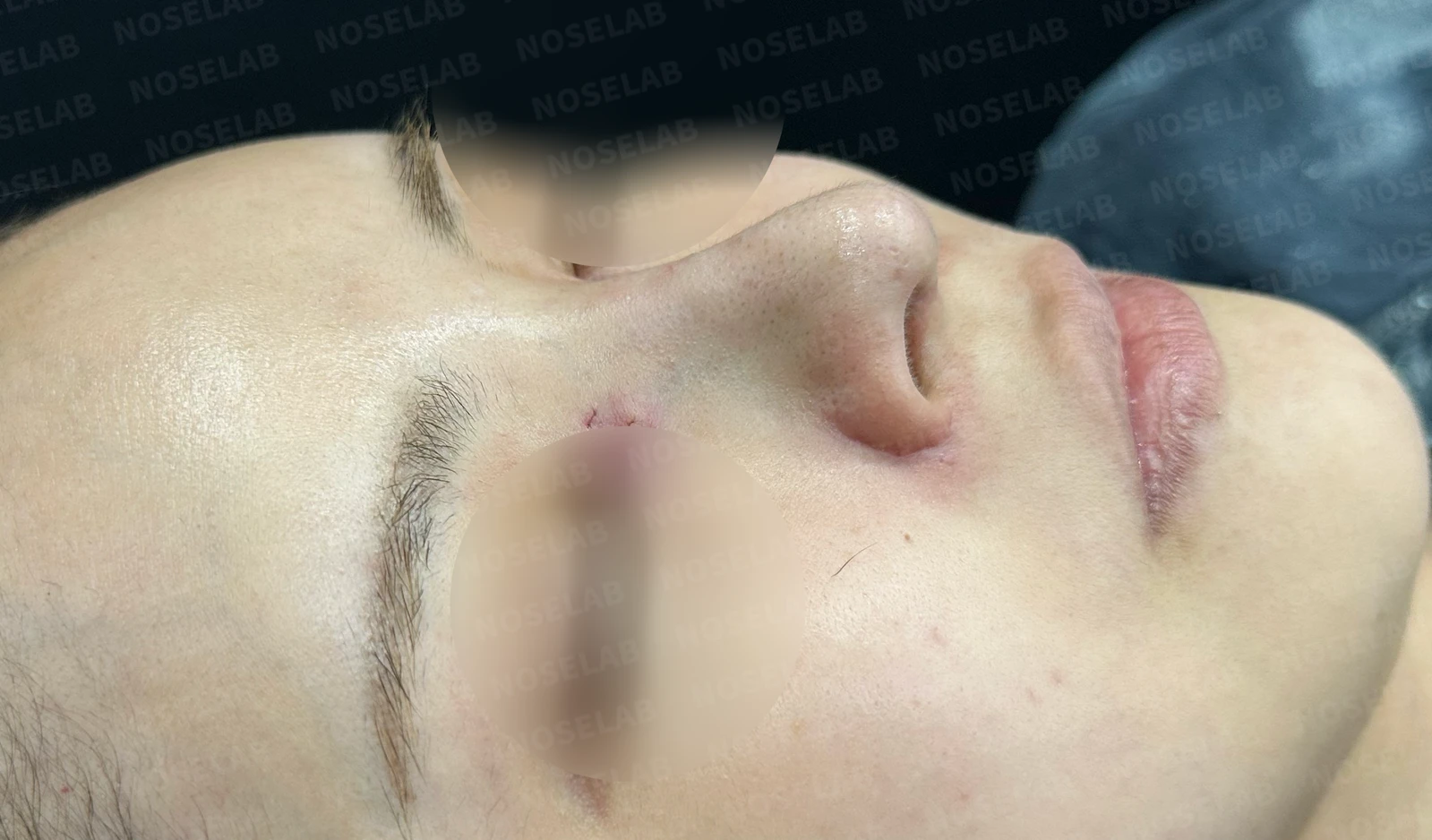
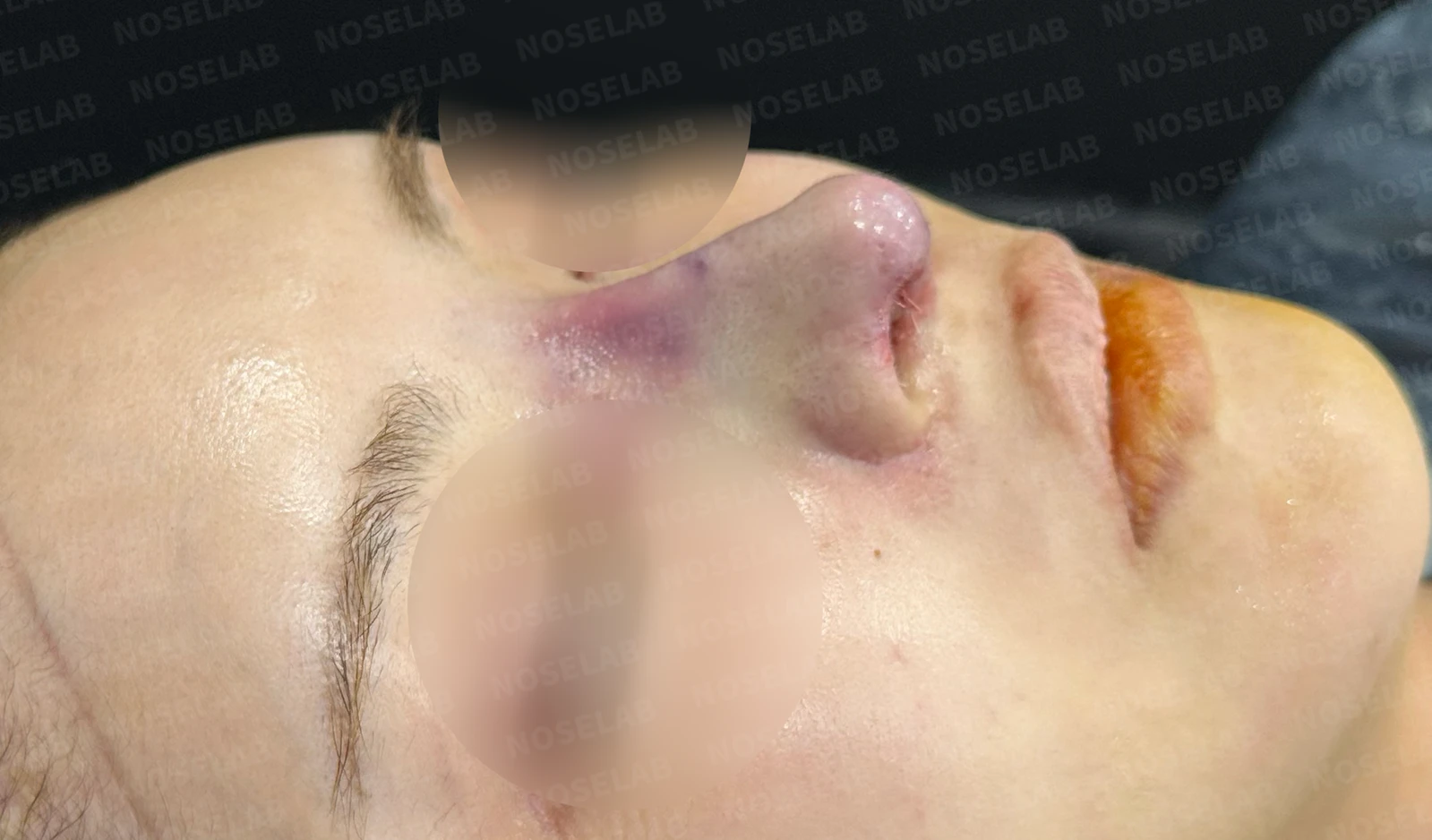
Before surgery / Day 0 immediately after surgery Photos taken immediately after surgery show swelling and may differ from the final result.
- The overall nasal profile line became more natural.
- The projection and length of the nasal tip were improved harmoniously.
Nostrils:
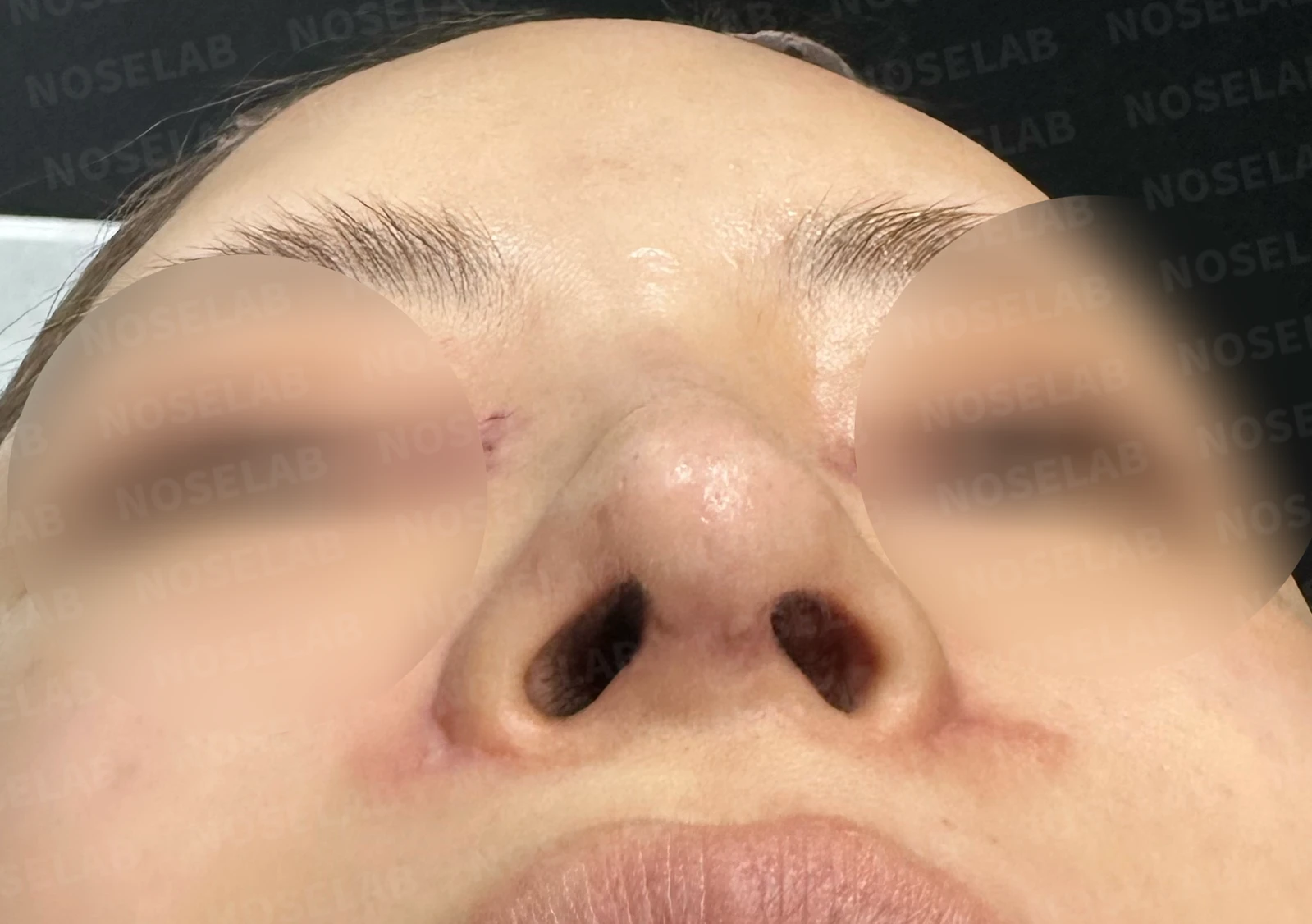
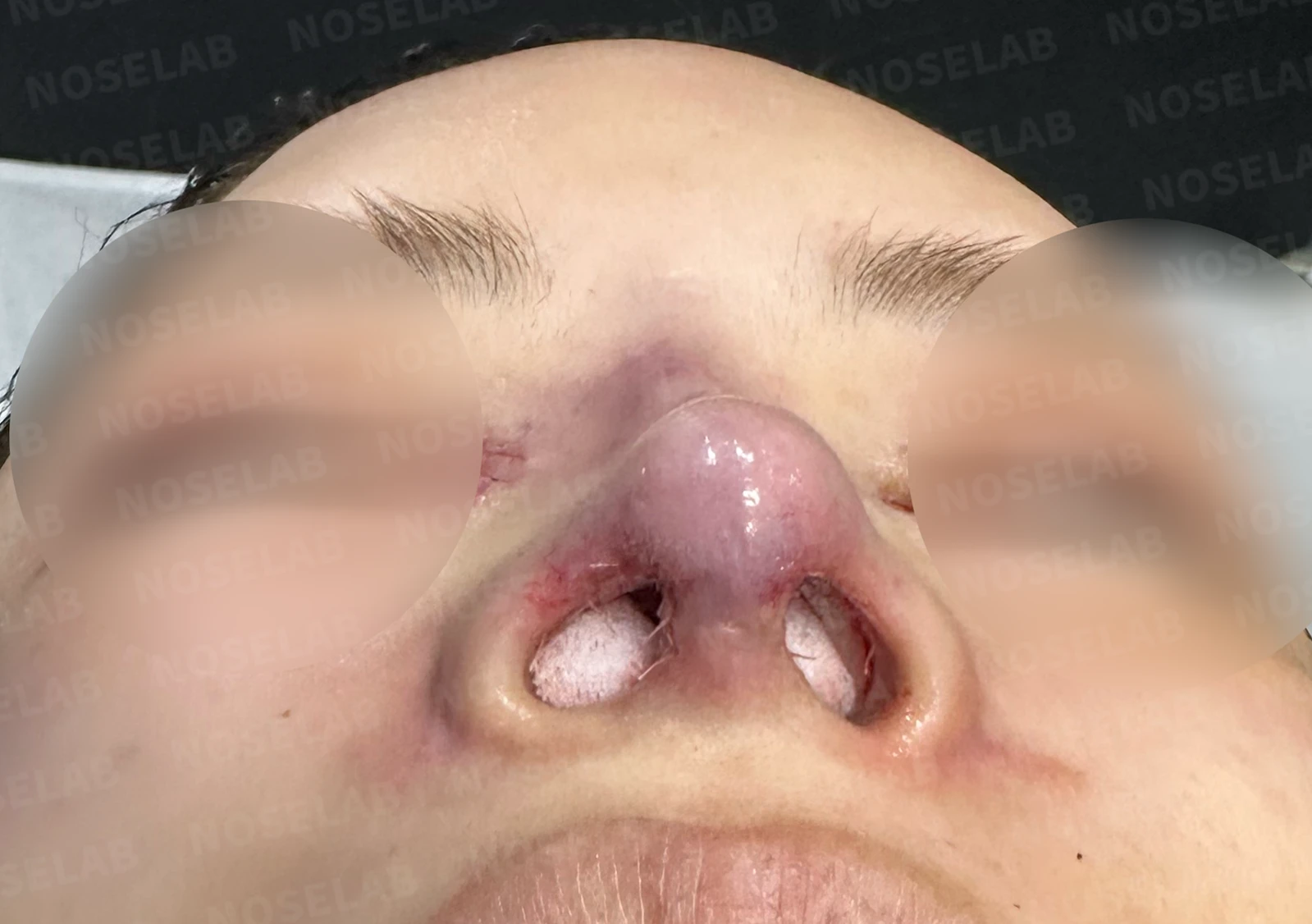
Before surgery / Day 0 immediately after surgery Photos taken immediately after surgery show swelling and may differ from the final result.
- The nasal tip, which tilted to the right, was centered.
- Nostril asymmetry was improved.
- The cartilage that protruded from the left columella was removed, resulting in a clean contour.
- The superior margin of the nostril on profile view, which previously appeared rounded and blocked, was straightened out smoothly (per the patient's request).
5. Photos taken immediately after surgery
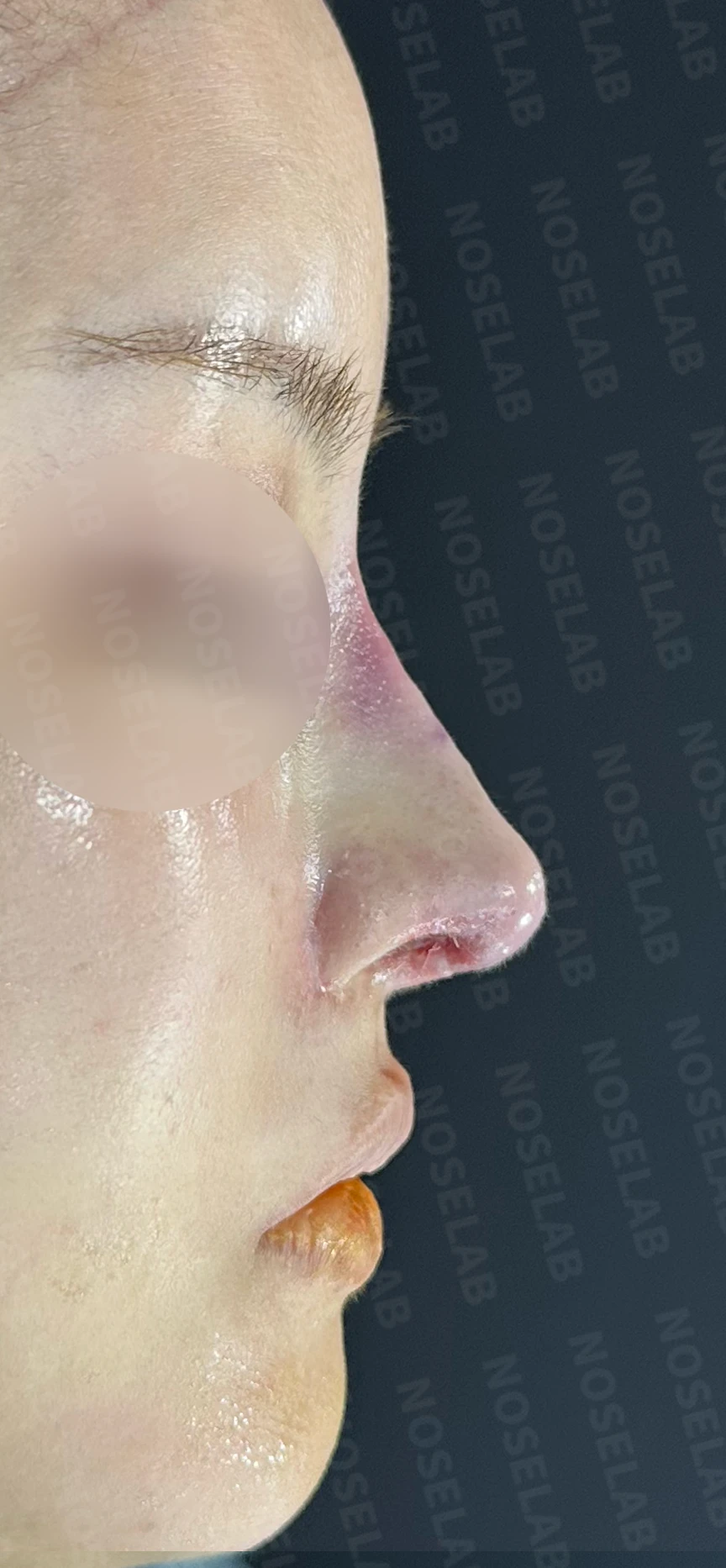
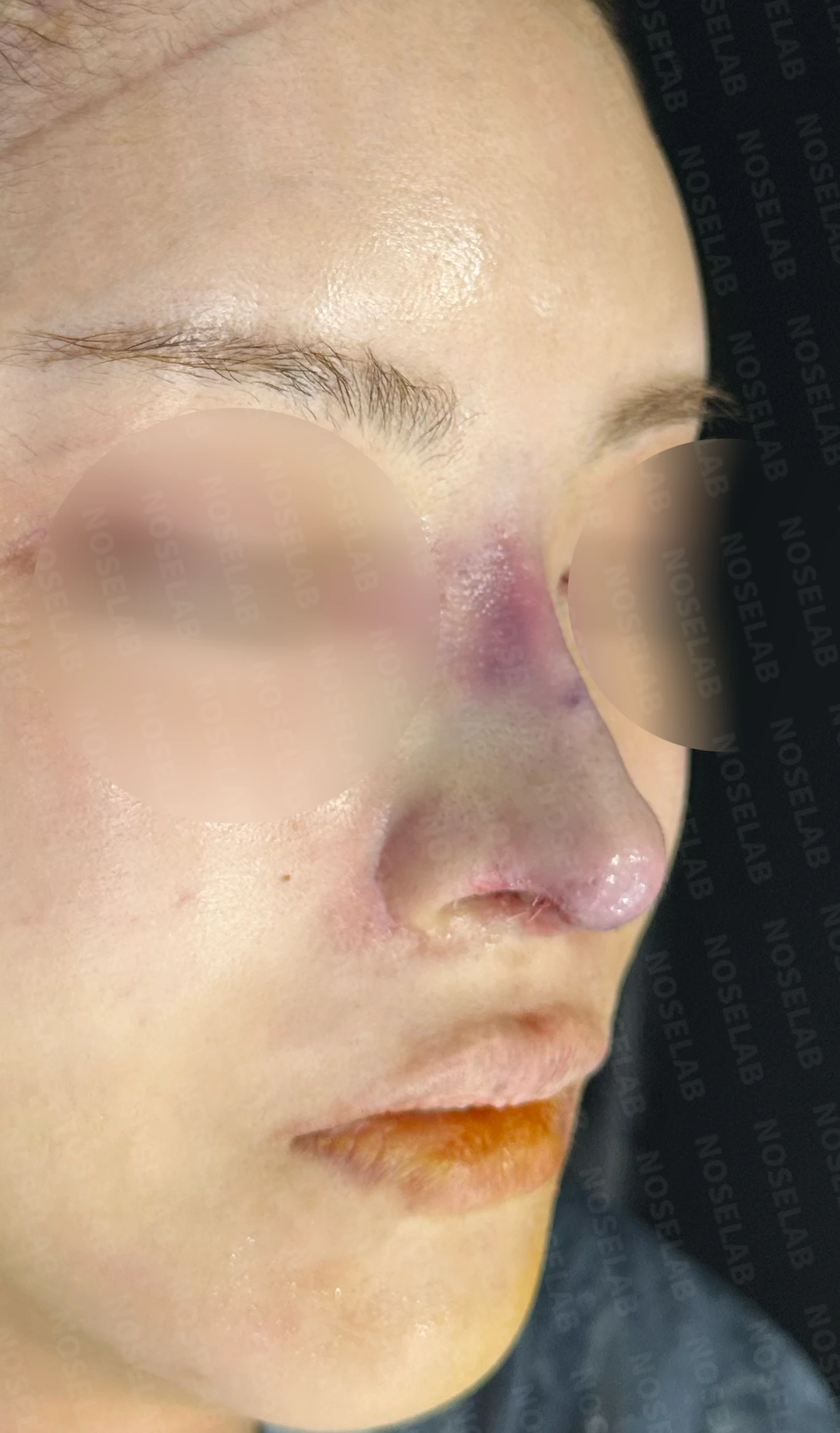
Immediately after surgery (Day 0) front, profile, and oblique viewsImmediate postoperative photos show swelling and may differ from the final result.
Immediately after surgery (Day 0) nostrilsImmediate postoperative photos show swelling and may differ from the final result.
6. Overall evaluation
This procedure was a customized surgery designed with thorough consideration of the patient's requests. Because enhancing individual satisfaction is a primary objective in aesthetic surgery, NOSELAB always strives to accommodate each patient's needs to the fullest extent possible.
In this case as well, the patient's detailed requests were carefully identified and incorporated into the surgical plan, and checking each requested point after surgery helped achieve a high level of satisfaction.
I hope this case offers encouragement to those troubled by complex nasal concerns such as an upturned, crooked, or drooping nose. Revision rhinoplasty requires an even more meticulous approach, but a satisfying result can be achieved through appropriate surgical planning and precise technique.
We always prioritize our patients' needs. Based on extensive experience and advanced surgical techniques, I will do my utmost to help you achieve the nasal shape you desire.
If you are considering rhinoplasty, especially revision surgery, I encourage you to consult with a specialist to find the most suitable method for you. NOSELAB is here to support you toward a beautiful and healthy nose.
Thank you.
#rhinoplasty #upturnednosecorrection #crookednosecorrection #droopingtipcorrection #loweringradix #nasolabialanglecorrection #nostrilasymmetrycorrection #autologousribcartilagegraft #closedrhinoplasty #revisionrhinoplasty #ENTrhinoplasty #rhinoplastywithsafetyinmind #customizedrhinoplasty #nasalobstructionimprovement

Limitations and risks
When autologous rib cartilage is used, scarring and pain may remain at the donor site on the chest, and pneumothorax (pleural injury) can occur rarely. Over time, the grafted cartilage may warp or undergo partial resorption.
When revising after implant removal, contracture may progress again after removal, the nasal height and length may decrease, and staged surgery may be necessary depending on the skin condition.
When foreign materials such as injected fillers are removed and reconstructed, contracture may recur, nasal height and length may decrease, and staged surgery may be necessary depending on the skin condition.
When the septum is corrected at the same time, nasal obstruction may persist or recur, and in rare cases, septal perforation or changes in smell may occur.
Common potential risks include infection, bleeding, asymmetry, scarring, skin necrosis, and insufficient improvement; results vary depending on individual skin condition and previous surgical history.