Hello, I am Dr. Peter C. Kang.
Today, I would like to introduce a very special case.
This is the story of a patient who finally achieved the desired result after undergoing five previous nasal surgeries.
Through this case, let us examine together the complexity of rhinoplasty and the importance of surgical expertise.
1. Patient's surgical history
This patient's rhinoplasty journey began in 2015:
- 2015: Nasal filler injection
- 2018: Surgery using threads, donor rib cartilage, and septal cartilage, along with nasal filler removal
- Early 2022: Surgery using silicone implant and autologous rib cartilage
- 2022 (2 weeks later): Silicone implant removal
- 2022 (2 months later): Re-use of rib cartilage, ear cartilage graft, and silicone implant insertion
- February 2023: Reuse of autologous rib cartilage, donor rib cartilage, autologous dermis graft, alar lifting, and nostril lowering surgery
Despite undergoing multiple surgeries, the patient visited our clinic with persistent distress that the nose still appeared upturned.
2. Preoperative analysis
Let us carefully analyze the pre-operative photographs:
Front view:
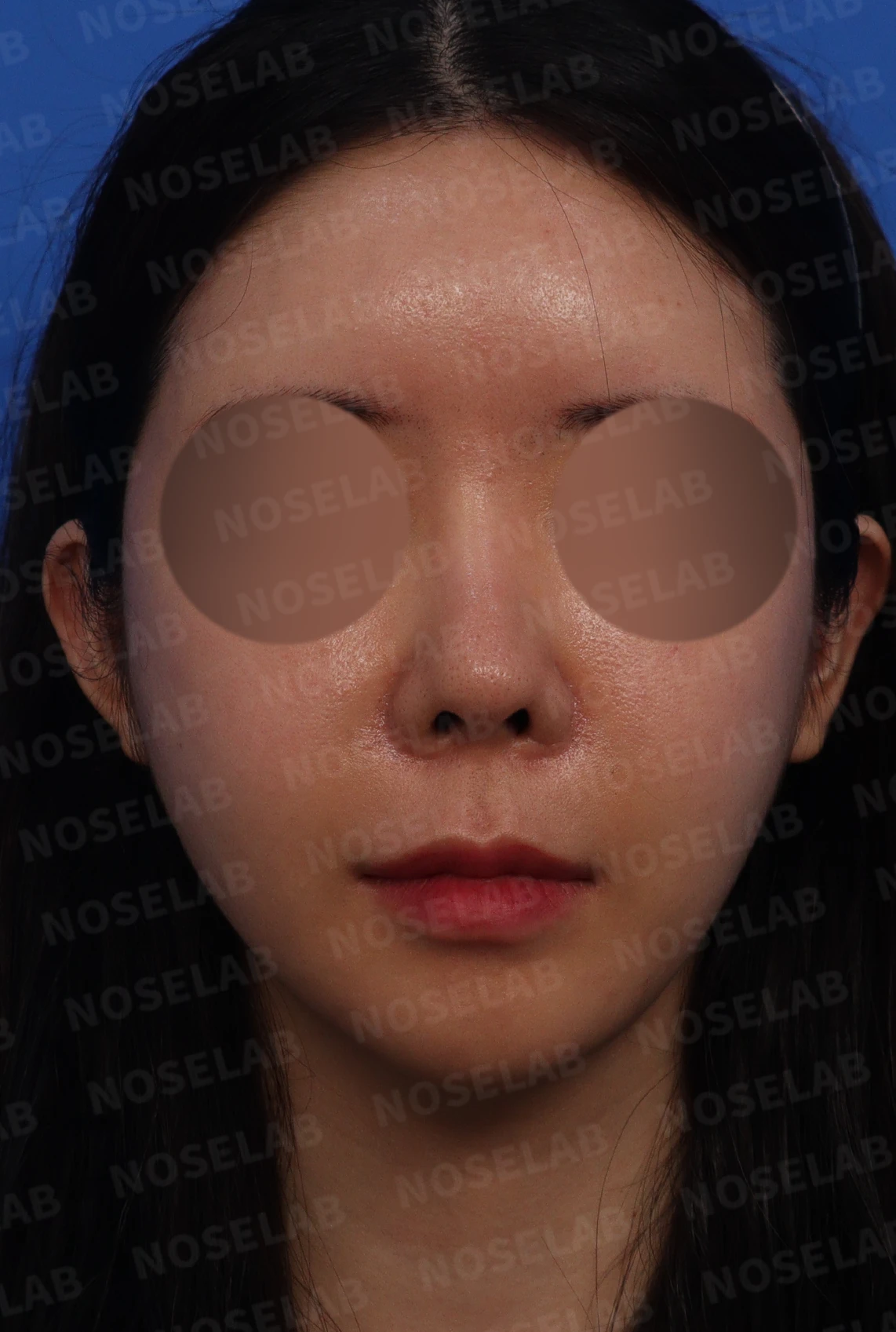
Front view
- Excessive nostril show
- The nasal tip appears bulbous and broad
- Nostril asymmetry is evident
- Entire nose appearing deviated to one side
Profile view:
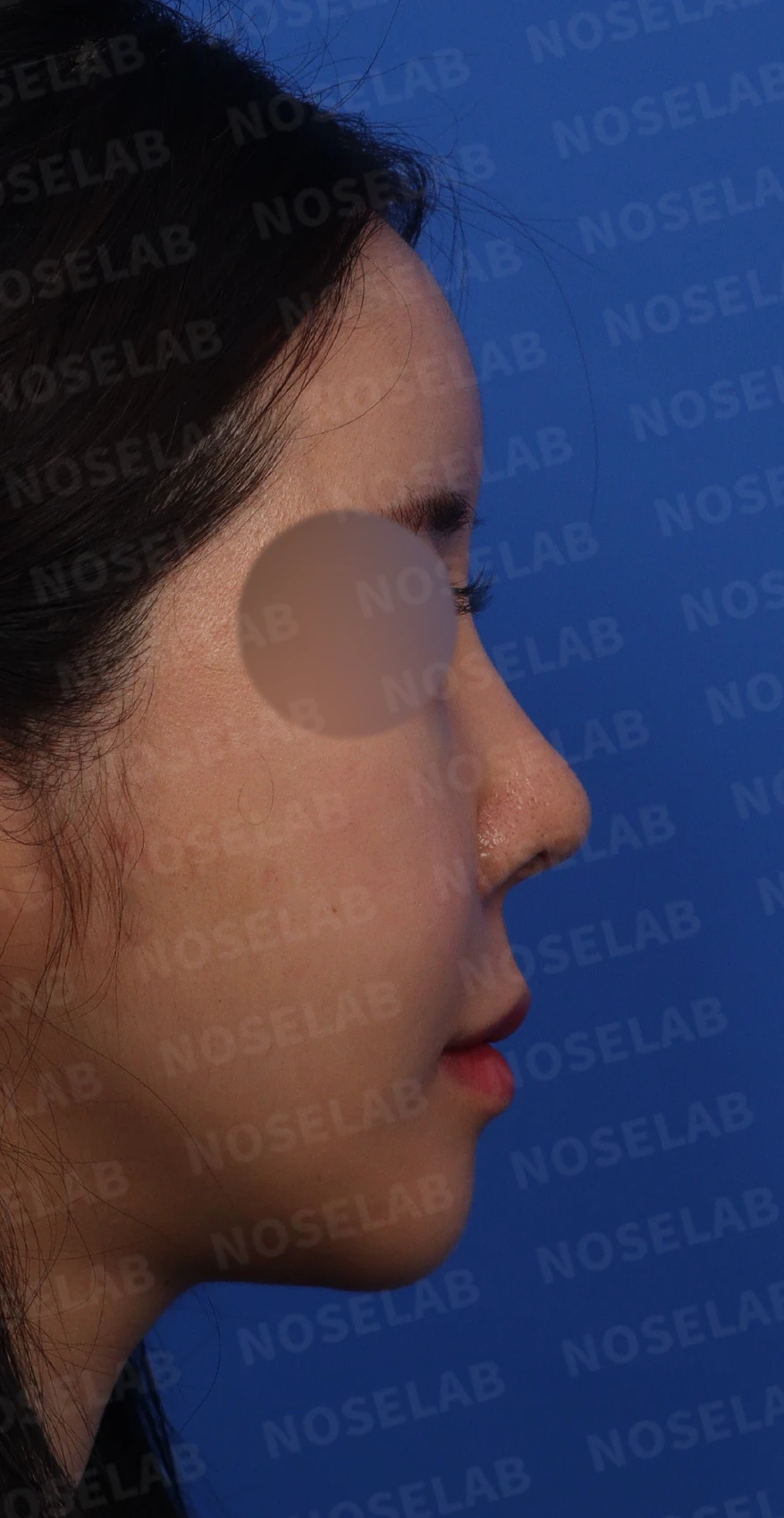
Profile view
- The radix is high
- Retracted columella (the tissue between the nose and upper lip)
- The nasal tip appears slightly drooping
Oblique view:
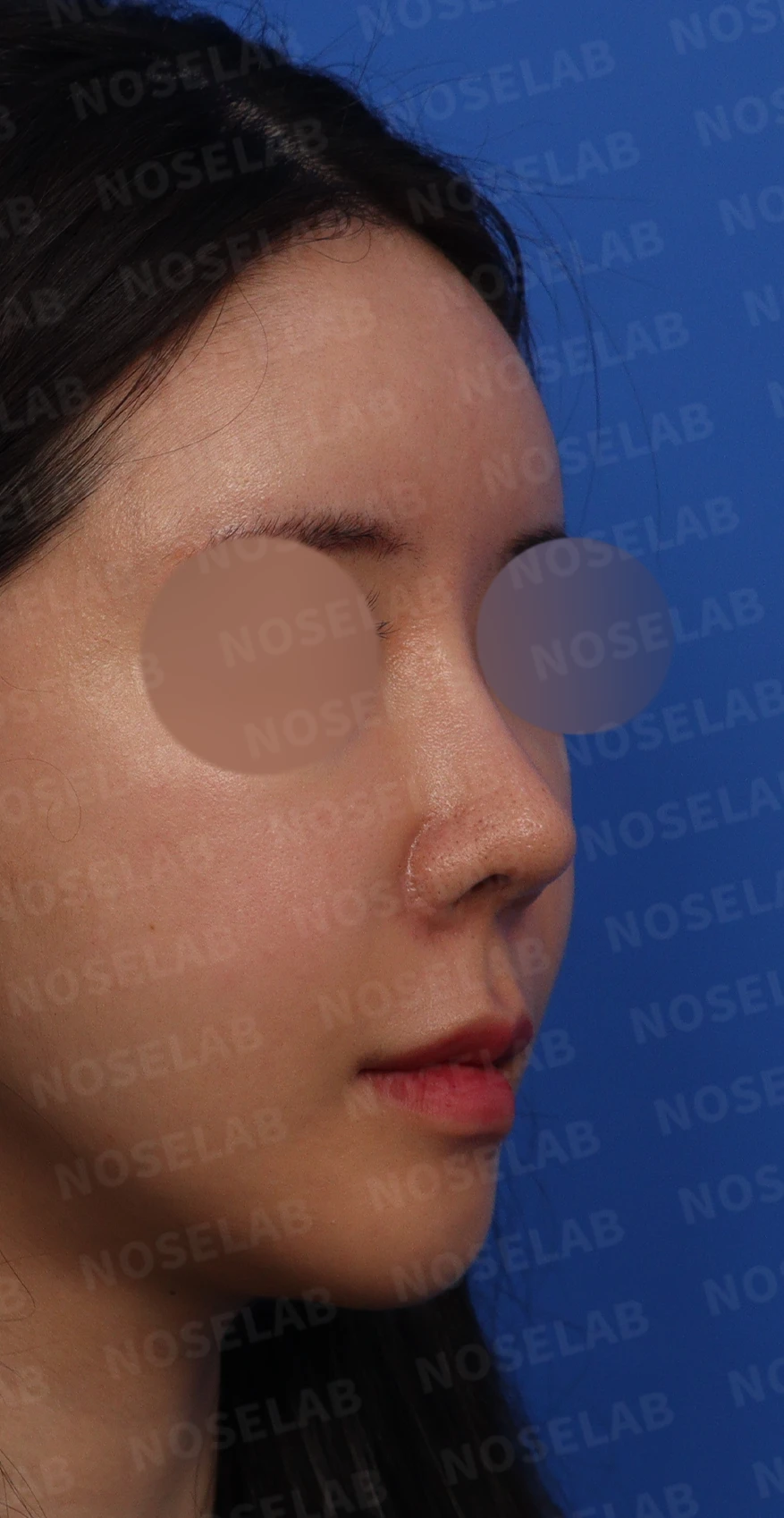
Oblique view
- The nasal tip appears upturned
- Elongated appearance of the philtrum (between the nose and upper lip)
Nostrils:
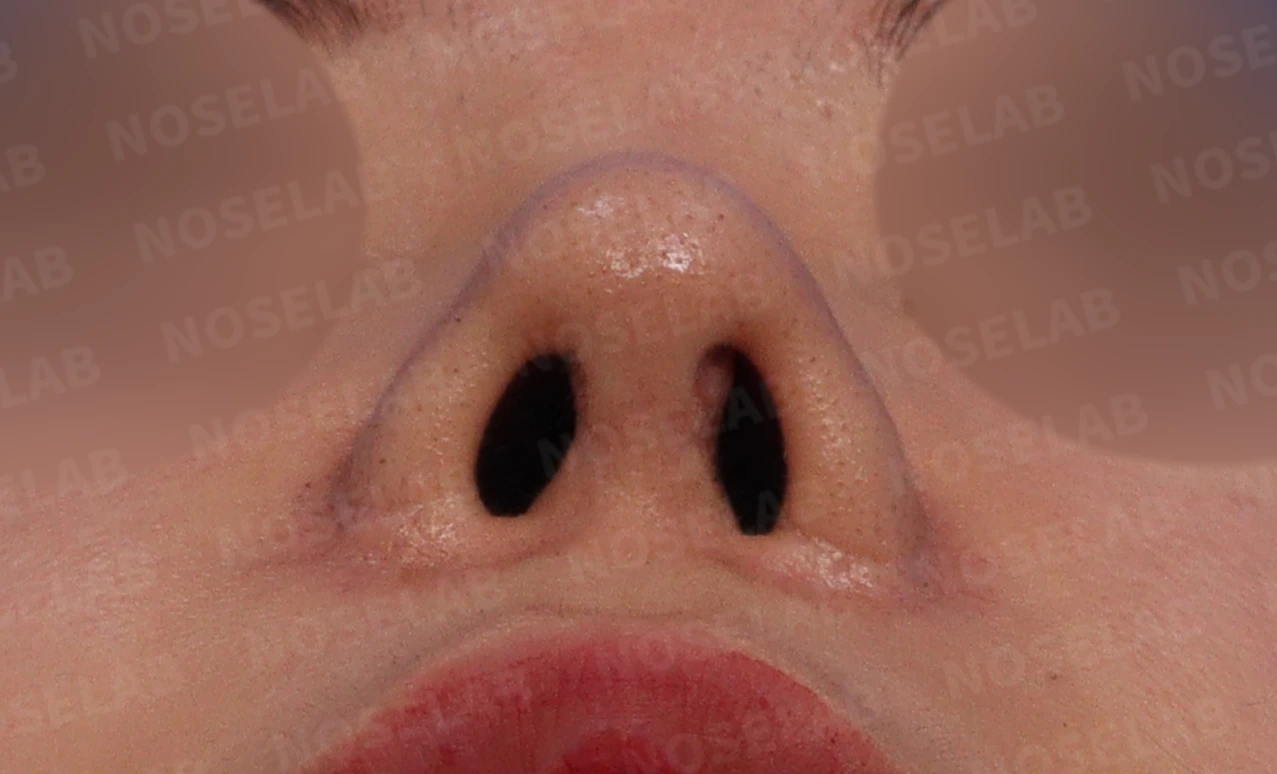
Nostrils
- Severe nostril asymmetry
- Cartilage protrusion visible on the columellar side of the left nostril
3. Surgical plan
Taking into account the patient's condition and requests, the following surgical plan was established:
a) Nasal tip reconstruction using autologous rib cartilage
b) Septoplasty to relieve nasal obstruction
c) Submucosal resection of the inferior turbinate using radiofrequency
d) Nasolabial angle correction
e) Removal of existing foreign materials
f) Septal extension graft
4. Procedure details
The following procedures were performed using a closed approach:
a) Autologous rib cartilage harvest and grafting:
- Because the septal cartilage was severely damaged from previous surgeries, autologous rib cartilage was used as the primary structural material.
- An adequate volume of cartilage was harvested for nasal tip reconstruction.
b) Septoplasty and septal extension:
- The deviated septum was straightened to relieve nasal obstruction.
- A septal extension graft reinforced support for the nasal tip and corrected the upturned appearance.
c) Inferior turbinate reduction:
- Submucosal tissue of the inferior turbinates was reduced using radiofrequency to relieve nasal obstruction.
d) Correction of the nasolabial angle:
- The nasolabial angle was adjusted to improve overall facial balance.
e) Removal of foreign materials:
- Foreign materials placed during previous surgeries were carefully removed.
f) Tip rhinoplasty:
- The bulbous nasal tip was refined into a natural shape.
g) Nostril correction:
- Asymmetric nostril contours were refined.
- Protruding cartilage and scar tissue on the columellar side of the left nostril were excised.
5. Comparison of before-and-after photos
Comparing photos taken immediately after surgery on day 0 shows the following improvements: Photos taken immediately after surgery show swelling and may differ from the final result.
Front view:
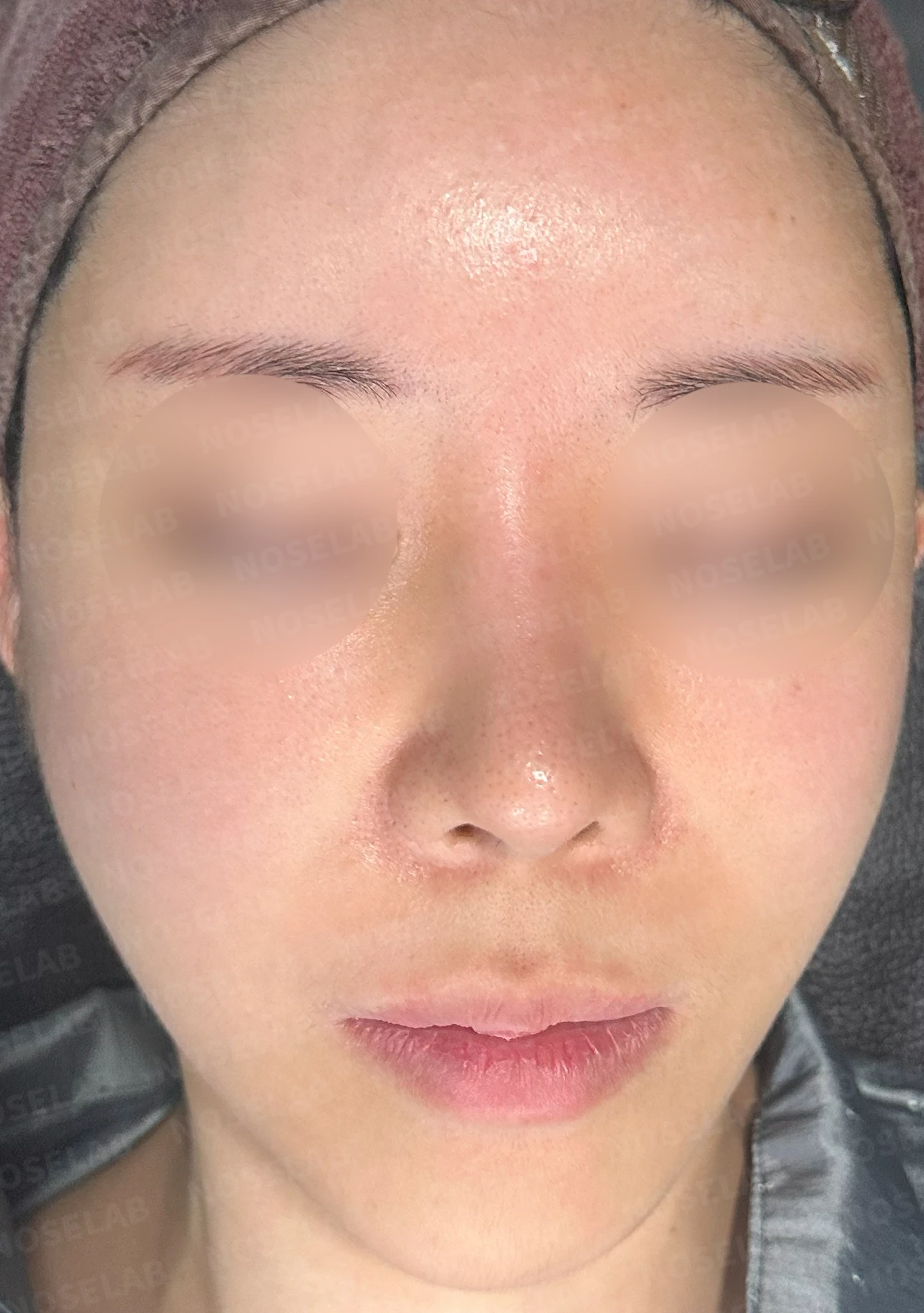
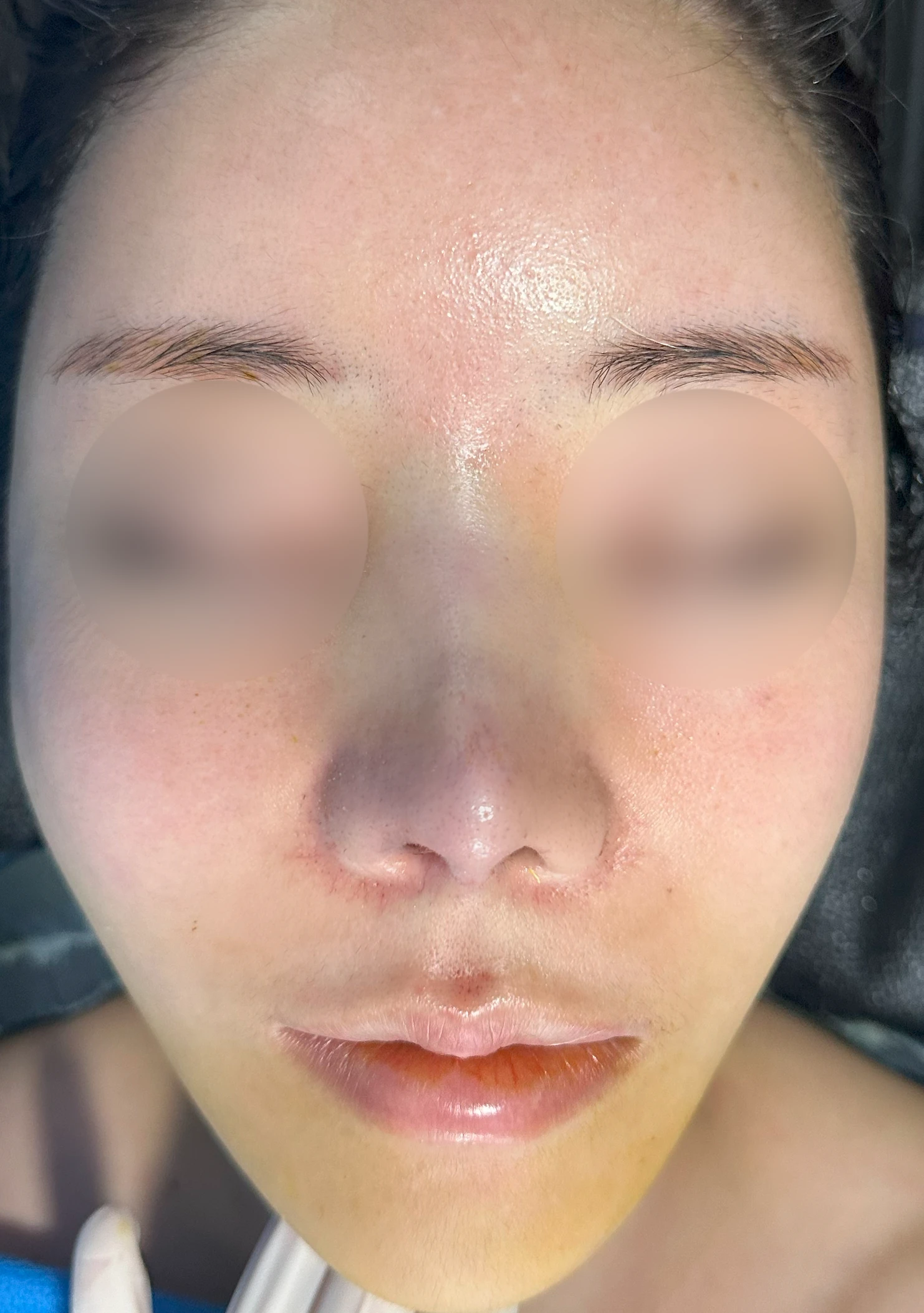
Before surgery / Day 0 immediately after surgery Photos taken immediately after surgery show swelling and may differ from the final result.
- Excessively visible nostrils are now naturally covered.
- The previously bulbous, wide nasal tip was refined into a well-balanced shape.
- Nostril asymmetry improved significantly.
- The crooked nose was straightened.
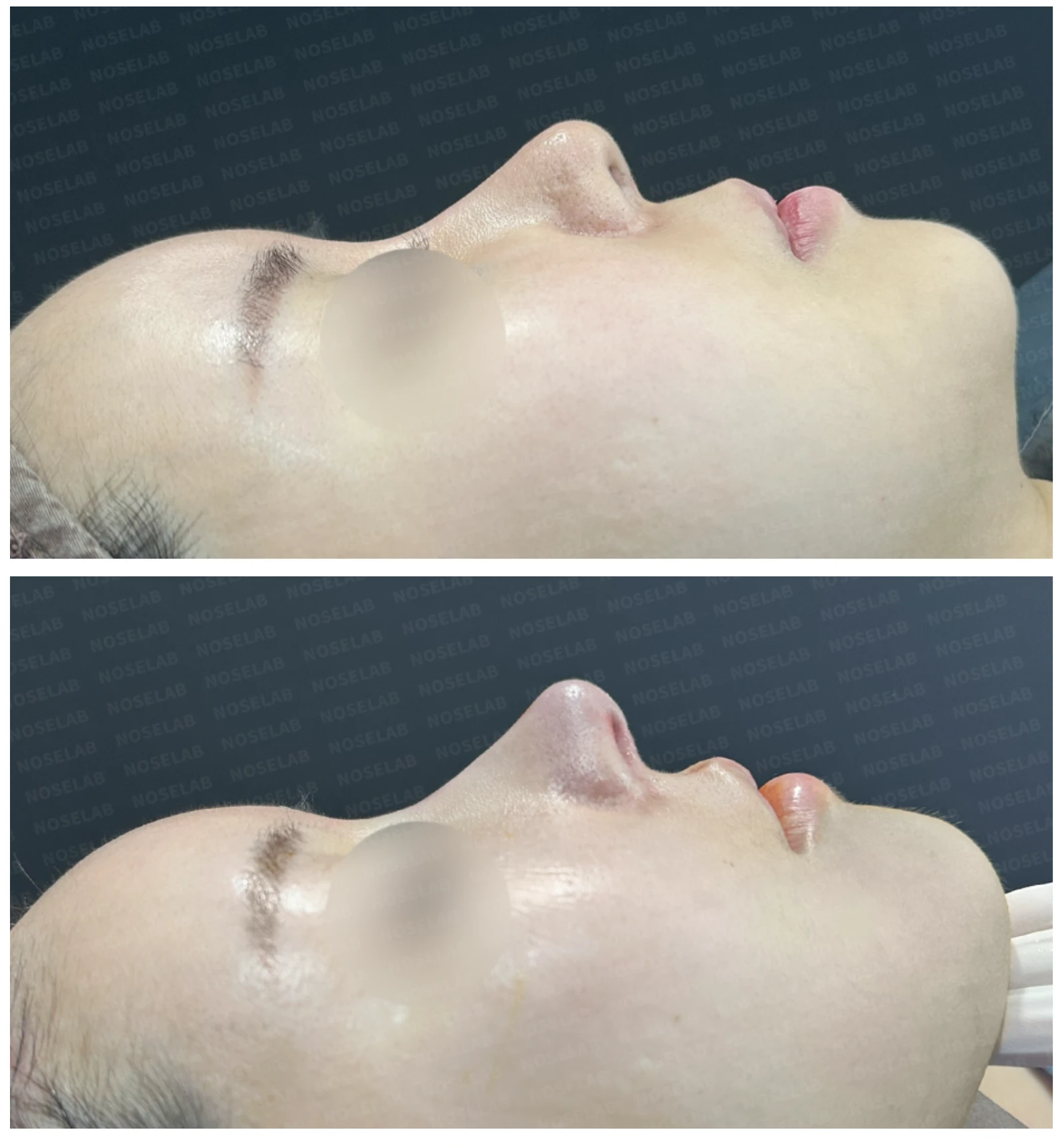
Profile view:
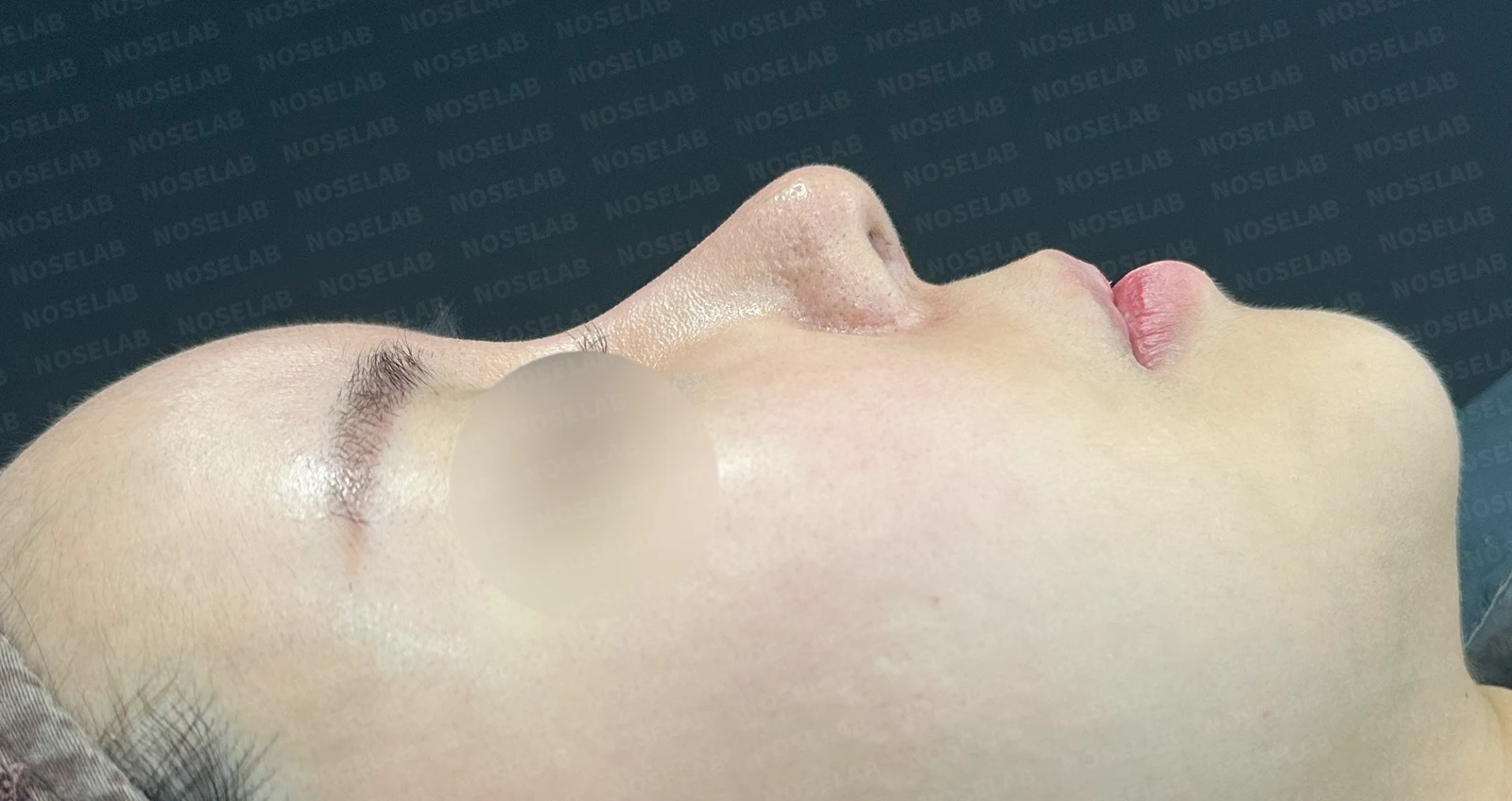
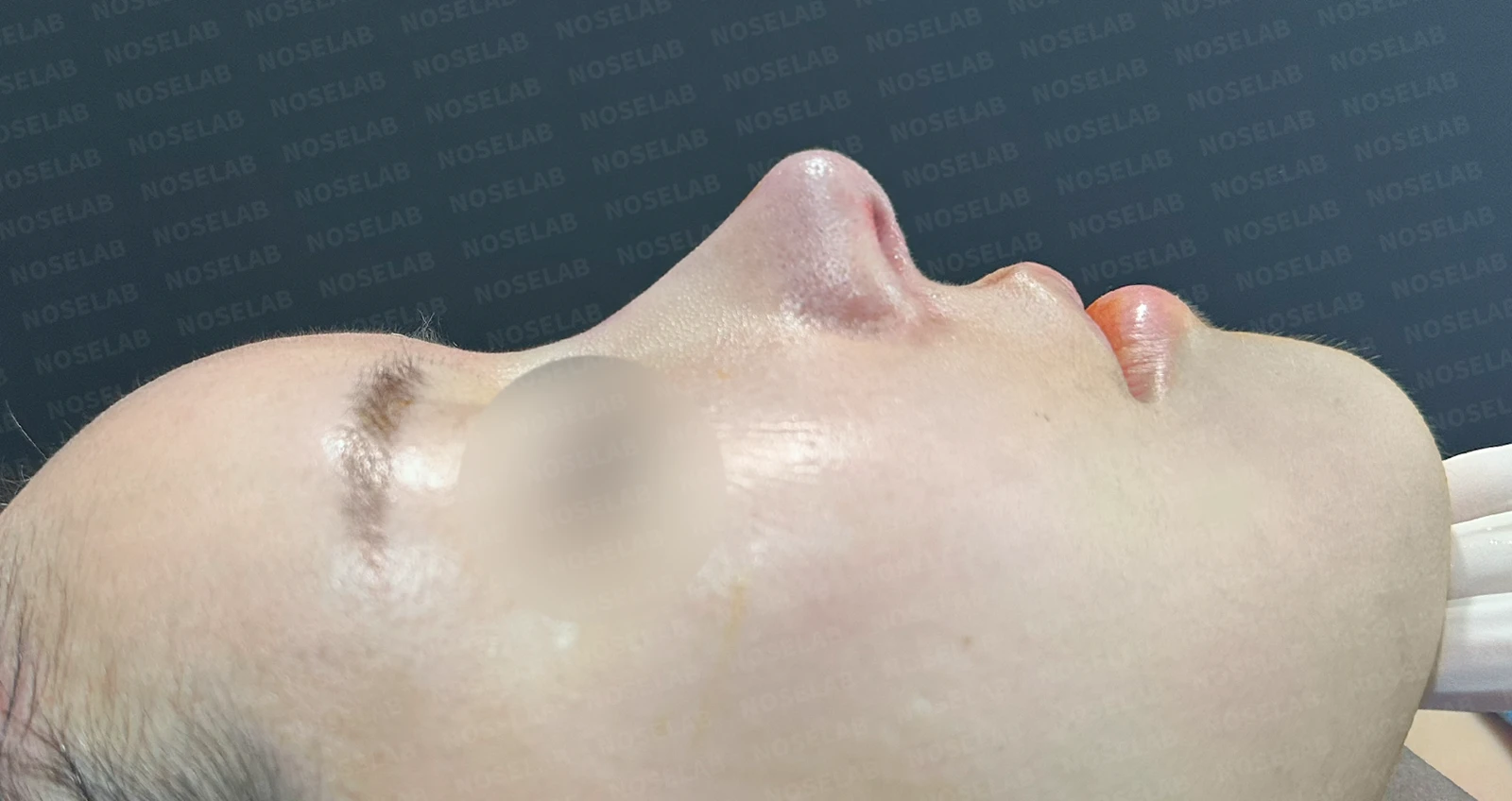
Before surgery / Day 0 immediately after surgery Photos taken immediately after surgery show swelling and may differ from the final result.
- The overly high radix was adjusted to a natural starting position.
- The retracted columella was filled appropriately to create a natural contour.
- The nasal tip was projected upright, improving the overall profile.
- The protruding mouth has improved, enhancing overall facial balance.
Oblique view:
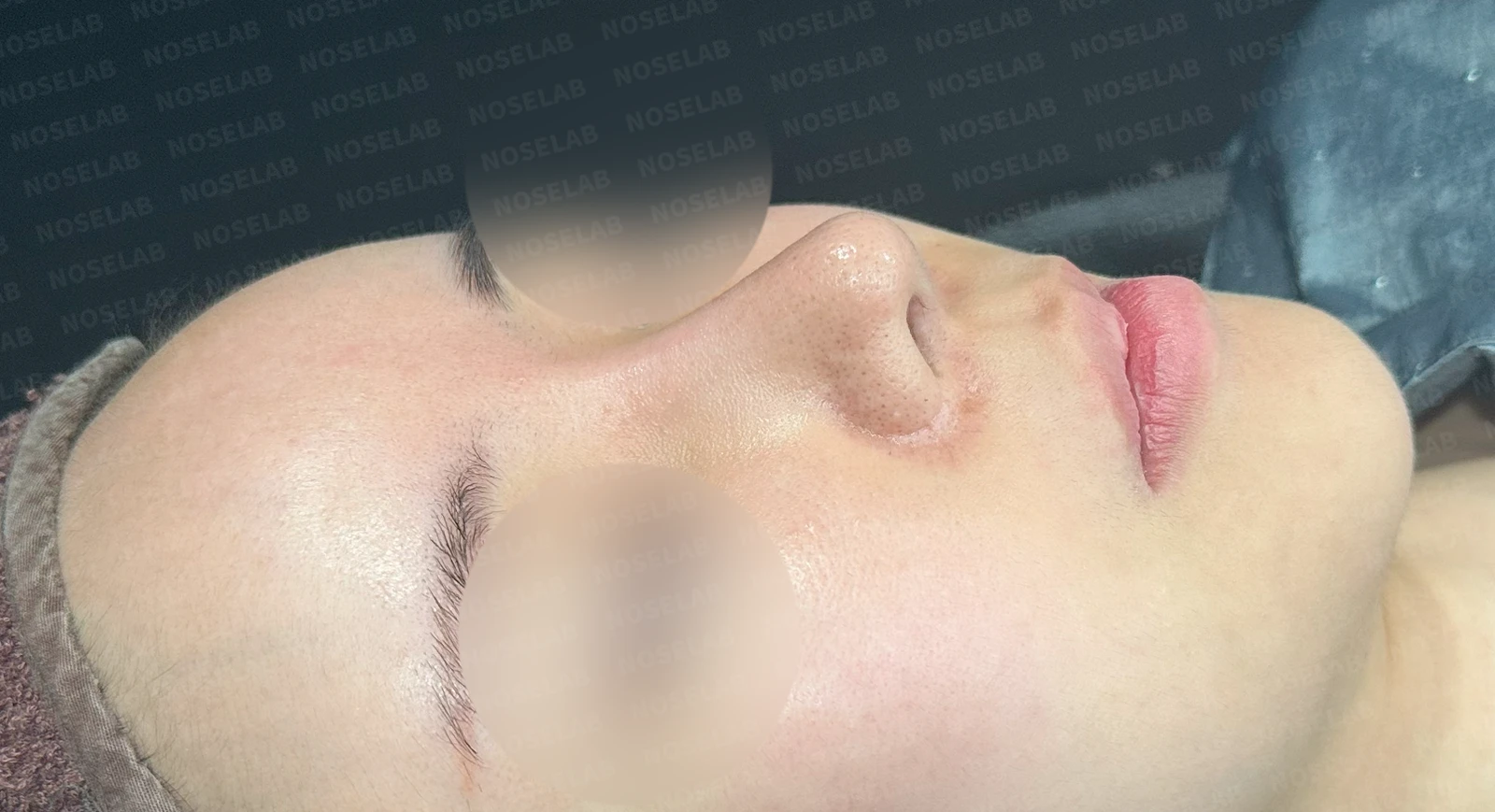
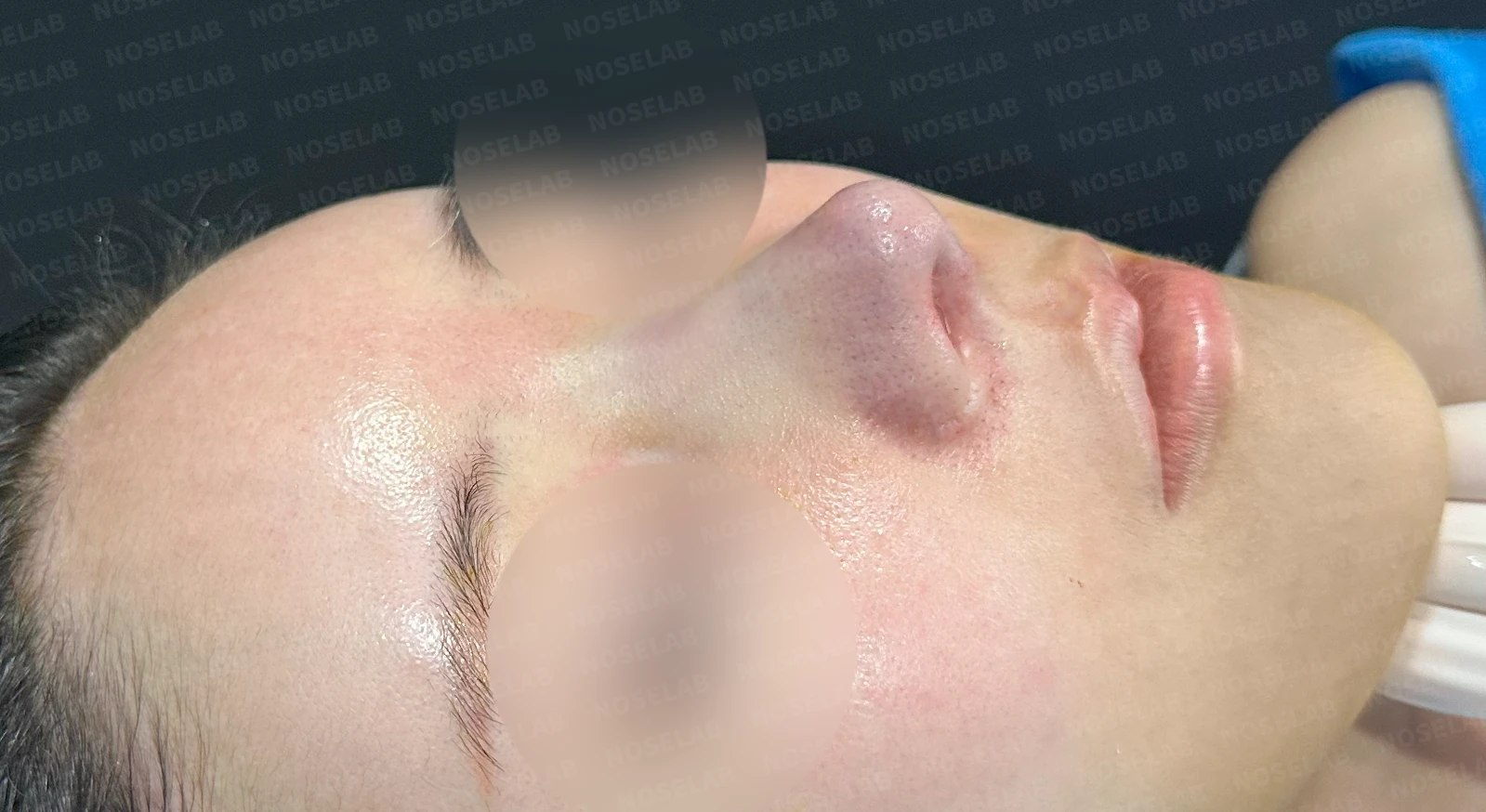
Before surgery / Day 0 immediately after surgery Photos taken immediately after surgery show swelling and may differ from the final result.
- The upturned nasal tip was lowered naturally into a stable position.
- Adequate three-dimensional projection was restored to the nose, providing a refined impression.
- The elongated appearance of the philtrum was improved.
Nostrils:
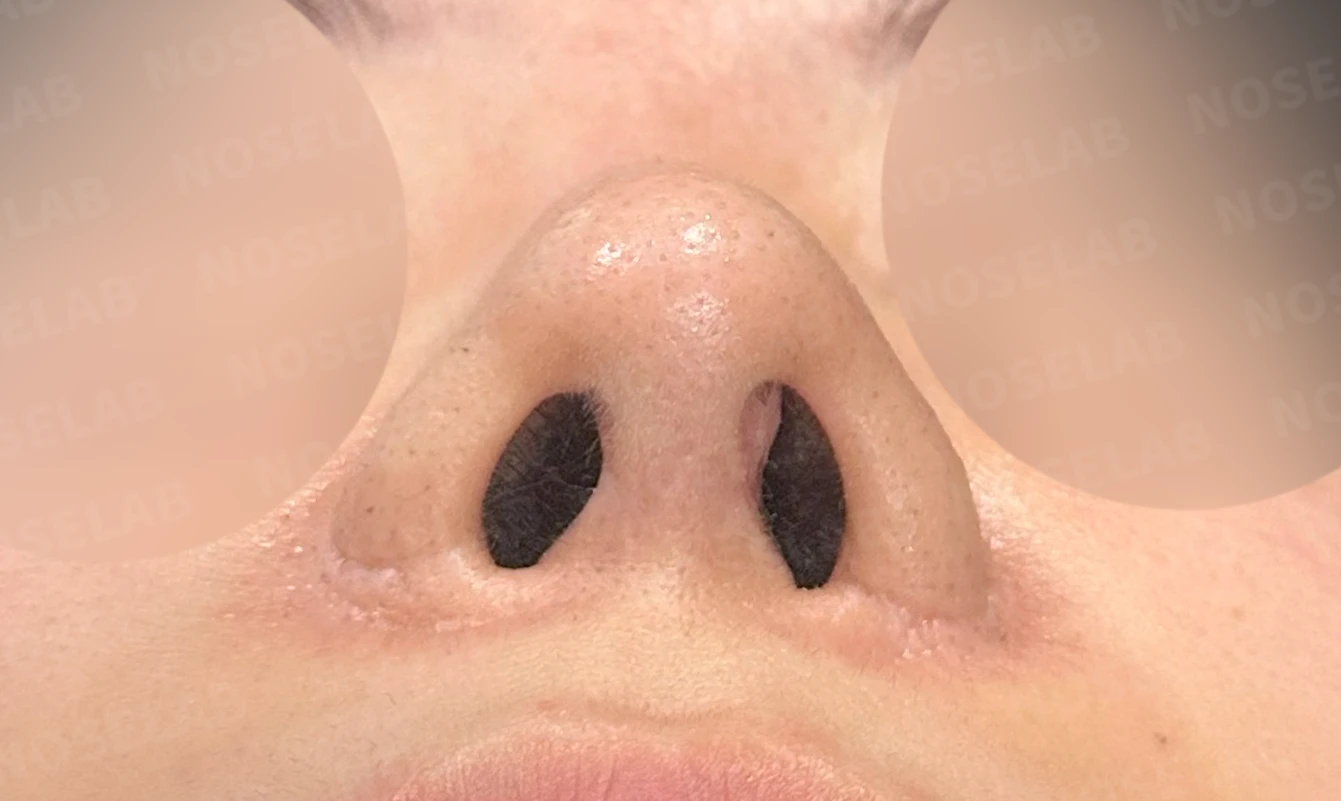
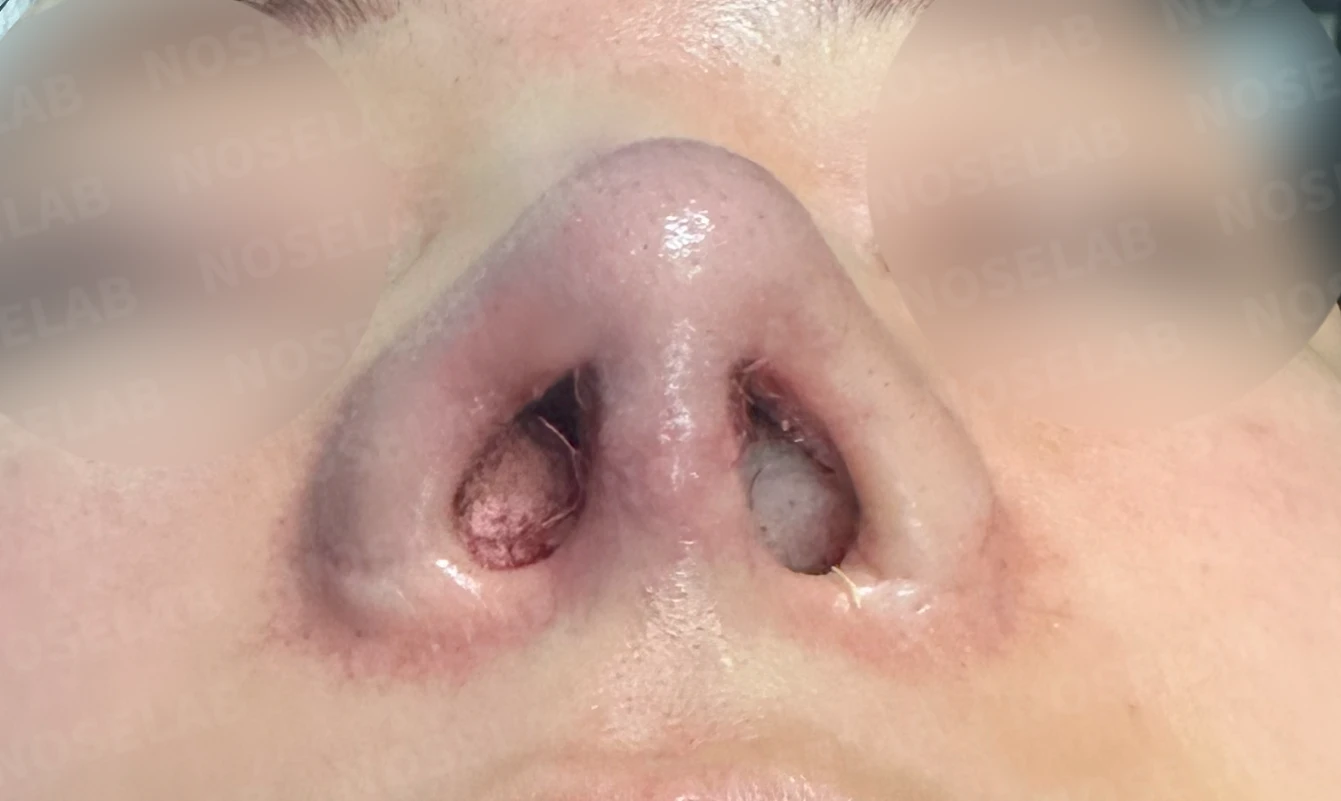
Before surgery / Day 0 immediately after surgery Photos taken immediately after surgery show swelling and may differ from the final result.
- Severe nostril asymmetry has been significantly improved.
- Protruding cartilage and scar tissue on the columellar side of the left nostril were removed, leaving a clean contour.
6. Photos taken immediately after surgery (day 0)Immediate postoperative photos show swelling and may differ from the final result.
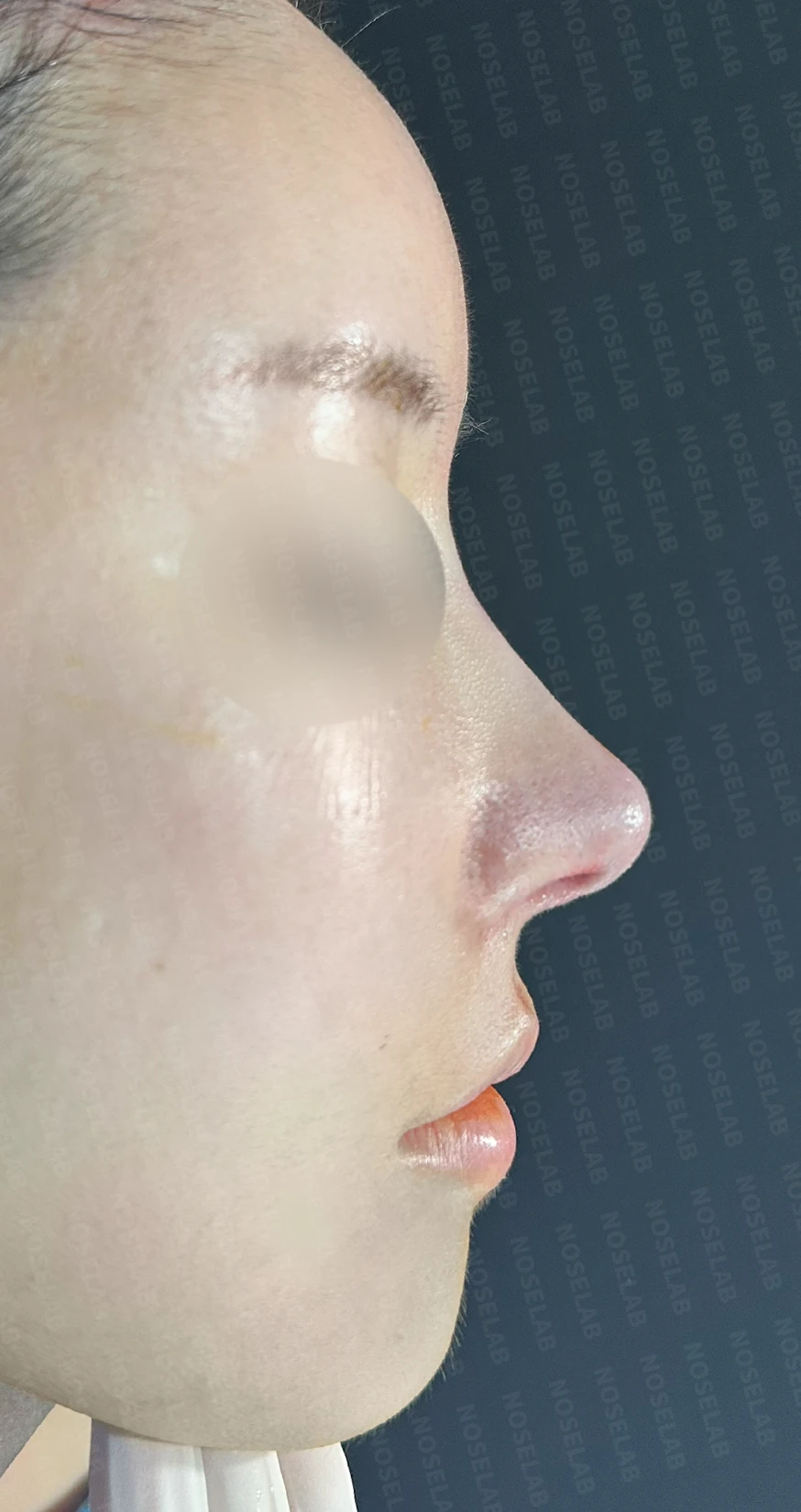
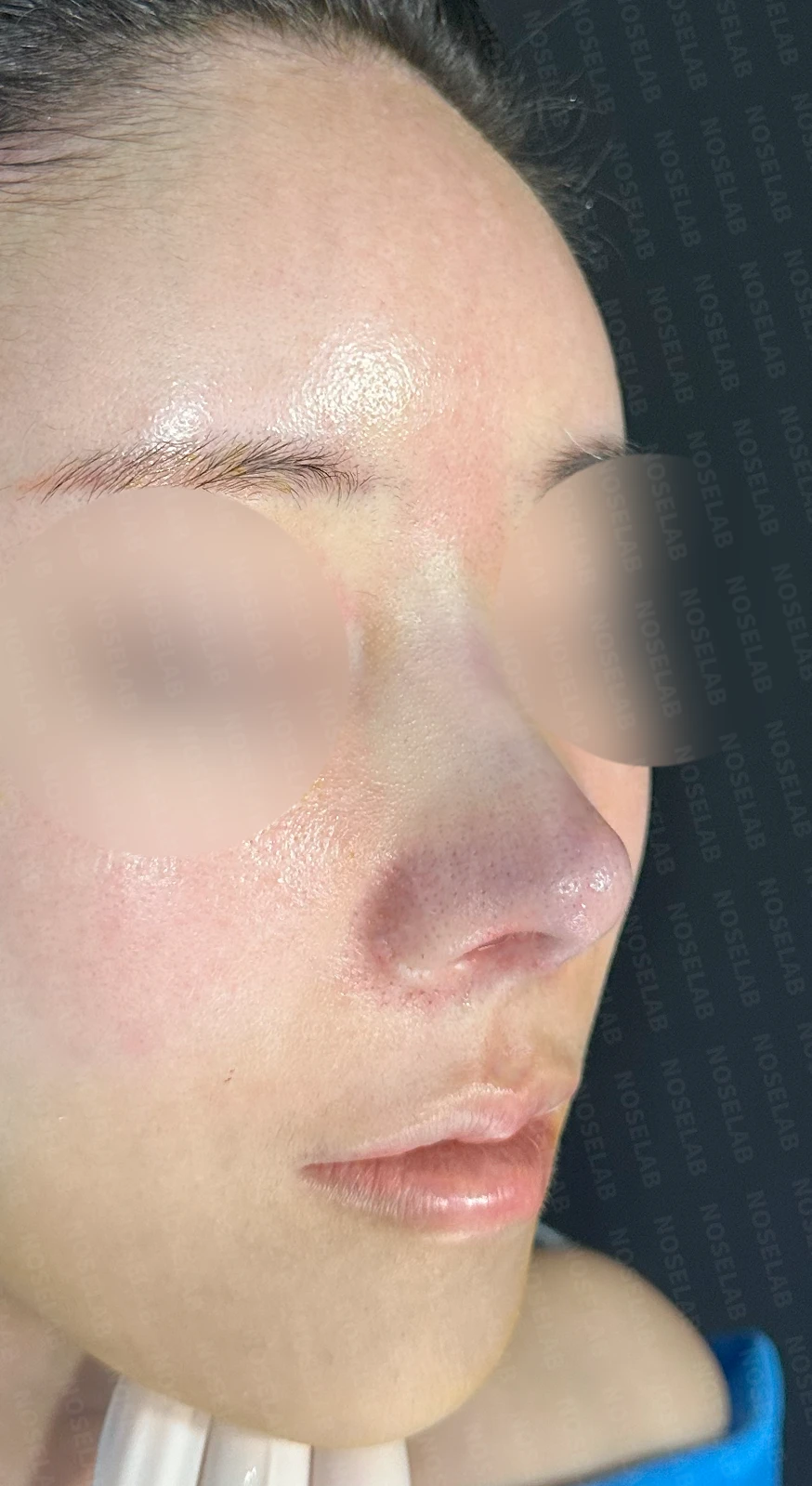
Immediately after surgery (Day 0) front, profile, and oblique viewsImmediate postoperative photos show swelling and may differ from the final result.
Basal (nostril) view immediately after surgery (Day 0)Immediate postoperative photos show swelling and may differ from the final result.
7. Overall assessment
This case illustrates a dramatic transformation in a patient who remained dissatisfied after multiple rhinoplasties. For patients with a complex surgical history, accurate diagnosis of the underlying issues and meticulous surgical planning are essential.
In this patient, severe damage to the septal cartilage caused by prior surgeries was the primary issue. Through reconstructive surgery using autologous rib cartilage, structural stability was restored while achieving aesthetic refinement.
Nasal obstruction was addressed simultaneously through septoplasty and inferior turbinate reduction. This serves as a clear example of why functional improvement must accompany aesthetic correction.
In particular, a closed approach was used for this surgery, completing a complex reconstruction without creating external scars. This requires advanced surgical technique and extensive clinical experience, demonstrating the value of specialized care.
8. Concluding remarks
I hope this case offers reassurance to those who are distressed by unsatisfactory results following multiple nasal surgeries. Rhinoplasty, particularly revision surgery, requires a complex and meticulous approach.
It is critical to accurately evaluate each patient's condition and expectations, then design a customized surgical plan. Moreover, a truly successful rhinoplasty addresses both aesthetic refinement and functional restoration.
Drawing on my anatomical knowledge as an ENT specialist and extensive surgical experience, I consistently strive to deliver the intended results for each patient. For anyone considering rhinoplasty, especially revision surgery, I encourage thorough consultations and careful decision-making so that you can proceed with confidence.
NOSELAB is here to help you achieve a healthy, aesthetically pleasing nose. Thank you.
#revisionrhinoplasty #upturnednosecorrection #crookednosecorrection #closedrhinoplasty #autologousribcartilage #septalextension #nasalobstructionrelief #nostrilcorrection #nasolabialanglecorrection #ENTspecialistrhinoplasty #safelyplannedrhinoplasty #complexrhinoplasty

Limitations and risks
When autologous rib cartilage is used, scarring and pain may remain at the donor site on the chest, and pneumothorax (pleural injury) can occur rarely. Over time, the grafted cartilage may warp or undergo partial resorption.
When using donor rib cartilage, long-term follow-up is necessary because the grafted cartilage may resorb or warp.
When revising after implant removal, contracture may progress again after removal, the nasal height and length may decrease, and staged surgery may be necessary depending on the skin condition.
When foreign materials such as injected fillers are removed and reconstructed, contracture may recur, nasal height and length may decrease, and staged surgery may be necessary depending on the skin condition.
When the septum is corrected at the same time, nasal obstruction may persist or recur, and in rare cases, septal perforation or changes in smell may occur.
Common potential risks include infection, bleeding, asymmetry, scarring, skin necrosis, and insufficient improvement; results vary depending on individual skin condition and previous surgical history.