Hello, I am Dr. Peter C. Kang.
Today, I would like to share a surgical case of a patient who was concerned about a long nose and a high radix.
The patient had undergone multiple rhinoplasty procedures starting 11 years ago, and this was their 5th surgery.
1. Preoperative design consultation
Let us take a detailed look at the patient's preoperative condition and requests:
Patient's surgical history:
- 11 years ago: Nasal filler procedure
- 10 years ago: Closed approach dorsal hump reduction osteotomy using septal cartilage (implant-free)
- 2020: Open approach bulbous tip correction using donor rib cartilage and ear cartilage, with osteotomy (implant-free)
- 2020 (6 months later): Corrective surgery to improve a pinched appearance (implant-free)
- 2022: Columellar lowering surgery using donor rib cartilage (implant-free)
Patient's main requests:
1. Correcting the long appearance
2. Lowering the columella
3. Achieving a well-defined nasal tip
Analysis of preoperative condition:
Front view:
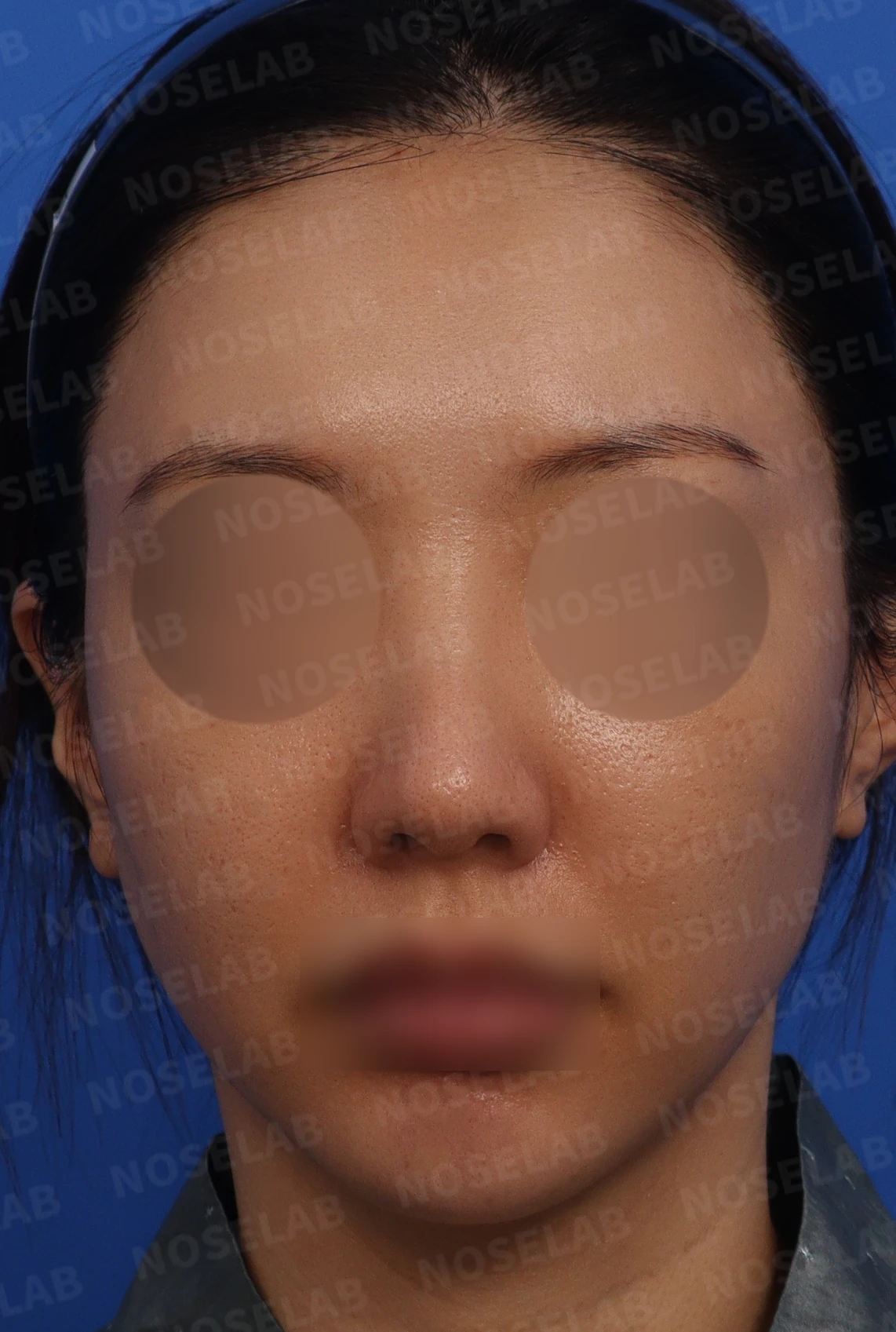
Front view
- The nose appeared blunt and wide
- The nose appears crooked
Profile view:
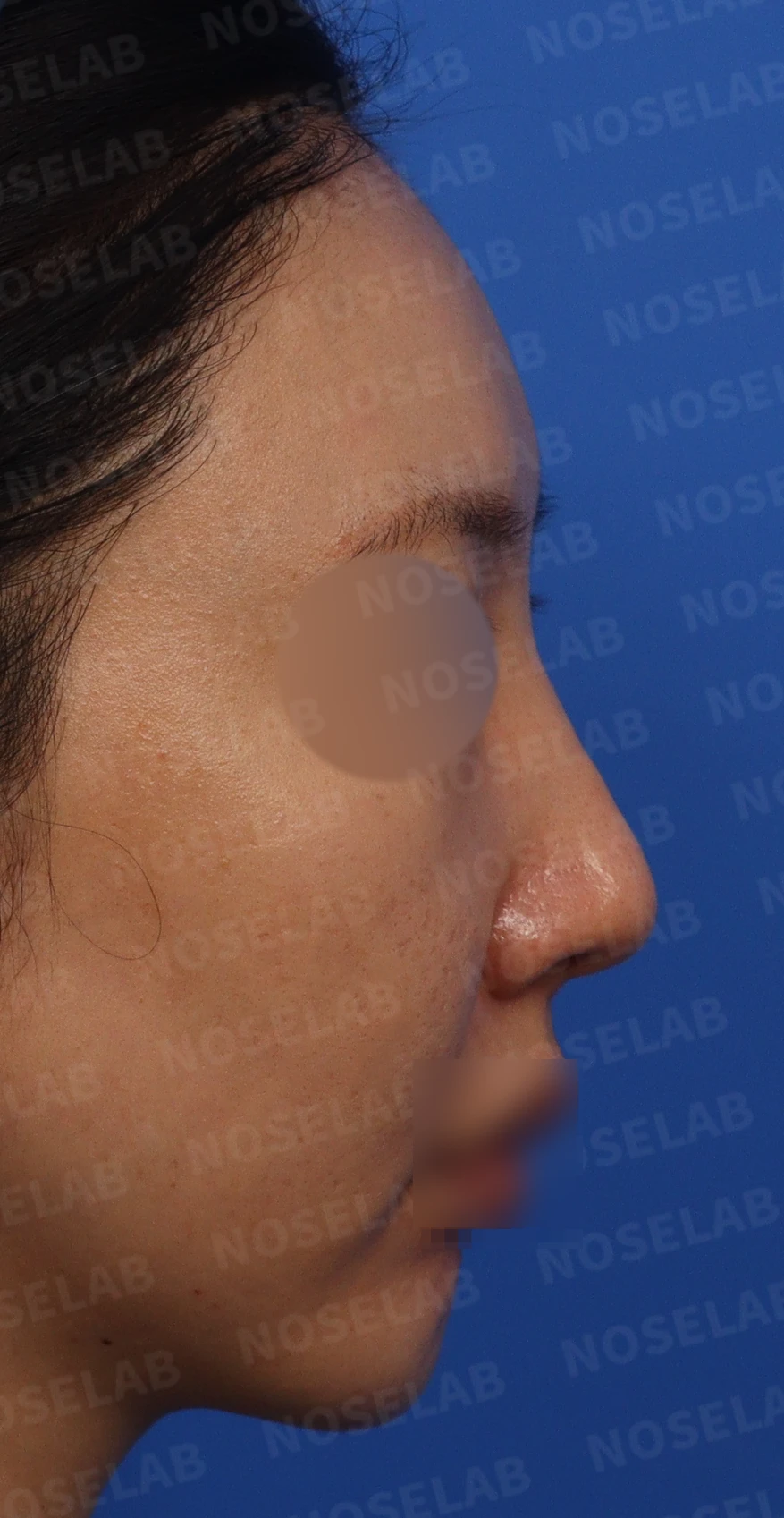
Profile view
- The nose appears long
- The nasal tip appears drooping
- The radix appears high
- Columellar depression was observed in the mid-columella due to scarring from previous surgery
Oblique view:
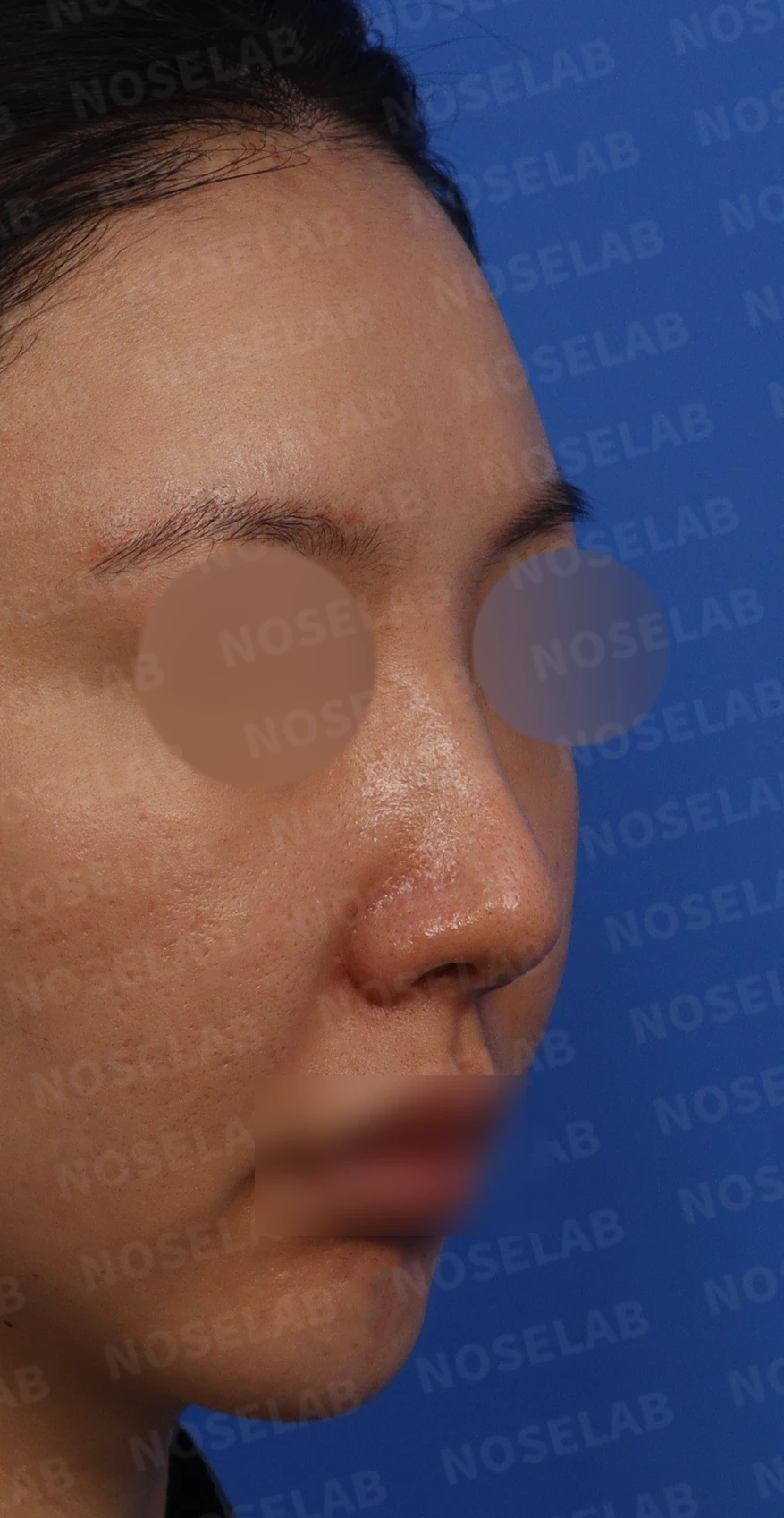
Oblique view
- Blunt, long bulbous nose shape
- Overall masculine and aged appearance
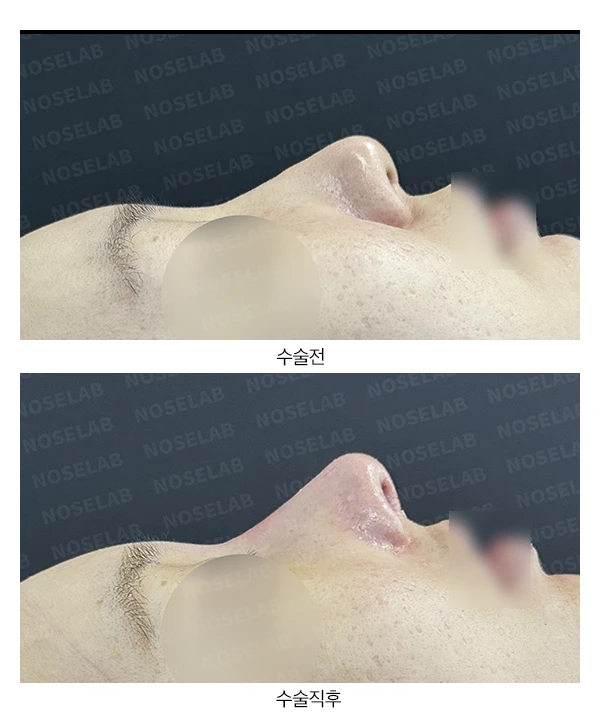
Nostrils:
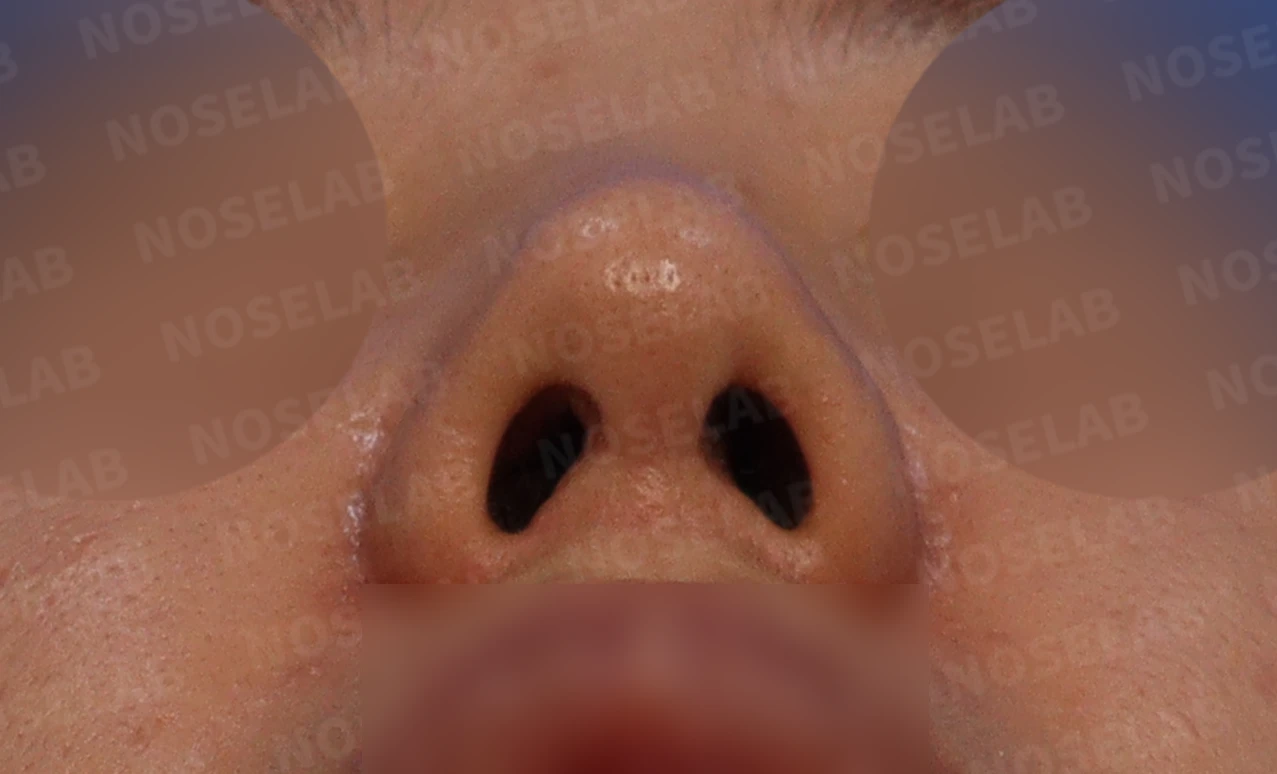
Nostrils
- Blunt shape
- Nostril asymmetry is observed
Additional findings:
- Patient reported nasal obstruction
- CT scan confirmed a deviated septum to the left and bilateral inferior turbinate hypertrophy
2. Surgical plan
Taking into account the patient's condition and requests, the following surgical plan was established:
a) Removal of foreign material from the nasal bridge
b) Narrowing the nasal width through lateral osteotomies
c) Nasal bone rasping and lowering the radix using a silicone implant
d) Nasal tip correction using donor rib cartilage
e) Septoplasty
f) Submucosal resection of the inferior turbinates using radiofrequency
3. Surgical procedure
The following procedures were performed using a closed approach:
a) Foreign material removal:
- Biological tissues, such as cartilage and dermis used in previous surgeries, were completely removed.
- Removing this material prepared the nasal bridge skin to lie flat and smooth.
b) Septal reconstruction:
- The septum, weakened by previous surgeries, was reconstructed using donor rib cartilage.
- Particular attention was paid to reinforcing the stability of the anterior portion.
c) Nasal tip correction:
- A septal extension graft was performed.
- Tip cartilage suturing was performed to create a natural nasal tip contour.
d) Correction of columellar depression:
- Scar tissue under the skin from the previous open surgery was partially removed.
- Cartilage and dermis were reinforced to restore the depressed area.
e) Crooked nose correction:
- Osteotomy was performed to straighten the deviated nose.
f) Bulbous tip correction:
- The blunt, wide nasal shape was improved.
g) Lowering the radix:
- The nasal bones were trimmed and a silicone implant was custom-carved to lower the radix.
h) Septoplasty and inferior turbinate reduction:
- To improve nasal obstruction, the deviated septum was corrected and the inferior turbinates were reduced.
4. Comparison of before-and-after photos
Comparing photos taken immediately after surgery on day 0 shows the following improvements: Photos taken immediately after surgery show swelling and may differ from the final result.
Front view:
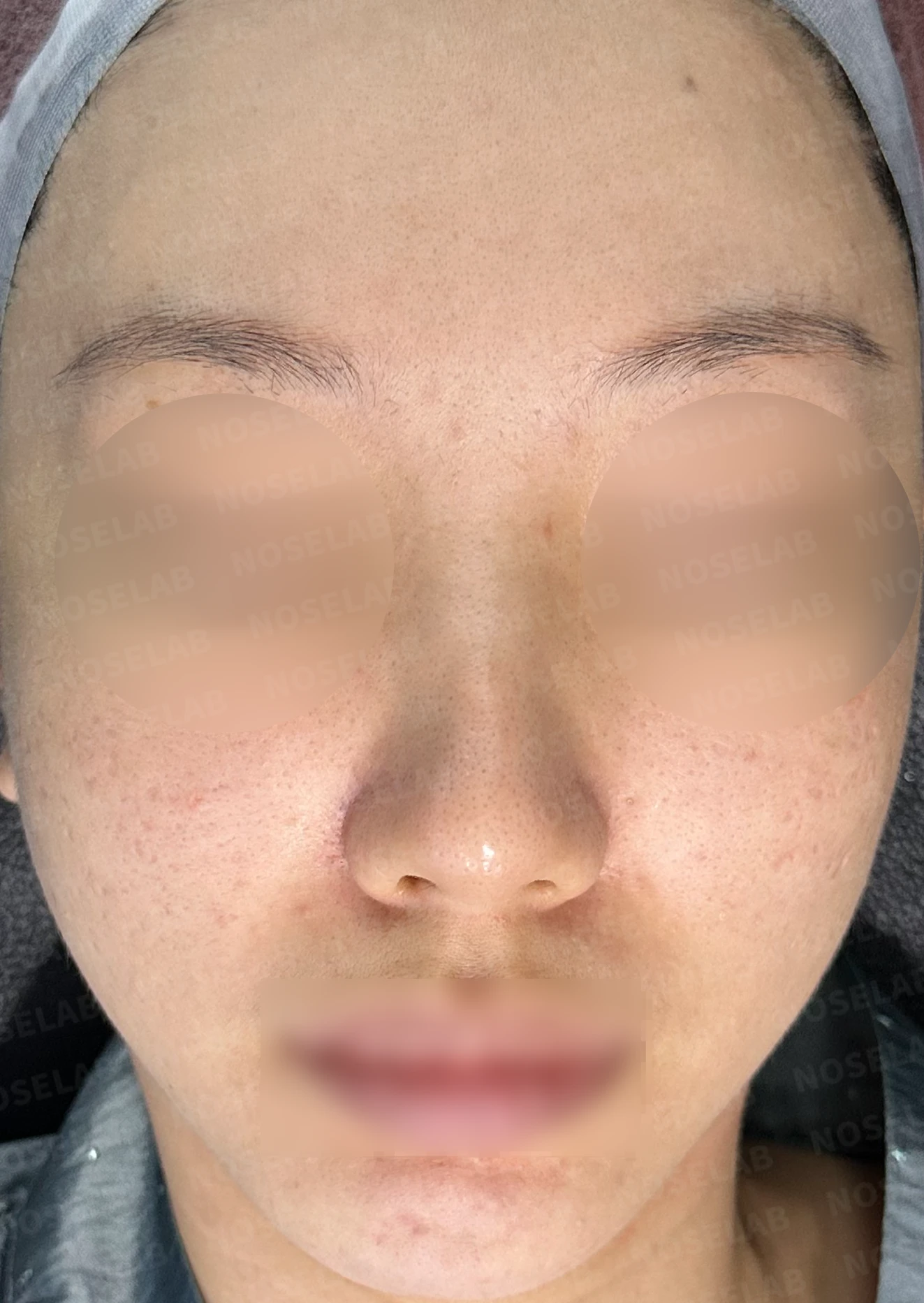
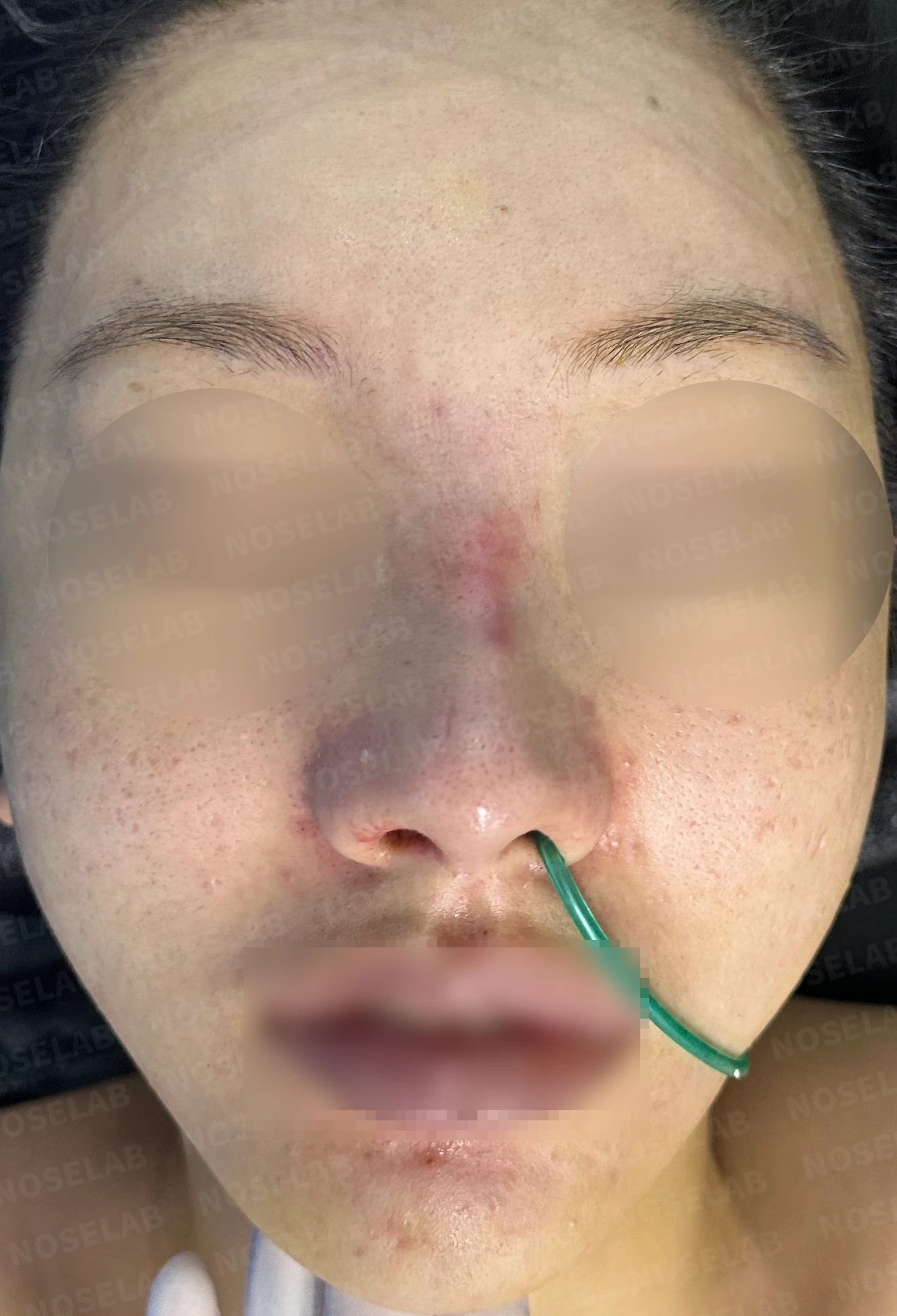
Before surgery / Day 0 immediately after surgery Photos taken immediately after surgery show swelling and may differ from the final result.
- The nose, which appeared bulbous and flared, was refined into a slimmer and more defined shape.
- The crooked nose was straightened.
- An overall well-balanced appearance is visible.
Profile view:
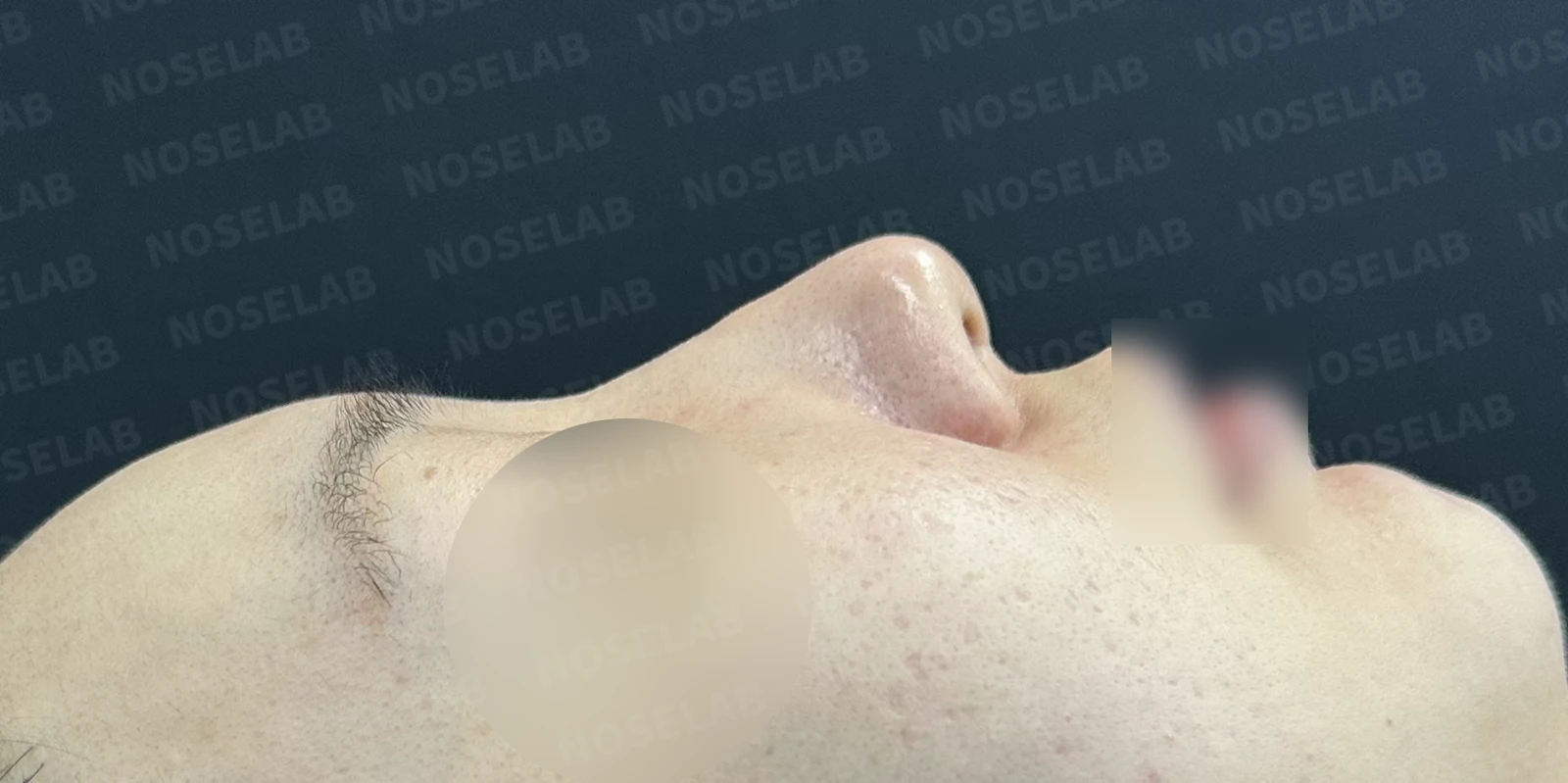
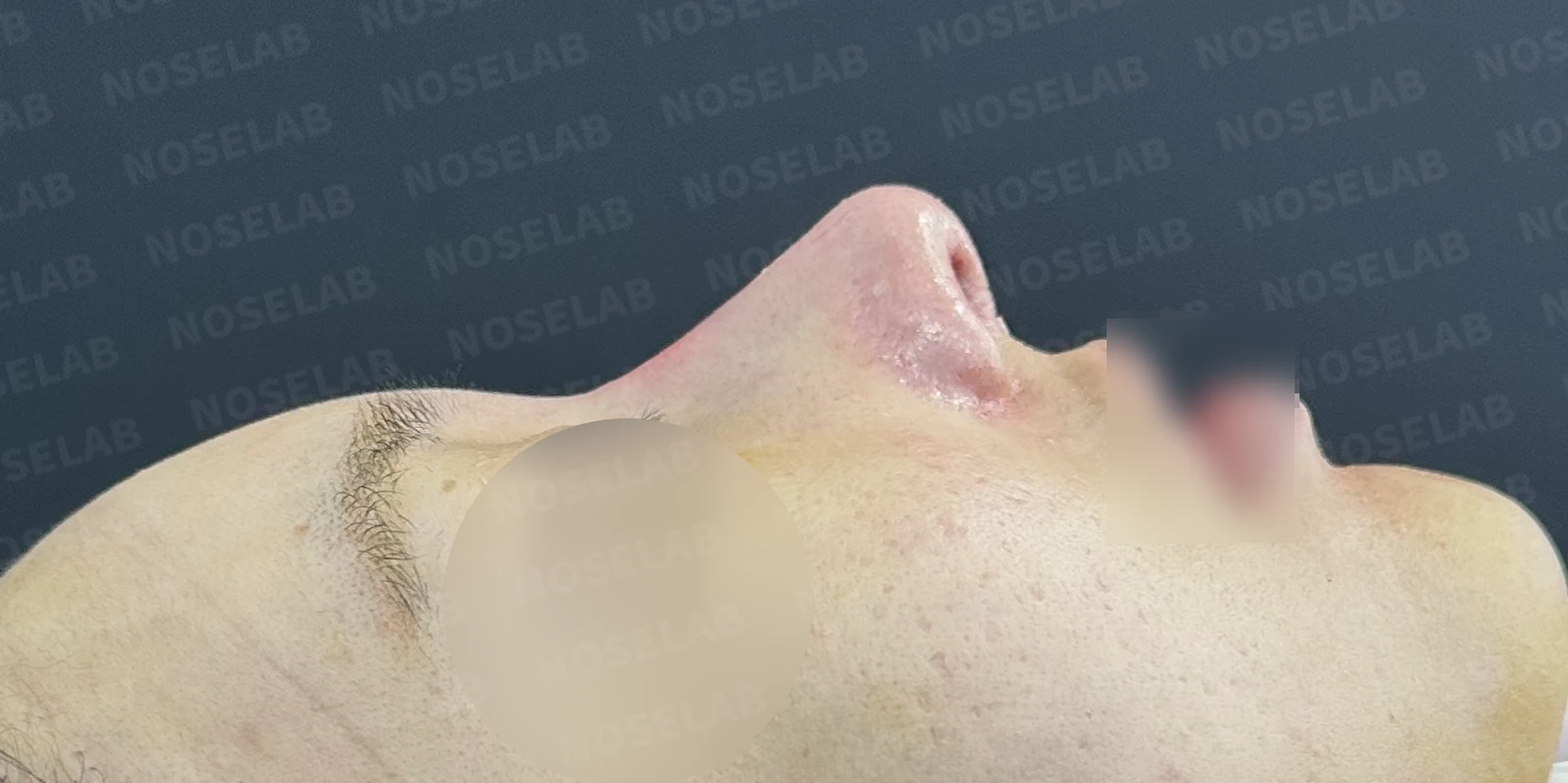
Before surgery / Day 0 immediately after surgery Photos taken immediately after surgery show swelling and may differ from the final result.
- The nose, which appeared long, was adjusted to an appropriate length.
- The drooping nasal tip was naturally elevated, improving overall nasal balance.
- The elevated radix at the glabella was lowered to form a natural line.
- The depressed mid-portion of the columella was smoothly corrected.
Oblique view:
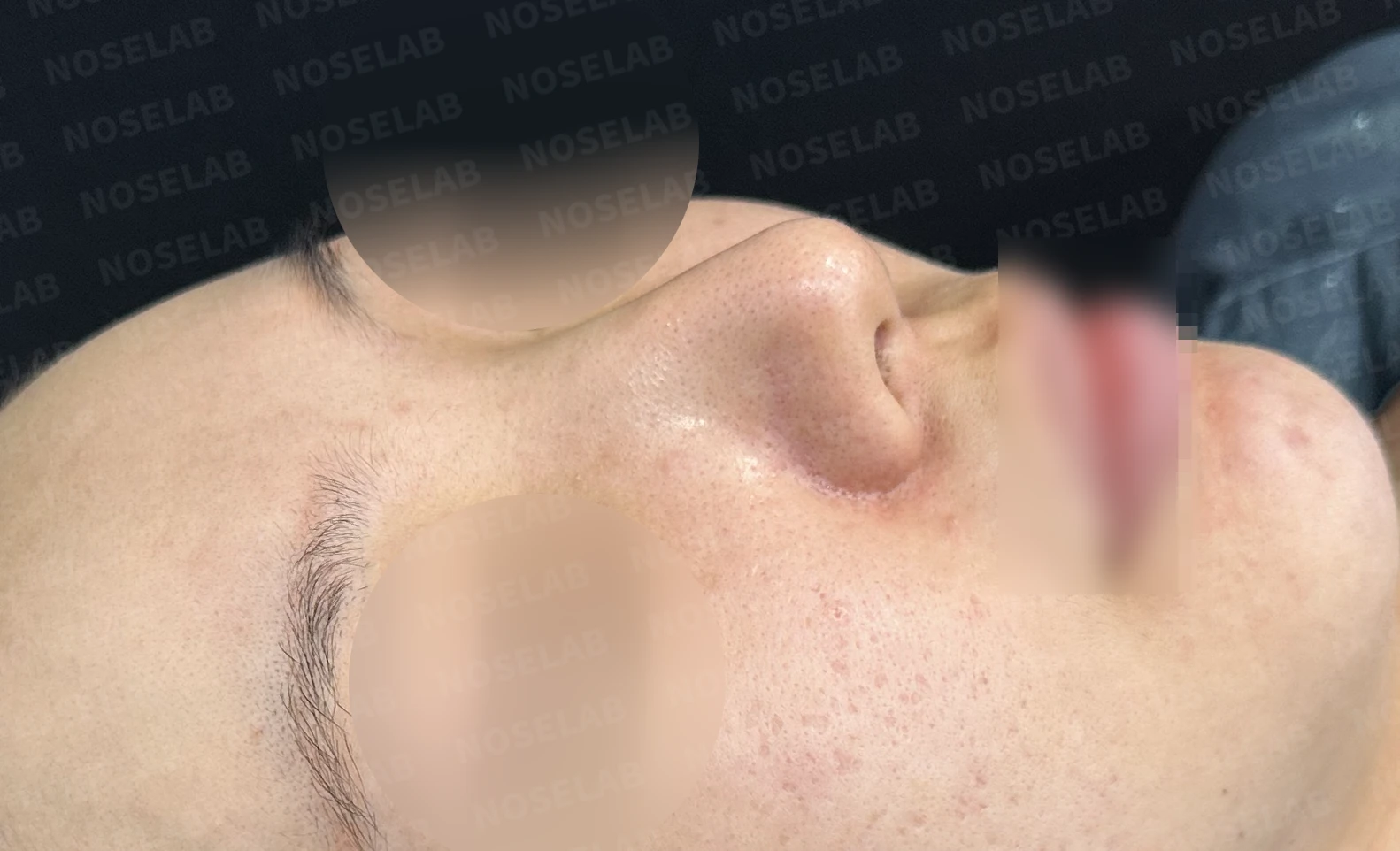
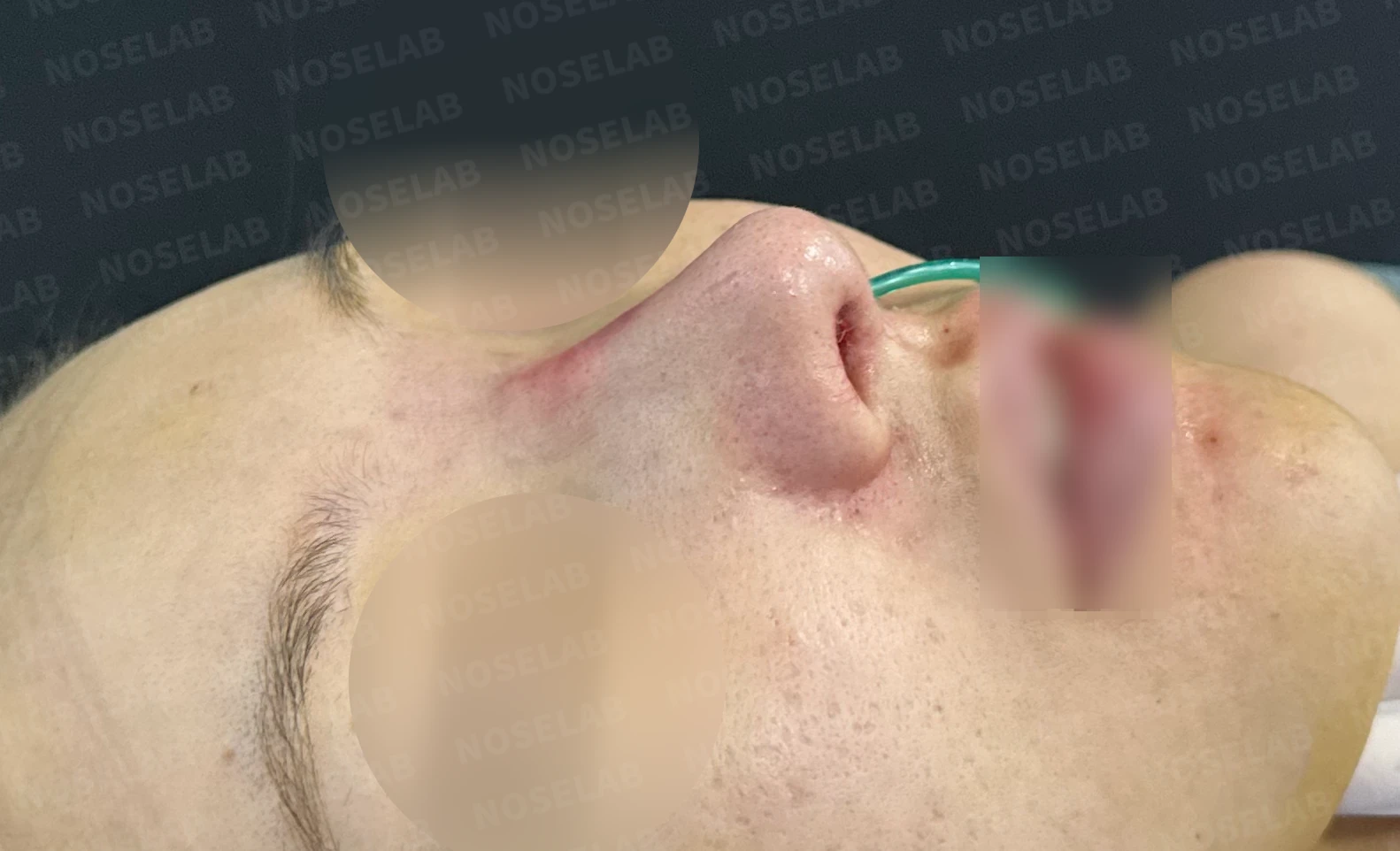
Before surgery / Day 0 immediately after surgery Photos taken immediately after surgery show swelling and may differ from the final result.
- The bulbous nasal contour was refined, creating a cleaner and more youthful appearance.
- The overall nasal line became smooth and natural.
Nostrils:
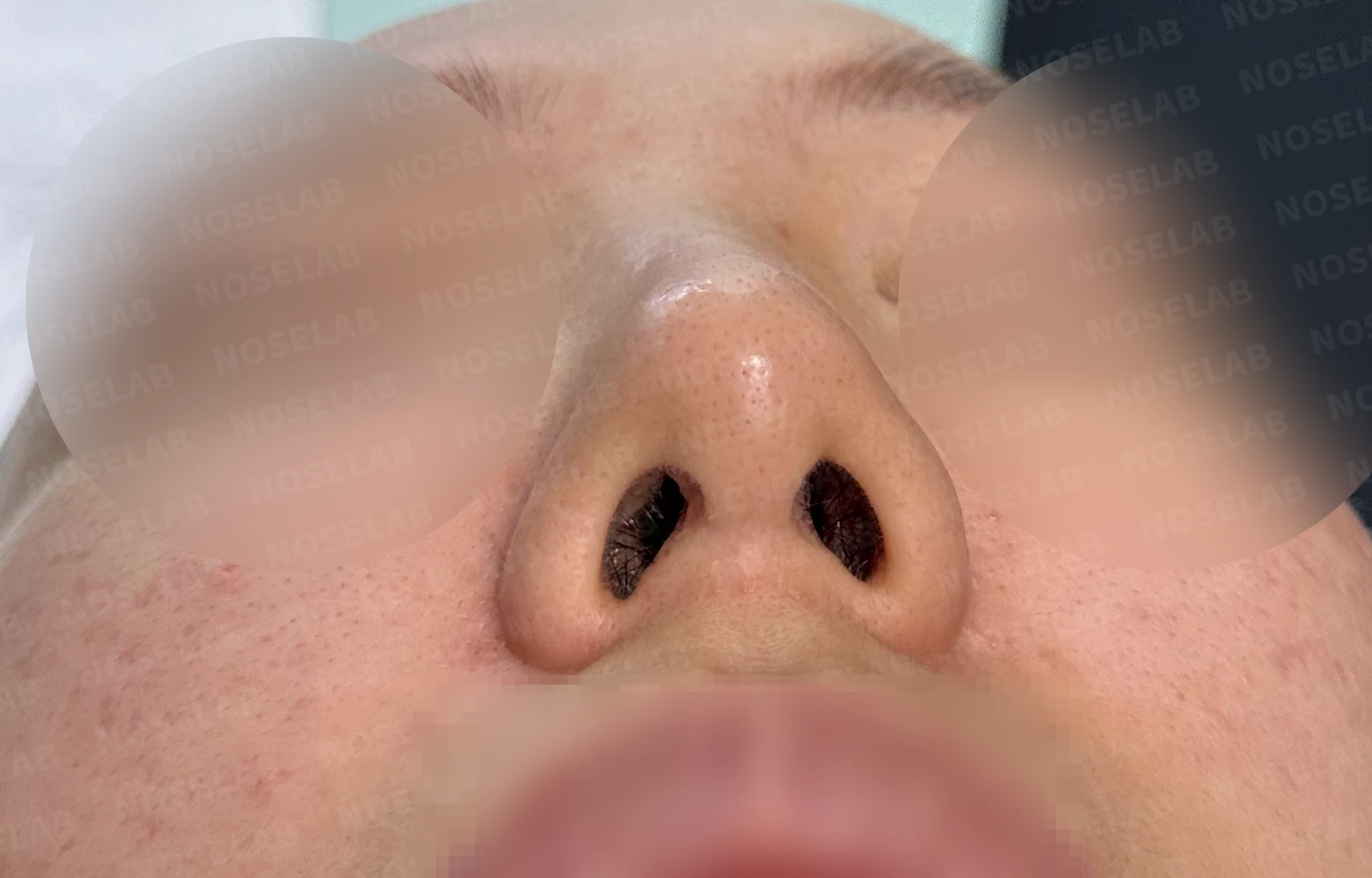
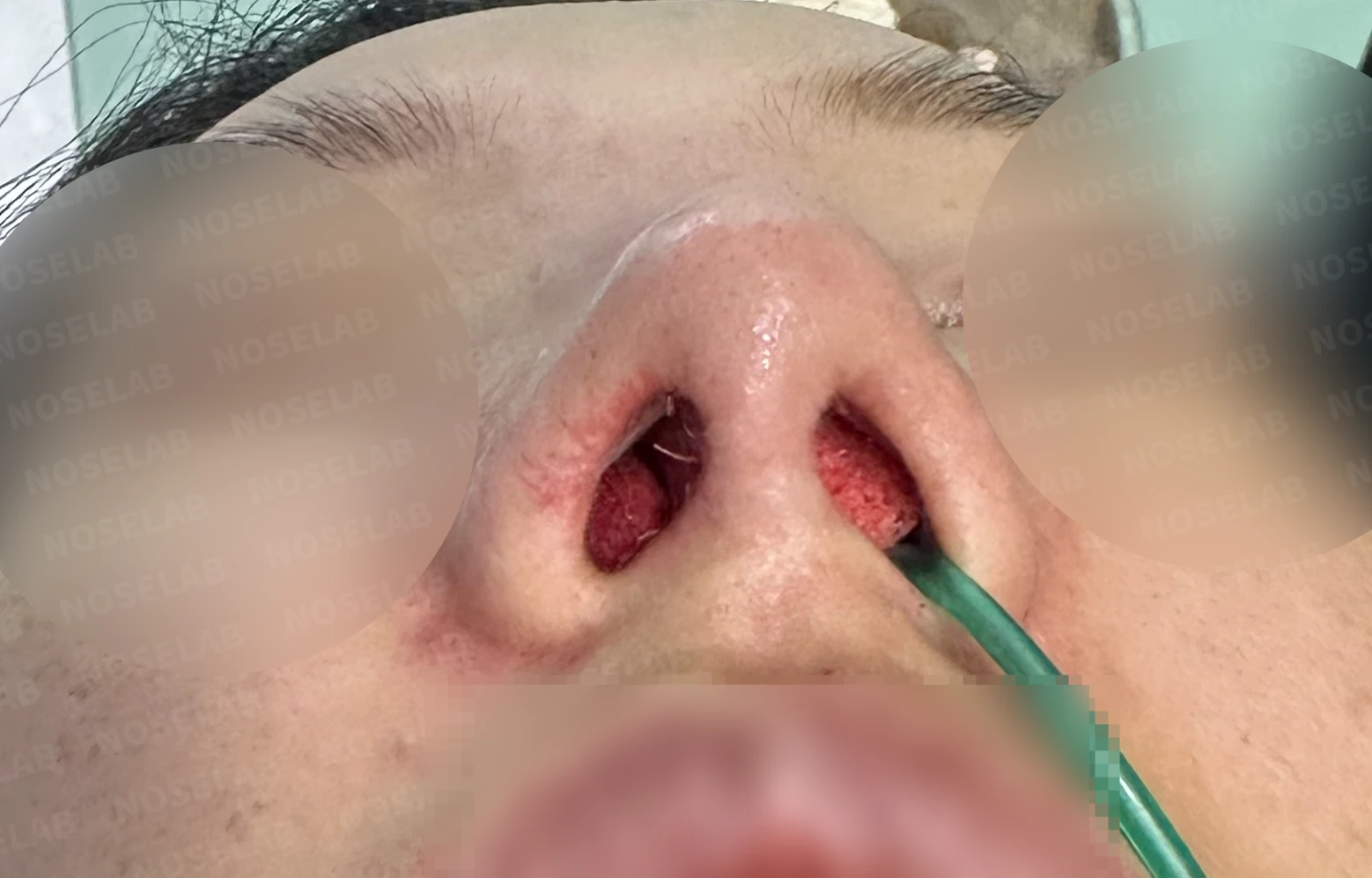
Before surgery / Day 0 immediately after surgery Photos taken immediately after surgery show swelling and may differ from the final result.
- The blunt nasal tip contour was refined.
- Nostril asymmetry improved significantly.
5. Photos immediately after surgery on day 0 Photos taken immediately after surgery show swelling and may differ from the final result.
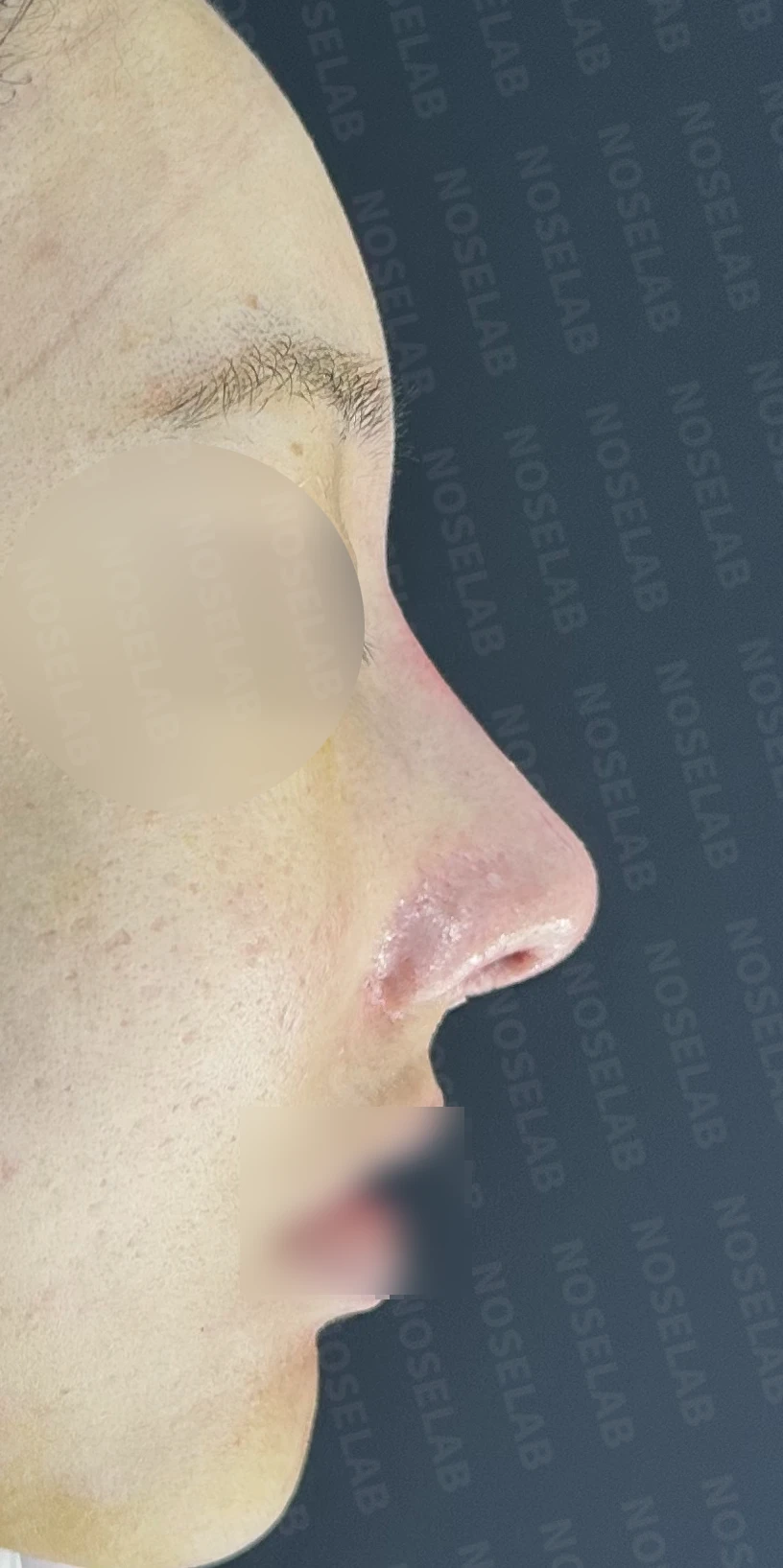
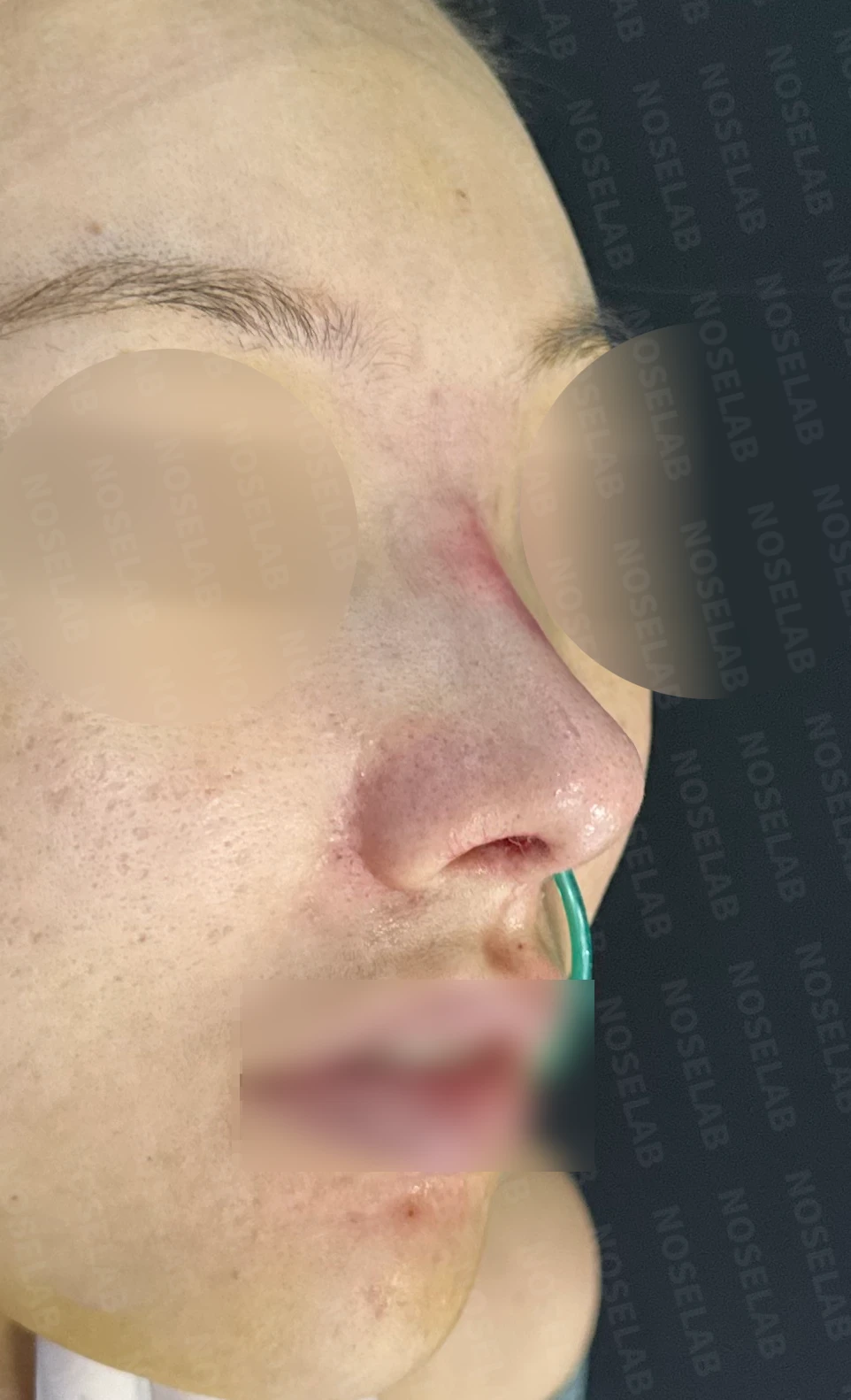
Immediately after surgery (Day 0) front, profile, and oblique viewsImmediate postoperative photos show swelling and may differ from the final result.
Basal (nostril) view immediately after surgery (Day 0)Immediate postoperative photos show swelling and may differ from the final result.
6. Overall evaluation
This case clearly illustrates the issues that can arise after multiple implant-free rhinoplasties. In implant-free procedures, materials used to fill the dorsum often leave the nasal bridge uneven, and smoothing it requires complete removal of the previously grafted biological tissues. This is a very delicate and demanding procedure that requires extensive experience in foreign material and graft removal.
In this case in particular, the internal structure of the nose had become complex due to multiple implant-free surgeries. When nasal bones are rasped repeatedly, they can become blunt and wide, and the radix can become undesirably high. In such situations, specialized techniques are required to effectively lower the radix.
In this surgery, we addressed the patient's concerns through a comprehensive approach: completely removing previous materials, reconstructing the septum, and refining both the nasal tip and columella. Of note, custom carving a silicone implant allowed us to lower the radix to a natural height.
In addition, performing septoplasty and inferior turbinate reduction simultaneously to resolve nasal obstruction was an important step. This serves as a good example of achieving both functional and aesthetic improvement at the same time.
7. Conclusion
I hope this case offers insight to those struggling with complex nasal concerns such as a long nose, a high radix, or a bulbous tip, particularly patients dealing with unsatisfactory results after repeated implant-free rhinoplasties.
In revision rhinoplasty, the surgeon must remove the alterations from previous surgeries and rebuild the structural framework from the ground up, making it far more complex and difficult than primary surgery. Therefore, the expertise and thorough experience of a qualified surgeon are essential.
Drawing on anatomical knowledge and extensive surgical experience as a board-certified otolaryngologist, I provide surgical plans tailored to each individual patient. Through a comprehensive approach that considers both functional and cosmetic improvement, I strive to create a beautiful and healthy nose.
I will be with you every step of the way to achieve a beautiful and healthy nose.
This was Dr. Peter C. Kang. Thank you.
#rhinoplasty #longnosecorrection #loweringtheradix #loweringthecolumella #bulbousnosecorrection #revisionrhinoplasty #implantfreerevision #autologousribcartilagegraft #closedrhinoplasty #septalextension #ENTspecialistrhinoplasty #safelyplannedrhinoplasty #nasalbridgecorrection #tipplasty #nasalobstructionrelief

Limitations and risks
When autologous rib cartilage is used, scarring and pain may remain at the donor site on the chest, and pneumothorax (pleural injury) can occur rarely. Over time, the grafted cartilage may warp or undergo partial resorption.
When using donor rib cartilage, long-term follow-up is necessary because the grafted cartilage may resorb or warp.
When foreign materials such as injected fillers are removed and reconstructed, contracture may recur, nasal height and length may decrease, and staged surgery may be necessary depending on the skin condition.
When the septum is corrected at the same time, nasal obstruction may persist or recur, and in rare cases, septal perforation or changes in smell may occur.
Common potential risks include infection, bleeding, asymmetry, scarring, skin necrosis, and insufficient improvement; results vary depending on individual skin condition and previous surgical history.