Hello, I am Dr. Peter C. Kang.
Today, I will introduce the case of a patient who visited us due to concerns about a drooping tip and nasal obstruction after multiple rhinoplasties.
🔍 Surgical history
15 years ago: Surgery with silicone implant and ear cartilage
November 2021: Septum, silicone implant surgery (revision surgery decided due to an elongated nose)
August 2022: Osteotomy, re-carving and reusing the silicone implant
Subsequently, a drooping tip and implant show-through occurred
💉 Primary symptoms and requests
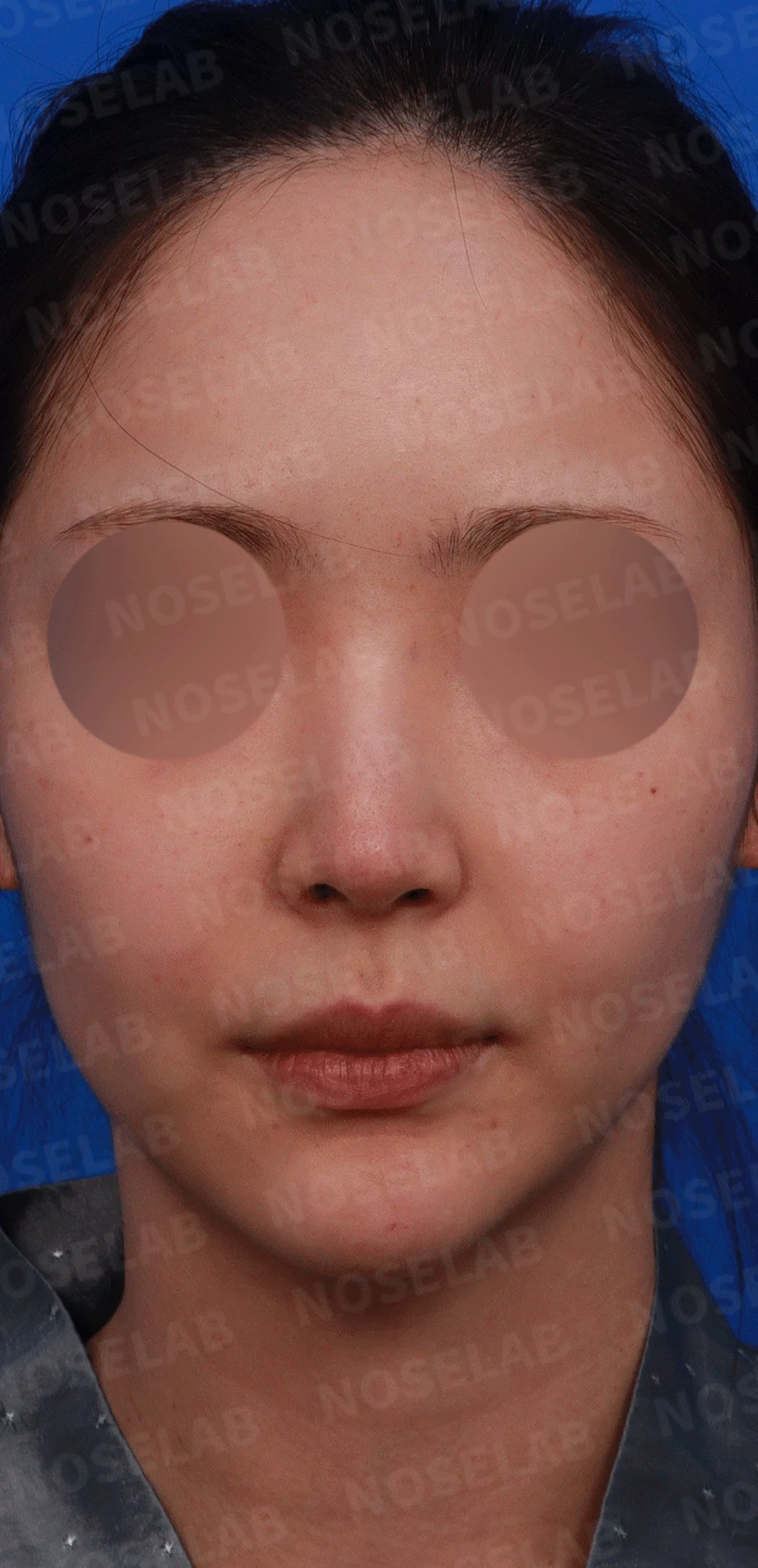
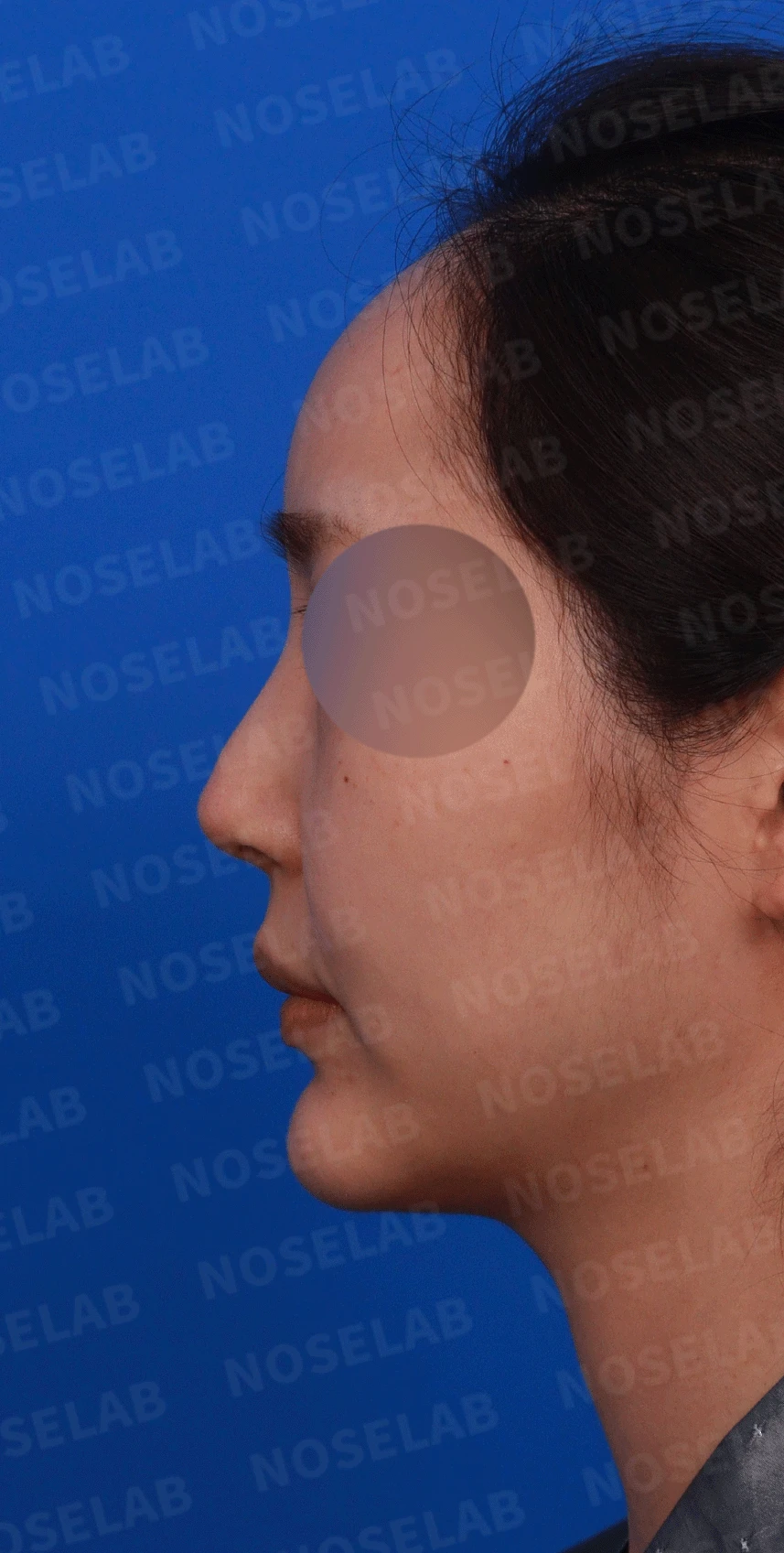
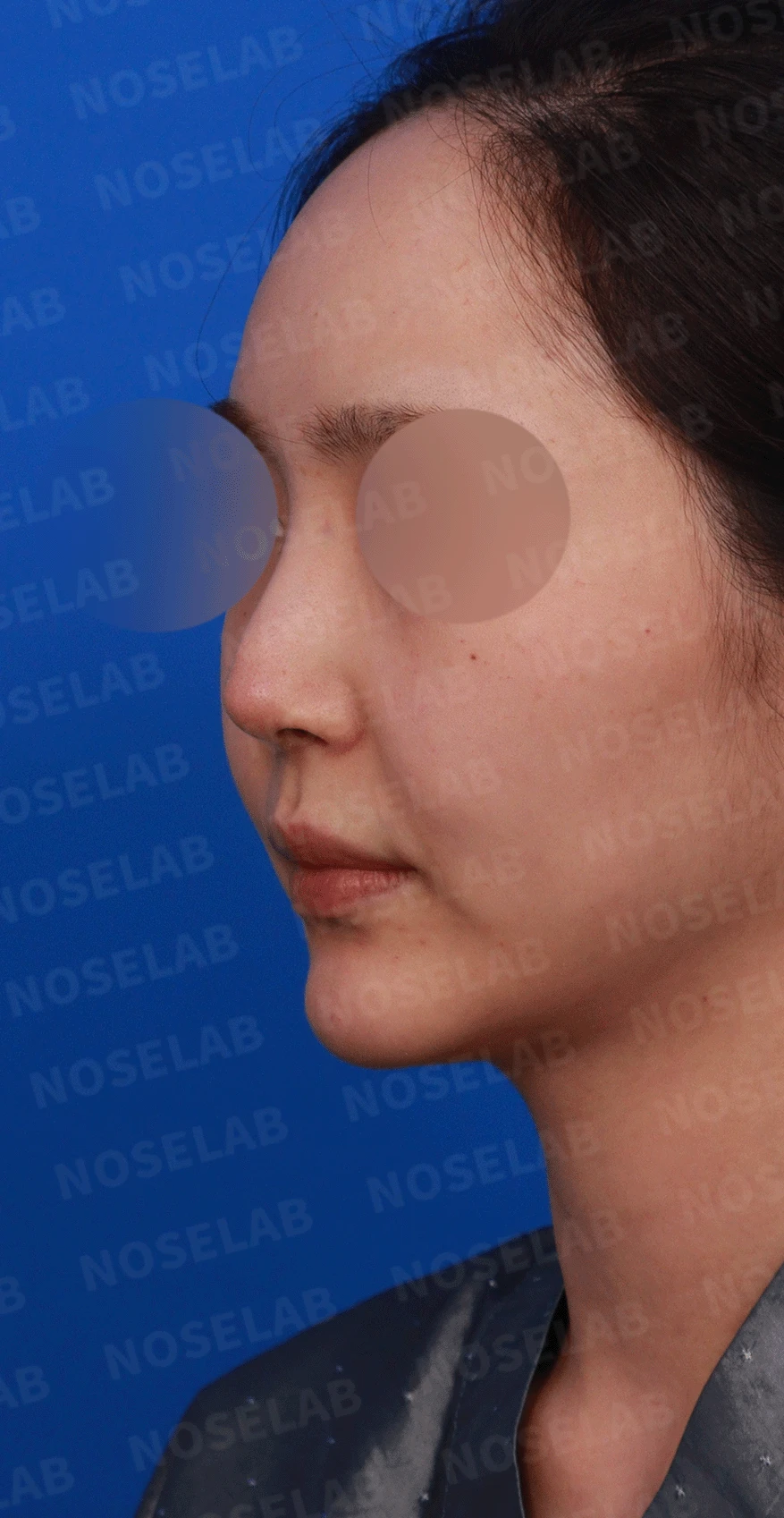
Front, left profile, and oblique views during design consultation.
Drooping nasal tip
Rhinitis
Implant show-through
Correction of the depression at the junction between the nasal tip and bridge
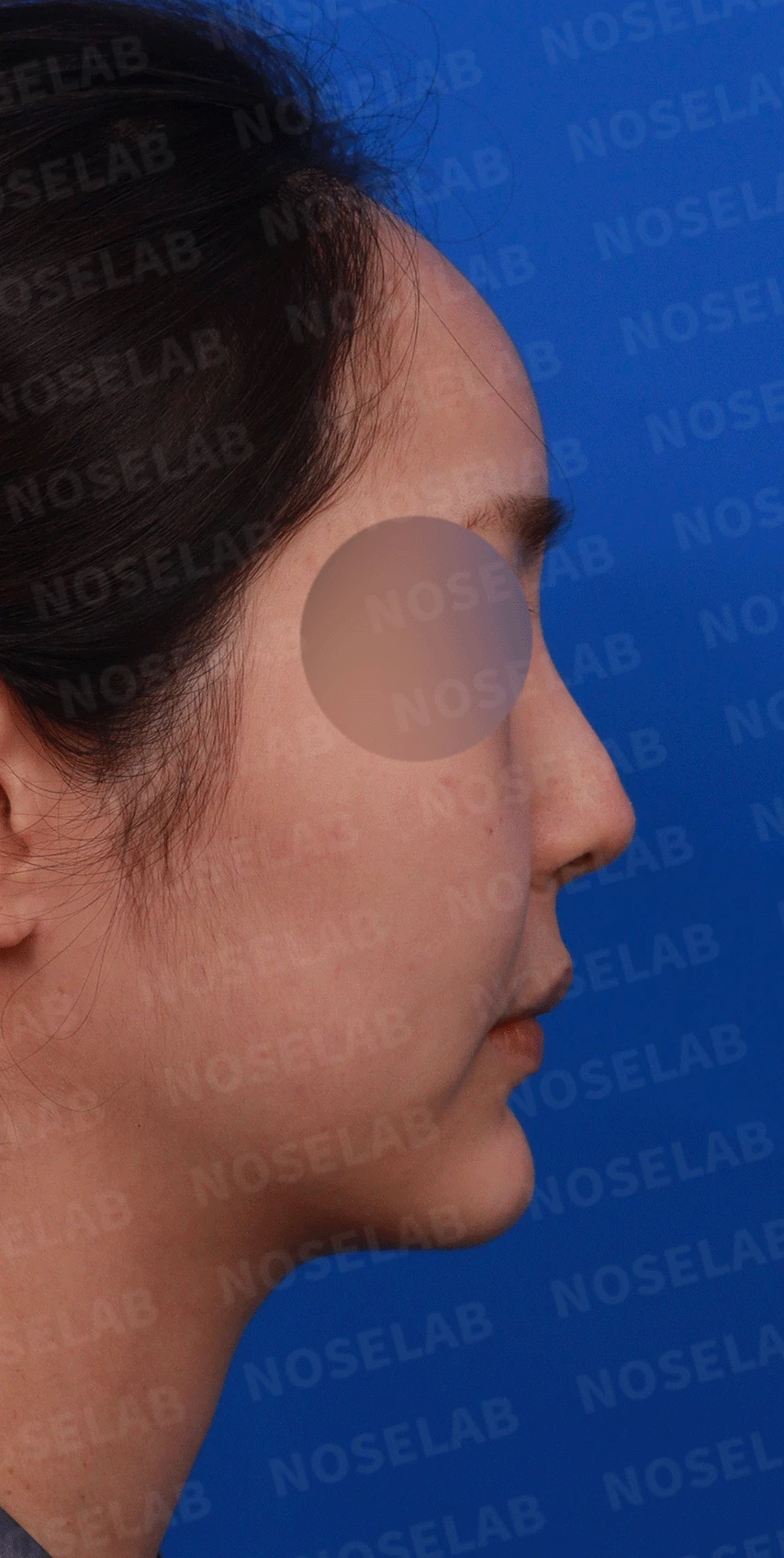
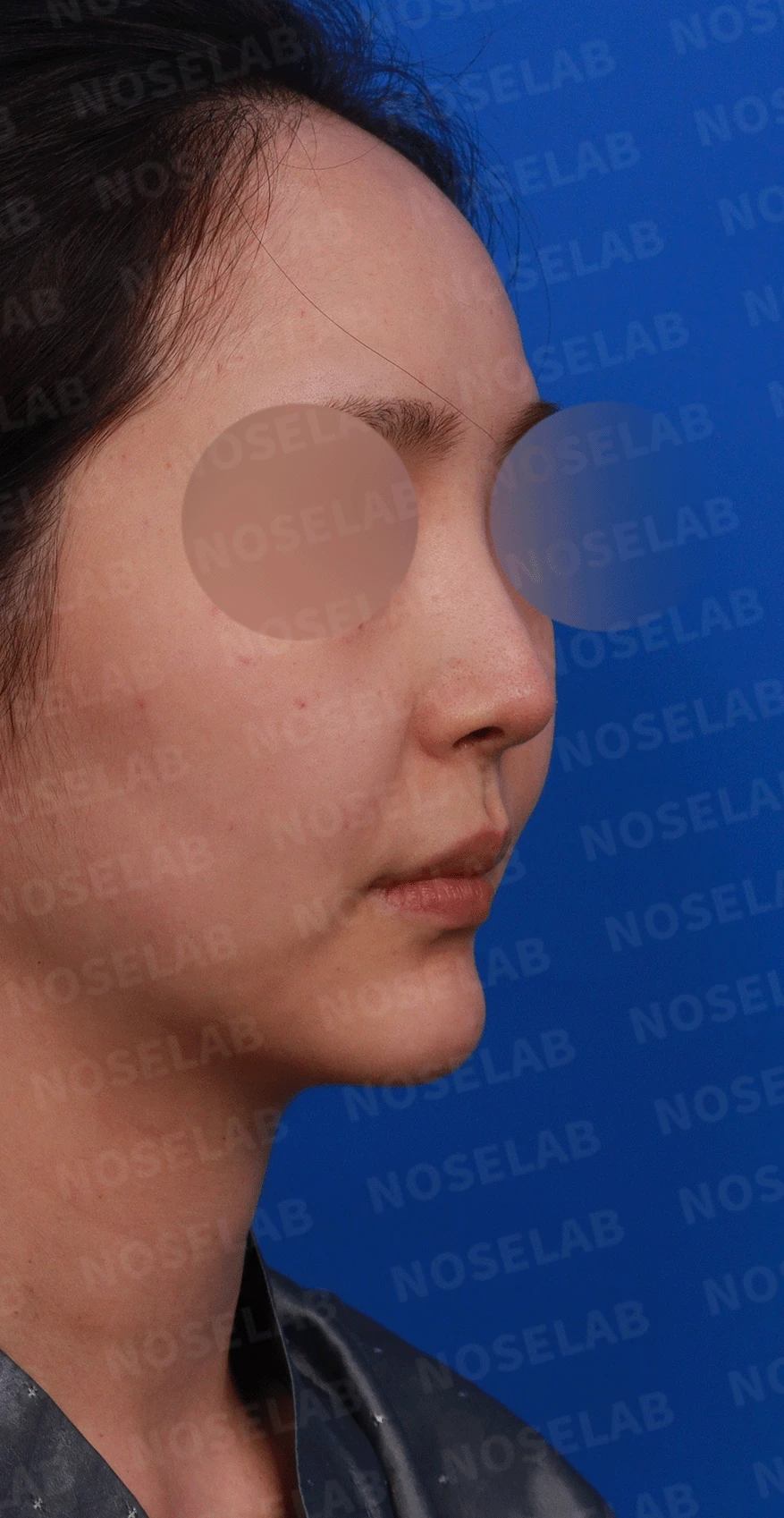
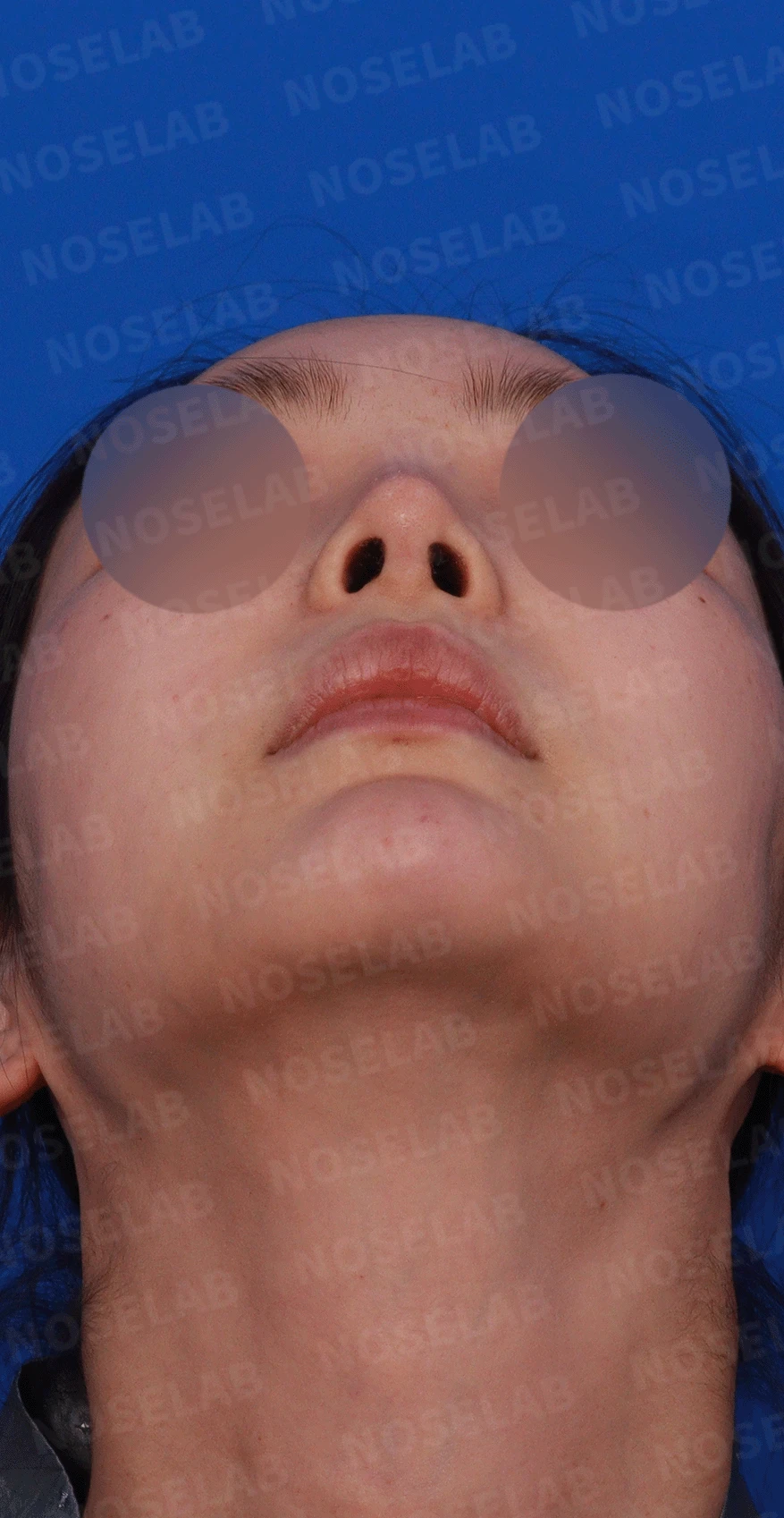
Right profile, oblique, and nostril views during design consultation.
💉 Reference photos desired by the patient
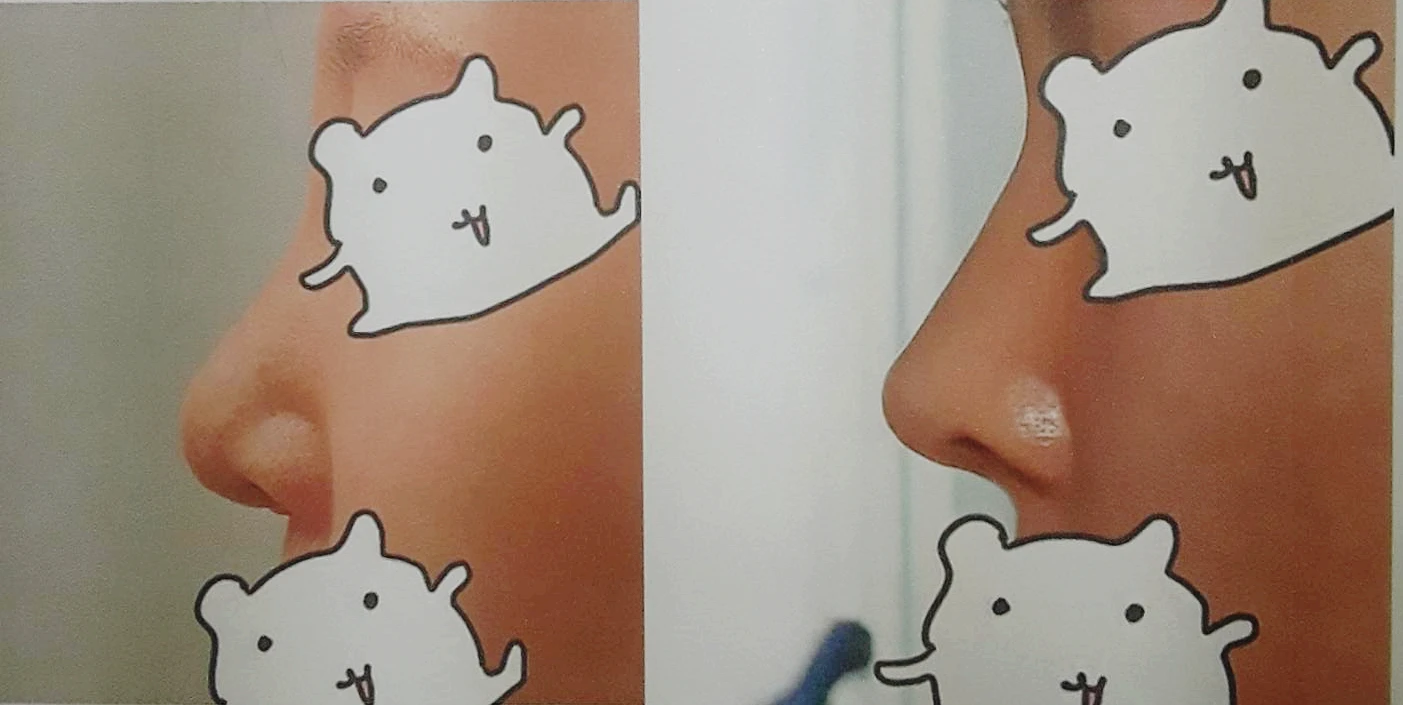

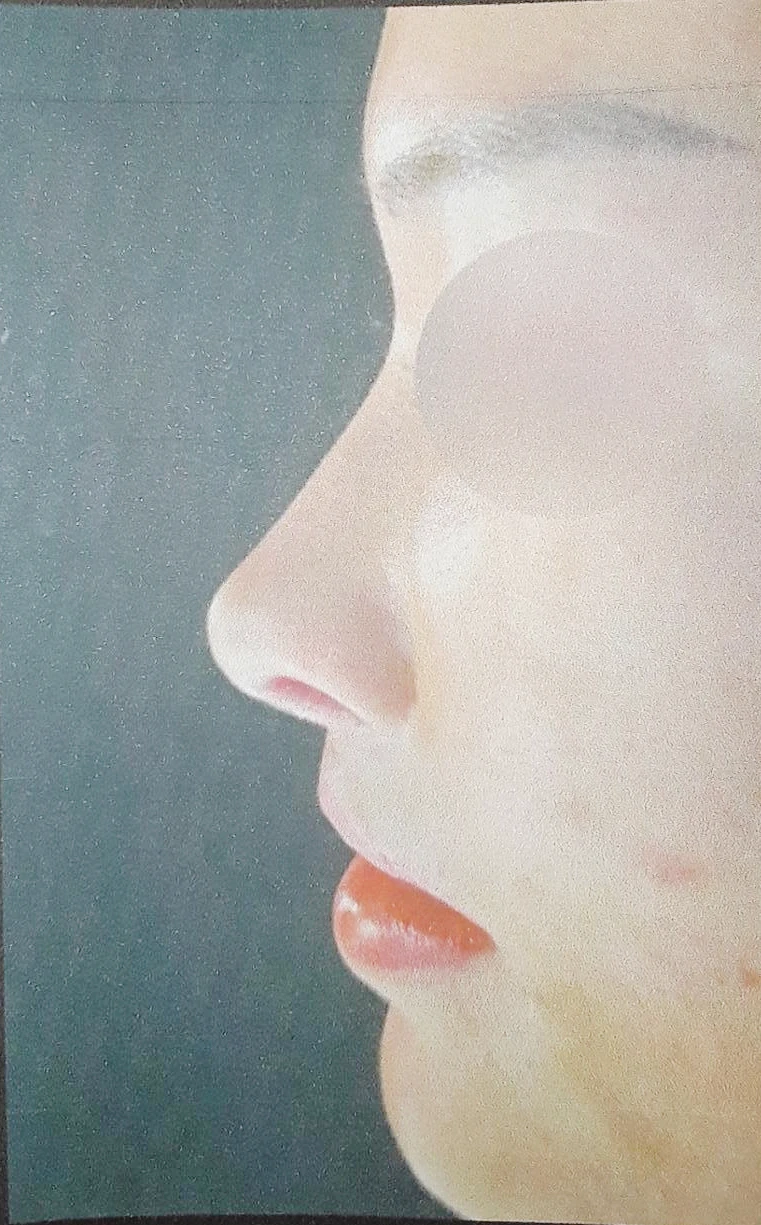
These are the reference photos desired by the patient.
🔧 Preoperative analysis
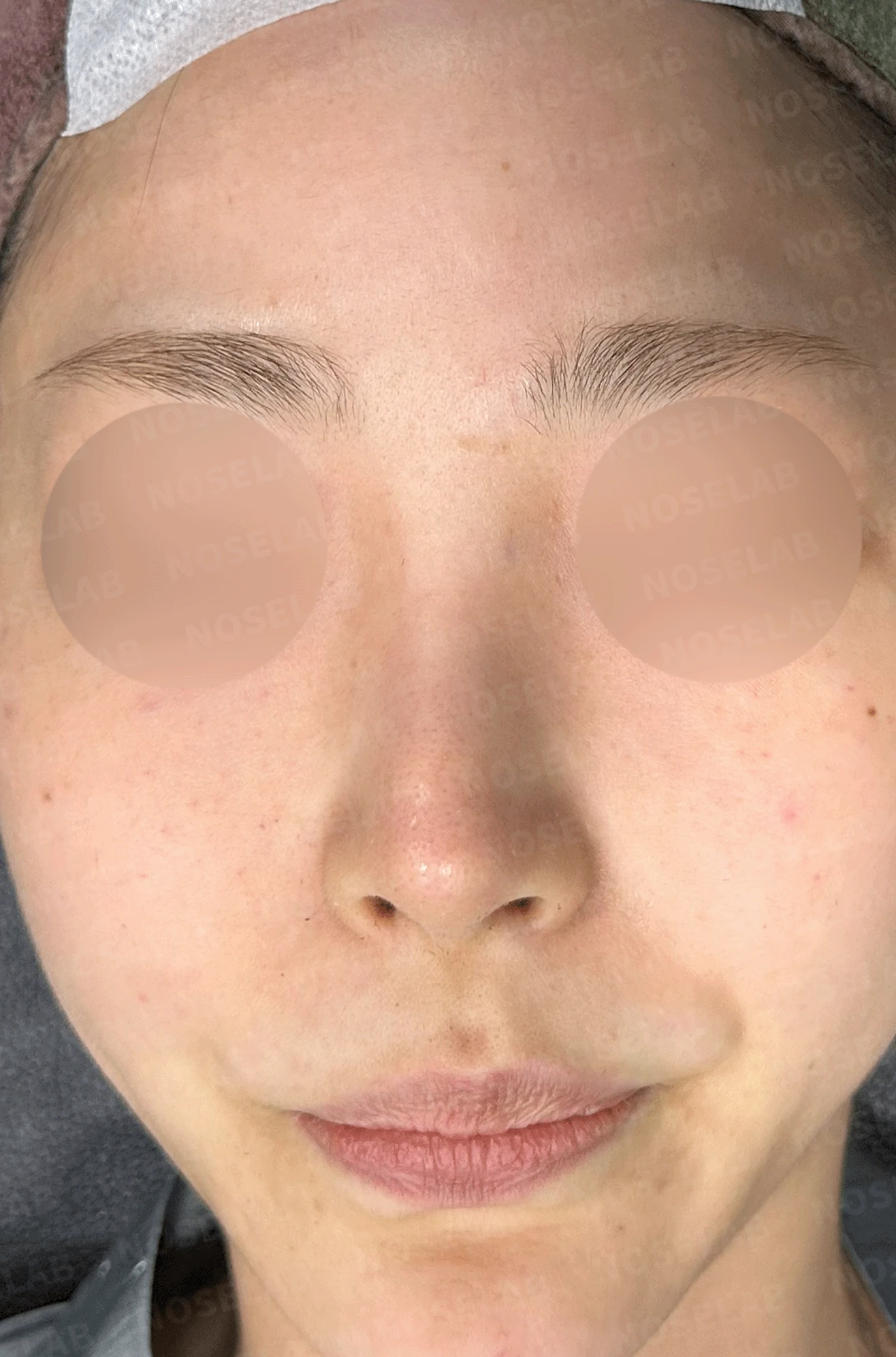
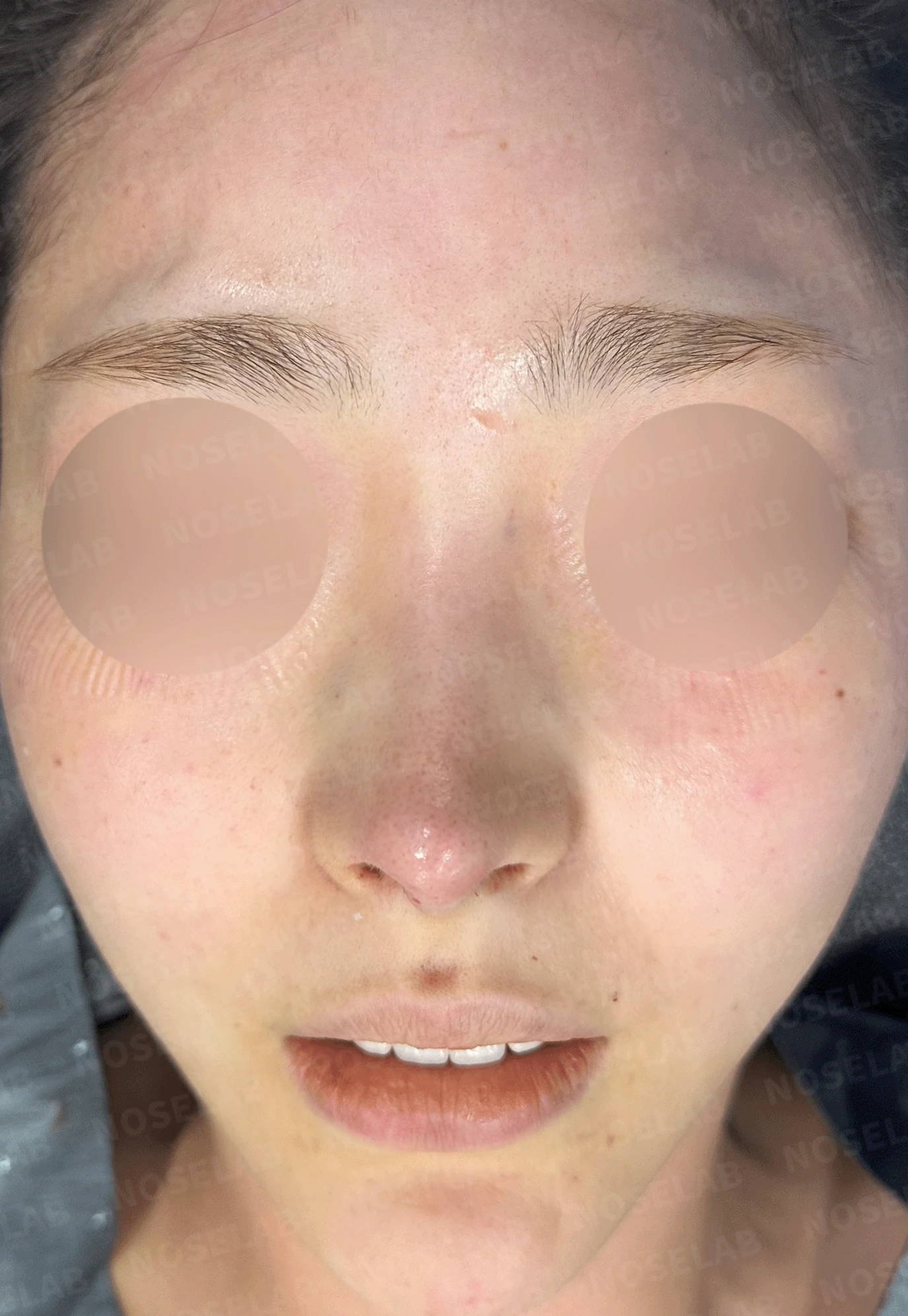
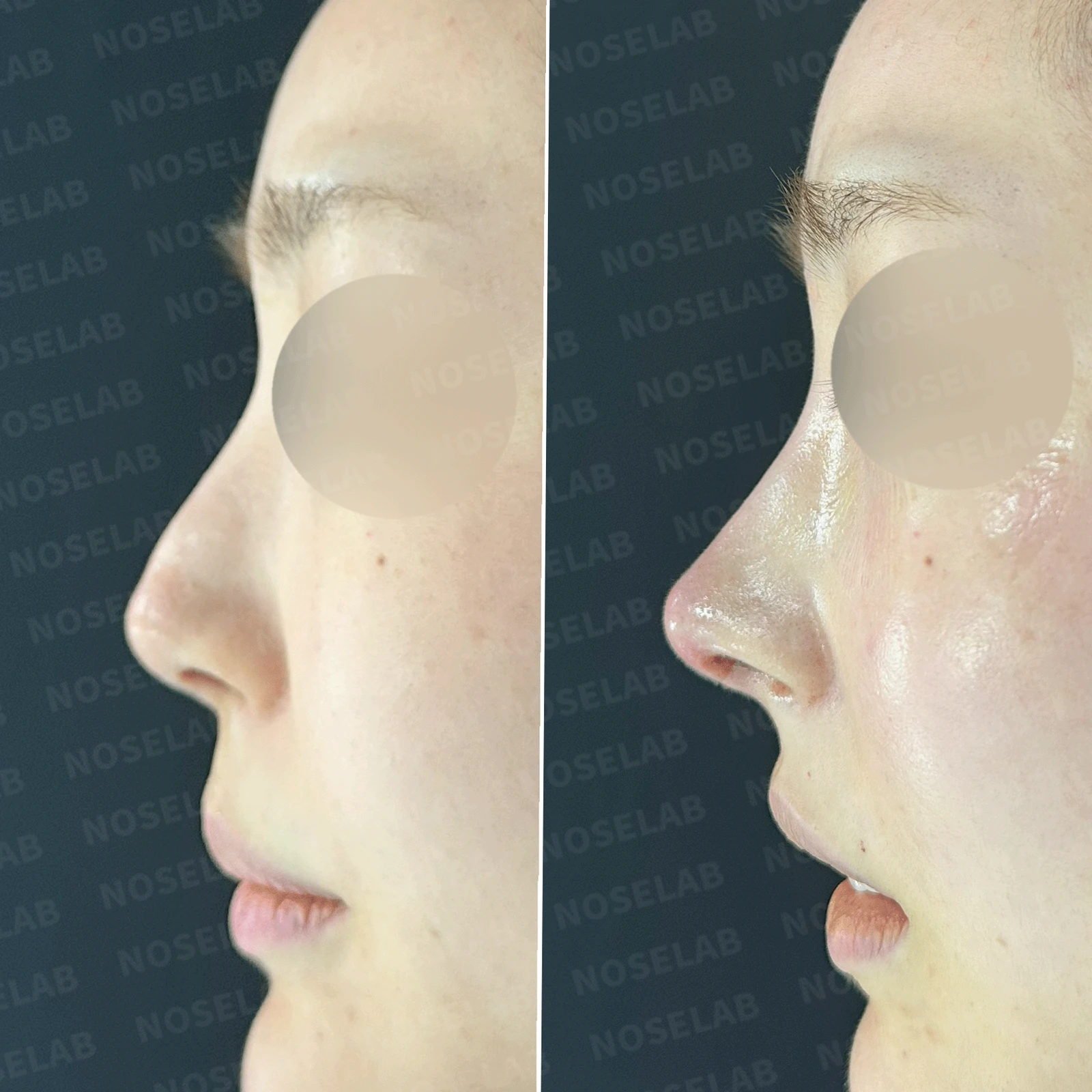
Before surgery / Day 0 immediately after surgery Photos taken immediately after surgery show swelling and may differ from the final result.
Front view
Deviated nose
Nostril asymmetry
Wide nose
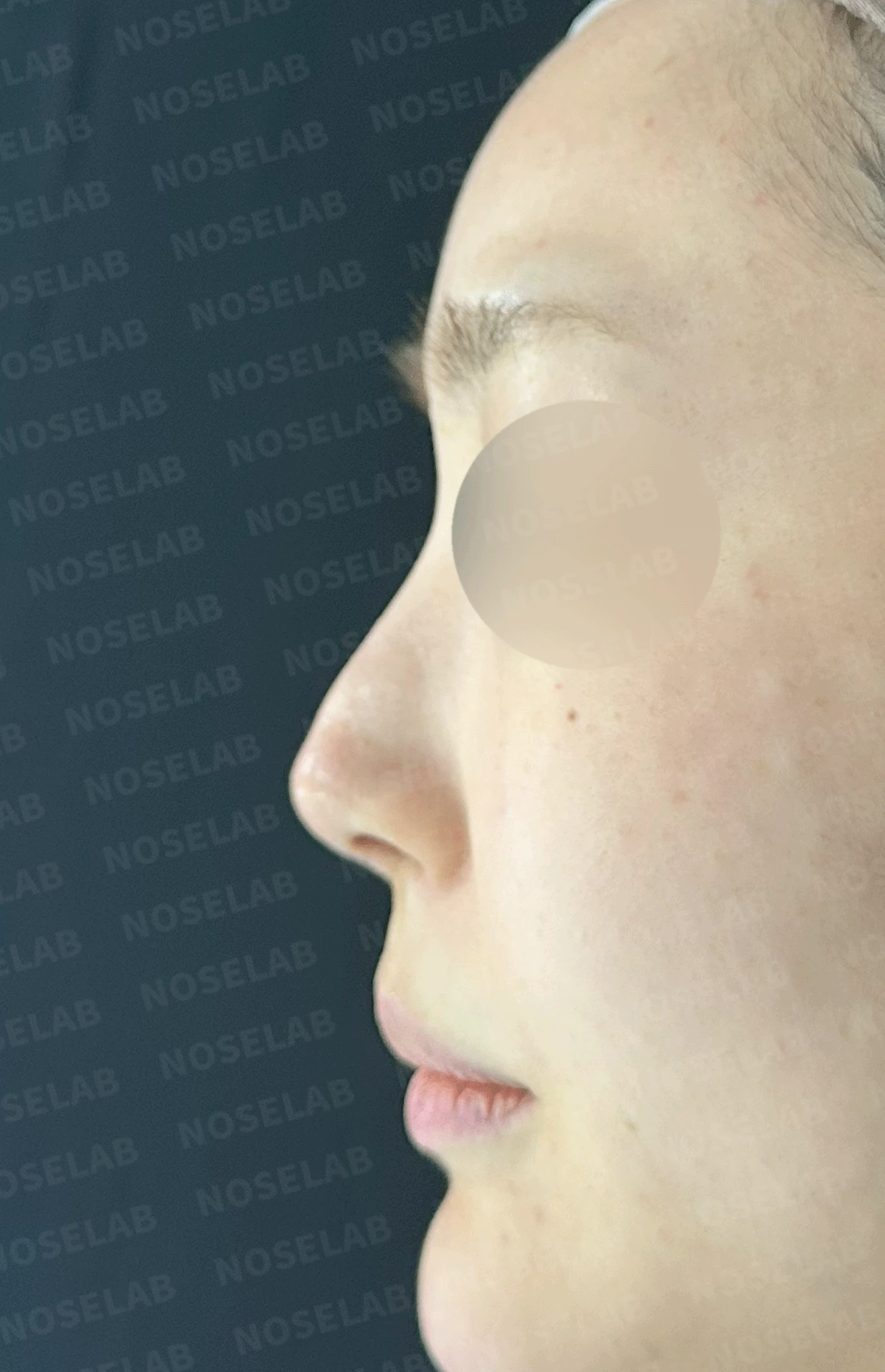
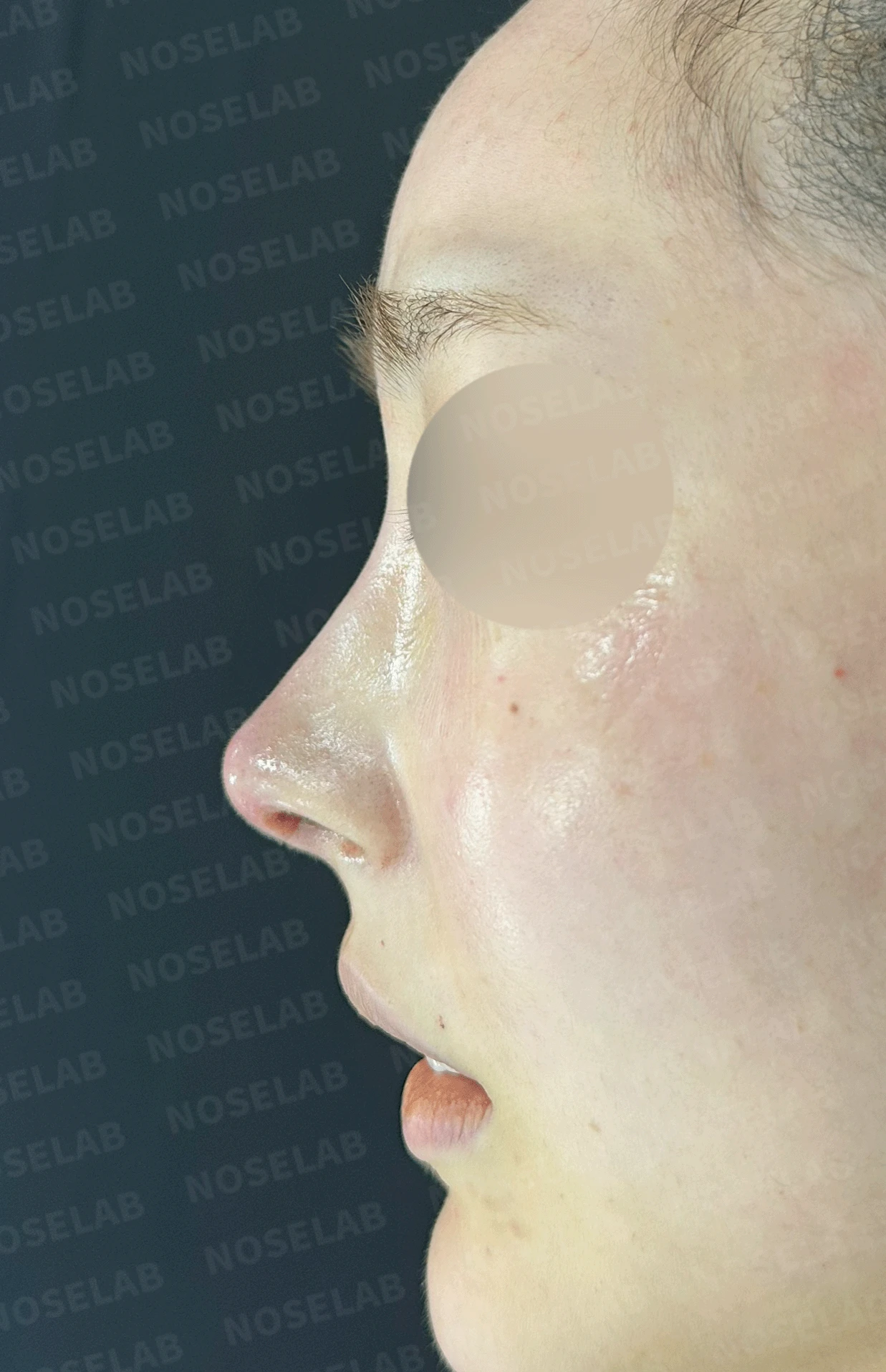
Before surgery / Day 0 immediately after surgery Photos taken immediately after surgery show swelling and may differ from the final result.
2. Profile view
Drooping tip
Depressed nasal dorsum
Appearance of a dorsal hump
High radix
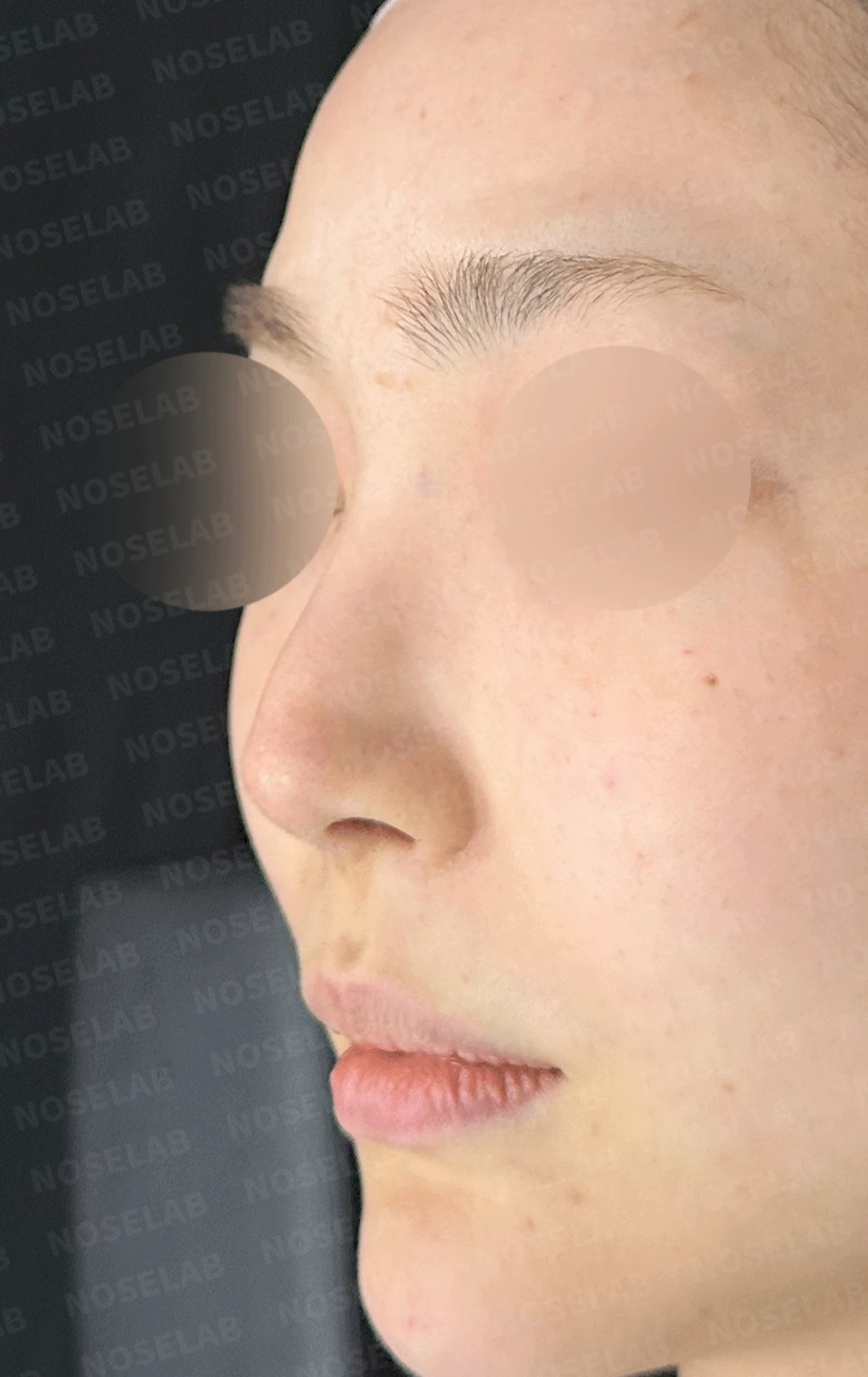
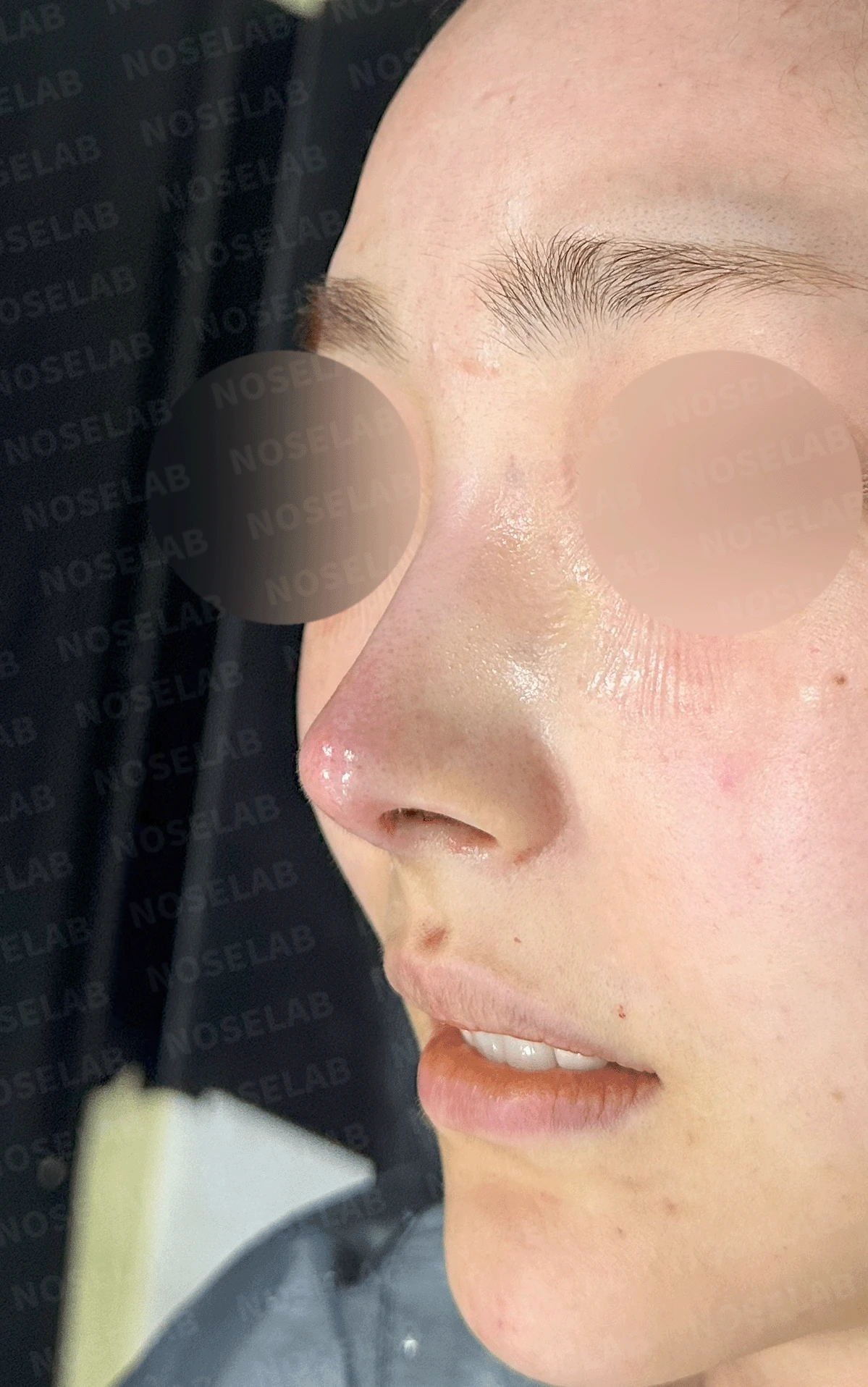
Before surgery / Day 0 immediately after surgery Photos taken immediately after surgery show swelling and may differ from the final result.
3. Oblique view
Drooping tip
Depression at the junction between the nasal tip and bridge
Before surgery / Day 0 immediately after surgery Photos taken immediately after surgery show swelling and may differ from the final result.
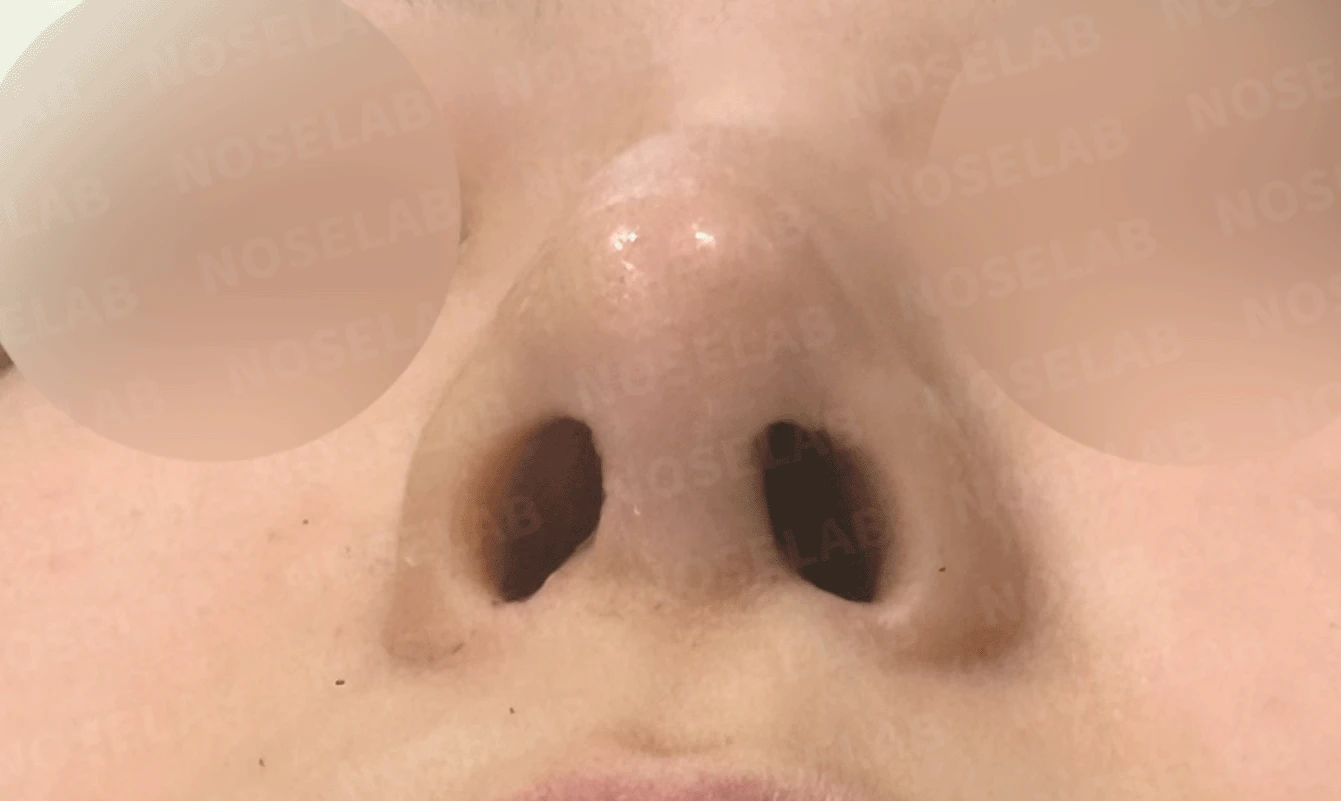
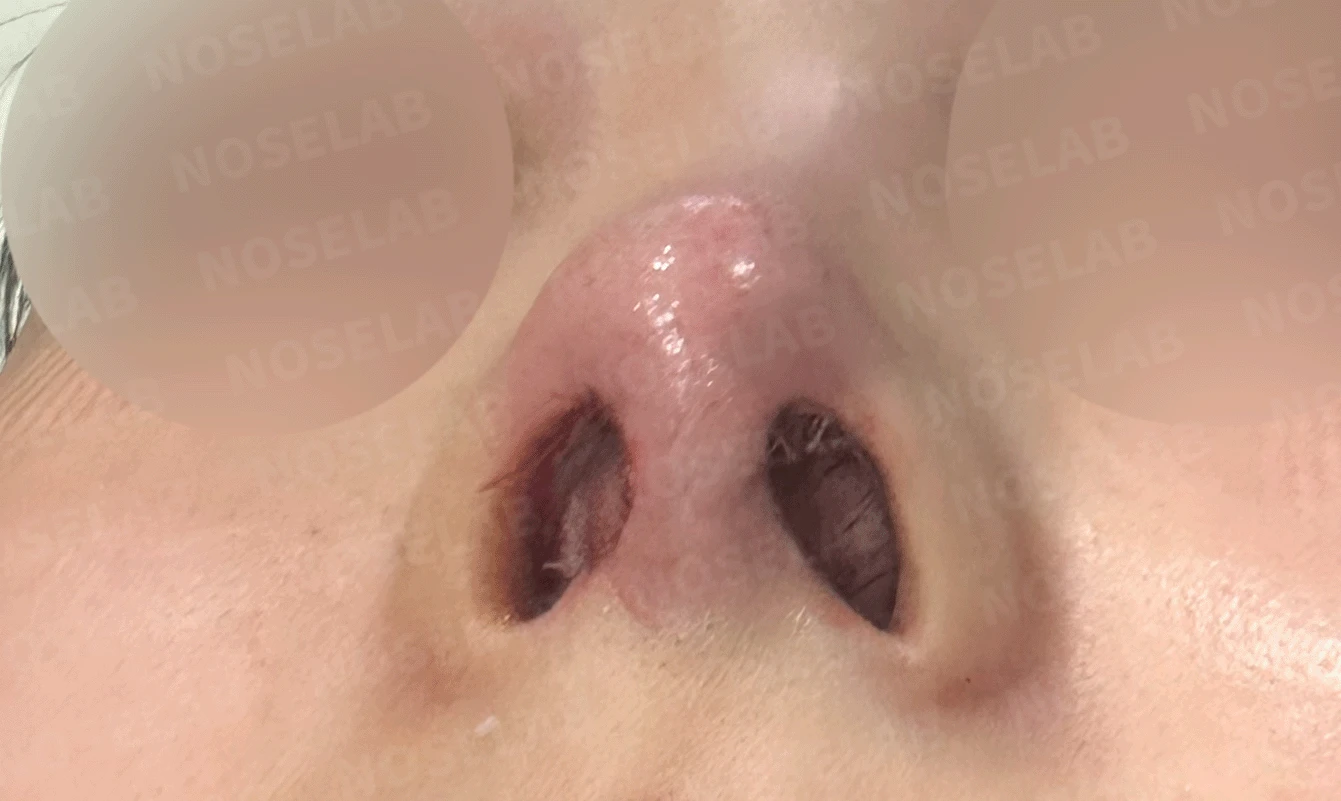
4. Nostril view
Left-right asymmetry
Columella tilted to the left
💉 Examination results for nasal obstruction
The following findings were confirmed during our clinic's examination:
Deviated septum
Hypertrophic rhinitis
🔧 Surgical procedure details
Nasal tip improvement
Septal extension using donor rib cartilage
Creating a stable, well-projected nasal tip
2. Improving the dorsal depression
Dermal graft in the depressed area
Creating a straight bridge line using a silicone implant
3. Surgery to improve nasal obstruction
Septoplasty
Radiofrequency submucosal resection of the inferior turbinates
Front, profile, and oblique views taken immediately after surgery (day 0).Immediate postoperative photos show swelling and may differ from the final result.
Nostril view on day 0 immediately after surgery. Photos taken immediately after surgery show swelling and may differ from the final result.
💡 Specialist's opinion
This was a case requiring the resolution of complex issues resulting from multiple previous surgeries.
In particular, this surgery addressed the drooping tip while simultaneously correcting the depression between the nasal tip and bridge.
The most important part of rhinoplasty is accurately understanding the patient's requests and achieving them naturally while keeping safety in mind.
In this type of case as well, we were able to achieve an outcome closely matching the reference images presented by the patient.
I will continue to do my best to provide satisfactory results for patients through detailed consultations and precise surgery.
This was Dr. Peter C. Kang. Thank you.
Thank you.
#closedrhinoplasty #revisionrhinoplasty #droopingtip #nasalobstructionsurgery #rhinitissurgery #crookednosecorrection #dorsalhump #naturalnose #functionalrhinoplasty

Limitations and risks
When using donor rib cartilage, long-term follow-up is necessary because the grafted cartilage may resorb or warp.
When the septum is corrected at the same time, nasal obstruction may persist or recur, and in rare cases, septal perforation or changes in smell may occur.
Common potential risks include infection, bleeding, asymmetry, scarring, skin necrosis, and insufficient improvement; results vary depending on individual skin condition and previous surgical history.