Hello, I am Dr. Peter C. Kang.
Today, I would like to share a revision case of a patient with complex concerns, including a small nose, an upturned nose, a crooked nose, and nostril asymmetry.
The patient also had symptoms of nasal obstruction and rhinitis, and wished to improve the appearance of a wide glabella.
1. Preoperative design consultation
Let us analyze the patient's preoperative condition in detail:
Front view:
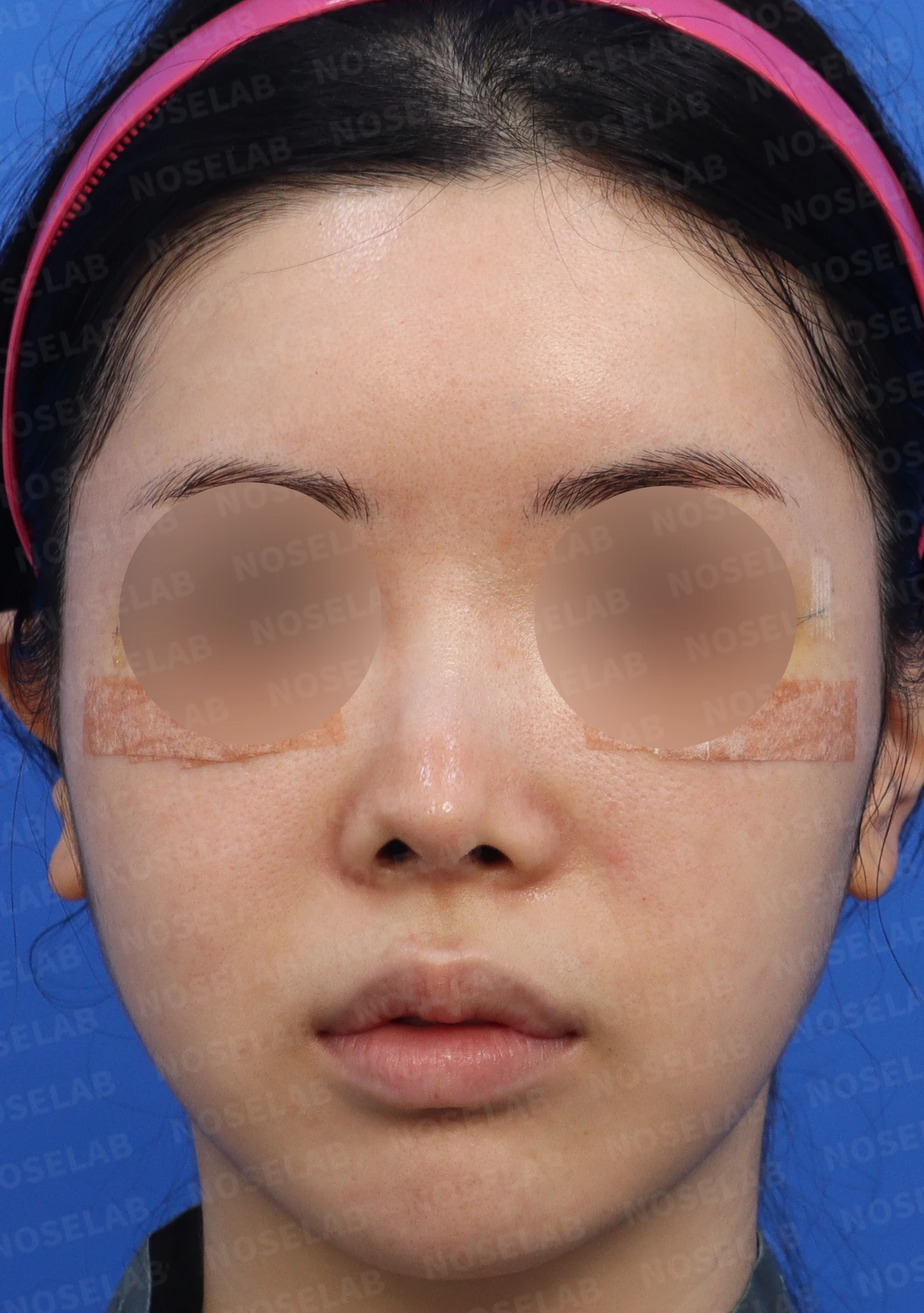
Front view
- The nose appears small overall
- The nose is upturned, showing excessive nostril
- The nose appears crooked to one side
- Obvious nostril asymmetry (more nostril show on the right side) with a pinched nose
- The width of the nasal bridge is wide, making the glabella look wide
Profile view:
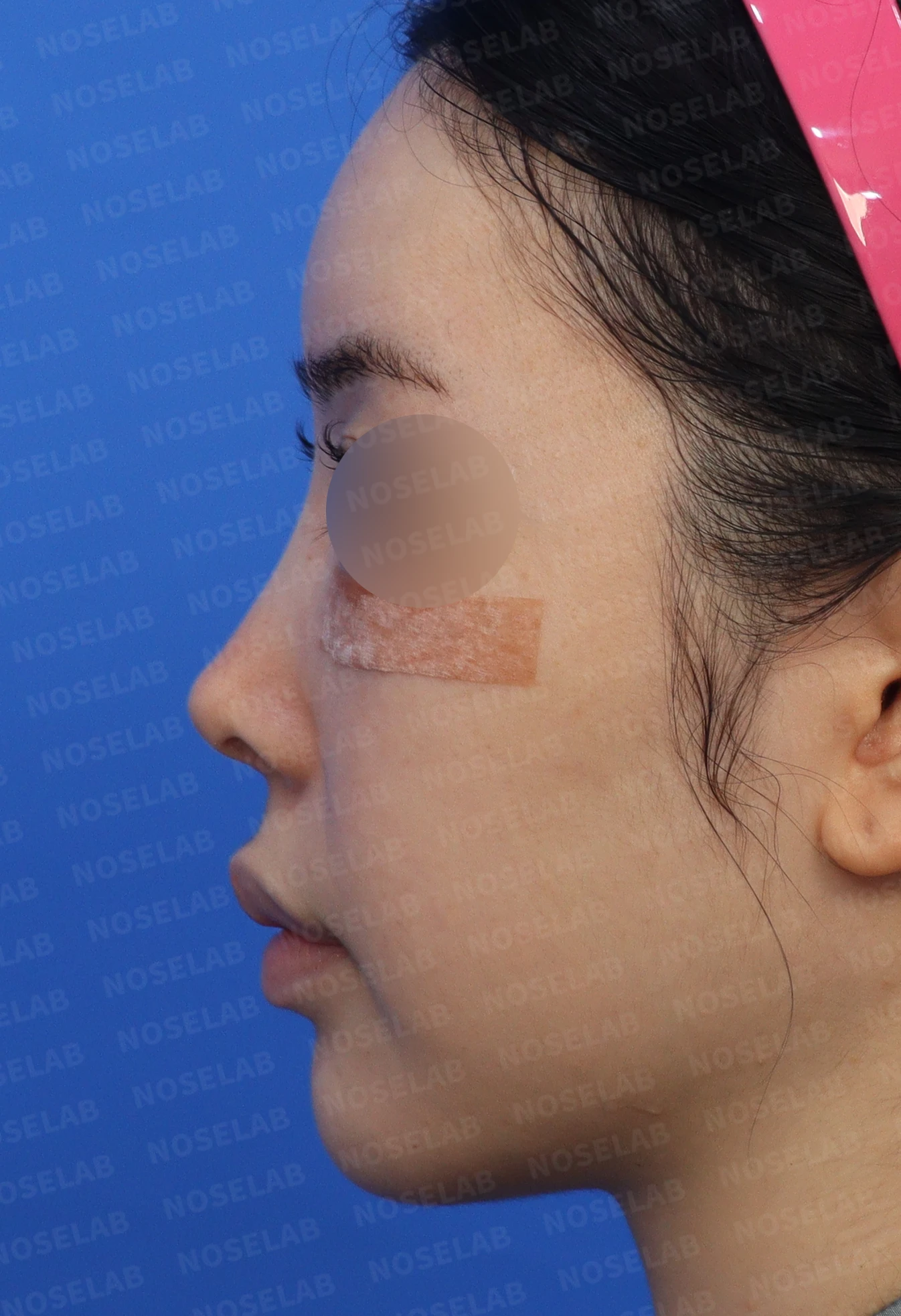
Profile view
- The nasal tip is upturned, creating an overall unnatural impression
- The nasolabial angle (the angle between the nose and the upper lip) appears large
Oblique view:
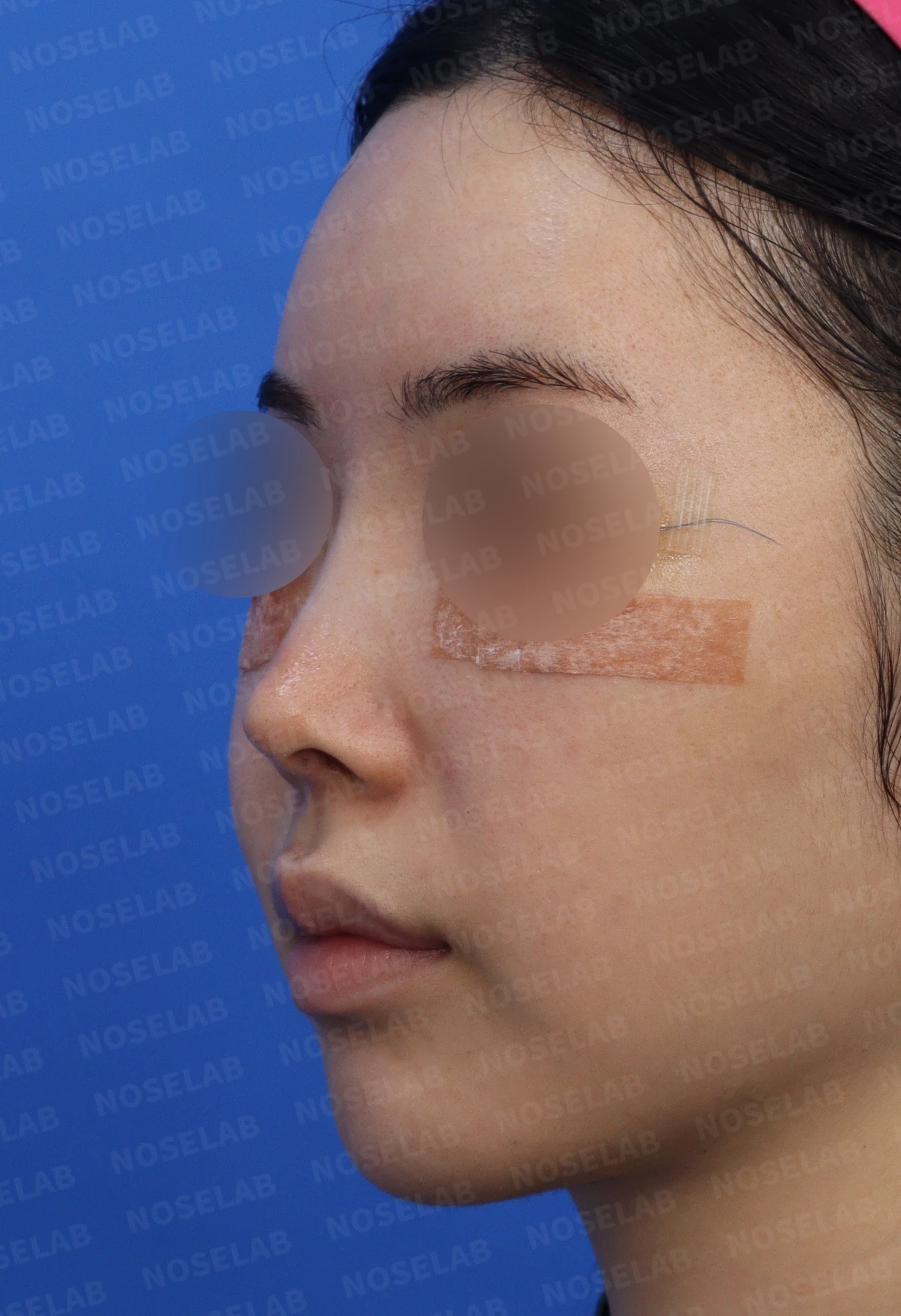
Oblique view
- The radix is high and looks unnatural
- Tip cartilage is visible under the skin
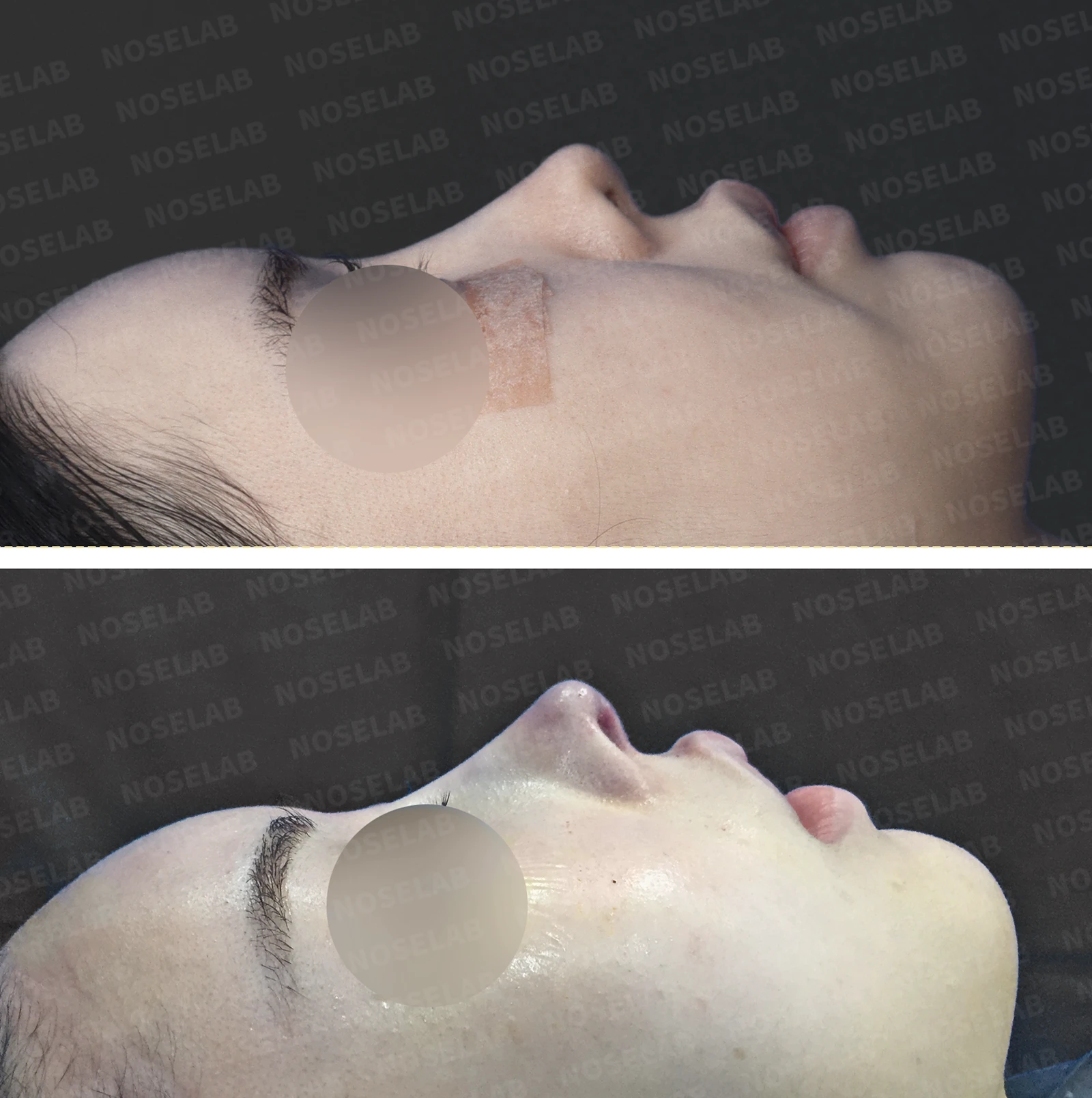
Nostrils:
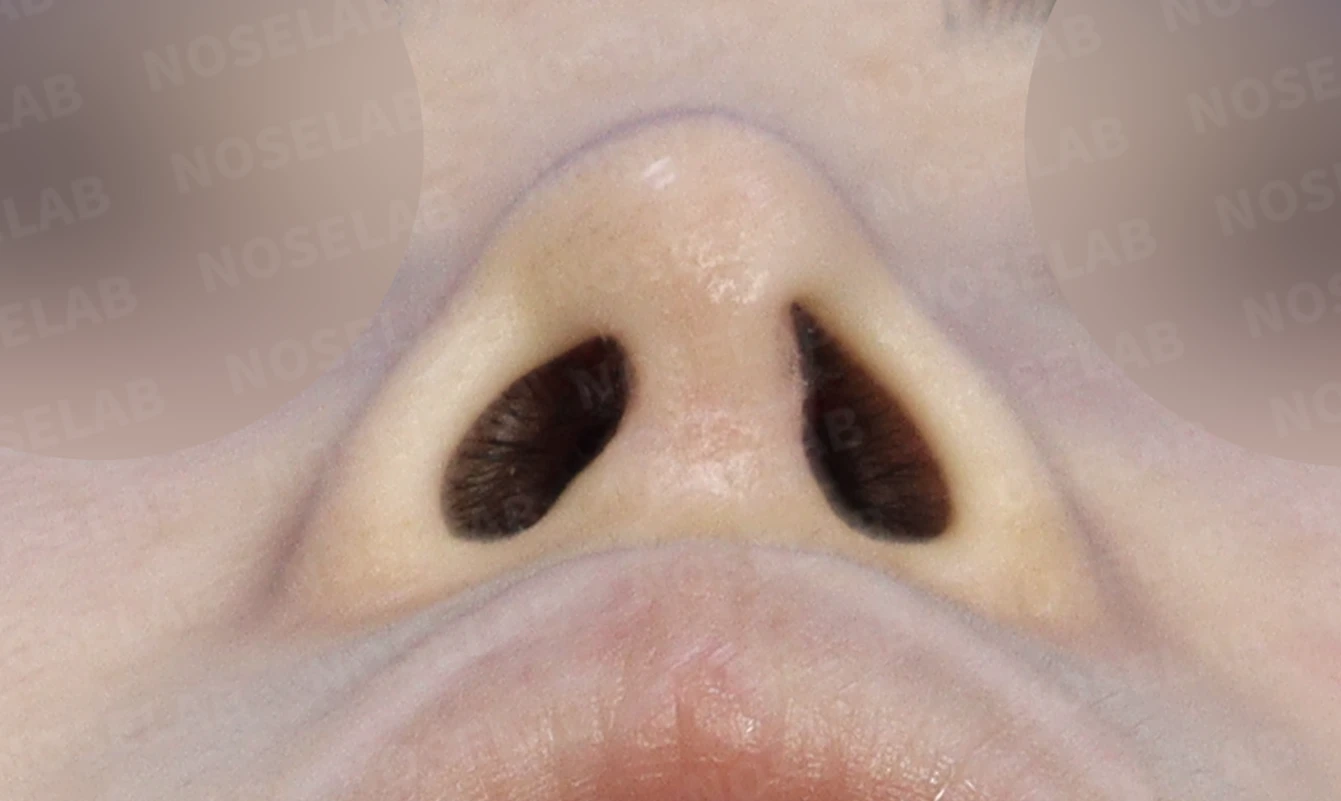
Basal (nostril) view
- Distinct nostril asymmetry, pinched nose
- The columella is deviated to the left, making the left nostril appear smaller
The patient's surgical history:
- 2020: Silicone implant + septal cartilage + functional nasal surgery
- 2022: Silicone implant + donor rib cartilage and ear cartilage + osteotomy
2. Surgical plan
Taking into account the patient's condition and requests, the following surgical plan was established:
a) Lowering the radix
b) Correcting the upturned nose
c) Creating a straight bridge line without adding excessive curve to the nasal bridge
d) Reducing the nasolabial angle
e) Septoplasty and submucosal resection of the inferior turbinates (to improve nasal obstruction)
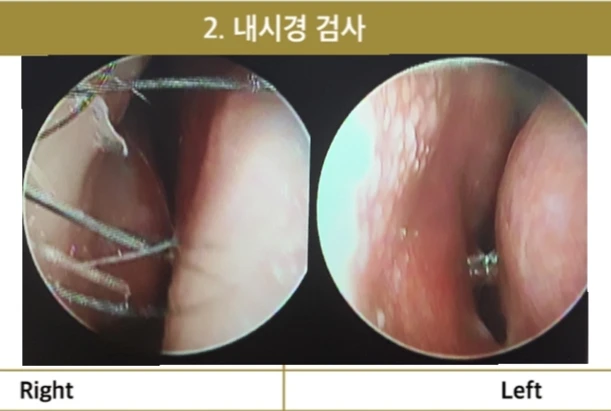
Nasal endoscopy showing a septum deviated to the right.
f) Septal reconstruction (depending on the degree of septal cartilage damage)
g) Lower lateral cartilage reconstruction (depending on the degree of lower lateral cartilage damage) to correct the pinched nose
h) Alar rim grafting (to correct nostril asymmetry and nostril show)
3. Surgical procedure
The following procedures were performed using a closed approach:
a) Septoplasty and reconstruction:
- The septal cartilage was severely deviated to the right and weakened, so the deviated septum was corrected.
- To reinforce the weakened septal cartilage, the septum was reconstructed using autologous rib cartilage.
b) Septal extension graft:
- Septal extension was performed to correct the upturned nose.
c) Lower lateral cartilage reconstruction:
- The lower lateral cartilages, which were almost entirely depleted, were reconstructed on both sides to correct the pinched nose.
d) Alar rim grafting:
- The nostril rim, which was particularly retracted on the right side, was lowered.
e) Dermis graft:
- A dermis graft was placed into the adhered, indented area of the nasal bridge to smooth out the depression.
f) Tip rhinoplasty:
- The nasal tip was refined to create a clean, balanced shape.
g) Correction of the nasolabial angle:
- The nasolabial angle was reduced to create a more natural profile.
All procedures were performed using a closed approach, completing the surgery without external scars.
4. Comparison of before-and-after photos
Comparing photos taken immediately after surgery on day 0 shows the following improvements: Photos taken immediately after surgery show swelling and may differ from the final result.
Front view:
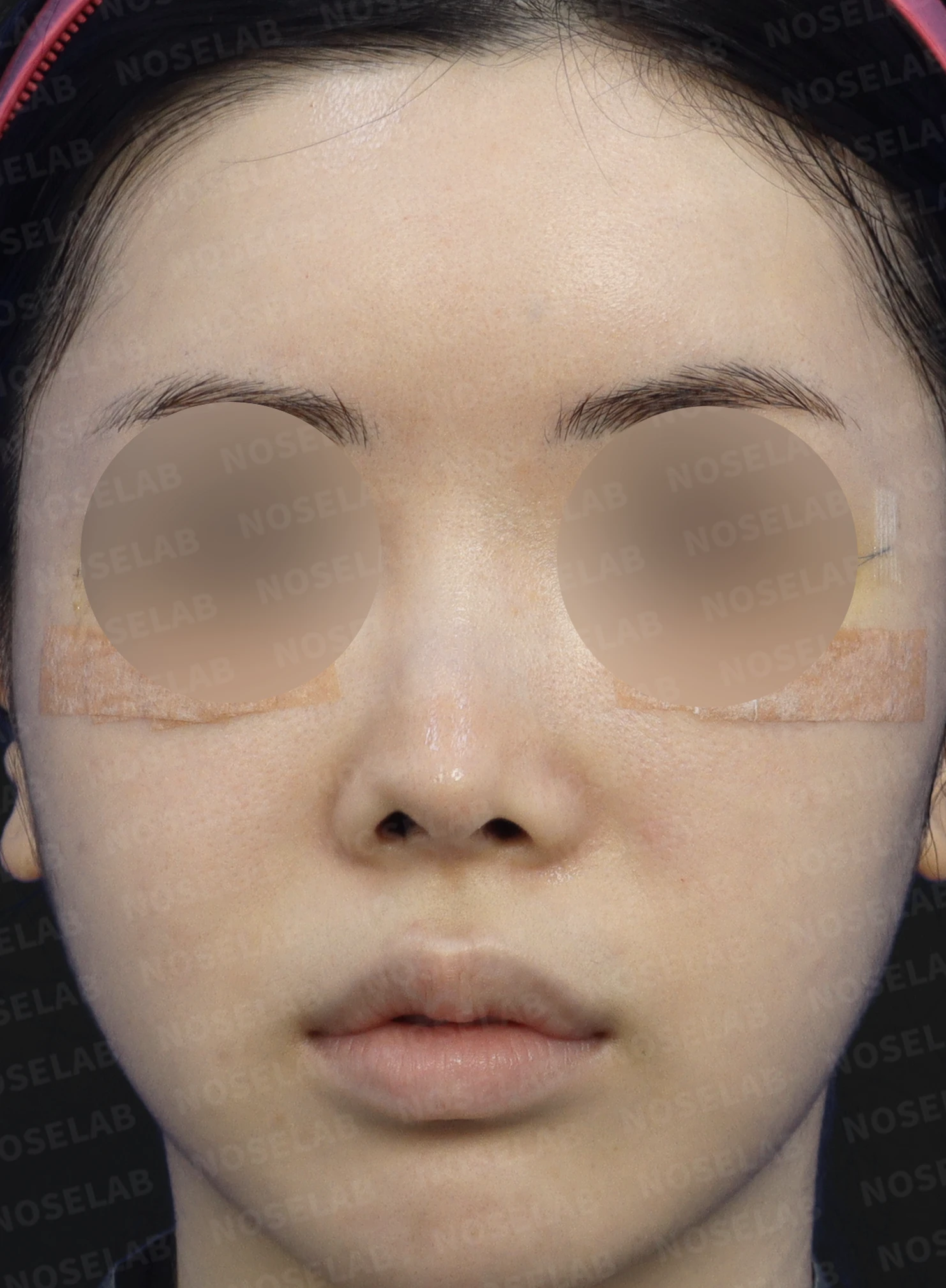
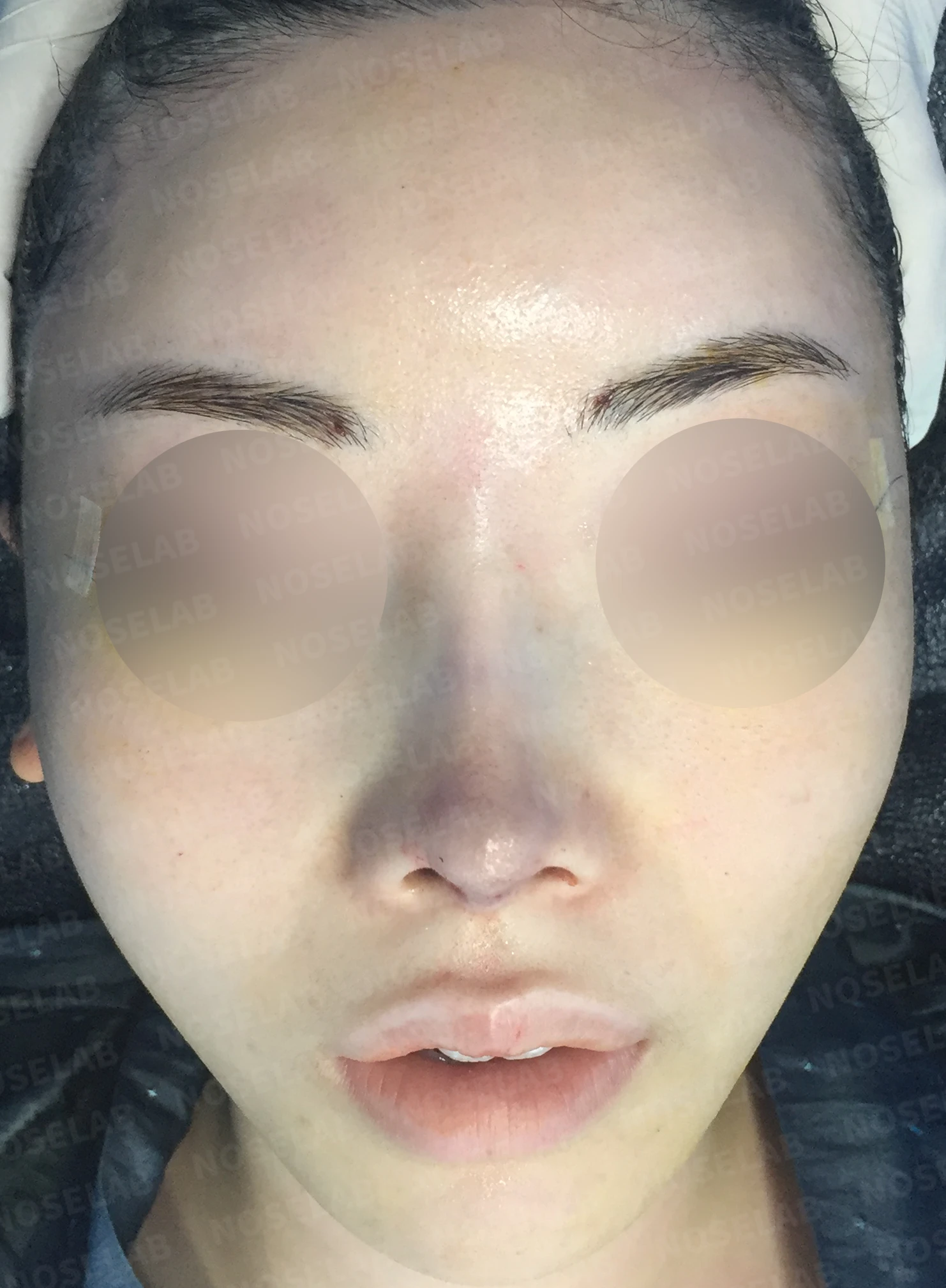
Before surgery / Day 0 immediately after surgery Photos taken immediately after surgery show swelling and may differ from the final result.
- The upturned tip was brought down naturally, reducing nostril show.
- The crooked nose was straightened.
- Nostril asymmetry was improved, and the pinched right nostril was corrected.
- The width of the nasal bridge was adjusted appropriately, resolving the appearance of a wide glabella.
Profile view:
- The radix was lowered to create a natural forehead-to-nasal contour.
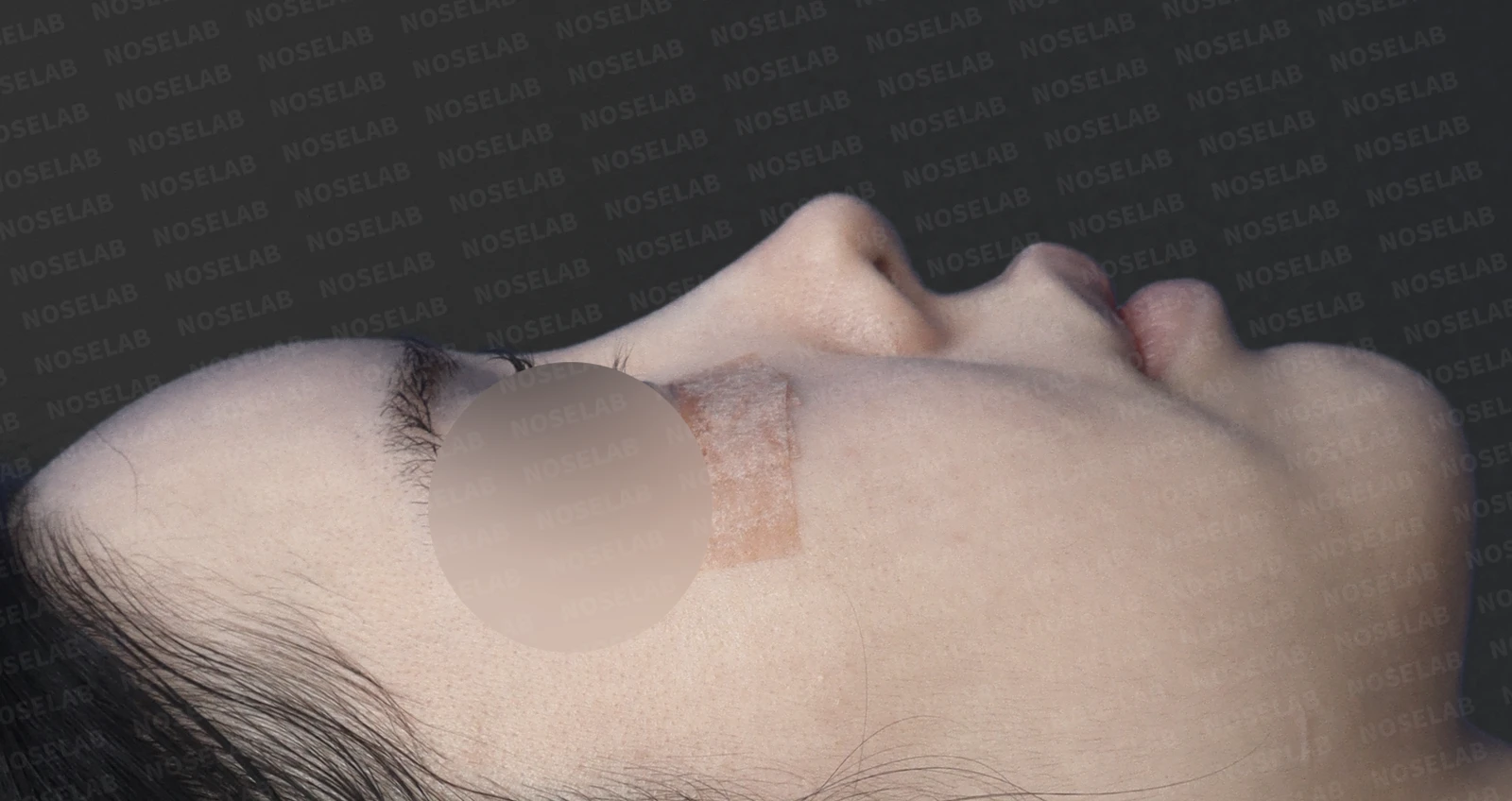
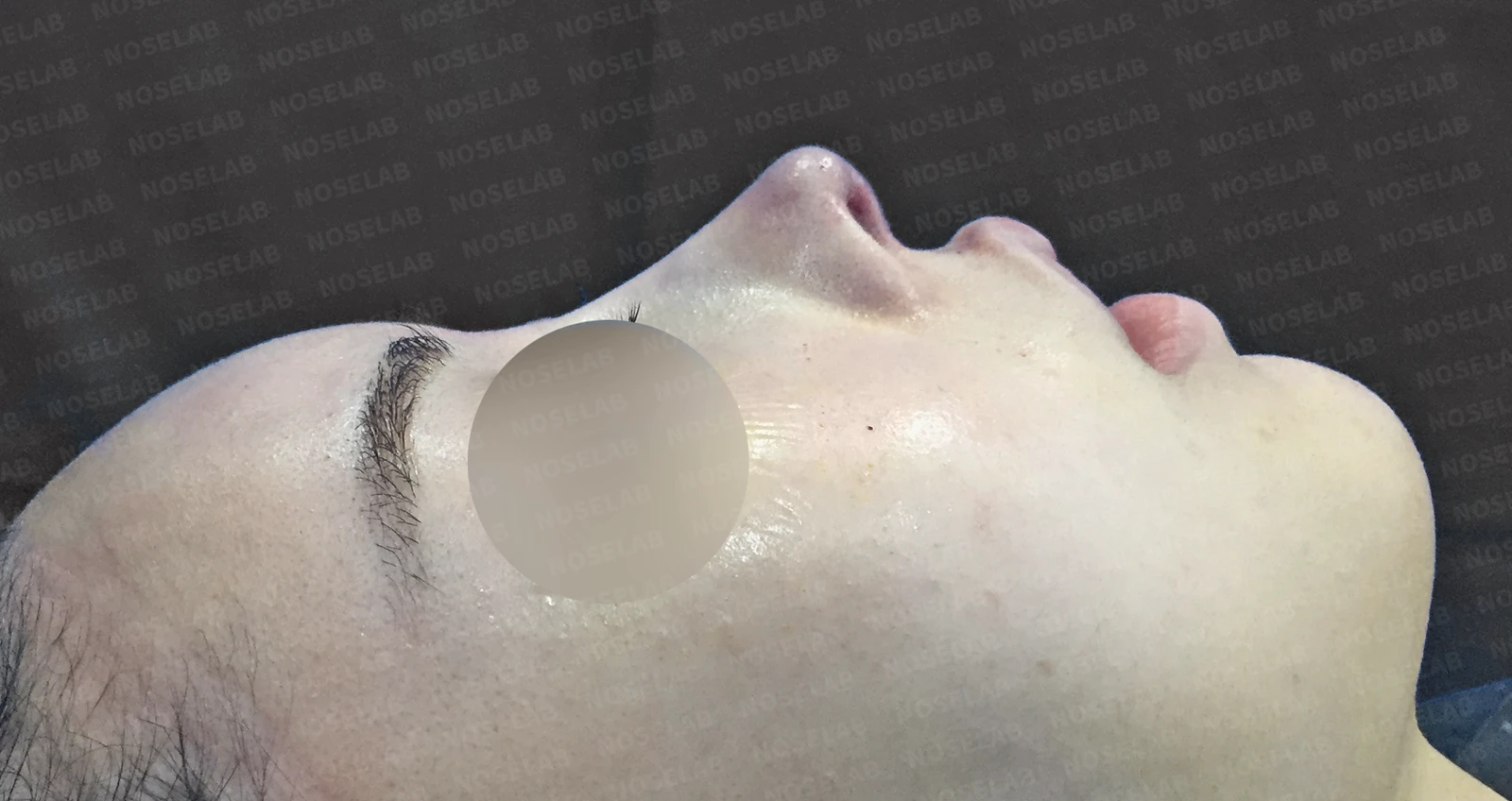
Before surgery / Day 0 immediately after surgery Photos taken immediately after surgery show swelling and may differ from the final result.
- The upturned nasal tip was lowered naturally, improving the overall profile.
- The reduced nasolabial angle creates a more harmonious profile.
- The height difference between the nasal bridge and the nasal tip was appropriately balanced to add three-dimensional definition.
Oblique view:
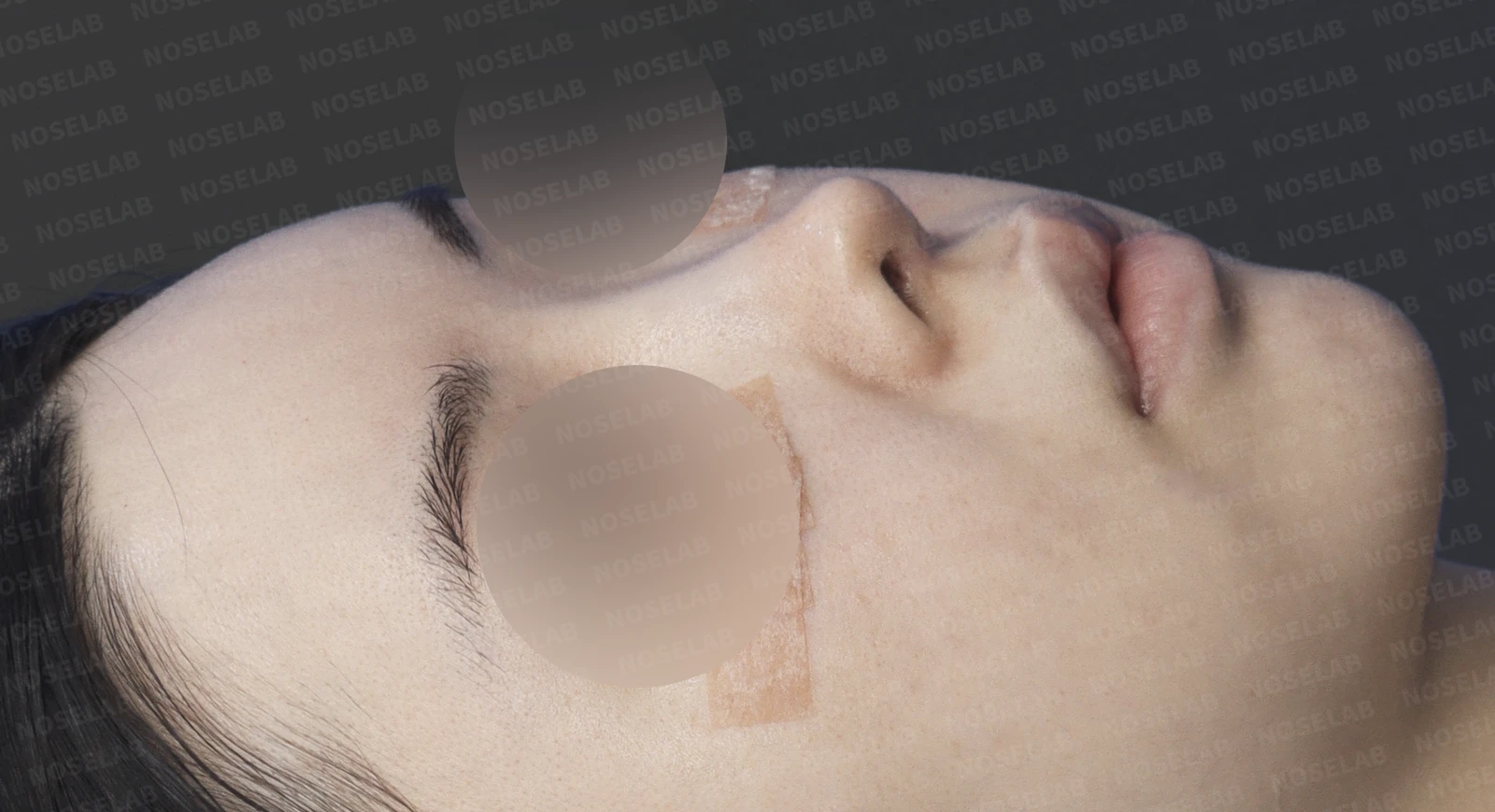
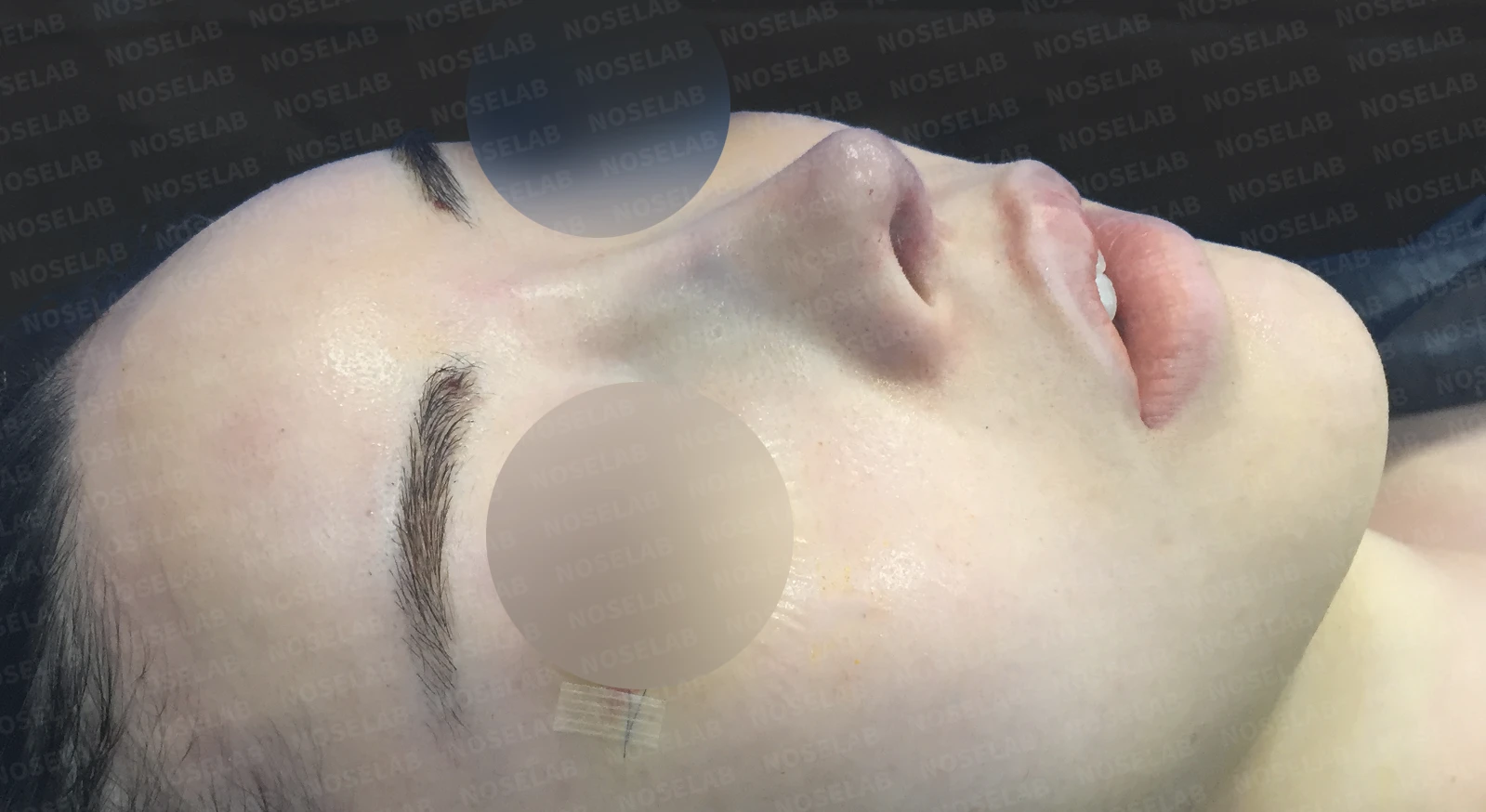
Before surgery / Day 0 immediately after surgery Photos taken immediately after surgery show swelling and may differ from the final result.
- The radix was lowered, achieving a natural straight bridge line.
- The upturned characteristics were corrected, resulting in a natural, refined appearance.
Nostrils:
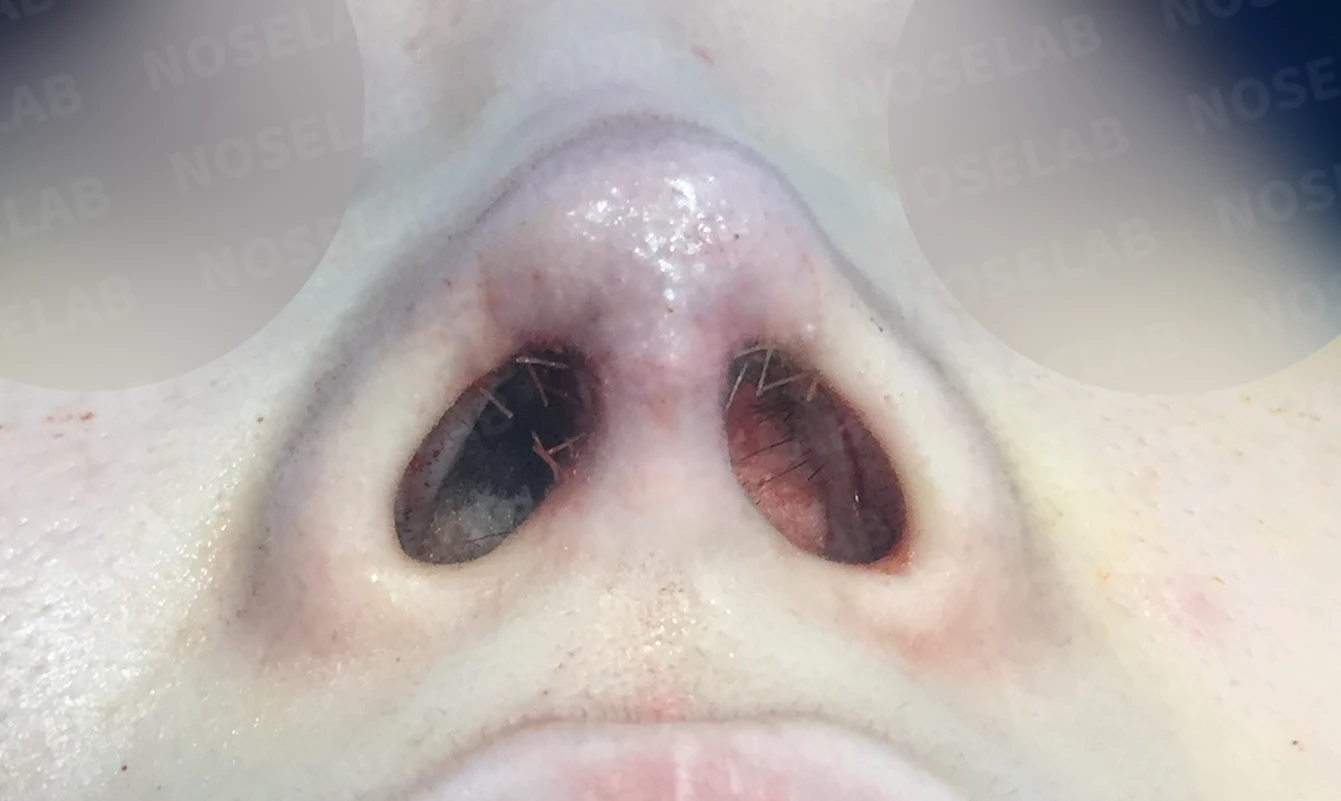
Before surgery / Day 0 immediately after surgery Photos taken immediately after surgery show swelling and may differ from the final result.
- Nostril asymmetry improved significantly.
- The deviated columella was straightened.
5. Photos immediately after surgery on day 0 Photos taken immediately after surgery show swelling and may differ from the final result.
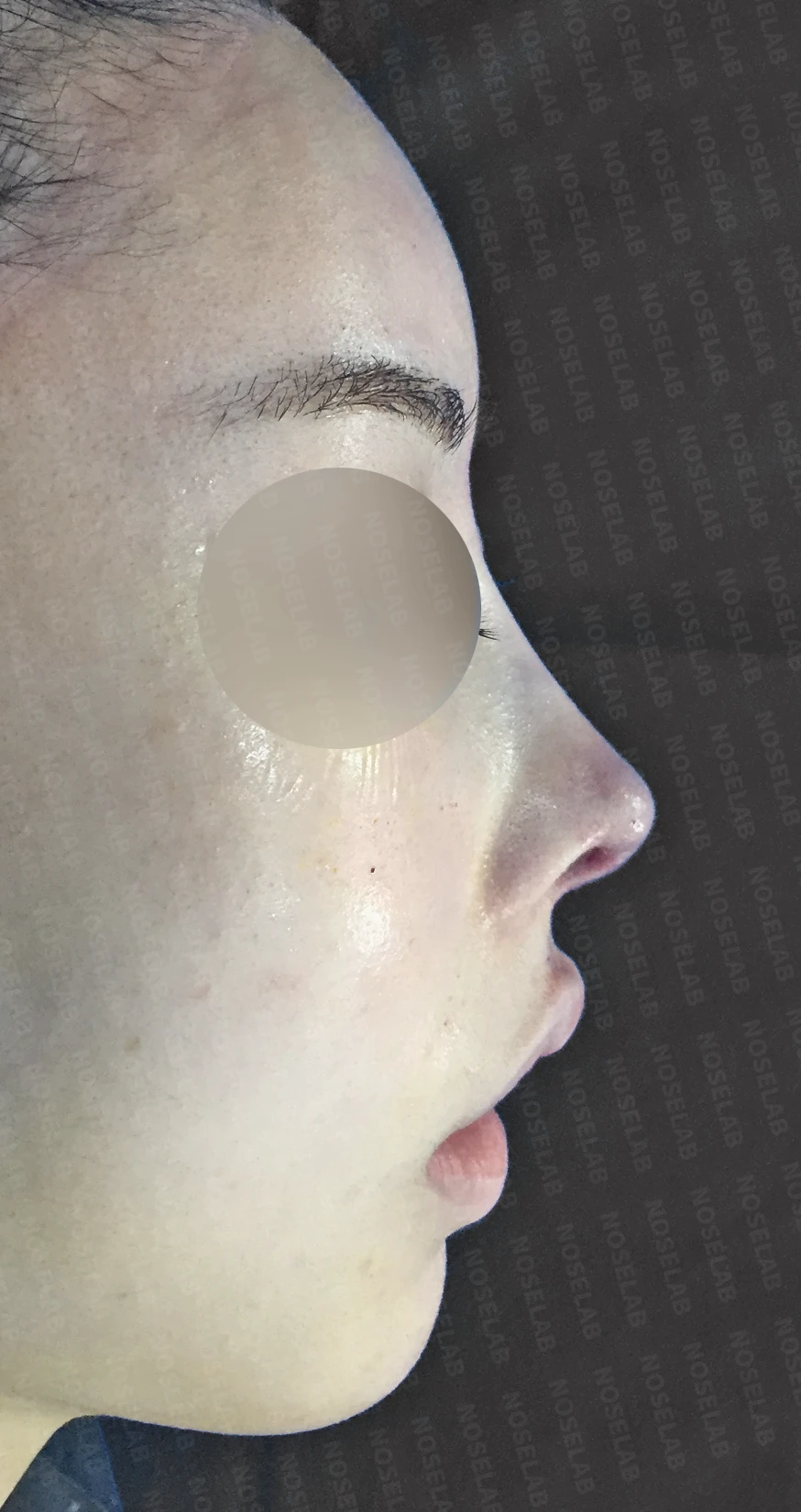
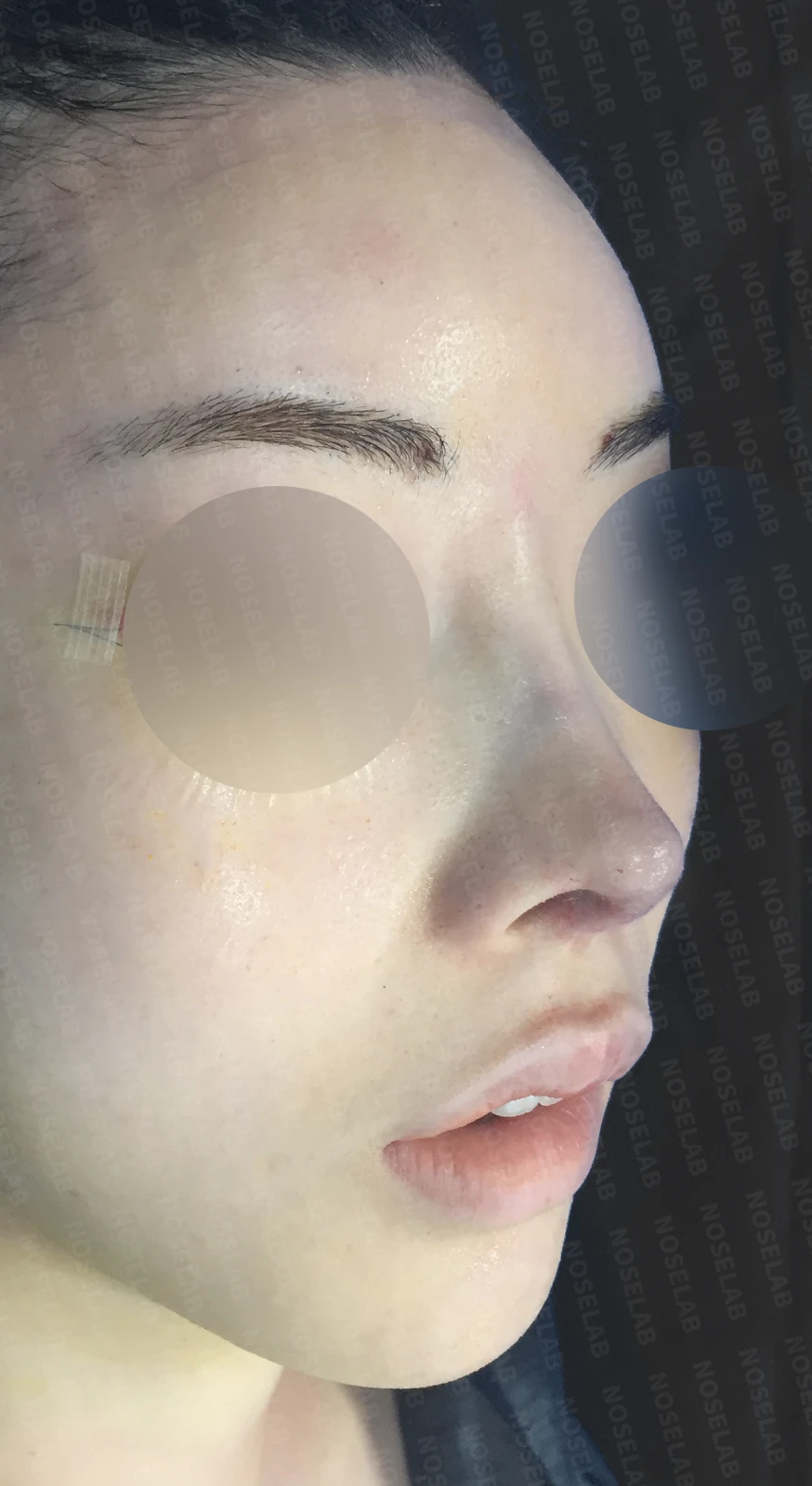
Front, profile, and oblique views taken on day 0 immediately after surgery. Swelling is present immediately after surgery, and appearance may differ from the final result.
Basal (nostril) view immediately after surgery (Day 0).Immediate postoperative photos show swelling and may differ from the final result.
6. Overall evaluation
This case addressed multiple combined problems at once, including a small nose, an upturned nose, a crooked nose, and nostril asymmetry. Because the patient had an inherently small nose, the surgery focused on overall balance and harmony rather than making it excessively high.
Through septoplasty and septal reconstruction, the crooked nose was straightened and structural stability was achieved. In addition to aesthetic improvement, this also contributed significantly to relieving nasal obstruction and rhinitis symptoms.
Reconstruction of the lower lateral cartilages and alar rim grafting resolved the nostril asymmetry and excessive nostril show. This created the most noticeable change when viewed from the front.
Correcting the dorsal indentation using a dermis graft played an important role in smoothing the dorsal line. Furthermore, adjusting the nasolabial angle created a more natural and balanced profile from the side.
As a result, both the upturned and deviated appearance improved, and an appropriate height transition between the glabella and nasal tip was created to restore three-dimensional contour. We were able to achieve an overall refined and natural nasal shape.
7. Conclusion
I hope this case offers helpful insight to those concerned about combined nasal issues such as a small, upturned, crooked nose with nostril asymmetry. Because these structural elements are interrelated, addressing only one problem is rarely sufficient. A comprehensive surgical plan is necessary, supported by an experienced and specialized surgeon.
Furthermore, as shown in this case, rhinoplasty should consider not only aesthetic elements but also functional improvements. If nasal obstruction or rhinitis symptoms are present, it is essential to formulate a surgical plan that addresses both simultaneously.
Drawing on anatomical knowledge and extensive surgical experience as a board-certified otolaryngologist, I provide surgical plans tailored to each individual patient. Through a comprehensive approach that considers both functional and cosmetic improvement, I strive to create a beautiful and healthy nose.
NOSELAB is here to help you achieve a healthy, aesthetically pleasing nose. Thank you.
#rhinoplasty #upturnednosecorrection #crookednosecorrection #nostrilasymmetrycorrection #smallnoserhinoplasty #closedrhinoplasty #septalreconstruction #cartilagereconstruction #loweringthecolumella #ENTspecialistrhinoplasty #safesurgery #nasalobstructionrelief #rhinitistreatment

Limitations and risks
When autologous rib cartilage is used, scarring and pain may remain at the donor site on the chest, and pneumothorax (pleural injury) can occur rarely. Over time, the grafted cartilage may warp or undergo partial resorption.
When using donor rib cartilage, long-term follow-up is necessary because the grafted cartilage may resorb or warp.
When the septum is corrected at the same time, nasal obstruction may persist or recur, and in rare cases, septal perforation or changes in smell may occur.
Common potential risks include infection, bleeding, asymmetry, scarring, skin necrosis, and insufficient improvement; results vary depending on individual skin condition and previous surgical history.