English日本語简体中文
Skip to main content
Dr. Peter C. Kang's Rhinoplasty Stories
PrologueBlogMy thoughtsNasal obstructionSurgical journalSurgical photos
About the surgeon

Closed rhinoplasty and revision rhinoplasty cases

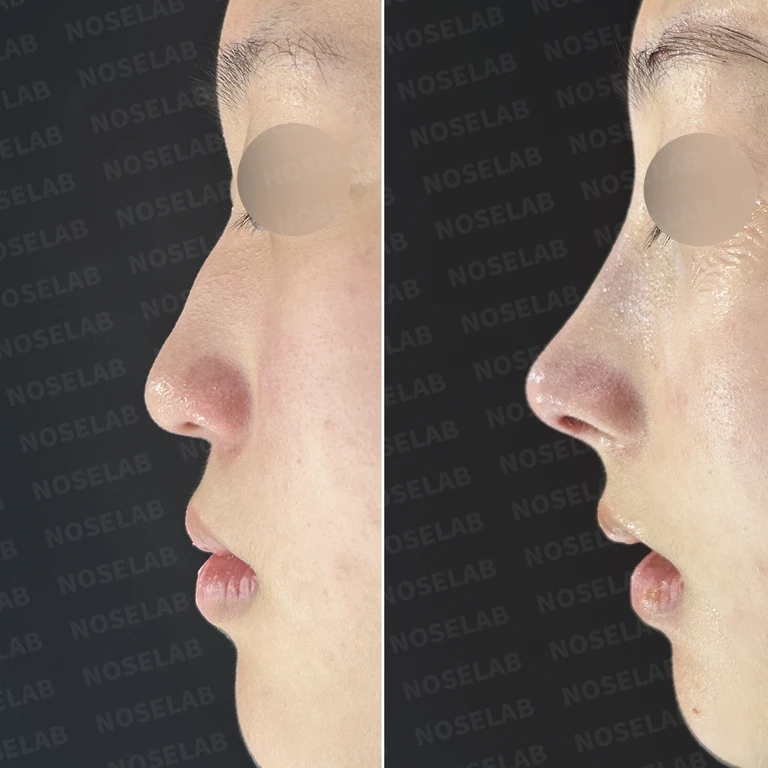
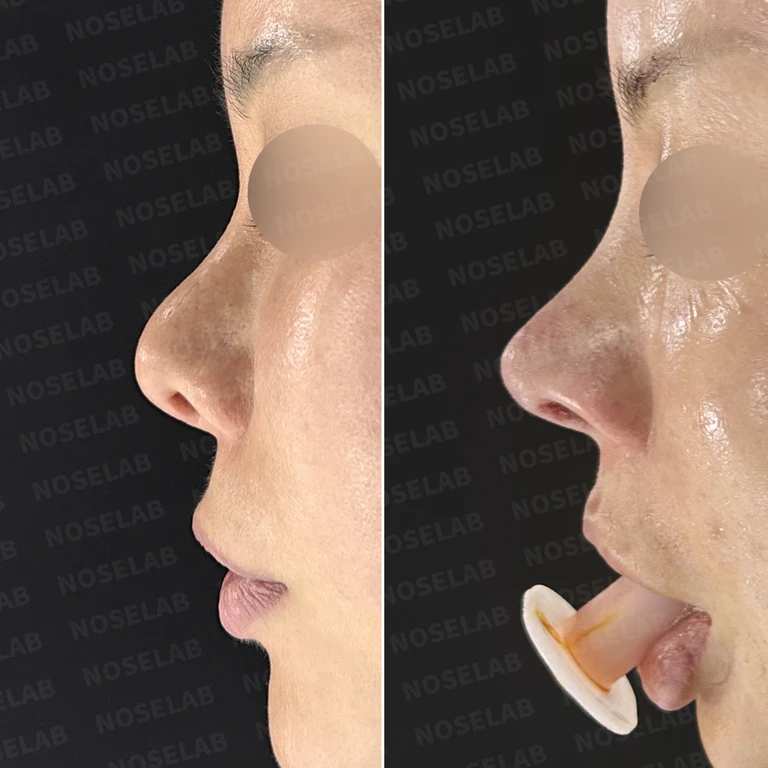
The closed approach describes an incision technique in rhinoplasty. In this collection, rather than judging the scope of surgery by this name alone, you can examine which structures were actually corrected. Case records include addressing a small nose together with nostril show, as well as raising the nasal tip and adjusting its projection using autologous rib cartilage.

This collection also includes an article on revision rhinoplasty performed via a closed approach in the presence of severe adhesions, cartilage damage, and a deviated implant. Because the materials used and the structures reconstructed differ even within the same approach, it is important to read the detailed surgical notes in the original post. The closed approach should not be misunderstood as having no incisions at all, nor does it mean applying the same method to every condition.

View before-and-after cases ↓Comprehensive rhinoplasty guide

Searching for surgical cases matching your criteria.
Nasal reconstruction when almost no septum remains after two nose surgeries — Before-and-after comparison
Before-and-after comparison

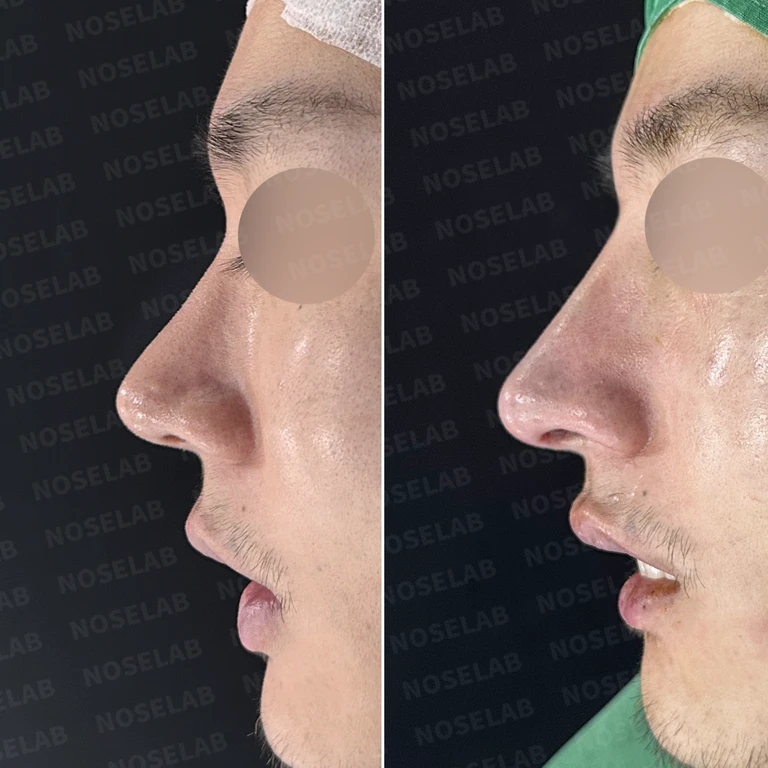
Nasal reconstruction when almost no septum remains after two nose surgeries

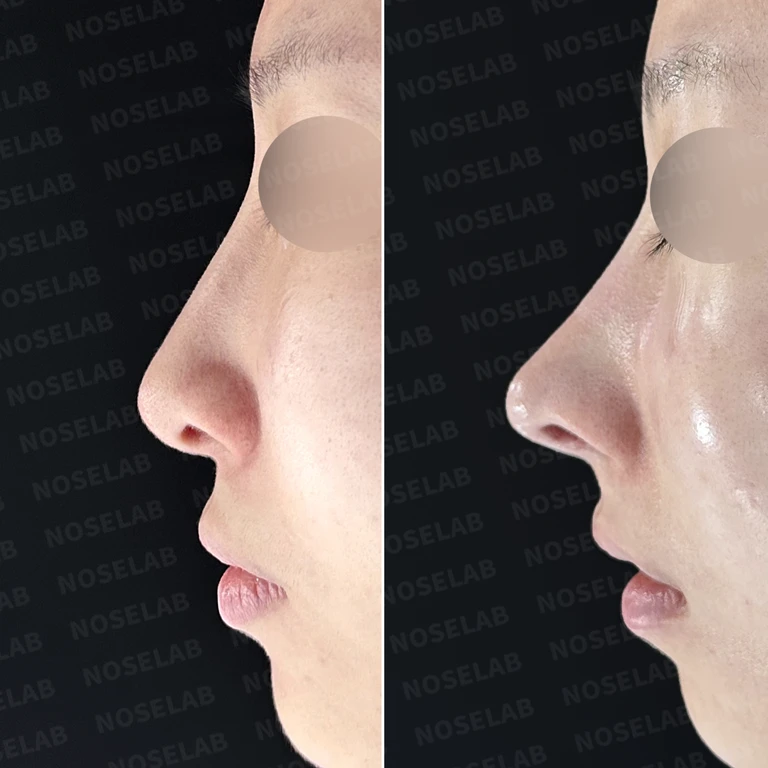
This is a case of septal cartilage deficit, nasal bone asymmetry, and nasal obstruction remaining after two surgeries. Through a closed approach, autologous rib cartilage was used for septal reconstruction, along with nasolabial angle correction, nasal bone asymmetry correction, and radix adjustment.

Performed or used in this surgery
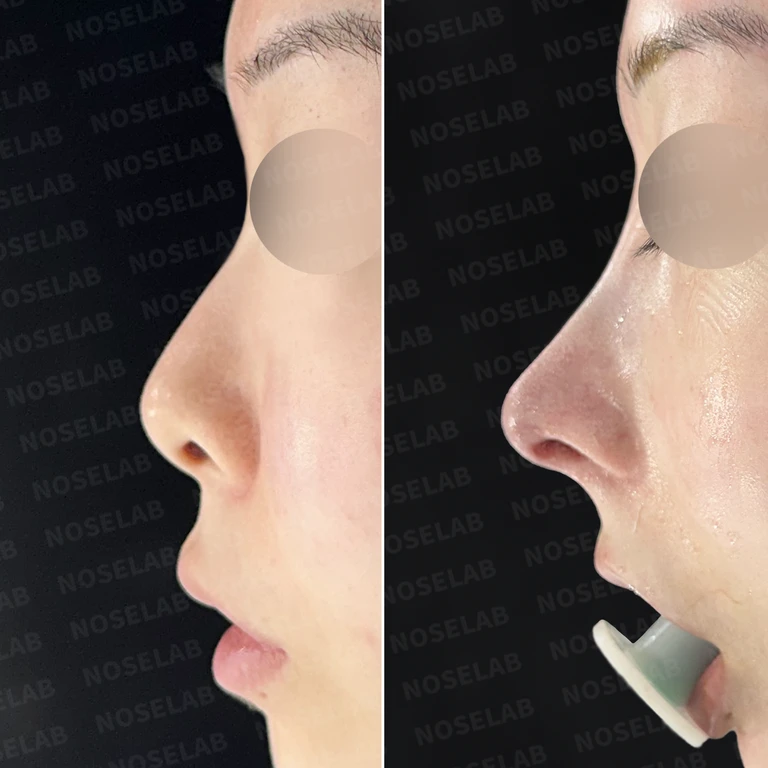
Why implants alone should not be placed in a small, low nose and nasal tip support structure — Before-and-after comparison
Before-and-after comparison

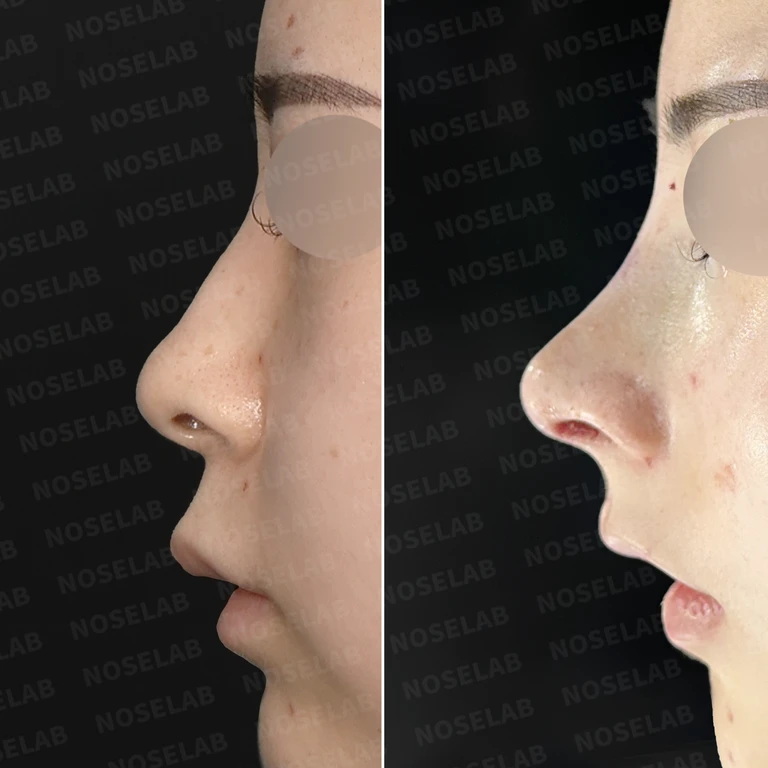
Why implants alone should not be placed in a small, low nose and nasal tip support structure

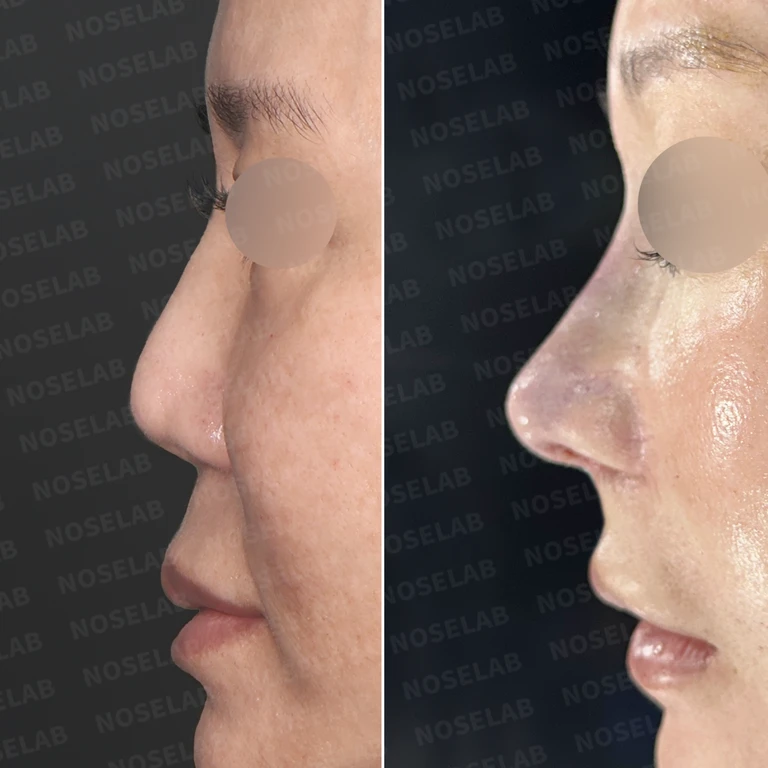
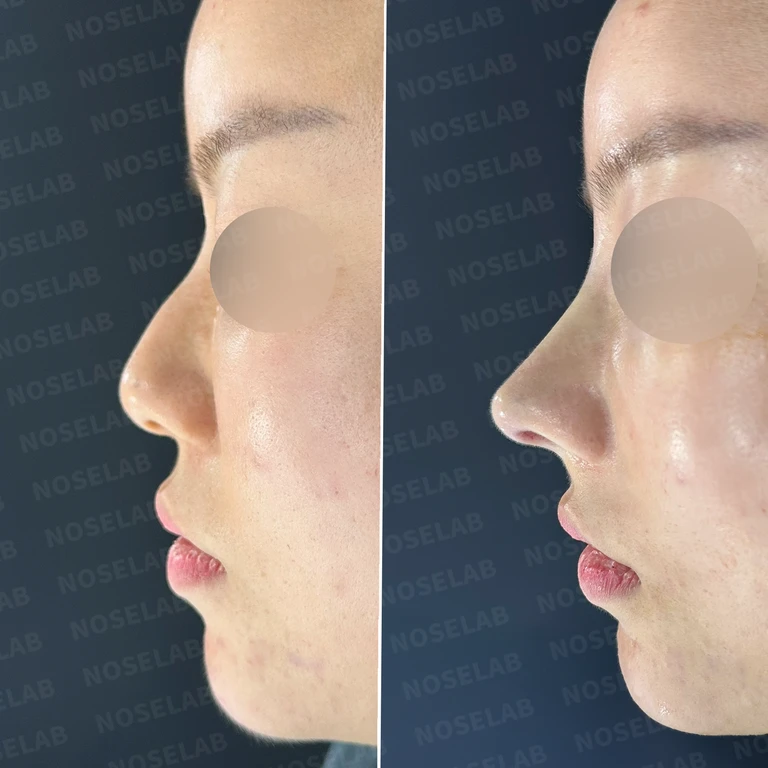
A primary rhinoplasty case involving a small, low nose and an upturned tip causing excessive nostril show. Using a closed approach, septal reconstruction with autologous rib cartilage, nasolabial angle correction, artificial dermis skin reinforcement, and a silicone implant were performed.

Performed or used in this surgery

Why a high radix makes the nose look long and overly prominent — Before-and-after comparison
Before-and-after comparison

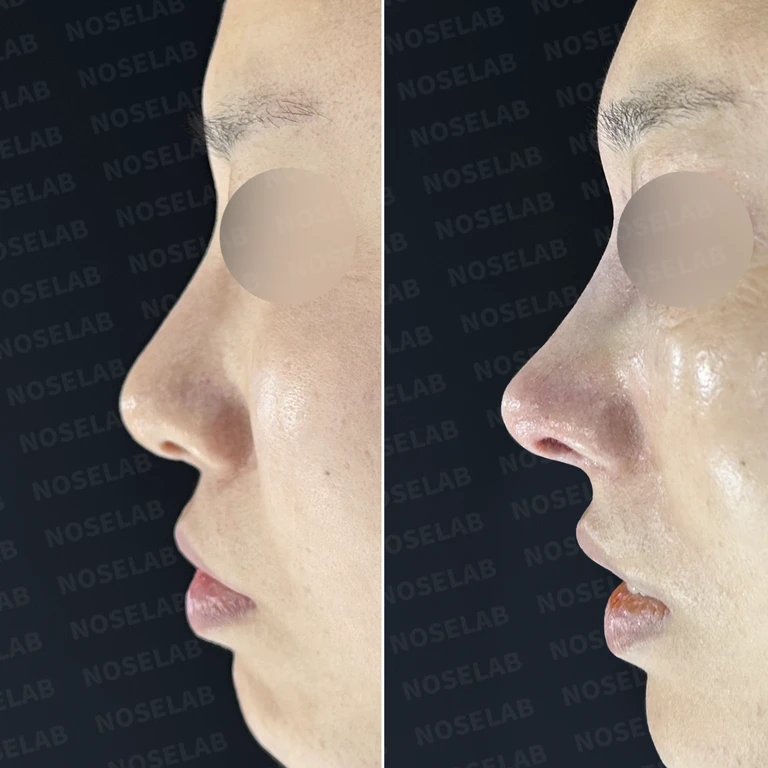
Why a high radix makes the nose look long and overly prominent

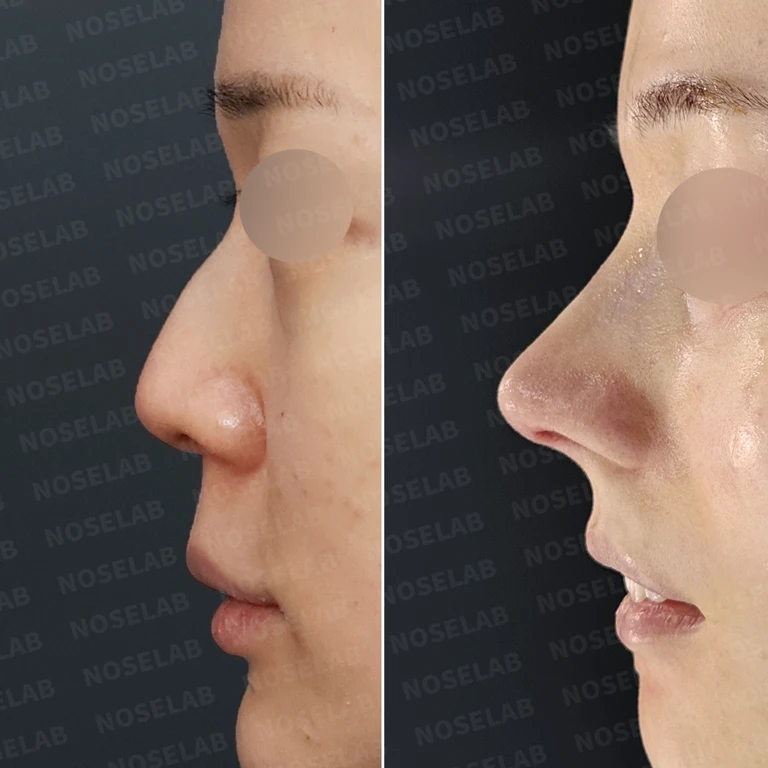
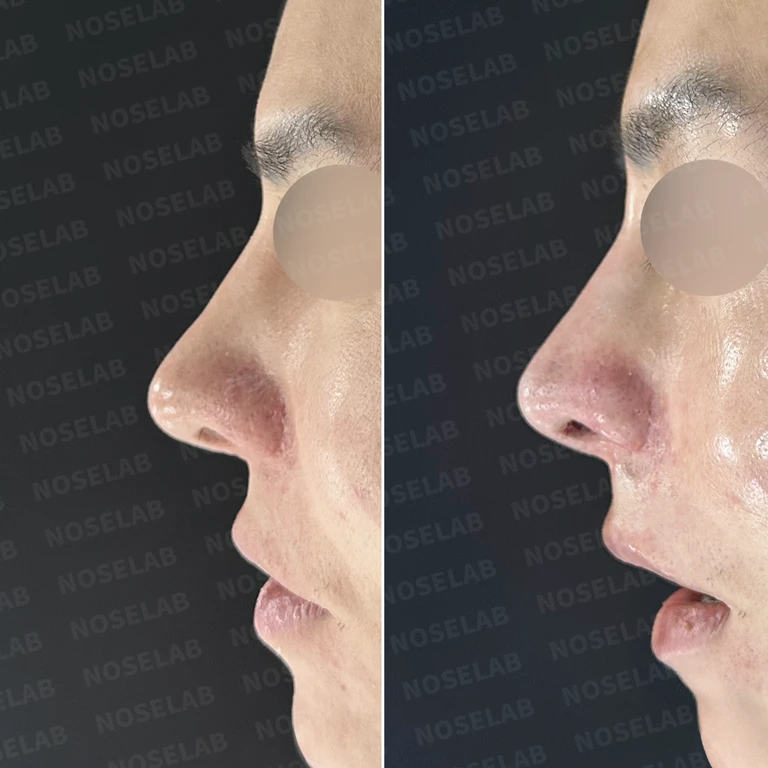
Following prior surgeries, a bulbous and drooping long nose with an excessively high radix and nasal obstruction was corrected using a closed approach. Scar tissue debridement, osteotomy, nasolabial angle correction, and septoplasty were performed concurrently.

Performed or used in this surgery

Why a narrow nasolabial angle with a dorsal hump makes the mouth appear protruding and how to correct it — Before-and-after comparison
Before-and-after comparison

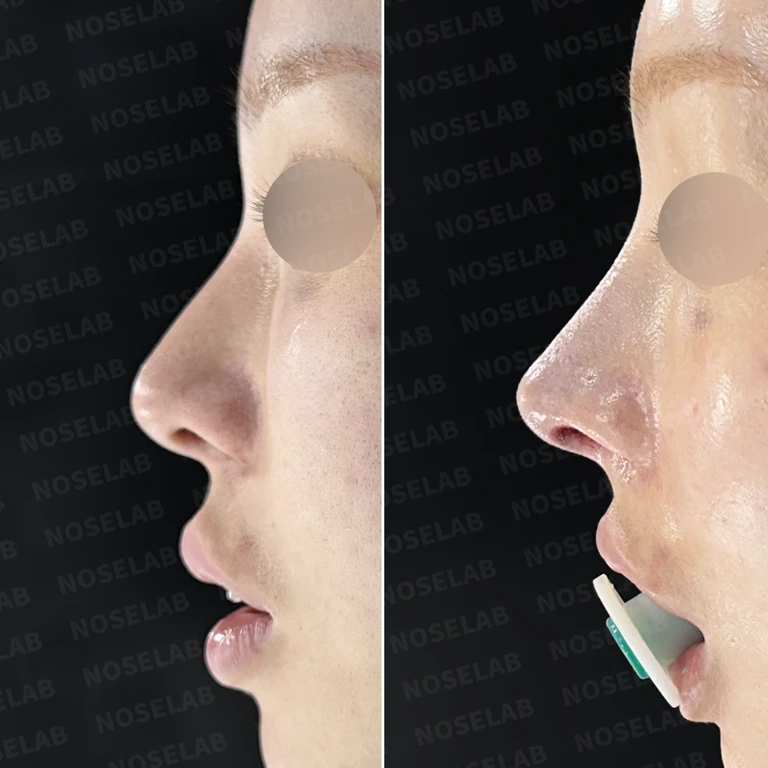
Why a narrow nasolabial angle with a dorsal hump makes the mouth appear protruding and how to correct it

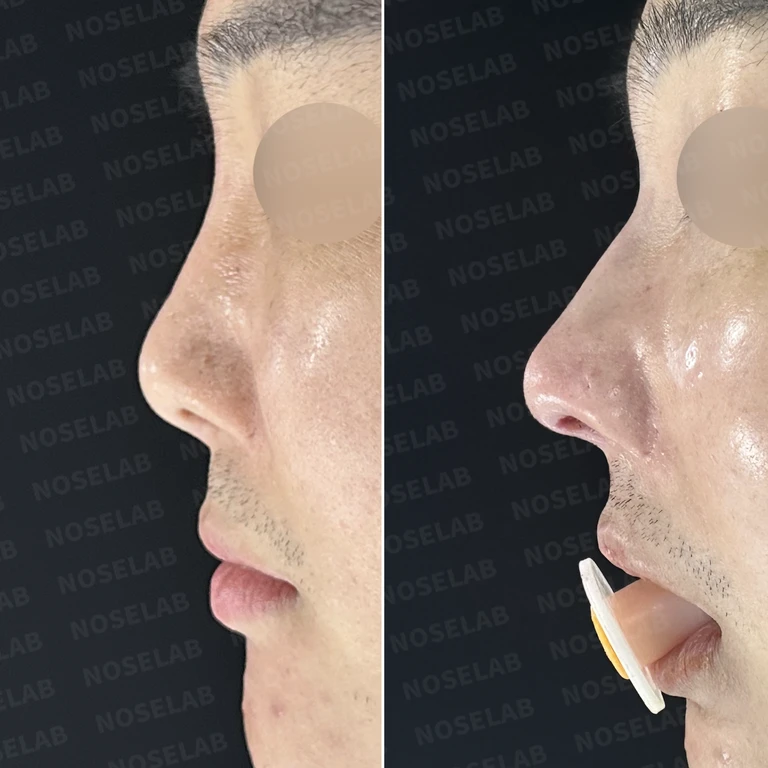
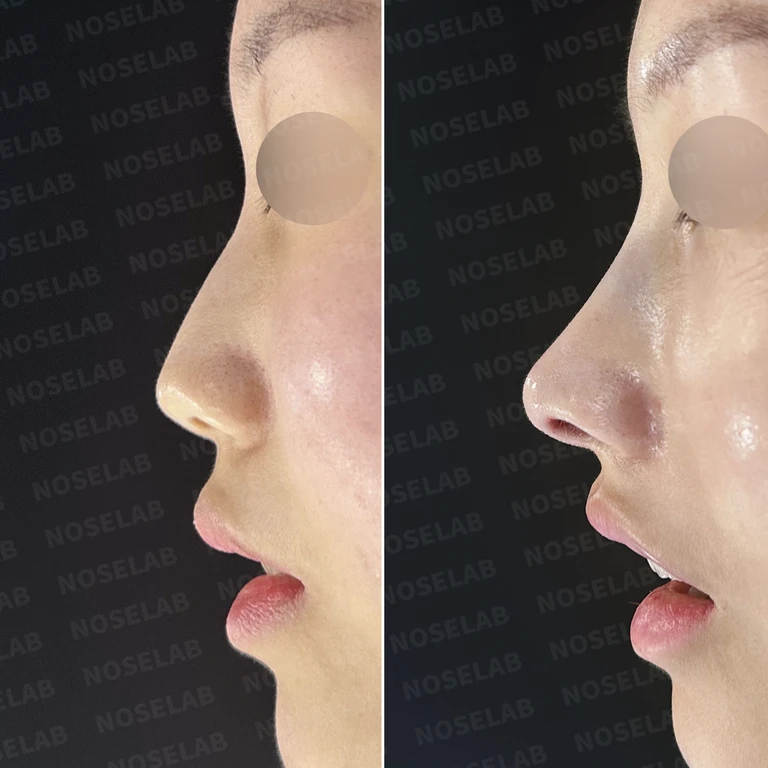
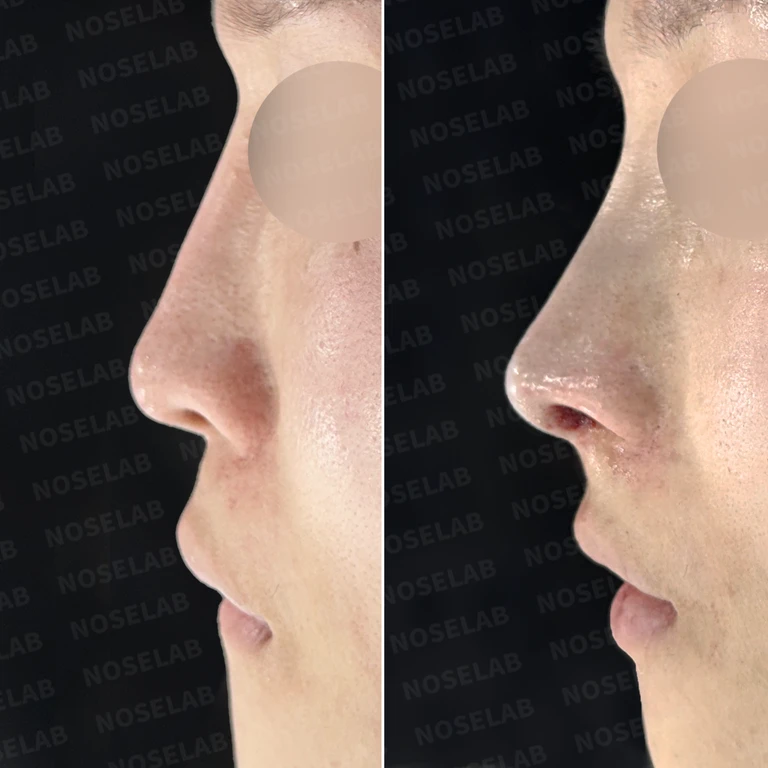
This is a primary rhinoplasty case correcting an irregular dorsal hump and an acute nasolabial angle. Using a closed approach, we refined the dorsal hump, performed nasal tip plasty with autologous rib cartilage, reconstructed the septum, placed a silicone implant, and corrected the nasolabial angle.

Performed or used in this surgery

Why the nasal tip can look bulbous and crooked after rhinoplasty with ear cartilage — Before-and-after comparison
Before-and-after comparison

Why the nasal tip can look bulbous and crooked after rhinoplasty with ear cartilage

This is a revision rhinoplasty case where the patient experienced a drooping tip, a deviated septum, and nasal obstruction after previous surgery. The septum was reconstructed using autologous rib cartilage, and silicone implant replacement along with rhinitis surgery was performed using a closed approach.

Performed or used in this surgery

Why nostrils become asymmetrical and the nose looks crooked, and how rib cartilage reconstruction is performed — Before-and-after comparison
Before-and-after comparison

Why nostrils become asymmetrical and the nose looks crooked, and how rib cartilage reconstruction is performed

Nostril asymmetry caused by a tilted columellar axis and loss of alar cartilage after Gore-Tex insertion was corrected through Gore-Tex removal, autologous rib cartilage alar reconstruction, and septoplasty.

Performed or used in this surgery

Why a nose can look short and upturned after repeated surgeries, and how rib cartilage tip extension works — Before-and-after comparison
Before-and-after comparison

Why a nose can look short and upturned after repeated surgeries, and how rib cartilage tip extension works

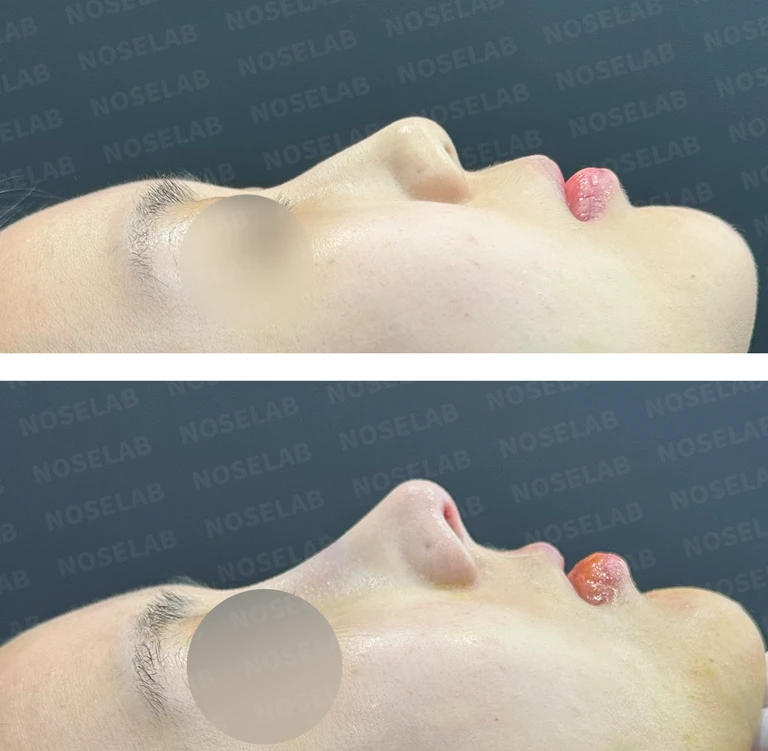
Through a closed approach, a nose that became low, upturned, and showed excessive nostril exposure after silicone implant removal was refined using autologous rib cartilage tip extension, nasal bridge height restoration, and correction of the nasolabial angle to 90 degrees.

Performed or used in this surgery

Why nostril asymmetry worsens with repeated revisions, and how to correct the columella — Before-and-after comparison
Before-and-after comparison

Why nostril asymmetry worsens with repeated revisions, and how to correct the columella

After 6 previous surgeries, a drooping and tilted columella, crooked nose, and nostril asymmetry were stabilized through a closed approach using autologous rib cartilage reinforcement, lateral osteotomy, and columellar alignment correction.

Performed or used in this surgery

Why the nasal bridge becomes uneven after rhinoplasty, and how septal reconstruction using rib cartilage is performed — Before-and-after comparison
Before-and-after comparison

Why the nasal bridge becomes uneven after rhinoplasty, and how septal reconstruction using rib cartilage is performed

An uneven nasal bridge, damaged septal cartilage, and nasal obstruction were corrected by removing the existing silicone implant and filler, followed by autologous rib cartilage reconstruction, re-insertion of a customized silicone implant, and septoplasty with inferior turbinoplasty.

Performed or used in this surgery

Why a nose appears long, drooping, and crooked: septal reconstruction and osteotomy — Before-and-after comparison
Before-and-after comparison

Why a nose appears long, drooping, and crooked: septal reconstruction and osteotomy

A long nose, drooping nasal tip, crooked nasal bridge, and nasal obstruction remaining after prior functional surgery were corrected using autologous rib cartilage tip plasty, partial septal reconstruction, and lateral osteotomy.

Performed or used in this surgery

Why dorsal humps and drooping tips appear together, and how hump reduction and osteotomy are performed — Before-and-after comparison
Before-and-after comparison

Why dorsal humps and drooping tips appear together, and how hump reduction and osteotomy are performed

A dorsal hump and drooping tip were smoothly refined through a closed approach using autologous rib cartilage tip plasty, hump reduction, lateral osteotomy, and nasolabial angle correction.

Performed or used in this surgery

Why small lower lateral cartilages cause a drooping tip: rib cartilage reinforcement and osteotomy methods — Before-and-after comparison
Before-and-after comparison

Why small lower lateral cartilages cause a drooping tip: rib cartilage reinforcement and osteotomy methods

A drooping nasal tip and crooked dorsal hump caused by small lower lateral cartilages were refined through autologous rib cartilage support reinforcement, lateral osteotomy, a silicone implant, and nasolabial angle correction.

Performed or used in this surgery

Why the nasal tip turns upward when the septum is lost, and how to reconstruct the septum with autologous rib cartilage — Before-and-after comparison
Before-and-after comparison

Why the nasal tip turns upward when the septum is lost, and how to reconstruct the septum with autologous rib cartilage

Septal support lost in previous surgeries was reconstructed with autologous rib cartilage, and pinched alae and depressed nasal bridge areas were reinforced to correct an upturned nasal tip and nostril show.

Performed or used in this surgery

Why the nasal bridge deviates and the tip appears drooping: How to correct it using only cartilage without implants — Before-and-after comparison
Before-and-after comparison

Why the nasal bridge deviates and the tip appears drooping: How to correct it using only cartilage without implants

For a patient who wanted primary rhinoplasty without artificial implants, lateral osteotomy was performed to straighten the deviated nasal bones, and donor rib cartilage and septal cartilage were used to reinforce the bridge and reshape the nasal tip.

Performed or used in this surgery

Why nasal obstruction persists despite multiple surgeries: Correcting nasal valve stenosis and nostril asymmetry — Before-and-after comparison
Before-and-after comparison

Why nasal obstruction persists despite multiple surgeries: Correcting nasal valve stenosis and nostril asymmetry

A case of persistent nostril asymmetry and nasal valve stenosis after multiple surgeries, addressed by removing existing implants, performing septoplasty and turbinoplasty, and reconstructing the structure with rib cartilage and a skin graft.

Performed or used in this surgery

Undissolved residual nasal filler and wide alae: causes, removal, and correction methods — Before-and-after comparison
Before-and-after comparison

Undissolved residual nasal filler and wide alae: causes, removal, and correction methods

Residual unabsorbed HA filler was completely removed, followed by autologous rib cartilage rhinoplasty, lower lateral cartilage trimming, and septal and inferior turbinate surgery, all performed via a closed approach.

Performed or used in this surgery

Revision rhinoplasty methods for a crooked nose and nostril asymmetry — Before-and-after comparison
Before-and-after comparison

Revision rhinoplasty methods for a crooked nose and nostril asymmetry

For a patient who developed a depressed nostril sill, an upturned nose, and nostril asymmetry 15 years after primary rhinoplasty, a closed-approach surgical plan was established including septal reconstruction, cartilage adjustment, and implant exchange.

Performed or used in this surgery

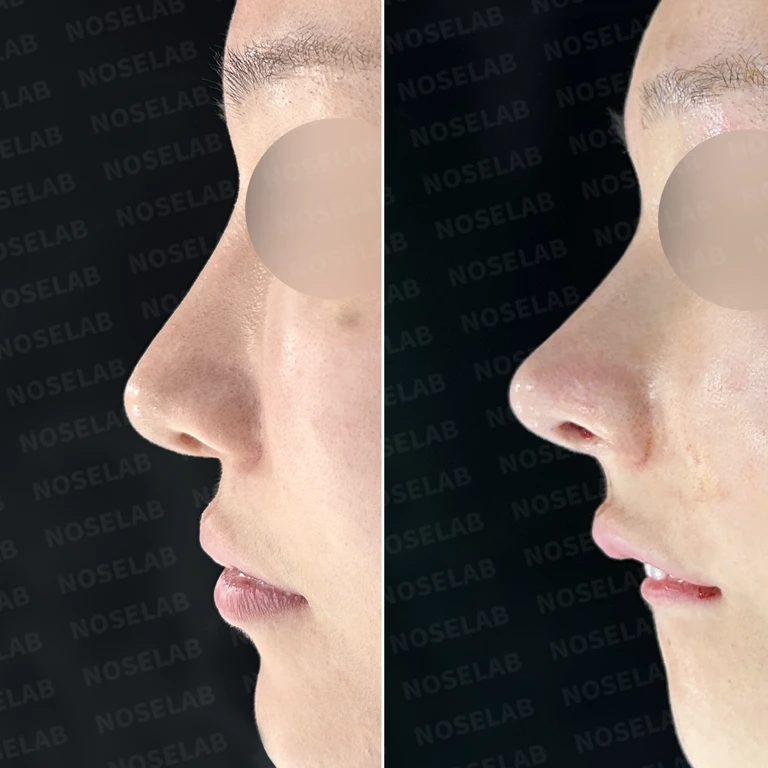
Correction methods addressing a small nose and nostril asymmetry together — Before-and-after comparison
Before-and-after comparison

Correction methods addressing a small nose and nostril asymmetry together

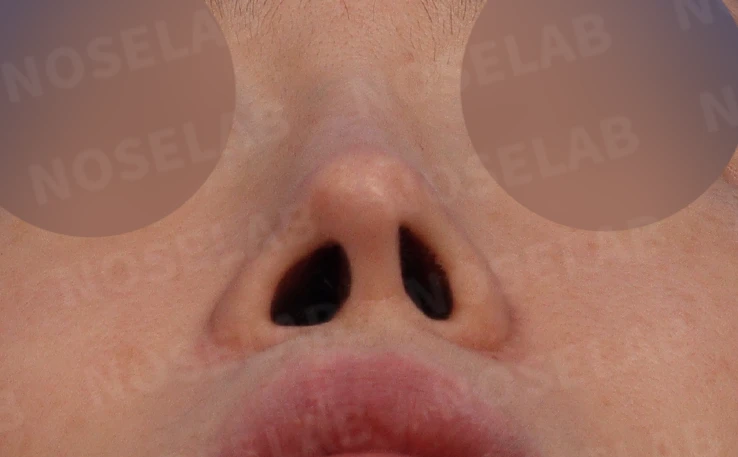
For a primary rhinoplasty patient presenting with a small nose, nostril asymmetry, and a retracted columella, we performed septal extension using septal cartilage and donor rib cartilage, dorsal hump reduction, dermal graft reinforcement, and silicone implant placement.

Performed or used in this surgery
No search results found

Please try searching with different keywords.

Scroll to keep reading

1 / 6Next case

Common questions before reading the cases

Are there cases of revision rhinoplasty using autologous rib cartilage performed through a closed rhinoplasty?

There is a recorded case where reconstruction using autologous rib cartilage was performed via a closed approach in a patient with severe adhesions, damaged cartilage structures, and a deviated implant. Another article details the process of adjusting the height and direction of the nasal tip using a closed approach. Checking both the surgical approach and the actual scope of reconstruction provides a clearer understanding of each procedure.

Can one understand scarring or the recovery process solely from the term closed approach?

It is difficult to judge scarring or recovery progress for all patients based solely on the name of the surgical approach. The featured articles also vary widely in scope, ranging from simple nasal tip surgery to revision rhinoplasty involving adhesions and cartilage damage. It is helpful to first check whether the before-and-after photos were taken immediately after surgery or during follow-up, as well as what concurrent procedures were performed, and to review them within the context of each individual record.

Related topics to explore

Revision rhinoplastyAutologous rib cartilageNasal tip reconstruction and support reinforcementScars and adhesions

Surgical records referenced in this guide

  • How to lower a high radix
  • Why a narrow nasolabial angle with a dorsal hump makes the mouth appear protruding and how to correct it
  • Why implants alone should not be placed in a small, low nose and nasal tip support structure
Original article

Read more records

Planning a visit to Seoul?Prepare your consultation with the NOSELAB team.

International patient guideWhatsApp ↗
Dr. Peter C. Kang's Rhinoplasty Stories
Rhinoplasty guideCases by topicDr. Peter C. KangNaver Blog ↗
View original photo
Enlarged photo
WhatsAppChat with NOSELAB↗