Hello, I am Dr. Peter C. Kang.
Today, I would like to share the case of a patient who visited our clinic after suffering from severe nasal obstruction and nostril asymmetry despite undergoing multiple previous surgeries.
🔍 Surgical history
The patient was a complex case with a history of multiple procedures and surgeries.
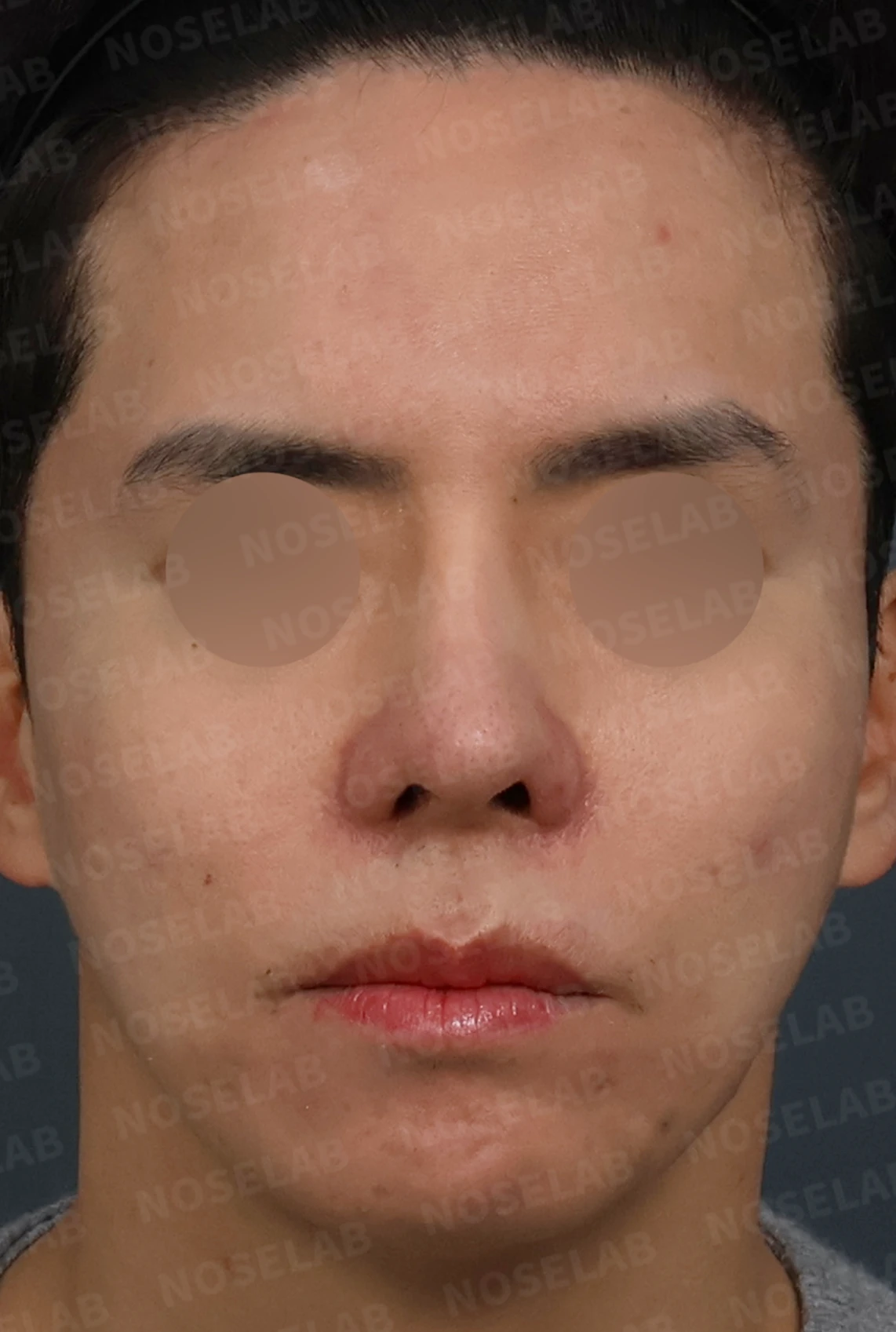
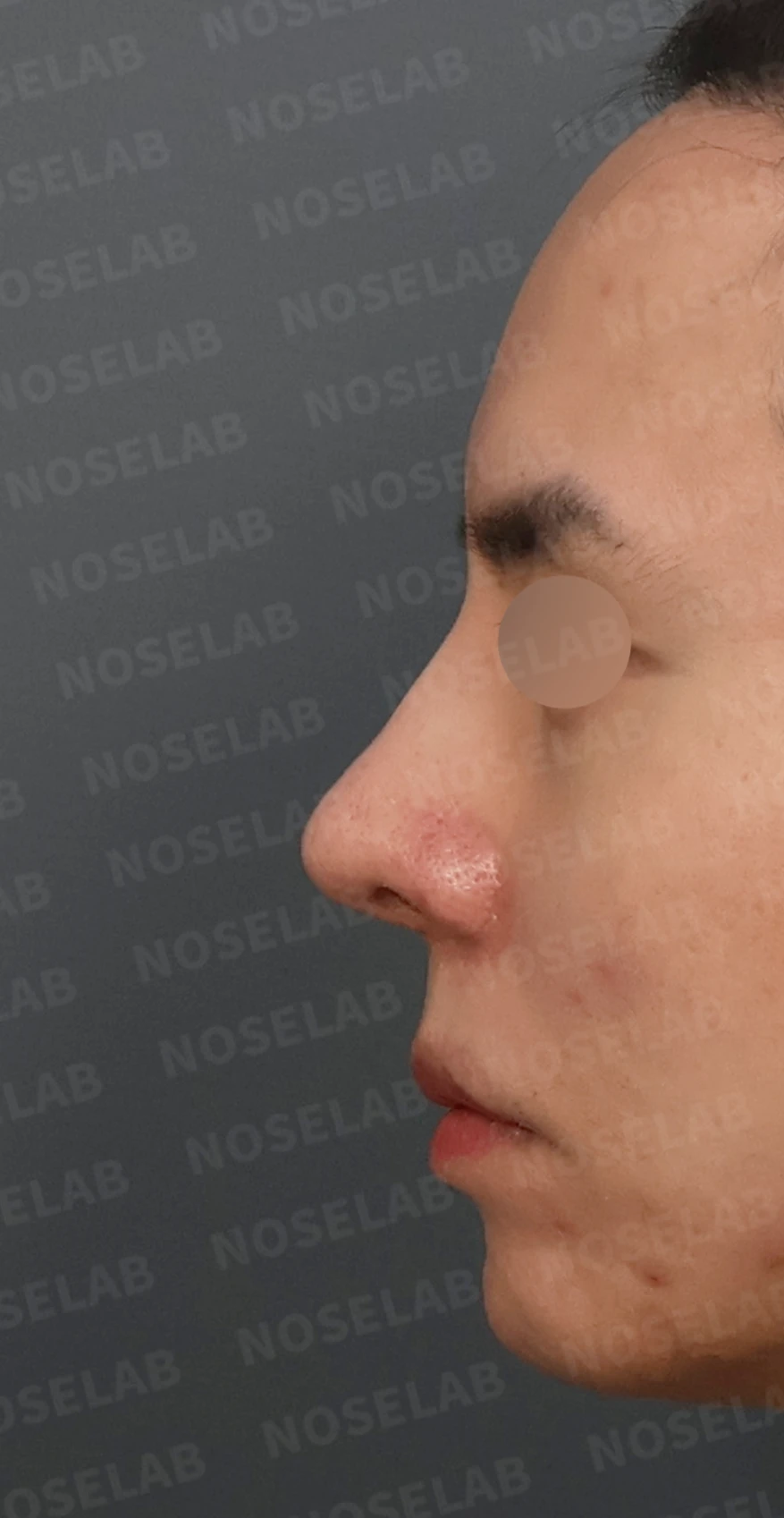
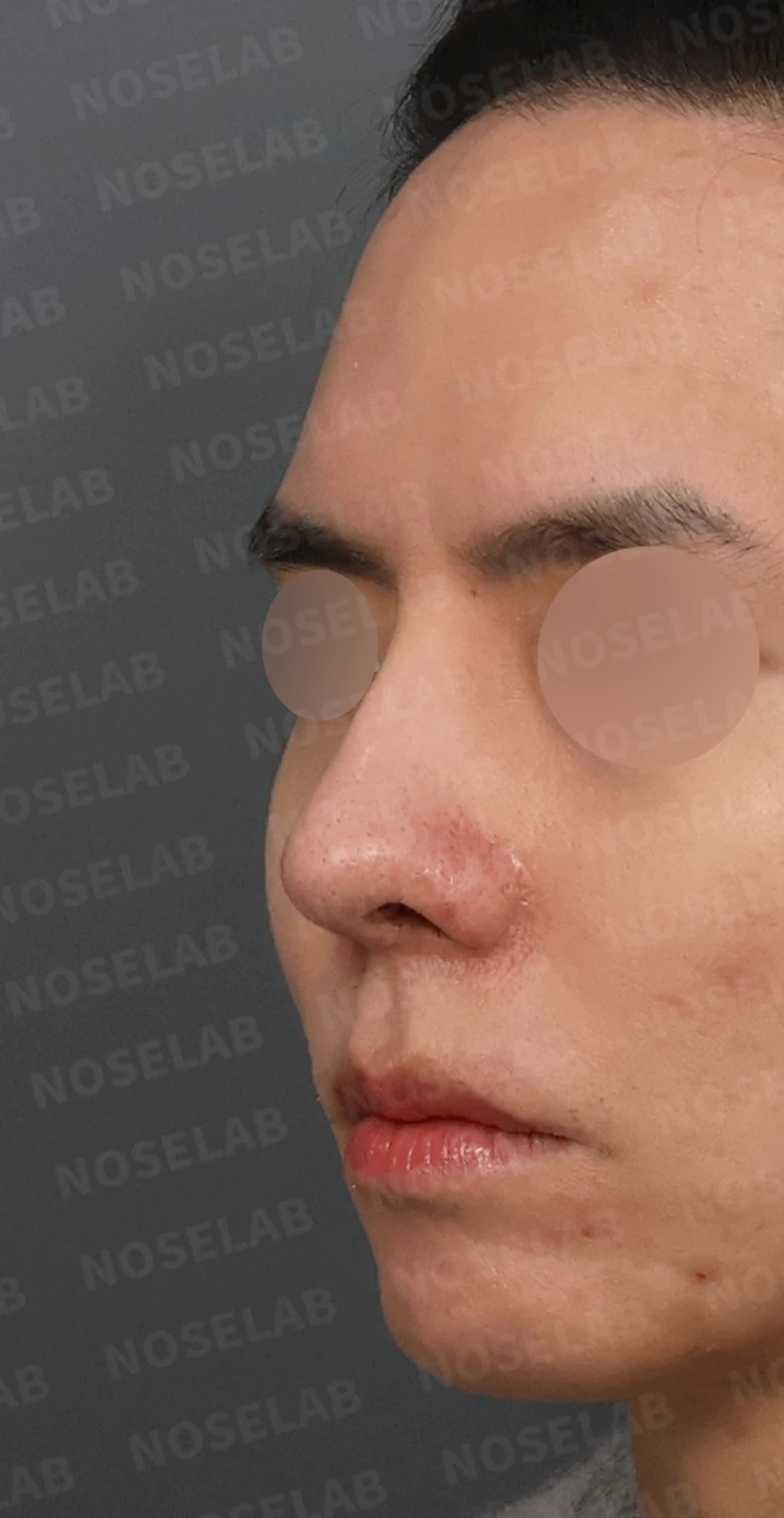
Front, left profile, and oblique views during design consultation.
16 years ago: Nasal filler injection
10 years ago: Nasal bridge surgery using a silicone implant
7 years ago: Nasal tip surgery adding ear cartilage to the existing silicone implant
6 months ago: Autologous rib cartilage, silicone implant, alar reduction, and functional nasal surgery
Despite undergoing multiple surgeries, the primary issue—nasal obstruction—had not improved. In fact, after the most recent surgery, the right nostril had narrowed, making breathing even more difficult.
💉 Patient requests
The patient's specific requests were as follows:
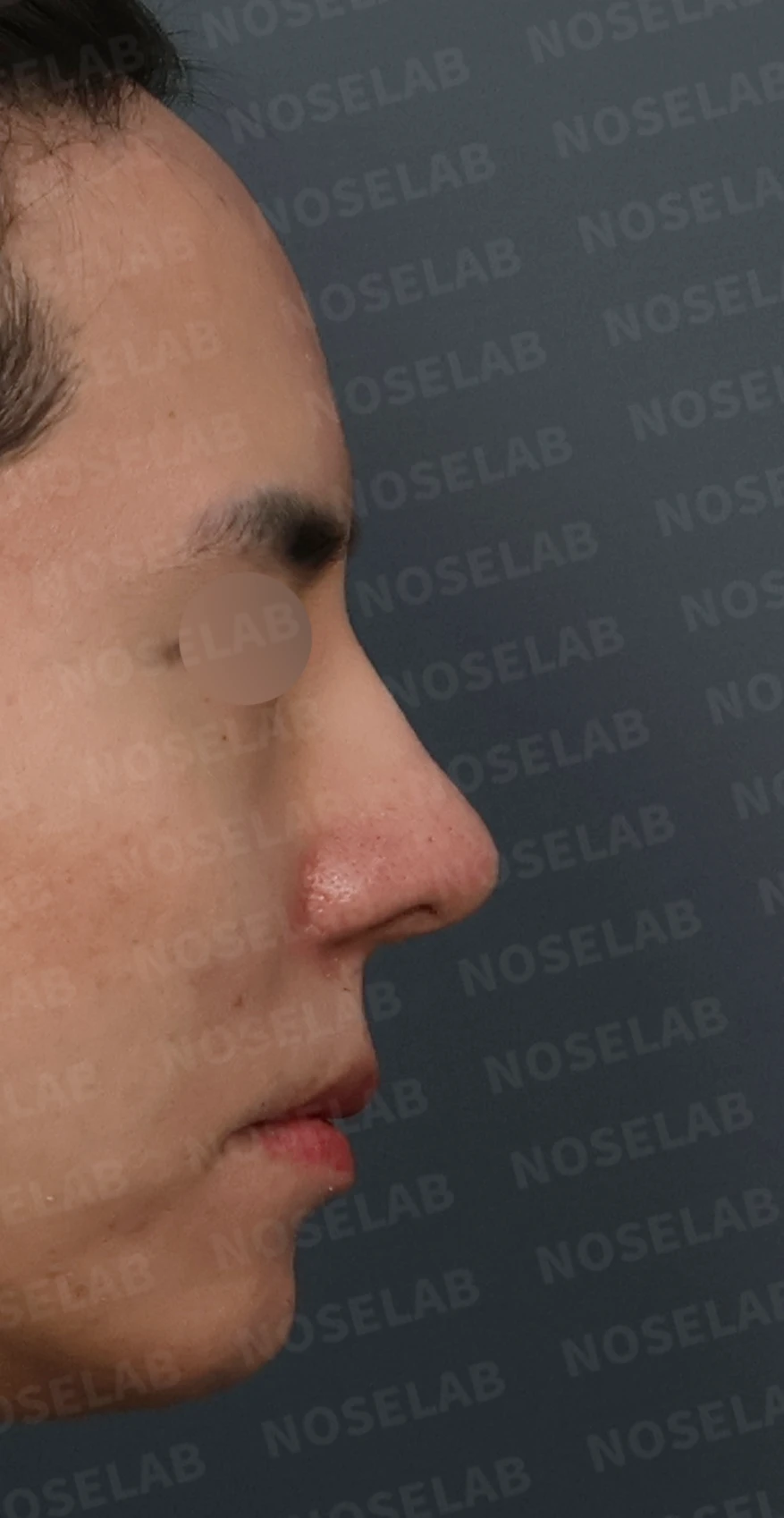
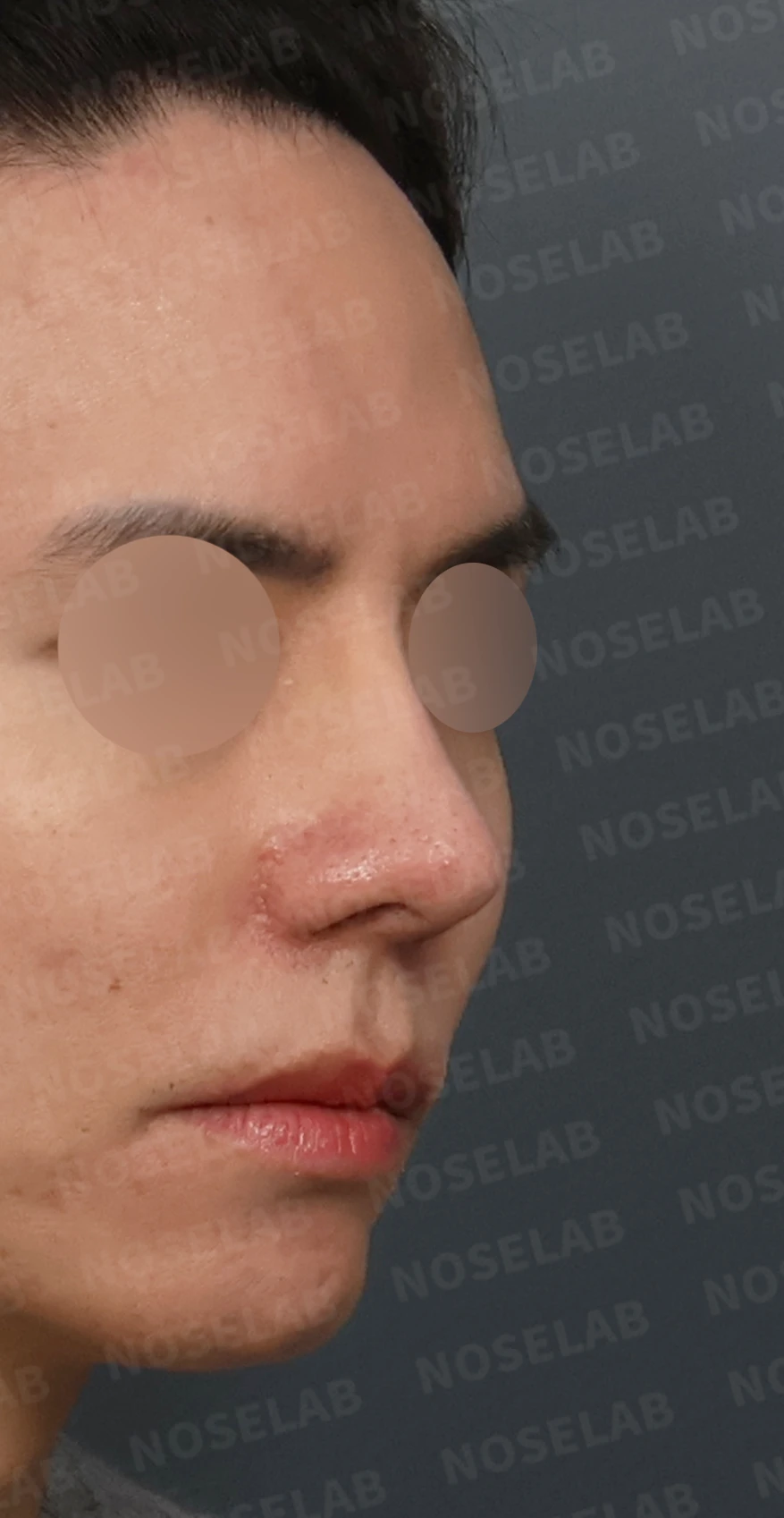
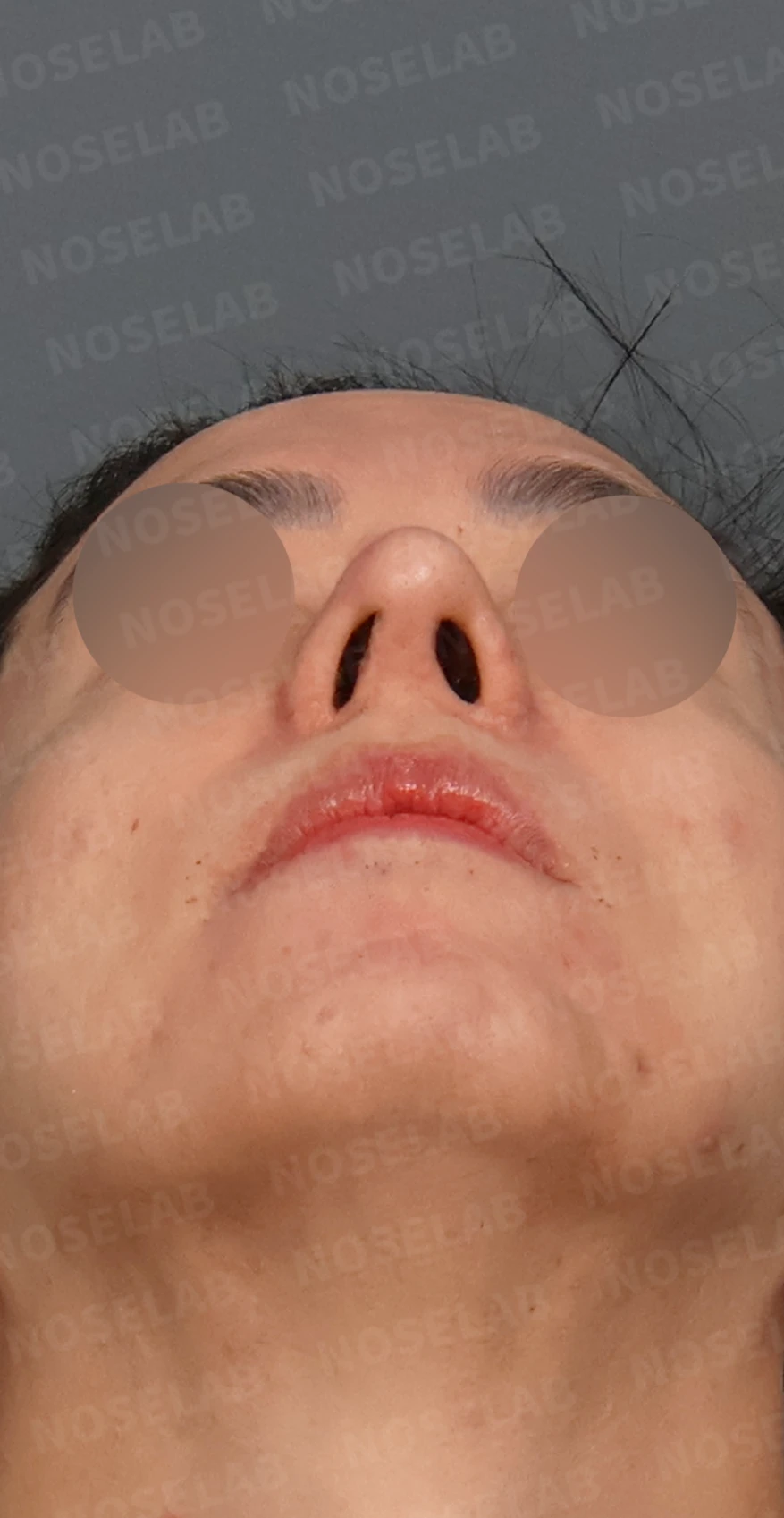
Right profile, oblique, and nostril views during design consultation.
Functional improvement as the primary goal (especially relieving right-sided nasal obstruction)
Improvement of nostril asymmetry
Naturally lowering the bridge height
Refining the nasal tip to make it slimmer
Reducing the overall width of the nose
🔧 Surgical plan and procedure
1. Removal of existing foreign material and structural reconstruction
Removal of existing implants and graft materials
Debridement of tissue deformed by previous surgeries
Reconstruction of a stable support structure using rib cartilage
2. Septoplasty
Correction of the right-deviated septum
Securing an open breathing airway
Restoring internal structural stability of the nose
3. Correction of nasal valve stenosis
Improving the narrowed right nasal valve area
Restoration of breathing function
4. Turbinoplasty
Correction of hypertrophic inferior turbinates
Improving intranasal airflow
5. Adjusting dorsal height and nasal base reduction
Naturally adjusting overall nasal height
Improving balance through nasal base reduction
6. Correction of nostril asymmetry
Widening the narrowed right nostril by adjusting columellar width
Balancing nostril size using a skin graft
Restoring symmetry between both nostrils
🌟 Surgical results
Front view changes
The overall nasal width has been naturally reduced.
The nasal tip has been refined into a slimmer contour.
Nostril asymmetry has improved, resulting in a well-balanced appearance.
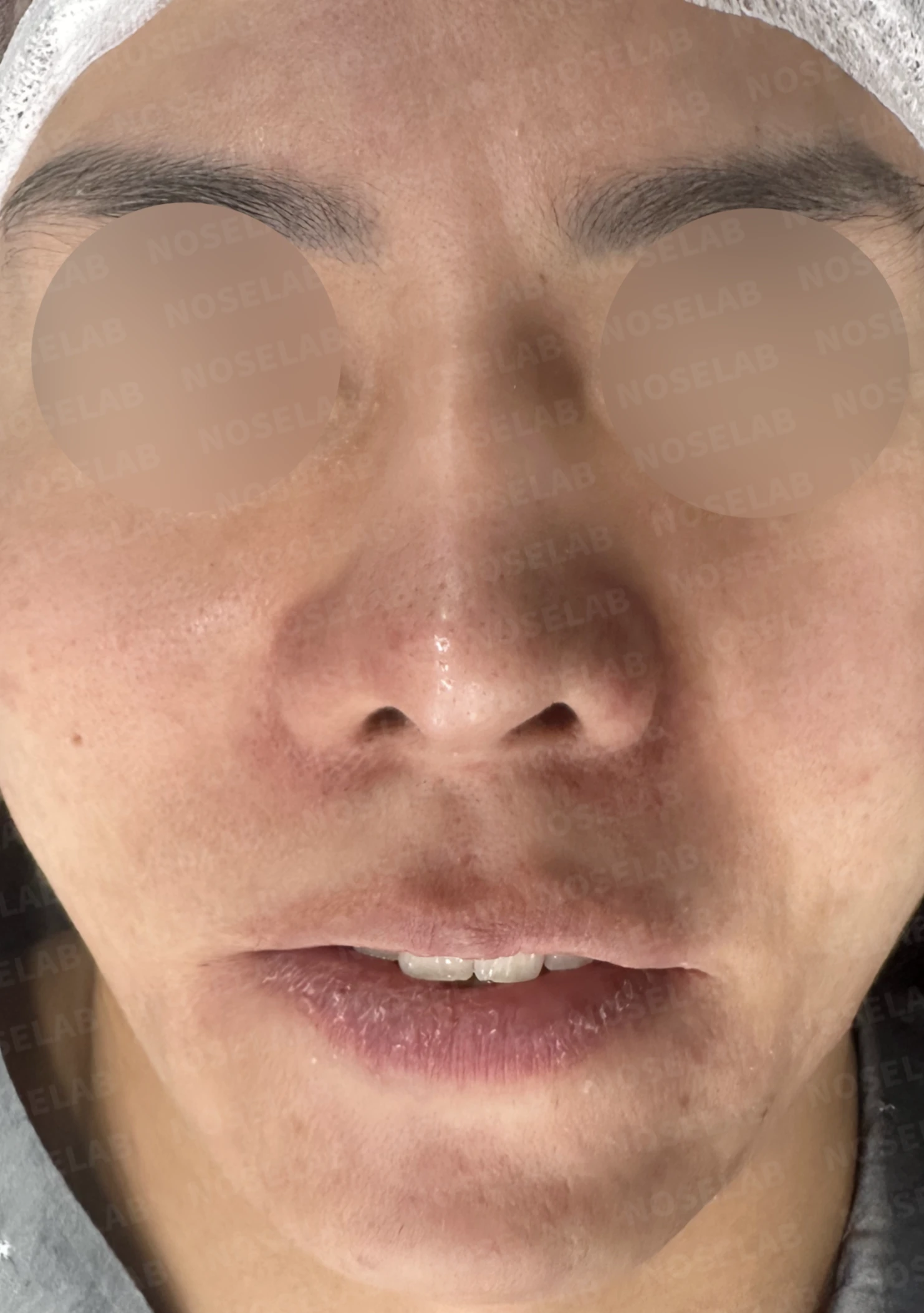
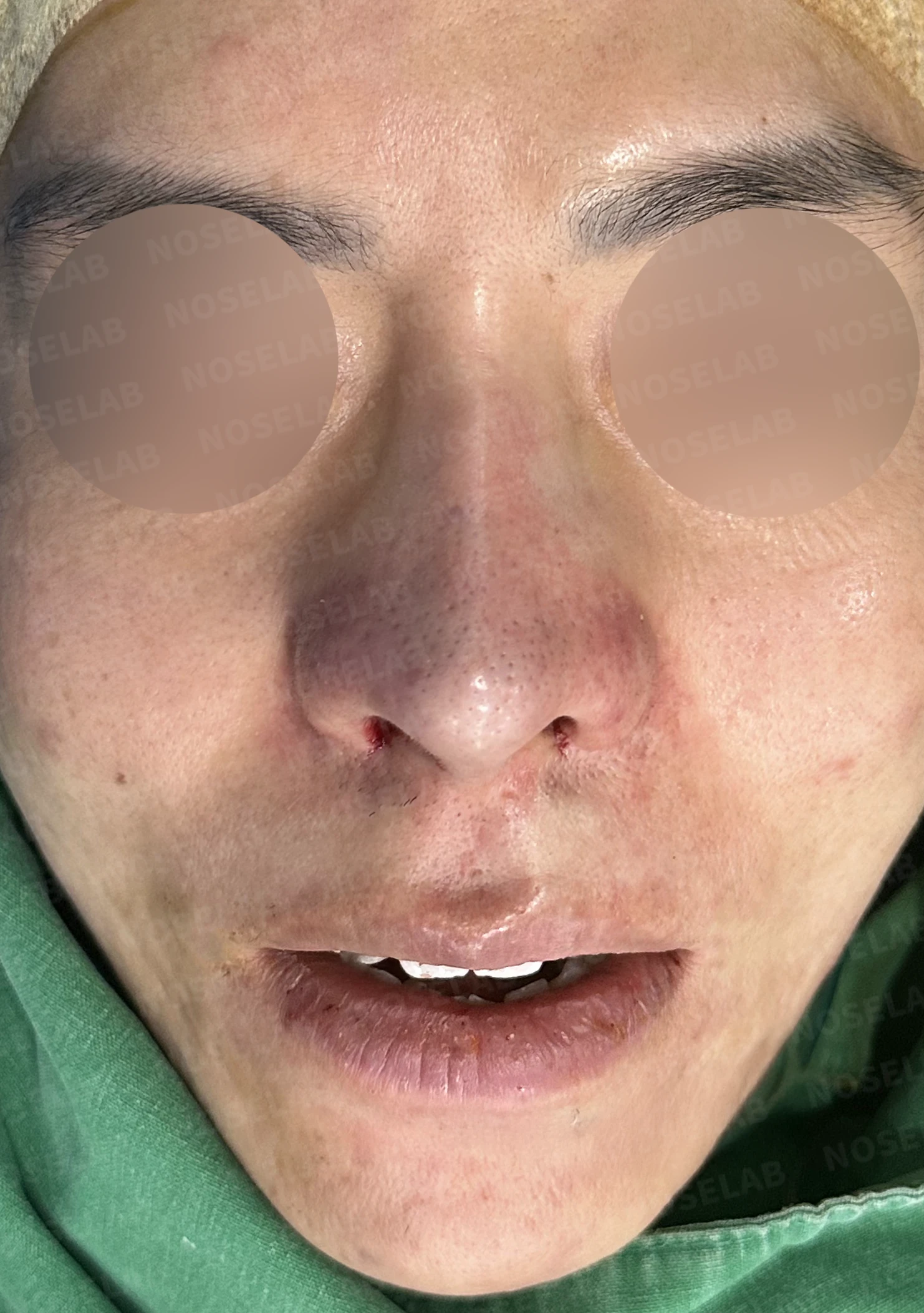
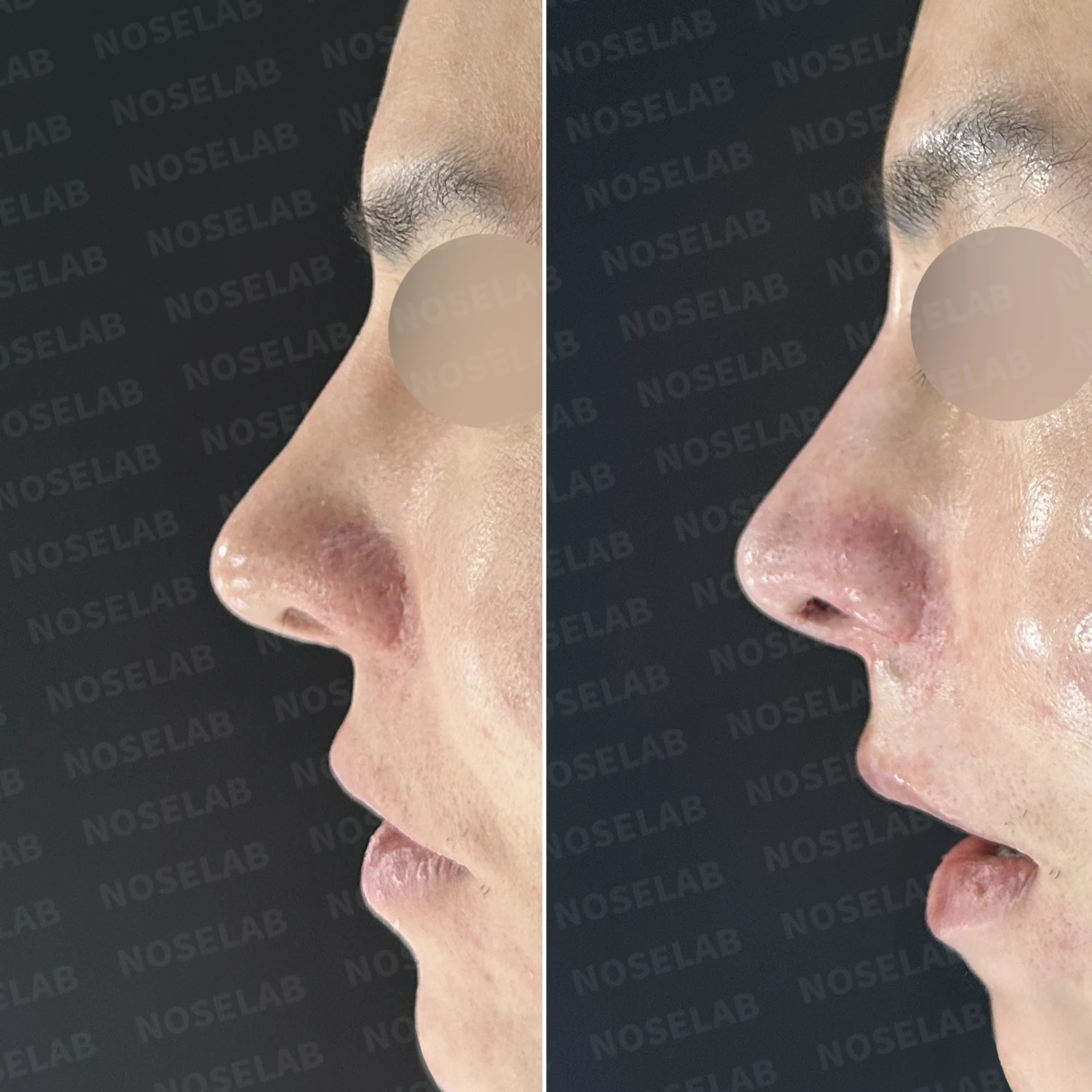
Before surgery / Day 0 immediately after surgery Photos taken immediately after surgery show swelling and may differ from the final result.
Profile view changes
The nasal height has been naturally adjusted.
The dorsal line is smooth and natural.
Overall proportions are harmonious with the face.
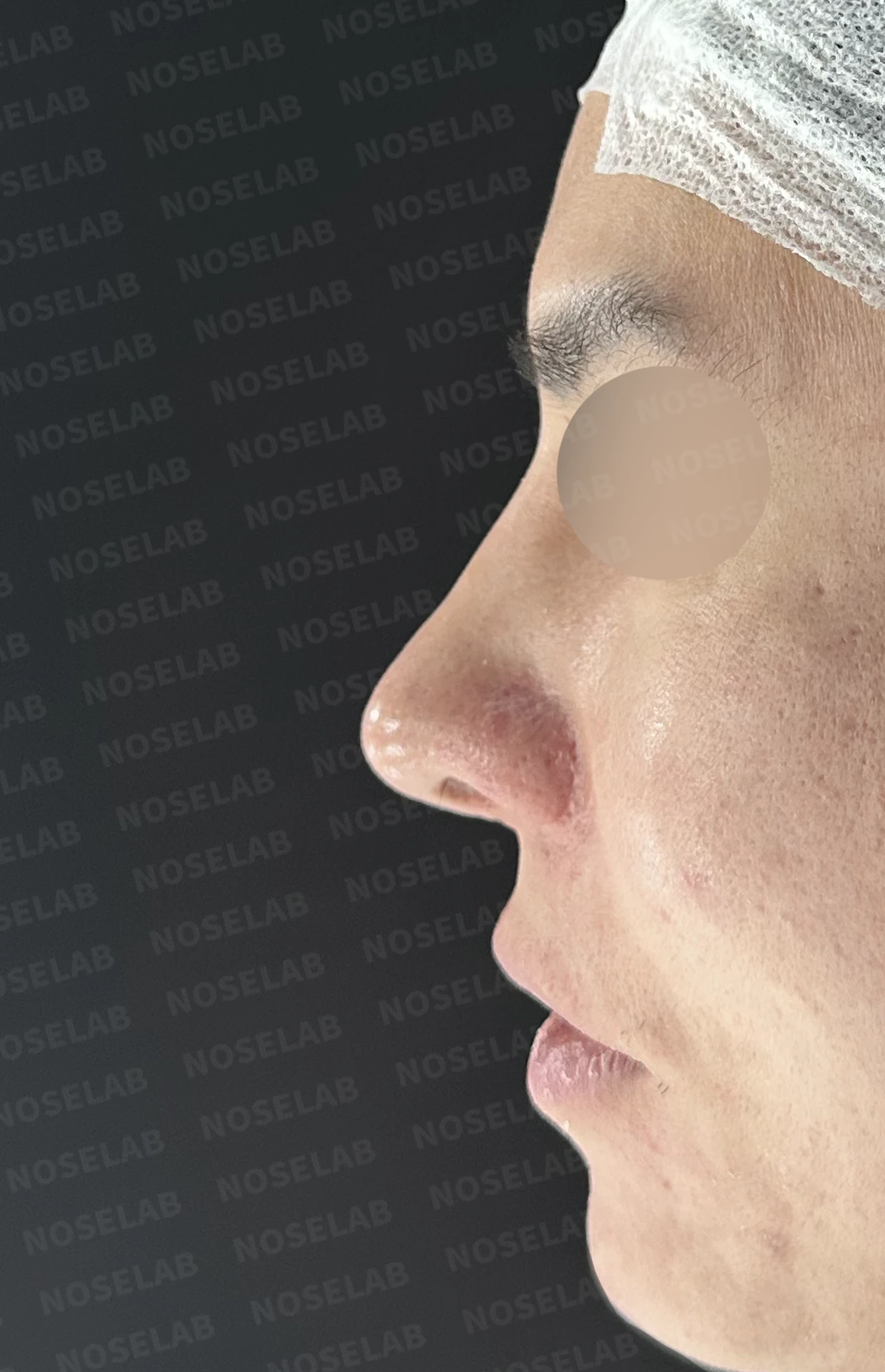
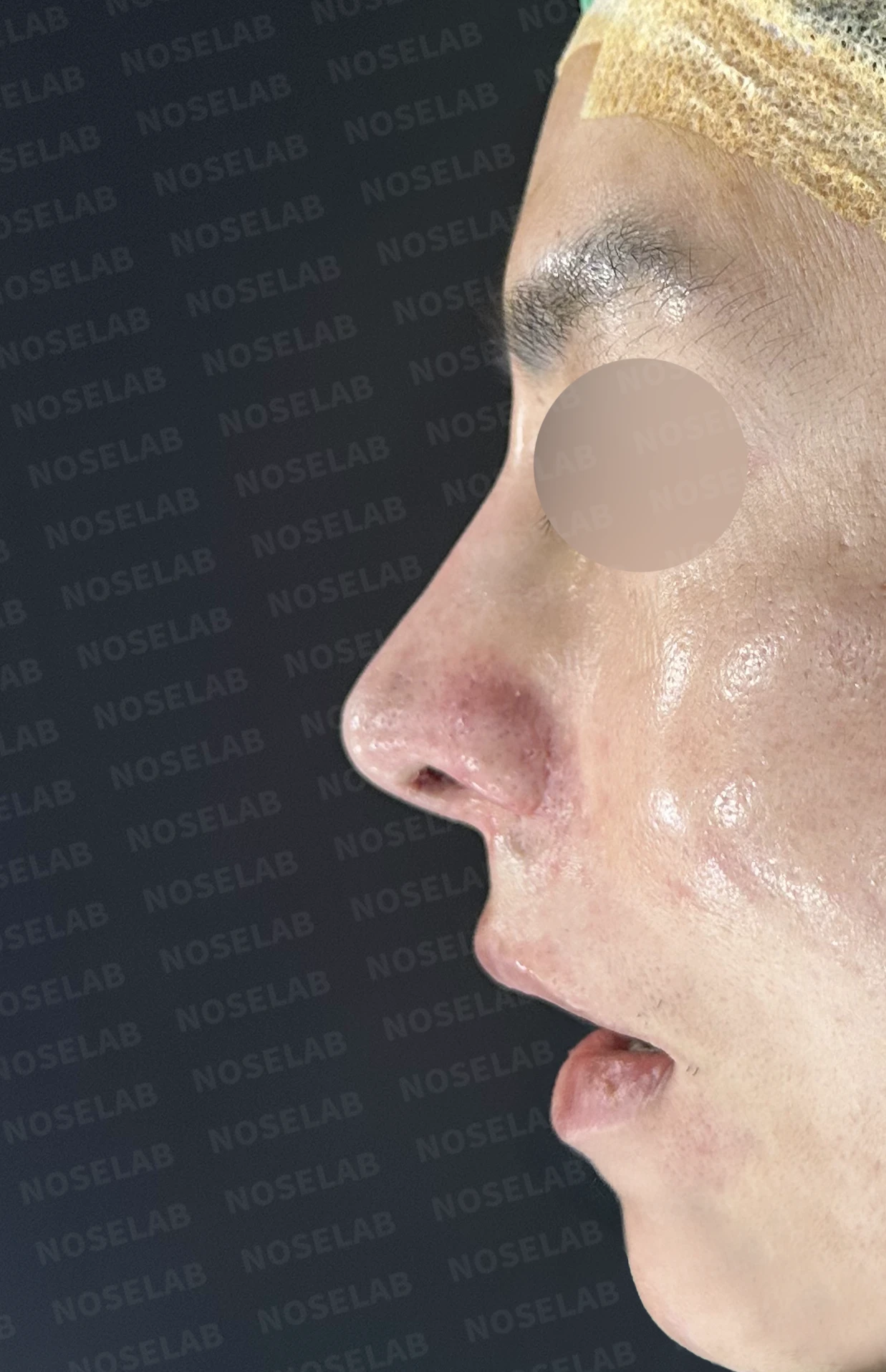
Before surgery / Day 0 immediately after surgery Photos taken immediately after surgery show swelling and may differ from the final result.
Changes on the oblique view
Natural nasal contour visible even at a 45-degree angle
Refined adjustments to the nasal tip stand out.
Enhancing overall facial balance
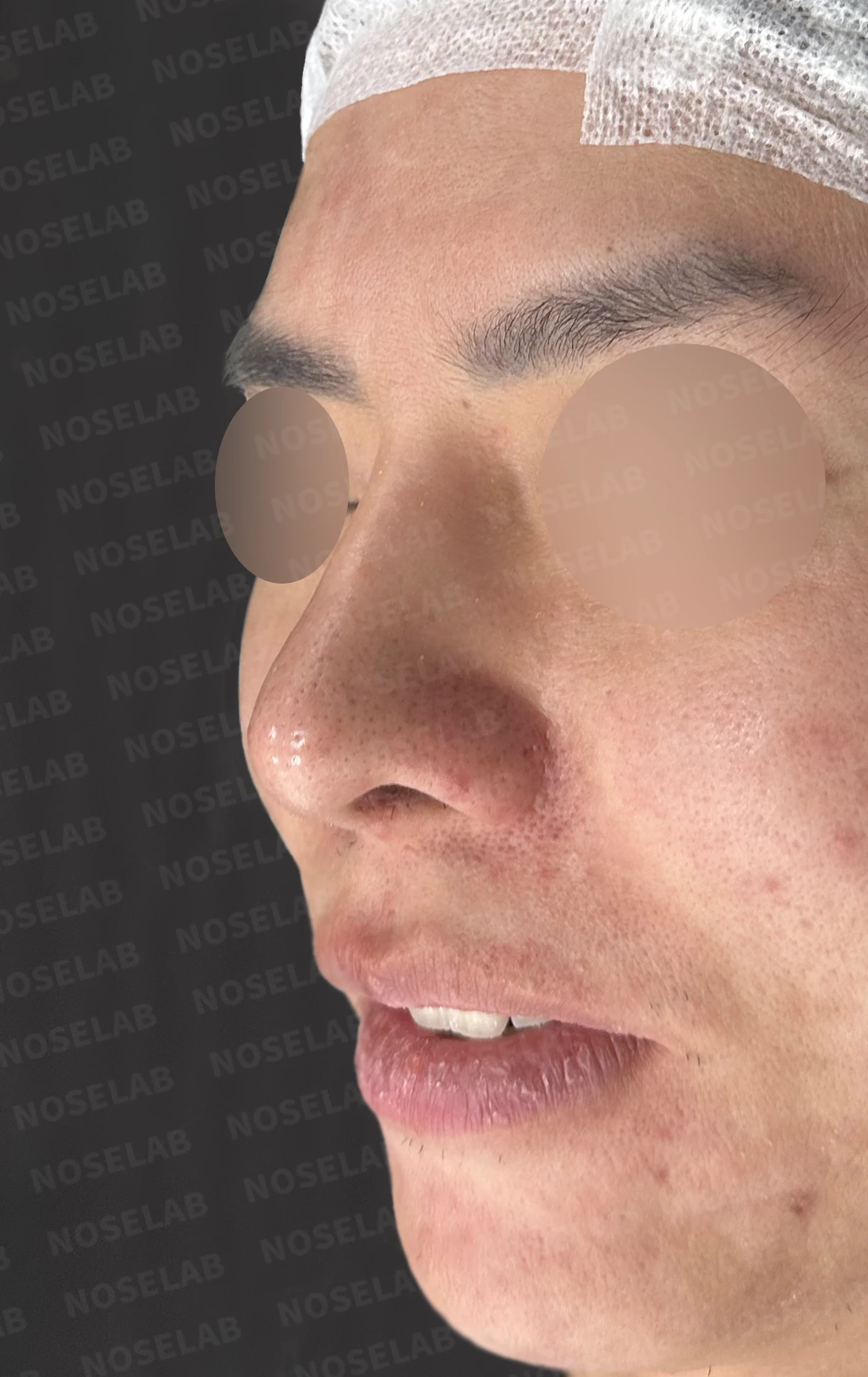
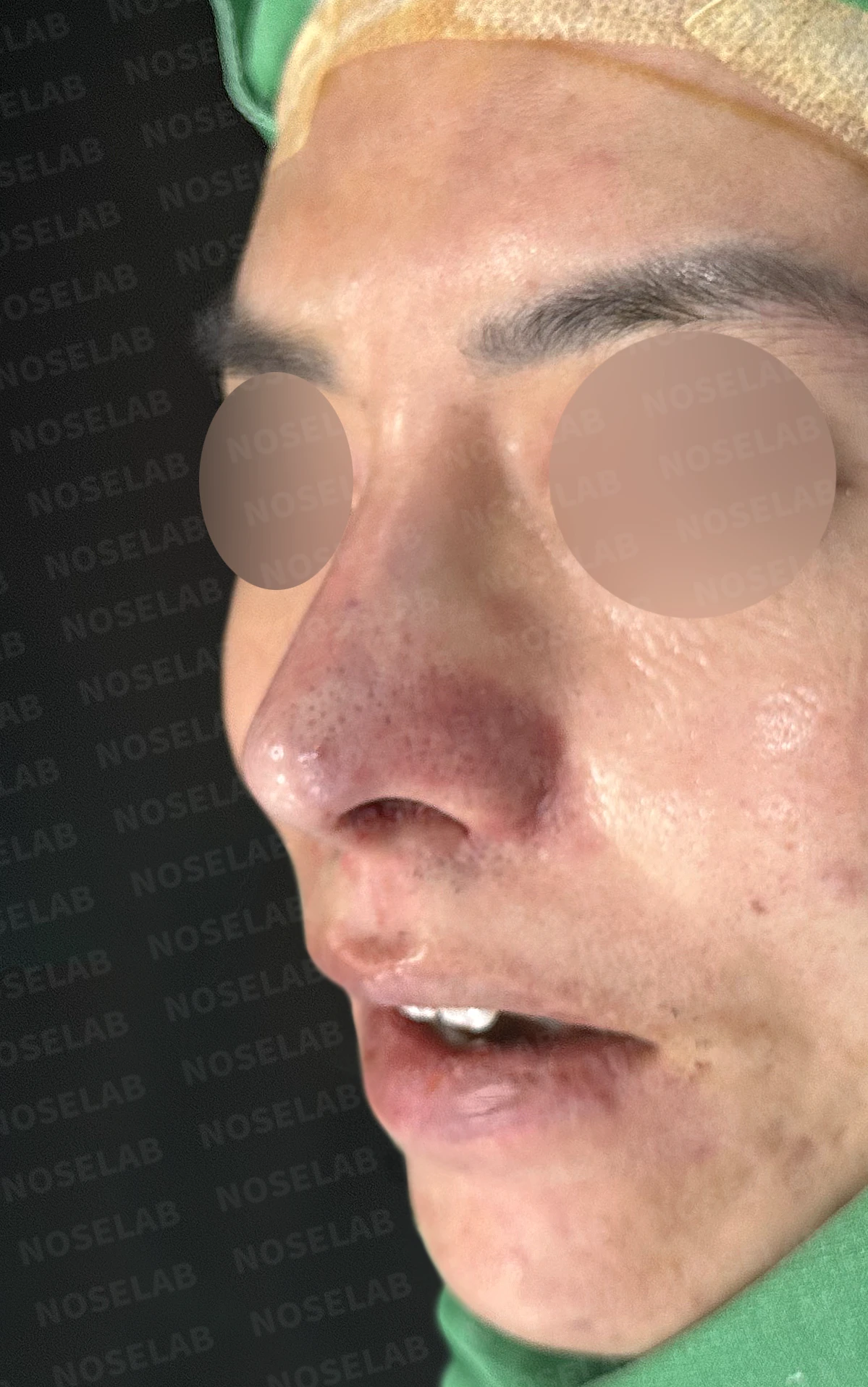
Before surgery / Day 0 immediately after surgery Photos taken immediately after surgery show swelling and may differ from the final result.
Changes in nostril shape
The narrowed right nostril has been enlarged to an appropriate size.
Symmetry between both nostrils has significantly improved.
Adjusting the columellar width resulted in a natural nostril shape.
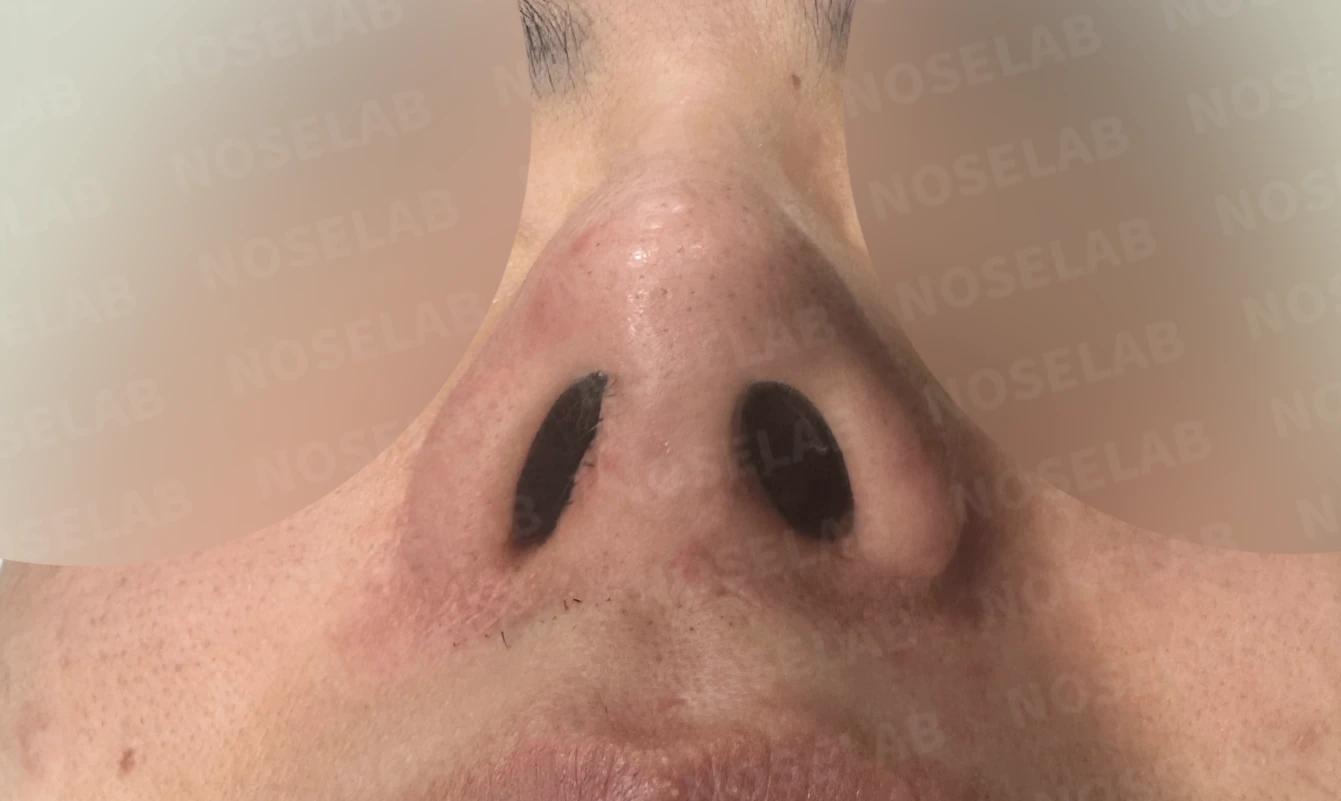
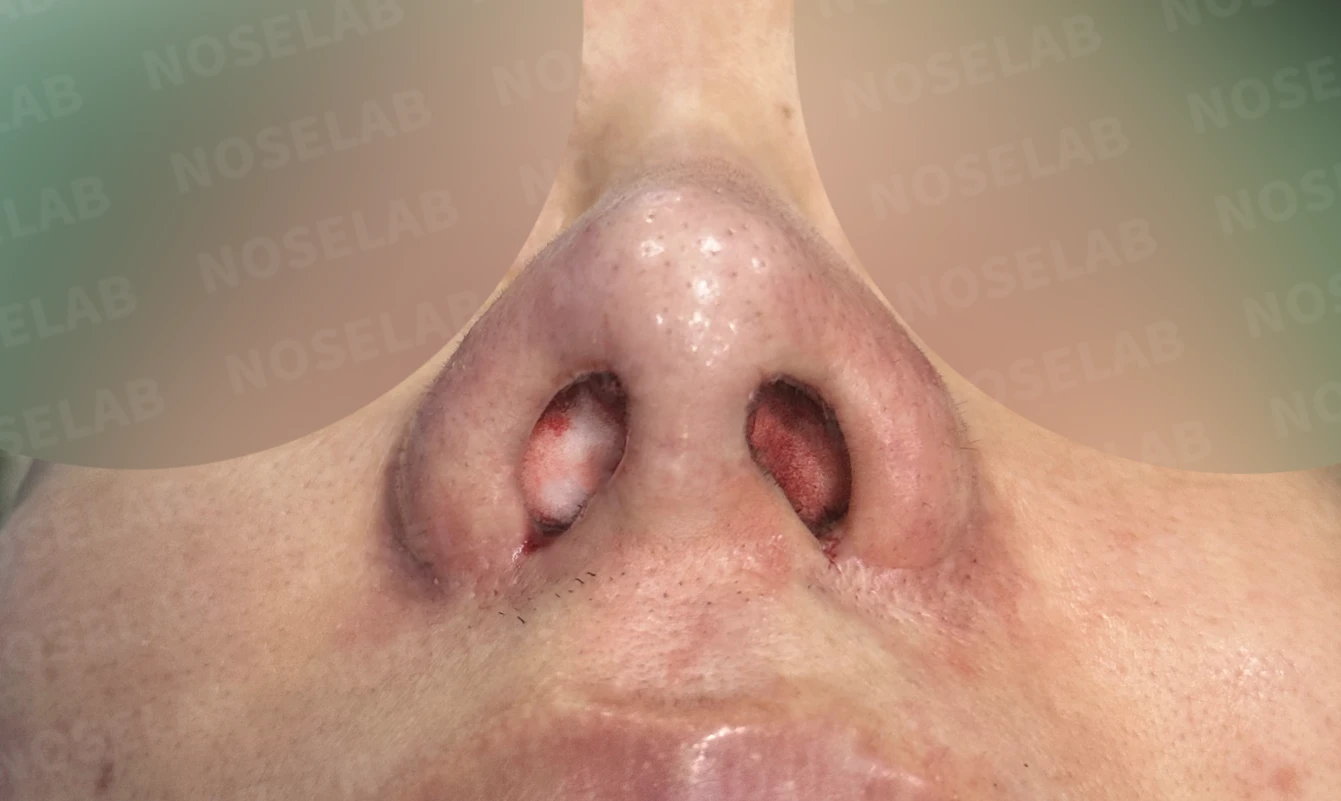
Before surgery / Day 0 immediately after surgery Photos taken immediately after surgery show swelling and may differ from the final result.
💡 Specialist opinion
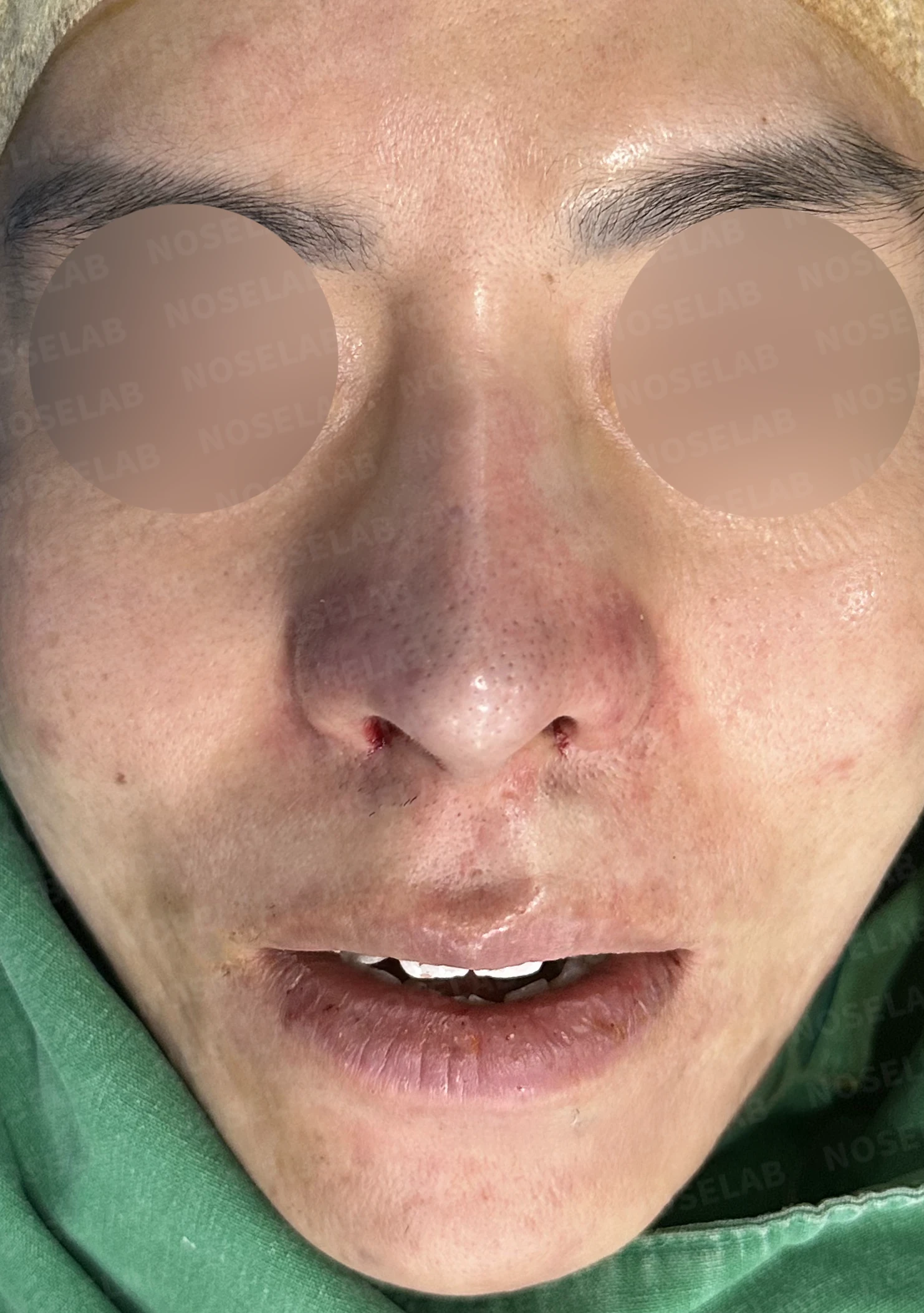
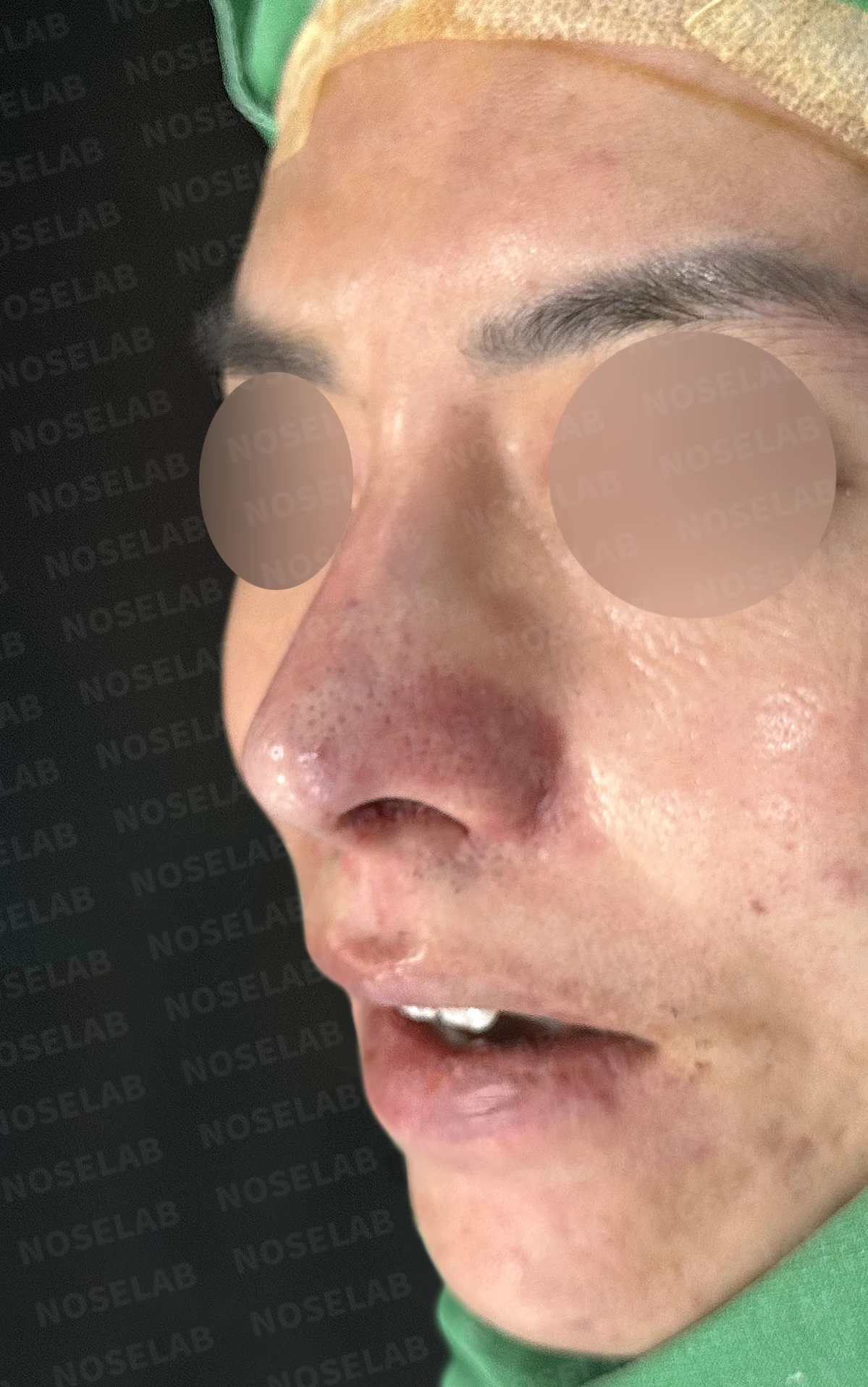
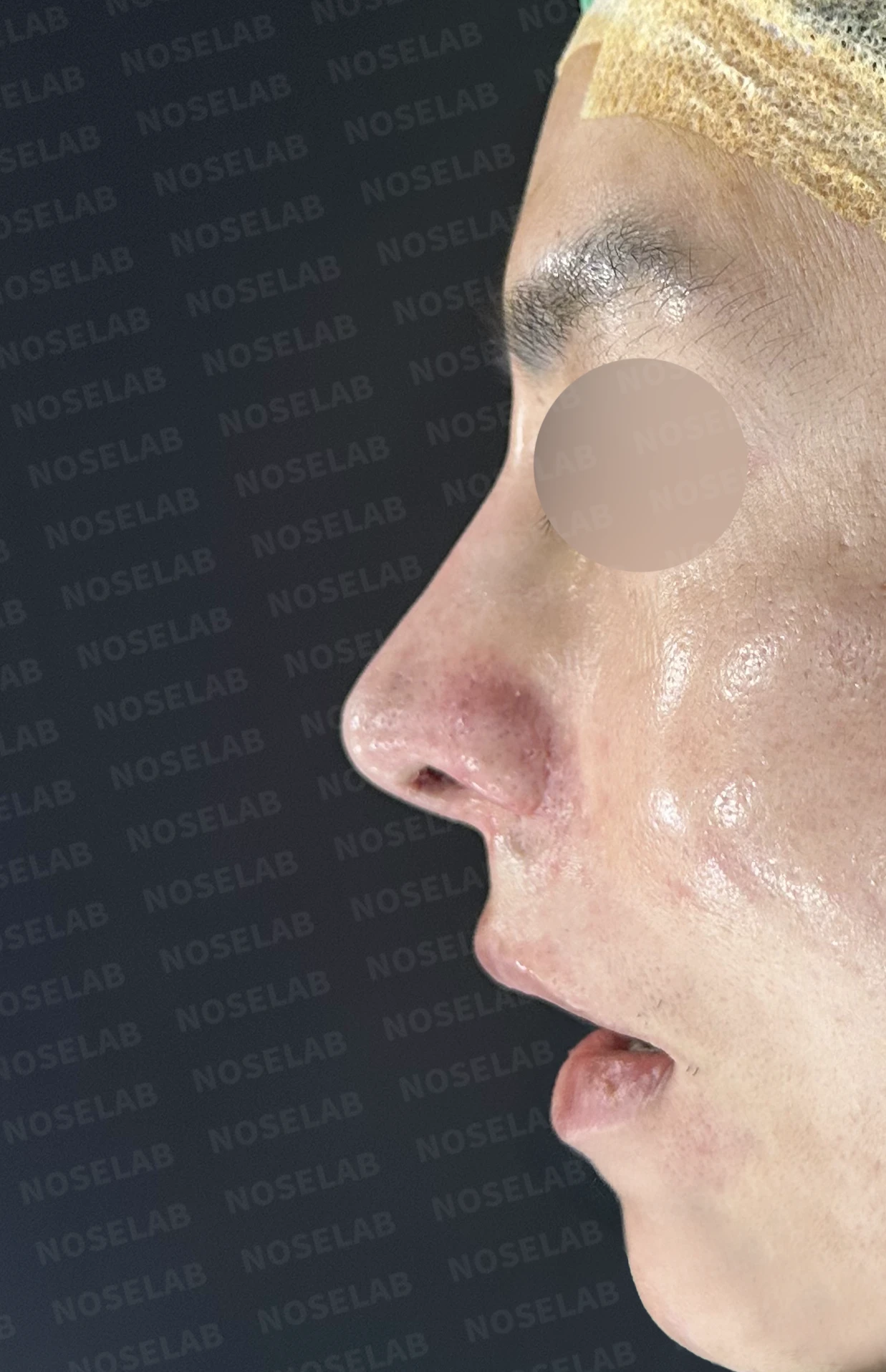
Front, oblique, and profile views on day 0 immediately after surgery. Photos taken immediately after surgery show swelling and may differ from the final result.
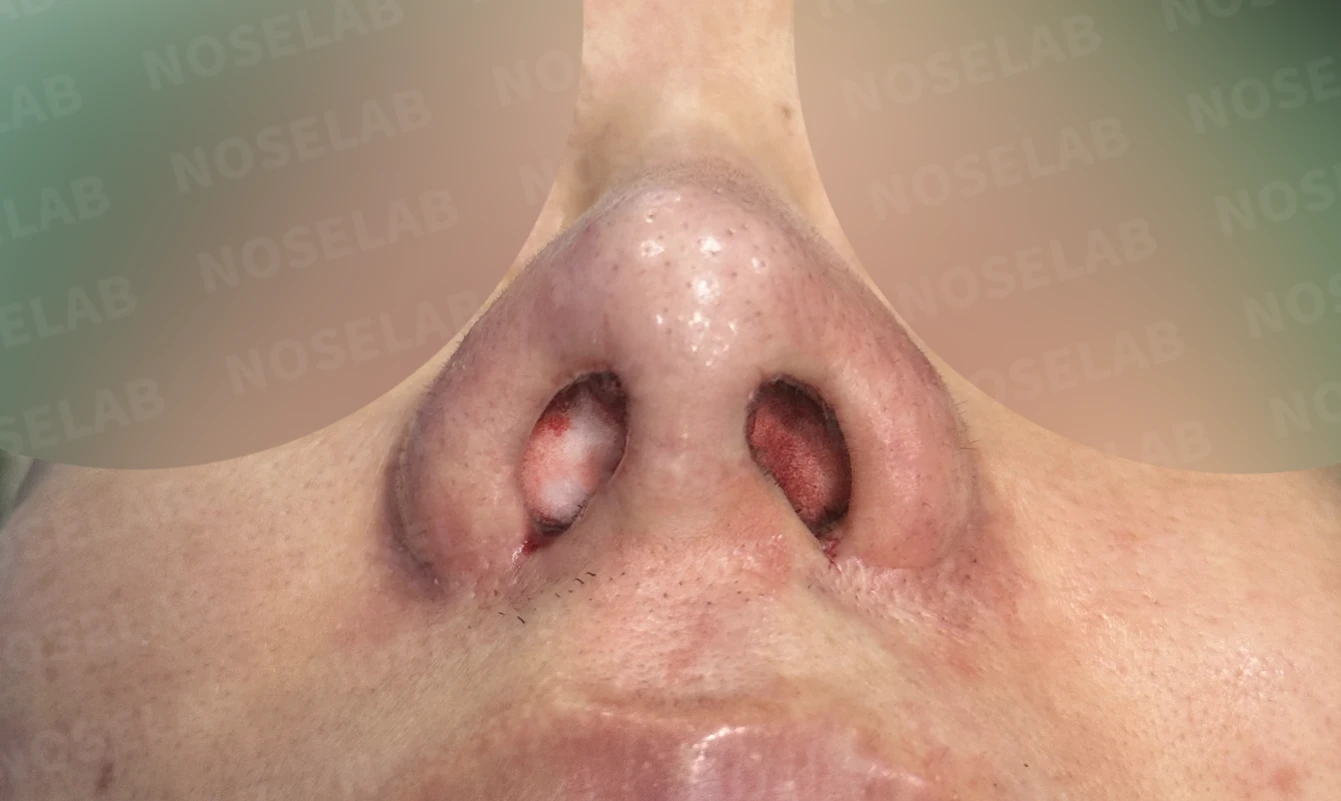
Nostril view on day 0 immediately after surgery. Photos taken immediately after surgery show swelling and may differ from the final result.
This is a revision case involving functional problems where nasal obstruction was not resolved despite multiple surgeries, but rather worsened. Because previous surgery had led to right nostril narrowing, septal deviation, and nasal valve stenosis, a meticulous approach was essential.
In rhinoplasty, functional aspects are just as crucial as aesthetic ones. No matter how attractive a nose looks on the outside, impaired breathing significantly interferes with a patient's daily life. In this procedure, we focused on restoring respiratory function by straightening internal nasal structures through septoplasty and turbinoplasty, as well as correcting the narrowed nasal valve area.
In addition, the narrowed right nostril was addressed by precisely adjusting the columellar width combined with a skin graft to balance both nostrils. By adjusting the dorsal height and reducing the nasal base, overall balance was improved, achieving both functional and aesthetic goals.
Because revision rhinoplasty requires addressing scar tissue and deformed structures from previous surgeries, it demands higher levels of experience and surgical skill than a primary procedure. When functional problems are also present, a comprehensive surgical plan accounting for both internal structure and external appearance is essential. NOSELAB strives to deliver the intended results even in such complex revision cases by meticulously resolving the patient's functional discomfort.
This was Dr. Peter C. Kang. Thank you.

#closedrhinoplasty #closedrevisionrhinoplasty #nasalobstructionsurgery #septoplasty #nasalvalvestenosis #revisionrhinoplasty #functionalrhinoplasty #nostrilasymmetry #dorsalreduction
Limitations and risks
When autologous rib cartilage is used, scarring and pain may remain at the donor site on the chest, and pneumothorax (pleural injury) can occur rarely. Over time, the grafted cartilage may warp or undergo partial resorption.
When revising after implant removal, contracture may progress again after removal, the nasal height and length may decrease, and staged surgery may be necessary depending on the skin condition.
When foreign materials such as injected fillers are removed and reconstructed, contracture may recur, nasal height and length may decrease, and staged surgery may be necessary depending on the skin condition.
When the septum is corrected at the same time, nasal obstruction may persist or recur, and in rare cases, septal perforation or changes in smell may occur.
Common potential risks include infection, bleeding, asymmetry, scarring, skin necrosis, and insufficient improvement; results vary depending on individual skin condition and previous surgical history.