Hello, I am Dr. Peter C. Kang.
Today, I would like to share the case of a patient who resolved inflammation and an upturned nose that began 12 years ago through autologous rib cartilage reconstruction.
📍 Surgical history
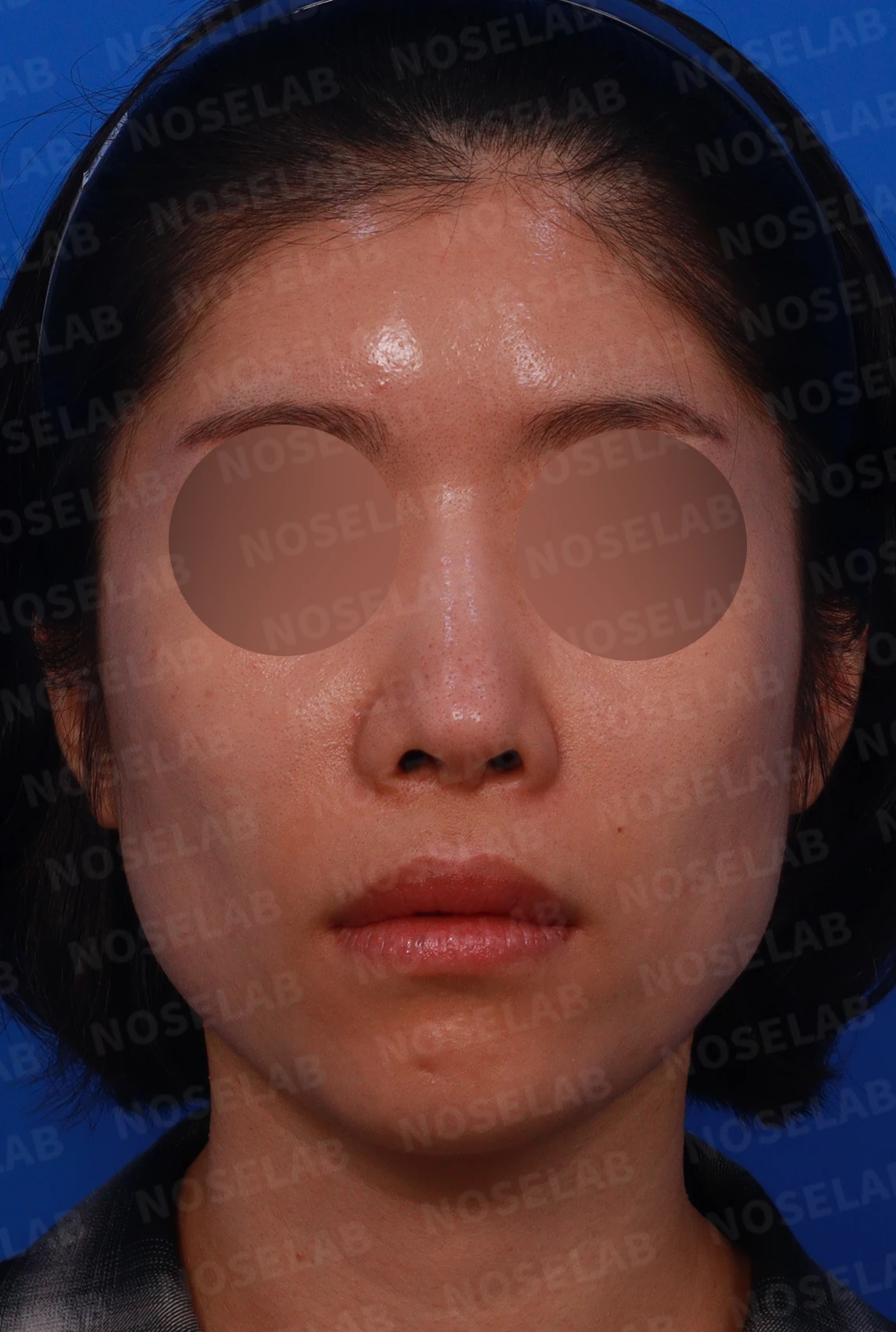
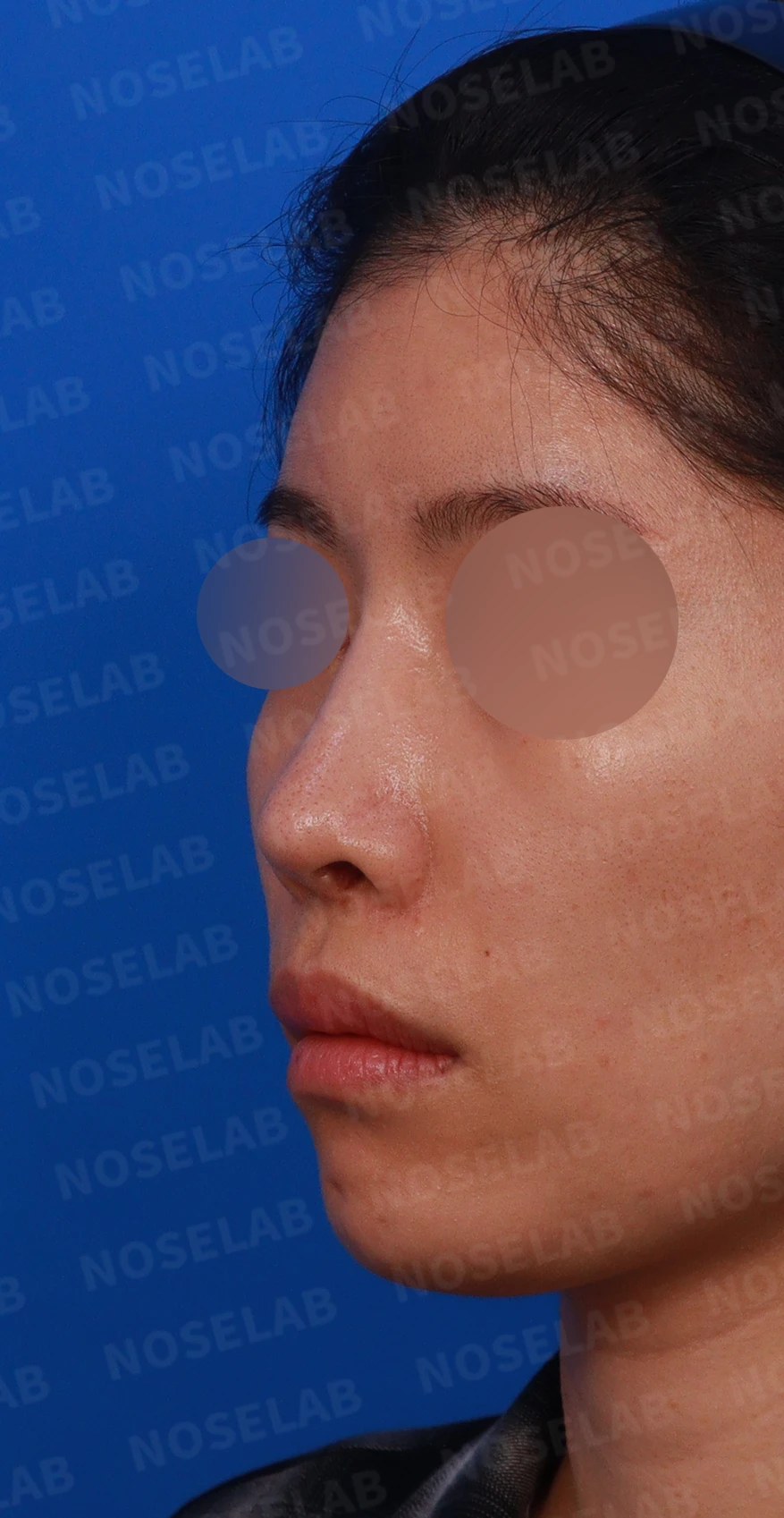
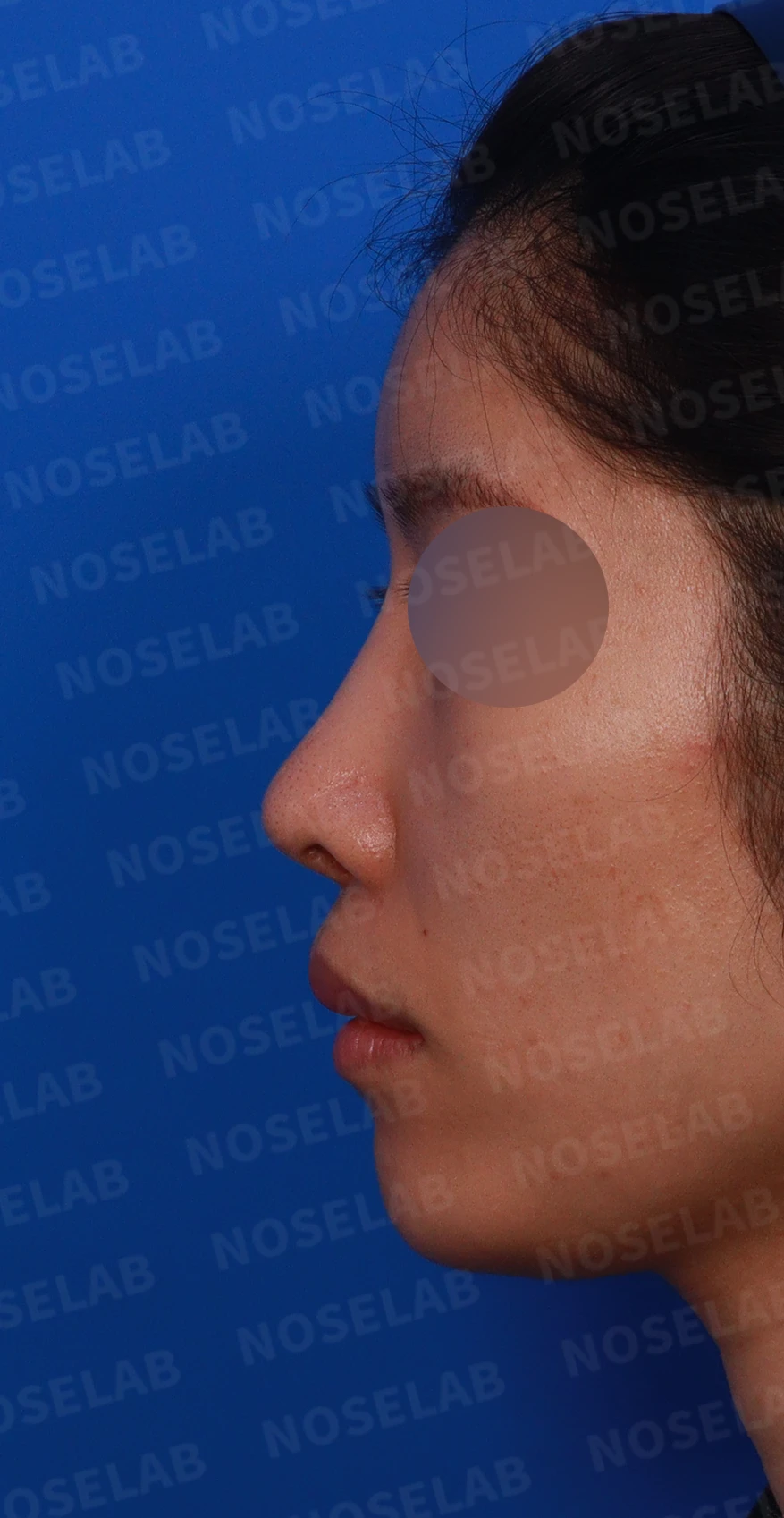
These are design consultation photos: front, oblique, and left profile views.
12 years ago
First rhinoplasty
Inflammation occurred on day 0 immediately after surgery Immediate postoperative photos show swelling and may differ from the final result.
11 years and 6 months ago
Tip-binding surgery
8 years ago
Ear cartilage + septum + silicone implant + chin implant
🔎 Initial consultation findings
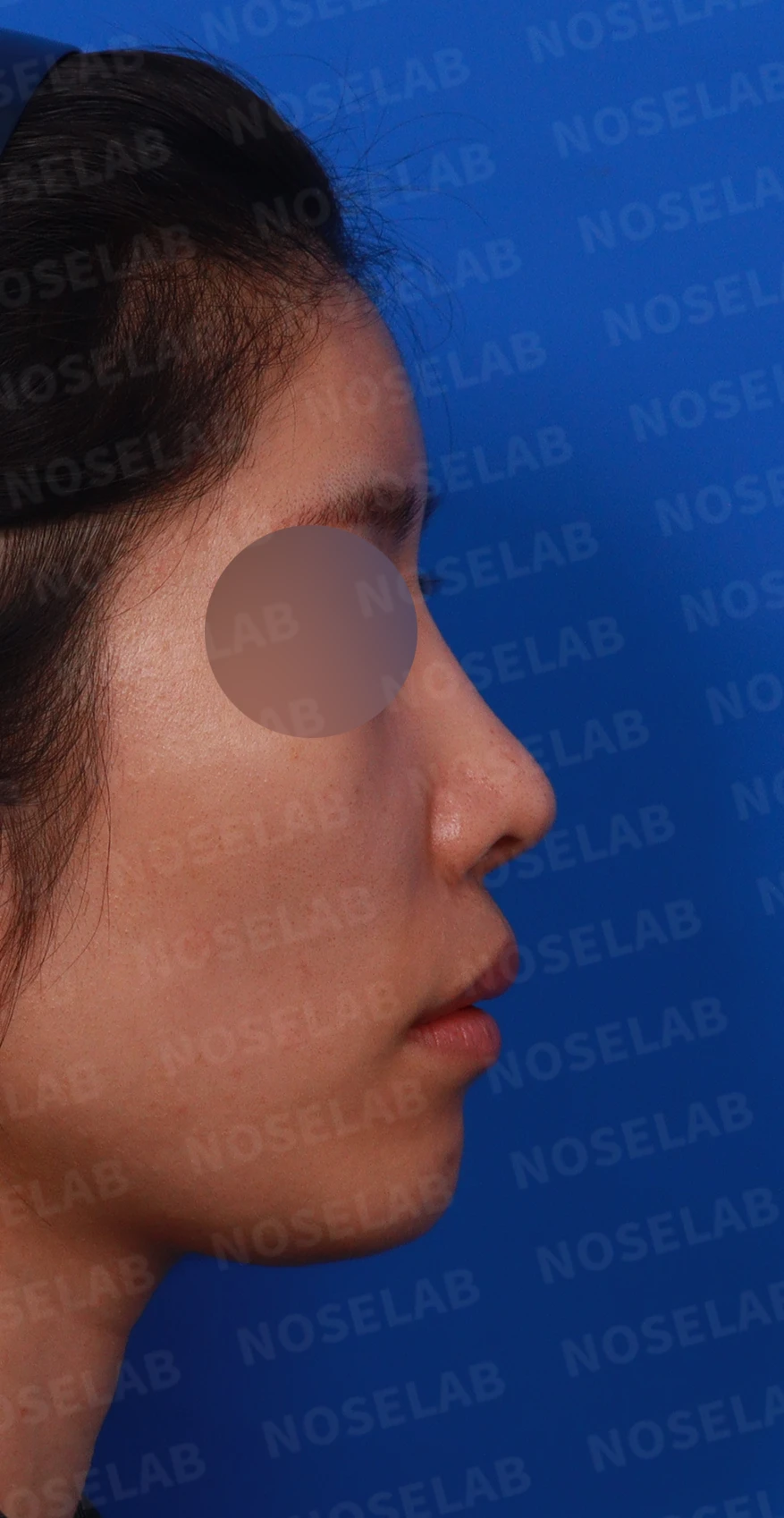
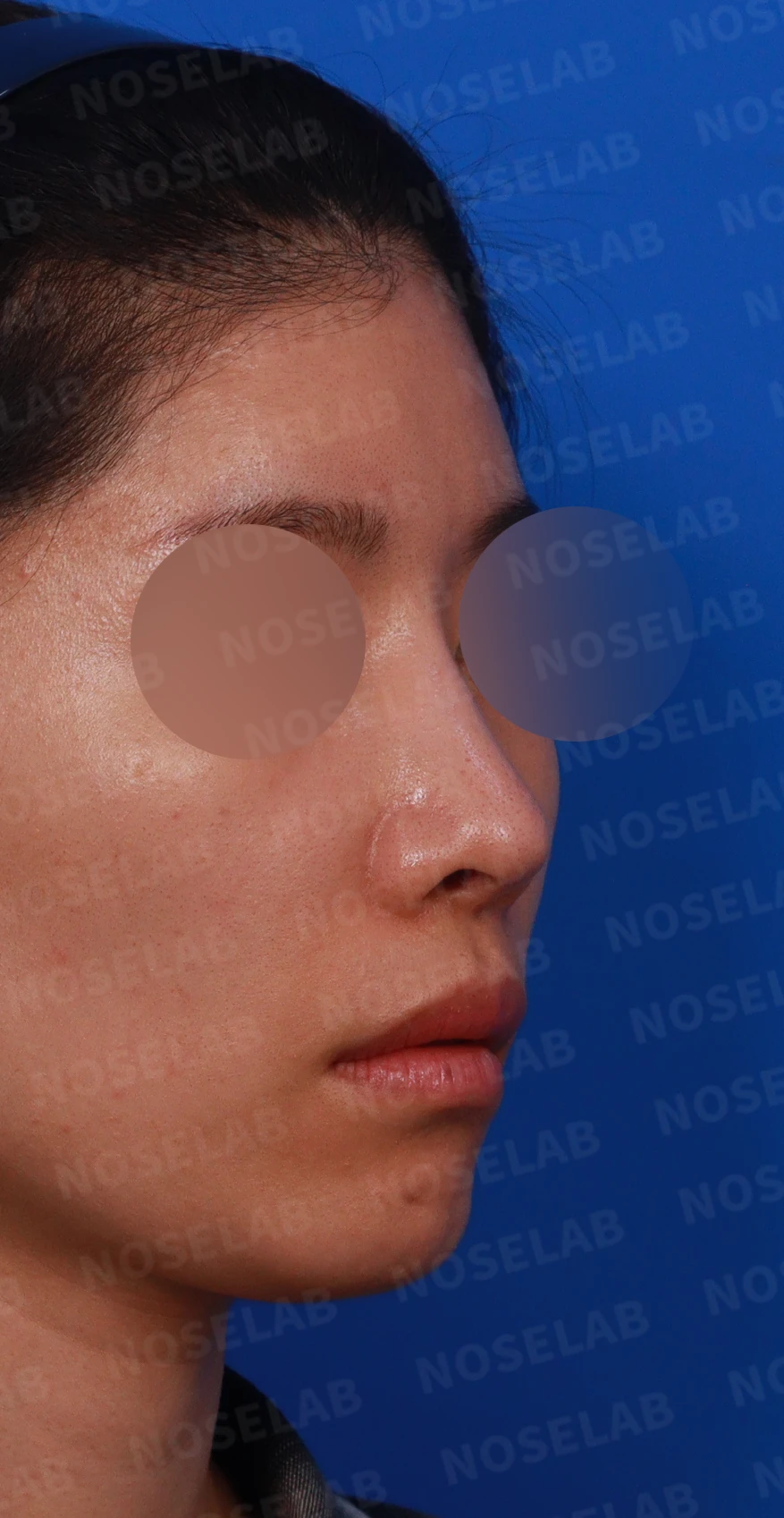
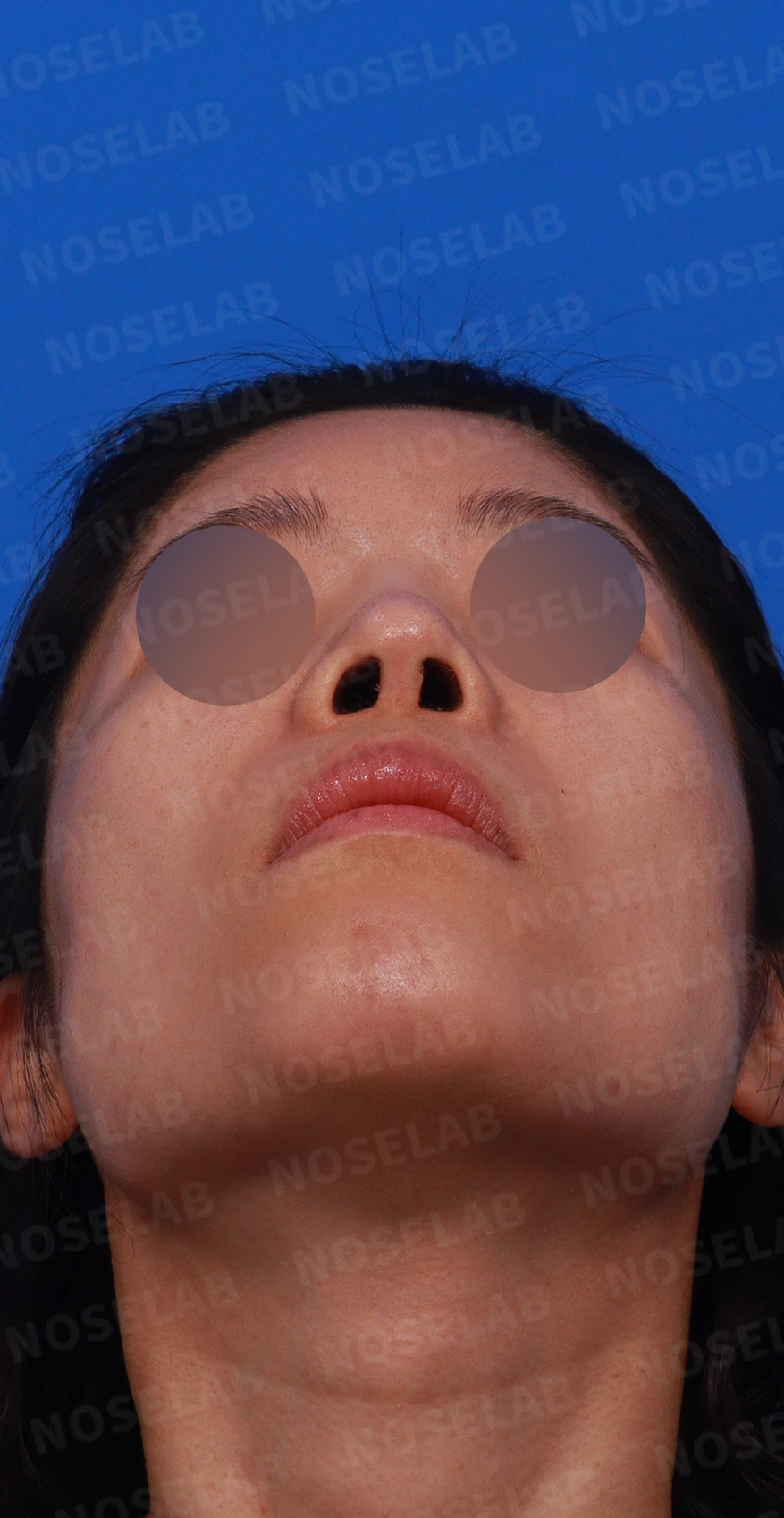
Right profile, oblique, and nostril views during design consultation.
Functional issues
Chronic rhinitis symptoms
Deviated septum
Complaints of stuffiness due to nasal valve stenosis
Aesthetic issues
Redness of the nasal bridge
Upturned nose (caused by excessive elevation of the nasal tip)
Wide nose
Structural instability from previous surgeries
Special notes
Tissue damage caused by inflammation lasting 12 years
Scar tissue from multiple surgeries
✨ Patient's requests
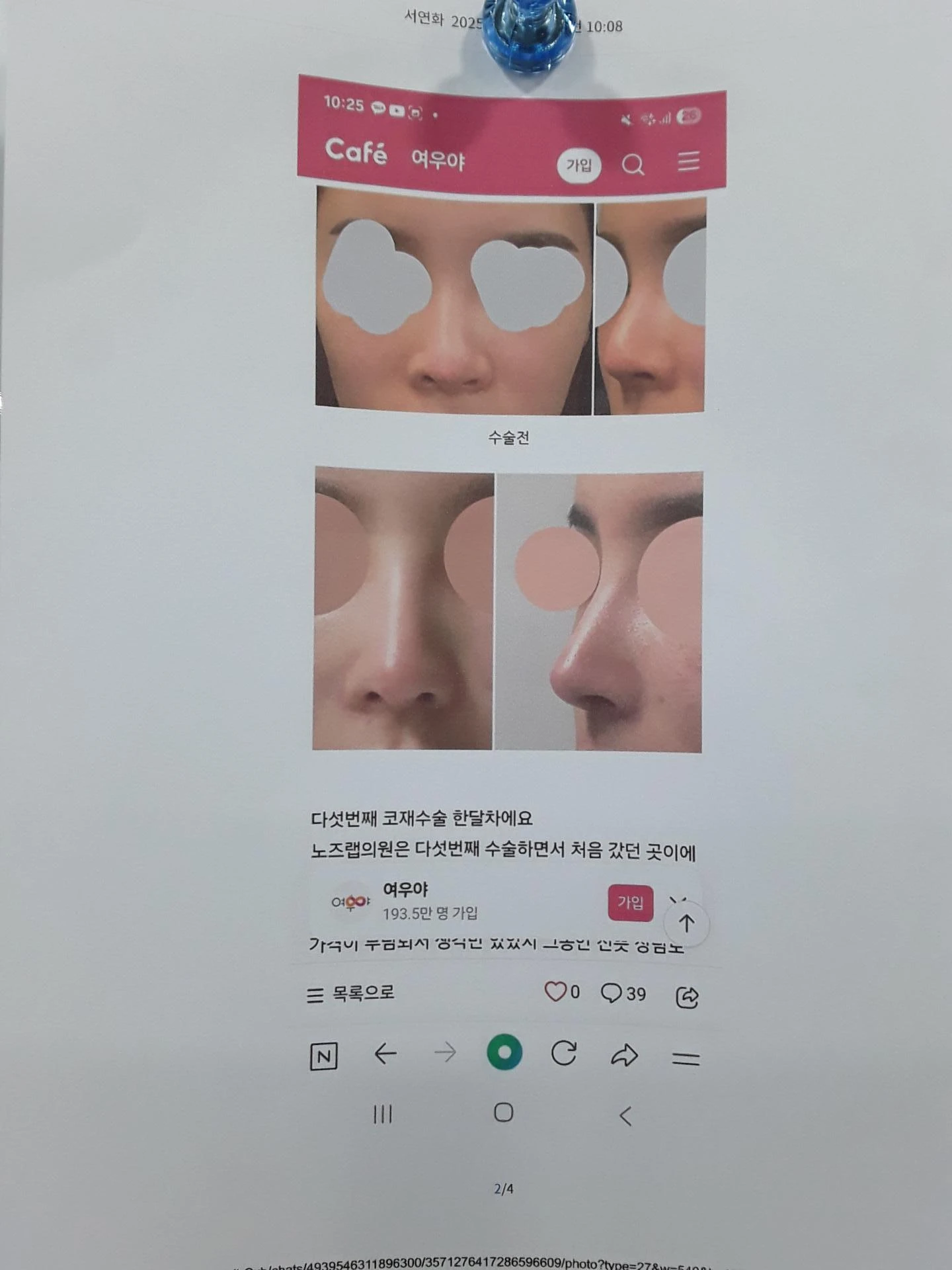
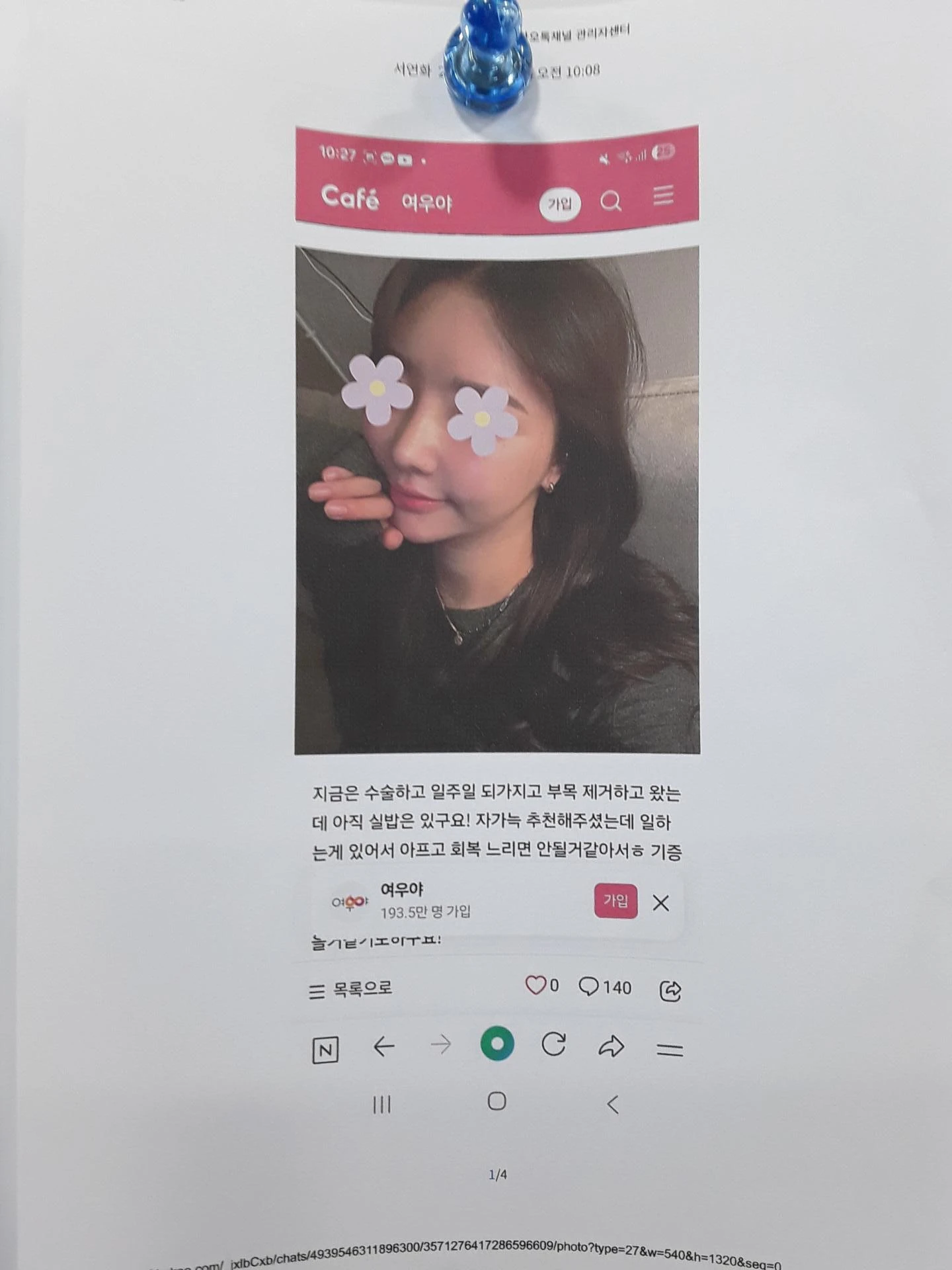
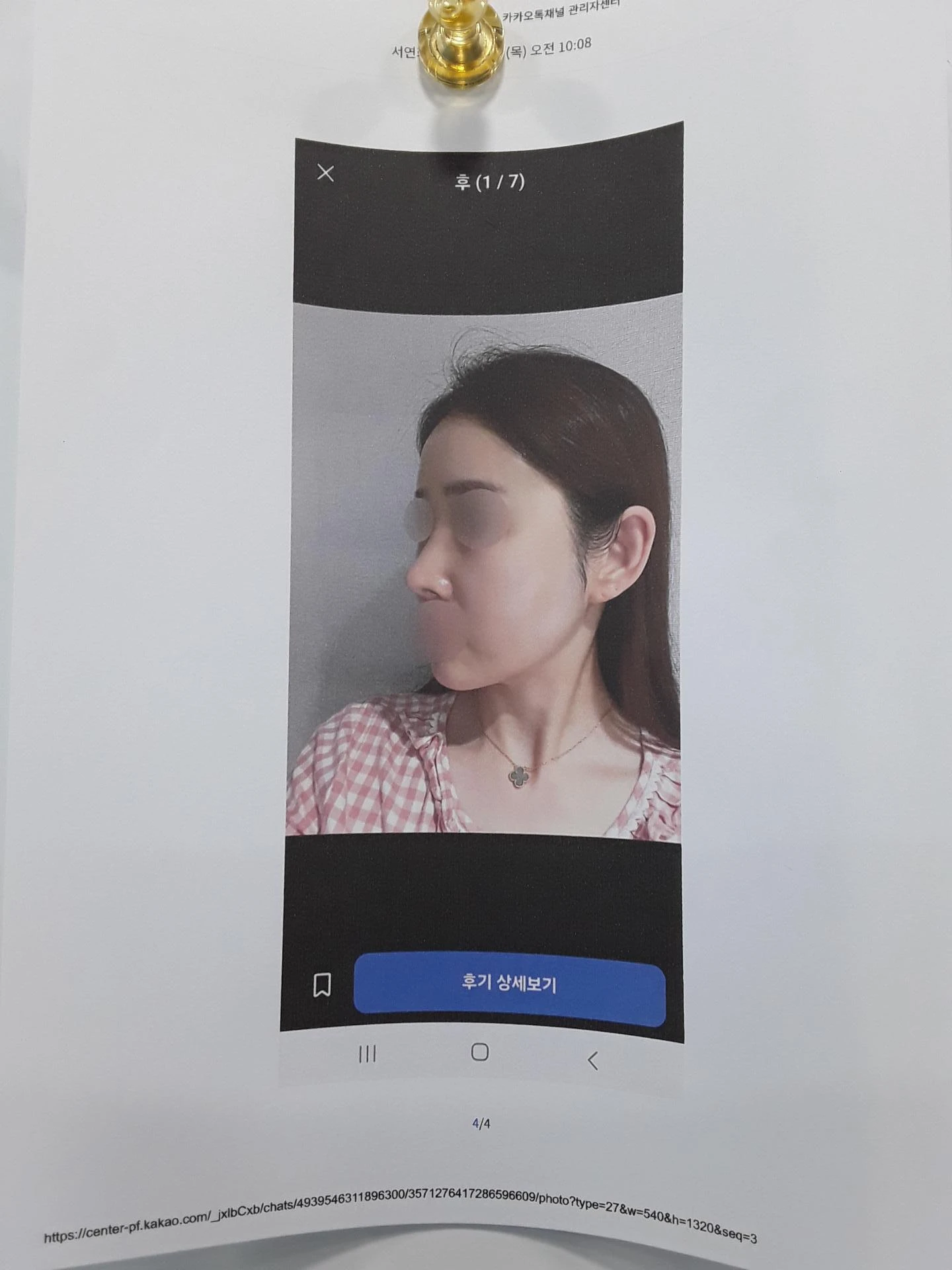
Patient's request photos
Resolution of rhinitis symptoms
Improvement of nasal bridge redness
Natural correction of the upturned nose
Improvement of a wide nose
Stable and lasting results
💉 Surgical procedure details
Structural reconstruction
Reconstruction using autologous rib cartilage
Replacement of the existing unstable structure
Repositioning of tip cartilage to correct the upturned nose
Functional improvement (3 functional procedures)
Correction of deviated septum
Fundamental treatment for chronic rhinitis
Restoration of breathing function through nasal valve reconstruction
Inflammation management
Clearing the areas of inflammation that persisted for 12 years
Eliminating the cause of nasal bridge redness
Establish a stable healing environment
✅ Surgical results
Functional improvement
Alleviation of rhinitis symptoms
Restoration of smooth breathing function
Relief of nasal stuffiness by improving nasal valve stenosis
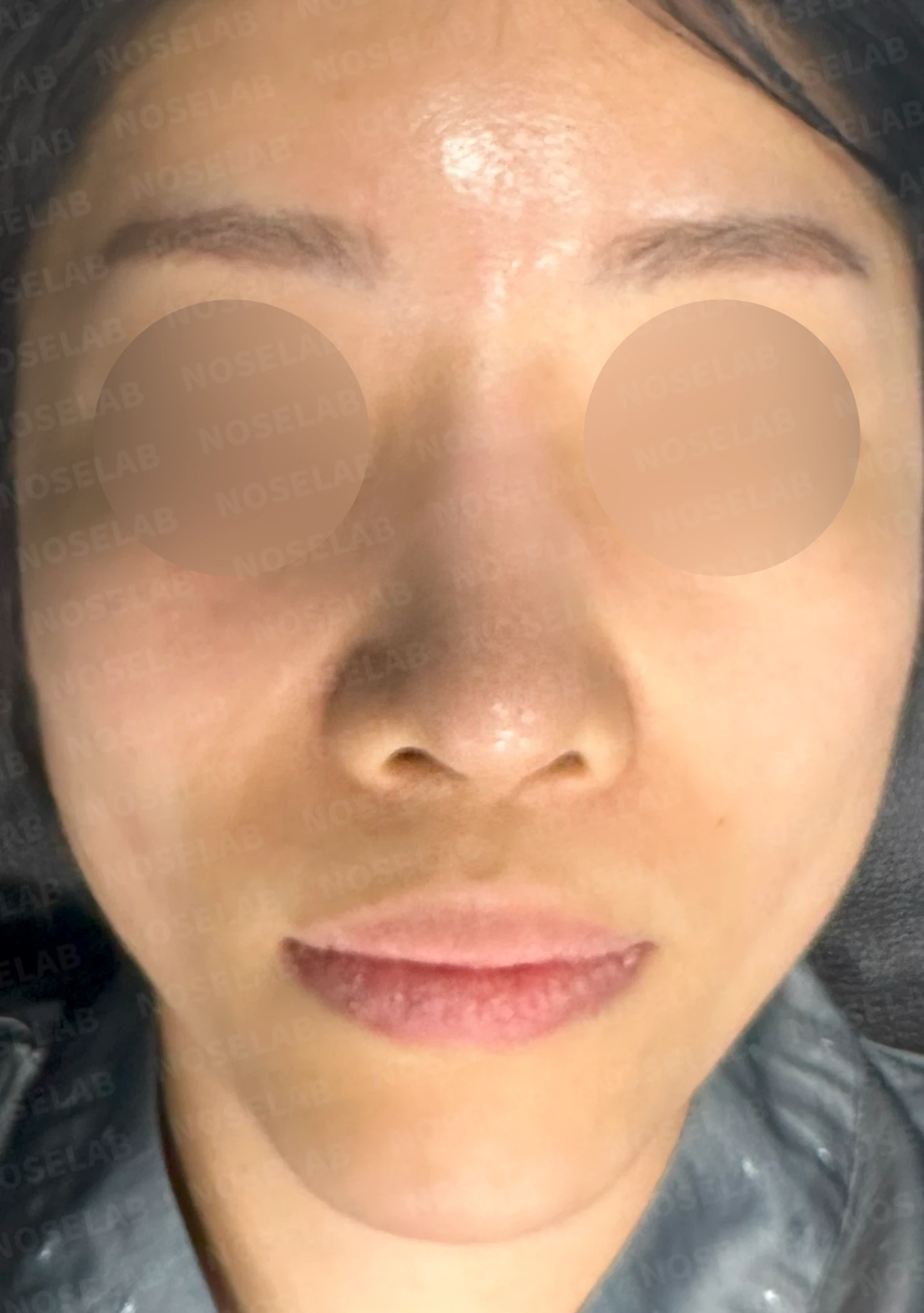
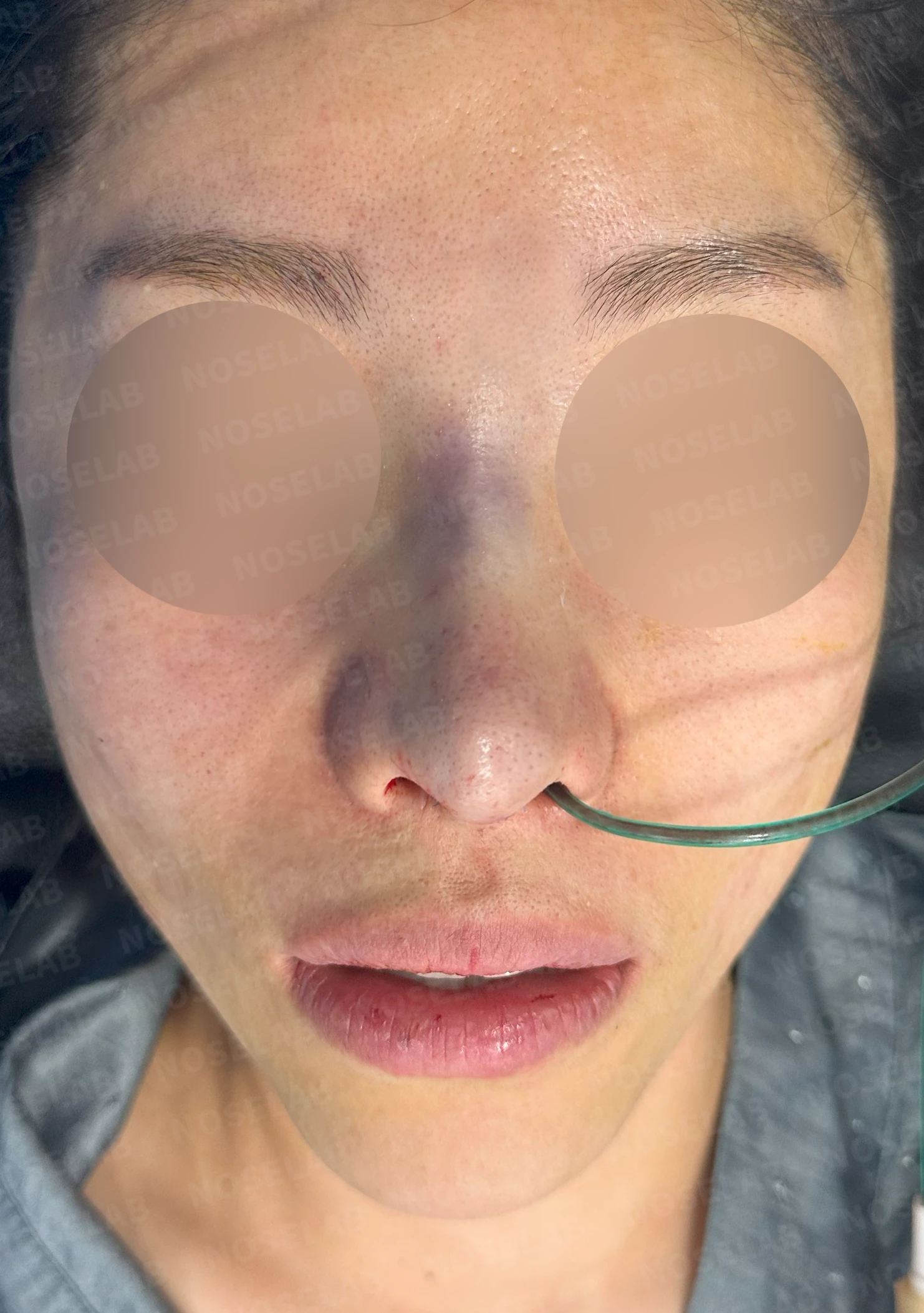
Before surgery / Day 0 immediately after surgery Photos taken immediately after surgery show swelling and may differ from the final result.
Front view
Expected improvement in nasal bridge redness
Naturally corrected wide nose
Balanced overall facial proportions
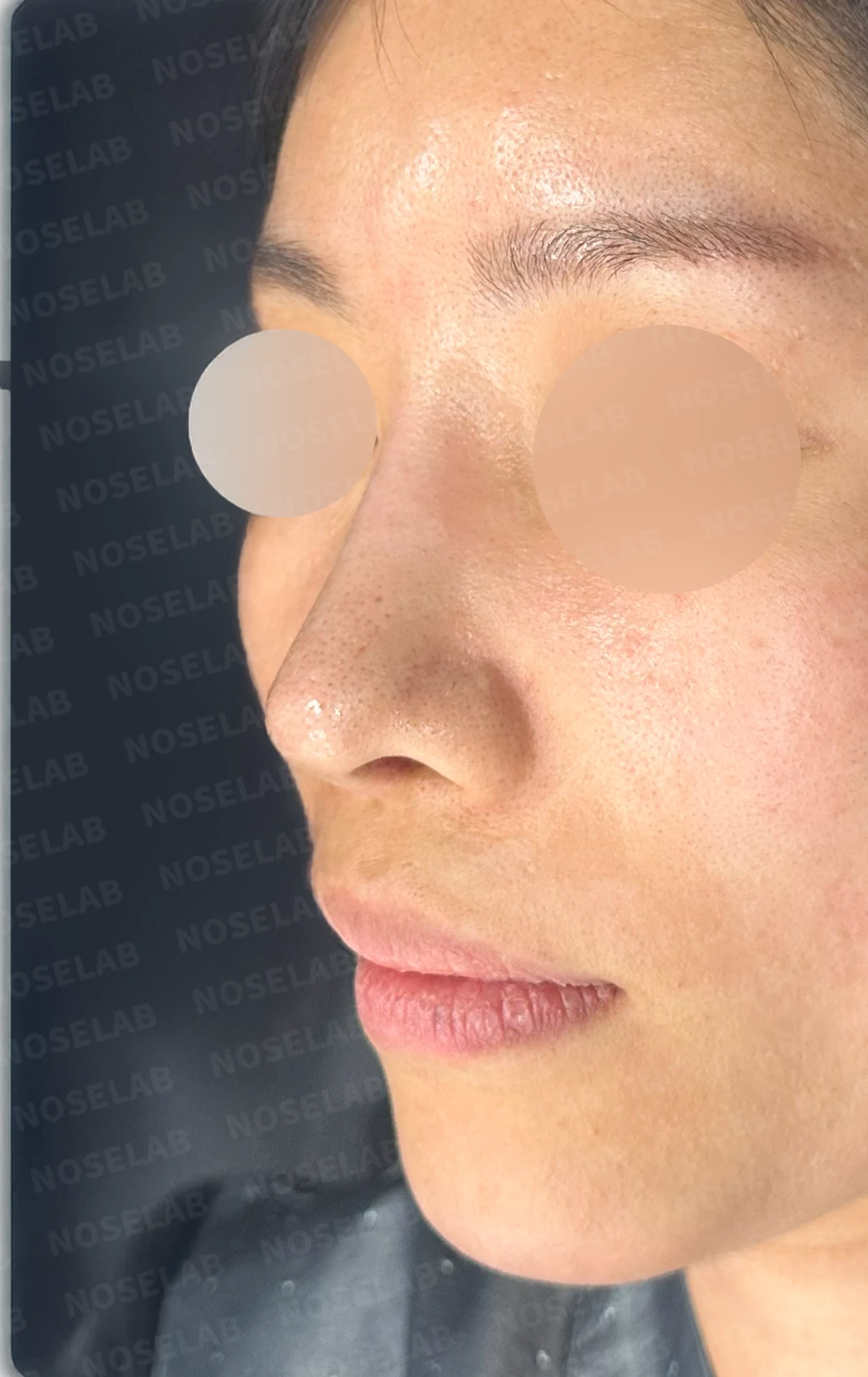
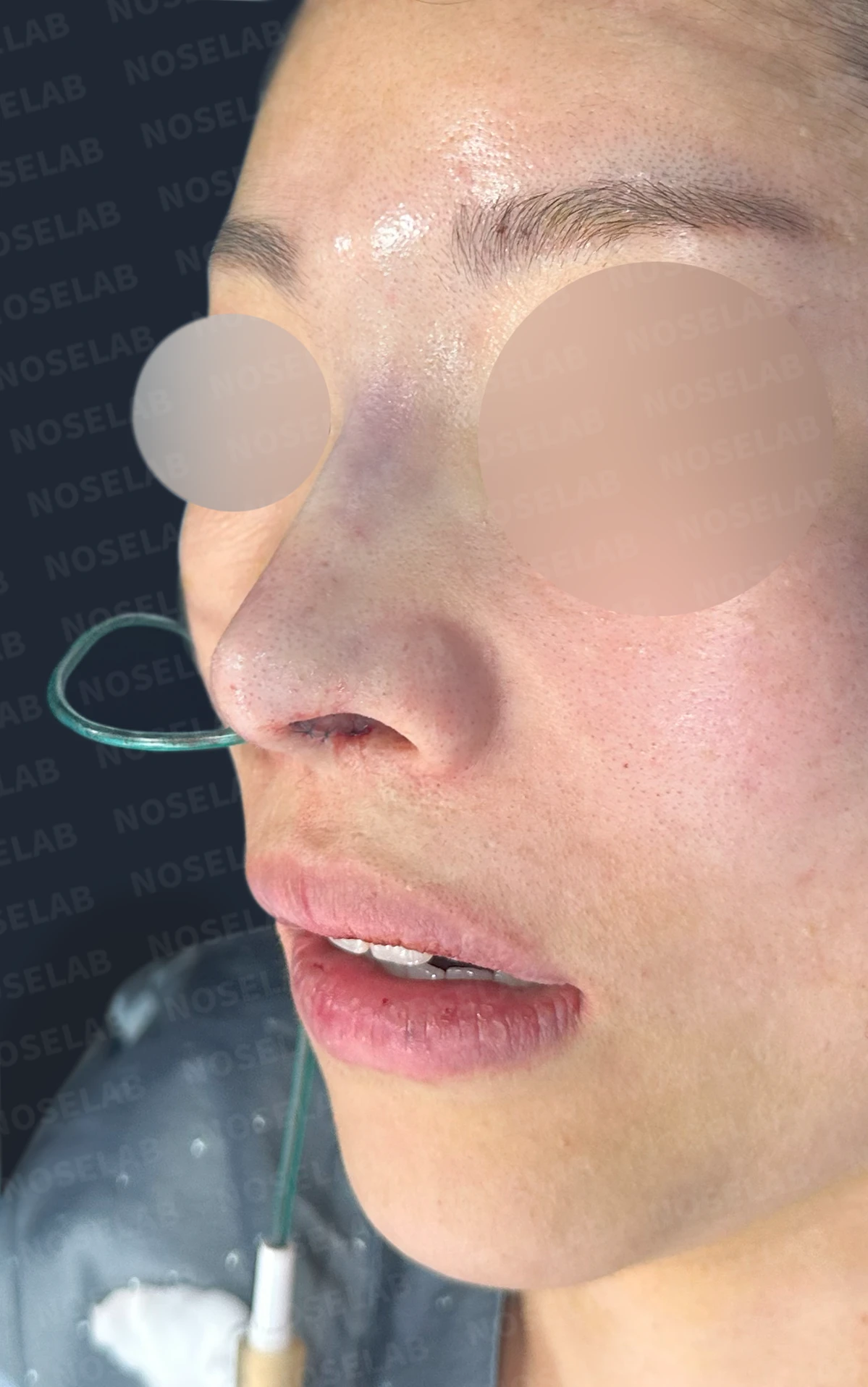
Before surgery / Day 0 immediately after surgery Photos taken immediately after surgery show swelling and may differ from the final result.
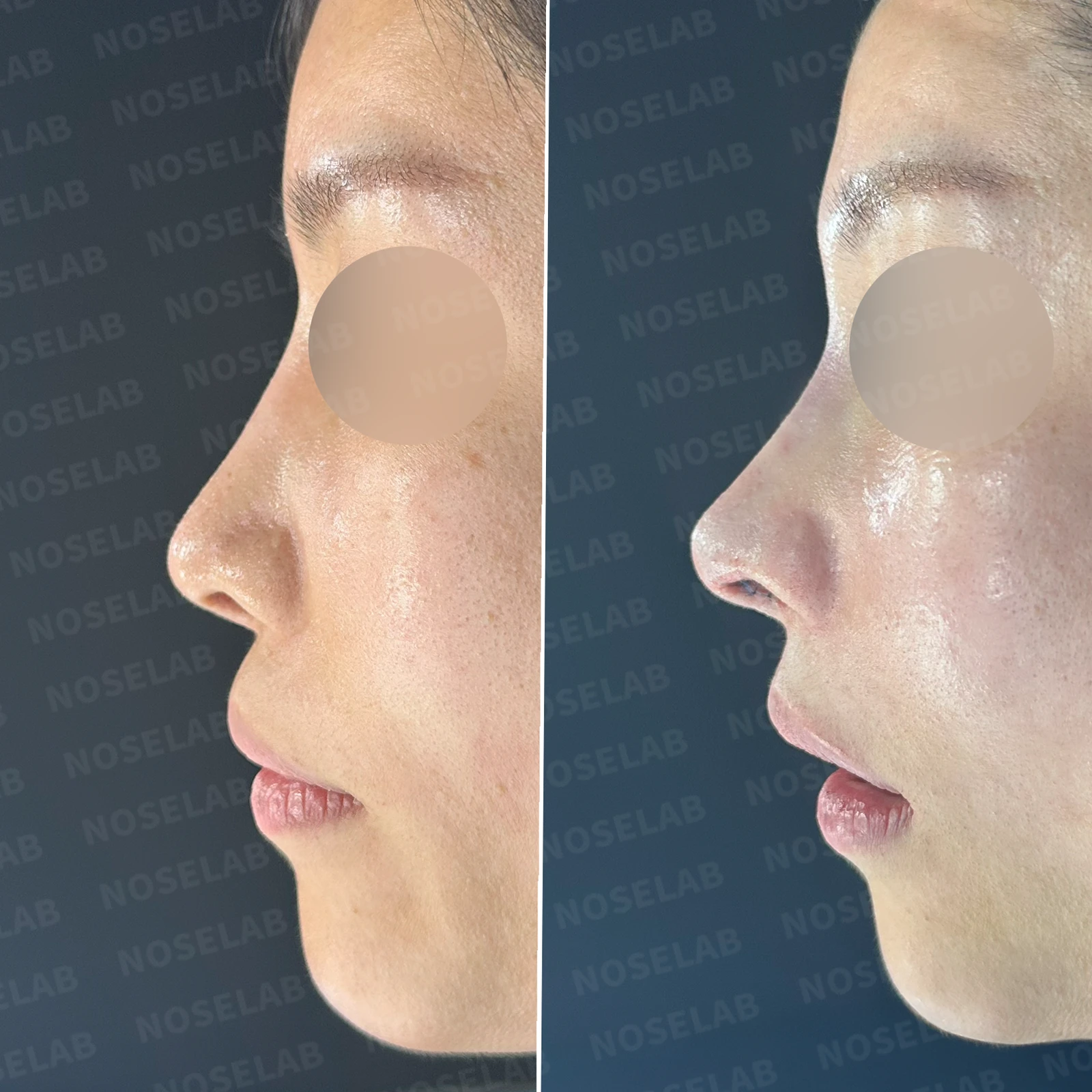
Profile view
Correction from an upturned nose to a natural nasal tip
Stable overall nasal structure
Harmonious facial profile
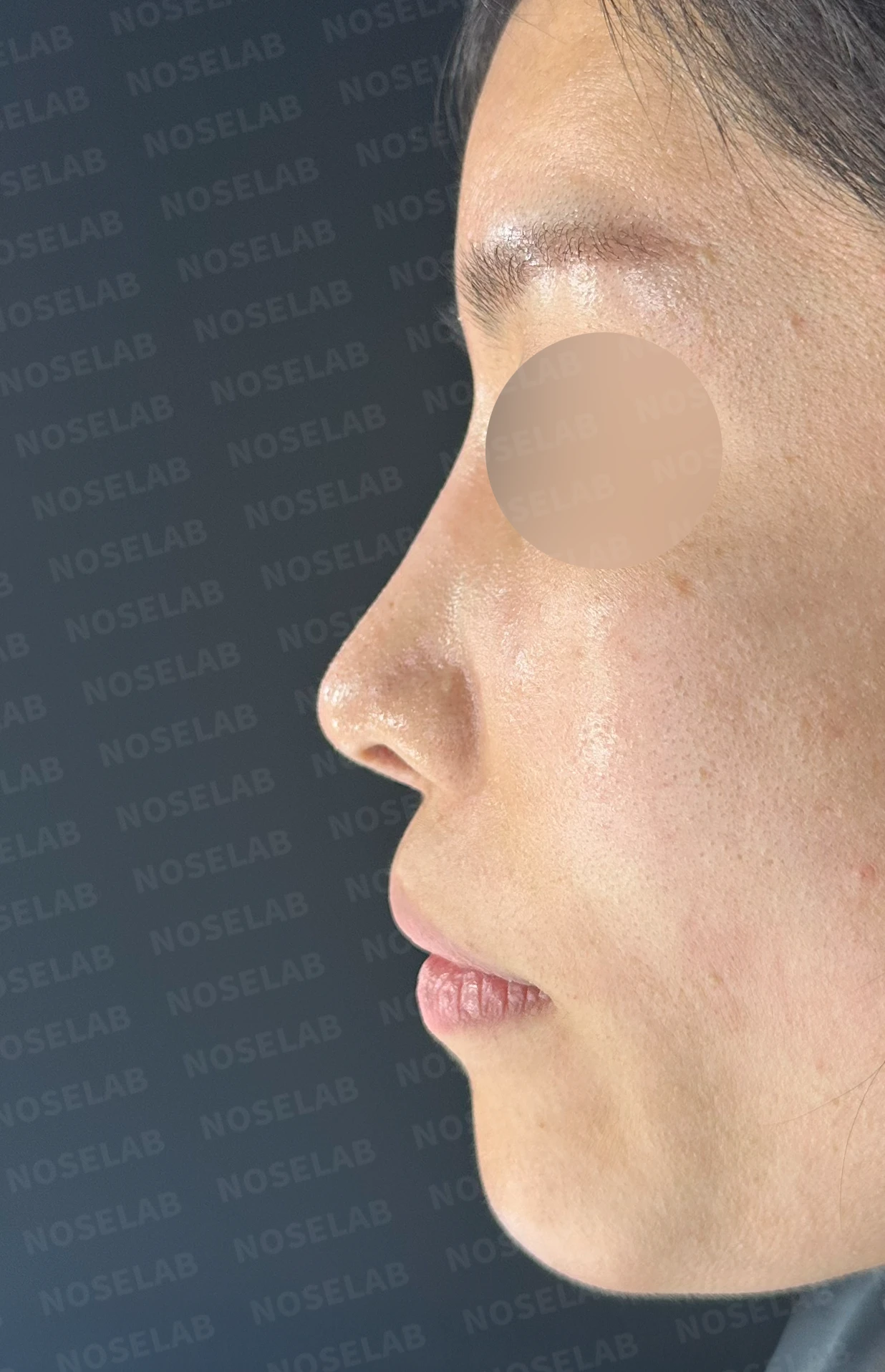
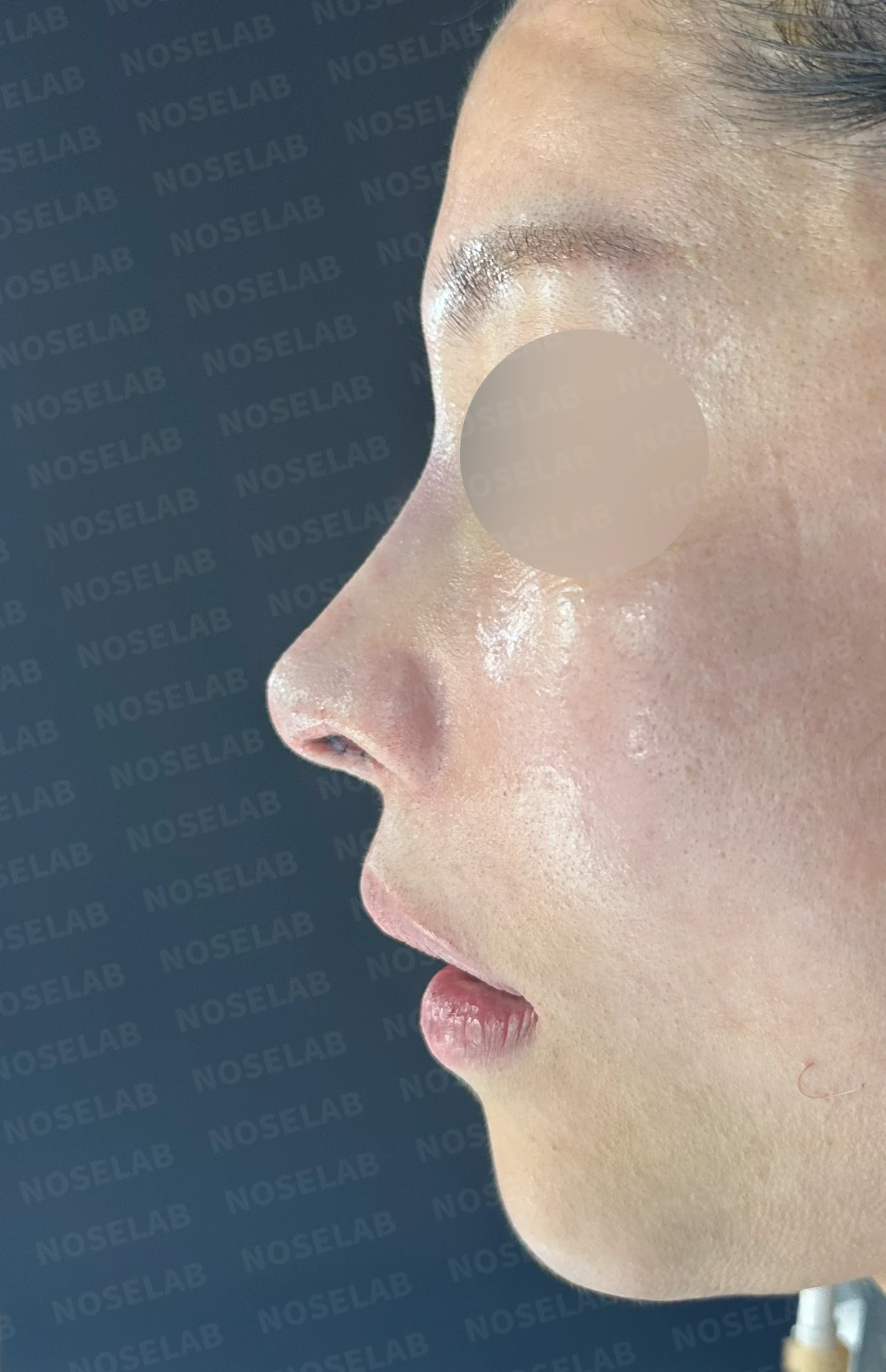
Before surgery / Day 0 immediately after surgery Photos taken immediately after surgery show swelling and may differ from the final result.
Long-term stability
Long-term stability achieved using autologous rib cartilage
Minimizing the risk of recurrent inflammation
Adaptation to natural aging
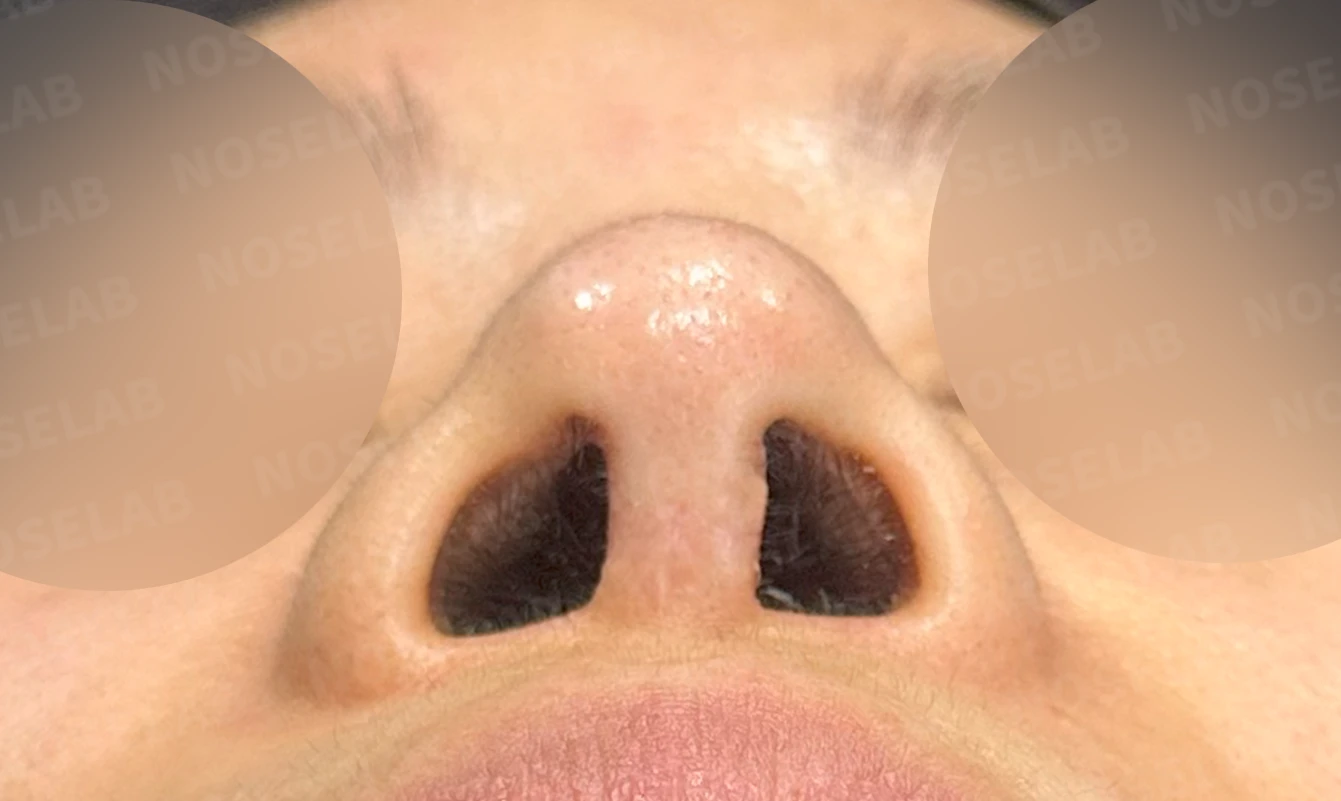
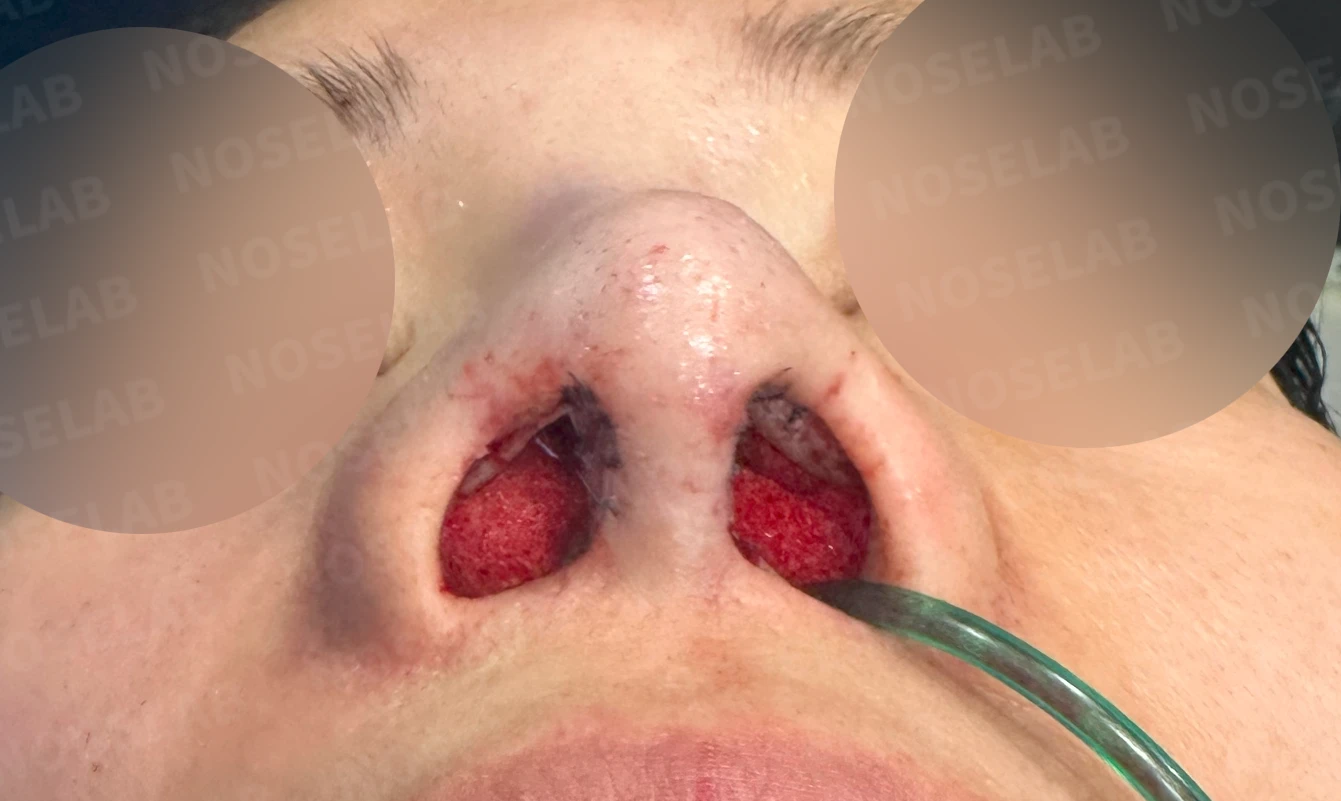
Before surgery / Day 0 immediately after surgery Photos taken immediately after surgery show swelling and may differ from the final result.
👨⚕️ Specialist's assessment
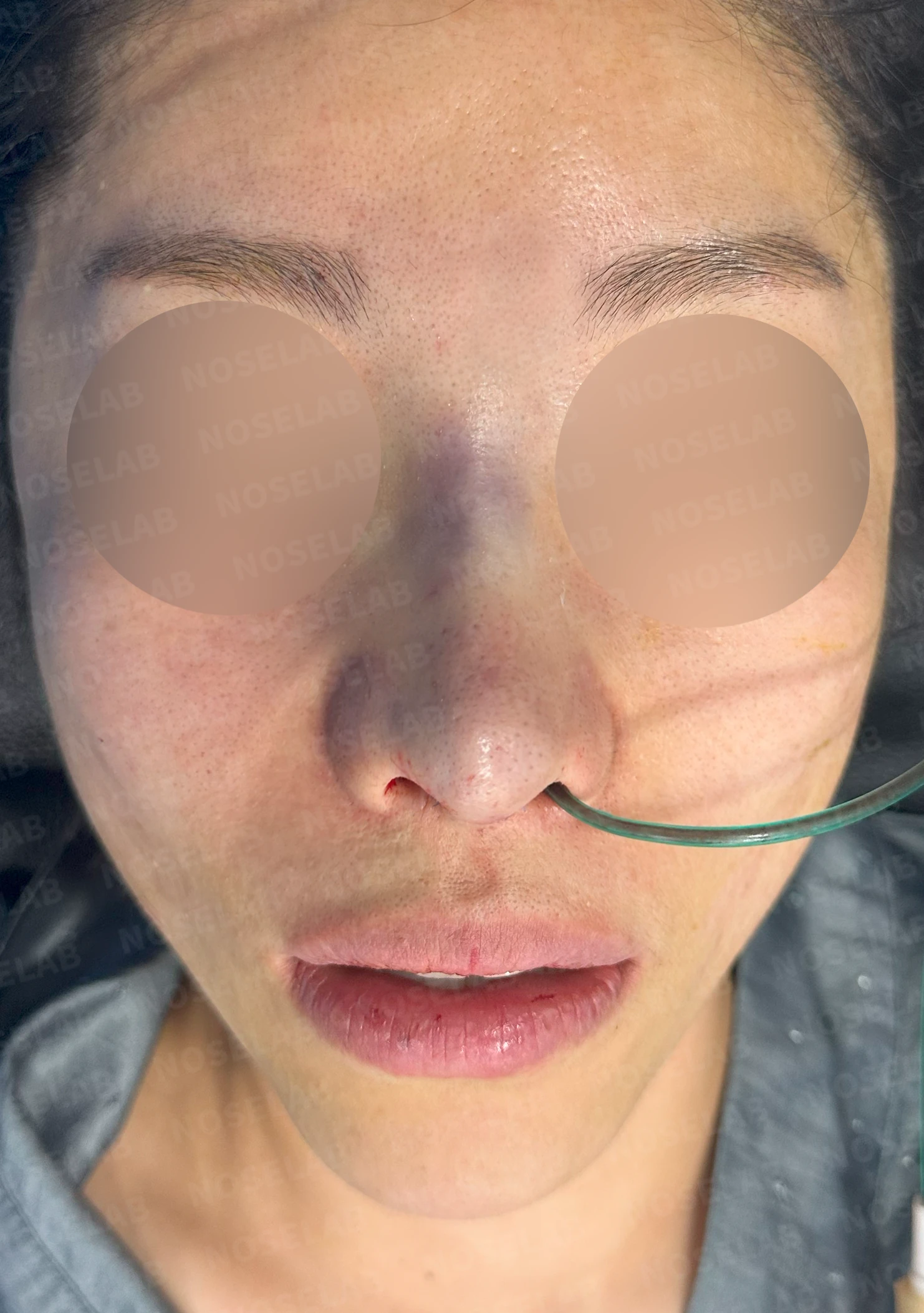
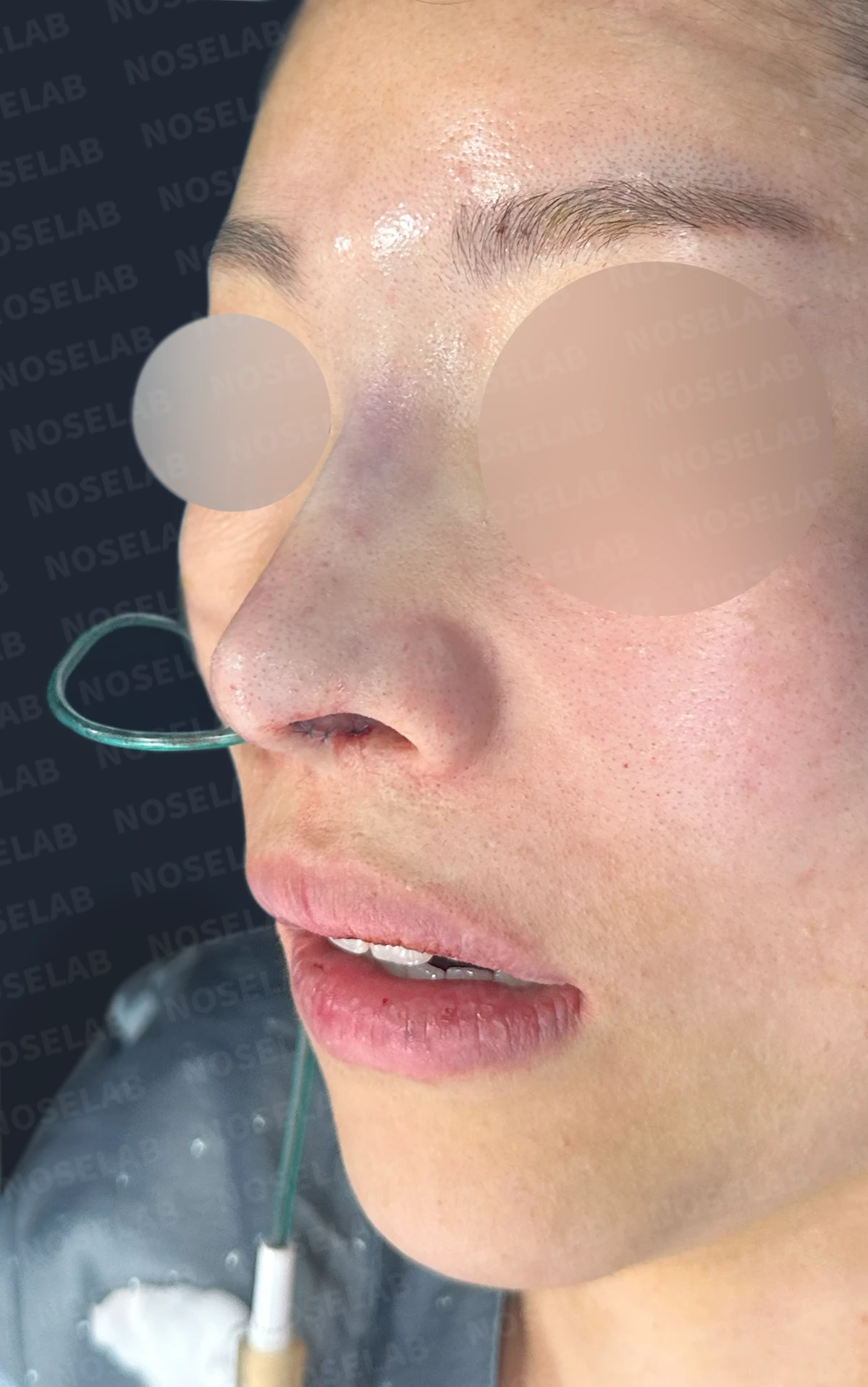
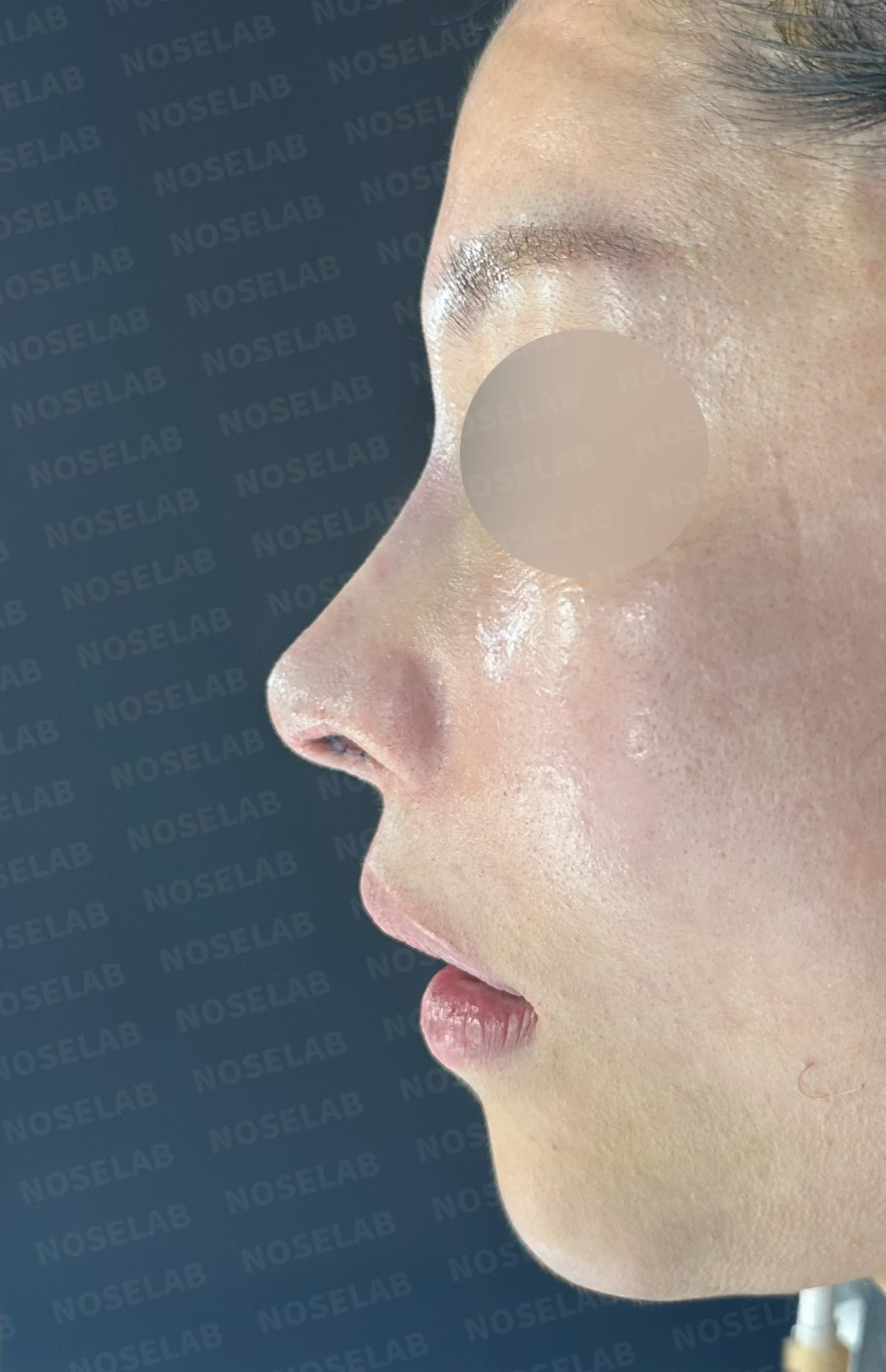
Front, oblique, and profile views on day 0 immediately after surgery Photos taken immediately after surgery show swelling and may differ from the final result.
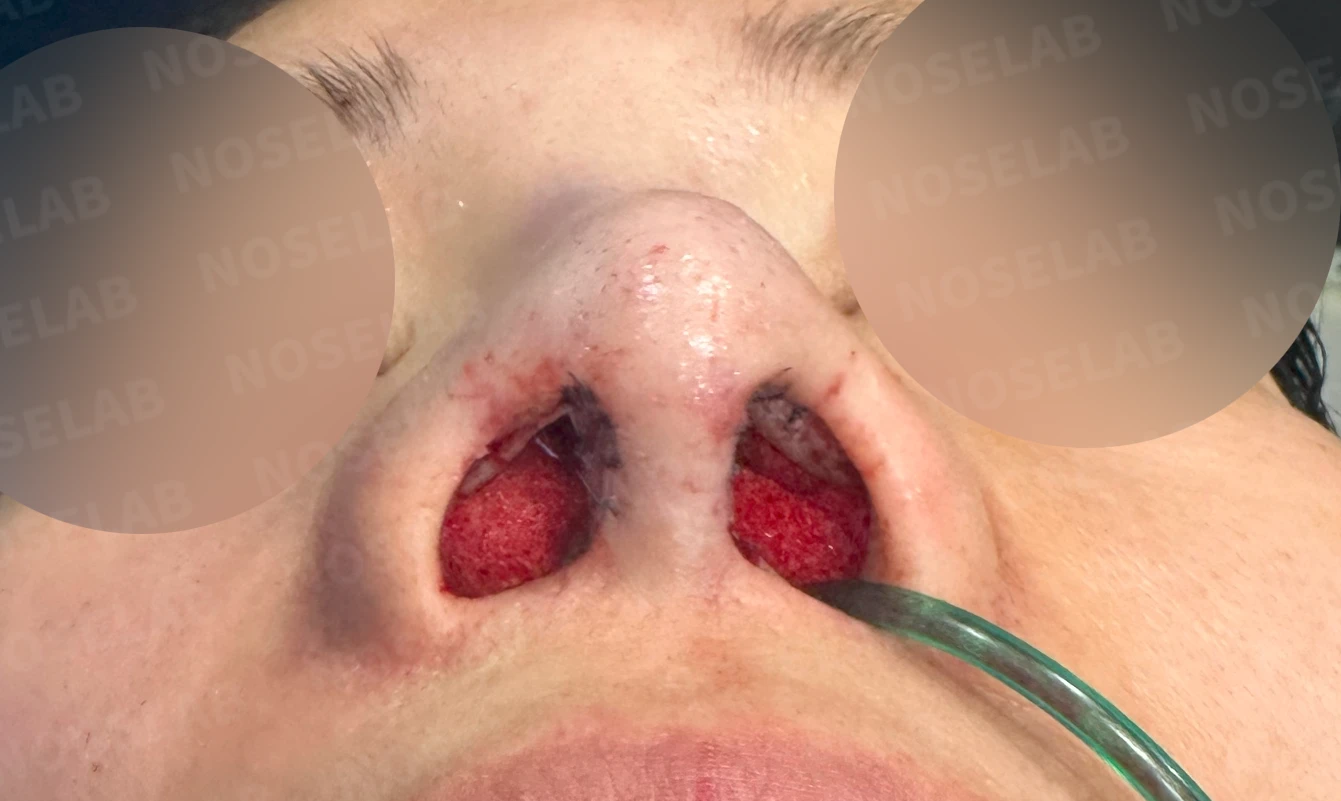
Nostril view on day 0 immediately after surgery Photos taken immediately after surgery show swelling and may differ from the final result.
This was a complex revision rhinoplasty case of a patient who suffered from inflammation and functional issues over a long period of 12 years. Inflammation that began immediately after the first surgery persisted for 12 years, causing nasal bridge redness and structural instability, which combined to create aesthetic problems such as an upturned nose and a wide nose.
The most important priority was identifying and resolving the root cause of the 12-year-long inflammation. Following a precise examination, we confirmed that the materials and surgical techniques used in previous surgeries did not suit this type of anatomy and tissue, causing chronic inflammation.
To resolve this, all existing artificial materials were removed, and a full reconstruction was performed using autologous rib cartilage. Autologous tissue carries little risk of rejection or inflammation, supporting stable long-term results.
In correcting the upturned nose, the key was repositioning the excessively elevated nasal tip into a natural position. By building a new support framework with autologous rib cartilage, the height and angle of the nasal tip were precisely adjusted, and the wide nose was improved simultaneously to achieve overall balance.
From a functional standpoint, complex issues including a deviated septum, chronic rhinitis, and nasal stuffiness caused by nasal valve stenosis were comprehensively addressed. In particular, we identified that the 12-year rhinitis was not simple allergic rhinitis but stemmed from structural problems, allowing us to perform fundamental treatment.
As a result, all the issues the patient suffered with for 12 years were comprehensively resolved. The redness on the nasal bridge due to inflammation is expected to improve, the upturned nose was naturally corrected, and above all, the breathing difficulties that troubled the patient for so long were resolved, leaving the patient very satisfied.
This was a meaningful case demonstrating that even cases complicated by multiple surgeries and long-term inflammation can be resolved through accurate diagnosis and systematic reconstruction.
This was Dr. Peter C. Kang. Thank you.
Thank you.
#closedrhinoplasty #revisionrhinoplasty #autologousribcartilage #upturnednosecorrection #inflammationtreatment #rhinitissurgery #customrhinoplasty

Limitations and risks
When autologous rib cartilage is used, scarring and pain may remain at the donor site on the chest, and pneumothorax (pleural injury) can occur rarely. Over time, the grafted cartilage may warp or undergo partial resorption.
When the septum is corrected at the same time, nasal obstruction may persist or recur, and in rare cases, septal perforation or changes in smell may occur.
Common potential risks include infection, bleeding, asymmetry, scarring, skin necrosis, and insufficient improvement; results vary depending on individual skin condition and previous surgical history.