Hello, I am Dr. Peter C. Kang.
Today, I would like to share a case where a patient presenting with a heavy, crowded facial profile due to a bulbous, drooping nasal tip and a protruding mouth achieved a natural and refined transformation.
🔍 Surgical history
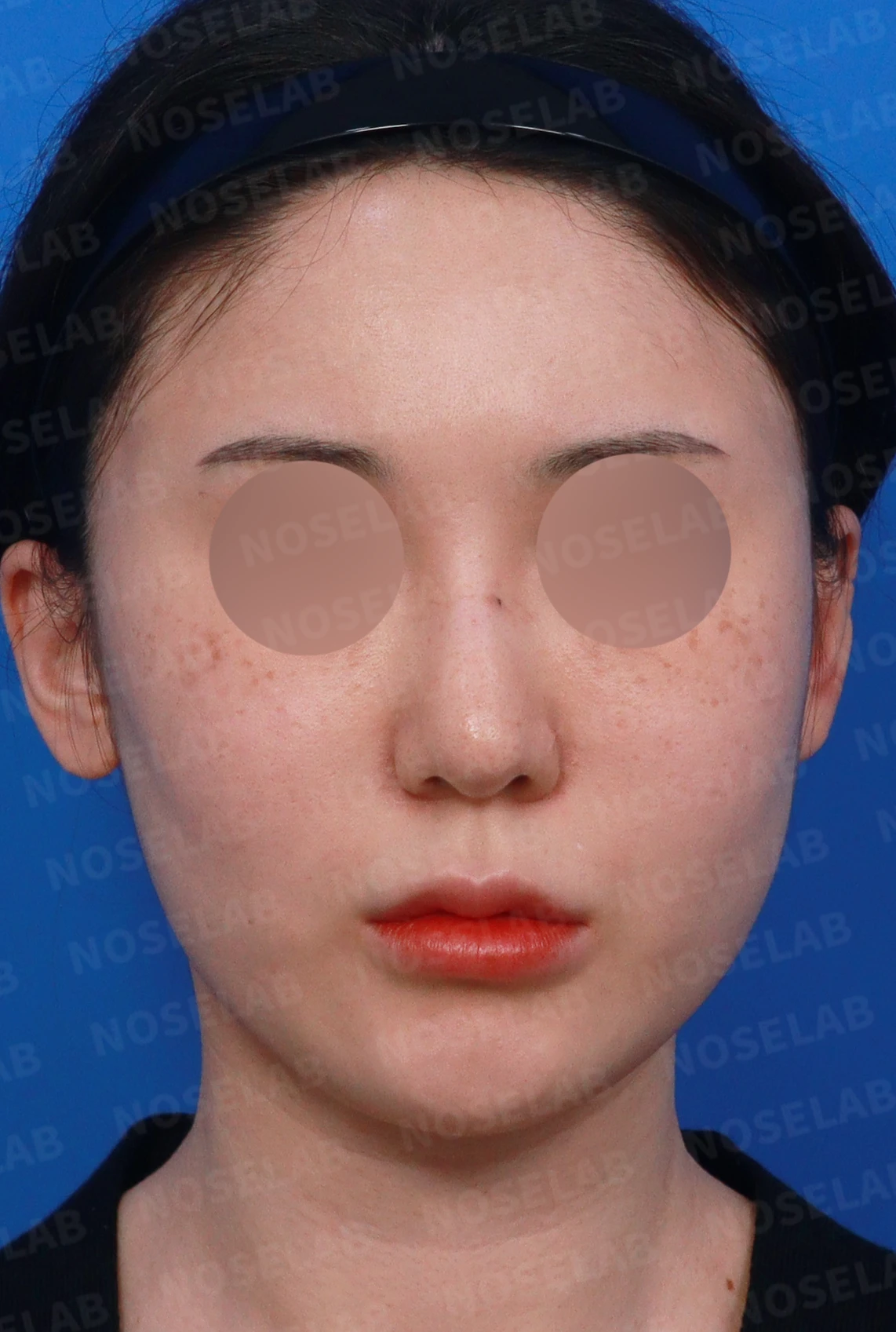
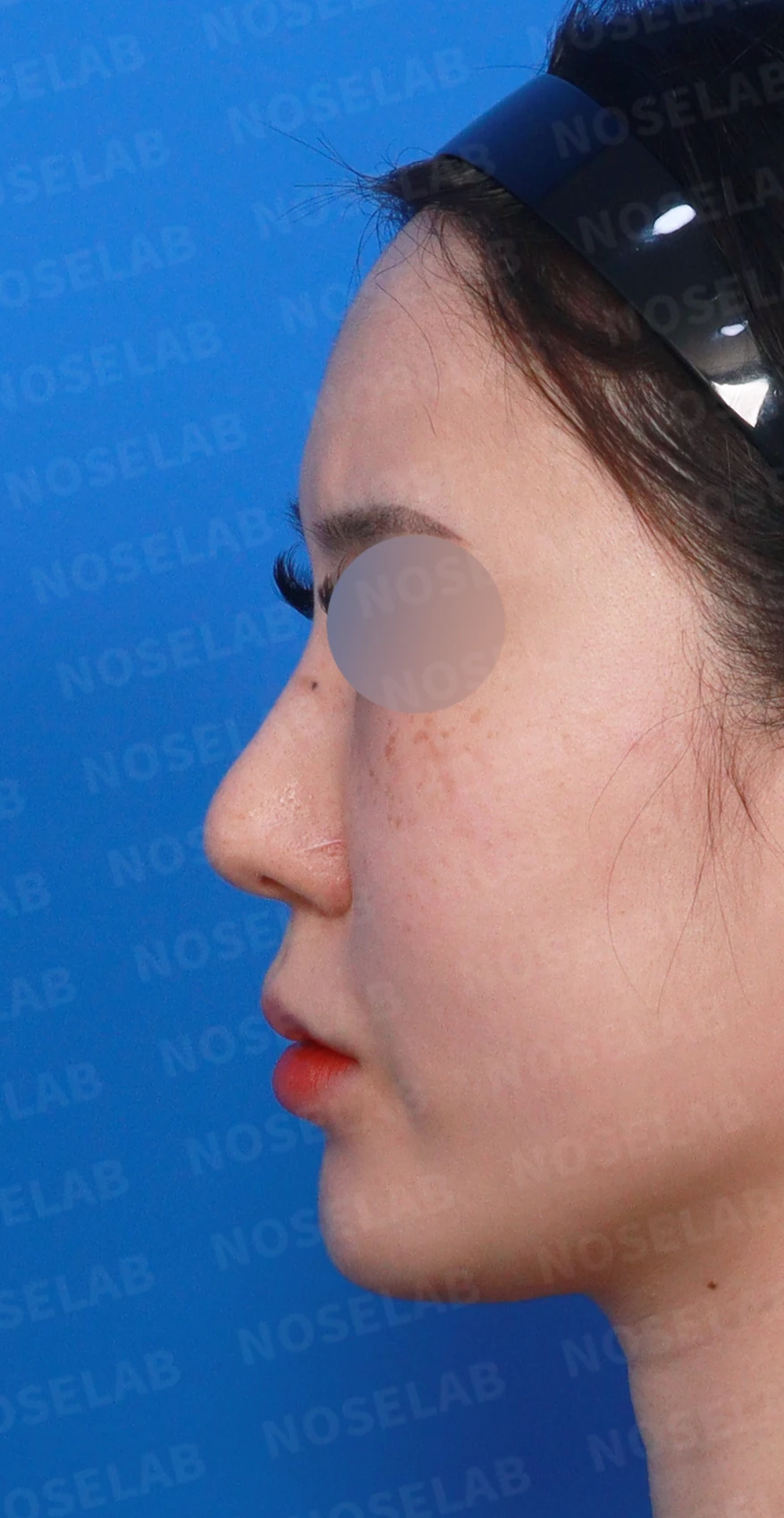
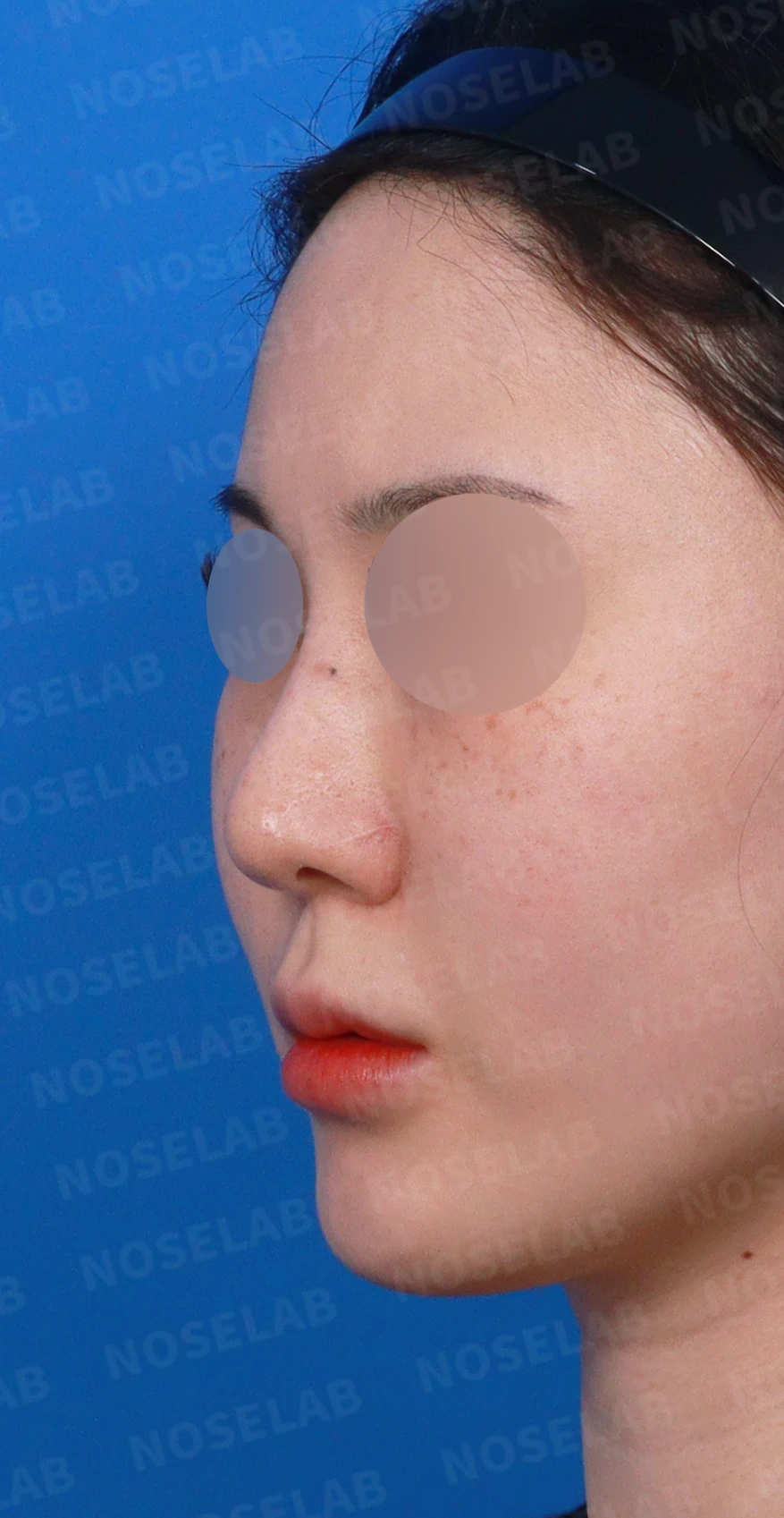
Front, left profile, and oblique views during design consultation.
Past history:
7 to 8 years ago: nasal filler
7 years ago: ear cartilage + silicone implant + septal cartilage
Main concerns:
Bulbous, drooping nasal tip
Asymmetric nasal bridge
Heavy profile line due to a protruding mouth
Nasal obstruction caused by a deviated septum and rhinitis
💉 Patient requests
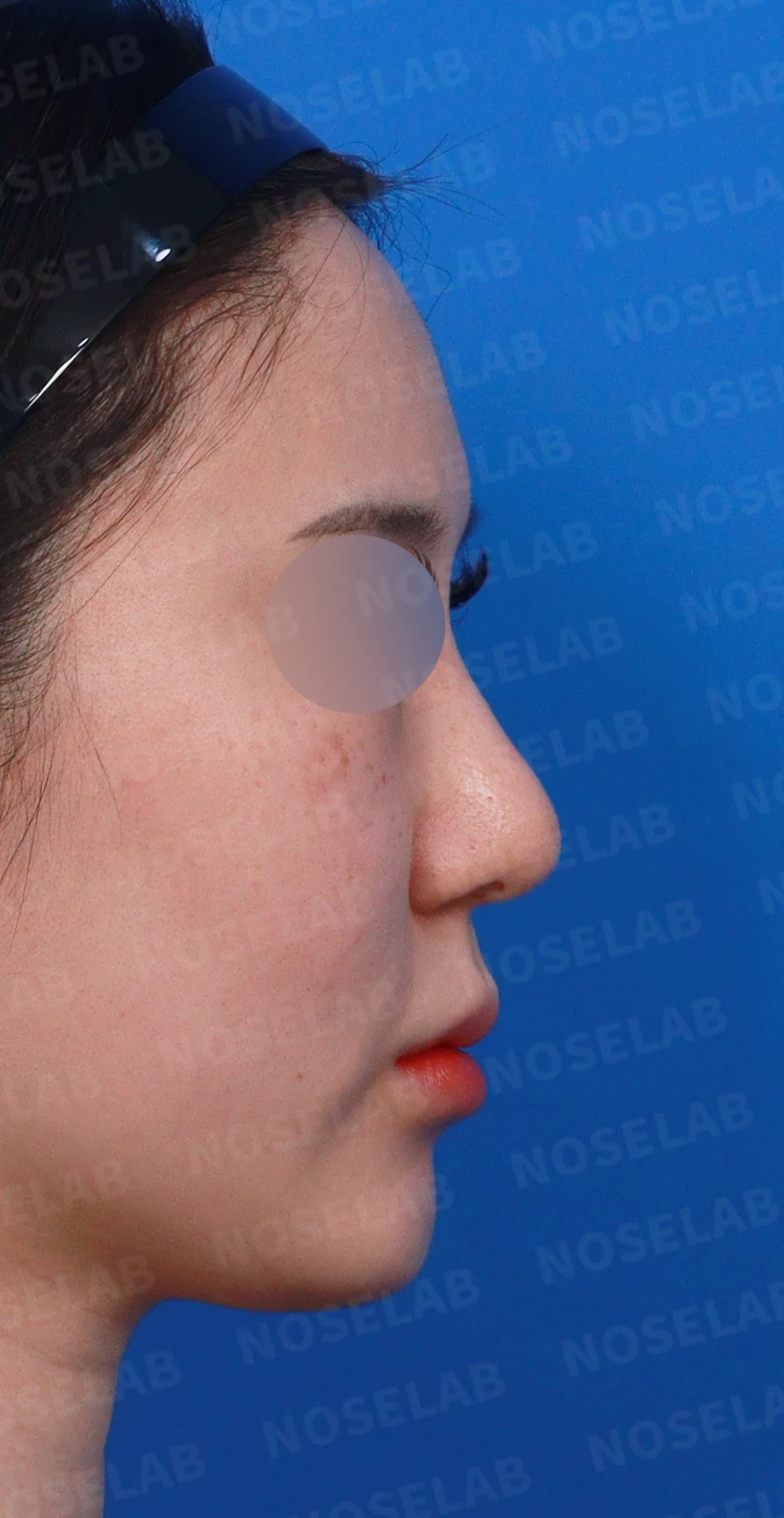
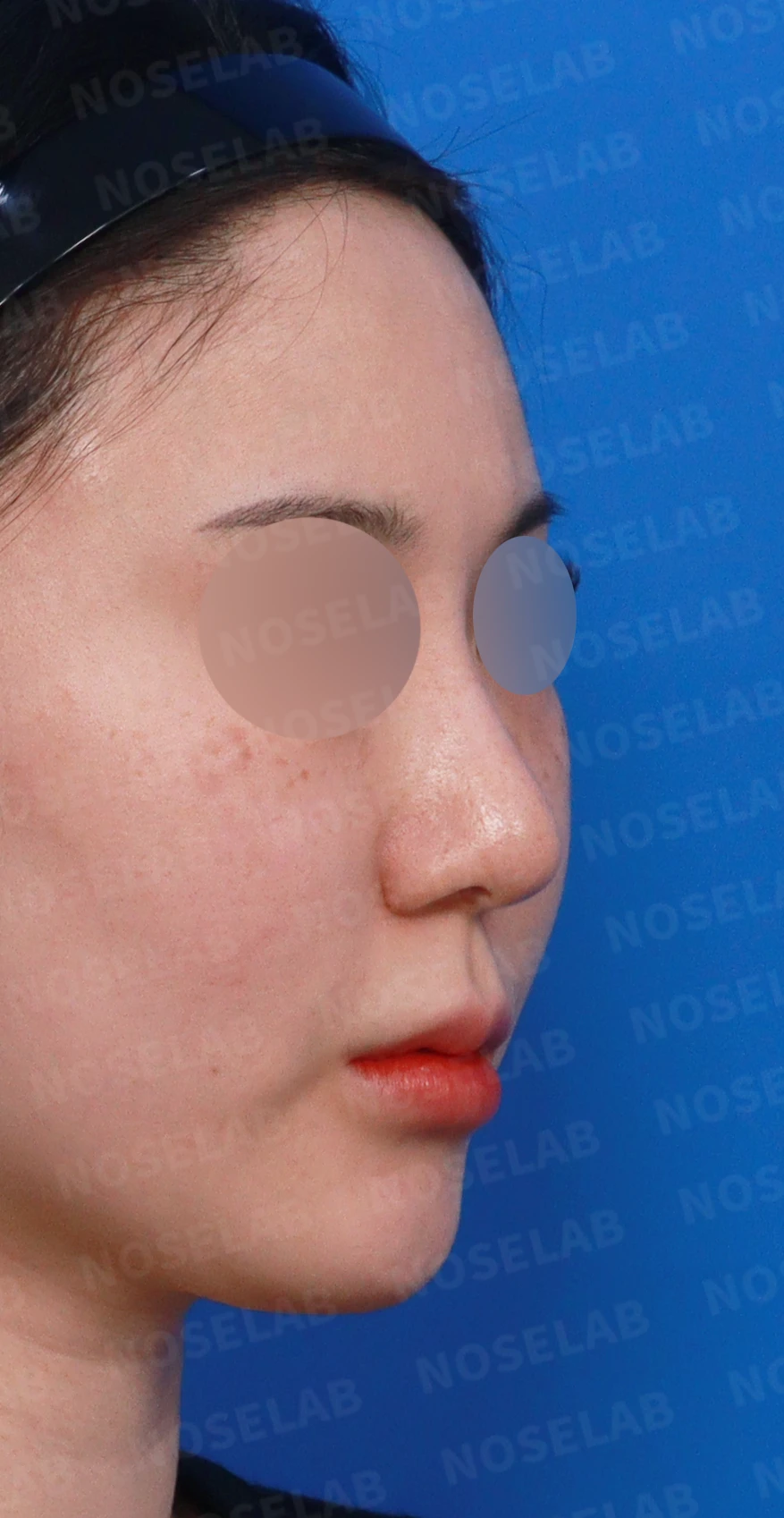
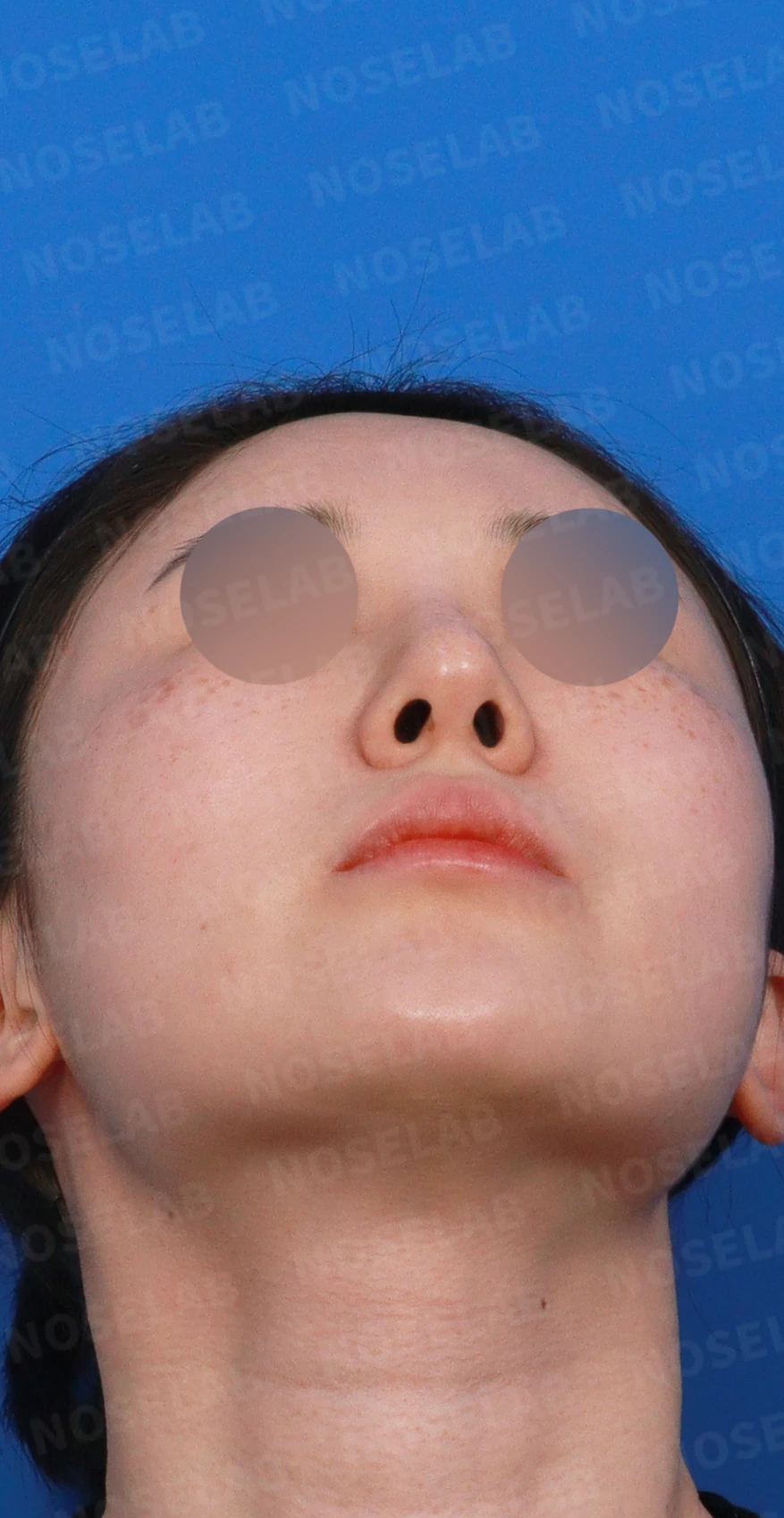
Right profile, oblique, and nostril views during design consultation.
A natural and well-defined nose
Correction of the bulbous tip
Correction of asymmetry
Functional improvement: relief of nasal obstruction
Surgical plan and procedure
1. Correcting the long nasal tip using autologous rib cartilage
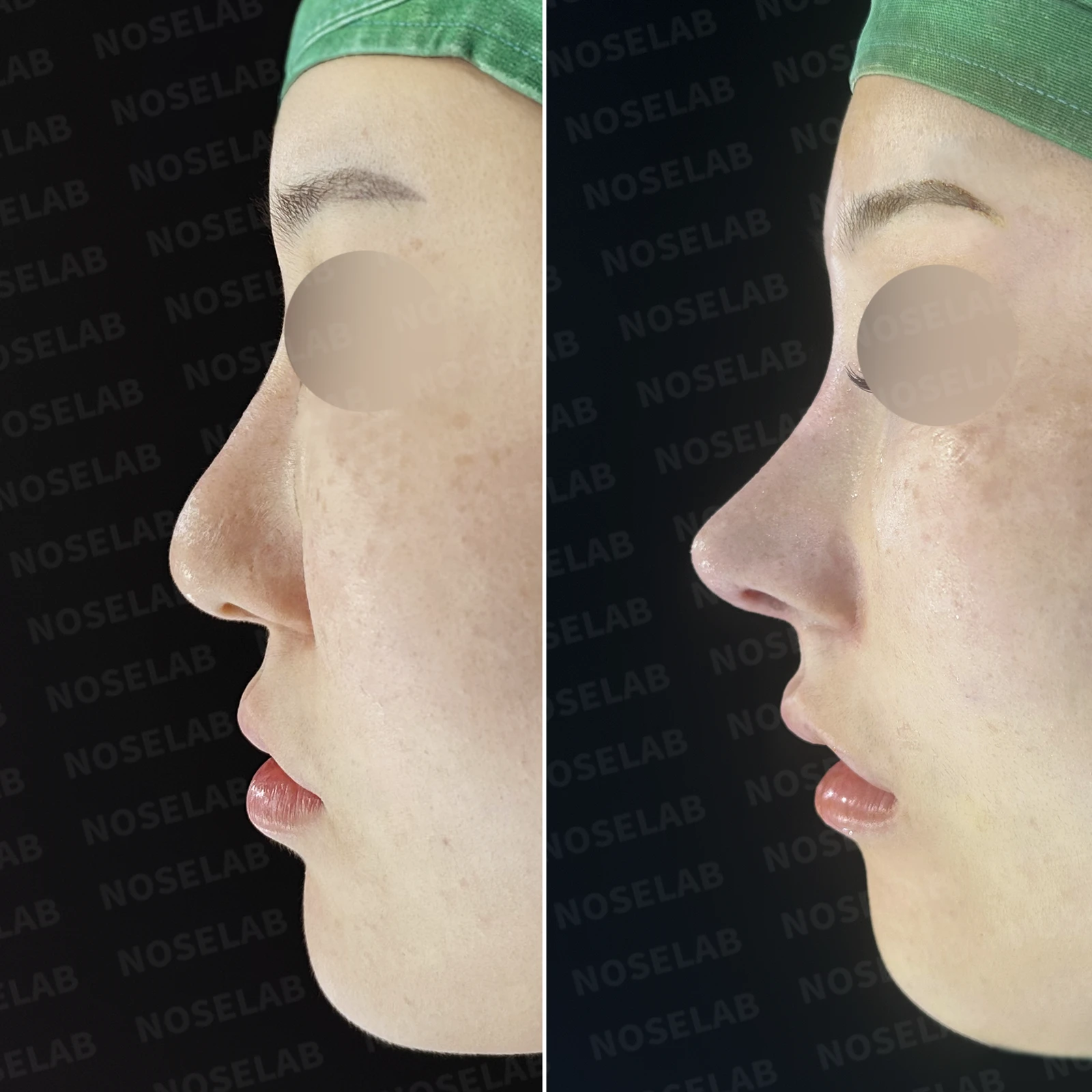
A long and rounded nasal tip can create an aged appearance. Using autologous rib cartilage, we elevated the tip and refined its definition. Adjusting it to proper facial proportions created harmony with the rest of the face.
2. Improving the protruding mouth through nasolabial angle correction
A protruding mouth can make the side profile appear flat and heavy. By defining and sharpening the nasolabial angle, we restored balance and created a distinct, refined profile line.
3. Replacing the nasal bridge with a new silicone implant
The existing implant was removed, and a new one was carved precisely to match the underlying bone structure. This corrected the asymmetry and established a clean, natural bridge line.
4. Treatment of deviated septum and rhinitis
The nasal septum was deviated, and rhinitis was causing blockage. Through septoplasty and inferior turbinate reduction, the nasal airway was opened. Breathing is restored immediately, contributing to better sleep quality.
🌟 Surgical results
Refining the bulbous tip into a slender, well-supported shape using autologous rib cartilage
Improving the look of the protruding mouth with nasolabial angle correction, creating a dimensional profile
Straightening the asymmetric bridge with a new implant
Relieving nasal obstruction by treating the deviated septum and rhinitis
Achieving an overall natural and refined appearance
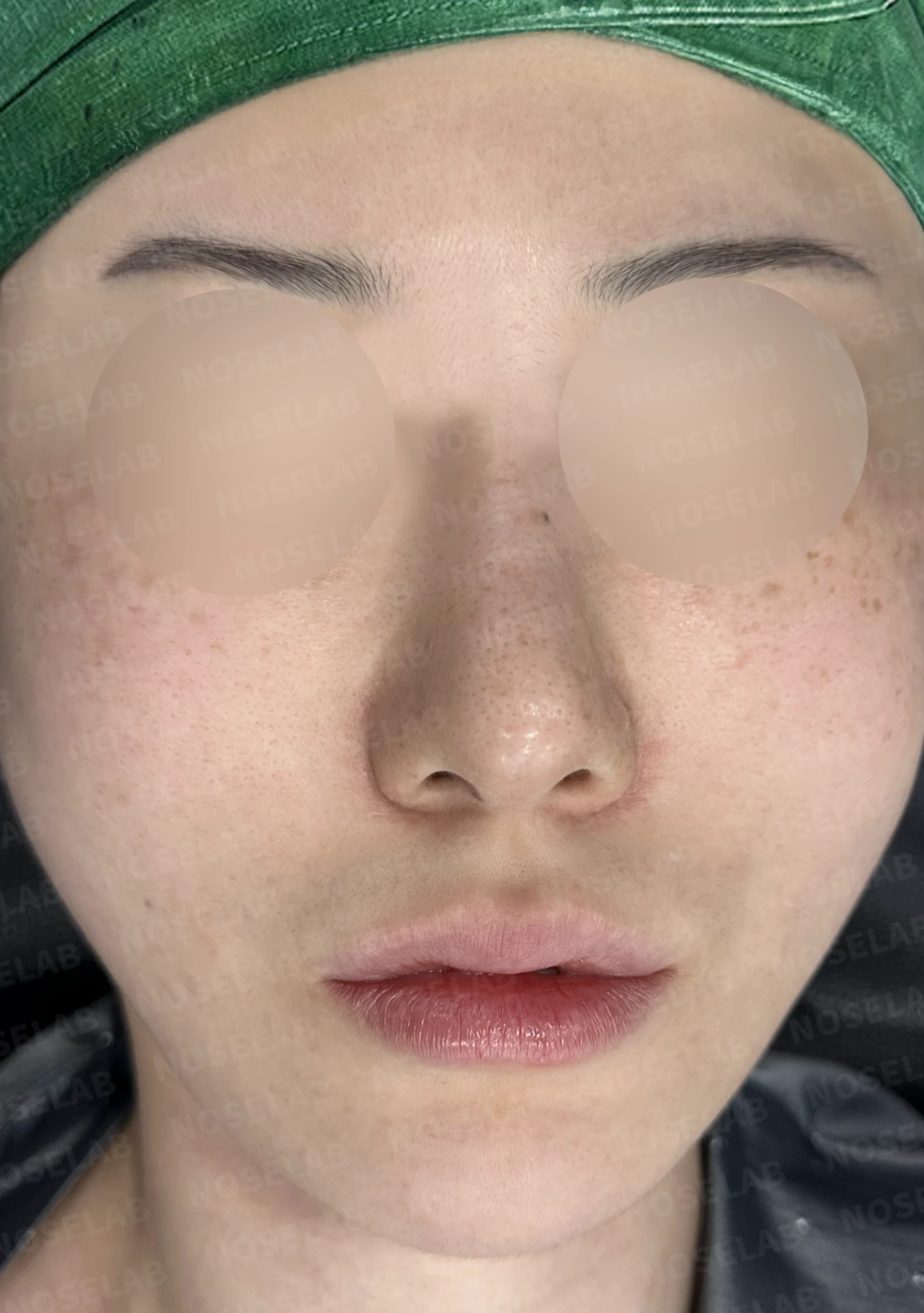
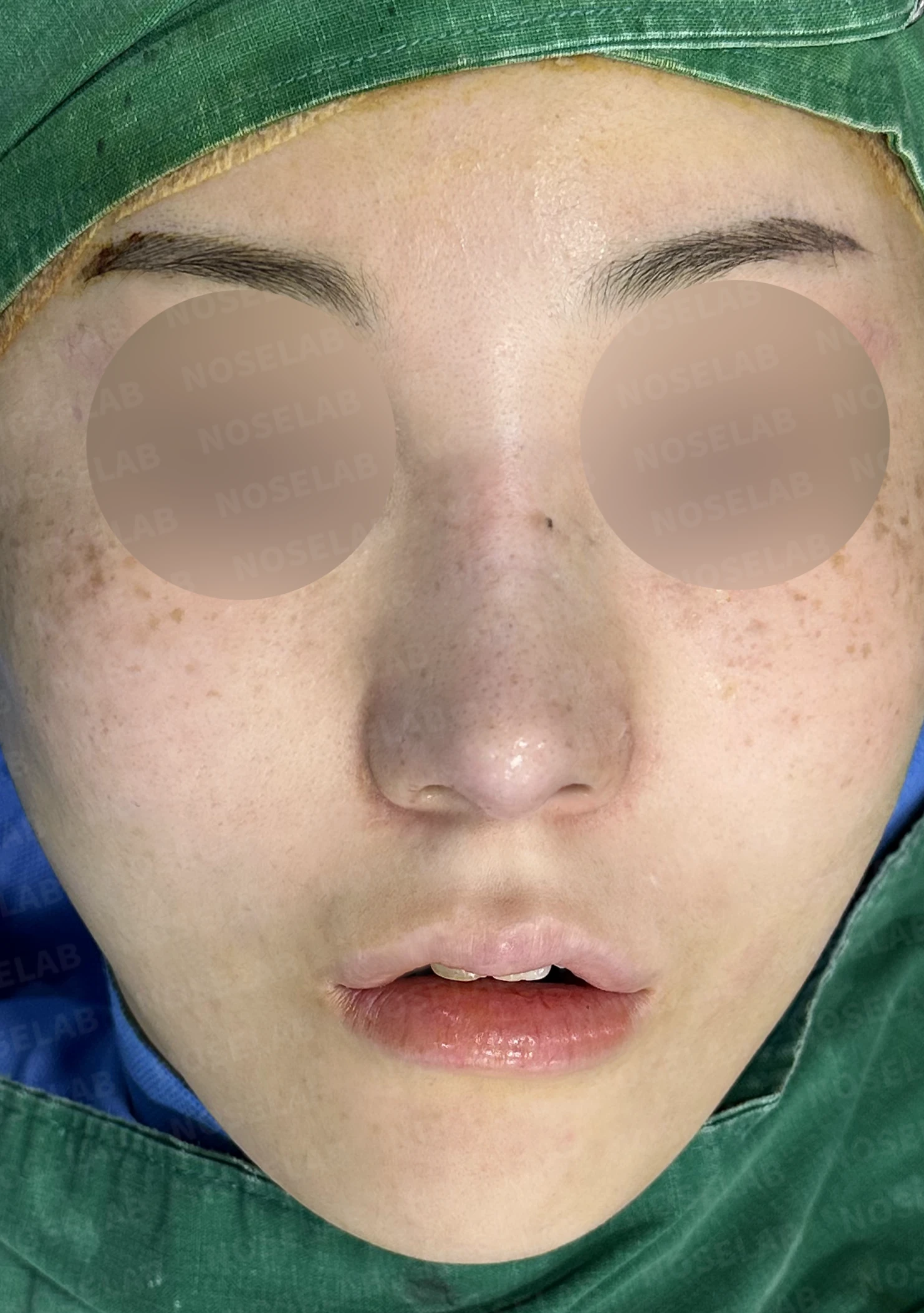
Before surgery / Day 0 immediately after surgery Photos taken immediately after surgery show swelling and may differ from the final result.
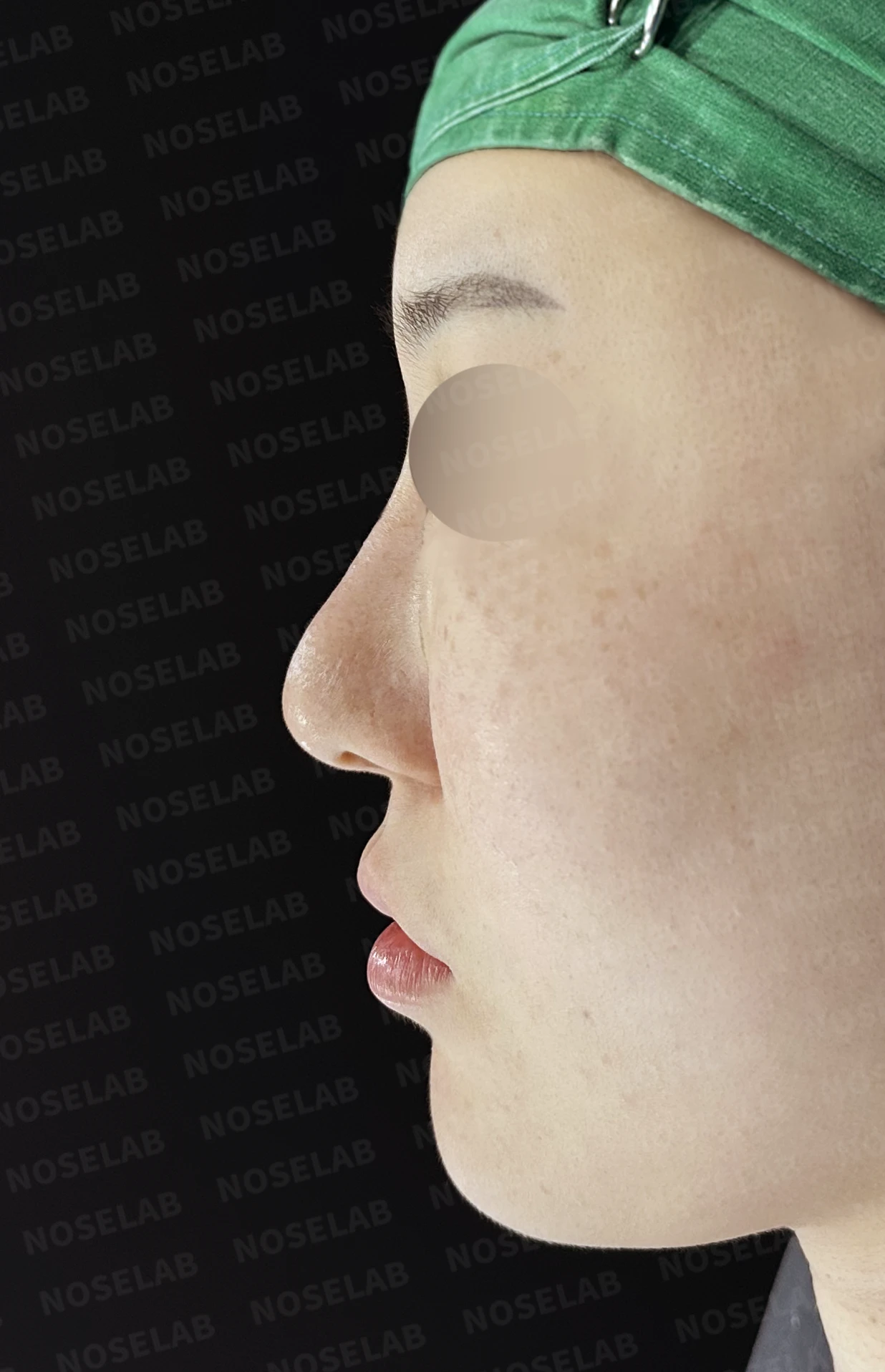
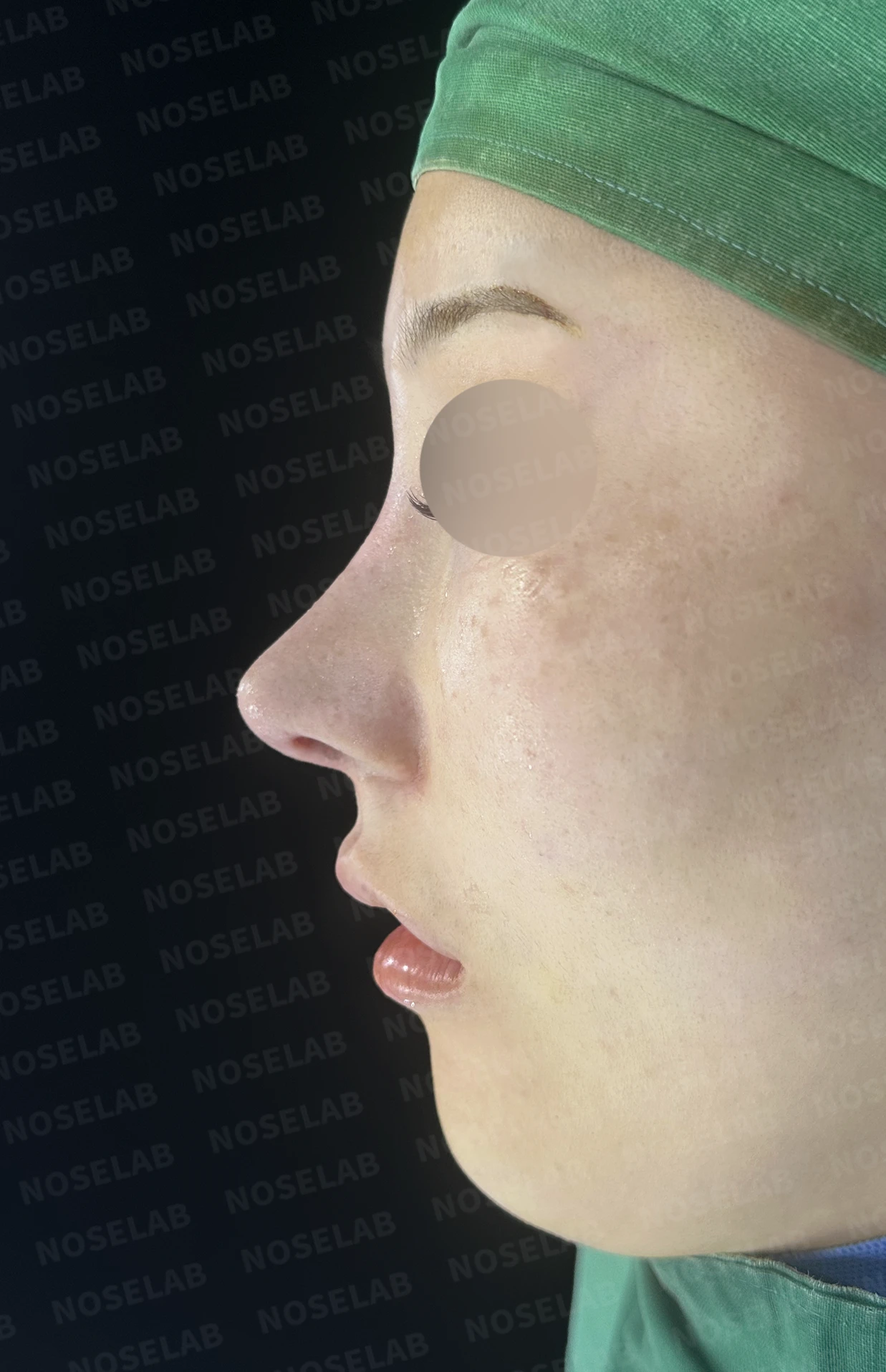
Before surgery / Day 0 immediately after surgery Photos taken immediately after surgery show swelling and may differ from the final result.
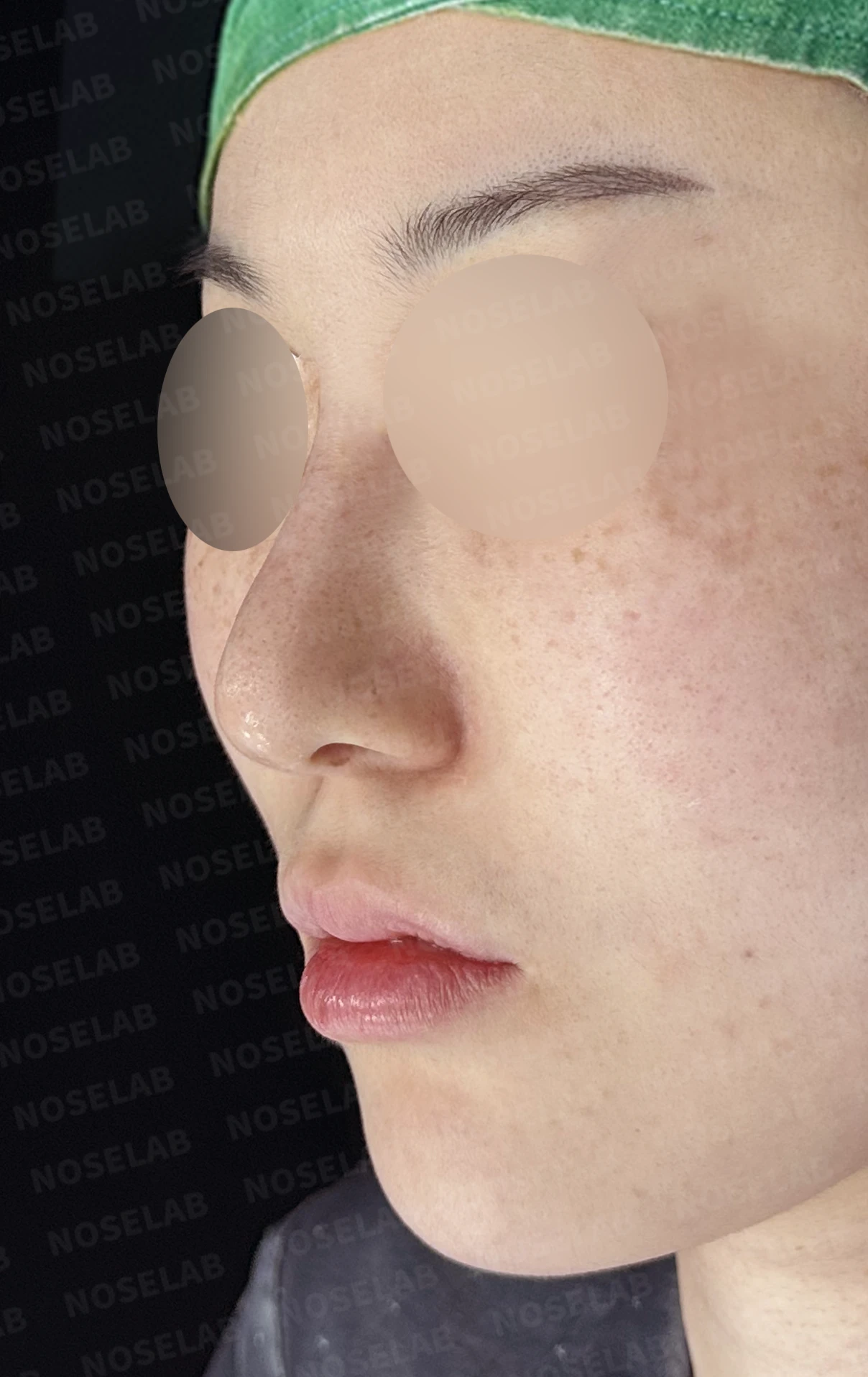
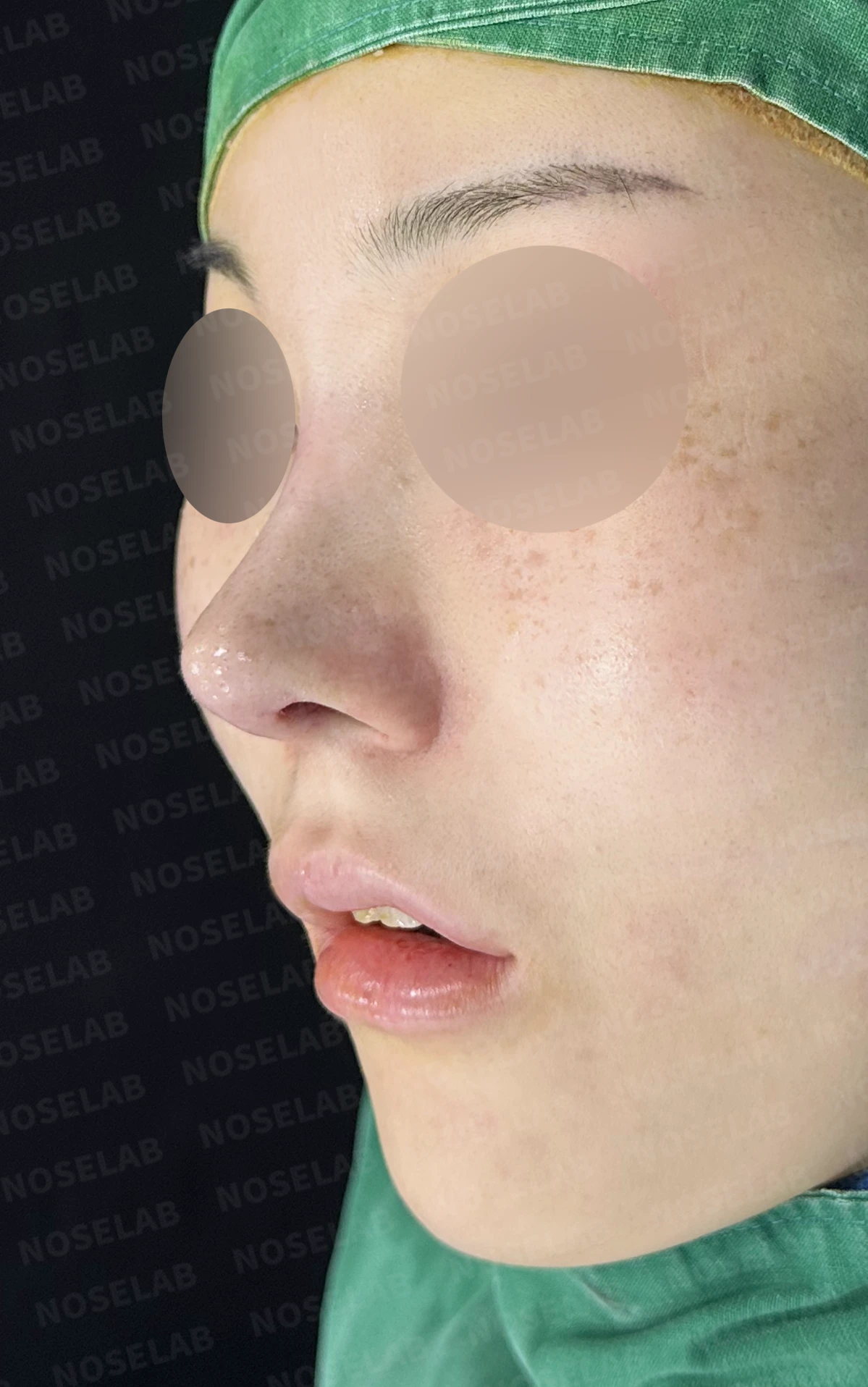
Before surgery / Day 0 immediately after surgery Photos taken immediately after surgery show swelling and may differ from the final result.
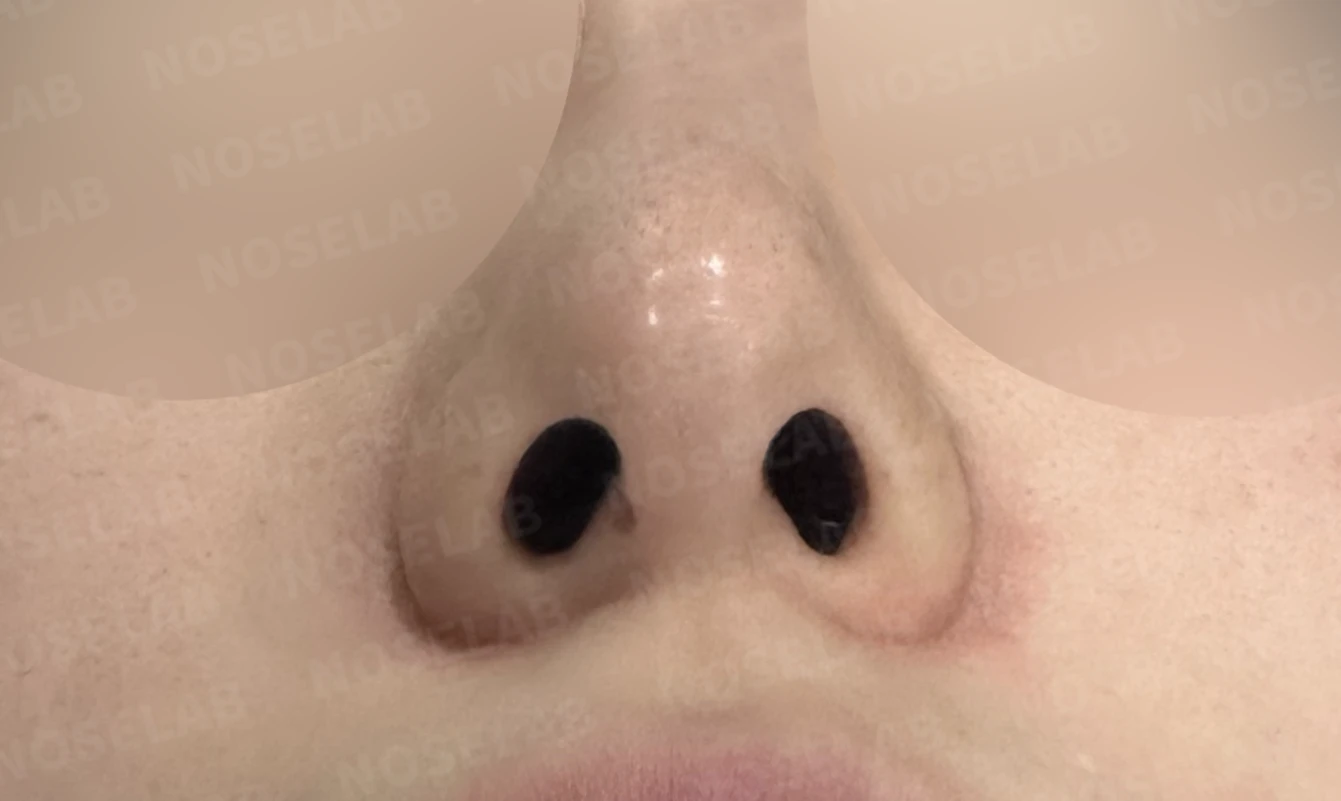
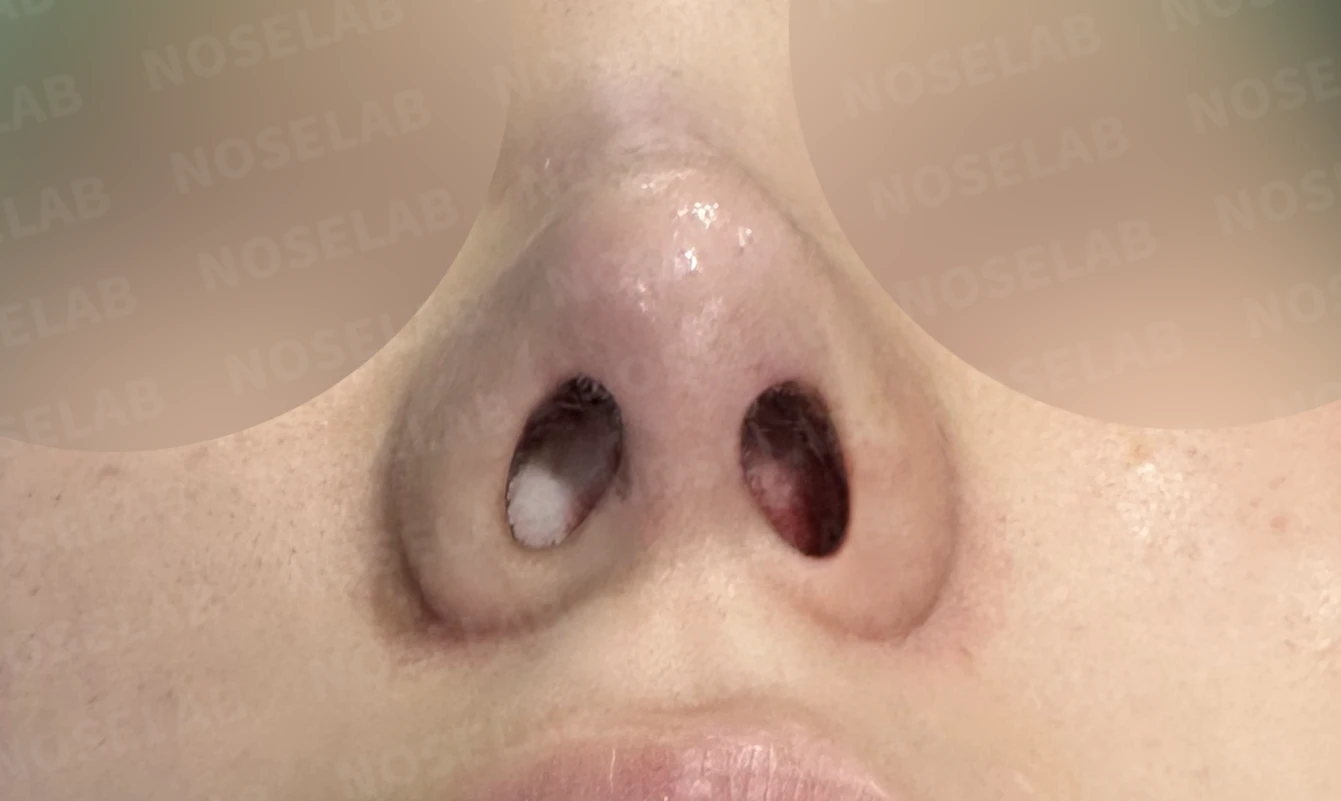
Before surgery / Day 0 immediately after surgery Photos taken immediately after surgery show swelling and may differ from the final result.
💡 Specialist opinion
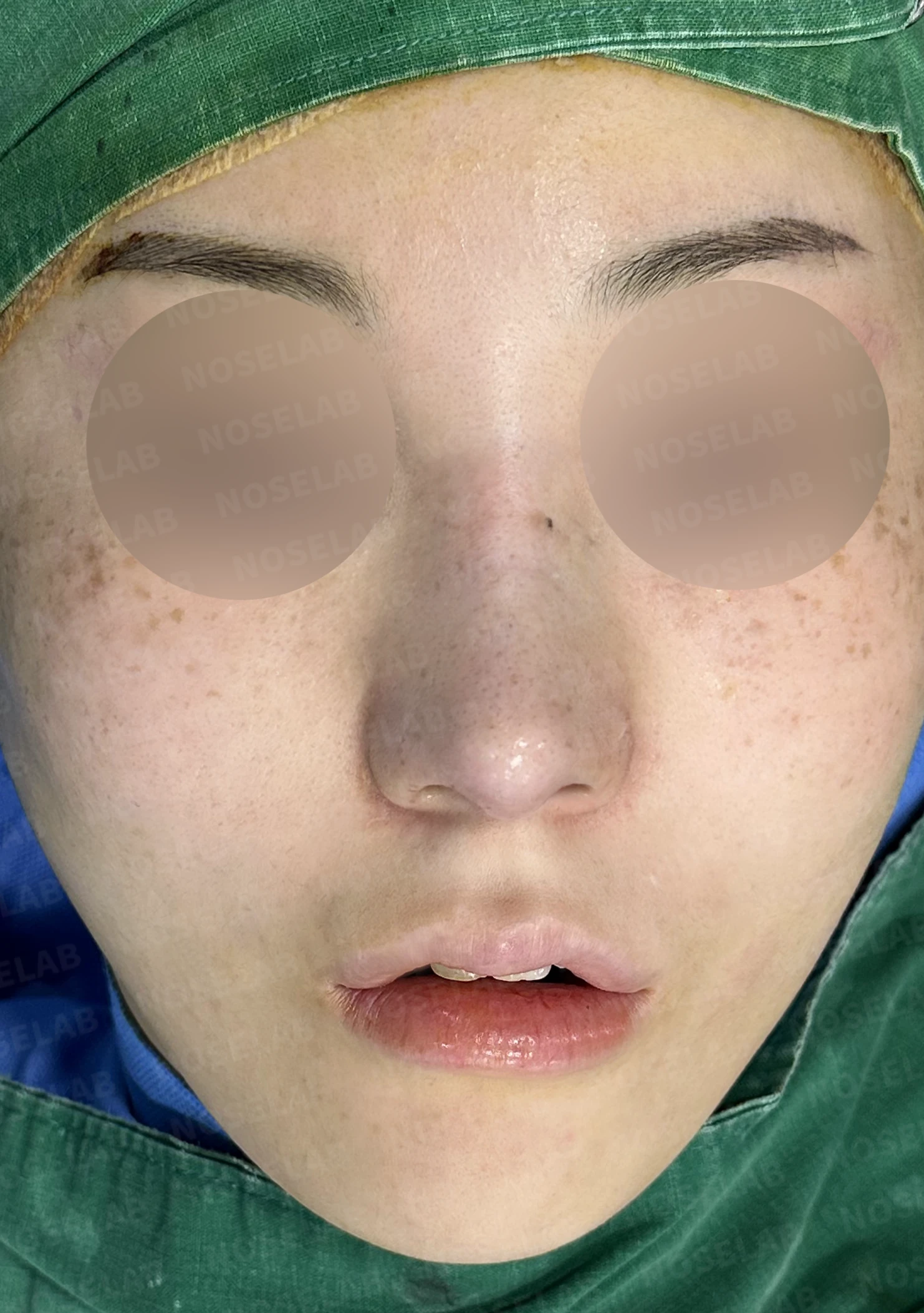
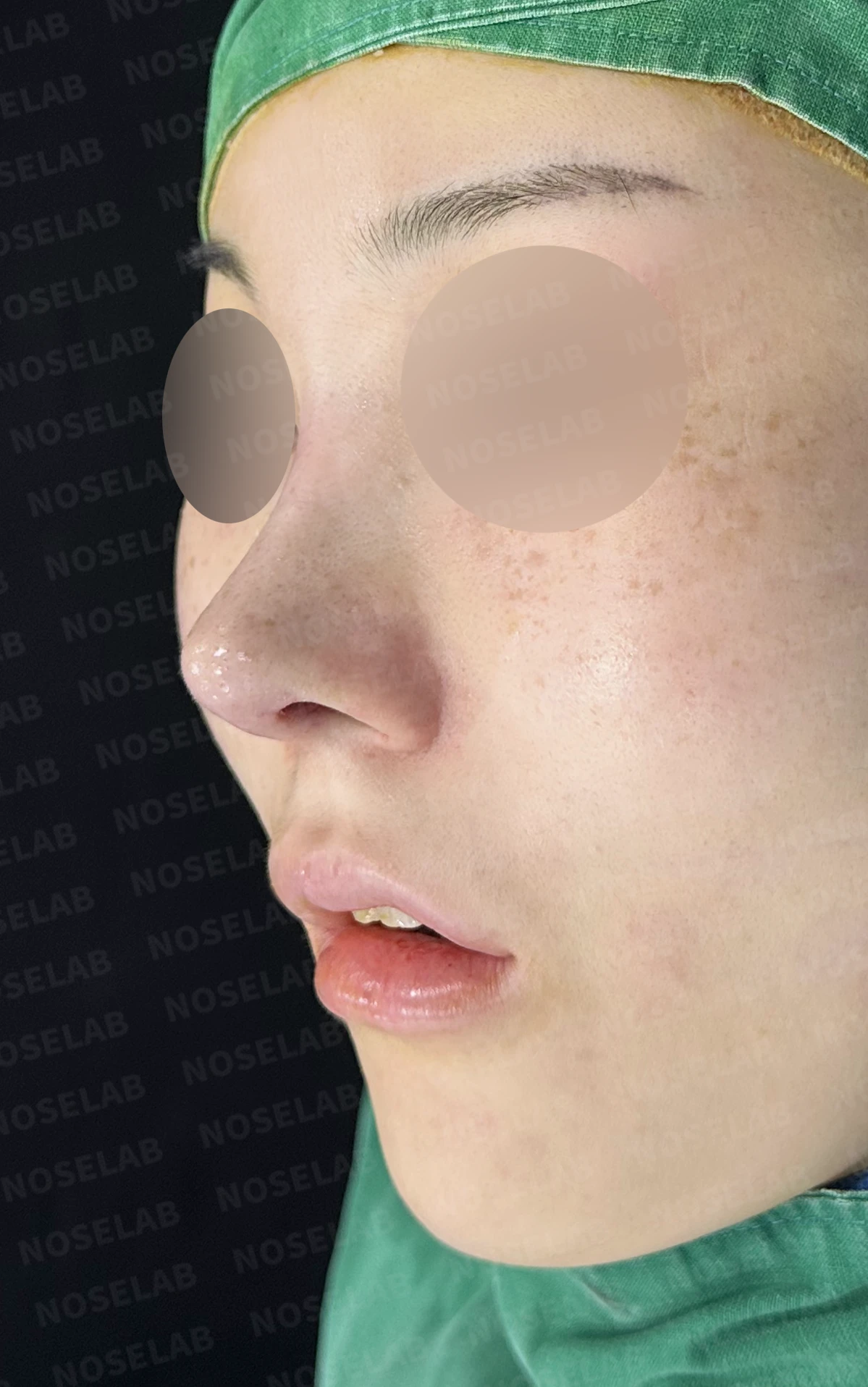
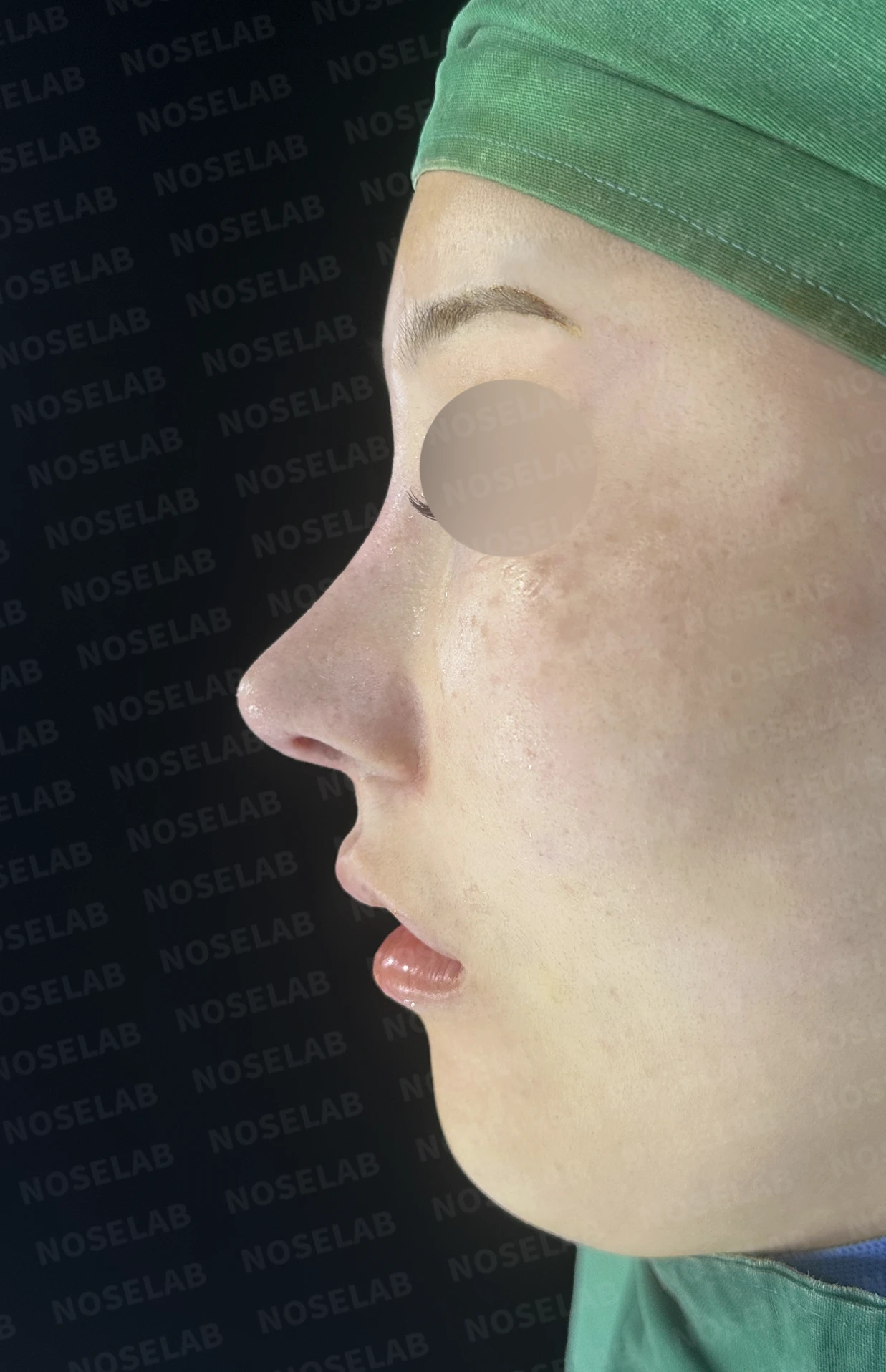
Front, oblique, and profile views on day 0 immediately after surgery. Photos taken immediately after surgery show swelling and may differ from the final result.
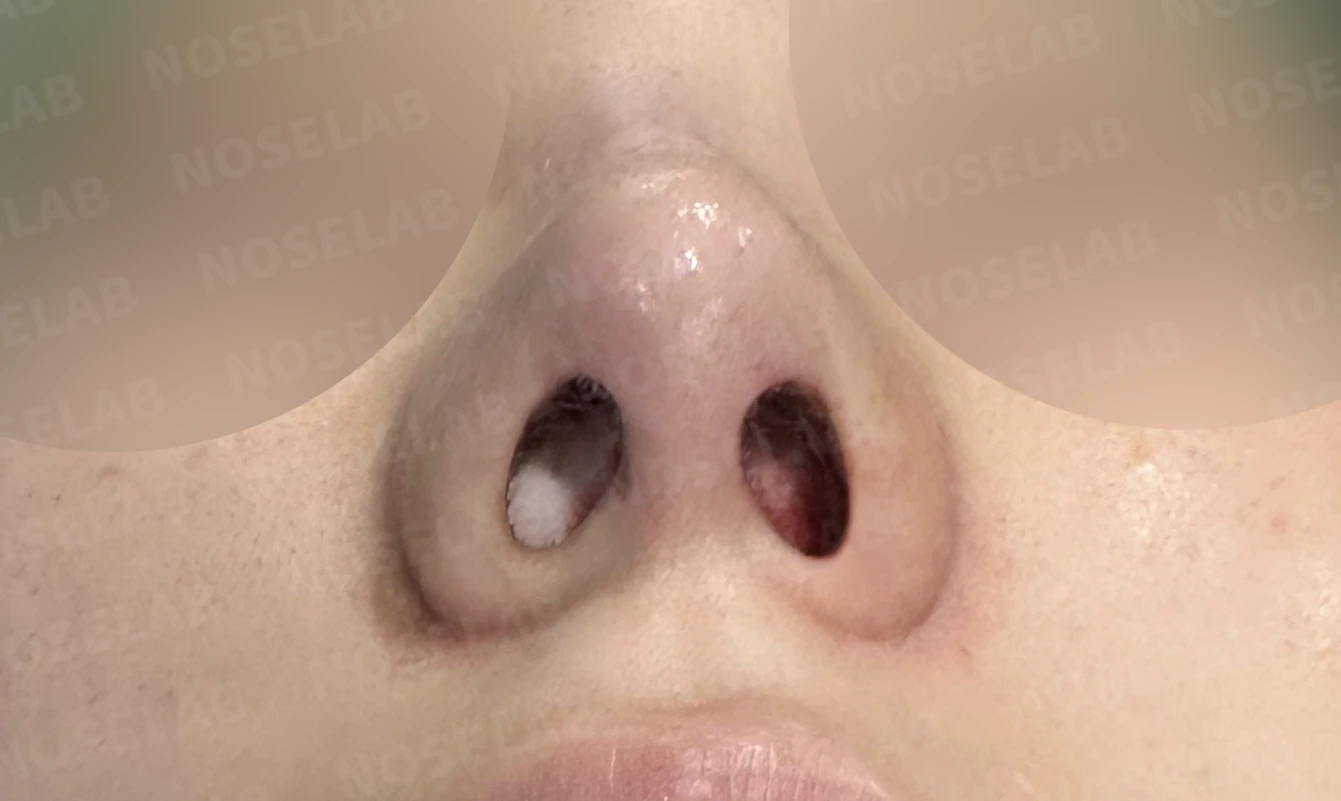
Nostril view on day 0 immediately after surgery. Photos taken immediately after surgery show swelling and may differ from the final result.
This case required correcting a bulbous, drooping tip in a natural yet defined manner, while simultaneously addressing the appearance of a protruding mouth and an asymmetric bridge.
Balance of nasal tip length and shape:
When the nasal tip droops, the face can look elongated and older. Adjusting it to a suitable length and elevating it produces a more youthful, refreshed appearance. Refining a rounded tip to be smaller and more defined provides a delicate and sophisticated contour. Autologous rib cartilage provides sufficient strength to reliably establish the desired shape.
Nasolabial angle and a protruding mouth:
The nasolabial angle is the angle where the nose meets the upper lip. If this angle is obtuse or poorly defined, it can accentuate a protruding mouth and create a heavy look. Refining this angle enhances facial depth and delivers a sleek side profile.
Correcting an asymmetric nasal bridge:
An asymmetric bridge can give an awkward impression. Carving a new implant to match the individual bone structure helps achieve a straight and natural bridge line.
Simultaneous functional and cosmetic improvement:
Septal deviation and rhinitis are primary causes of nasal obstruction. Treating them together restores smooth breathing and improves daily comfort. Combining functional correction with aesthetic rhinoplasty addresses all concerns within a single recovery period.
We remain dedicated to delivering natural and sophisticated outcomes tailored to each patient's facial proportions and individual anatomy. This was Dr. Peter C. Kang, Medical Director of NOSELAB. Thank you.
#closedrhinoplasty #closedrevisionrhinoplasty #autologousribcartilage #nasaltipcorrection #nasolabialanglecorrection #protrudingmouthimprovement #crookednosecorrection #deviatedseptum #rhinitissurgery #revisionspecialist

Limitations and risks
When autologous rib cartilage is used, scarring and pain may remain at the donor site on the chest, and pneumothorax (pleural injury) can occur rarely. Over time, the grafted cartilage may warp or undergo partial resorption.
When revising after implant removal, contracture may progress again after removal, the nasal height and length may decrease, and staged surgery may be necessary depending on the skin condition.
When the septum is corrected at the same time, nasal obstruction may persist or recur, and in rare cases, septal perforation or changes in smell may occur.
Common potential risks include infection, bleeding, asymmetry, scarring, skin necrosis, and insufficient improvement; results vary depending on individual skin condition and previous surgical history.