Hello, I am Dr. Peter C. Kang.
Today, I would like to share the case of a patient who had long suffered from a crooked nose along with nasal obstruction caused by rhinitis. In fact, many patients wish to resolve both aesthetic concerns and functional issues at the same time, and I prepared this case because it serves as a helpful reference for those in similar situations.
🔍 Surgical history
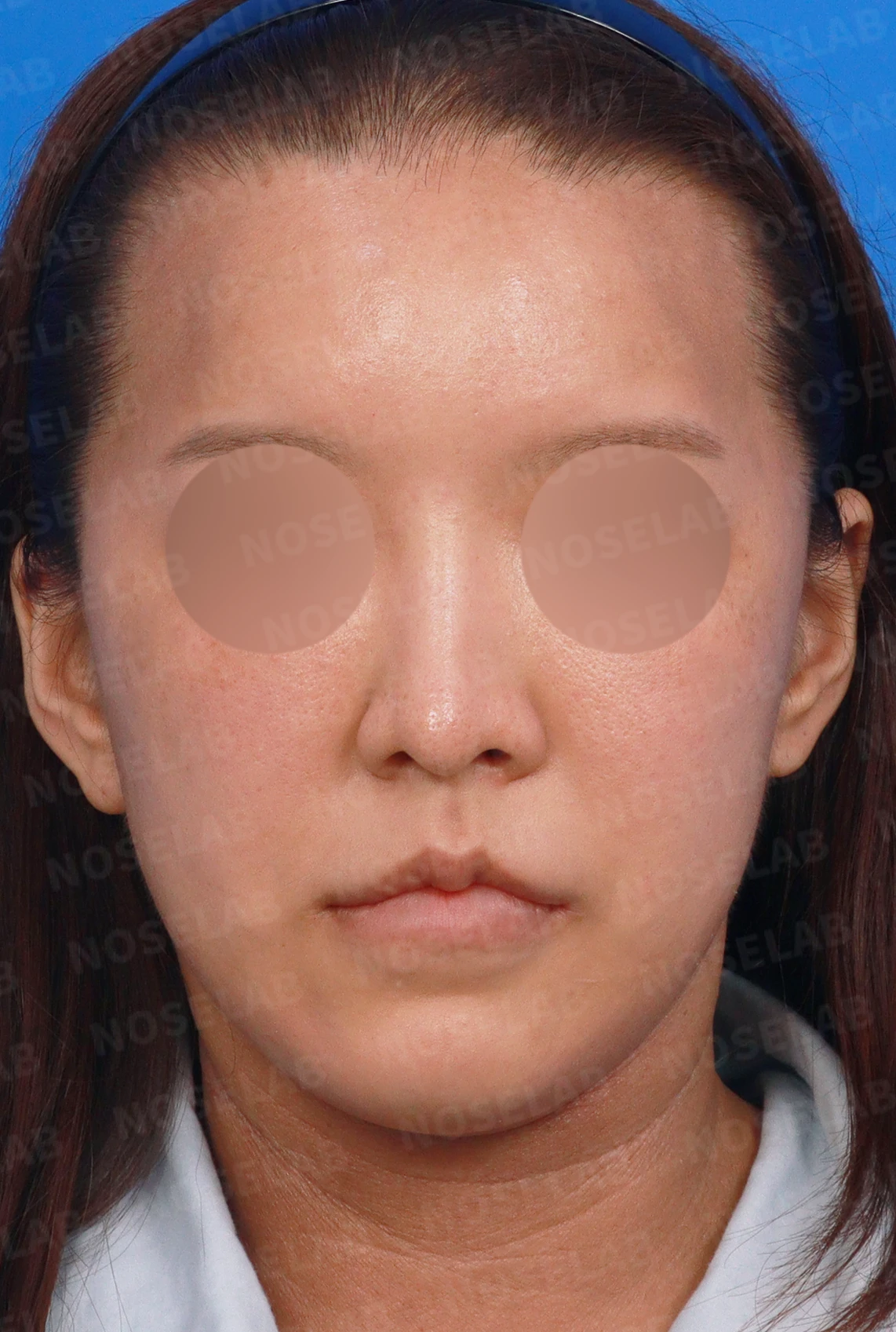
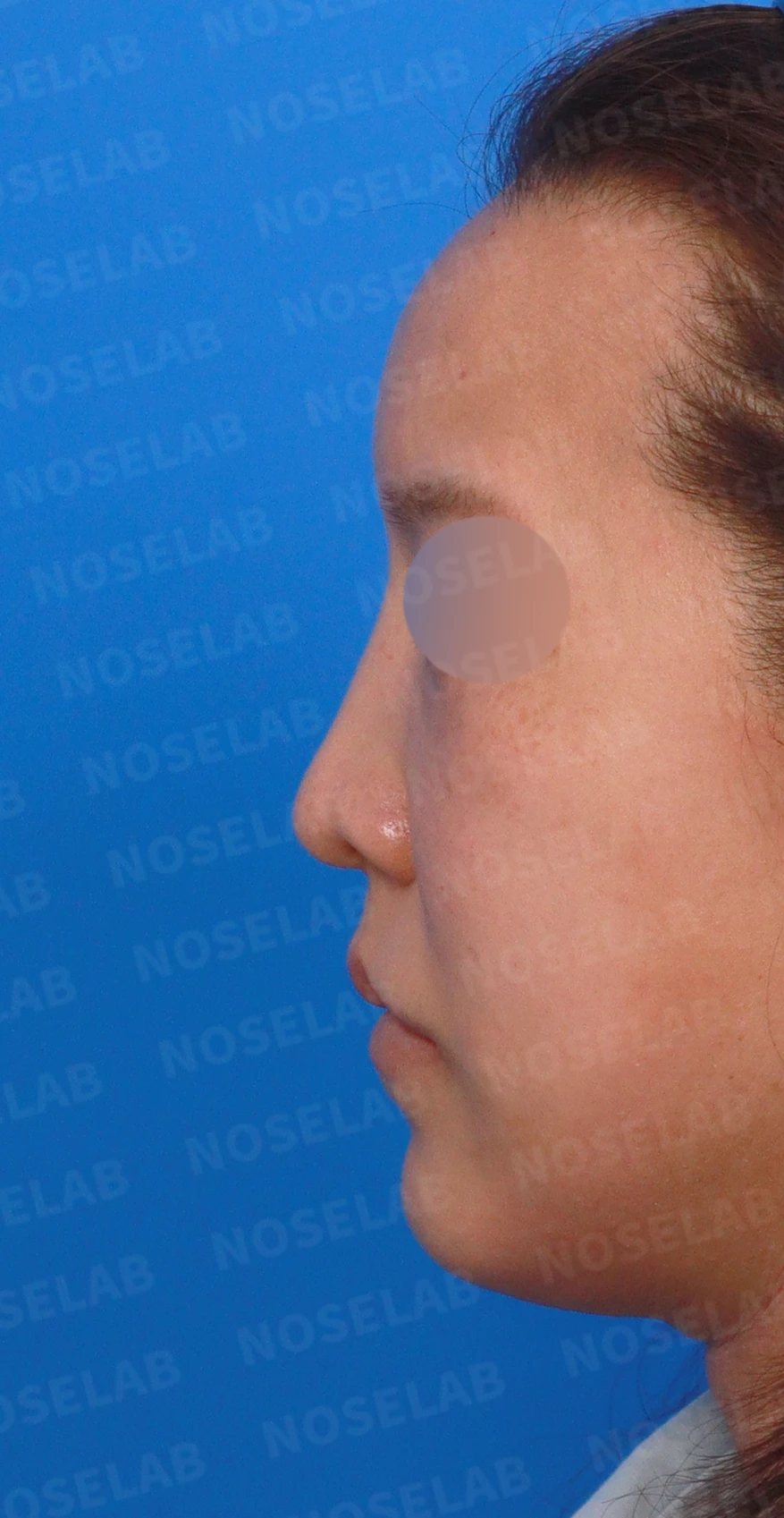
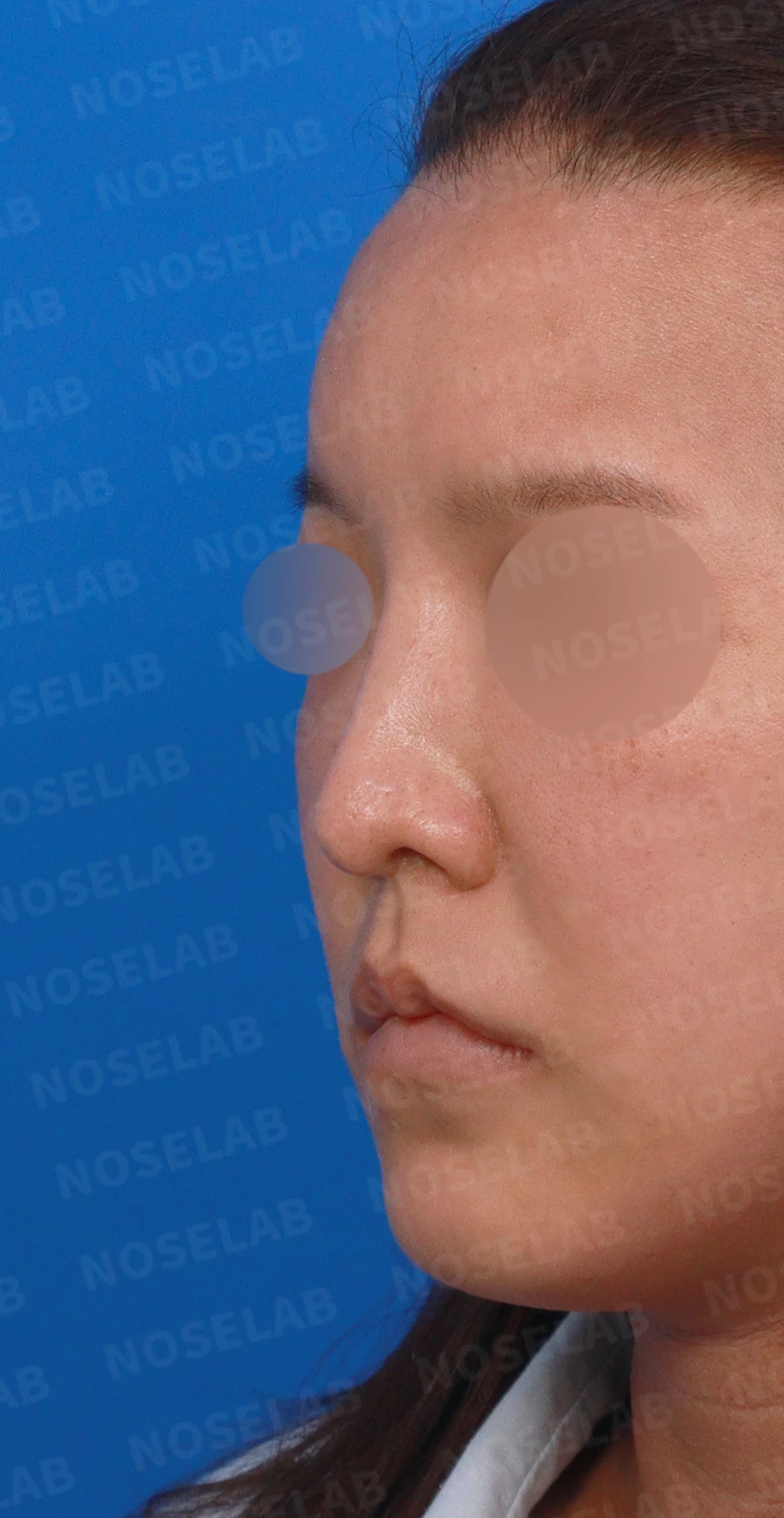
Front, left profile, and oblique views during design consultation.
2018: Nasal filler procedure
2019: Silicone implant + septal cartilage + ear cartilage + donor rib cartilage
Although the patient had already undergone surgery once, deep concerns remained because the crooked nose was still uncorrected. Furthermore, symptoms of rhinitis caused discomfort in daily life.
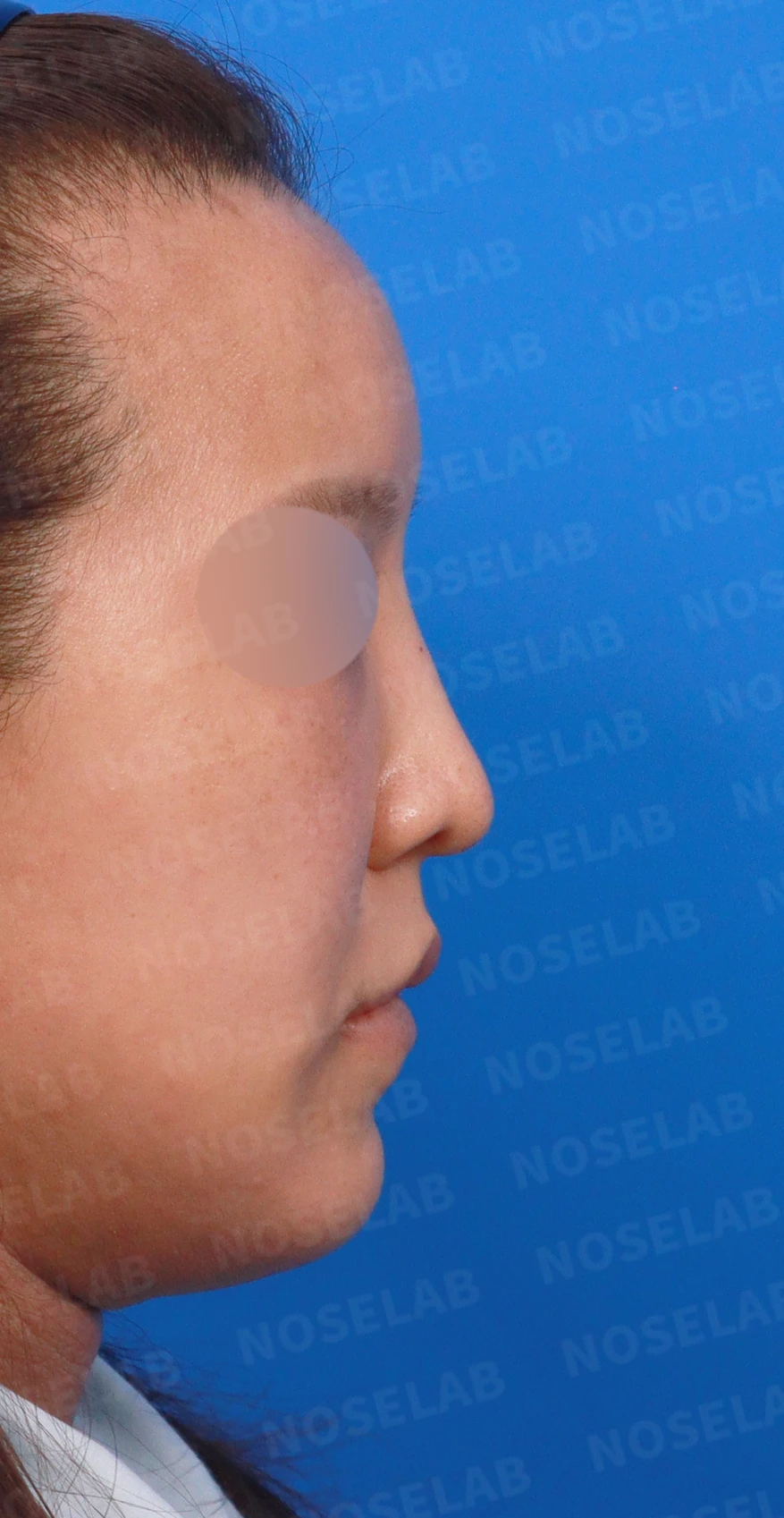
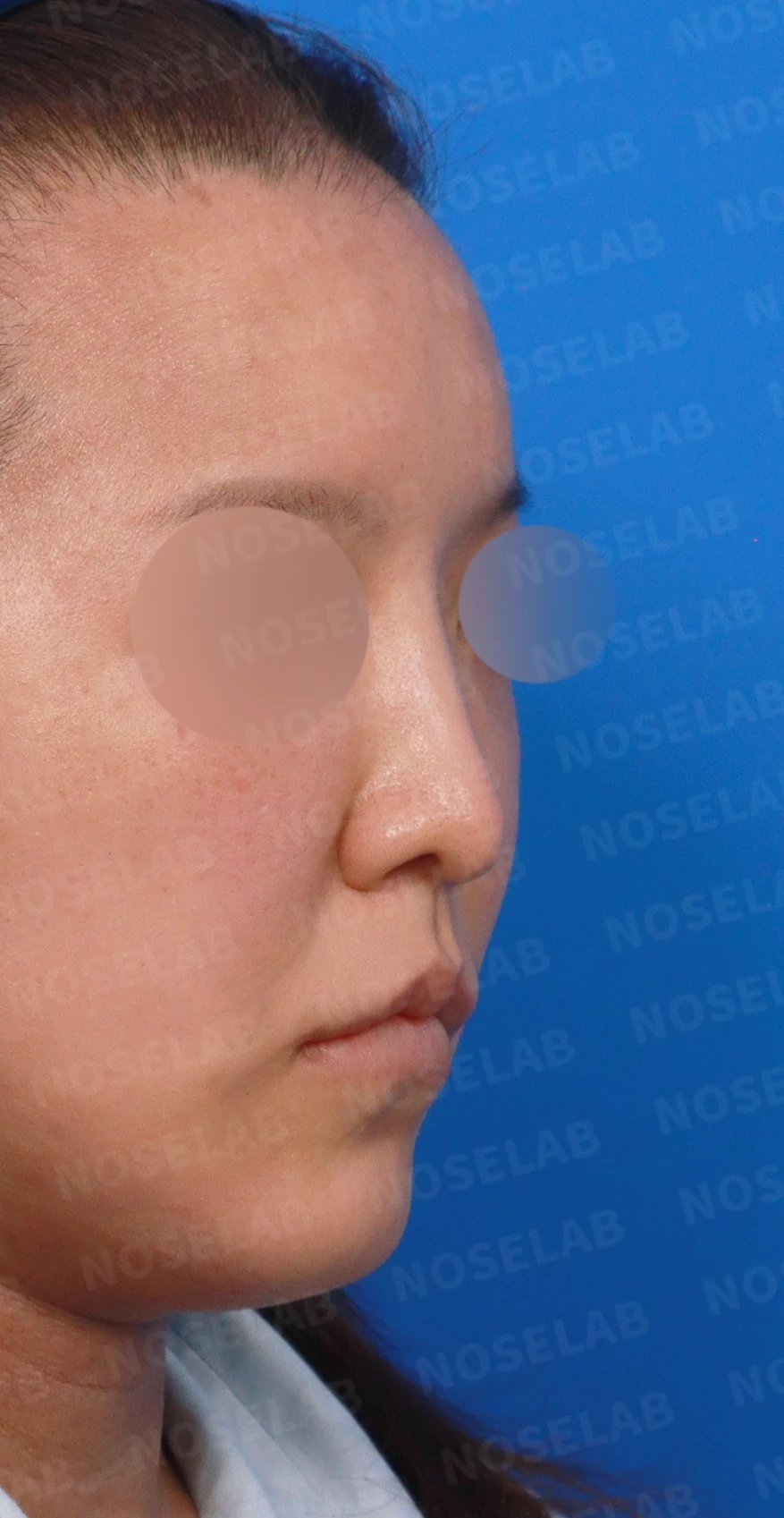
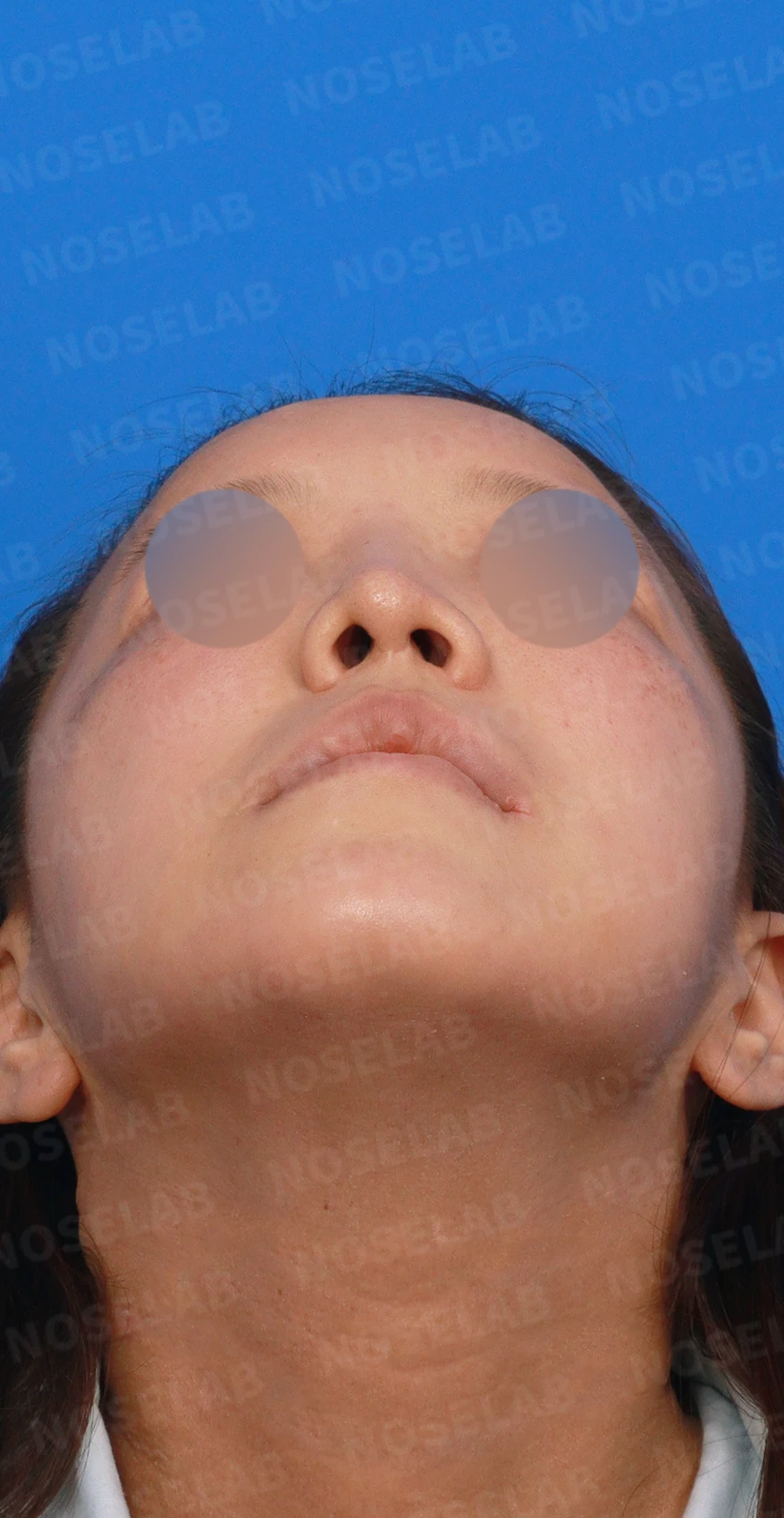
Right profile, oblique, and nostril views during design consultation.
💉 Patient requests
The primary concern was, above all, correcting the crooked nose.
The patient felt significant disappointment regarding what remained uncorrected after the previous surgery, and also wanted to resolve the nasal obstruction caused by rhinitis.
🔧 Surgical plan and procedure
This procedure was a complex case requiring concurrent consideration of both aesthetic and functional improvements.
Aesthetic surgical plan:
Lateral osteotomy of the nasal bones for crooked nose correction
Lowering the radix to create a natural profile line
Correcting the nasolabial angle so that the philtrum does not appear long
Improving the protruding mouth and balancing midface length
Correction of nostril asymmetry
Functional surgical plan:
Left septal deviation, bilateral inferior turbinate hypertrophy, and mucosal adhesion between the left septal mucosa and inferior turbinate mucosa were observed, leading to the following surgical plan:
Septoplasty
Radiofrequency-assisted submucosal resection of the inferior turbinates
Adhesiolysis surgery
Actual surgical procedure:
Partial reconstruction of the septal cartilage and septal extension were performed using autologous rib cartilage. On the nasal bridge, the previous silicone implant was removed, and a new silicone implant was sculpted precisely to fit the nasal bone. A precise lateral osteotomy of the nasal bones was then performed to correct the crooked nose.
Surgical outcome
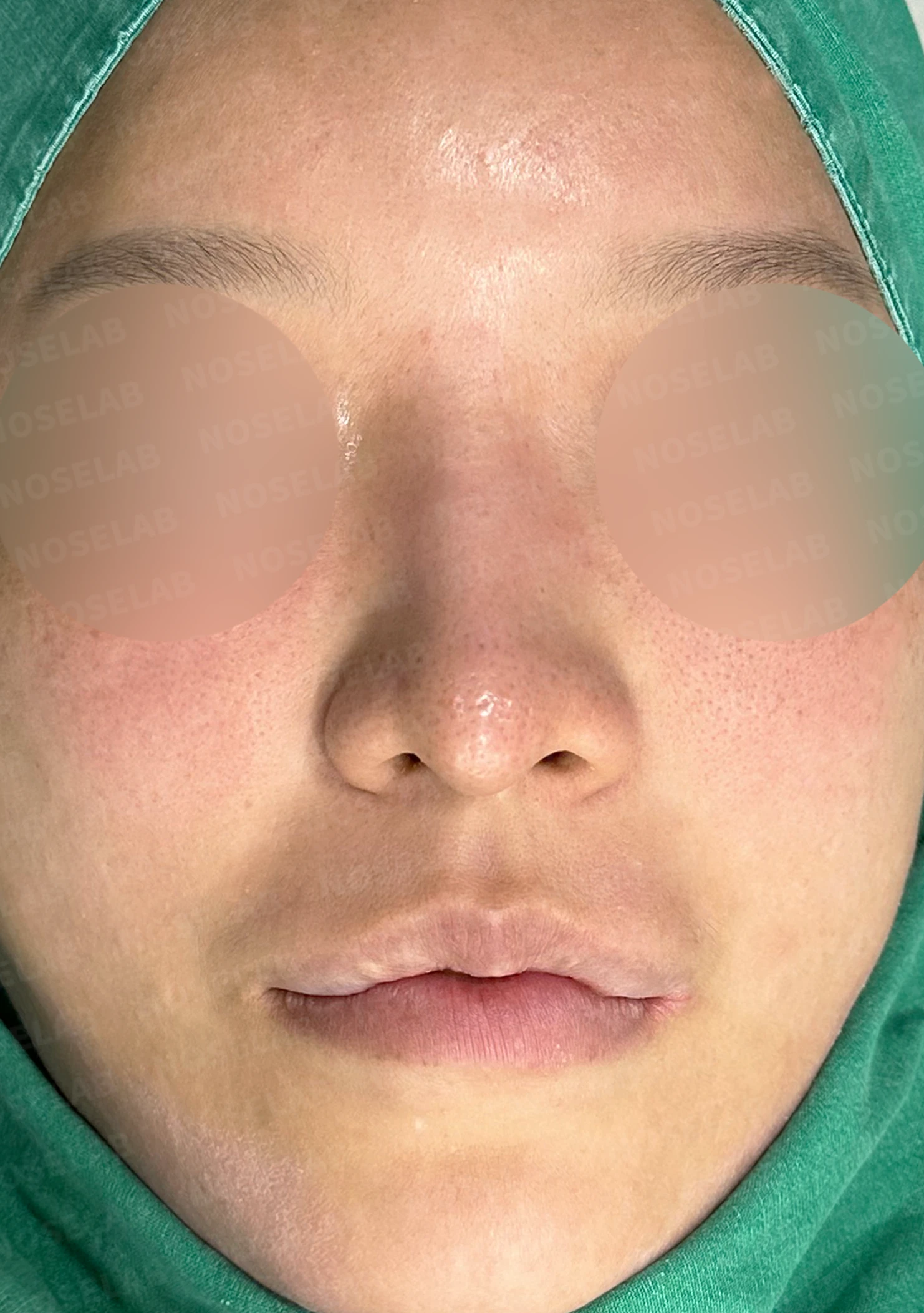
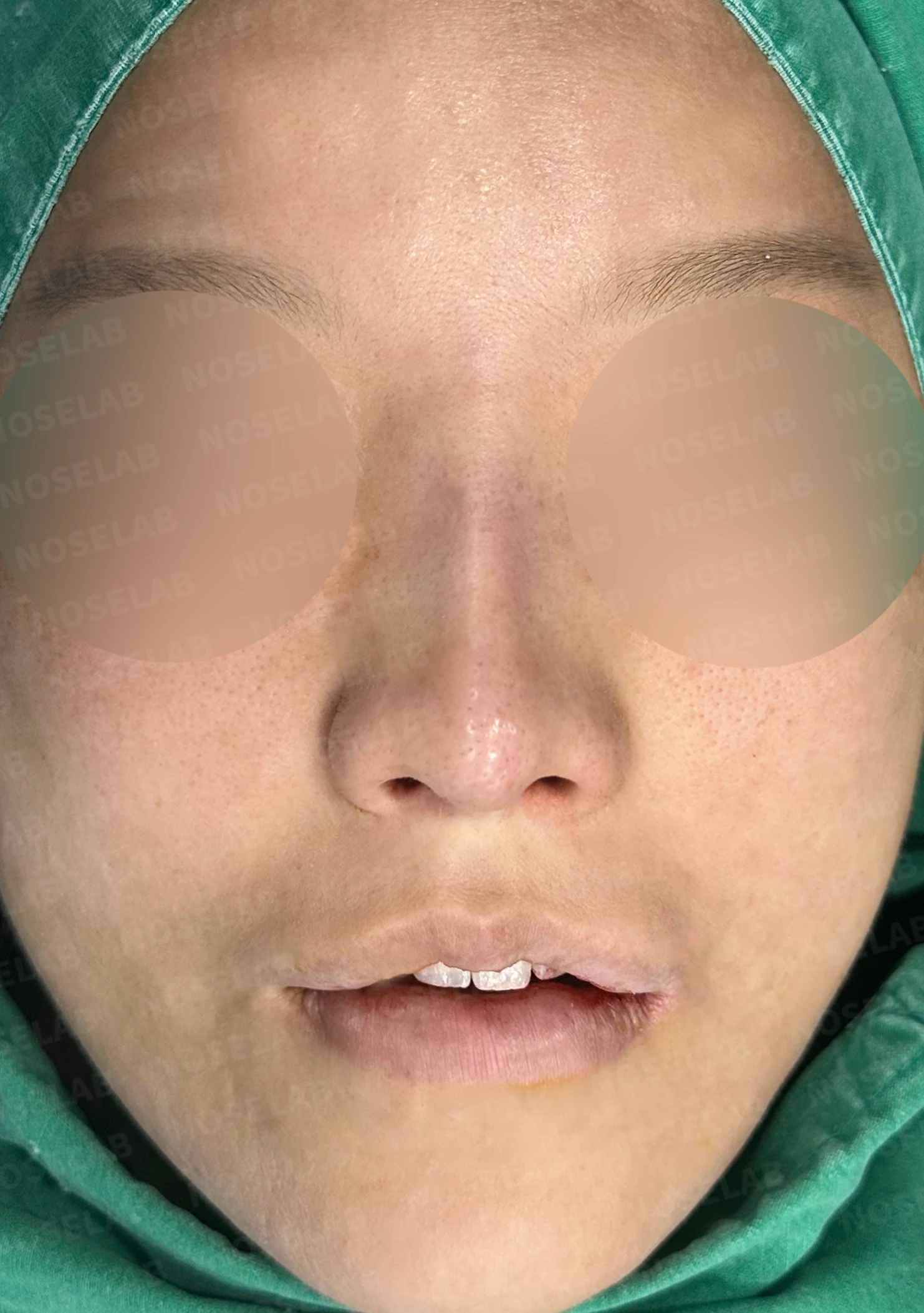
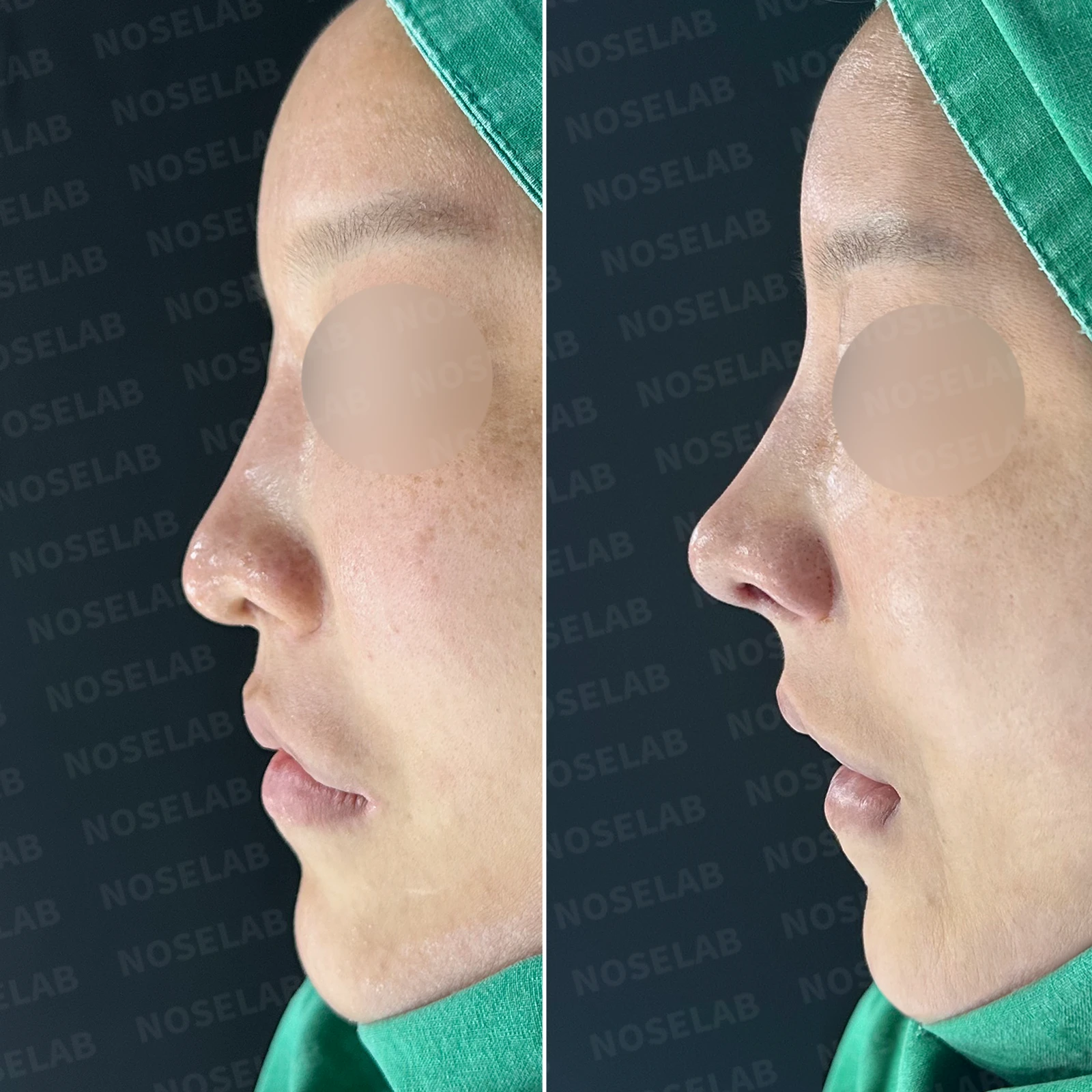
Before surgery / Day 0 immediately after surgery Photos taken immediately after surgery show swelling and may differ from the final result.
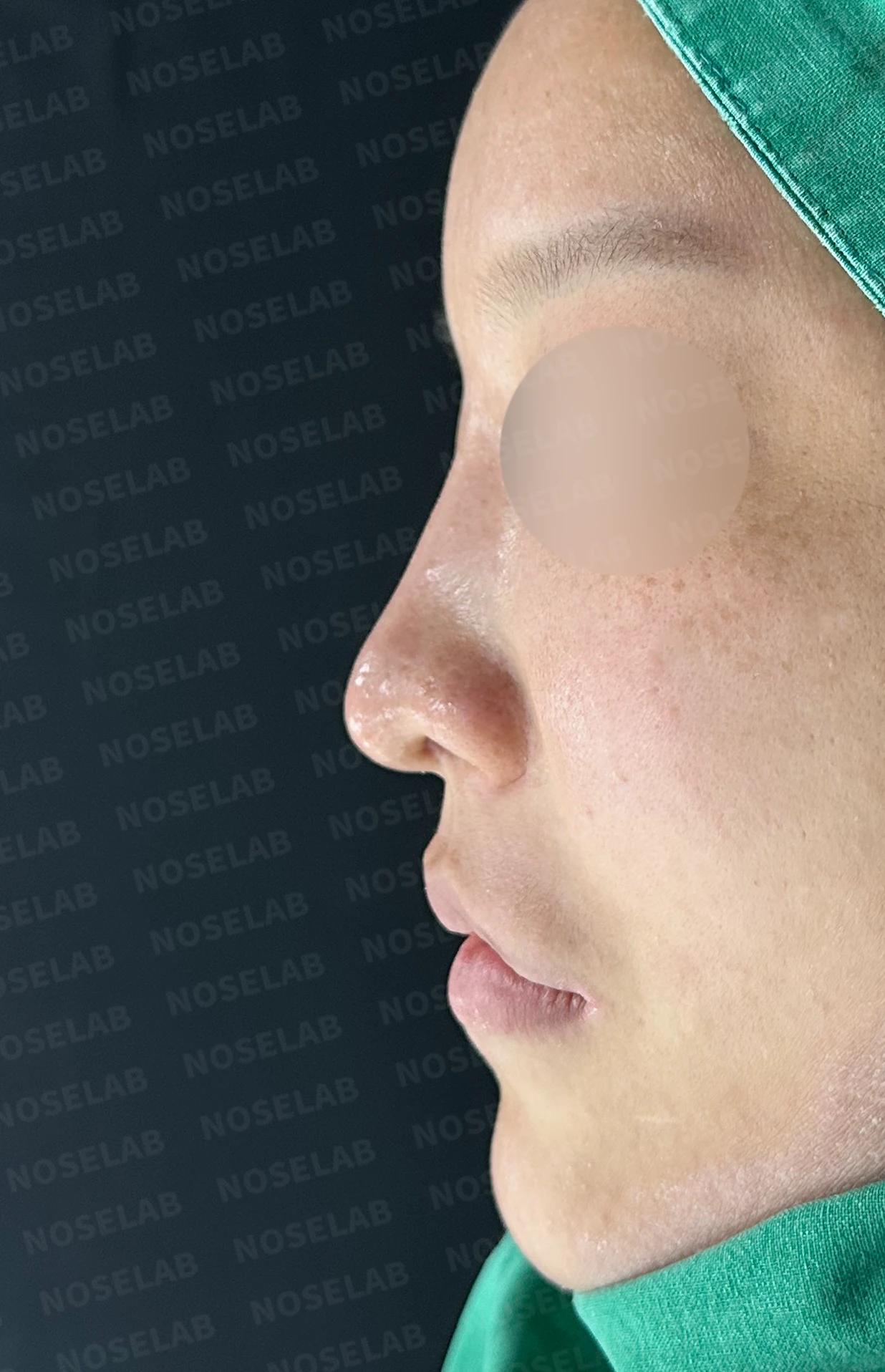
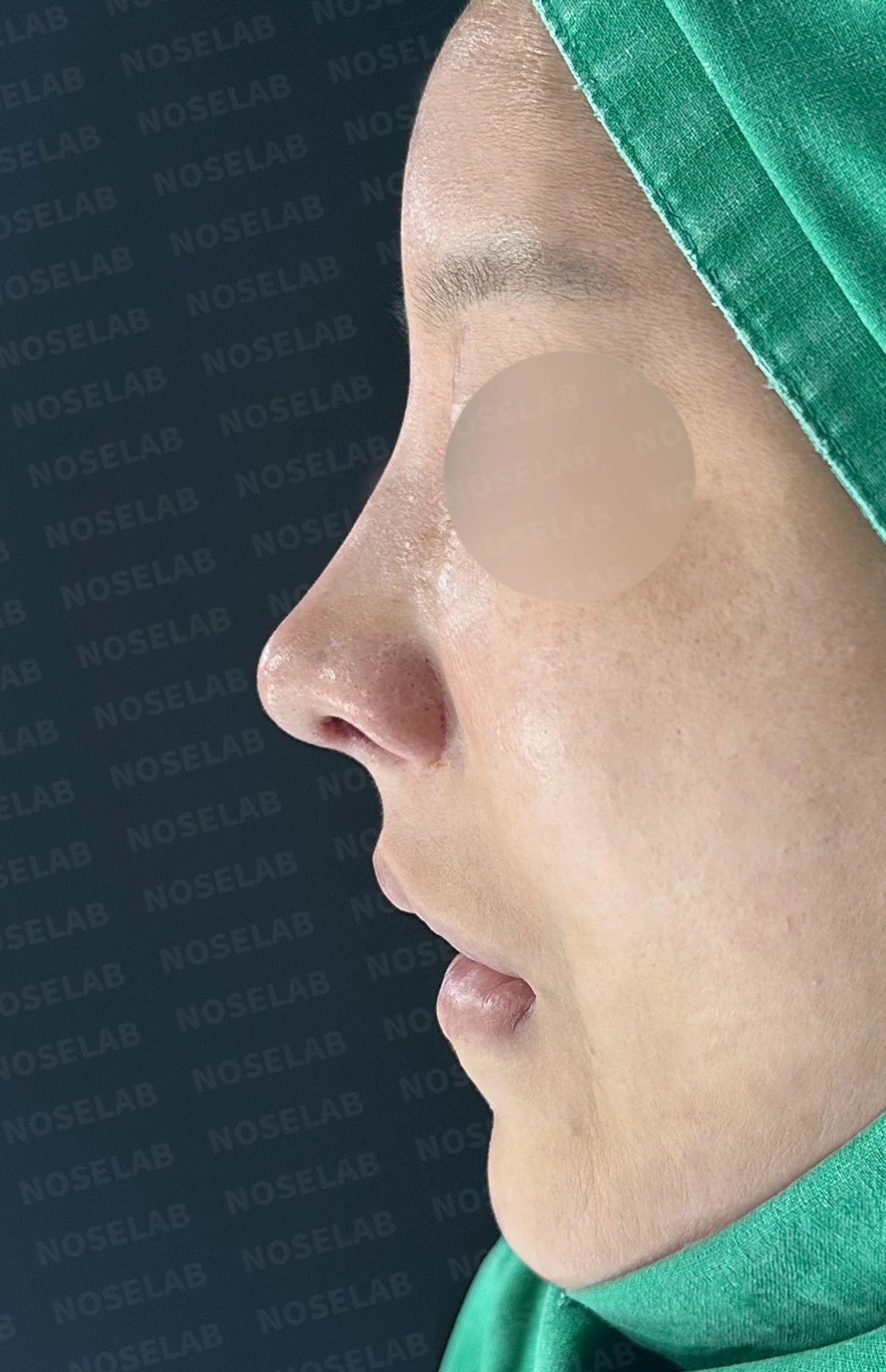
Before surgery / Day 0 immediately after surgery Photos taken immediately after surgery show swelling and may differ from the final result.
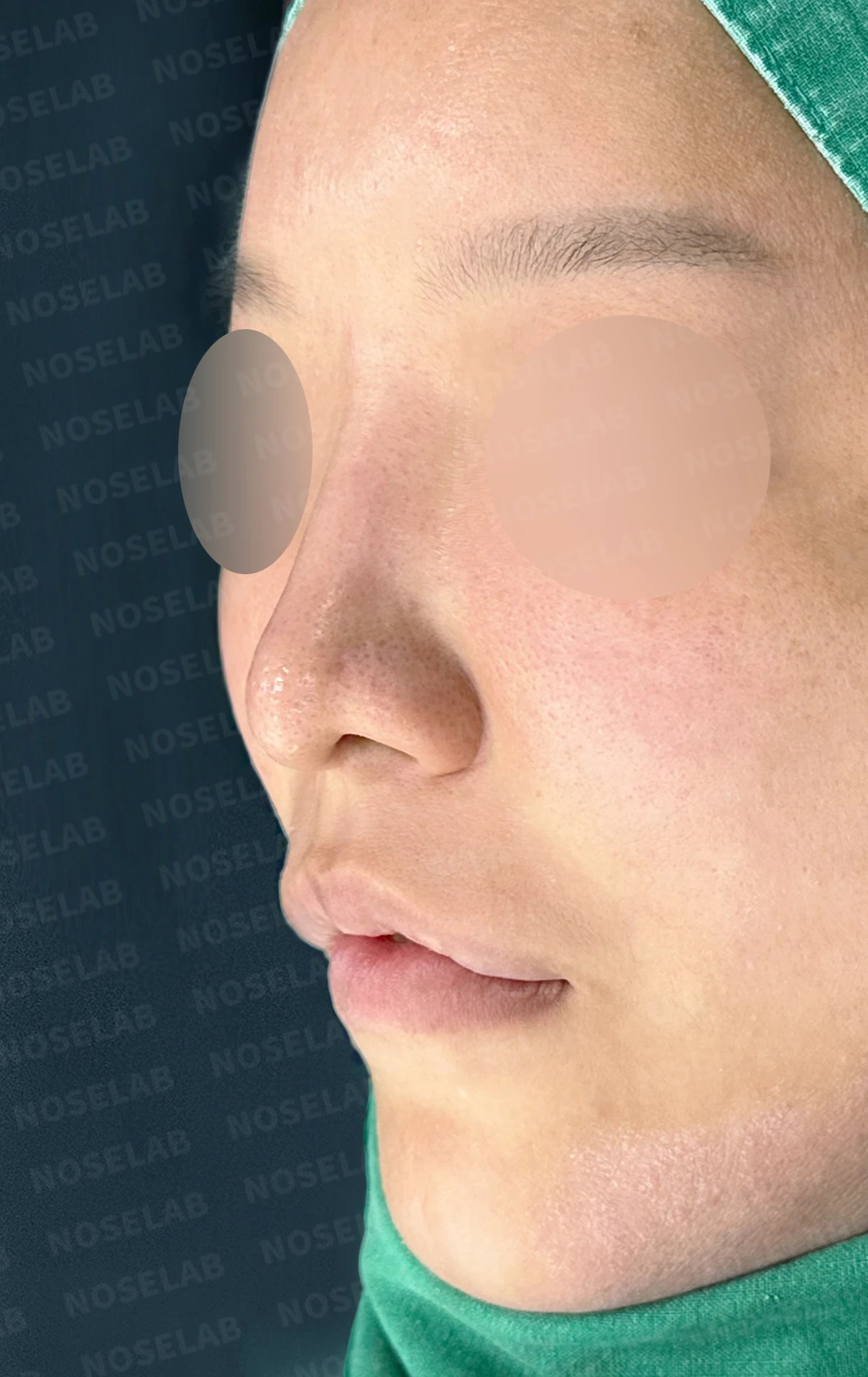
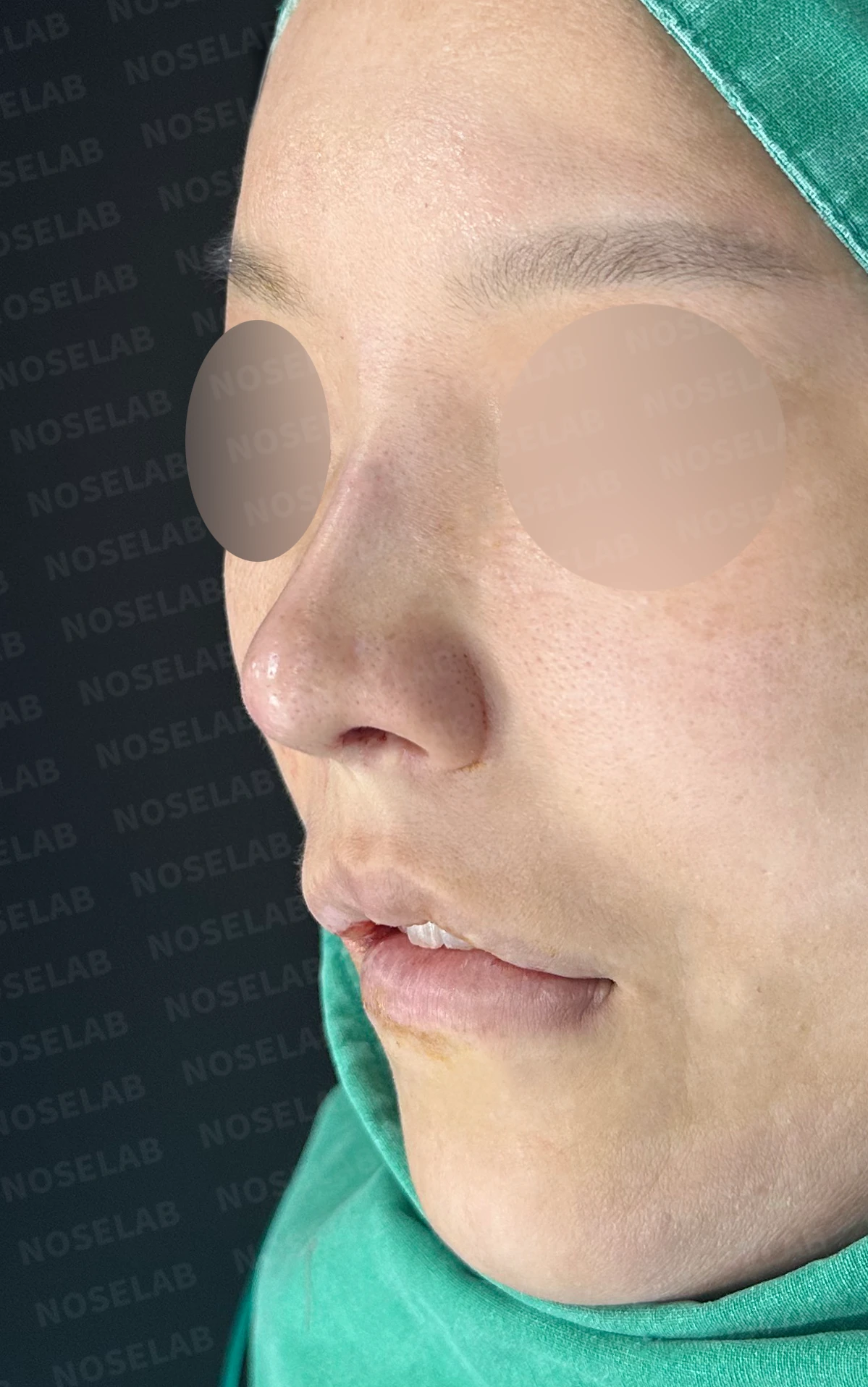
Before surgery / Day 0 immediately after surgery Photos taken immediately after surgery show swelling and may differ from the final result.
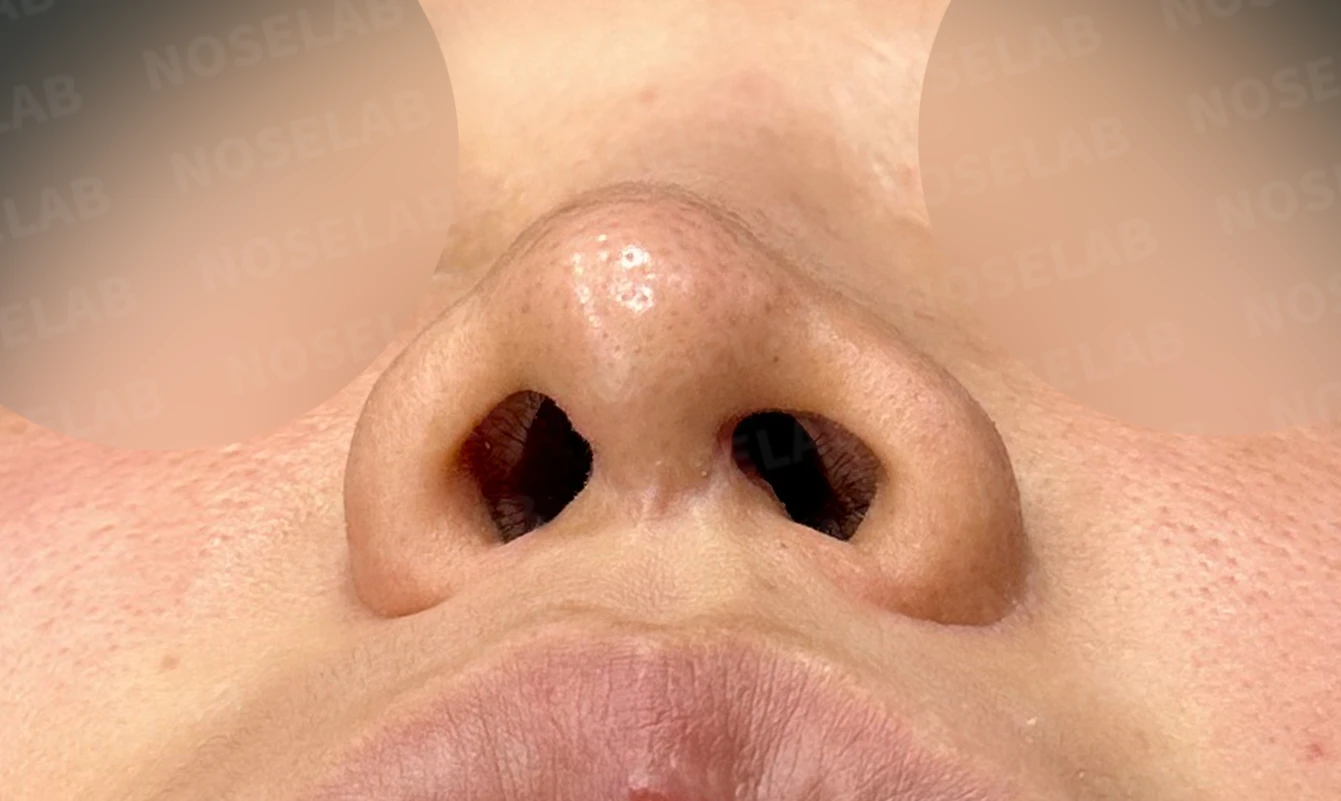
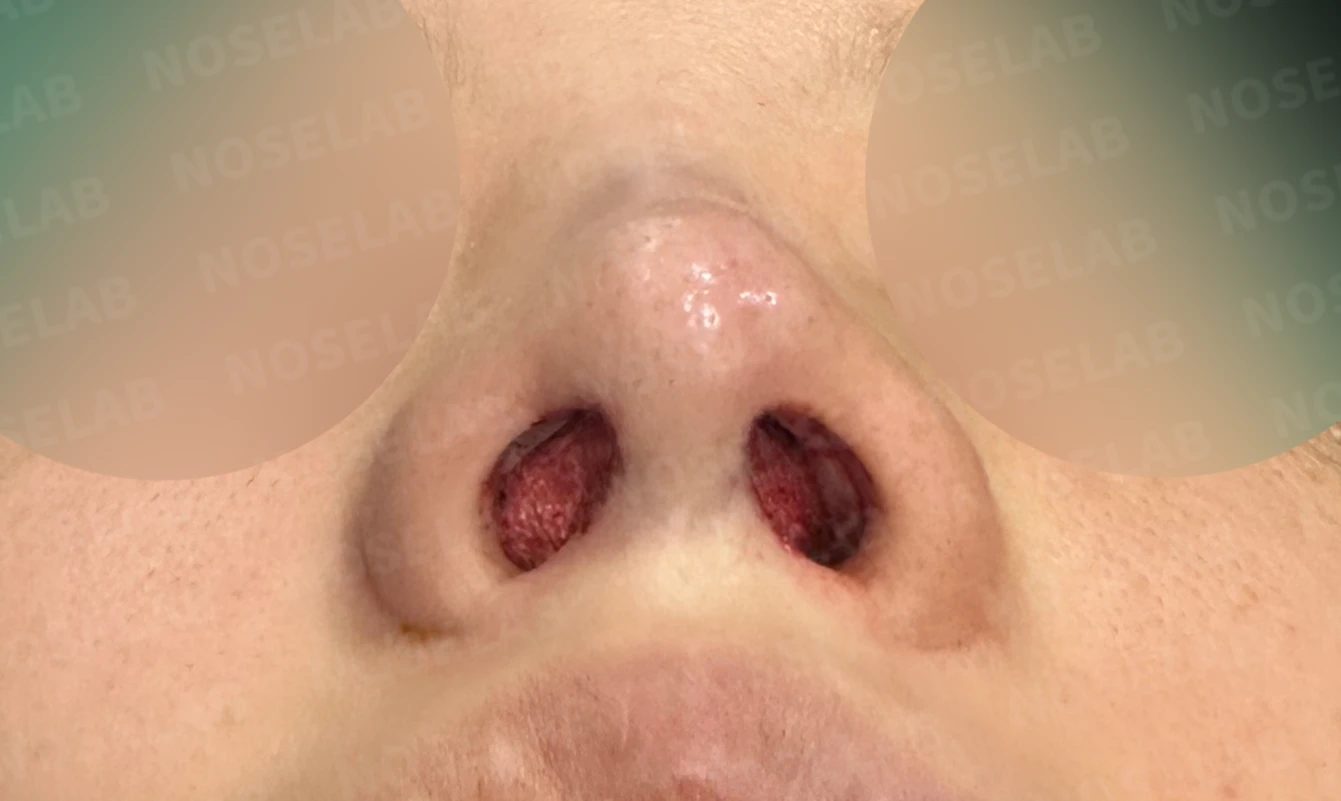
Before surgery / Day 0 immediately after surgery Photos taken immediately after surgery show swelling and may differ from the final result.
Immediately after surgery, what the patient appreciated most was that breathing had become significantly easier. With the long-standing nasal obstruction clearly relieved, the patient reported a substantial improvement in quality of life. Aesthetically, the crooked areas were naturally aligned, enhancing overall facial harmony. In particular, noticeably improved symmetry was evident on the front view.
💡 Specialist opinion
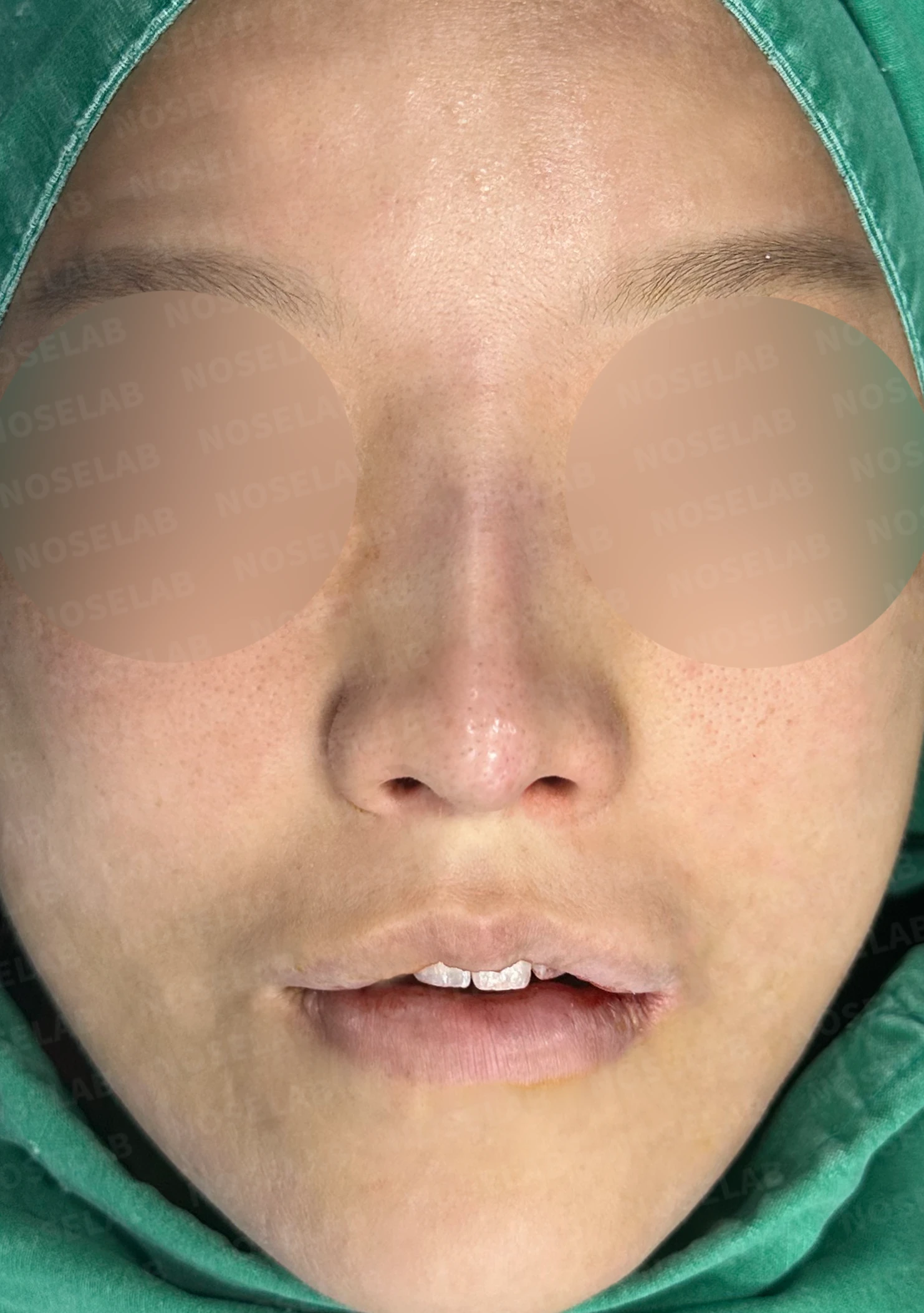
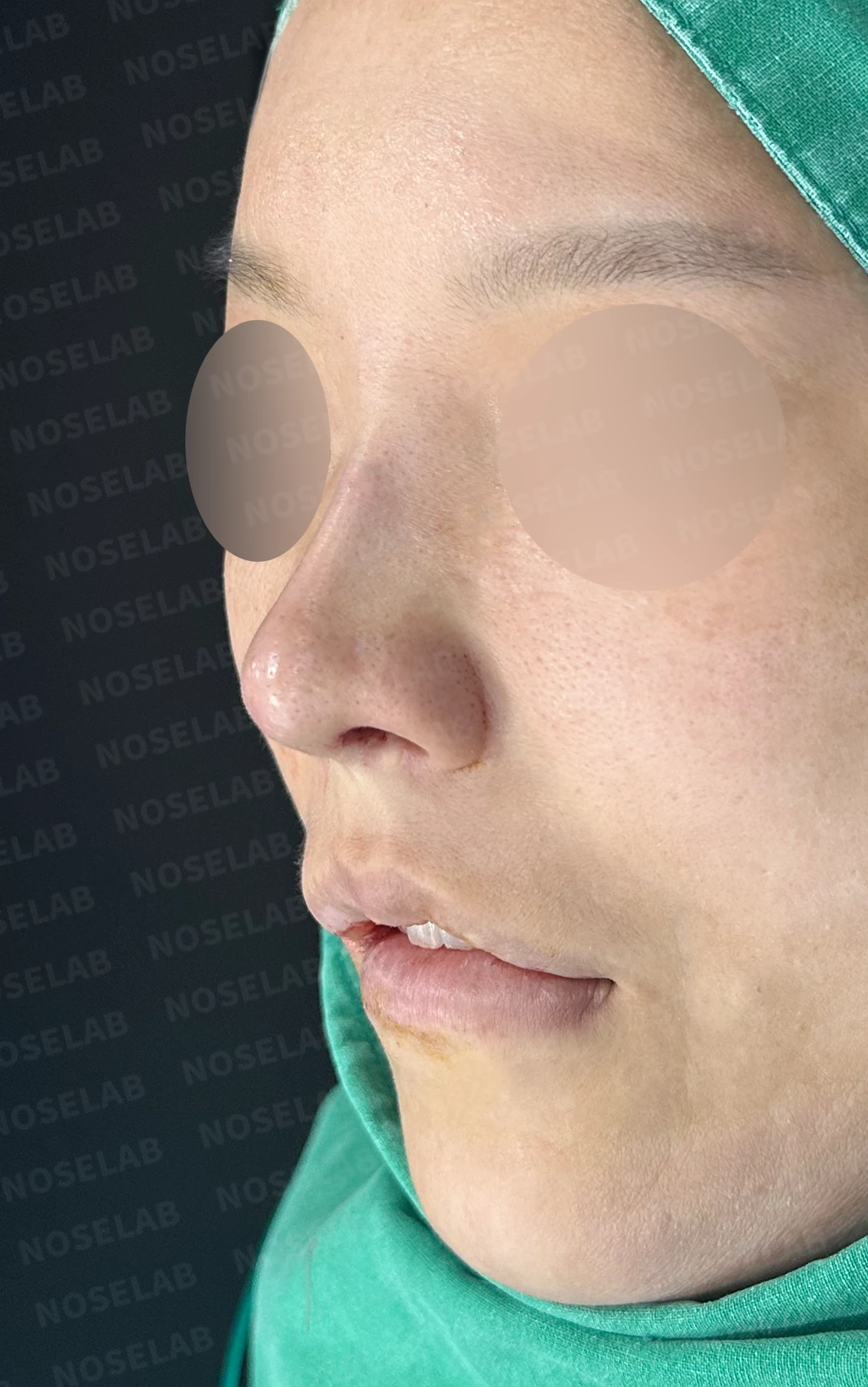
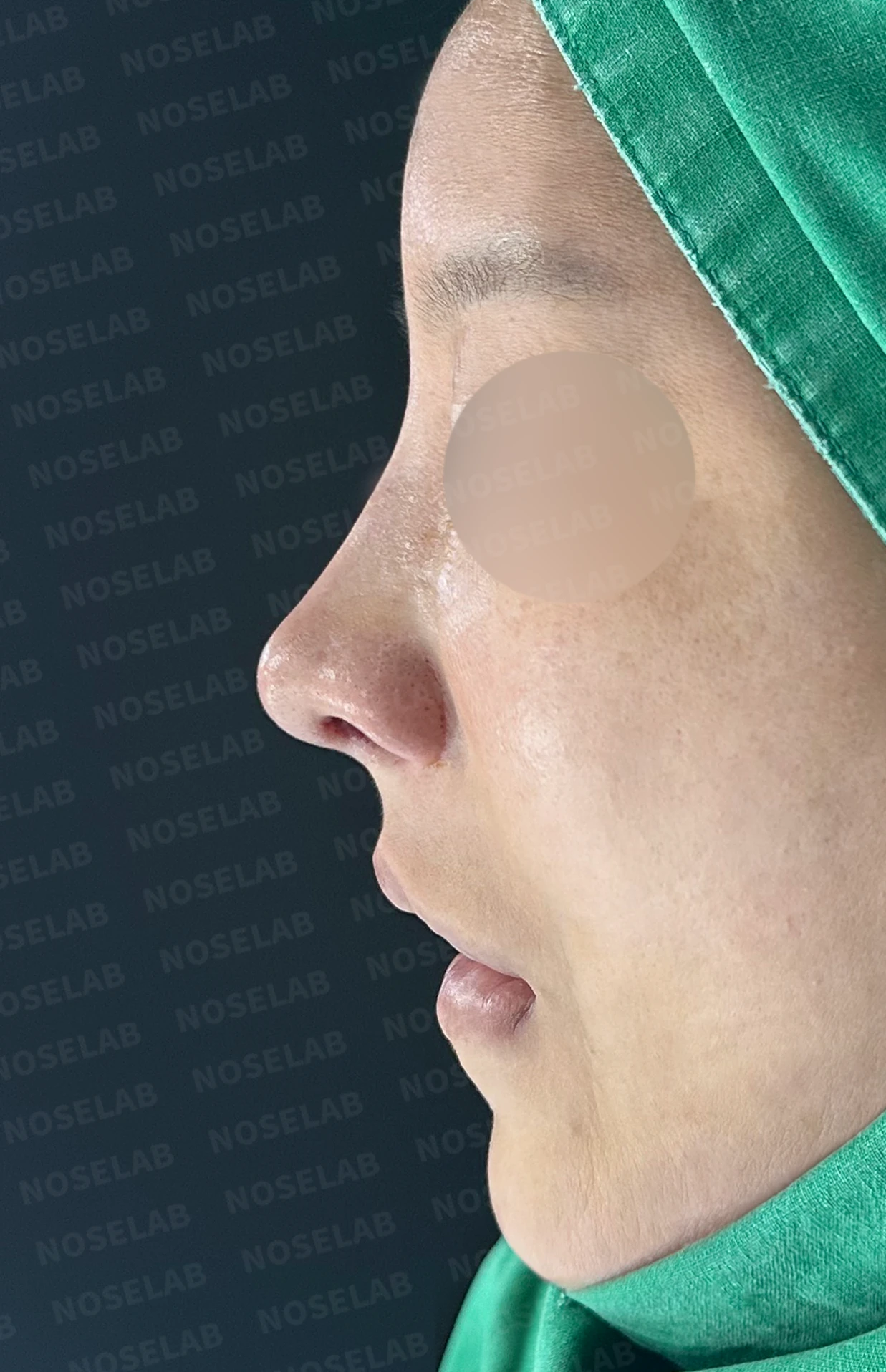
Front, oblique, and profile views on day 0 immediately after surgery. Photos taken immediately after surgery show swelling and may differ from the final result.
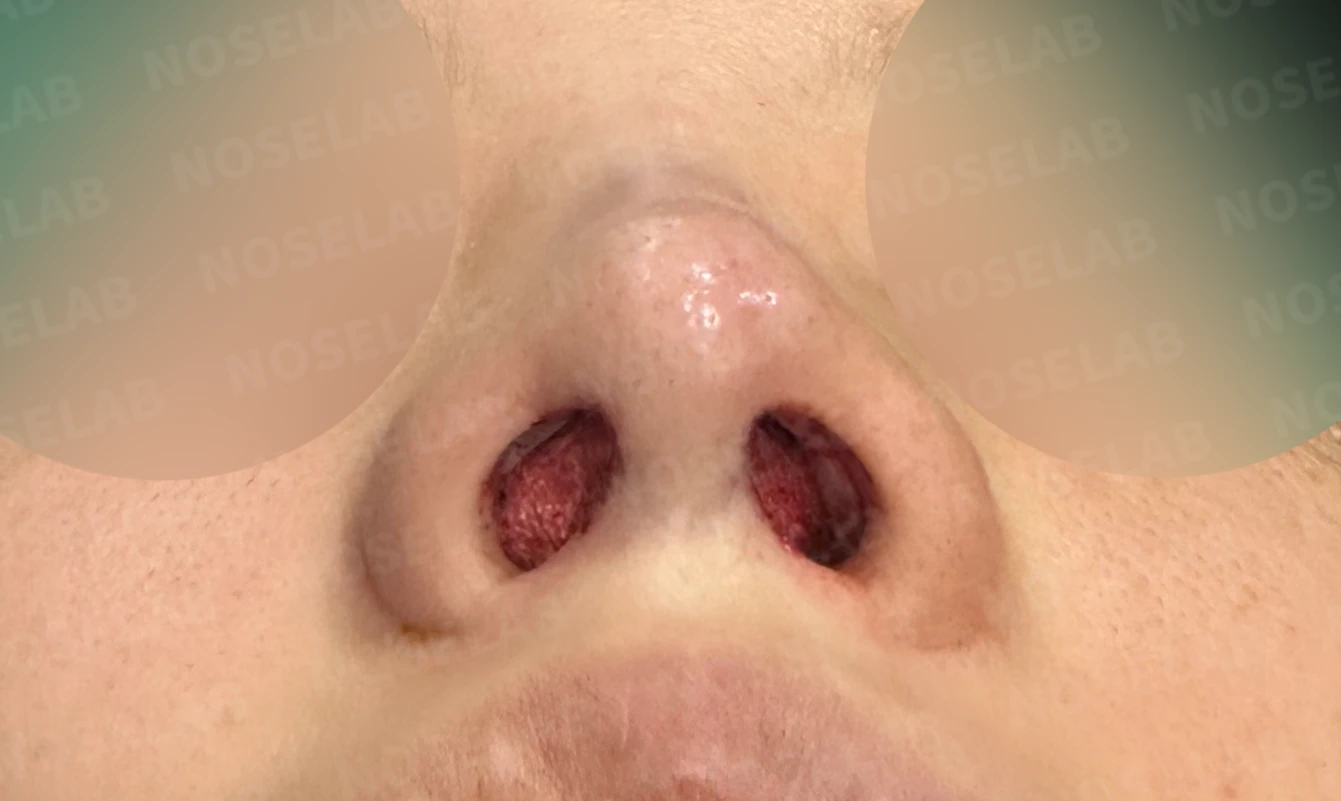
Nostril view on day 0 immediately after surgery. Photos taken immediately after surgery show swelling and may differ from the final result.
In cases like this that involve revision surgery combined with functional concerns, a more cautious and meticulous approach is essential.
In particular, one must comprehensively evaluate tissue alterations and adhesions from previous surgeries, as well as the structural condition of the septum. In this case, utilizing autologous rib cartilage allowed us to establish a stable structural support, while precise techniques such as radiofrequency allowed us to achieve functional improvement at the same time.
If a patient is covered by personal medical indemnity insurance, coverage can apply to the functional improvement portion of the procedure, reducing the financial burden.
I believe the most critical aspect is not merely altering outward appearance, but improving the patient's overall daily life. This case yielded very satisfying results in that regard as well. I hope this provides helpful insight for those experiencing similar concerns.
This was Dr. Peter C. Kang. Thank you.
#closedrhinoplasty #closedrevisionrhinoplasty #crookednosecorrection #nasalobstructionrelief #rhinitissurgery #functionalrhinoplasty #insurancerhinoplasty

Limitations and risks
When autologous rib cartilage is used, scarring and pain may remain at the donor site on the chest, and pneumothorax (pleural injury) can occur rarely. Over time, the grafted cartilage may warp or undergo partial resorption.
When using donor rib cartilage, long-term follow-up is necessary because the grafted cartilage may resorb or warp.
When revising after implant removal, contracture may progress again after removal, the nasal height and length may decrease, and staged surgery may be necessary depending on the skin condition.
When the septum is corrected at the same time, nasal obstruction may persist or recur, and in rare cases, septal perforation or changes in smell may occur.
Common potential risks include infection, bleeding, asymmetry, scarring, skin necrosis, and insufficient improvement; results vary depending on individual skin condition and previous surgical history.