Hello, I am Medical Director Dr. Peter C. Kang.
Today, I would like to share a case of a patient who struggled with undissolved filler issues and sought bulbous nose correction.
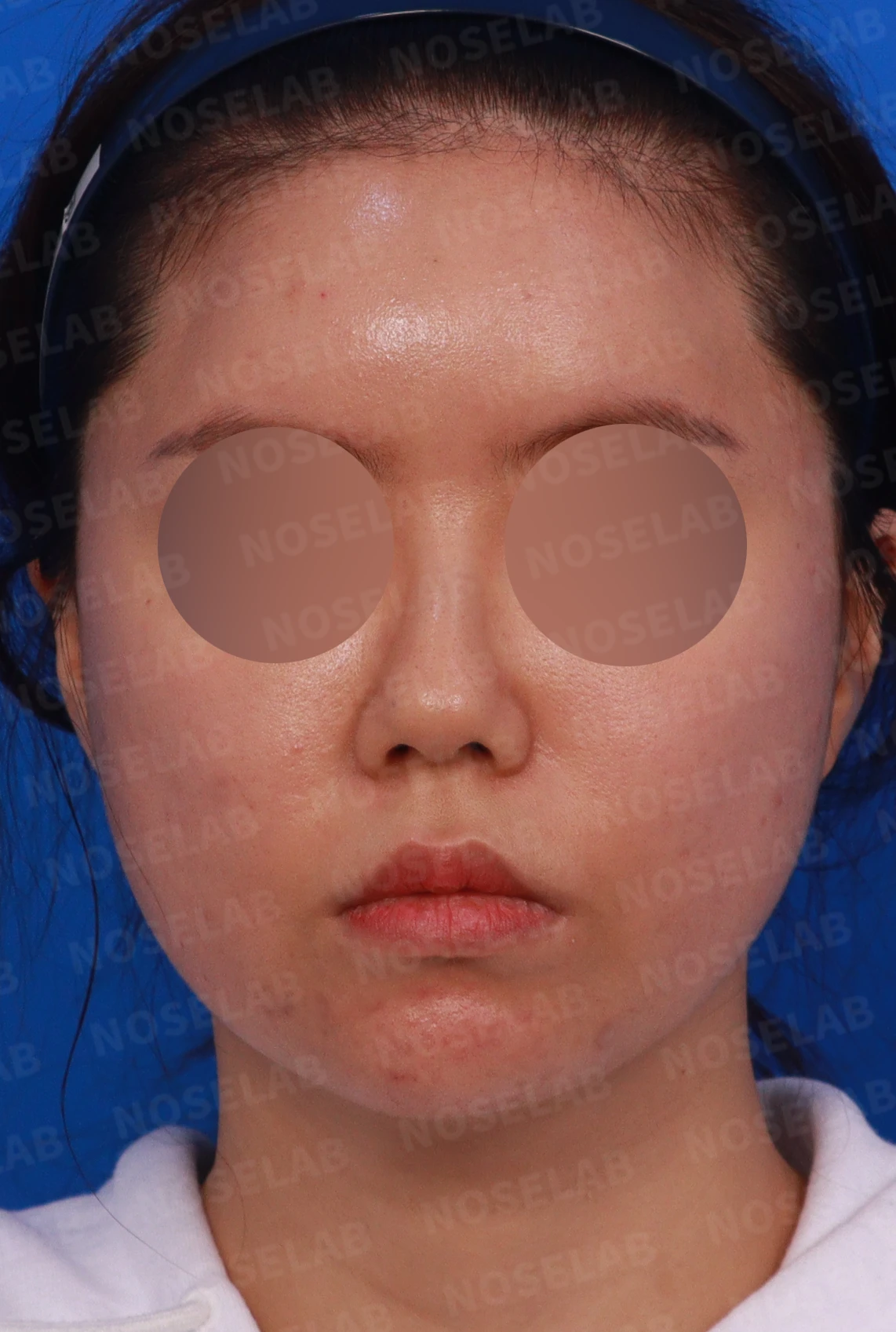
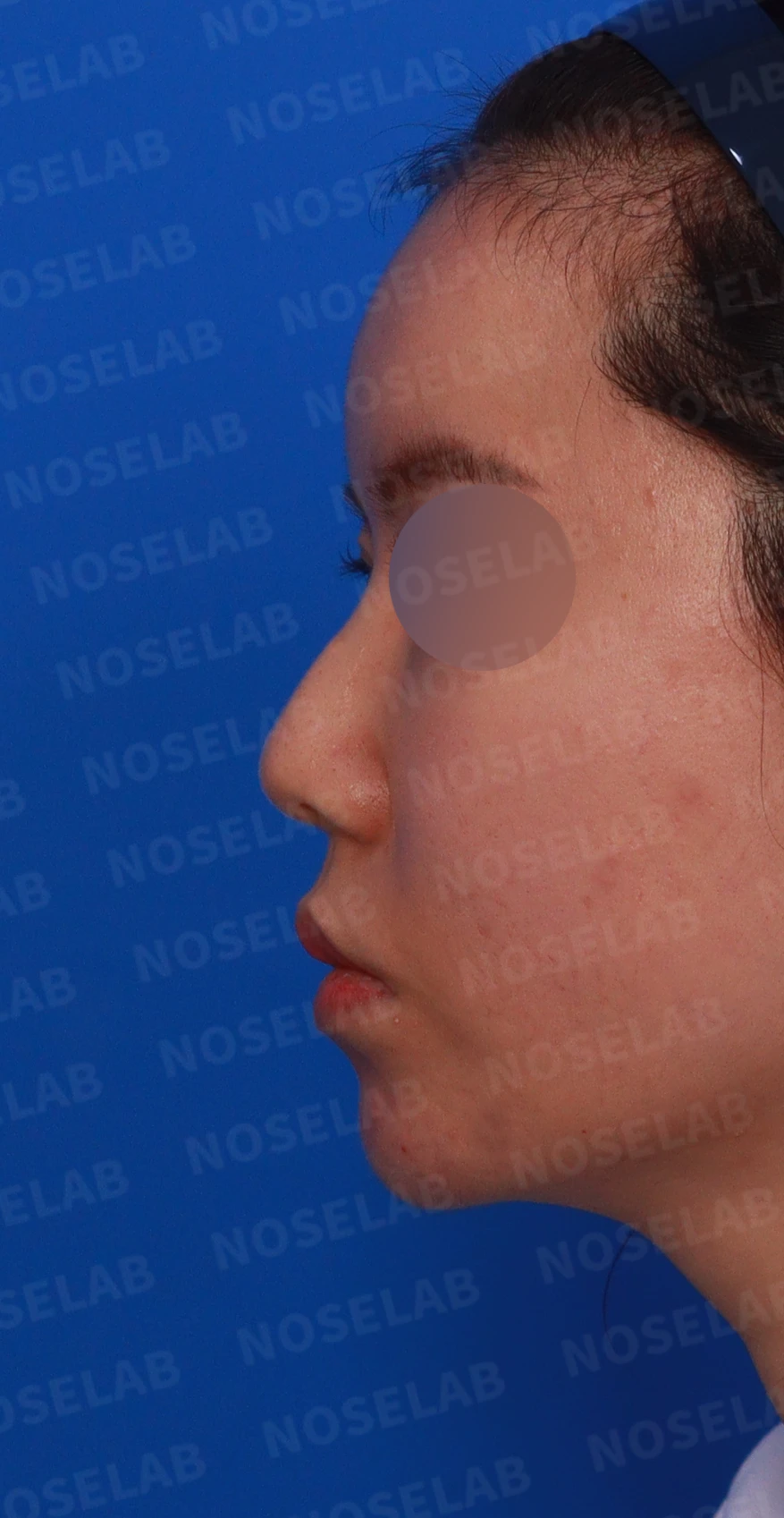
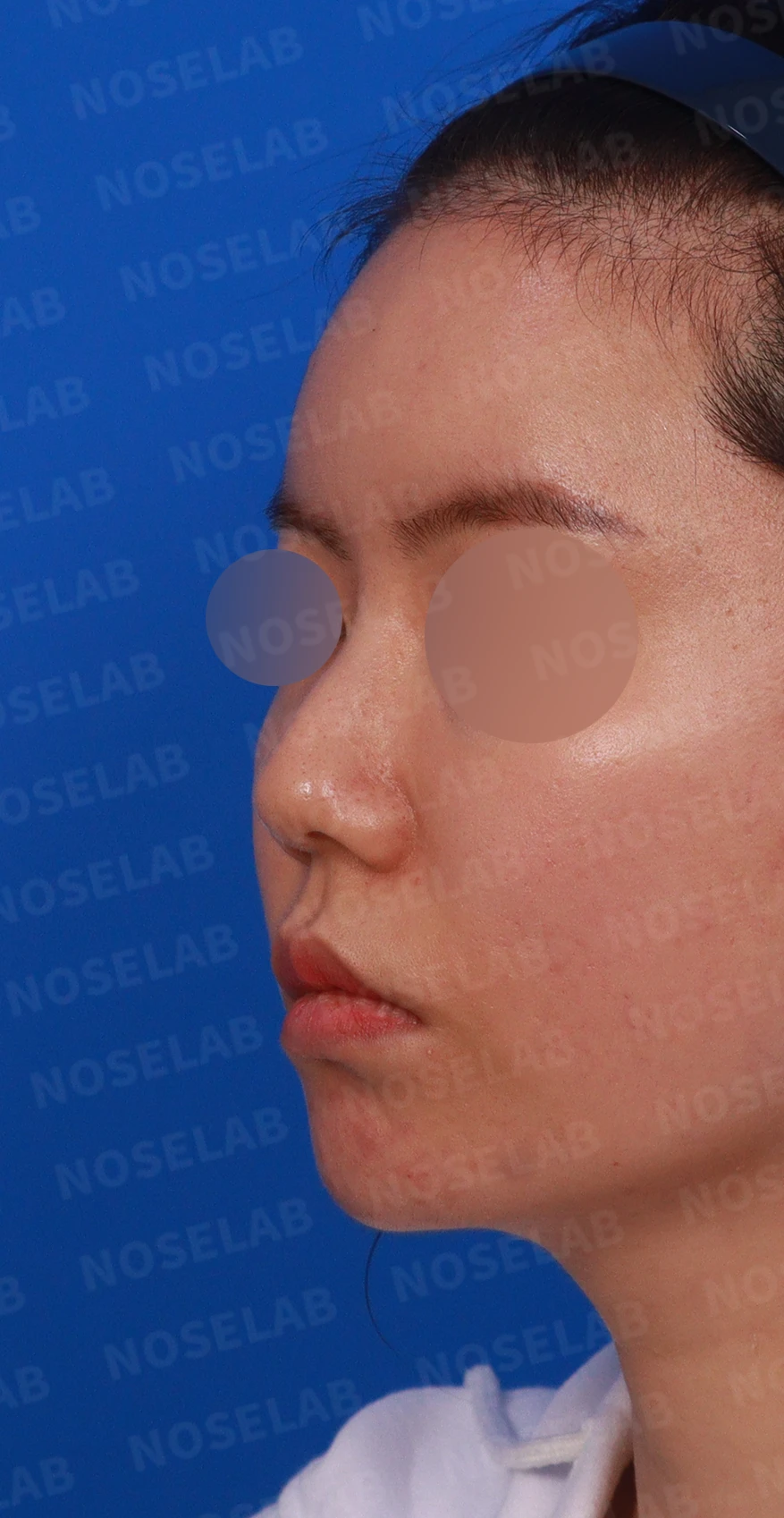
Design consultation photos: front view, left profile view, and oblique view.
Patient's procedure history
5 years ago: HA filler injection
1 year ago: Hyaluronidase injection received, but diagnosed as not completely dissolved
5 months ago: Fat-dissolving injection targeting the alar cartilage area
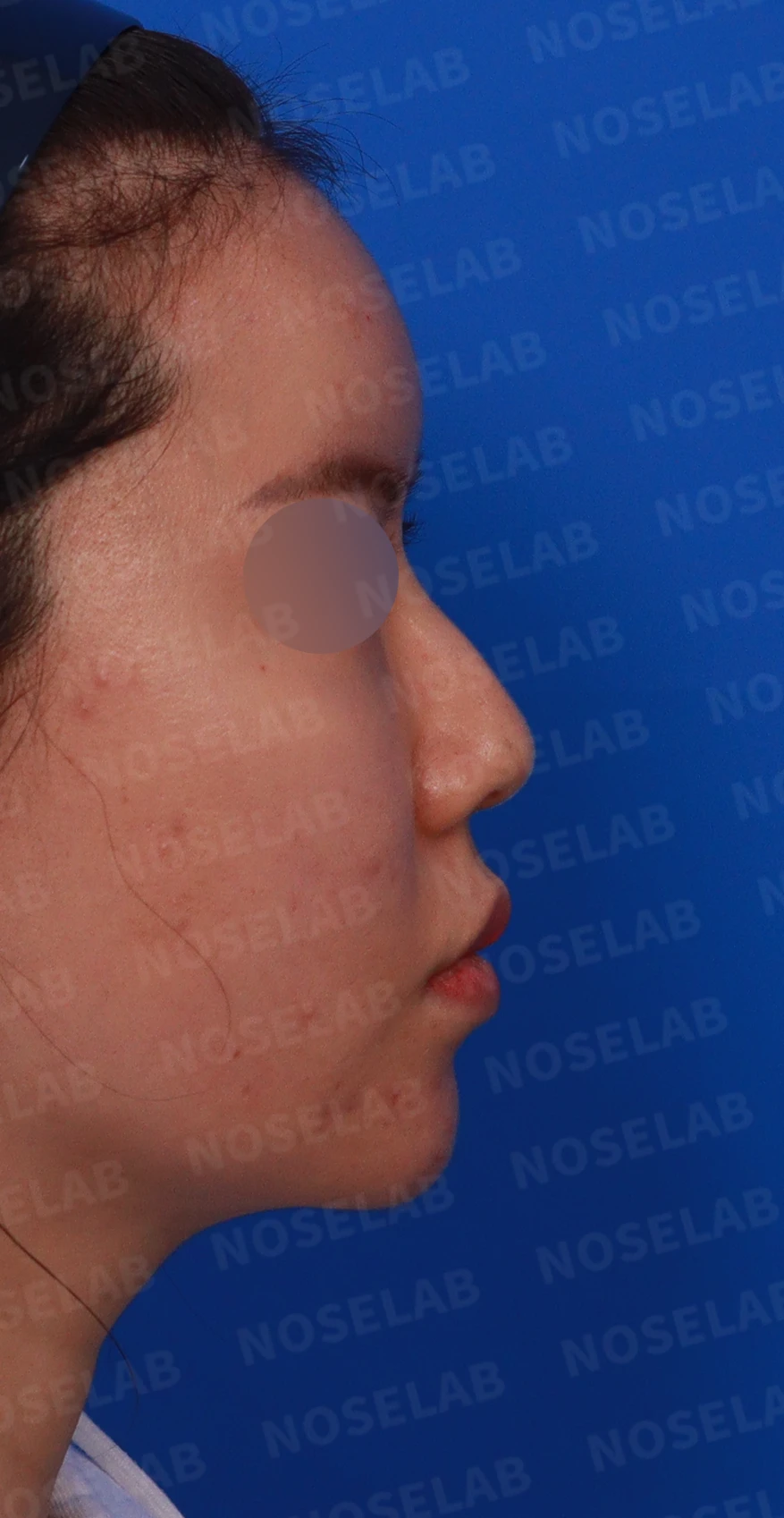
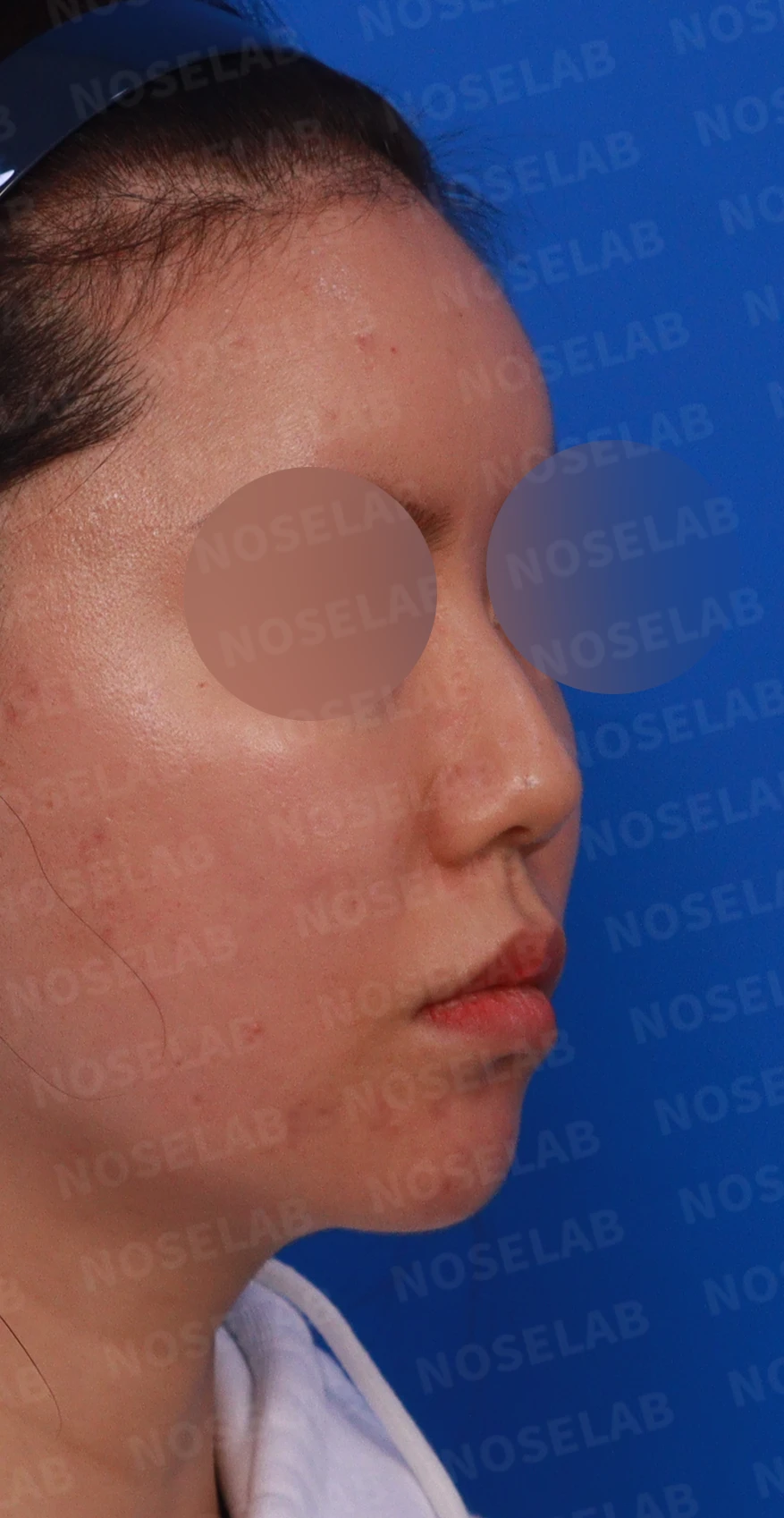
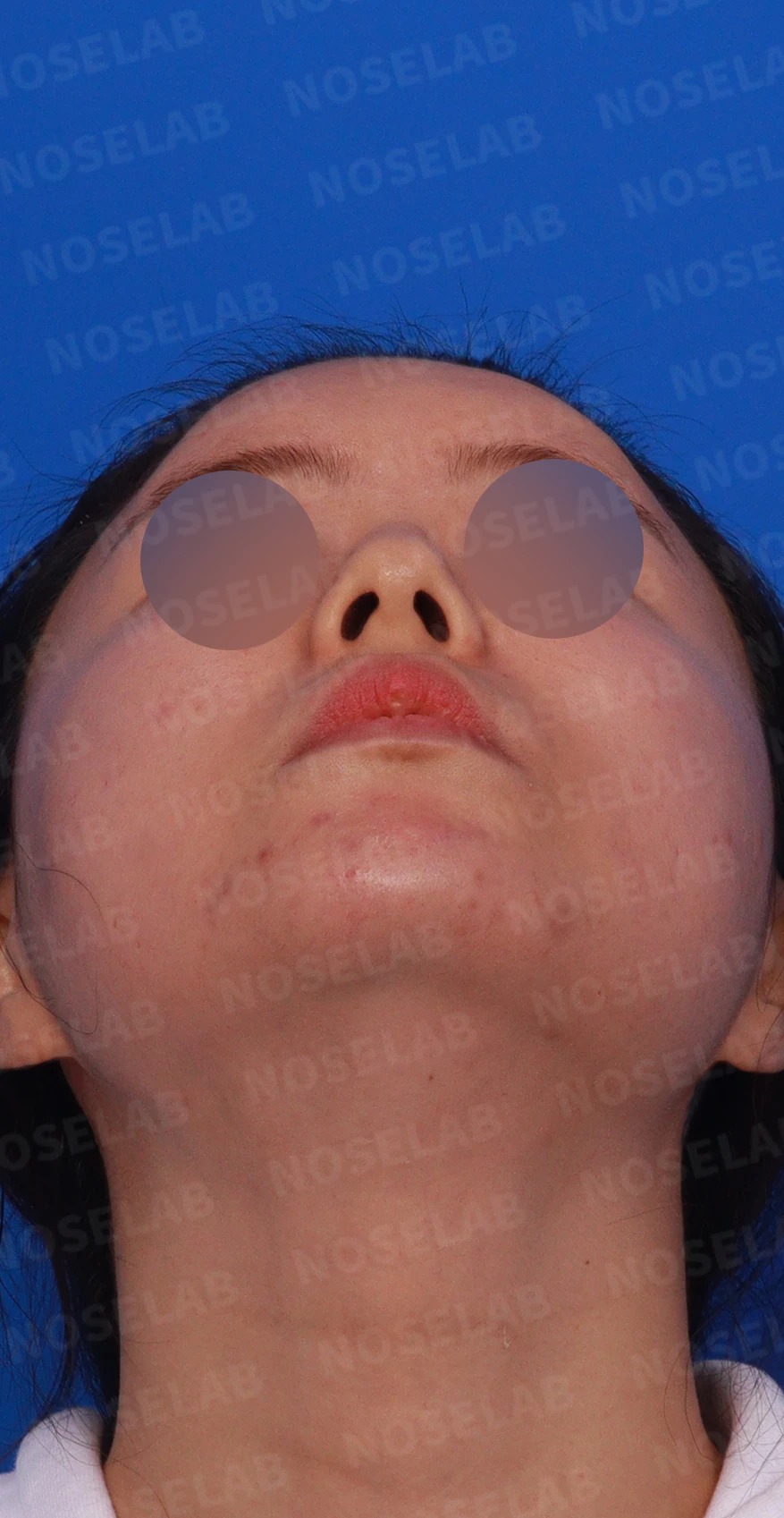
Design consultation: right profile, oblique, and nostril views.
🔎 Initial consultation findings
Functional concerns:
Difficulty breathing
Aesthetic concerns:
Crooked nose
Bulbous nose (large alae)
HA filler from 5 years ago not fully absorbed
Nose appears wide due to large lower lateral cartilages
✨ Patient's requests
Improvement in breathing
Crooked nose correction
Bulbous nose correction (reduction of alar size)
💉 Surgical procedure details
Foreign material removal:
Complete removal of unabsorbed HA filler
Structural improvements:
Rhinoplasty using autologous rib cartilage
Crooked nose correction
Bulbous nose correction via lower lateral cartilage trimming
Functional improvement:
Breathing improvement through septoplasty and radiofrequency inferior turbinate submucosal resection
✅ Surgical results
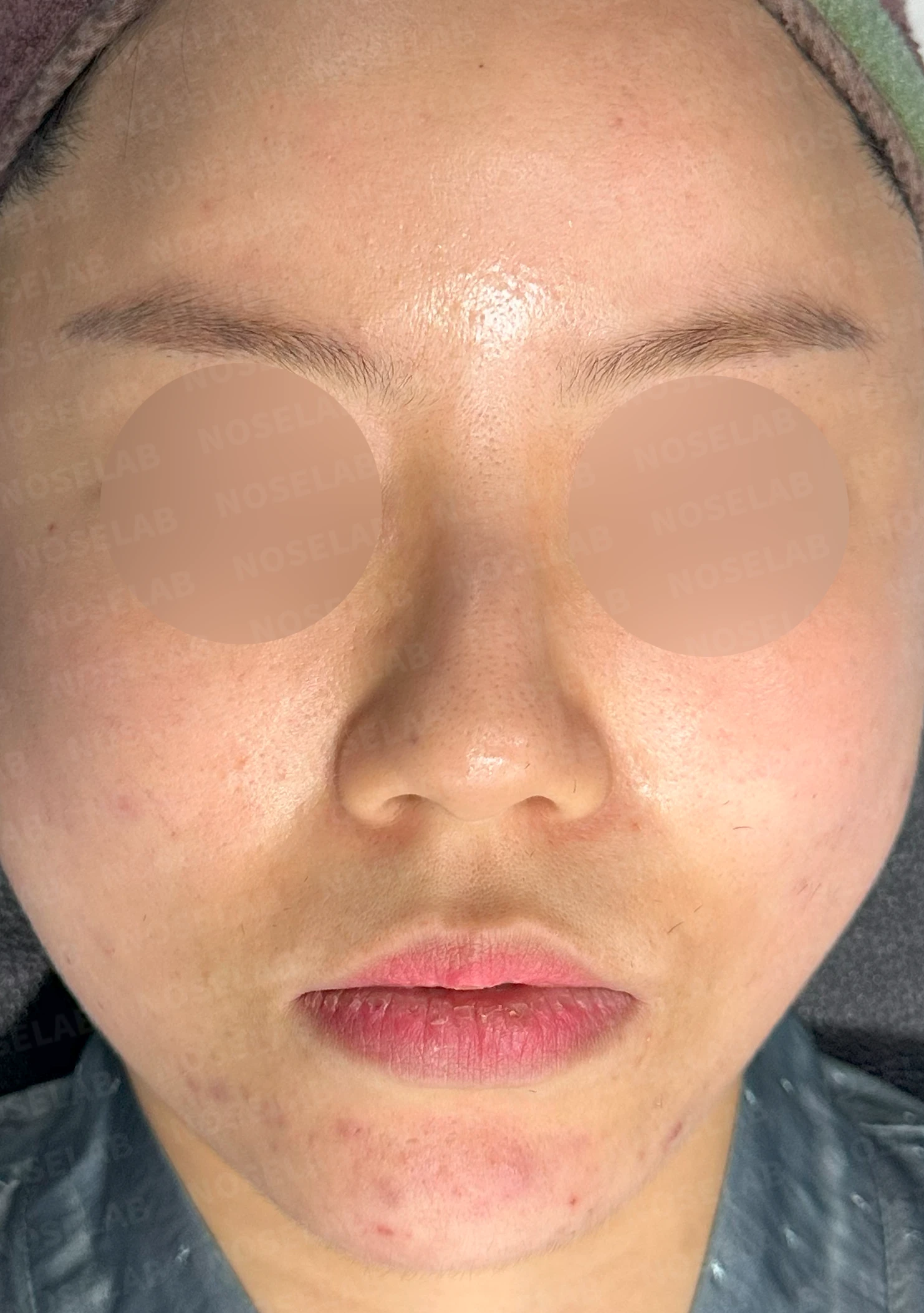
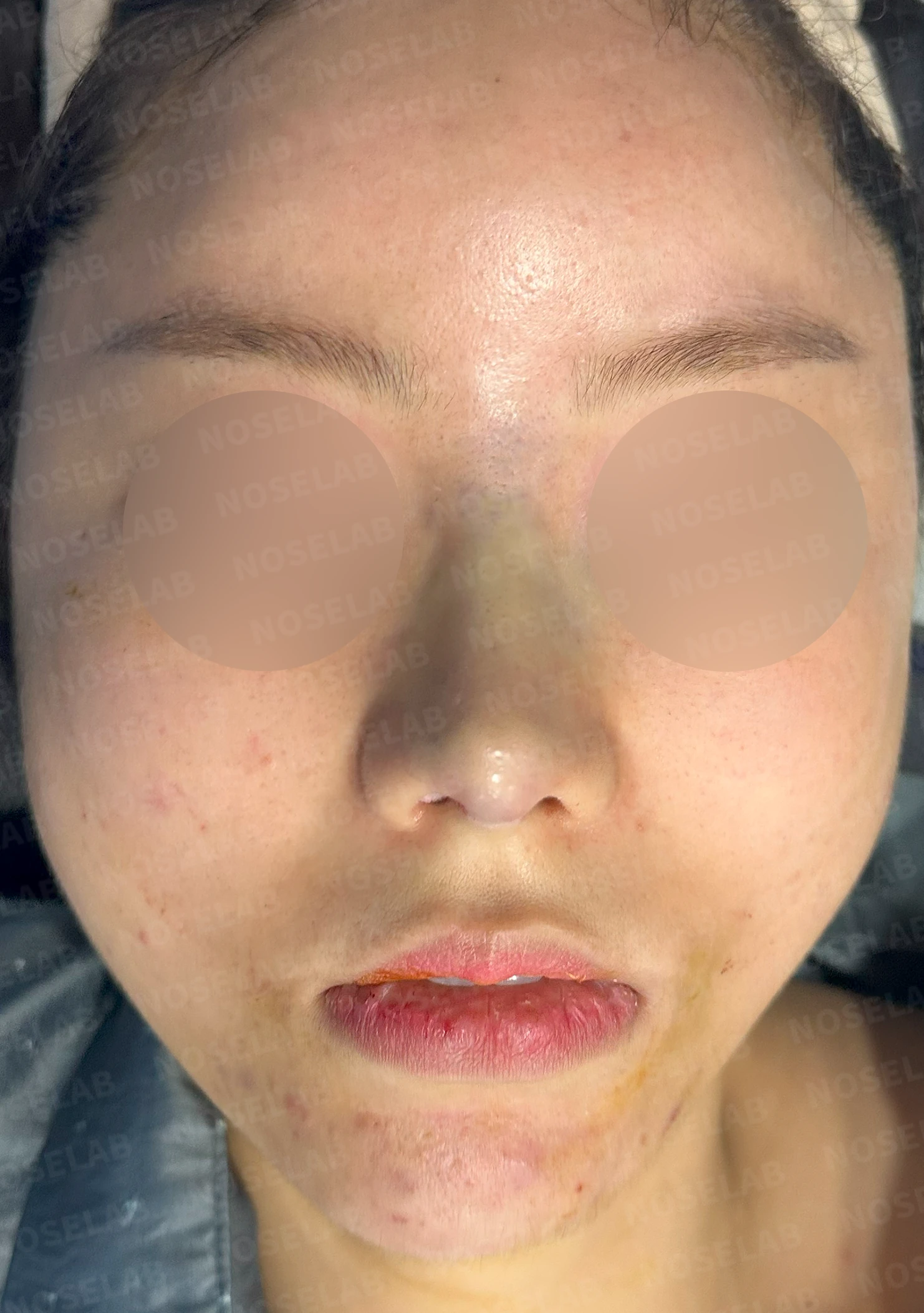
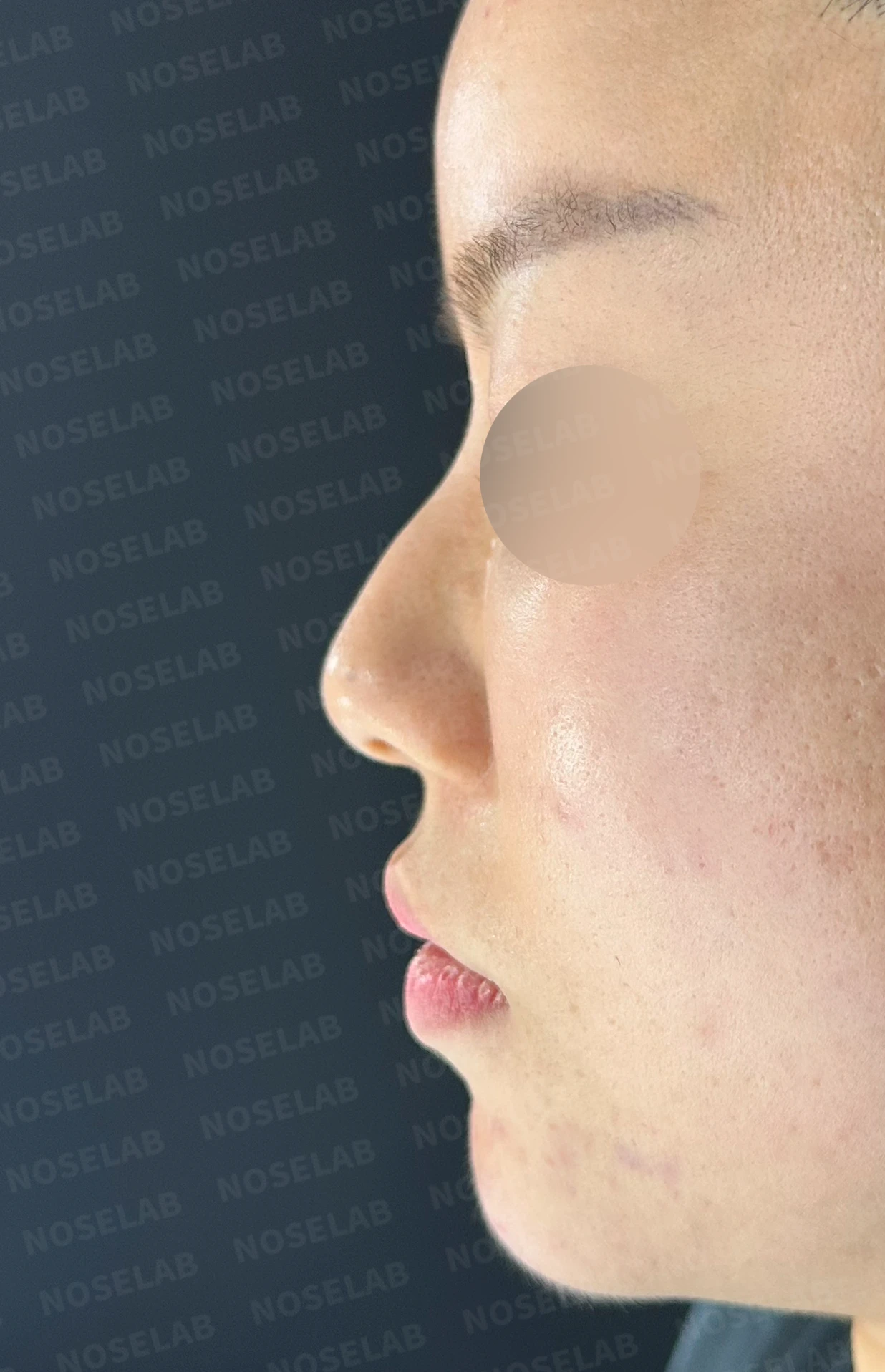
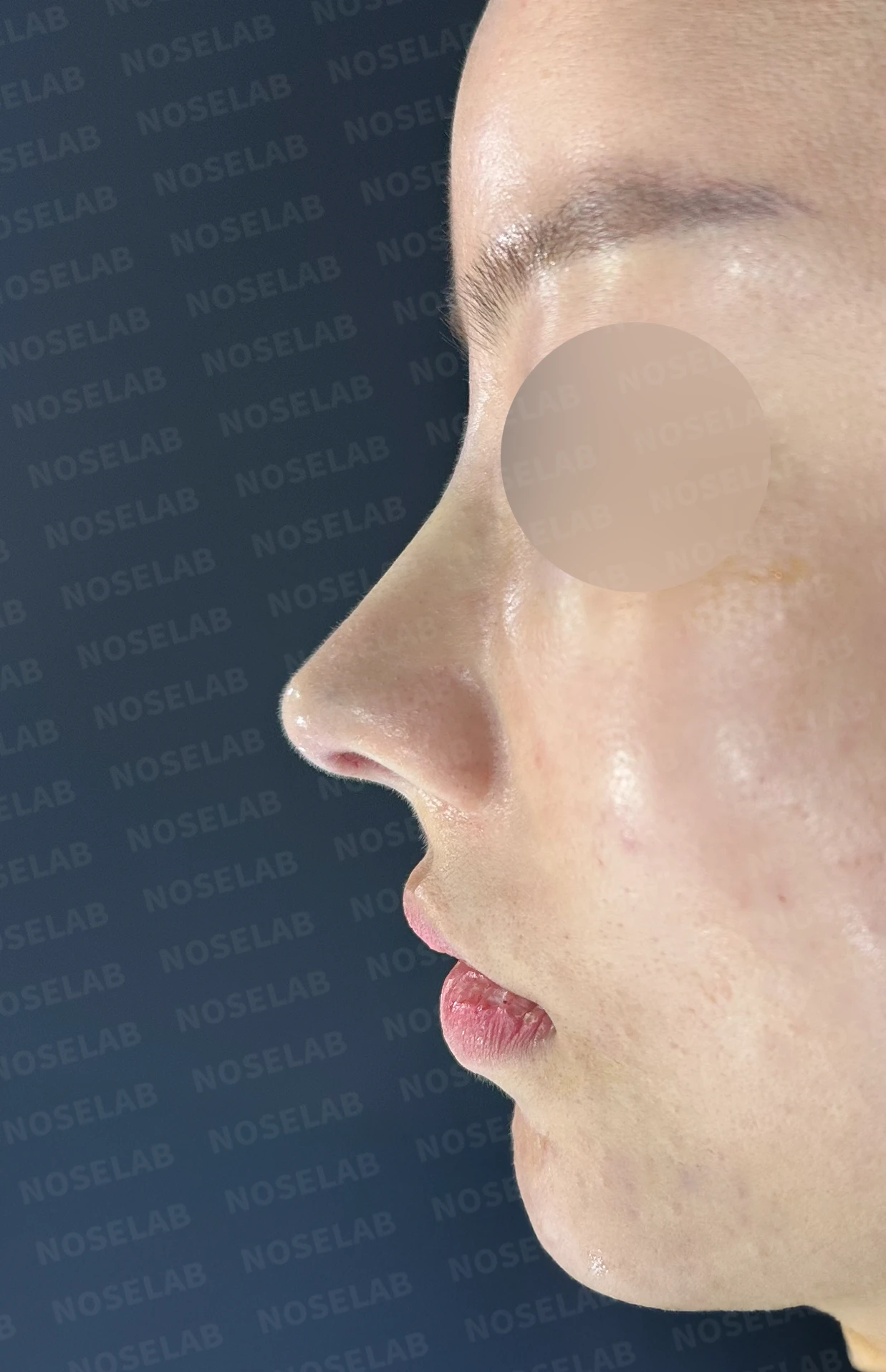
Before surgery / Day 0 immediately after surgery Photos taken immediately after surgery show swelling and may differ from the final result.
Front view:
Crooked nose correction
Refined nasal contour through bulbous nose correction
Natural alar size
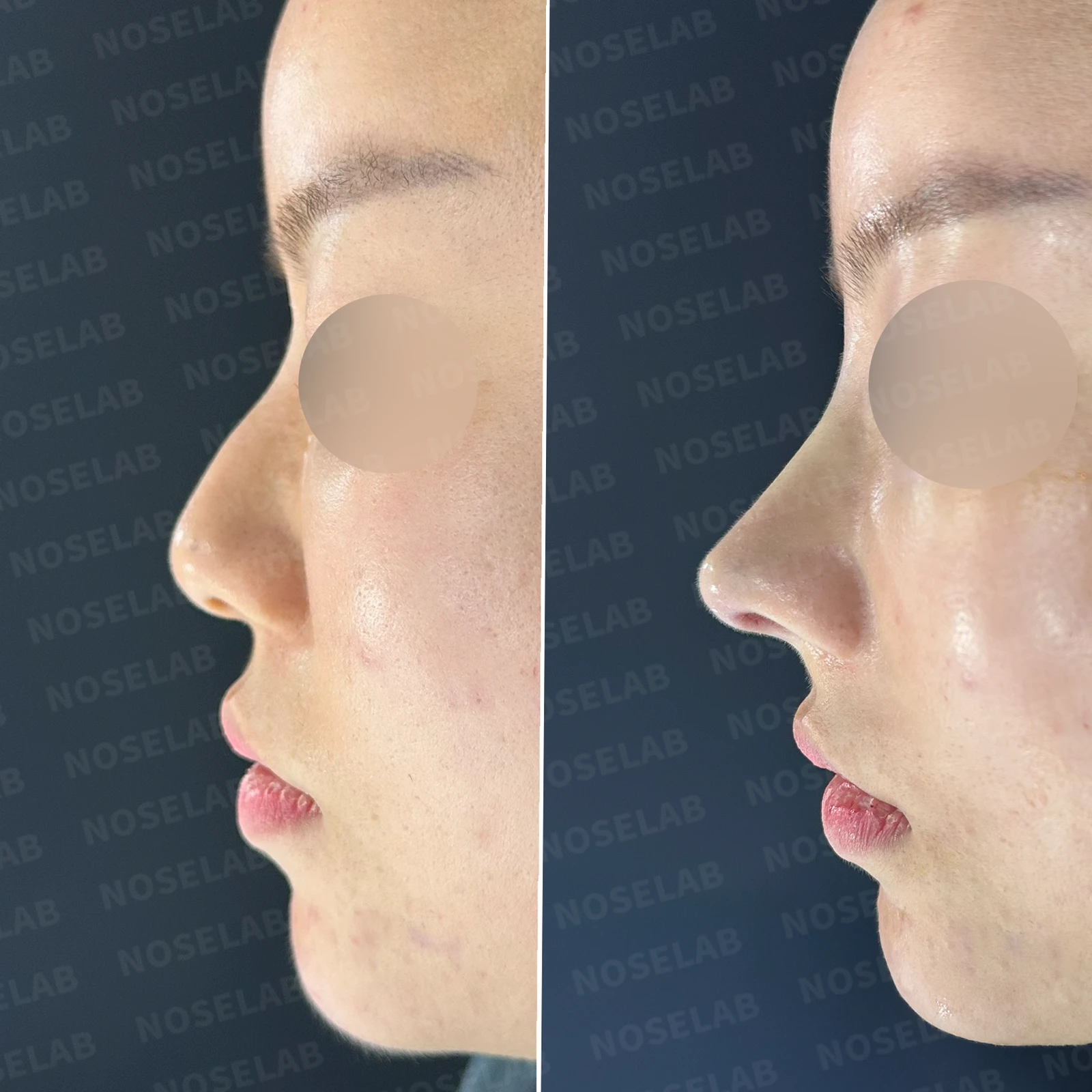
Before surgery / Day 0 immediately after surgery Photos taken immediately after surgery show swelling and may differ from the final result.
Profile view:
Balanced nasal line
Natural profile contour
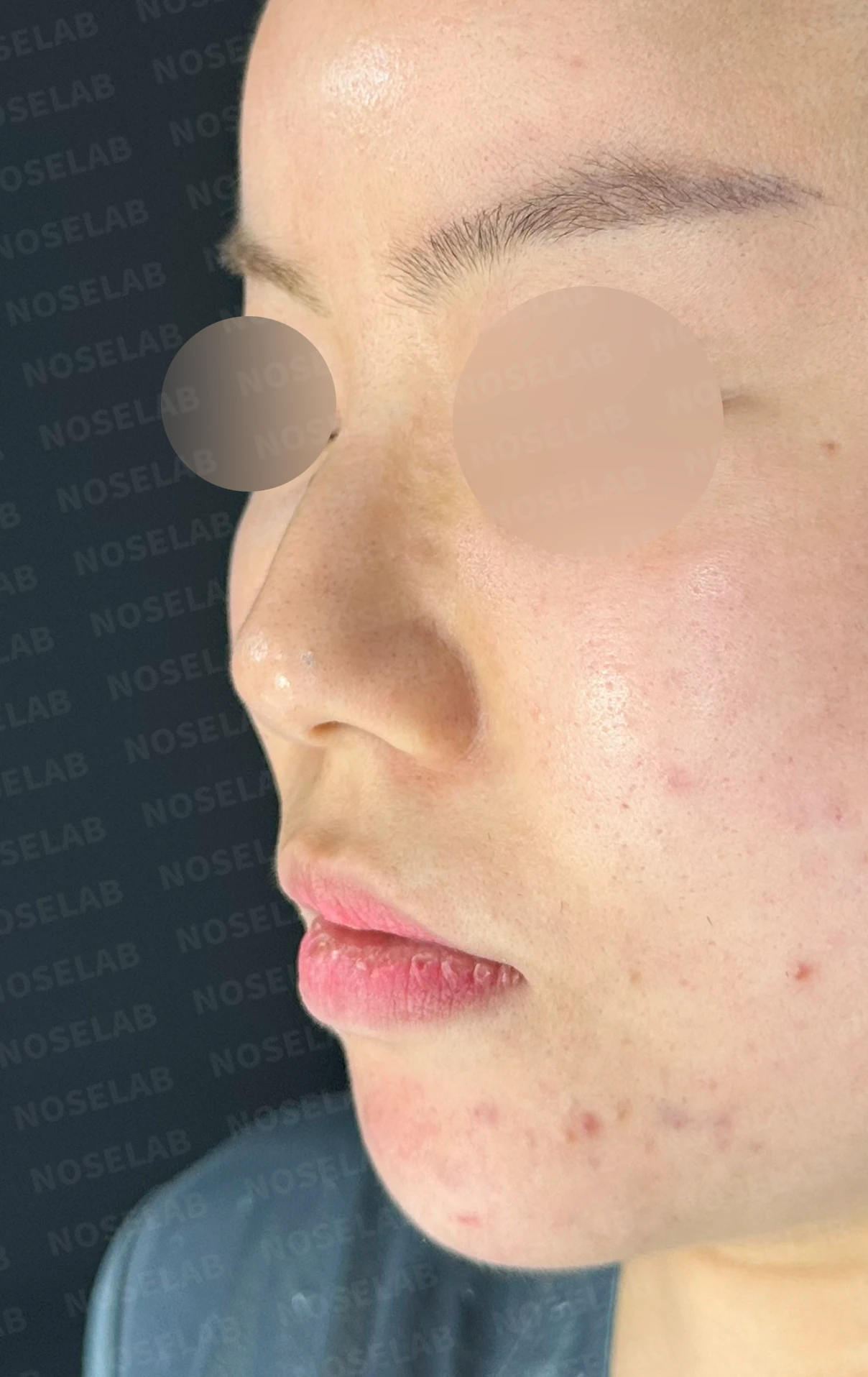
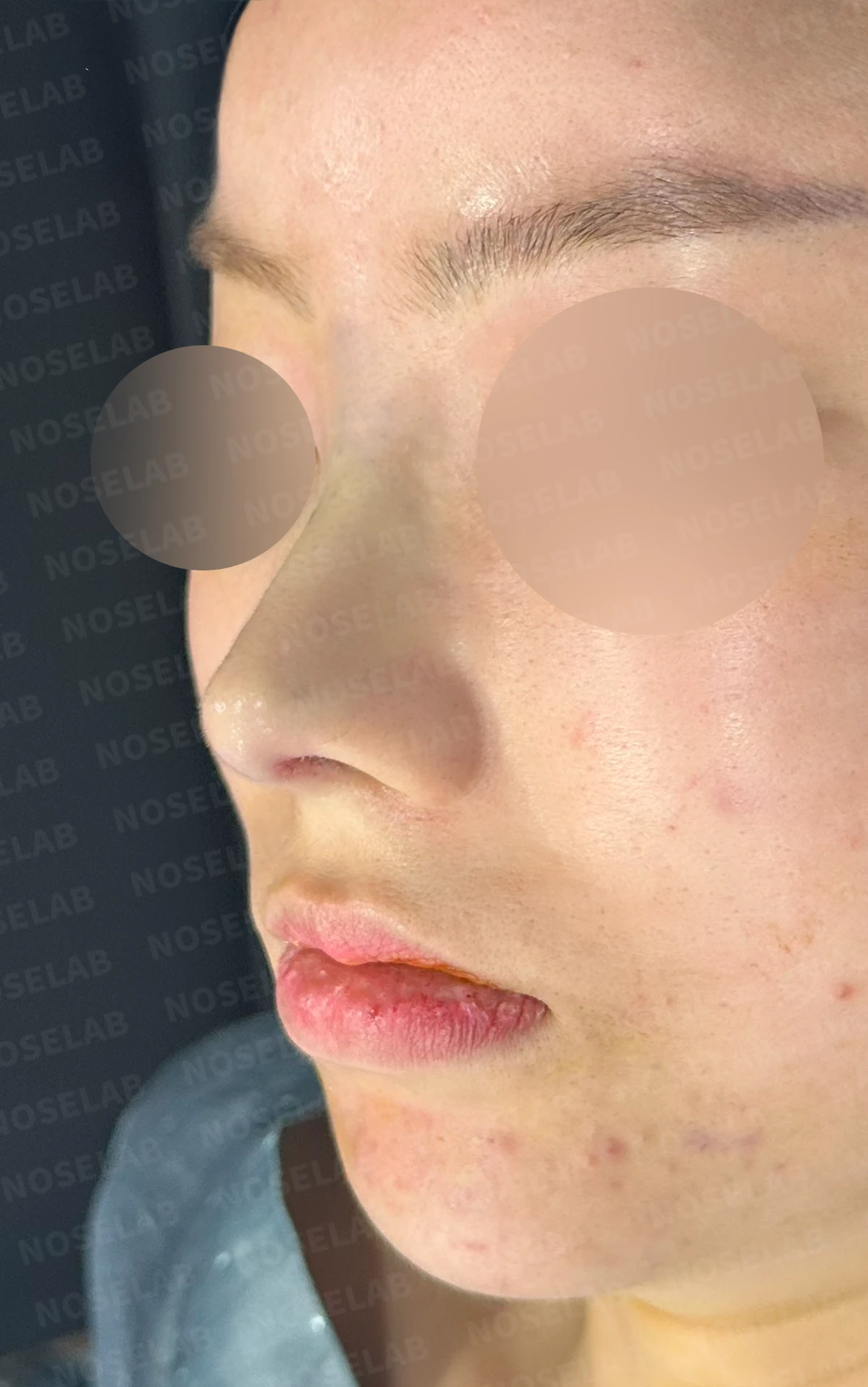
Before surgery / Day 0 immediately after surgery Photos taken immediately after surgery show swelling and may differ from the final result.
Alae:
Alae adjusted to an appropriate size
Natural alar shape
Overall refined impression
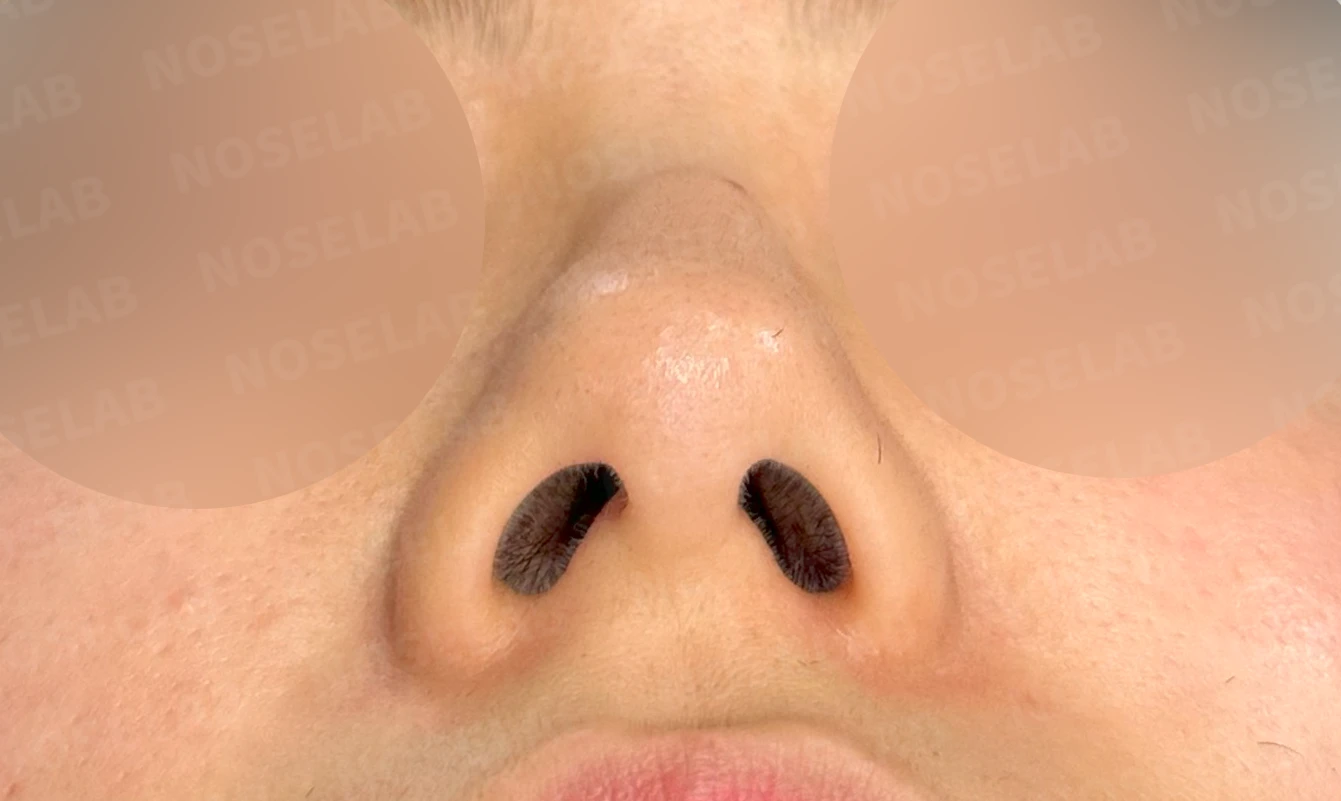
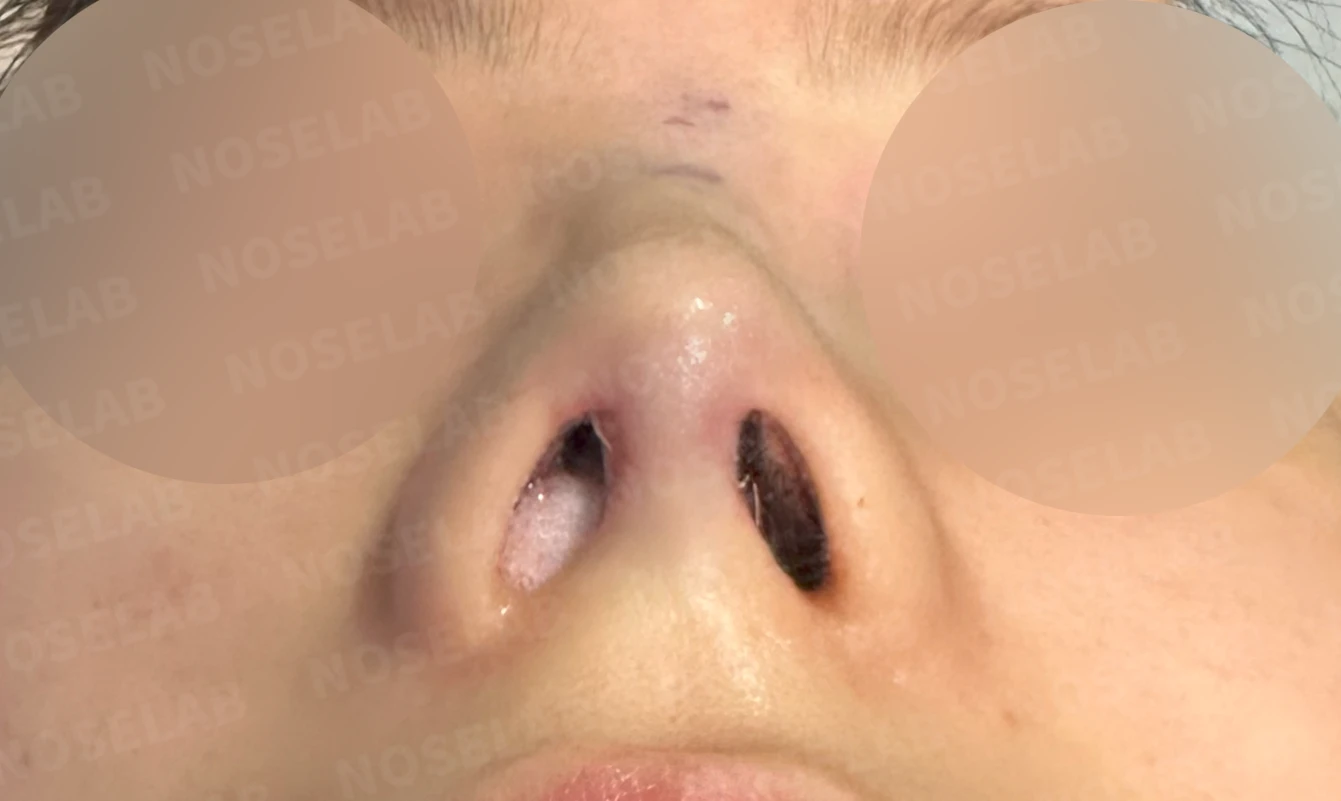
Before surgery / Day 0 immediately after surgery Photos taken immediately after surgery show swelling and may differ from the final result.
Functional improvement:
Restoration of smooth breathing function
👨⚕️ Specialist's assessment
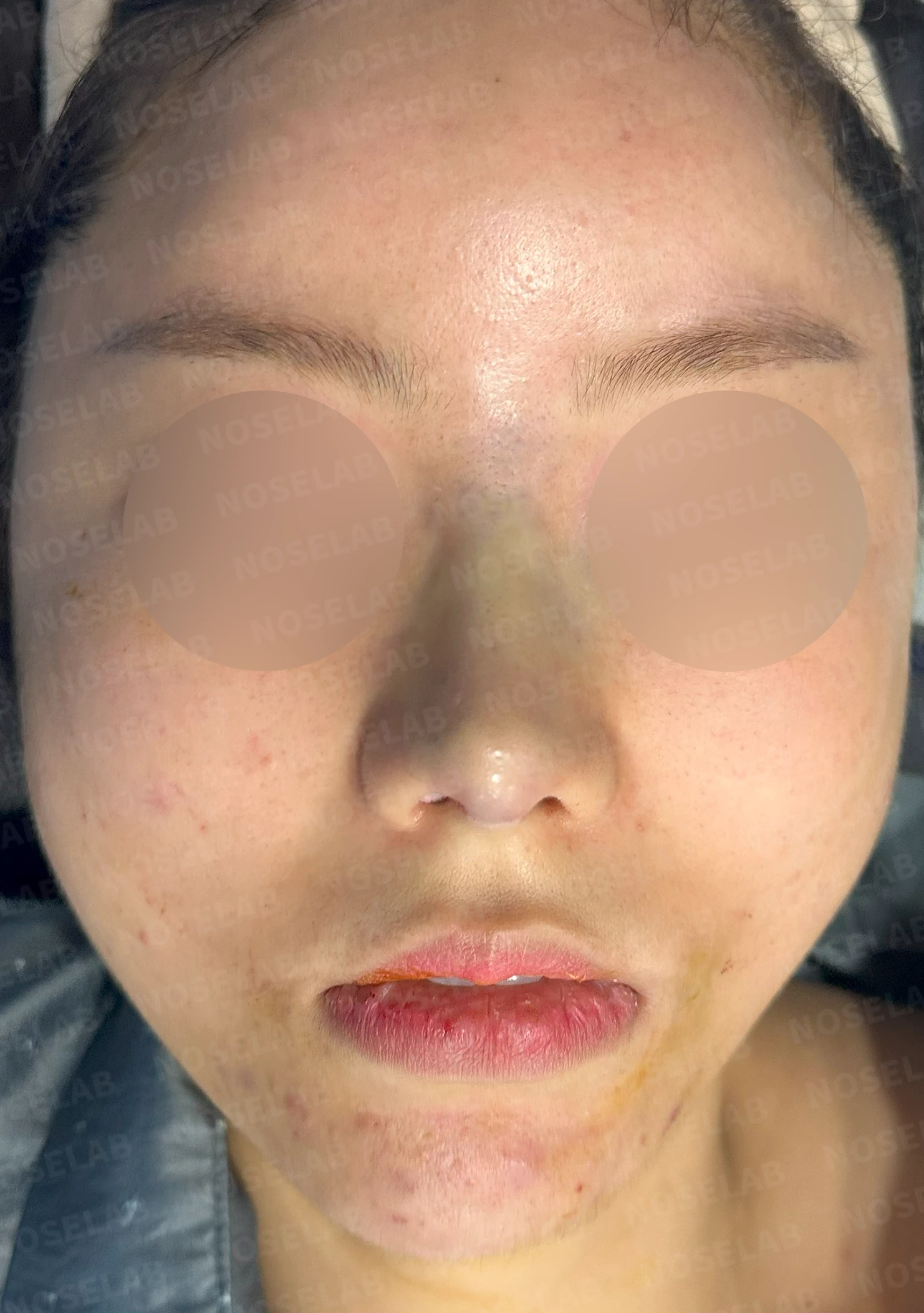
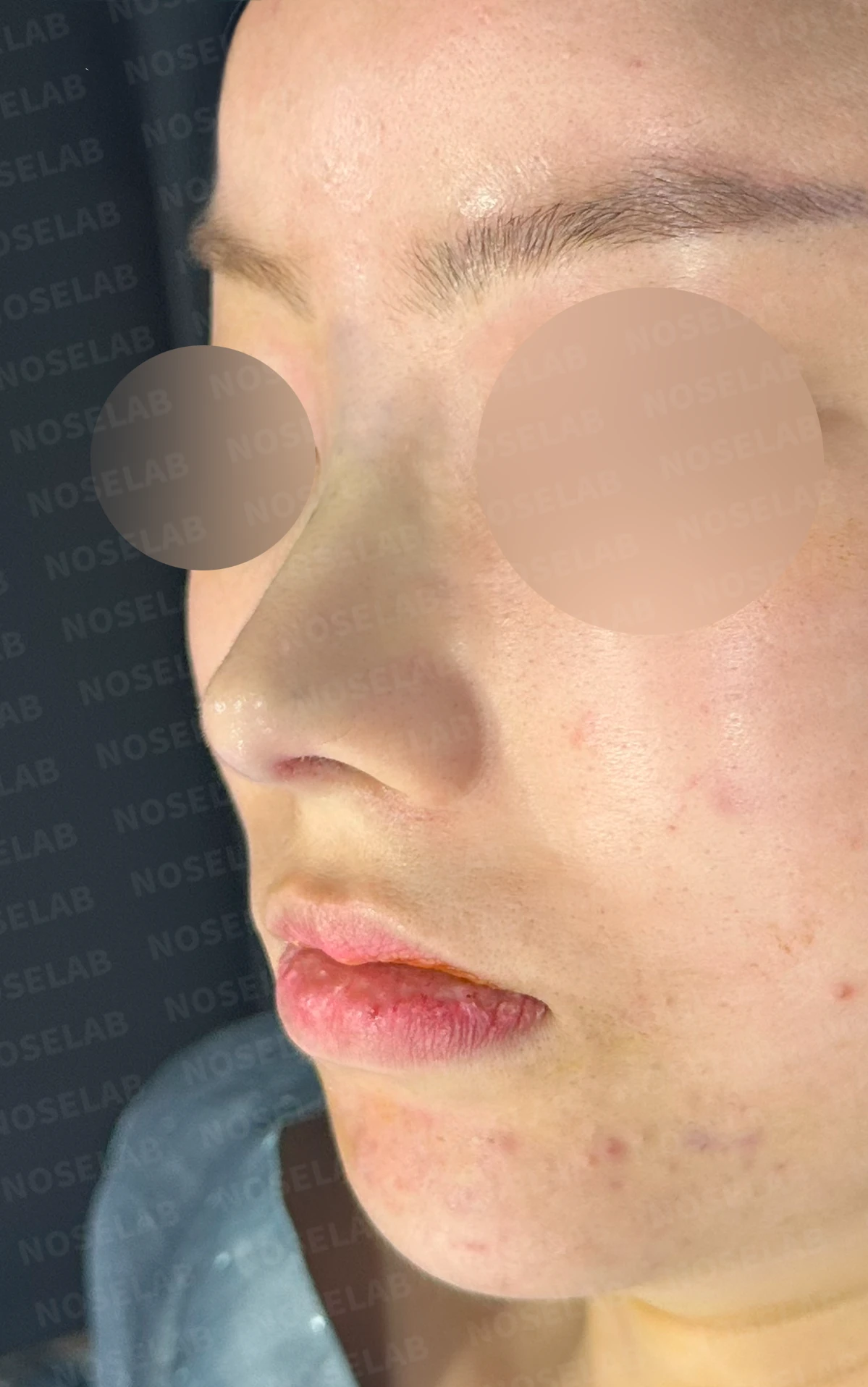
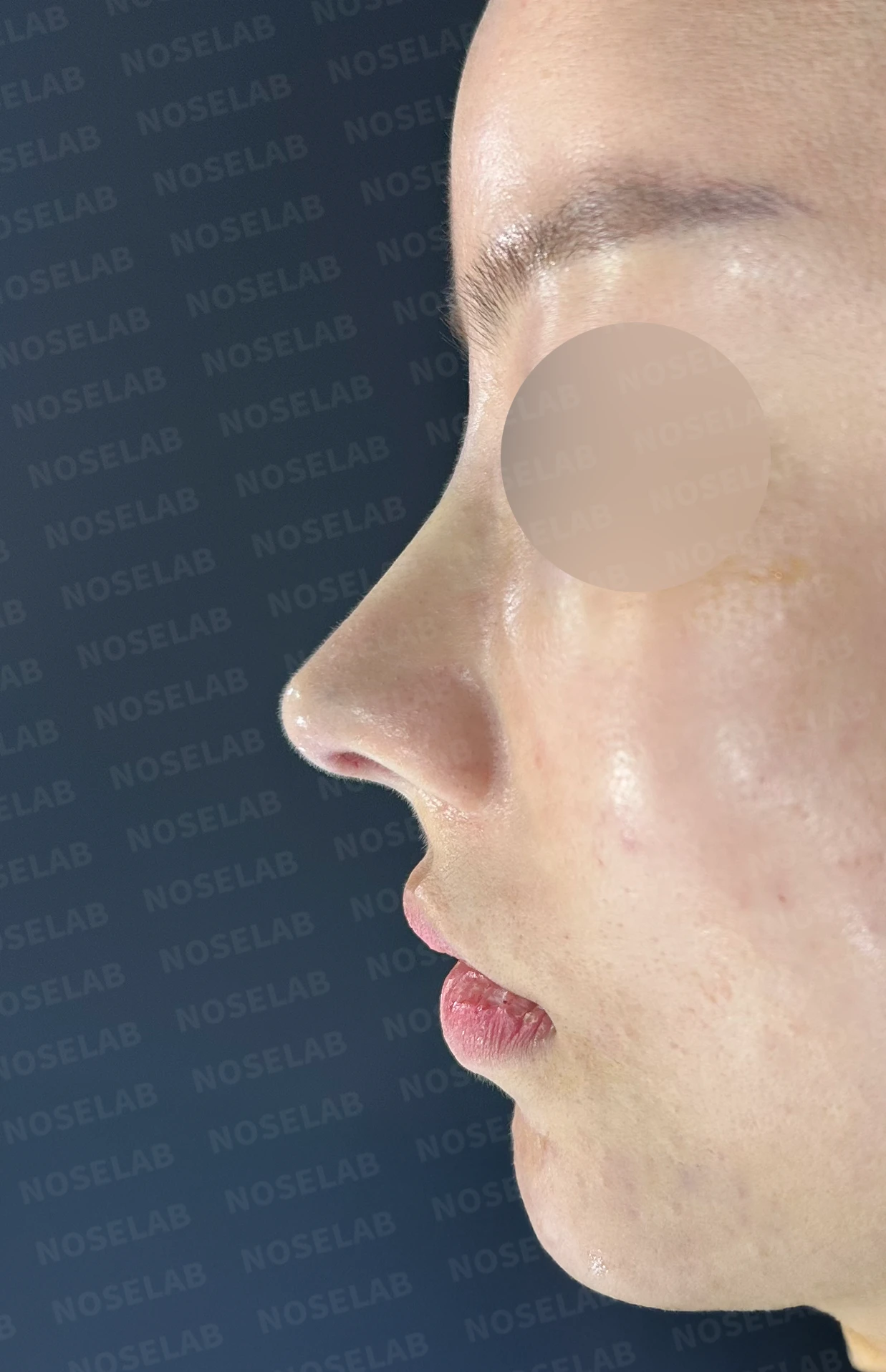
Photos taken immediately after surgery (Day 0): front view, oblique view, and profile view. Immediate postoperative photos show swelling and may differ from the final result.
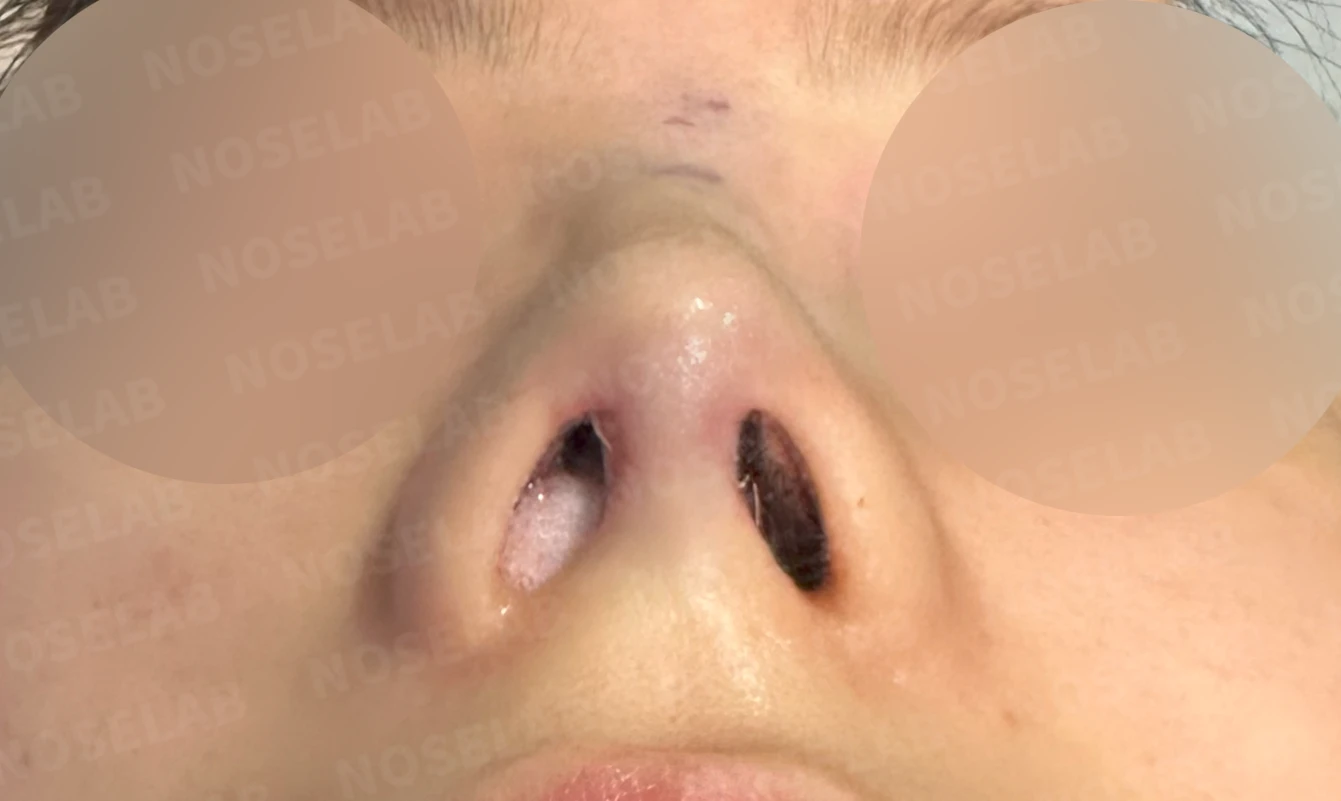
Nostril view on day 0 immediately after surgery. Photos taken immediately after surgery show swelling and may differ from the final result.
This case involved resolving both the aftereffects of multiple previous procedures and a congenital bulbous nose. The patient had received HA filler 5 years ago, but over time it remained without being completely absorbed. 1 year ago, the patient even received a filler-dissolving injection, yet was diagnosed with residual filler that was still not completely removed.
HA (hyaluronic acid) filler is a representative absorbable filler that generally biodegrades naturally in the body within 6 months to 1 year. However, depending on individual tissue characteristics, the type of filler, and the depth of injection, it can sometimes persist longer than expected. Over time, it can integrate with surrounding tissue, making natural absorption or removal with dissolving injections difficult, which necessitated complete surgical removal in this operation.
Furthermore, the patient had received an injection 5 months prior intended to dissolve fat around the alar cartilage. This is a medically unproven procedure that can pose risks. It is impossible to dissolve the lower lateral cartilage itself, and such attempts can instead cause tissue damage, requiring caution.
The patient's main concern was a bulbous nose with wide alae. During surgery, examination confirmed that the lower lateral cartilages were indeed large and widely developed, causing the nose to appear broad overall. Because this was a congenital anatomical feature, lower lateral cartilage trimming was necessary for a fundamental solution.
First, the unabsorbed HA filler was completely removed to achieve a clean tissue bed. Next, the crooked nose was corrected, followed by the crucial trimming of the lower lateral cartilages. By precisely refining the excessive portions of the lower lateral cartilages, the nasal width was reduced, establishing a refined alar shape.
Trimming the lower lateral cartilage is a procedure requiring meticulous technique; excessive resection can lead to alar collapse or an unnatural appearance. It was essential to remove only an appropriate amount while taking into account the patient's facial proportions and overall nasal harmony.
To improve breathing issues simultaneously, septoplasty and radiofrequency inferior turbinate submucosal resection were performed in combination. This addressed the functional problems as well.
Ultimately, the unabsorbed HA filler was completely removed, and the large lower lateral cartilages were appropriately trimmed to naturally correct the bulbous nose. The crooked nose was also improved, creating a balanced and refined nasal shape in this successful outcome.
In particular, by trimming the lower lateral cartilages, the patient's primary concern—the bulbous nose—was fundamentally addressed, yielding a satisfying result.
All procedures are performed using a closed approach.
This has been Dr. Peter C. Kang, medical director.
Thank you.
#closedrhinoplasty #fillerremoval #bulbousnosecorrection #alarcartilagetrimming #crookednosecorrection #customrhinoplasty

This is an informational notice regarding postoperative instructions and potential side effects provided to patients. It outlines general complications such as infection, bleeding, asymmetry, scarring, and skin necrosis.
Limitations and risks
When autologous rib cartilage is used, scarring and pain may remain at the donor site on the chest, and pneumothorax (pleural injury) can occur rarely. Over time, the grafted cartilage may warp or undergo partial resorption.
When foreign materials such as injected fillers are removed and reconstructed, contracture may recur, nasal height and length may decrease, and staged surgery may be necessary depending on the skin condition.
When the septum is corrected at the same time, nasal obstruction may persist or recur, and in rare cases, septal perforation or changes in smell may occur.
Common potential risks include infection, bleeding, asymmetry, scarring, skin necrosis, and insufficient improvement; results vary depending on individual skin condition and previous surgical history.