Hello, I am Dr. Peter C. Kang.
Today, I would like to introduce a rhinoplasty case of a patient who suffered from severe snoring and had concerns about a bulbous, crooked nose.
Patients with this presentation often desire a natural nose alongside functional improvements.
Through this case with combined concerns, I would like to discuss the importance of rhinoplasty that addresses both functional and cosmetic aspects at the same time.
The patient's requests:
Goal of improving snoring
Functional surgery prioritized
Natural nose
Wished for an overall higher profile
1. Preoperative design consultation
Let us examine the patient's preoperative condition in detail:
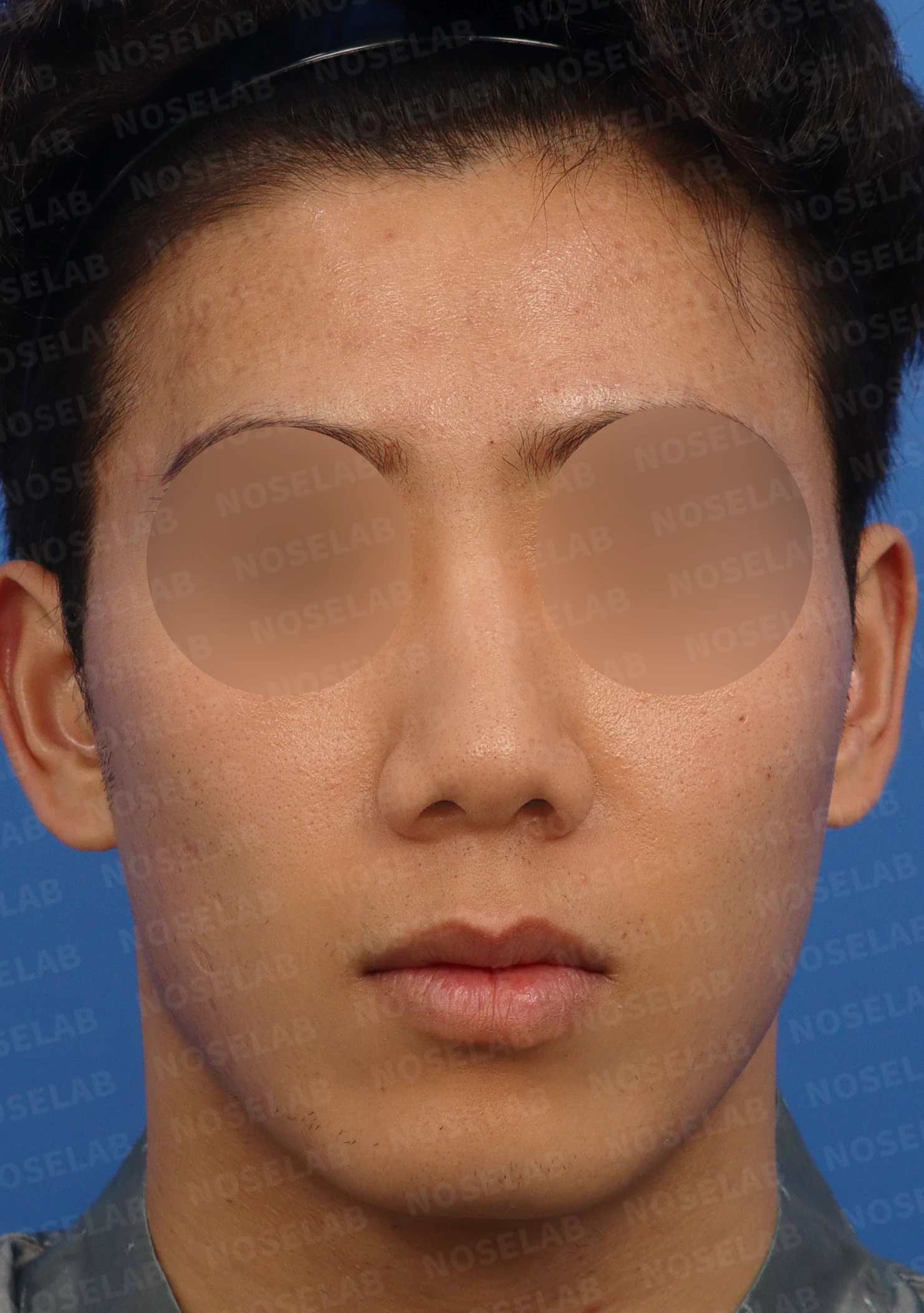
Front view
Front view:
The columella is retracted
Nasal tip appears bulbous and broad
Alae appear large and low
Nasal bridge appears diagonally crooked
Residual filler in the bridge causes it to look spread out
Profile view:
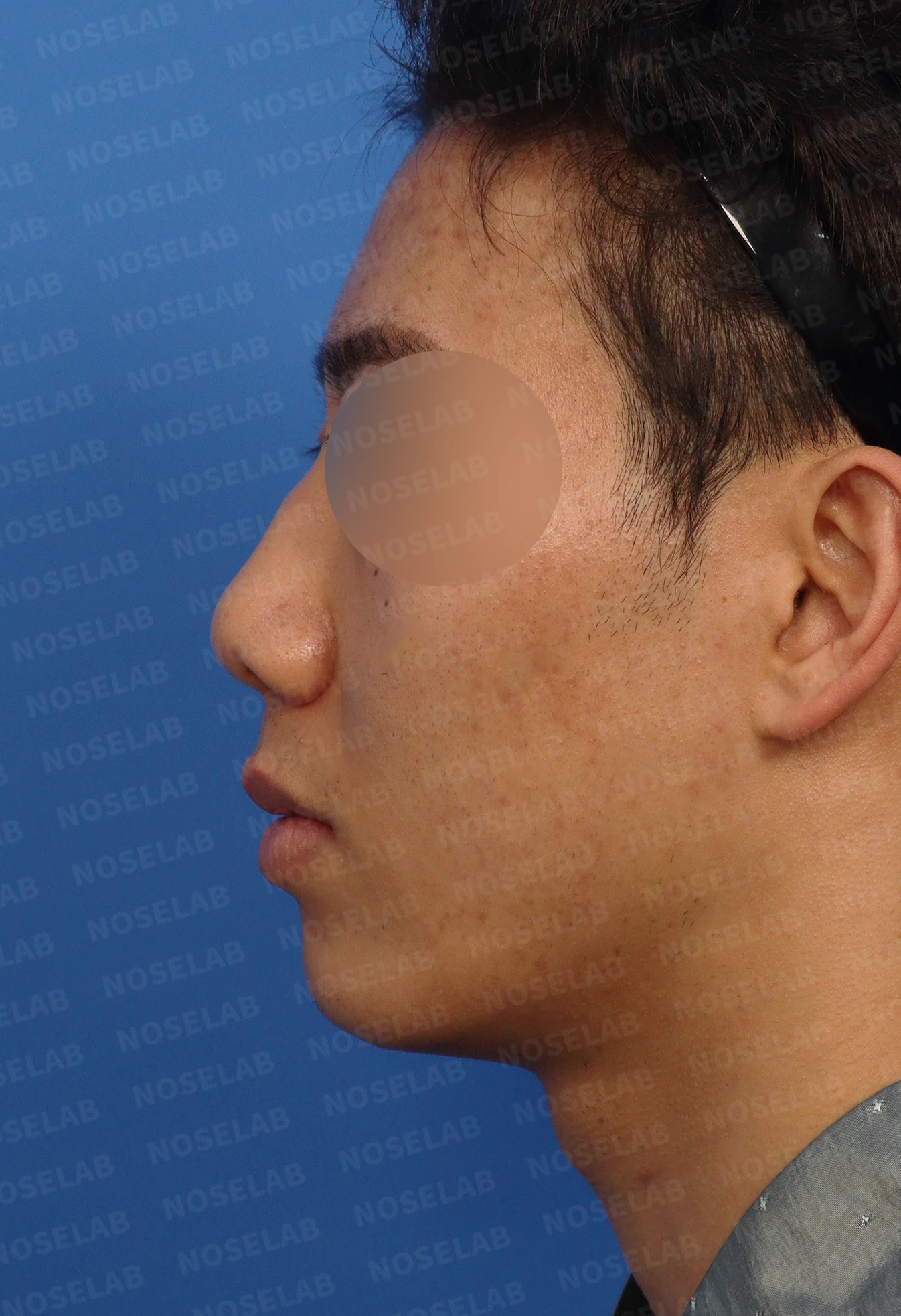
Profile view
Slight dorsal hump on the nasal bridge
Nasal tip appears blunt and short (bulbous nose)
Nostril wings appear prominent
Nasolabial angle is greater than 90 degrees and appears upturned
Observed protruding mouth
Oblique view:
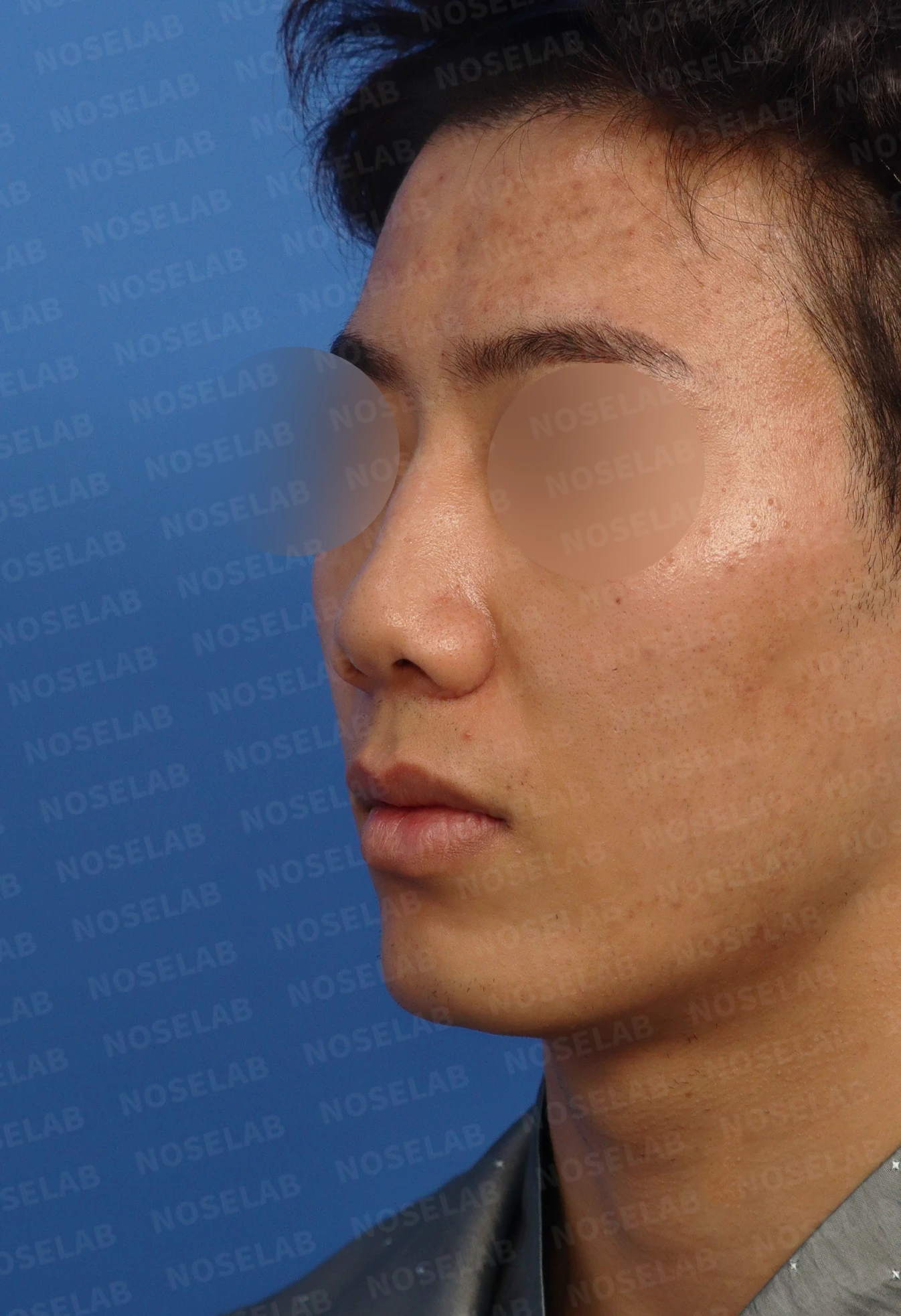
Oblique view
Uneven nasal bridge
Nasal tip appears short and blunt
Nostrils:
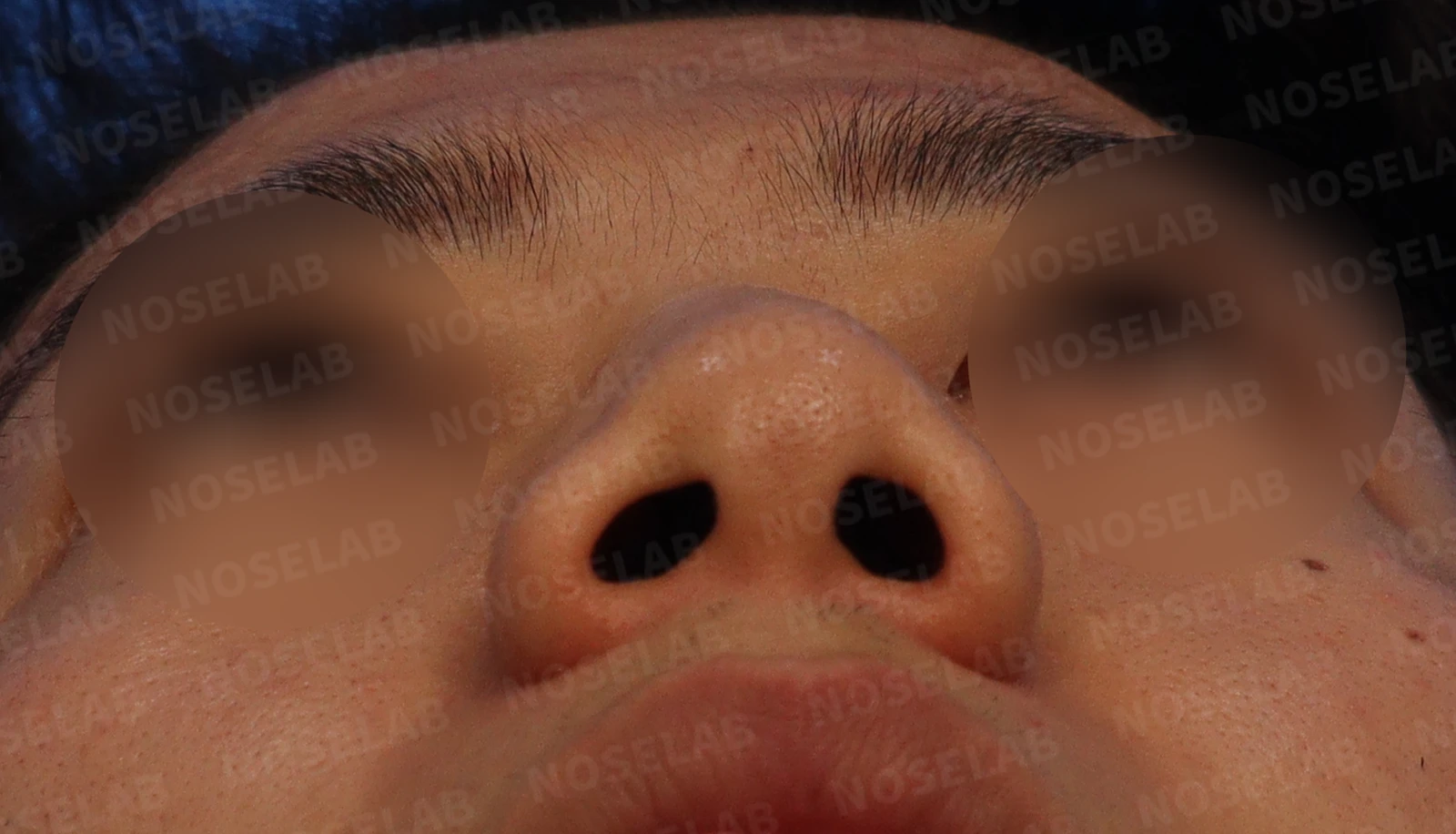
Nostrils
Nostril asymmetry is present
Columella appears tilted to the left
Nasal tip is wide and blunt
2. Surgical plan
Taking into account the patient's condition and requests, the following surgical plan was established:
a) Functional surgery to improve snoring:
Correction of deviated septum
Submucosal resection of the inferior turbinate using radiofrequency
b) Cosmetic surgery:
Removal of foreign material (filler) from the bridge
Dorsal hump correction
Lateral nasal bone osteotomy
Septal extension using autologous rib cartilage
Bulbous nose correction - partial removal of soft tissue at the nasal tip
Lower lateral cartilage repositioning and suturing
Lowering the columella
3. Surgical procedure
The following procedures were performed using a closed approach:
a) Functional surgery:
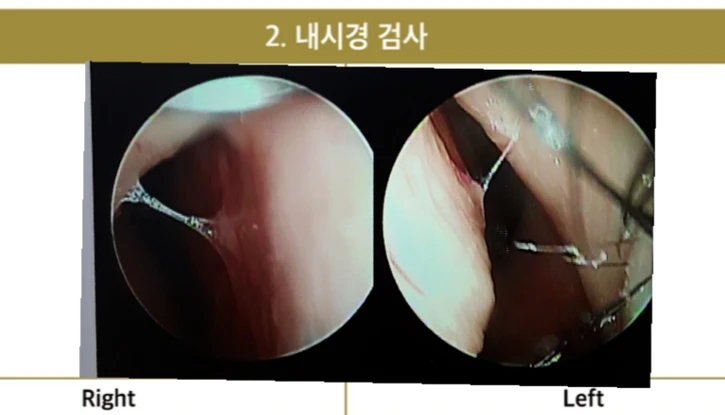
This is a nasal endoscopy photo. A deviation of the septal cartilage to the left can be observed.
The deviated septum leaning to the left was straightened to correct the septal deviation.
Hypertrophic inferior turbinate tissue was reduced using a radiofrequency laser, improving nasal obstruction.
b) Cosmetic surgery:
Residual filler in the nasal bridge was removed without complications.
The dorsal hump was delicately rasped to create a natural bridge line.
Lateral osteotomy of the nasal bones was performed to correct the crooked appearance.
Autologous rib cartilage was harvested for septal extension, correcting the blunt nasal tip and retracted columella.
Autologous rib cartilage was used to lower the columella naturally.
To correct the bulbous nose, soft tissue beneath the thick tip skin was partially removed to refine the nasal tip.
The lower lateral cartilages were repositioned and sutured to improve the shape of the nasal tip.
All procedures were performed using a closed approach, completing the surgery without external scars.
4. Comparison of before-and-after photos
Comparing photos taken immediately after surgery on day 0 shows the following improvements: Photos taken immediately after surgery show swelling and may differ from the final result.
Front view:
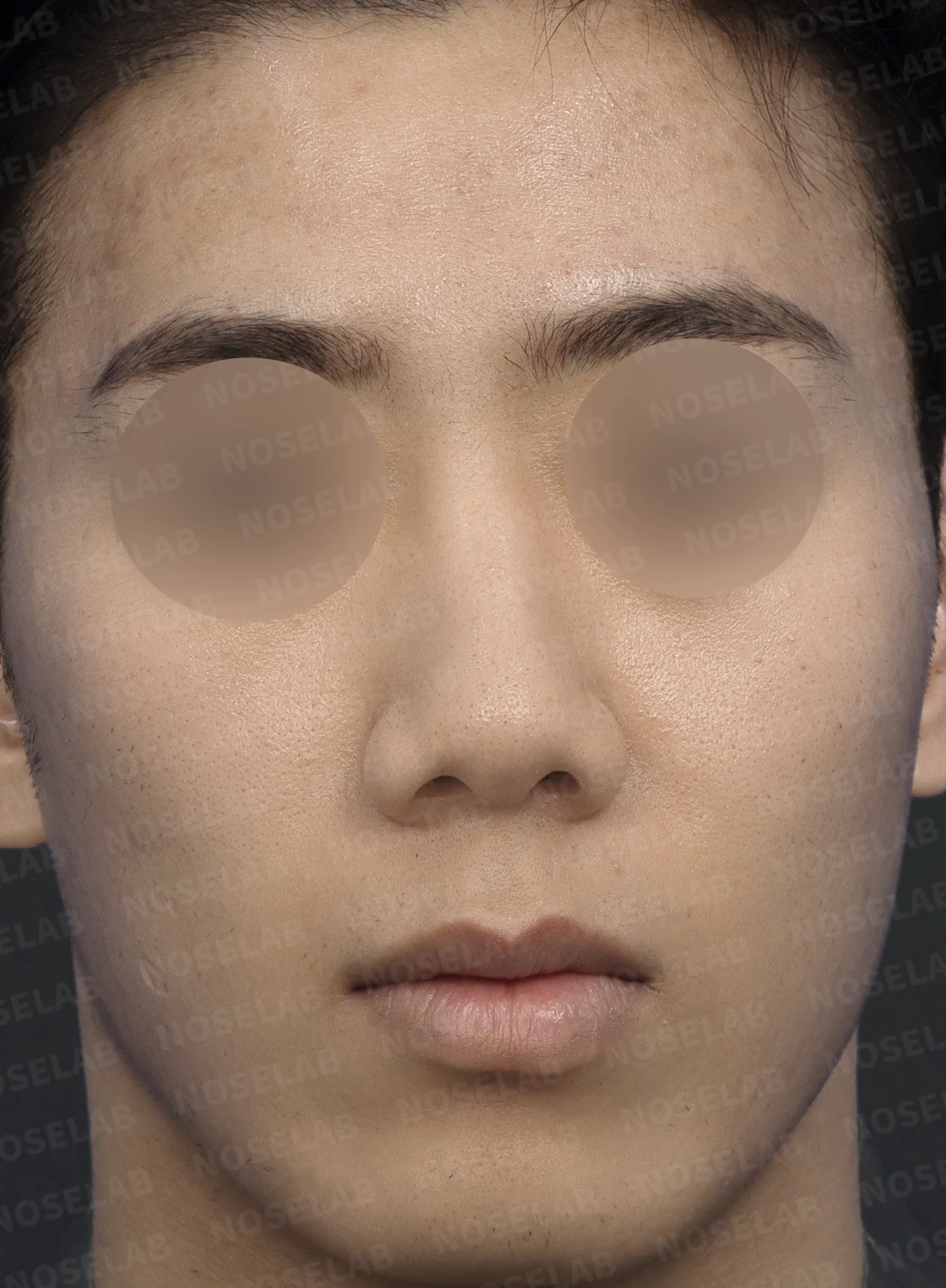
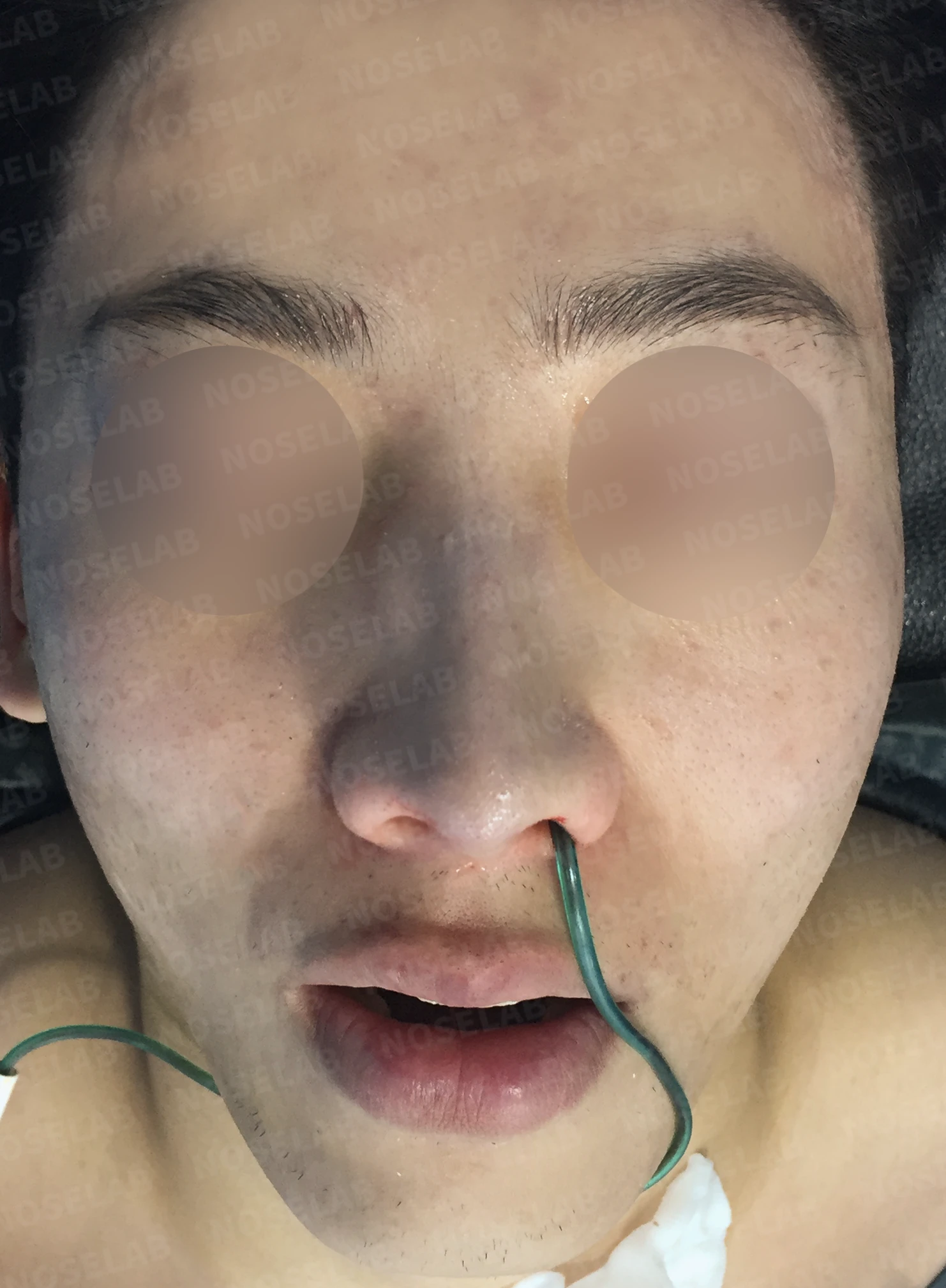
Before surgery / Day 0 immediately after surgery Photos taken immediately after surgery show swelling and may differ from the final result.
The previously retracted columella is now positioned lower in a natural manner.
The blunt, wide tip has been refined into a natural and well-defined contour.
The alae that appeared large and low were repositioned, improving overall balance.
The bridge that appeared diagonally crooked has been straightened.
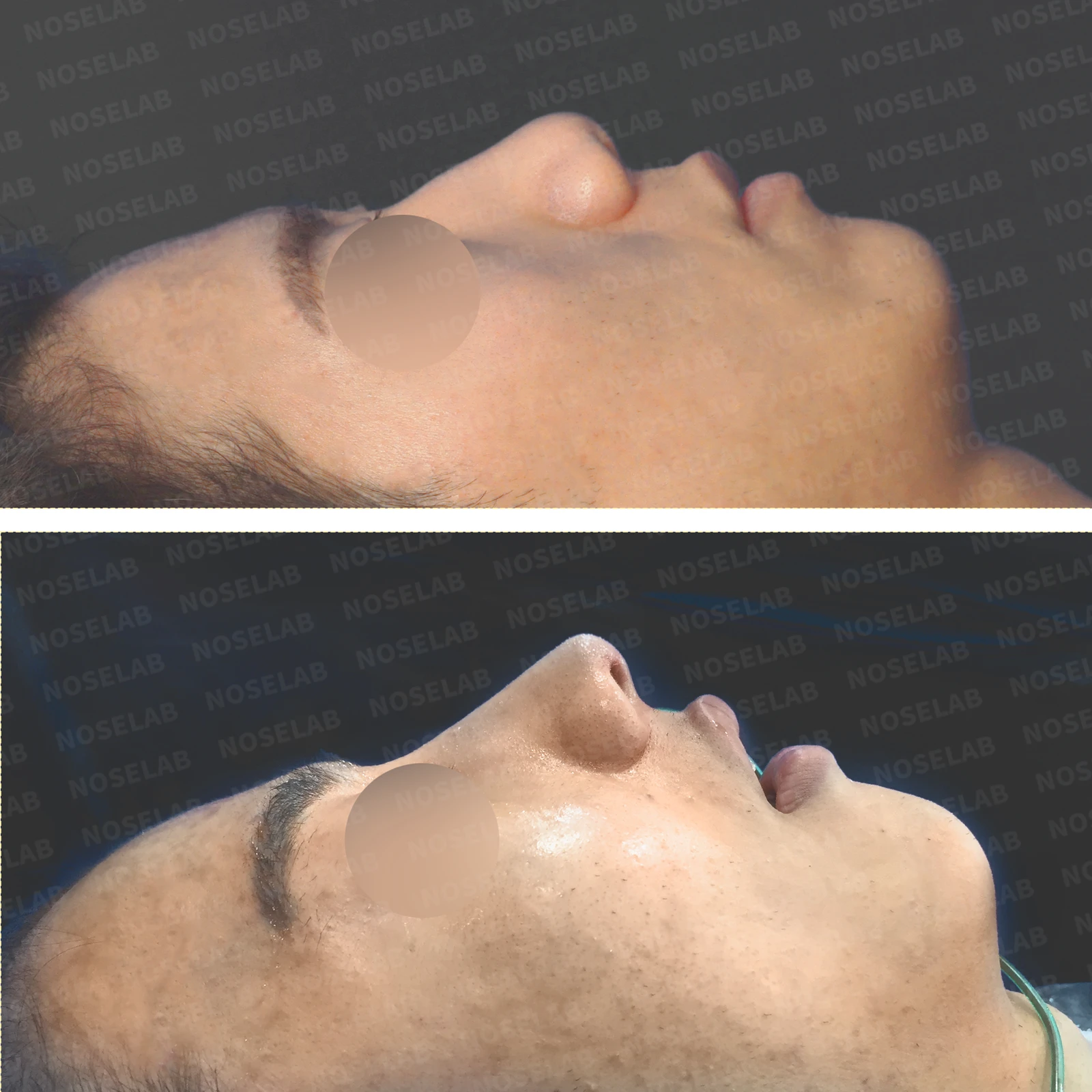
Profile view:
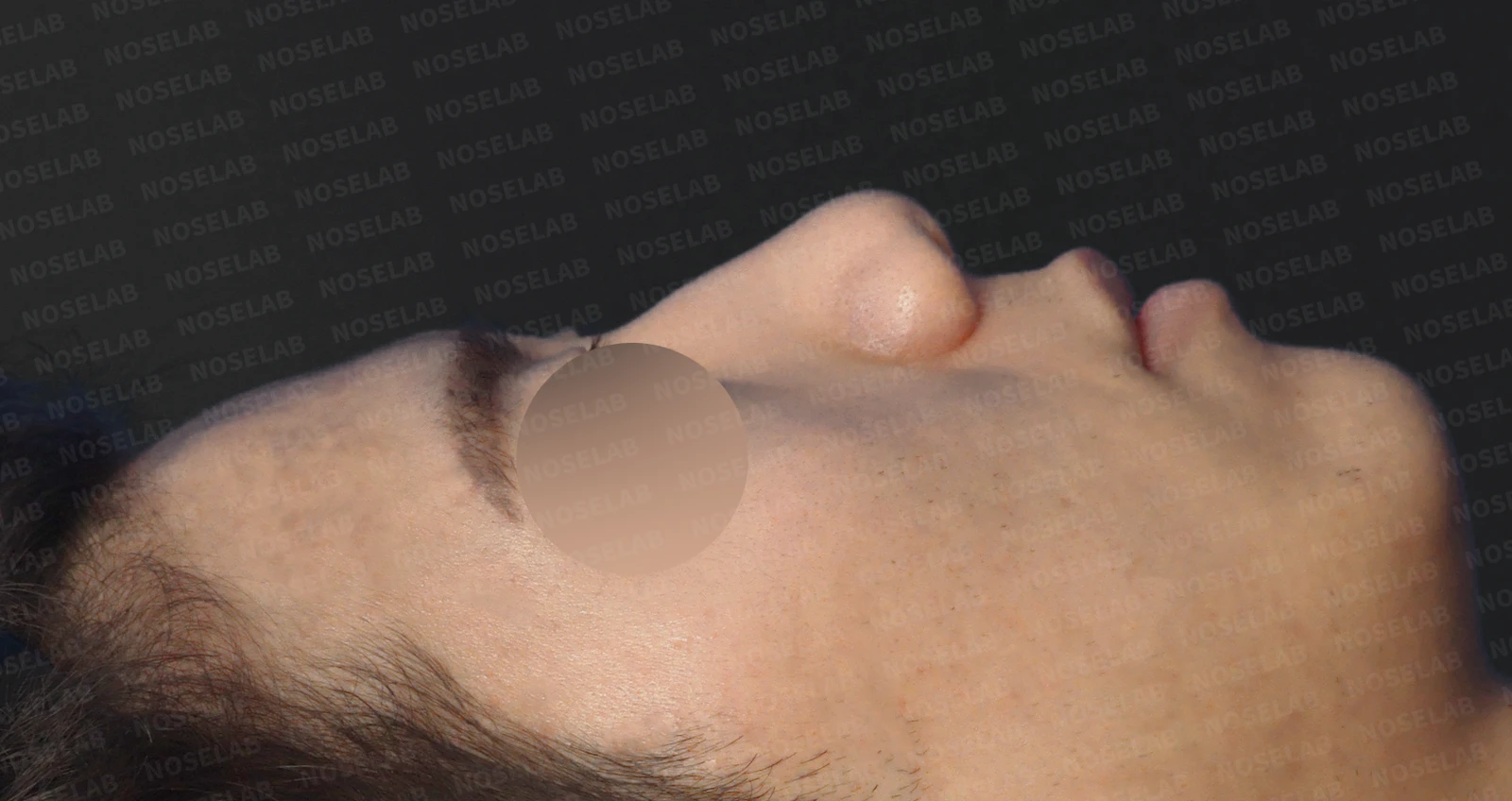
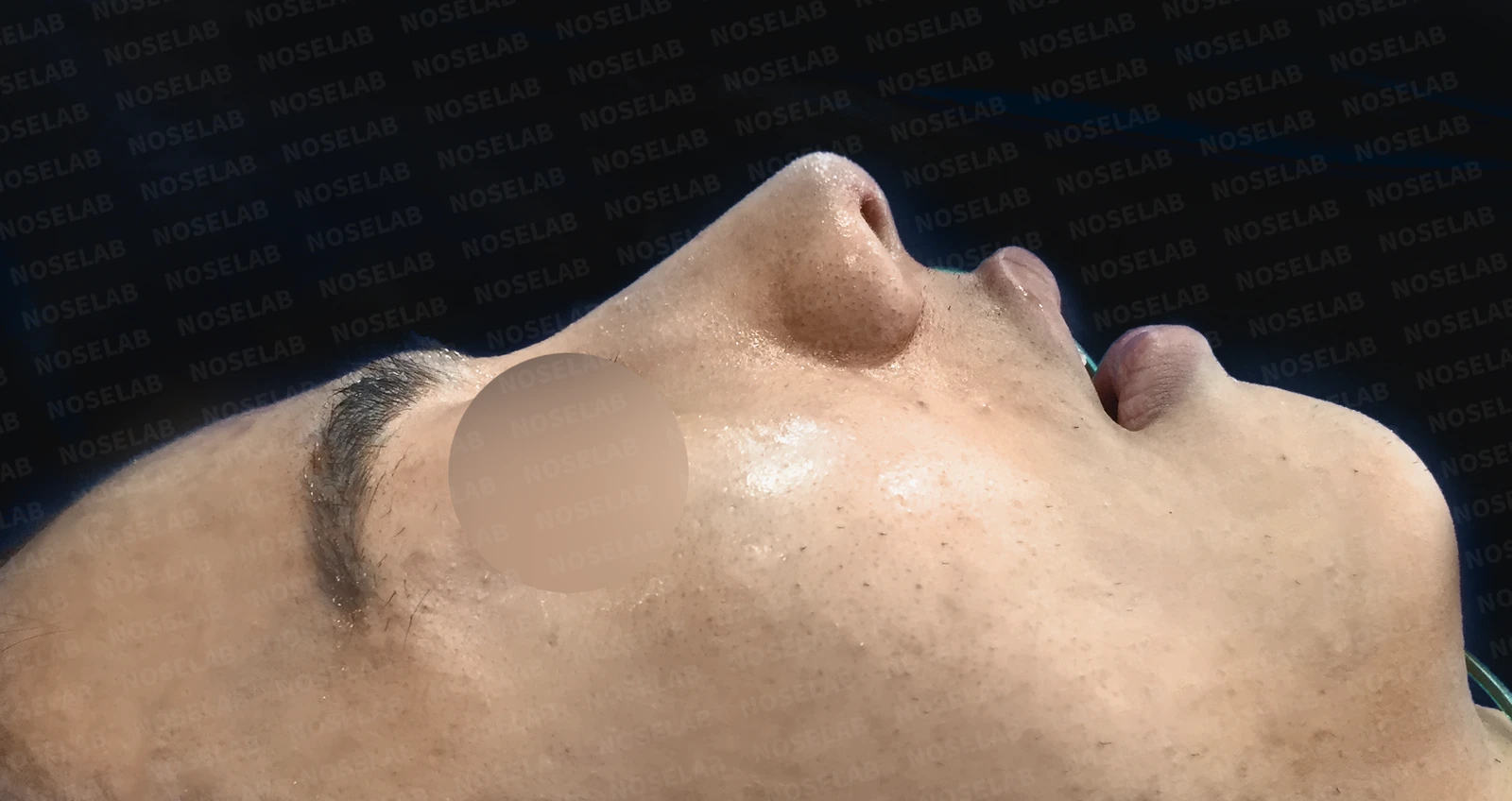
Before surgery / Day 0 immediately after surgery Photos taken immediately after surgery show swelling and may differ from the final result.
The dorsal hump was corrected naturally, forming a smooth straight bridge line.
The short nasal tip was appropriately lengthened, improving the overall length of the nose.
Lowering the columella corrected the nasolabial angle naturally, improving facial harmony between the nose and lips.
The appearance of a protruding mouth has softened, improving overall facial balance.
Oblique view:
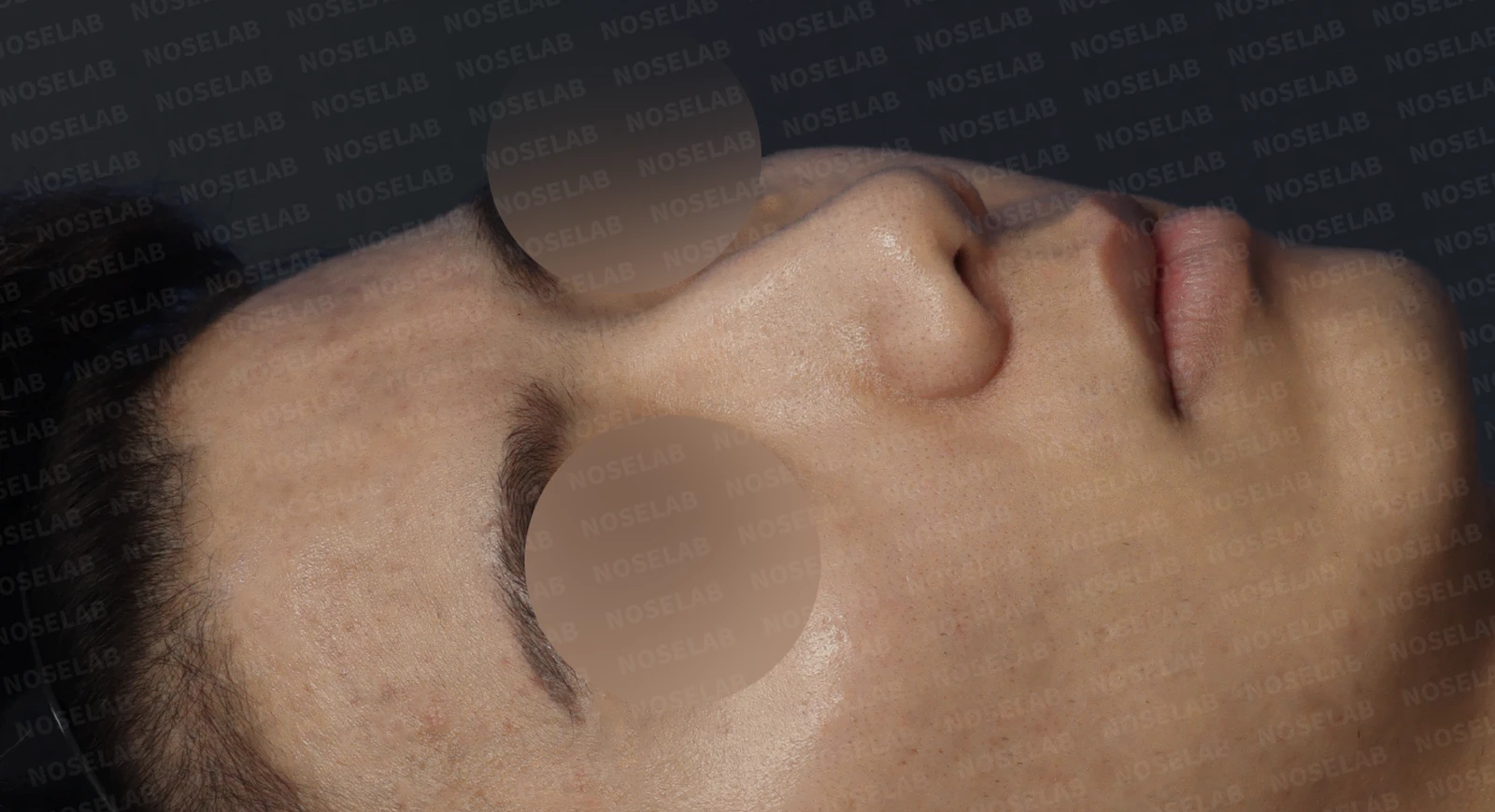
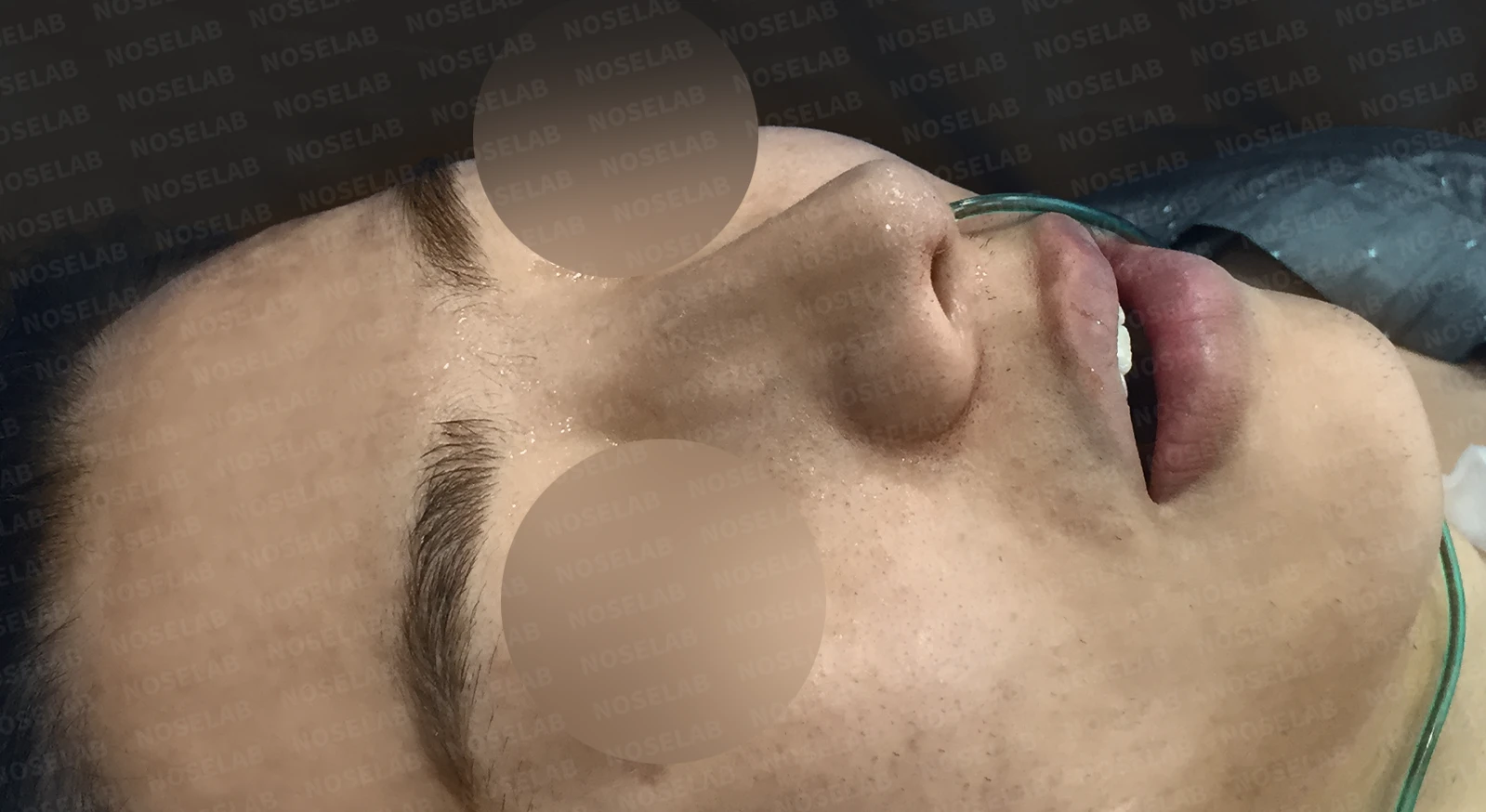
Before surgery / Day 0 immediately after surgery Photos taken immediately after surgery show swelling and may differ from the final result.
The previously irregular bridge now shows a smooth and natural line.
Nasal tip projection improved, enhancing overall facial harmony.
Nostrils:
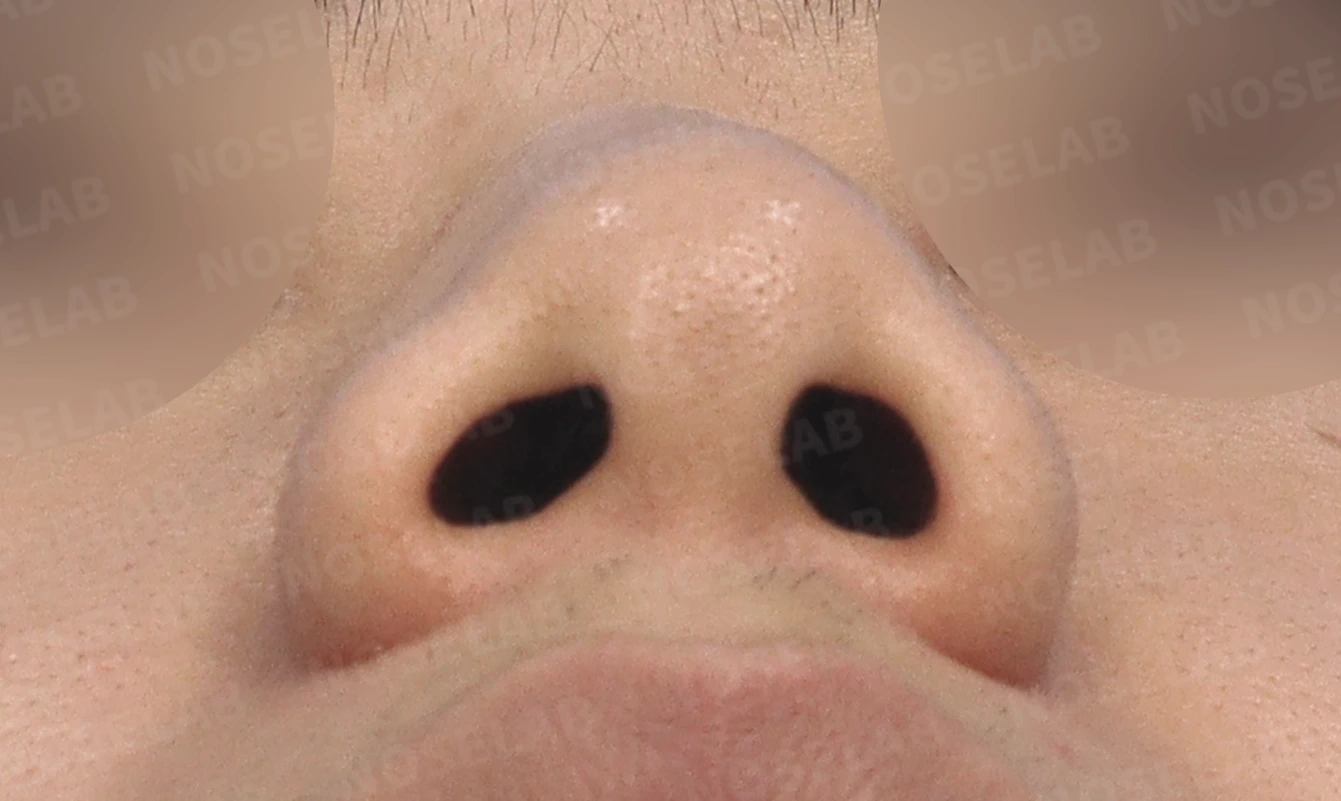
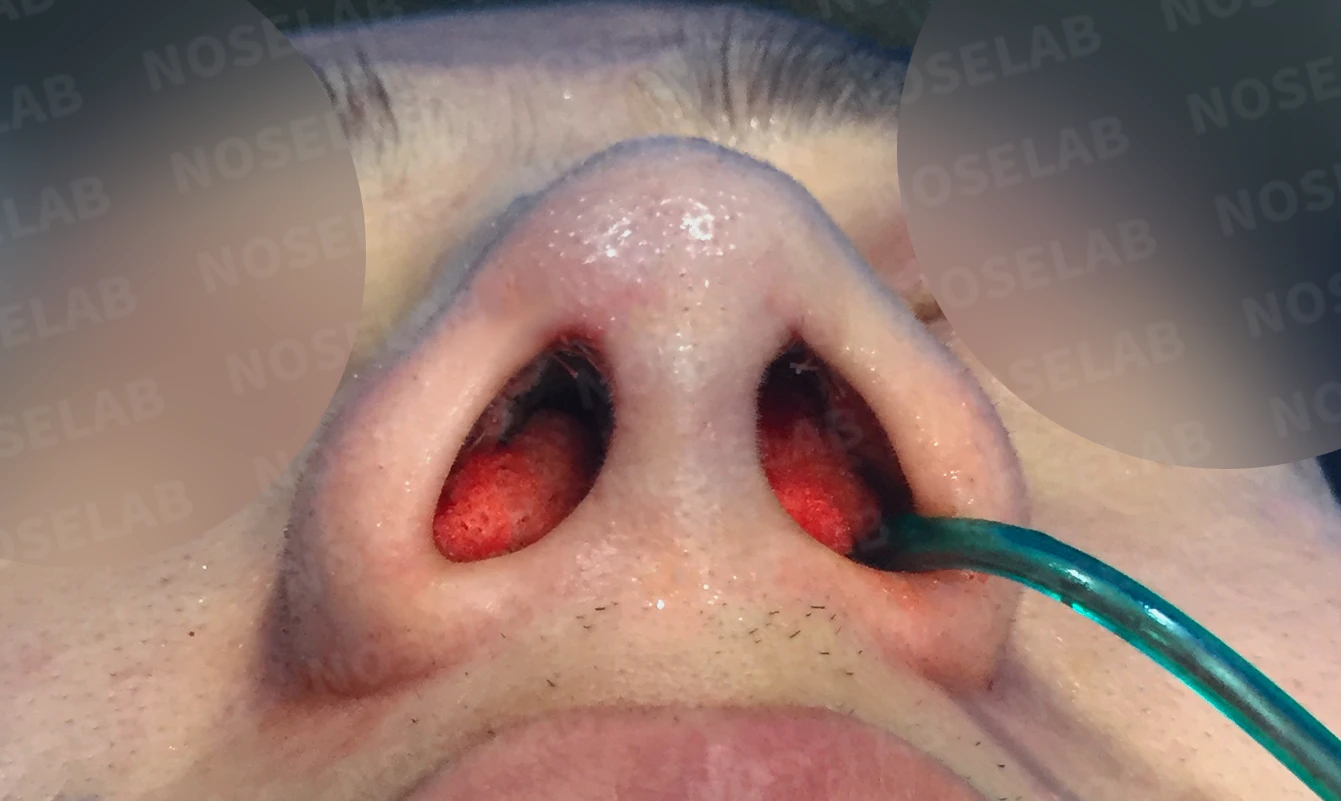
Before surgery / Day 0 immediately after surgery Photos taken immediately after surgery show swelling and may differ from the final result.
Nostril asymmetry improved significantly.
The columella that leaned to the left has been straightened.
The spread and blunt nasal tip has been reshaped into a more refined and natural form.
5. Photos immediately after surgery on day 0 Photos taken immediately after surgery show swelling and may differ from the final result.
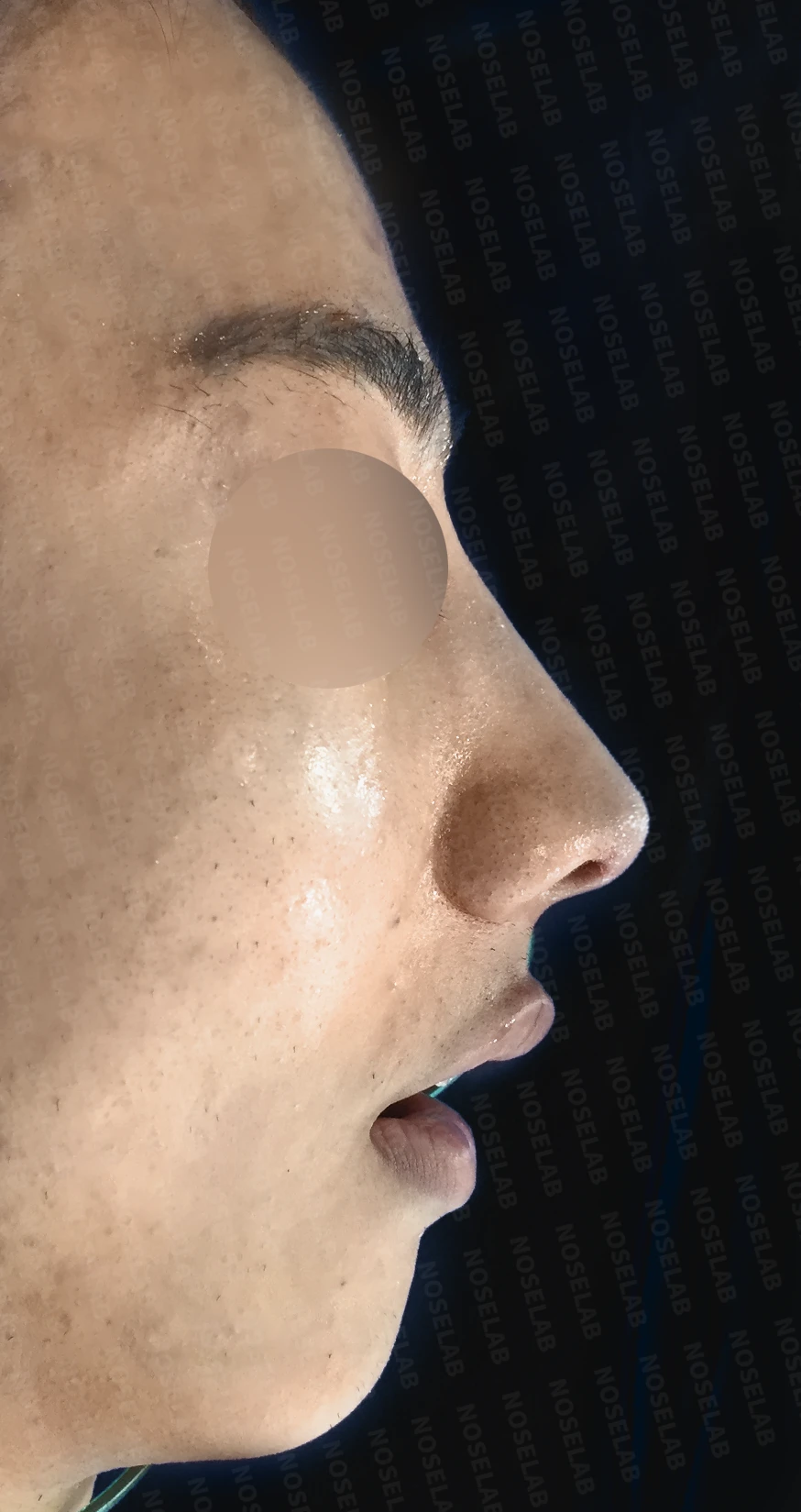
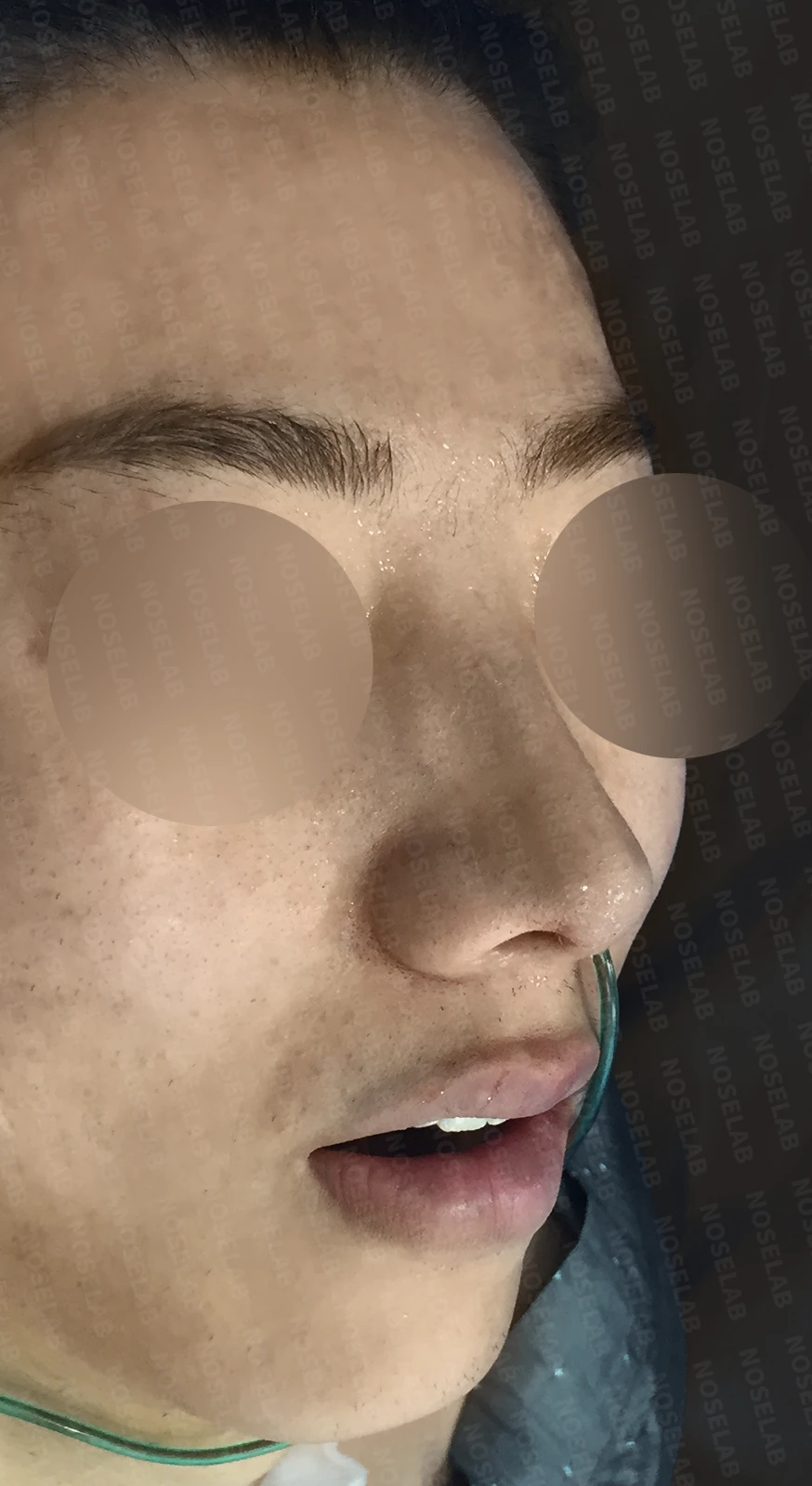
Immediately after surgery (Day 0) front, profile, and oblique viewsImmediate postoperative photos show swelling and may differ from the final result.
Immediately after surgery (Day 0) nostrilsImmediate postoperative photos show swelling and may differ from the final result.
6. Overall evaluation
This case is an example of combined rhinoplasty addressing functional snoring along with cosmetic concerns such as a bulbous tip and a crooked nose. It illustrates how the specialized perspective of a board-certified otolaryngologist helps achieve a balanced outcome between function and aesthetics.
Correction of the deviated septum and inferior turbinate reduction alleviate nasal obstruction, which can help relieve snoring. At the same time, septal extension with autologous rib cartilage, tip refinement, and dorsal contouring created a natural and well-proportioned nasal contour.
In particular, naturally lowering the columella and refining the nasolabial angle played a significant role in improving overall facial balance. Creating a masculine straight line also successfully fulfilled the patient's goal of a natural nose.
7. Conclusion
I hope this case is helpful to those struggling with snoring. Snoring is not merely a noise disturbance; it is an important condition that can significantly affect health and quality of life.
Although the sound of snoring resonates in the nasal passages, it is actually caused by vibration of the uvula and soft palate. Therefore, snoring is not purely a nasal issue. Snoring can stem from various causes:
Mouth dryness caused by frequent oral breathing during sleep
An elongated uvula vibrating in a dry oral cavity, generating snoring and impairing airflow
Airway narrowing caused by tonsillar hypertrophy
The tongue base falling back into the posterior airway, aggravating snoring and inducing sleep apnea
In particular, mouth breathing during sleep tends to worsen when nasal breathing is restricted. Resolving nasal obstruction issues such as a deviated septum, rhinitis, and nasal valve compromise can decrease nocturnal oral breathing and help reduce snoring to some extent.
However, fully resolving snoring may require a more comprehensive approach:
Surgery to shorten the length of the uvula
Surgery to elevate the uvula by partially excising palatal mucosa
Tonsillectomy to widen a constricted pharyngeal airway
Radiofrequency reduction of the tongue base to widen the airway
Genioglossus advancement to anchor tongue musculature to the mandible and expand the airway, among other options
Therefore, for individuals experiencing snoring, it is important to identify the precise cause through a consultation with a specialist and choose the treatment plan suited to their condition.
Drawing on extensive experience and clinical training as a board-certified otolaryngologist, I develop surgical plans designed to achieve functional relief for concerns such as snoring while pursuing aesthetic improvement. If you are troubled by snoring or considering rhinoplasty, please consult a specialist to explore suitable treatment options.
I will be with you every step of the way for a healthy and aesthetically pleasing nose.
This was Dr. Peter C. Kang. Thank you.
Thank you.
#snoring #rhinoplasty #crookednosecorrection #bulbousnosecorrection #loweringthecolumella #closedrhinoplasty #autologousribcartilage #rhinoplasty #boardcertifiedotolaryngologistrhinoplasty #functionalnasalsurgery #dorsalhumpcorrection #deviatedseptum #inferiorturbinatereduction

Limitations and risks
When autologous rib cartilage is used, scarring and pain may remain at the donor site on the chest, and pneumothorax (pleural injury) can occur rarely. Over time, the grafted cartilage may warp or undergo partial resorption.
When foreign materials such as injected fillers are removed and reconstructed, contracture may recur, nasal height and length may decrease, and staged surgery may be necessary depending on the skin condition.
When the septum is corrected at the same time, nasal obstruction may persist or recur, and in rare cases, septal perforation or changes in smell may occur.
Common potential risks include infection, bleeding, asymmetry, scarring, skin necrosis, and insufficient improvement; results vary depending on individual skin condition and previous surgical history.