Hello, I am Dr. Peter C. Kang.
Today, I would like to introduce a rhinoplasty case of a male patient presenting with complex combined concerns: a crooked nose, an upturned tip, a dorsal hump, and a short nose.
Patients with this presentation often desire a masculine, straight bridge line while also needing improvement in nasal obstruction and rhinitis symptoms.
1. Preoperative design consultation
Let us analyze the patient's preoperative condition in detail:
Front view:
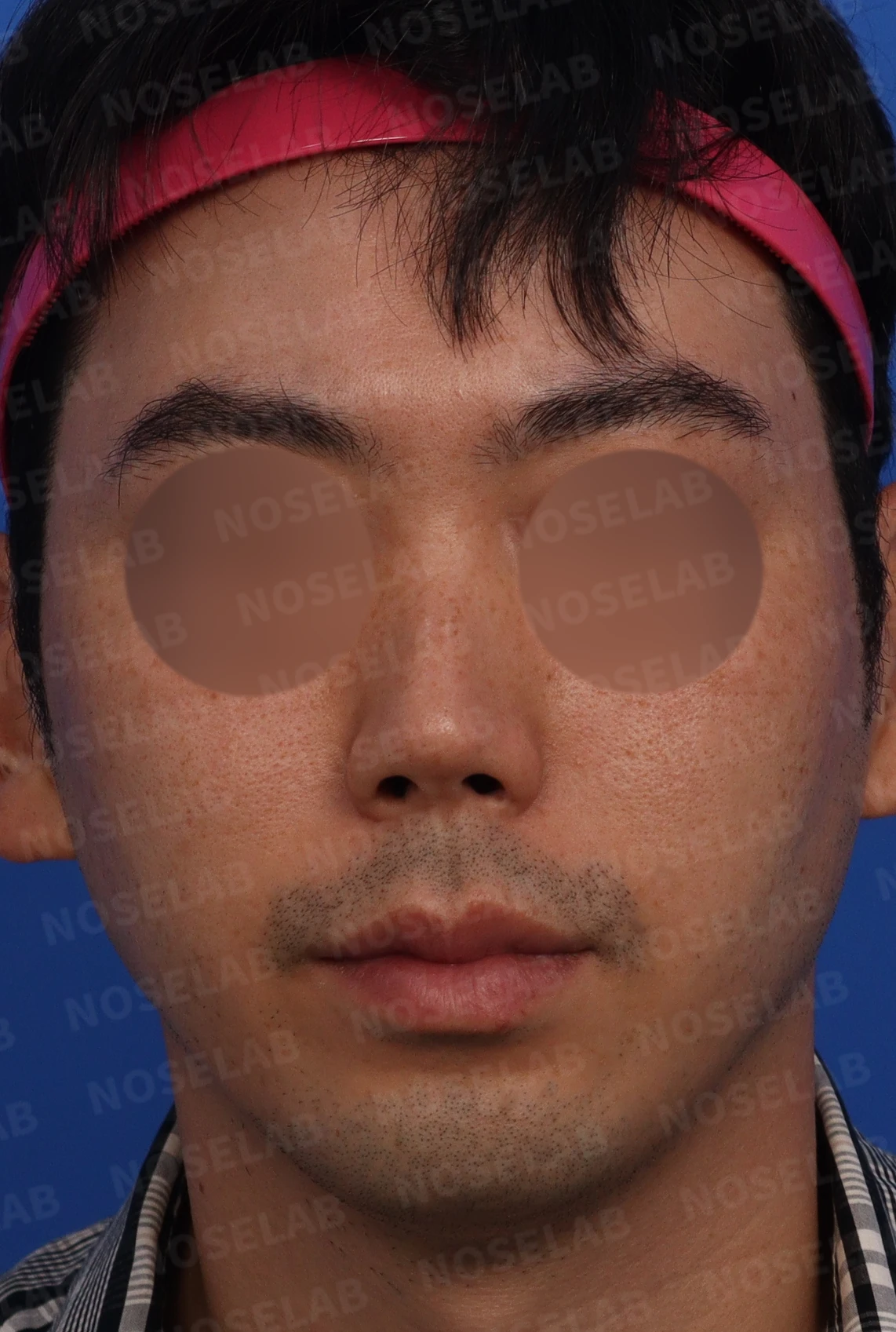
Front view
- The nose appears short overall
- The nose is deviated to the right
- Excessive nostril show
- The nose appears small relative to the face
Profile view:
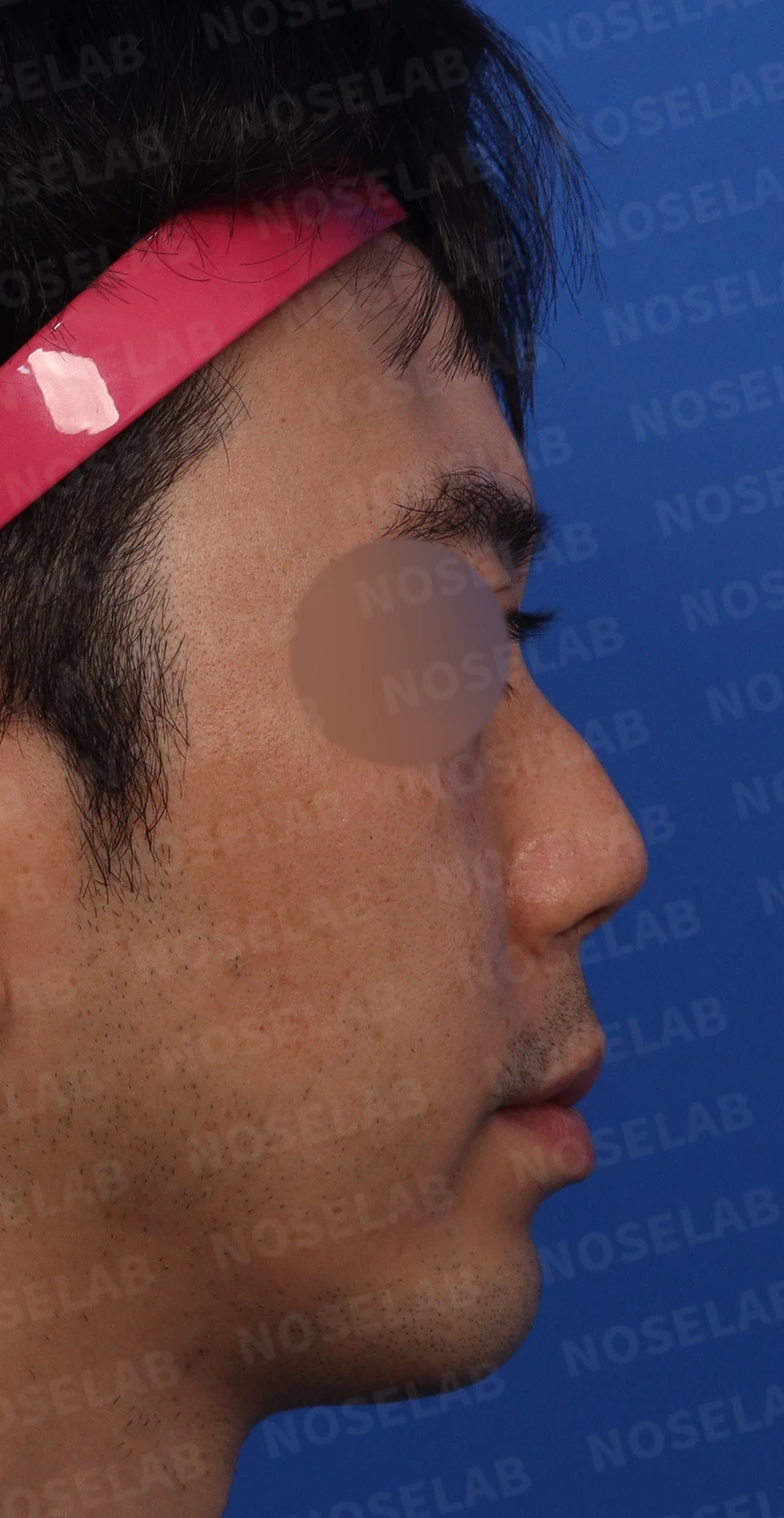
Profile view
- The nose appears distinctly short
- A prominent dorsal hump
- The nasal tip is upturned
- Findings of a protruding mouth are observed
Oblique view:
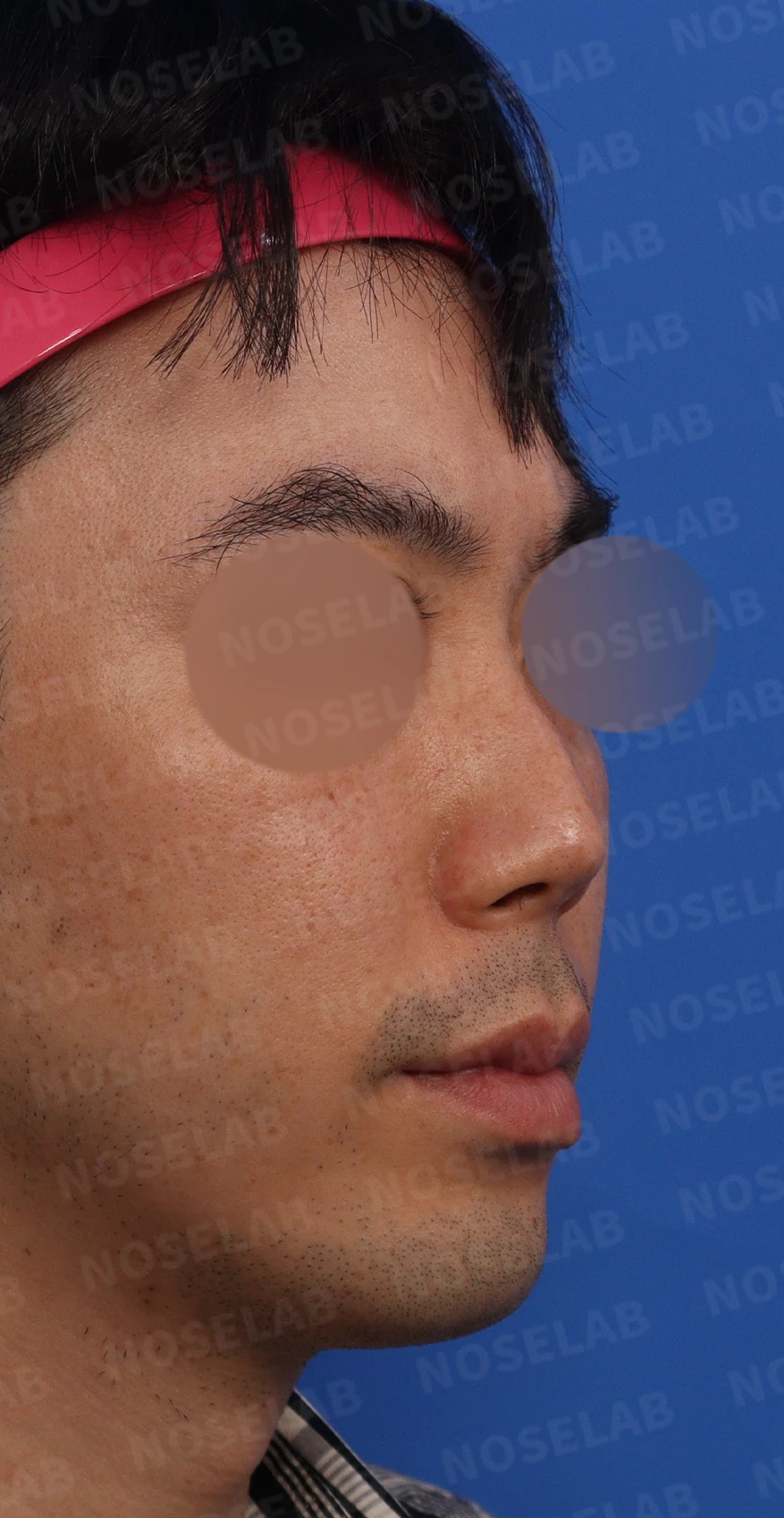
Oblique view
- The short nasal length is even more noticeable
- The nasal deviation is clearly visible
- A protruding mouth is more noticeably apparent
Nostrils:
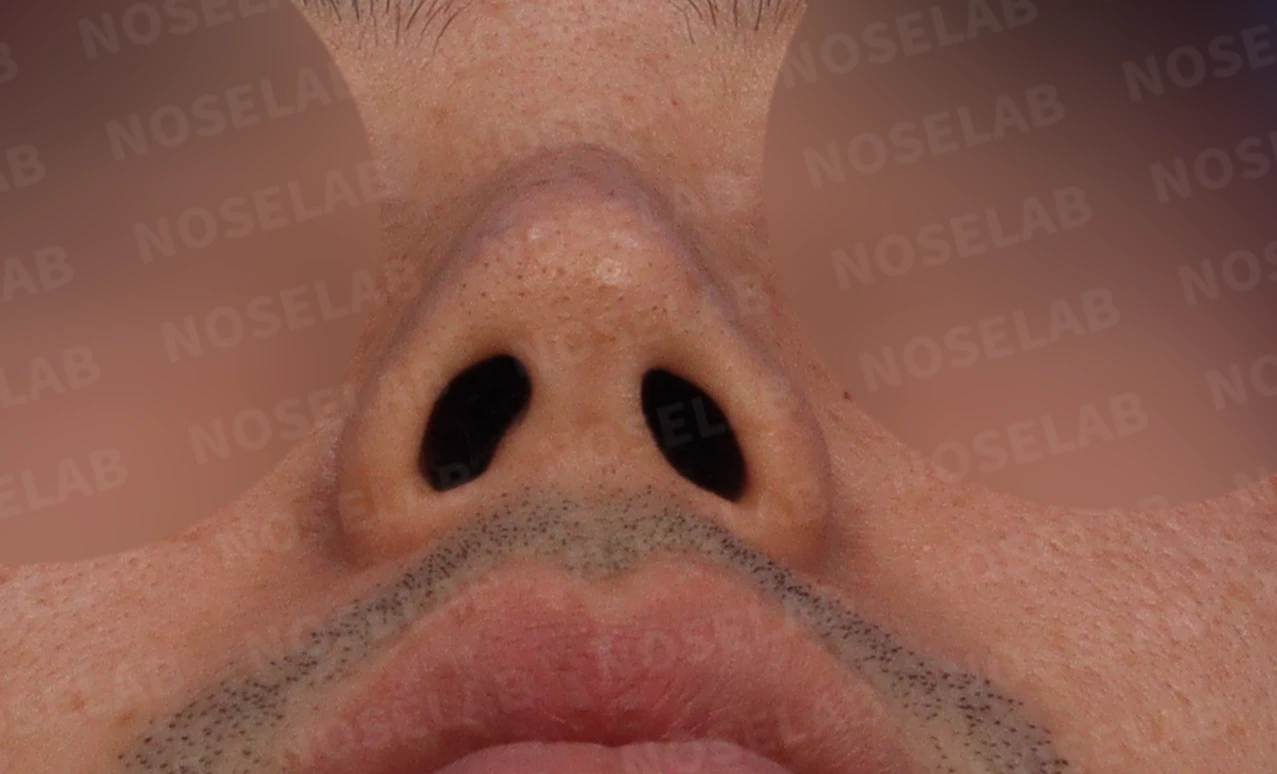
Nostrils
- The columella is slightly tilted to the right
- Nostril asymmetry is evident
- Suspected nasal airway stenosis due to right-sided nasal obstruction
Additional symptoms:
- Right-sided nasal obstruction
- Decreased sense of smell
- Rhinitis symptoms
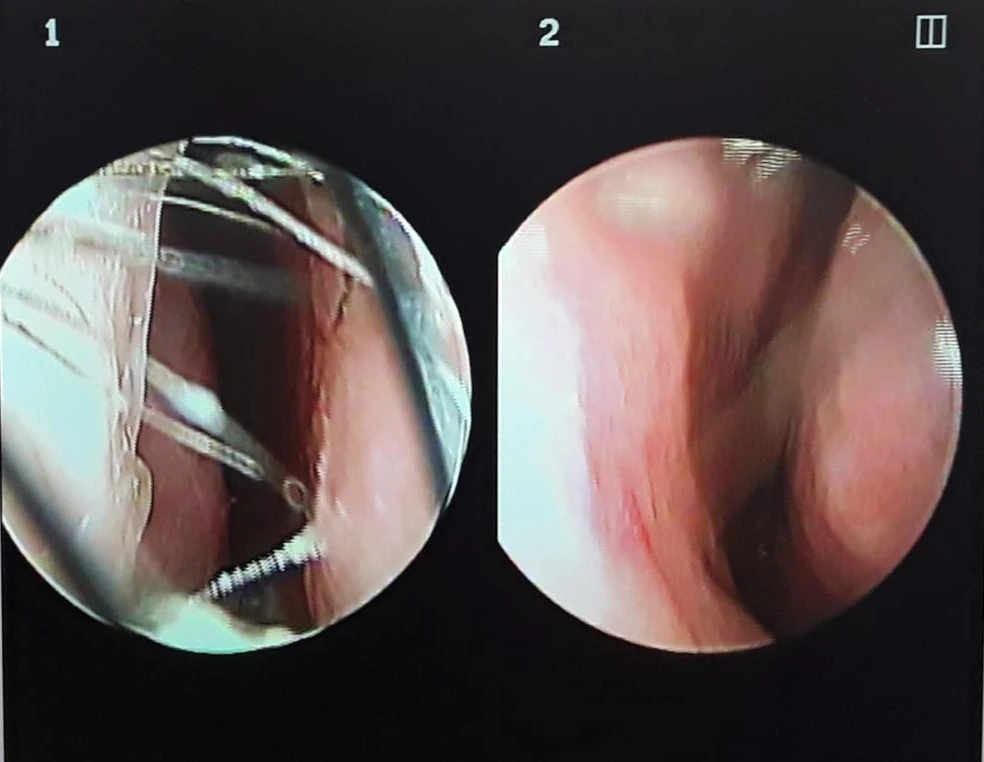
Nasal endoscopy photographs: 1. Right 2. Left
2. Surgical plan
Taking into account the patient's condition and requests, the following surgical plan was established:
a) Septoplasty
b) Submucosal resection of the inferior turbinates using radiofrequency
c) Partial septal reconstruction (if needed)
d) Septal extension using autologous cartilage
e) Tip plasty and elongation
f) Dorsal hump correction
g) Crooked nose correction via lateral osteotomy
h) Nasolabial angle correction
3. Surgical procedure
The following procedures were performed using a closed approach:
a) Septoplasty:
- Straightening the severely deviated septum improved nasal obstruction and secured the structural stability of the nose.
- Because the septal cartilage was in poor condition, partial reconstruction was performed.
b) Inferior turbinate reduction:
- Submucosal resection of the inferior turbinates using radiofrequency was performed to relieve rhinitis symptoms and nasal obstruction.
c) Septal extension:
- The septum was lengthened using autologous cartilage (septal or ear cartilage).
- Through this, the short nose was elongated and the upturned nasal tip was corrected.
d) Tip plasty:
- The tip cartilage was repositioned, and additional cartilage was grafted where necessary to create a masculine nasal tip shape.
- The nose was elongated as much as possible within a range that the skin could safely accommodate.
e) Dorsal hump correction:
- The protruding dorsal bridge was carefully contoured to establish a smooth nasal line.
f) Lateral osteotomy:
- Precise lateral osteotomy was performed to straighten the crooked nose.
g) Correction of the nasolabial angle:
- To address the protruding mouth, the nasolabial angle (the angle between the nose and upper lip) was appropriately adjusted.
All procedures were performed using a closed approach, completing the surgery without external scars.
4. Comparison of before-and-after photos
Comparing photos taken immediately after surgery on day 0 shows the following improvements: Photos taken immediately after surgery show swelling and may differ from the final result.
Front view:
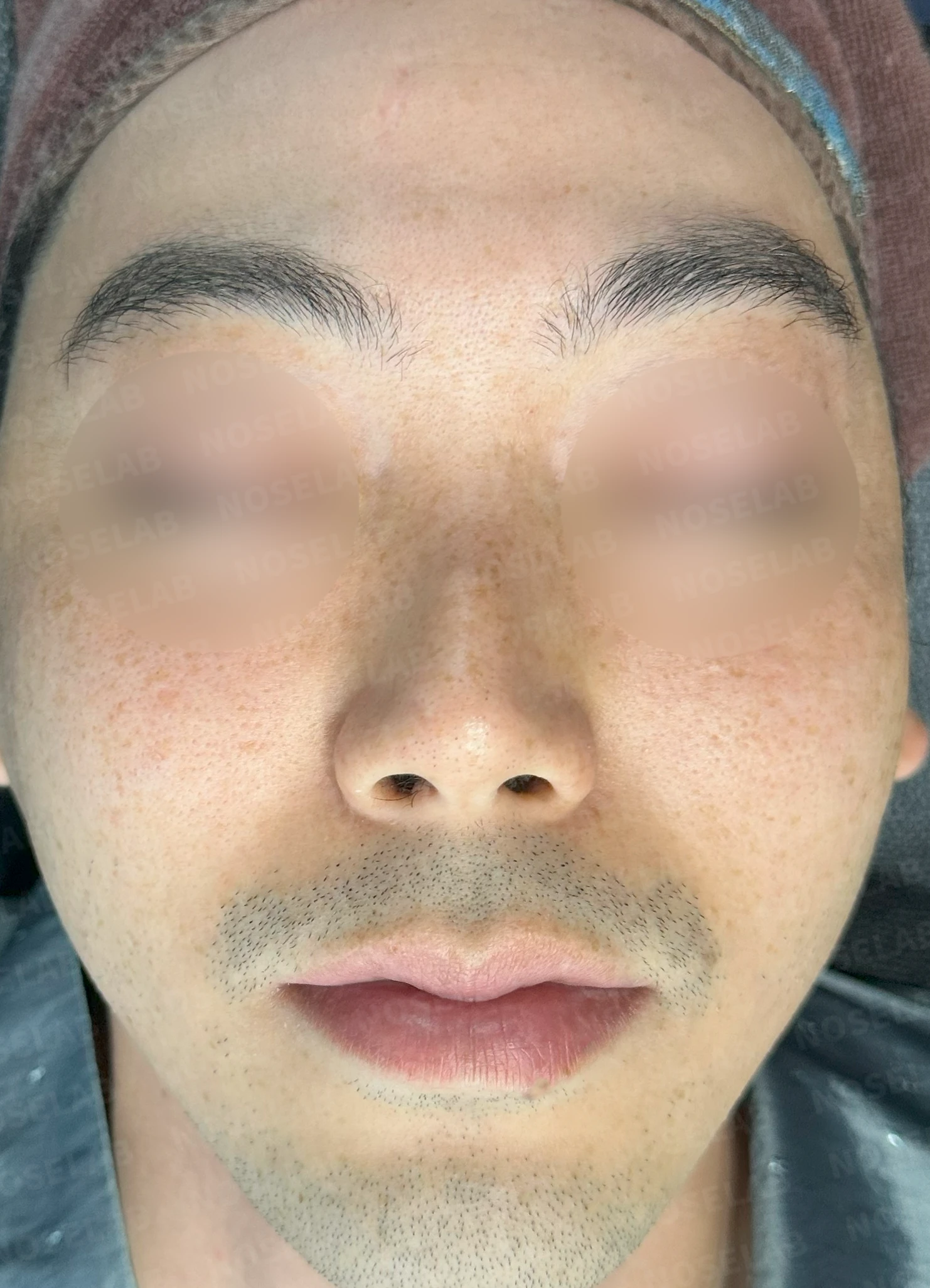
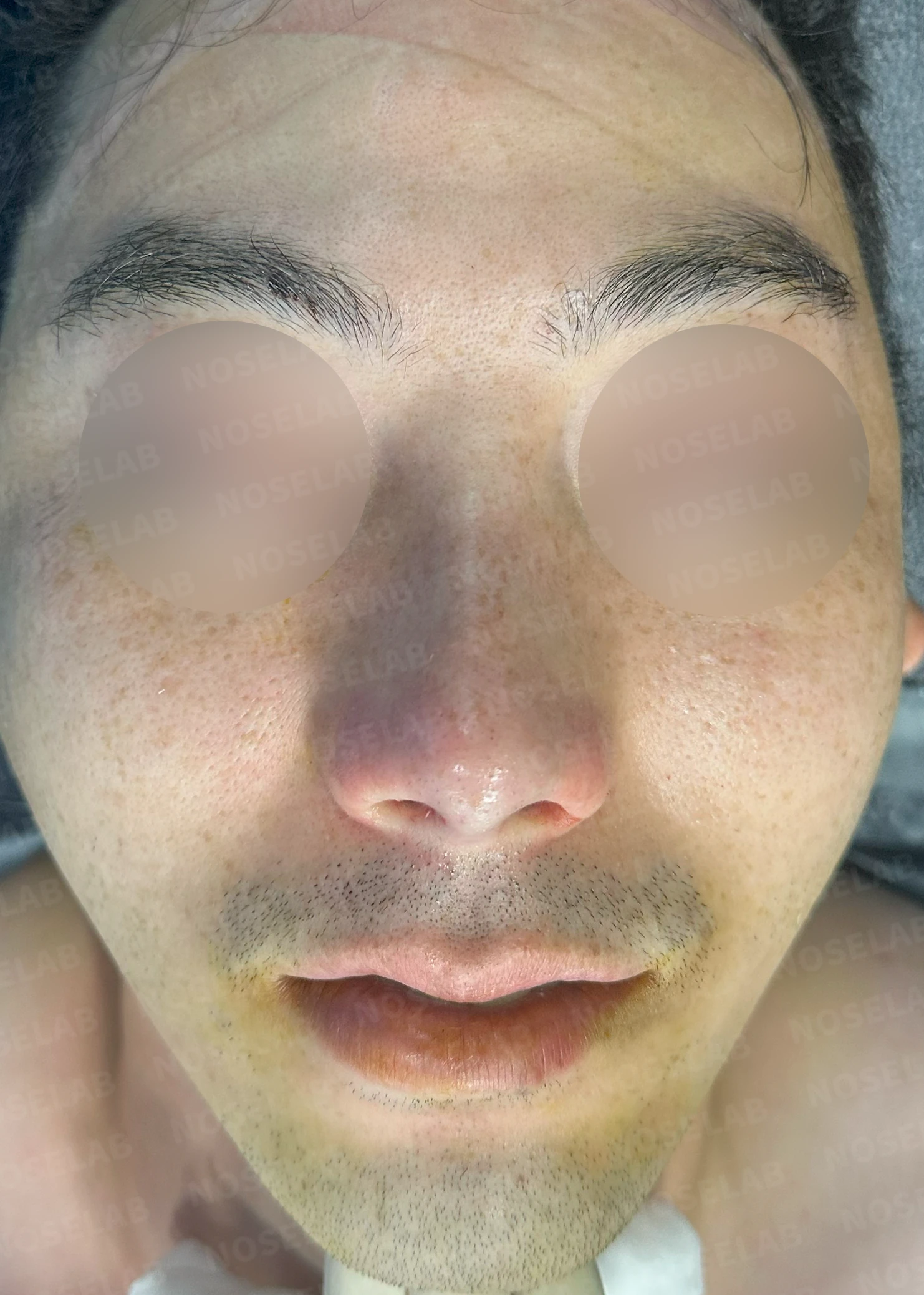
Before surgery / Day 0 immediately after surgery Photos taken immediately after surgery show swelling and may differ from the final result.
- The nose, which previously appeared short and crooked, is now straight and elongated, giving a masculine impression.
- Nostril show is appropriately reduced, resulting in a natural appearance.
- The size of the nose is now harmoniously balanced with the rest of the face.
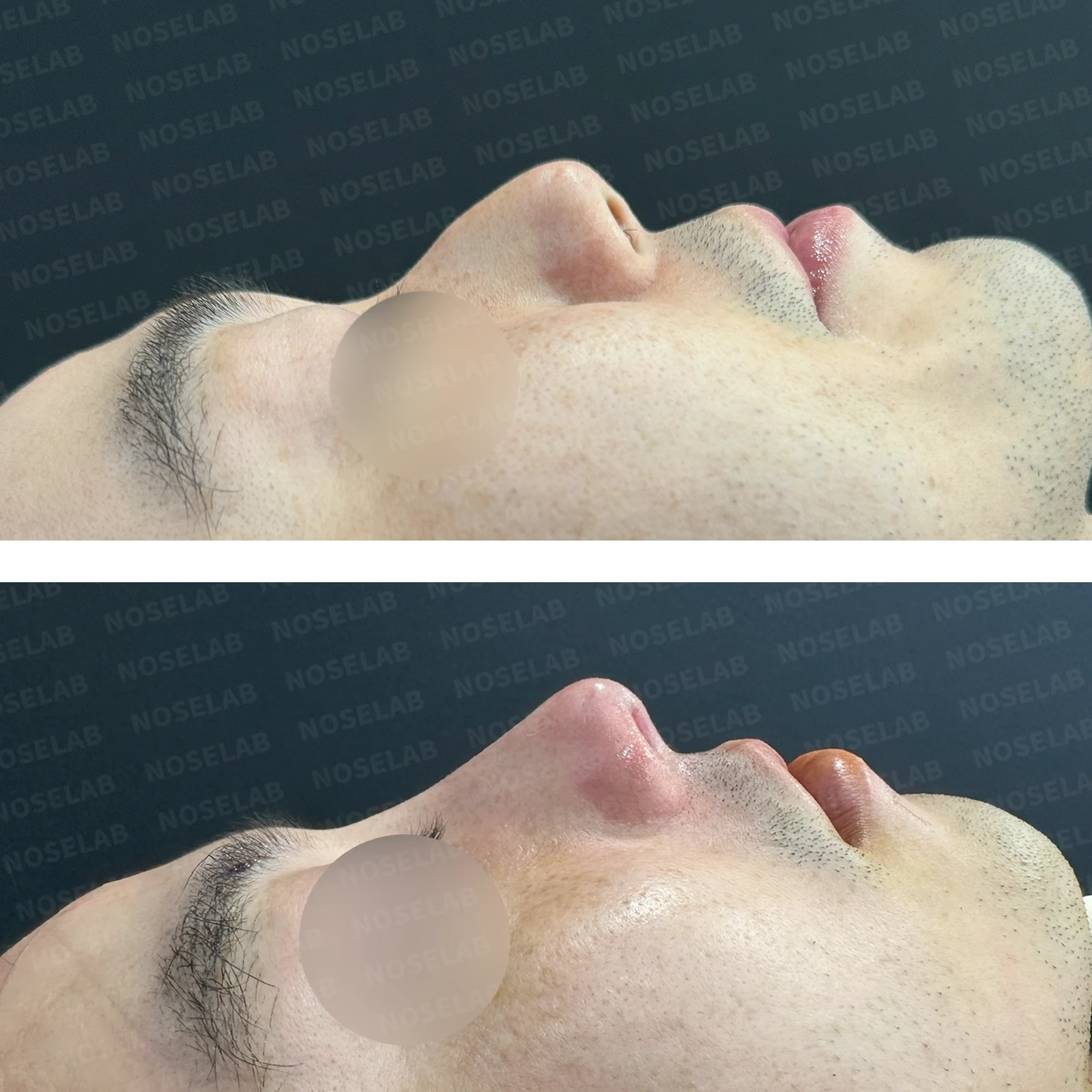
Profile view:
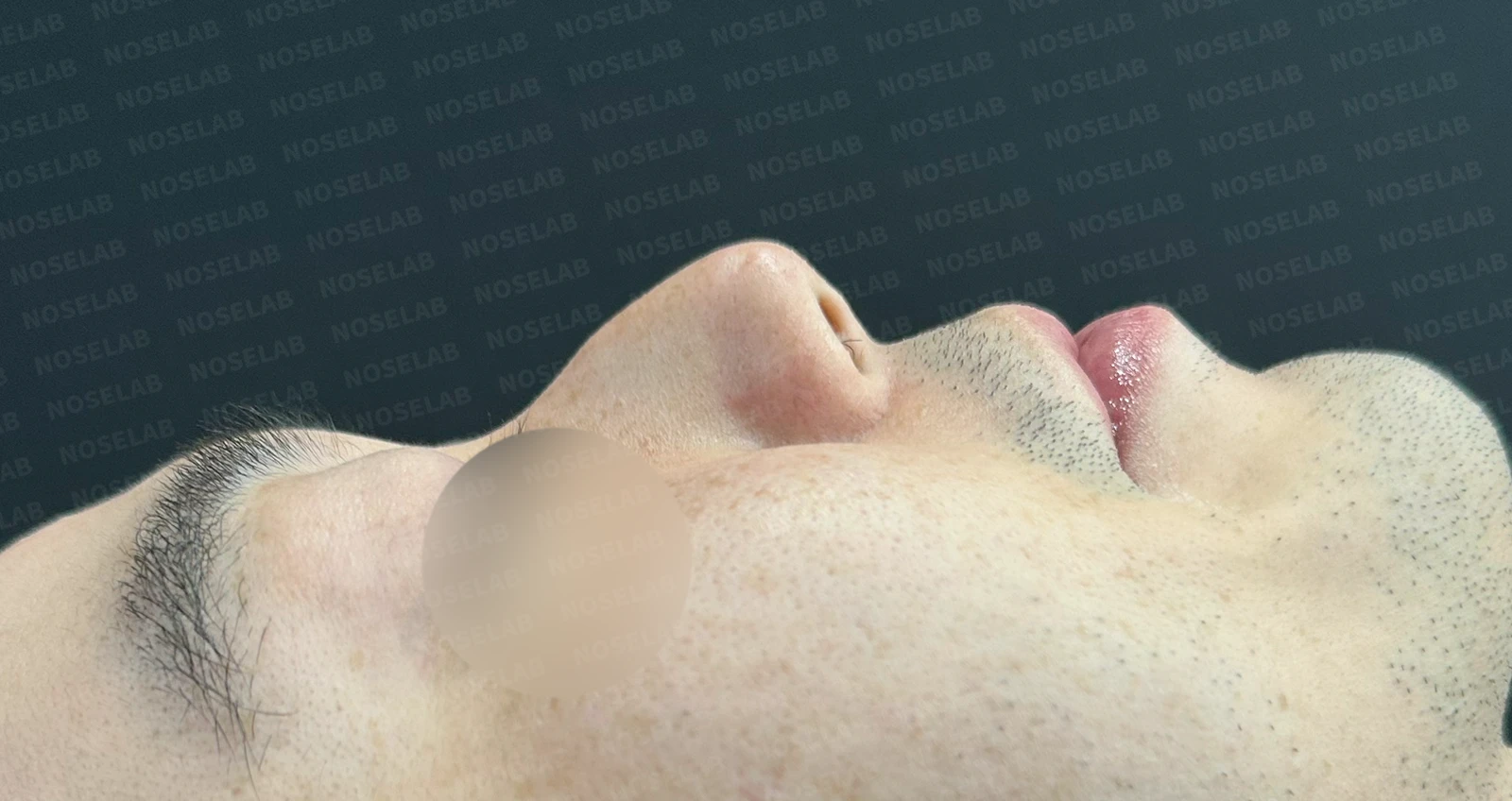
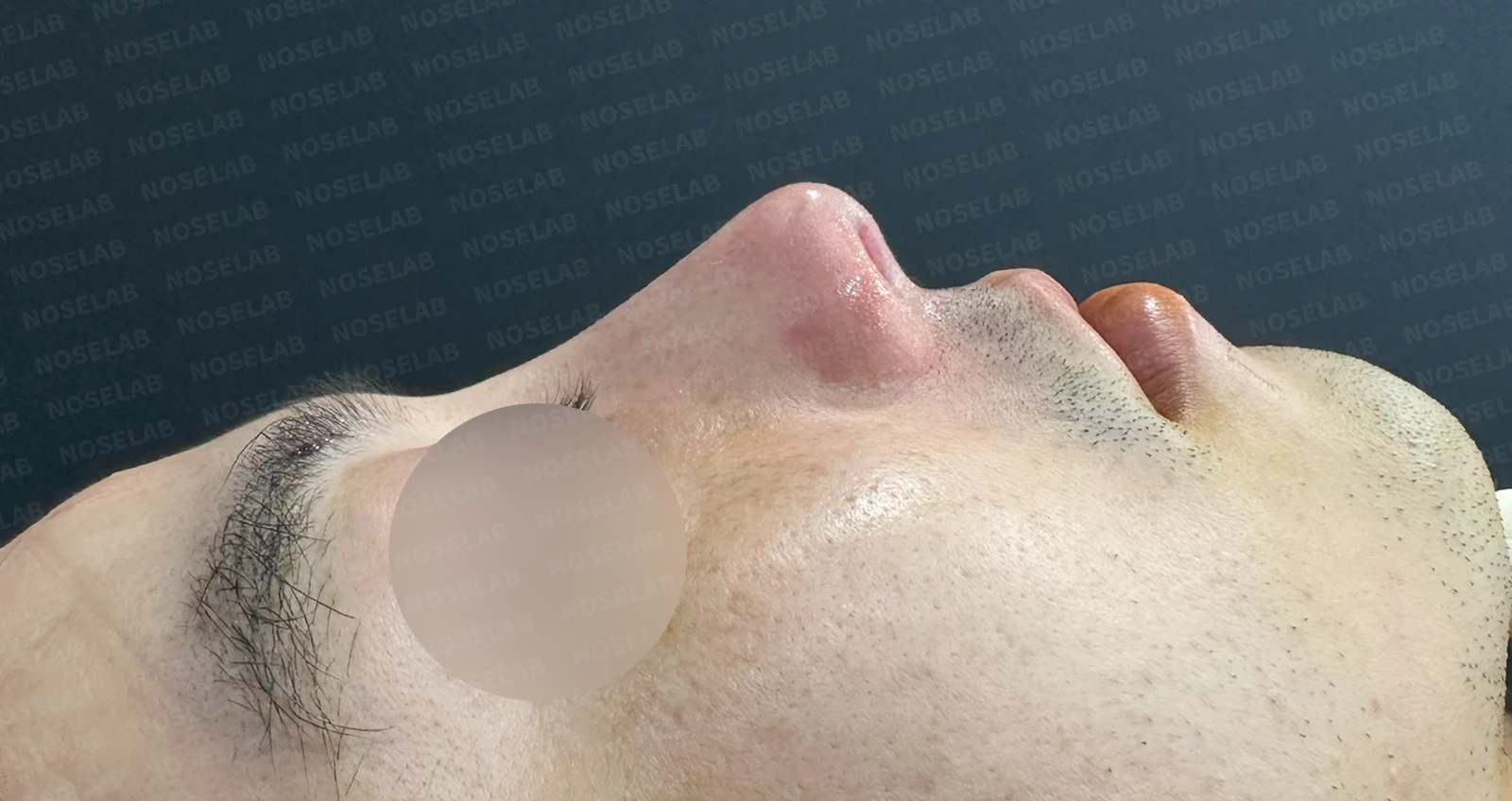
Before surgery / Day 0 immediately after surgery Photos taken immediately after surgery show swelling and may differ from the final result.
- The short nose has been appropriately elongated, improving facial proportions.
- The dorsal hump has been corrected, showing a smooth bridge line.
- The upturned nasal tip was lowered naturally, improving the overall profile.
- Improvement in the protruding mouth provides a more harmonious profile view.
Oblique view:
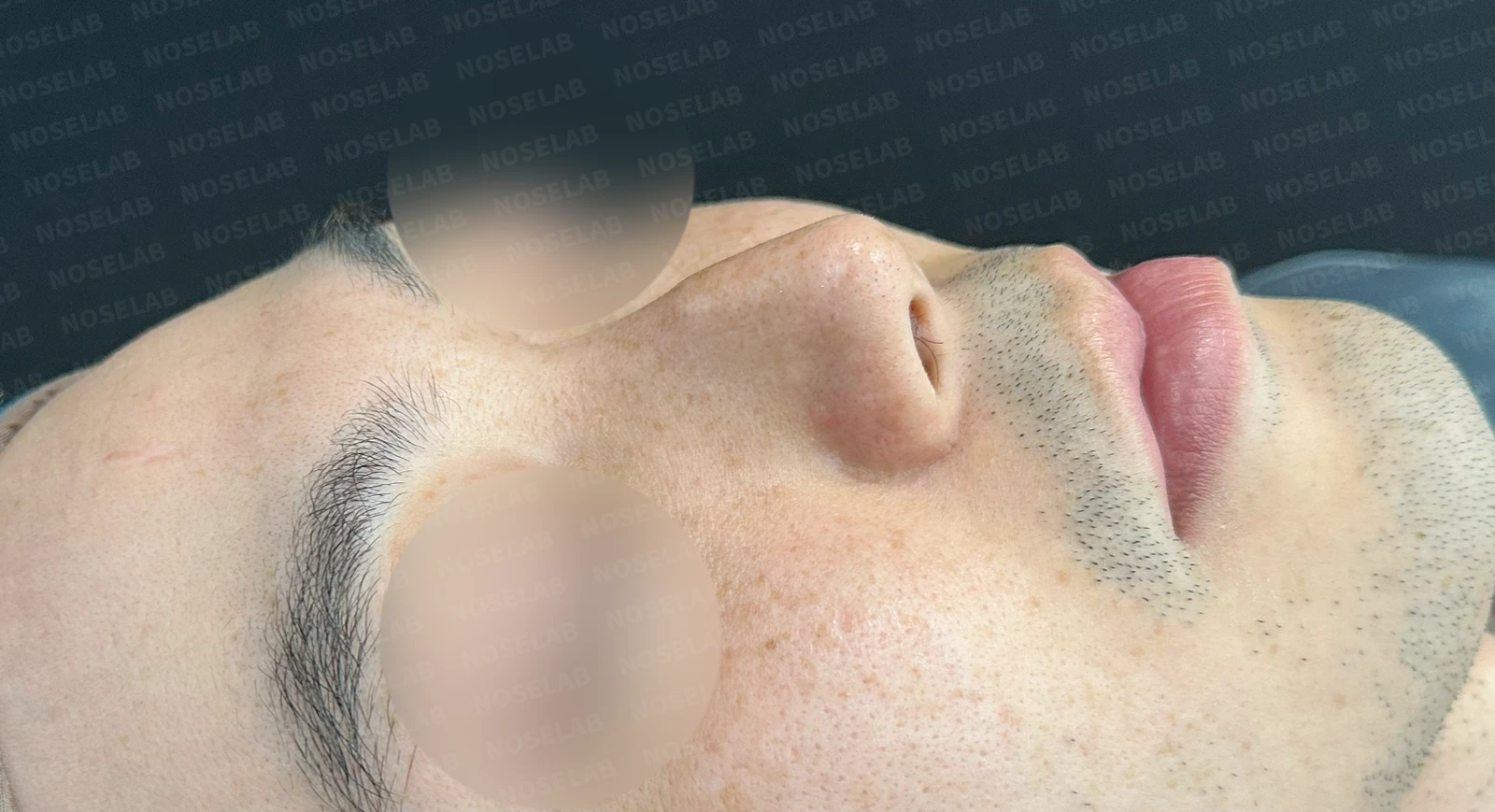
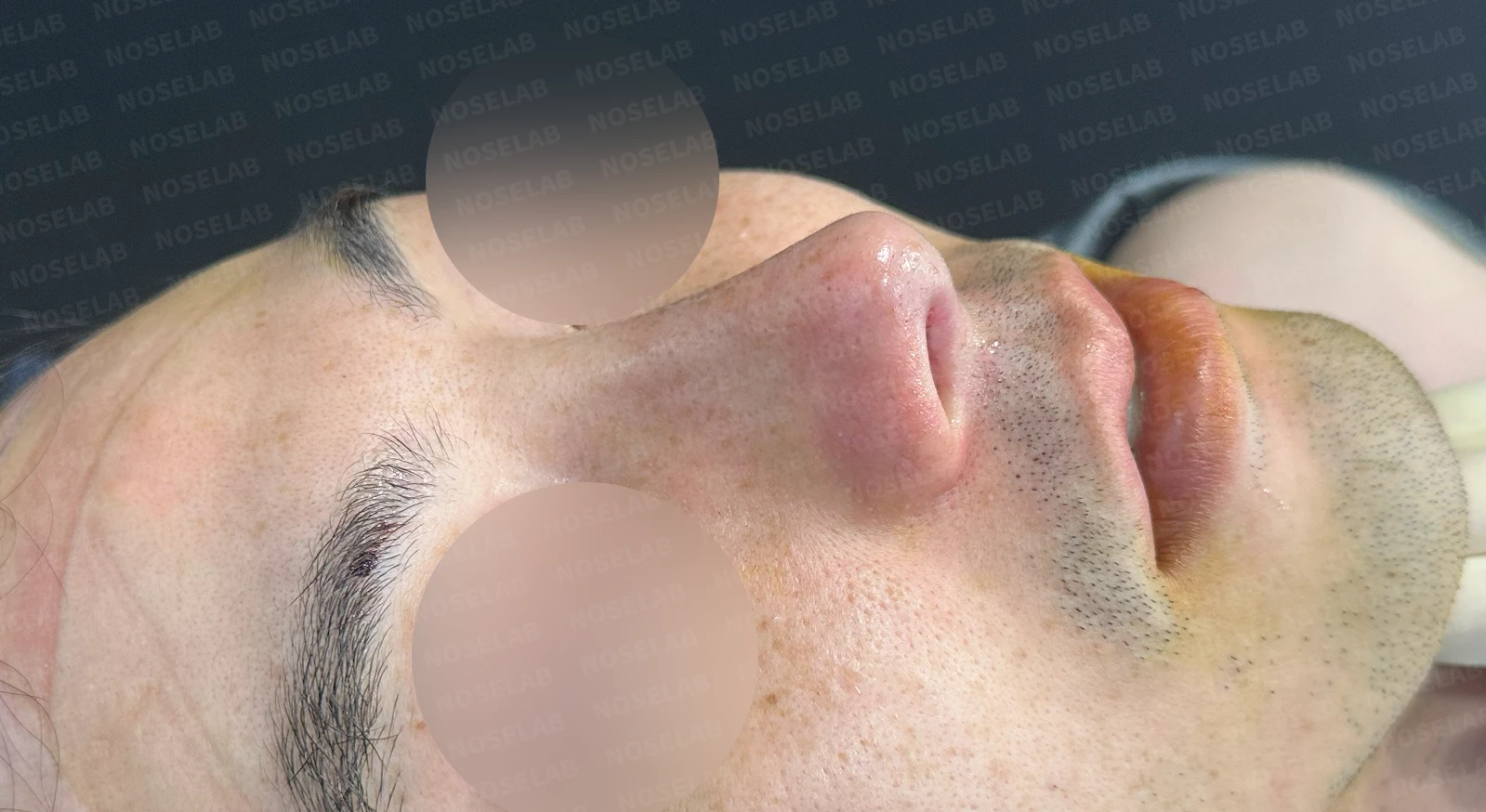
Before surgery / Day 0 immediately after surgery Photos taken immediately after surgery show swelling and may differ from the final result.
- The length of the nose has been extended, creating better balance with the face.
- The deviation has been corrected, presenting a straight nasal line.
- Overall facial balance is enhanced with improvement in the protruding mouth.
Nostrils:
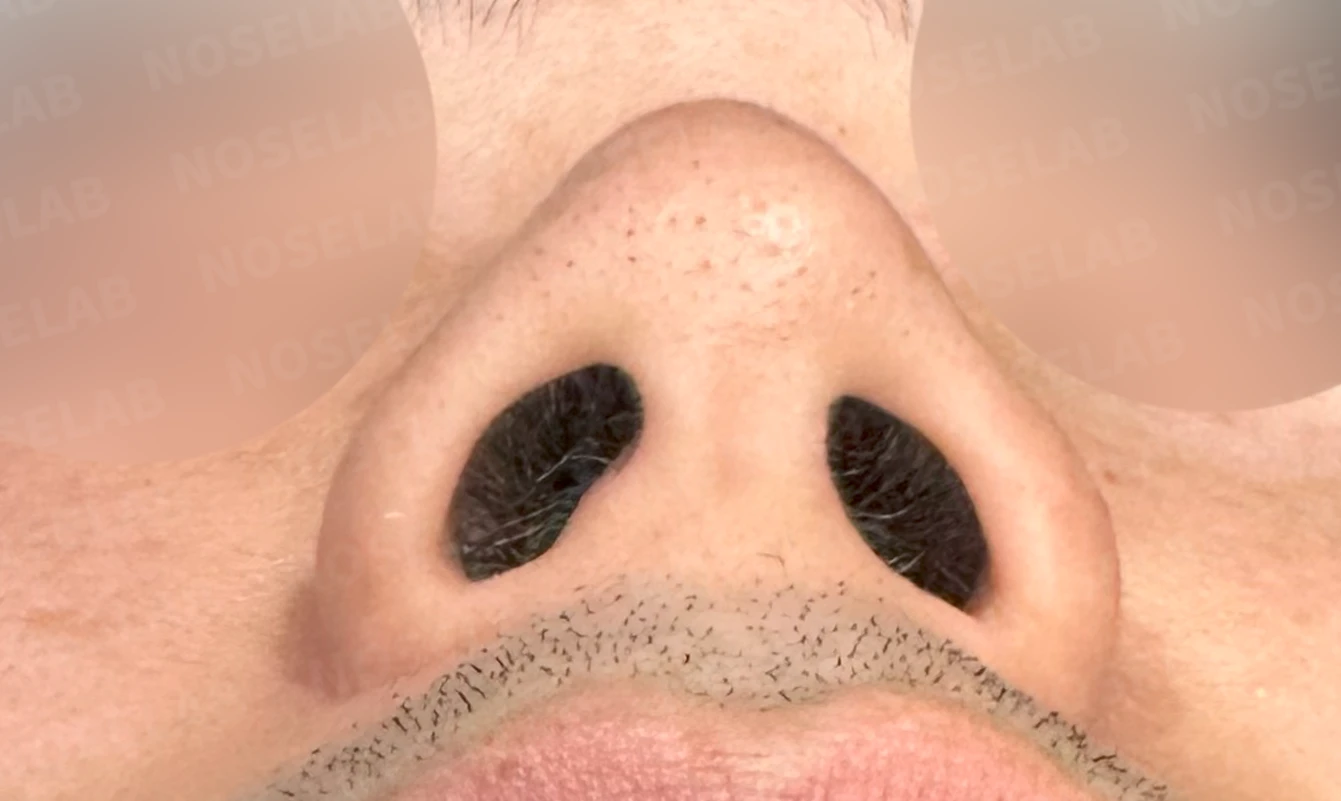
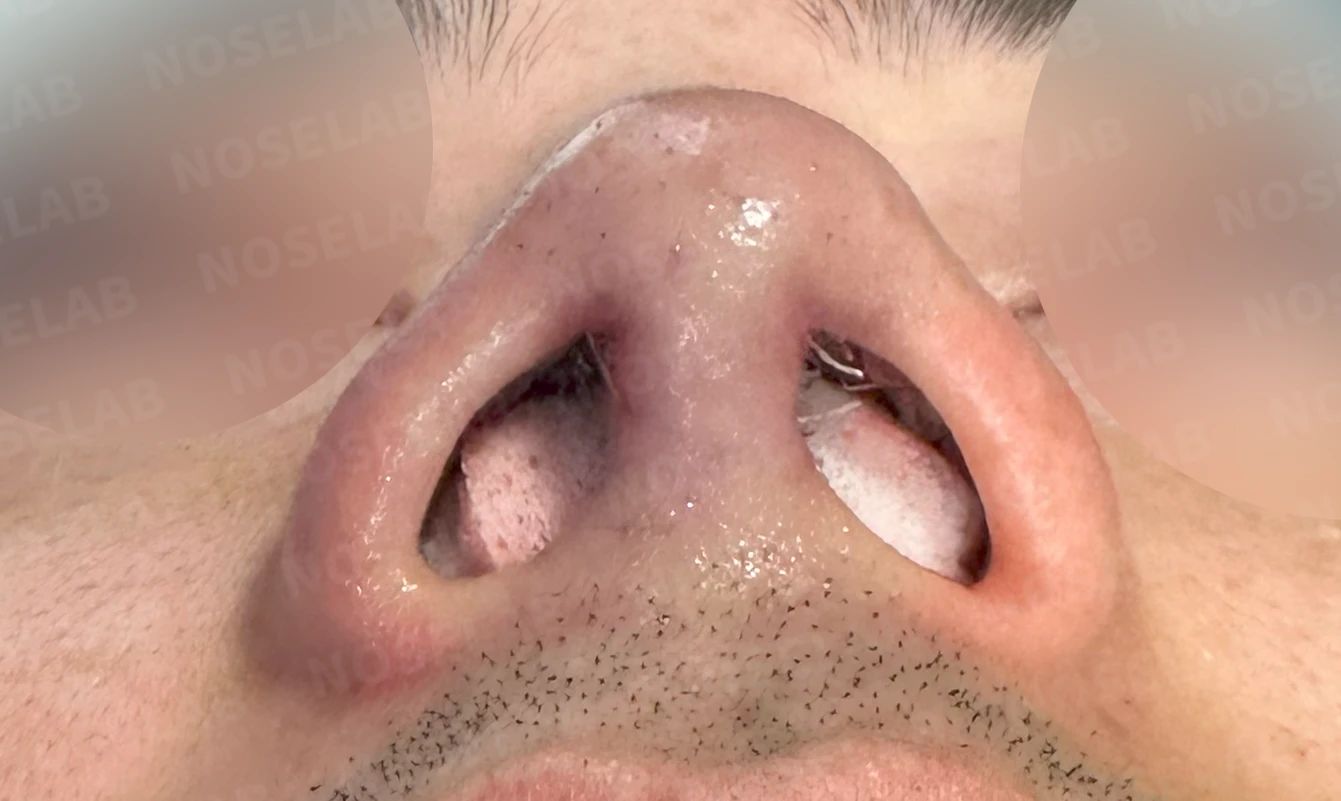
Before surgery / Day 0 immediately after surgery Photos taken immediately after surgery show swelling and may differ from the final result.
- The columella, which was tilted to the right, has been centered.
- Nostril asymmetry has been improved.
- The nasal airway has widened, supporting improved respiratory function.
5. Photos immediately after surgery on day 0 Photos taken immediately after surgery show swelling and may differ from the final result.
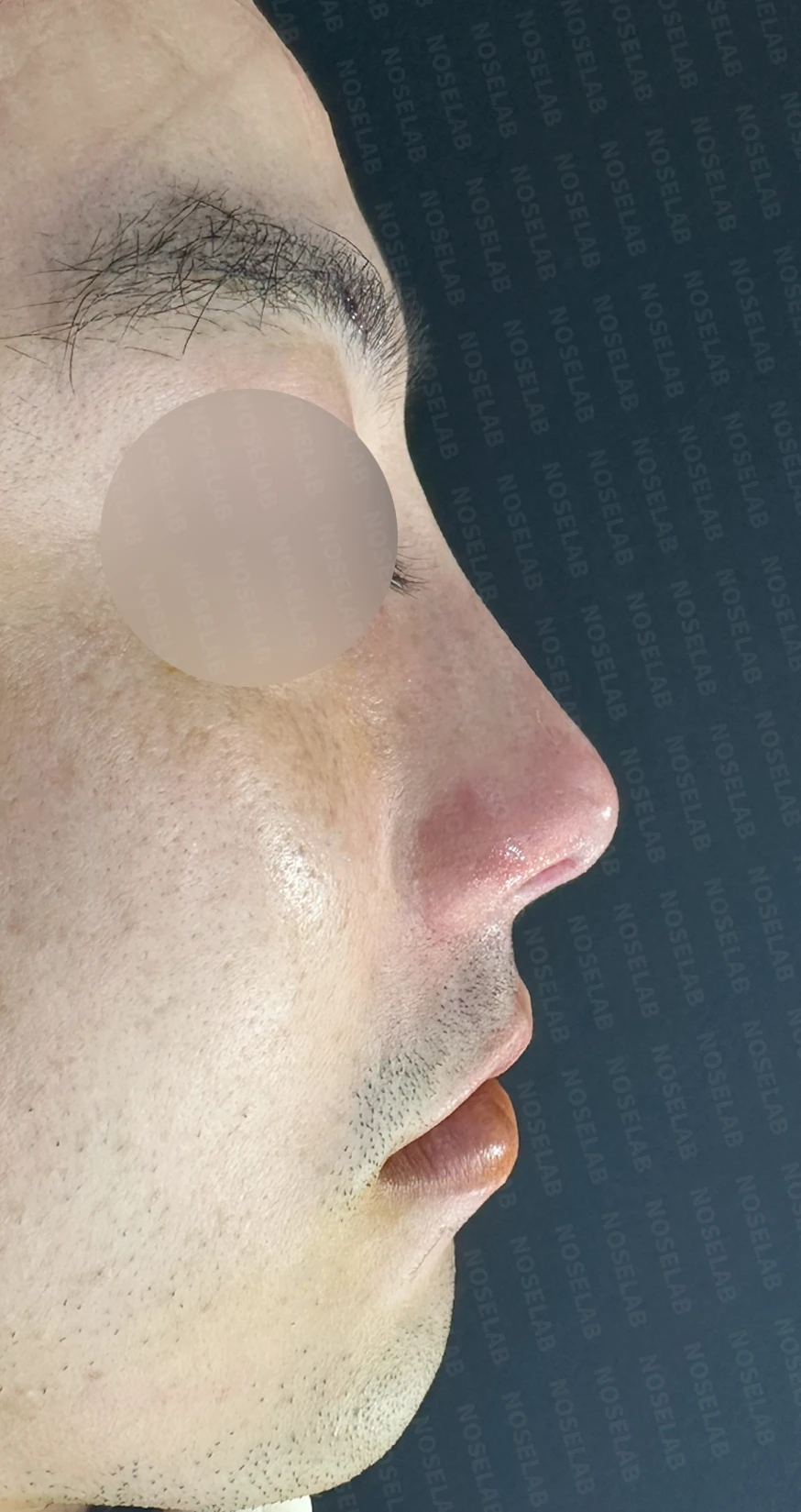
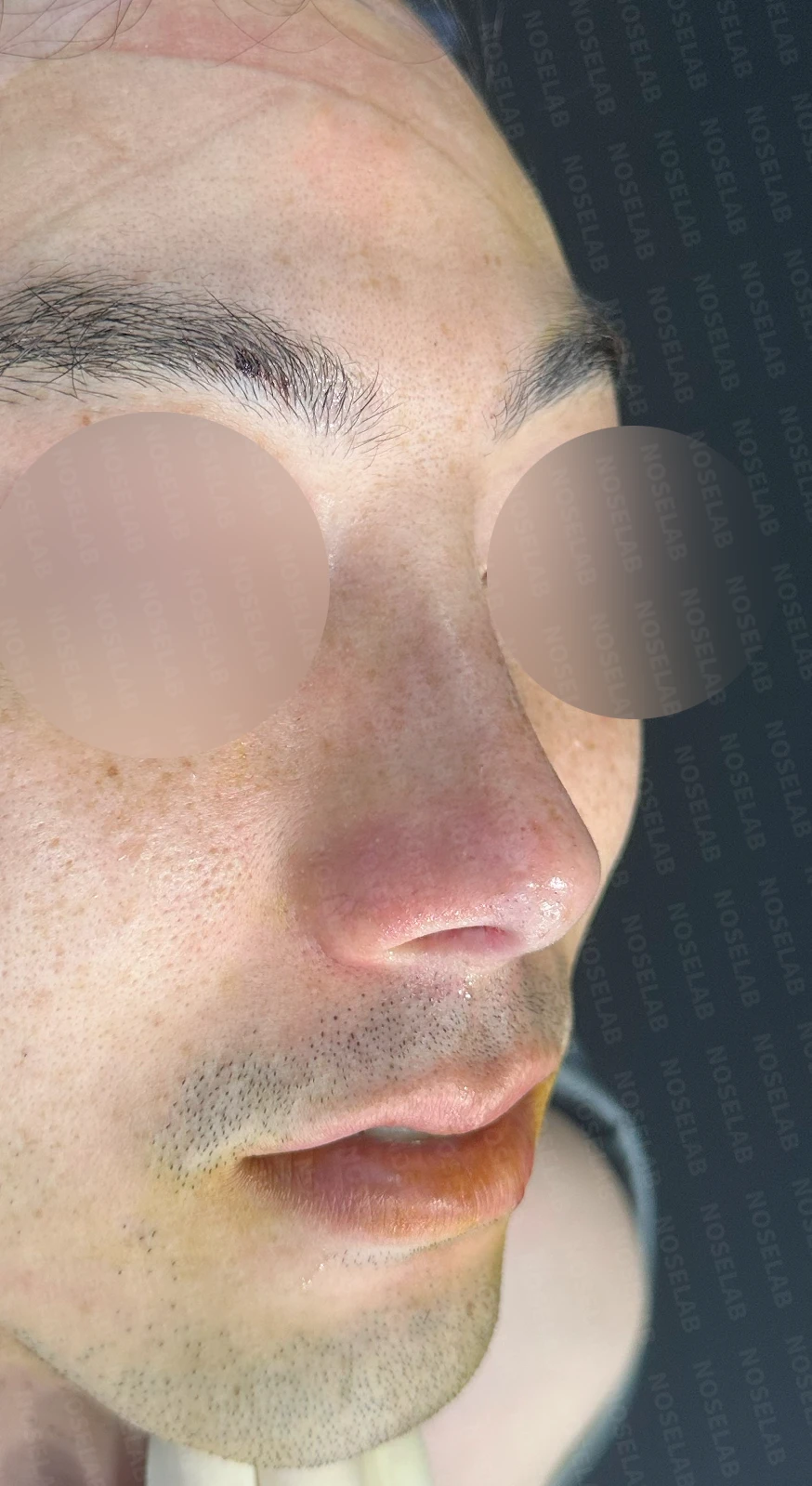
Immediately after surgery (Day 0) front, profile, and oblique viewsImmediate postoperative photos show swelling and may differ from the final result.
Basal (nostril) view immediately after surgery (Day 0)Immediate postoperative photos show swelling and may differ from the final result.
6. Overall evaluation
This presentation represents a case where multiple complex issues—a crooked nose, an upturned nose, a dorsal hump, and a short nose—were addressed simultaneously. Especially in male patients, excessive correction can easily appear unnatural; therefore, it is vital to improve overall facial harmony while preserving a masculine image.
Relieving nasal obstruction and rhinitis symptoms through septoplasty and inferior turbinate reduction is expected to significantly improve the patient's quality of life beyond mere cosmetic changes. The reduced sense of smell is also expected to gradually improve as the nasal airway structure is restored.
Lengthening the nose and correcting the deviation played a major role in refining facial proportions. A short nose tends to make the midface appear short, which greatly affects the overall facial impression; in this case, that concern was effectively addressed through surgery.
Correcting the dorsal hump and adjusting the nasolabial angle also markedly enhanced the profile view, helping create a more balanced lateral appearance.
Utilizing a closed approach allowed the surgery to be completed without visible external scars and shortened the recovery period, which greatly contributed to the patient's satisfaction.
7. Conclusion
Rhinoplasty does not stop at simply reshaping the nose to look pleasing. Creating a nose that fits facial proportions contributes significantly to the overall balance and image of the entire face. As demonstrated in this case, refining the length and contour of the nose brought substantial improvement to the patient's overall facial appearance.
I hope this case offers helpful insight to those struggling with complex nasal concerns such as a crooked nose, an upturned nose, a dorsal hump, or a short nose. Because these issues are often interconnected, addressing only a single aspect may yield limited results. A comprehensive approach is therefore necessary, guided by the experience and expertise of a specialist.
Drawing on anatomical knowledge and extensive surgical experience as a board-certified otolaryngologist, I provide surgical plans tailored to each individual patient. Through a comprehensive approach that considers both functional and cosmetic improvement, I strive to create a beautiful and healthy nose.
I will be with you every step of the way to achieve a beautiful and healthy nose.
This was Dr. Peter C. Kang. Thank you.
Thank you.
#rhinoplasty #crookednosecorrection #upturnednosecorrection #dorsalhumpcorrection #shortnosecorrection #deviatedseptum #rhinitistreatment #nasalobstructionrelief #malerhinoplasty #closedrhinoplasty #entrhinoplasty #safelyplannedrhinoplasty #naturalrhinoplasty #facialproportionimprovement

Limitations and risks
When the septum is corrected at the same time, nasal obstruction may persist or recur, and in rare cases, septal perforation or changes in smell may occur.
Common potential risks include infection, bleeding, asymmetry, scarring, skin necrosis, and insufficient improvement; results vary depending on individual skin condition and previous surgical history.