Hello, I am Dr. Peter C. Kang.
Today, I would like to introduce a case where we resolved both a contracted nose and functional issues that developed after multiple surgeries.
🔍 Surgical history
2010: Silicone implant, ear cartilage surgery
January 2024: autologous rib cartilage, silicone implant
July 2024: reuse of rib cartilage, ear cartilage, silicone implant (followed by 7 procedures of hematoma/capsule aspiration and irrigation)
August 2024: removal of silicone implant and rib cartilage
Currently taking anti-contracture medication
💉 Primary symptoms and requests
Improvement of contracted nose
Functional impairment
Improvement in left nasal obstruction
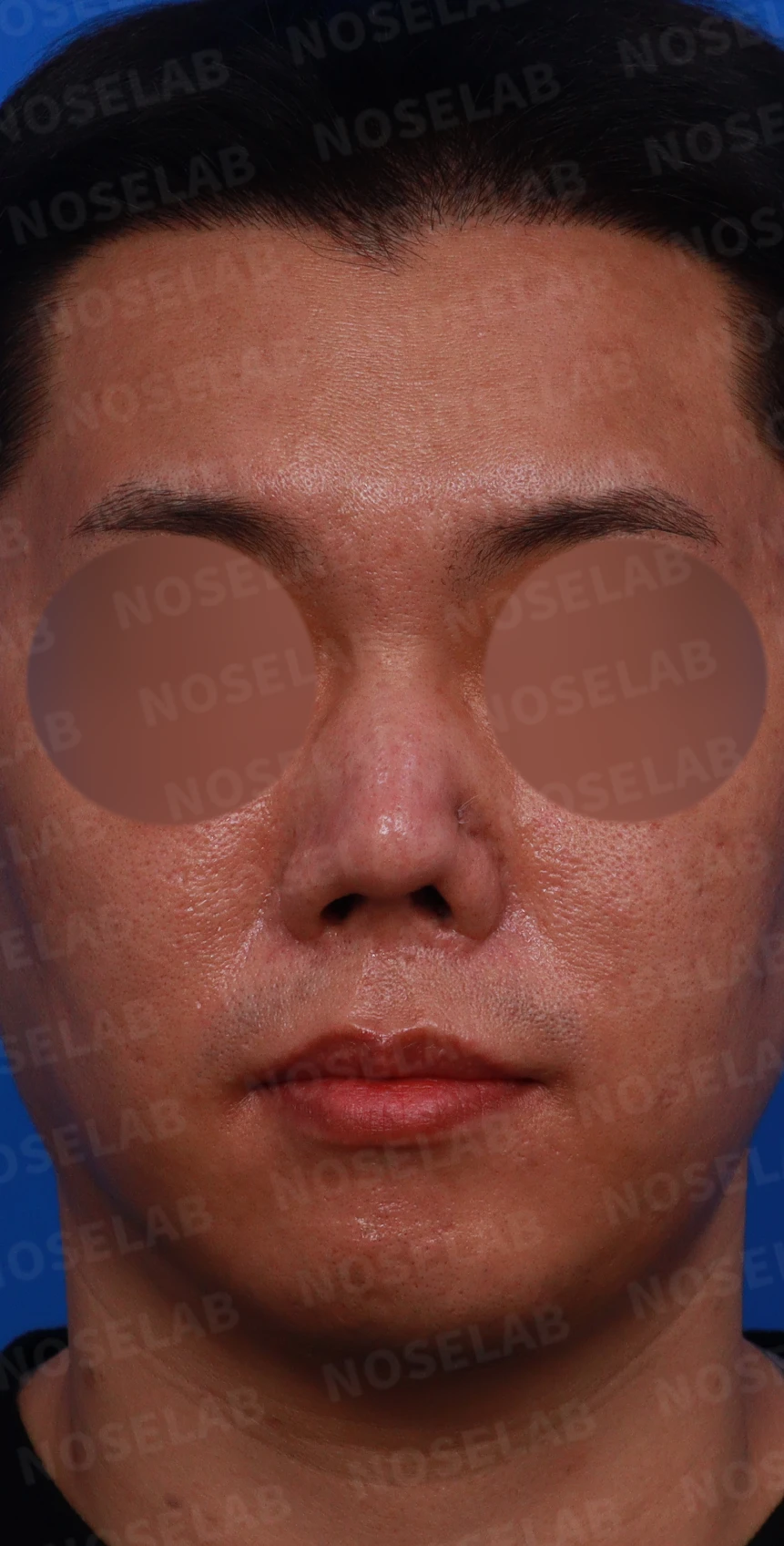
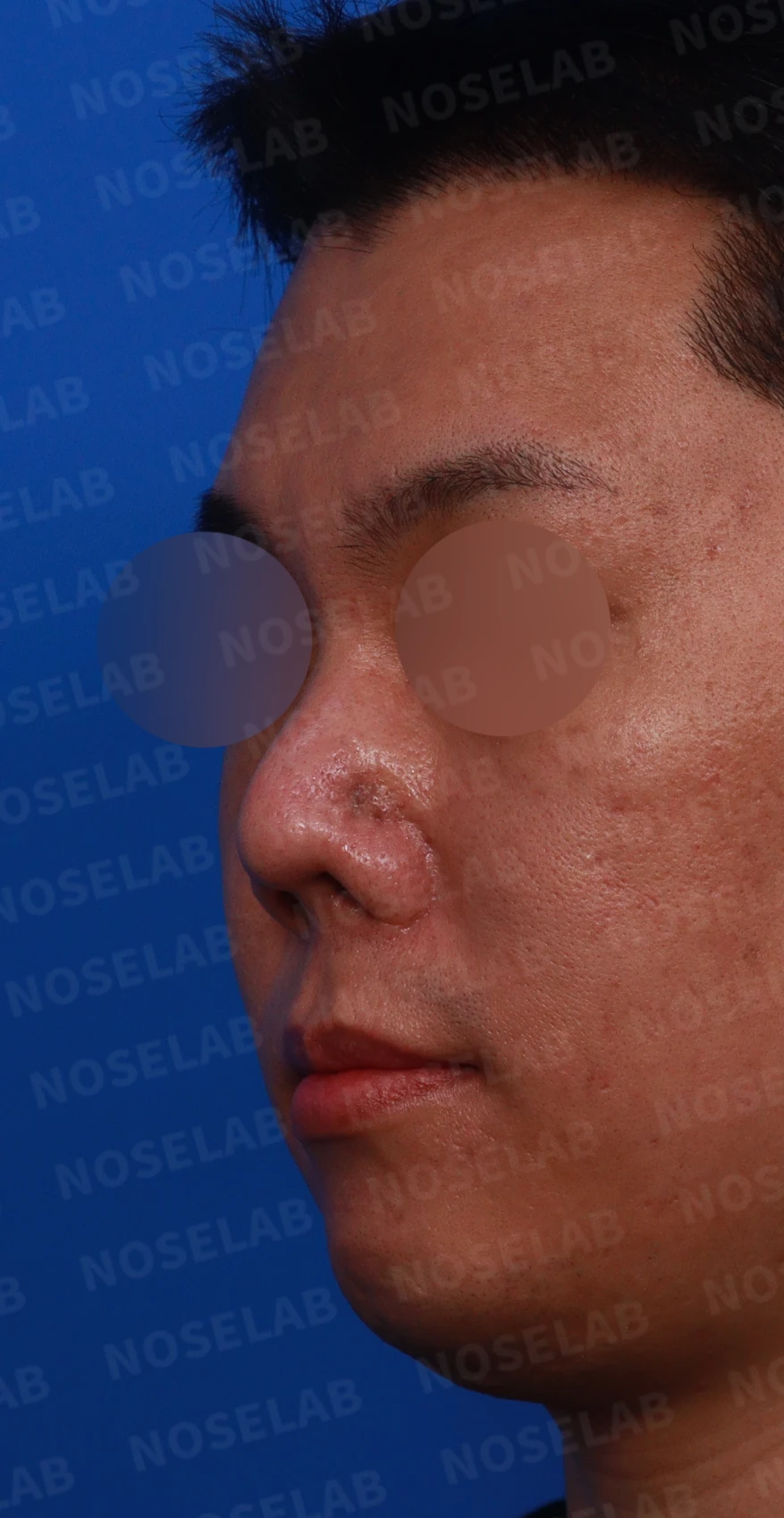
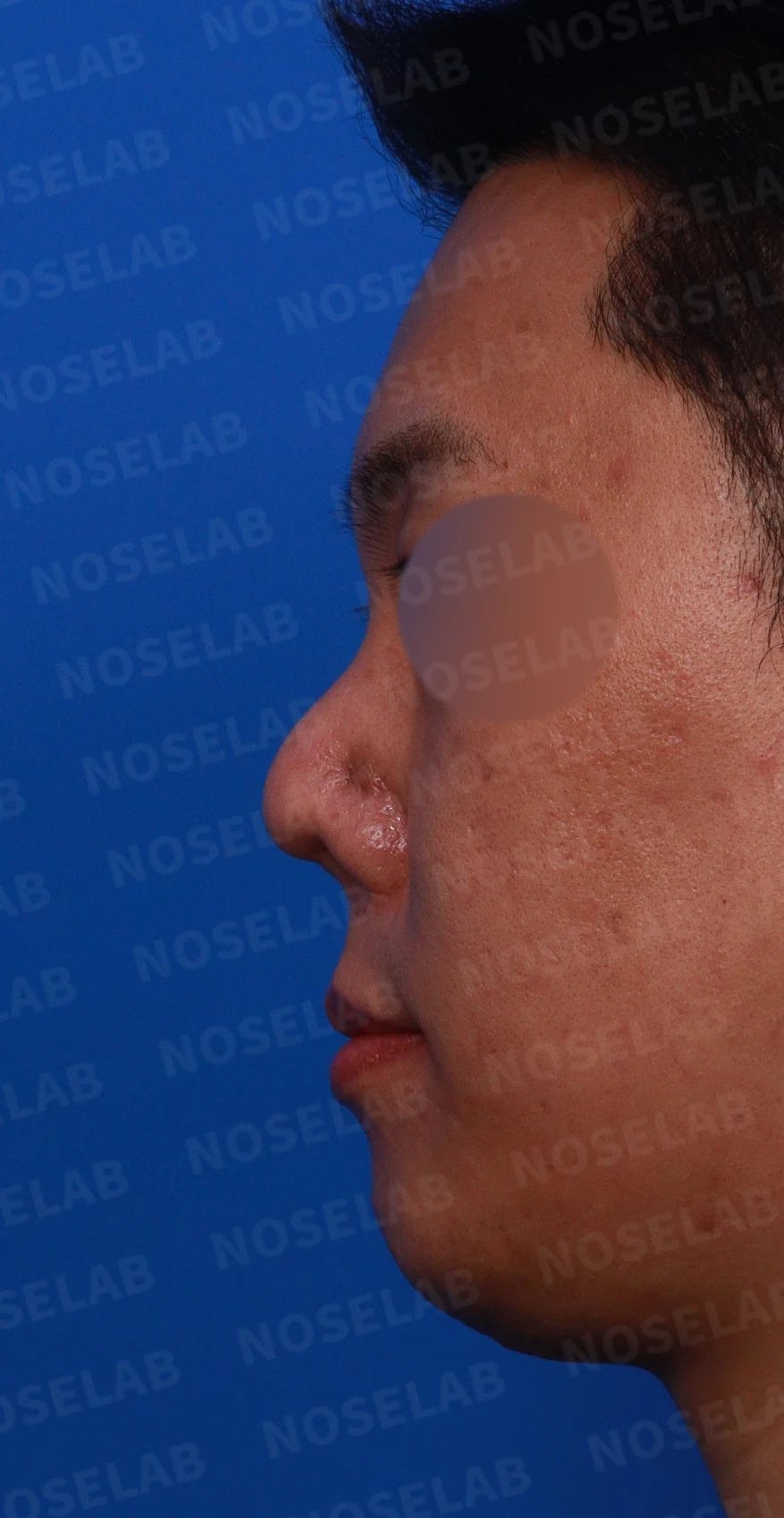
Design consultation: front, left oblique, and profile views.
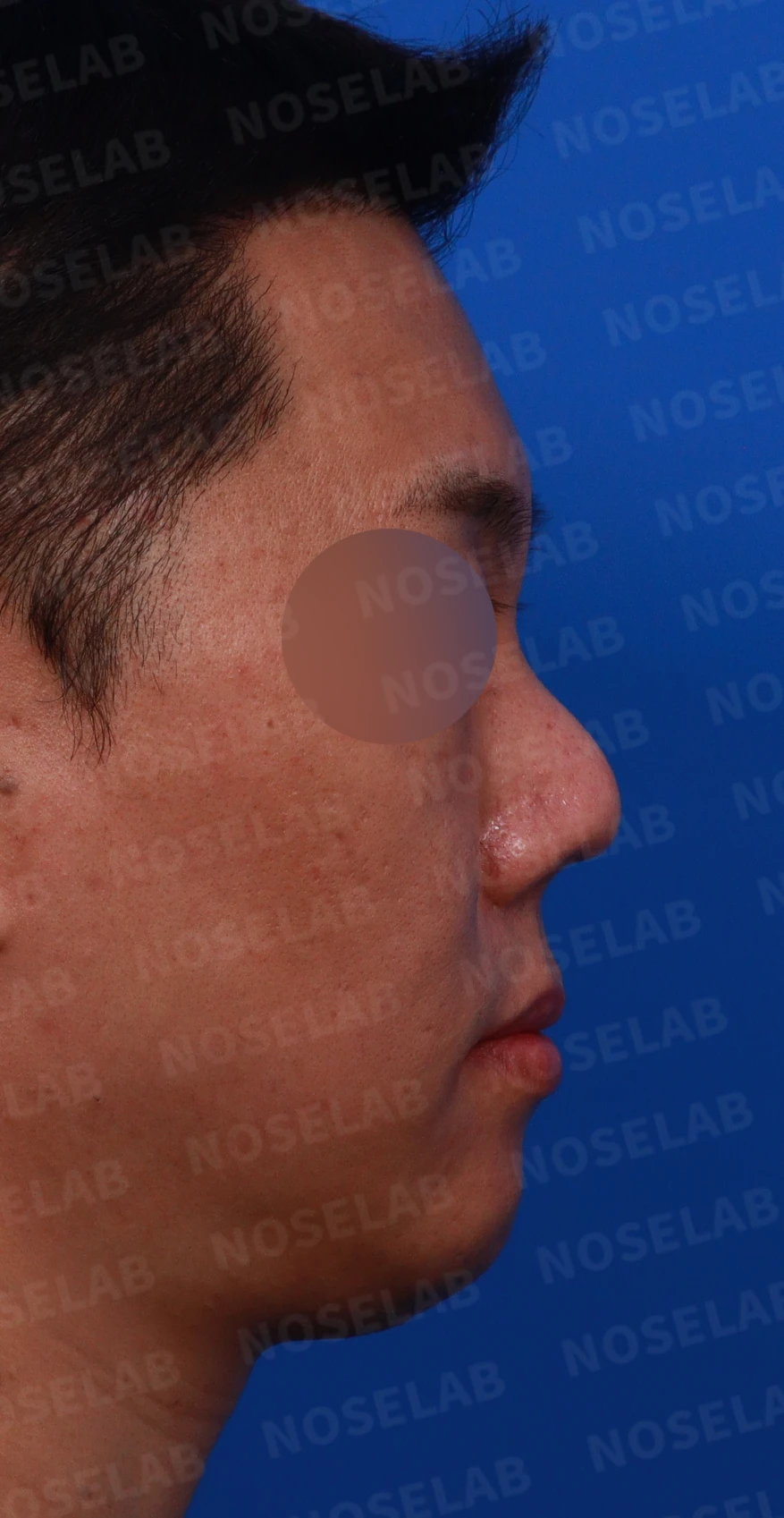
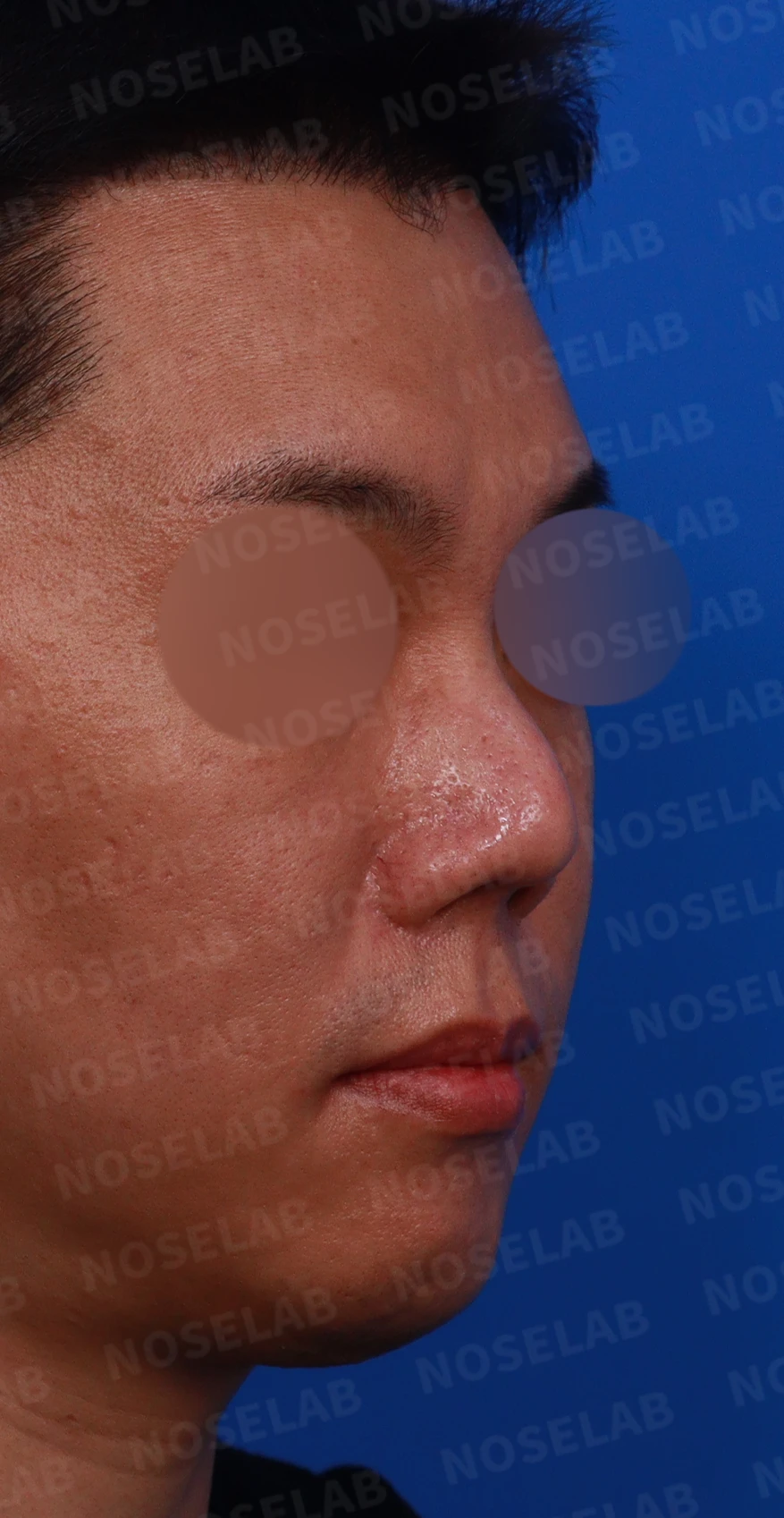
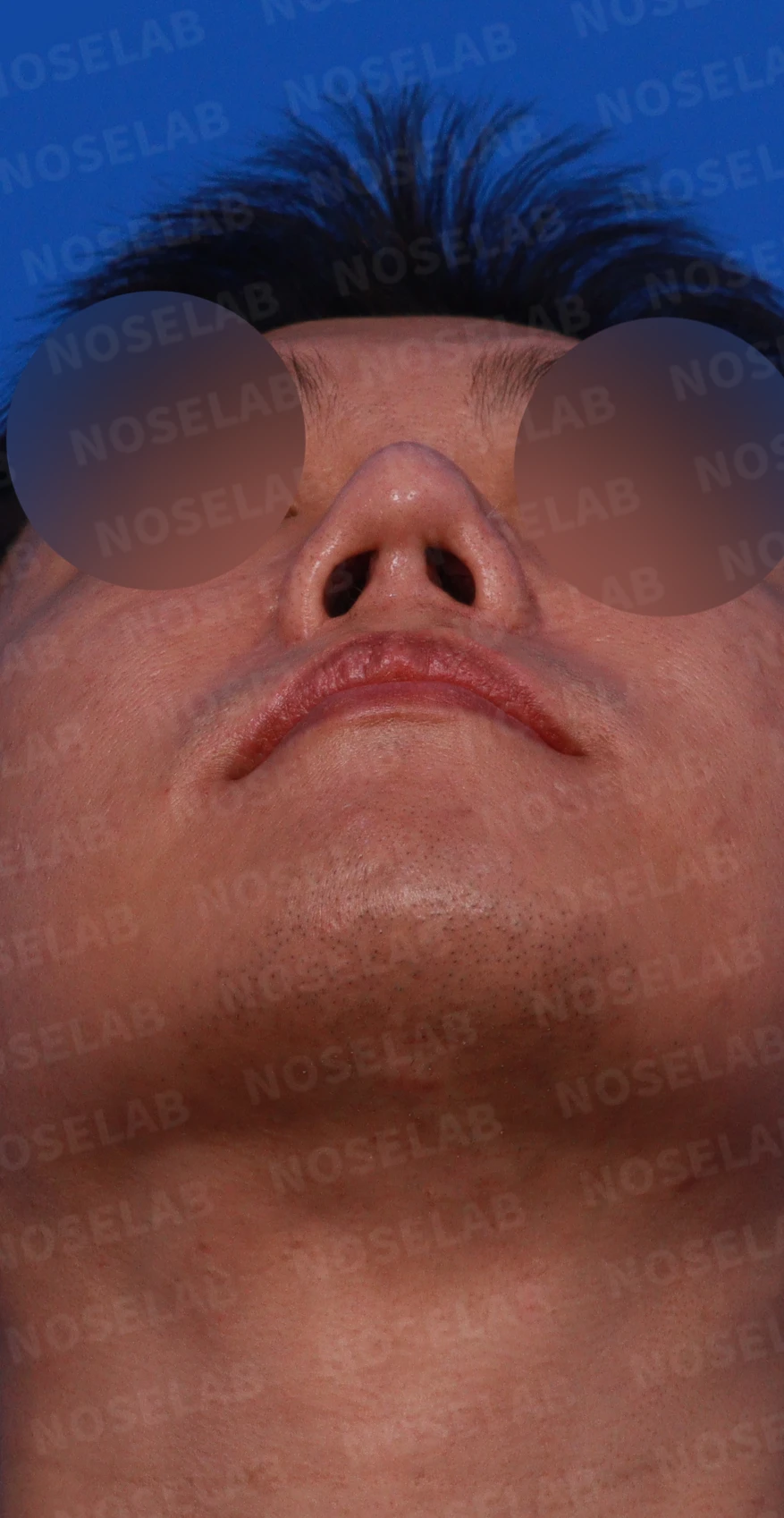
Right profile, oblique, and nostril views during design consultation.
🔧 Preoperative analysis
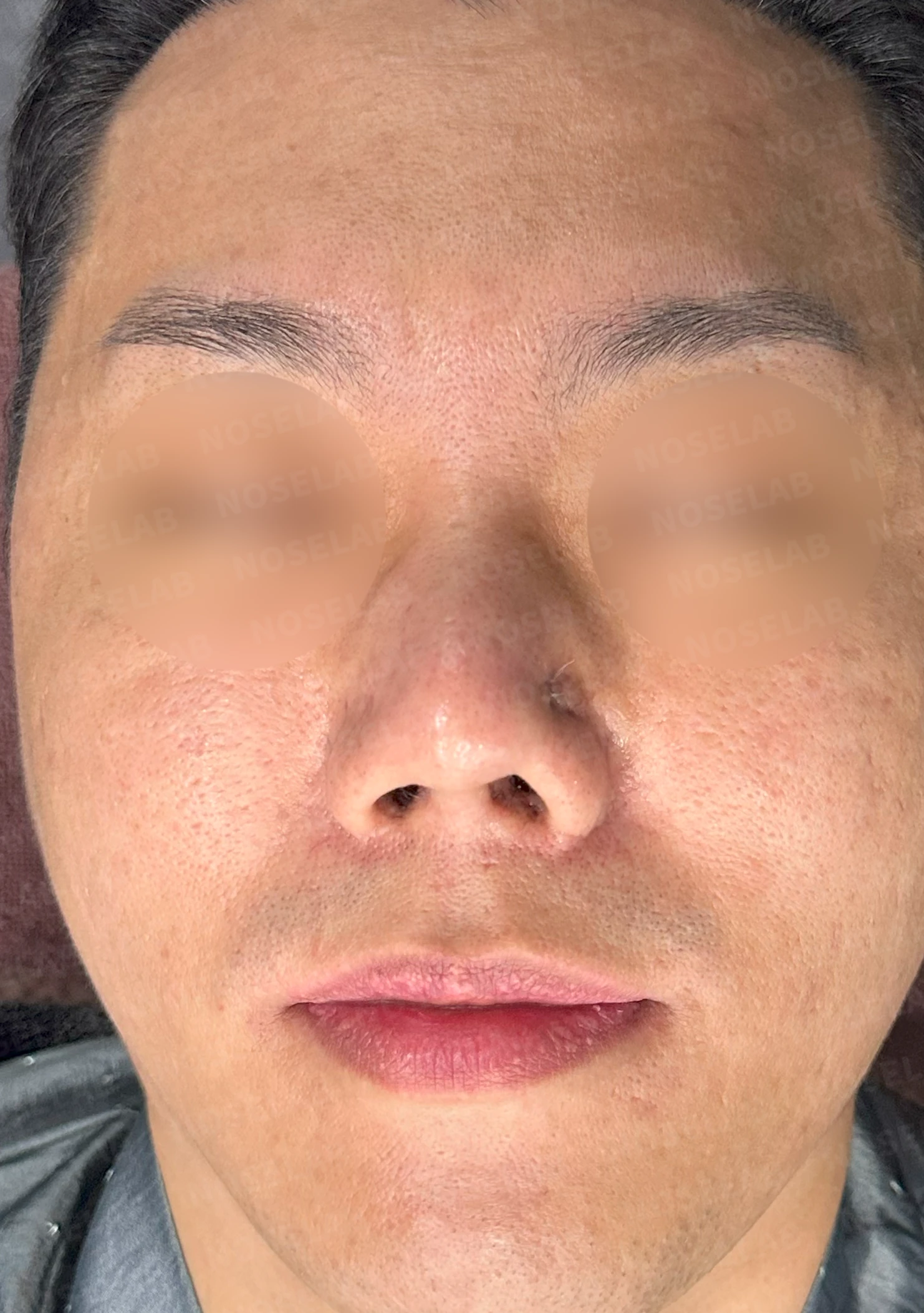
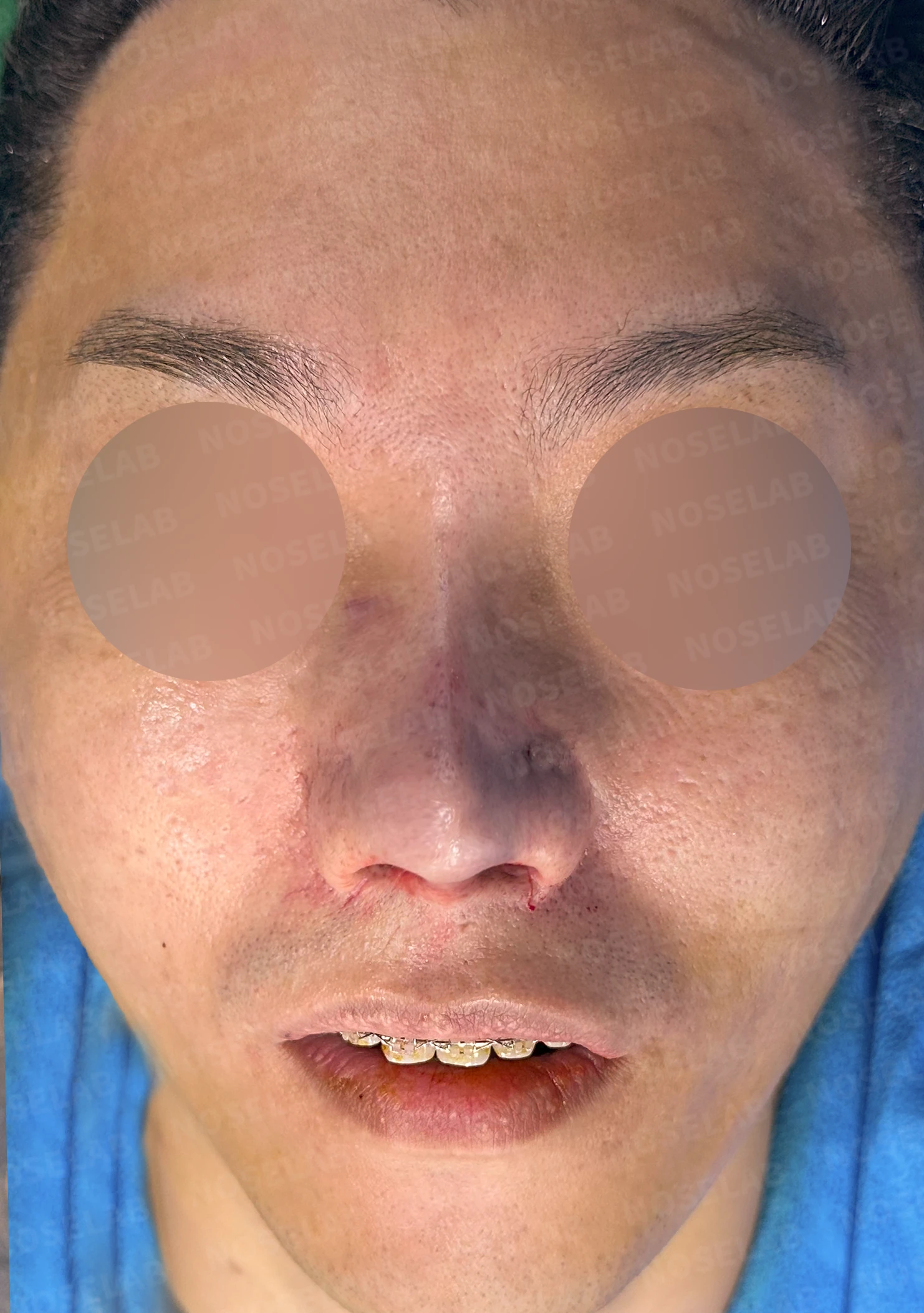
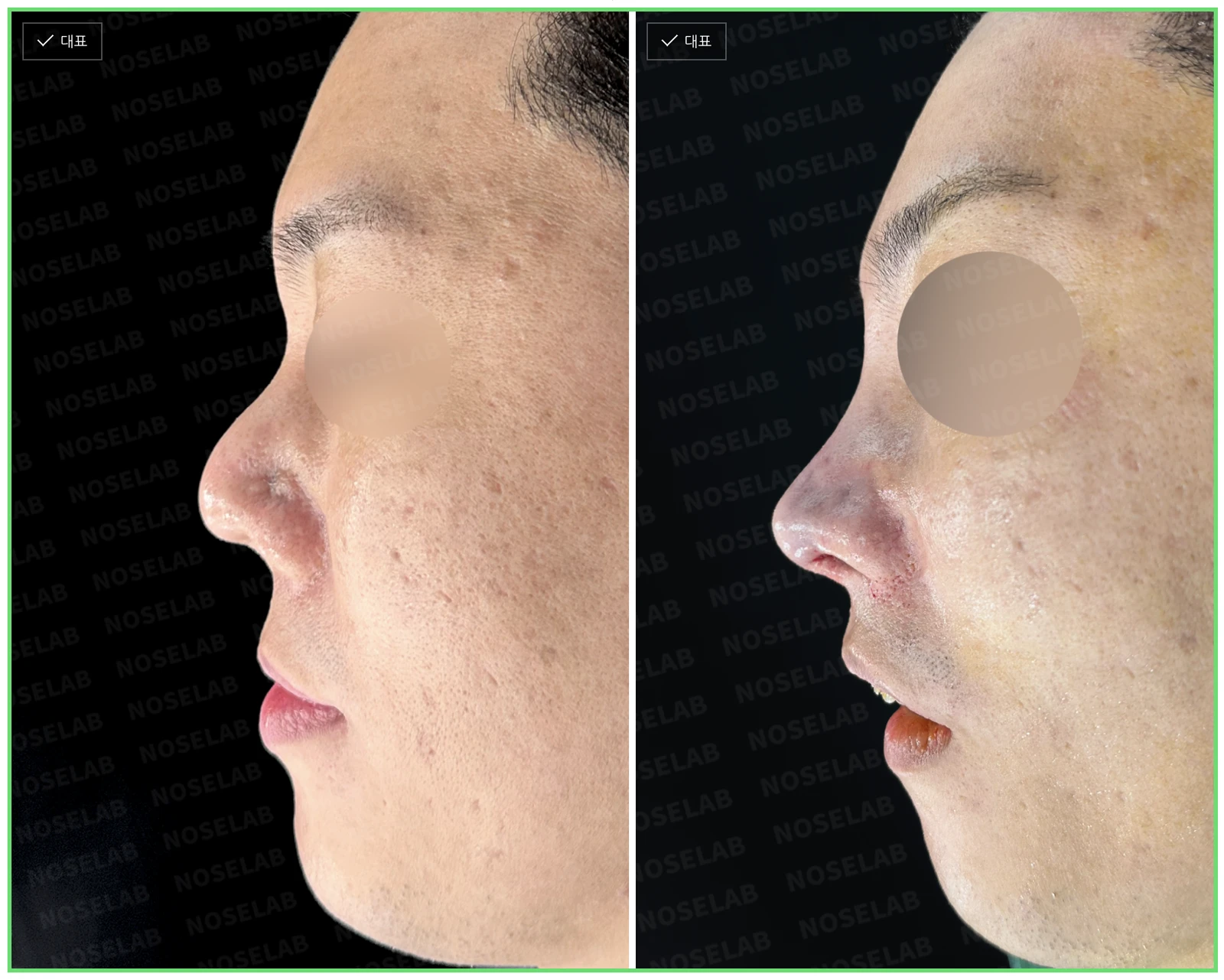
Before surgery / Day 0 immediately after surgery Photos taken immediately after surgery show swelling and may differ from the final result.
Front view
Widened nasal dorsum
Excessive nostril show
Nostril asymmetry
Short and deviated nose
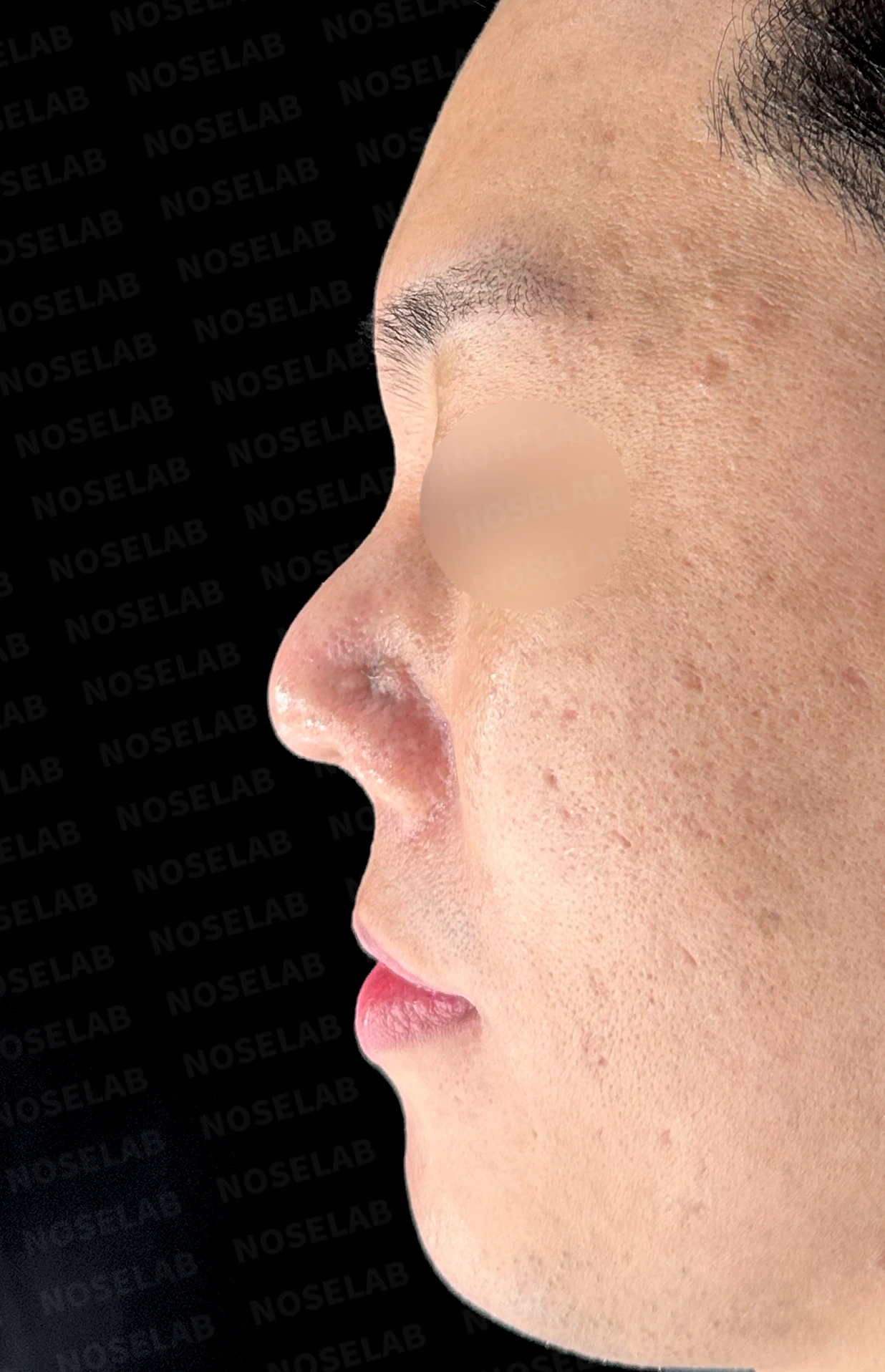
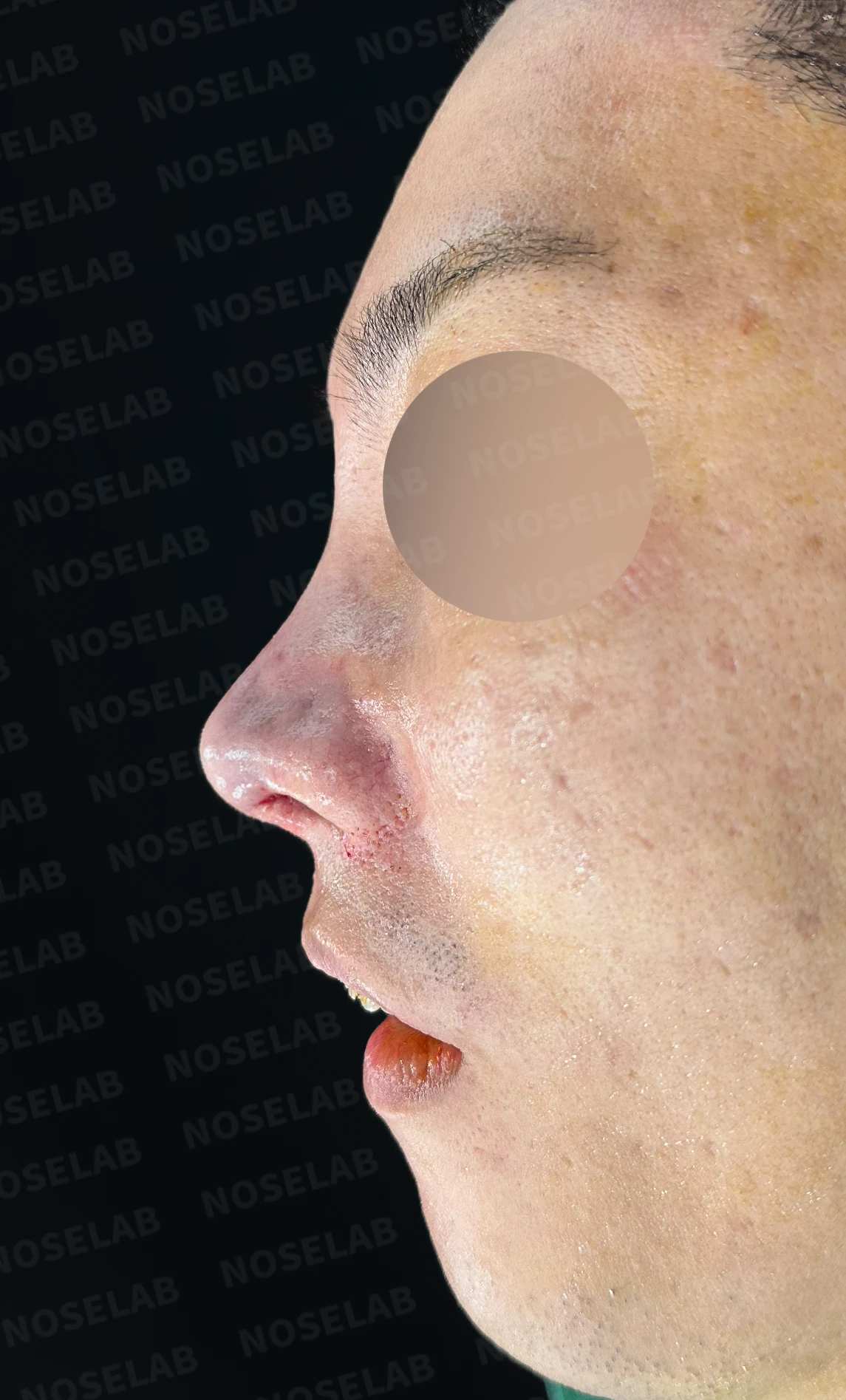
Before surgery / Day 0 immediately after surgery Photos taken immediately after surgery show swelling and may differ from the final result.
2. Profile view
Dorsal hump deformity (beak-like appearance)
Upturned nose
Retracted columella
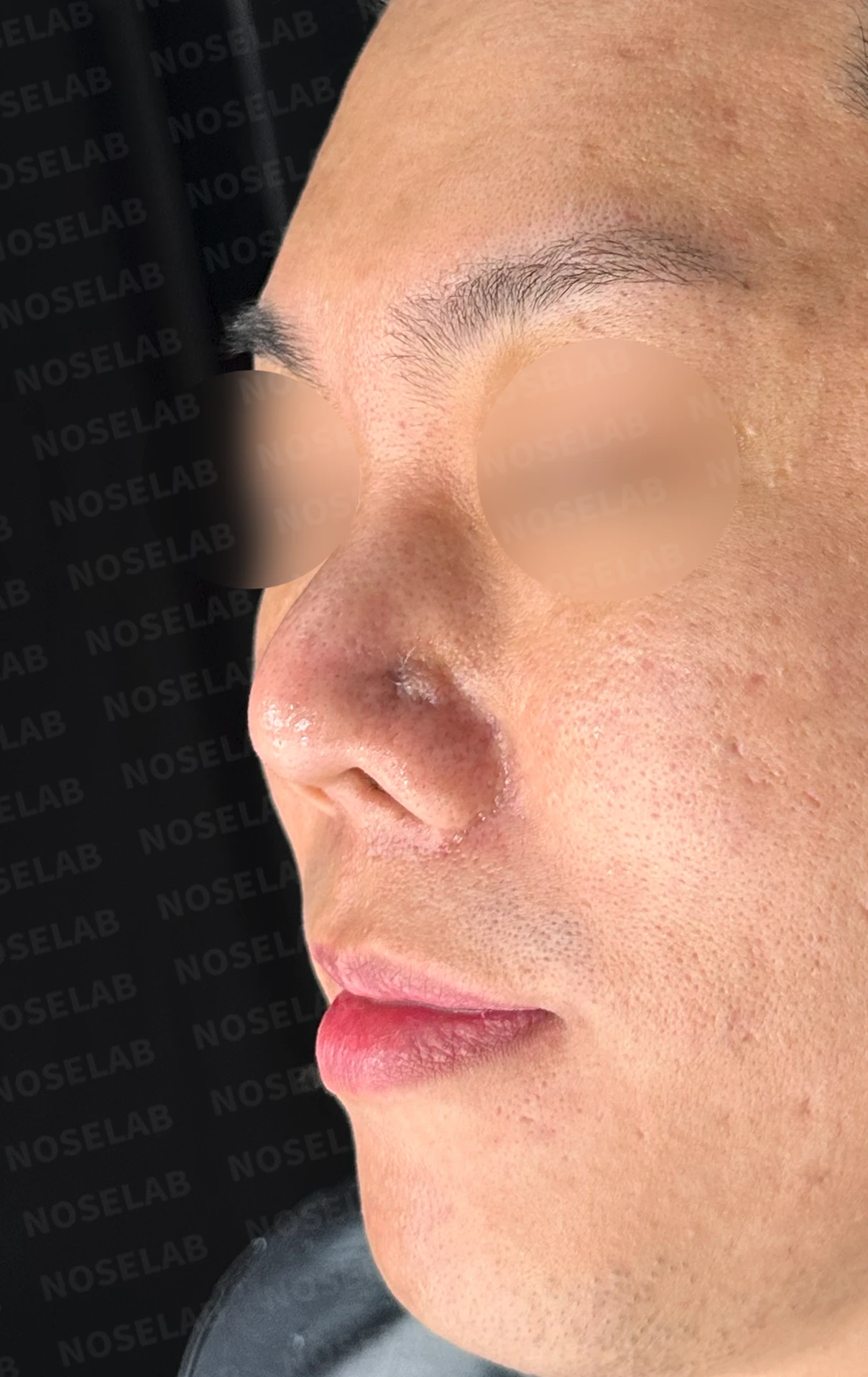
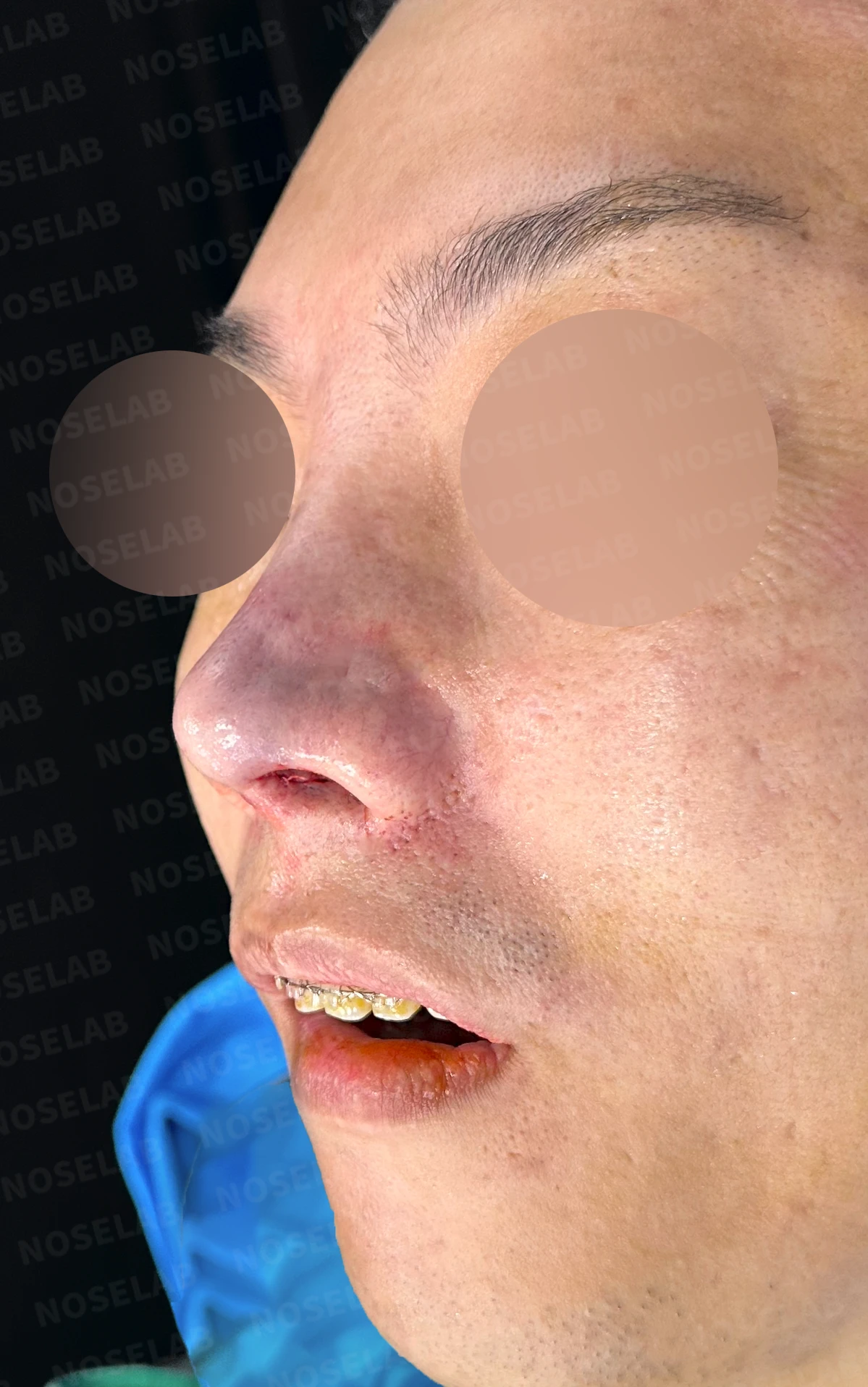
Before surgery / Day 0 immediately after surgery Photos taken immediately after surgery show swelling and may differ from the final result.
3. Nostrils
Left-right asymmetry
Columella tilted to the left
Bulbous nasal tip
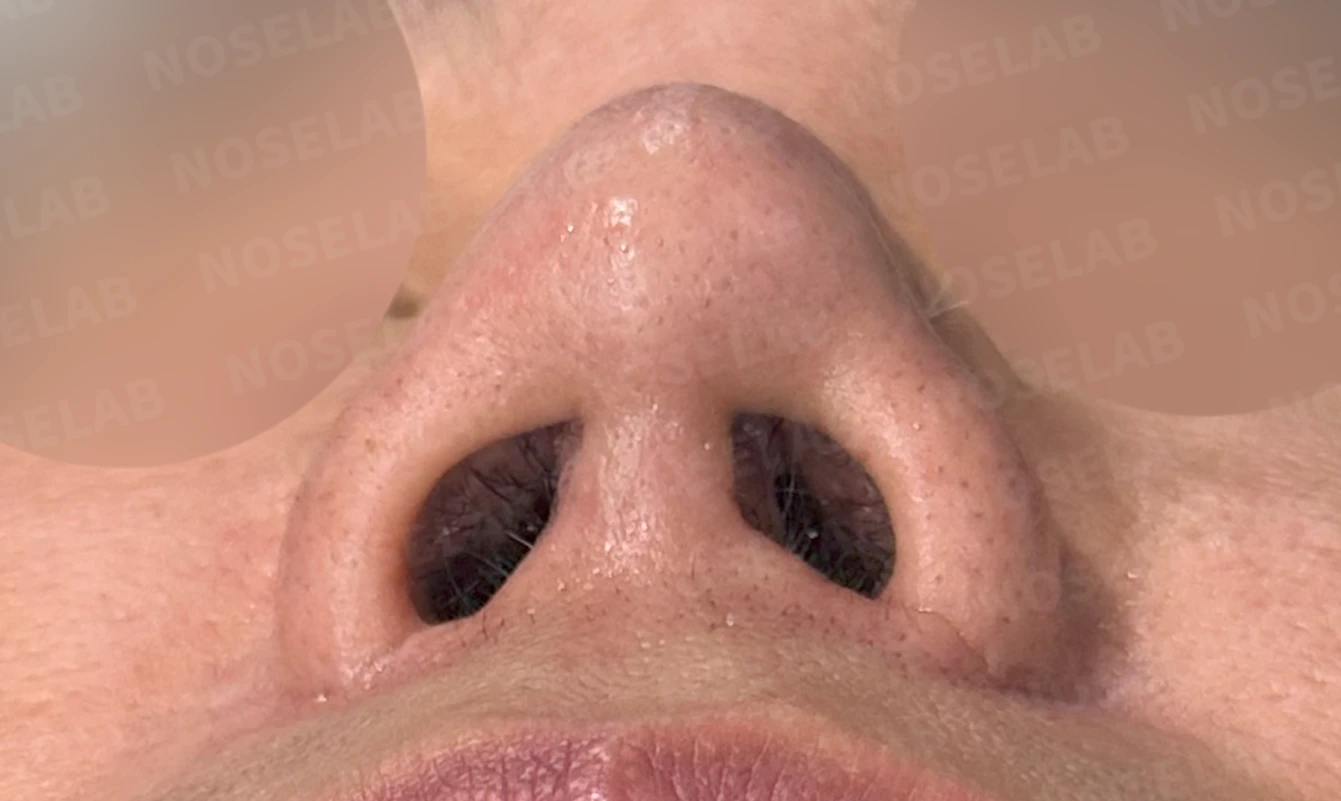
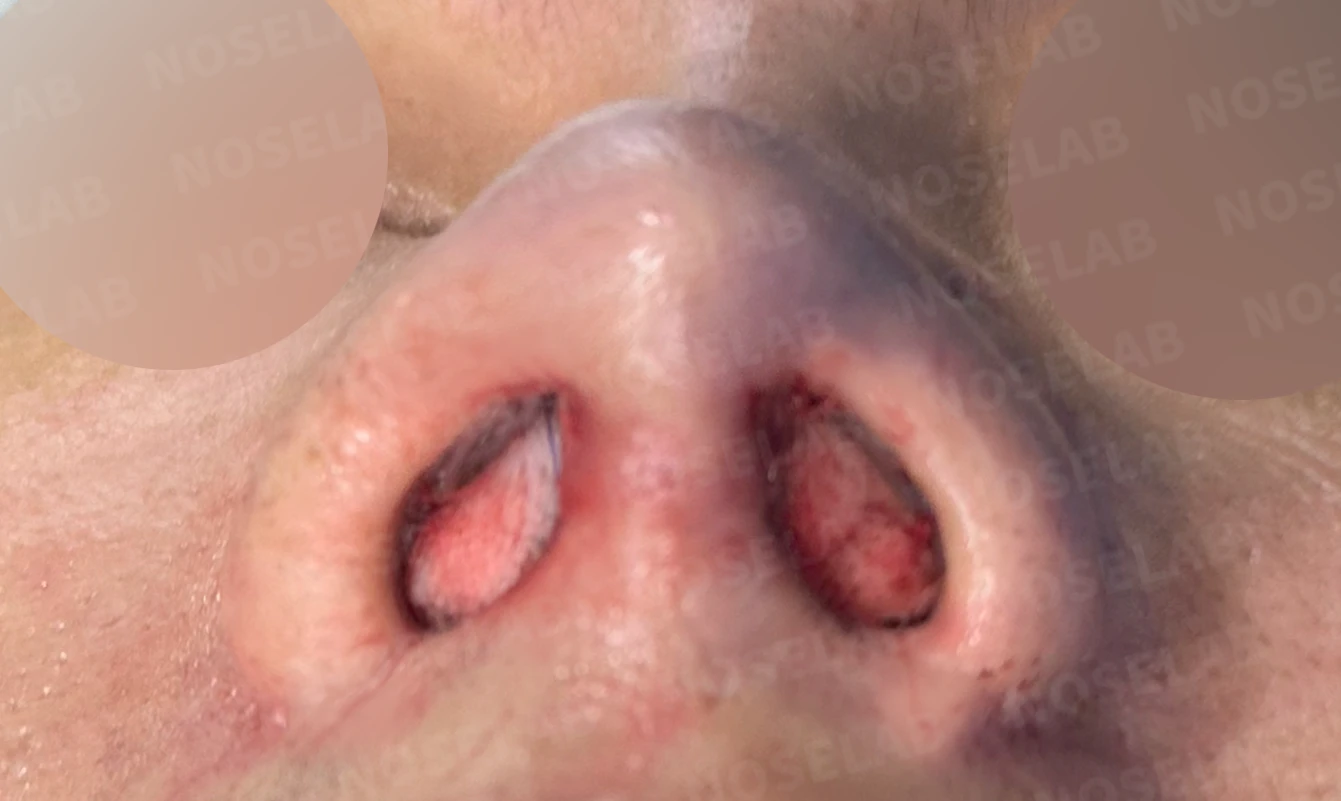
Before surgery / Day 0 immediately after surgery Photos taken immediately after surgery show swelling and may differ from the final result.
💉 Surgical details
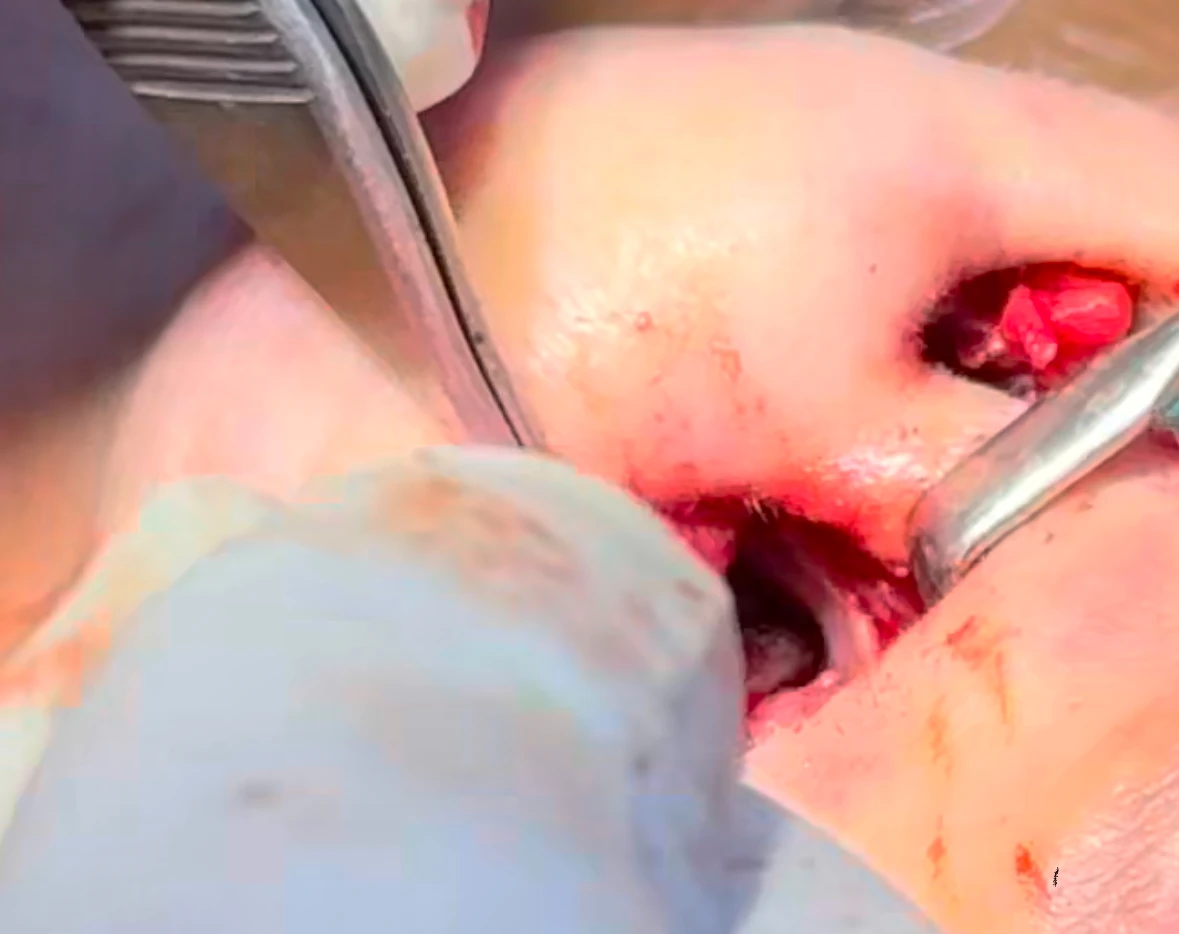
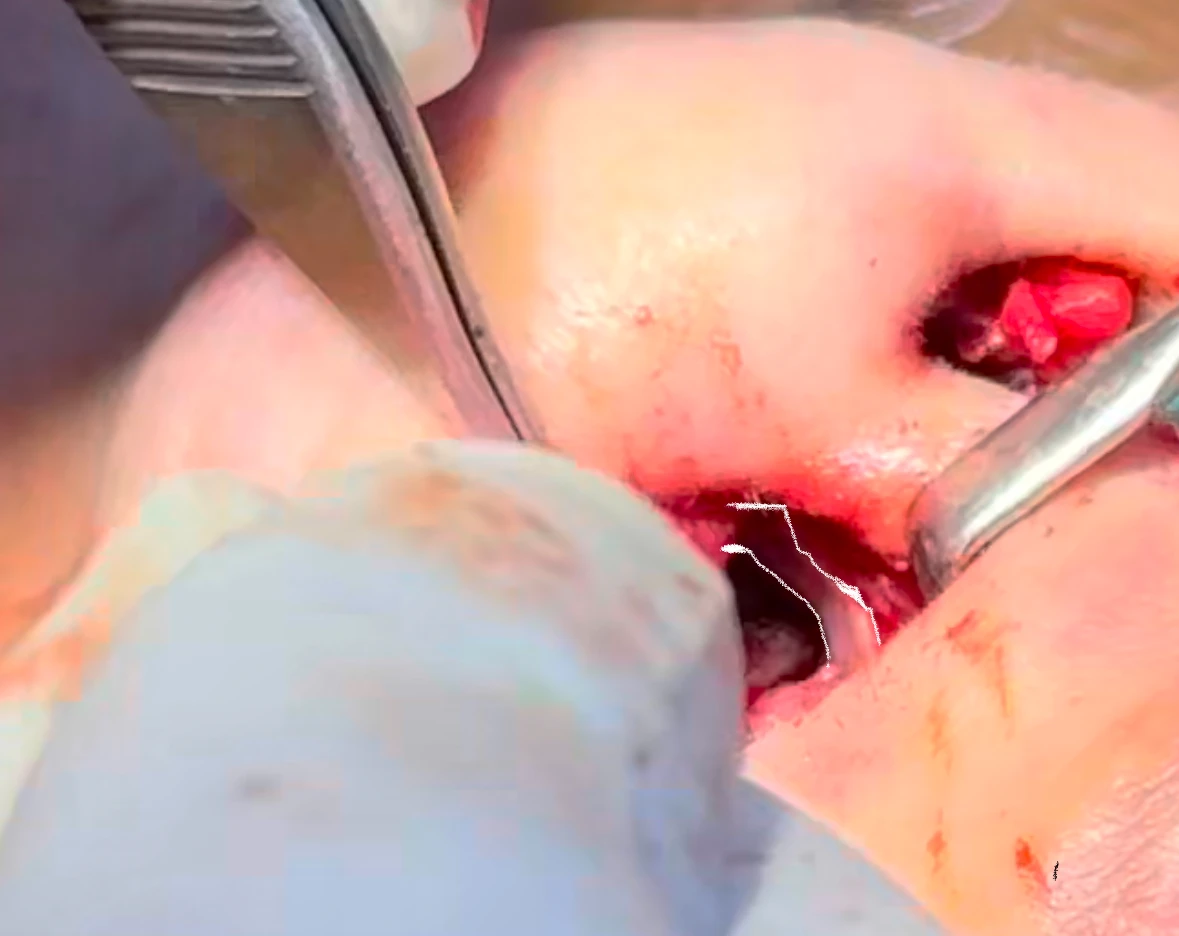
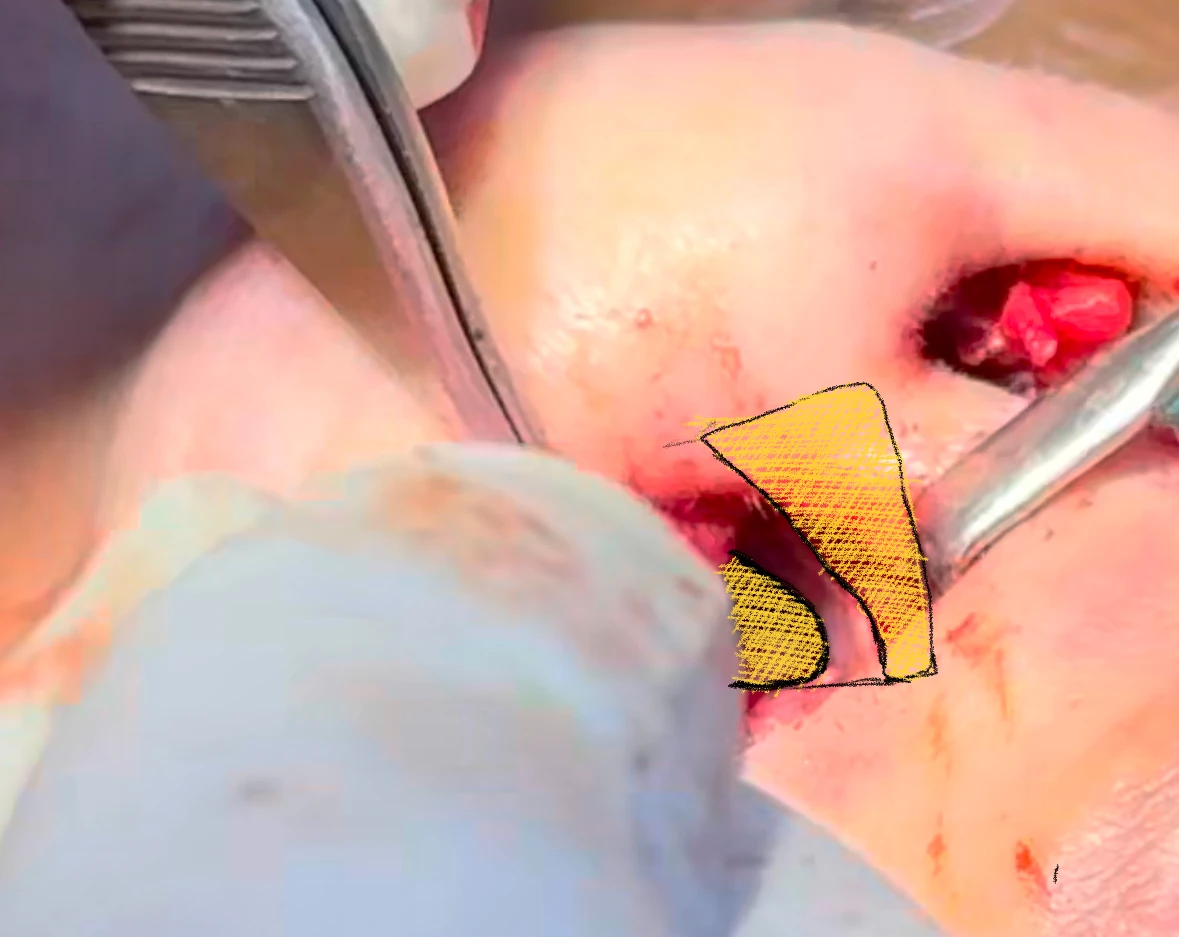
Condition of the septal cartilage identified during surgery
This shows the condition of the septal cartilage confirmed during surgery. The first photo shows the currently damaged septal cartilage, and the area marked in white in the second photo represents the remaining septal cartilage. The area marked in yellow represents the expected original extent of the septal cartilage. Because a significant portion of the septum was damaged, it appears to have caused deformities such as an upturned nasal tip and a retracted columella.
To address these issues, the following procedures were performed:
Structural reconstruction
Complete septal reconstruction using autologous rib cartilage
Removal of contracted scar tissue
Lower lateral cartilage reconstruction
Lowering the left nostril rim
2. Shape improvement
Correction of the widened bridge via lateral osteotomy
Dorsal augmentation with autologous rib cartilage
Correction of the upturned nose via septal extension
Columellar reconstruction
Correction of the nasolabial angle
3. Functional improvement
Correction of deviated septum
Radiofrequency submucosal resection of the inferior turbinate (rhinitis surgery)
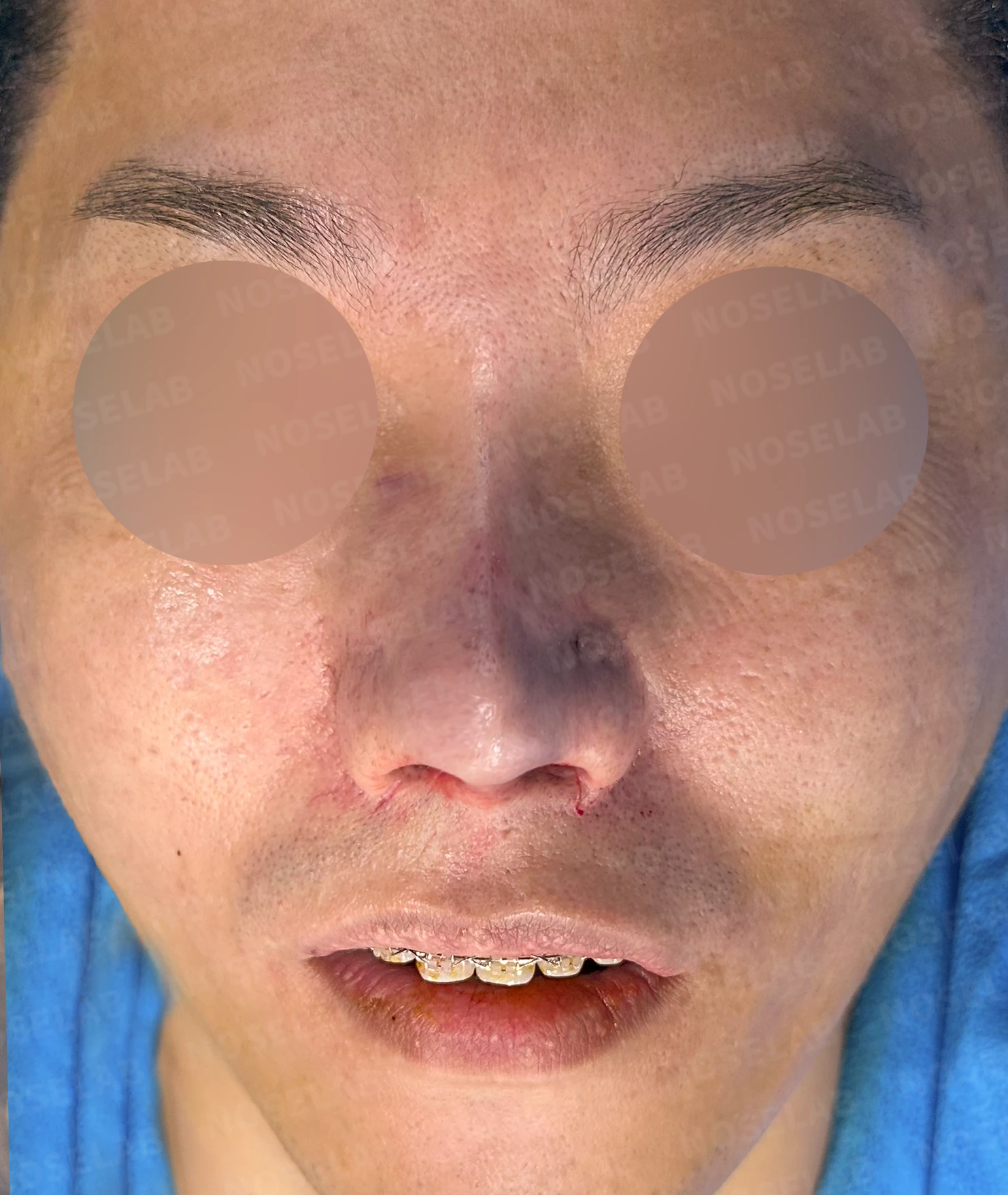
Immediately after surgery (Day 0) front, profile, and oblique viewsImmediate postoperative photos show swelling and may differ from the final result.
Nostril view on day 0 immediately after surgery Photos taken immediately after surgery show swelling and may differ from the final result.
💡 Specialist's opinion
In severe contracted nose reconstruction, the most critical step is to accurately identify the cause of contracture and thoroughly excise it. Contracted tissue should be excised as thoroughly as possible, and sufficient reconstruction of damaged cartilage must serve as the foundation, alongside meticulous postoperative management to prevent recurrent contracture.
In particular, the following treatments are actively considered to prevent re-contracture after surgery:
Stem cell injection therapy
Intravenous antibiotic therapy
Hyperbaric oxygen therapy
Helium laser therapy
A key characteristic of contracted nose reconstruction is that therapeutic and aesthetic aspects coexist. However, the top priority in this surgery is treatment and structural stabilization rather than mere cosmetic refinement. Just as a solid foundation is essential before building a beautiful structure, successful structural reconstruction greatly enhances the results of subsequent aesthetic procedures.
For this reason, in cases of severe contracted nose, it is common to take a staged approach dividing the process into a primary reconstructive surgery and a secondary aesthetic surgery. This is a strategic choice aimed at achieving a stable and reliable result with safety in mind.
I will continue to adhere to this systematic, specialized approach for the health and aesthetic outcome of our patients.
This was Dr. Peter C. Kang. Thank you.
Thank you.
#contractednosereconstruction #contractednosetreatment #autologousribcartilage #functionalrhinoplasty #customreconstruction #stagedrhinoplasty #complexrevisionrhinoplasty #nasalreconstructionspecialist #functionalnasalsurgery #structuralreconstruction #rhinoplastyplannedwithsafetyinmind #septalreconstruction #alarreconstruction #customrhinoplasty #specializedrhinoplasty #nasalobstructionrelief

Limitations and risks
When autologous rib cartilage is used, scarring and pain may remain at the donor site on the chest, and pneumothorax (pleural injury) can occur rarely. Over time, the grafted cartilage may warp or undergo partial resorption.
When revising after implant removal, contracture may progress again after removal, the nasal height and length may decrease, and staged surgery may be necessary depending on the skin condition.
When the septum is corrected at the same time, nasal obstruction may persist or recur, and in rare cases, septal perforation or changes in smell may occur.
Common potential risks include infection, bleeding, asymmetry, scarring, skin necrosis, and insufficient improvement; results vary depending on individual skin condition and previous surgical history.