Hello, I am Dr. Peter C. Kang.
Today, I would like to introduce a surgical case of nasal obstruction improvement and contracted nose correction.
In this type of case, the patient was experiencing discomfort due to a contracted nose and nasal obstruction that developed after multiple rhinoplasty procedures.
In particular, an upturned nose, columellar retraction, and excessive nostril show were the main concerns.
1. Preoperative design consultation
Let us analyze the patient's preoperative condition in detail:
Front view:
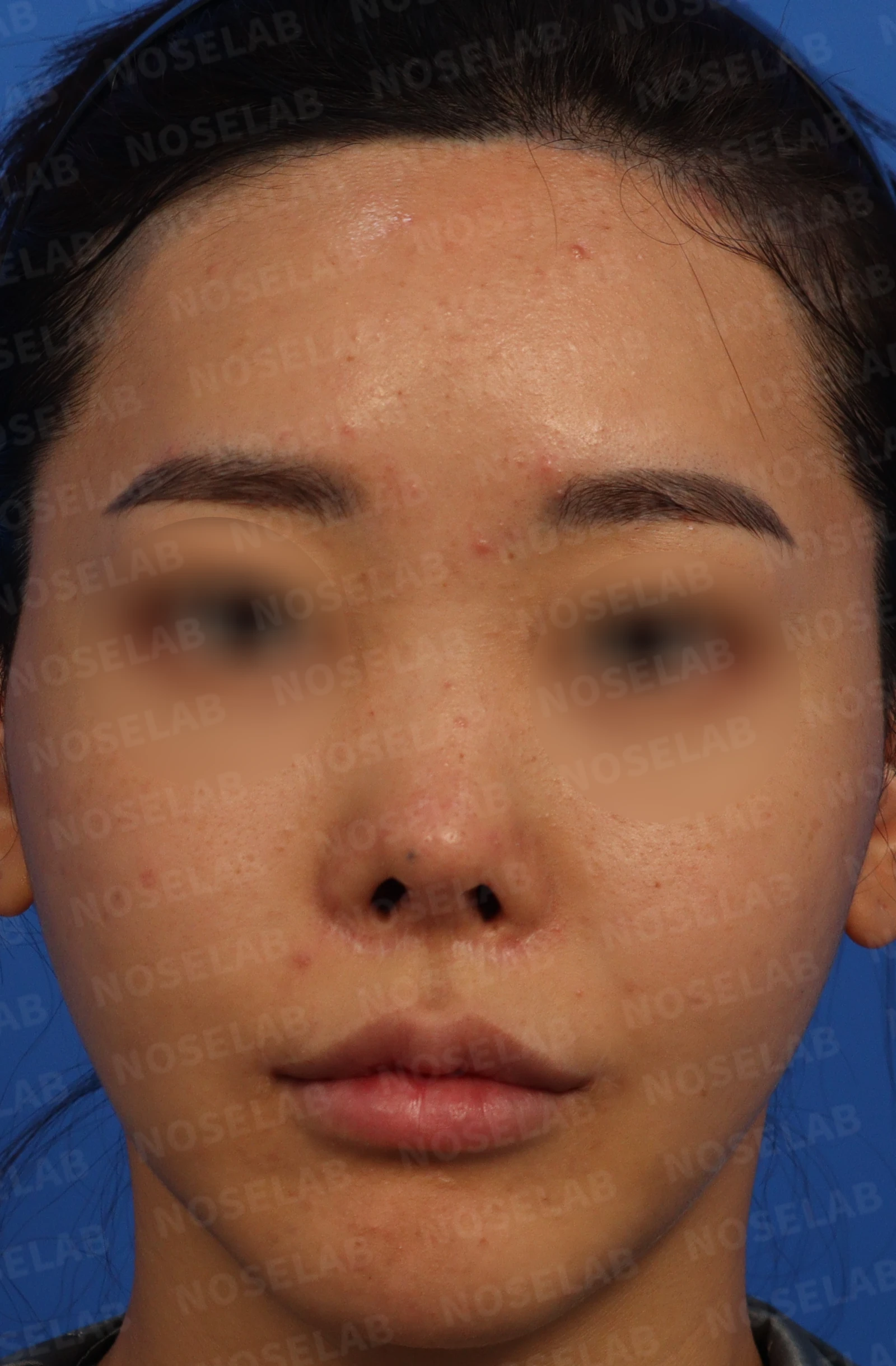
Front view
- Excessive nostril show
- Short nose
- Nasal bone asymmetry observed
- Nasal bridge appears flat (status post nasal bridge implant removal)
Profile view:
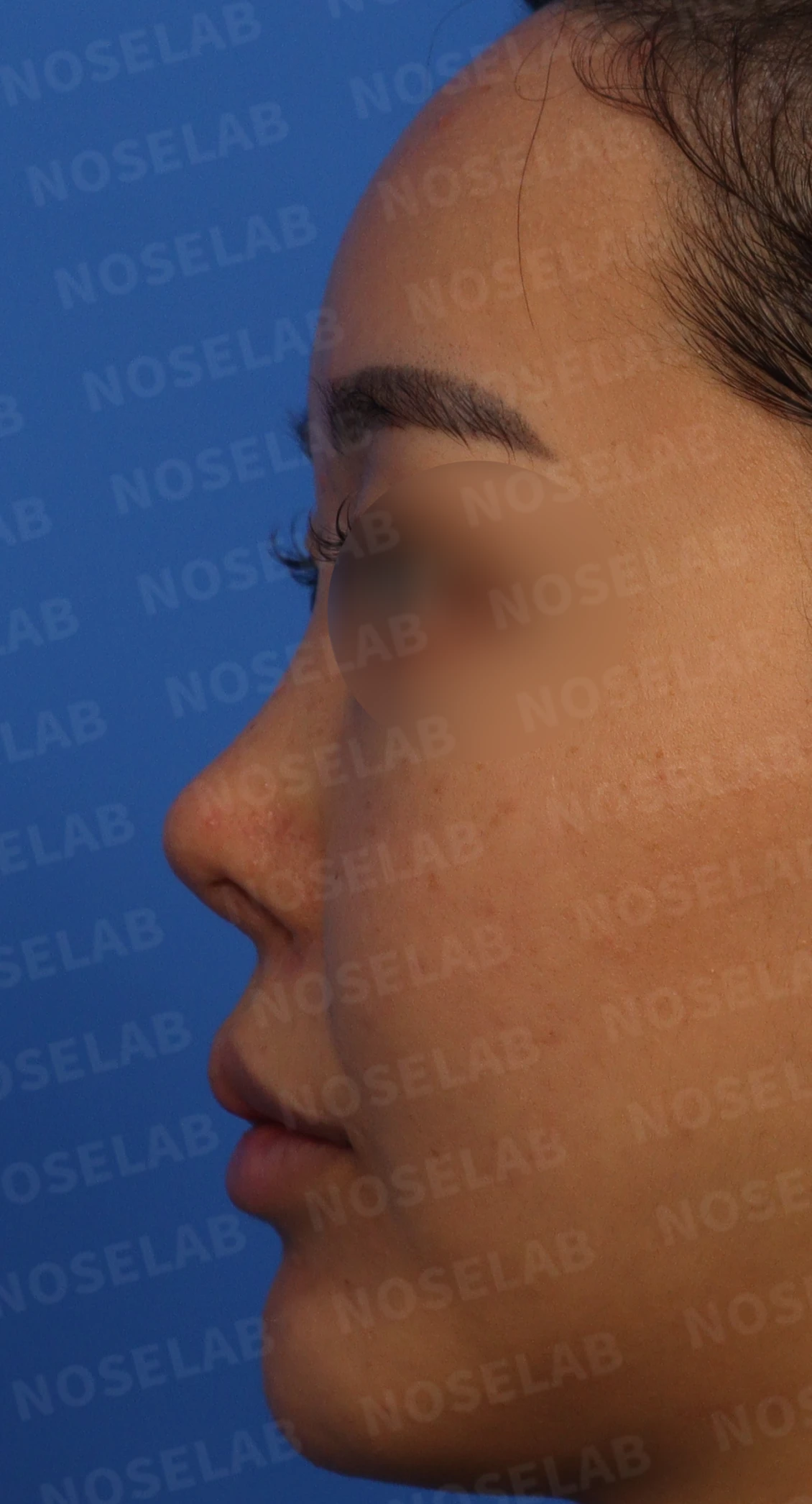
Profile view
- Dorsal line appears unnatural and the nasal tip appears upturned
- Large nasolabial angle (angle between the nose and upper lip)
- Nostril shape appears unnatural in profile view (area of dissatisfaction)
Oblique view:
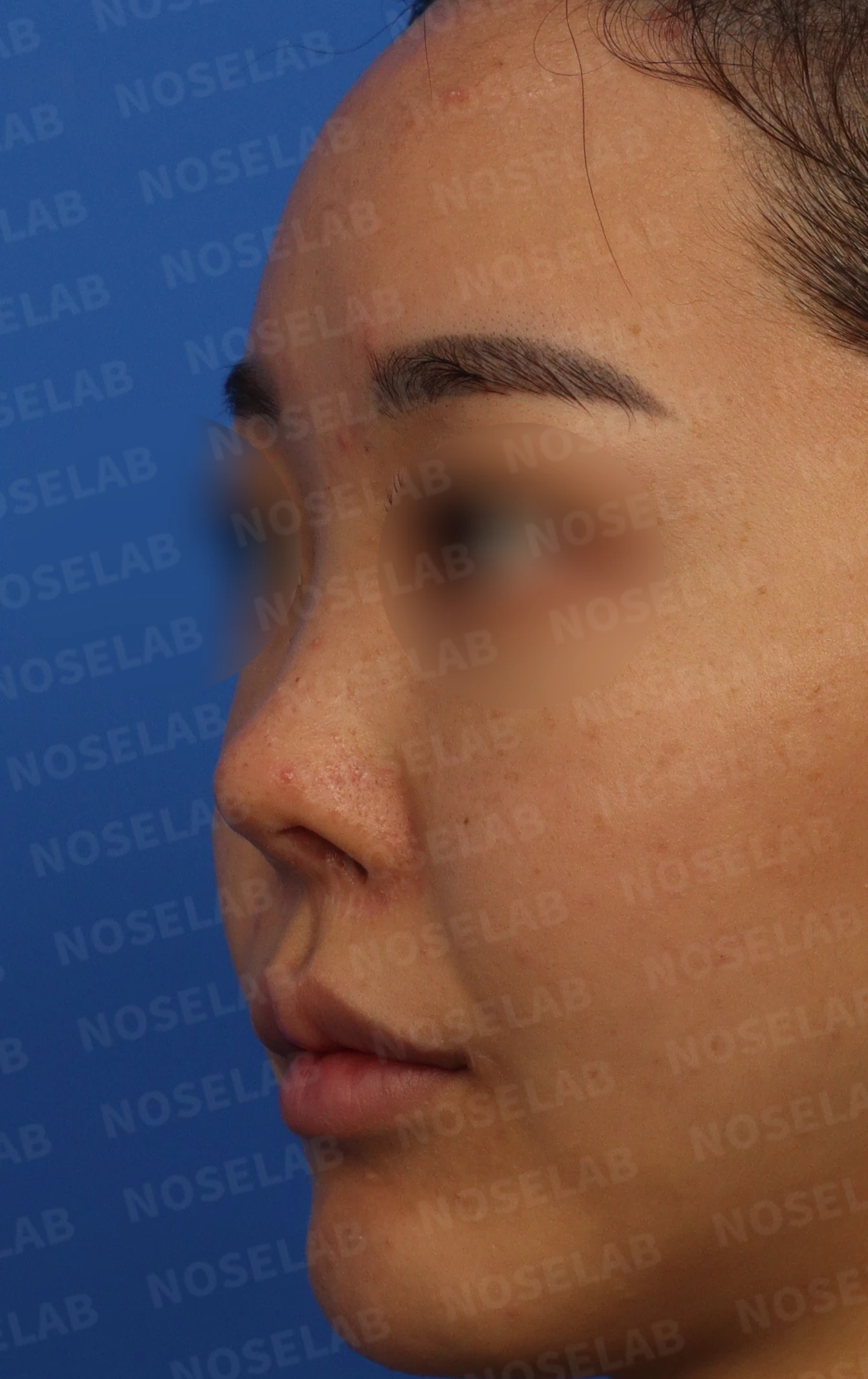
Oblique view
- Nasal bridge is significantly depressed
- The nasal tip appears upturned
Nostrils:
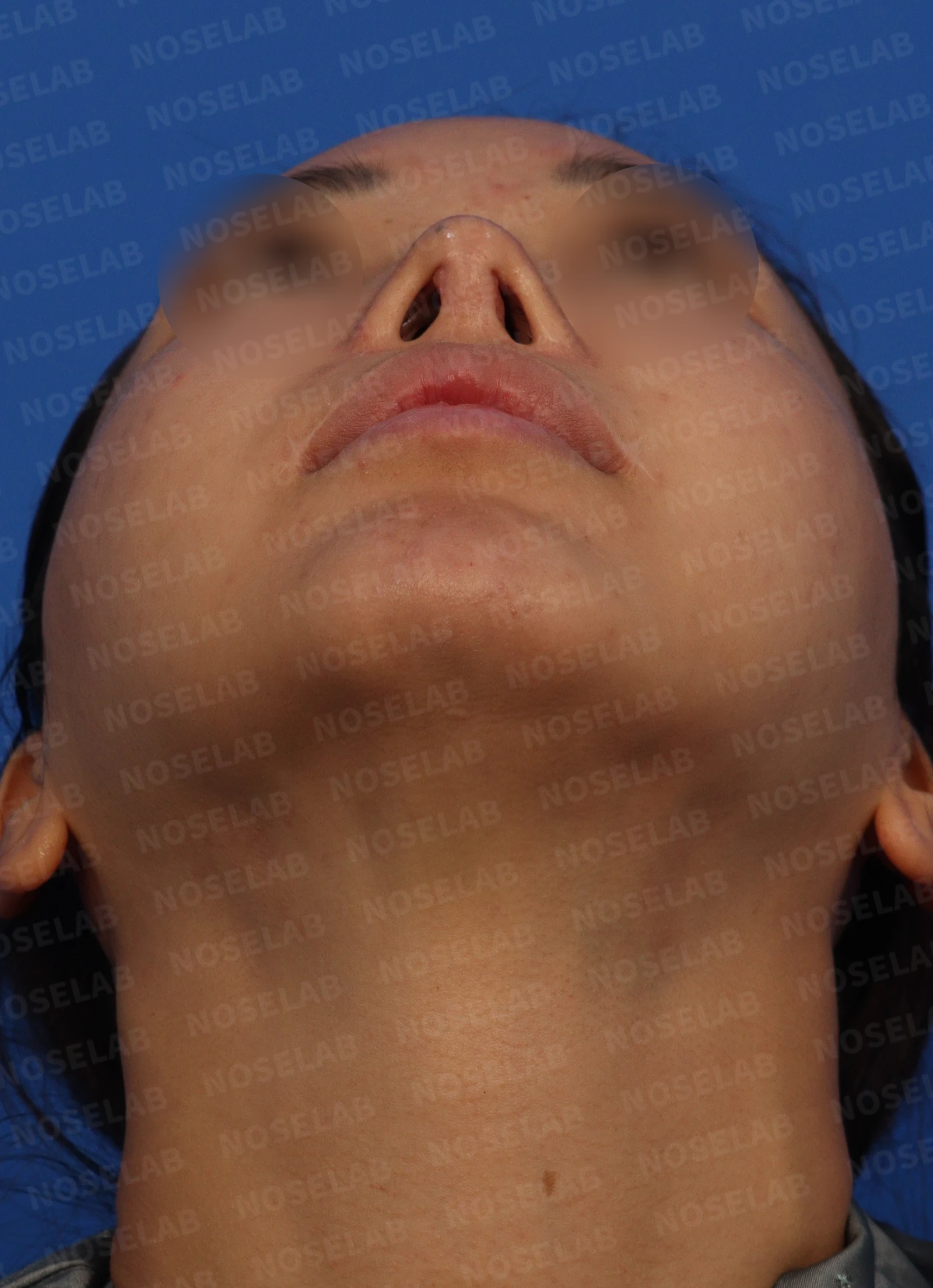
Nostril photo
- Columella has become significantly thickened
- Nostril asymmetry is observed
- Visible scar tissue on both sides of the columella
Patient's main requests:
1. Correction of upturned nose
2. Correction of columellar retraction
3. Improvement of nostril show from the front view
4. Relief of nasal obstruction
5. Improvement of nostril shape in profile view
Surgical history:
- 10 years ago: Silicone implant + ear cartilage surgery
- 8 years ago: Septal cartilage + silicone implant surgery
- 5 years ago: Silicone implant + donor rib cartilage + alar reduction
- 1 year ago: Autologous rib cartilage + silicone implant + philtrum reduction surgery
2. Surgical plan
Taking into account the patient's condition and requests, the following surgical plan was established:
a) First surgery: Silicone implant removal following diagnosis of a contracted nose
b) 3 sessions of stem cell therapy over 3 months
c) Second surgery: Rhinoplasty using autologous rib cartilage
d) Lateral nasal osteotomy
e) Septoplasty
f) Submucosal resection of the inferior turbinates using radiofrequency
g) Septal cartilage reconstruction according to the status of the septum
3. Surgical procedure
The following procedures were performed using a closed approach:
a) First surgery: Removal of the silicone implant (treatment for contracture)
- The previously placed silicone implant was removed safely.
b) Initiating stem cell therapy while removing foreign material from the nose:
- A total of 3 stem cell therapy sessions were performed over 3 months before surgery.
c) Autologous rib cartilage harvest and grafting:
- The patient's rib cartilage was harvested and used for nasal tip reconstruction. Septal cartilage reconstruction and septal extension were performed.
d) Lateral nasal osteotomy:
- Performed to improve the widened and asymmetric nasal bones.
e) Septoplasty:
- The septum was straightened to relieve severe nasal obstruction.
- Upon intraoperative evaluation, almost no septal cartilage remained, so septal cartilage reconstruction was performed concurrently.
f) Submucosal resection of the inferior turbinates:
- Using a high-frequency radiofrequency device, the volume of the hypertrophied inferior turbinate tissue was reduced to improve nasal obstruction symptoms.
g) Nasal tip correction:
- Through septal reconstruction and septal extension, the upturned nasal tip was naturally lowered and its shape was improved.
h) Columellar reconstruction:
- The retracted columella was reconstructed to improve the overall balance of the nose.
All procedures were performed using a closed approach, completing the surgery without external scars.
4. Comparison of before-and-after photos
Comparing photos taken immediately after surgery on day 0 shows the following improvements: Photos taken immediately after surgery show swelling and may differ from the final result.
Front view:
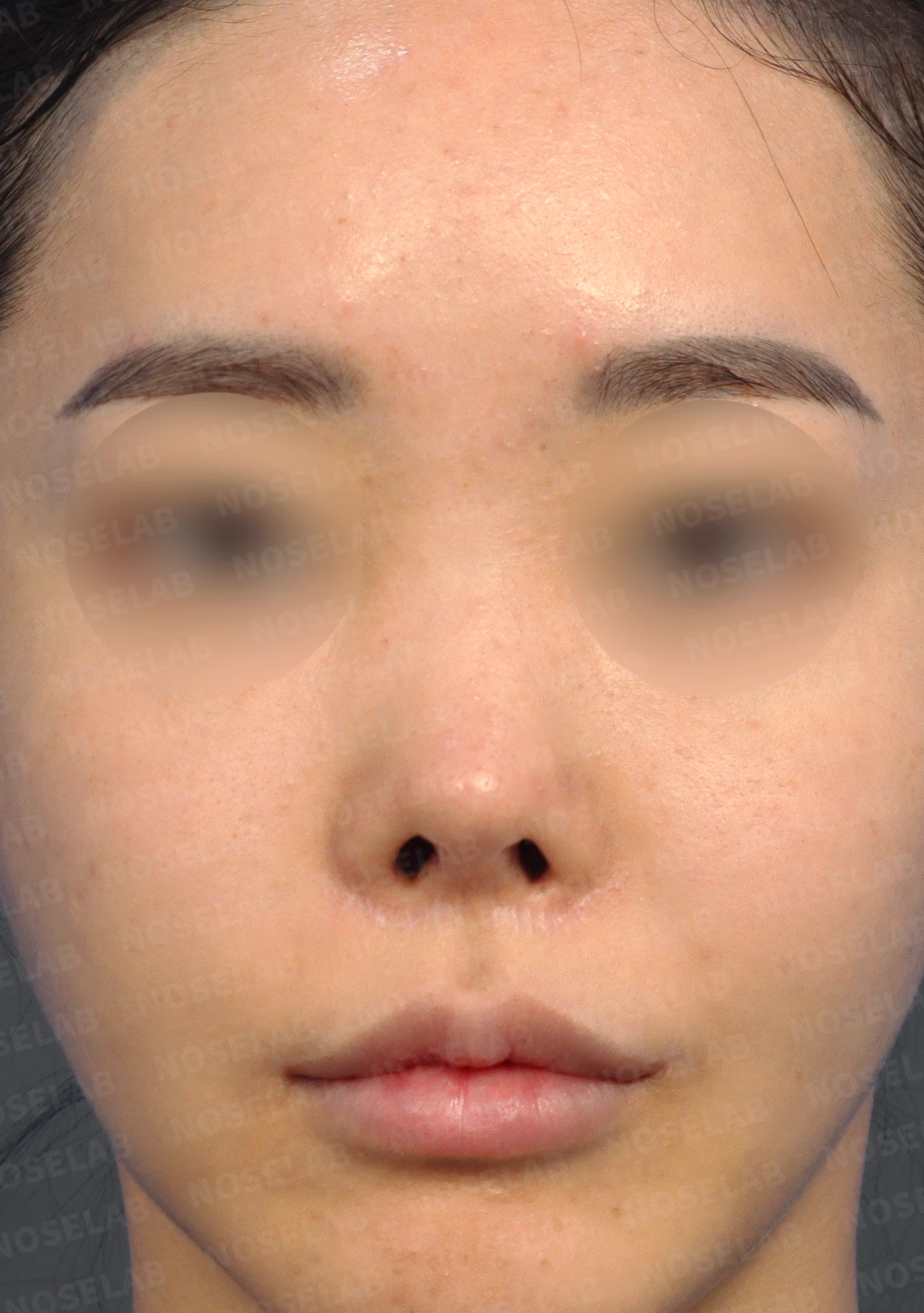
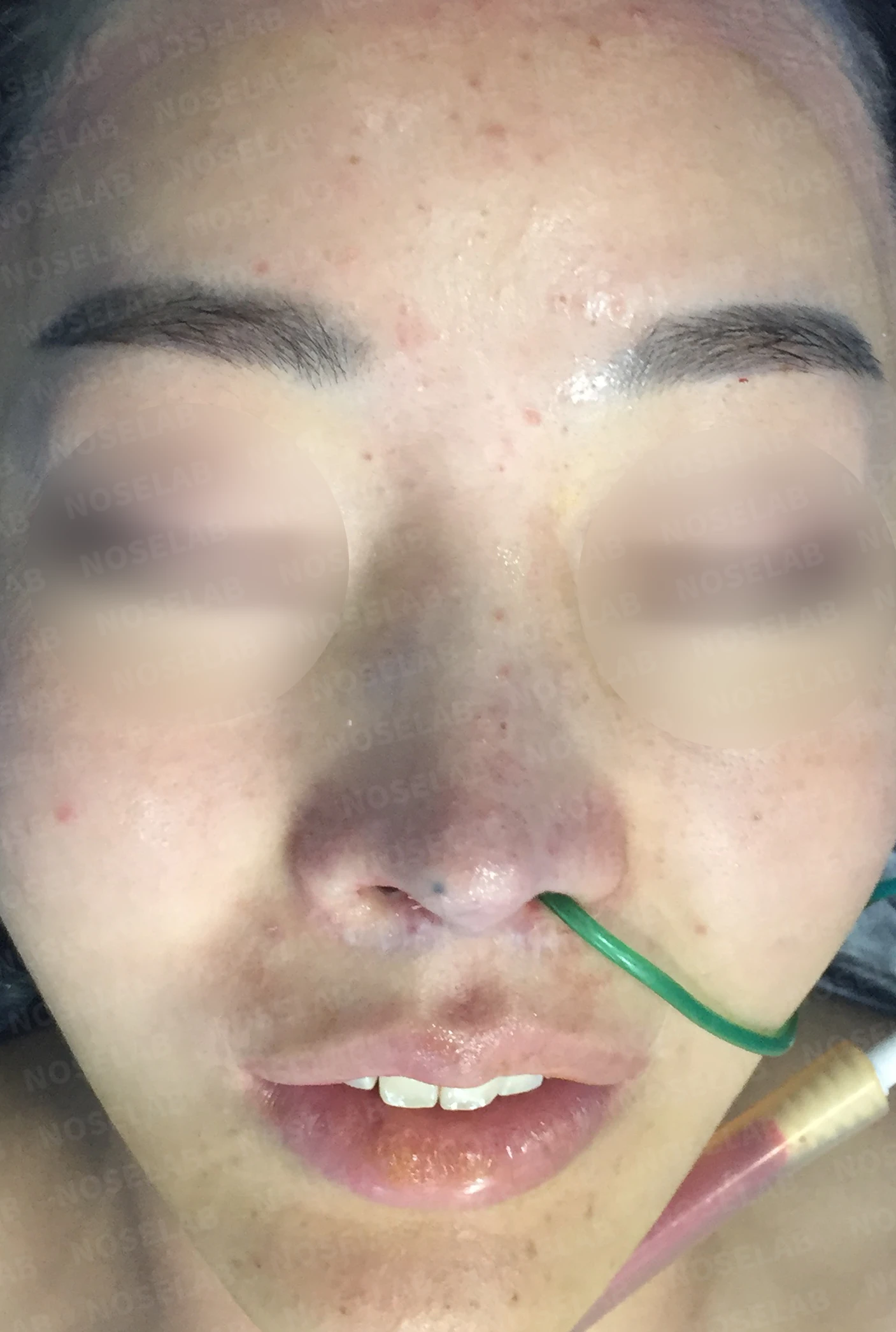
Before surgery / Day 0 immediately after surgery Photos taken immediately after surgery show swelling and may differ from the final result.
- Excessive nostril show was appropriately reduced.
- The nose that previously appeared short was lengthened, improving overall facial proportions.
- Nasal bone asymmetry was corrected, creating a more balanced appearance.
- The flat nasal bridge gained a natural shape.
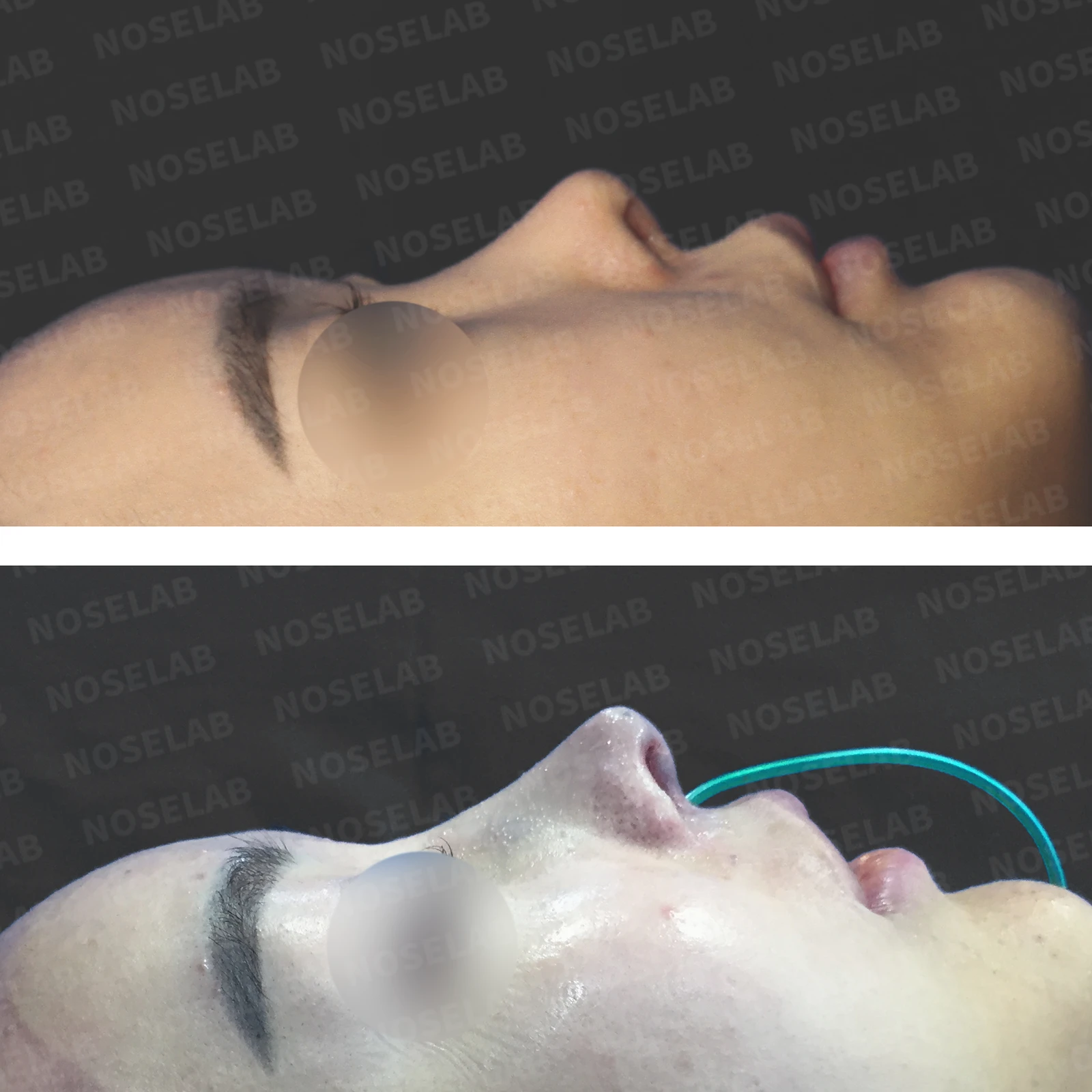
Profile view:
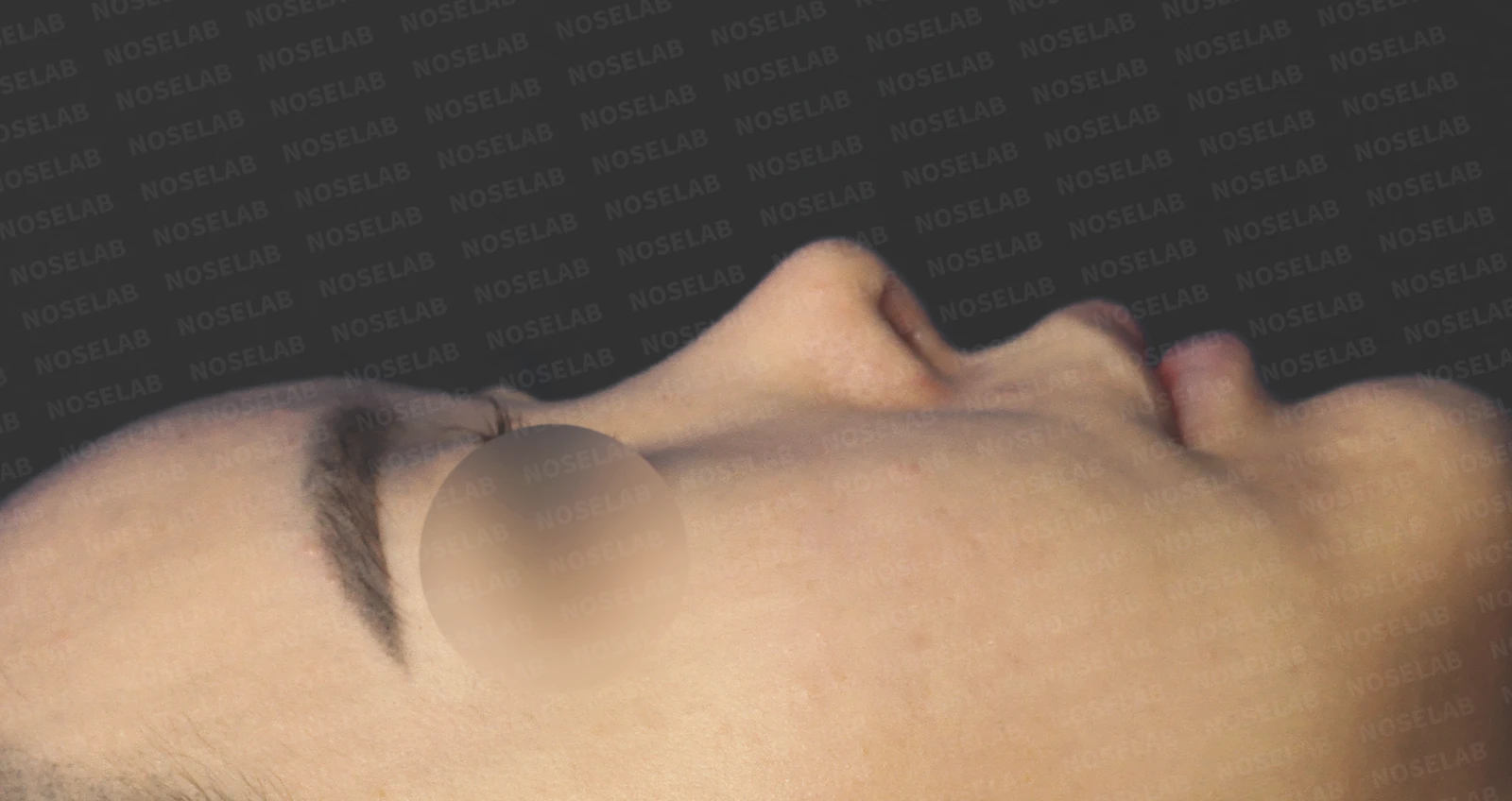
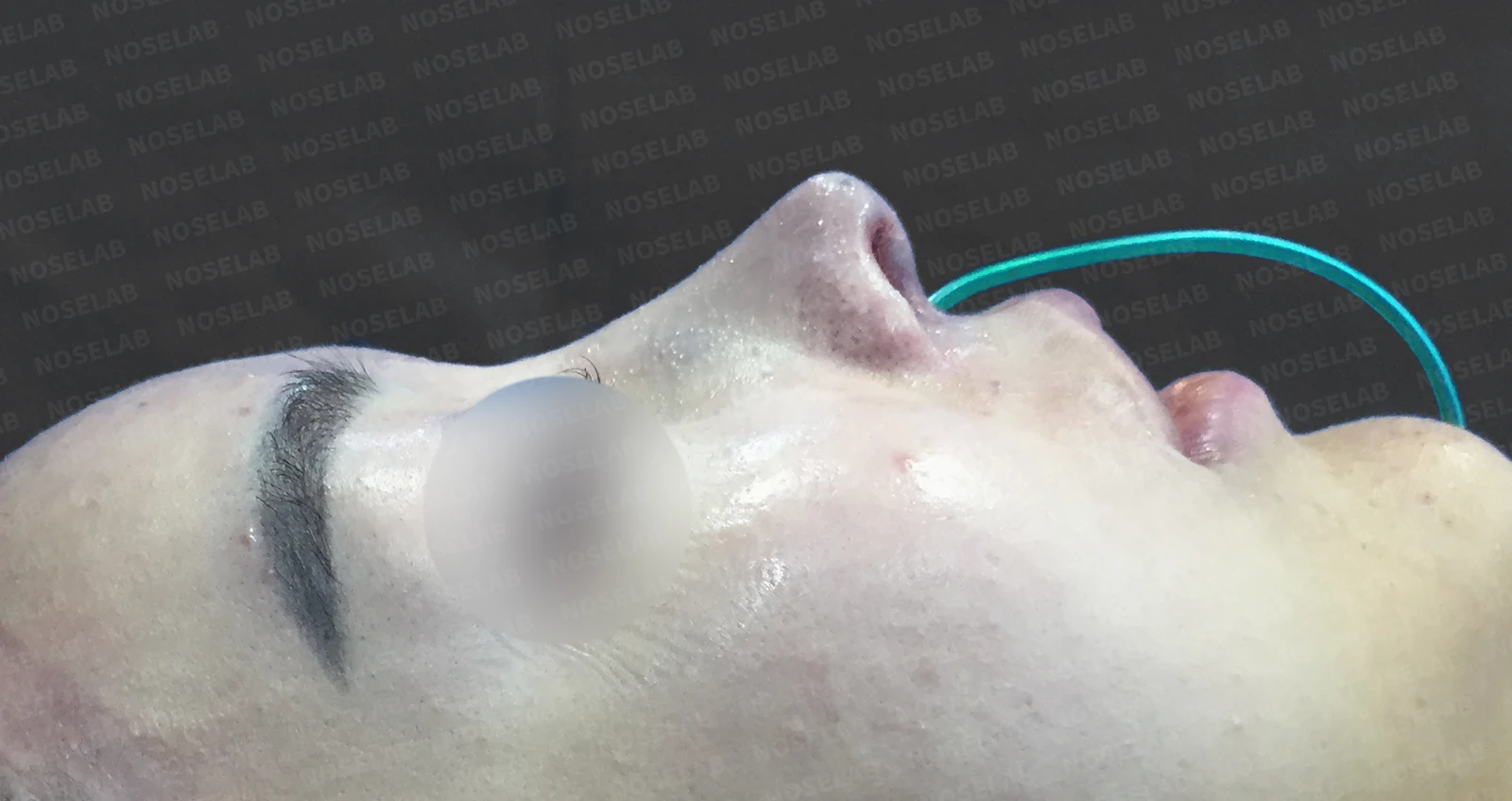
Before surgery / Day 0 immediately after surgery Photos taken immediately after surgery show swelling and may differ from the final result.
- The unnatural and upturned bridge line became smooth and natural.
- The wide nasolabial angle was appropriately adjusted, improving the harmony between the nose and lips.
- The nostril shape visible in profile view was improved to look more natural.
Oblique view:
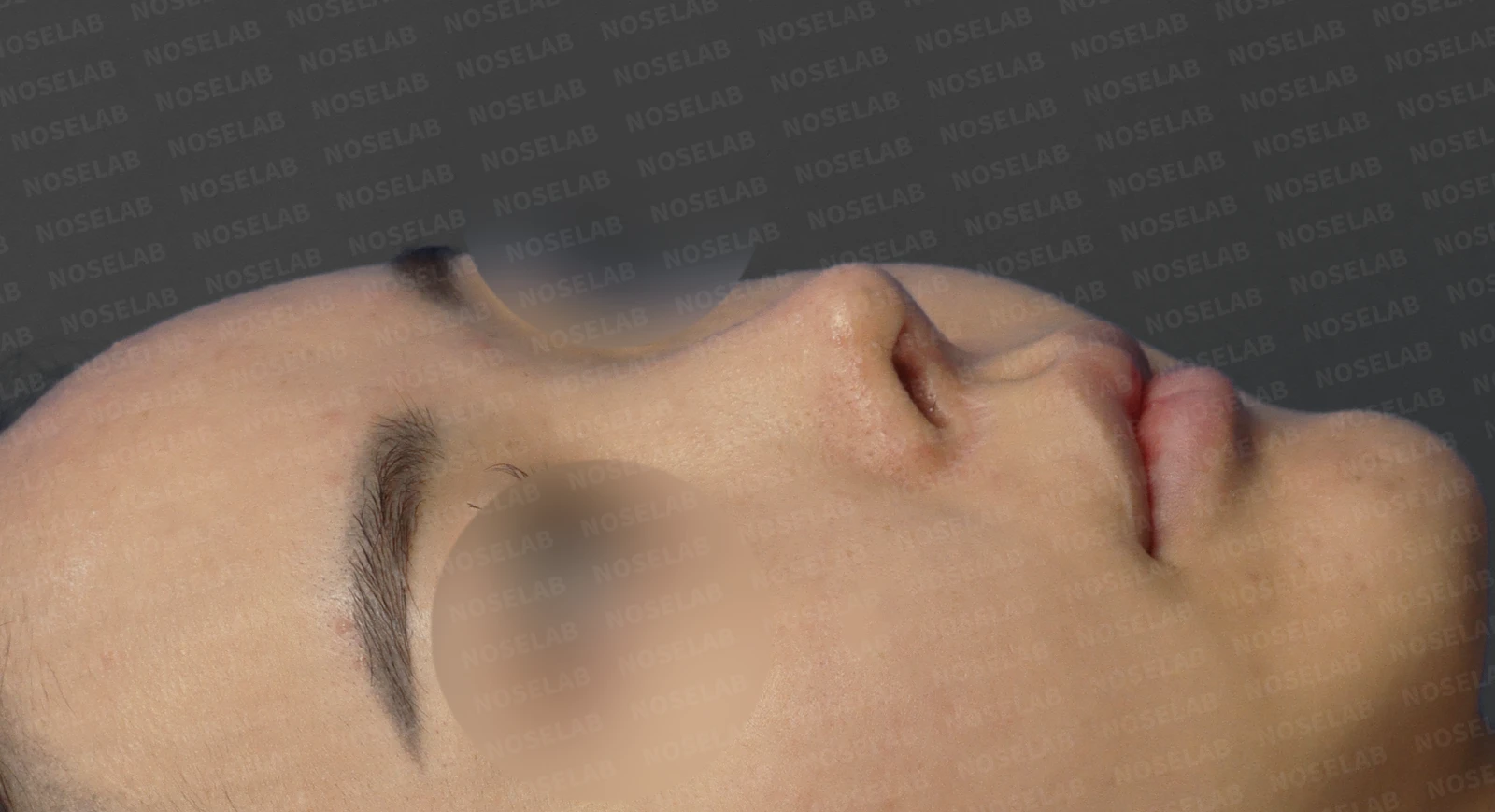
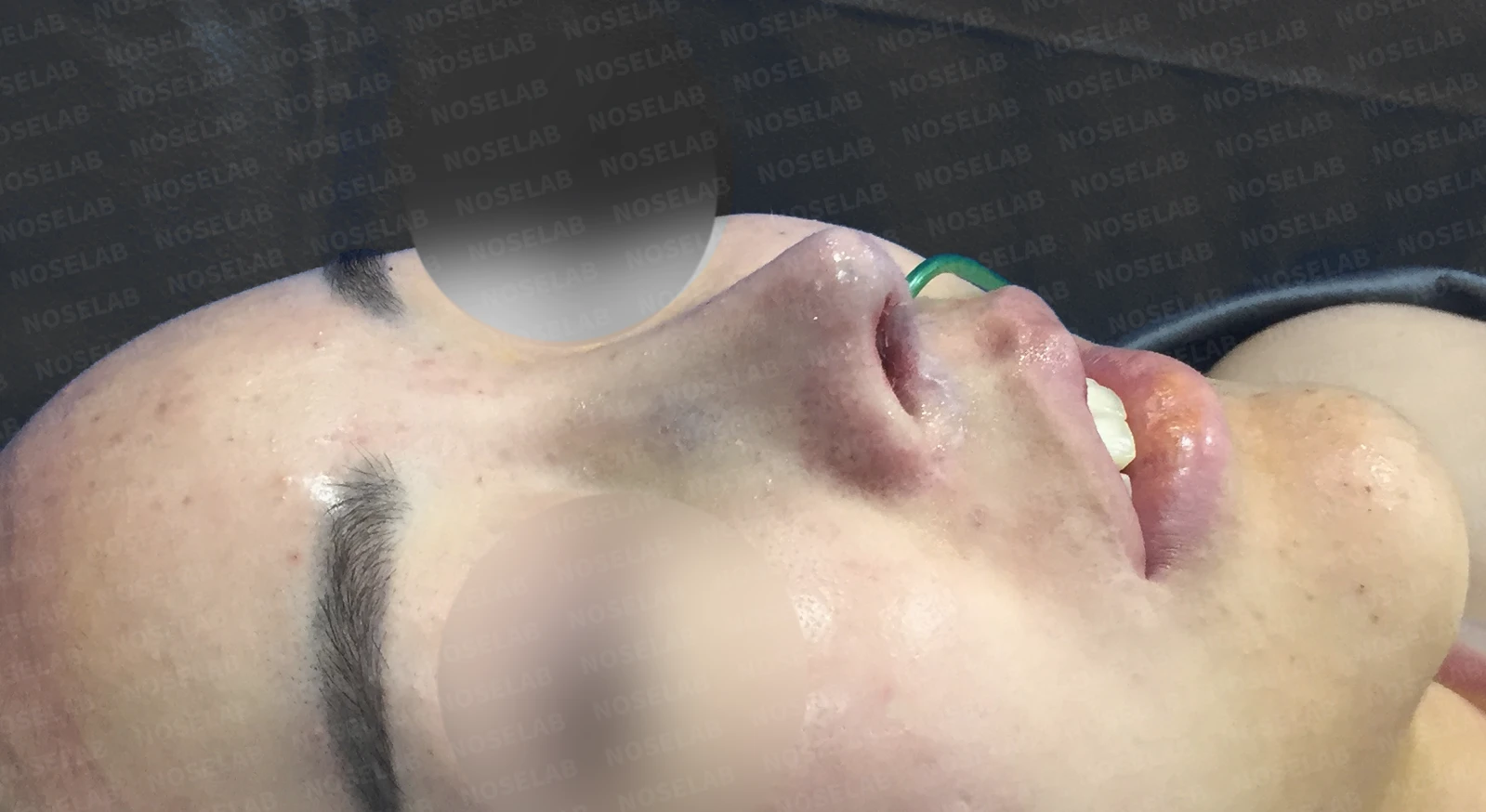
Before surgery / Day 0 immediately after surgery Photos taken immediately after surgery show swelling and may differ from the final result.
- The depressed nasal bridge was appropriately
raised, restoring three-dimensional definition.
- The upturned nasal tip was lowered naturally, improving overall balance.
Nostrils:
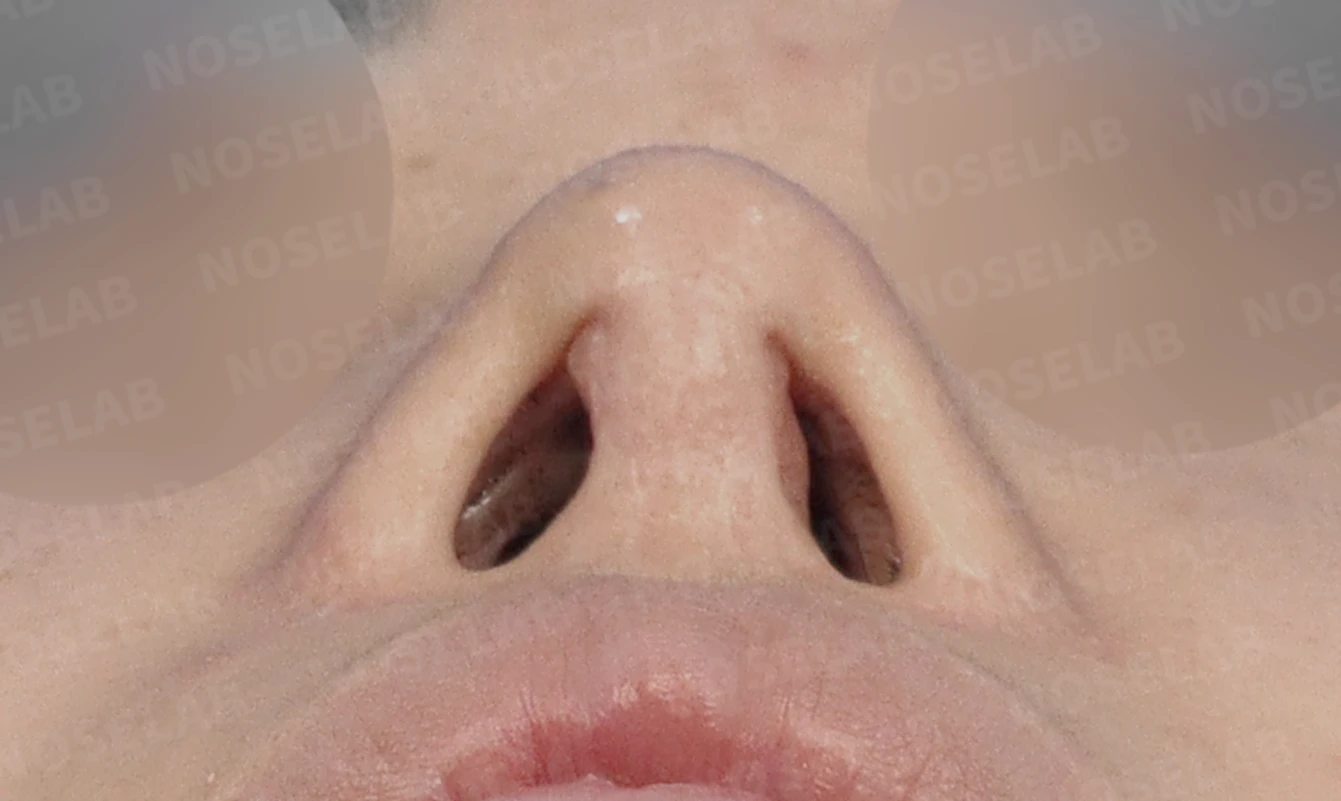
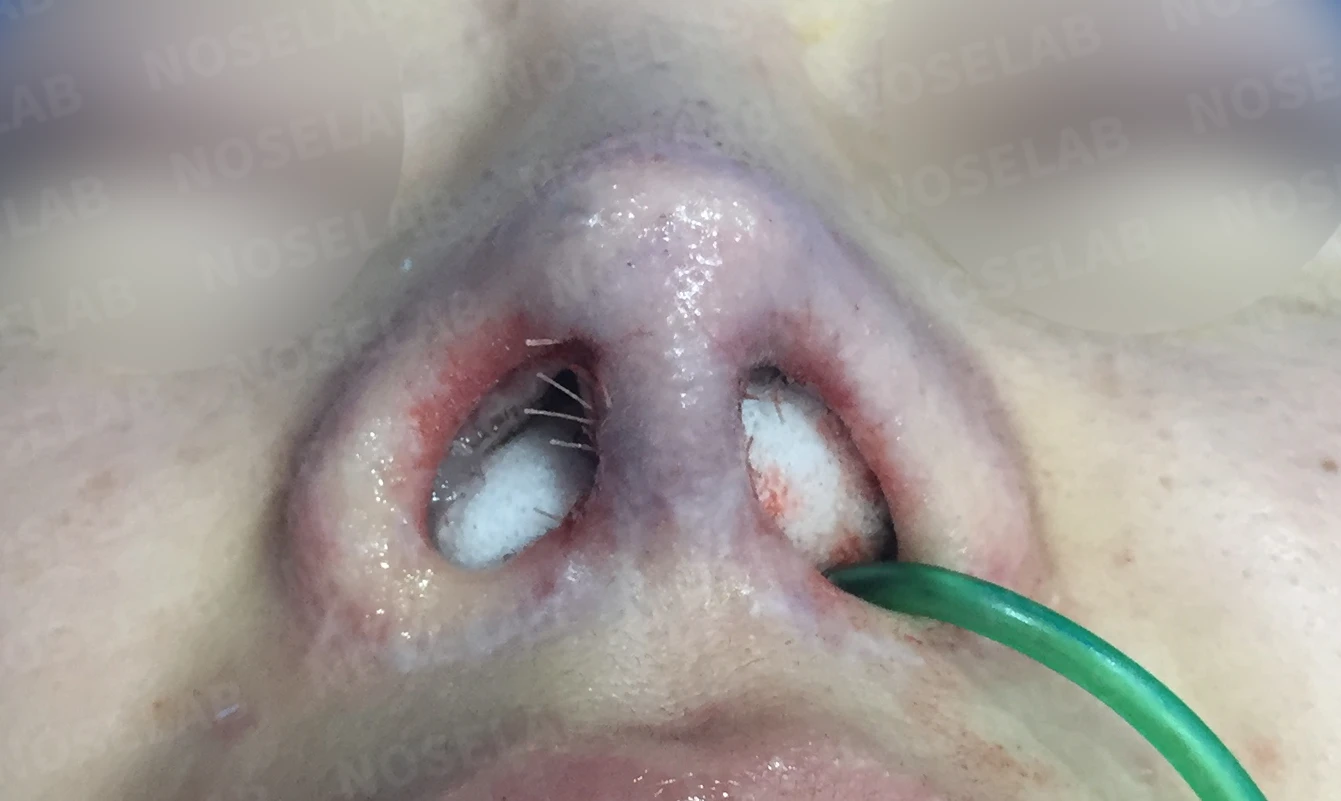
Before surgery / Day 0 immediately after surgery Photos taken immediately after surgery show swelling and may differ from the final result.
- The thickened columella was refined to a natural thickness.
- Nostril asymmetry improved significantly.
- Scar tissue on both sides of the columella was minimized.
5. Photos immediately after surgery on day 0 Photos taken immediately after surgery show swelling and may differ from the final result.
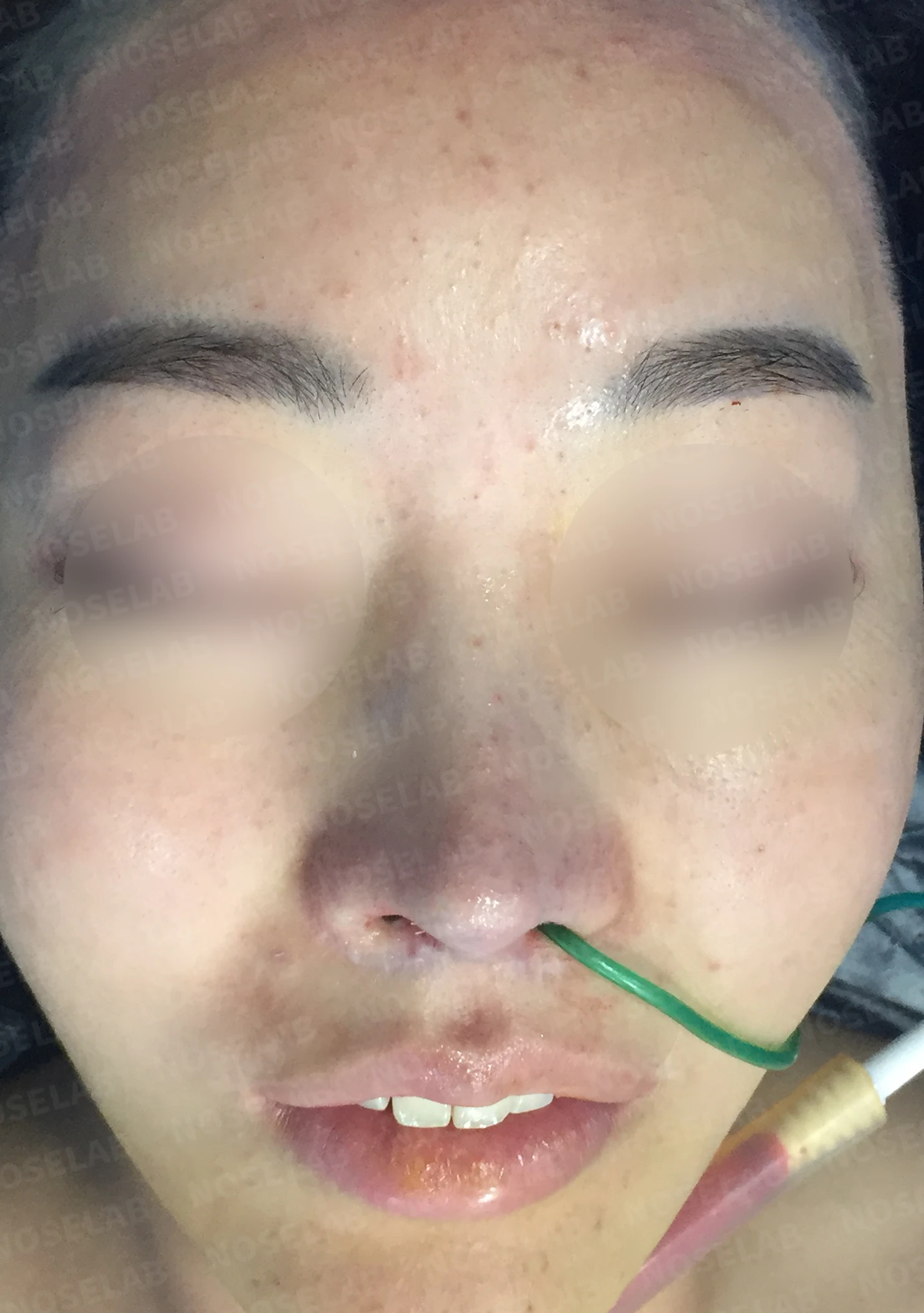
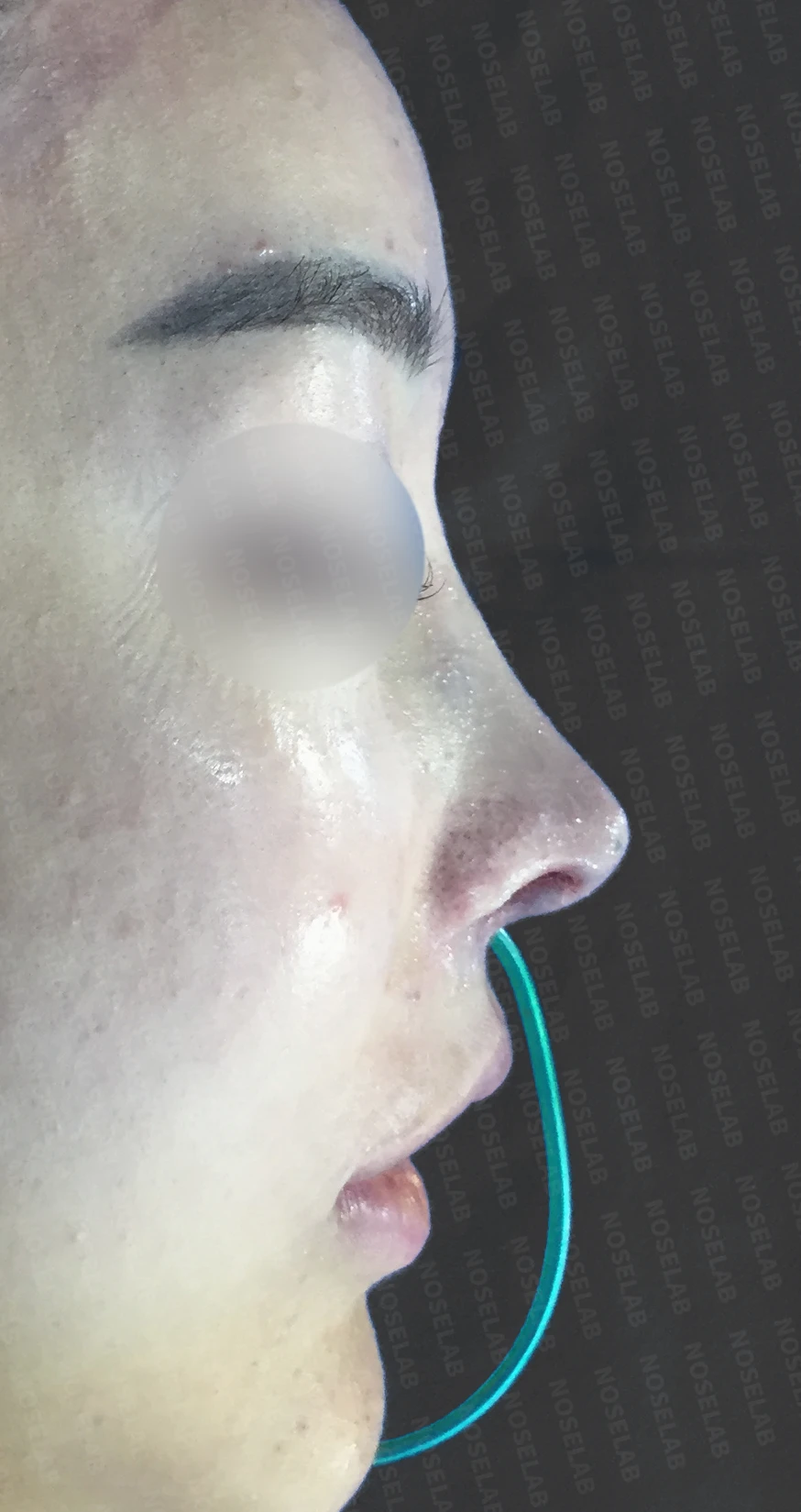
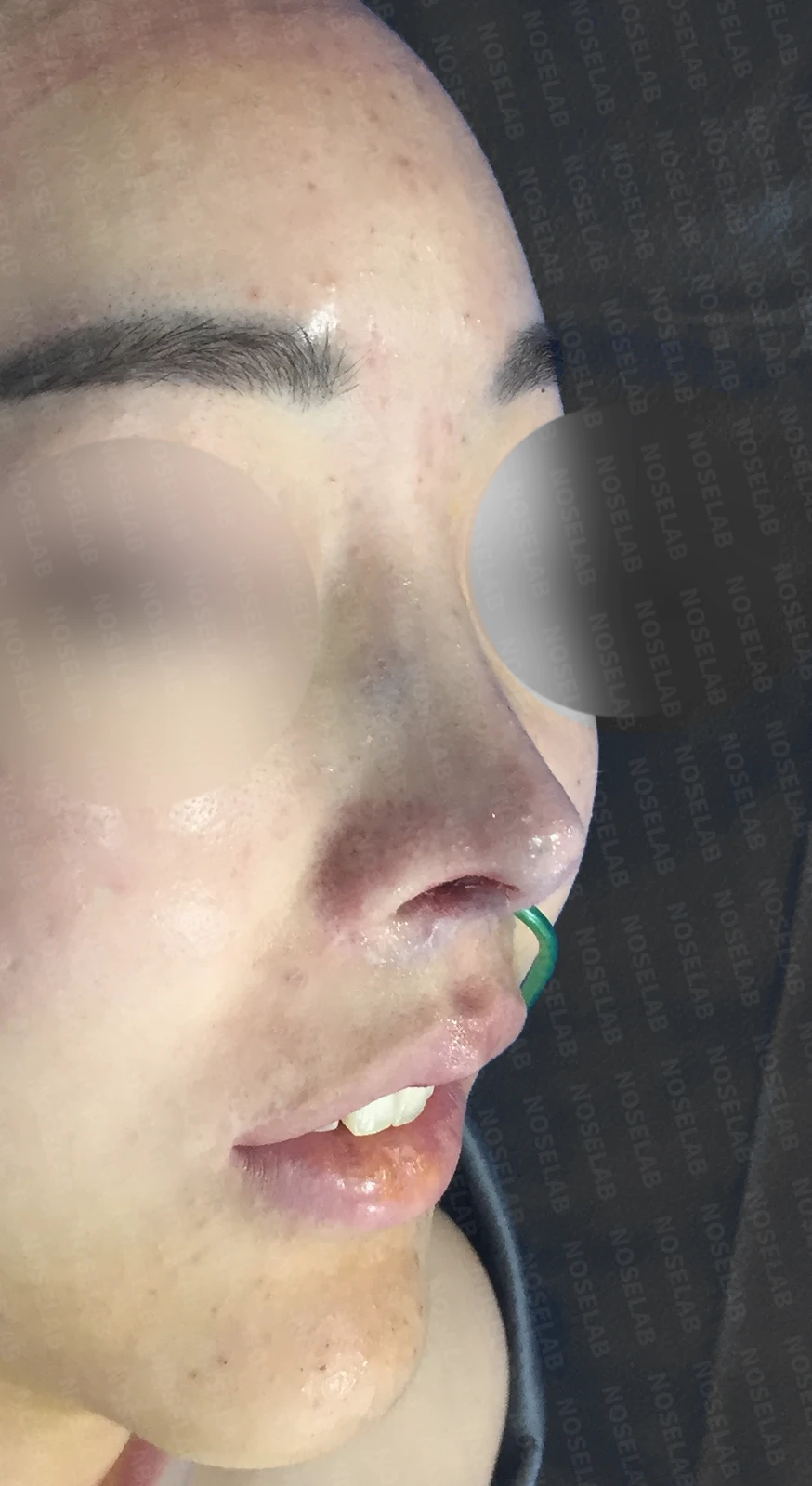
Front, profile, and oblique views immediately after surgery on day 0 Photos taken immediately after surgery show swelling and may differ from the final result.
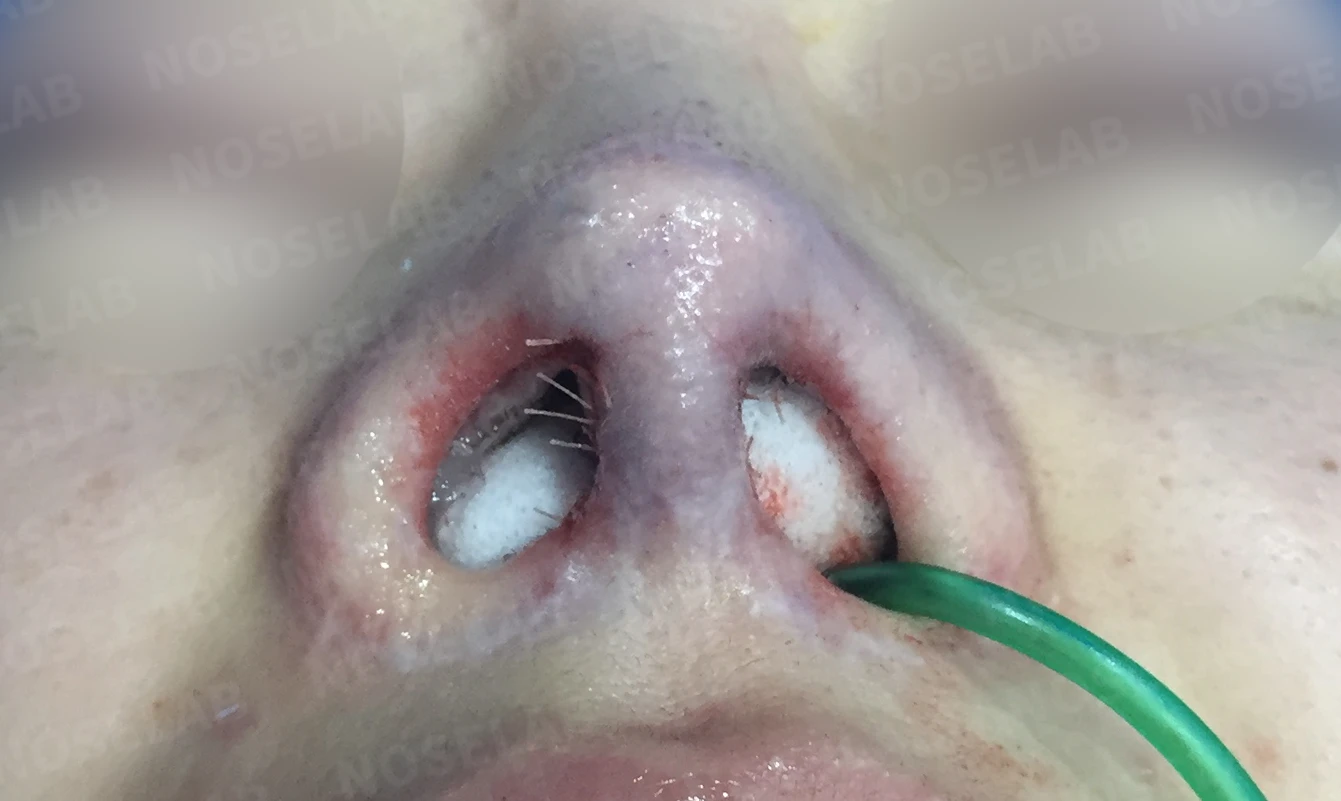
Basal (nostril) view immediately after surgery (Day 0).Immediate postoperative photos show swelling and may differ from the final result.
6. Overall evaluation
This case was a complex presentation in which a contracted nose and functional problems arising after multiple rhinoplasty surgeries were addressed simultaneously. In particular, we confirmed that the near-total loss of septal cartilage was the primary cause of both the nasal obstruction and the upturned nose.
Reconstruction using autologous rib cartilage played a major role in securing structural stability of the nose and achieving functional improvement. Septoplasty and submucosal resection of the inferior turbinates resolved the nasal obstruction, and this may also contribute to partial improvement in olfactory function.
Combining stem cell therapy appears to have had a positive impact by slowing the progression of contracture deformities, controlling residual inflammation, and softly regenerating hardened skin tissue. This was ultimately a significant aid in improving the contracted nose.
By utilizing a closed approach, damage to normal tissues was minimized, bleeding was minimal, and adjacent blood vessels were largely preserved, so the risk of inflammation during recovery is expected to remain low. This is also expected to keep the risk of recurrent contracture low in the future.
7. Conclusion
I hope this case offers hope to those who are suffering from a contracted nose and functional issues following multiple rhinoplasty surgeries. The more complex the problem, the more crucial an accurate diagnosis and a comprehensive approach become. In particular, it is essential to consider functional improvement alongside cosmetic refinement.
Drawing upon my anatomical knowledge and extensive surgical experience as a board-certified otolaryngologist, I provide surgical plans tailored to each individual patient. Through a comprehensive approach that considers both cosmetic and functional improvements simultaneously, I strive to create a beautiful and healthy nose.
For those considering rhinoplasty, especially those contemplating revision surgery, please ensure you consult with a specialist to find the approach most suitable for you. NOSELAB will listen to your concerns and present the most suitable solutions.
I will be with you every step of the way to achieve a beautiful and healthy nose.
This was Dr. Peter C. Kang. Thank you.
Thank you.
#rhinoplasty #contractednosecorrection #upturnednosecorrection #nasalobstructionimprovement #columellicorrection #autologousribcartilagegraft #closedrhinoplasty #septalreconstruction #ENTspecialistrhinoplasty #safelyplannedrhinoplasty #stemcelltherapy #revisionrhinoplasty #functionalrhinoplasty

Limitations and risks
When autologous rib cartilage is used, scarring and pain may remain at the donor site on the chest, and pneumothorax (pleural injury) can occur rarely. Over time, the grafted cartilage may warp or undergo partial resorption.
When using donor rib cartilage, long-term follow-up is necessary because the grafted cartilage may resorb or warp.
When revising after implant removal, contracture may progress again after removal, the nasal height and length may decrease, and staged surgery may be necessary depending on the skin condition.
When foreign materials such as injected fillers are removed and reconstructed, contracture may recur, nasal height and length may decrease, and staged surgery may be necessary depending on the skin condition.
When the septum is corrected at the same time, nasal obstruction may persist or recur, and in rare cases, septal perforation or changes in smell may occur.
Common potential risks include infection, bleeding, asymmetry, scarring, skin necrosis, and insufficient improvement; results vary depending on individual skin condition and previous surgical history.