Hello, I am Dr. Peter C. Kang.
Today, I would like to share a case of a patient whose daily life was disrupted by nasal obstruction and a diminished sense of smell.
💉 Primary symptoms and requests
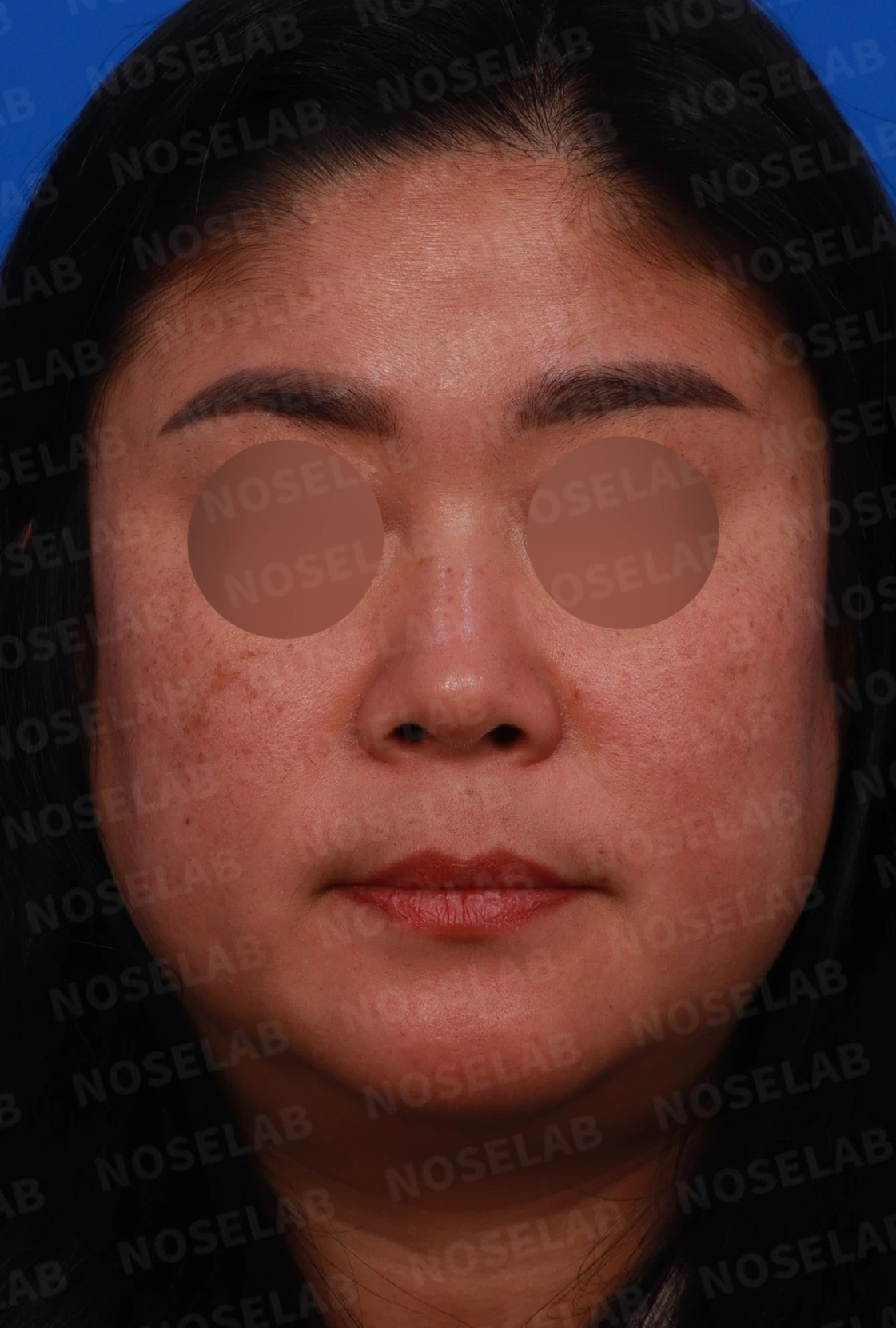
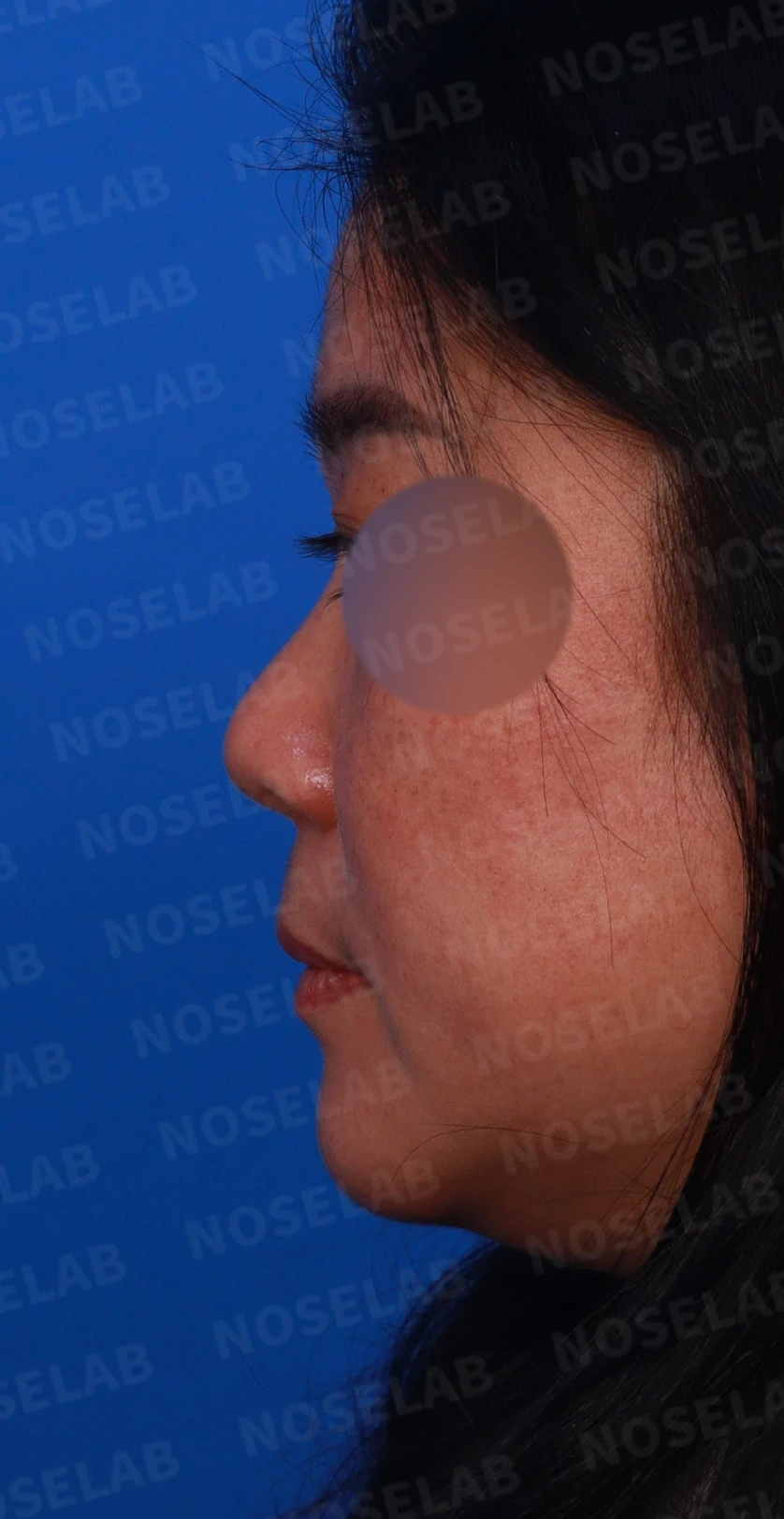
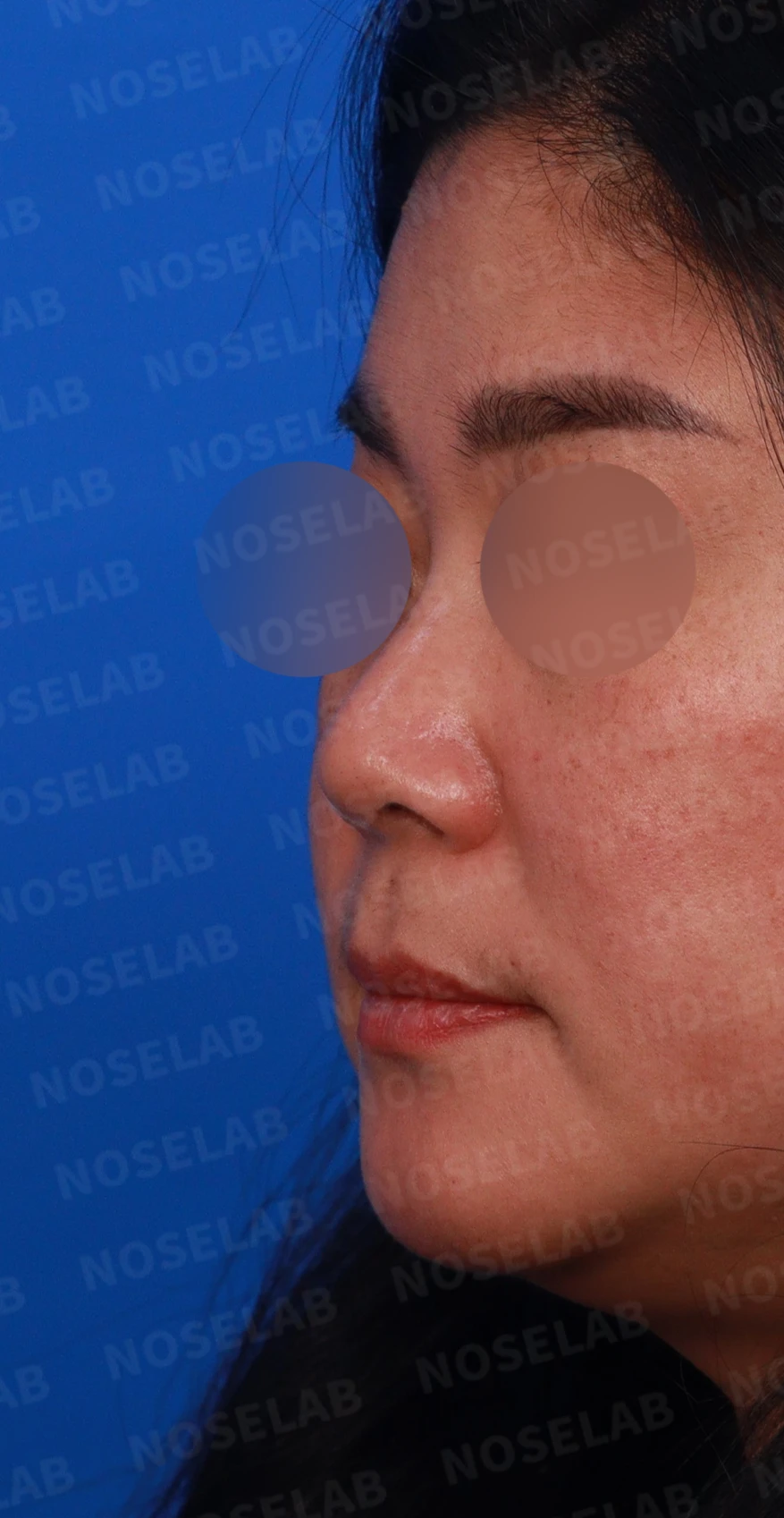
Front, left profile, and oblique views during design consultation.
Nasal obstruction
Decreased sense of smell
Desire to correct a short nose
Desire to reduce excessive nostril show
Need for better balance with overall facial proportions
🔧 Preoperative analysis
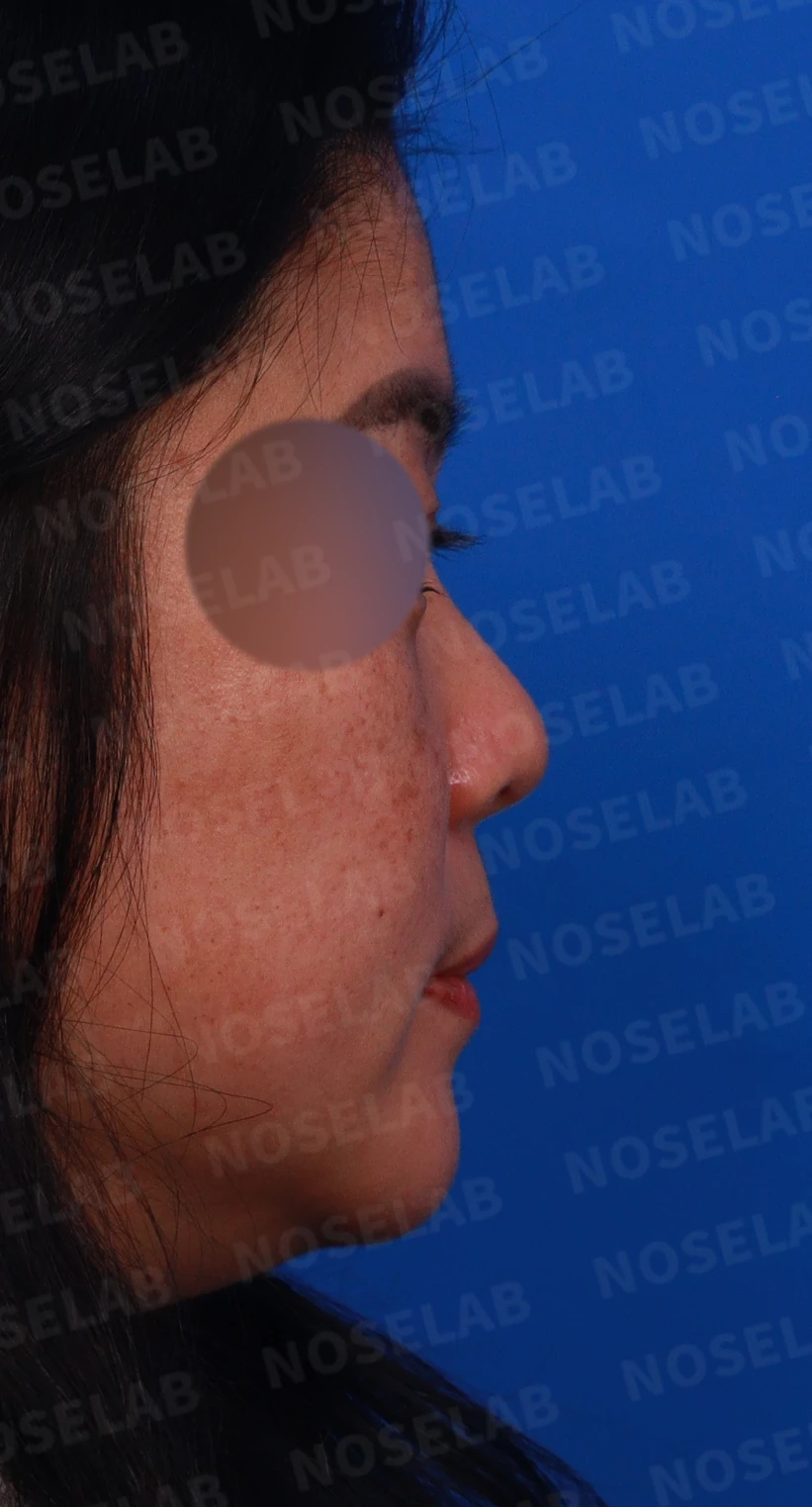
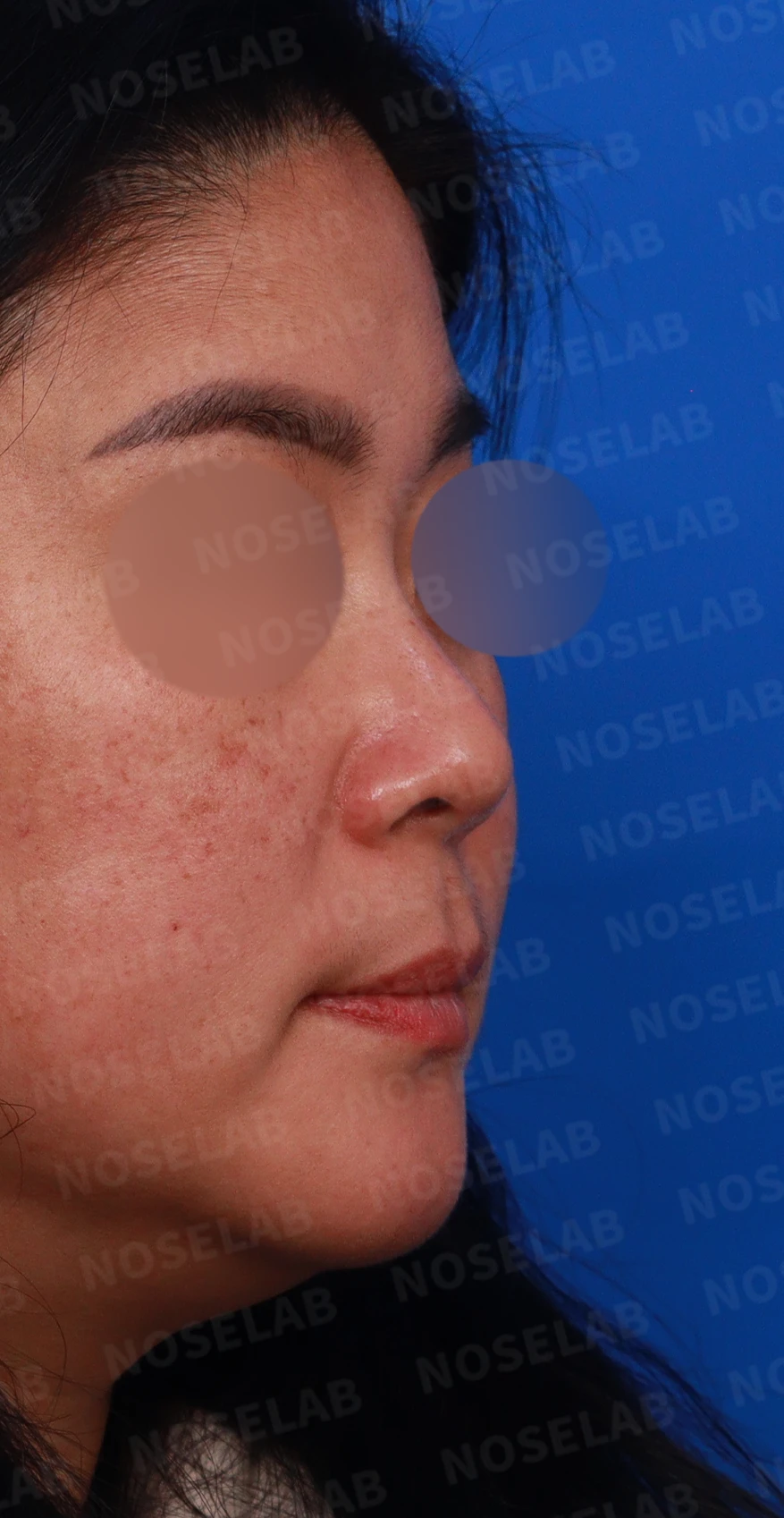
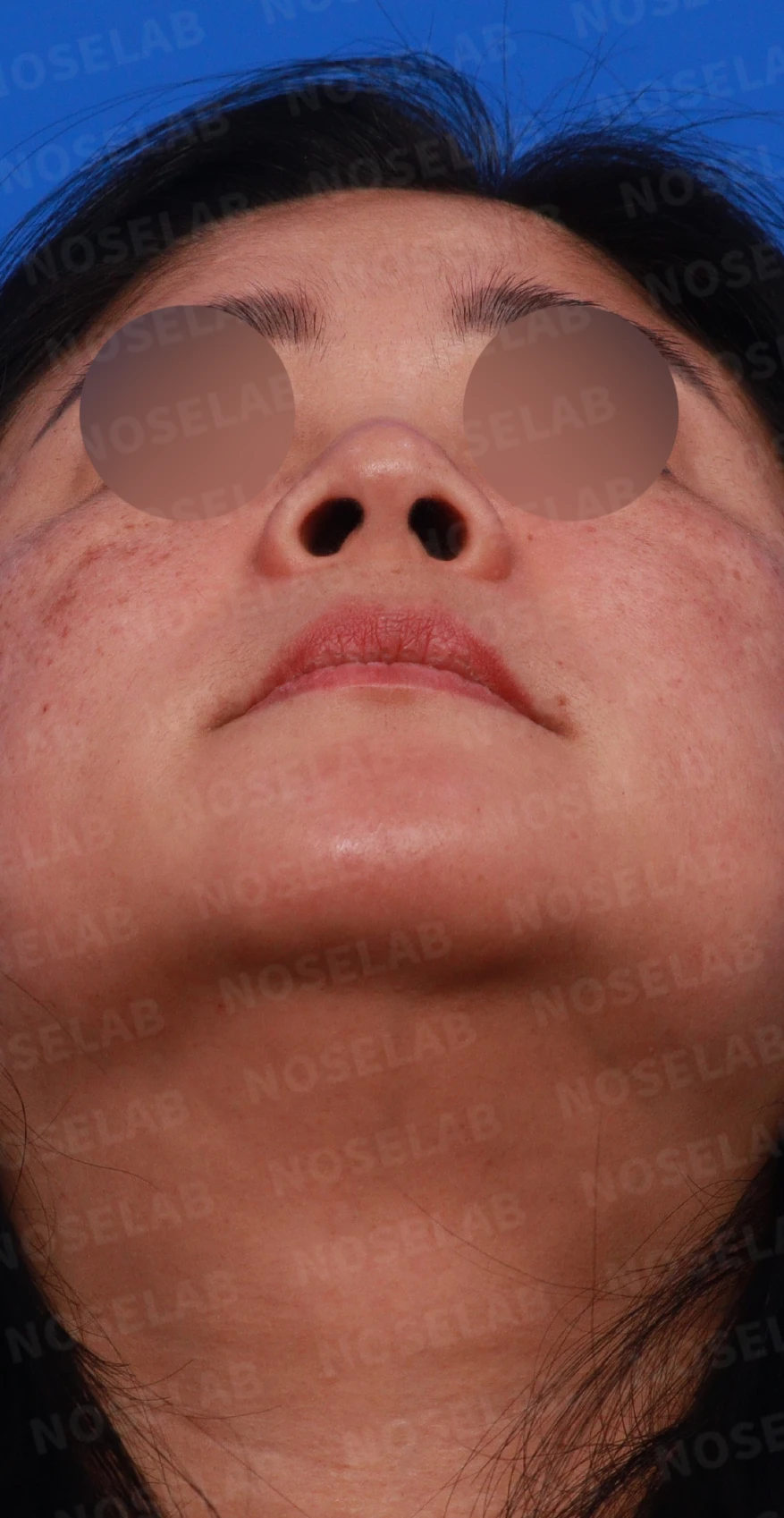
Right profile, oblique, and nostril views during design consultation.
Front view
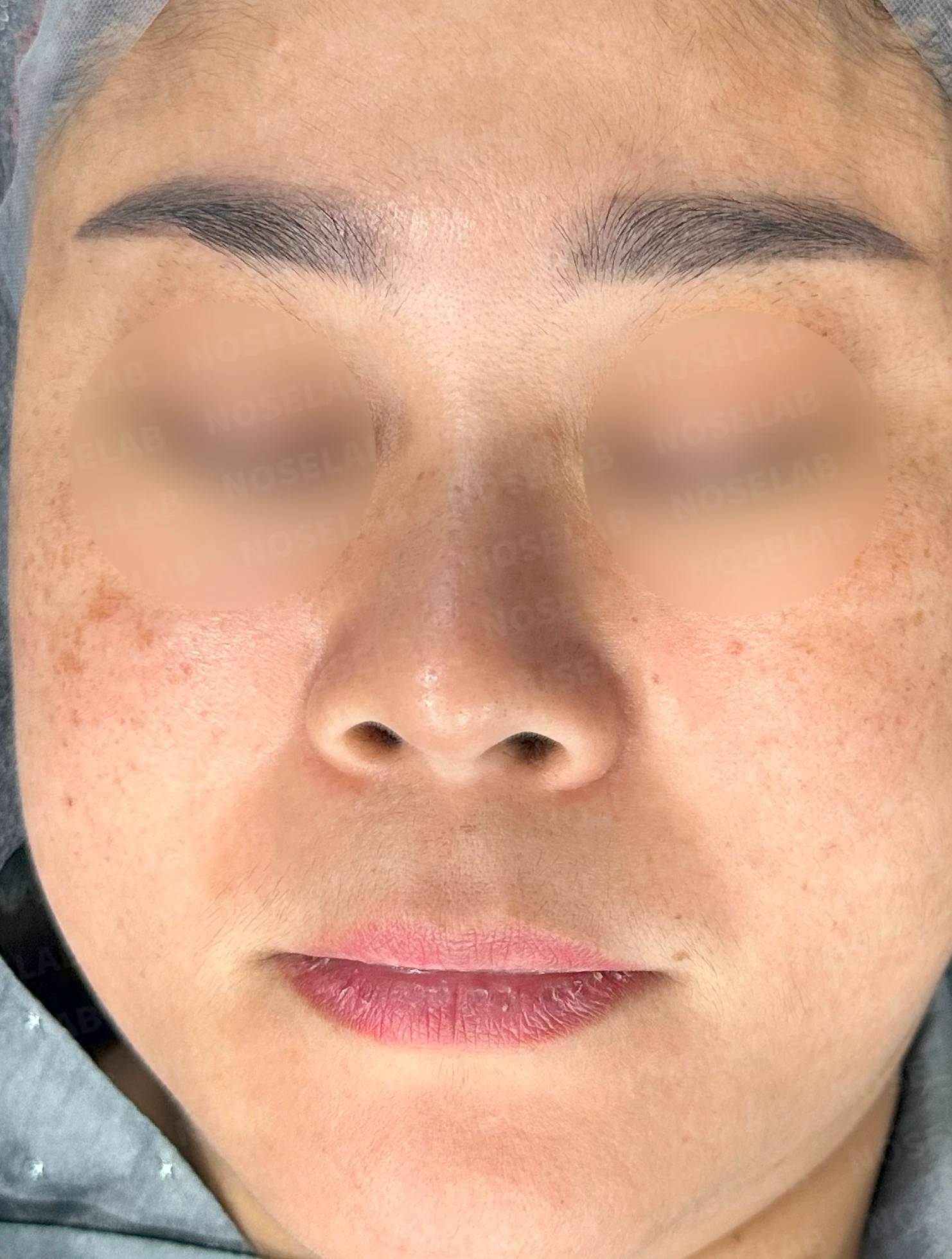
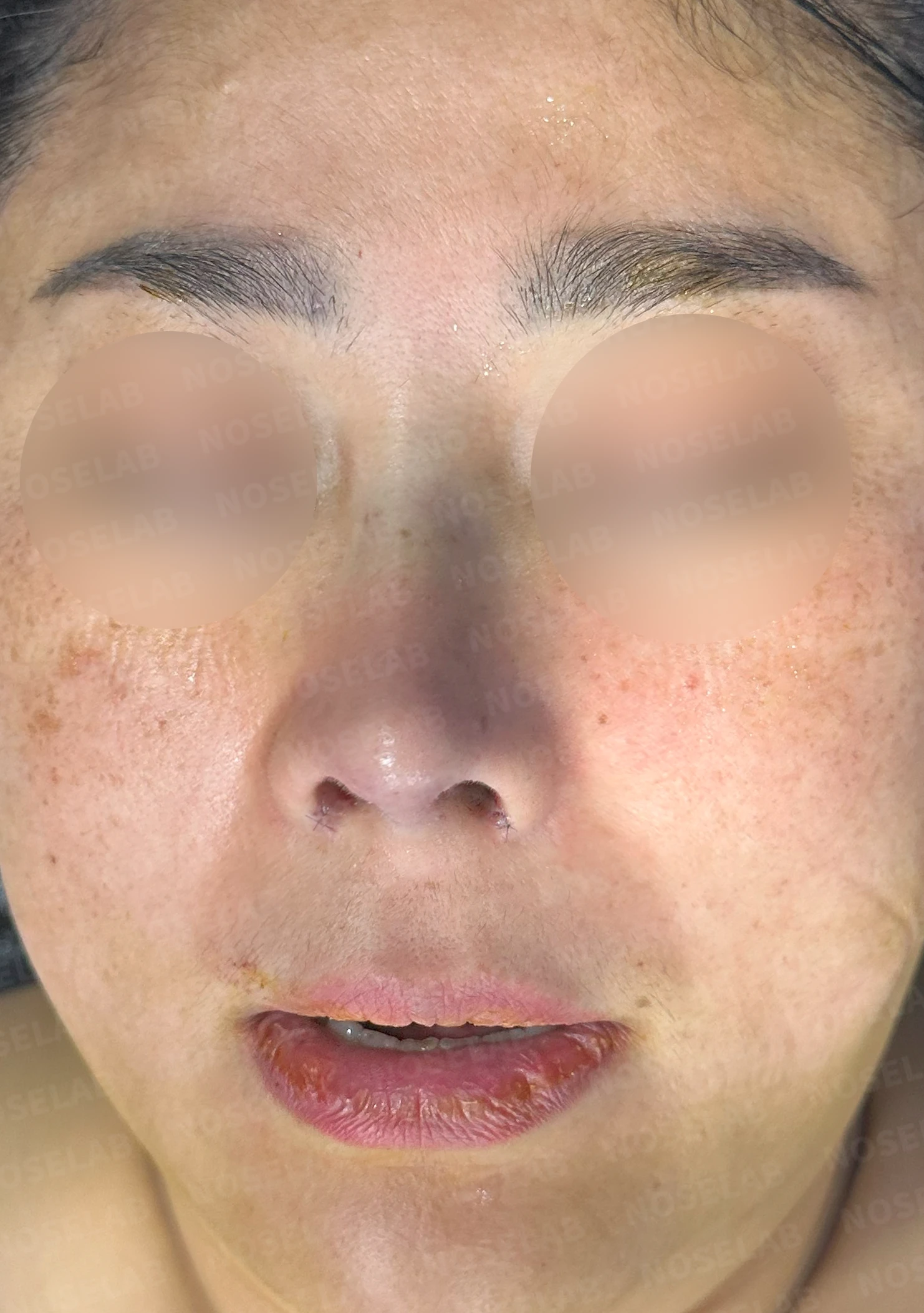
Before surgery / Day 0 immediately after surgery Photos taken immediately after surgery show swelling and may differ from the final result.
Excessive nostril show
Short and flat nose
Deviated nose
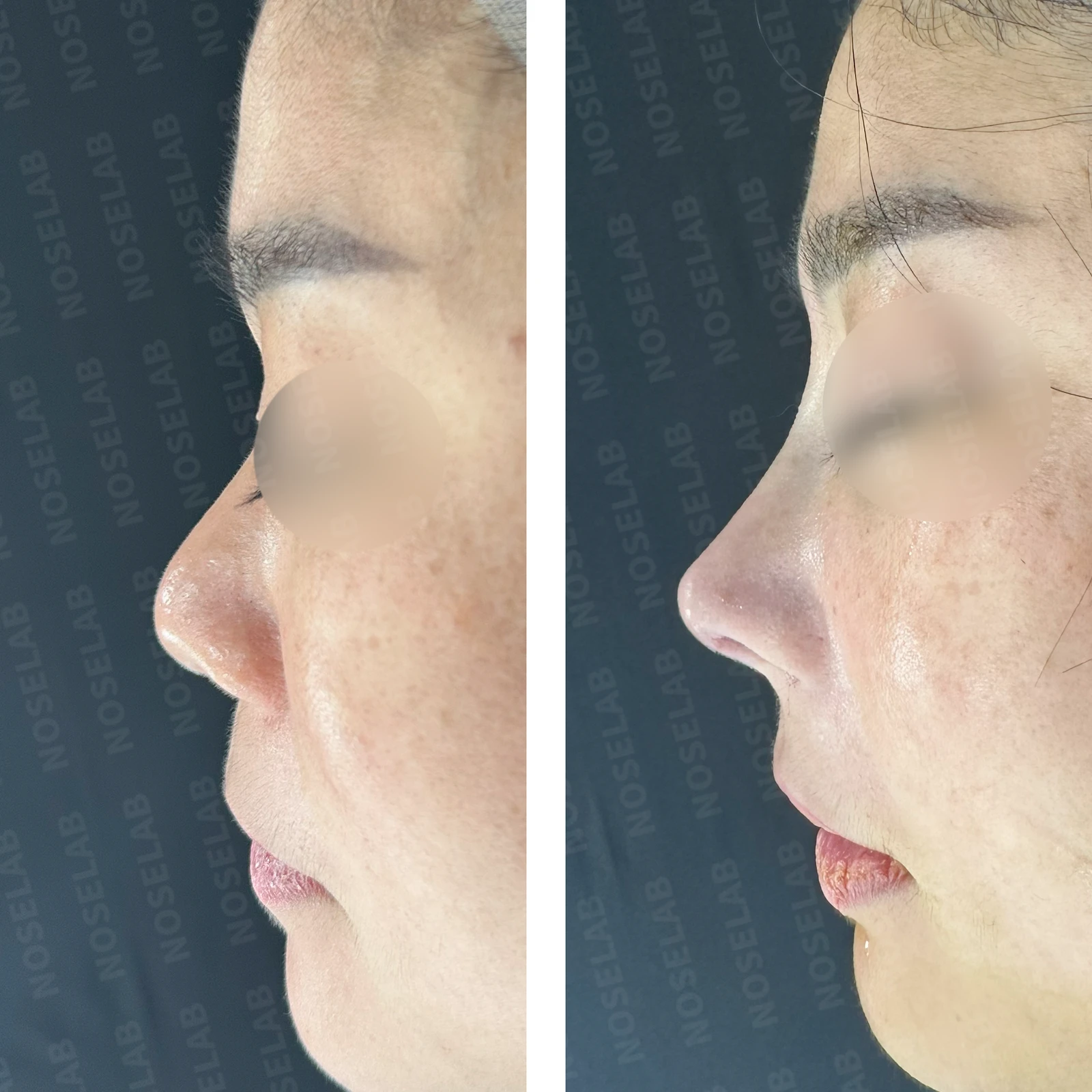
2. Profile view
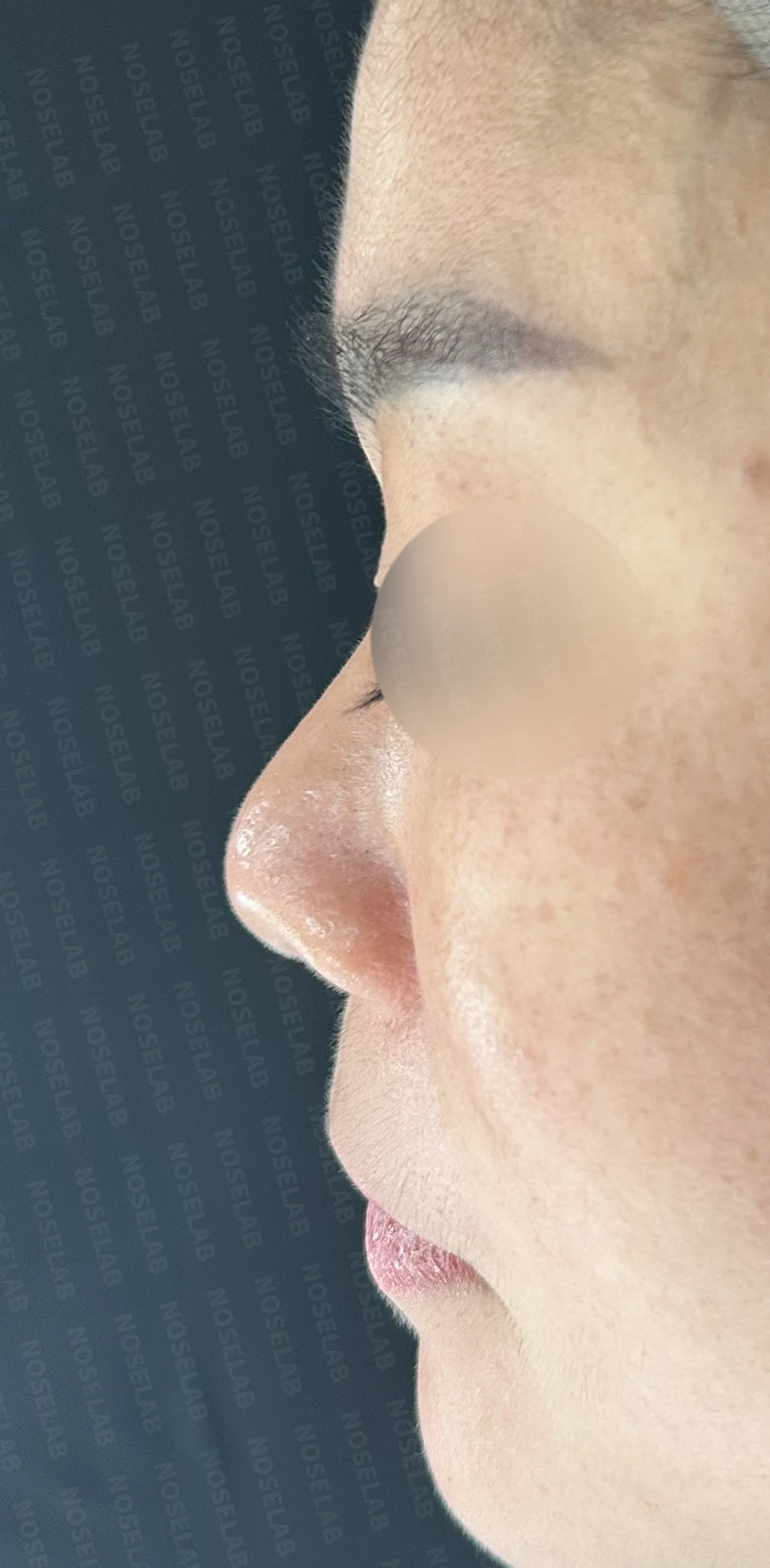
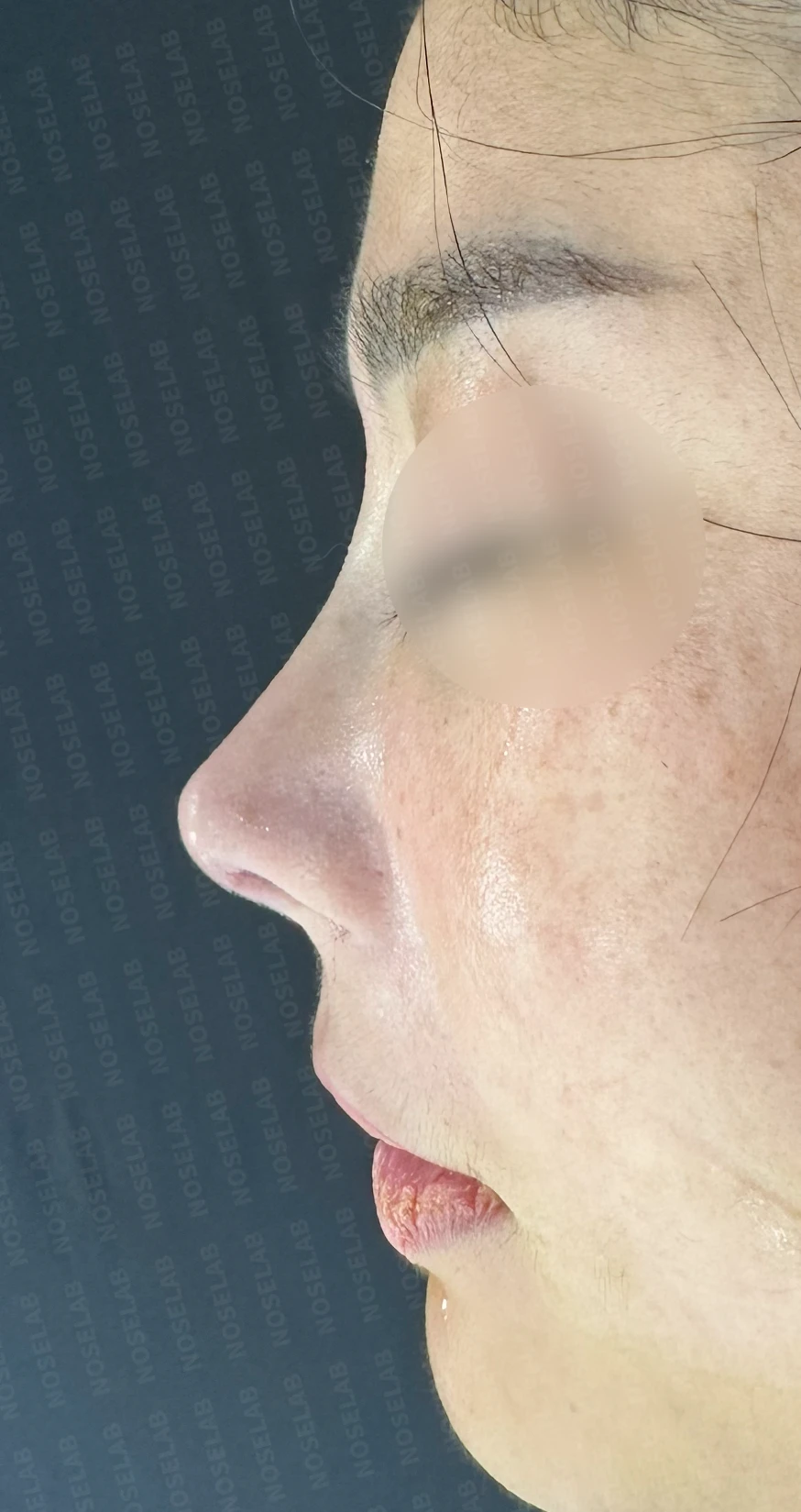
Before surgery / Day 0 immediately after surgery Photos taken immediately after surgery show swelling and may differ from the final result.
Low radix
Upturned nasal tip
A nose that appears small relative to the face
3. Oblique view
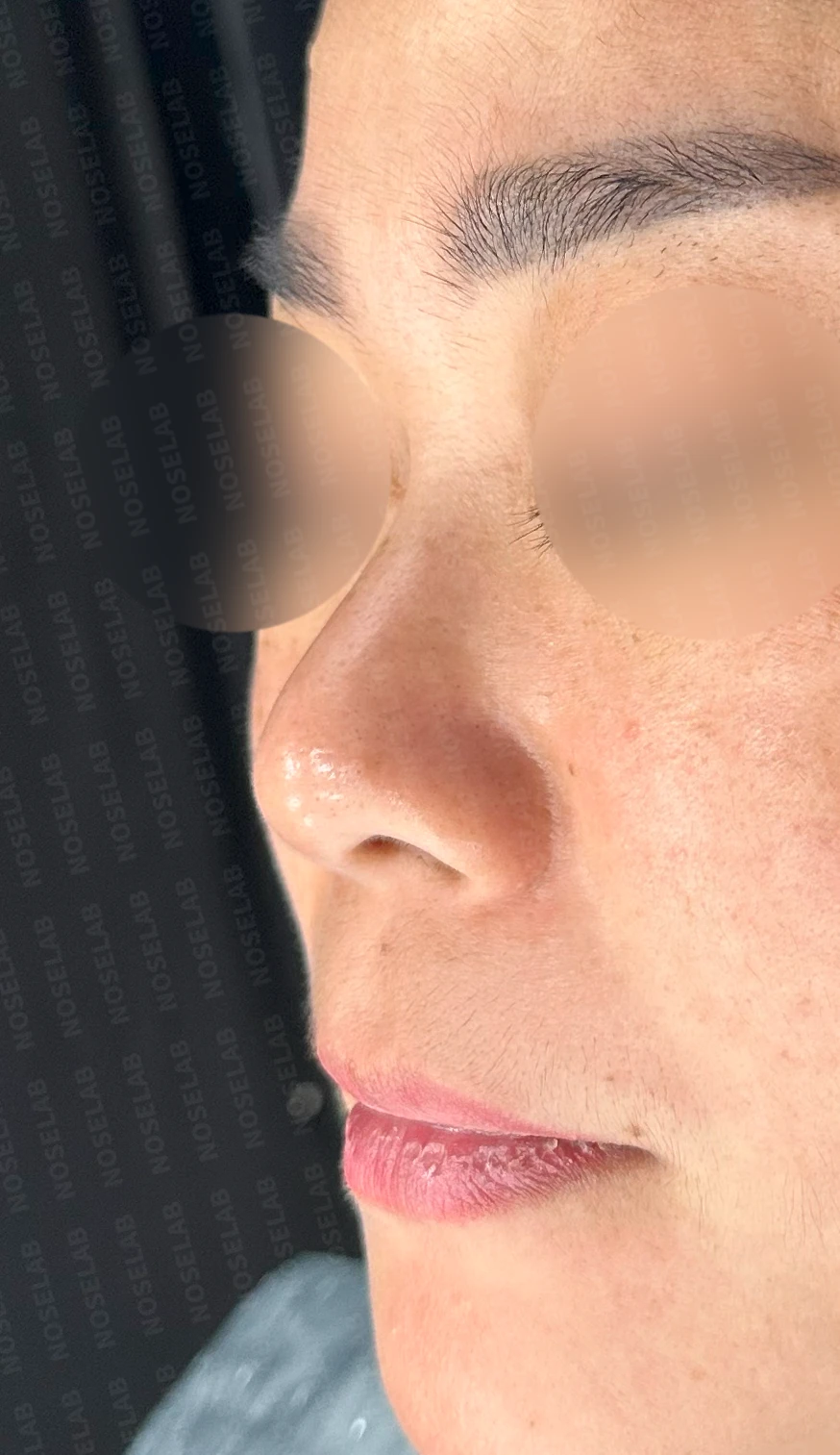
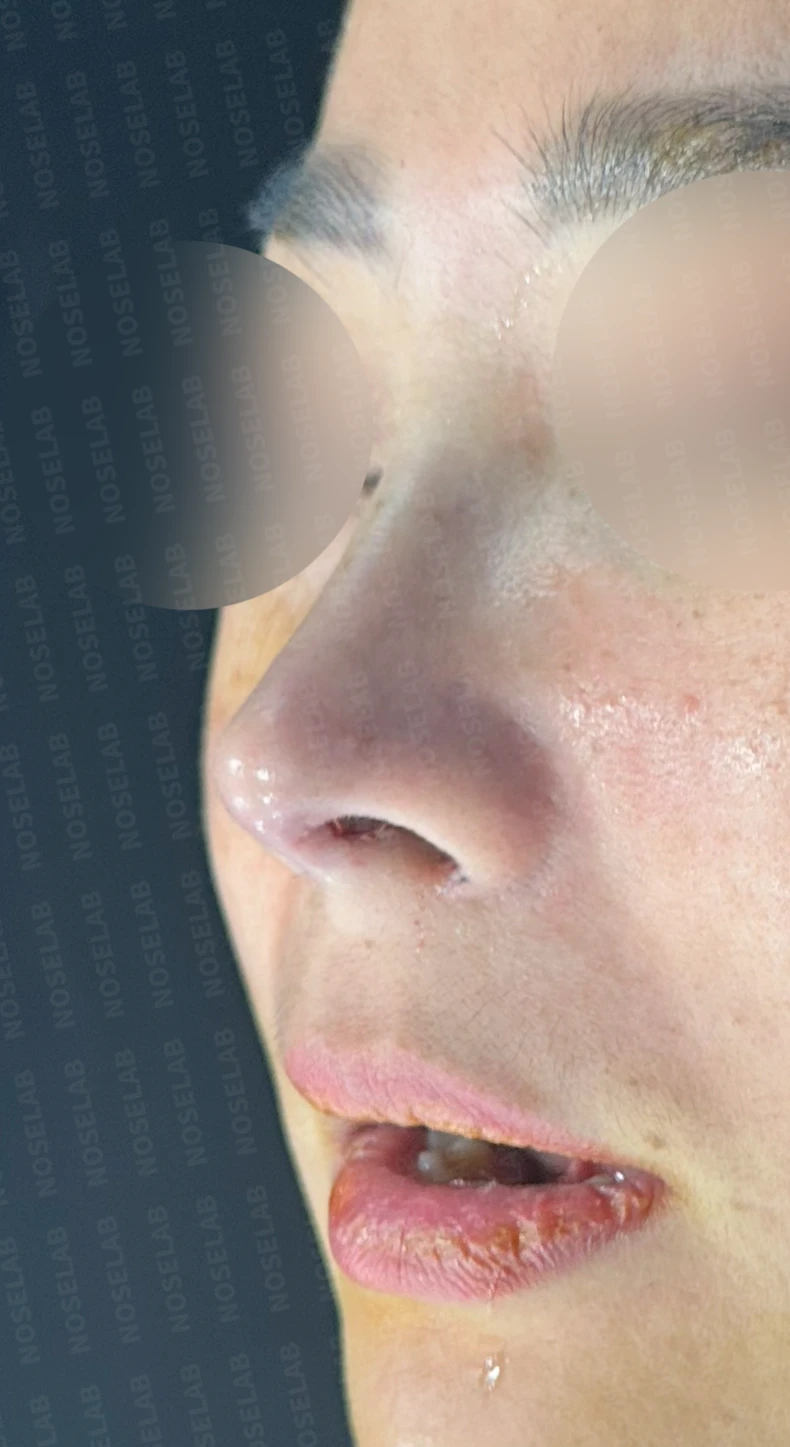
Before surgery / Day 0 immediately after surgery Photos taken immediately after surgery show swelling and may differ from the final result.
Distinct protruding mouth
Drooping tip
4. Nostril view
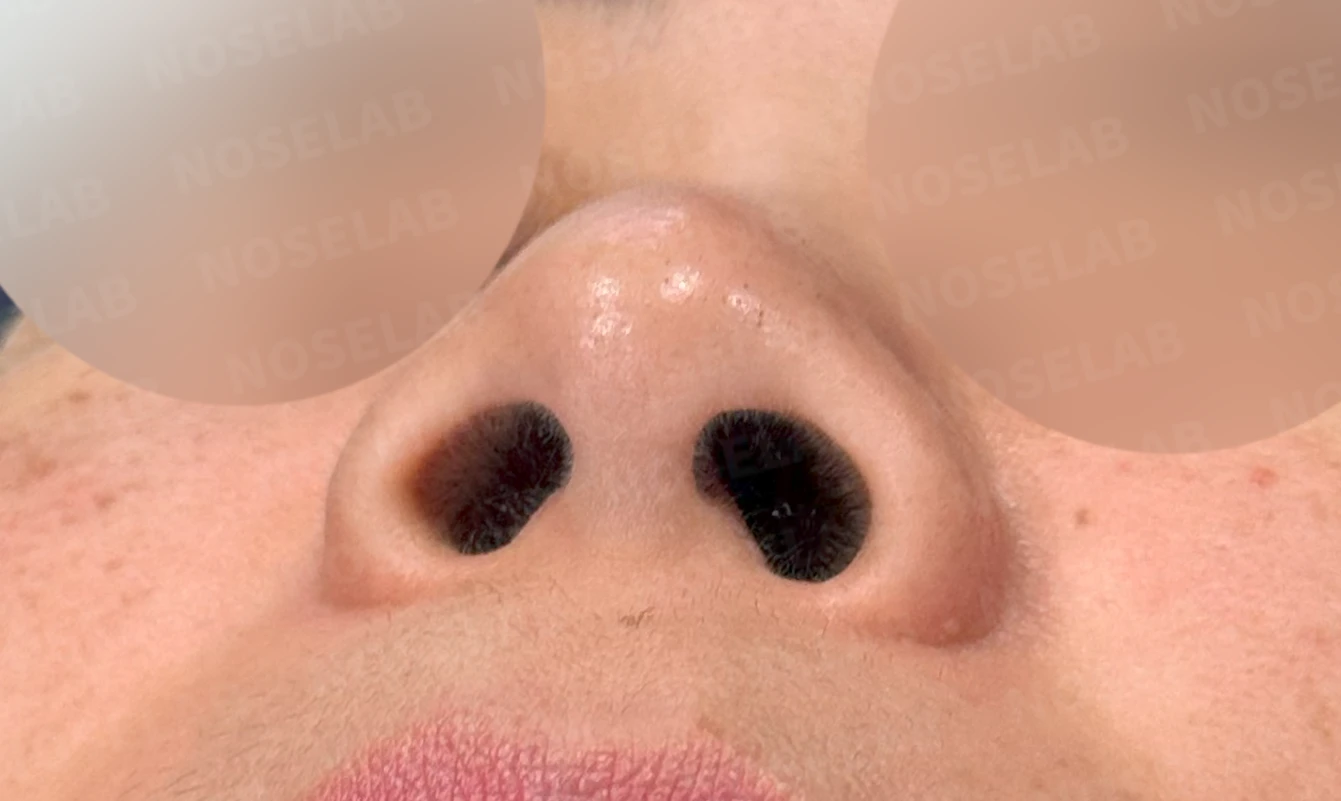
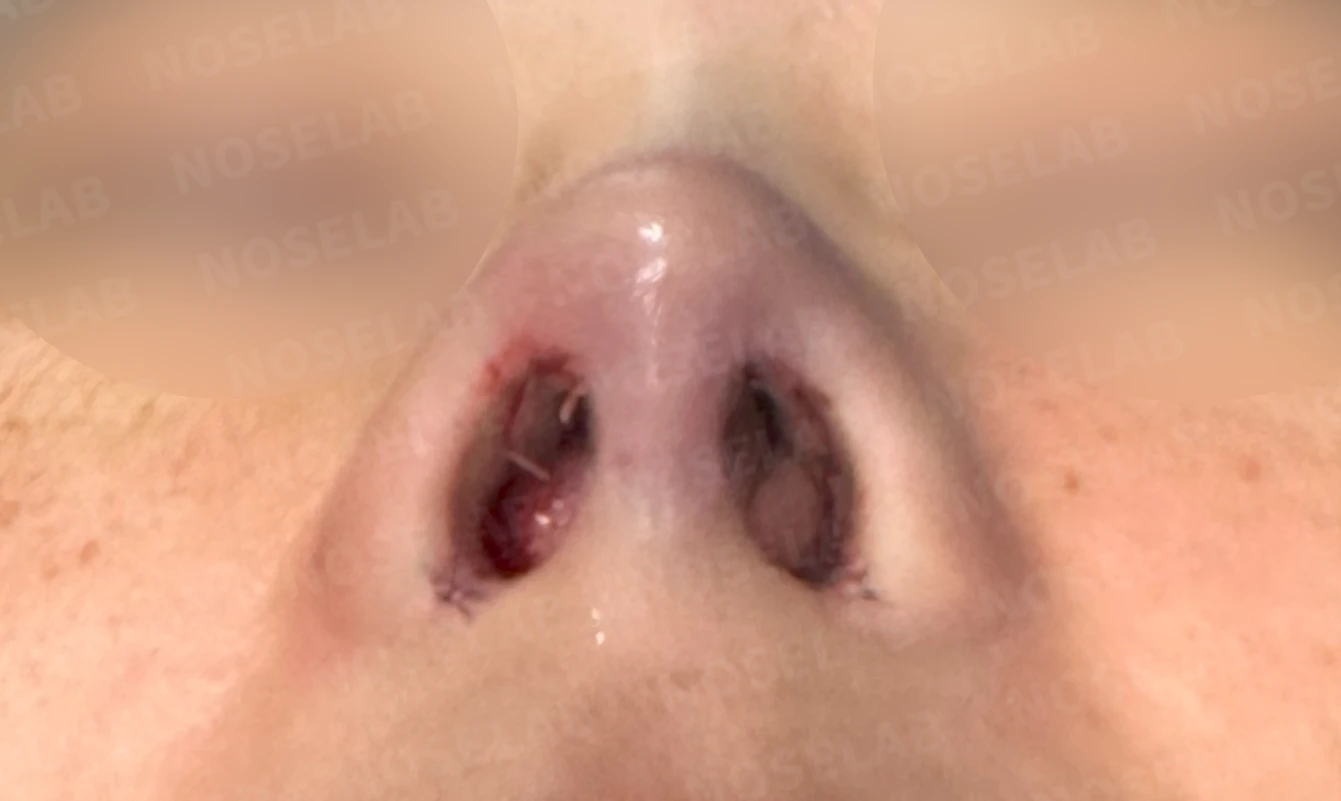
Before surgery / Day 0 immediately after surgery Photos taken immediately after surgery show swelling and may differ from the final result.
Left-right asymmetry
Left nostril is large and rounded
💡 Medical findings
Septal cartilage deviated to the right
Rhinitis with bilateral inferior turbinate hypertrophy
These conditions were suspected to be causing nasal obstruction and reduced olfactory function
💉 Surgical plan
Functional improvement
Correction of deviated septum using autologous rib cartilage
Correction of hypertrophic inferior turbinates via submucosal resection of the inferior turbinates (rhinitis surgery) using a radiofrequency laser
2. Structural improvement
Septal extension using autologous rib cartilage to correct the short appearance
Lateral osteotomy of the nasal bones to correct the crooked nose
Nasal sill reduction to correct a wide nasal floor
Reinforcement of nasal tip support
🌟 Surgical results
Functional improvement
Balanced expansion of the internal nasal airway to support improvement in breathing and olfactory function
Stable nasal airway structure
2. Aesthetic improvement
Natural nasal length
Correction of the spread appearance
Correction of the blunt appearance
Natural nostril appearance
Improvement of protruding mouth through nasolabial angle correction
Balanced facial proportions
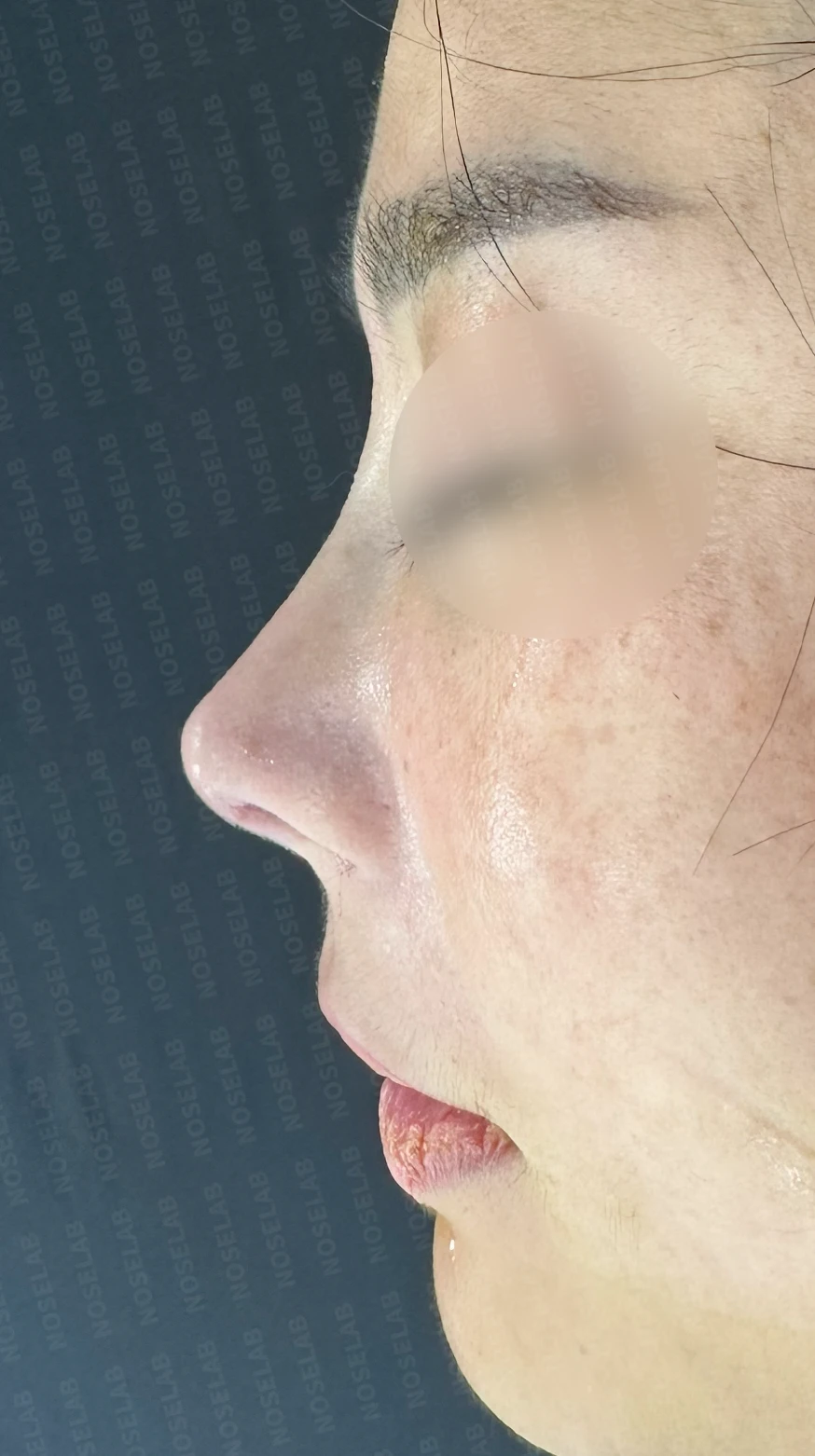
Front, oblique, and profile views on day 0 immediately after surgery. Photos taken immediately after surgery show swelling and may differ from the final result.
Nostril view on day 0 immediately after surgery. Photos taken immediately after surgery show swelling and may differ from the final result.
💡 Specialist's assessment
The patient visited the clinic with primary complaints of nasal obstruction and a decreased sense of smell, while also wishing to correct a short nose. When olfactory improvement is needed alongside standard relief of nasal obstruction, the surgical approach must place greater focus on airflow patterns. Because olfactory function depends heavily on air properly reaching the nasal roof, the positions of the septum and the inferior turbinates must be carefully evaluated. By sufficiently widening the severely narrowed nasal cavity space, we can anticipate an improvement in olfactory function after surgery.
In addition, for the nose that appeared short and small relative to the face, septal extension using autologous rib cartilage helped achieve balanced facial proportions, creating a natural and feminine impression.
In cases like this, I will continue to do my best to achieve both functional improvement and aesthetic satisfaction.
I hope this is helpful to those with similar concerns.
This was Dr. Peter C. Kang. Thank you.
#shortnosecorrection #nasalobstructionrelief #smellimprovement #autologousribcartilage #customrhinoplasty

Limitations and risks
When autologous rib cartilage is used, scarring and pain may remain at the donor site on the chest, and pneumothorax (pleural injury) can occur rarely. Over time, the grafted cartilage may warp or undergo partial resorption.
When the septum is corrected at the same time, nasal obstruction may persist or recur, and in rare cases, septal perforation or changes in smell may occur.
Common potential risks include infection, bleeding, asymmetry, scarring, skin necrosis, and insufficient improvement; results vary depending on individual skin condition and previous surgical history.