Hello, I am Dr. Peter C. Kang.
Today, I would like to introduce a customized rhinoplasty case of a patient who was troubled by a short and upturned nose.
Rhinoplasty for a small and short nose requires advanced technique and meticulous planning, so I would like to explain the process in detail through this case.
💉 Primary symptoms
Short and upturned nose
Overall small nose
Rhinitis symptoms
Nasal obstruction
🔧 Preoperative condition analysis
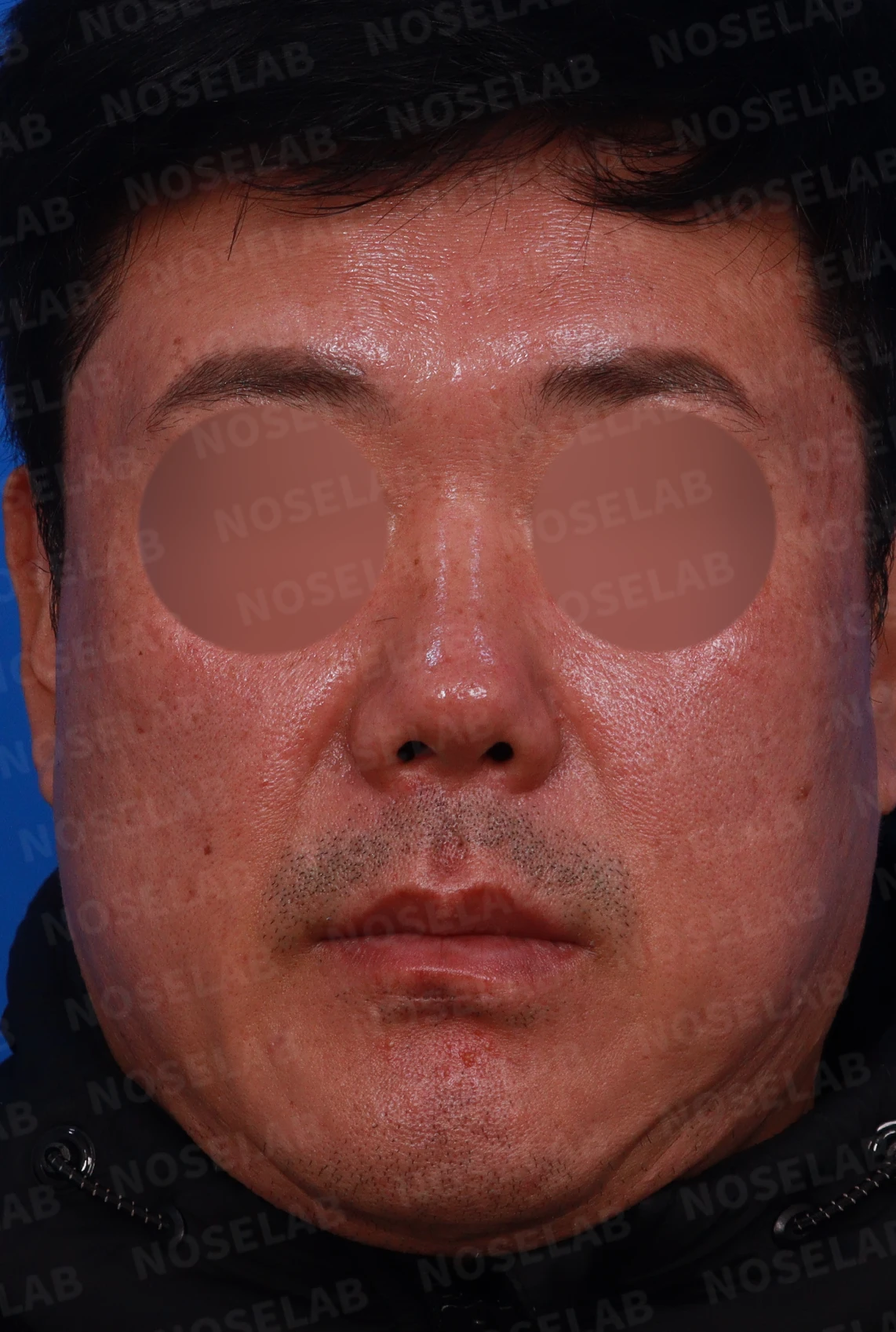
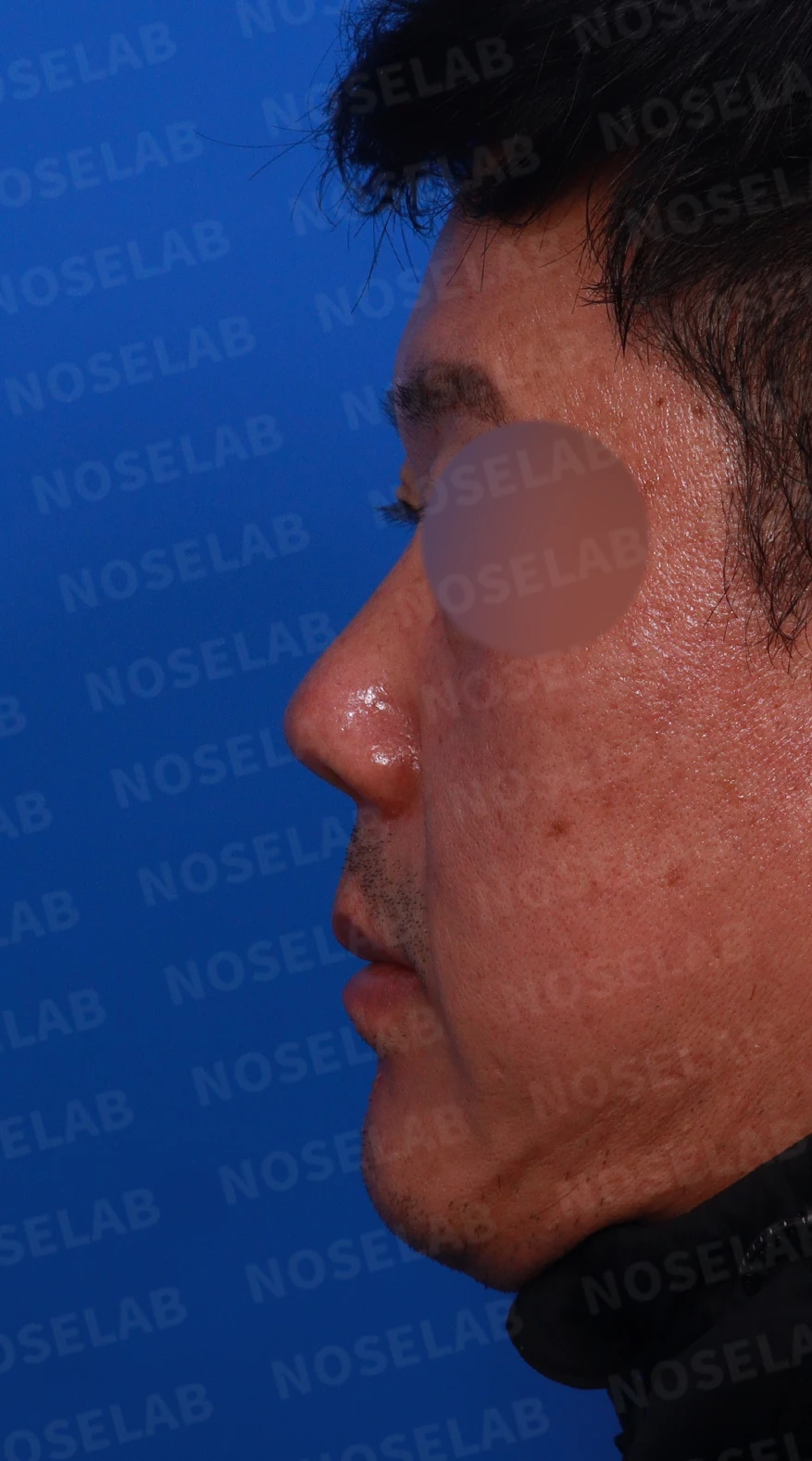
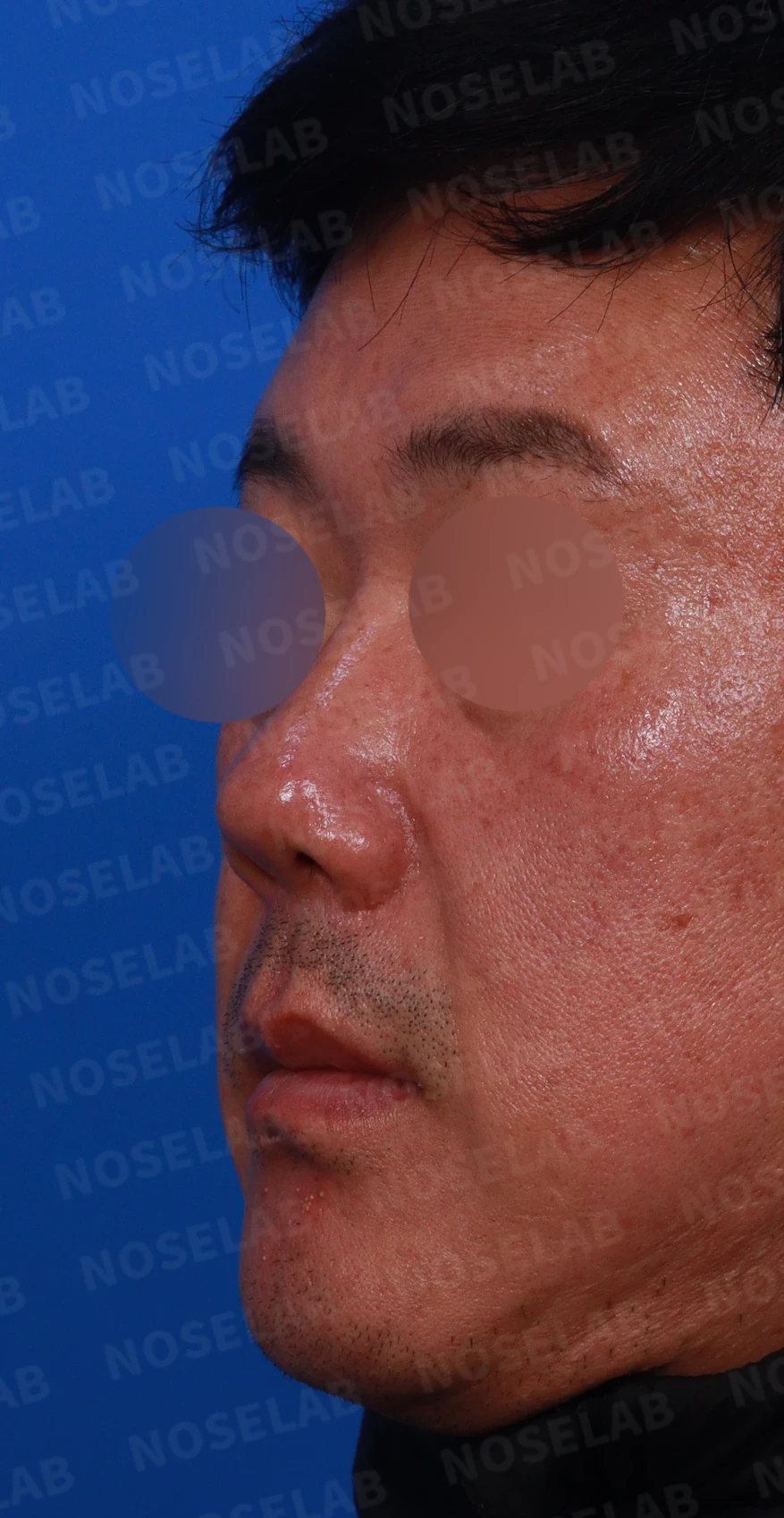
Front, left profile, and oblique views during design consultation.
Front view
Excessive nostril show
Low nasal bridge
Overall short and small nose
Nasal length out of proportion with facial balance
2. Profile view
Low glabella height
Upturned nasal tip
Columella completely hidden between the alae
Proportional imbalance caused by a long philtrum
3. Oblique view
Low radix
Upturned nasal tip
Overall lack of three-dimensional definition
4. Nostril view
Left-right asymmetry
Columella tilted to the left
Unnatural nasal contour
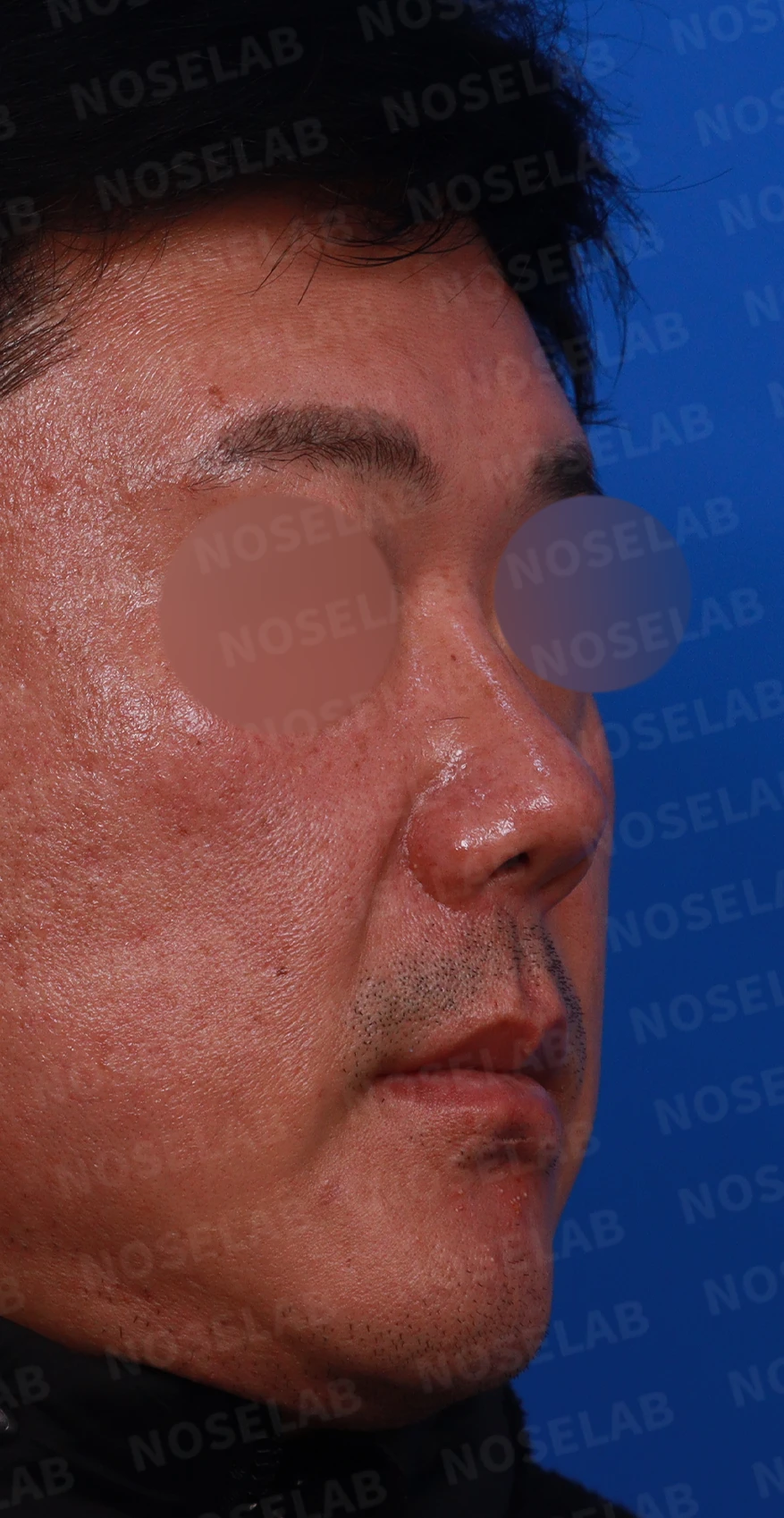
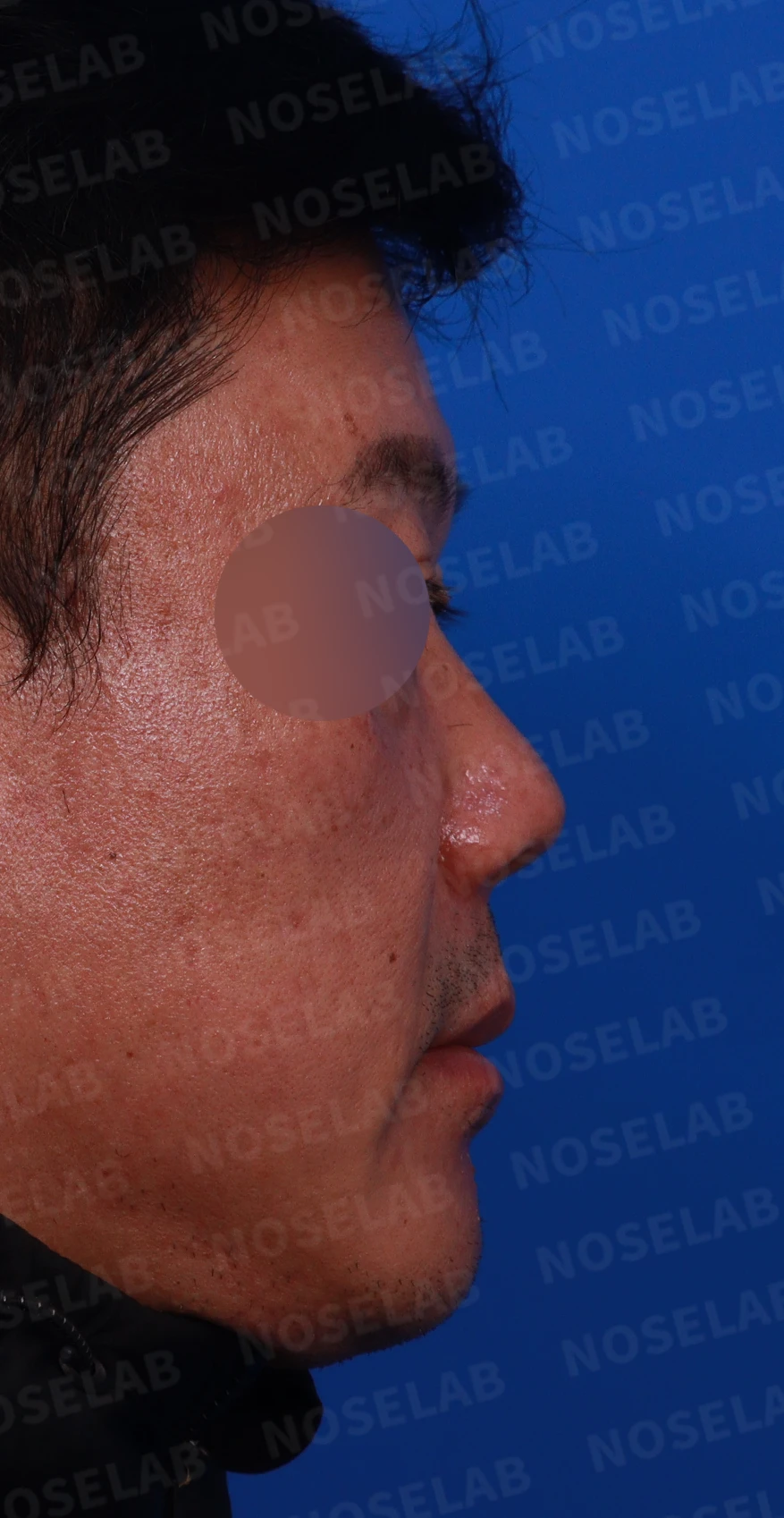
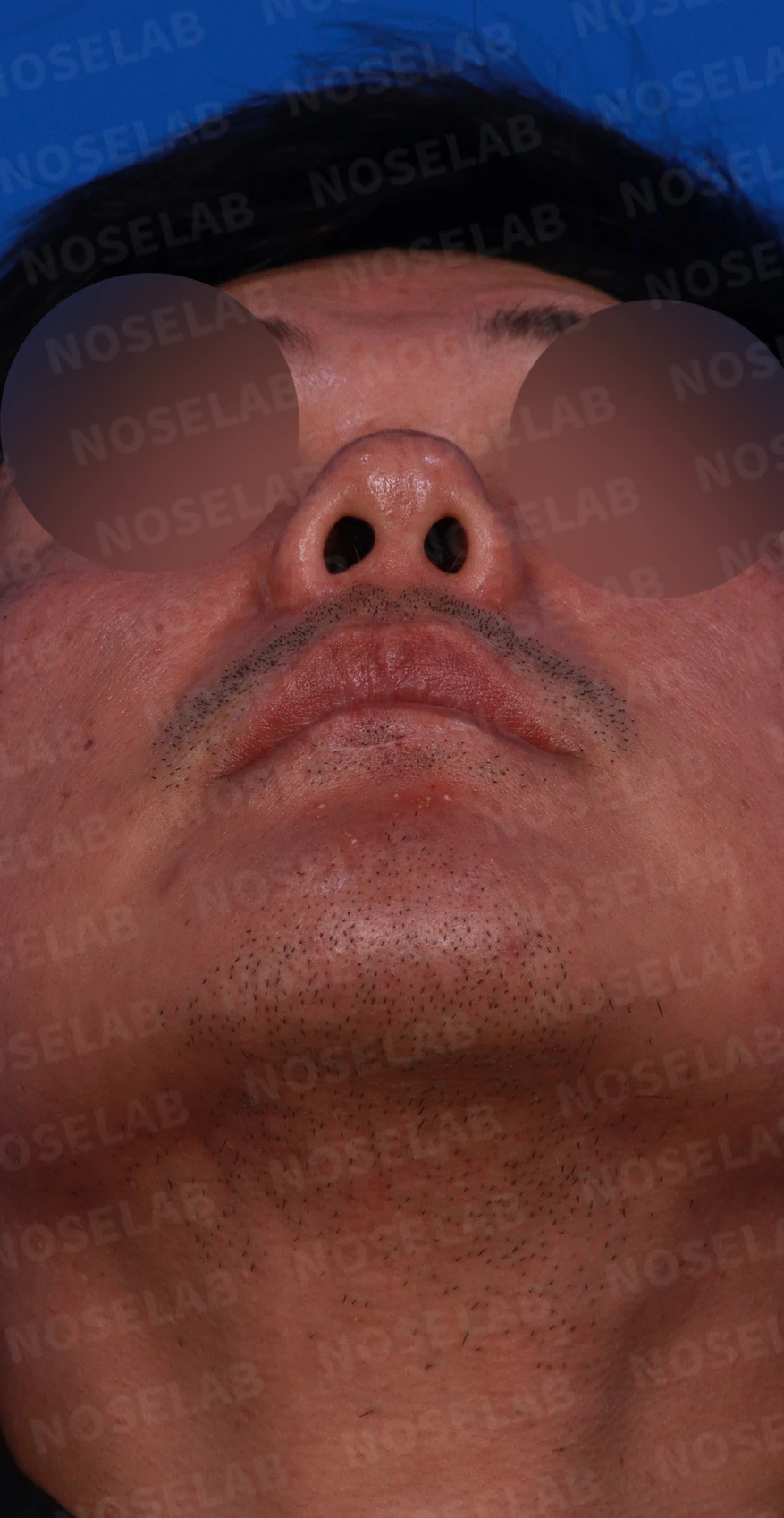
Design consultation: right oblique, profile, and basal (nostril) views.
🔍 Nasal obstruction examination results
On nasal CT and nasal endoscopy performed at our clinic:
Distinct deviated septum
Bilateral hypertrophic rhinitis was identified, so surgery to improve function was planned alongside cosmetic correction.
💉 Surgical findings and considerations
There was a particular circumstance during the harvesting of autologous rib cartilage. Signs of repetitive fractures and partial calcification were present in the cartilage, which made harvesting challenging. However, with practiced technique, an adequate amount of cartilage was harvested safely.
🔧 Surgical procedure details
Functional nasal surgery
Septoplasty for deviated septum correction
Submucosal resection of the inferior turbinate using radiofrequency
2. Structural improvement
Septal extension using autologous rib cartilage
Establishing a strong nasal tip support structure
Lowering the columella and correcting the nasolabial angle
Creating a straight bridge line using a silicone implant
🌟 Surgical results
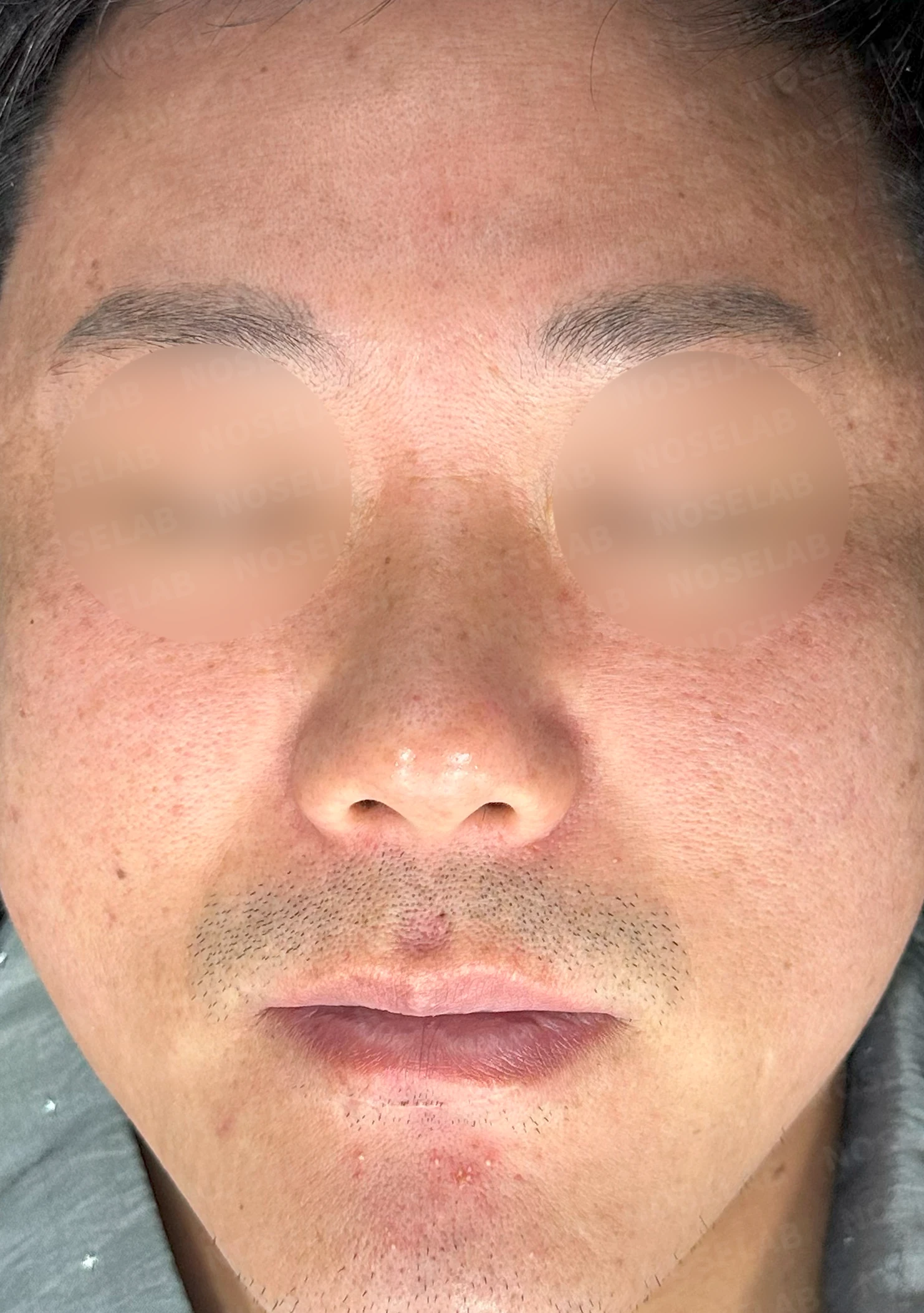
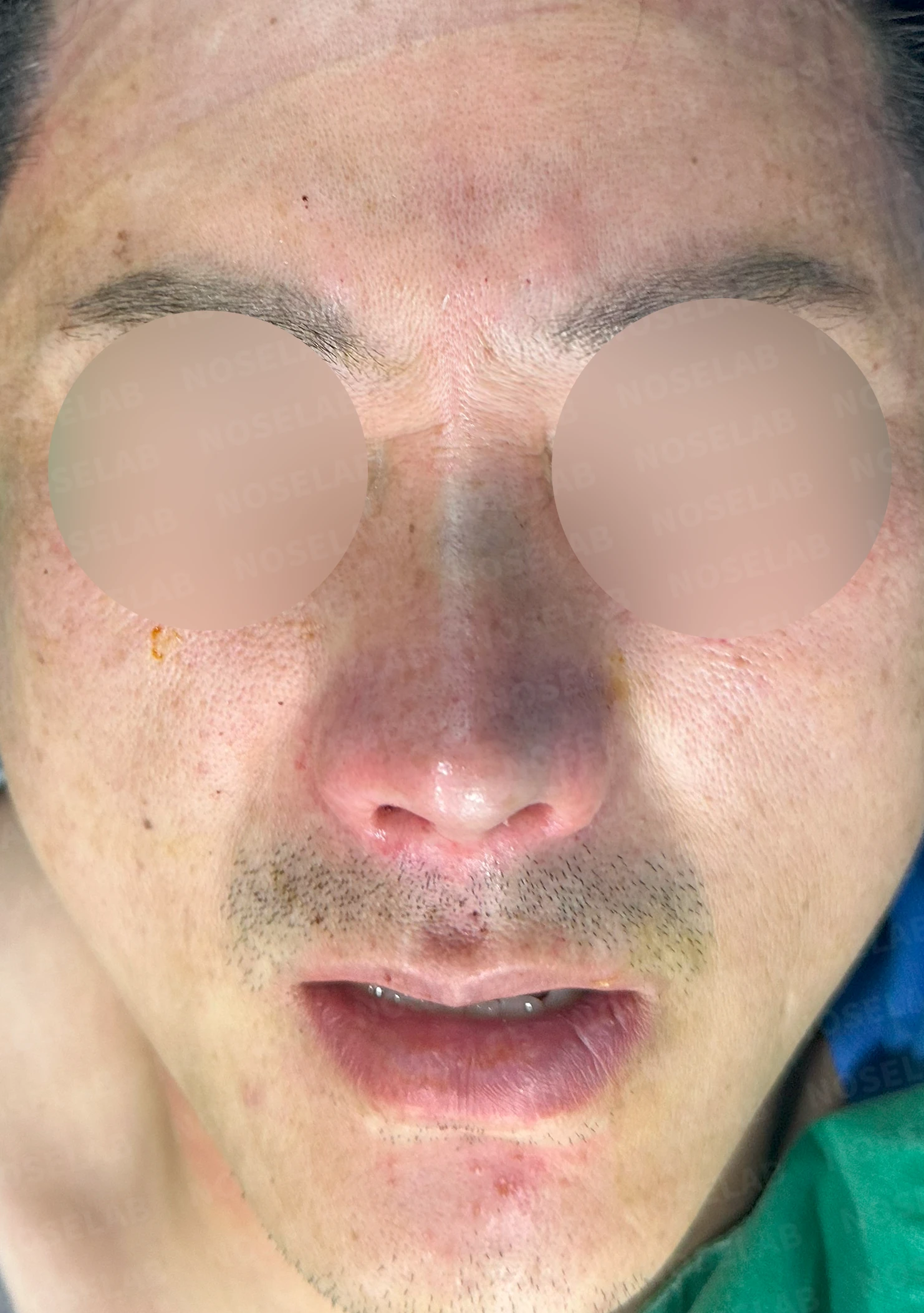
Before surgery / Day 0 immediately after surgery Photos taken immediately after surgery show swelling and may differ from the final result.
Front view improvement
The previously upturned nasal tip was naturally brought down
The glabella height was adequately elevated
A nasal length harmonious with overall facial proportions was achieved
Improved overall balance
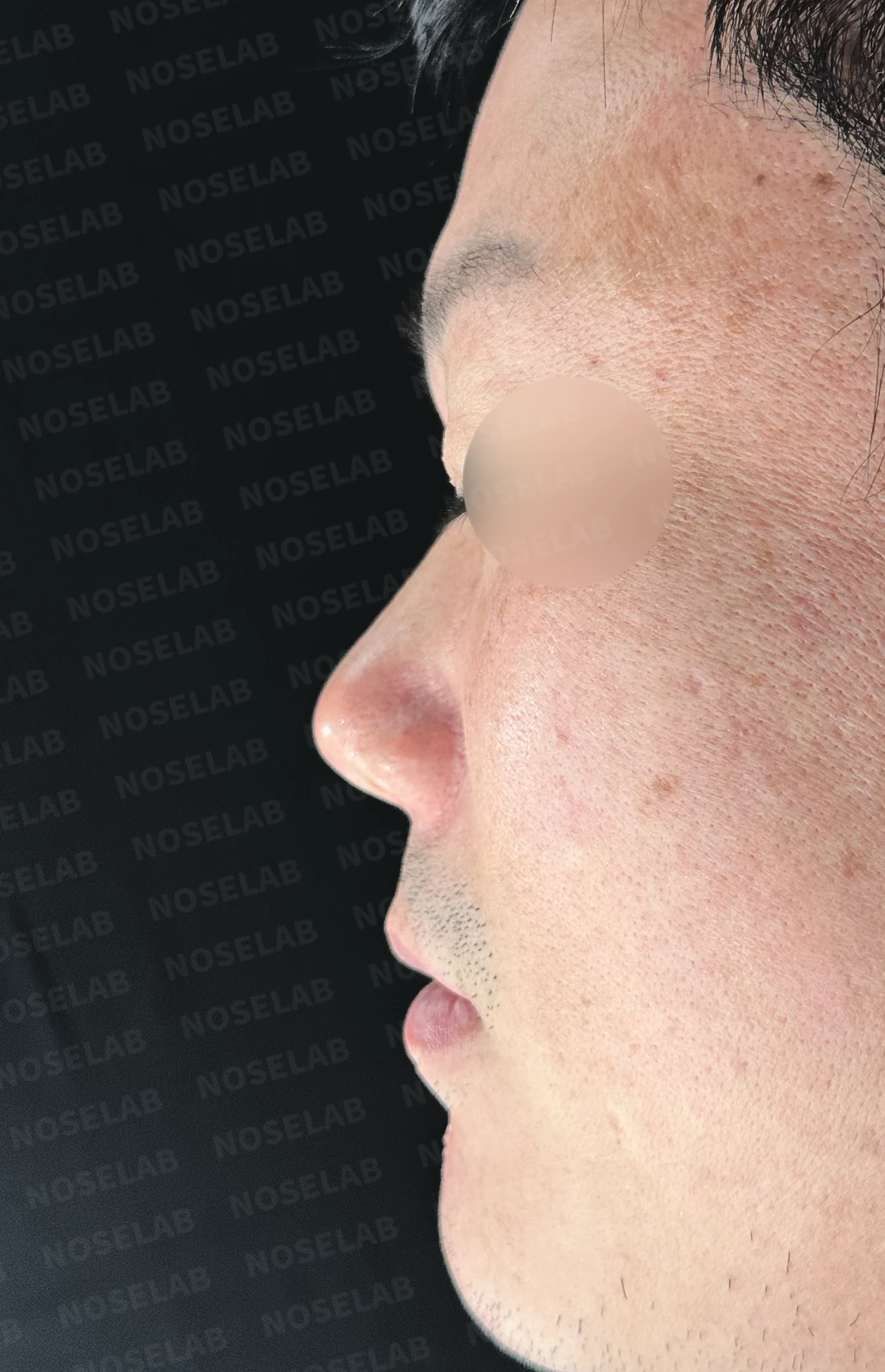
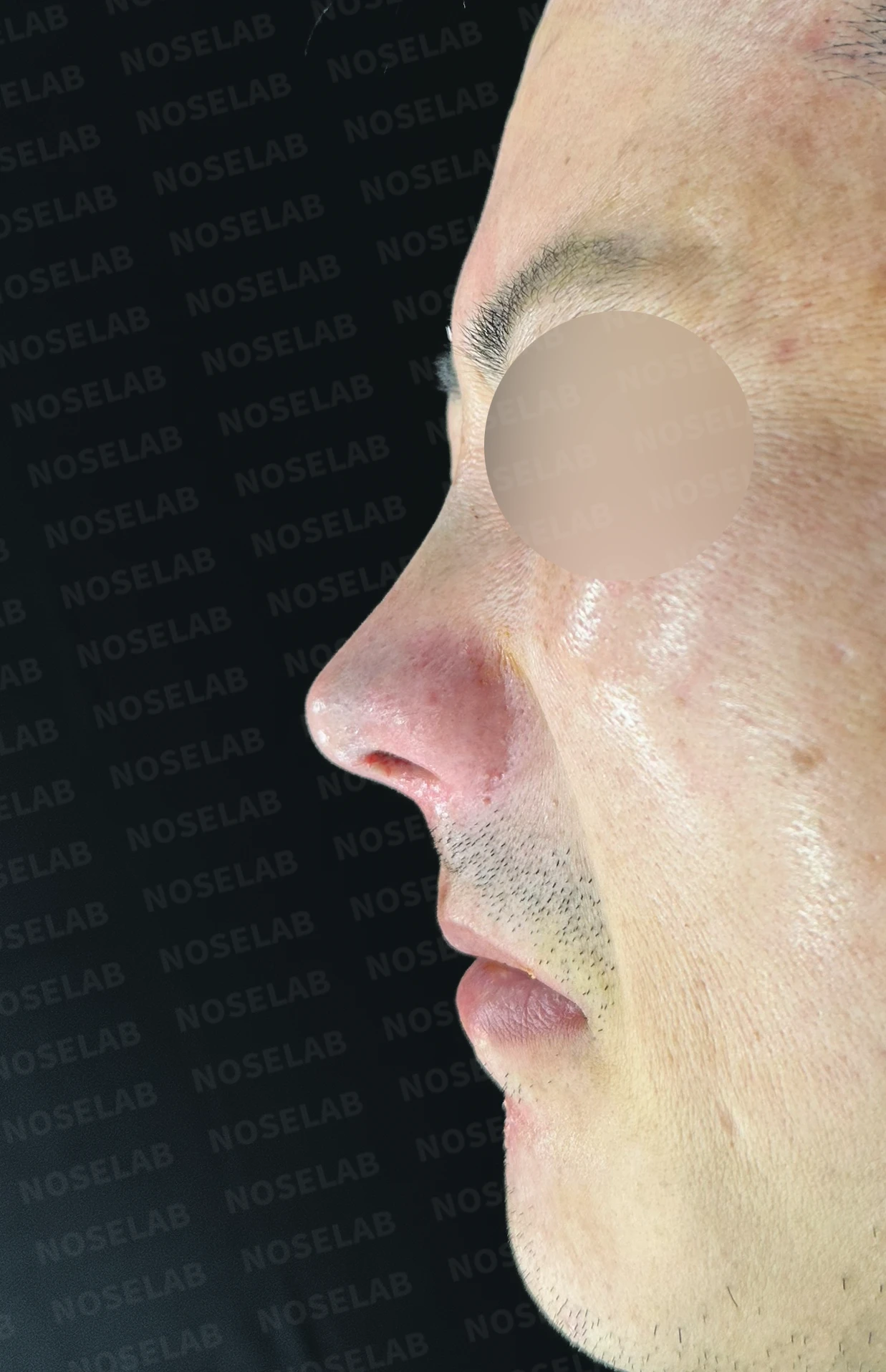
Before surgery / Day 0 immediately after surgery Photos taken immediately after surgery show swelling and may differ from the final result.
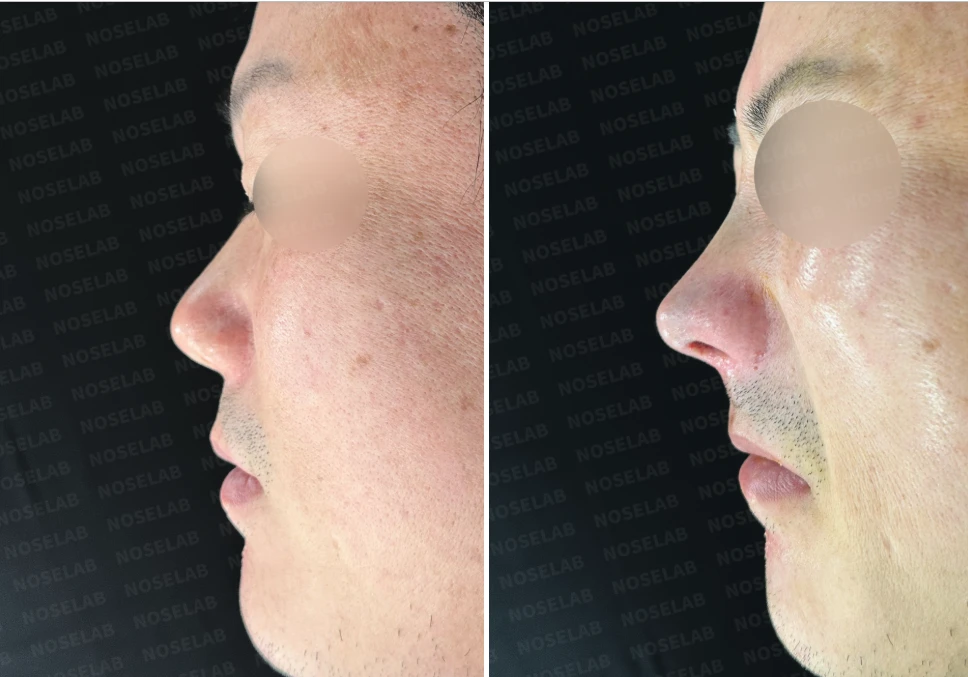
2. Profile view improvement
Creation of a natural columellar line
Improved nasolabial angle
A smooth straight line from the glabella to the nasal tip
Improvement of the philtrum, which previously appeared elongated
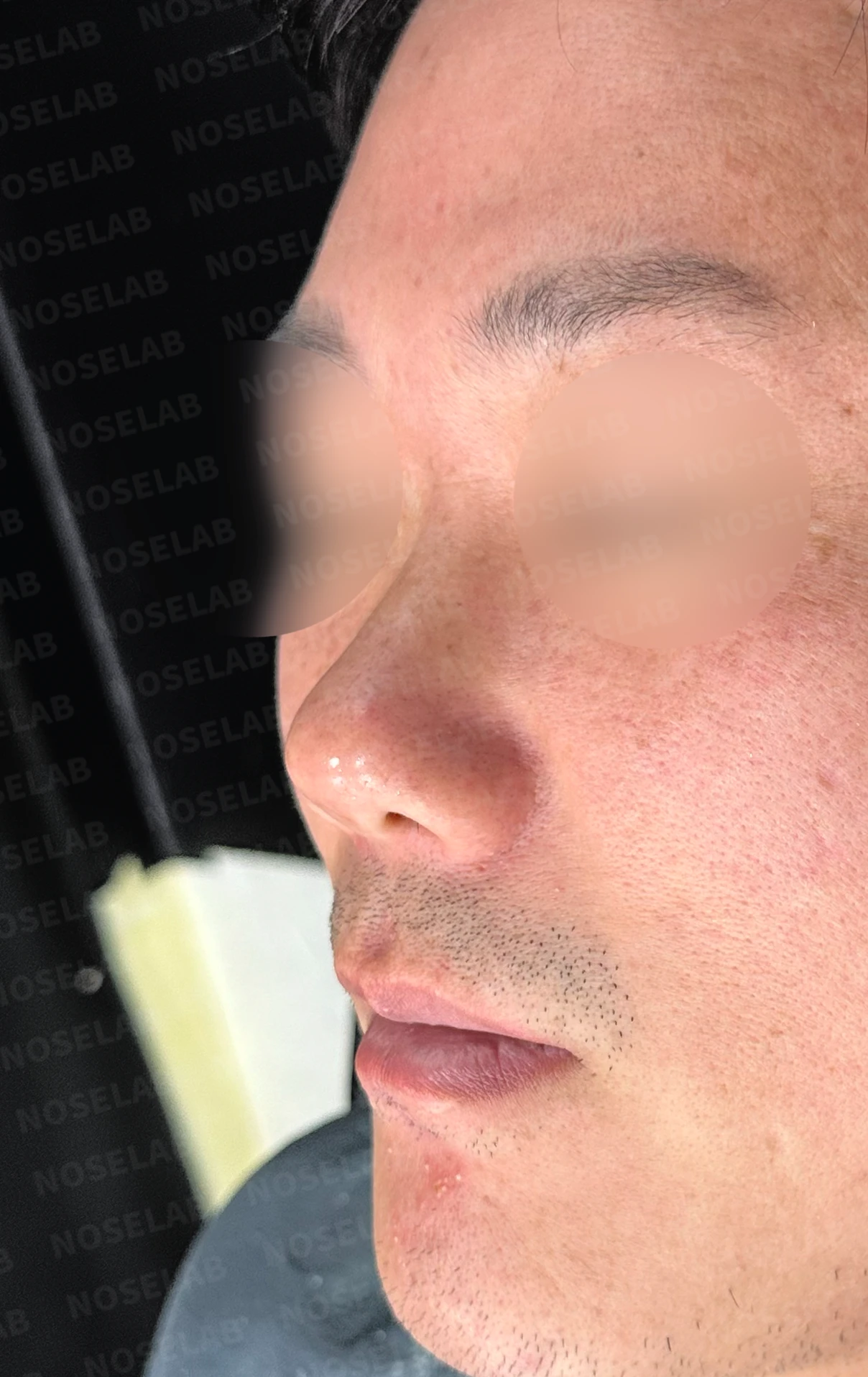
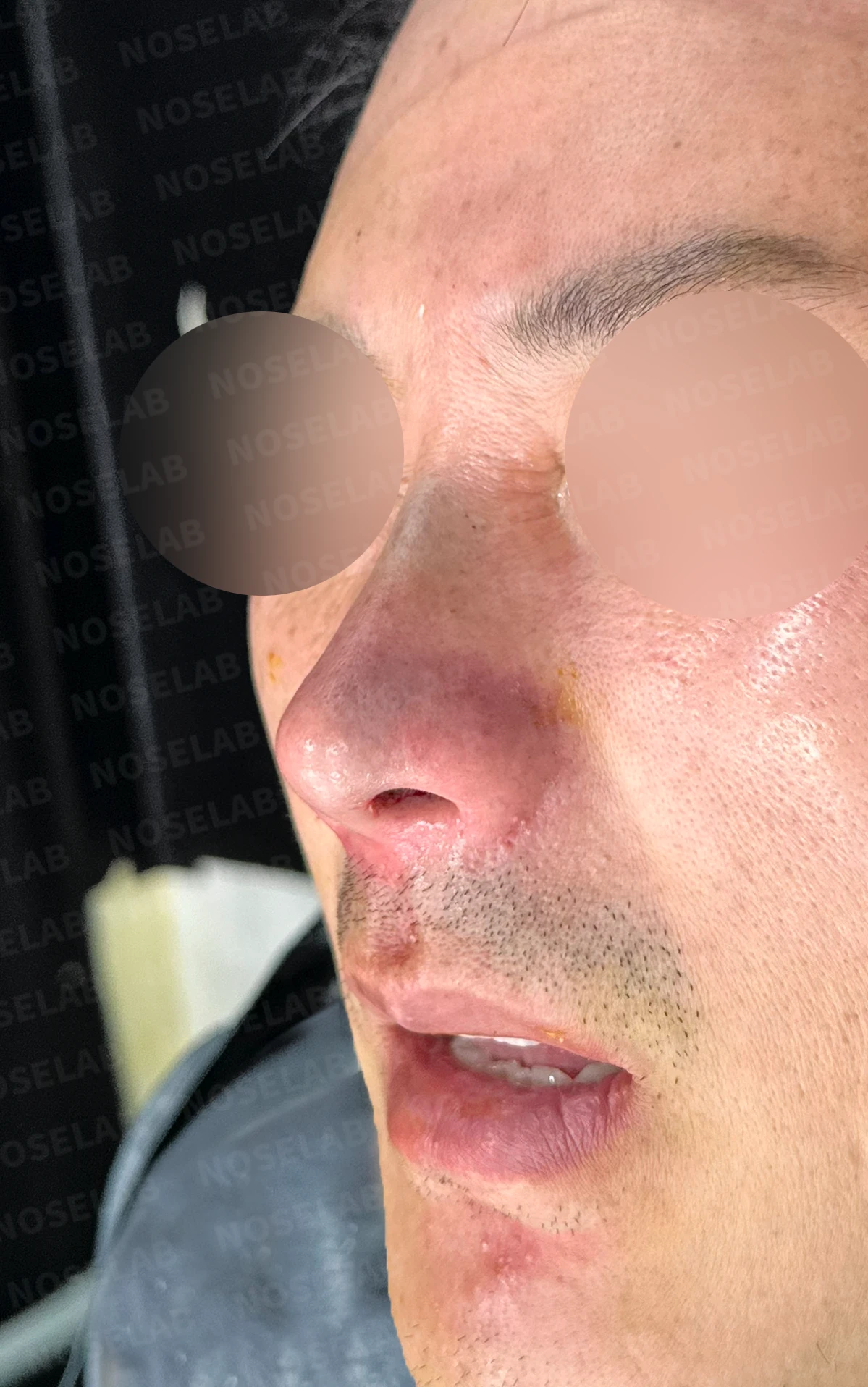
Before surgery / Day 0 immediately after surgery Photos taken immediately after surgery show swelling and may differ from the final result.
3. Nostril improvement
Nostril shape transitioned from round to a natural oval contour
Improvement of asymmetry
Correction of the previously tilted columella
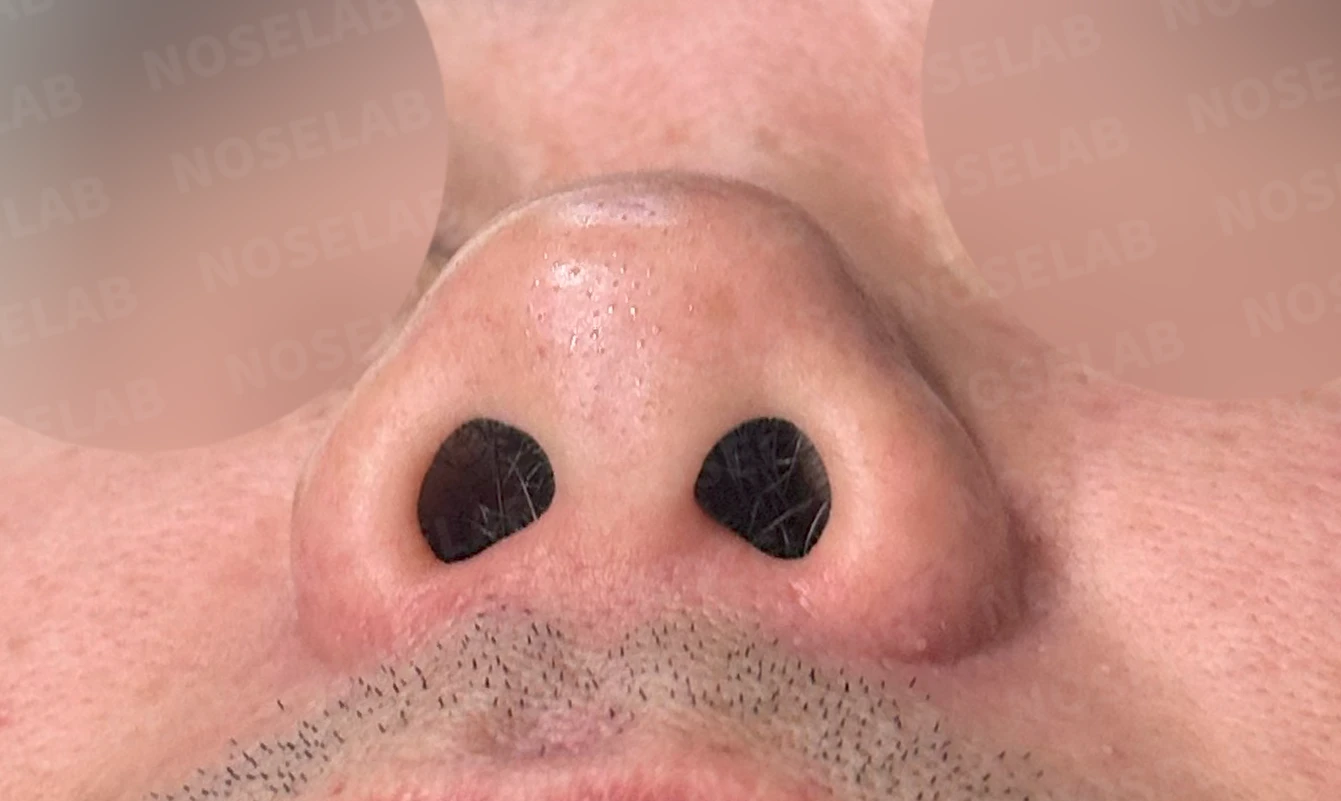
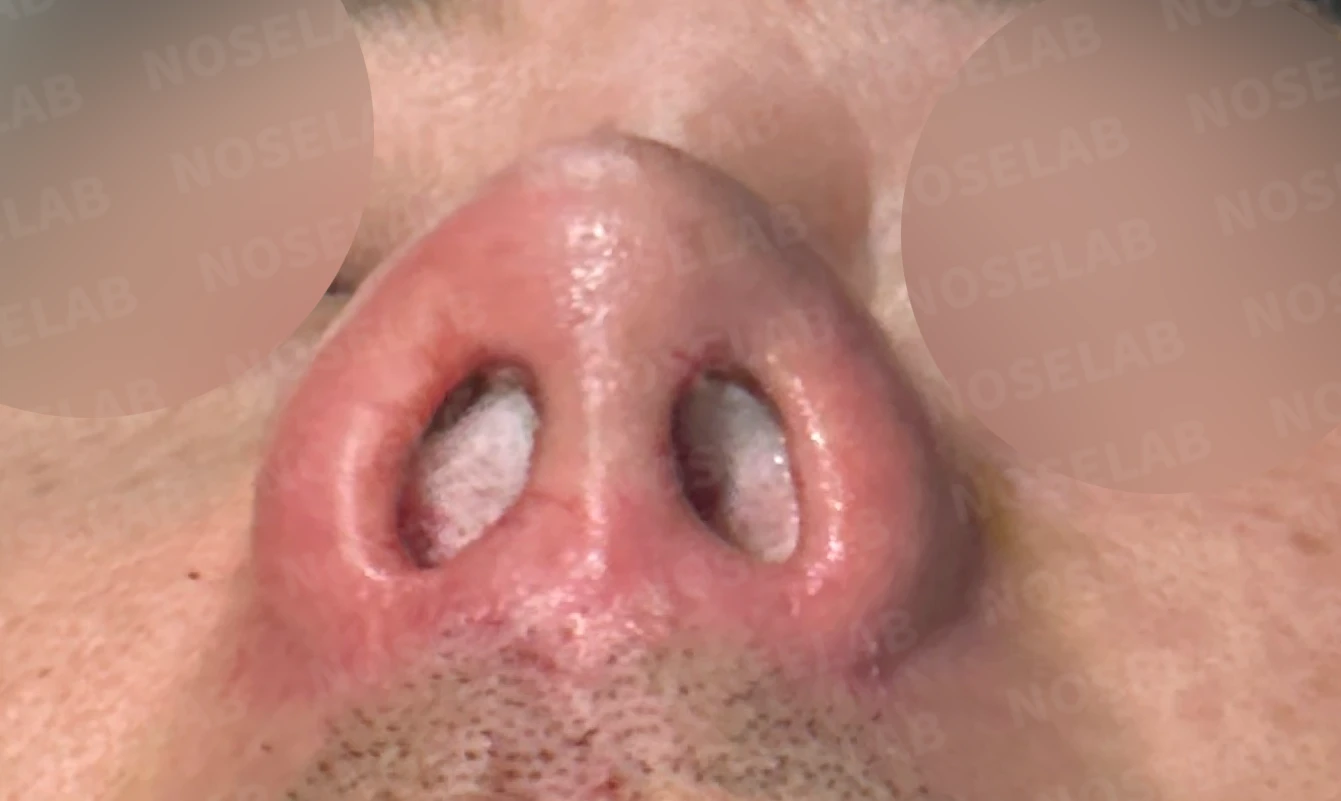
Before surgery / Day 0 immediately after surgery Photos taken immediately after surgery show swelling and may differ from the final result.
💡 Specialist opinion
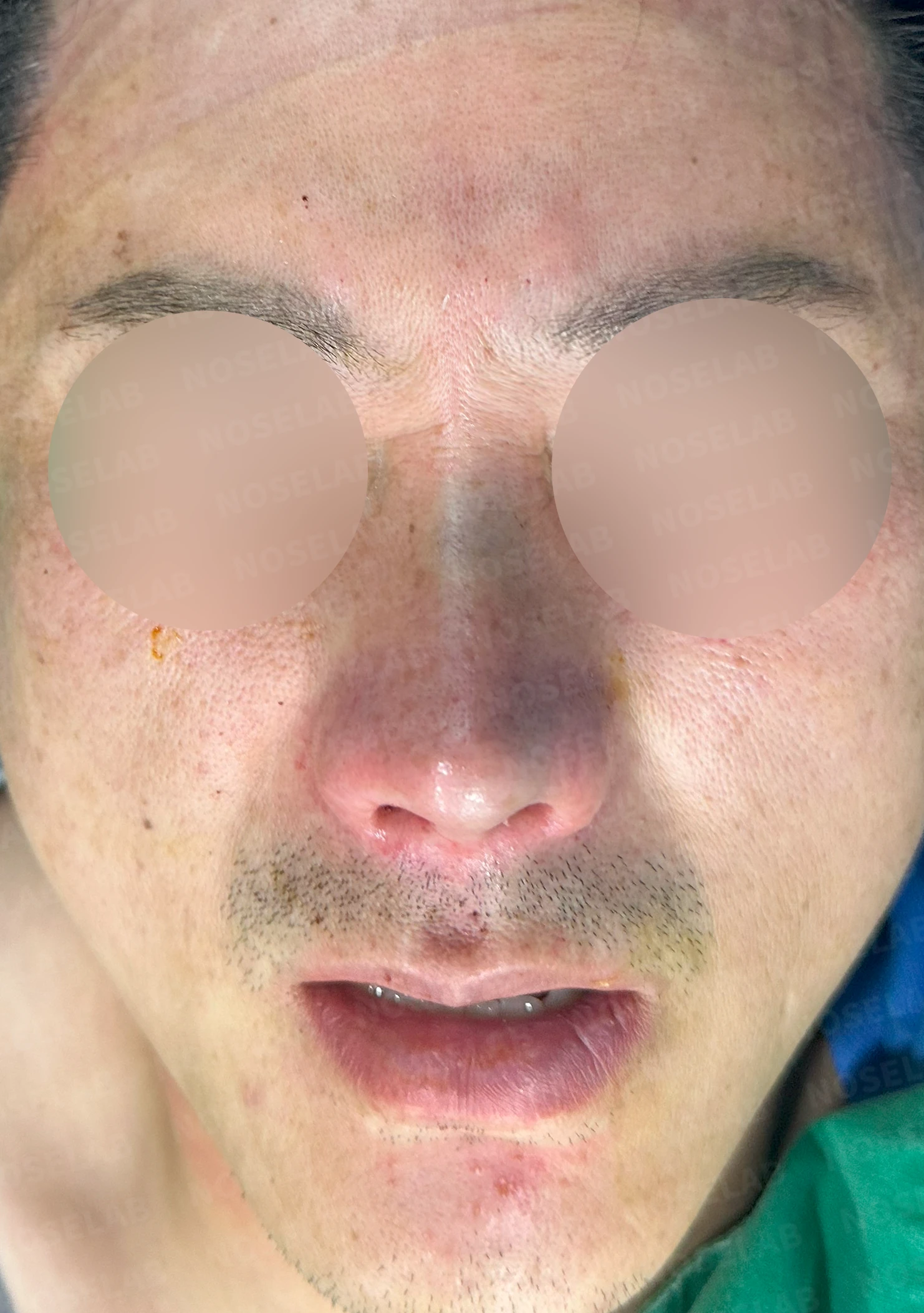
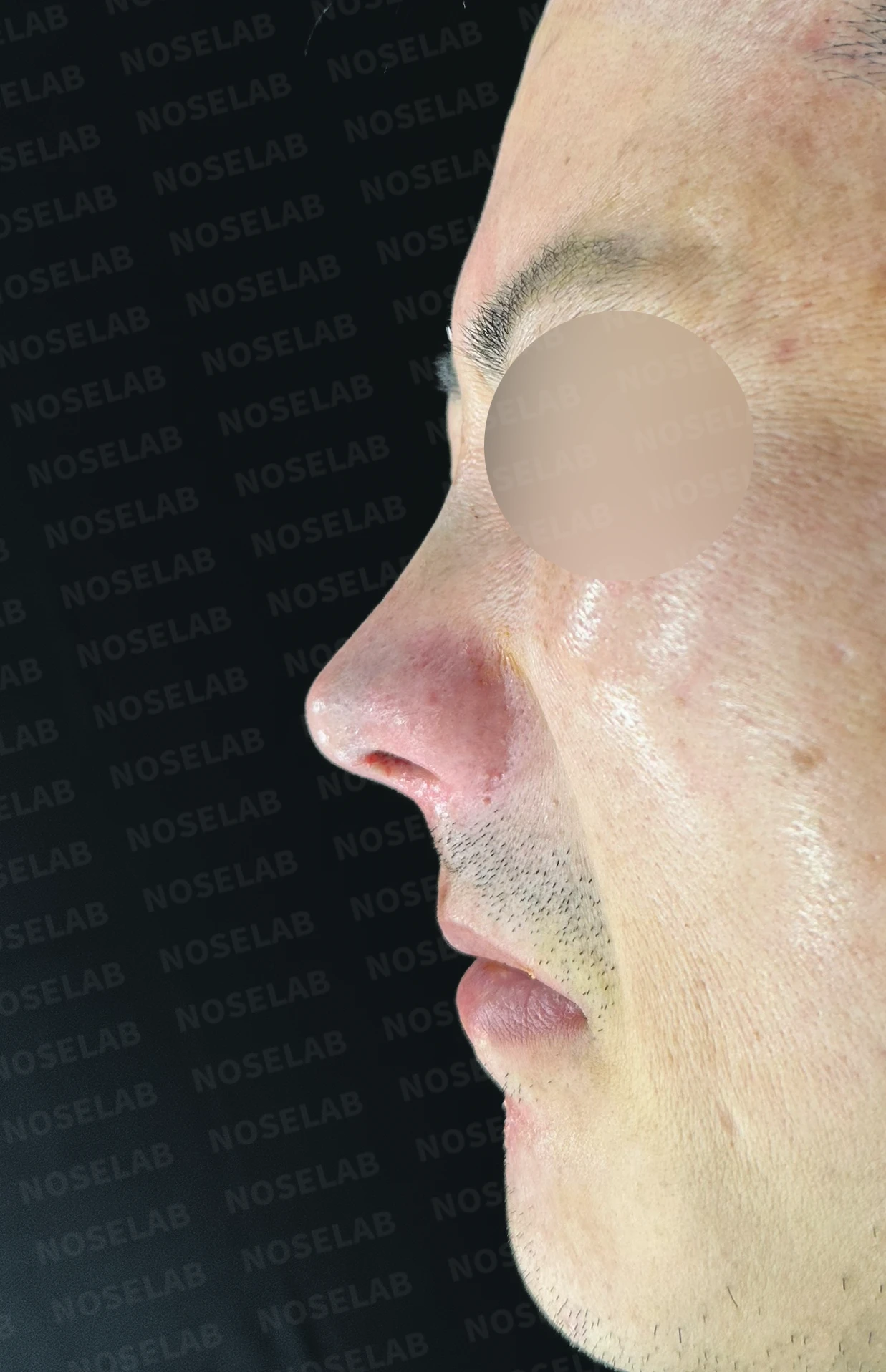
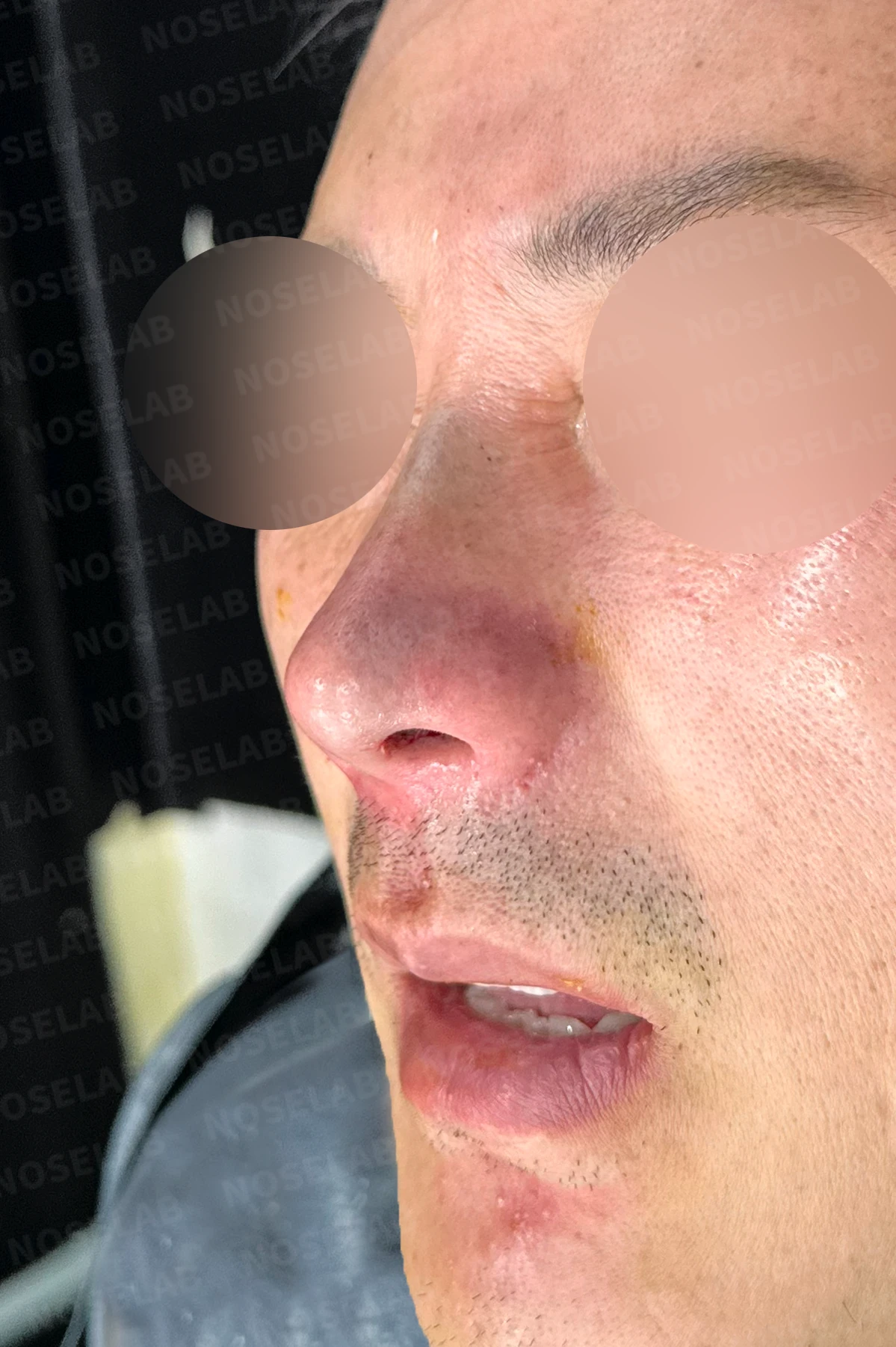
Front, profile, and oblique views taken immediately after surgery (day 0).Immediate postoperative photos show swelling and may differ from the final result.
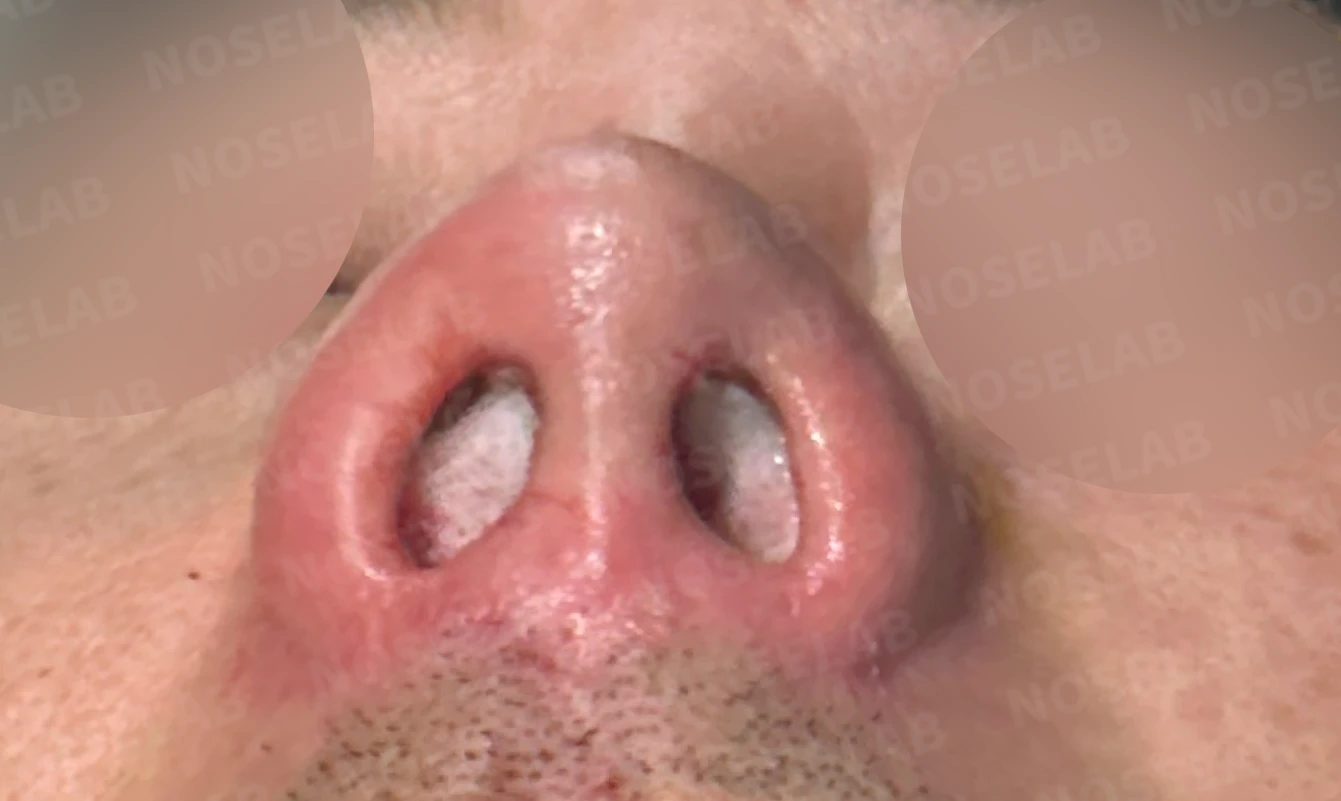
Nostril view on day 0 immediately after surgery. Photos taken immediately after surgery show swelling and may differ from the final result.
Rhinoplasty for a short and small nose is by no means an easy procedure. Two key factors are essential to achieve a favorable outcome.
First, the limitation of limited skin elasticity and envelope must be overcome. Rather than simply raising the nose, the key is to design and balance the height and proportions so that the nose no longer appears short.
Second, the nasal tip must be reconstructed using strong and sufficient material. In most cases, septal extension using autologous rib cartilage is required, which is critical for supporting a stable result over the long term.
In this case as well, adhering strictly to these two principles allowed us to achieve a successful outcome. NOSELAB will continue to provide customized surgical solutions to address each patient's detailed concerns.
This was Dr. Peter C. Kang. Thank you.
Thank you.
#closedrhinoplasty #shortnosecorrection #upturnednose #autologousribcartilage #customrhinoplasty #nasalobstructionrelief #facialproportions #septalextension

Limitations and risks
When autologous rib cartilage is used, scarring and pain may remain at the donor site on the chest, and pneumothorax (pleural injury) can occur rarely. Over time, the grafted cartilage may warp or undergo partial resorption.
When the septum is corrected at the same time, nasal obstruction may persist or recur, and in rare cases, septal perforation or changes in smell may occur.
Common potential risks include infection, bleeding, asymmetry, scarring, skin necrosis, and insufficient improvement; results vary depending on individual skin condition and previous surgical history.