Hello, I am Dr. Peter C. Kang.
Today, I would like to share the case of a patient who visited us with concerns regarding an upturned nose and a retracted columella.
🔍 Procedure and surgical history
1 year ago: Nasal filler (dissolving injections administered prior to surgery)
2012: Silicone implant + ear cartilage
💉 Patient's requests
Desired reduction in nostril show
Correction of an upturned nose
A nose harmonious with the face
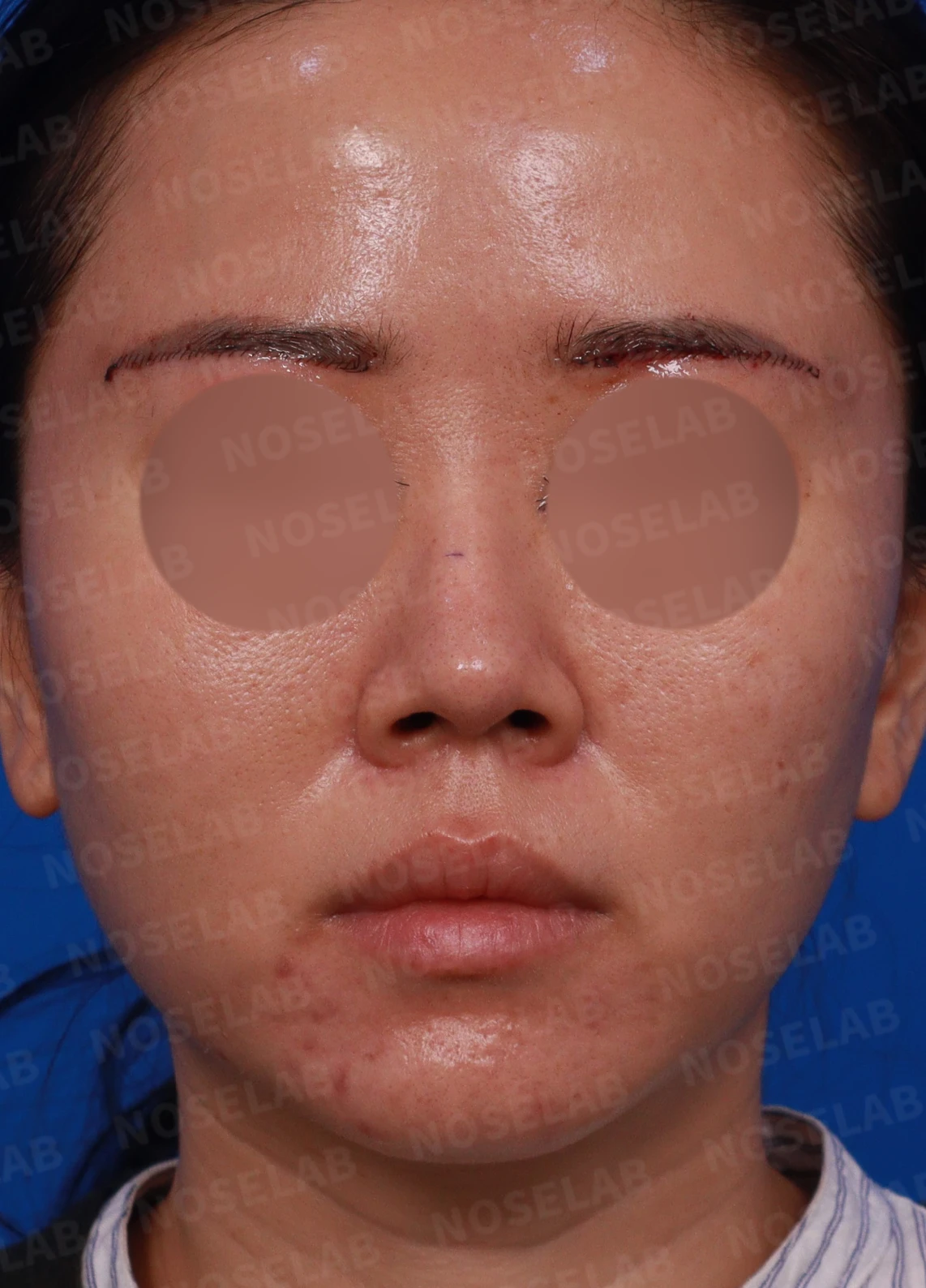
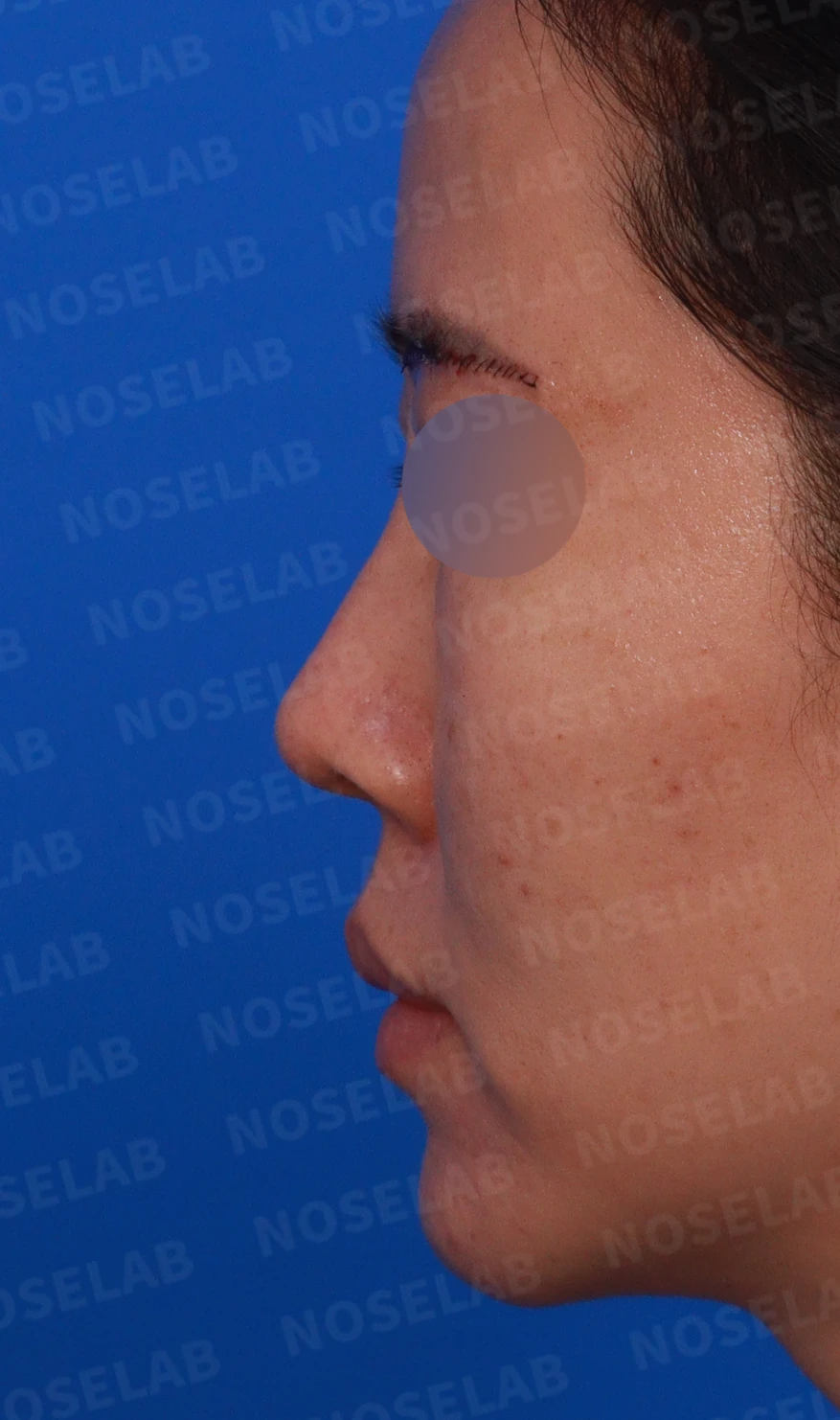
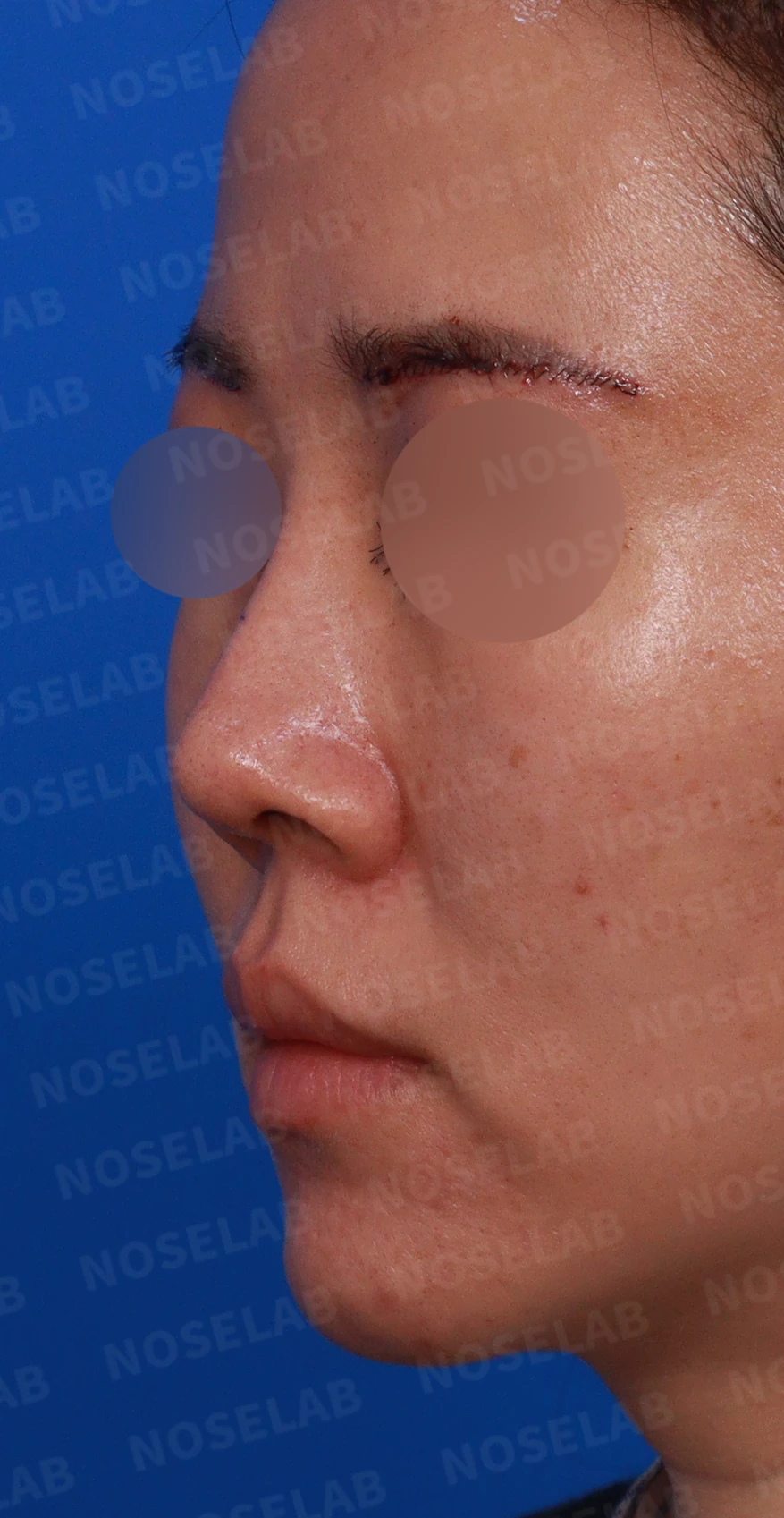
Front, left profile, and oblique views during design consultation.
💉 Preoperative analysis
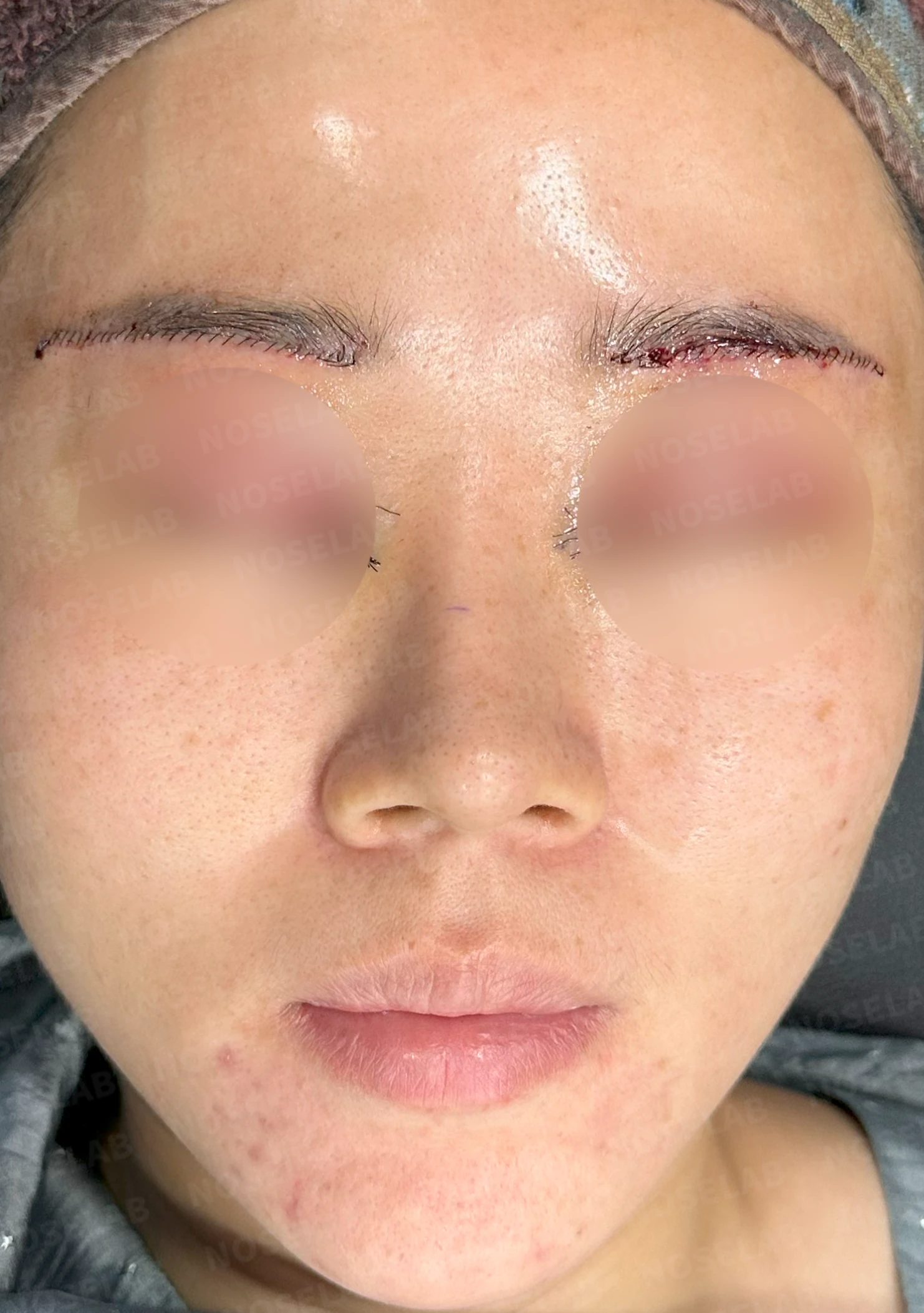
1. Front view
Excessive nostril show
Diagonally deviated nose
Retracted columella
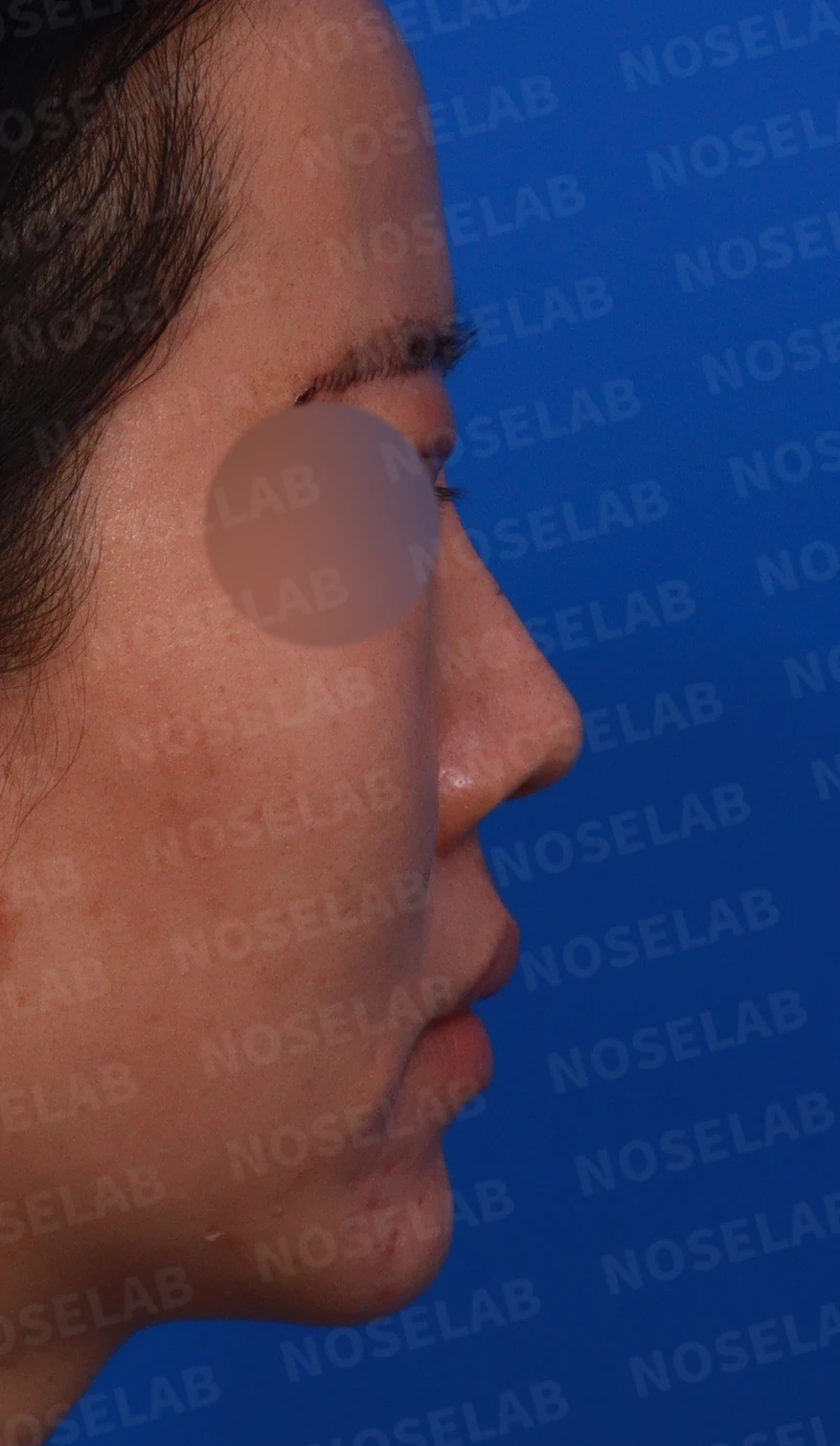
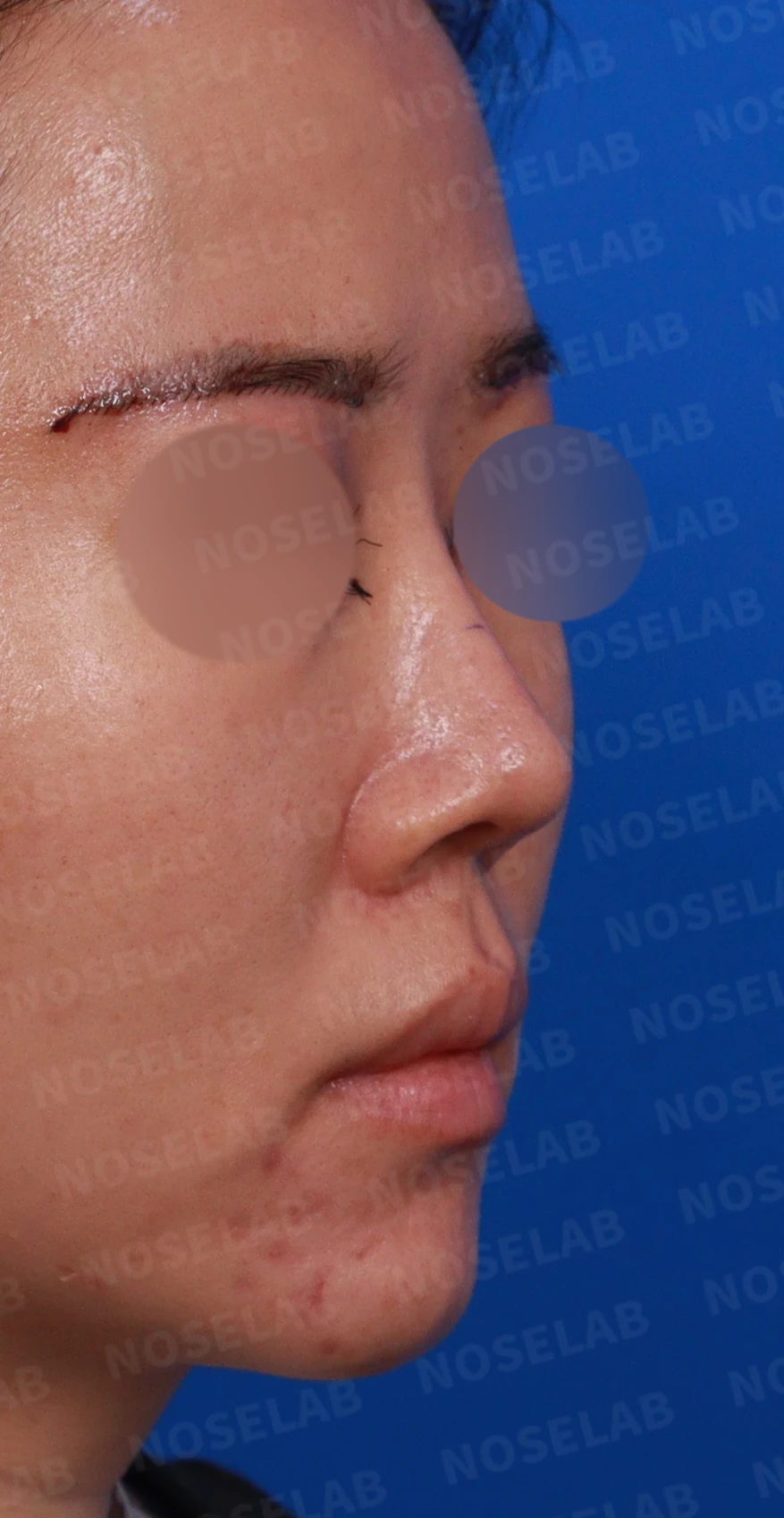
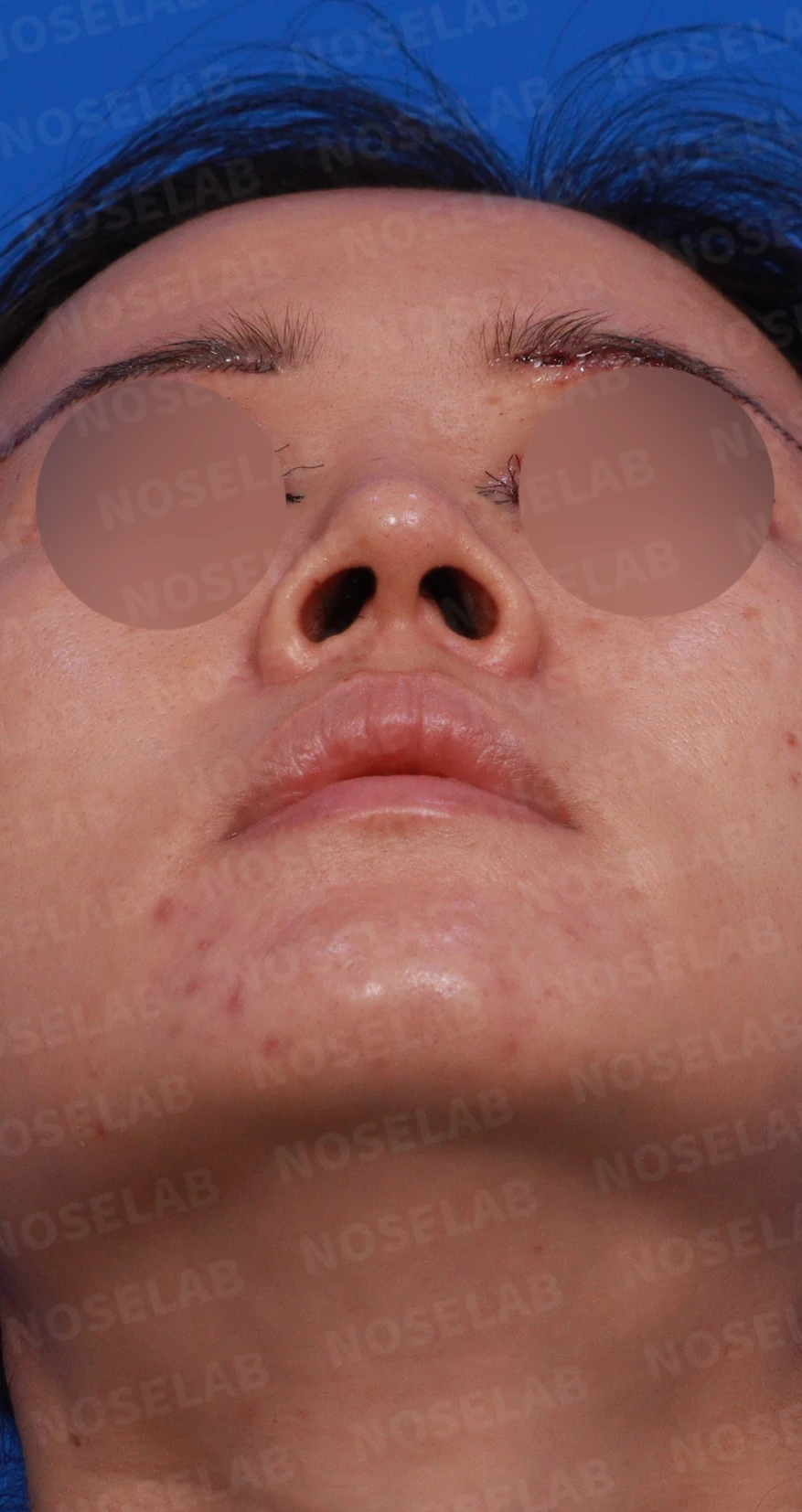
Right profile, oblique, and nostril views during design consultation.
2. Profile view
High radix
Retracted columella
Protruding mouth
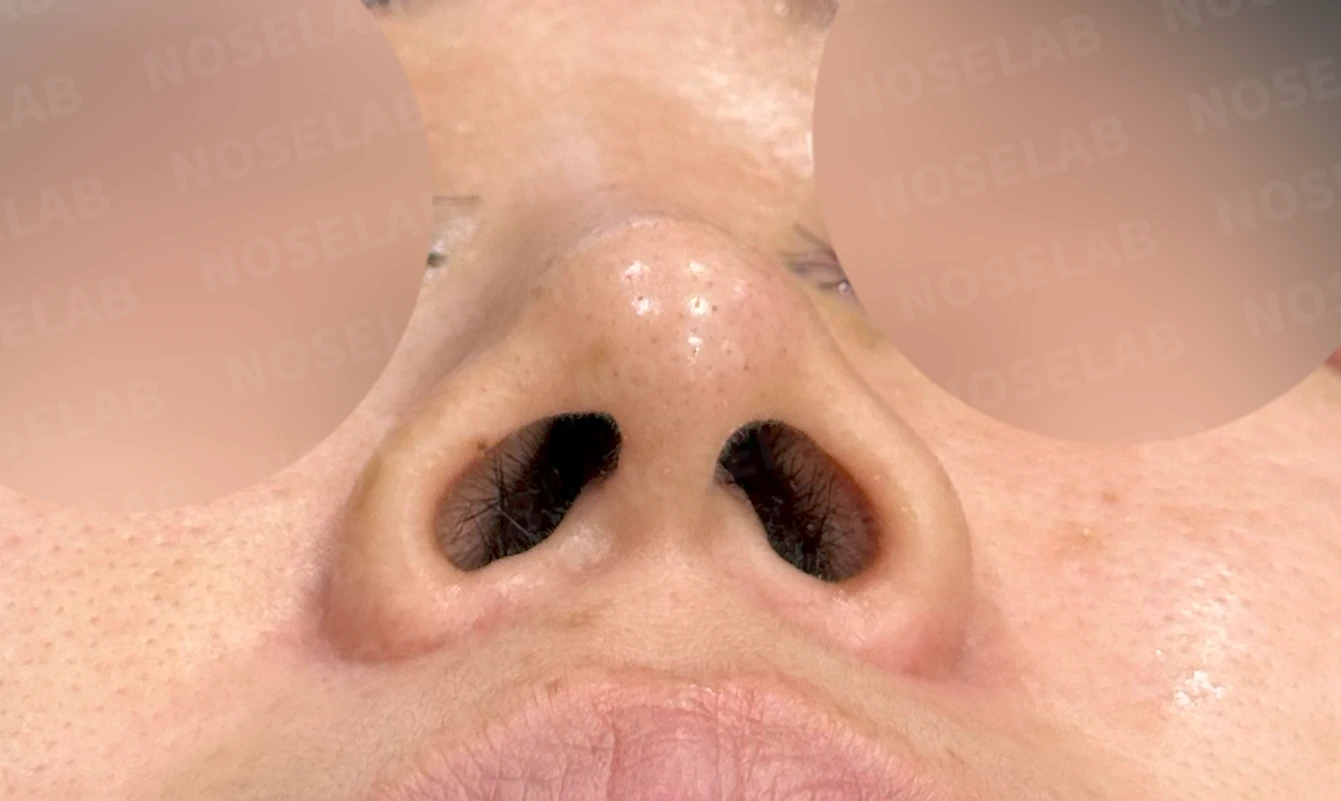
3. Nostrils
Left-right asymmetry
Left nostril is larger
Columella tilted to the left
🔧 Surgical plan
1. Nasal reconstruction using autologous rib cartilage
2. Lowering the columella, nasolabial angle correction
3. Foreign material removal
4. Functional improvement
Correction of deviated septum
Radiofrequency submucosal resection of the inferior turbinate
🌟 Surgical results
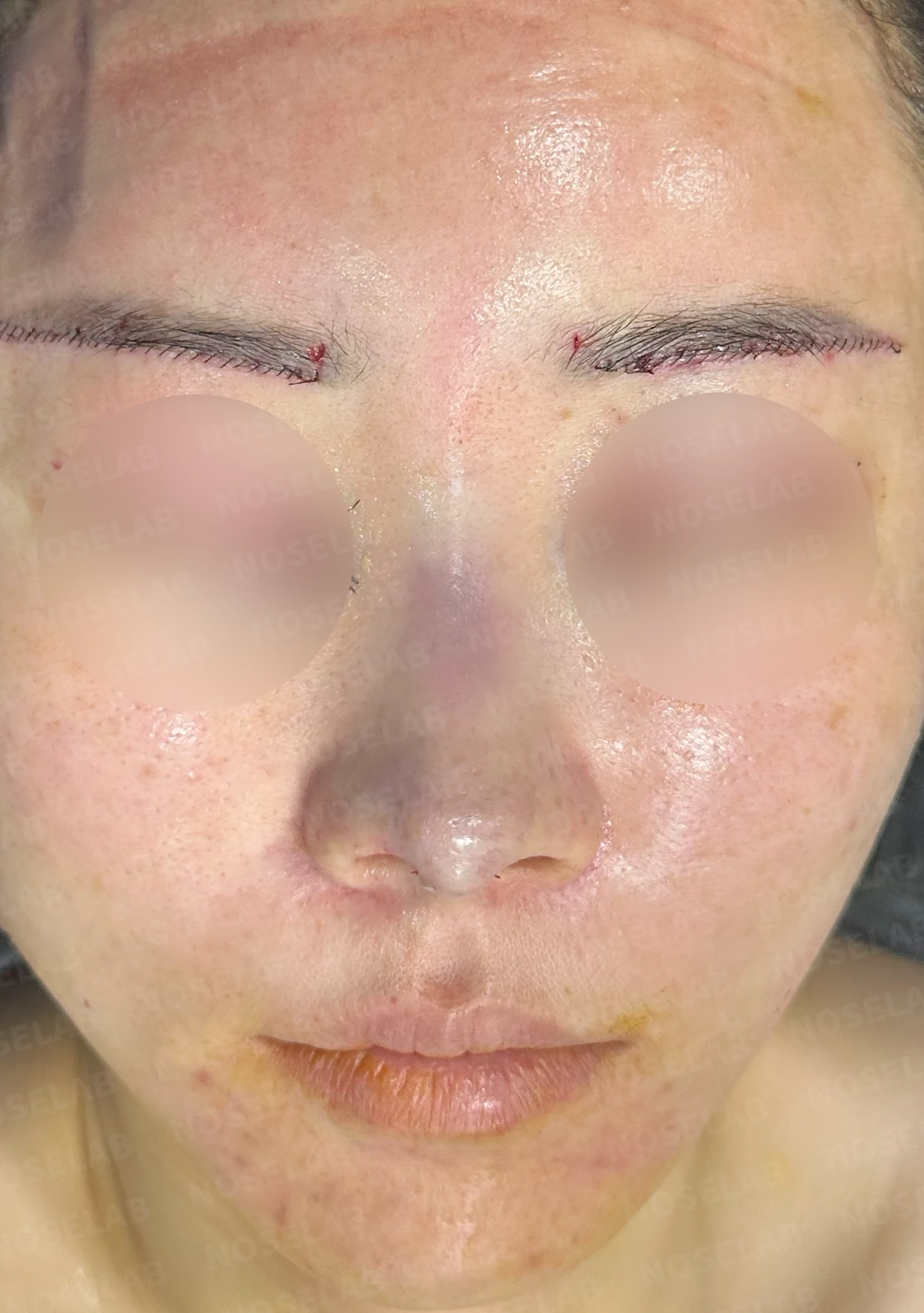
Before surgery / Day 0 immediately after surgery Photos taken immediately after surgery show swelling and may differ from the final result.
1. Frontal view improvement
Reduction in nostril show
Correction of crooked nose
Correction of the retracted columella
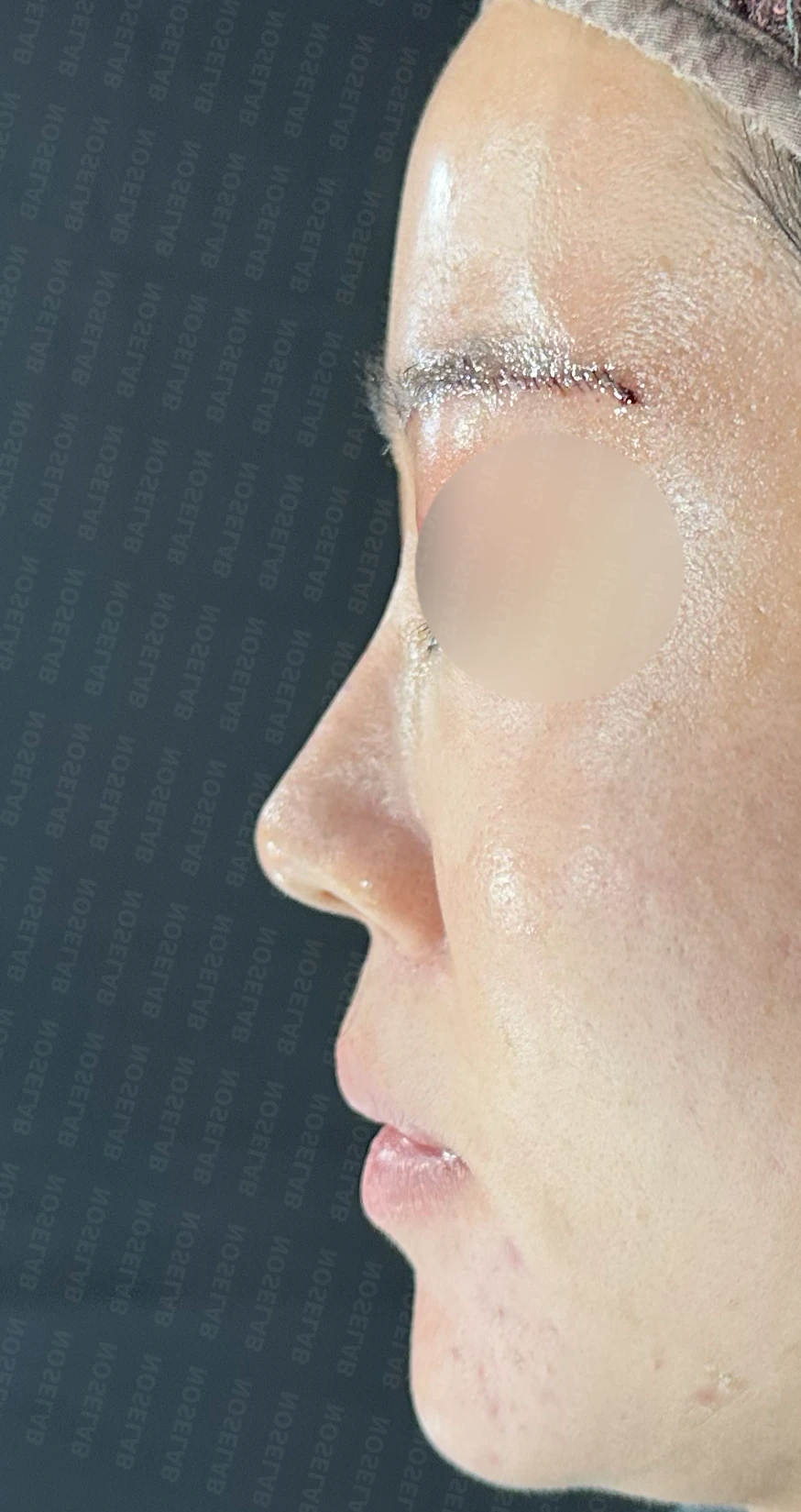
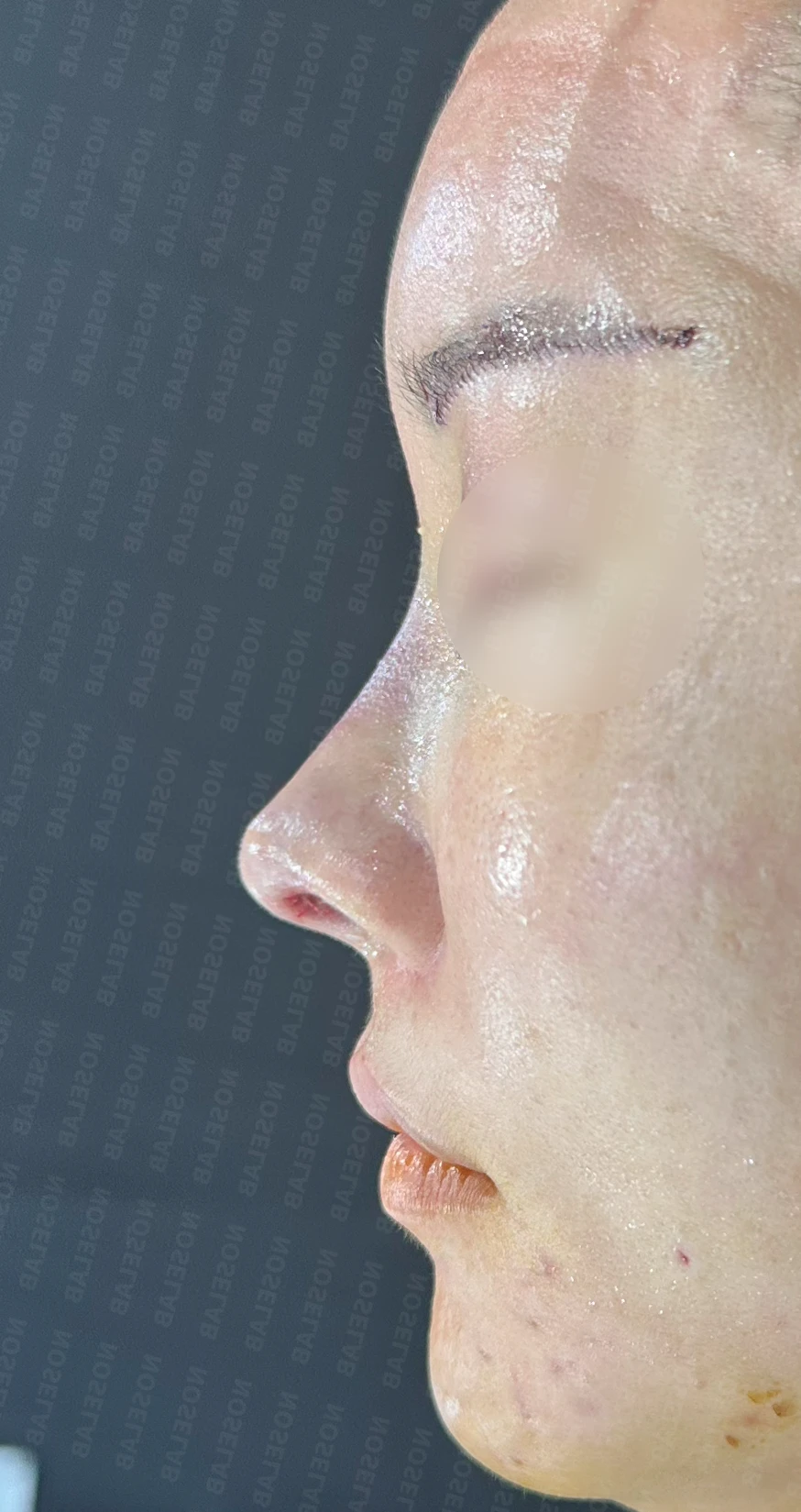
Before surgery / Day 0 immediately after surgery Photos taken immediately after surgery show swelling and may differ from the final result.
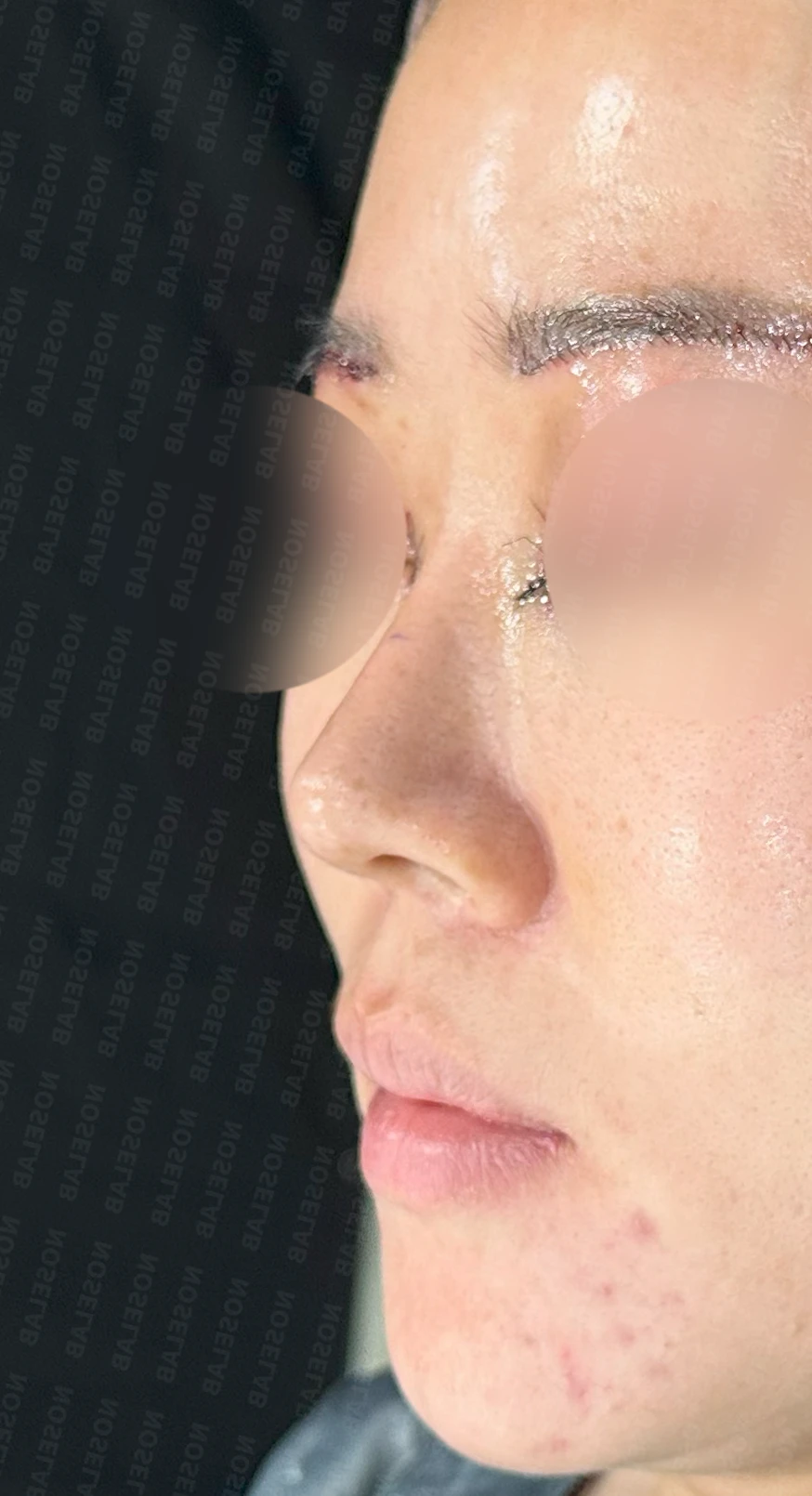
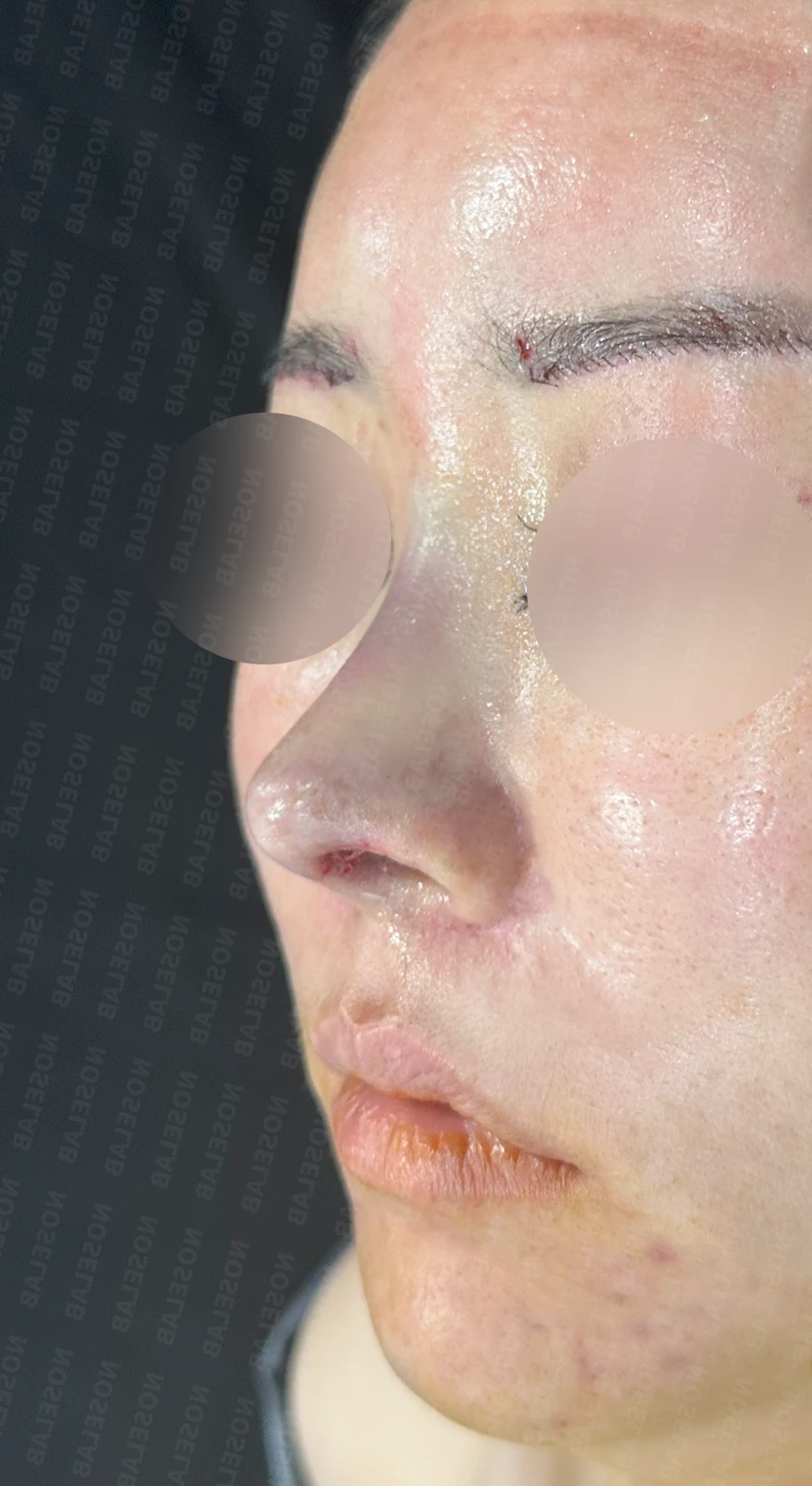
Before surgery / Day 0 immediately after surgery Photos taken immediately after surgery show swelling and may differ from the final result.
2. Profile view improvement
Lowering the radix
Creation of a natural columellar line
Correction of the nasolabial angle
Improvement of protruding mouth
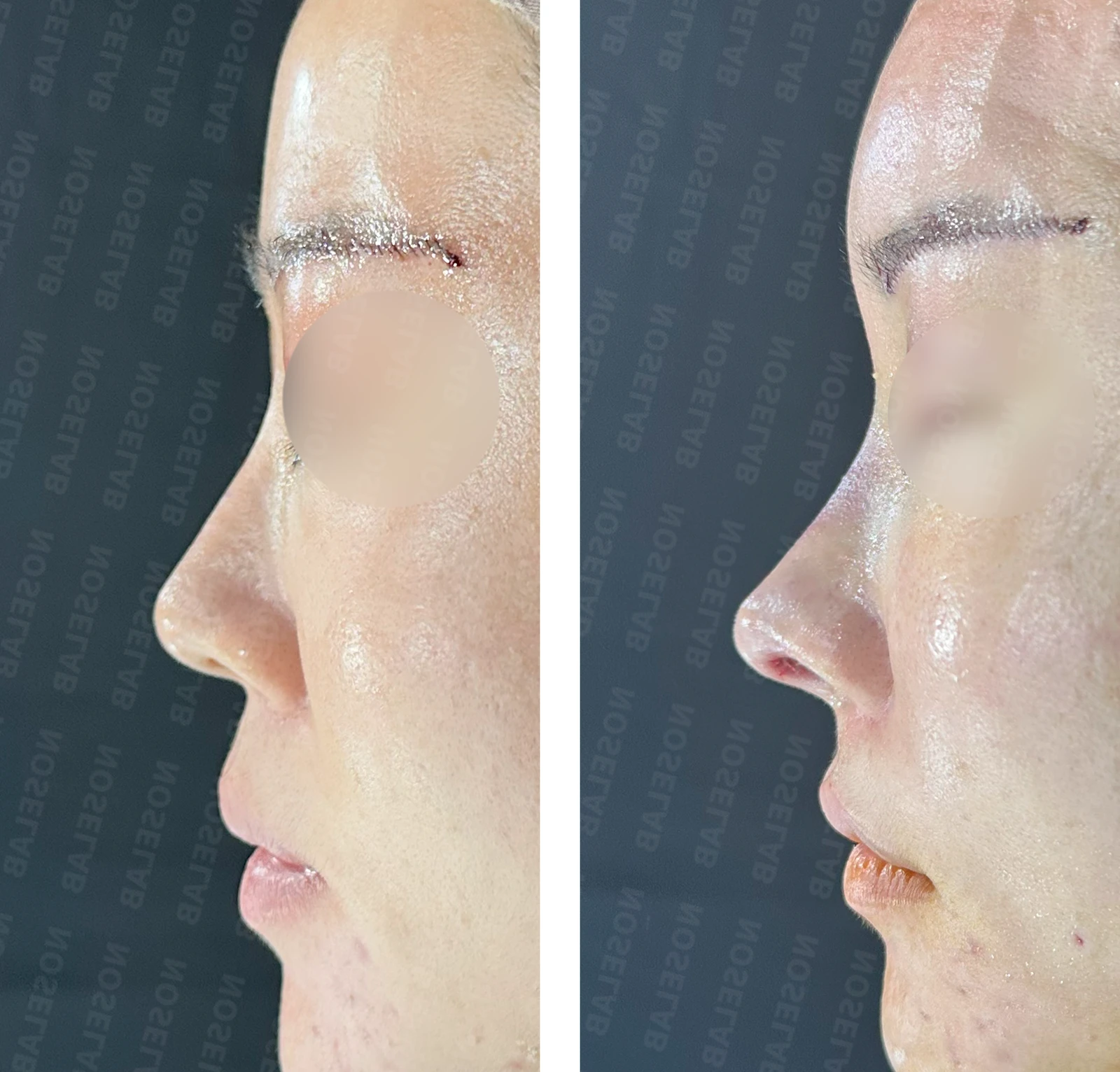
Before surgery / Day 0 immediately after surgery Photos taken immediately after surgery show swelling and may differ from the final result.
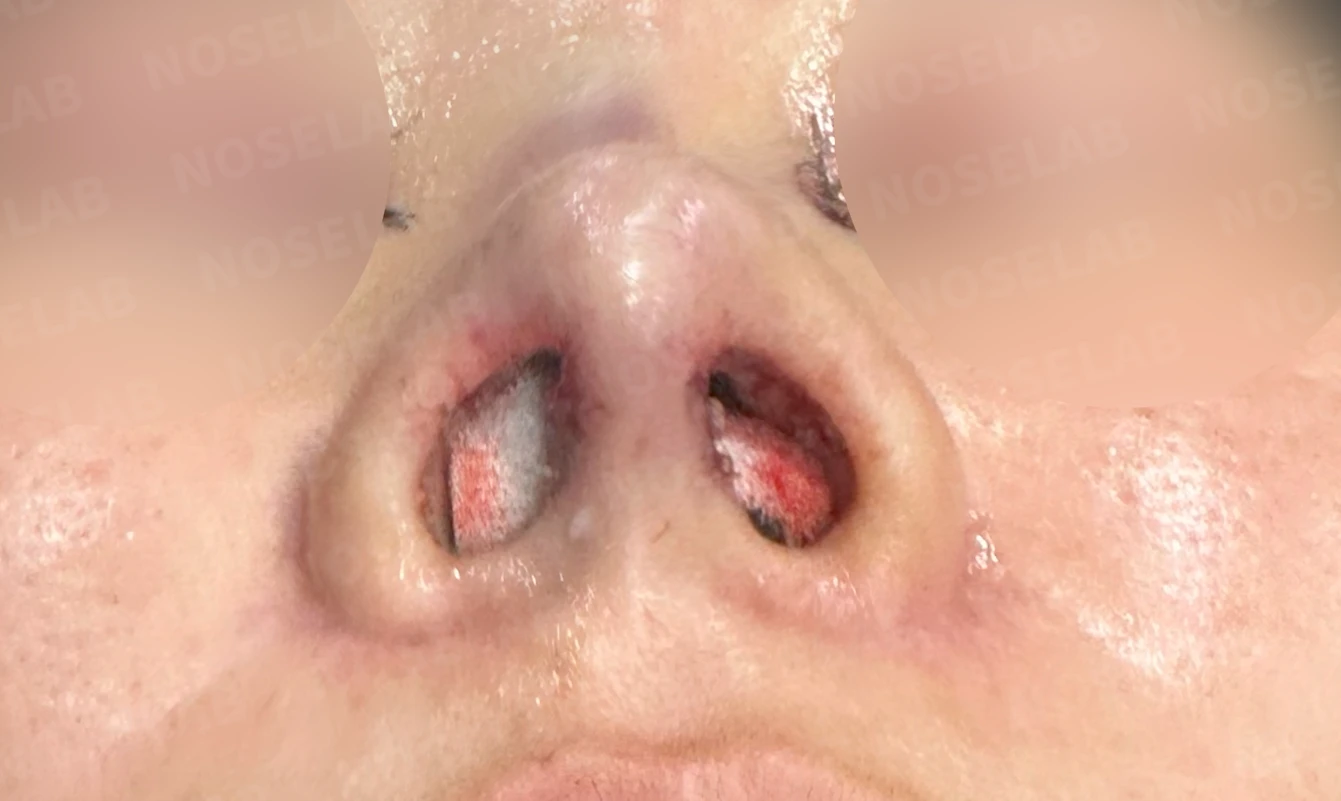
3. Nostril improvement
Improving bilateral nostril symmetry
Correction of columellar deviation
Improved overall balance
💡 Closing remarks
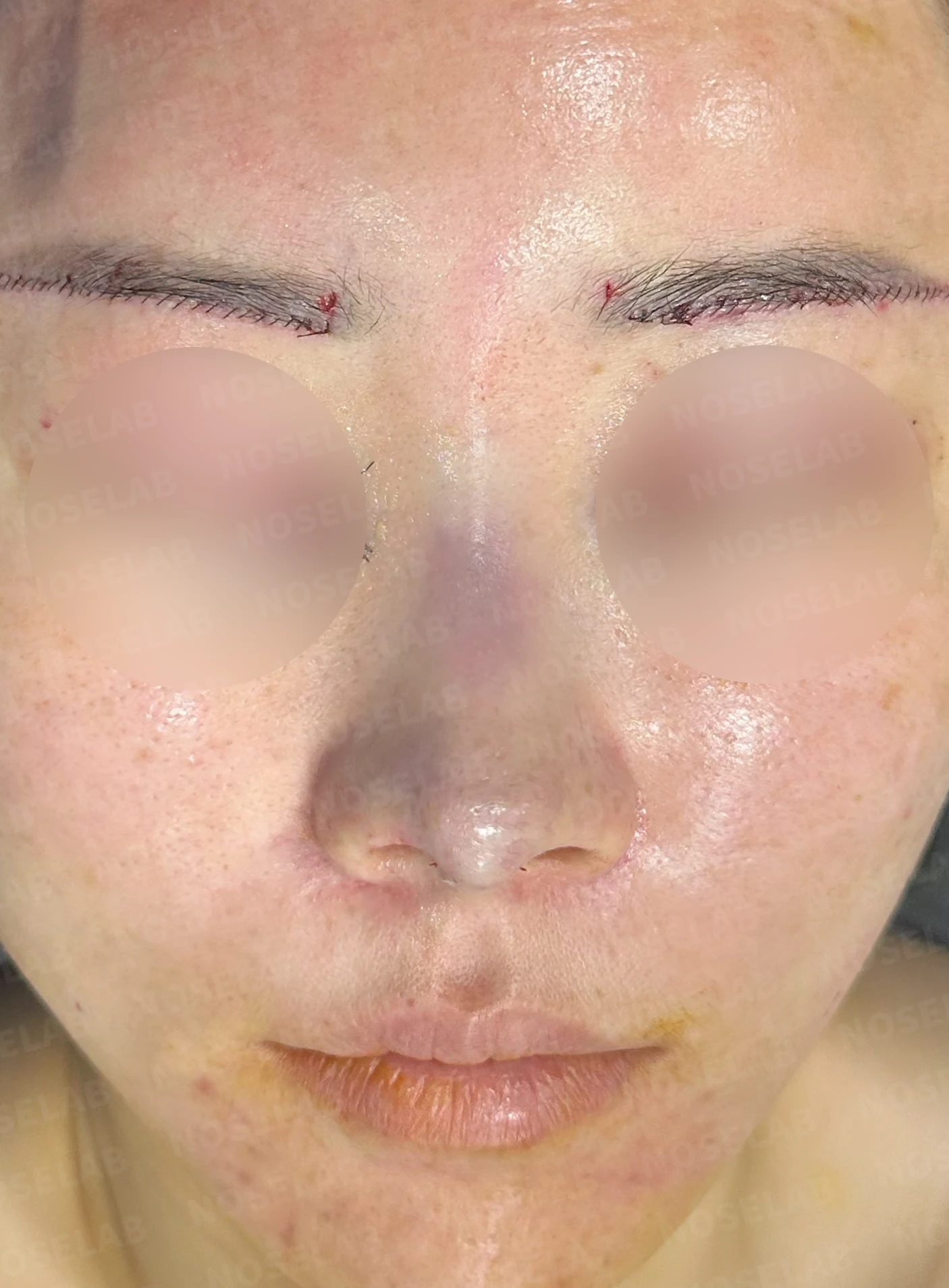
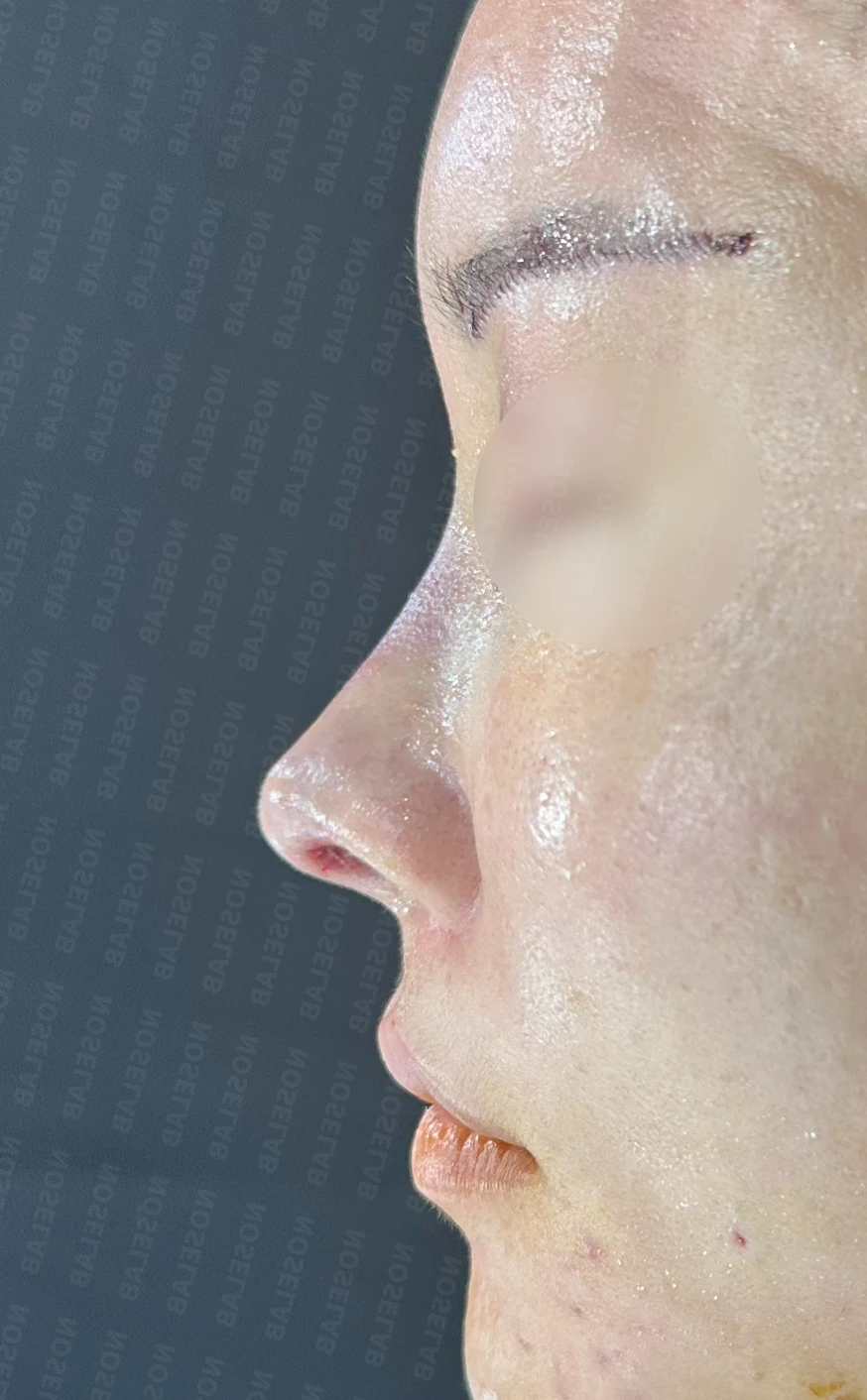
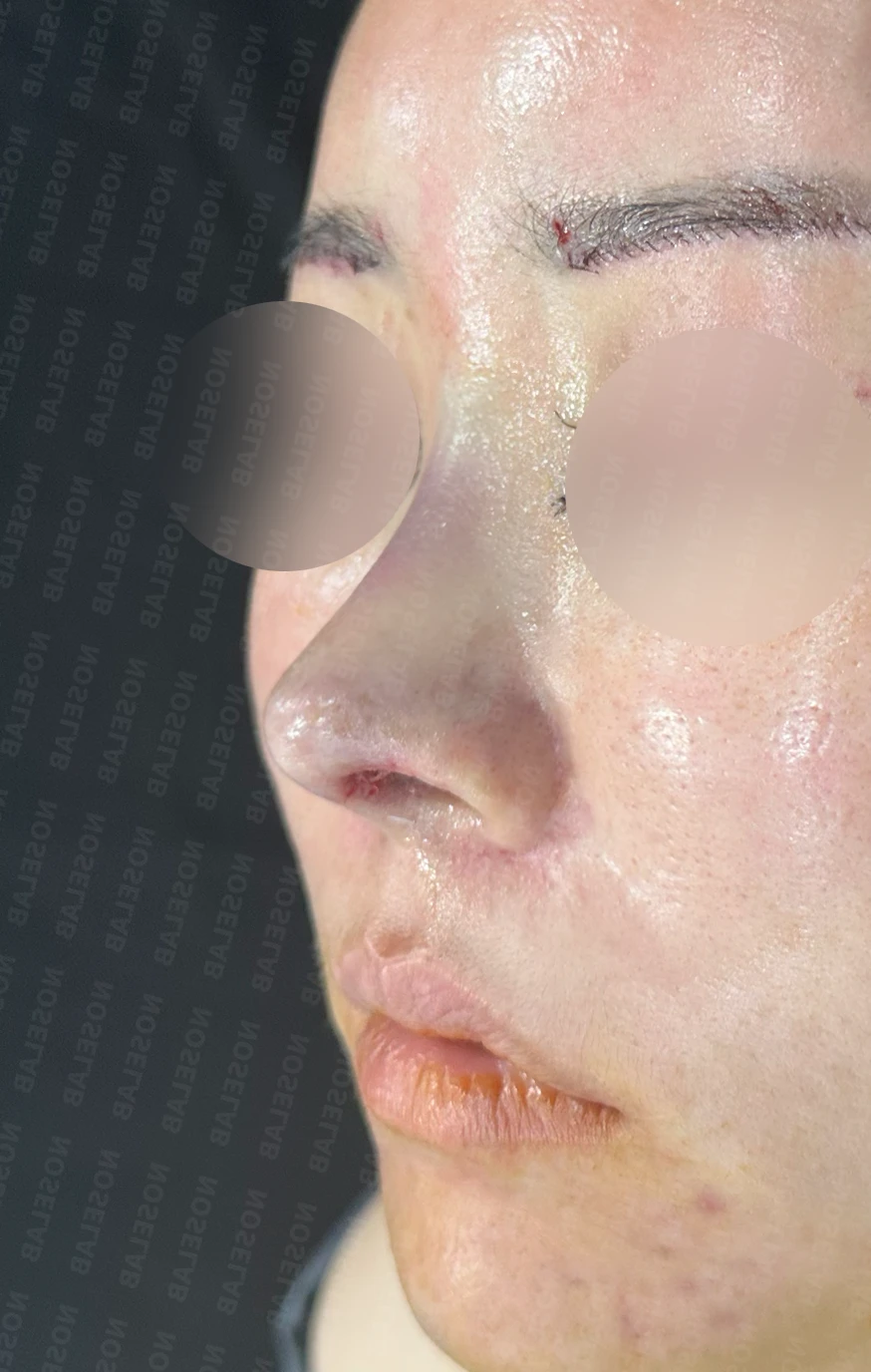
Immediately after surgery (day 0): front, profile, and oblique views. Immediate postoperative photos show swelling and may differ from the final result.
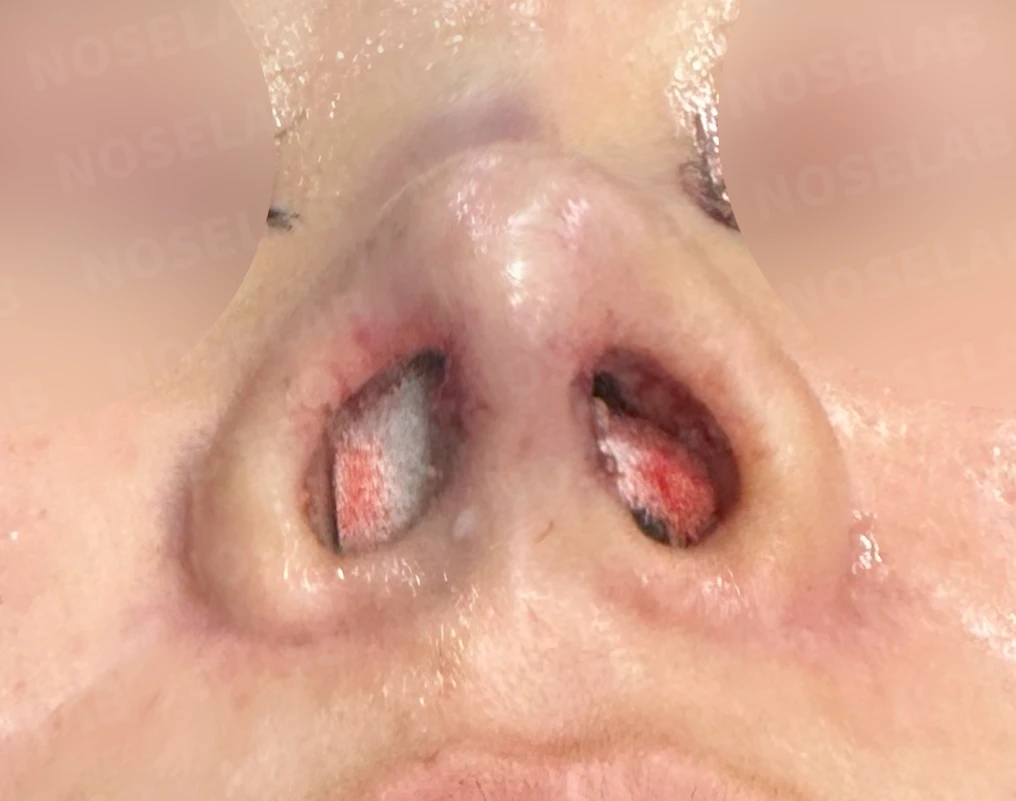
Nostril view on day 0 immediately after surgery Photos taken immediately after surgery show swelling and may differ from the final result.
In rhinoplasty, lowering a retracted columella to correct the nasolabial angle plays a crucial role in overall nasal aesthetics. In particular, lowering a retracted columella is a delicate procedure that requires substantial technical skill.
At NOSELAB, we carefully consider each individual's facial characteristics to create a columellar line that looks as natural as possible.
I will always do my best to create a harmonious nasal profile that balances well with the patient's overall facial features.
This was Dr. Peter C. Kang. Thank you.
Thank you.
#revisionrhinoplasty #closedrhinoplasty #columellacorrection #upturnednosecorrection #naturalnose #customrhinoplasty #nasalobstructionimprovement #balancednose

Limitations and risks
When autologous rib cartilage is used, scarring and pain may remain at the donor site on the chest, and pneumothorax (pleural injury) can occur rarely. Over time, the grafted cartilage may warp or undergo partial resorption.
When foreign materials such as injected fillers are removed and reconstructed, contracture may recur, nasal height and length may decrease, and staged surgery may be necessary depending on the skin condition.
When the septum is corrected at the same time, nasal obstruction may persist or recur, and in rare cases, septal perforation or changes in smell may occur.
Common potential risks include infection, bleeding, asymmetry, scarring, skin necrosis, and insufficient improvement; results vary depending on individual skin condition and previous surgical history.