Hello, I am Dr. Peter C. Kang.
Today, I would like to share a case of bulbous nose correction and nasal obstruction improvement in a 24-year-old male patient.
Through this case, let us examine customized male rhinoplasty that achieves both functional improvement and cosmetic harmony.
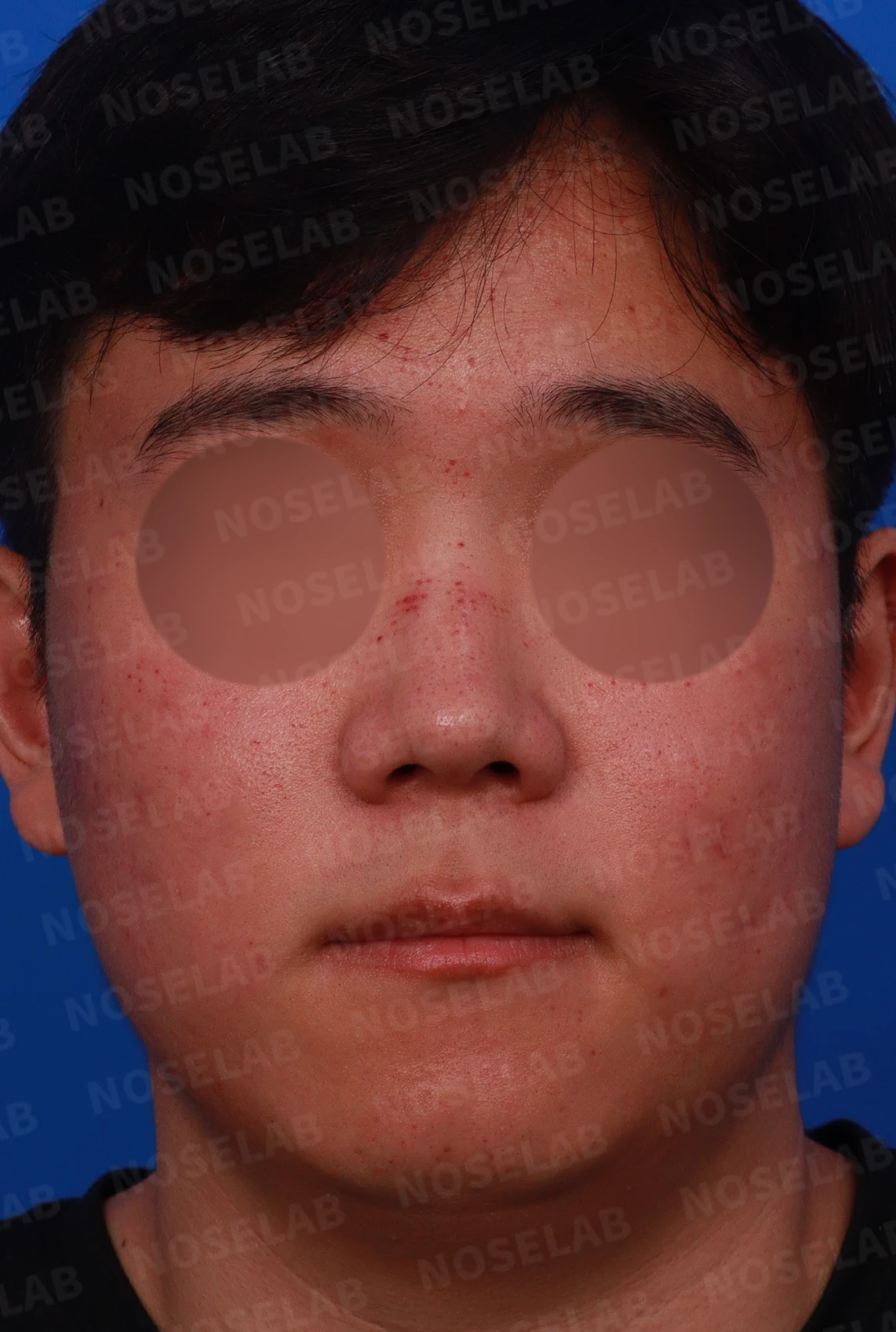
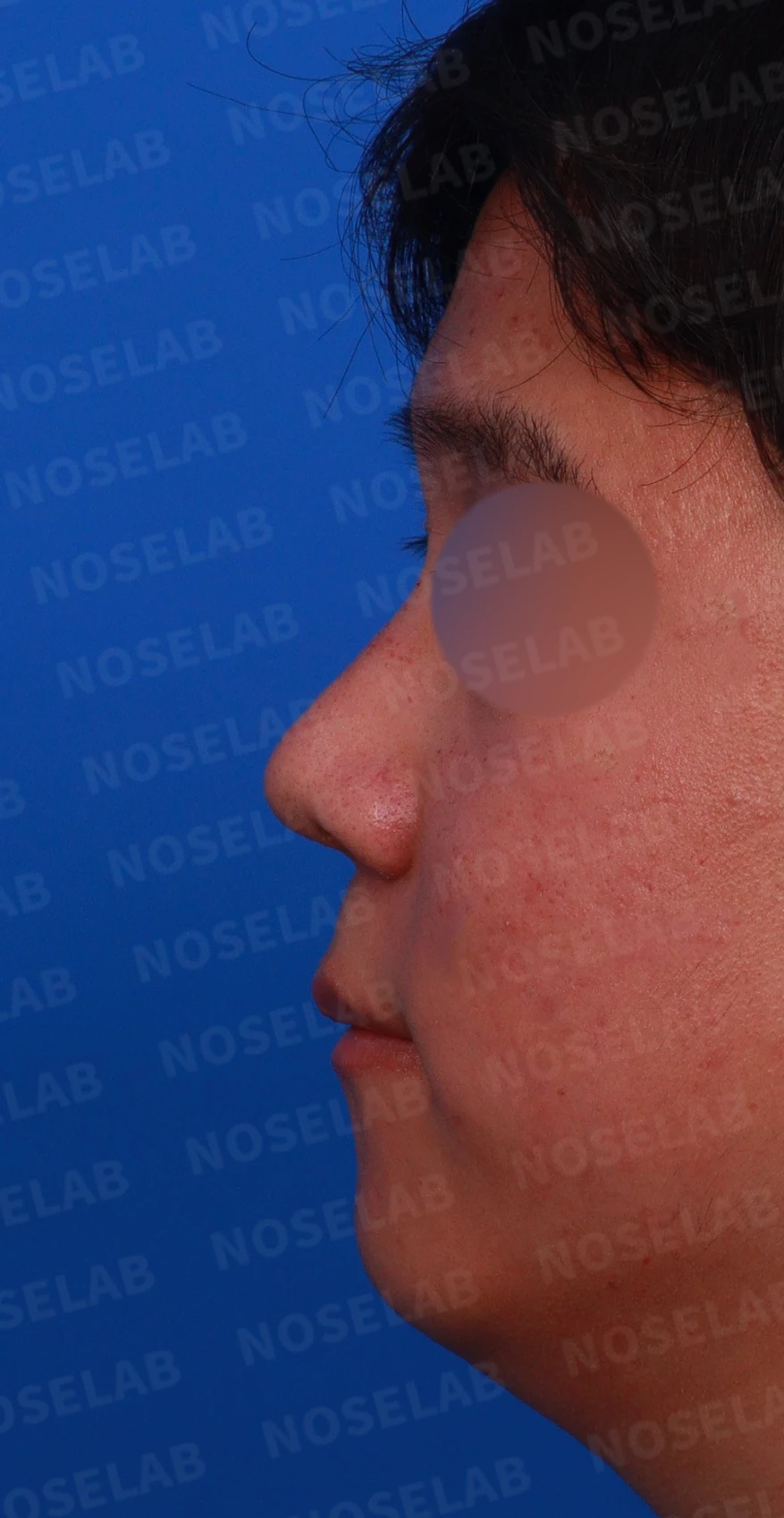
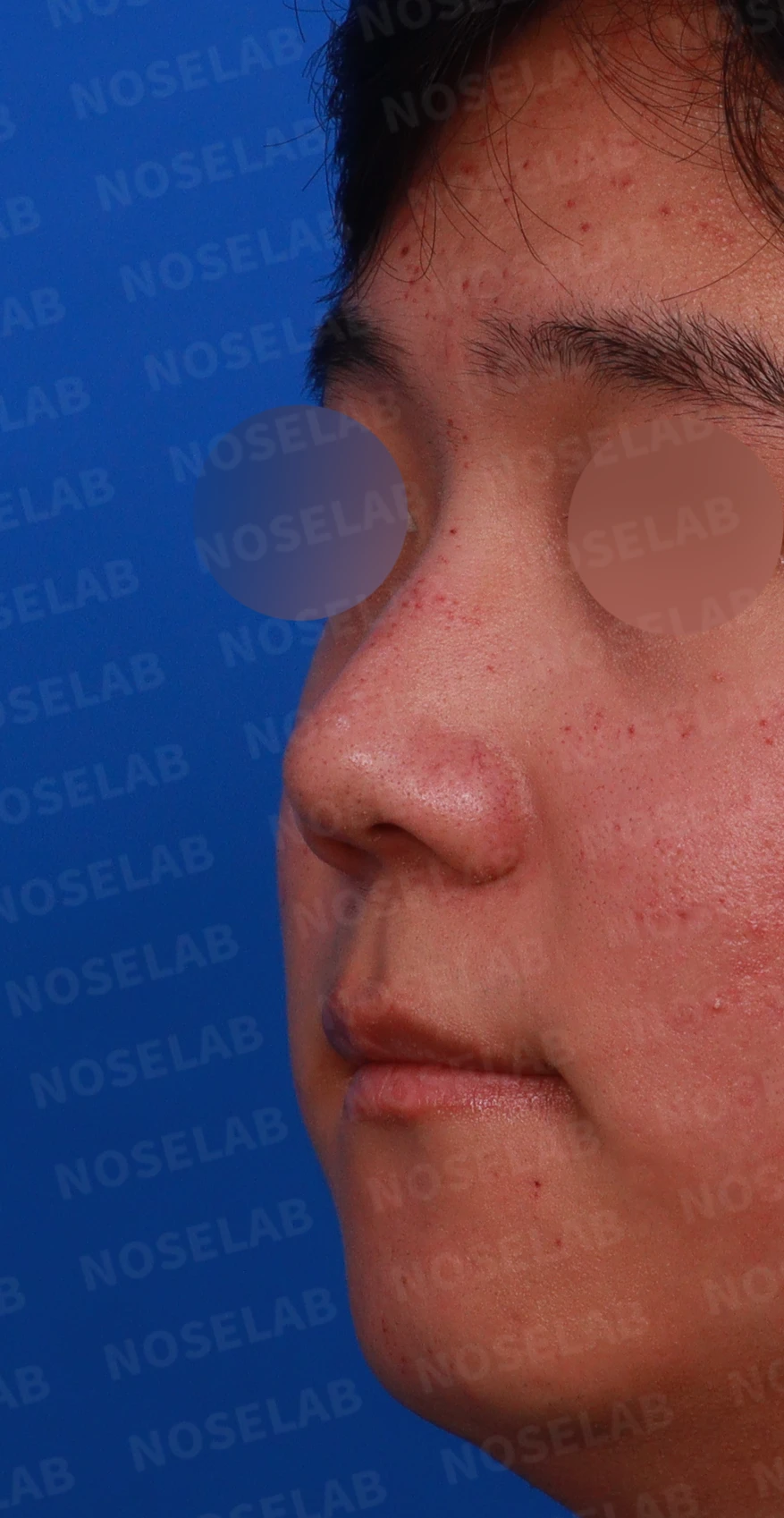
Front, left profile, and oblique views during design consultation
🔍 Patient information
24-year-old male
Chief complaint: Left-sided nasal obstruction
Requests: Bulbous nose correction, natural height, and a nasal shape that suits the face
💉 Preoperative analysis
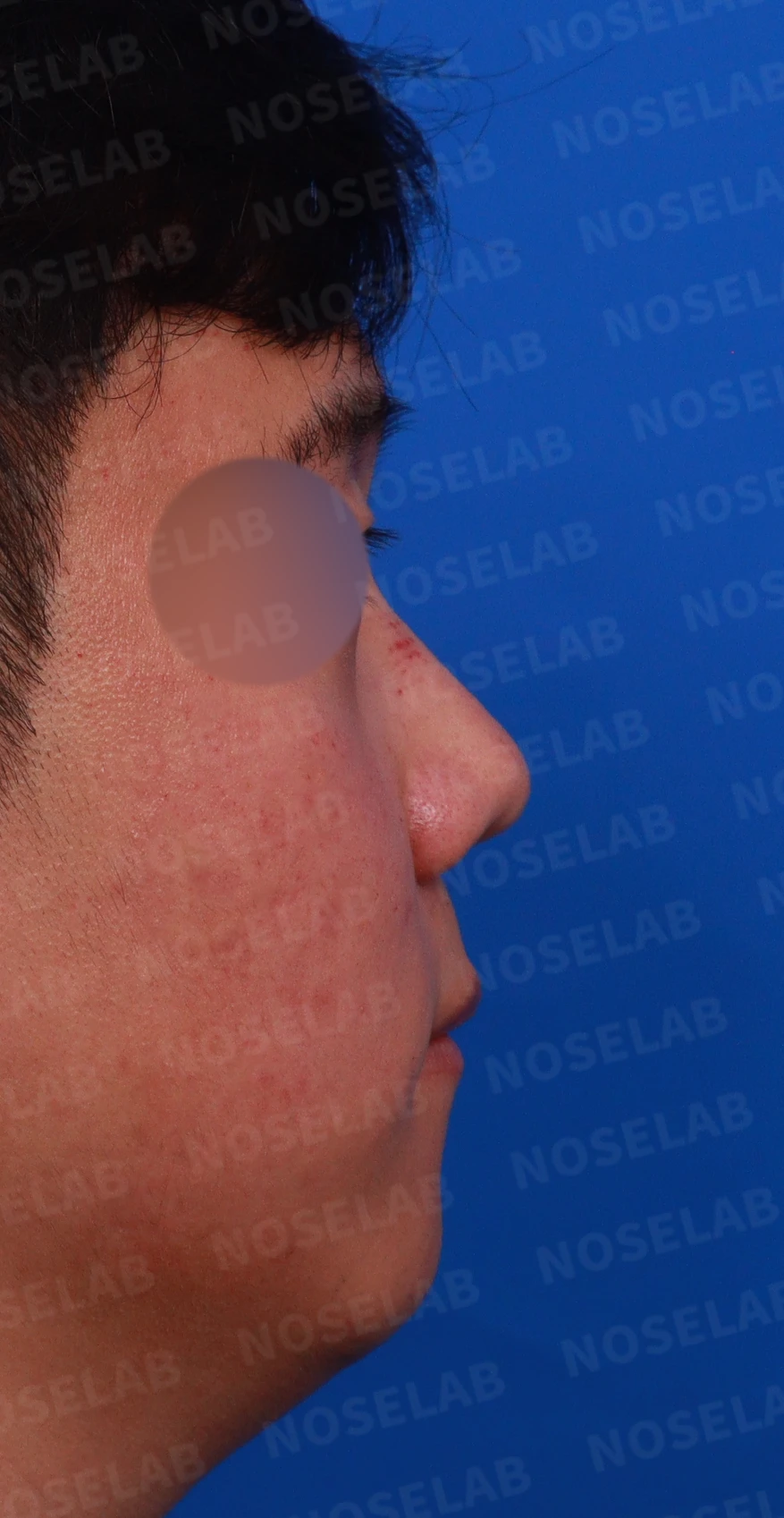
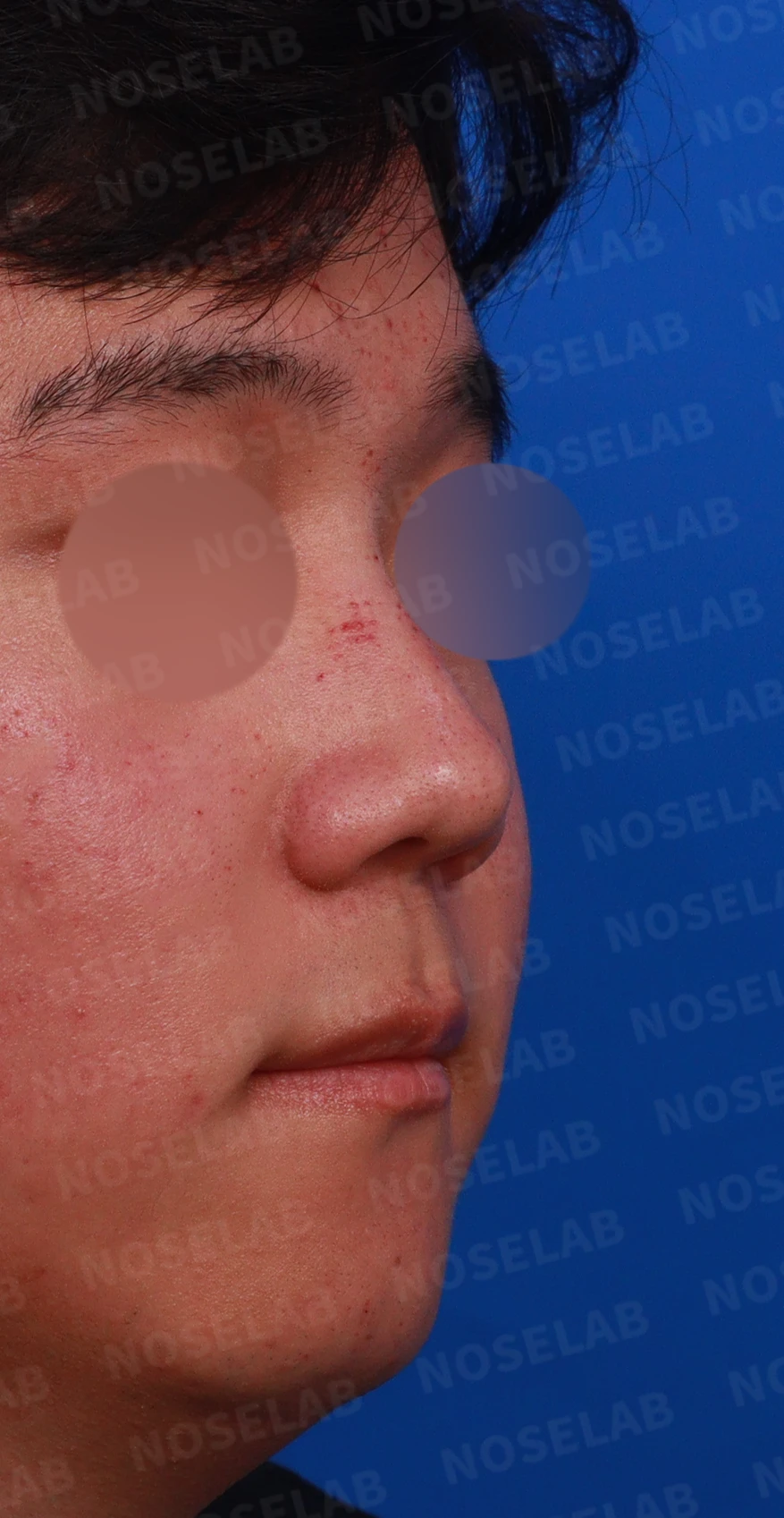
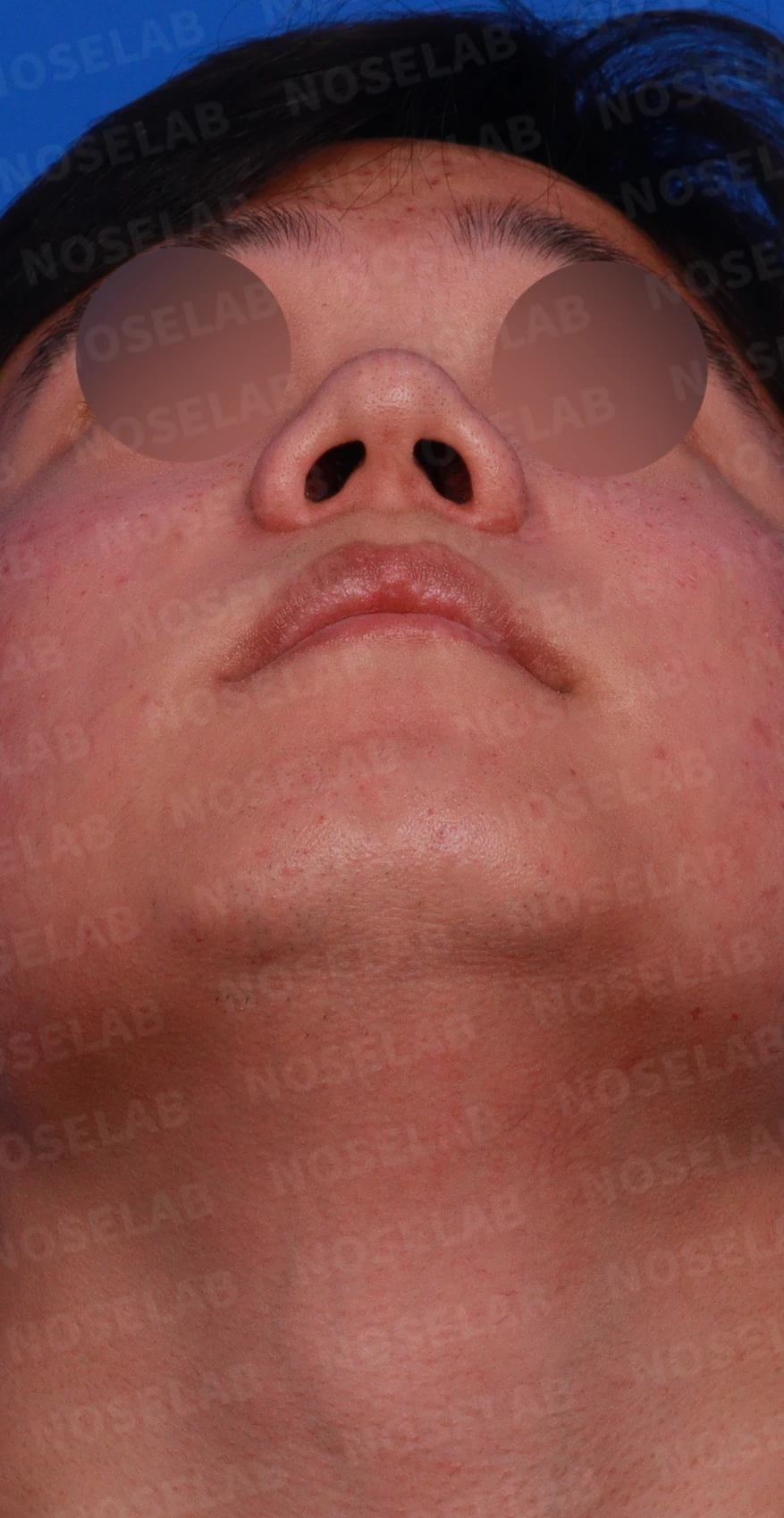
Right profile, oblique, and nostril views
Front: Wide nose, asymmetrical nostrils, low glabella
Profile: Low glabella, short nose, upturned nose, retracted columella
Nostrils: Columella tilted to the left, asymmetry
🔧 Surgical plan and details
Septoplasty (correction of the septal cartilage deviated to the left)
Radiofrequency submucosal resection of the inferior turbinate (for rhinitis relief)
Septal extension using autologous rib cartilage (correction of the short nose and upturned nose)
Natural lowering of the columella (correction of the retracted columella)
Lower lateral cartilage repositioning and suturing (correction of nostril asymmetry)
🌟 Surgical results
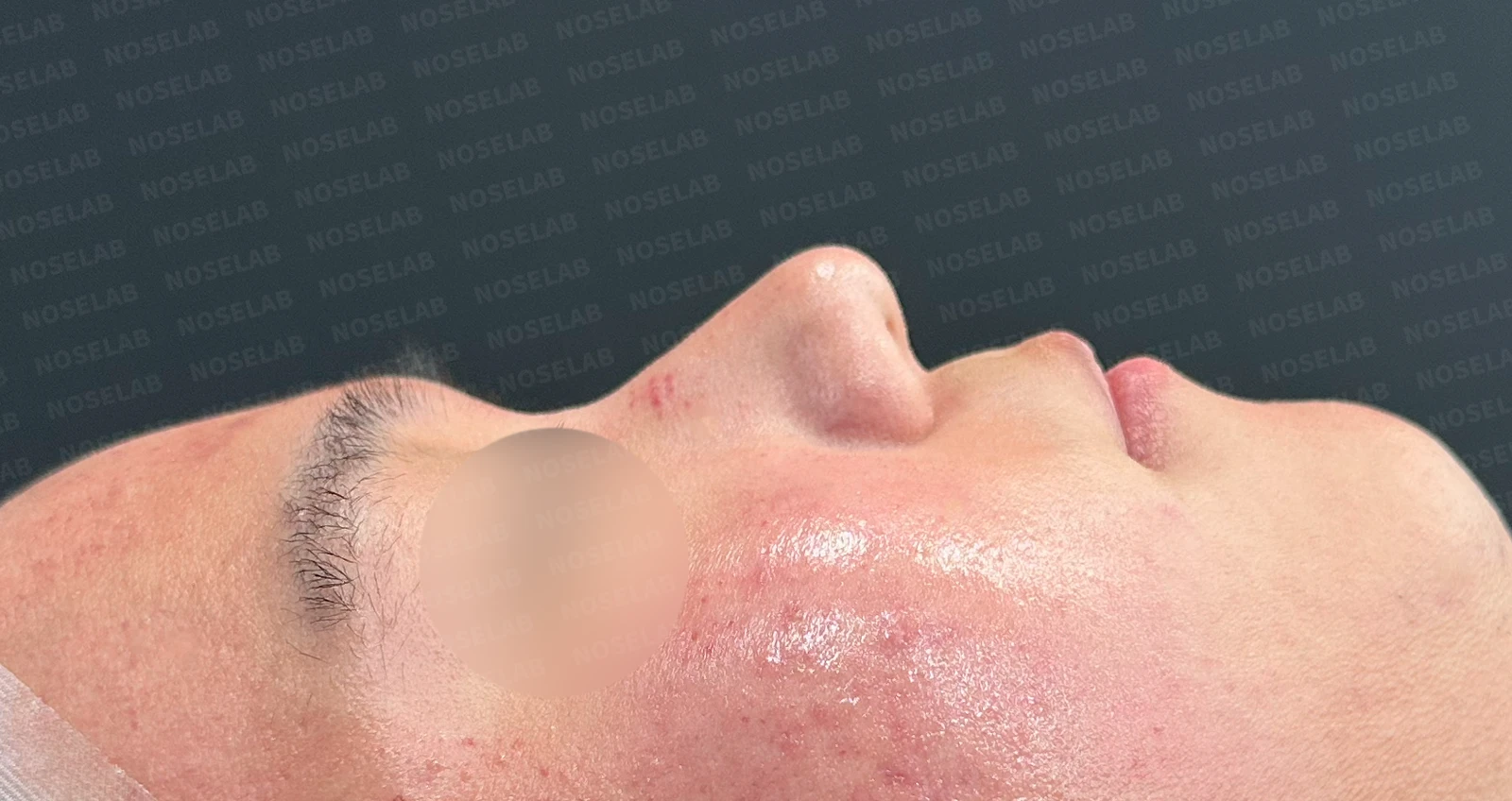
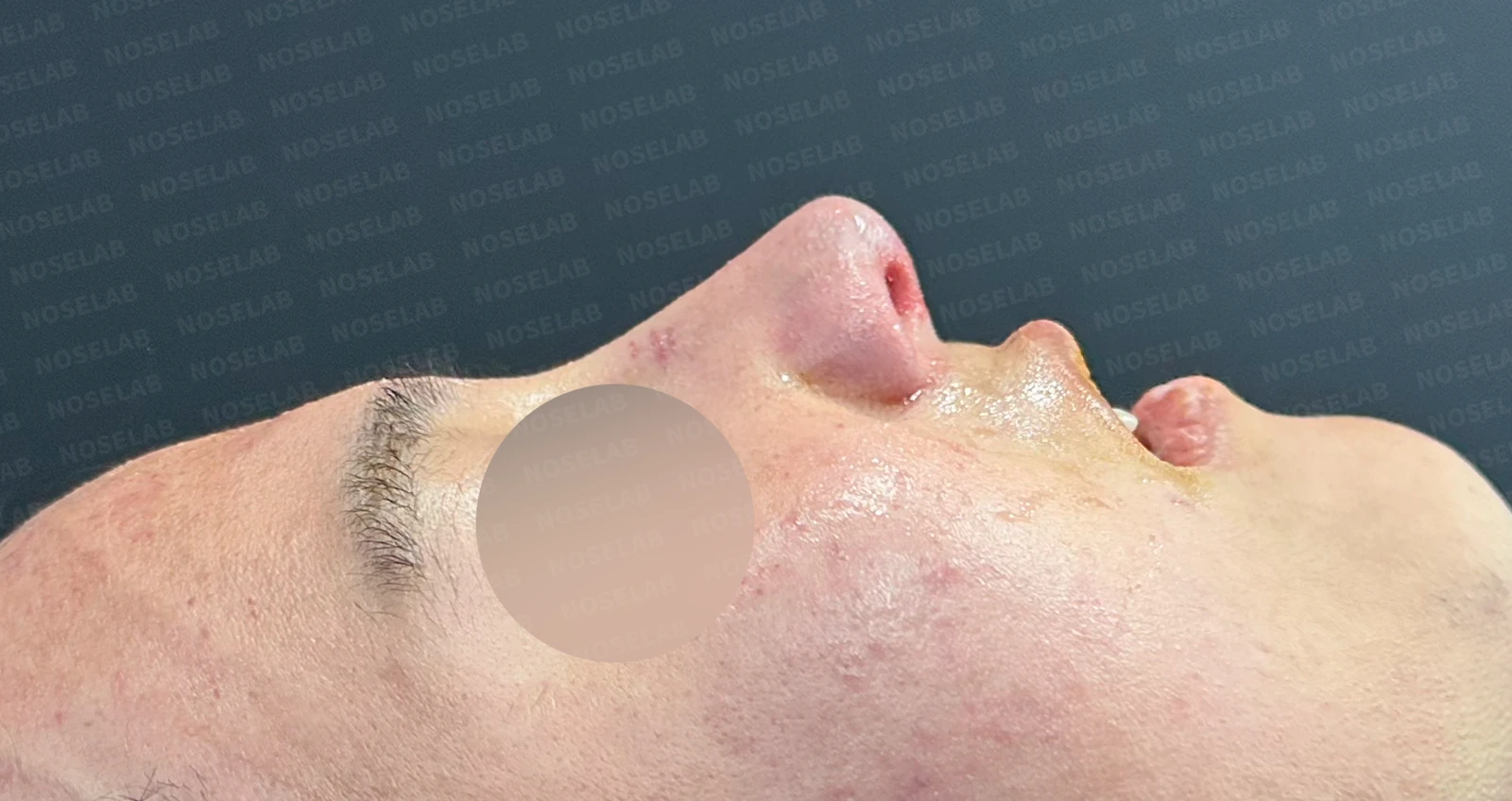
Before surgery / Day 0 immediately after surgery Photos taken immediately after surgery show swelling and may differ from the final result.
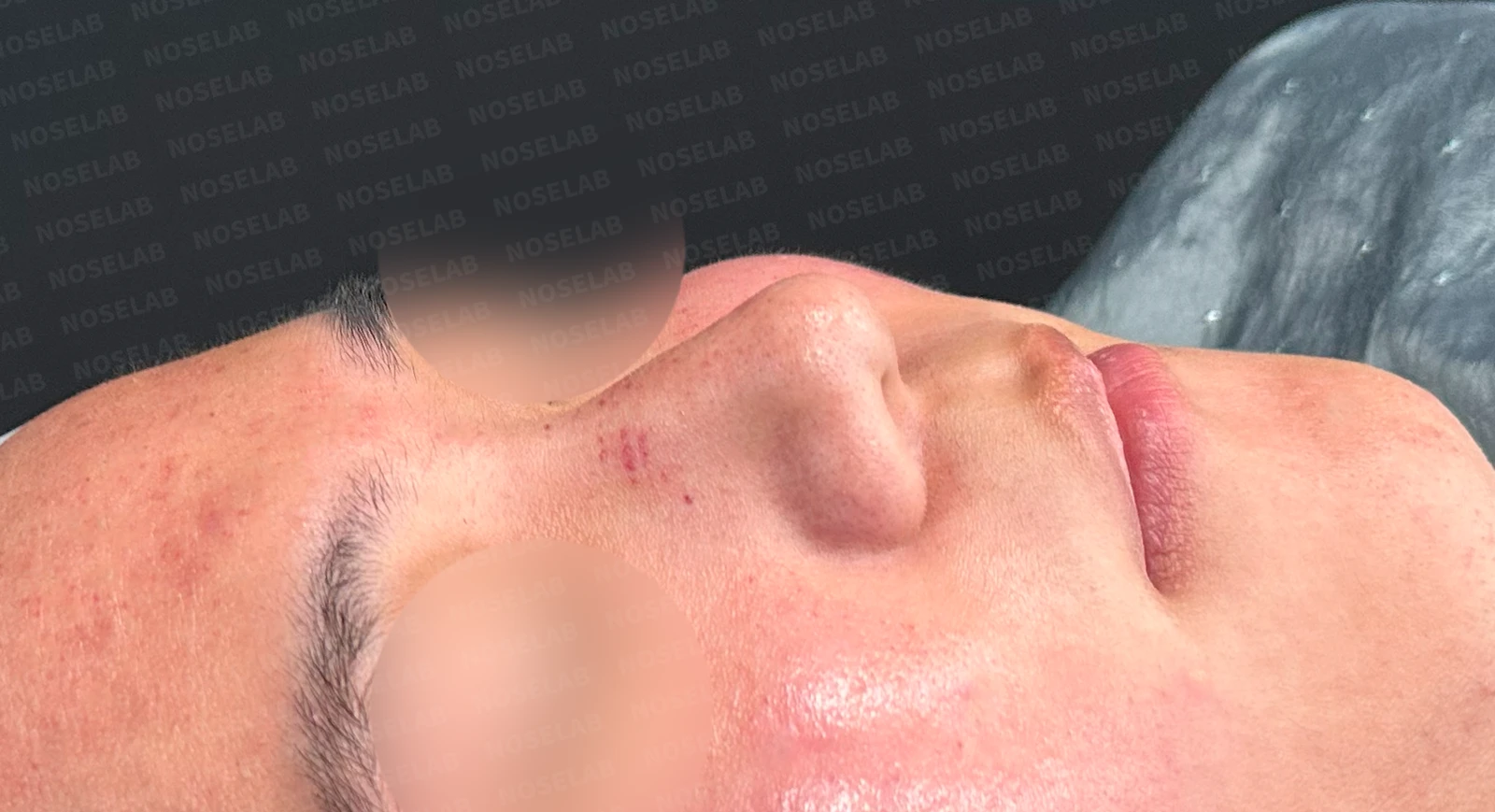
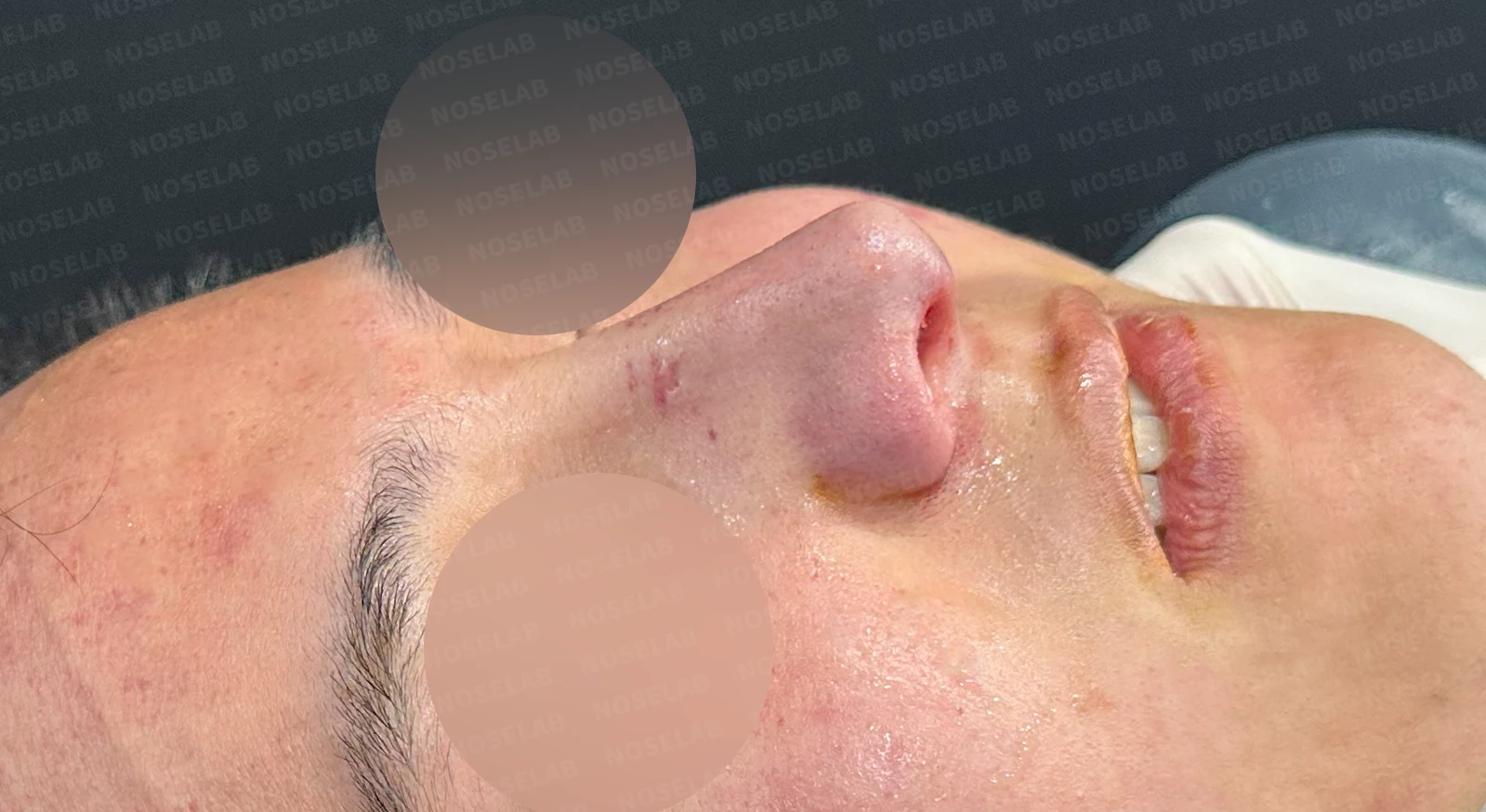
Before surgery / Day 0 immediately after surgery Photos taken immediately after surgery show swelling and may differ from the final result.
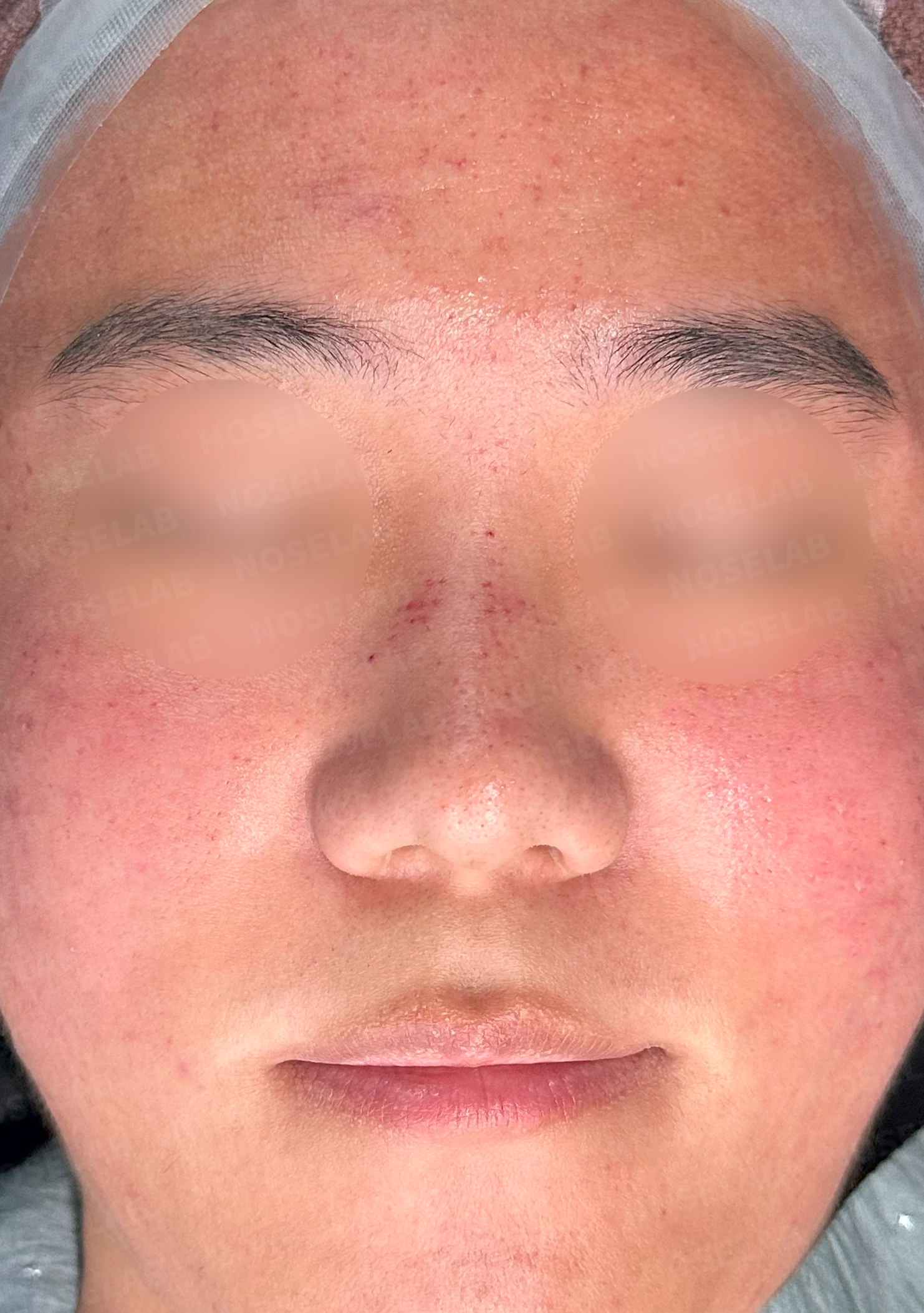
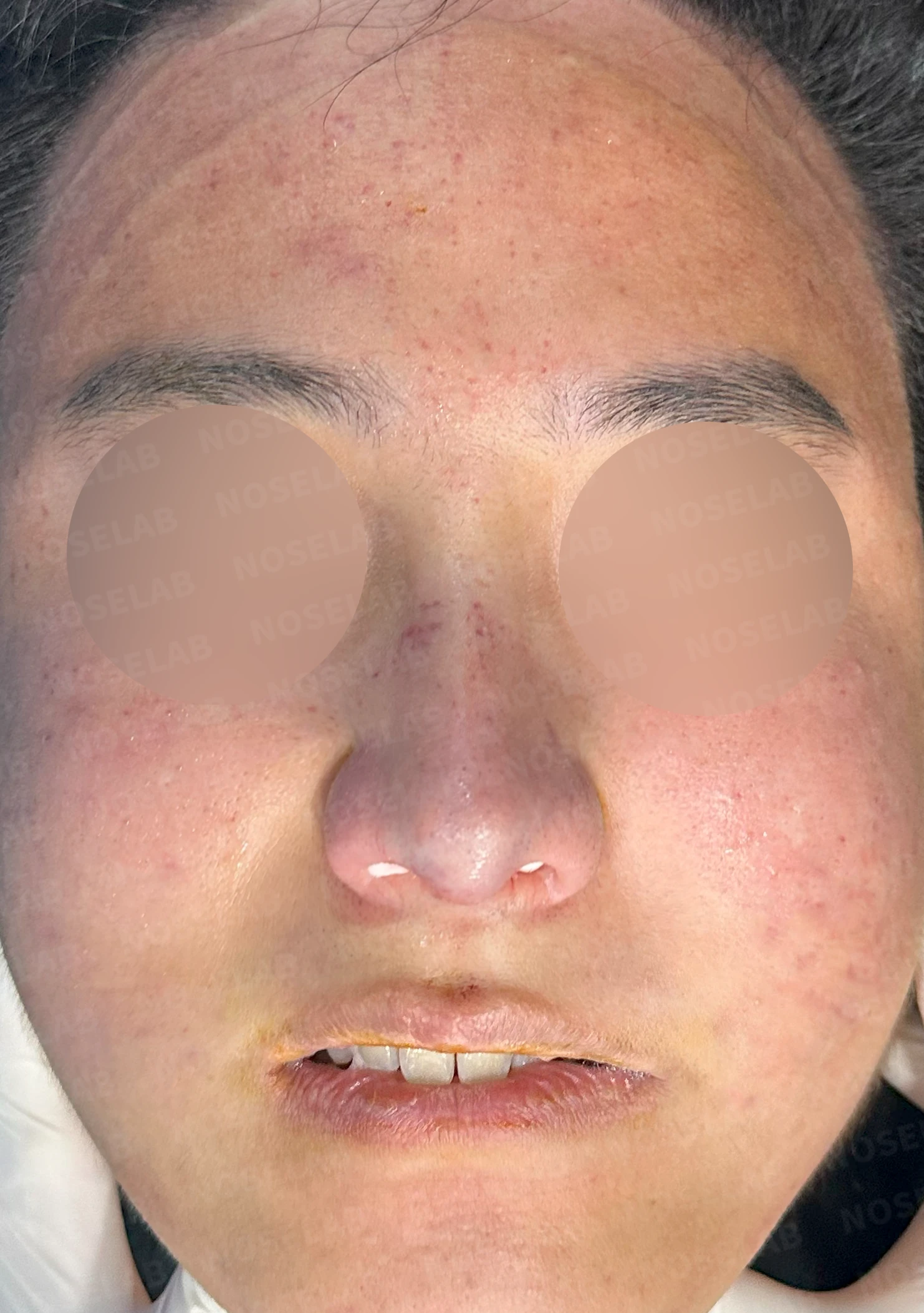
Before surgery / Day 0 immediately after surgery Photos taken immediately after surgery show swelling and may differ from the final result.
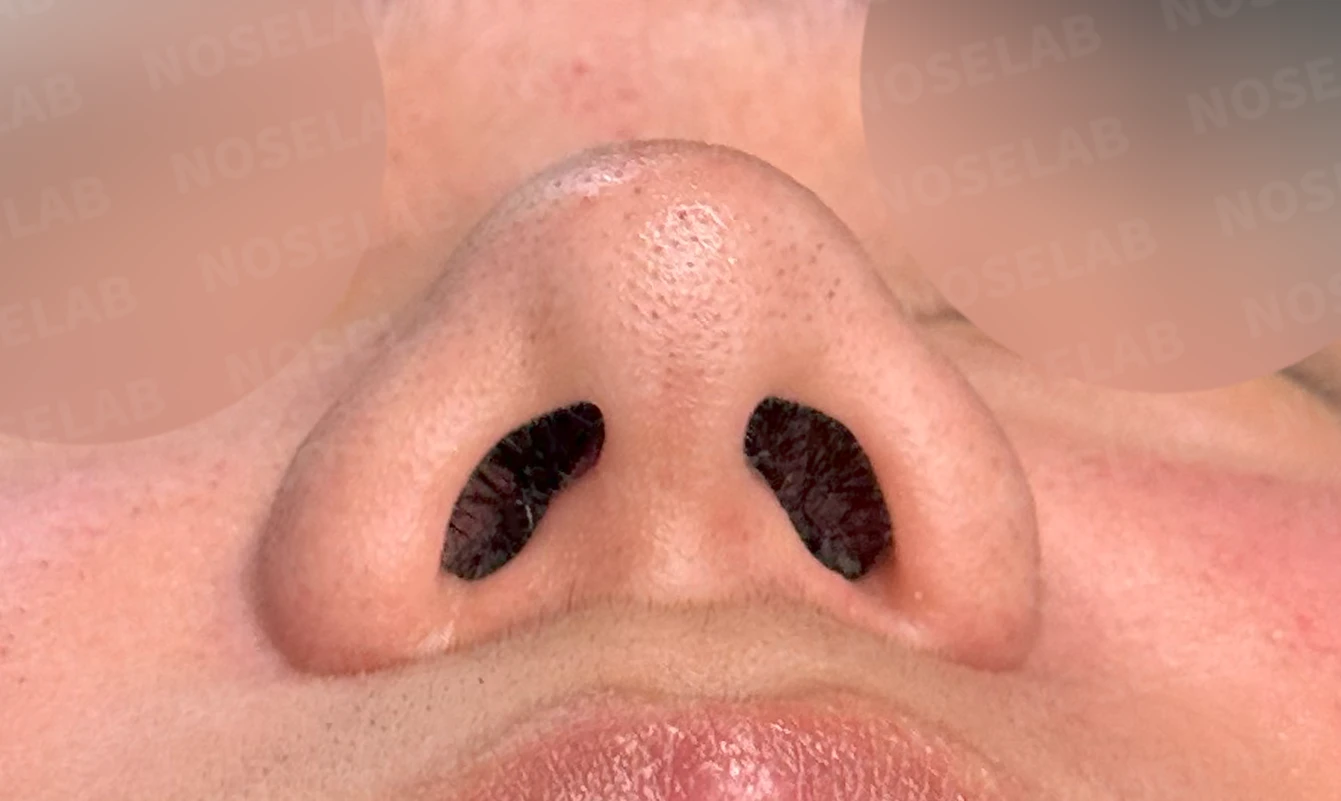
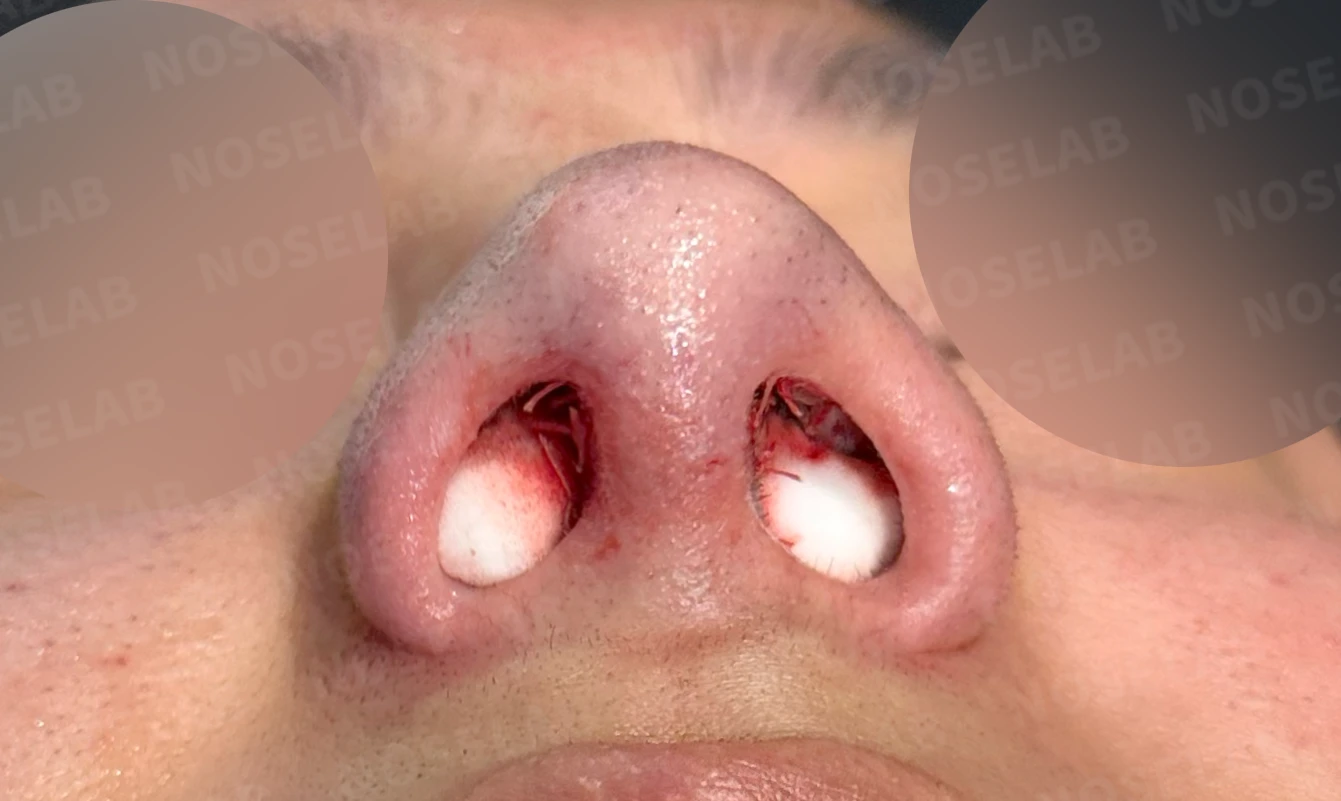
Before surgery / Day 0 immediately after surgery Photos taken immediately after surgery show swelling and may differ from the final result.
Front view
Correction of short and upturned nose
Refined nasal tip definition
Natural columellar line
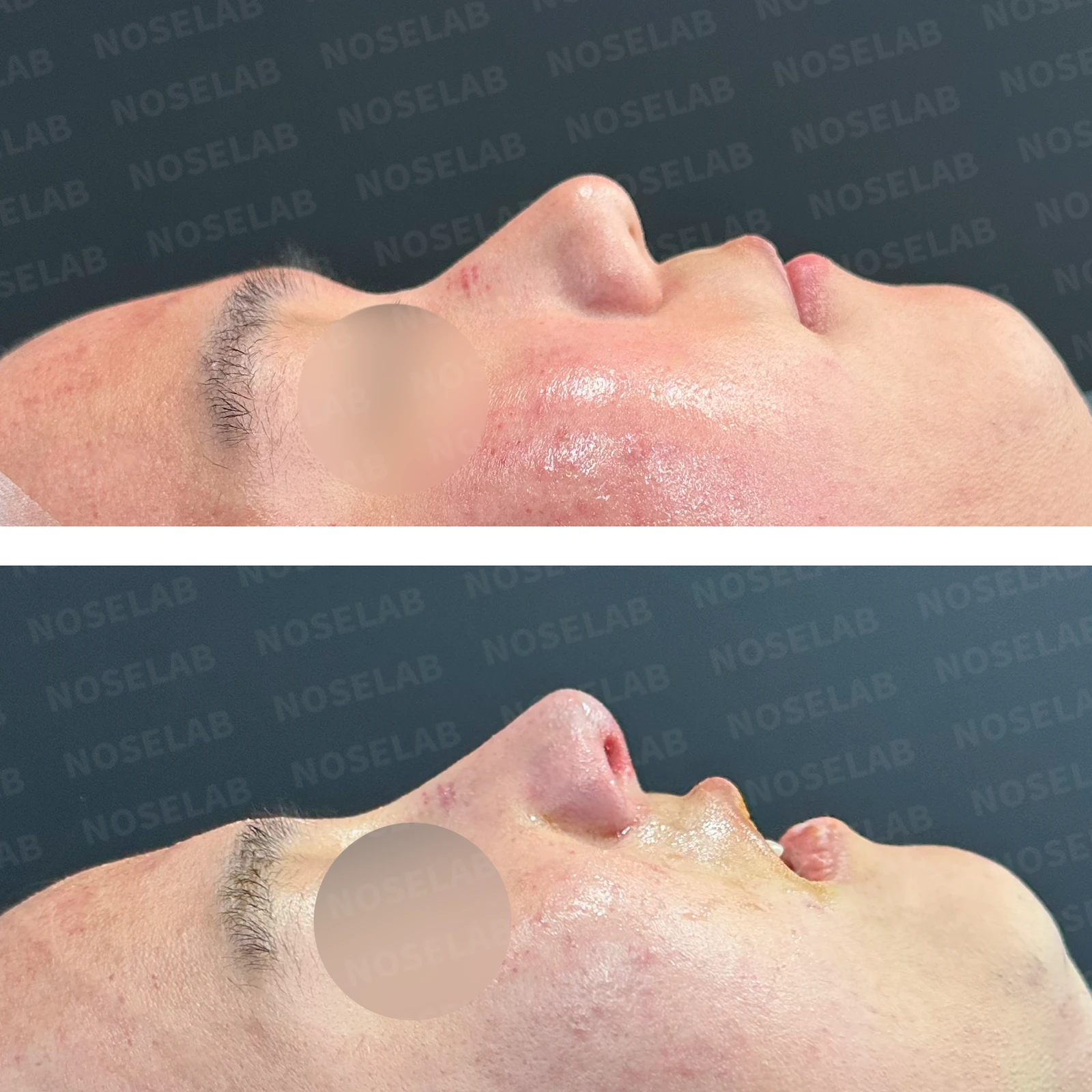
Profile view
Natural improvement of glabella height
Smooth straight bridge line
Improvement of protruding mouth through nasolabial angle correction
Nostrils
Correction of columellar deviation
Enhanced nostril symmetry
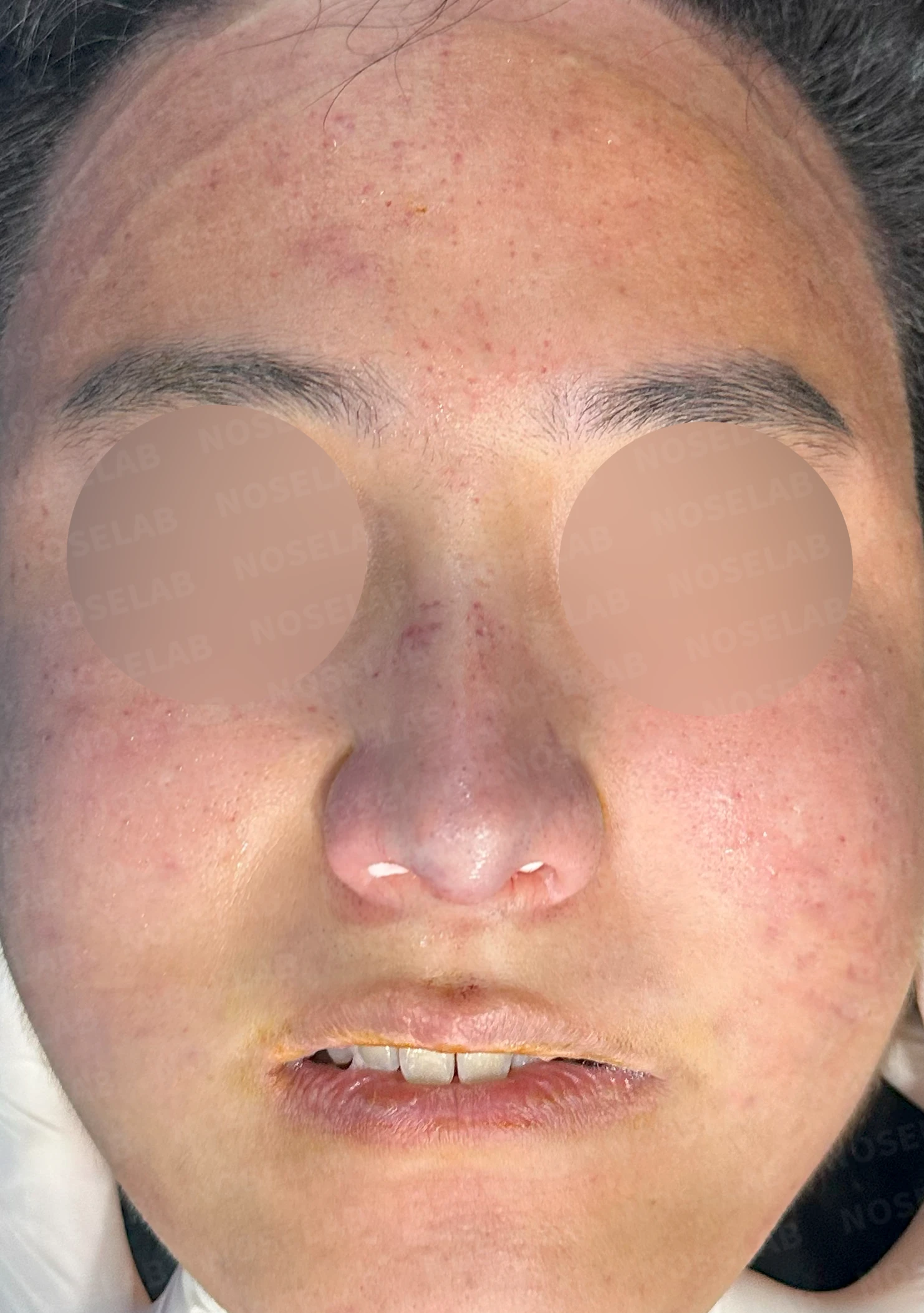
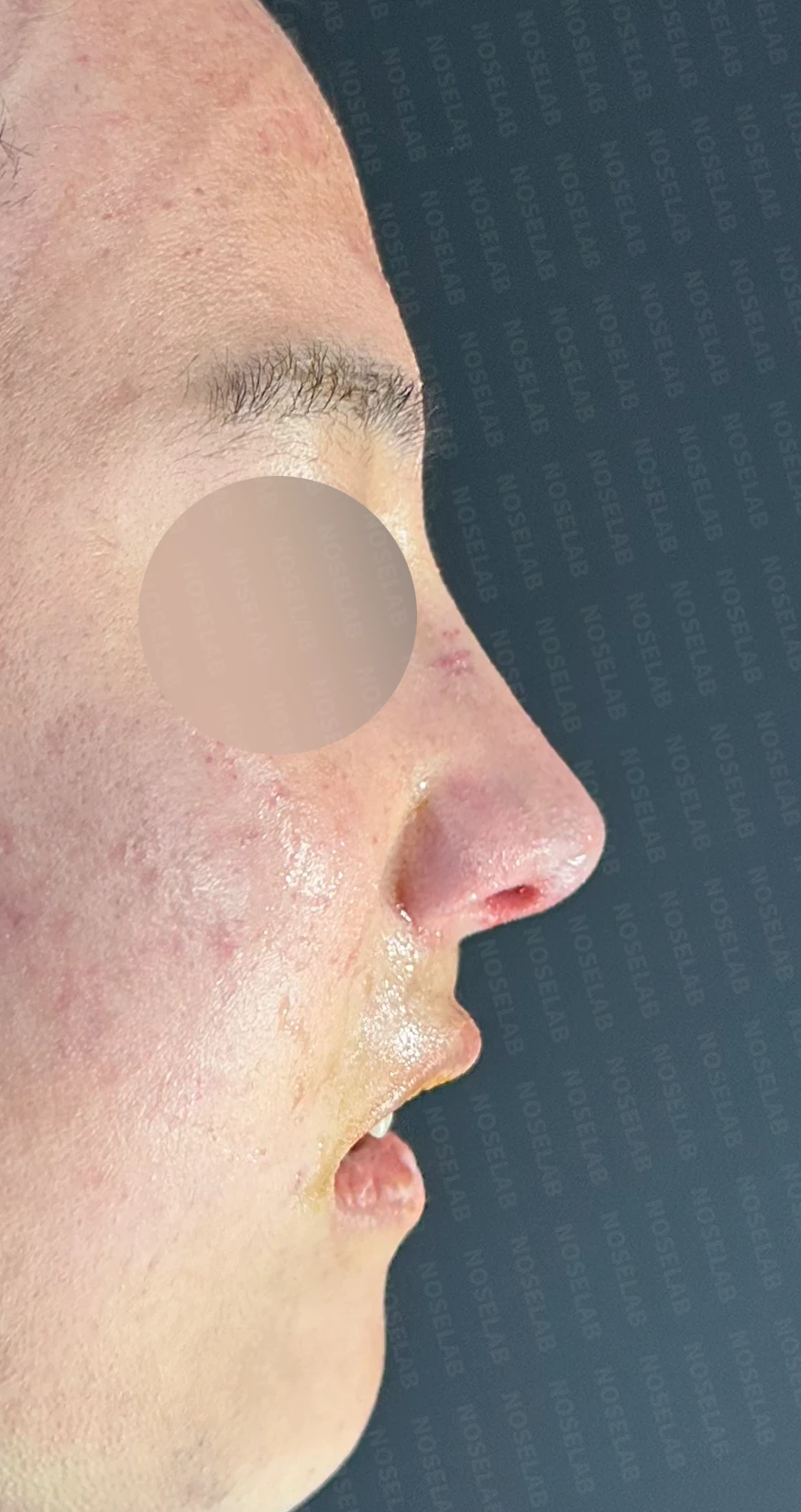
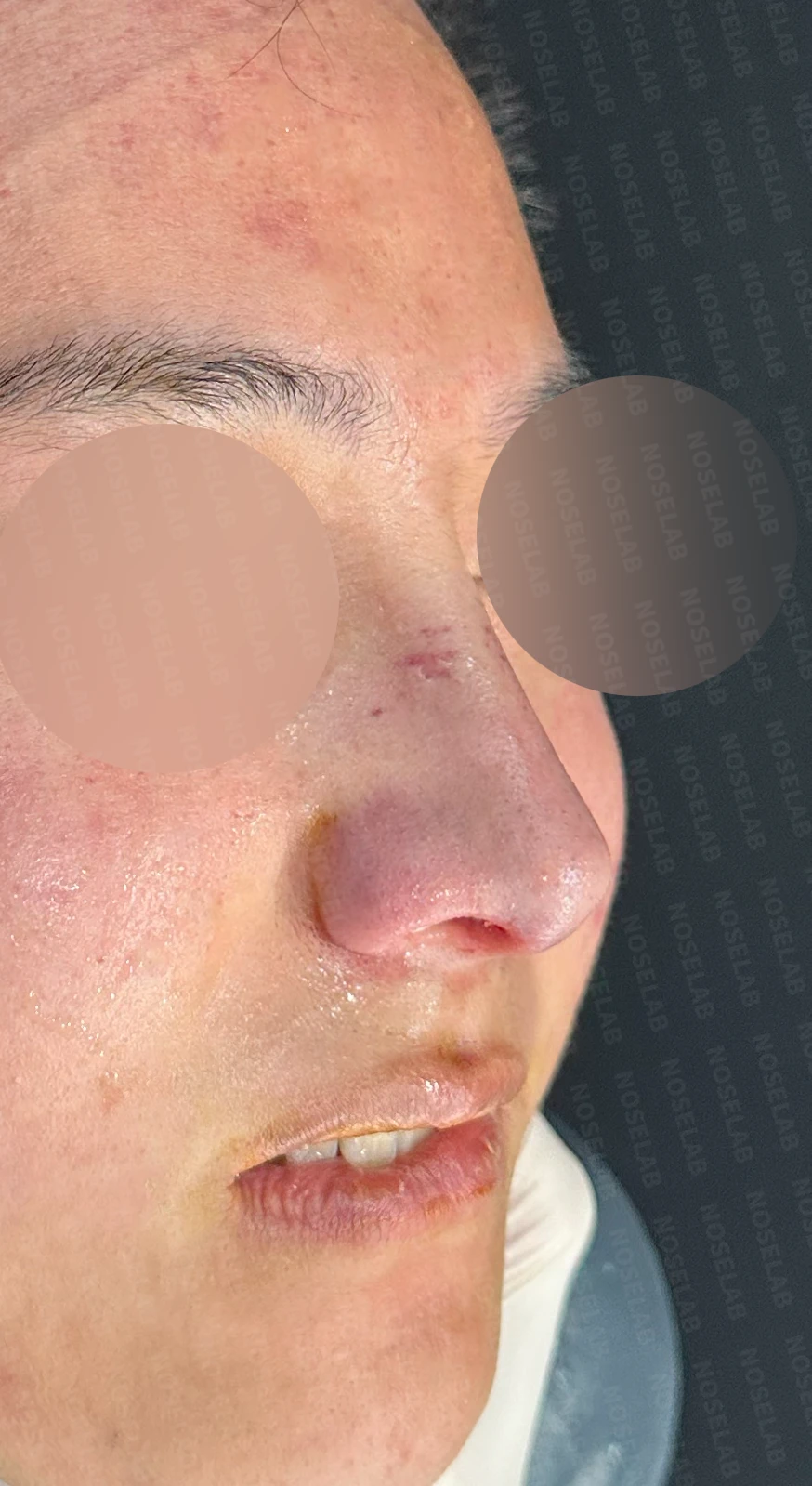
Immediately after surgery on day 0: front, profile, and oblique views. Immediate postoperative photos show swelling and may differ from the final result.
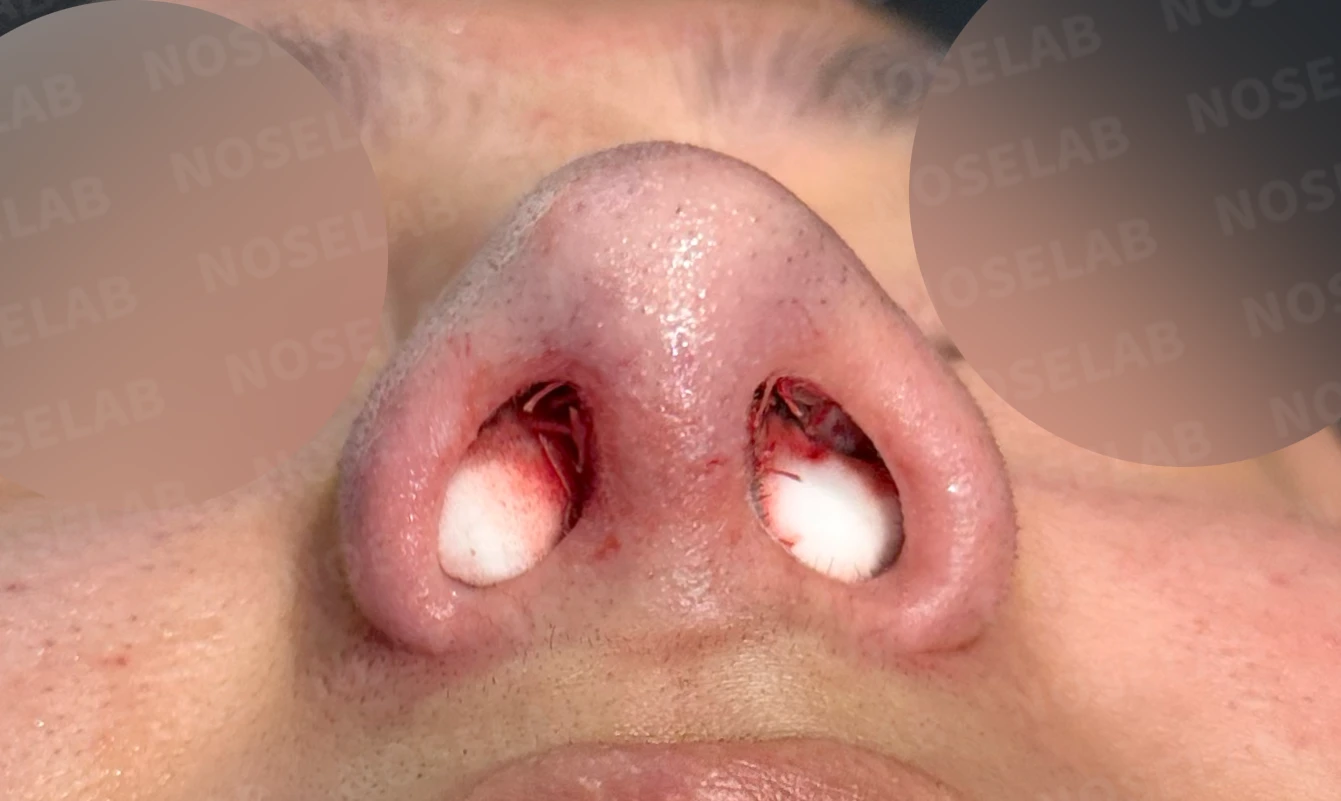
Immediately after surgery (Day 0) nostrilsImmediate postoperative photos show swelling and may differ from the final result.
💡 Closing remarks
Correcting a bulbous nose and an upturned nose in male patients involves more than simply altering the nasal shape. As shown in this case, cosmetic refinement that considers overall facial harmony was achieved simultaneously with functional relief of nasal obstruction.
What is particularly noteworthy is that shaping a nose to match facial proportions helps significantly improve overall facial impression. A harmonious nasal shape balances the other facial features, enhancing the overall appearance.
In male rhinoplasty, it is important to avoid excessive height or an overly sharp contour, creating a natural line instead. This helps maintain a masculine impression while refining the overall look.
I always carefully analyze each patient's individual facial features and requests to deliver the most appropriate and satisfying result.
If you are considering rhinoplasty, please make sure to consult with a specialist to select the most appropriate method for your individual case.
Through this tailored approach, we can go beyond simply altering the shape of the nose to refine the patient's overall facial appearance and, further, help enhance self-confidence.
This was Dr. Peter C. Kang. Thank you.
Thank you.

#malerhinoplasty #bulbousnosecorrection #upturnednoseimprovement #nasalobstructionrelief #proportionmatchedrhinoplasty #naturalnasalaugmentation #septoplasty #autologousribcartilagegraft #closedrhinoplasty #tipplasty #nostrilcorrection
Limitations and risks
When autologous rib cartilage is used, scarring and pain may remain at the donor site on the chest, and pneumothorax (pleural injury) can occur rarely. Over time, the grafted cartilage may warp or undergo partial resorption.
When the septum is corrected at the same time, nasal obstruction may persist or recur, and in rare cases, septal perforation or changes in smell may occur.
Common potential risks include infection, bleeding, asymmetry, scarring, skin necrosis, and insufficient improvement; results vary depending on individual skin condition and previous surgical history.