Hello, I am Dr. Peter C. Kang.
Today, I would like to share a rhinoplasty case of a patient who had nasal obstruction along with several cosmetic concerns, including an upturned nose, a small nose, and a protruding mouth.
This case achieved functional improvement and cosmetic correction simultaneously, serving as a good example demonstrating the advantages of closed rhinoplasty.
Patient's requests:
1. Prioritize functional surgery
2. Straight bridge line
3. Reduce nostril show
4. Natural result
5. Increasing nasal height
1. Preoperative design consultation
Let us analyze the patient's preoperative condition in detail:
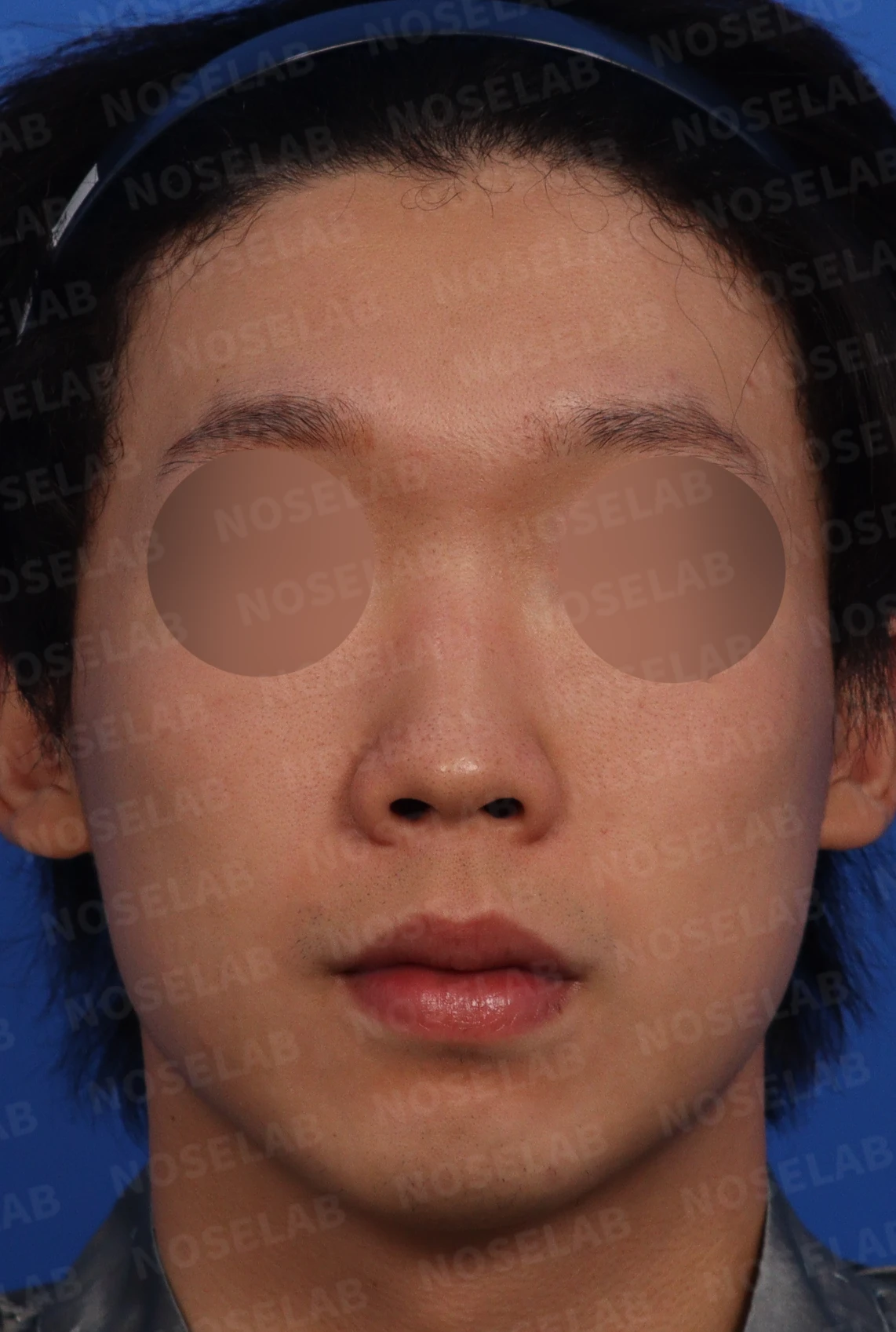
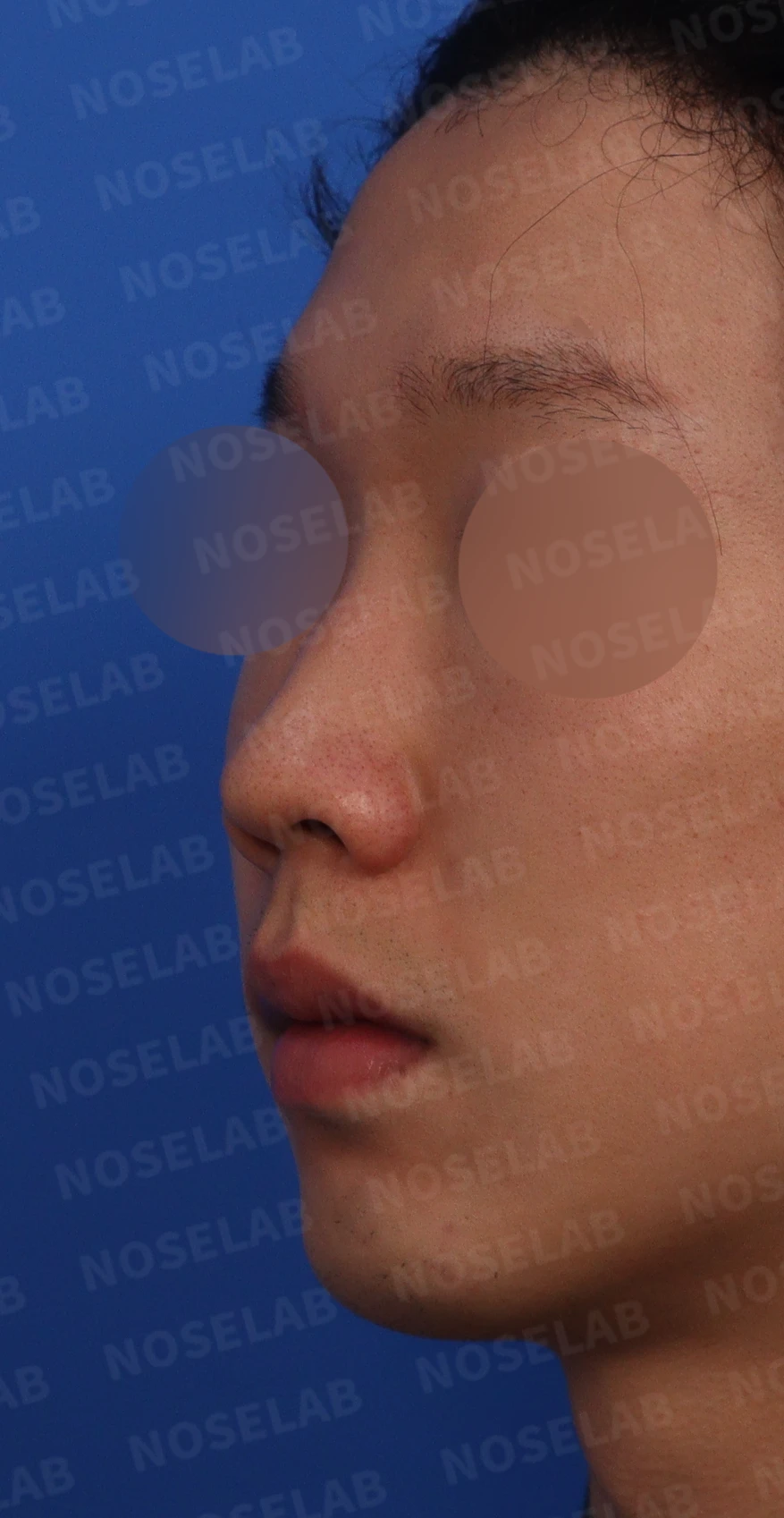
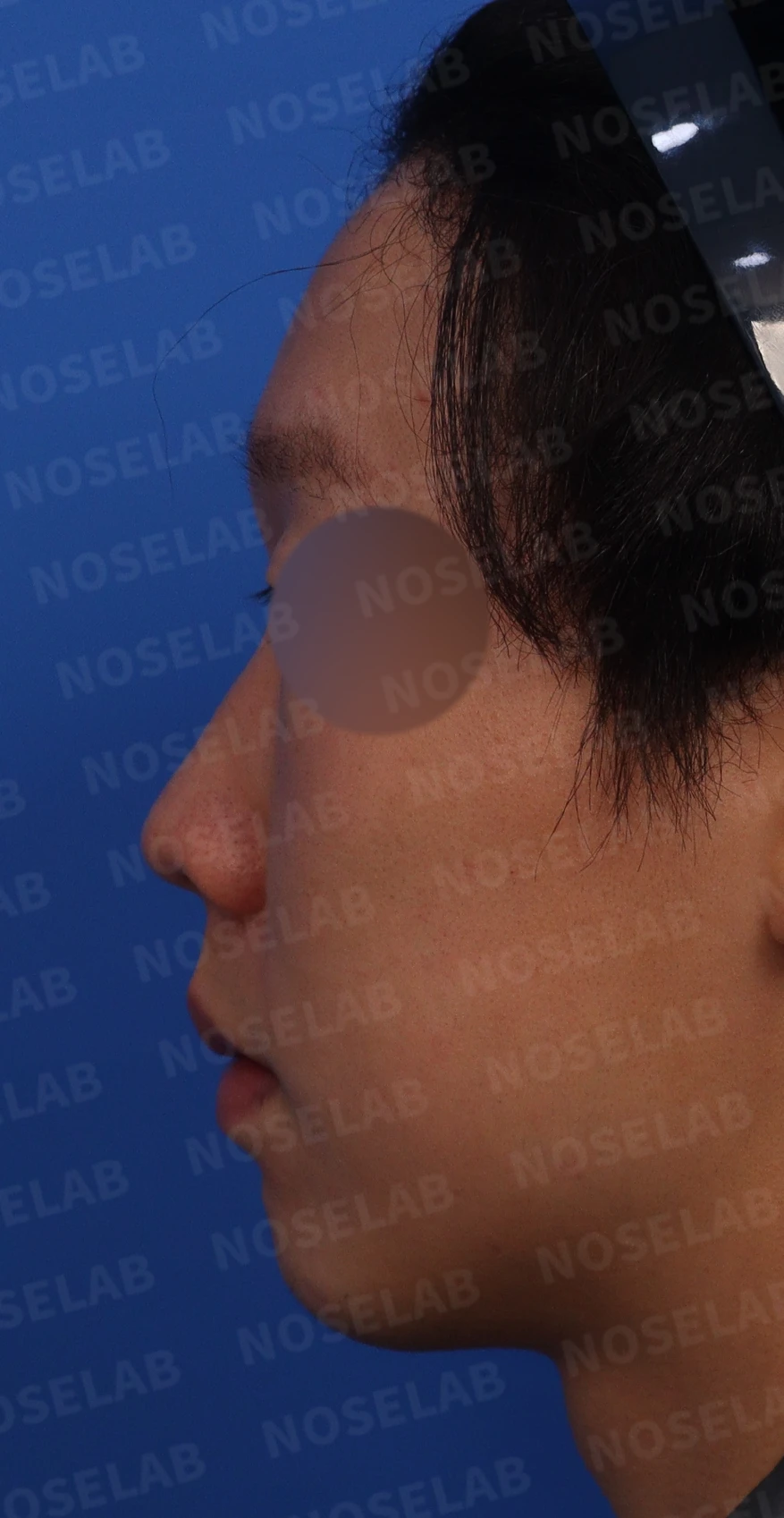
Preoperative design consultation: front, left oblique, and profile views.
Front view:
- Excessive nostril show
- Low glabella
- The nose looks short and wide
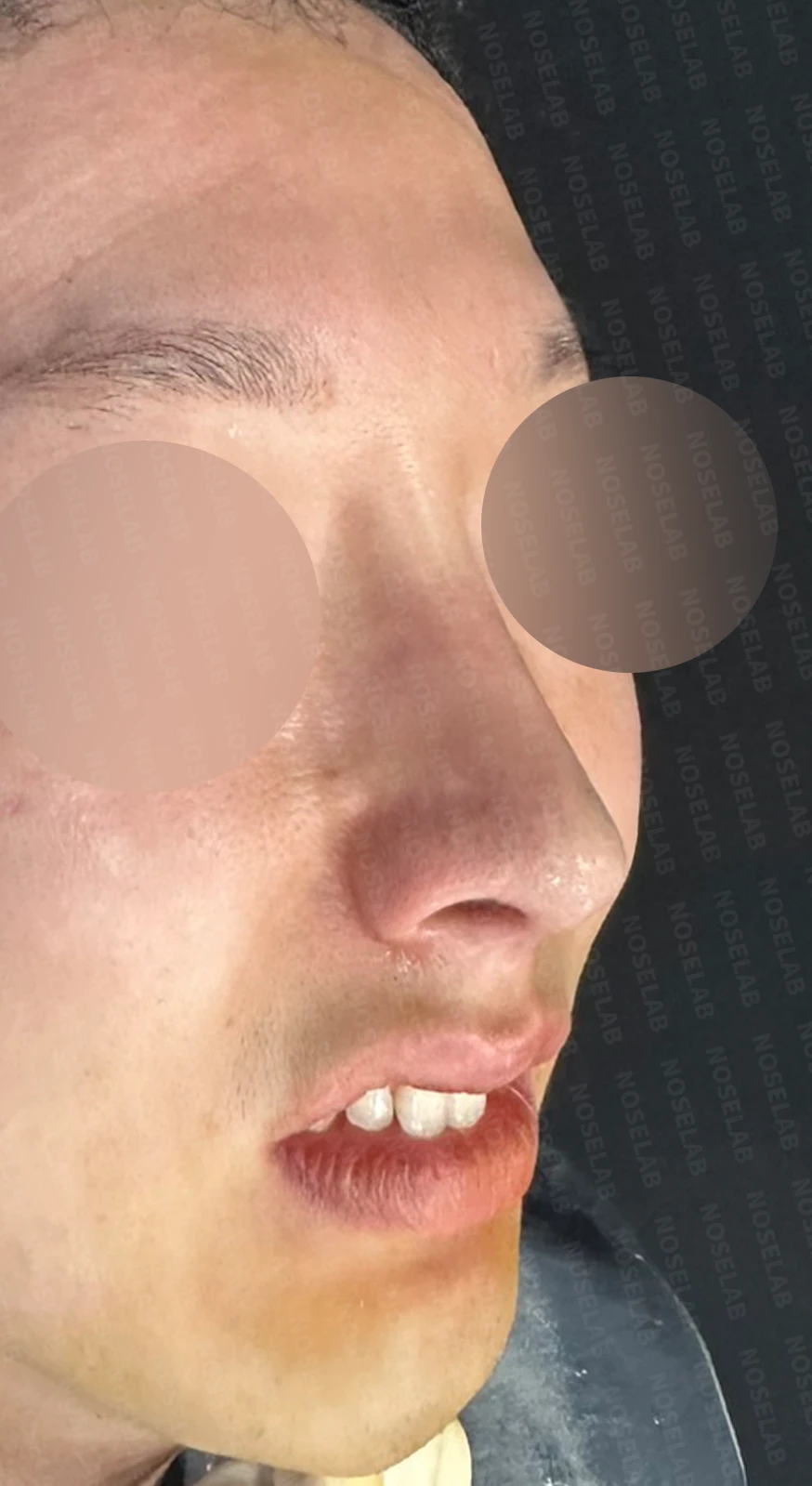
Oblique view:
- Signs of a protruding mouth are visible
- The nose looks upturned
- The glabella is low, giving a flat appearance
Profile view:
- Signs of a protruding mouth are evident
- The nose is short and upturned
- Overall appearance looks flat
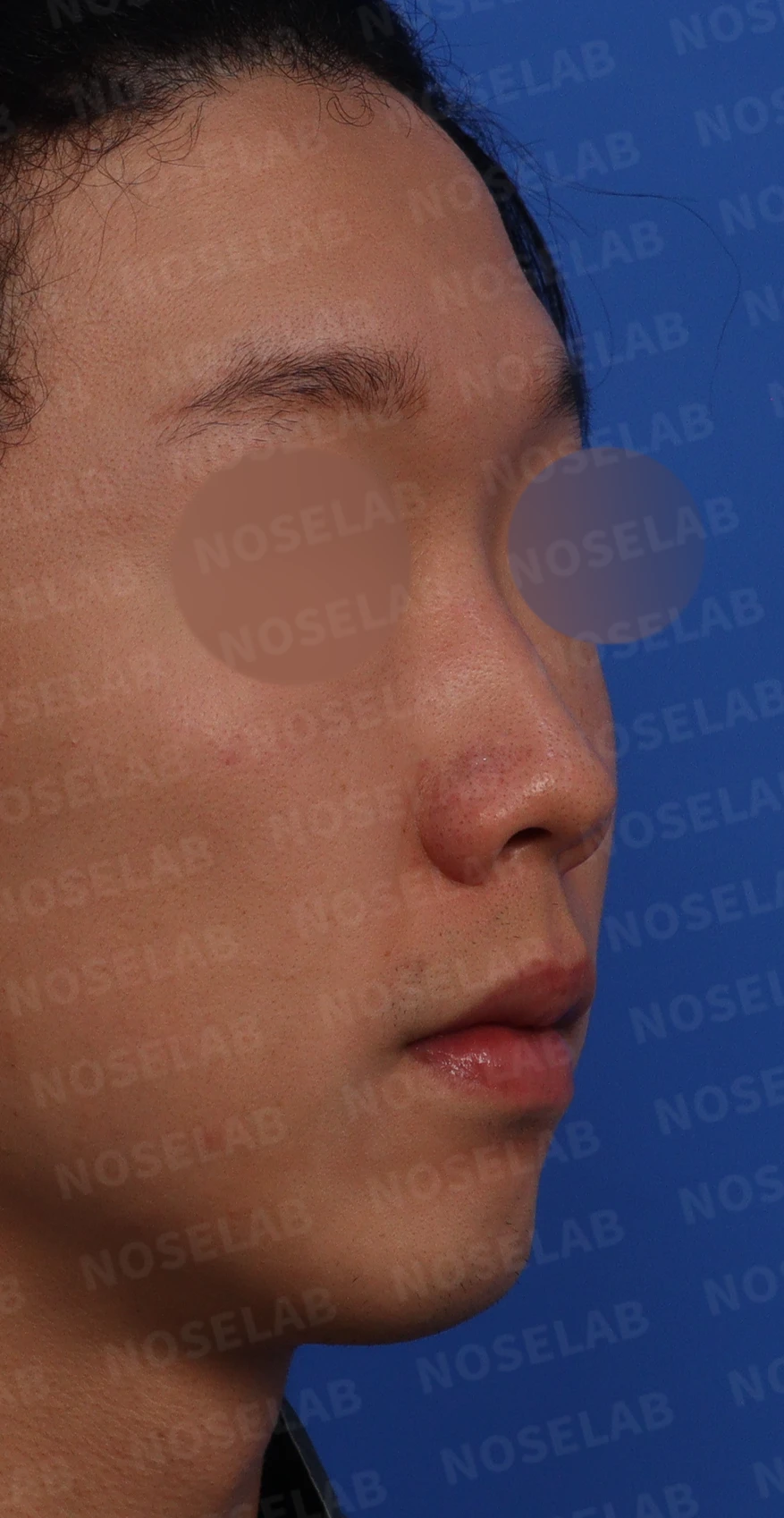
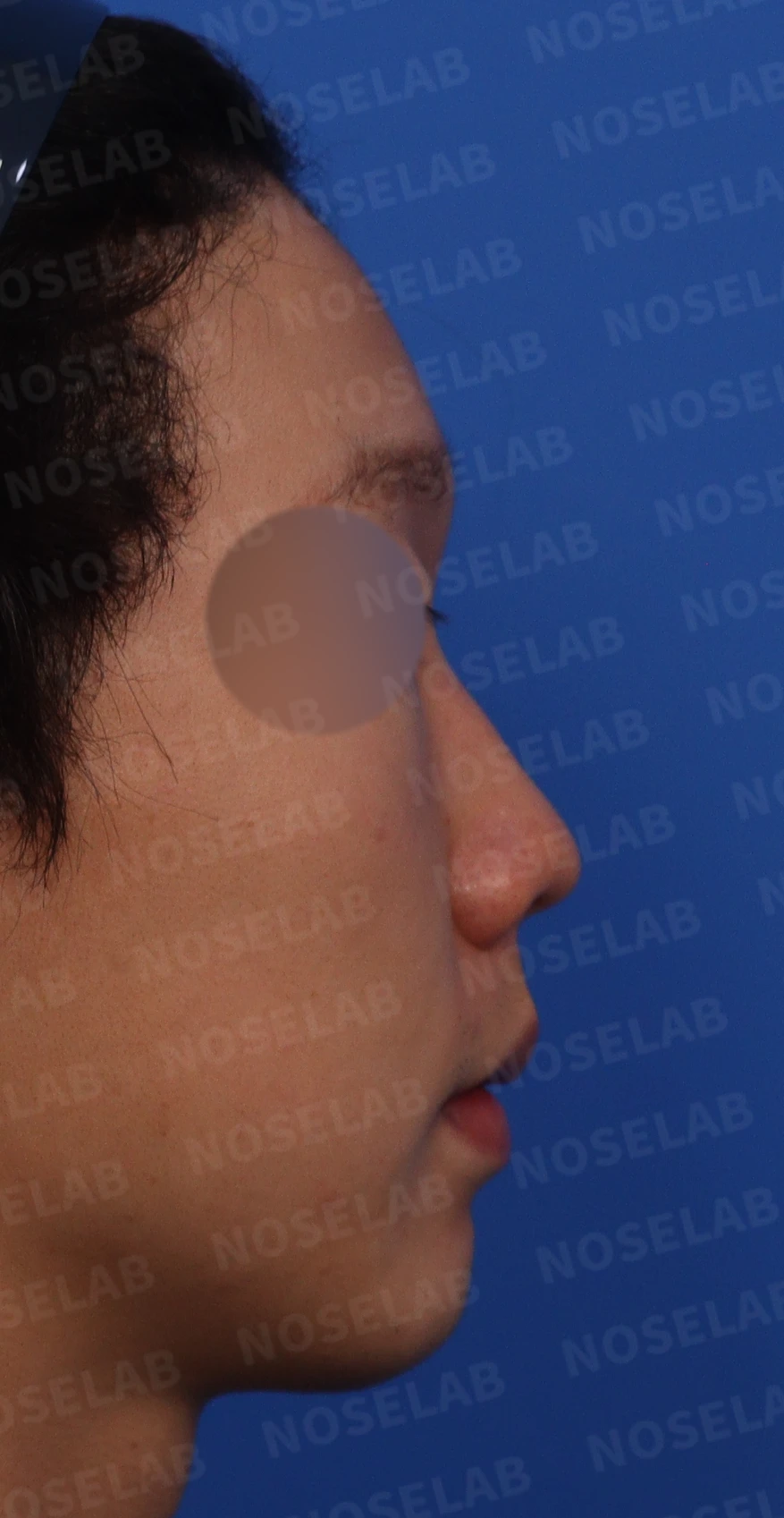
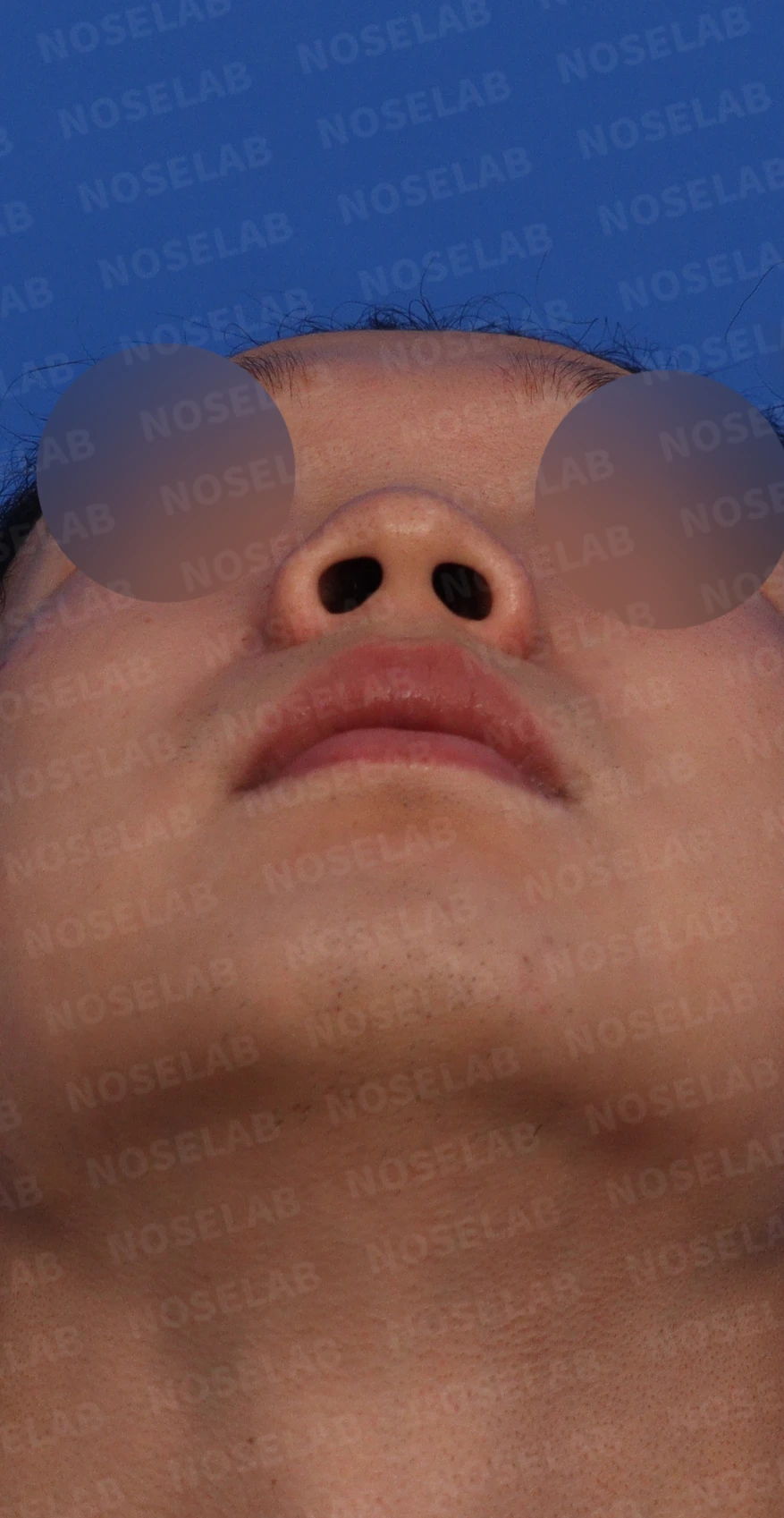
Right profile, right oblique, and basal (nostril) views from the preoperative design consultation.
Nostrils:
- The nasal tip appeared broad overall
- The nasal tip looks depressed
2. Surgical plan
Taking into account the patient's condition and requests, the following surgical plan was established:
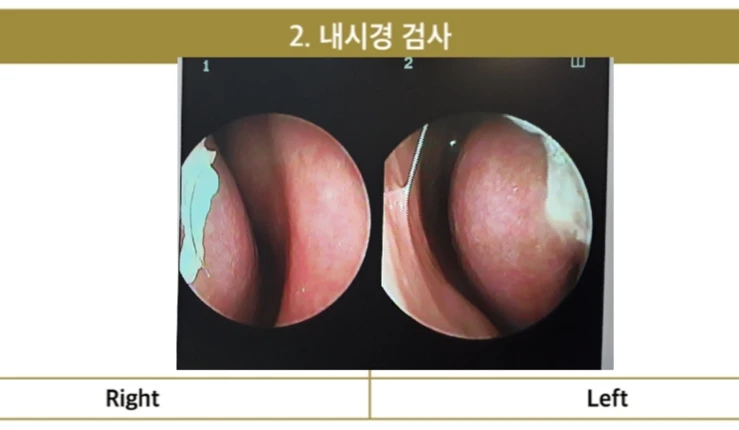
Nasal endoscopy examination images.
a) Septoplasty (correction of deviated septum)
b) Submucosal resection of the inferior turbinate using radiofrequency laser (treatment of hypertrophic rhinitis)
c) Septoplasty and septal extension using autologous rib cartilage
d) Lowering the columella and nasolabial angle correction
e) Lateral osteotomy
f) Nasal bridge augmentation using a silicone implant
3. Surgical procedure
The following procedures were performed using a closed approach:
a) Septoplasty:
- Corrected the septal cartilage deviated to the left to improve nasal obstruction.
b) Submucosal resection of the inferior turbinate:
- Reduced hypertrophied inferior turbinate tissue using a radiofrequency laser to improve rhinitis symptoms.
c) Septoplasty and septal extension using autologous rib cartilage:
- Harvested the patient's rib cartilage to reinforce and extend the septum.
- Through this, corrected the upturned nasal tip and improved the overall nasal framework.
d) Lowering the columella and nasolabial angle correction:
- Lowered the columella naturally using autologous rib cartilage to correct the nasolabial angle.
- Through this, the appearance of a protruding mouth was improved.
e) Lateral osteotomy:
- Performed precise lateral osteotomy to correct the wide-looking nasal bridge.
f) Silicone implant:
- Delicately sculpted and placed a silicone implant to connect the forehead and nasal tip in a straight line.
All procedures were performed using a closed approach, completing the surgery without external scars.
4. Comparison of before-and-after photos
Comparing photos taken immediately after surgery on day 0 shows the following improvements: Photos taken immediately after surgery show swelling and may differ from the final result.
Front view:
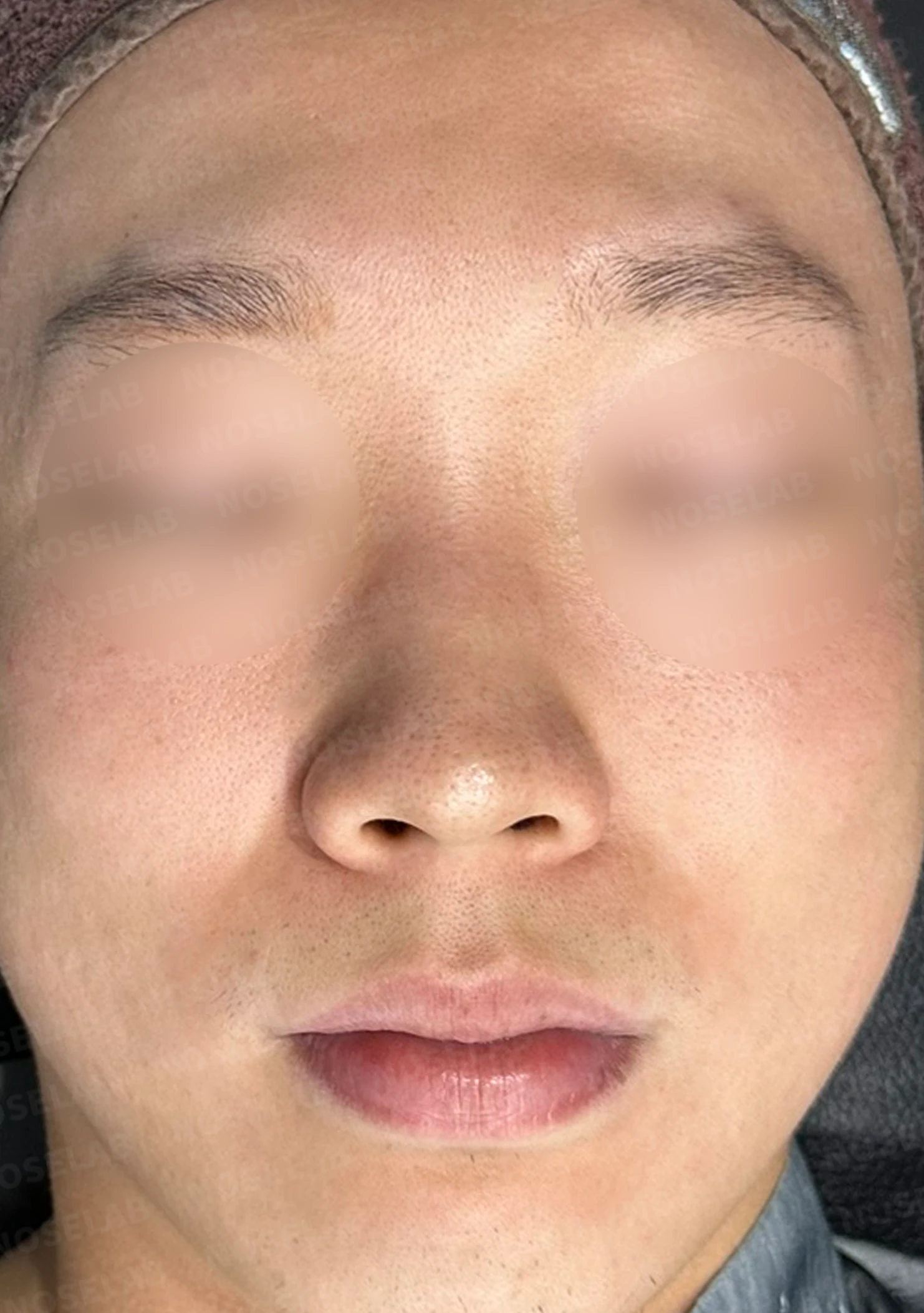
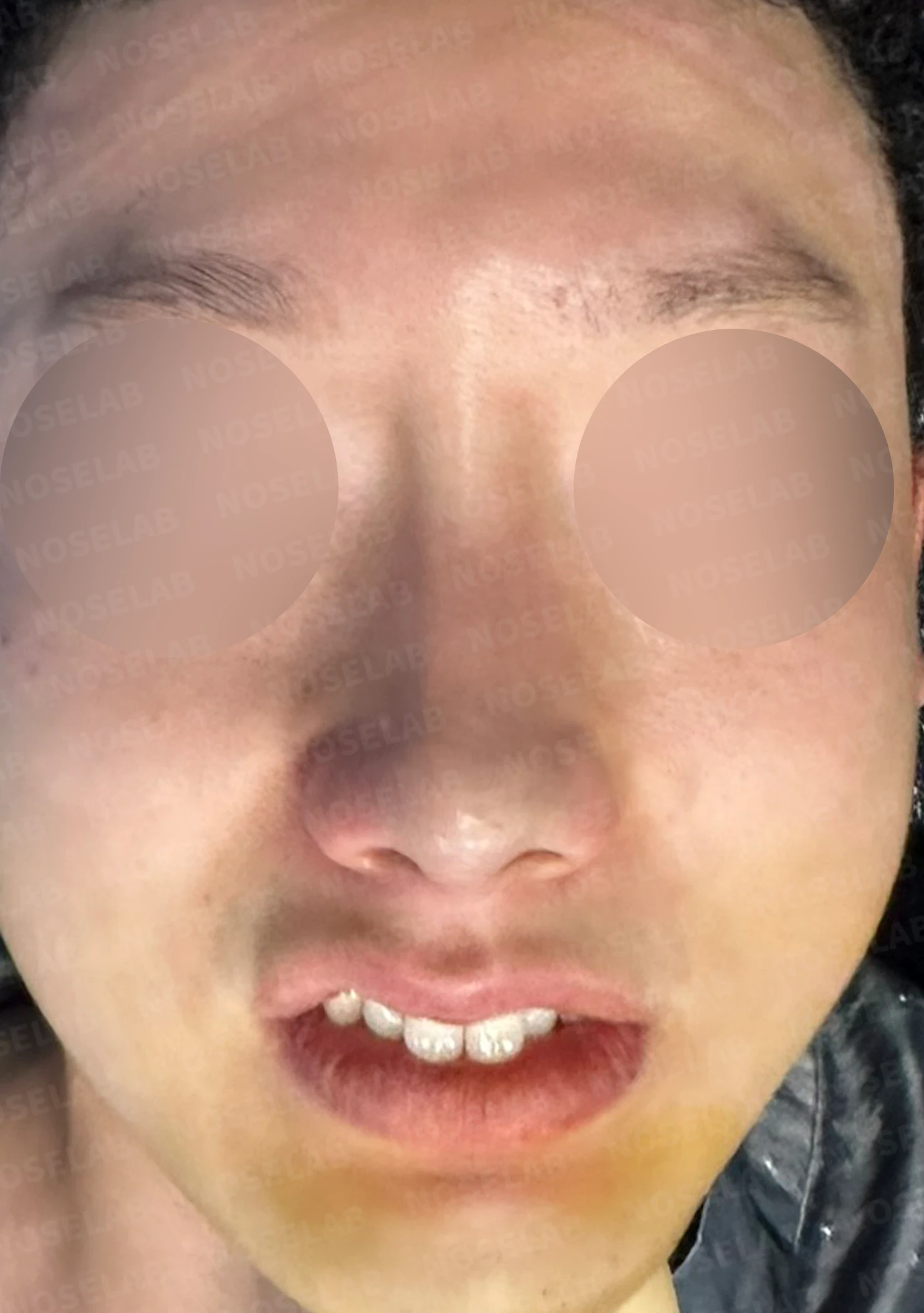
Before surgery / Day 0 immediately after surgery Photos taken immediately after surgery show swelling and may differ from the final result.
- Excessive nostril show has been significantly reduced.
- The low glabella was appropriately elevated, creating a natural line flowing from the forehead to the nose.
- The nose, which looked short and wide, became longer and slimmer.
Oblique view:
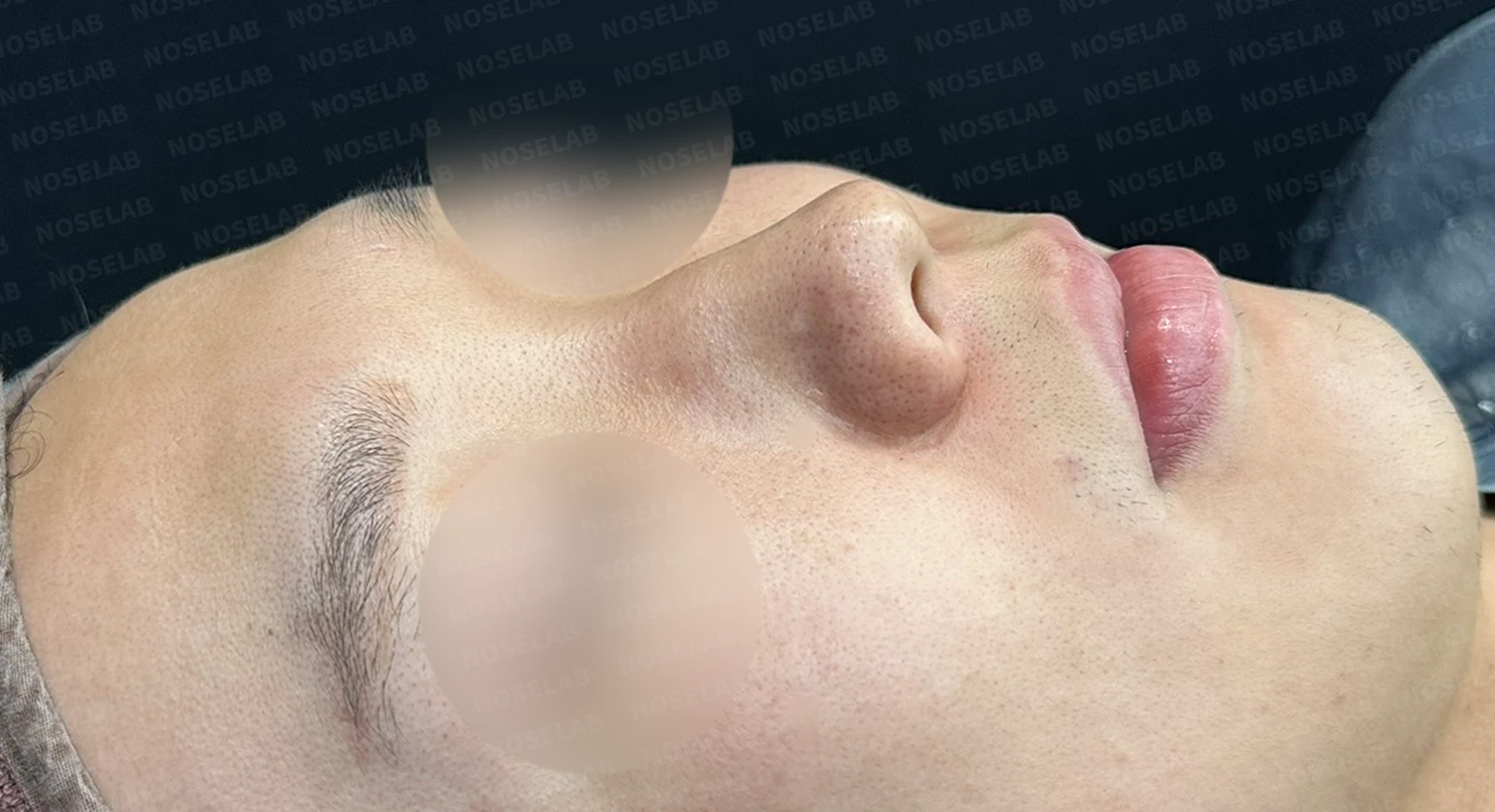
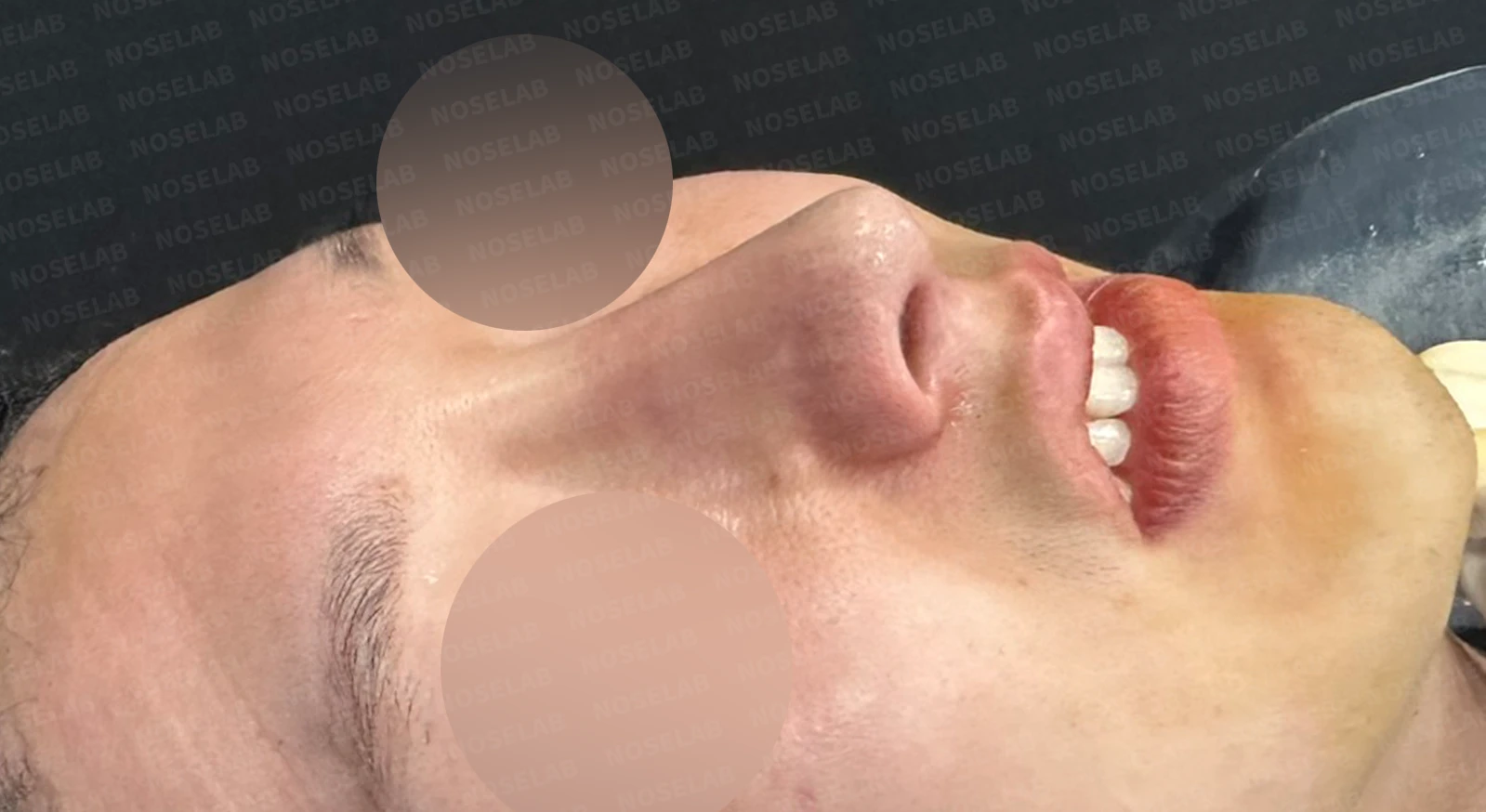
Before surgery / Day 0 immediately after surgery Photos taken immediately after surgery show swelling and may differ from the final result.
- The appearance of a protruding mouth improved, enhancing overall facial balance.
- The upturned nose was brought down naturally, achieving a stable appearance.
- The flat-looking nose gained three-dimensional definition.
Profile view:
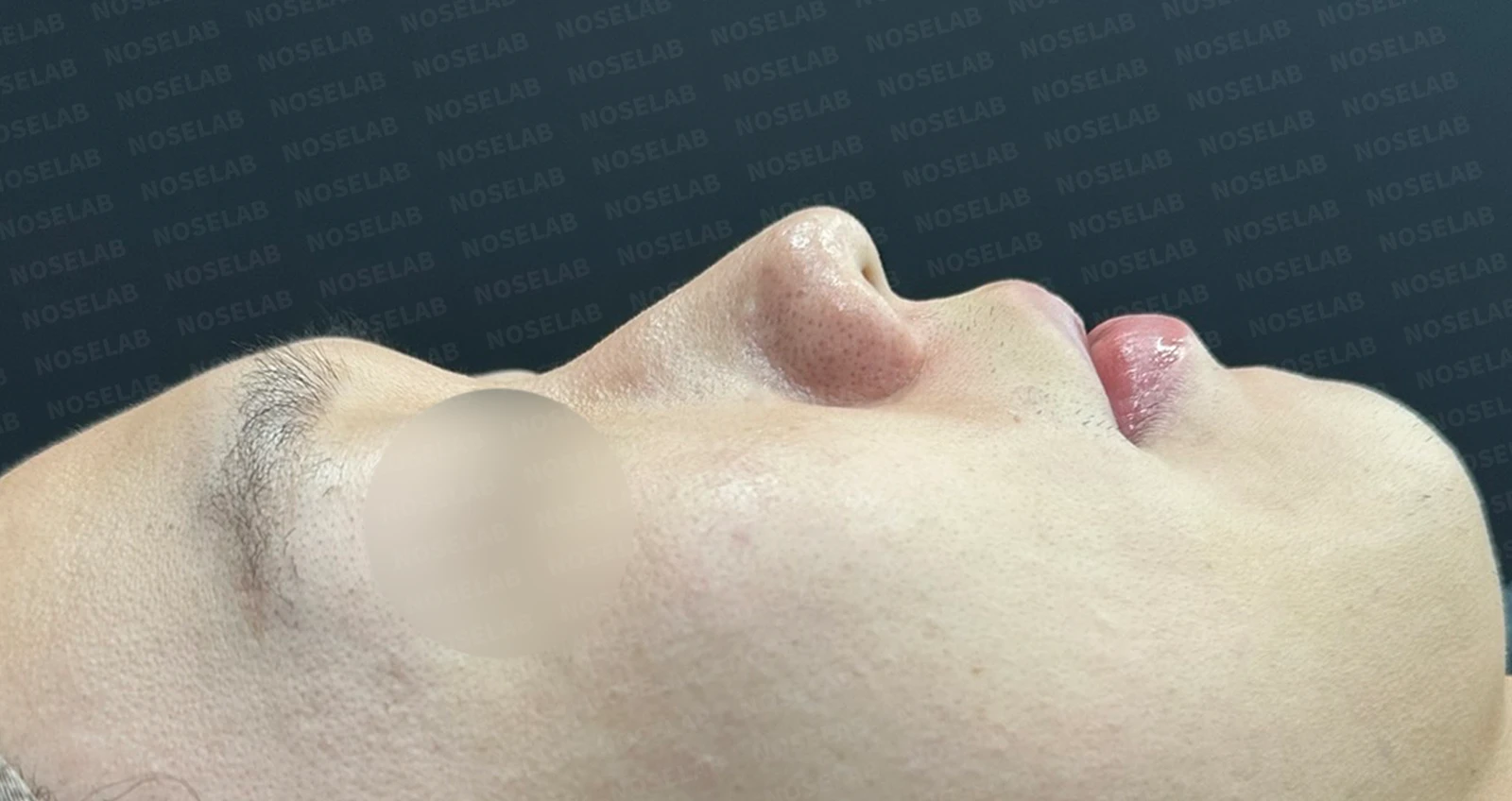
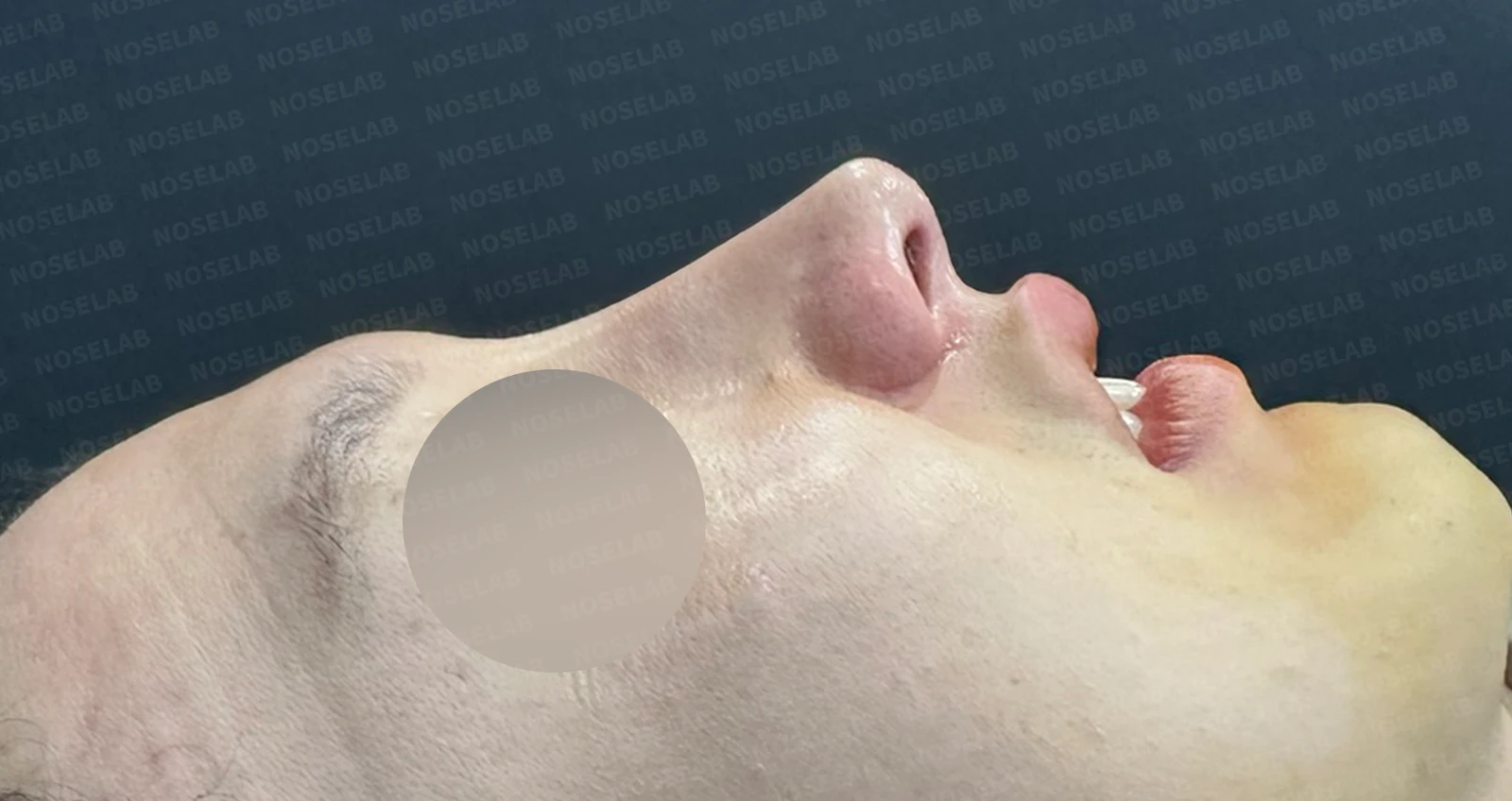
Before surgery / Day 0 immediately after surgery Photos taken immediately after surgery show swelling and may differ from the final result.
- The protruding mouth was improved, enhancing the balance between the nose and lips.
- The short, upturned nose was lengthened and brought down, improving overall facial balance.
- The flat nasal bridge was naturally elevated, adding three-dimensional contour.
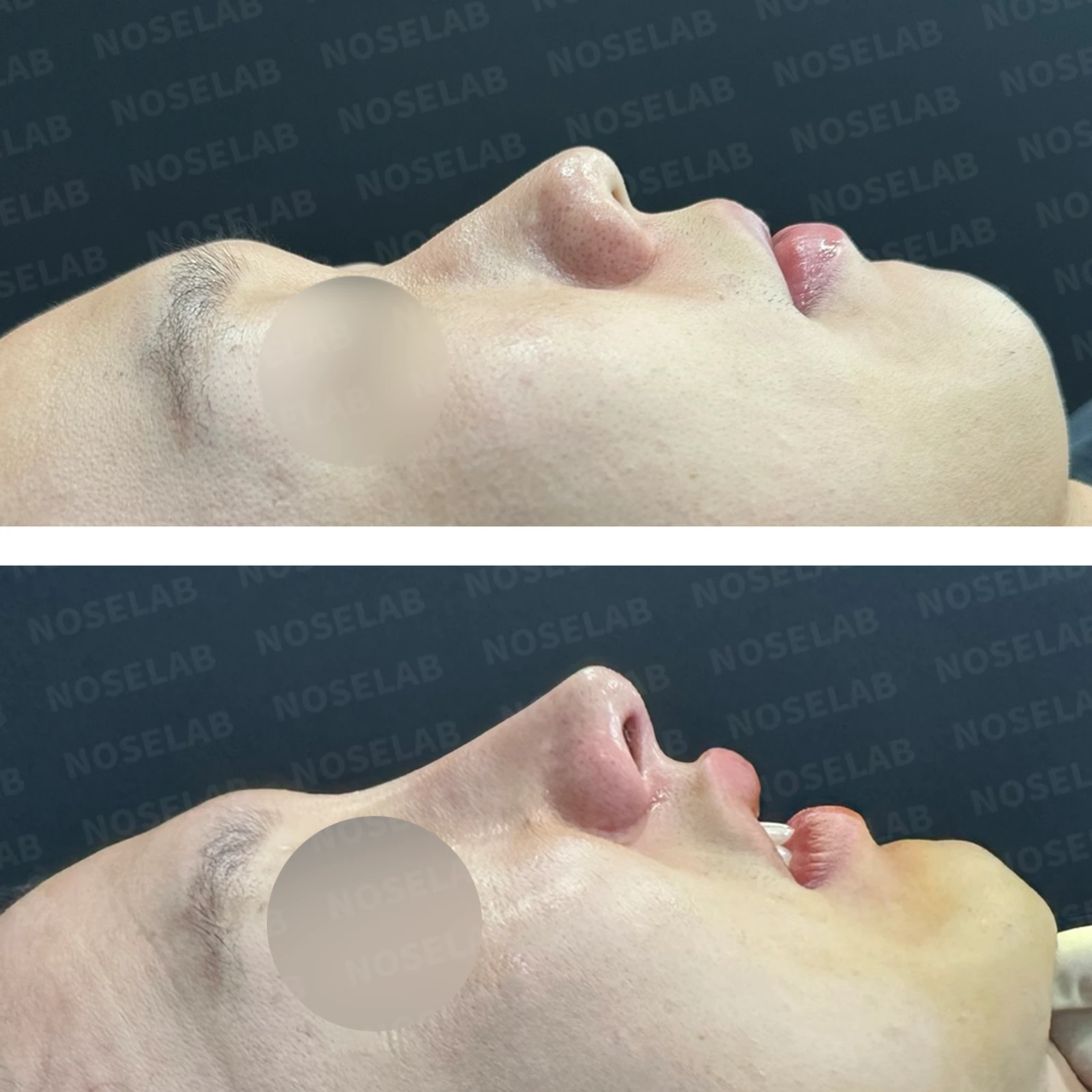
Nostrils:
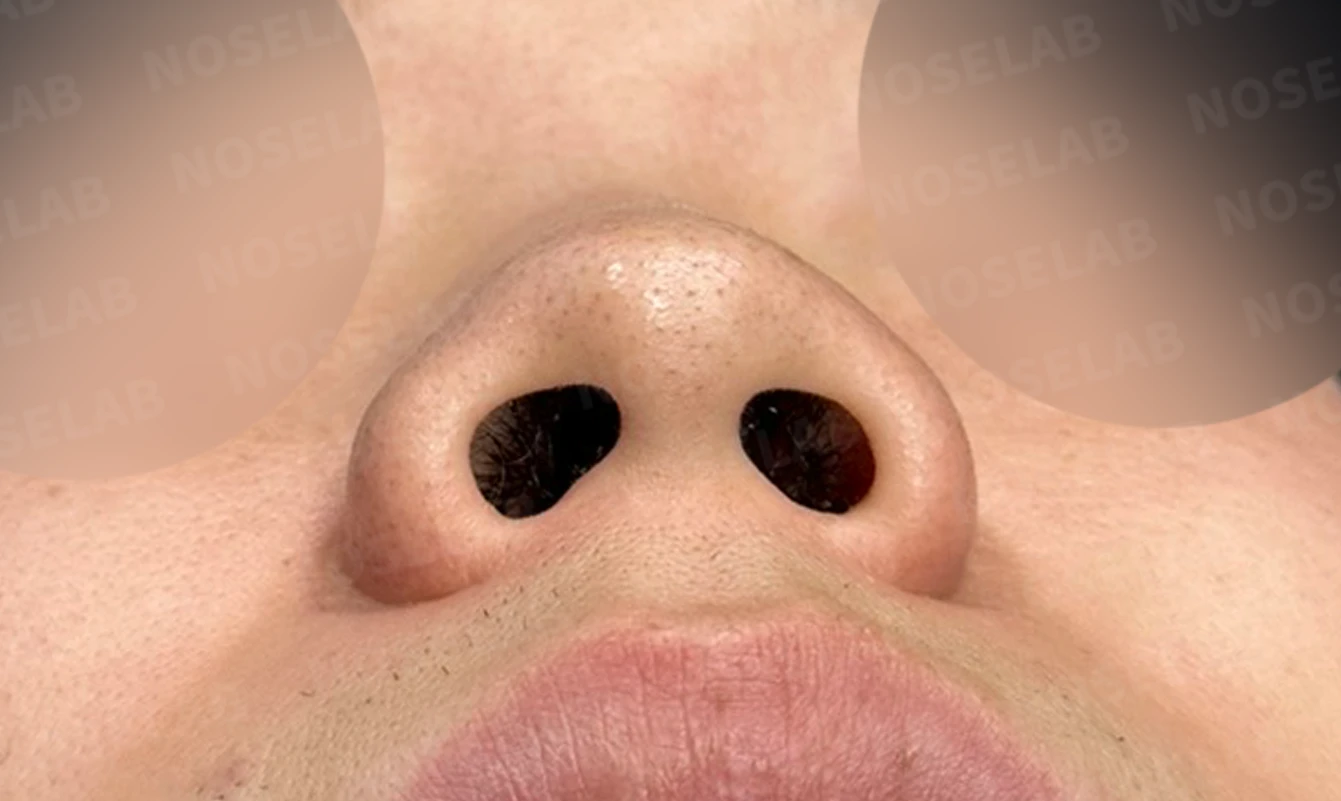
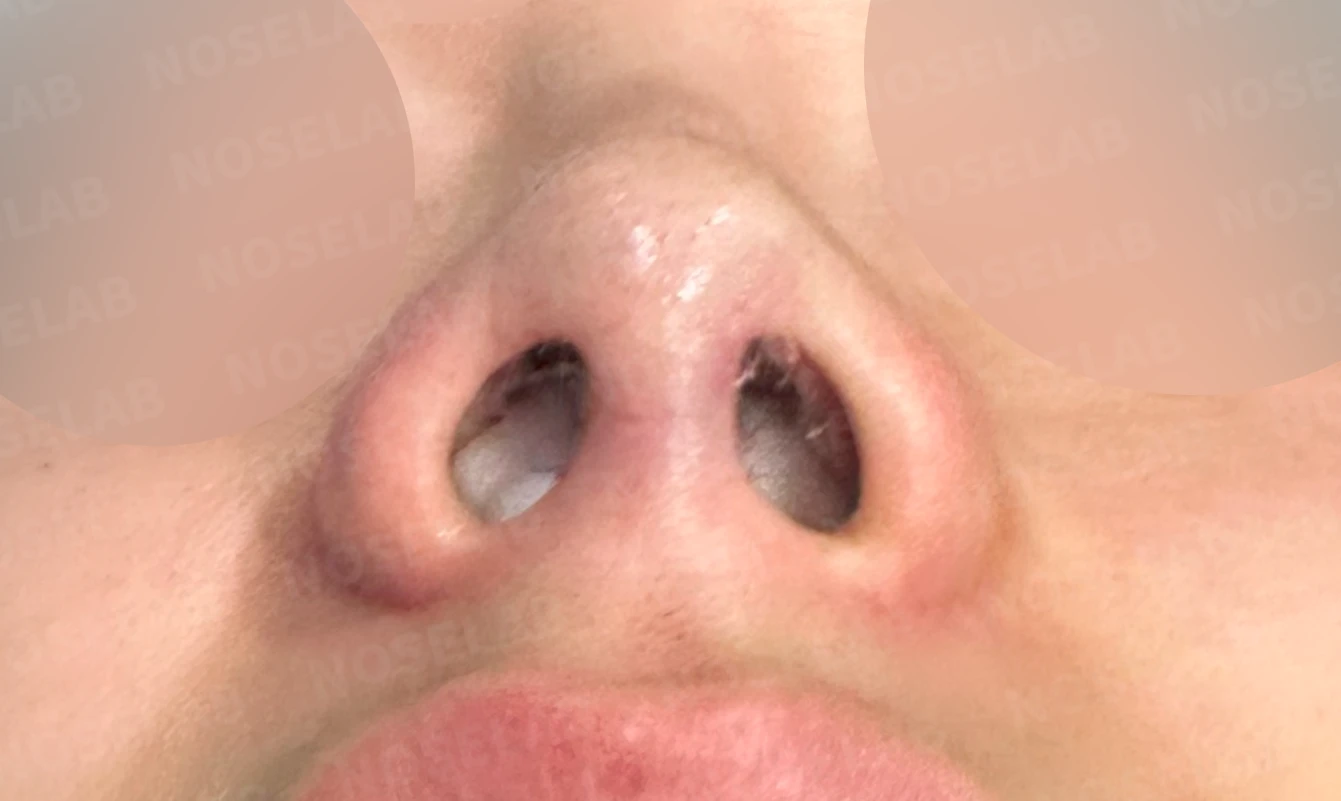
Before surgery / Day 0 immediately after surgery Photos taken immediately after surgery show swelling and may differ from the final result.
- The wide and depressed nasal tip was corrected into a well-projected, balanced shape.
- The size and shape of the nostrils were naturally corrected.
5. Photos immediately after surgery on day 0 Photos taken immediately after surgery show swelling and may differ from the final result.
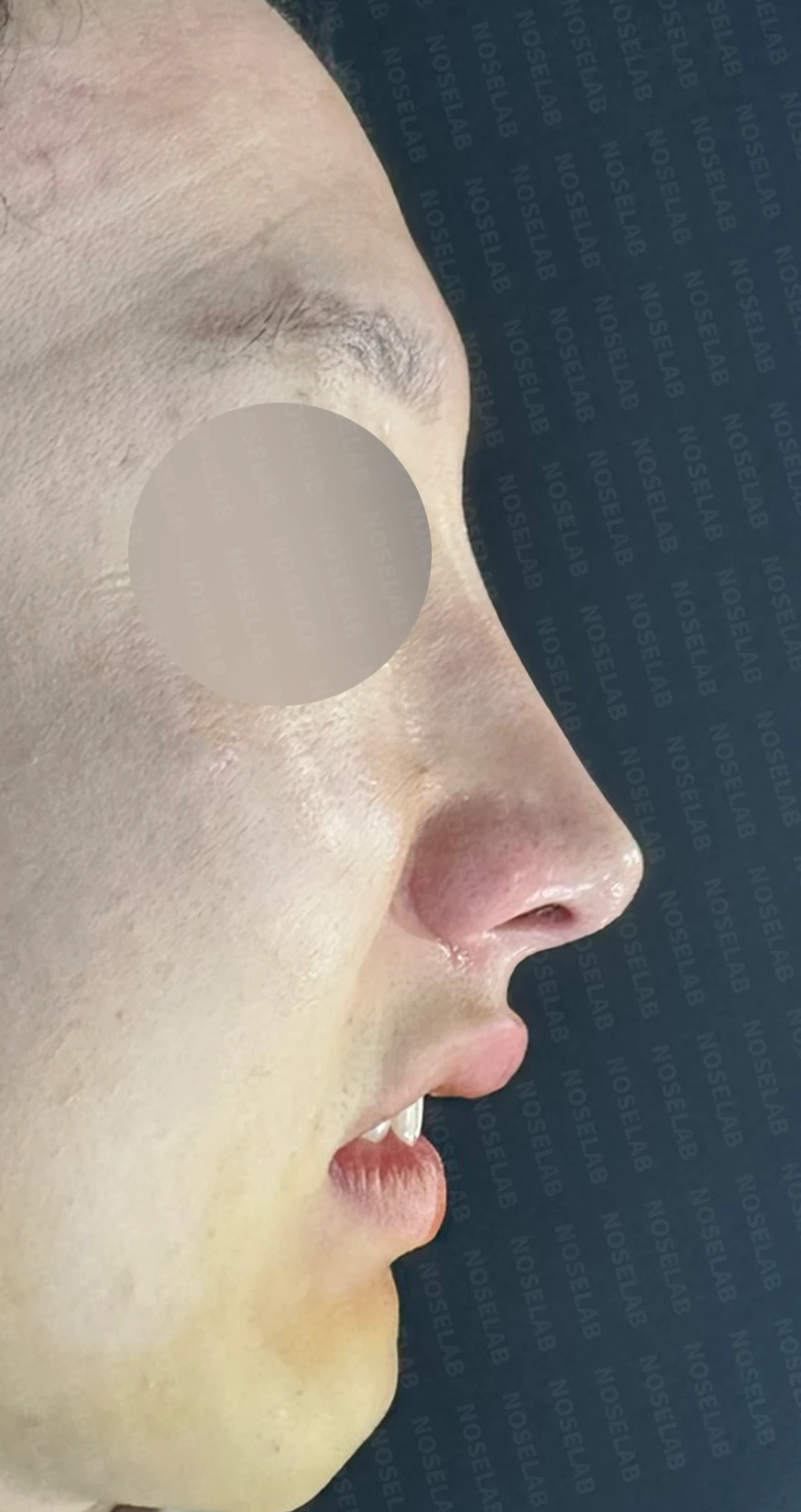
Front, profile, and oblique views taken immediately after surgery (day 0).Immediate postoperative photos show swelling and may differ from the final result.
Basal (nostril) view immediately after surgery (Day 0).Immediate postoperative photos show swelling and may differ from the final result.
6. Overall evaluation
This type of case is a complex rhinoplasty that achieved functional improvement and cosmetic correction simultaneously. By performing septoplasty and inferior turbinate reduction to address nasal obstruction and rhinitis symptoms, the patient's primary complaints were resolved, while concurrently addressing cosmetic concerns including an upturned nose, short nose, and protruding mouth.
In particular, septoplasty and septal extension using autologous rib cartilage played a major role in reinforcing structural stability and correcting the upturned nasal tip. This helps maintain a stable result over the long term.
Lowering the columella naturally and correcting the nasolabial angle was effective in improving the appearance of the protruding mouth, contributing to better overall facial harmony. Nasal bridge correction through lateral osteotomy and bridge elevation using a silicone implant played an important part in creating the straight nasal line desired by the patient.
Performing this entire process through a closed approach greatly helped shorten the postoperative recovery period and minimize visible scarring. This serves as a case that demonstrates specialized surgical technique.
7. Conclusion
I hope this case offers helpful insight to those who experience functional problems such as nasal obstruction alongside cosmetic concerns. It is a good example showing that both function and aesthetics can be addressed together through appropriate surgical planning and technique.
Based on anatomical knowledge and extensive surgical experience as an ENT specialist, I provide surgical plans tailored to each individual patient. If you are considering rhinoplasty, I encourage you to consult with a specialist to determine the most suitable approach for you.
I will be with you every step of the way to achieve a beautiful and healthy nose.
This was Dr. Peter C. Kang. Thank you.
Thank you.
#rhinoplasty #upturnednosecorrection #shortnosecorrection #nasolabialanglecorrection #deviatedseptum #hypertrophicrhinitis #autologousribcartilage #closedrhinoplasty #nasalobstructionrelief #ENTspecialistrhinoplasty #safeplanningrhinoplasty #nasalbridgeaugmentation #tipplasty #protrudingmouthcorrection

Limitations and risks
When autologous rib cartilage is used, scarring and pain may remain at the donor site on the chest, and pneumothorax (pleural injury) can occur rarely. Over time, the grafted cartilage may warp or undergo partial resorption.
When the septum is corrected at the same time, nasal obstruction may persist or recur, and in rare cases, septal perforation or changes in smell may occur.
Common potential risks include infection, bleeding, asymmetry, scarring, skin necrosis, and insufficient improvement; results vary depending on individual skin condition and previous surgical history.