Hello, I am Dr. Peter C. Kang.
Today, I would like to introduce a case where a wide, bulbous nose was refined into a well-defined, sophisticated contour.
The patient had undergone rhinoplasty 2 years prior using ear cartilage, septal cartilage, and a silicone implant, but visited our clinic due to unsatisfactory results.
1. Preoperative design consultation
The patient's main requests were as follows:
- Improving the appearance that widens toward the bottom
- A slender, defined, and refined tip
- As high a bridge and tip as safely feasible
- A straight bridge line in harmony with the face
In addition, functional improvements were needed for left-sided nasal obstruction, rhinitis, and deviated septum symptoms.
Let us analyze the patient's preoperative condition in detail:
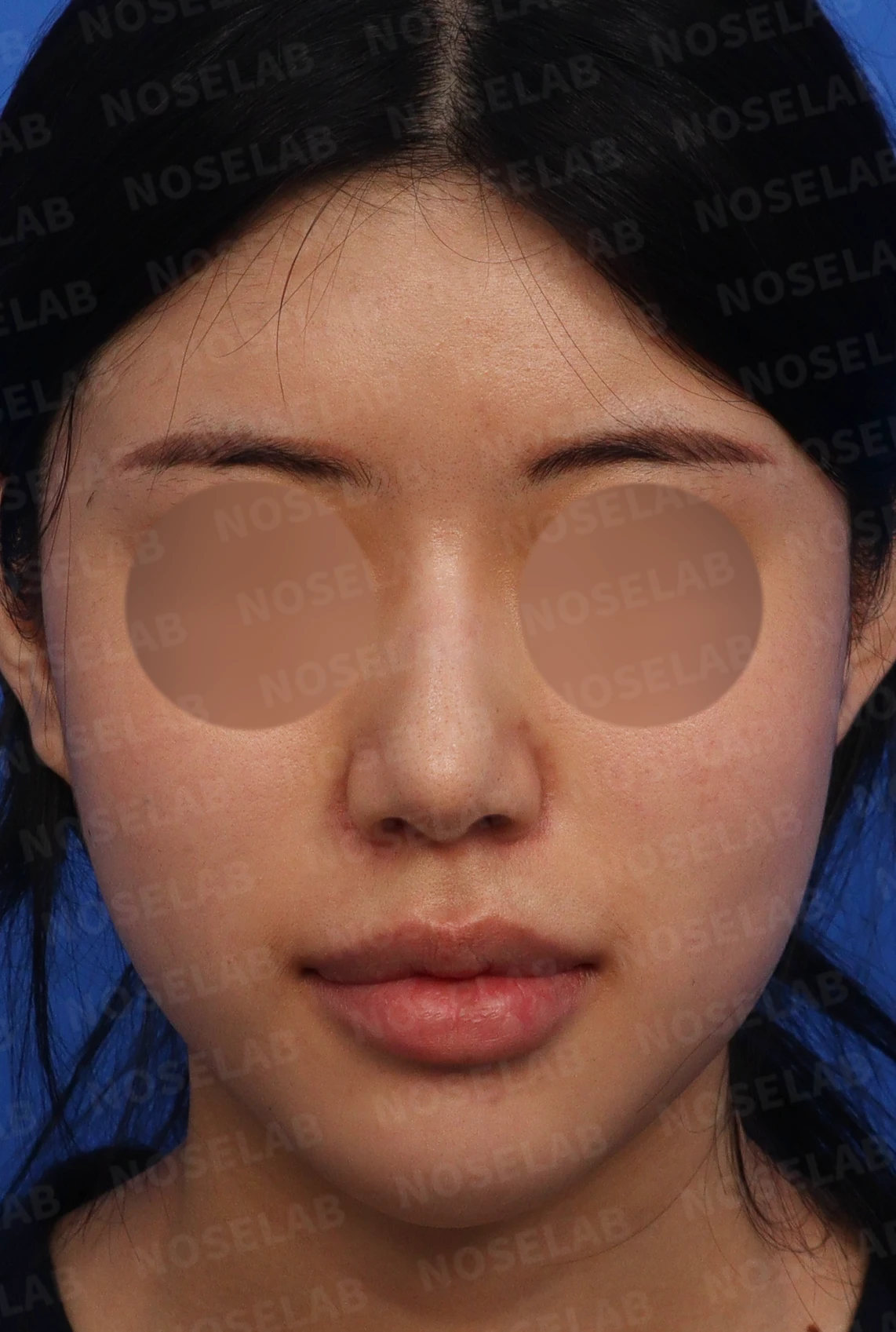
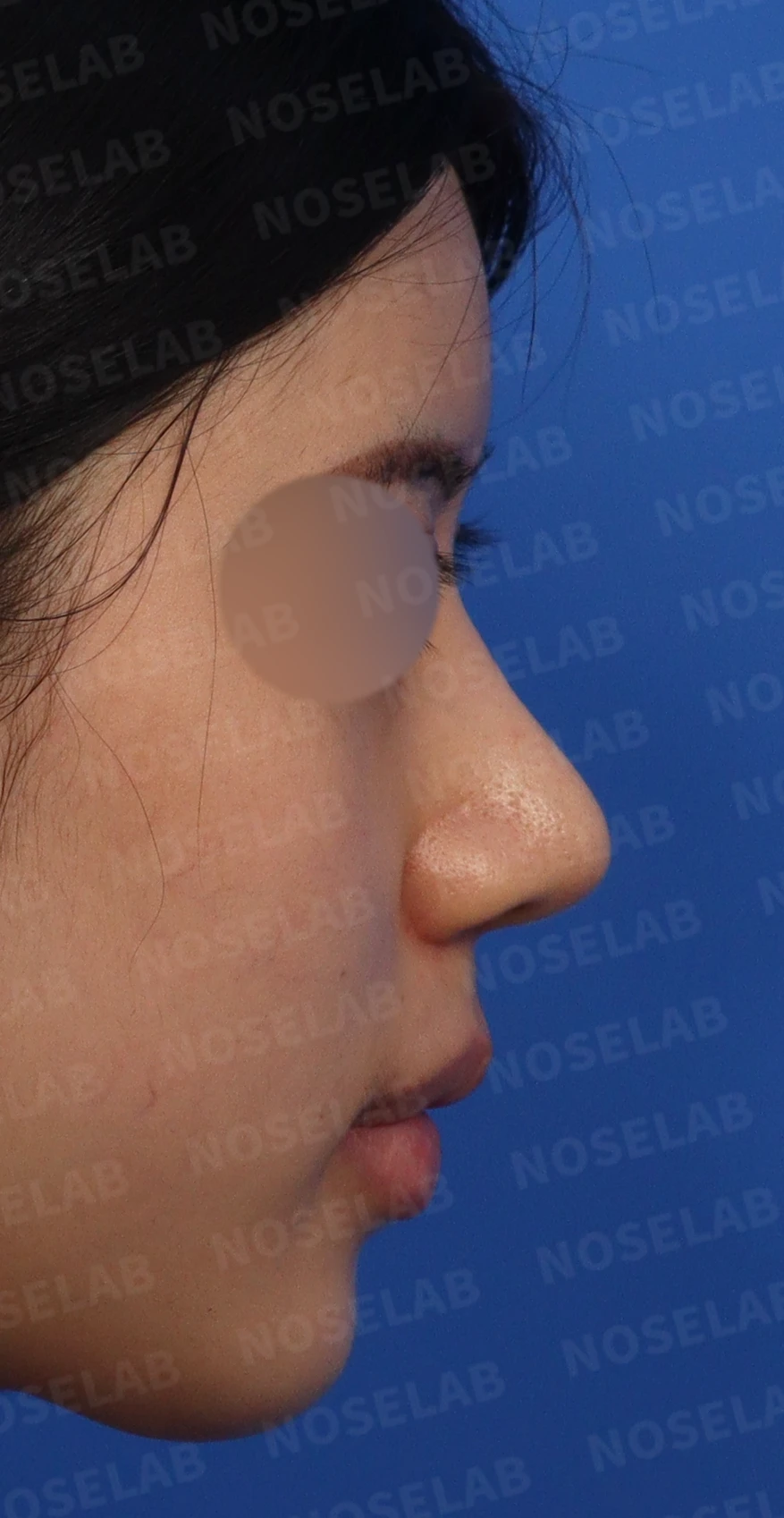
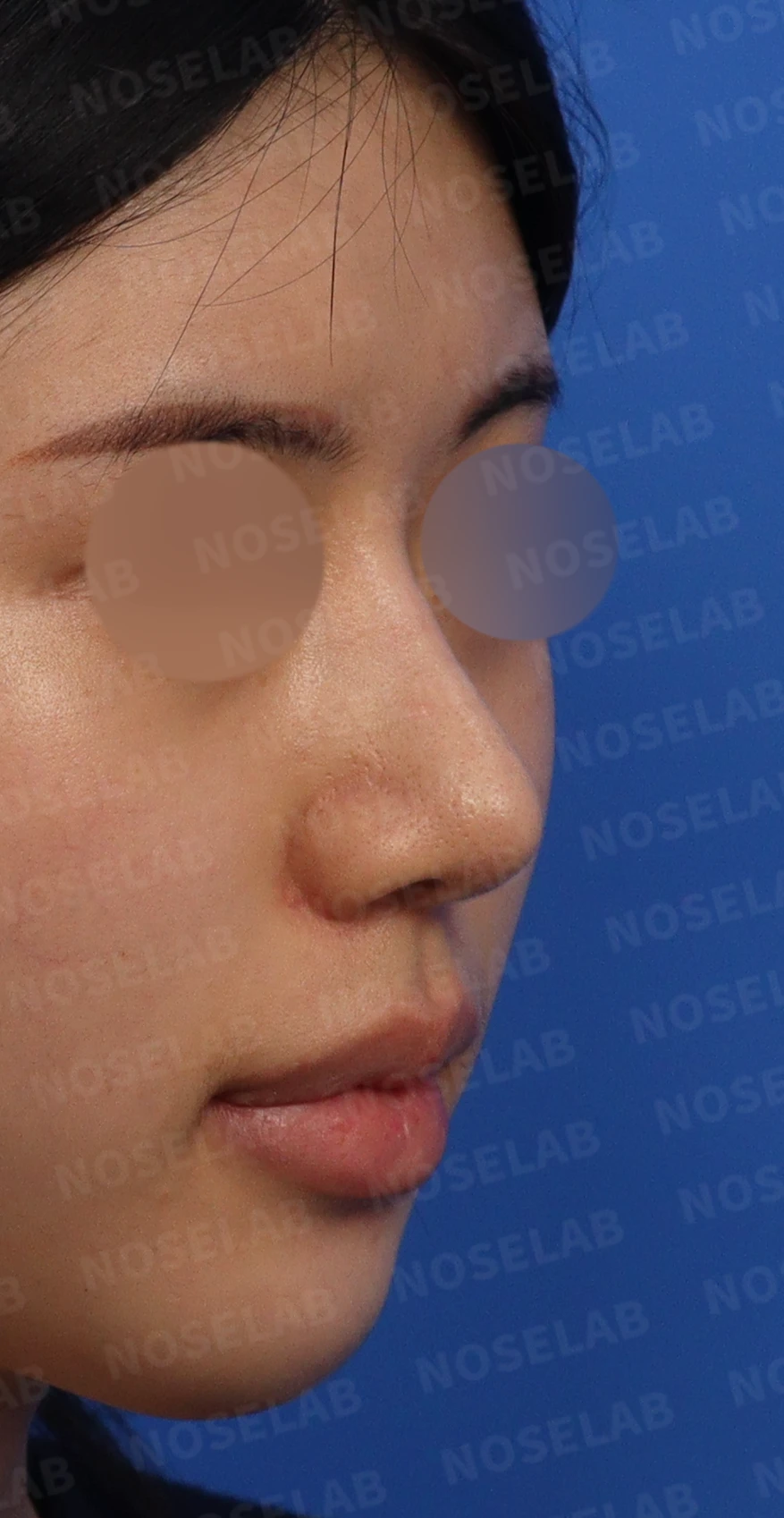
Preoperative design consultation: front, profile, and oblique views
Front view:
- Widening toward the tip is pronounced
- Nostril asymmetry is observed
- Teardrop-shaped, rounded, and bulbous tip
Profile view:
- Bulbous and drooping tip appearance
- The radix is high
- The columella appears retracted
Oblique view:
- Nasal tip appears drooping and elongated
- The nose appears overall large
Nostrils:
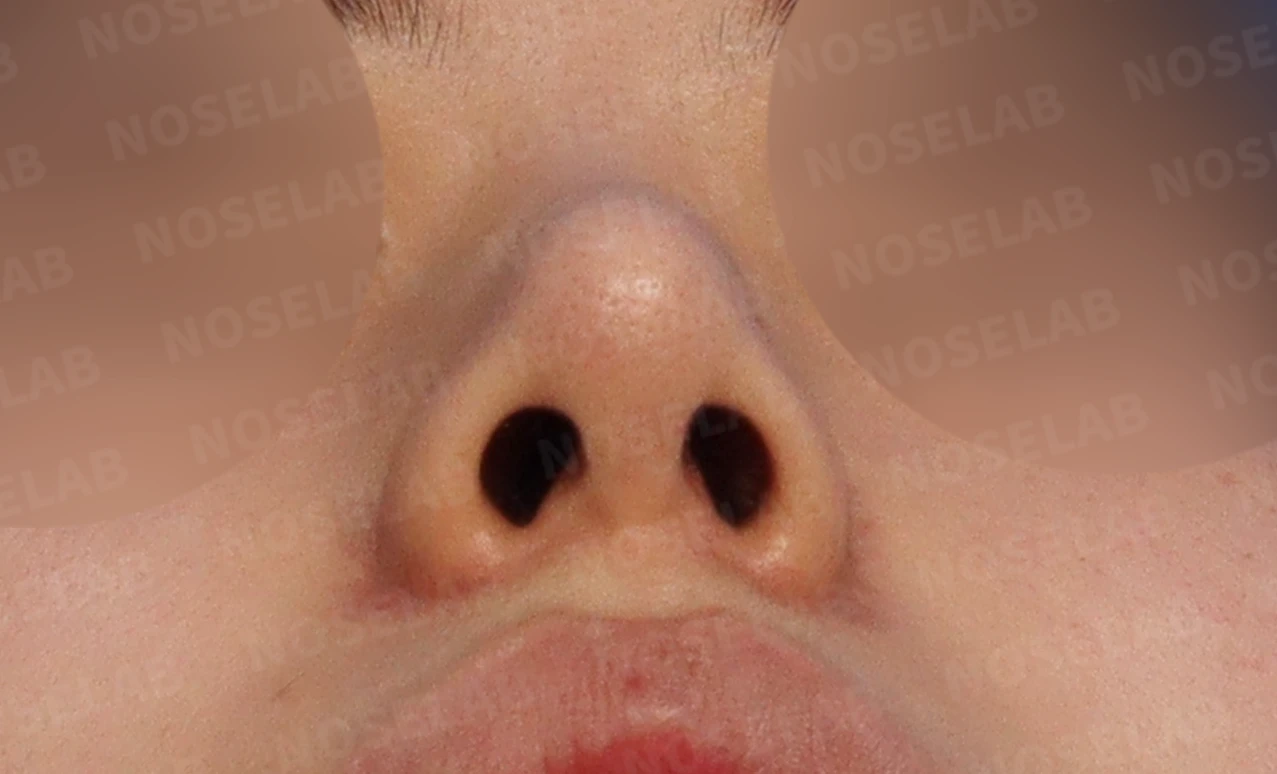
This is the basal (nostril) view.
- Nostril asymmetry is evident
- High ratio of tip length relative to nostril size
2. Surgical plan
Considering the patient's requests and anatomical condition, the following surgical plan was established:
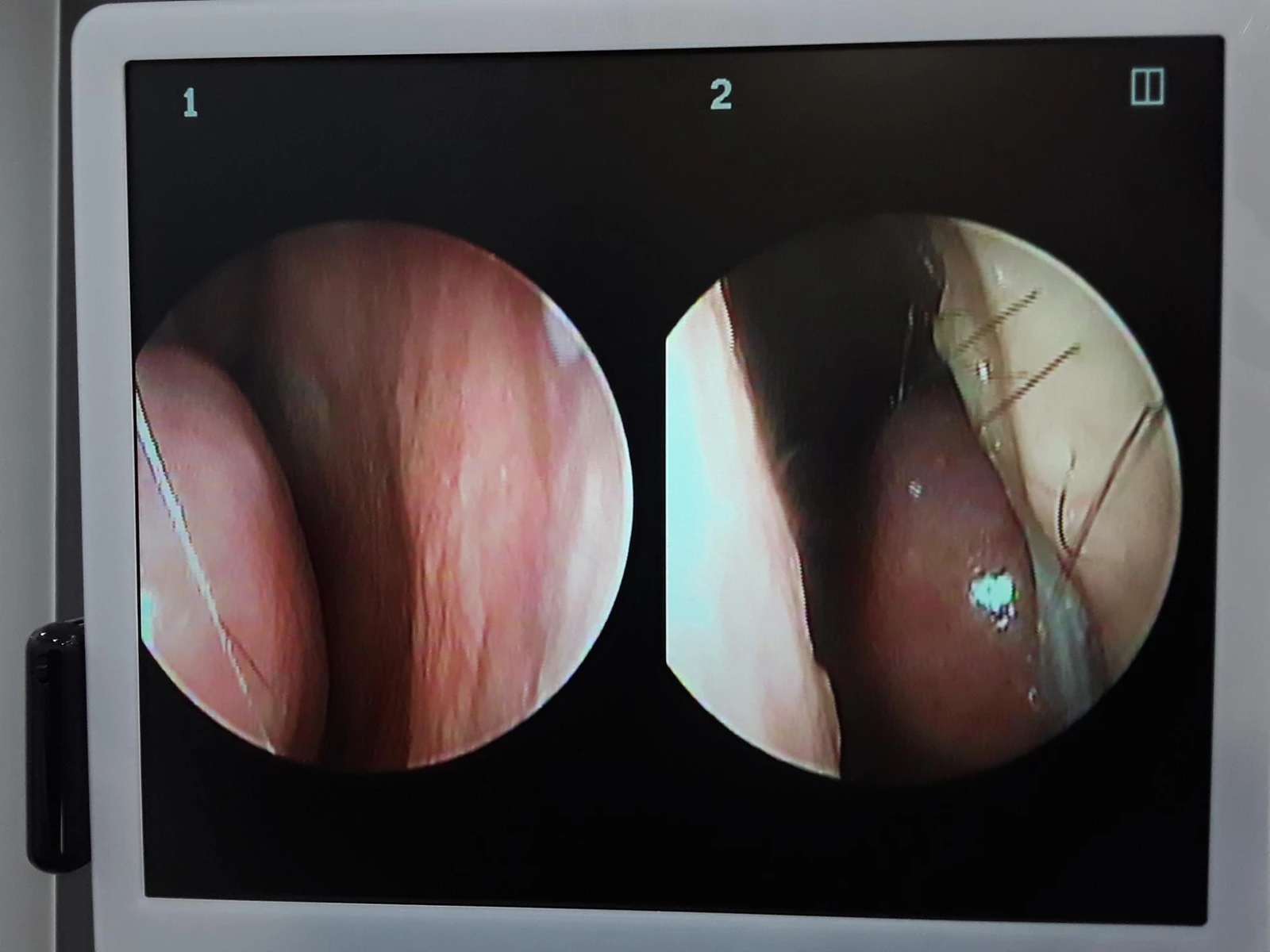
Nasal endoscopy: 1. Right side 2. Left side
a) Functional improvement surgery
- Septoplasty
- Submucosal resection of the inferior turbinate using radiofrequency
b) Aesthetic improvement surgery
- Septal extension using autologous rib cartilage
- Partial resection of subcutaneous nasal tip tissue
- Lower lateral cartilage repositioning and suturing
- Lateral osteotomy (correcting the wide nasal bridge)
3. Surgical procedure
The following procedures were performed using a closed approach:
a) Septal reconstruction and extension
- Because minimal septal cartilage remained from the previous surgery, the septum was solidly reconstructed using autologous rib cartilage.
- This process was essential for tip stability and shape retention, requiring careful precision and dedicated time.
b) Tip rhinoplasty
- Subcutaneous tissue was partially removed to slenderize the tip.
- The lower lateral cartilages were repositioned with cartilage suturing techniques to address the bulbous tip and refine tip definition.
- In line with the patient's goals, the tip was projected and refined while taking care to prevent cartilage visibility.
c) Dorsal bridge refinement
- Lateral osteotomy was performed to narrow the widened nasal bridge.
- The radix starting point was lowered to adjust the overall apparent length of the nose.
d) Columellar correction
- The retracted columella was corrected to improve overall nasal balance.
e) Functional improvement
- Septoplasty was performed to correct the deviated septum.
- Submucosal resection of the inferior turbinate using radiofrequency was performed to improve rhinitis symptoms.
f) Proportion adjustment
- At the patient's request, the ratio between nostril height and tip length was adjusted for a more balanced appearance.
All procedures were performed using a closed approach, completing the surgery without external scars.
4. Comparison of before-and-after photos
Comparing photos taken immediately after surgery on day 0 shows the following improvements: Photos taken immediately after surgery show swelling and may differ from the final result.
Front view:
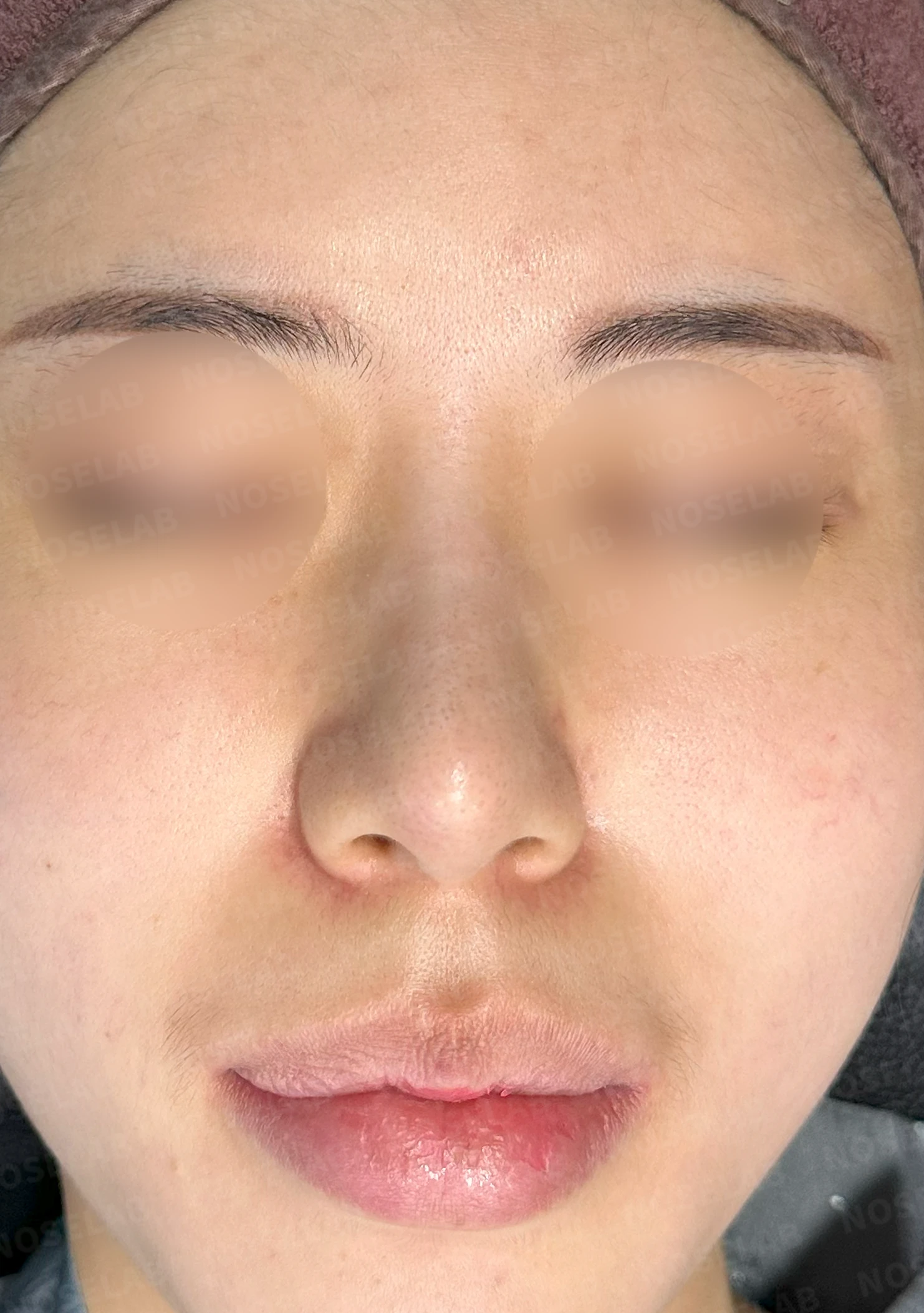
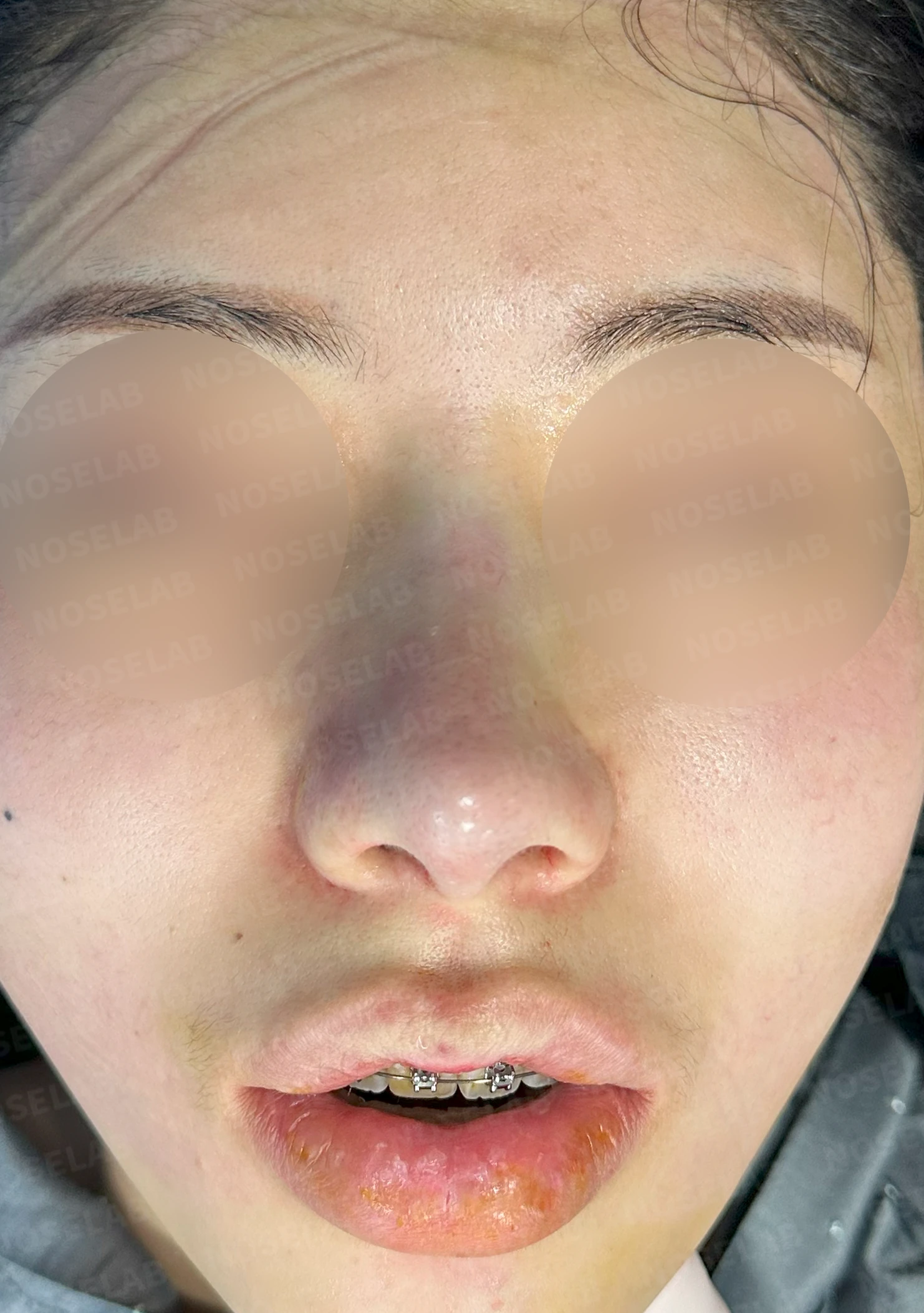
Before surgery / Day 0 immediately after surgery Photos taken immediately after surgery show swelling and may differ from the final result.
- The widening toward the nasal tip has been significantly corrected.
- Nostril asymmetry has visibly decreased.
- The teardrop-shaped tip is now refined and slender.
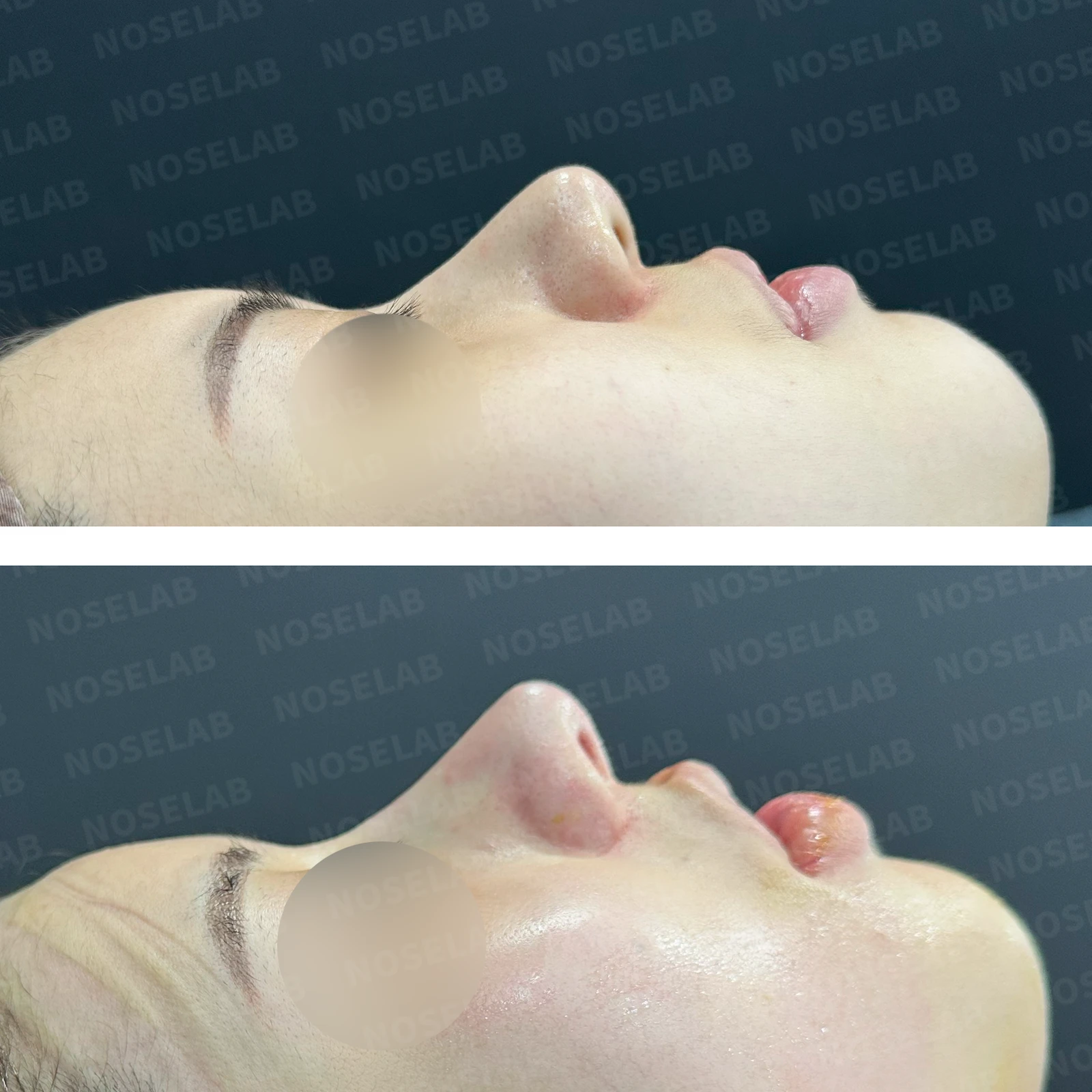
Profile view:
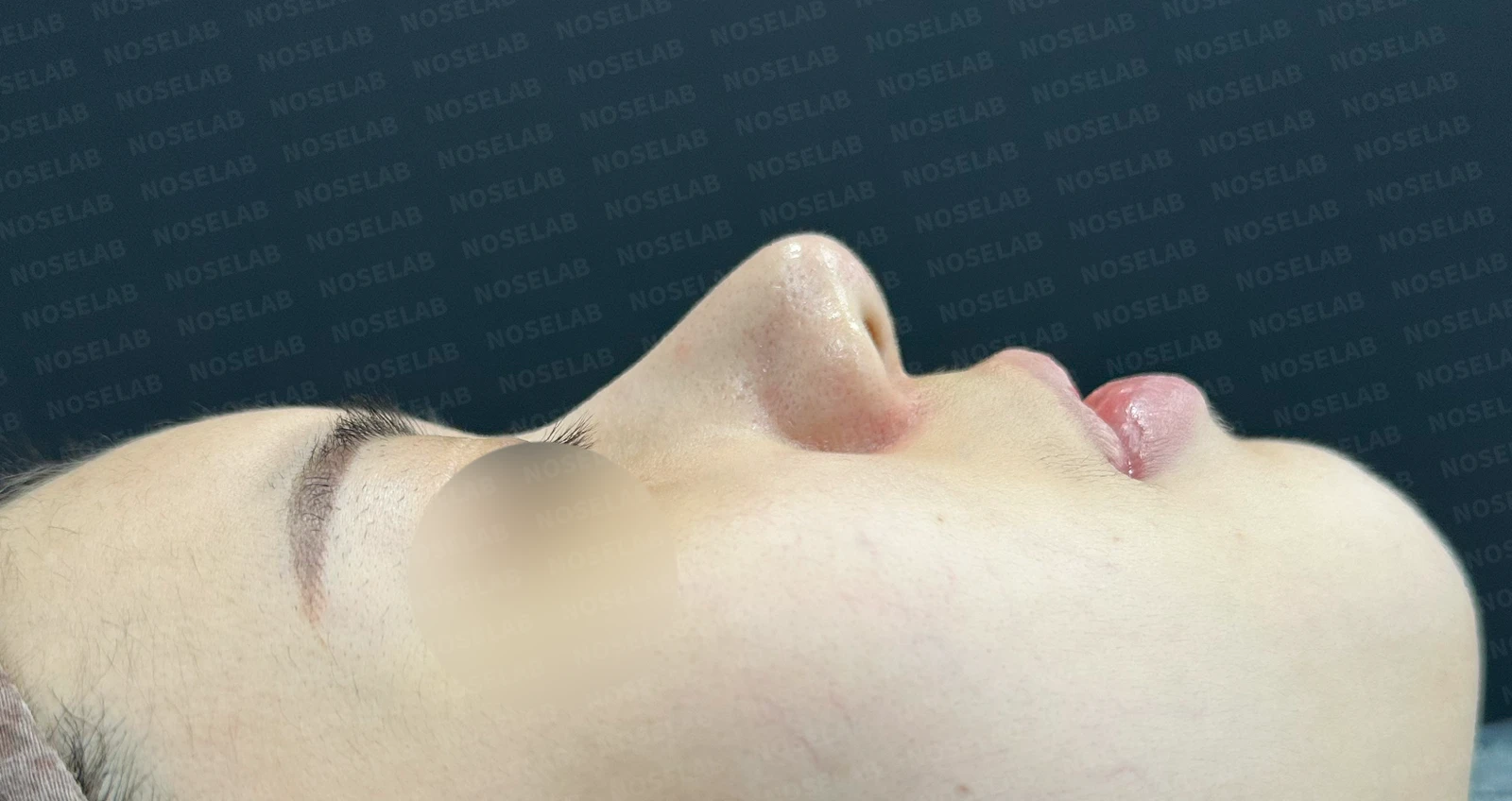
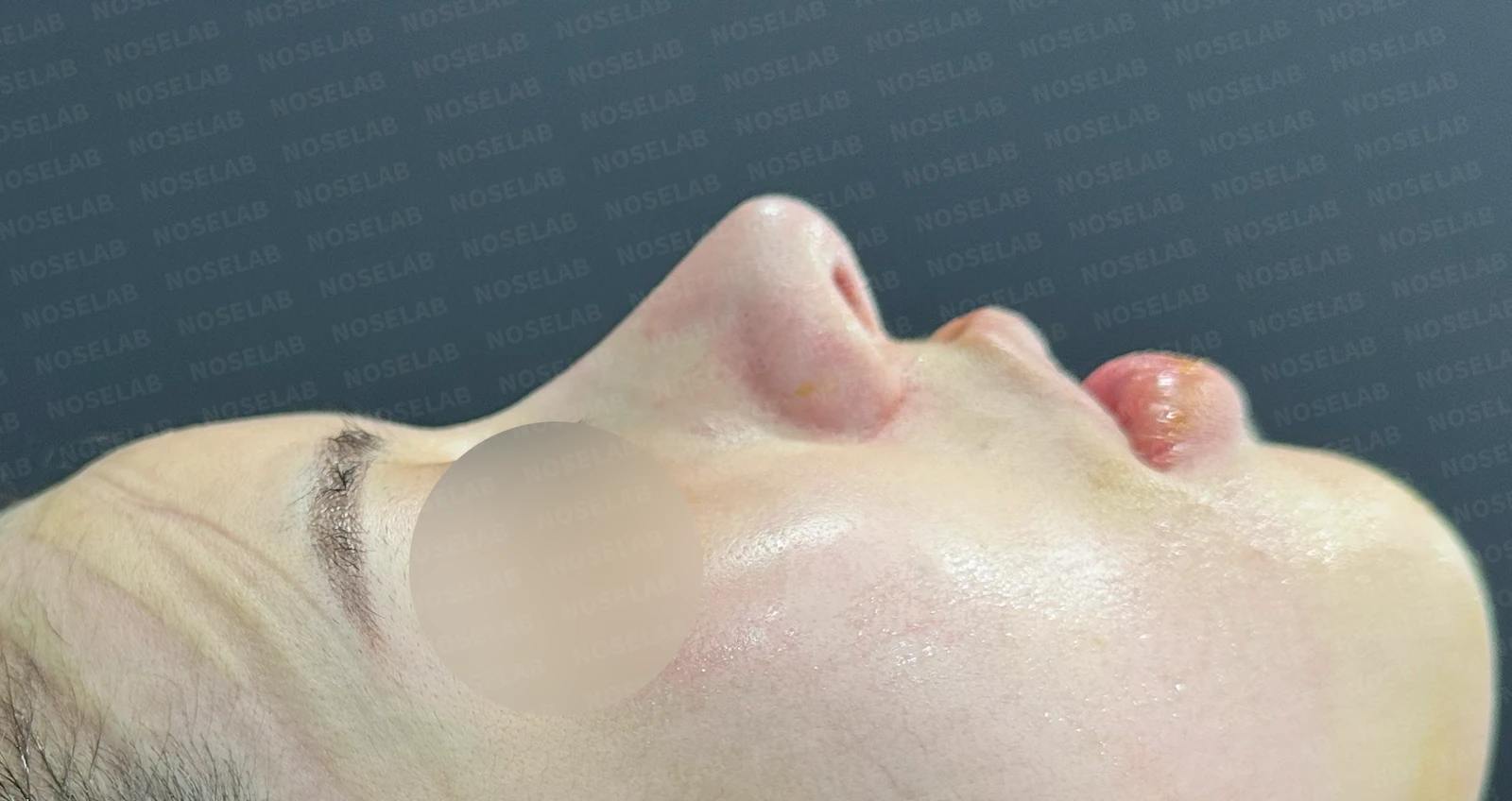
Before surgery / Day 0 immediately after surgery Photos taken immediately after surgery show swelling and may differ from the final result.
- The bulbous and drooping tip has become projected and well-defined.
- The bridge line has become a cleaner, straight bridge line.
- Lowering the high radix creates a more balanced, shorter overall impression.
- The retracted columella has been corrected naturally.
Oblique view:
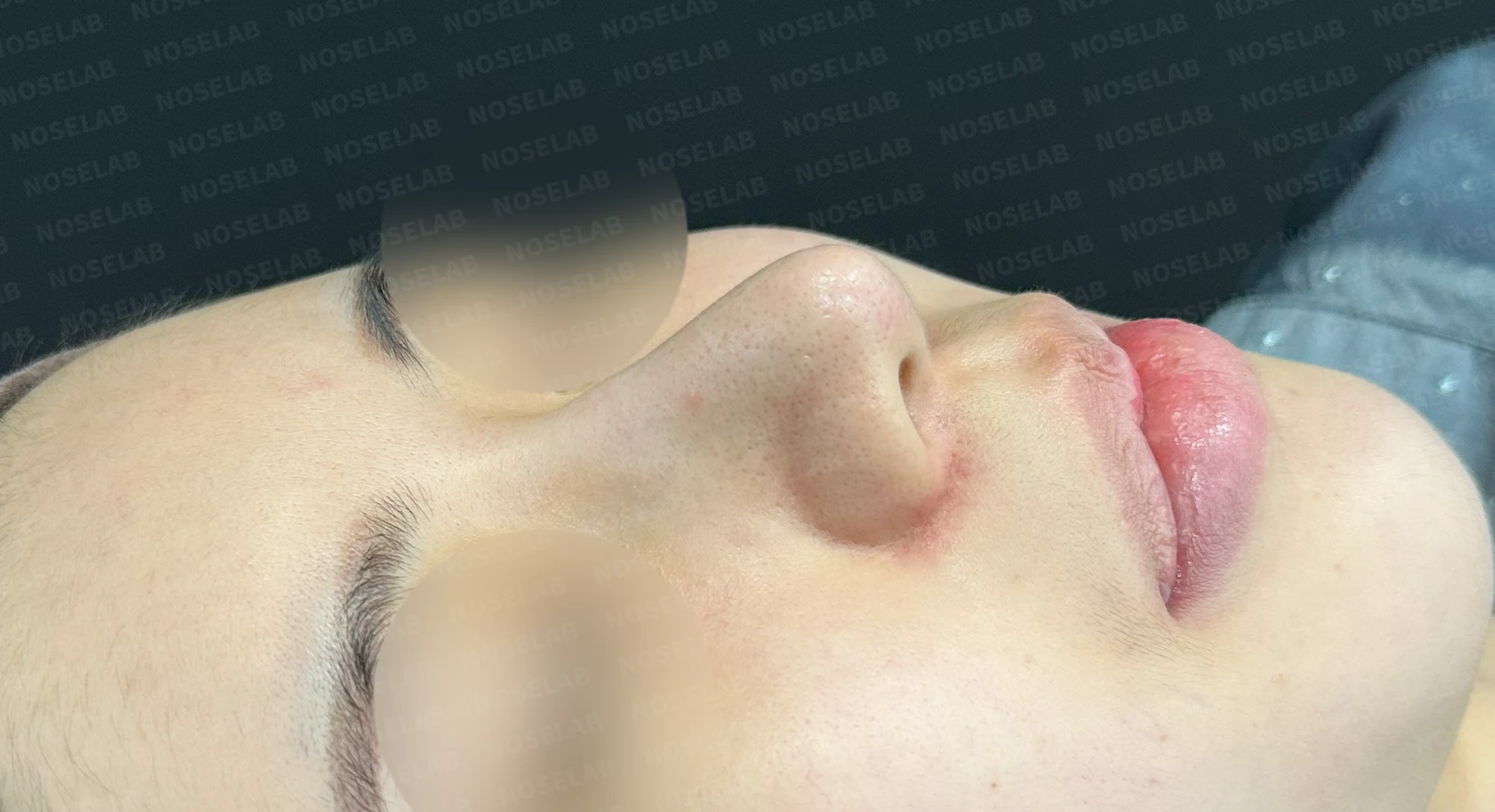
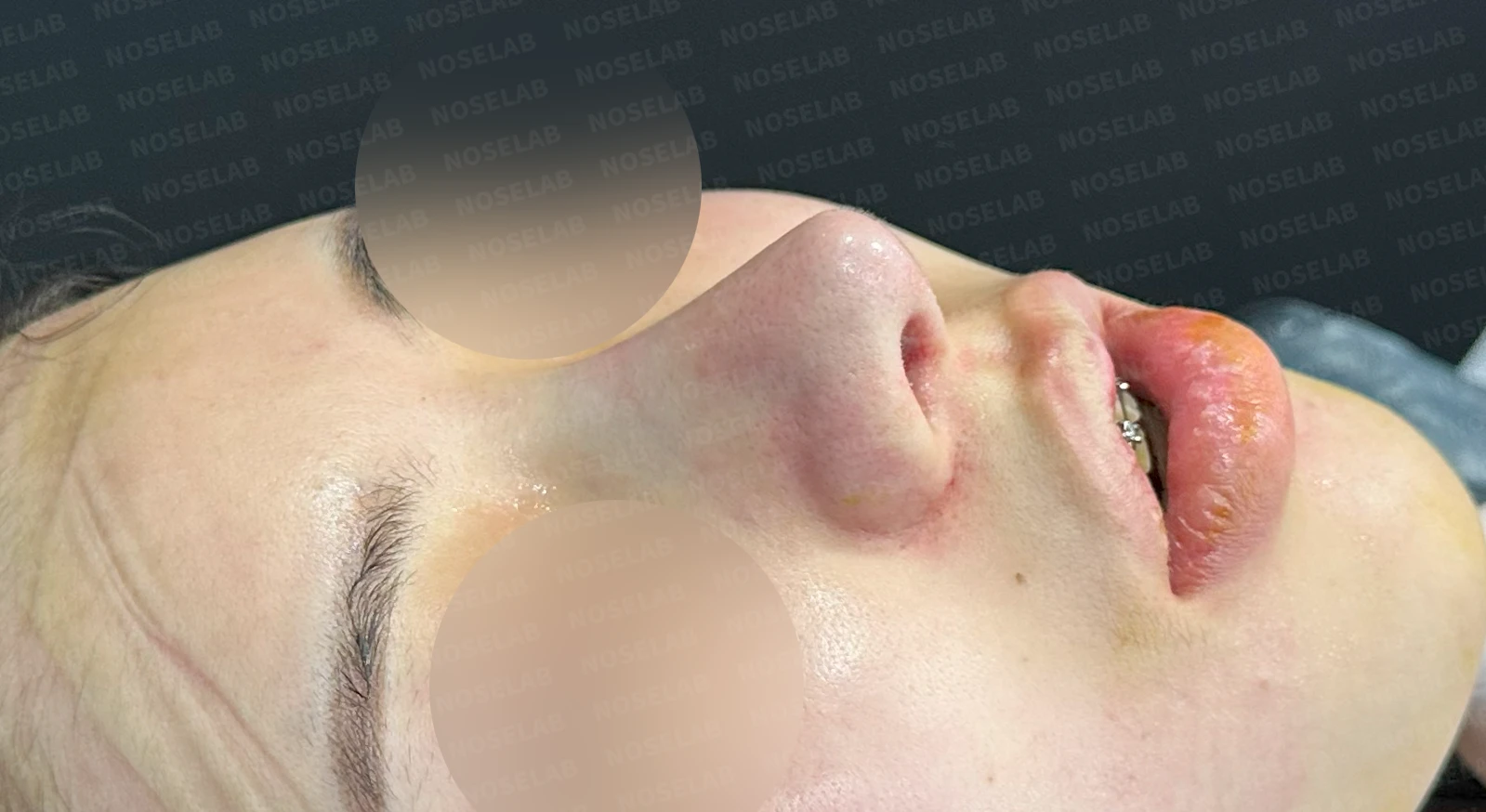
Before surgery / Day 0 immediately after surgery Photos taken immediately after surgery show swelling and may differ from the final result.
- The elongated, drooping appearance has shifted into a balanced contour.
- The nose, which previously appeared large, blends harmoniously with the face.
Nostrils:
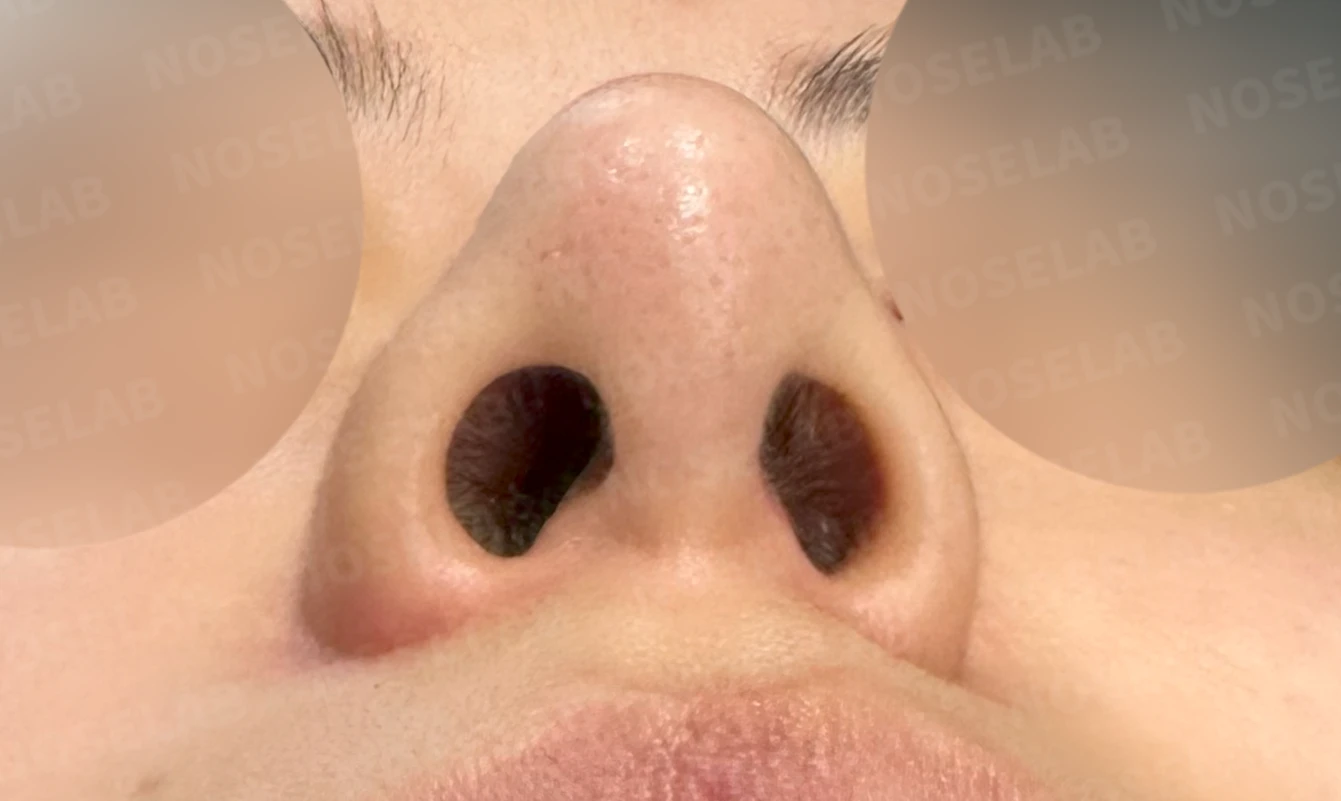
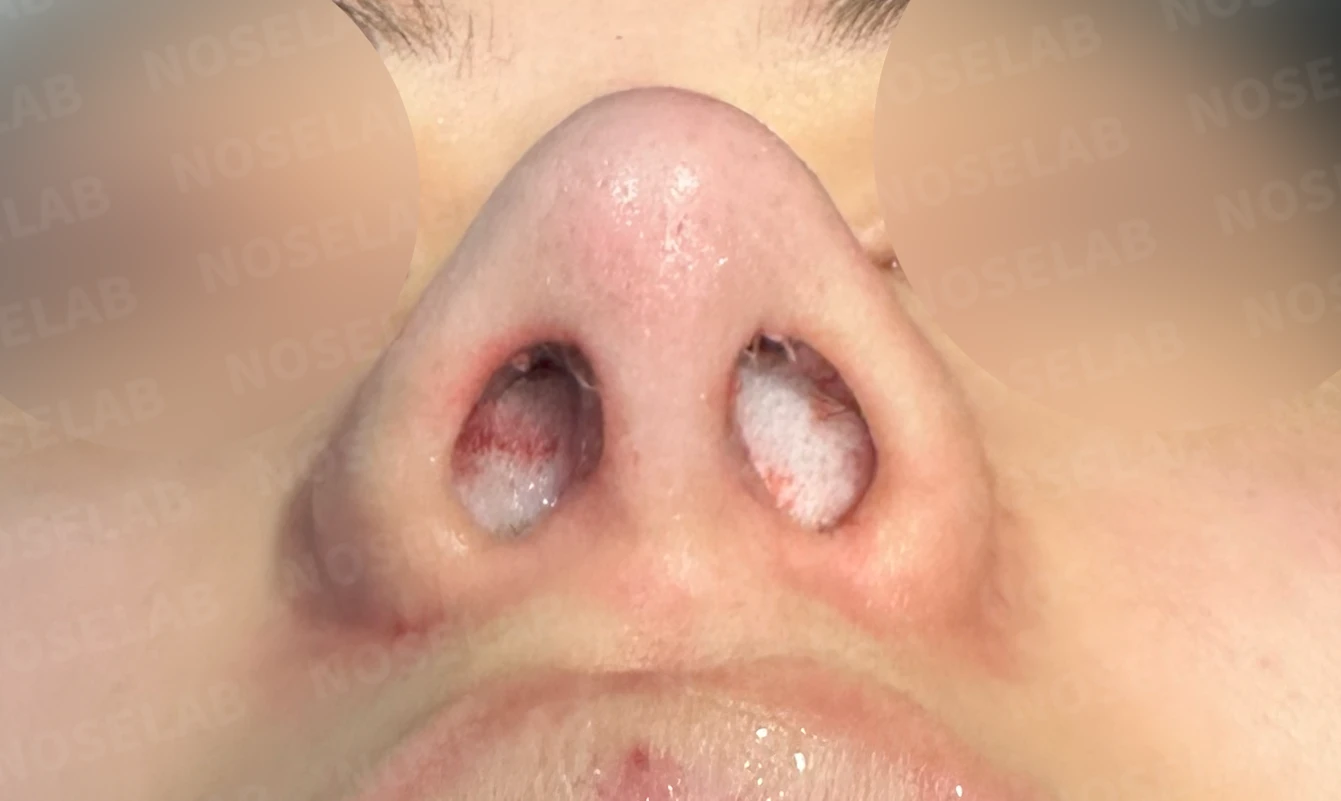
Before surgery / Day 0 immediately after surgery Photos taken immediately after surgery show swelling and may differ from the final result.
- Nostril asymmetry has been improved.
- The proportion between the tip and nostrils is well balanced.
5. Photos immediately after surgery on day 0 Photos taken immediately after surgery show swelling and may differ from the final result.
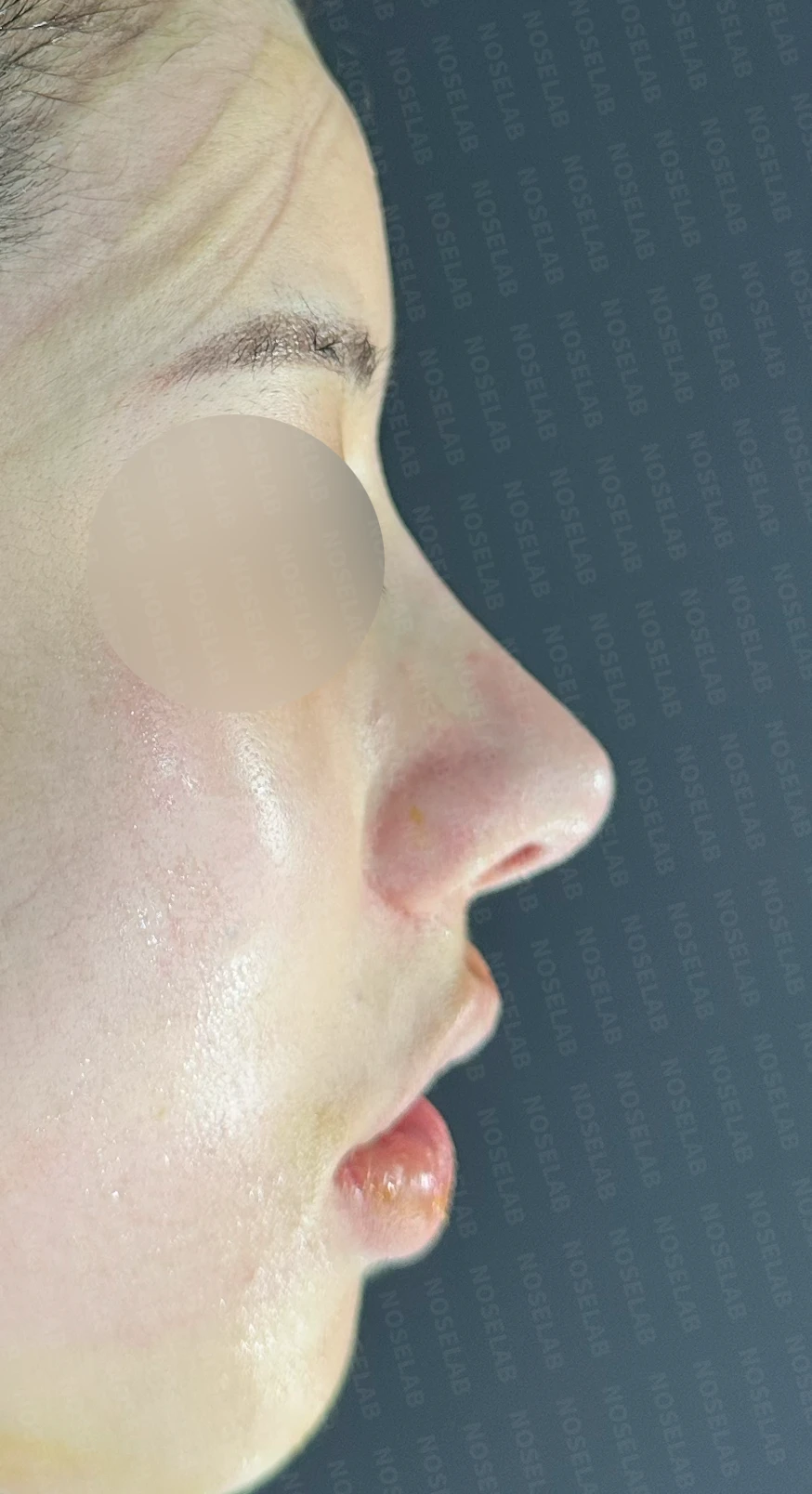
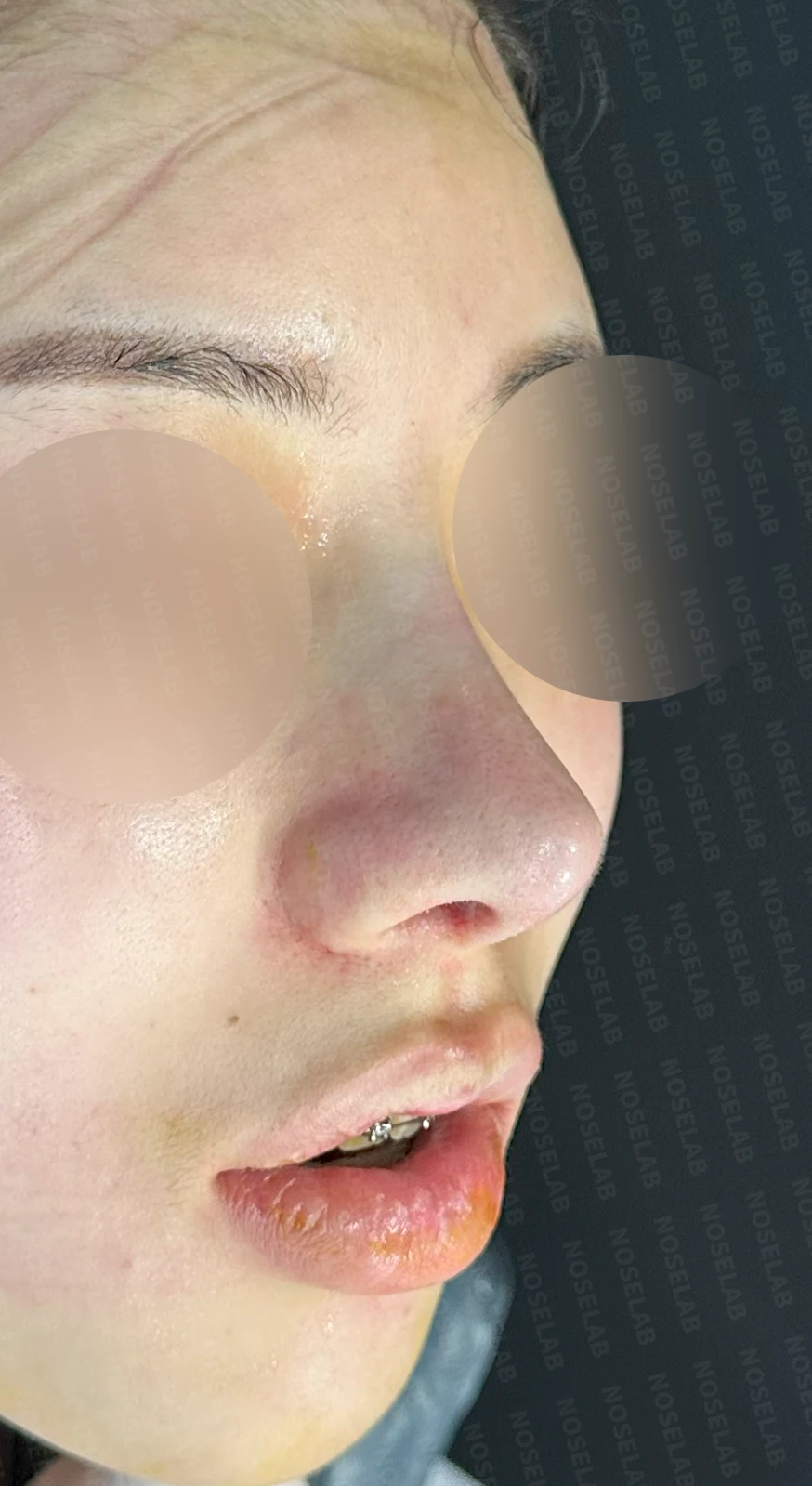
Front, profile, and oblique views taken immediately after surgery (day 0).Immediate postoperative photos show swelling and may differ from the final result.
Basal (nostril) view immediately after surgery (Day 0).Immediate postoperative photos show swelling and may differ from the final result.
6. Overall evaluation
This case demonstrates addressing complex aesthetic and structural issues while closely reflecting the patient's preferences. In particular, reconstructing the nasal septum with autologous rib cartilage was central, as very little septal cartilage remained from previous surgery. This reconstruction served as the foundation for tip stability and long-term shape retention.
Fulfilling the patient's request for a well-defined, slender tip required a meticulous approach that remained harmonious with the face. The tip was elevated and defined while preventing cartilage show-through. In addition, the widened bridge was narrowed and the starting point was lowered to balance overall facial proportions.
Functionally, septoplasty and inferior turbinate reduction relieved nasal obstruction and rhinitis symptoms. This approach aims to enhance daily quality of life alongside aesthetic improvement.
Using a closed approach shortened the postoperative recovery period and allowed surgery to be completed without external scars. This contributed significantly to patient satisfaction.
7. Conclusion
I hope this case offers insight to those troubled by a bulbous, widened nose or chronic nasal obstruction. Rhinoplasty is a comprehensive procedure requiring concurrent evaluation of function and aesthetics. It remains important to respect each patient's facial balance and goals to plan an outcome tailored to them.
Drawing on anatomical knowledge and extensive surgical experience as a board-certified otolaryngologist, I provide surgical plans tailored to each individual patient. Through a comprehensive approach that considers both functional and cosmetic improvement, I strive to create a beautiful and healthy nose.
I will be with you every step of the way to achieve a beautiful and healthy nose.
This was Dr. Peter C. Kang. Thank you.
Thank you.
#rhinoplasty #bulbousnose #bulboustip #widenose #tipplasty #septalextension #autologousribcartilage #closedrhinoplasty #nasalobstruction #rhinitistreatment #ENTspecialist #customrhinoplasty #definednose #refinednose

Limitations and risks
When autologous rib cartilage is used, scarring and pain may remain at the donor site on the chest, and pneumothorax (pleural injury) can occur rarely. Over time, the grafted cartilage may warp or undergo partial resorption.
When the septum is corrected at the same time, nasal obstruction may persist or recur, and in rare cases, septal perforation or changes in smell may occur.
Common potential risks include infection, bleeding, asymmetry, scarring, skin necrosis, and insufficient improvement; results vary depending on individual skin condition and previous surgical history.