Hello, I am Dr. Peter C. Kang.
Today, I would like to introduce a customized rhinoplasty case of a patient who was troubled by a crooked nose and severe nostril asymmetry.
In this type of case, although the patient had previous experiences with nasal filler injections and rhinoplasty, discomfort persisted.
In particular, along with the functional problem of breathing difficulty, the patient also sought aesthetic improvement. Let us take a detailed look at this case.
1. Preoperative design consultation
Let us take a detailed look at the patient's preoperative condition and requests:
Past procedure and surgery history:
- Nasal filler procedure 7-8 years ago (dissolved 1 time)
- Rhinoplasty 2 and a half years ago using donor rib cartilage and a silicone implant
Chief complaints:
- Discomfort breathing
- The nose appears crooked
- Nostril asymmetry
- Midface appears long
Patient's requests:
1. Correction of crooked nose
2. Improving breathing function
3. Making the midface appear shorter
4. Correcting the nostrils so they do not look overly elongated
5. Desired a defined look within a reasonable, safe range
Analysis of preoperative condition:
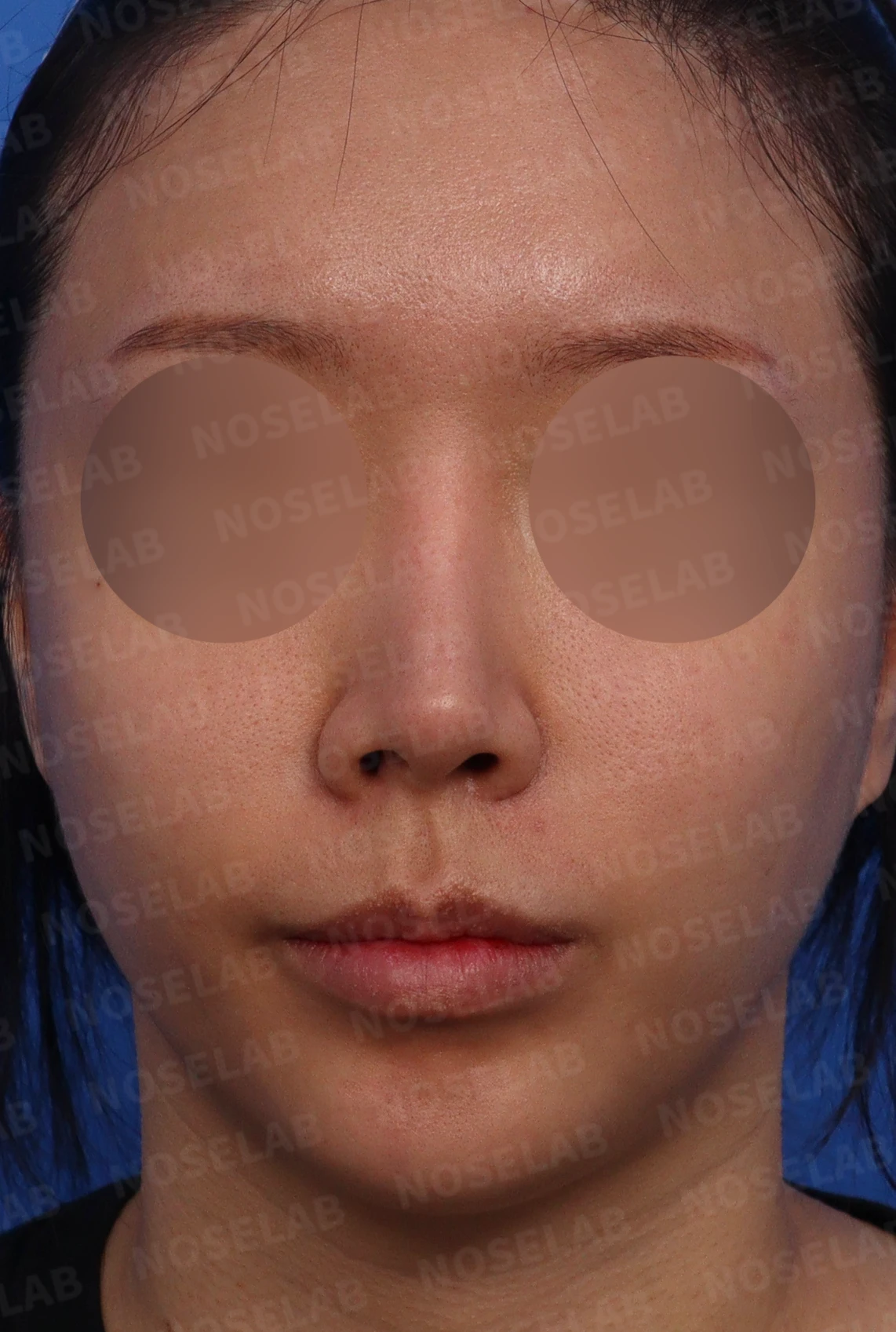
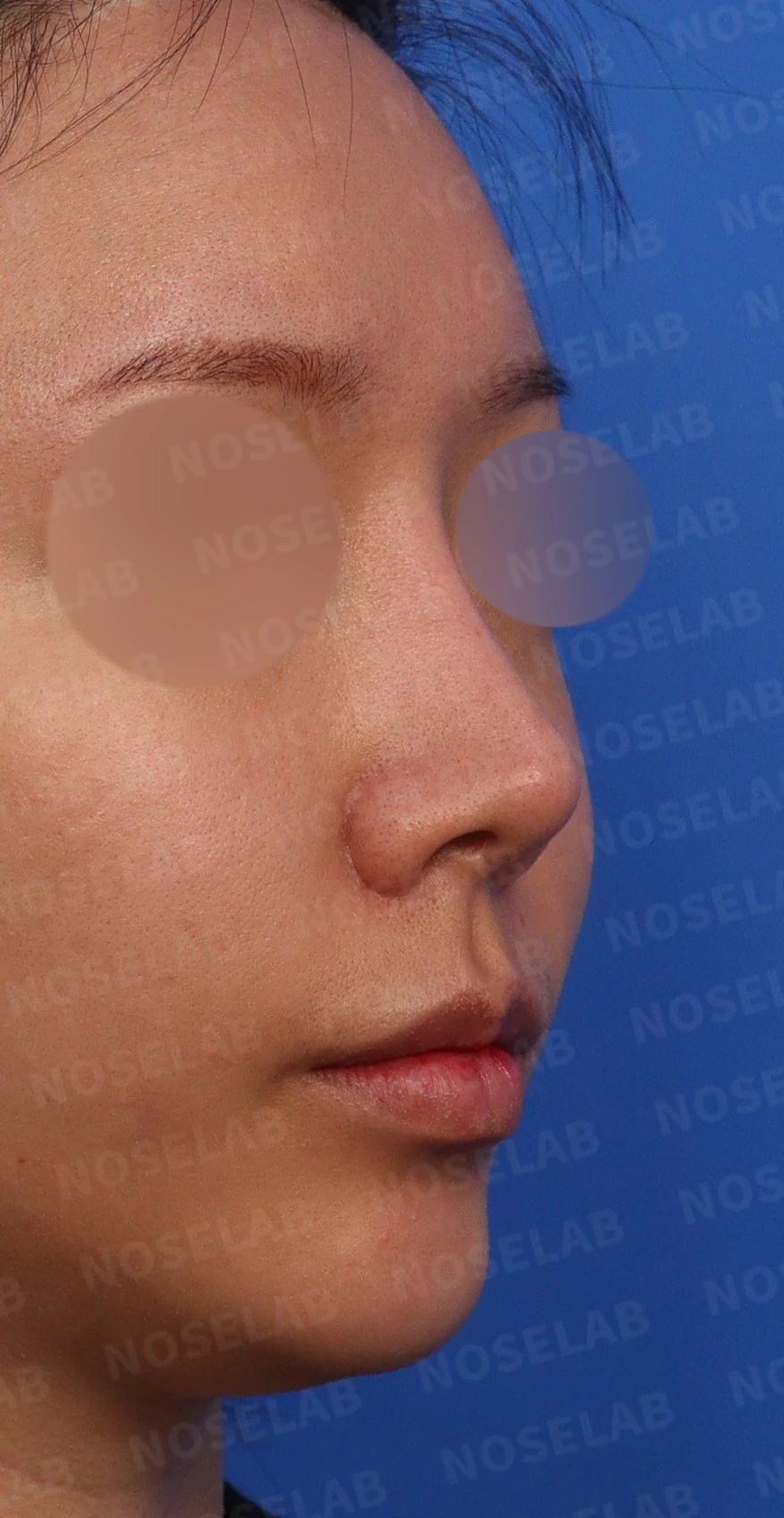
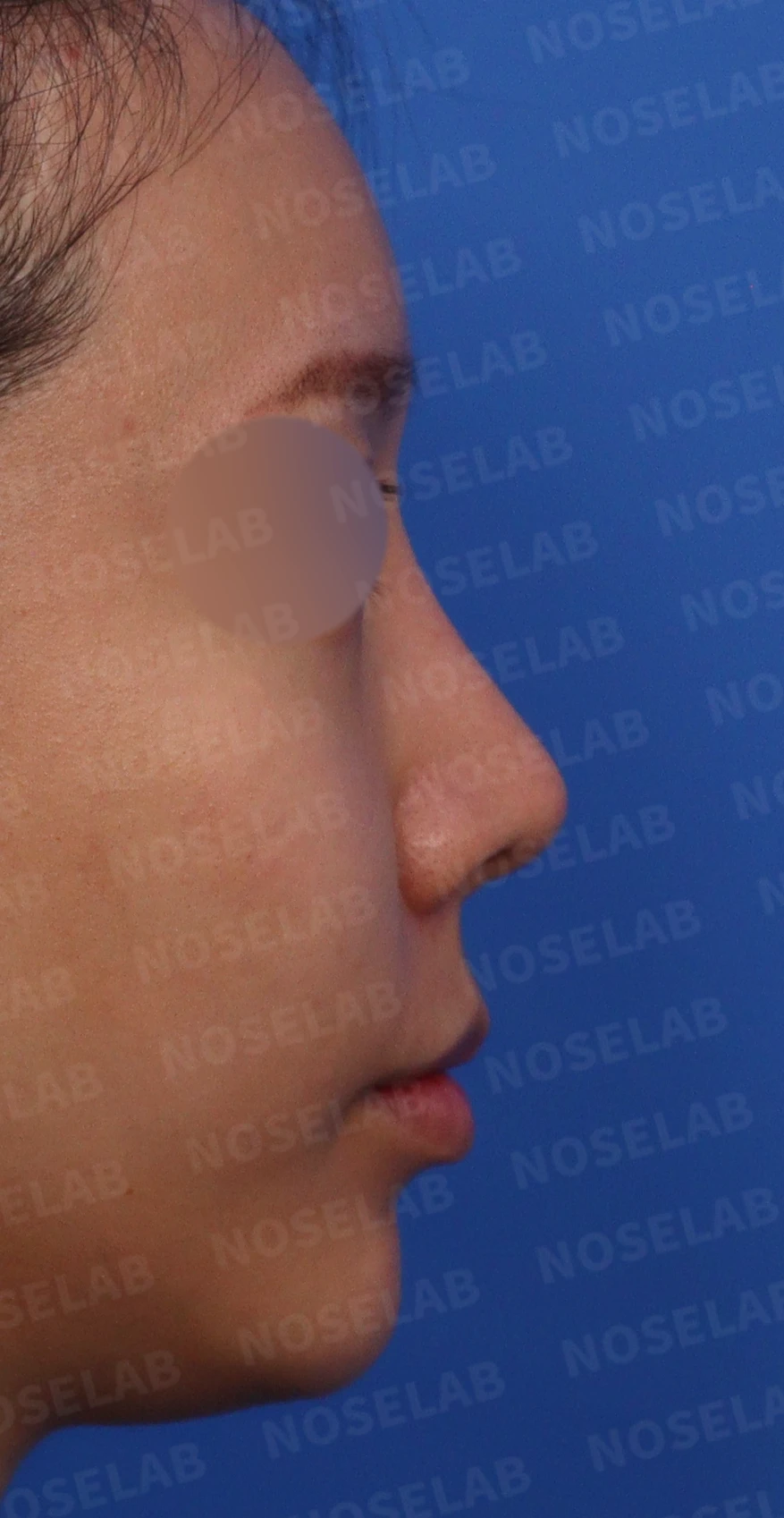
These are the front, oblique, and profile view photos from the preoperative design consultation.
Front view:
- The nose appears crooked to one side
- Excessive nostril show
- Nostril asymmetry is observed
- The radix appears high
Profile view:
- The radix is high
- Nasal tip appears short and upturned
- Midface appears long
Oblique view:
- Nasal deviation is more pronounced
- Tip upturn is clearly visible
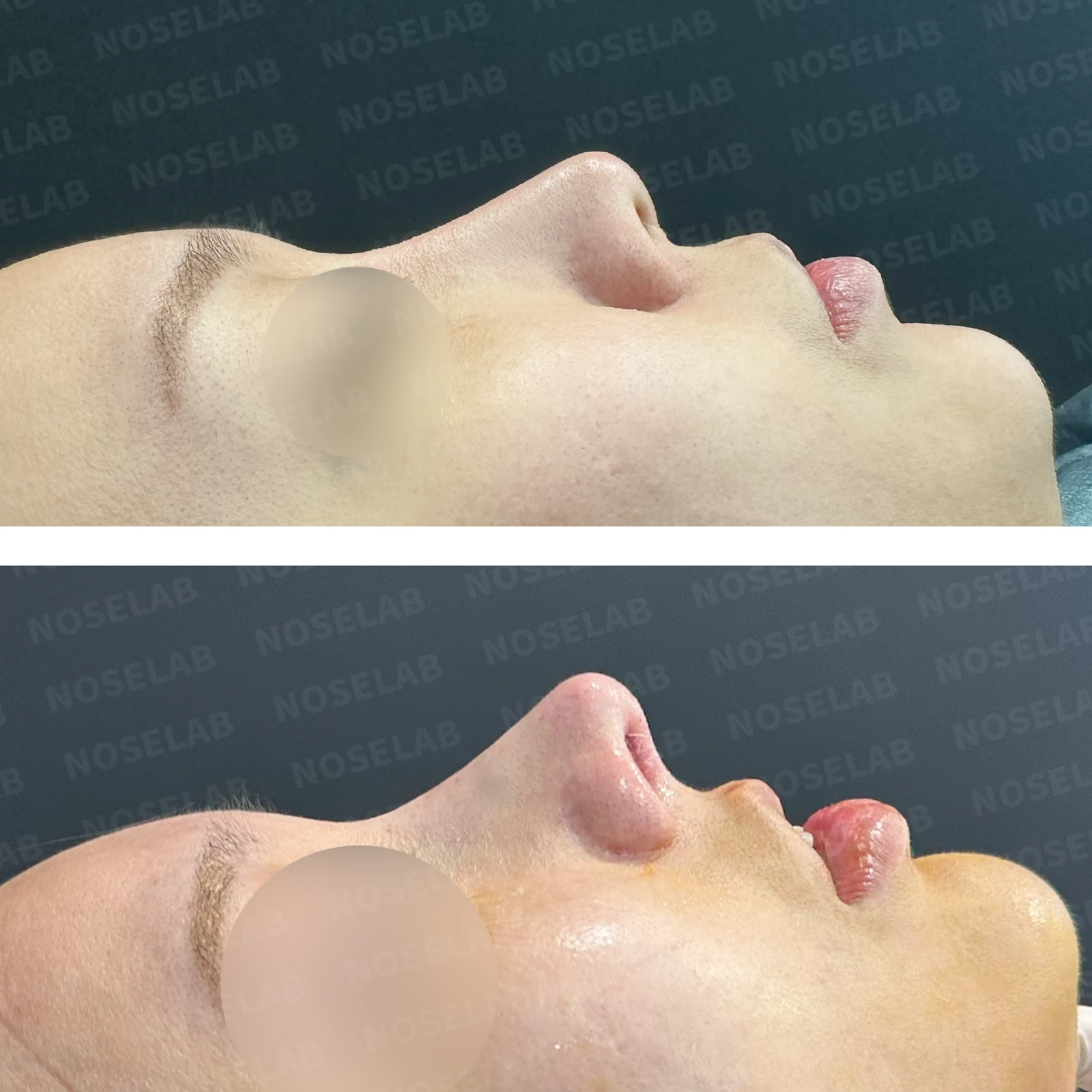
Nostrils:
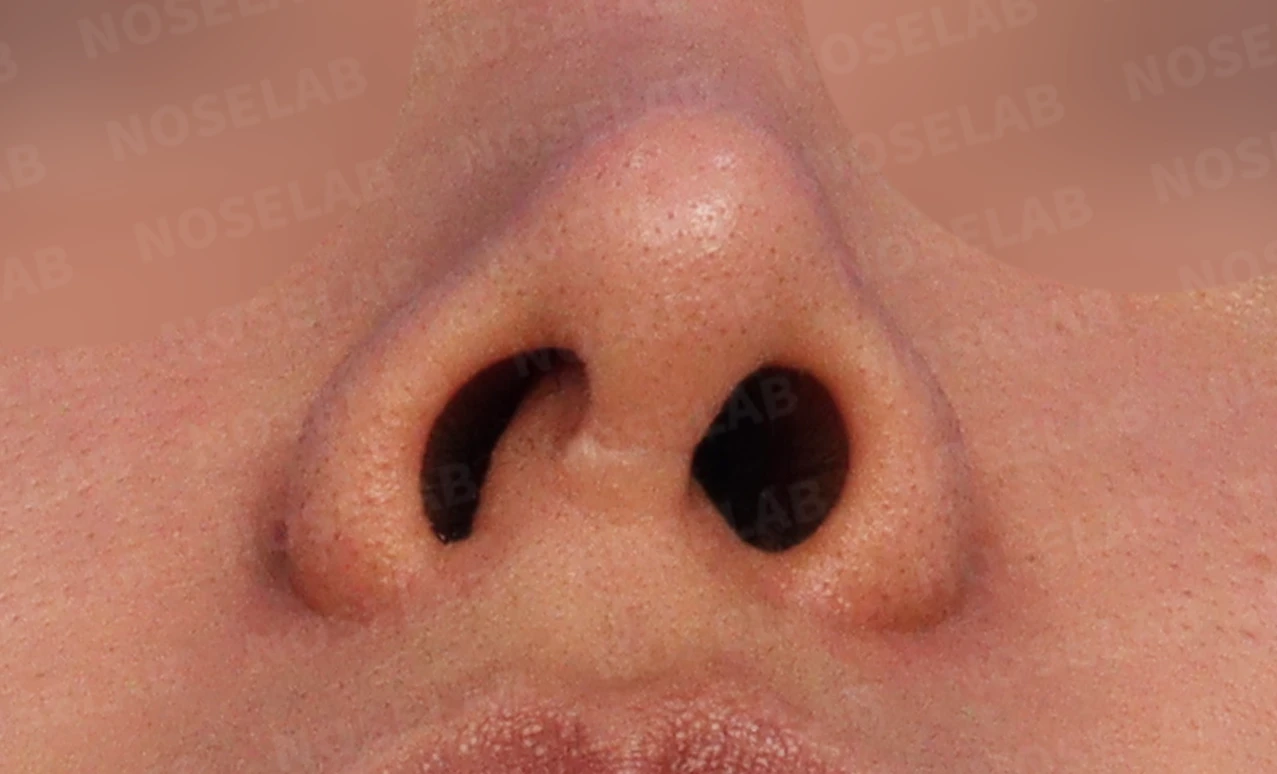
Preoperative design consultation basal (nostril) view.
- Severe asymmetry
- Columella is tilted to one side
- The right nostril is noticeably narrowed
2. Surgical plan
Taking into account the patient's condition and requests, the following surgical plan was established:
a) Foreign body (filler) removal
b) Septal reconstruction using autologous rib cartilage
c) Septal extension
d) Septoplasty
e) Submucosal resection of the inferior turbinates using radiofrequency
3. Surgical procedure
The following procedures were performed using a closed approach:
a) Foreign material removal:
- The previously injected filler was carefully removed.
b) Autologous rib cartilage harvest and septal reconstruction:
- Autologous rib cartilage was harvested from the patient to secure an adequate amount of cartilage.
- Using the autologous rib cartilage, we reconstructed the septal cartilage that had been severely damaged from previous surgery.
c) Septal extension:
- The septum was extended and reinforced using the reconstructed septal cartilage.
- Through this, we enhanced support for the nasal tip and corrected the upturned appearance.
d) Septoplasty:
- We corrected the severe deviated septum to improve the nasal deviation and enhance breathing function.
e) Submucosal resection of the inferior turbinate:
- Using radiofrequency, we reduced the size of the hypertrophied inferior turbinates to further improve respiratory function.
All procedures were performed using a closed approach, completing the surgery without external scars.
4. Comparison of before-and-after photos
Comparing photos taken immediately after surgery on day 0 shows the following improvements: Photos taken immediately after surgery show swelling and may differ from the final result.
Front view:
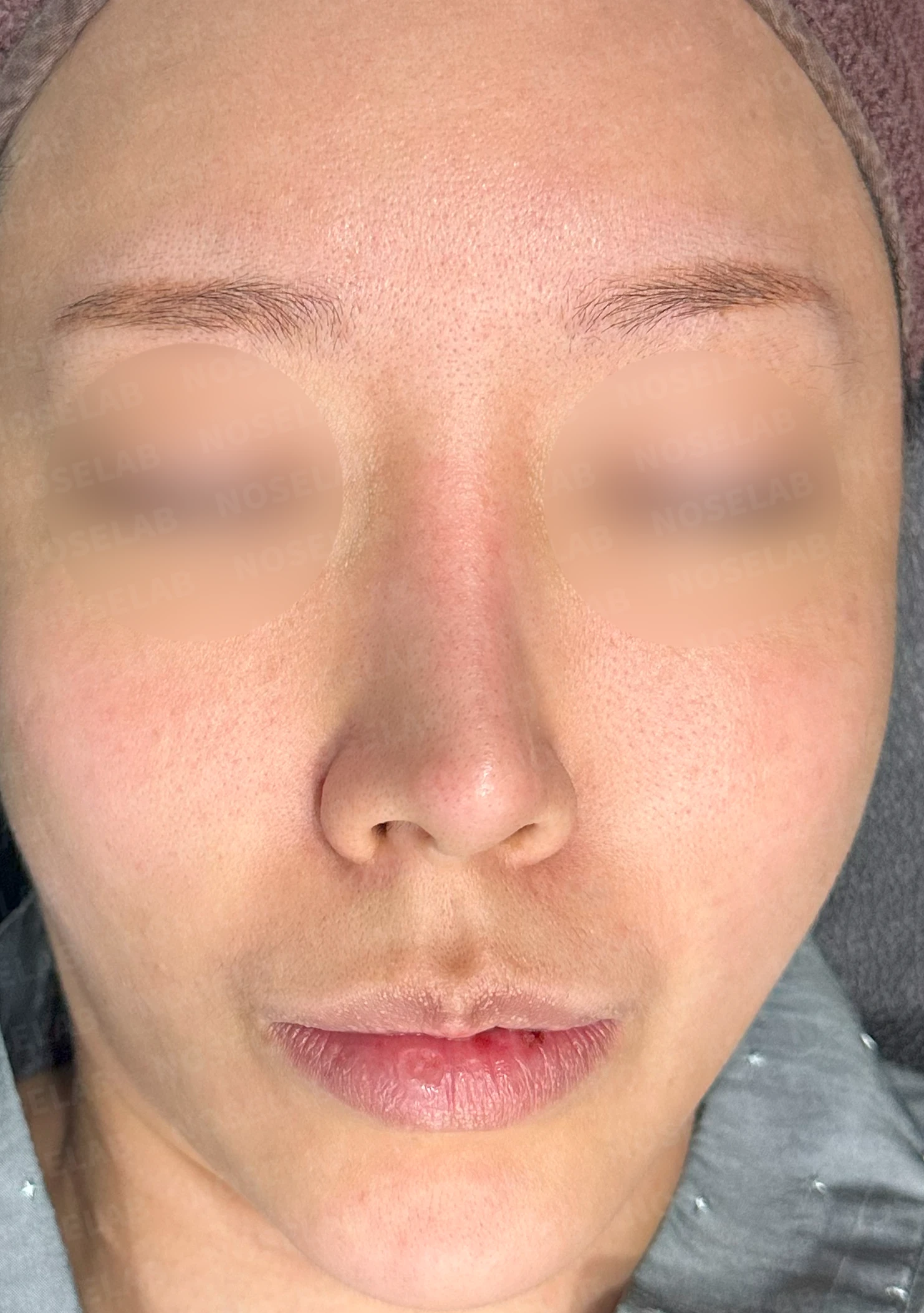
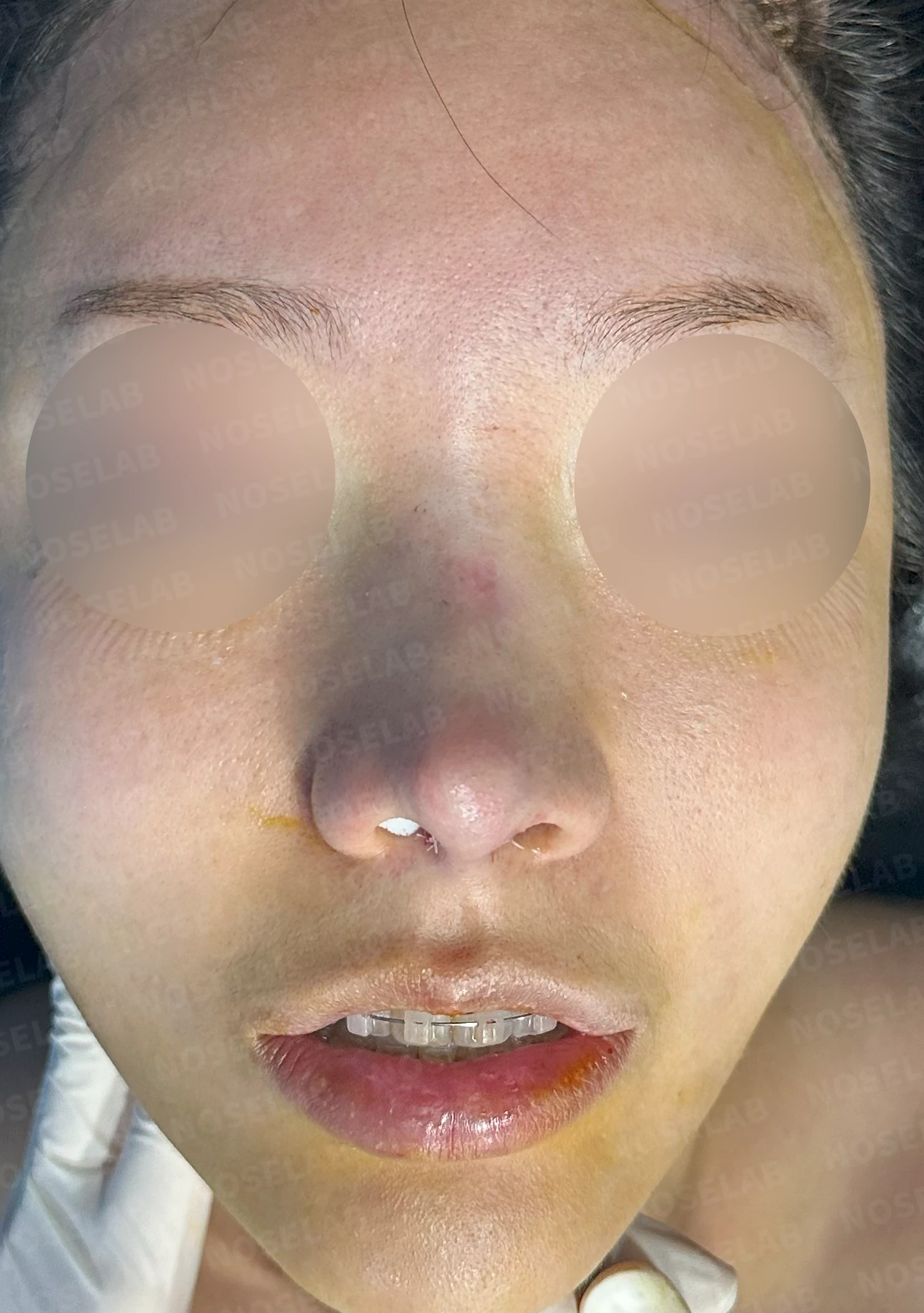
Before surgery / Day 0 immediately after surgery Photos taken immediately after surgery show swelling and may differ from the final result.
- The nose that previously leaned to one side was straightened.
- Excessively visible nostrils are now naturally covered.
- The nostril
asymmetry has improved.
Profile view:
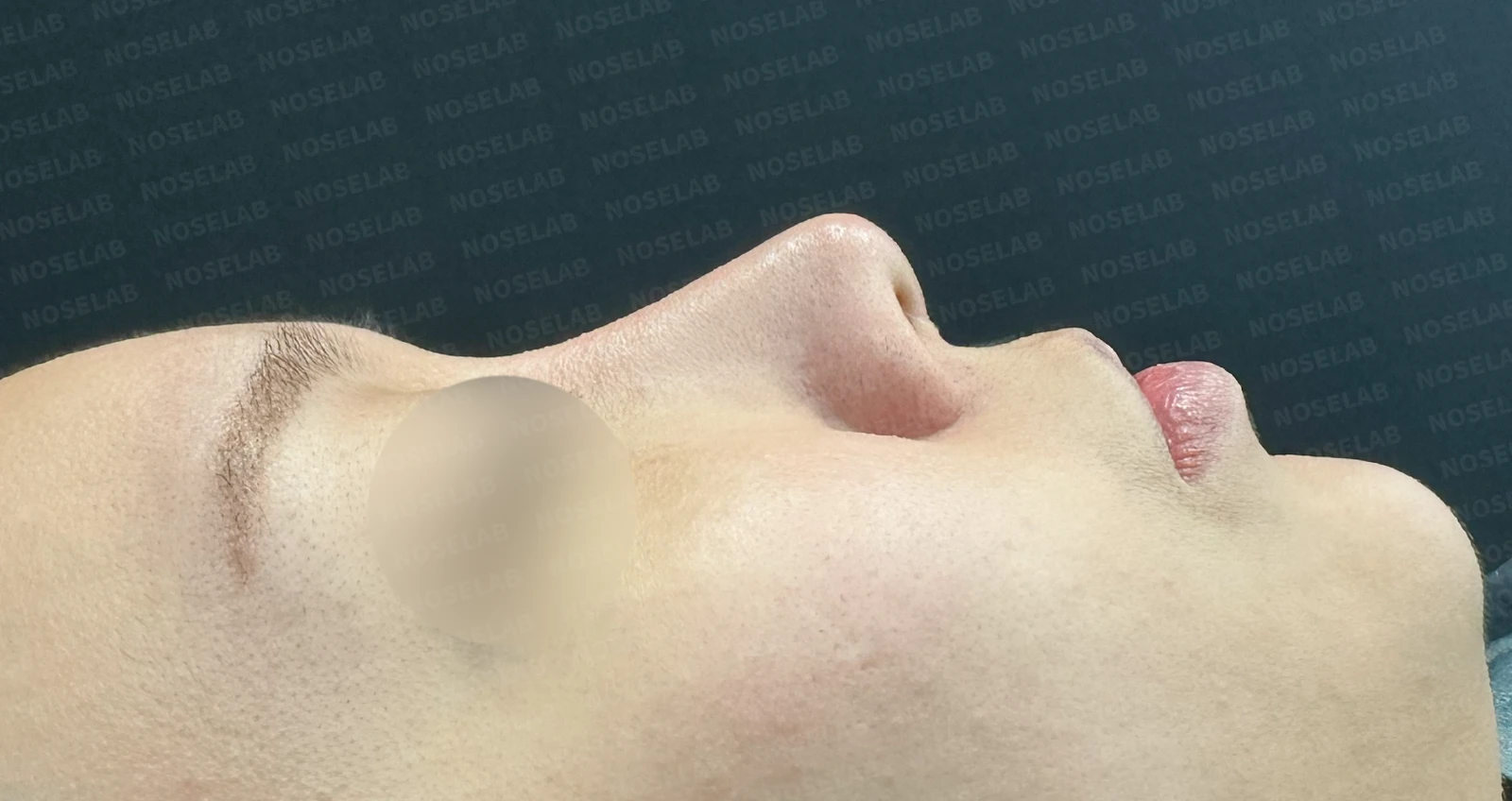
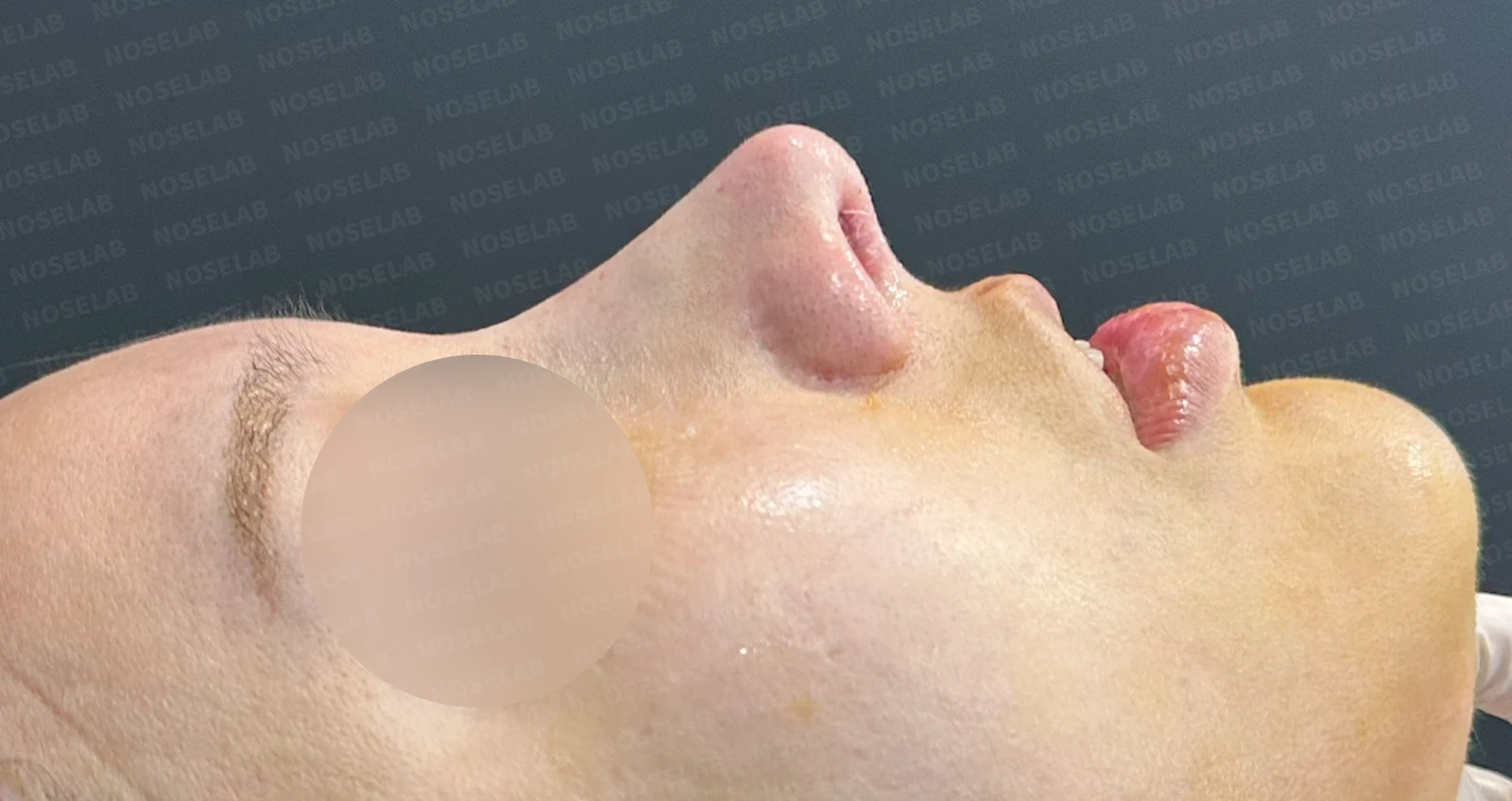
Before surgery / Day 0 immediately after surgery Photos taken immediately after surgery show swelling and may differ from the final result.
- The high radix was lowered naturally.
- The nasal tip, which appeared short and upturned, was properly extended and lowered, improving overall facial balance.
- The midface visually appears shorter.
Oblique view:
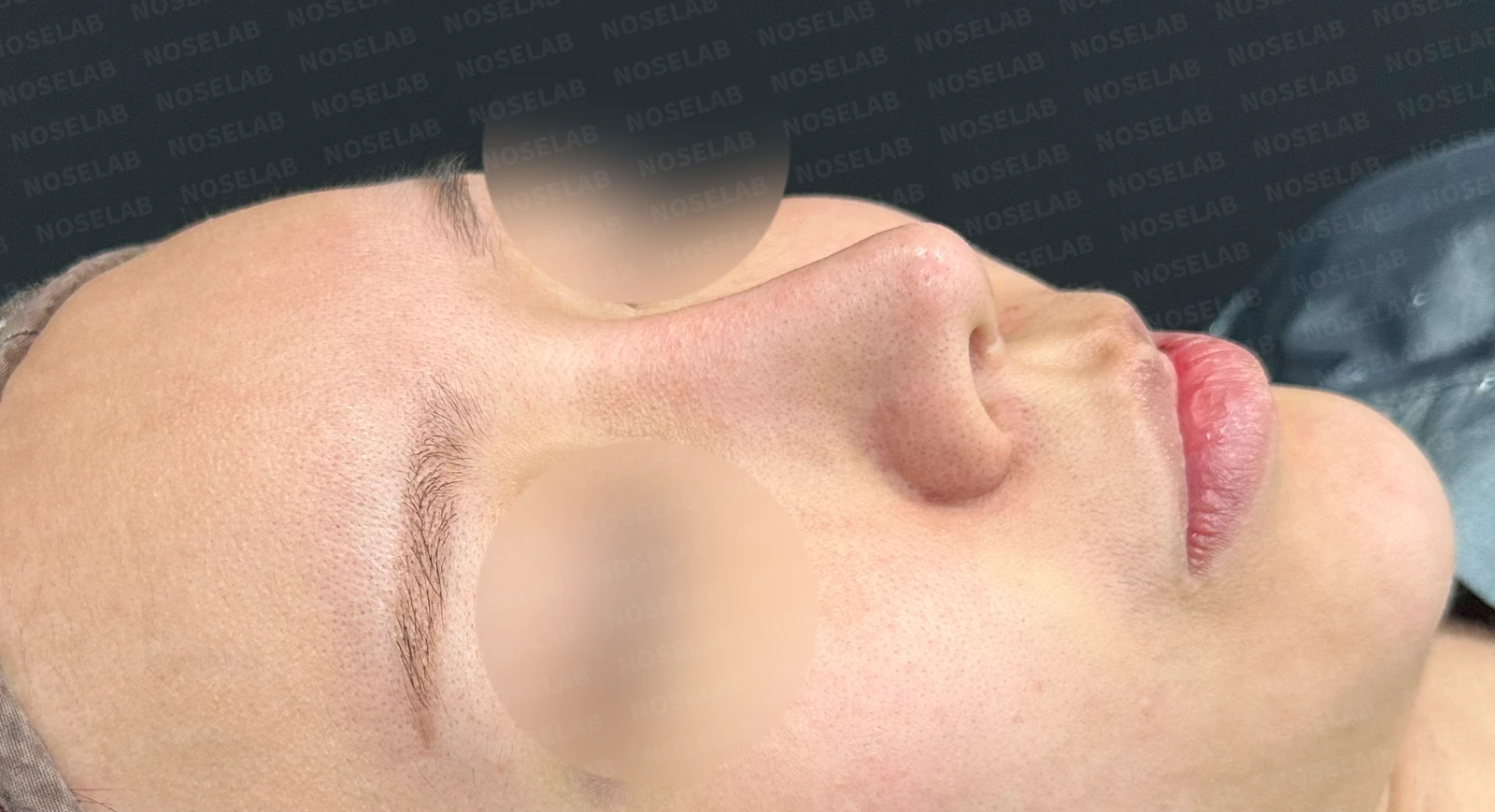
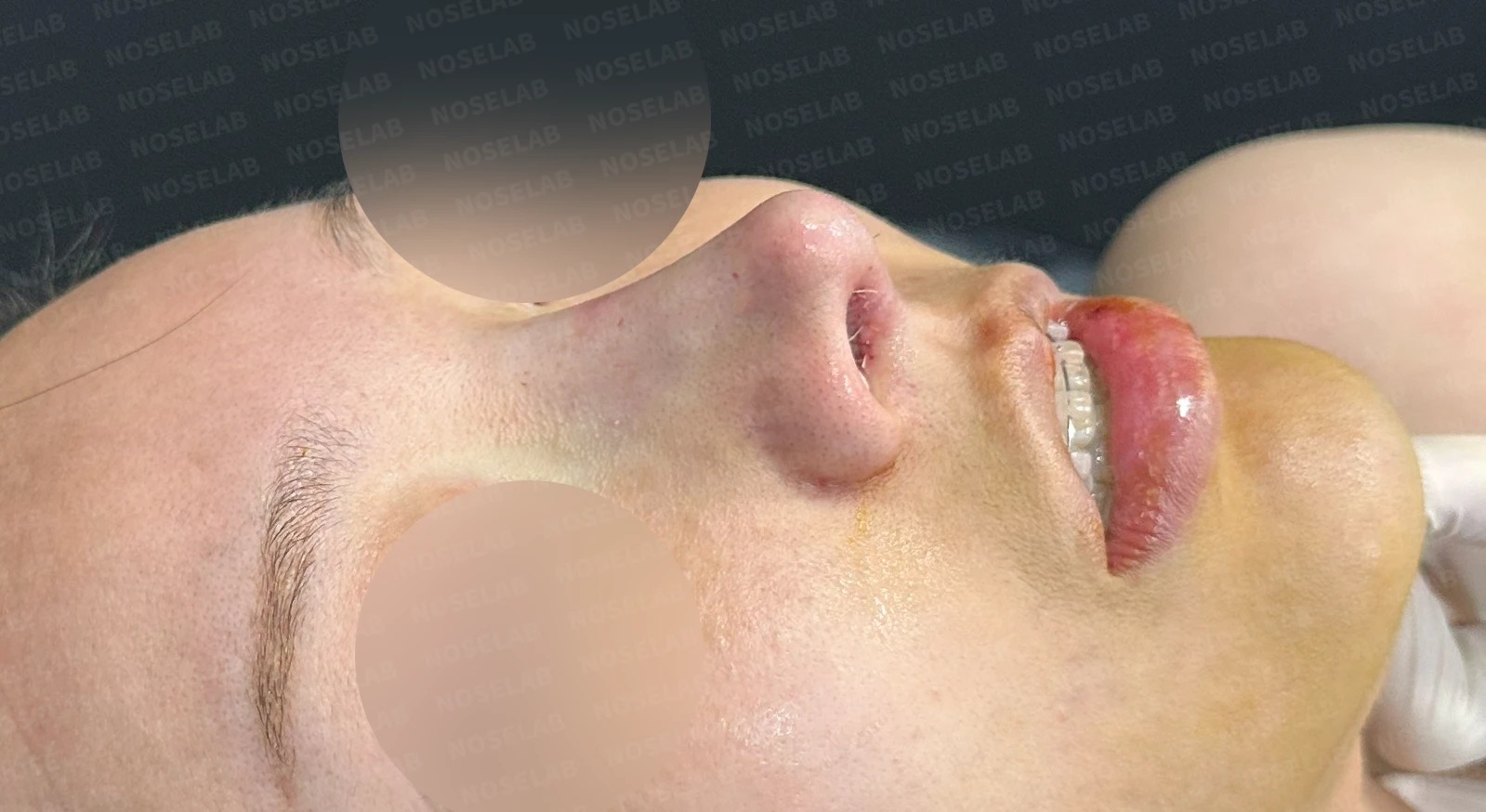
Before surgery / Day 0 immediately after surgery Photos taken immediately after surgery show swelling and may differ from the final result.
- Nasal deviation was corrected, showing a smooth line.
- The upturned nasal tip was naturally brought down to harmonize with the overall facial features.
Nostrils:
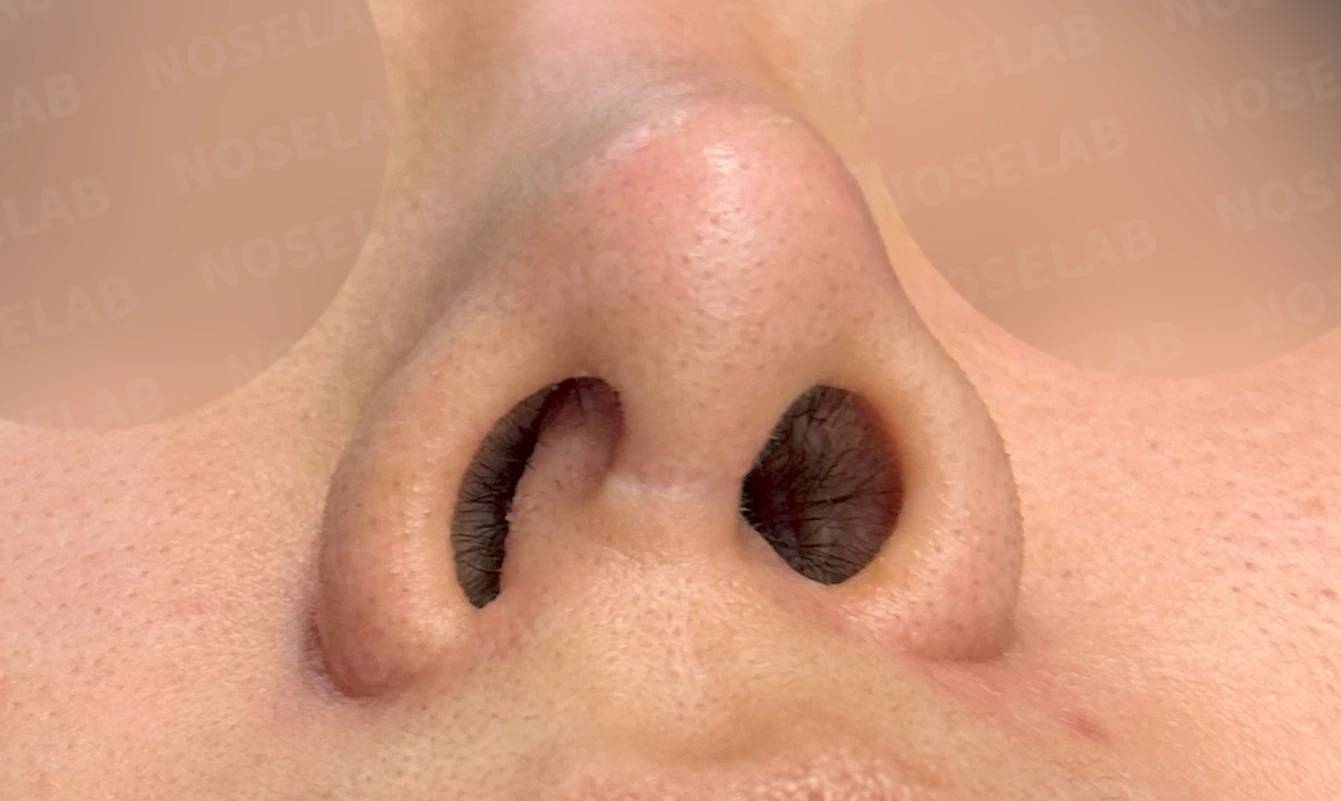
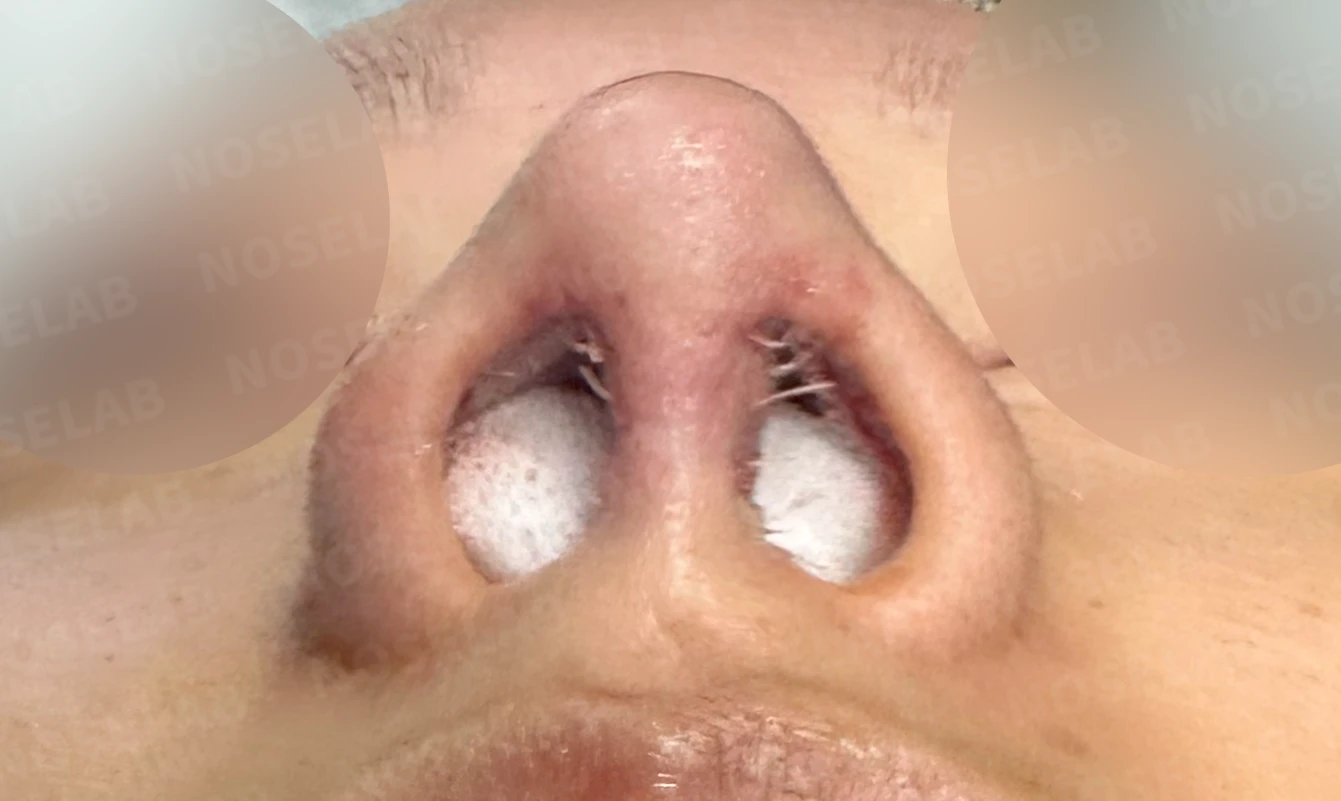
Before surgery / Day 0 immediately after surgery Photos taken immediately after surgery show swelling and may differ from the final result.
- Severe nostril asymmetry has been significantly improved.
- The columella, which had been tilted to one side, was straightened.
- The narrowed right nostril was appropriately widened to achieve left-right symmetry.
5. Photos immediately after surgery on day 0 Photos taken immediately after surgery show swelling and may differ from the final result.
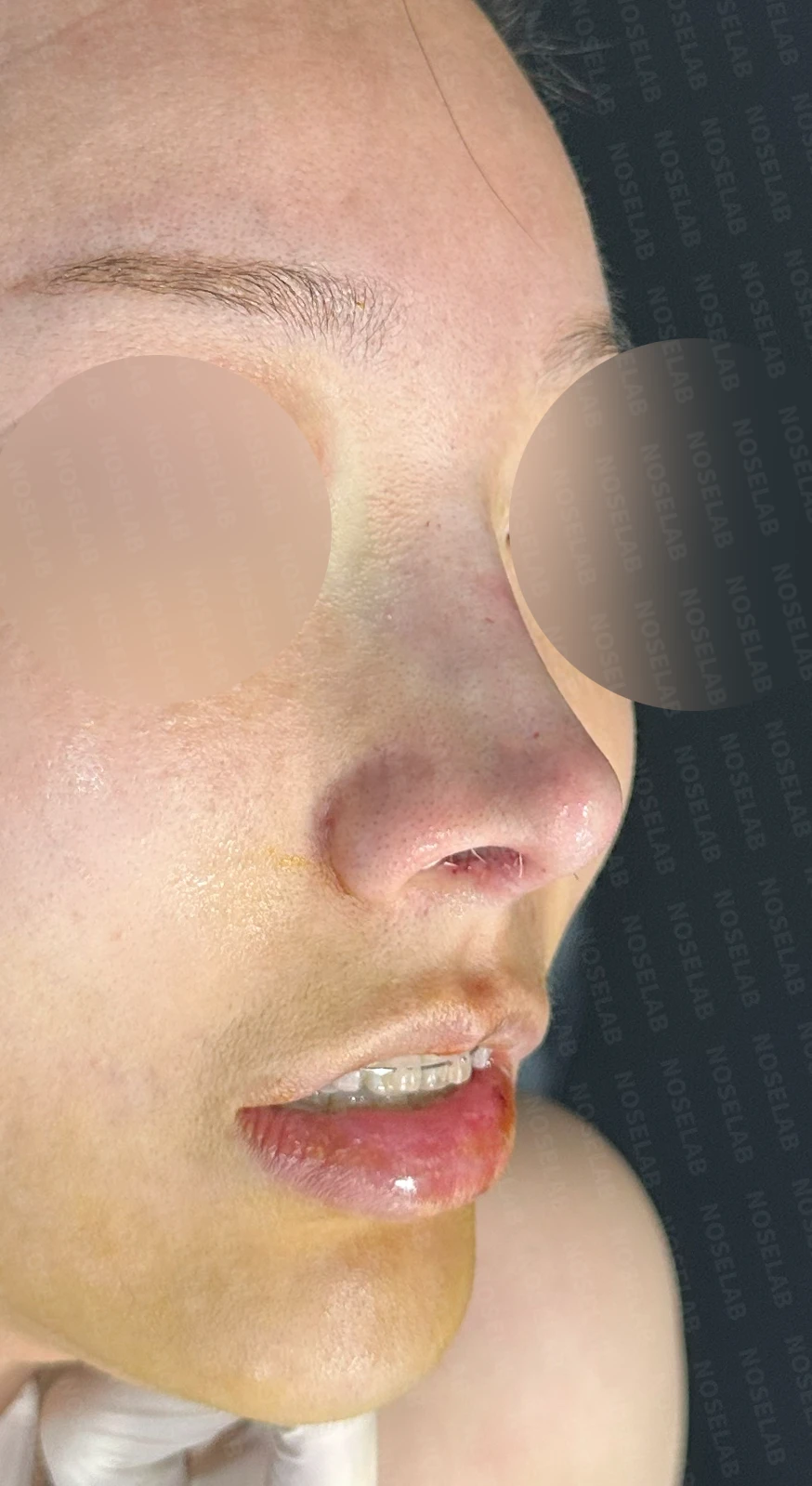
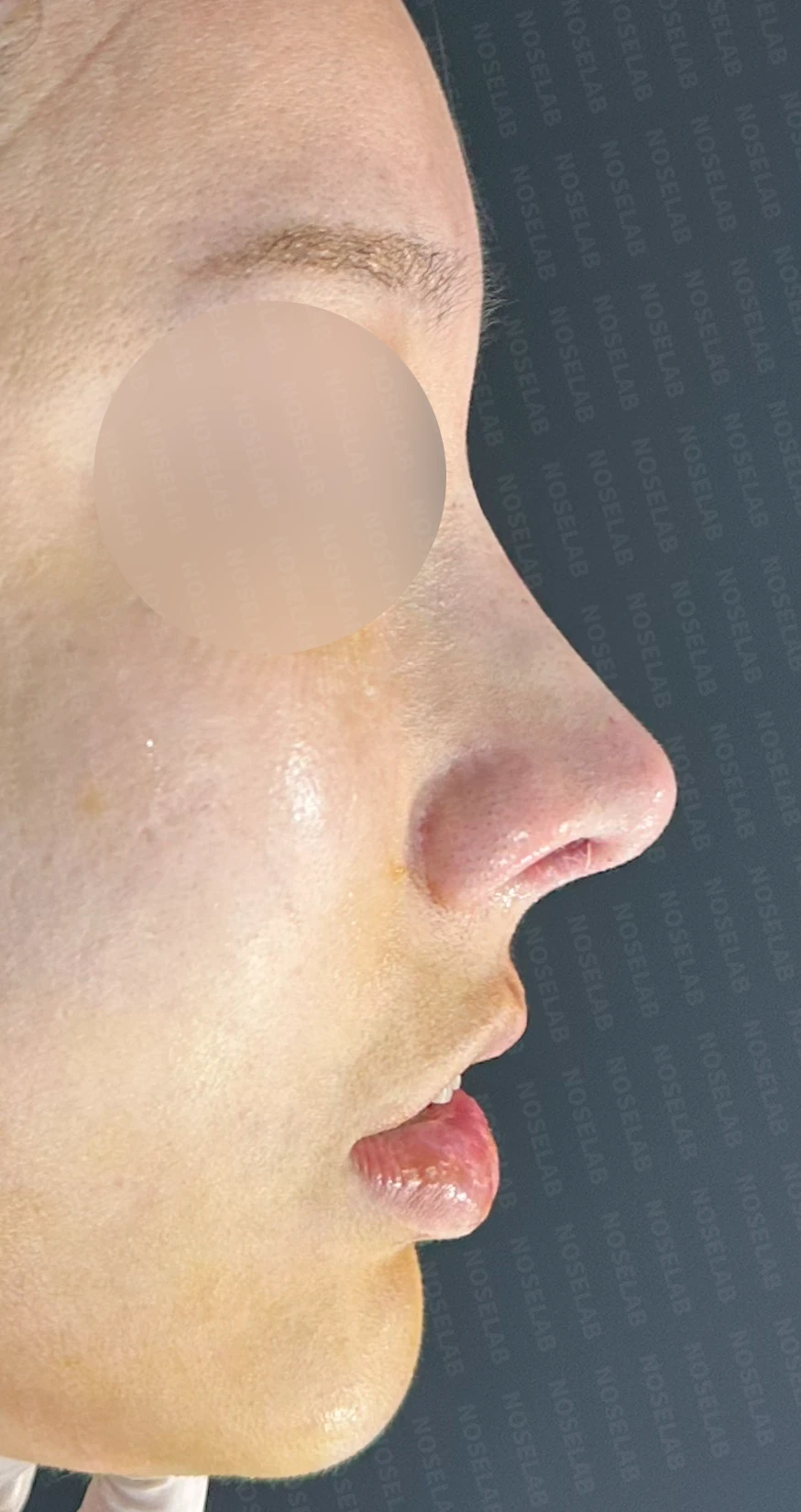
Front, oblique, and profile views on day 0 immediately after surgery. Photos taken immediately after surgery show swelling and may differ from the final result.
Basal (nostril) view immediately after surgery (Day 0).Immediate postoperative photos show swelling and may differ from the final result.
6. Overall evaluation
This is a complex rhinoplasty case that accomplished both aesthetic and functional improvements. Key points to highlight include:
1. Foreign body removal
By removing the old filler and creating a smooth nasal bridge line with a silicone implant, a natural result can be expected.
2. Septal reconstruction and correction:
By reconstructing and correcting the severely damaged and deviated septum, we established structural stability of the nose and significantly improved breathing function.
3. Correction of nostril asymmetry:
Through septal correction and repositioning of the lower lateral cartilages, the severe nostril asymmetry was naturally improved.
4. Correction of the upturned nasal tip:
Through septal extension, the upturned nasal tip was brought down naturally, while also achieving the effect of making the midface appear shorter.
5. Improvement of breathing function:
Through septoplasty and inferior turbinate reduction, the breathing issue that was the patient's primary complaint was substantially improved.
7. Conclusion
When the nasal tip collapses to one side—particularly when there is severe septal deviation and the direction of septal curvature correlates with the direction the nasal tip tilts—the tip will continually deviate toward that side unless the septal deviation is corrected. This means that simply adjusting the nasal tip alone cannot provide a fundamental solution.
As demonstrated in this case, problems of nasal deviation and nostril asymmetry are often closely linked to issues within the nasal septum. Therefore, to resolve such complex concerns, it is crucial to understand the overall nasal structure comprehensively and locate and correct the root cause.
I hope this case brings encouragement to those troubled by a crooked nose or severe nostril asymmetry. In particular, for patients who continue to experience discomfort even after rhinoplasty, please remember that it is important to consider functional improvements alongside simple aesthetic correction.
Drawing on anatomical knowledge and extensive surgical experience as a board-certified otolaryngologist, I provide surgical plans tailored to each individual patient. Through a comprehensive approach that considers both functional and cosmetic improvement, I strive to create a beautiful and healthy nose.
I will be with you every step of the way to achieve a beautiful and healthy nose.
This was Dr. Peter C. Kang. Thank you.
Thank you.
#rhinoplasty #crookednosecorrection #nostrilasymmetry #upturnednosecorrection #autologousribcartilagegraft #closedrhinoplasty #septalcorrection #ENTrhinoplasty #breathingimprovement #revisionrhinoplasty #customrhinoplasty #rhinoplastywithsafetyinmind

Limitations and risks
When autologous rib cartilage is used, scarring and pain may remain at the donor site on the chest, and pneumothorax (pleural injury) can occur rarely. Over time, the grafted cartilage may warp or undergo partial resorption.
When using donor rib cartilage, long-term follow-up is necessary because the grafted cartilage may resorb or warp.
When foreign materials such as injected fillers are removed and reconstructed, contracture may recur, nasal height and length may decrease, and staged surgery may be necessary depending on the skin condition.
When the septum is corrected at the same time, nasal obstruction may persist or recur, and in rare cases, septal perforation or changes in smell may occur.
Common potential risks include infection, bleeding, asymmetry, scarring, skin necrosis, and insufficient improvement; results vary depending on individual skin condition and previous surgical history.