Hello, I am Dr. Peter C. Kang.
Today, I would like to share the story of a patient who visited our clinic ahead of the Chuseok holiday for a meaningful transformation. This case involved correcting both a short, upturned nose and a receding chin at the same time.
🔍 Surgical history
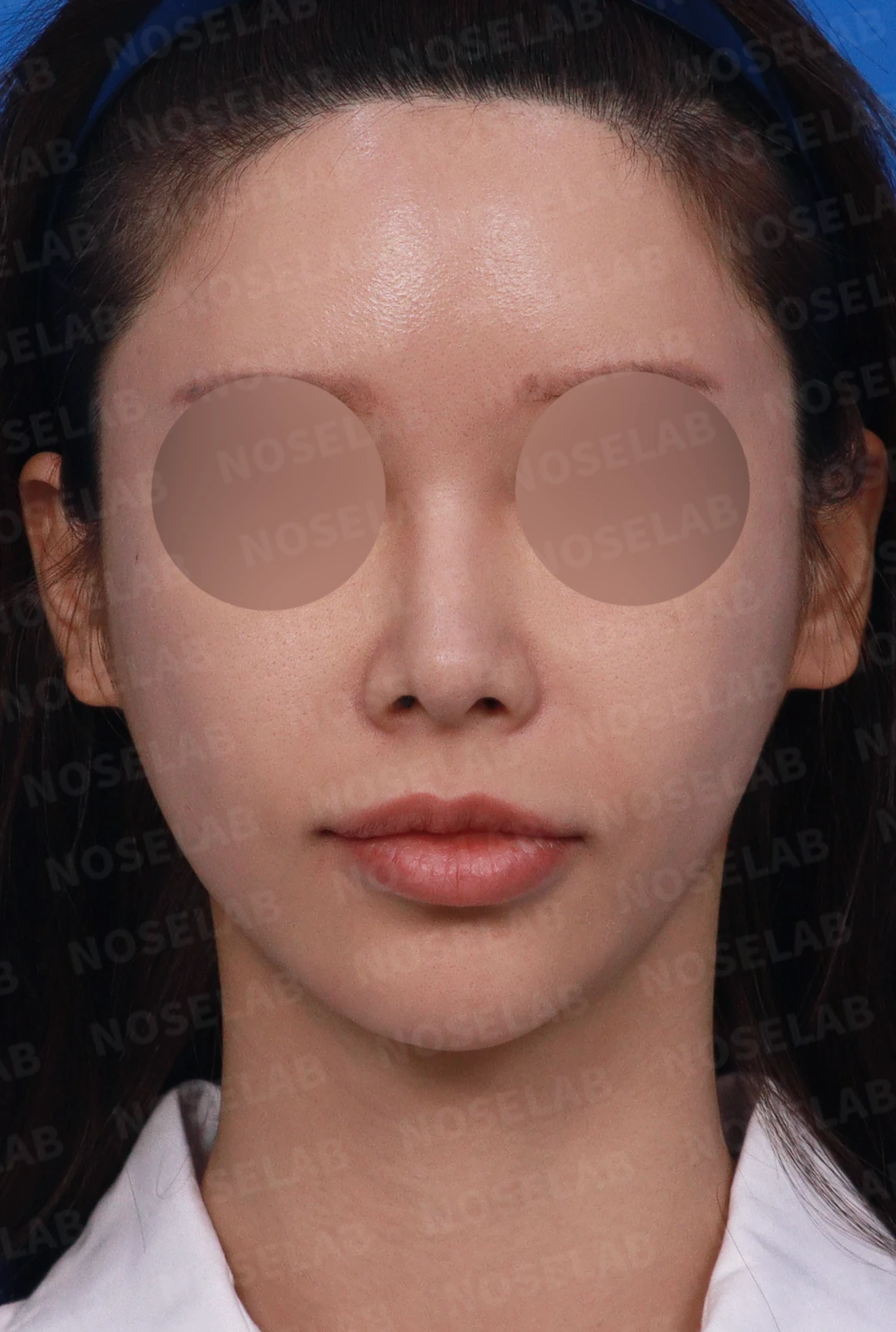
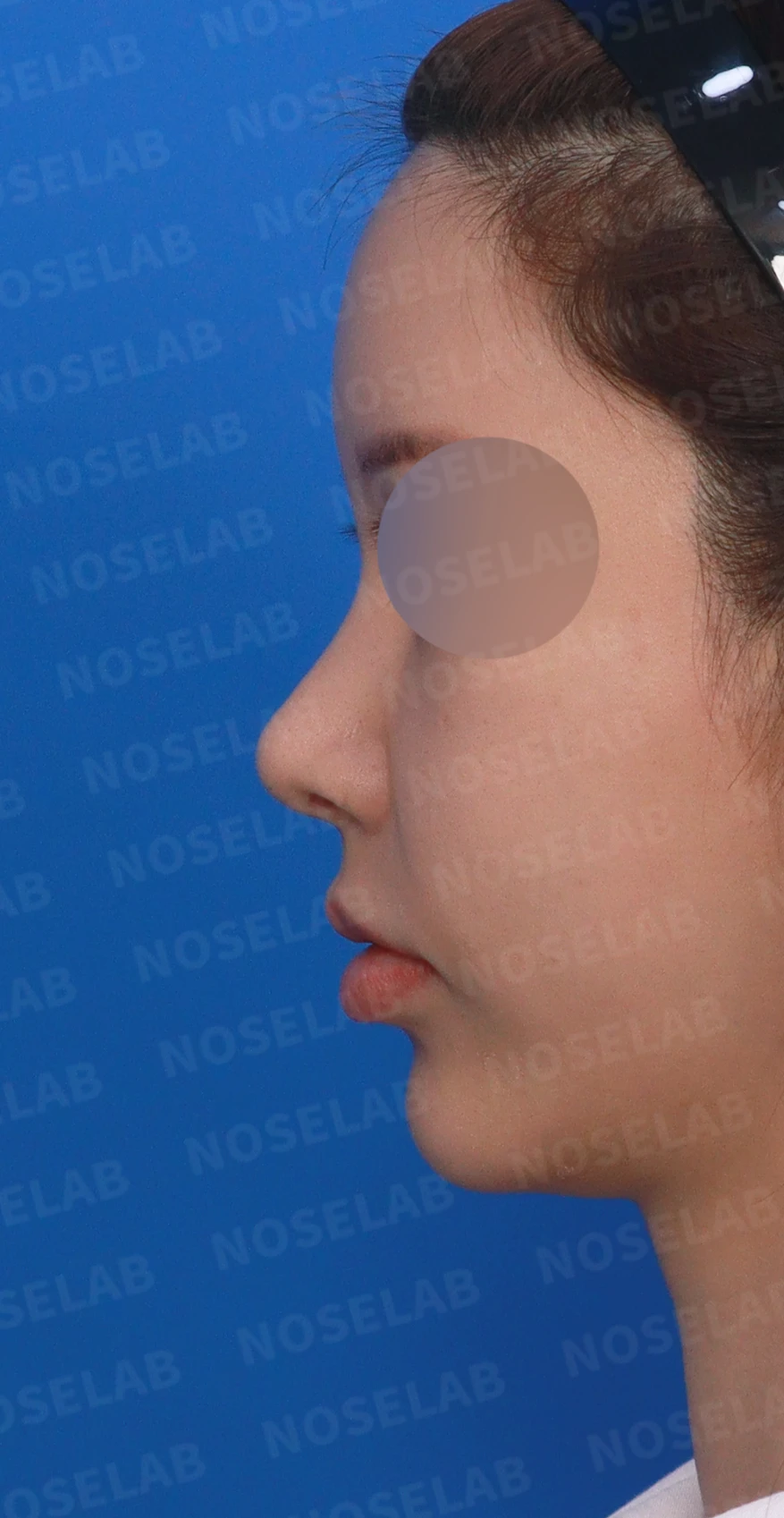
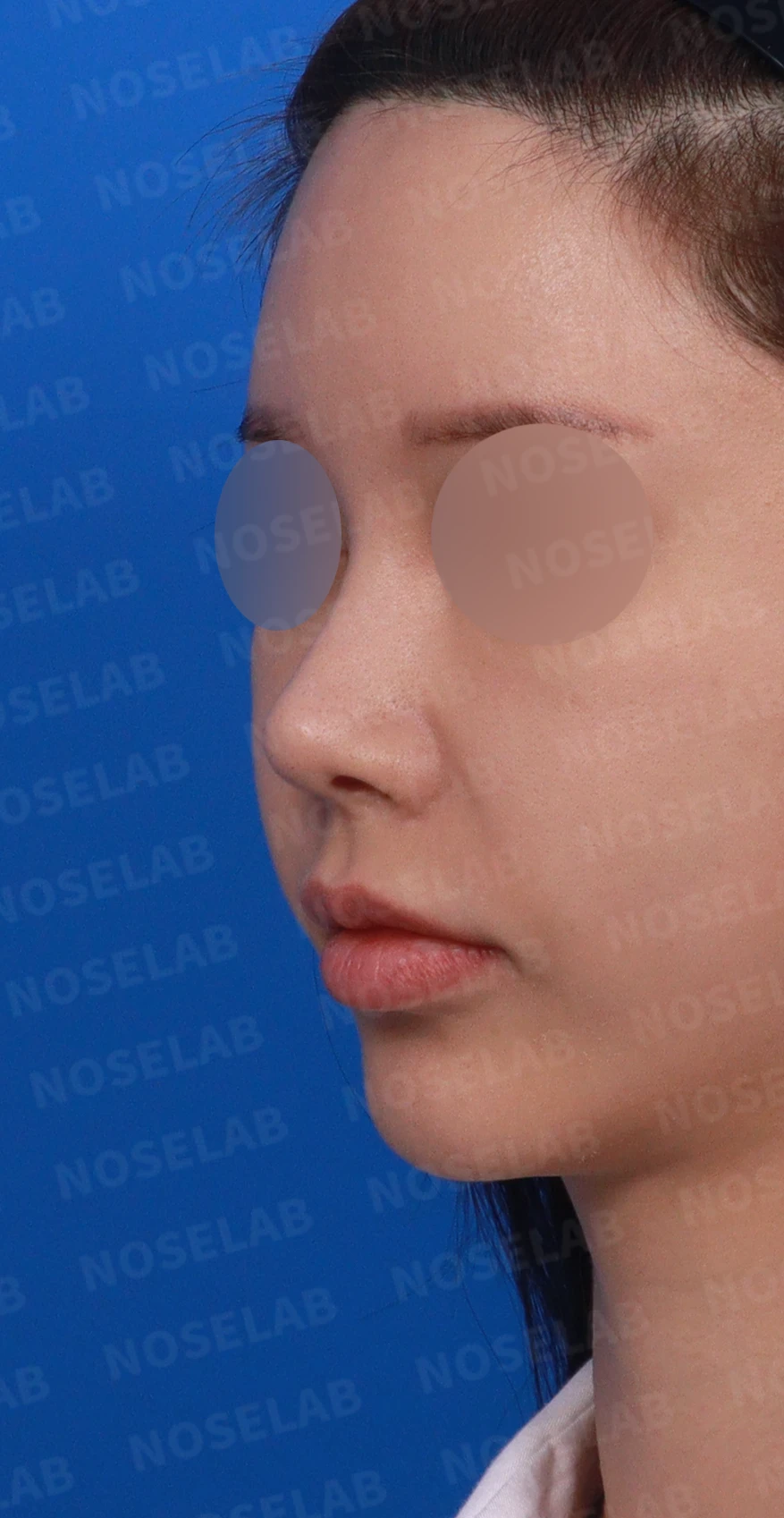
Front, left profile, and oblique views during design consultation.
7 years ago: Nose filler procedure followed by removal
6 years ago: Surgery using ear cartilage, septal cartilage, and a silicone implant
Current condition: Chronic rhinitis, nasal obstruction (more severe on the left side than the right)
Because a significant amount of septal cartilage had been harvested during the previous surgery, the remaining septal cartilage was deficient and small.
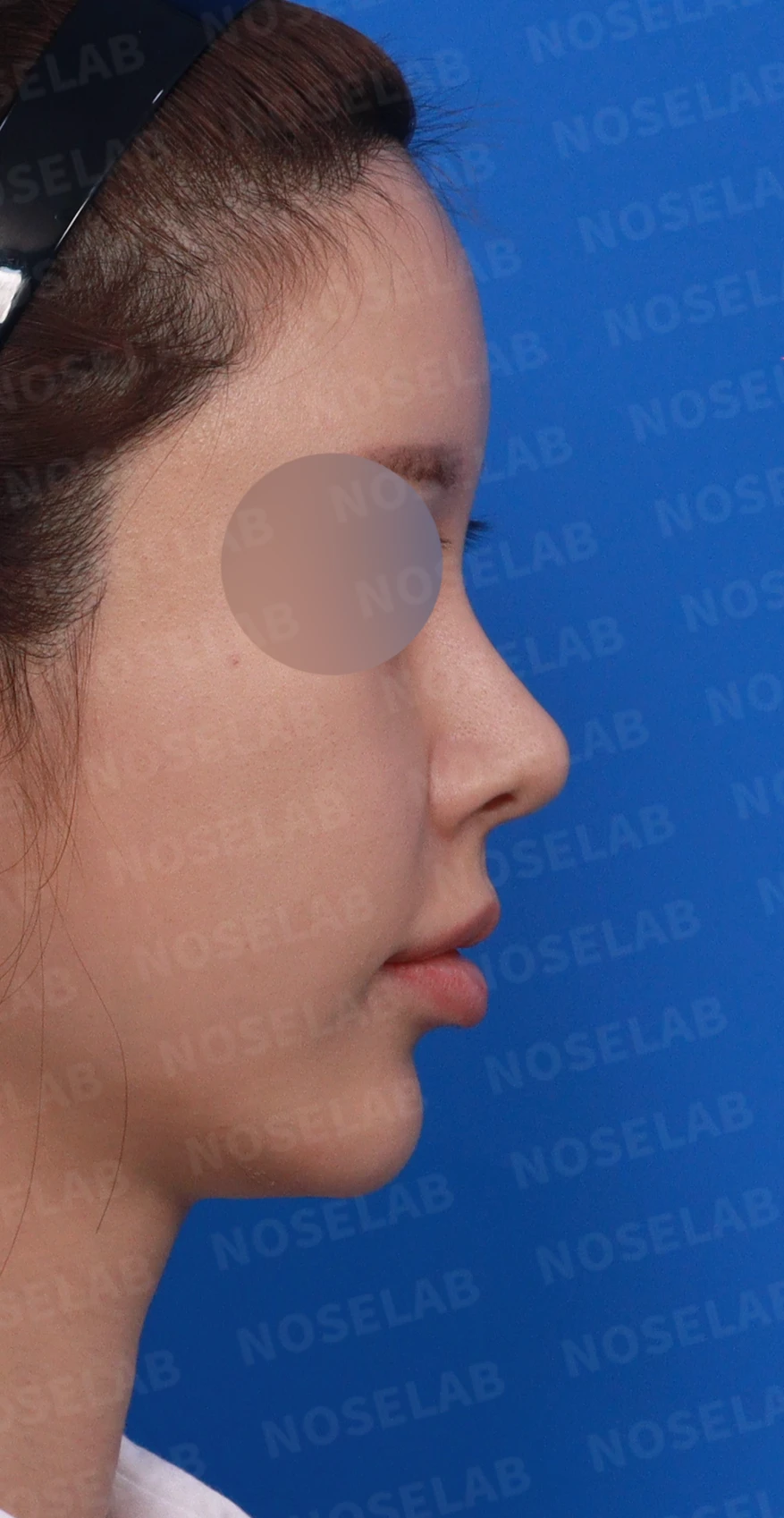
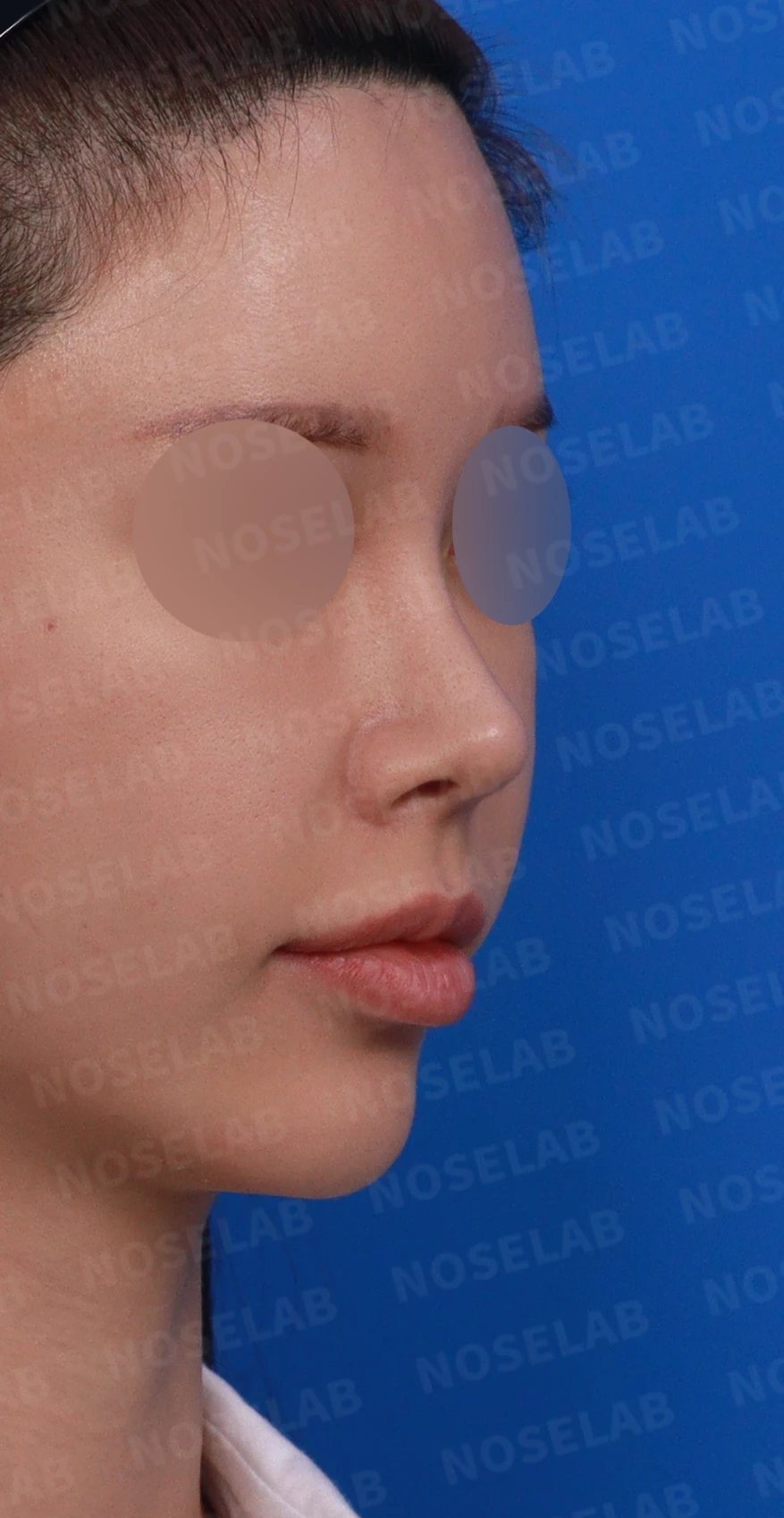
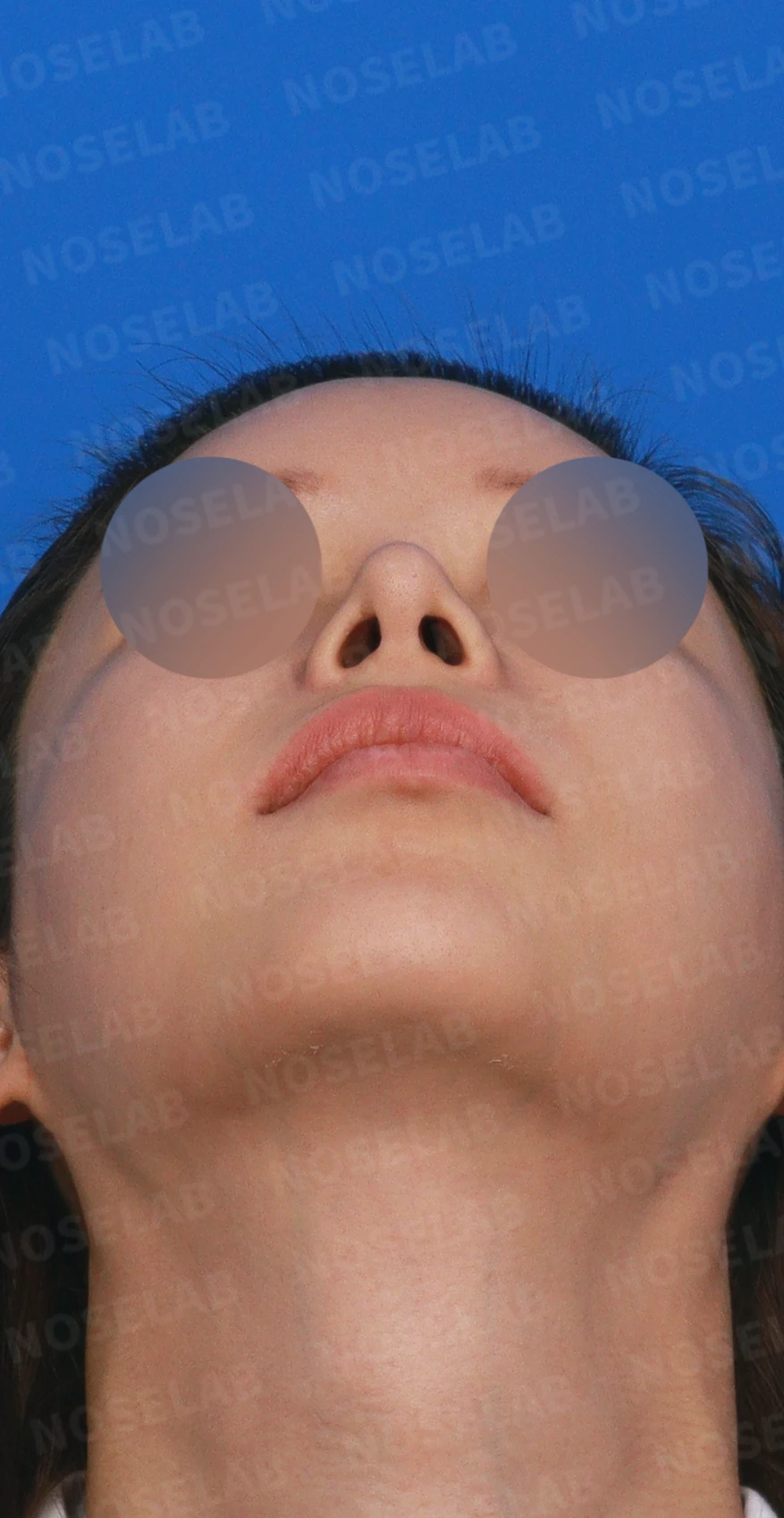
Right profile, oblique, and nostril views during design consultation.
💉 Patient requests
Decreased nostril show
A refined, glamorous look
Creating an attractive straight bridge line
Natural facial proportions without making the eyes appear close-set
Securing adequate recovery time using the Chuseok holiday
🔧 Surgical plan and procedure
Main surgical details:
1. Revision rhinoplasty with autologous rib cartilage
Sufficiently reinforcing the deficient septal cartilage
Strengthening nasal tip support to promote long-term stability
2. Septal reconstruction
Reinforcing the remaining septum with autologous rib cartilage
Achieving both structural stability and functional improvement simultaneously
3. Nasolabial angle correction
Naturally correcting the short, upturned appearance
Achieving a refined, glamorous straight bridge line
4. Functional nasal surgery
Septoplasty: Relieving nasal obstruction by correcting the deviated septum
Inferior turbinate reduction: Fundamentally improving rhinitis symptoms
5. Concurrent receding chin correction
Structural correction following chin filler removal
Harmonious balance between the nose and chin
* Key points of correction
Adjusting the radix: Lowering it slightly to correct the short, upturned appearance
Improving the nasolabial angle: Creating a natural yet glamorous profile line
Overall balance: Correcting the nose and chin together to harmonize the entire face
Surgical outcome
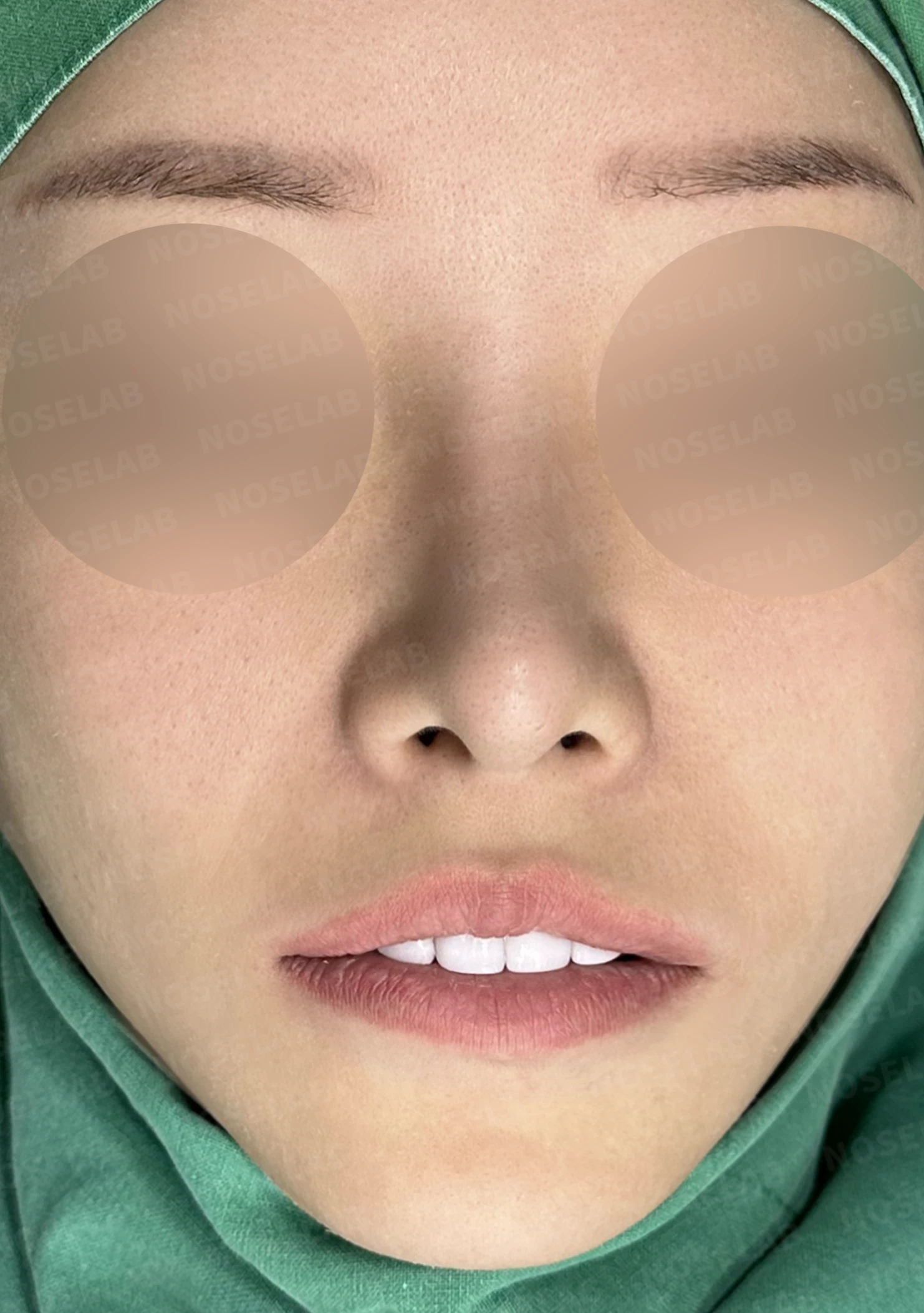
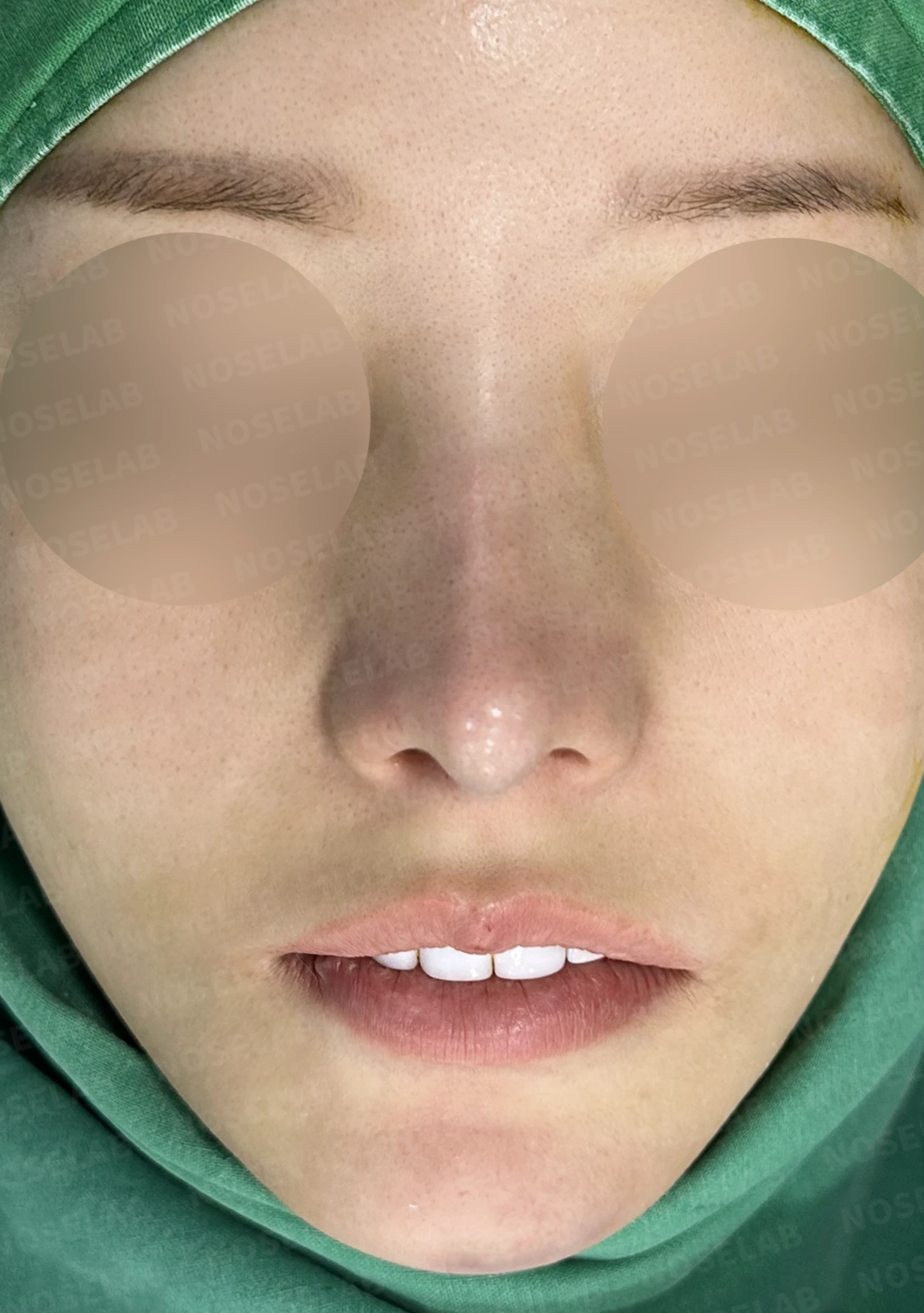
Before surgery / Day 0 immediately after surgery Photos taken immediately after surgery show swelling and may differ from the final result.
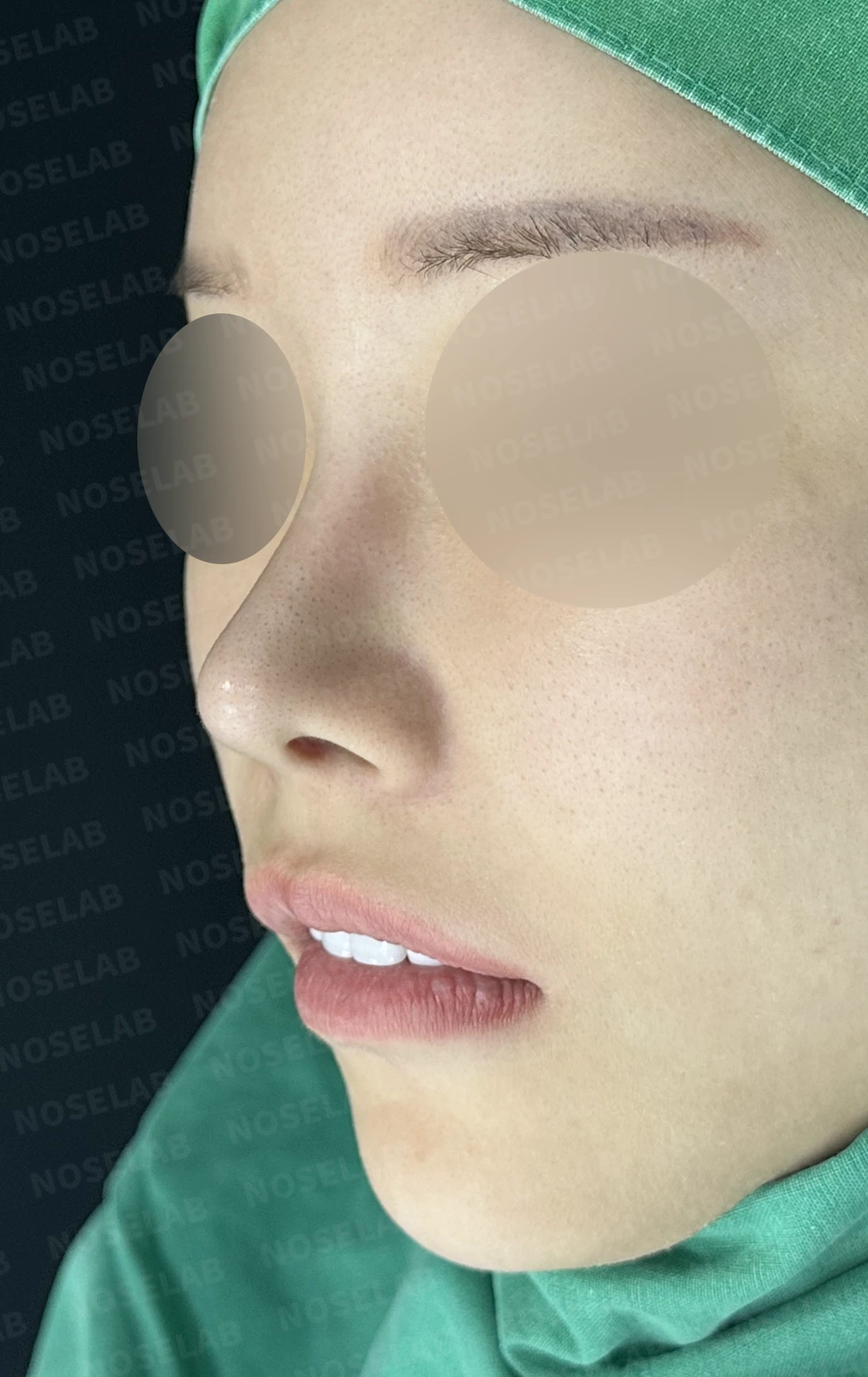
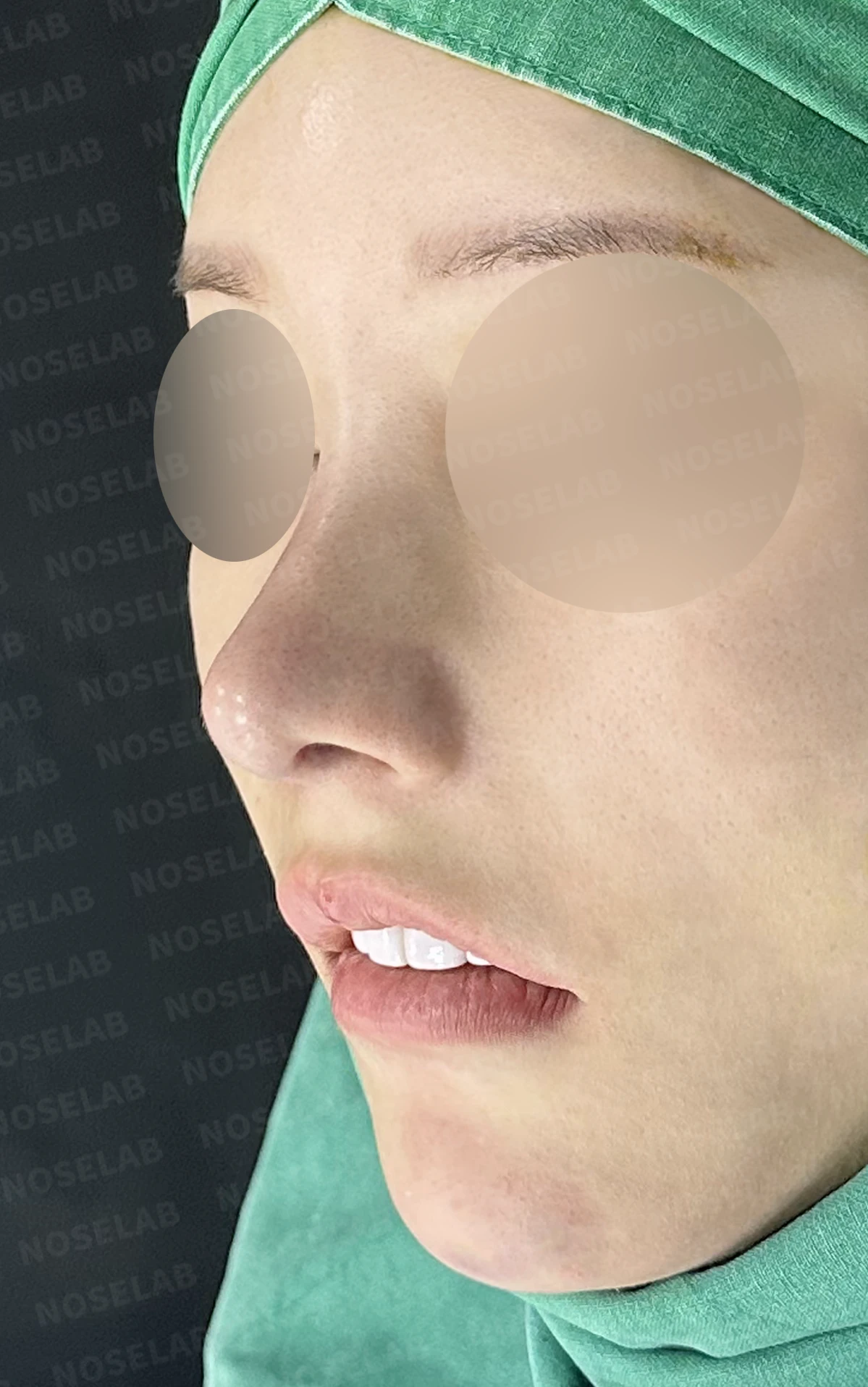
Frontal changes:
Naturally lengthening the short, upturned nasal tip
Substantially reducing nostril show
Harmoniously improving the proportion between the eyes and the nose
Before surgery / Day 0 immediately after surgery Photos taken immediately after surgery show swelling and may differ from the final result.
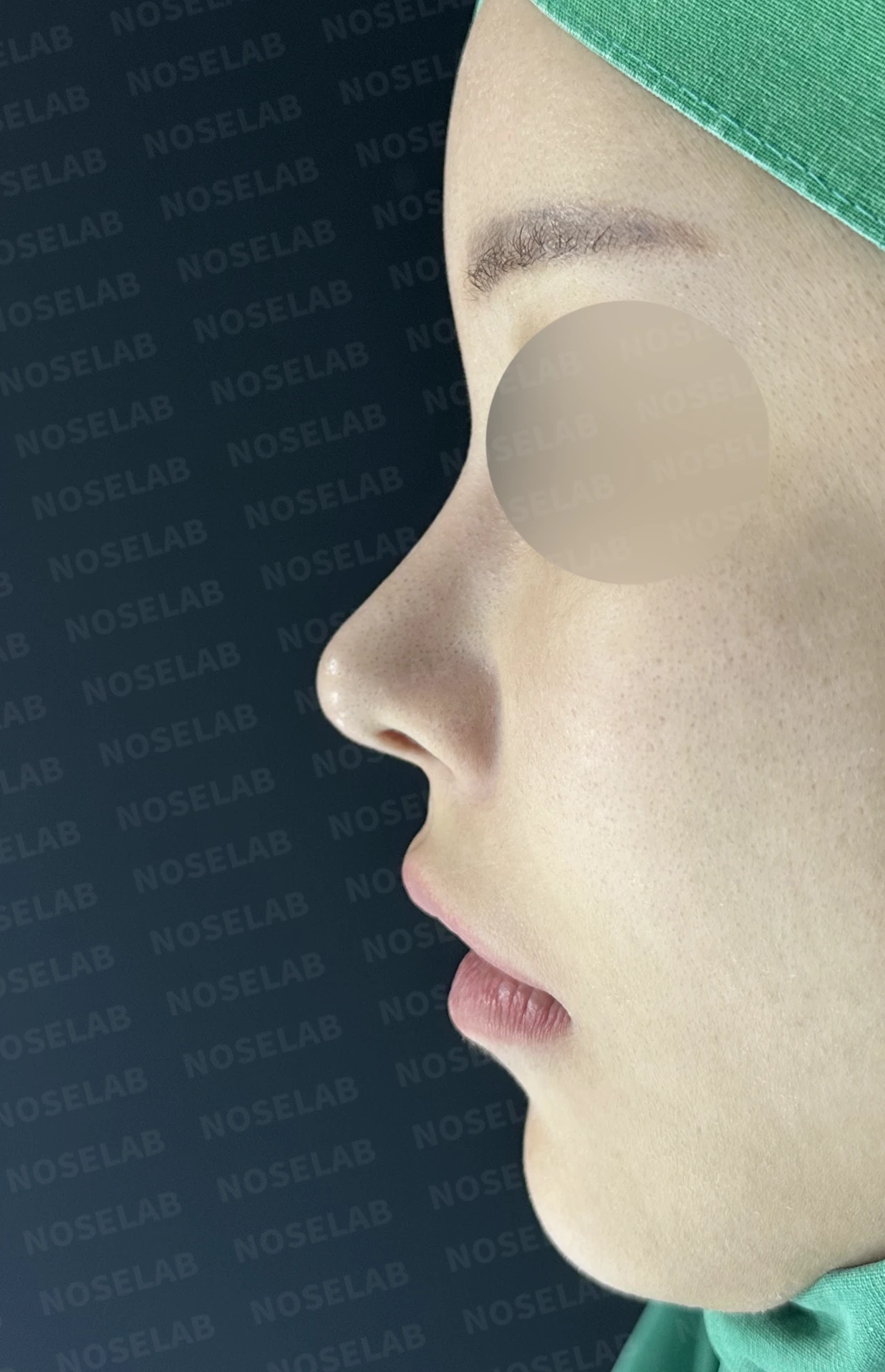
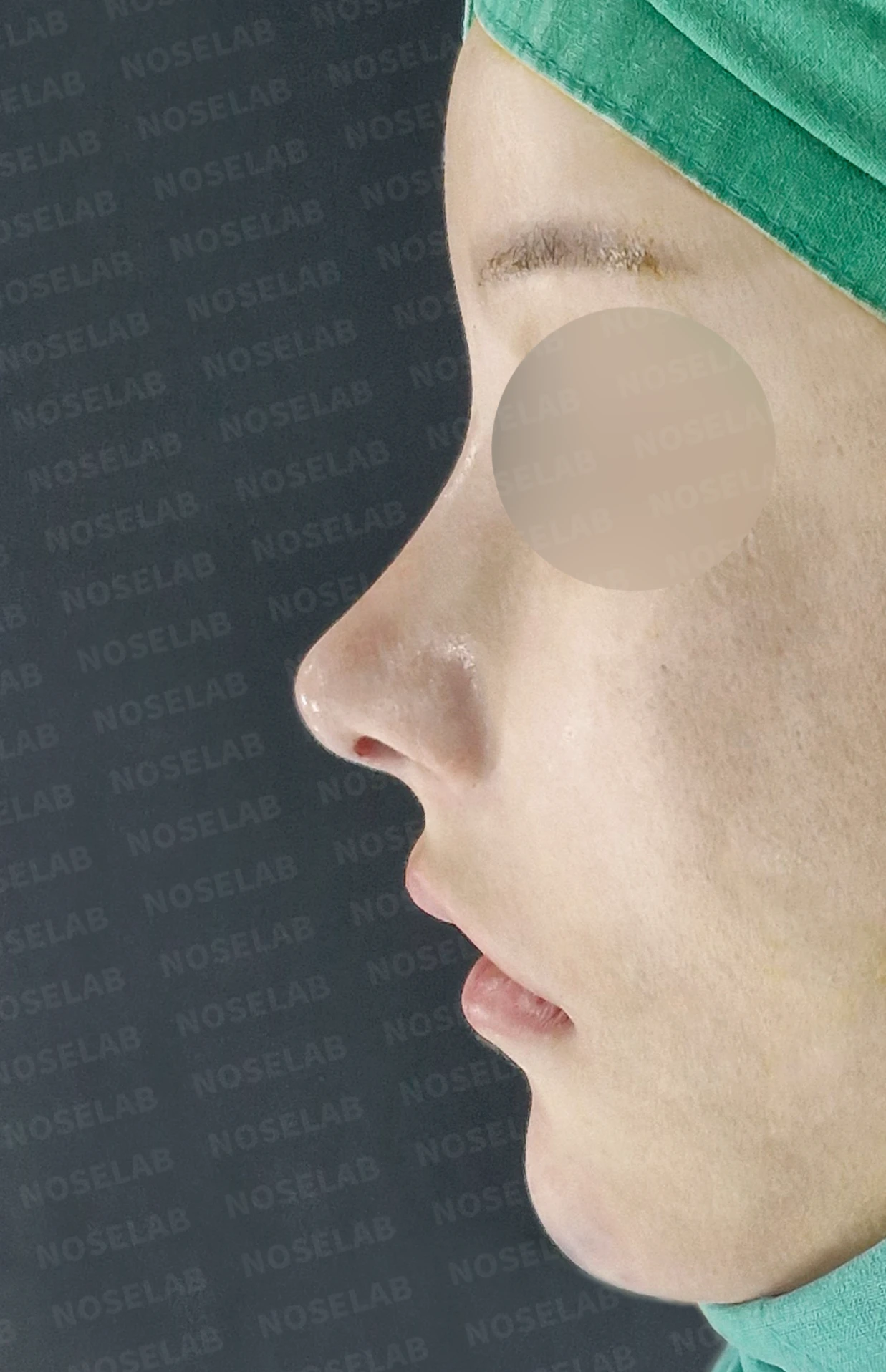
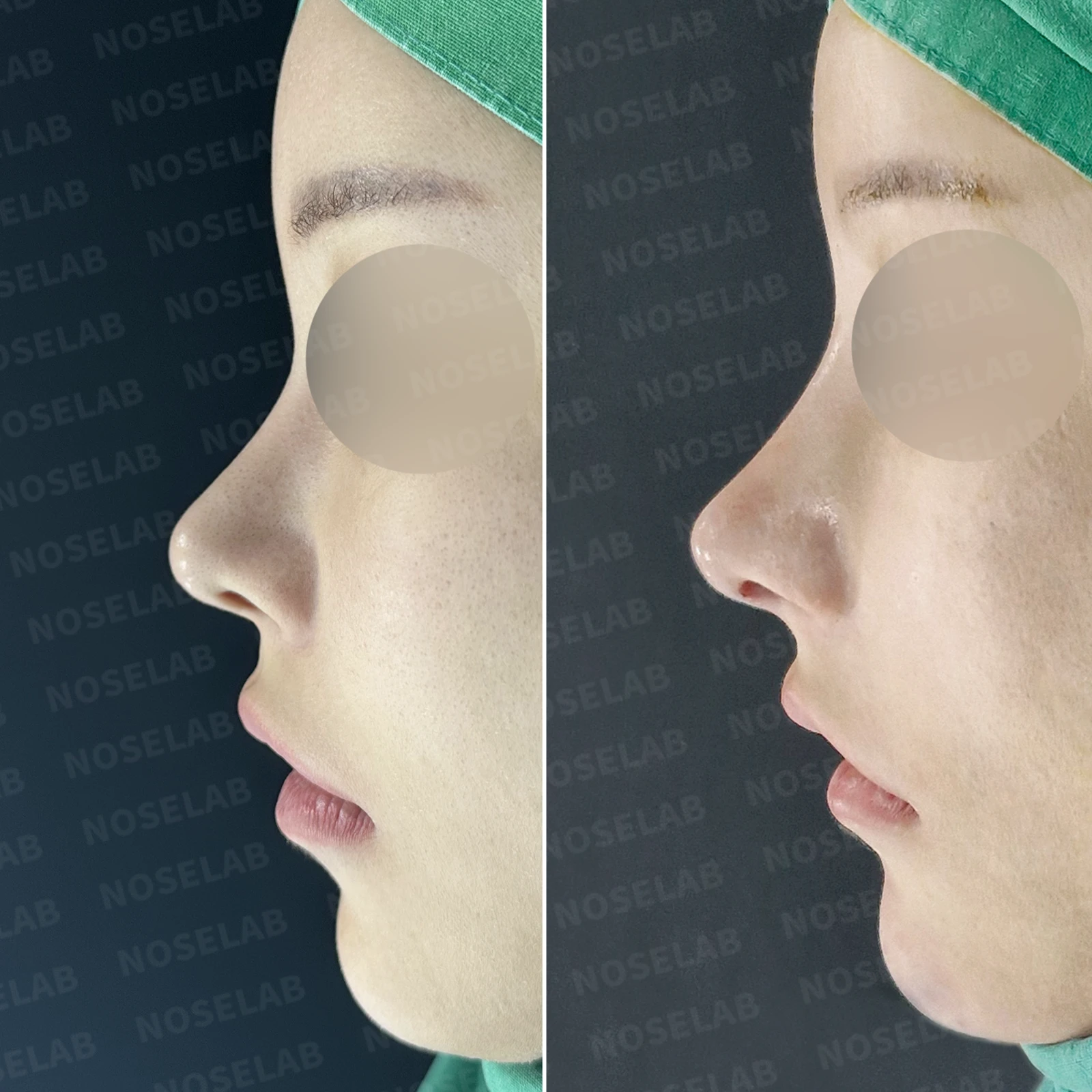
Profile changes:
Transforming the blunt, upturned nasal tip into a glamorous straight bridge line
Refining the profile silhouette with an improved nasolabial angle
Harmonizing the jawline as well for an overall refined profile
Before surgery / Day 0 immediately after surgery Photos taken immediately after surgery show swelling and may differ from the final result.
Functional improvements:
Improving chronic rhinitis symptoms
Relieving left-sided nasal obstruction to allow smooth breathing
Securing structural stability to support long-term satisfaction
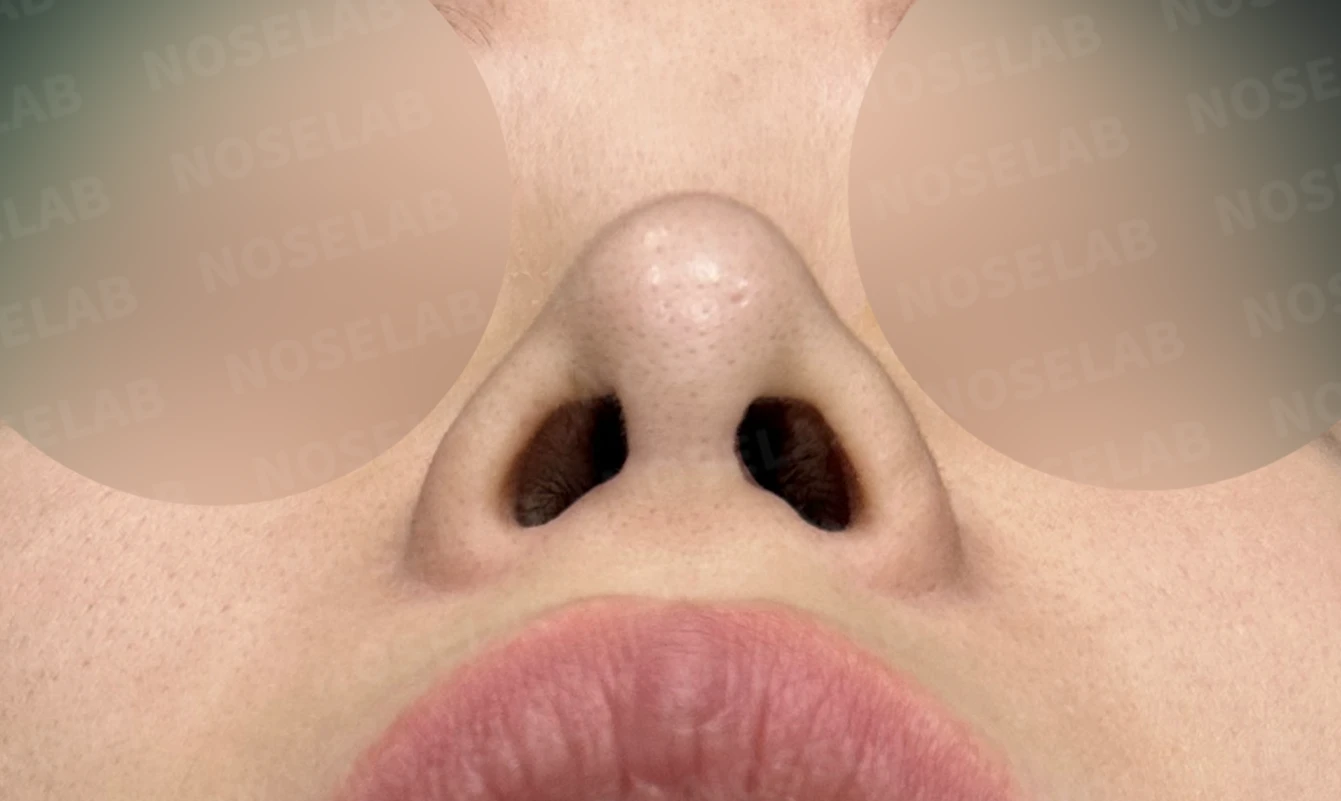
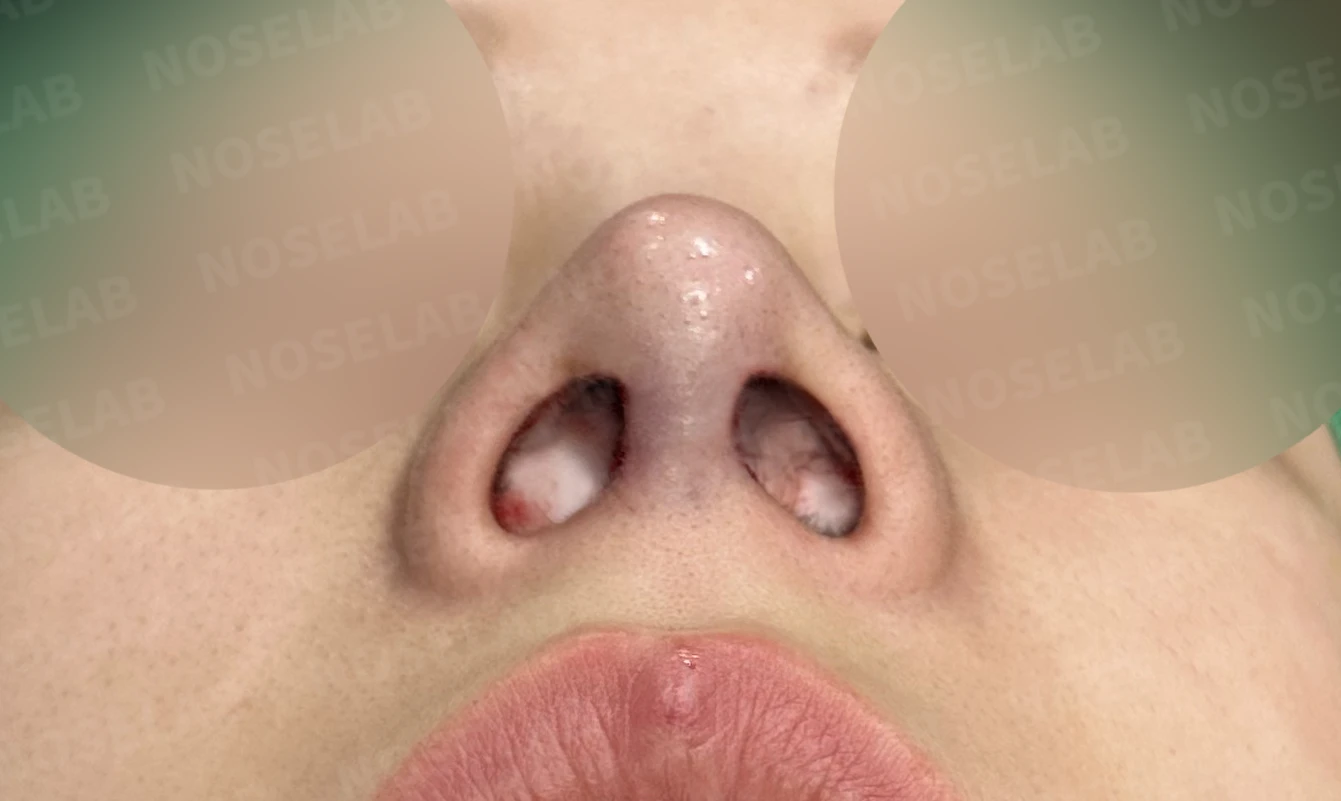
Before surgery / Day 0 immediately after surgery Photos taken immediately after surgery show swelling and may differ from the final result.
💡 Specialist opinion
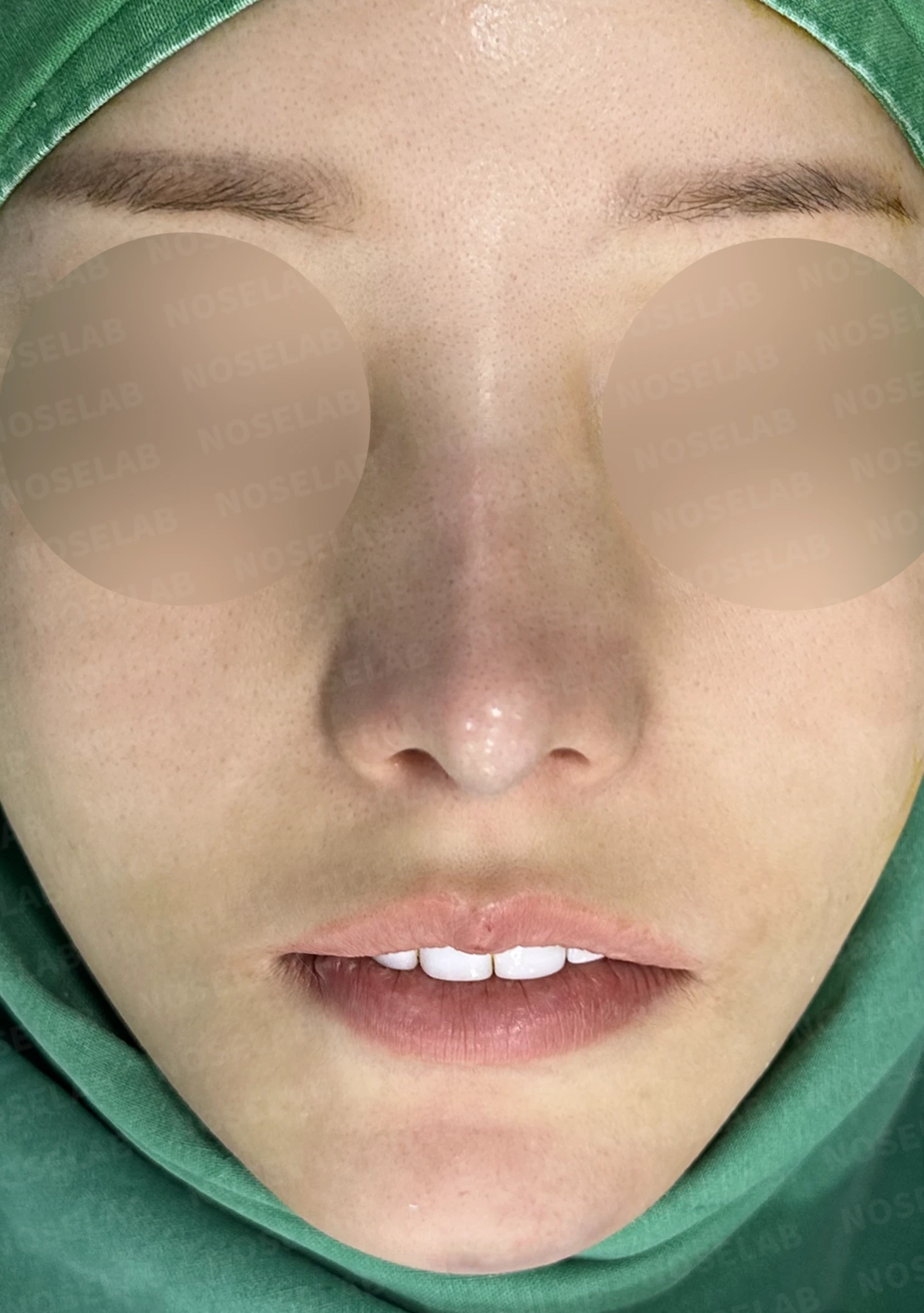
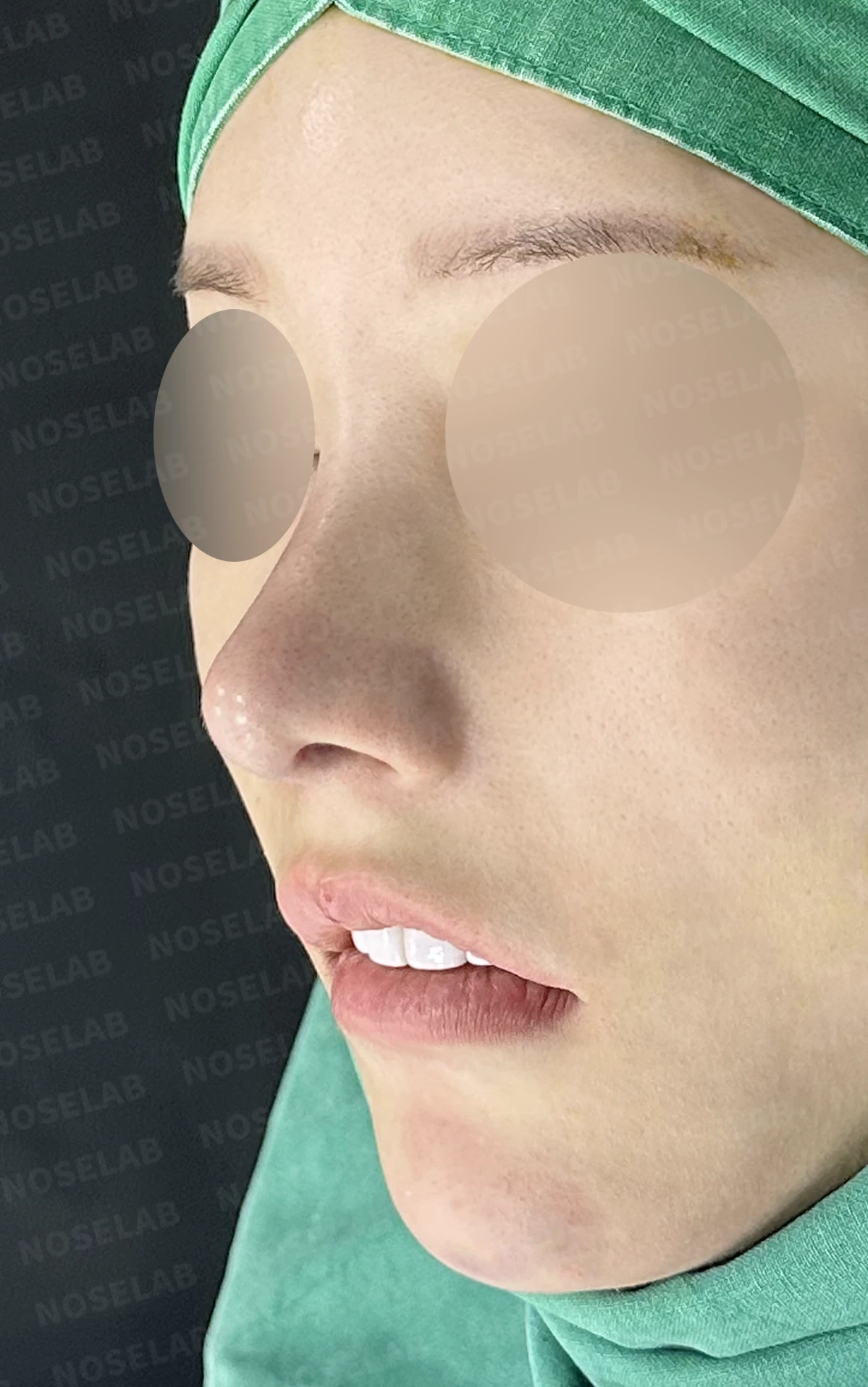
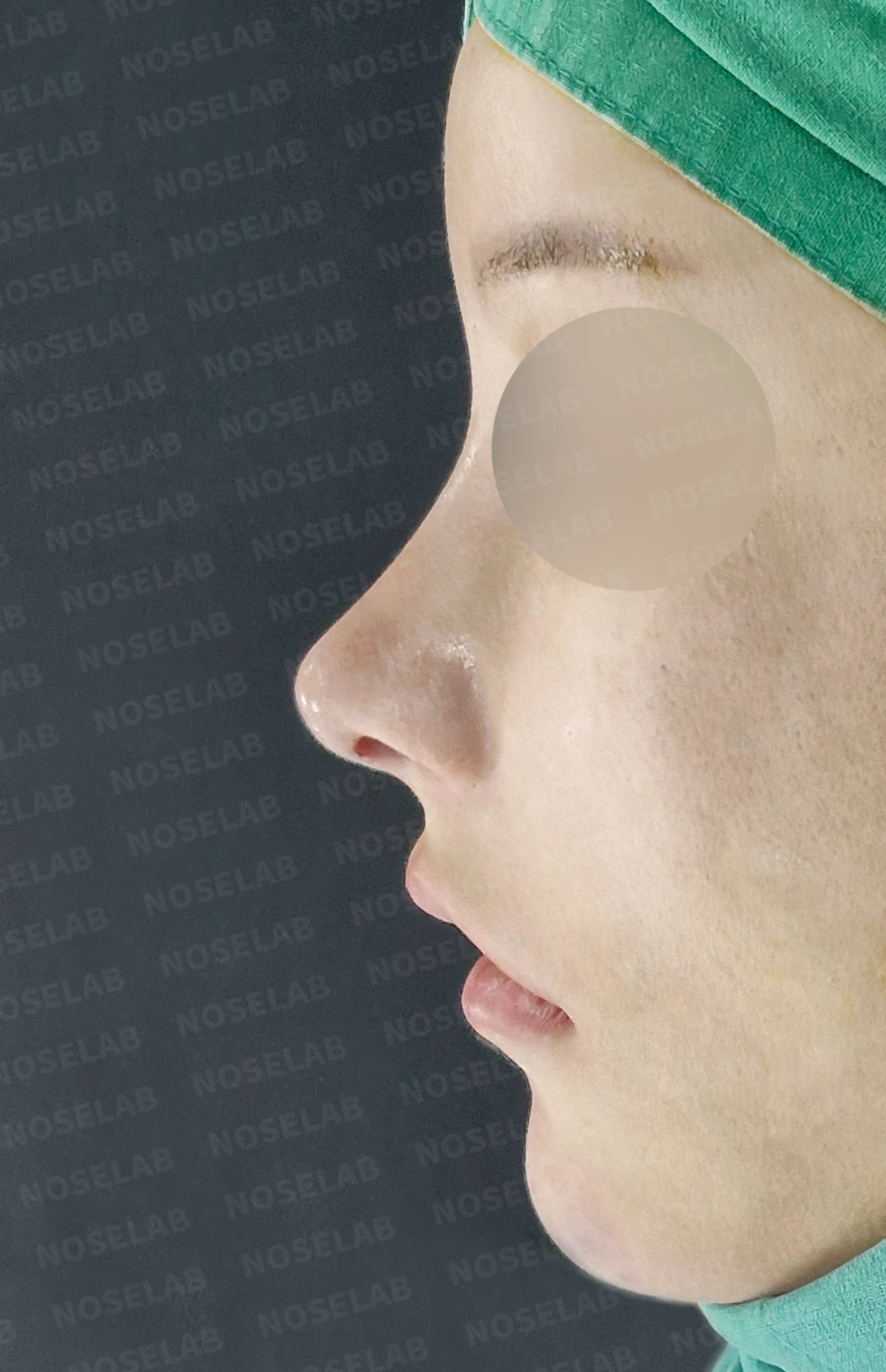
Front, oblique, and profile views on day 0 immediately after surgery. Photos taken immediately after surgery show swelling and may differ from the final result.
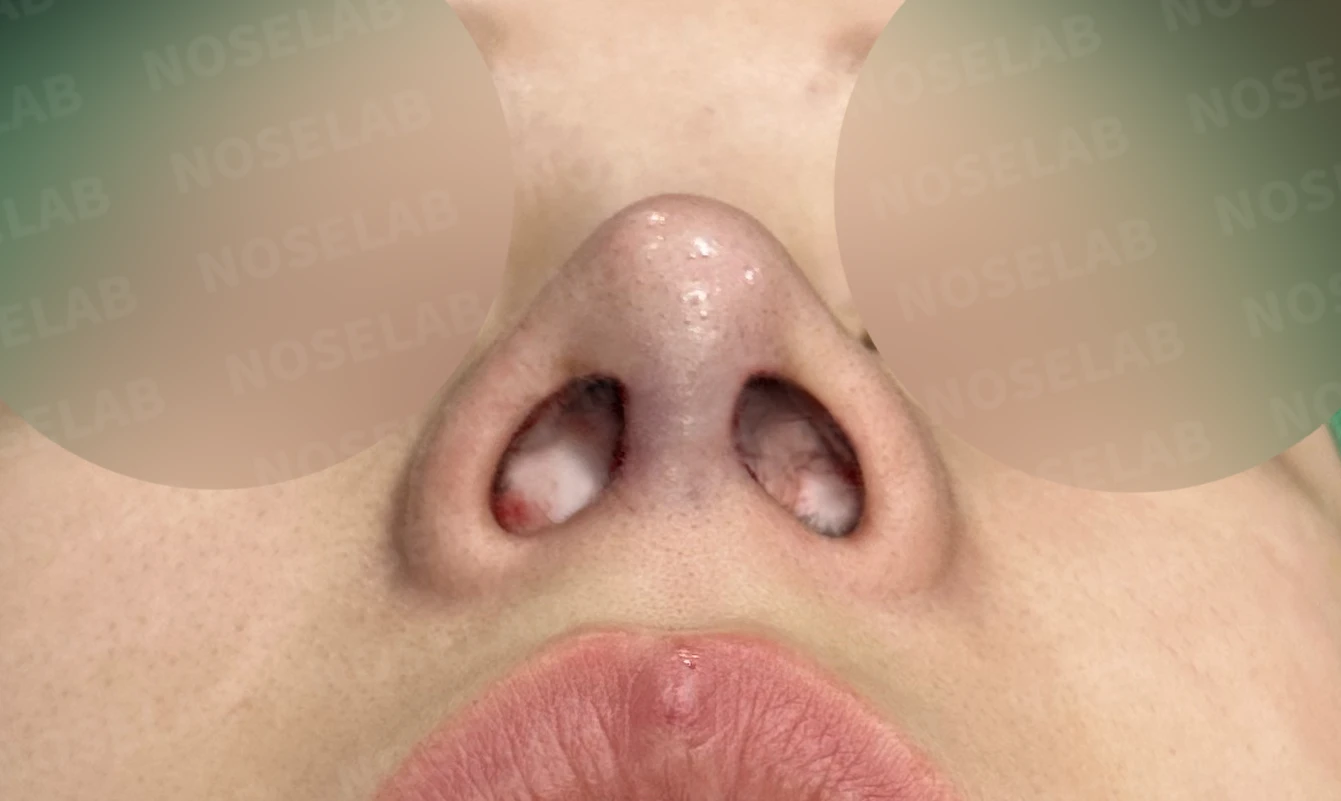
Nostril view on day 0 immediately after surgery. Photos taken immediately after surgery show swelling and may differ from the final result.
This procedure was meaningful in several respects.
First, securing structural stability: By reinforcing the septal cartilage that had been depleted from previous surgery with autologous rib cartilage, we were able to support a stable long-term result. Rather than simply changing the external shape, solidifying the structural foundation is the core of revision rhinoplasty.
Second, harmonizing function and aesthetics: While resolving functional issues such as rhinitis and nasal obstruction, we achieved the glamorous, refined straight bridge line the patient desired. I believe the true goal of rhinoplasty is to satisfy both medical necessity and aesthetic expectations.
Third, overall facial harmony: Performing rhinoplasty alongside receding chin correction brought balance and harmony to the entire face. In particular, correcting the chin—which had appeared relatively more recessed due to the short, upturned nose—transformed the facial contours into a refined, well-balanced look.
Fourth, the timing of the surgery: Utilizing the extended recovery period of the Chuseok holiday allowed for a stable early recovery. Such careful planning is also an important element of a successful outcome.
The most critical factor in revision rhinoplasty is accurately assessing the tissue alterations and structural limitations from previous surgeries, then selecting the appropriate technique to address them. In this patient's case, a structural approach using autologous rib cartilage successfully achieved both stability and aesthetic refinement.
This was Dr. Peter C. Kang. Thank you.
#closedrevisionrhinoplasty #autologousribcartilage #straightbridgeline #recedingchincorrection #septalreconstruction #holidayrhinoplasty #KimChaeAh #glamorousrhinoplasty #nasolabialanglecorrection

Limitations and risks
When autologous rib cartilage is used, scarring and pain may remain at the donor site on the chest, and pneumothorax (pleural injury) can occur rarely. Over time, the grafted cartilage may warp or undergo partial resorption.
When foreign materials such as injected fillers are removed and reconstructed, contracture may recur, nasal height and length may decrease, and staged surgery may be necessary depending on the skin condition.
When the septum is corrected at the same time, nasal obstruction may persist or recur, and in rare cases, septal perforation or changes in smell may occur.
Common potential risks include infection, bleeding, asymmetry, scarring, skin necrosis, and insufficient improvement; results vary depending on individual skin condition and previous surgical history.