Hello, this is Dr. Peter C. Kang, medical director.
Today, I would like to share a case of natural improvement in a patient who was troubled by a crooked nose, visible nostril show, and a drooping tip.
📍 Surgical history
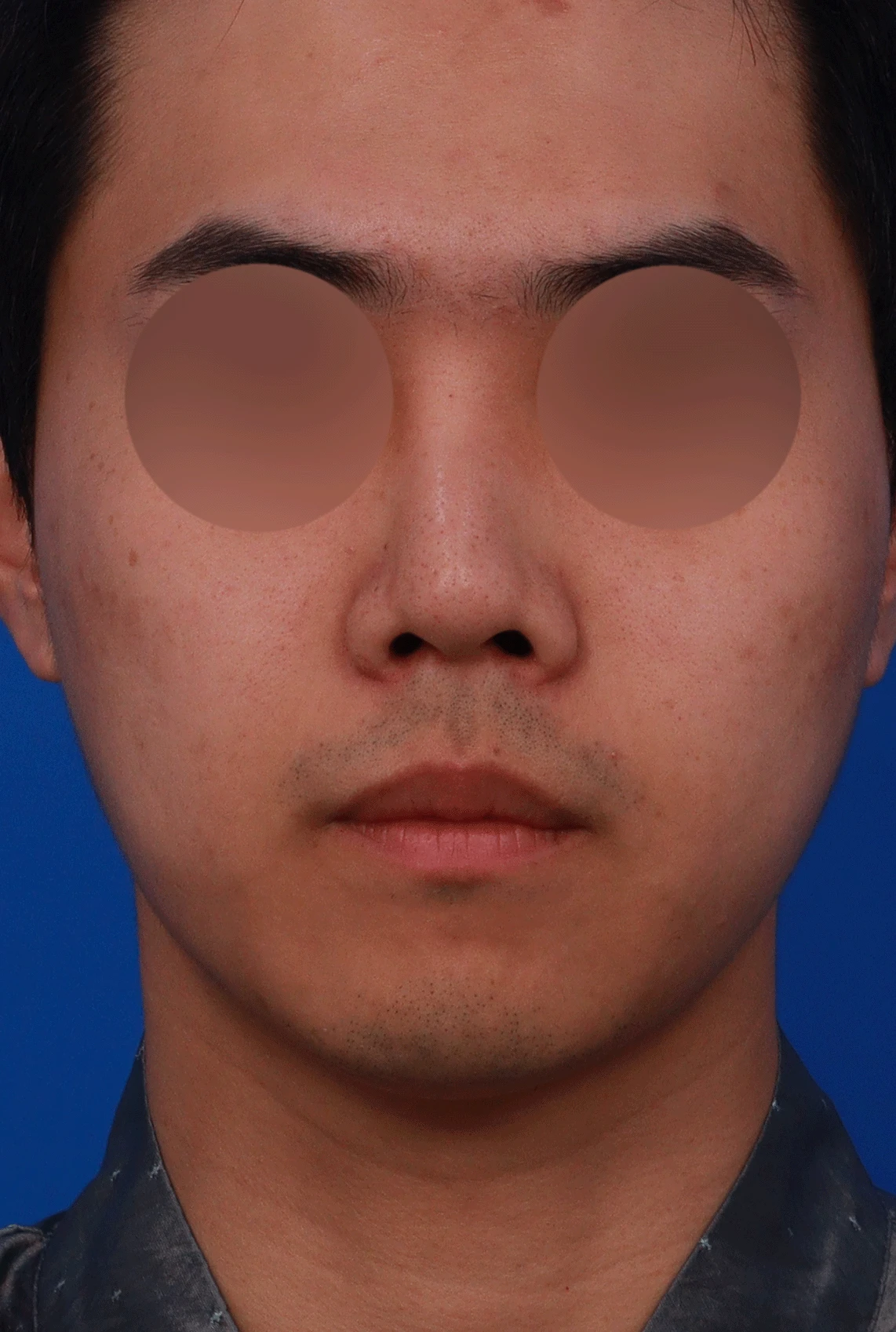
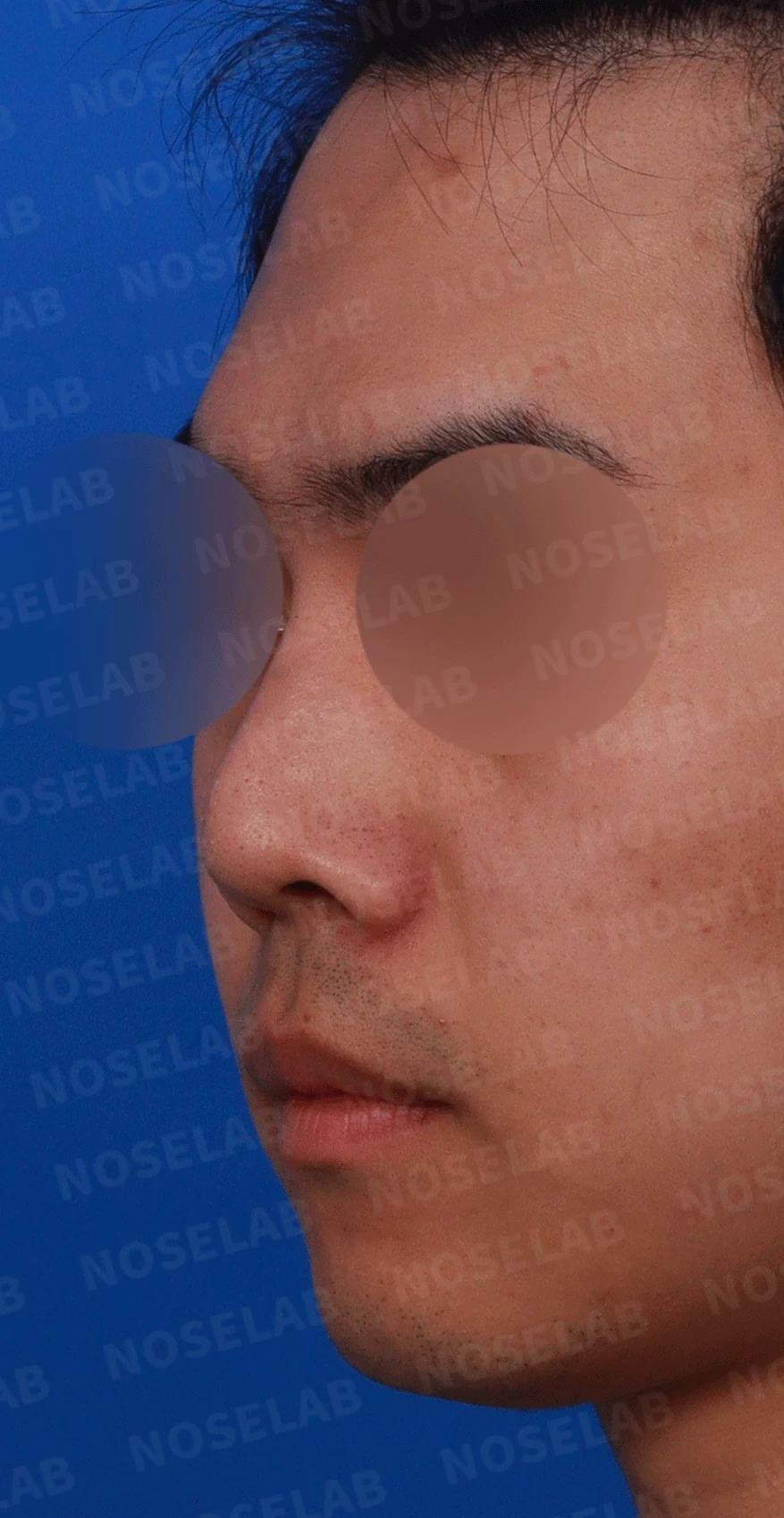
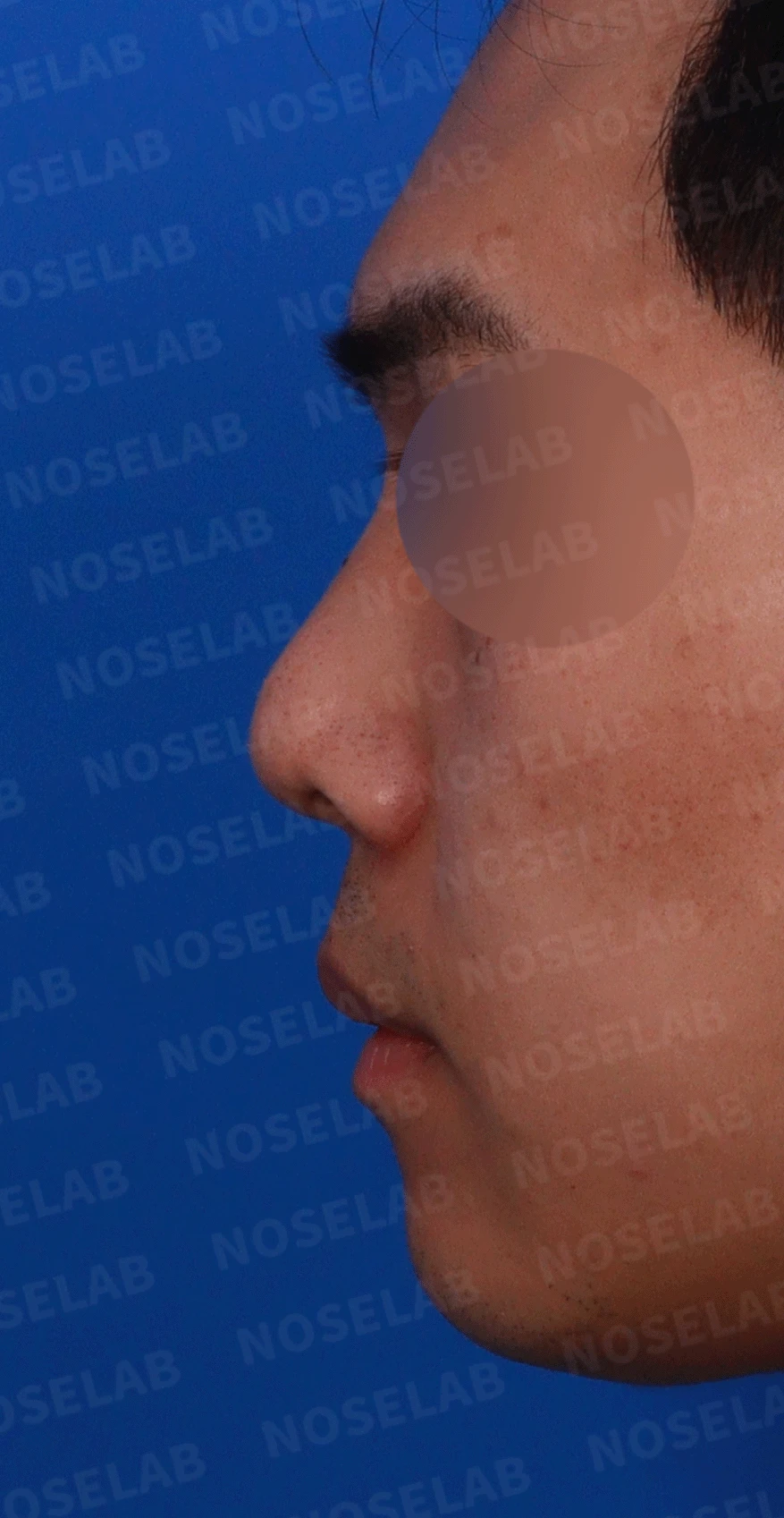
Front, left profile, and oblique views during design consultation.
10 years ago: Nasal filler injection
5 years ago: Donor rib cartilage, osteotomy, silicone implant, and filler removal
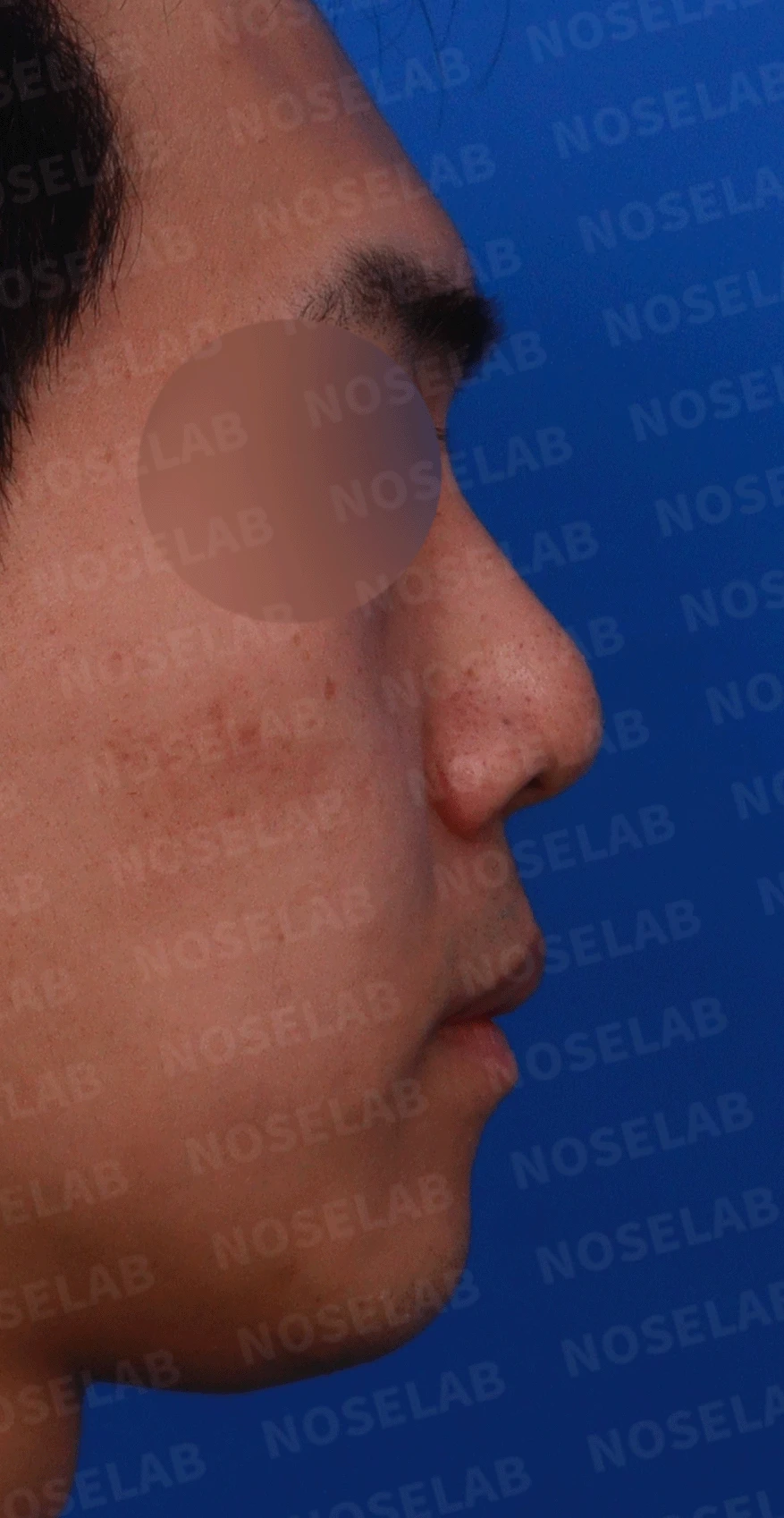
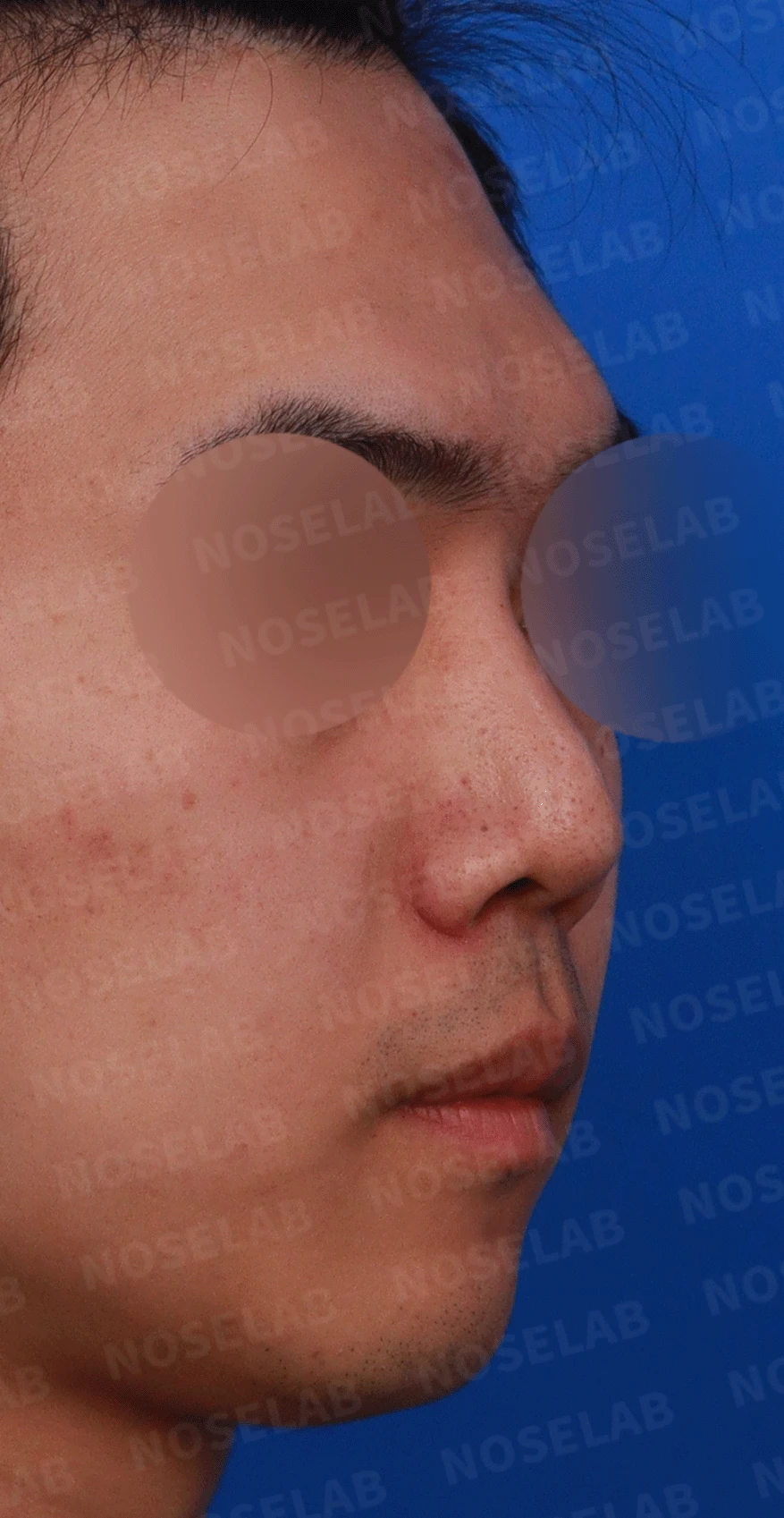
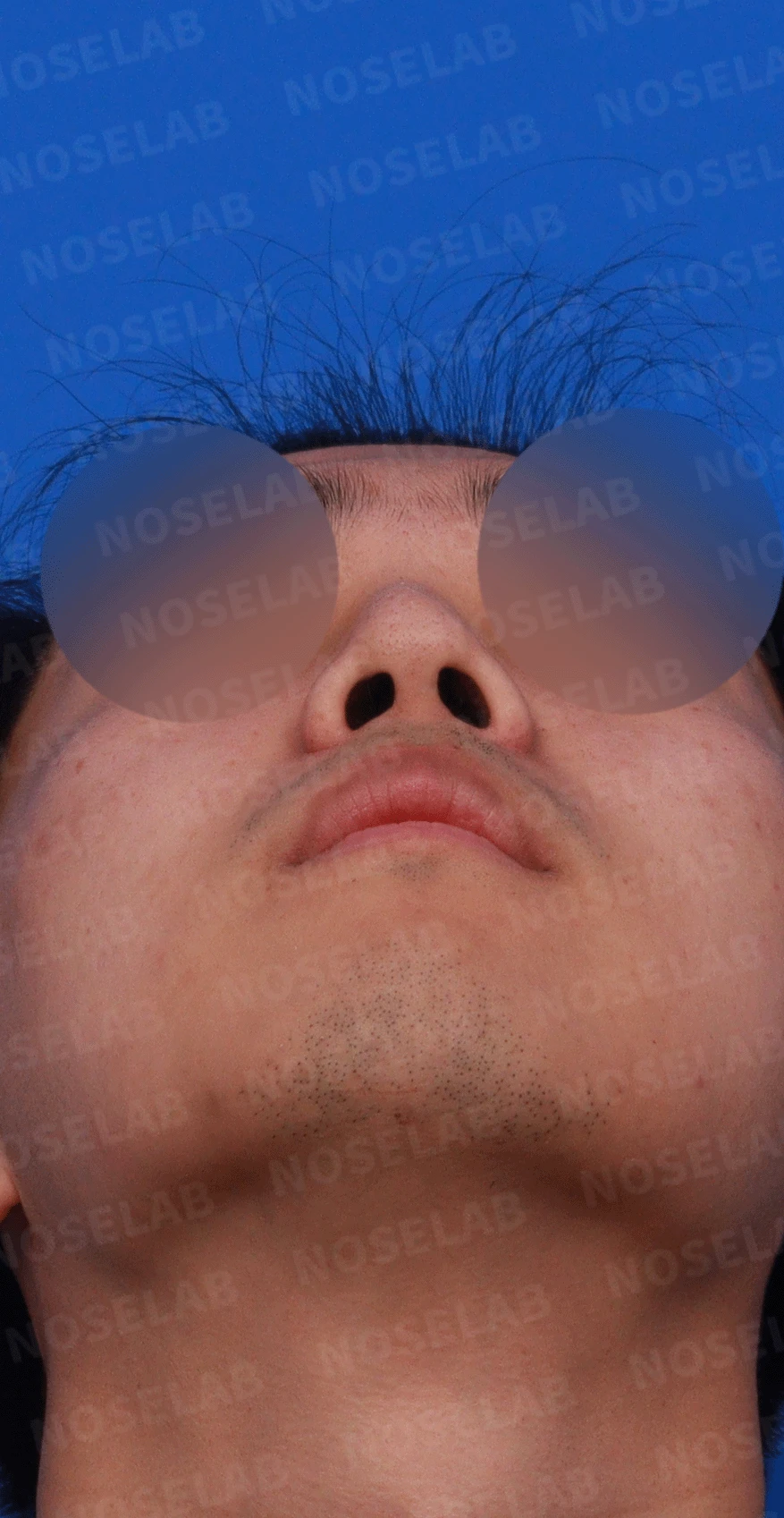
Design consultation: right oblique, profile, and basal (nostril) views.
🔎 Initial consultation findings
Functional issues
Severe rhinitis symptoms
Structural concerns
Compromised septal condition requiring reconstruction
Aesthetic concerns
Crooked nose
Excessive nostril show
Drooping nasal tip
✨ Patient's requests
Improvement of crooked nose
Reduction of nostril show
Improvement of drooping tip
A prominent, defined nasal contour (the patient was satisfied with the silicone implant used 5 years ago)
💉 Surgical procedure details
Structural improvement
Septal reconstruction
Tip plasty using autologous rib cartilage
Correction of the crooked nose via lateral nasal bone osteotomy
Elevation of the drooping tip
Morphological improvement
Reduction of nostril show
Correction of the nasolabial angle
Achieving a natural nasal line
Functional improvement
Improvement of severe rhinitis via septoplasty and radiofrequency submucosal inferior turbinate resection
✅ Surgical results
Functional improvement
Relief from severe rhinitis symptoms
Smooth breathing function
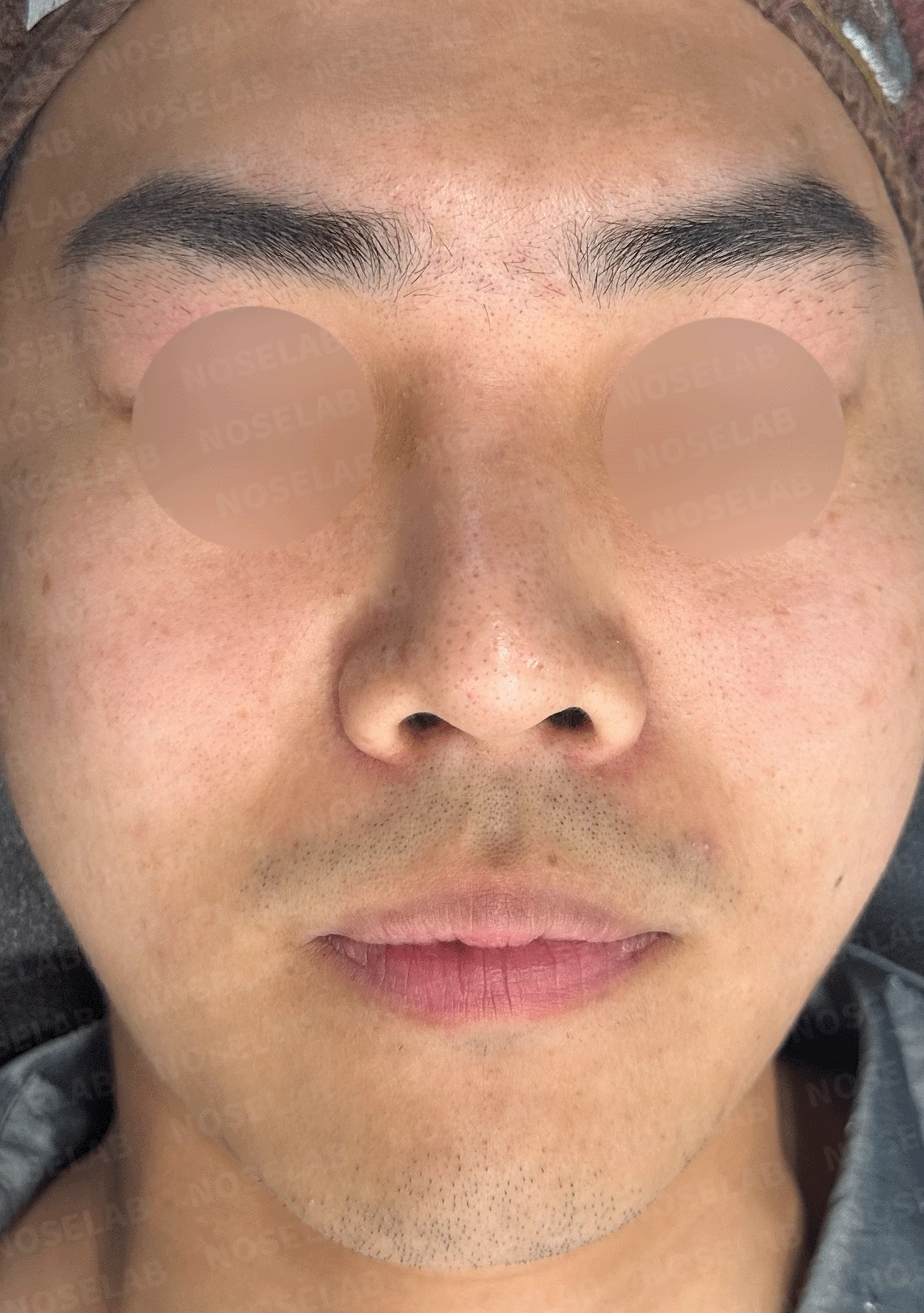
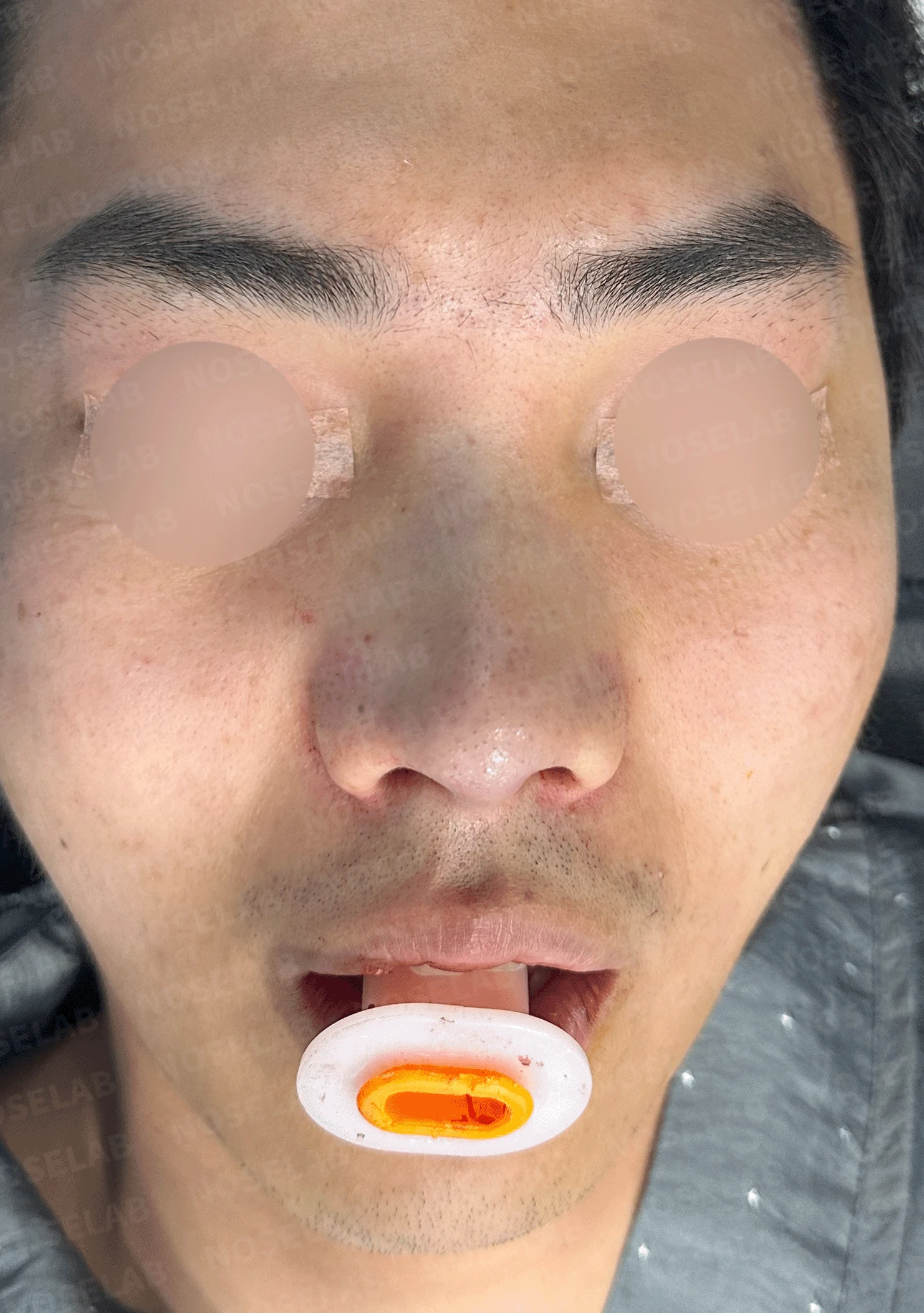
Before surgery / Day 0 immediately after surgery Photos taken immediately after surgery show swelling and may differ from the final result.
Front view
Naturally straightened nasal deviation
Significantly reduced nostril show
Balanced nasal shape
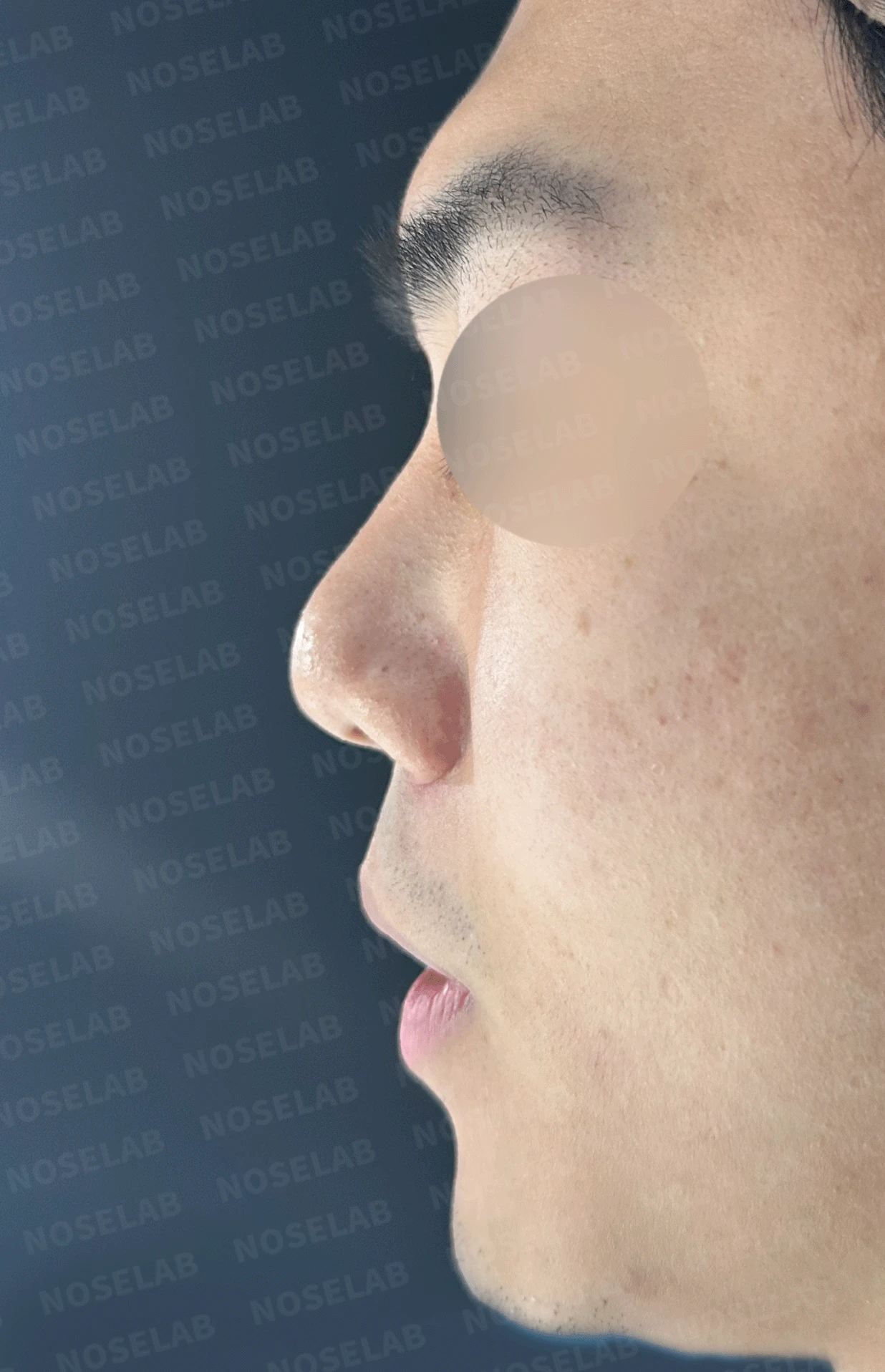
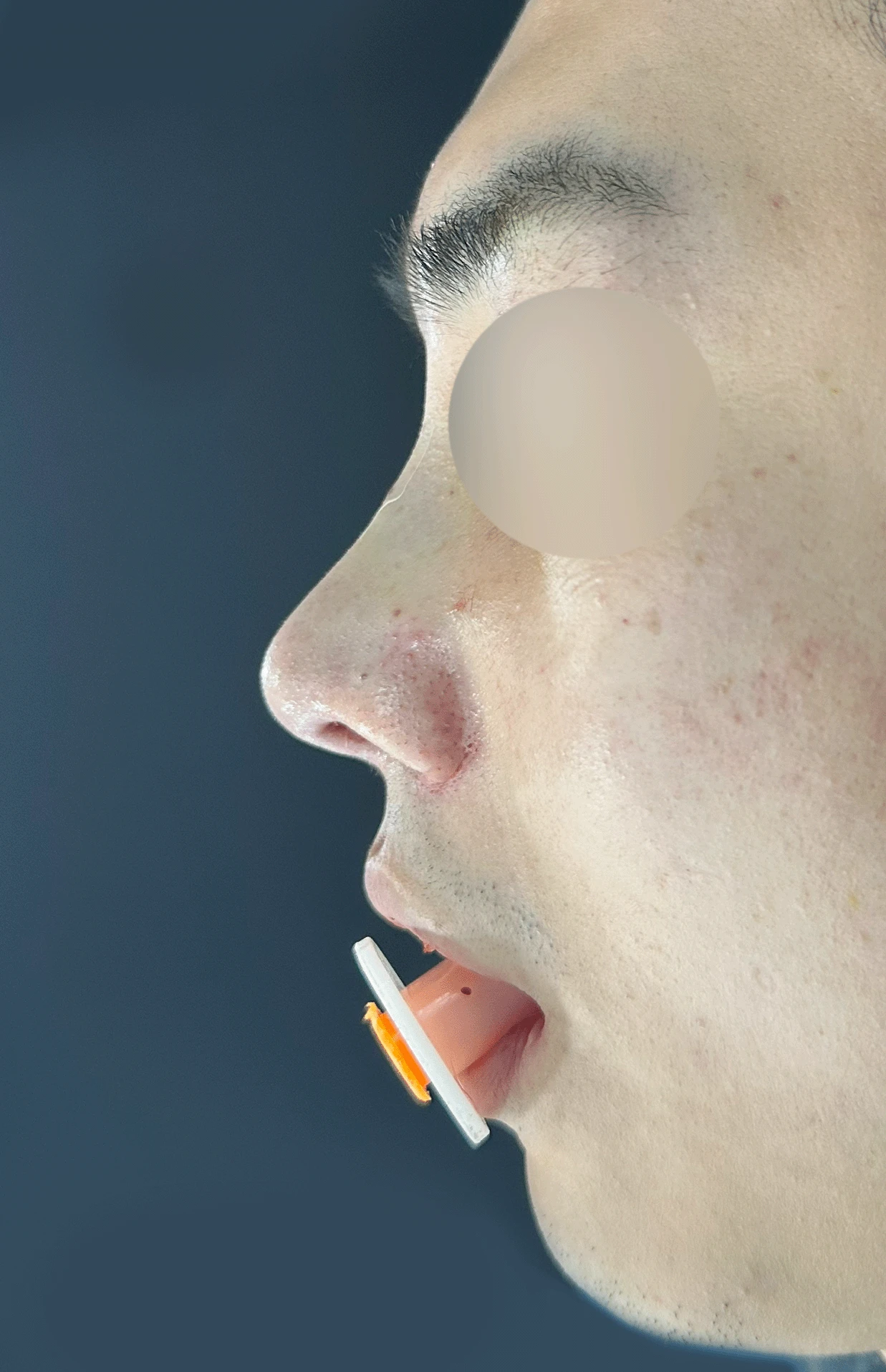
Before surgery / Day 0 immediately after surgery Photos taken immediately after surgery show swelling and may differ from the final result.
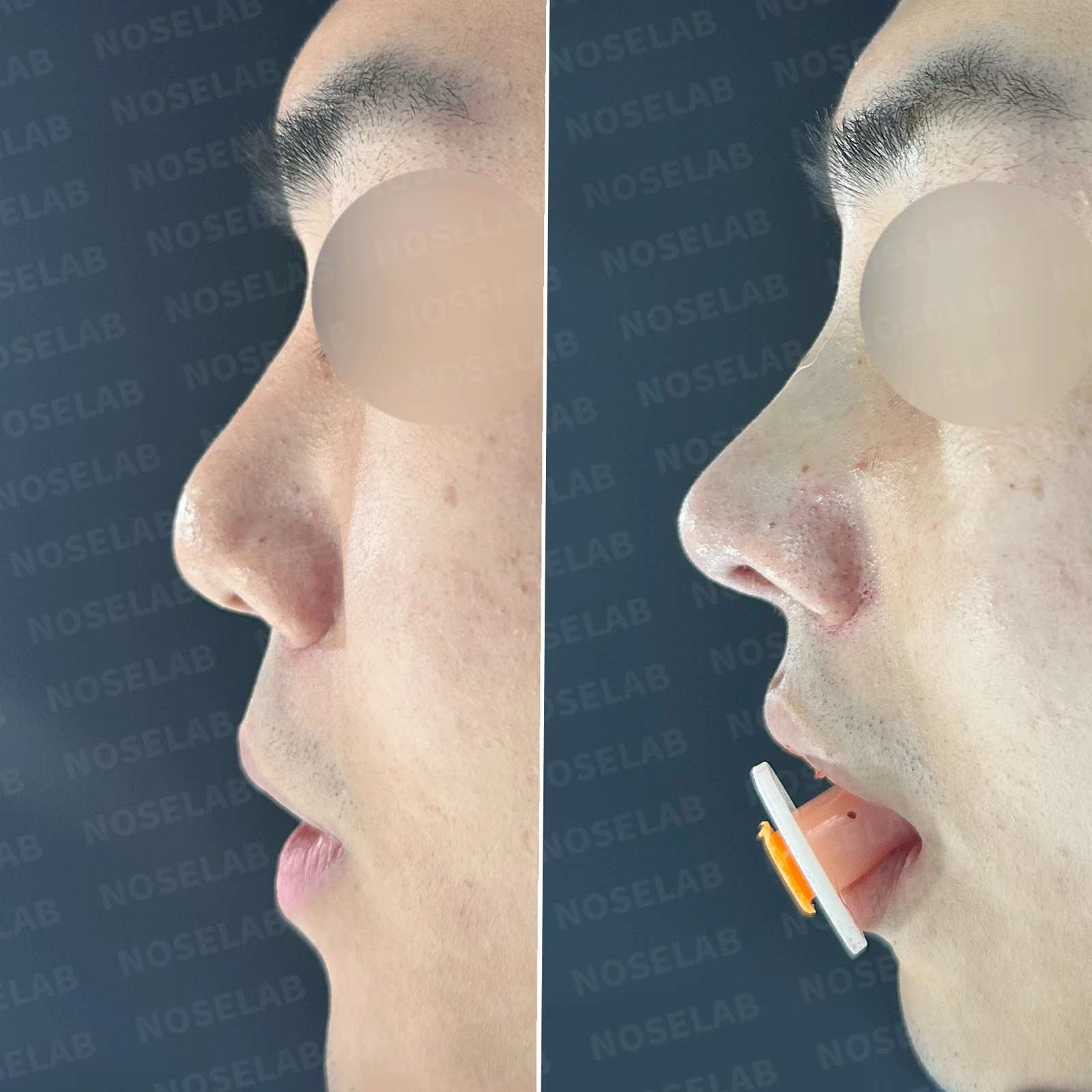
Profile view
Elevated nasal tip
Improved nasolabial angle
Natural profile line
Harmonious facial proportions
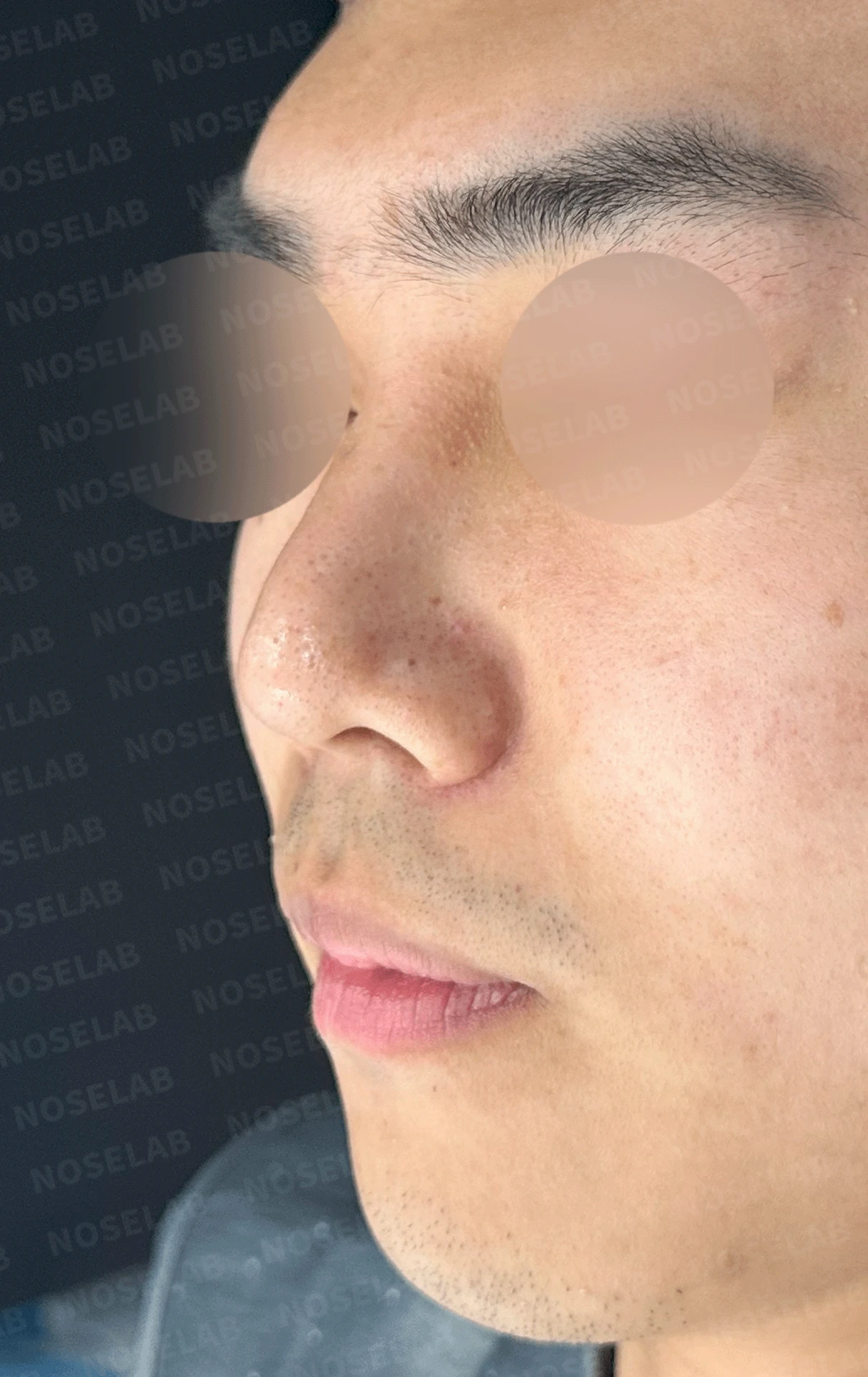
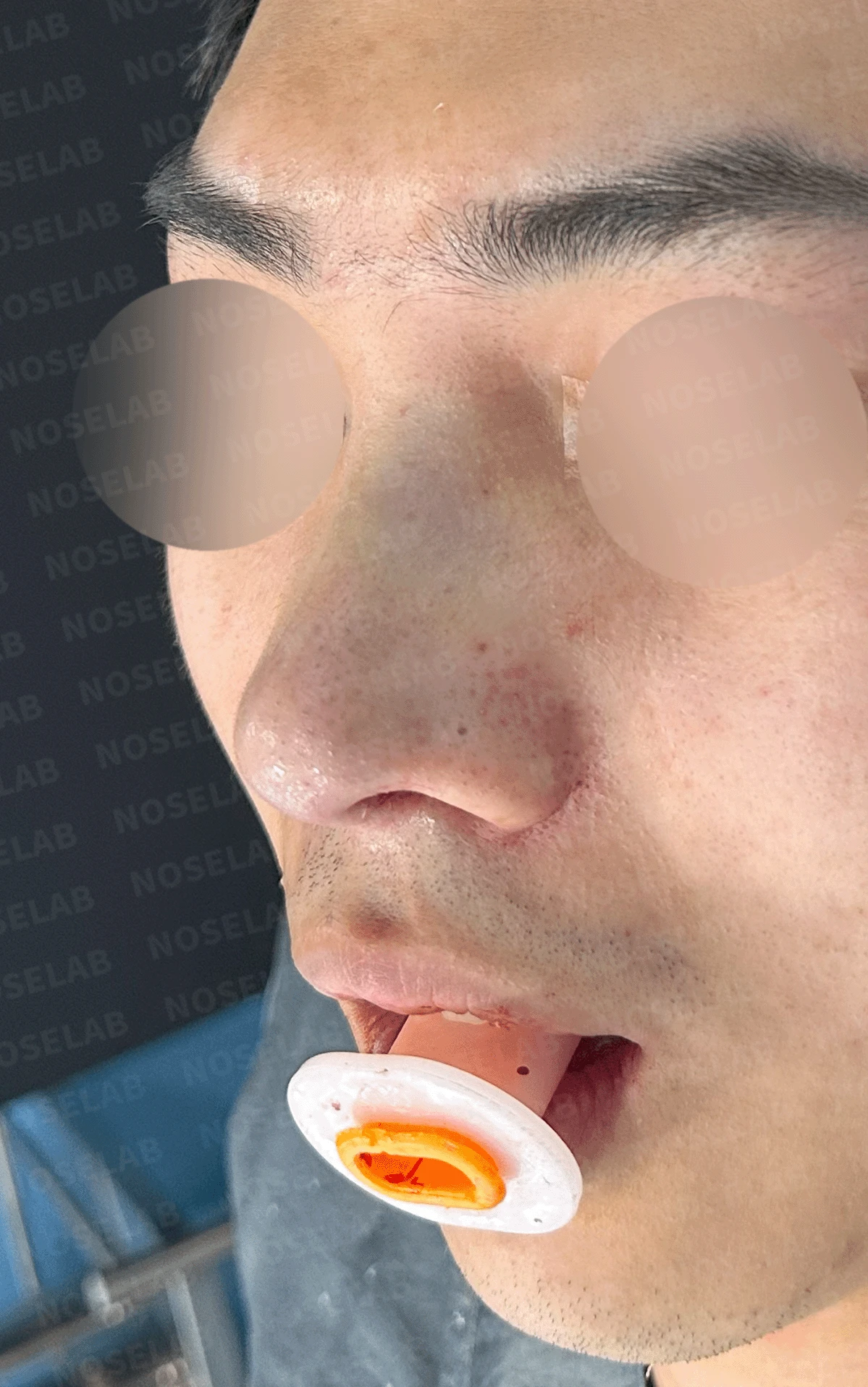
Before surgery / Day 0 immediately after surgery Photos taken immediately after surgery show swelling and may differ from the final result.
Structural stability
A stable nasal framework established through septal reconstruction
Long-term stable outcome
👨⚕️ Specialist's assessment
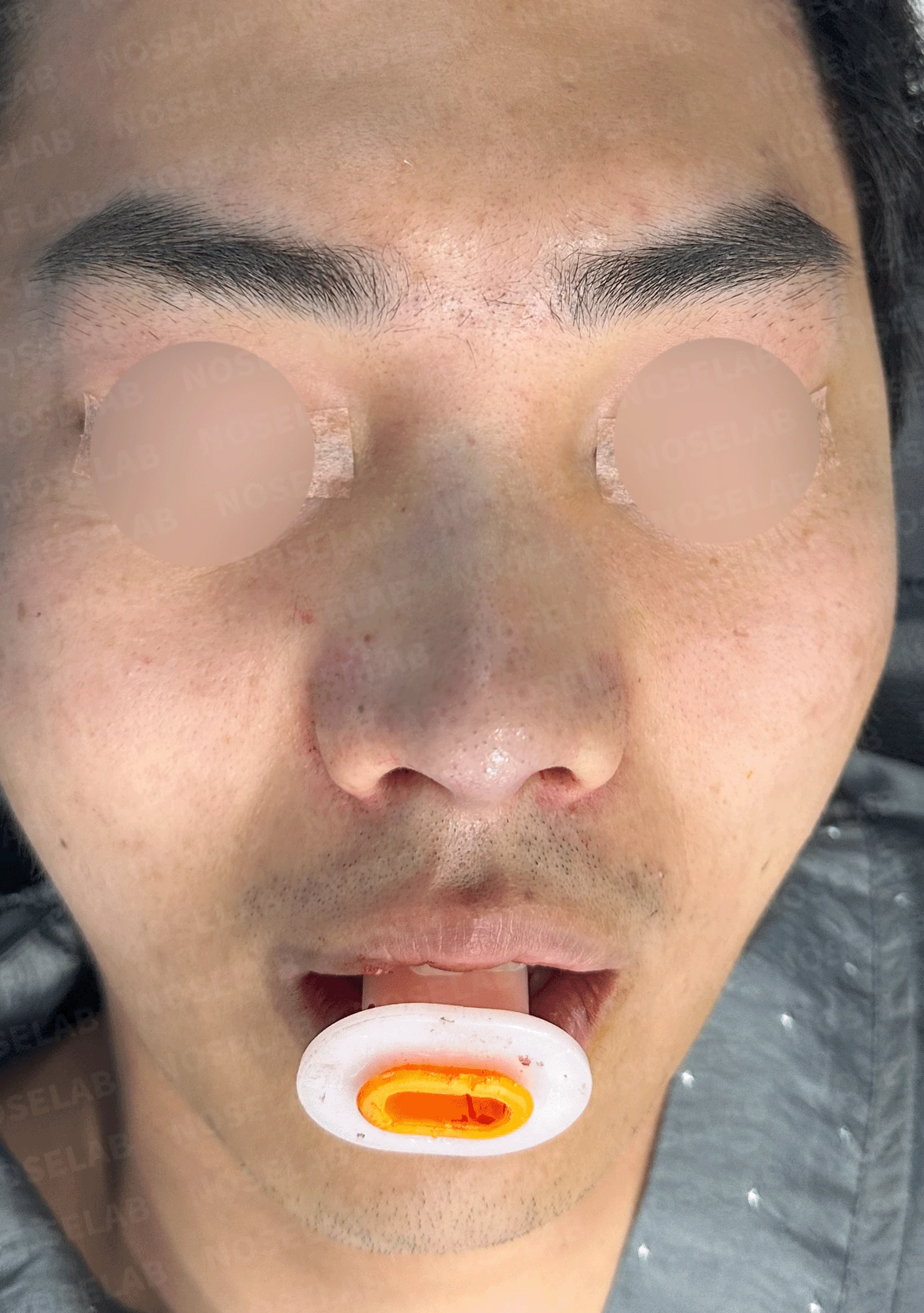
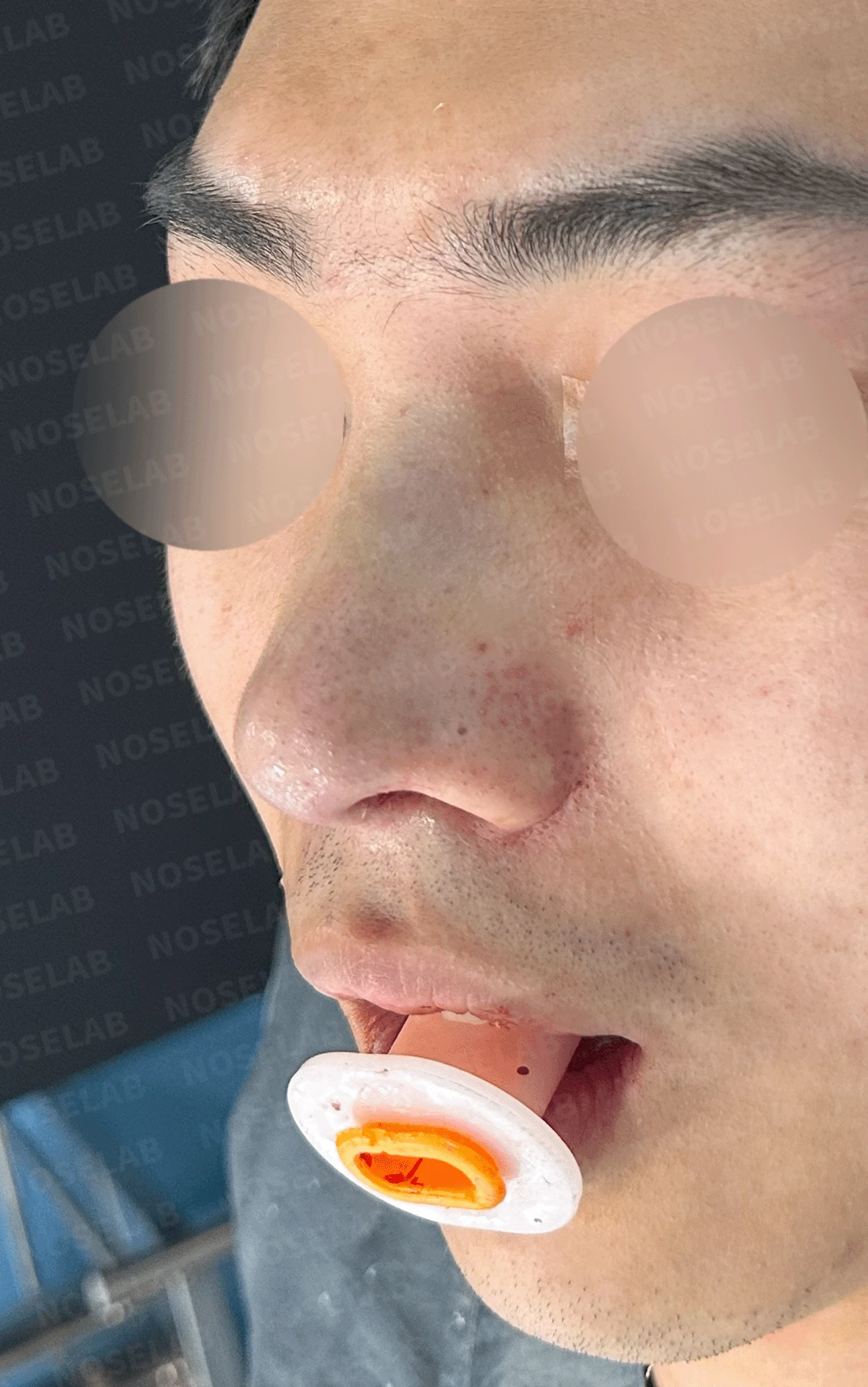
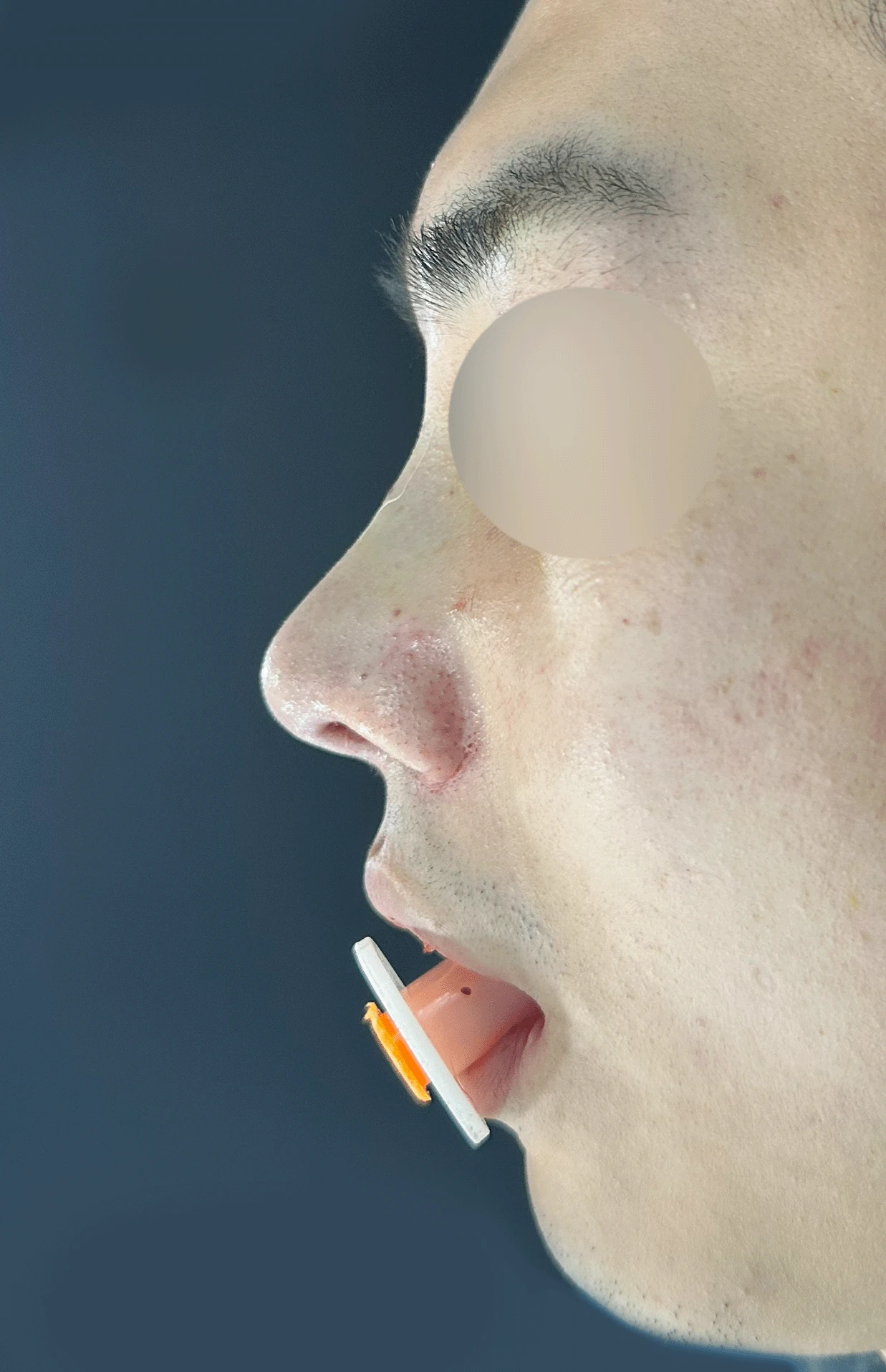
Front, profile, and oblique views immediately after surgery on day 0 Photos taken immediately after surgery show swelling and may differ from the final result.
This patient was troubled by a crooked nose, excessive nostril show, and a drooping tip, while simultaneously experiencing daily discomfort from severe rhinitis.
The patient received nasal filler injections 10 years ago, and 5 years ago underwent surgery using donor rib cartilage, osteotomies, and a silicone implant. Although a silicone implant was used in the previous procedure, the patient was satisfied with it and experienced no specific problems, desiring a prominent, well-defined nose.
The primary concerns were a crooked nose, nostrils that were overly visible from the front, and a nasal tip that had drooped over time. Excessive nostril show was particularly bothersome to the patient. Furthermore, intraoperative findings revealed that the septum was significantly weakened, requiring reconstruction.
First, septal reconstruction was performed to restore fundamental structural stability to the nose. This was an essential foundational step for correcting the crooked nose and elevating the nasal tip.
To correct the nasal deviation while taking into account the results of the previous surgery, a technique allowing natural improvement was selected. Using autologous cartilage (septal and ear cartilage), focus was placed on elevating the tip while simultaneously reducing nostril show.
A drooping tip can develop naturally over time; by restoring proper cartilage support, the tip was elevated once again to create a more youthful and refreshed appearance. Nostril show was also improved as the tip position was adjusted.
By refining the nasolabial angle, harmony along the profile view was enhanced, achieving an overall natural yet refined nasal line.
On the functional side, septoplasty and radiofrequency submucosal inferior turbinate resection were performed concurrently to address the severe rhinitis reported by the patient. This significantly improved breathing function.
Ultimately, the patient's main concerns—the crooked nose and visible nostril show—were naturally corrected, and elevating the drooping tip restored a vibrant impression. Simultaneously addressing the severe rhinitis resulted in a successful outcome that improved both functional and aesthetic satisfaction.
This has been Dr. Peter C. Kang, medical director.
Thank you.
#closedrhinoplasty #crookednosecorrection #nostrilshowimprovement #tipelevation #rhinitisimprovement #customrhinoplasty

Limitations and risks
When autologous rib cartilage is used, scarring and pain may remain at the donor site on the chest, and pneumothorax (pleural injury) can occur rarely. Over time, the grafted cartilage may warp or undergo partial resorption.
When using donor rib cartilage, long-term follow-up is necessary because the grafted cartilage may resorb or warp.
When revising after implant removal, contracture may progress again after removal, the nasal height and length may decrease, and staged surgery may be necessary depending on the skin condition.
When foreign materials such as injected fillers are removed and reconstructed, contracture may recur, nasal height and length may decrease, and staged surgery may be necessary depending on the skin condition.
When the septum is corrected at the same time, nasal obstruction may persist or recur, and in rare cases, septal perforation or changes in smell may occur.
Common potential risks include infection, bleeding, asymmetry, scarring, skin necrosis, and insufficient improvement; results vary depending on individual skin condition and previous surgical history.