Hello, I am Dr. Peter C. Kang.
Today, I would like to share a revision rhinoplasty case of a female patient in her 20s who visited our clinic after struggling with a long, drooping, and crooked nose for a long time.
🔍 Surgical history
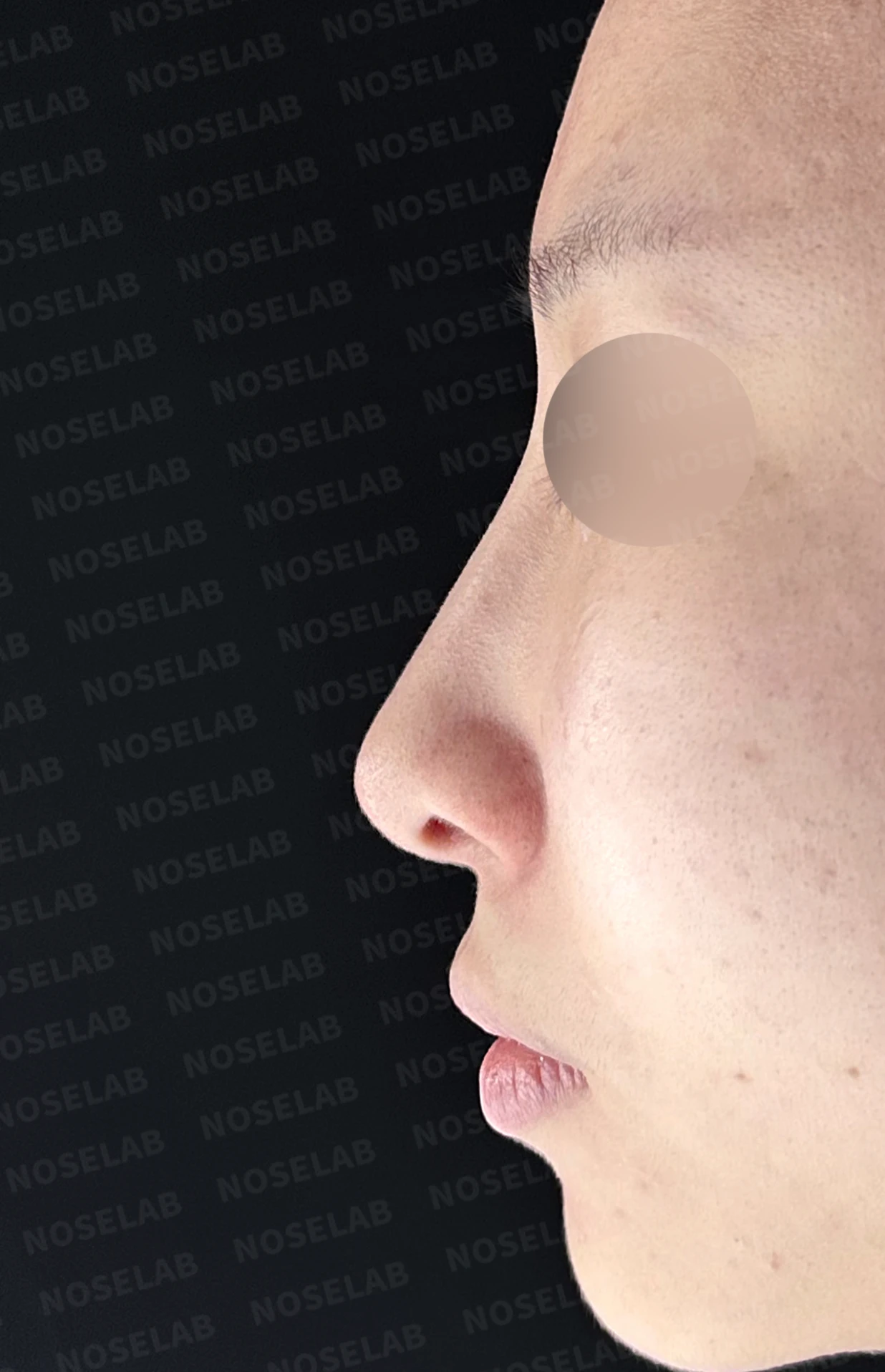
The patient had previously undergone surgery to address functional nasal problems. However, the nasal obstruction was not sufficiently resolved after the procedure, and aesthetically, the long, drooping appearance of her nose remained unimproved, leaving her dissatisfied.
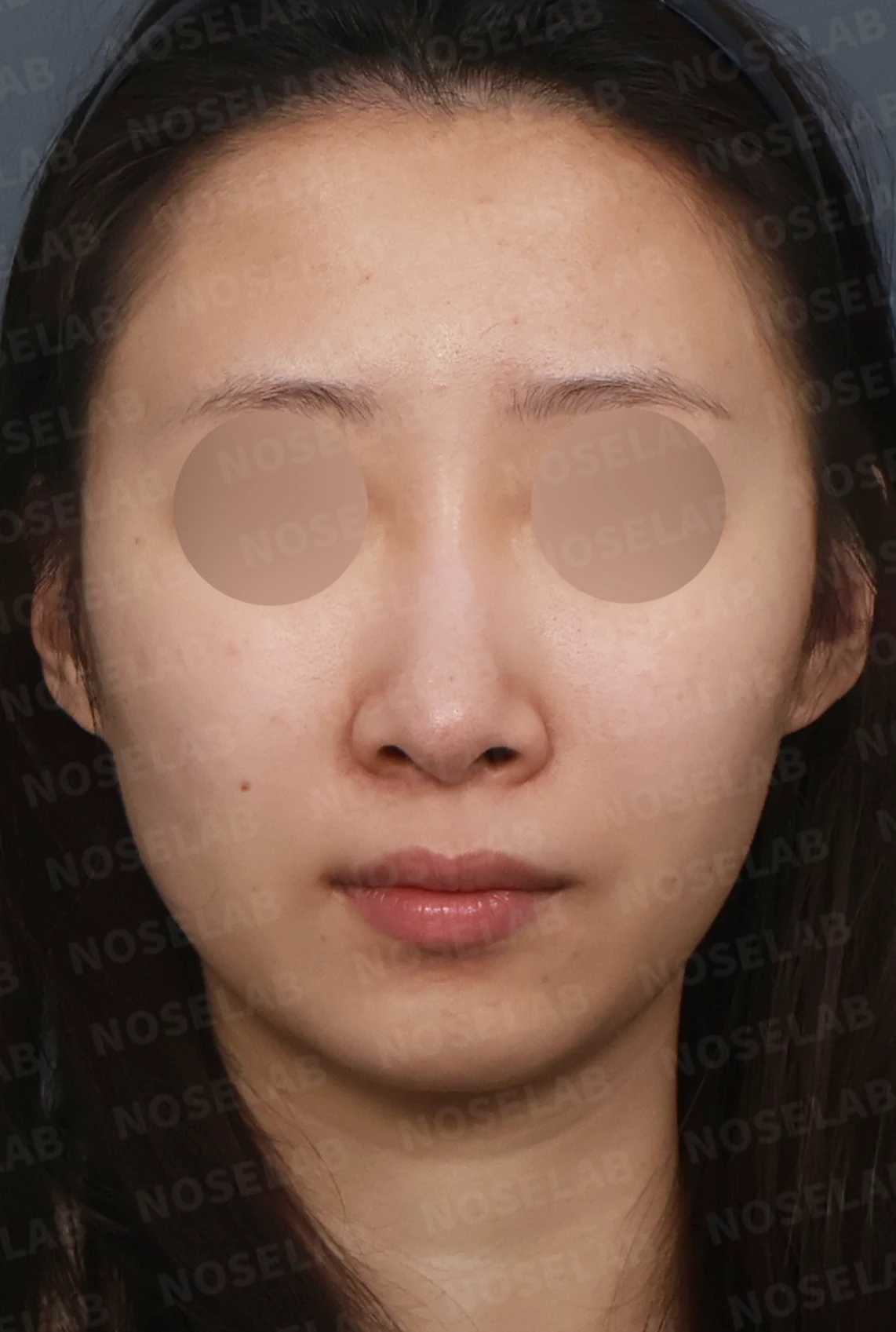
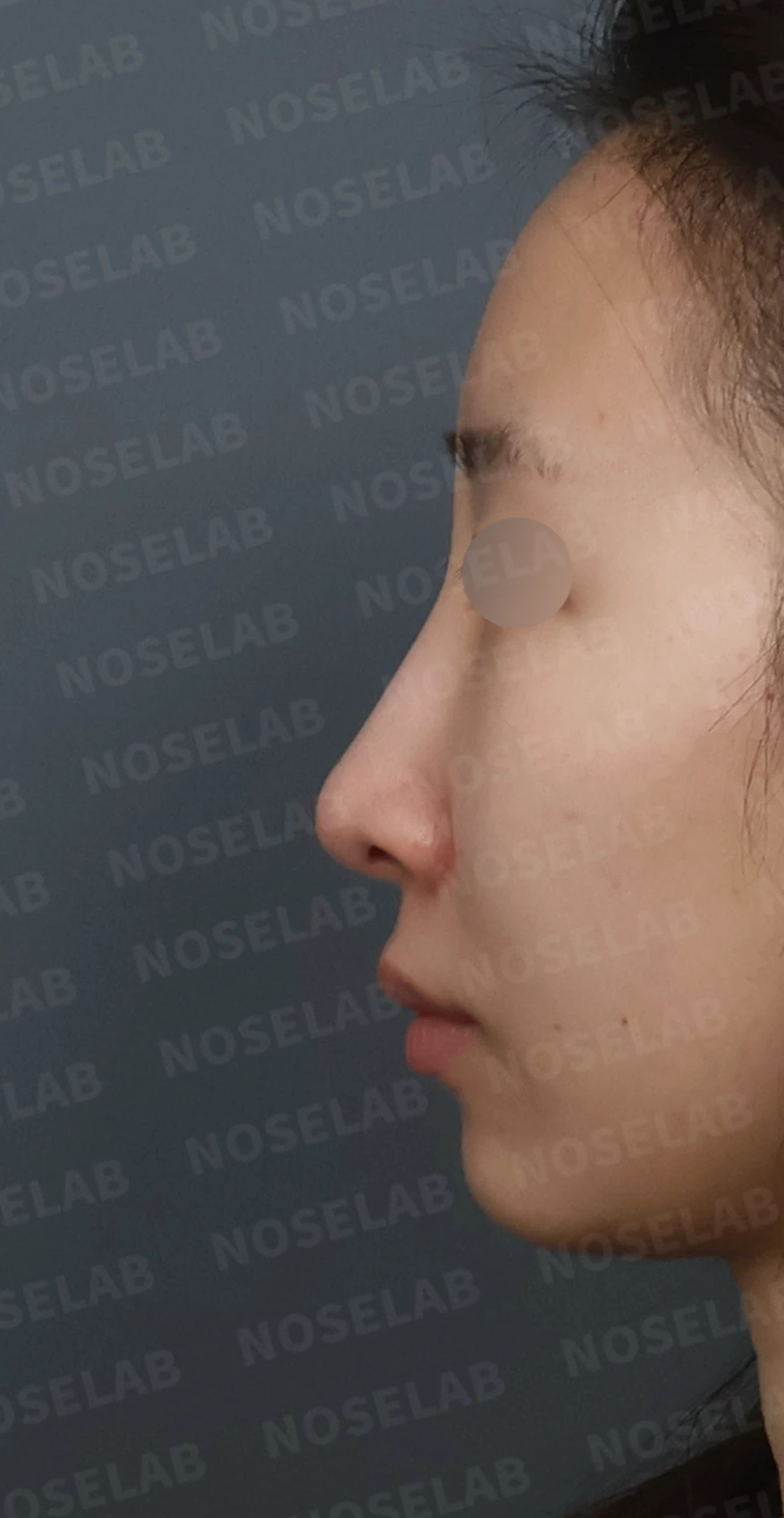
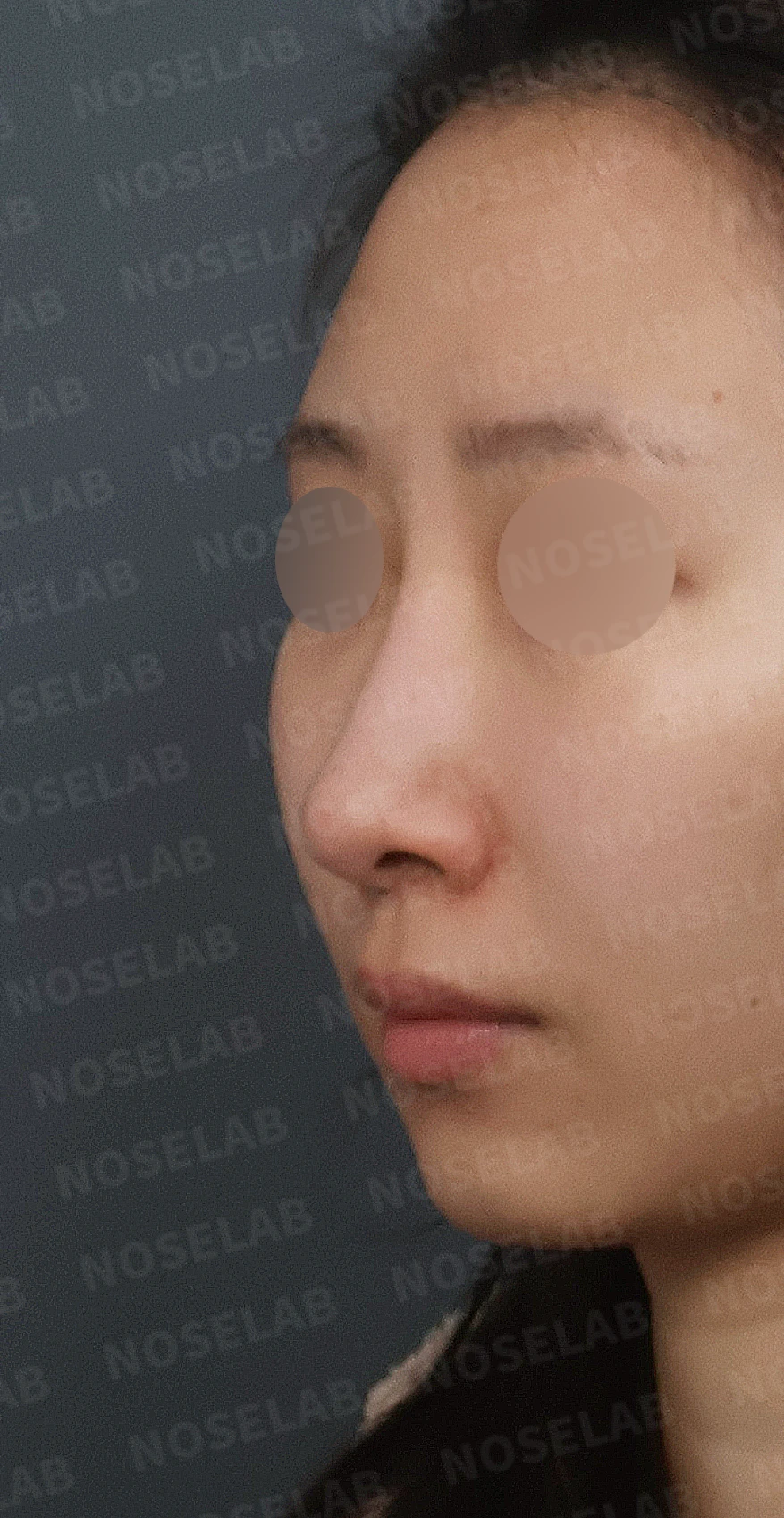
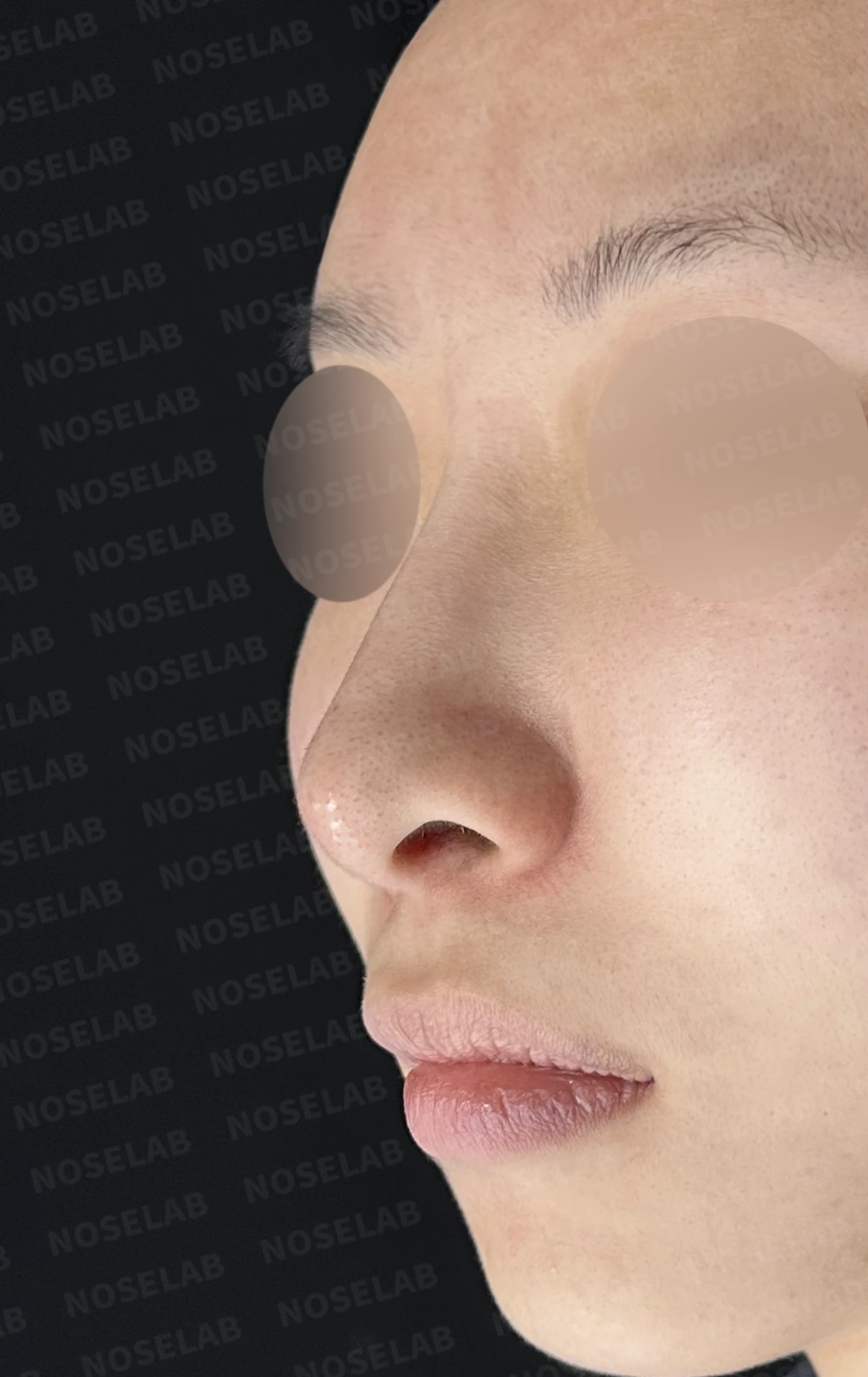
Front, left profile, and oblique views during design consultation.
💉 Patient requests
The main concerns the patient shared during the consultation were as follows:
Noticeable asymmetry due to a crooked nasal axis
Persistent, uncomfortable nasal obstruction even after the previous surgery
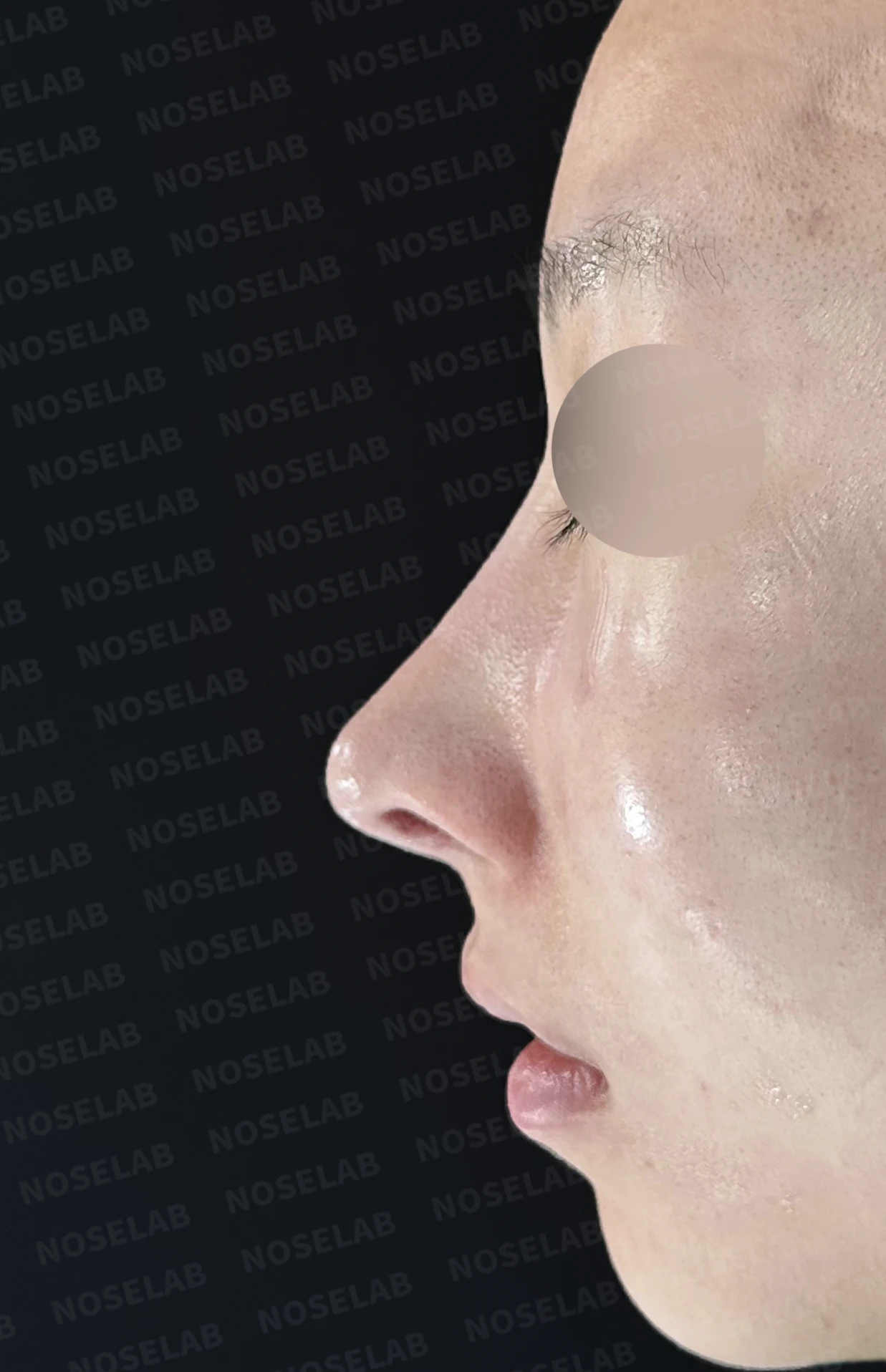
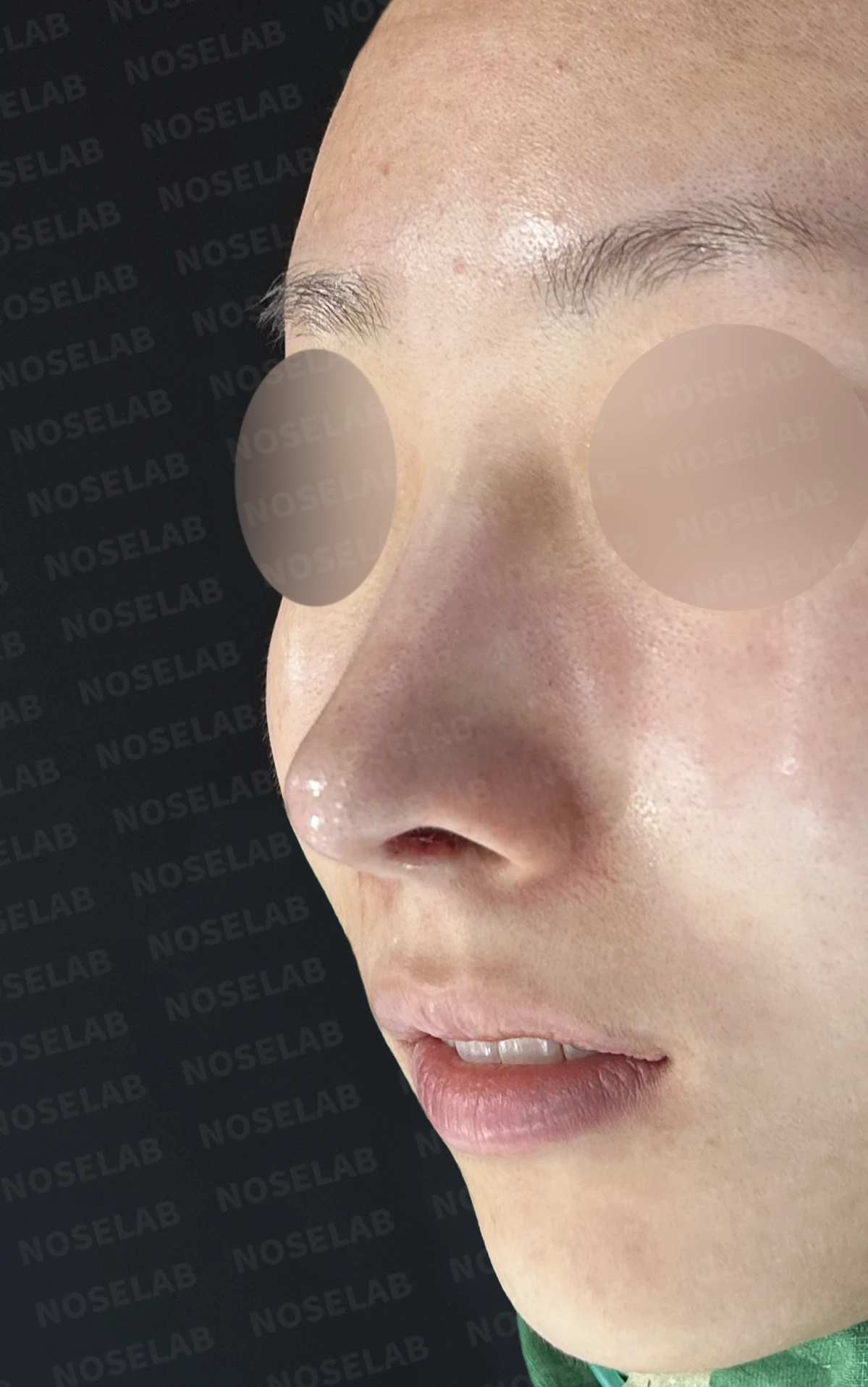
A downward-drooping nasal tip that made her face appear elongated
A request to simultaneously improve the elongated appearance of her midface
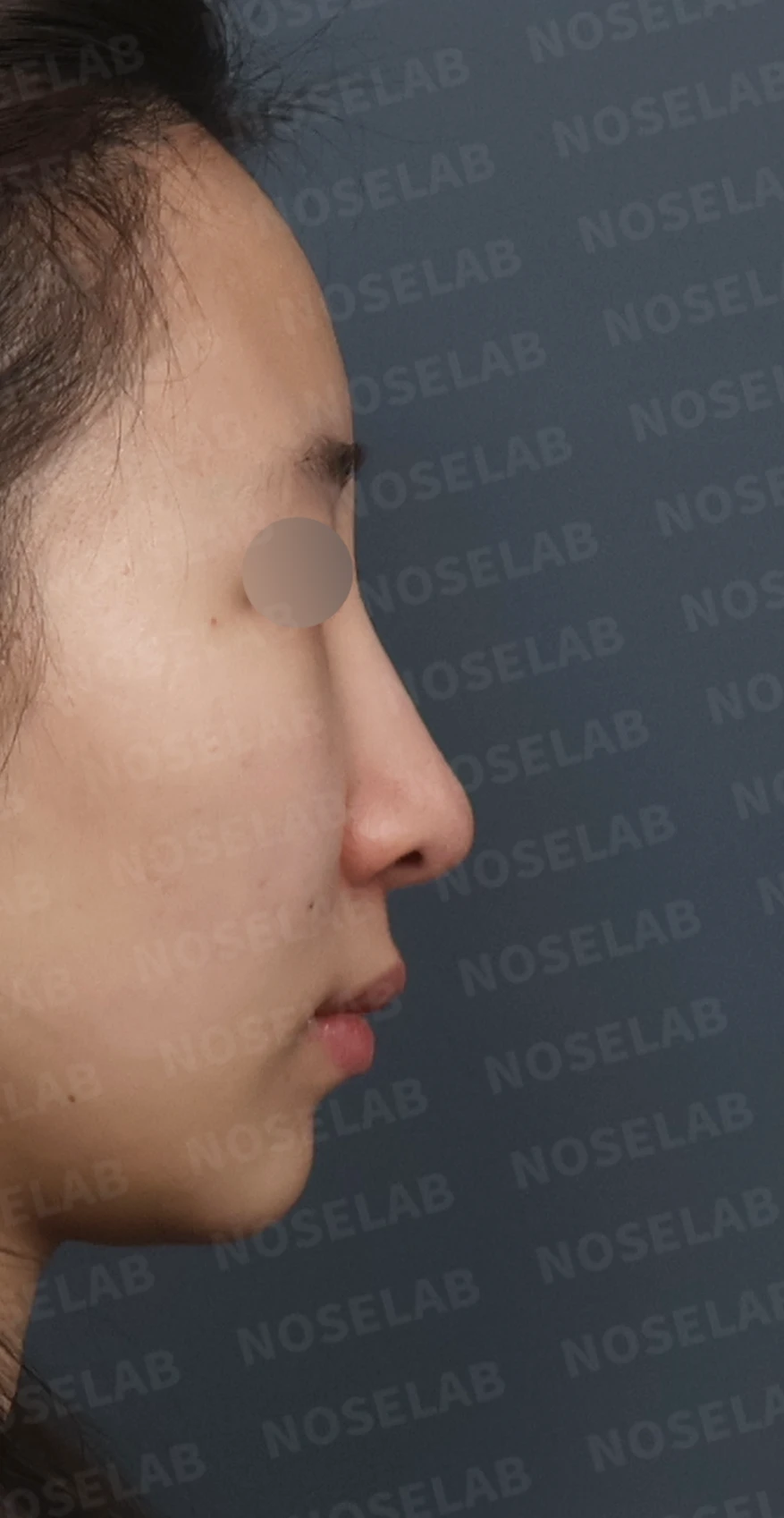
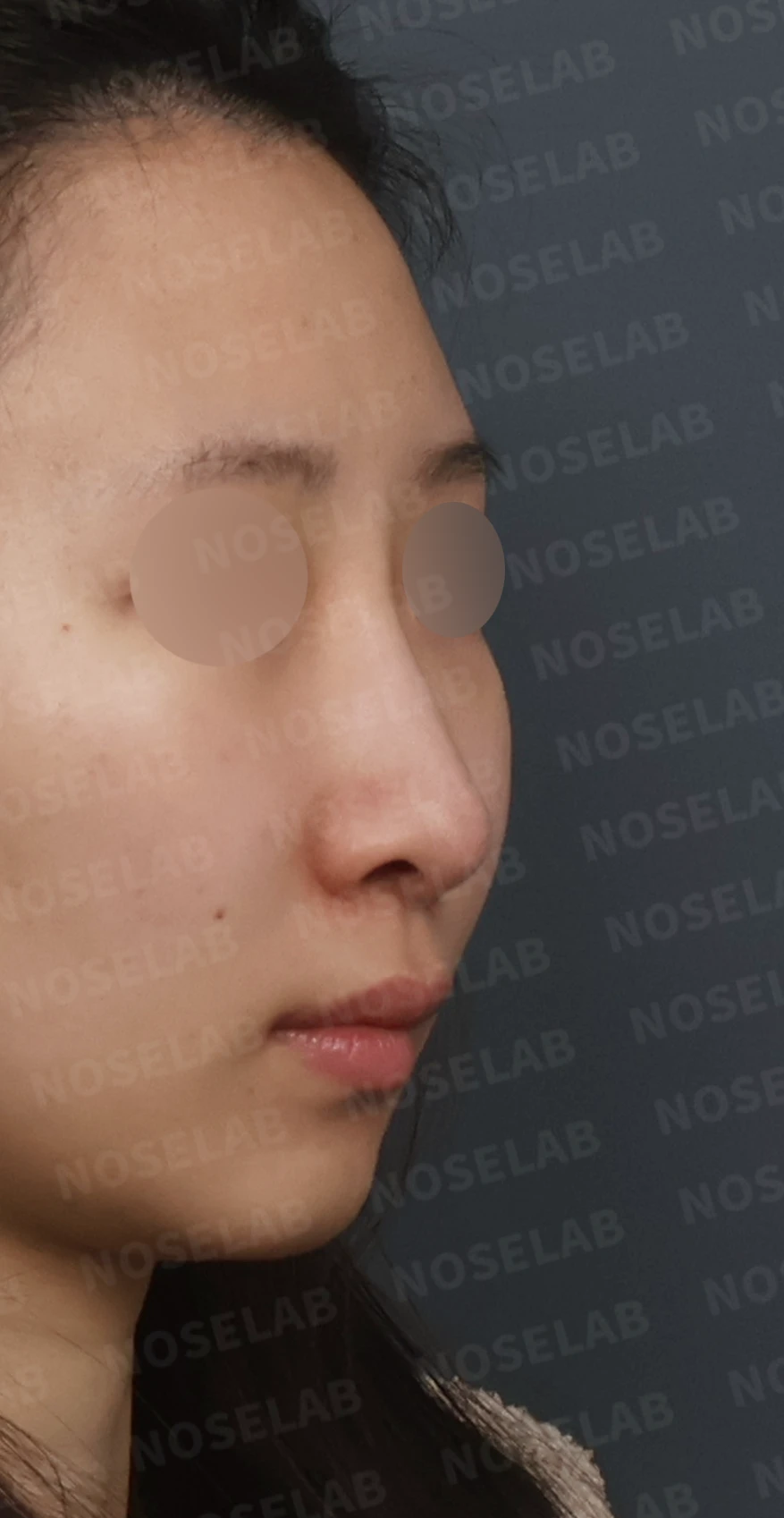
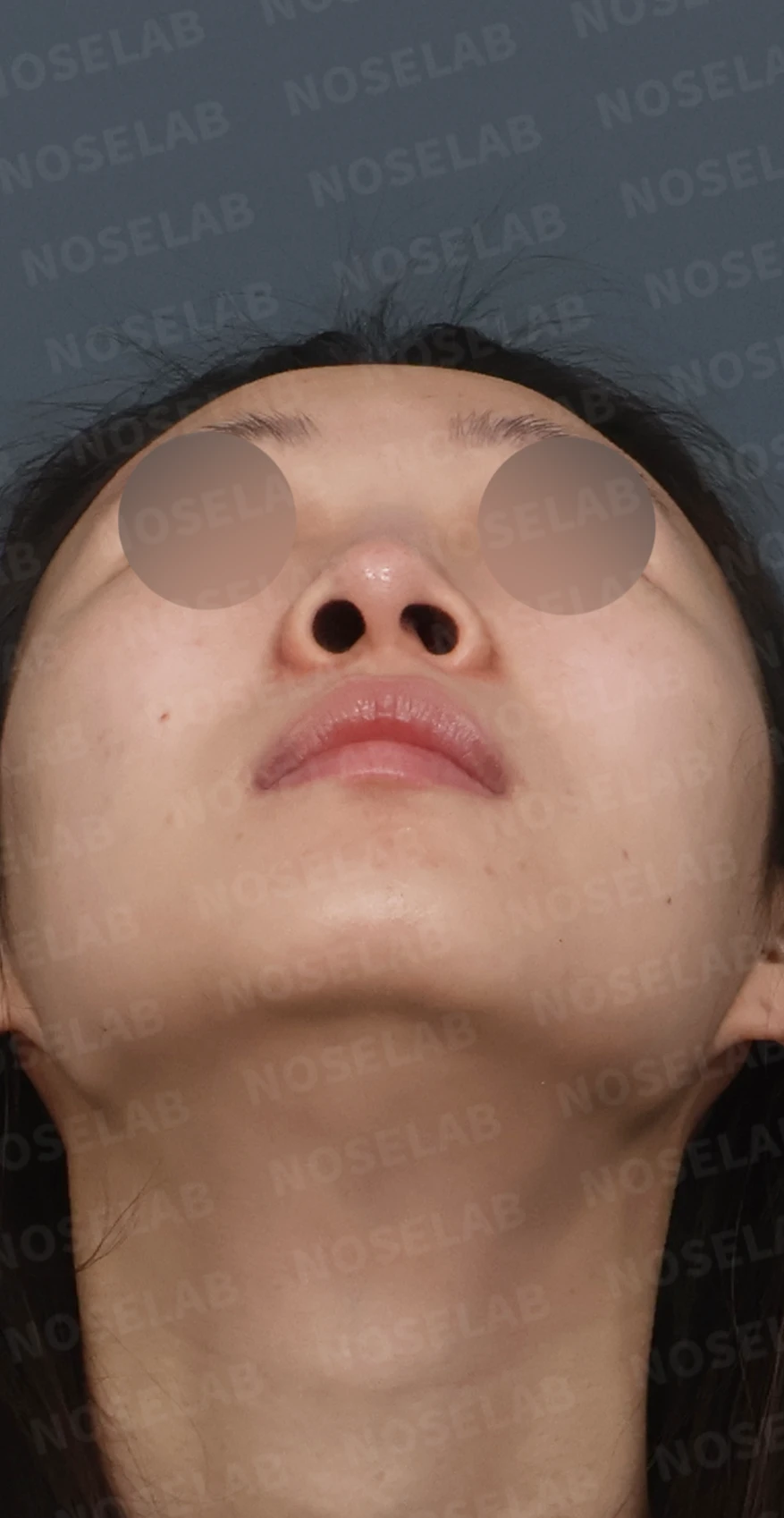
Right profile, oblique, and nostril views during design consultation.
🔧 Surgical plan and procedure
A detailed analysis of the patient's condition revealed a deviated septum with the septum shifted to one side, along with rhinitis. To resolve both the structural and functional issues at the same time, we formulated the following surgical plan:
1. Nasal tip plasty using autologous rib cartilage
Elevating the drooping nasal tip to an appropriate height and angle, helping the midface appear shorter
Securing stable structural support using autologous tissue
2. Partial septal reconstruction
Correcting the septal deviation while shifting the septal cartilage to the right
Addressing the root cause of the nasal obstruction
3. Lateral osteotomy of the nasal bones
Straightening the crooked nasal bridge
Establishing bilateral symmetry of the nasal bones
4. Correction of columellar tilt
Repositioning the columella, which was tilted to the right, toward the center
Achieving a balanced nasal contour from the front view
🌟 Surgical results
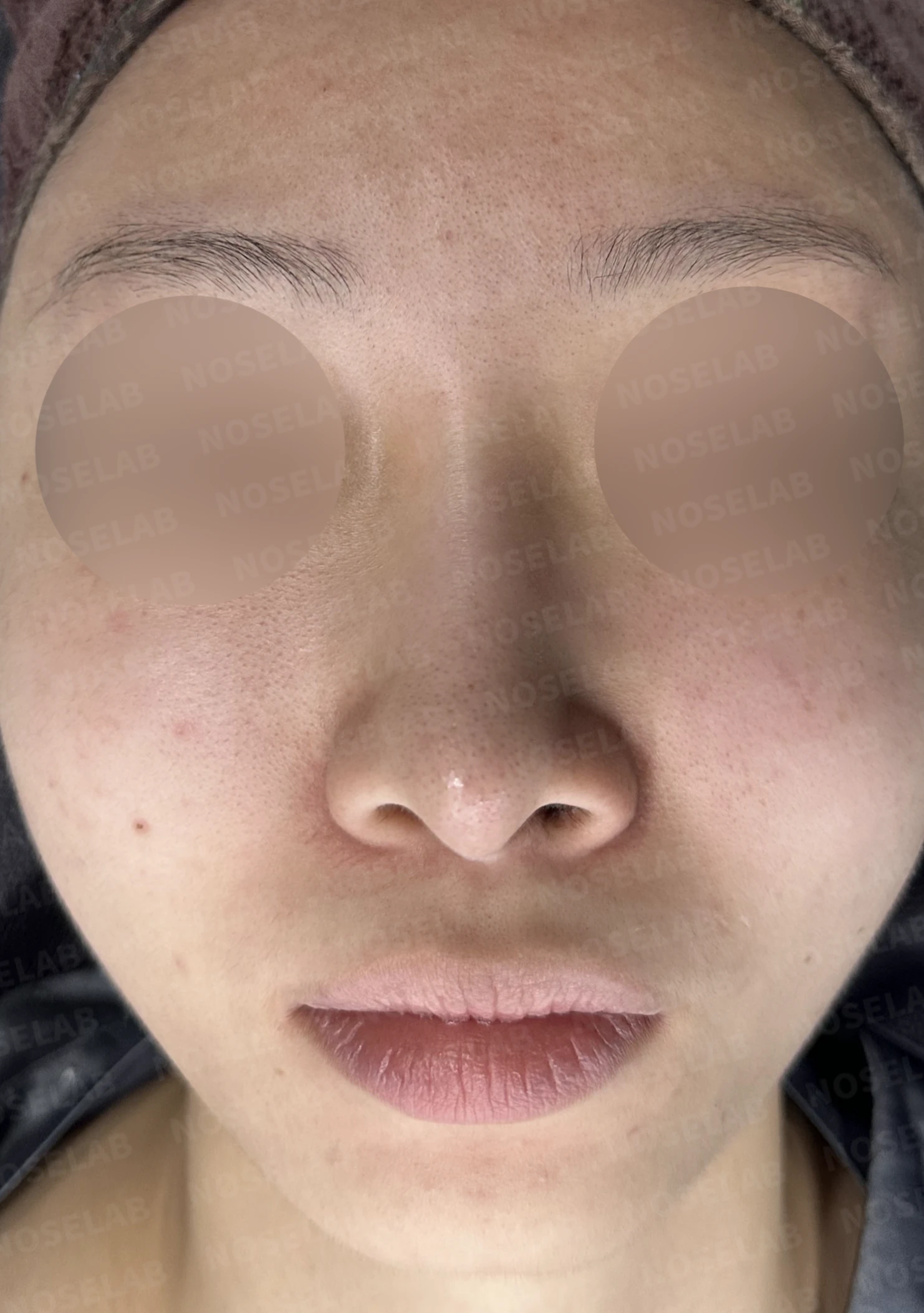
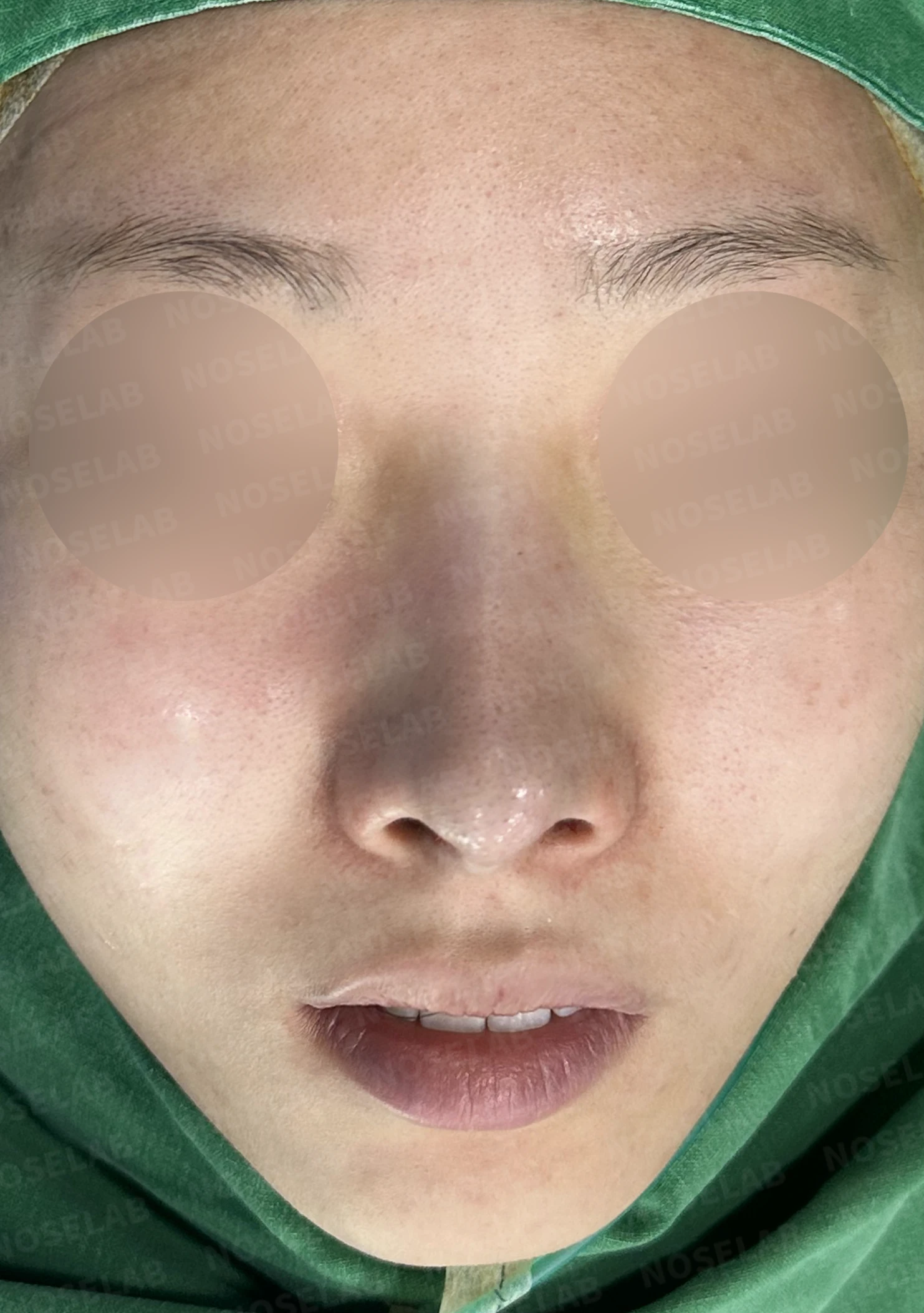
Before surgery / Day 0 immediately after surgery Photos taken immediately after surgery show swelling and may differ from the final result.
Front view changes:
The nasal bridge, which had appeared crooked to one side, was straightened
The columellar tilt was improved, resulting in a symmetrical nasal contour
The overall look shifted to a more refined and neat impression
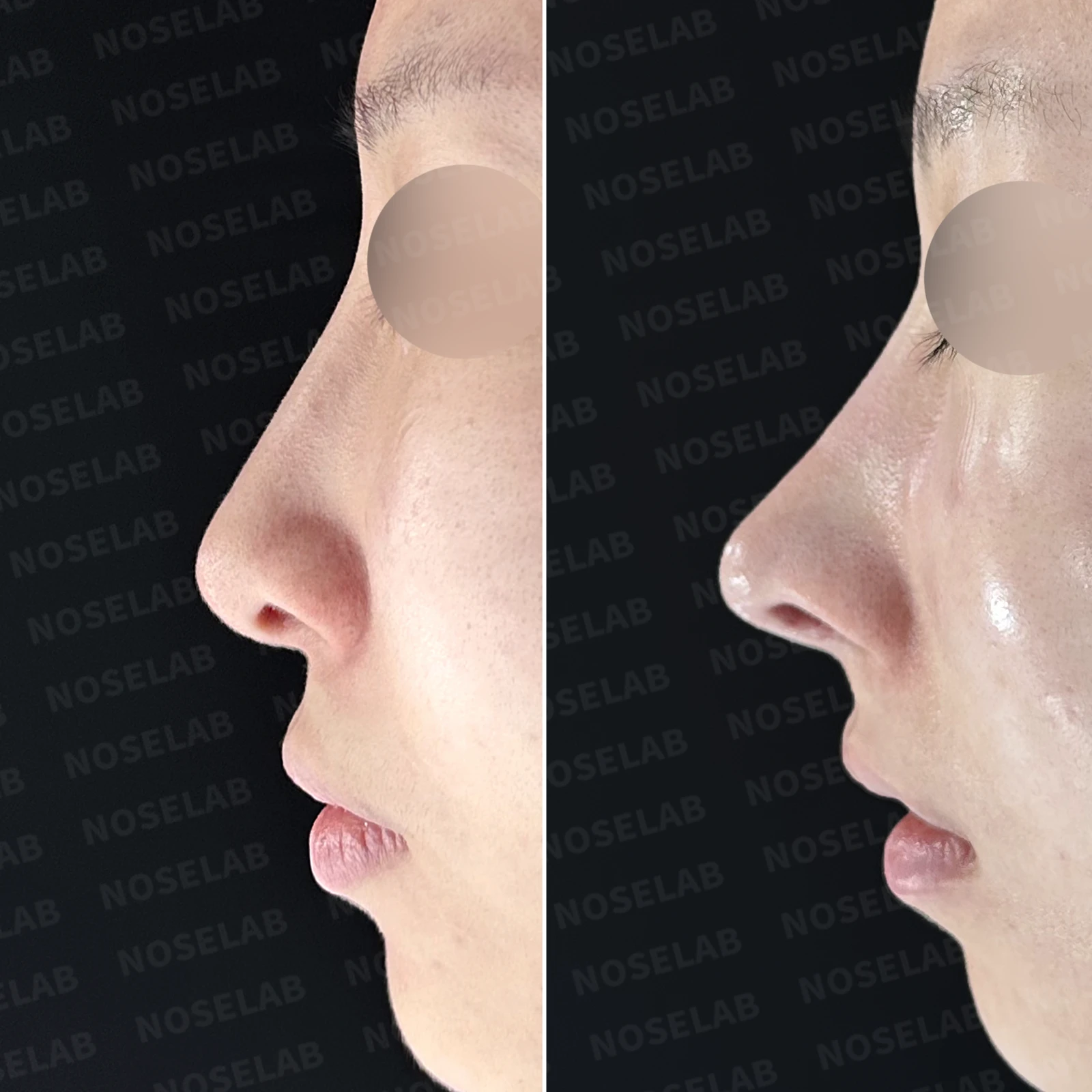
Before surgery / Day 0 immediately after surgery Photos taken immediately after surgery show swelling and may differ from the final result.
Profile view changes:
The long, drooping nasal tip was lifted naturally
The nasolabial angle was appropriately adjusted, helping the midface look shorter
A refined profile, with the appearance of a protruding mouth noticeably softened
Before surgery / Day 0 immediately after surgery Photos taken immediately after surgery show swelling and may differ from the final result.
Functional improvement:
Relief of nasal obstruction symptoms through correction of the deviated septum
Airflow through both nasal passages became smooth
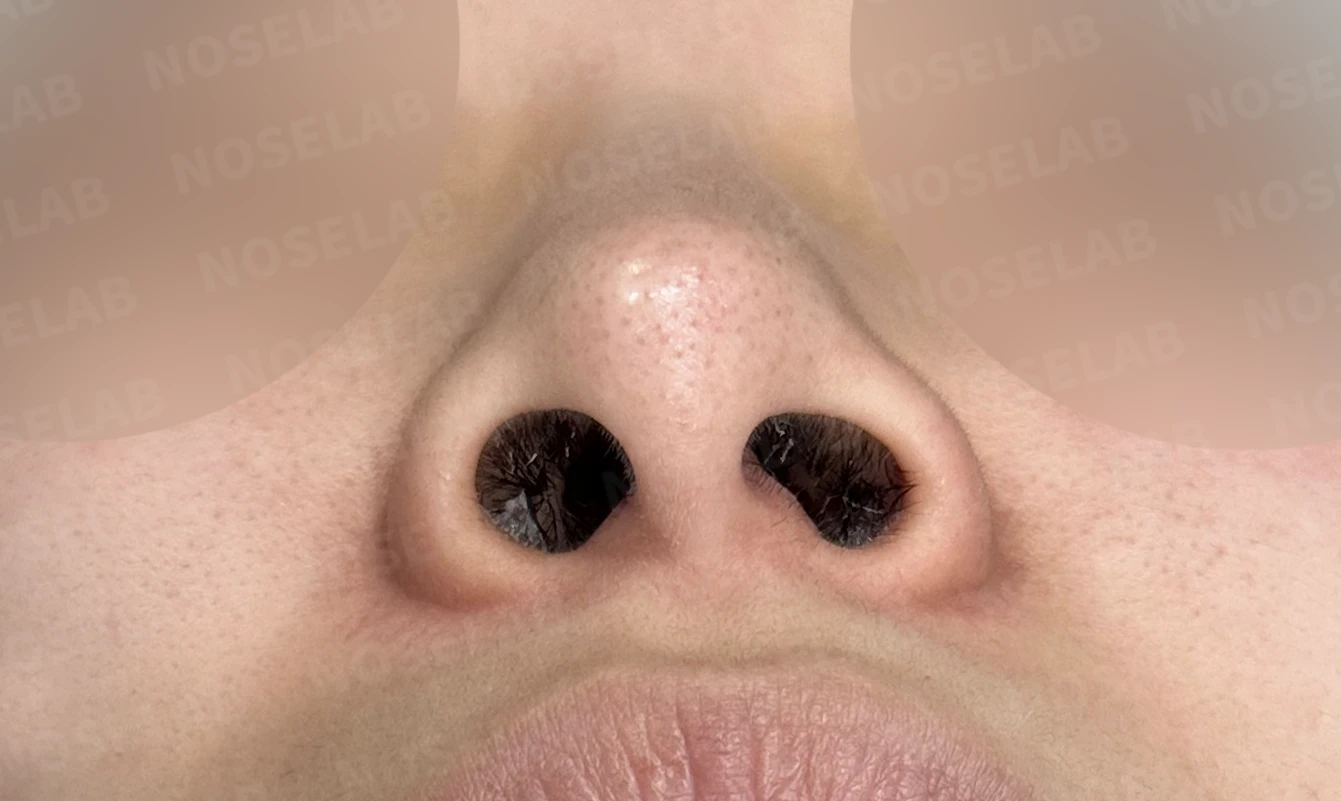
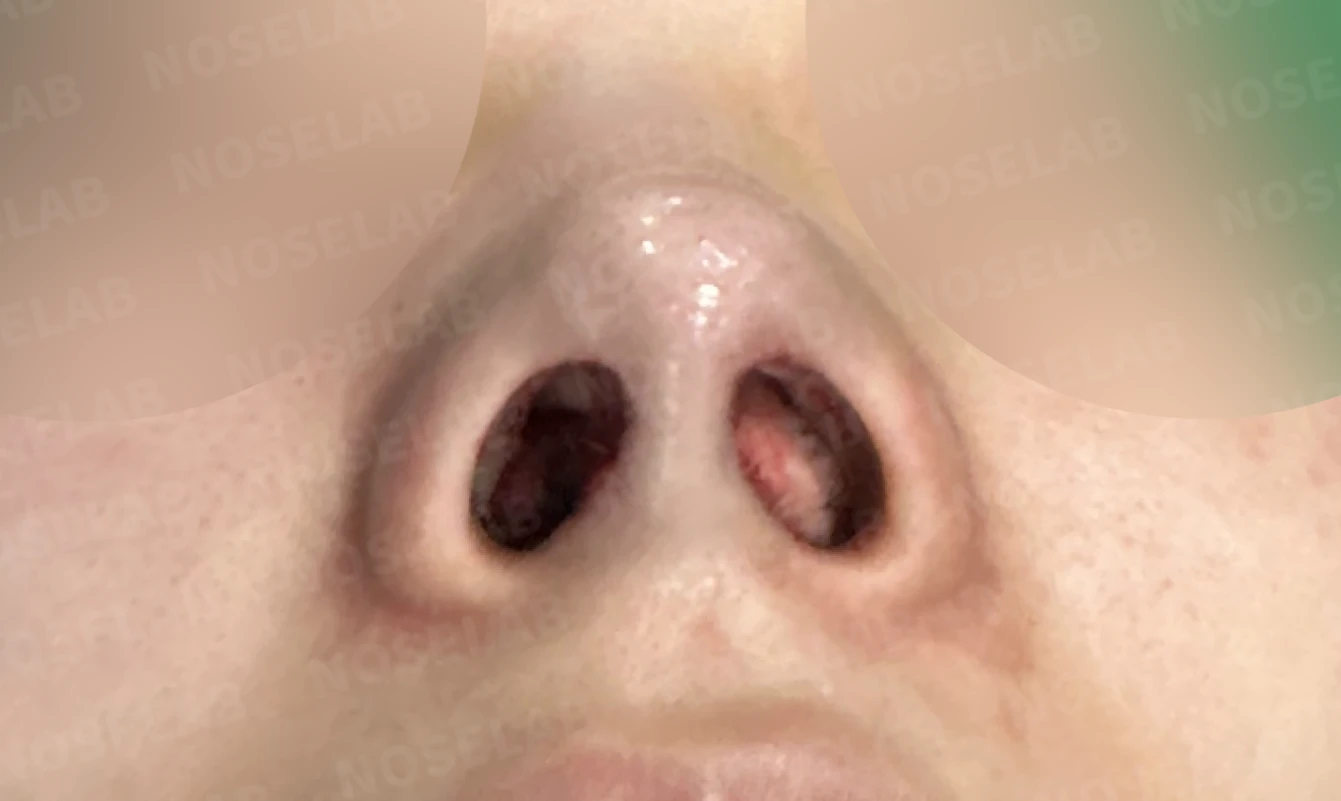
Before surgery / Day 0 immediately after surgery Photos taken immediately after surgery show swelling and may differ from the final result.
💡 Specialist opinion
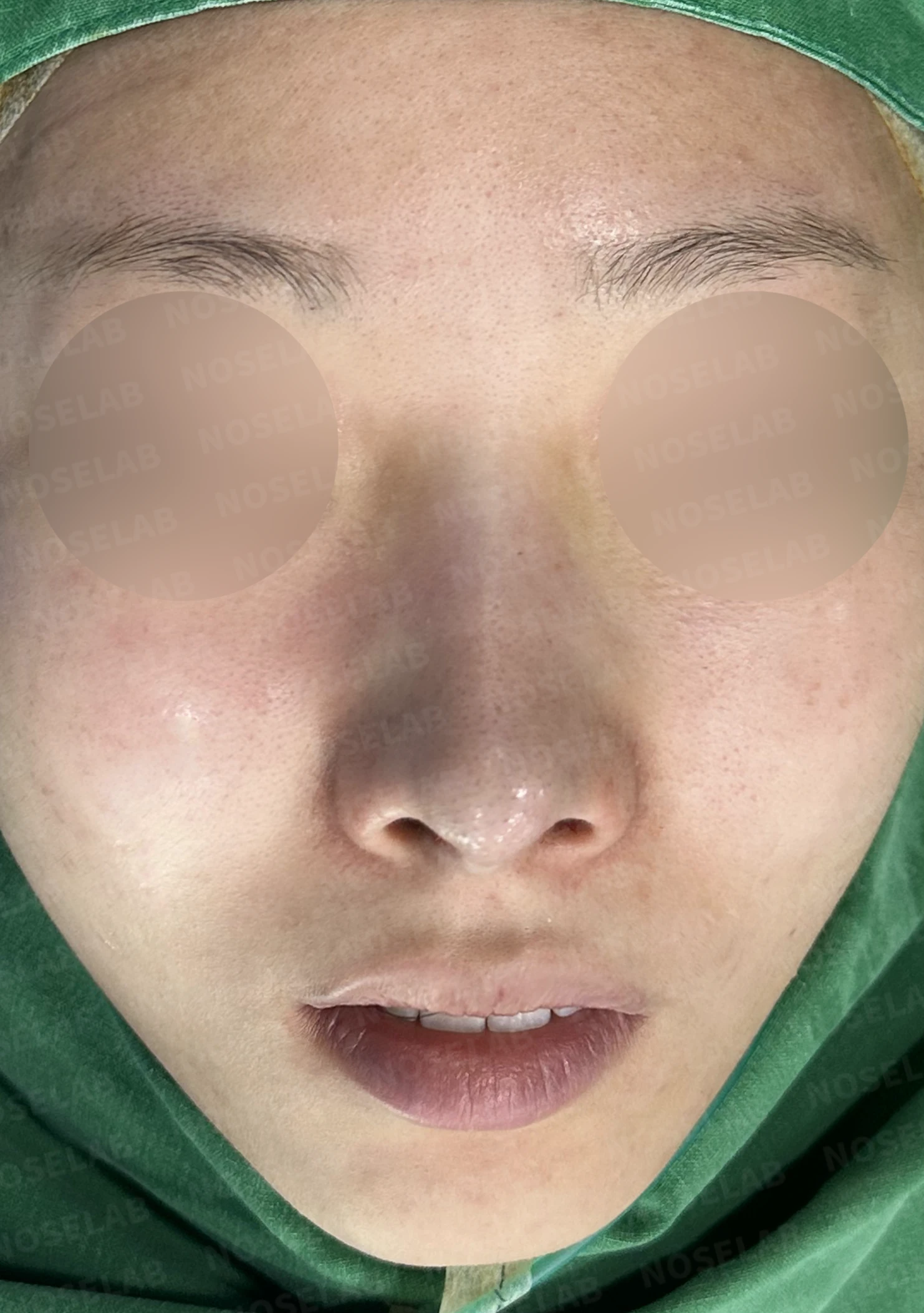
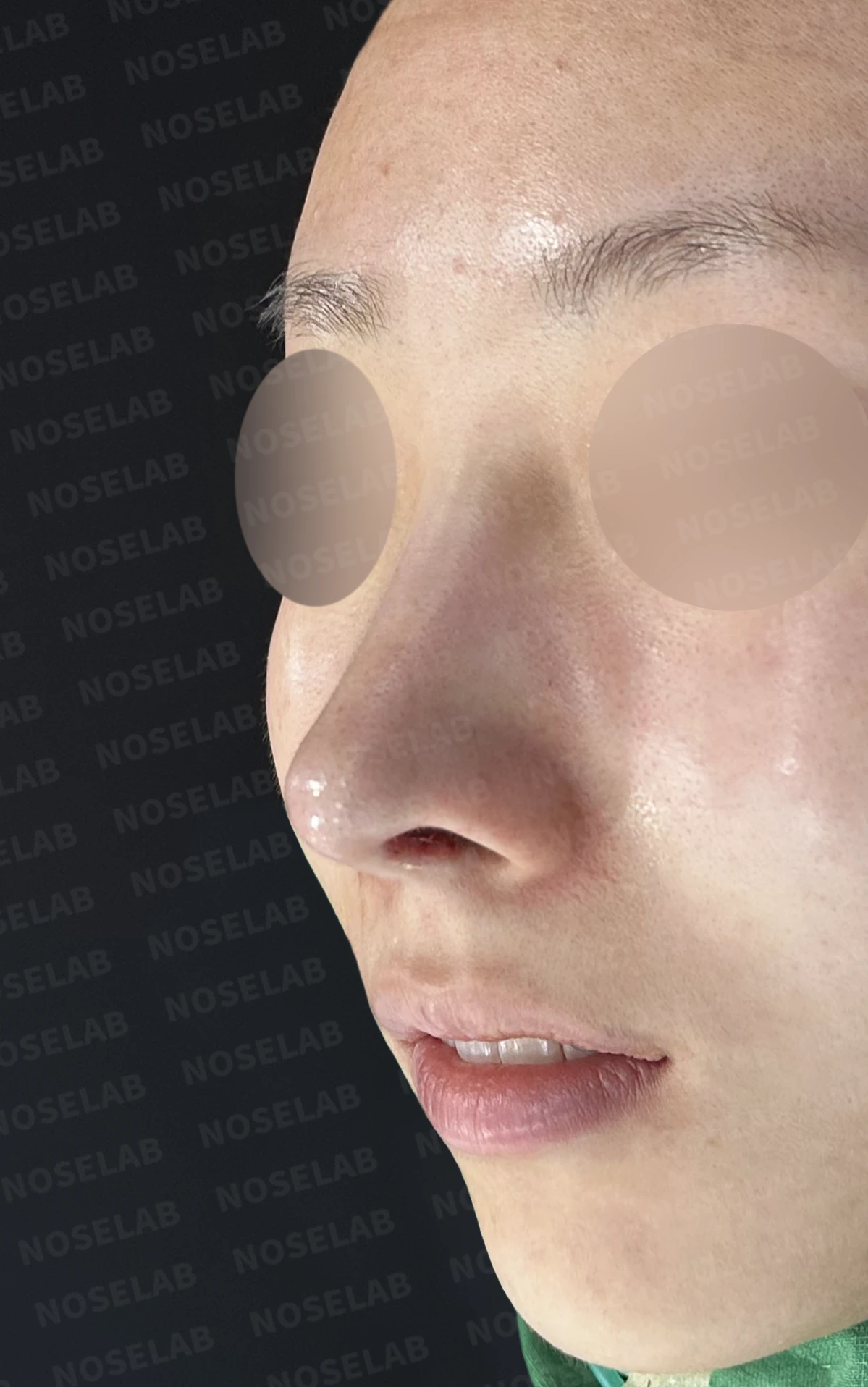
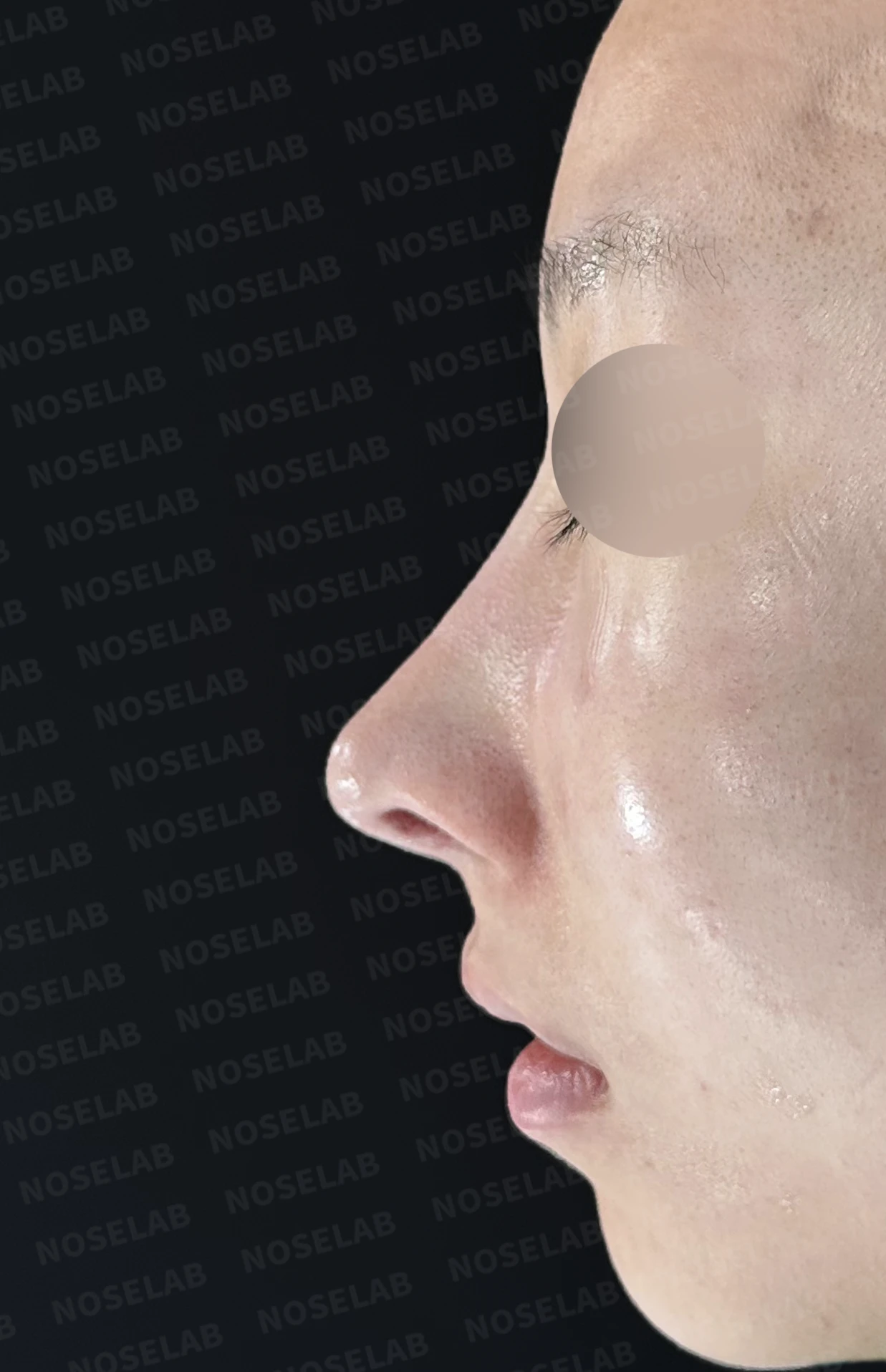
Front, oblique, and profile views on day 0 immediately after surgery. Photos taken immediately after surgery show swelling and may differ from the final result.
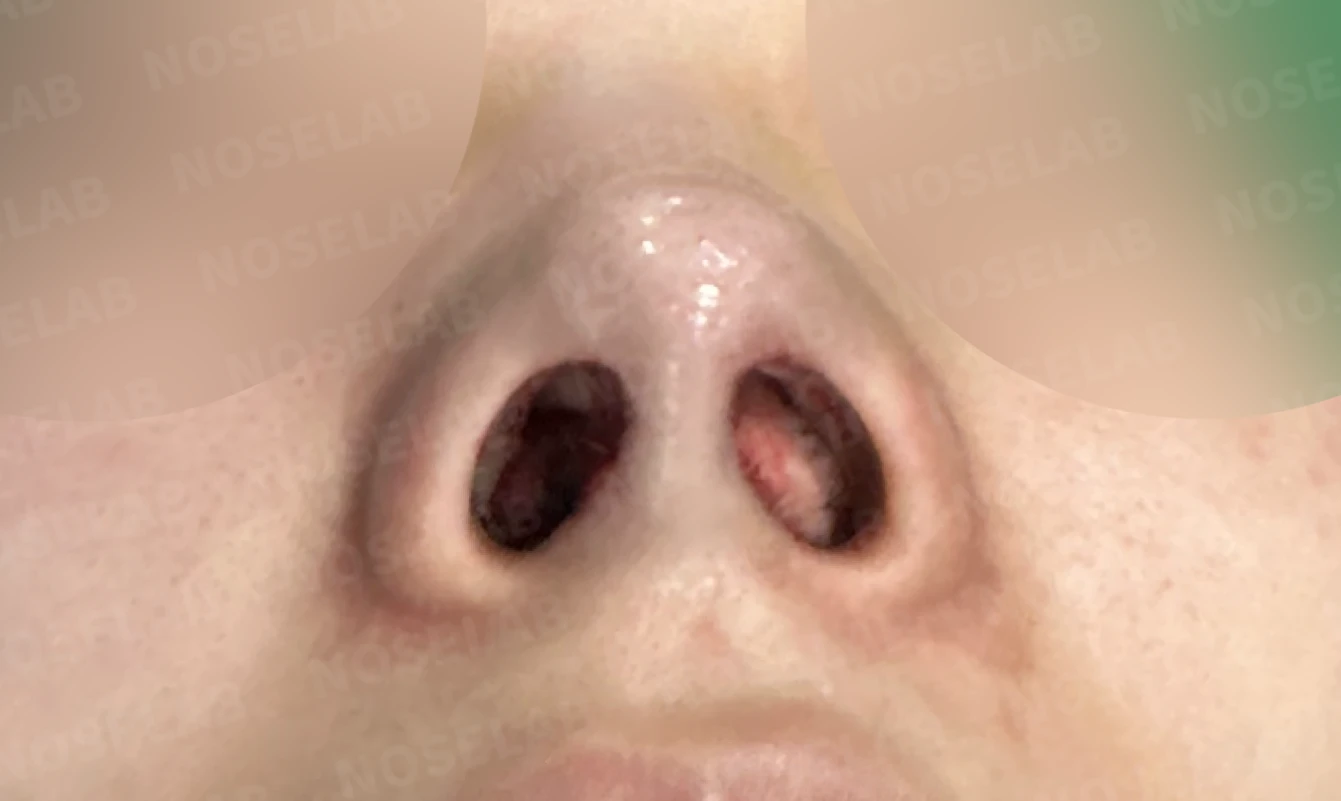
Nostril view on day 0 immediately after surgery. Photos taken immediately after surgery show swelling and may differ from the final result.
A long, drooping nose cannot be resolved simply by elevating the nasal tip. One must comprehensively evaluate the overall structure of the nose, particularly the condition of the septum and the alignment of the nasal bones.
In this type of case, because the internal structure was altered by prior surgery, establishing a new, stable support structure using autologous rib cartilage was key. Especially when accompanied by a deviated septum, aesthetic and functional improvements must be considered simultaneously; achieving harmony between both aspects leads to higher patient satisfaction.
Tissue conditions in revision rhinoplasty are less predictable than in primary surgery and require a delicate approach. I hope this case helps those who share similar concerns.
This was Dr. Peter C. Kang. Thank you.
#closedrhinoplasty #closedrevisionrhinoplasty #crookednosecorrection #droopingnasaltip #deviatedseptum #revisionrhinoplasty #autologousribcartilage #nasalobstructionrelief #longdroopingnose

Limitations and risks
When autologous rib cartilage is used, scarring and pain may remain at the donor site on the chest, and pneumothorax (pleural injury) can occur rarely. Over time, the grafted cartilage may warp or undergo partial resorption.
When the septum is corrected at the same time, nasal obstruction may persist or recur, and in rare cases, septal perforation or changes in smell may occur.
Common potential risks include infection, bleeding, asymmetry, scarring, skin necrosis, and insufficient improvement; results vary depending on individual skin condition and previous surgical history.