Hello, I am Dr. Peter C. Kang.
Today, I would like to introduce the case of a patient who visited our clinic seeking help for a dorsal hump, long nose, and drooping tip.
🔍 Preoperative condition
The patient had the following combined nasal concerns:
A prominent dorsal hump making the mid-bridge appear protruded
A long-appearing nose with a drooping tip
Asymmetry with a slightly crooked nasal bridge
A blunt nasal tip lacking three-dimensional definition
Nasal obstruction caused by a deviated septum and rhinitis
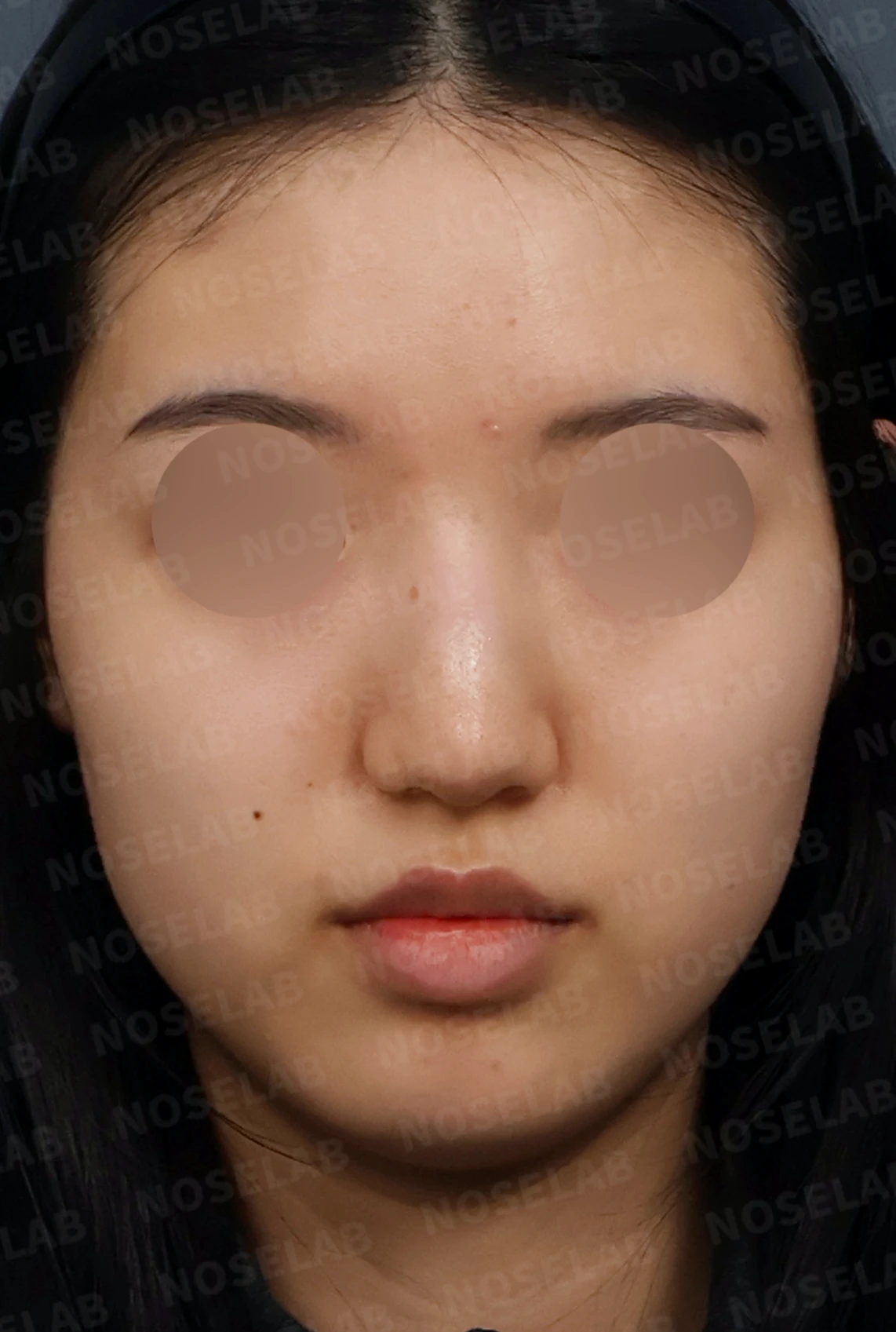
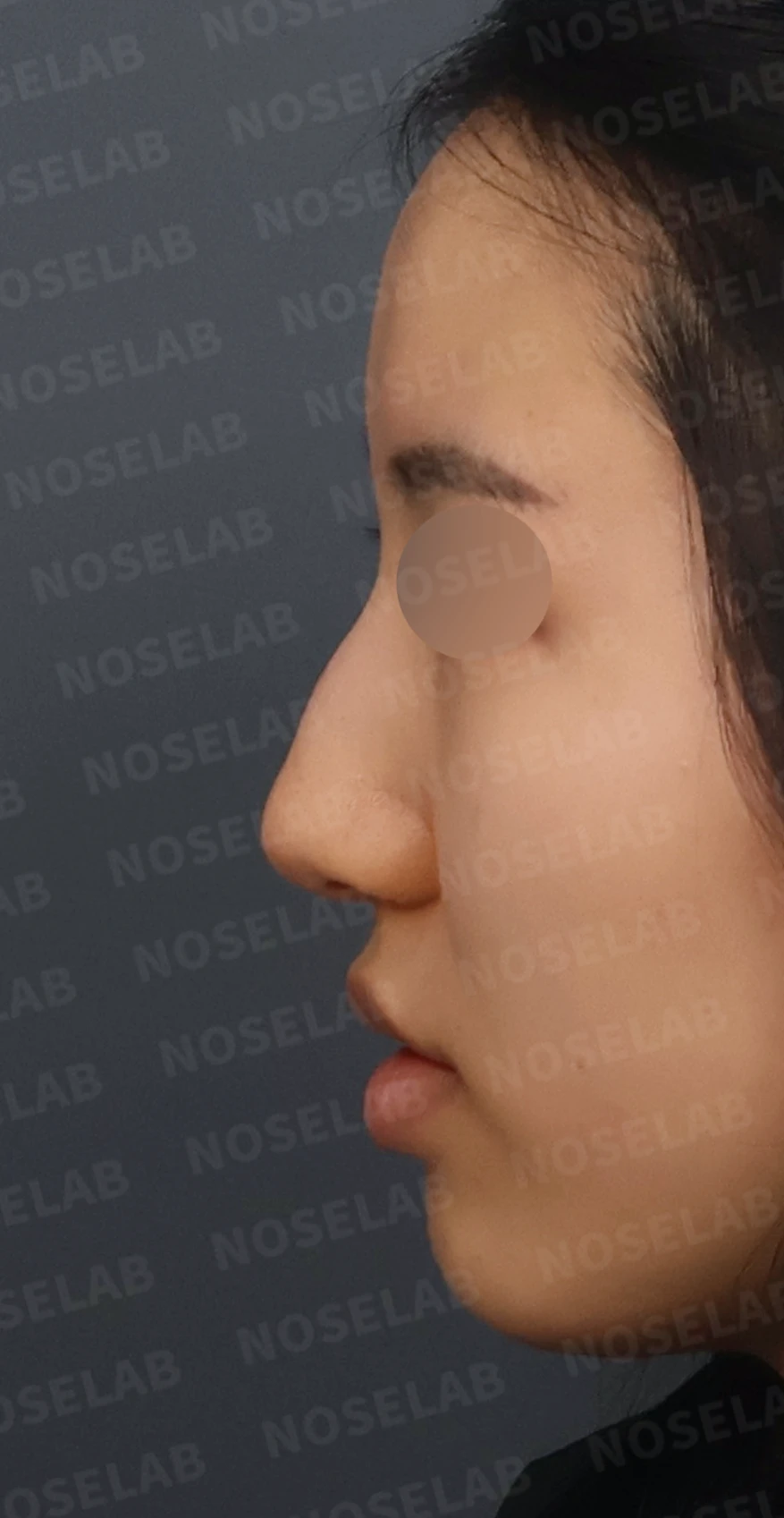
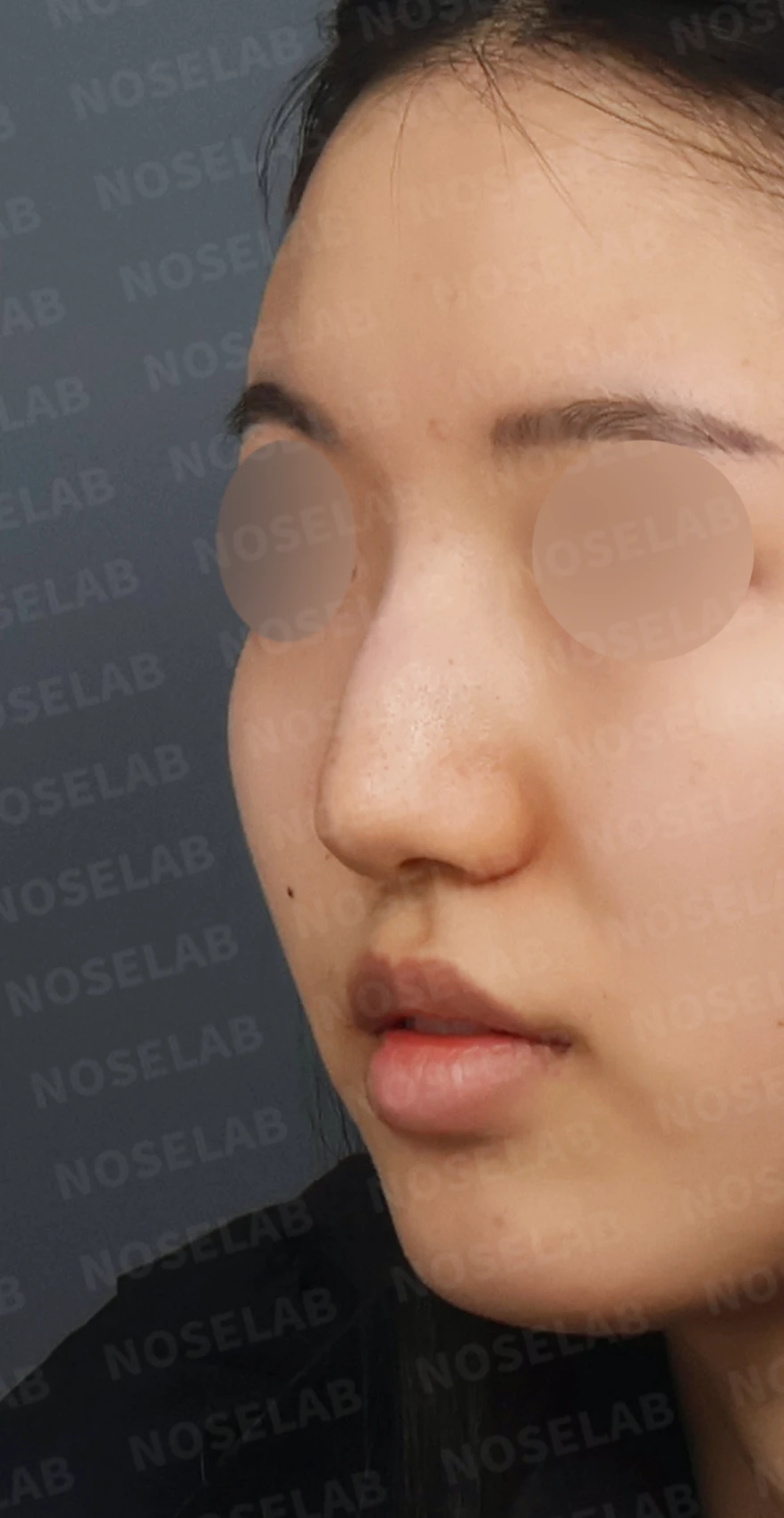
Front, left profile, and oblique views during design consultation.
💉 Patient requests
A smooth nasal bridge line through dorsal hump correction
An appropriate nasal length that does not appear elongated
Elevating the drooping tip to create a well-defined projection
Correction of crooked nose appearance
Relief of nasal obstruction
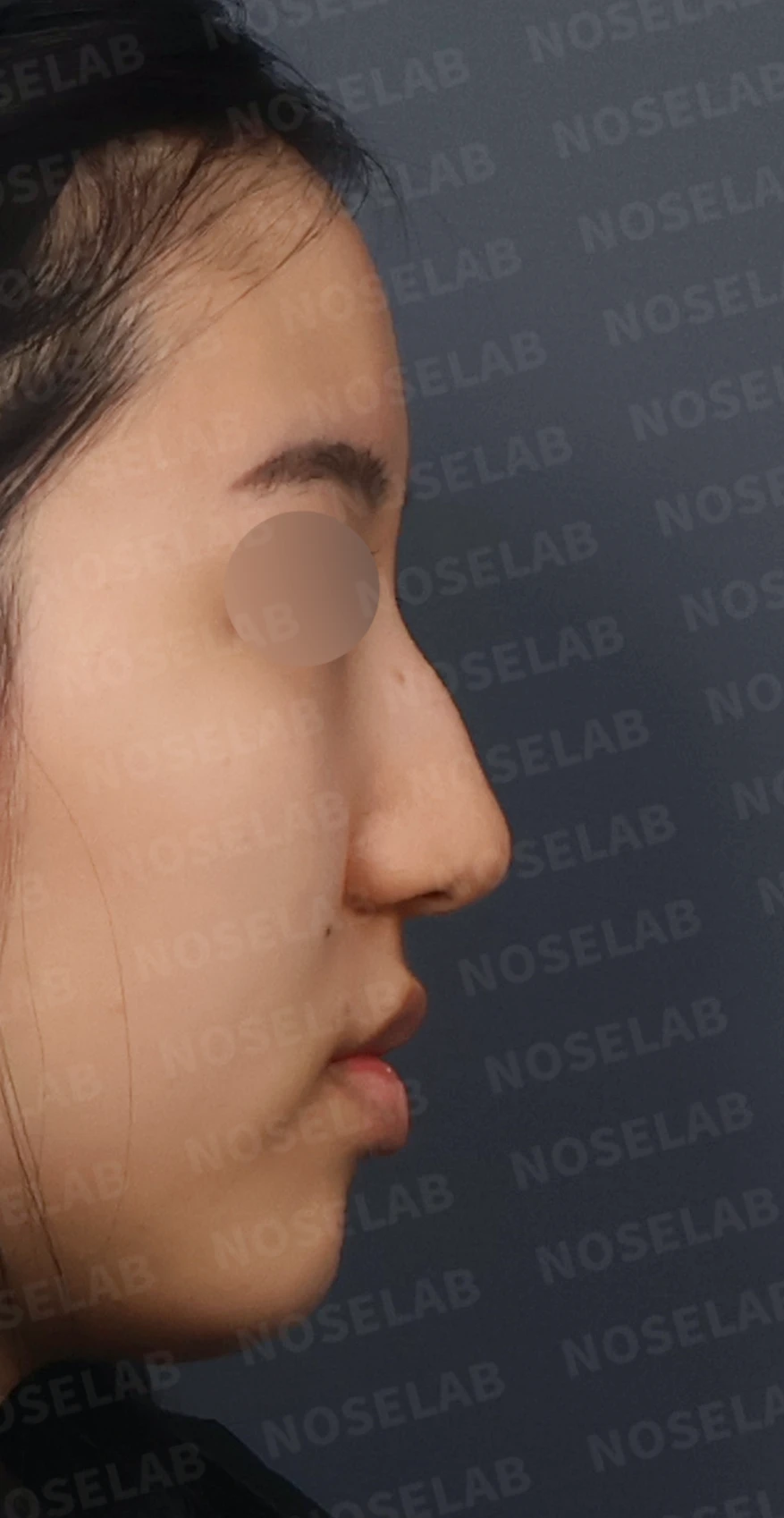
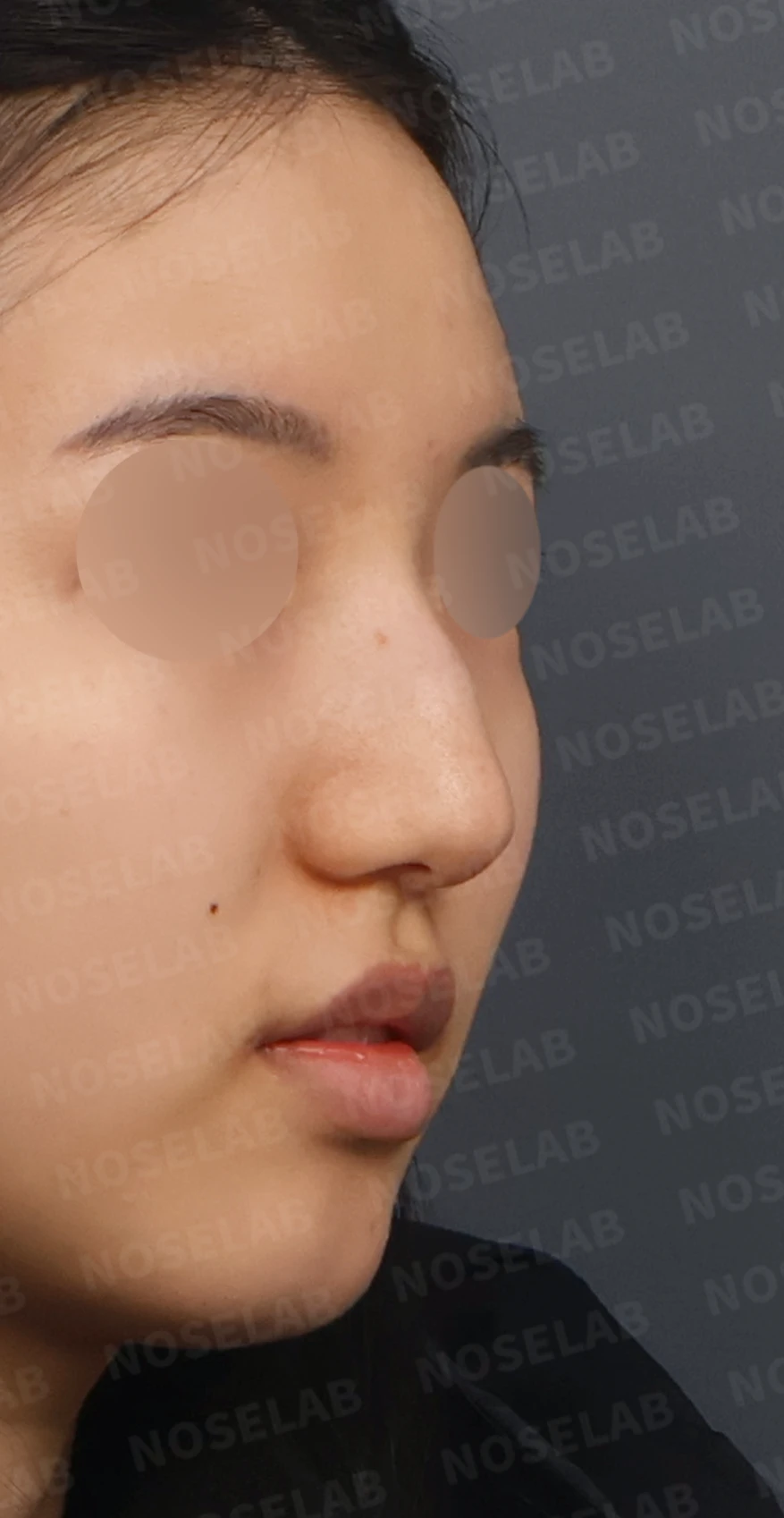
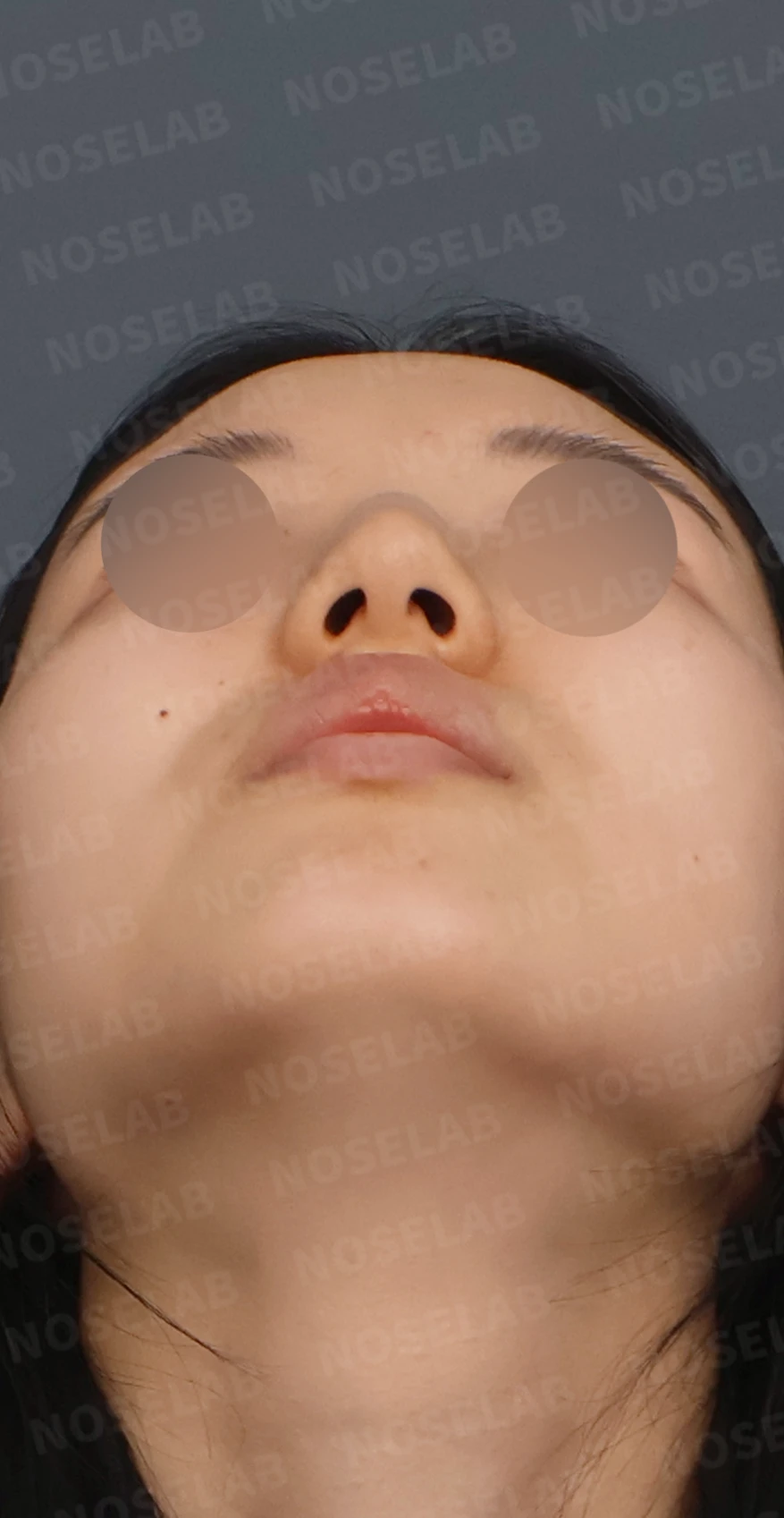
Right profile, oblique, and nostril views during design consultation.
Surgical plan and procedure
1. Nasal tip plasty using autologous rib cartilage
The nasal tip was elevated to provide three-dimensional definition, with the height and angle adjusted appropriately so the nose would not appear long.
2. Dorsal hump correction
The protruding hump was precisely contoured to form a smooth bridge line.
3. Crooked nose correction via lateral osteotomy
The deviated nasal bridge was straightened to secure a symmetrical line on the front view.
4. Lower lateral cartilage repositioning and suturing
The blunt nasal tip was trimmed and repositioned into a refined shape, and the tip contour was secured through cartilage suturing. The skin thickness was carefully adjusted to create a distinct tip definition.
5. Septoplasty for deviated septum and rhinitis surgery
The deviated septum was straightened with septoplasty, and rhinitis symptoms were relieved with turbinate surgery, achieving both functional and aesthetic improvements simultaneously.
🌟 Surgical results
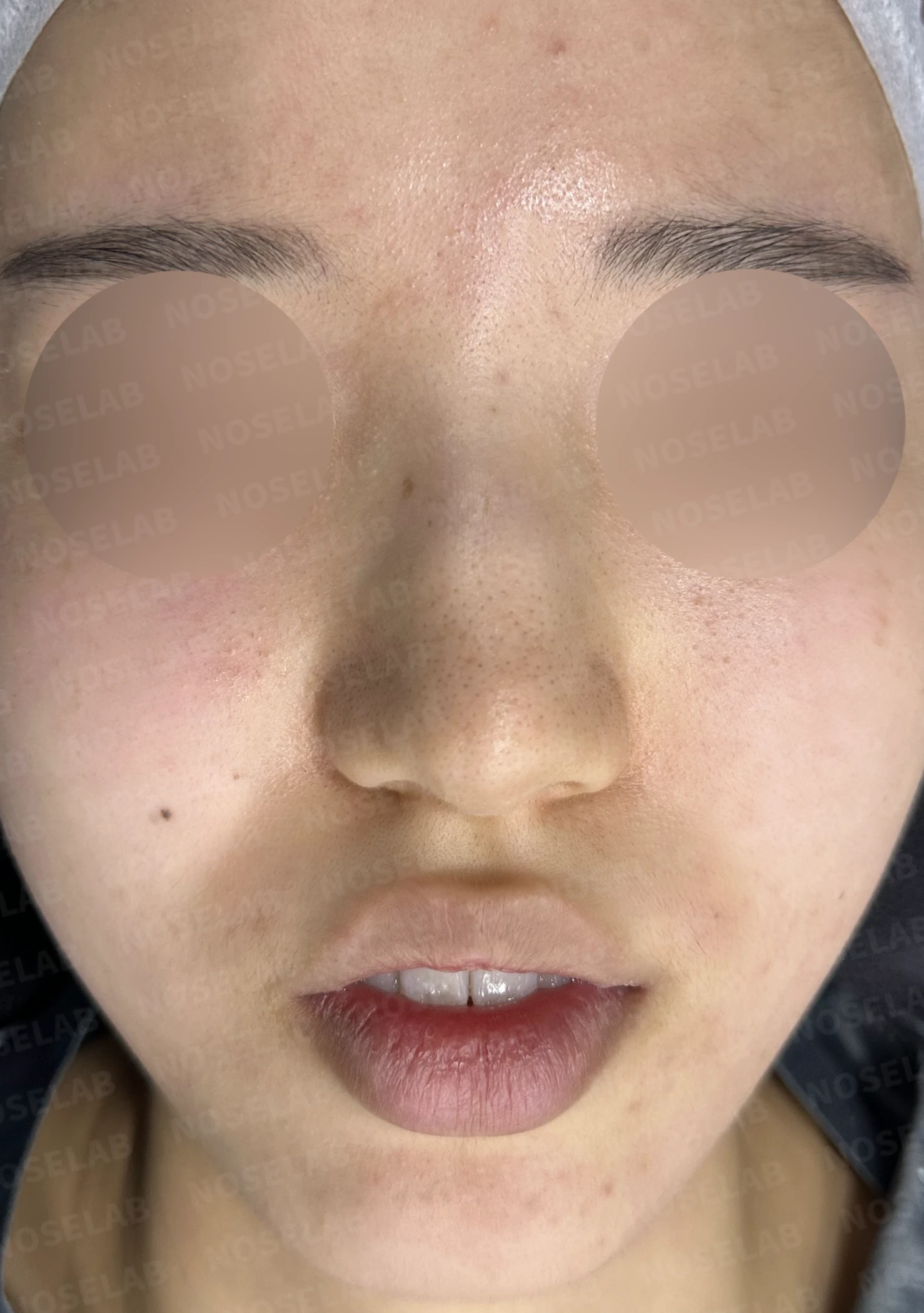
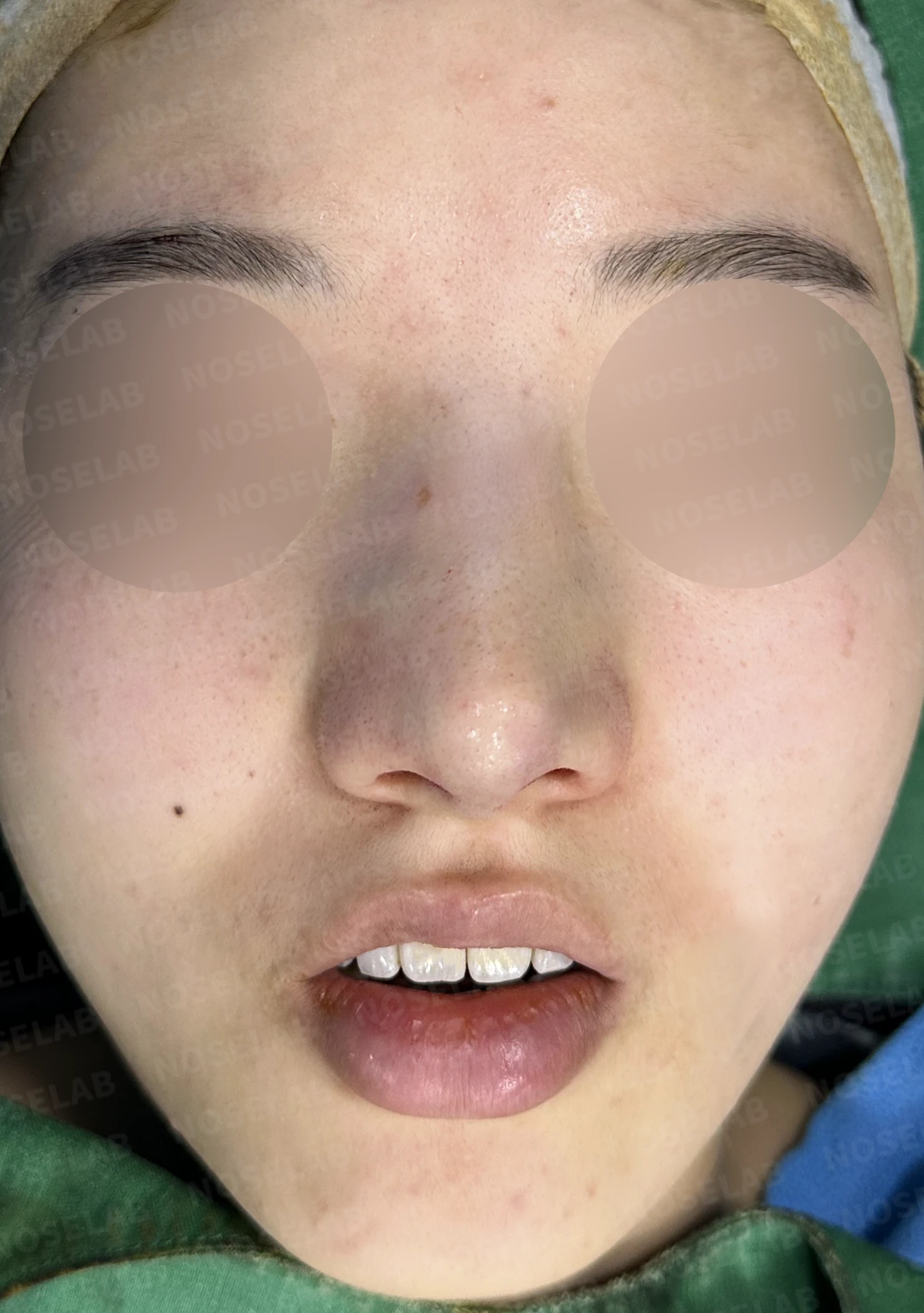
Before surgery / Day 0 immediately after surgery Photos taken immediately after surgery show swelling and may differ from the final result.
Front view changes
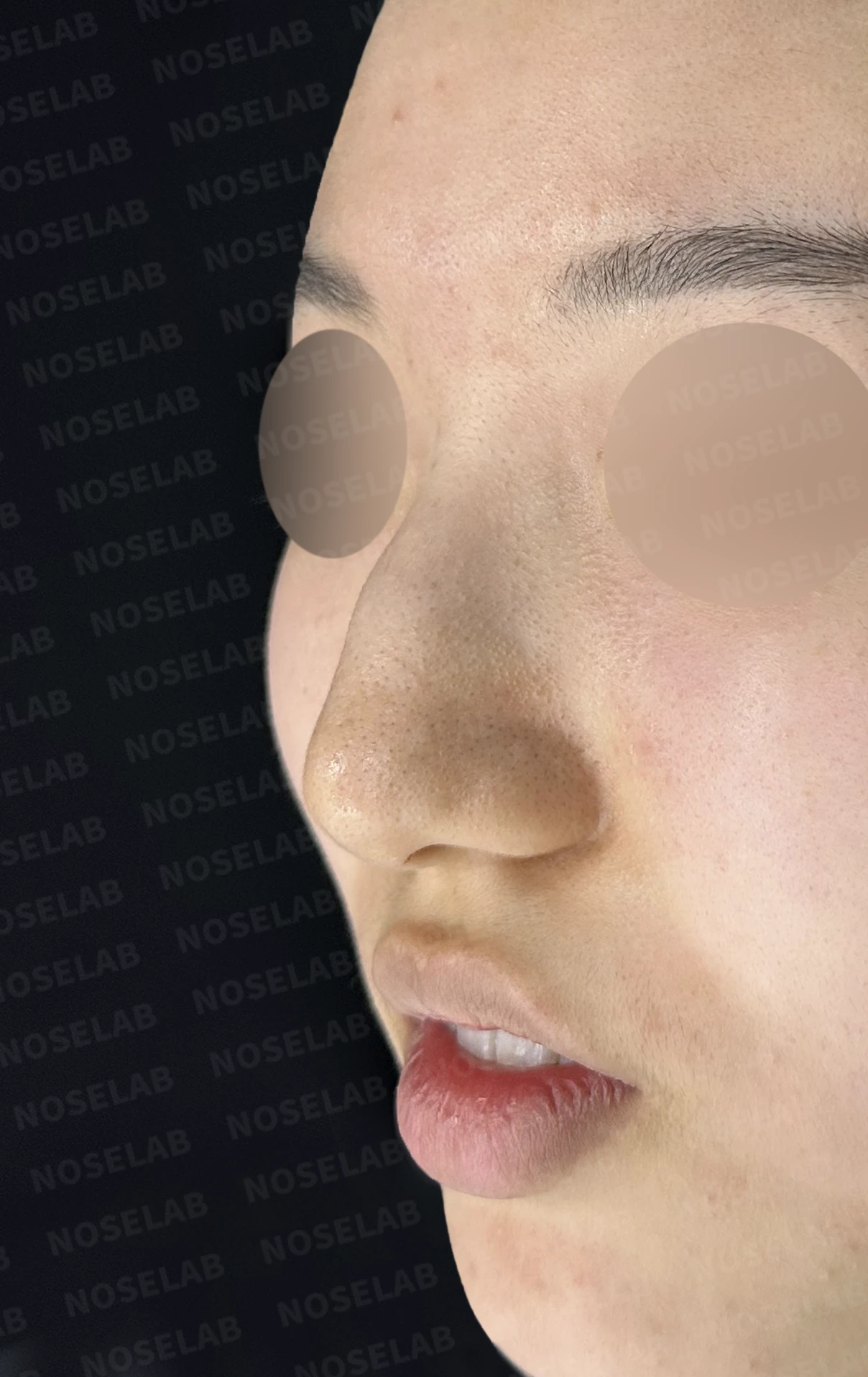
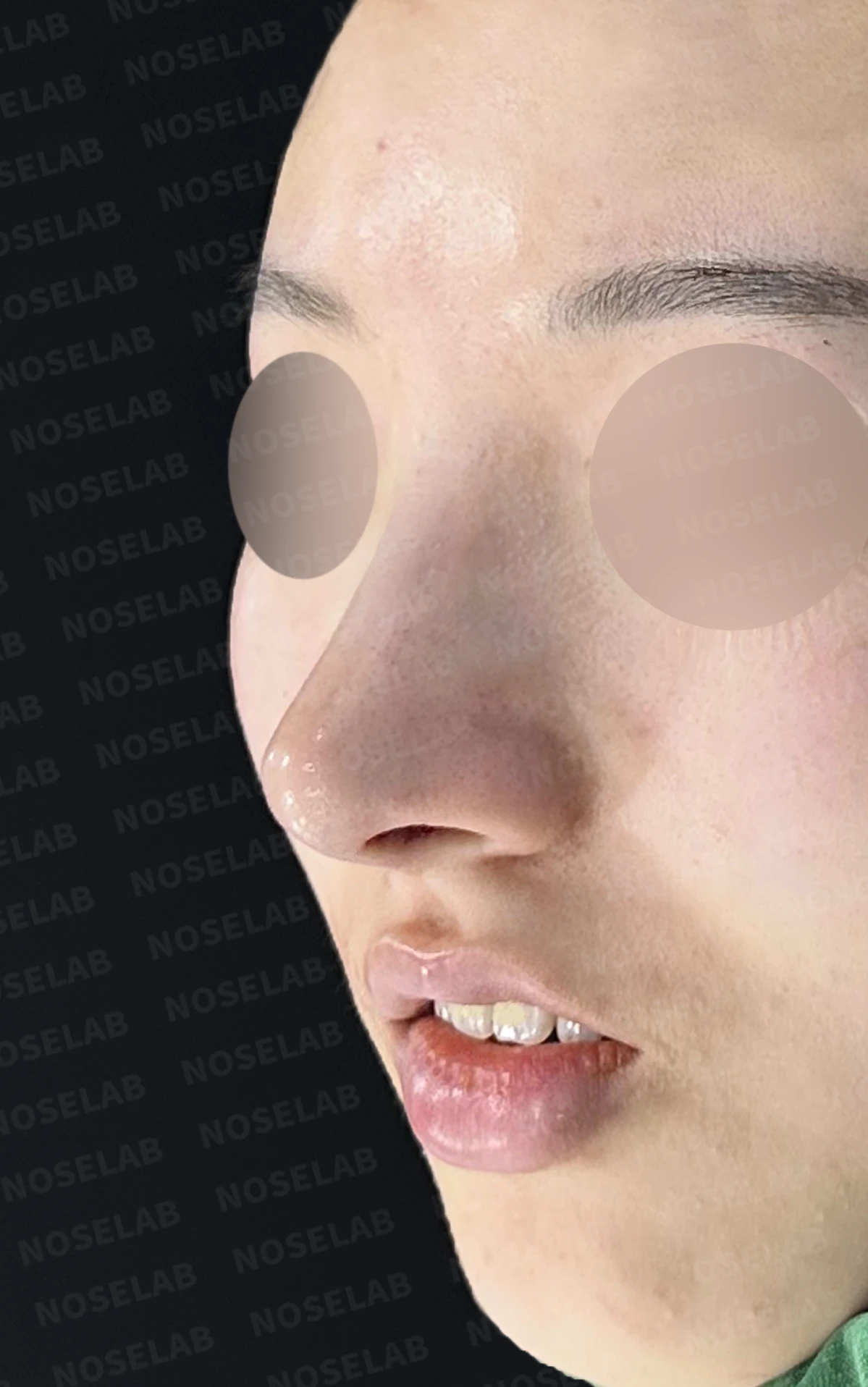
The previously crooked nose was symmetrically straightened
The nasal tip was elevated to give a refined impression
Before surgery / Day 0 immediately after surgery Photos taken immediately after surgery show swelling and may differ from the final result.
Profile view changes
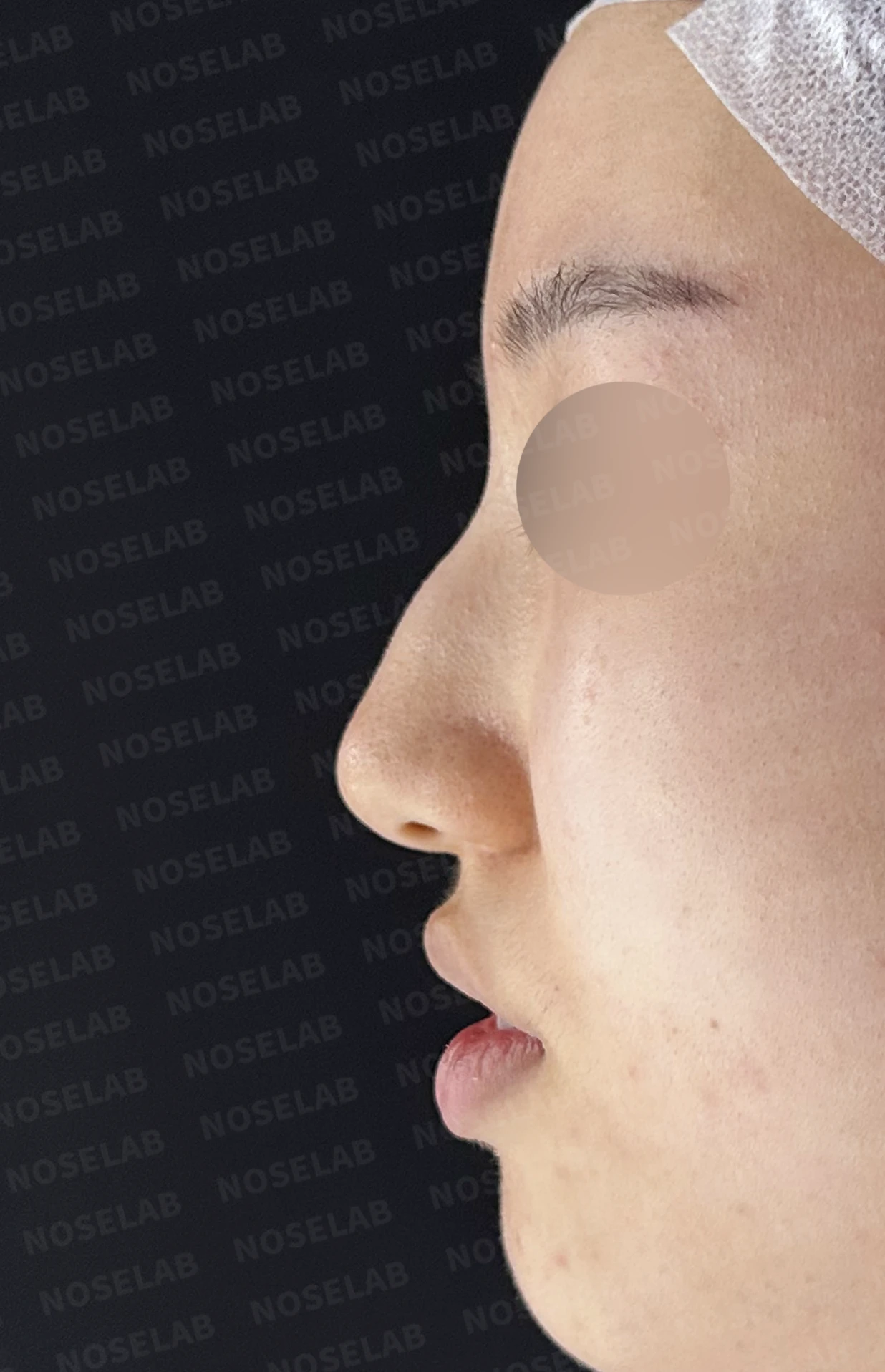
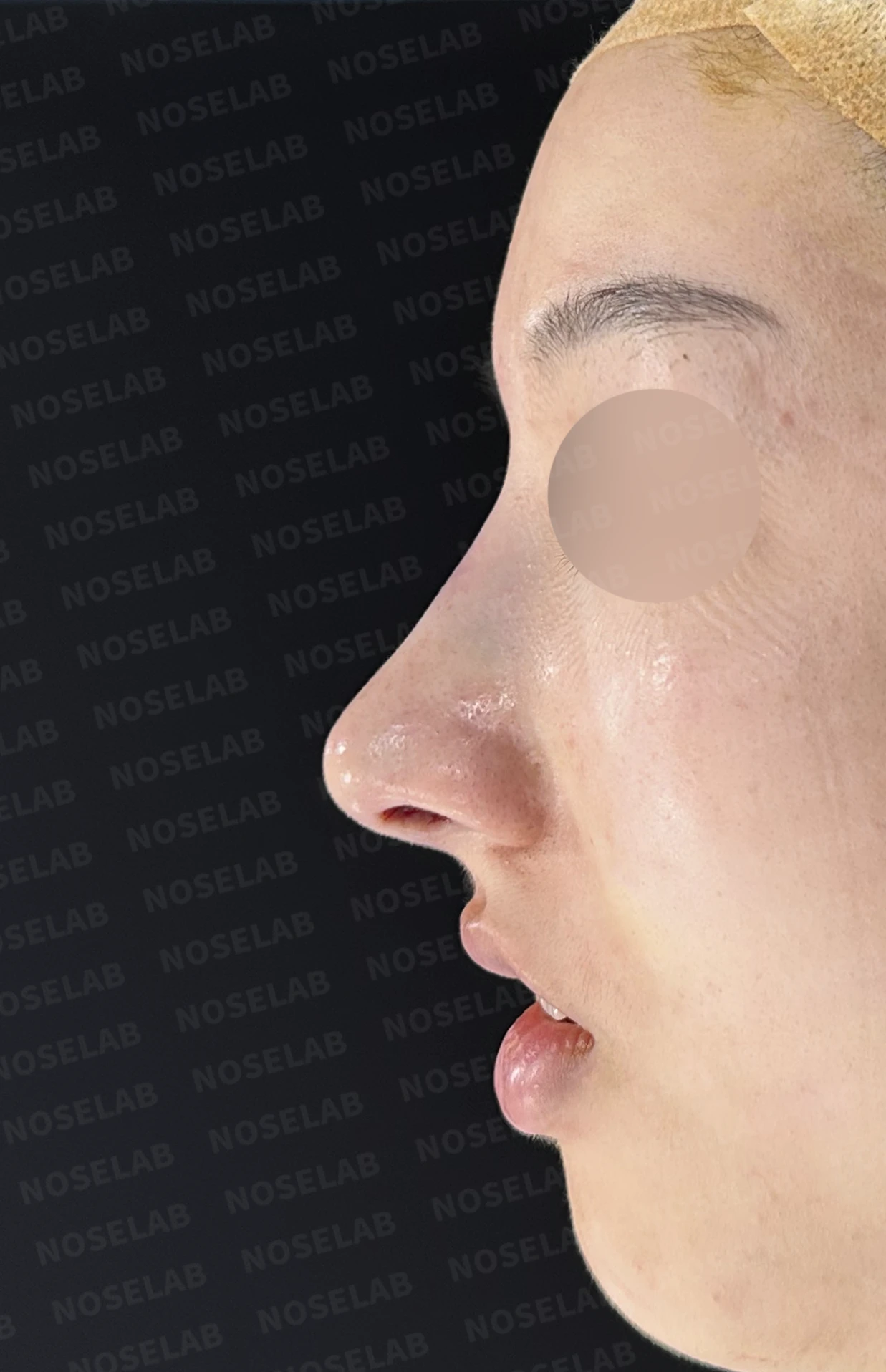
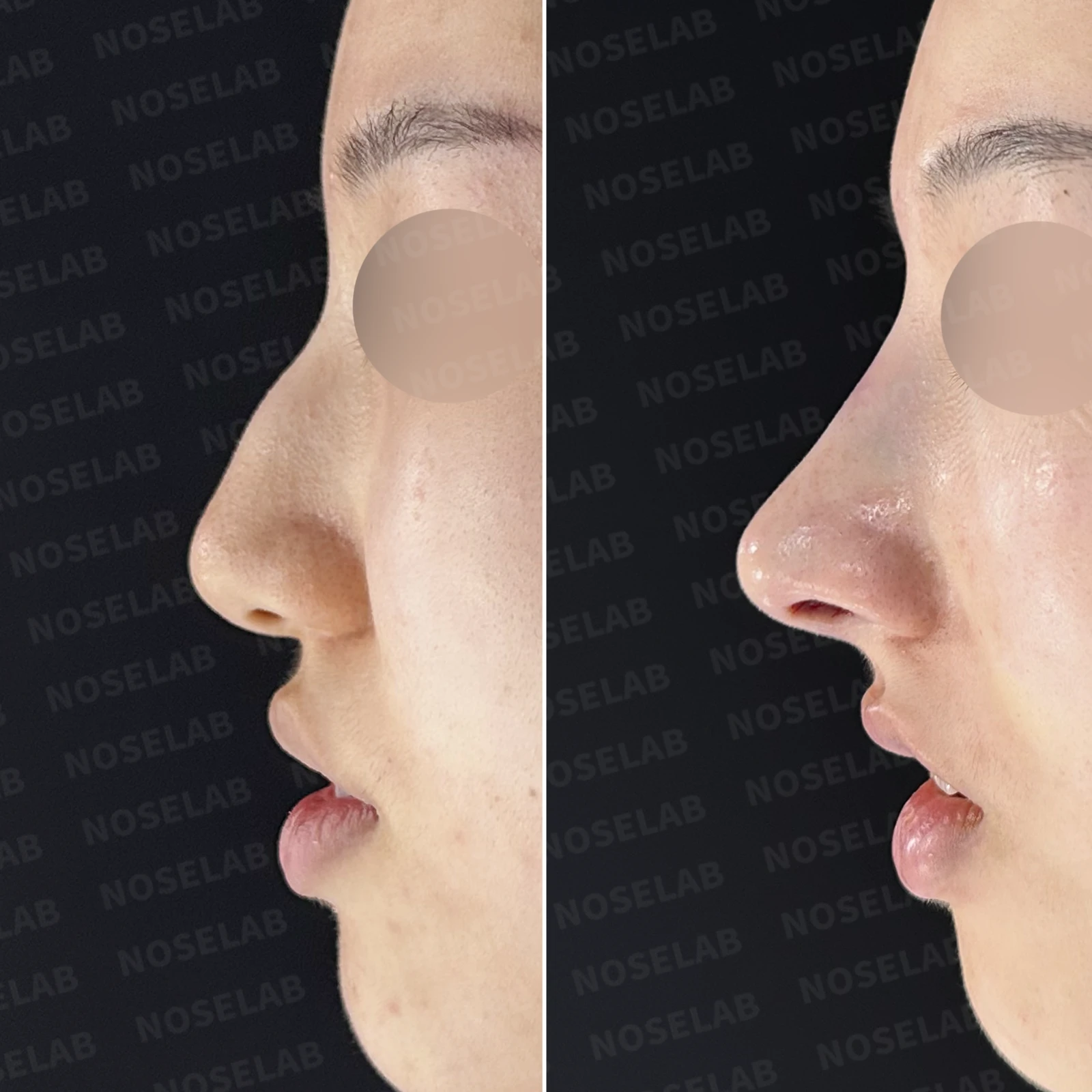
The dorsal hump was removed, creating a clean bridge line
The drooping tip was raised to an appropriate angle so the nose no longer appears long
Increased tip height resulted in a well-defined profile
Before surgery / Day 0 immediately after surgery Photos taken immediately after surgery show swelling and may differ from the final result.
Overall change in impression
The blunt tip changed into a defined, elevated shape
Proportions in harmony with the whole face
Relief of nasal obstruction improved functional satisfaction
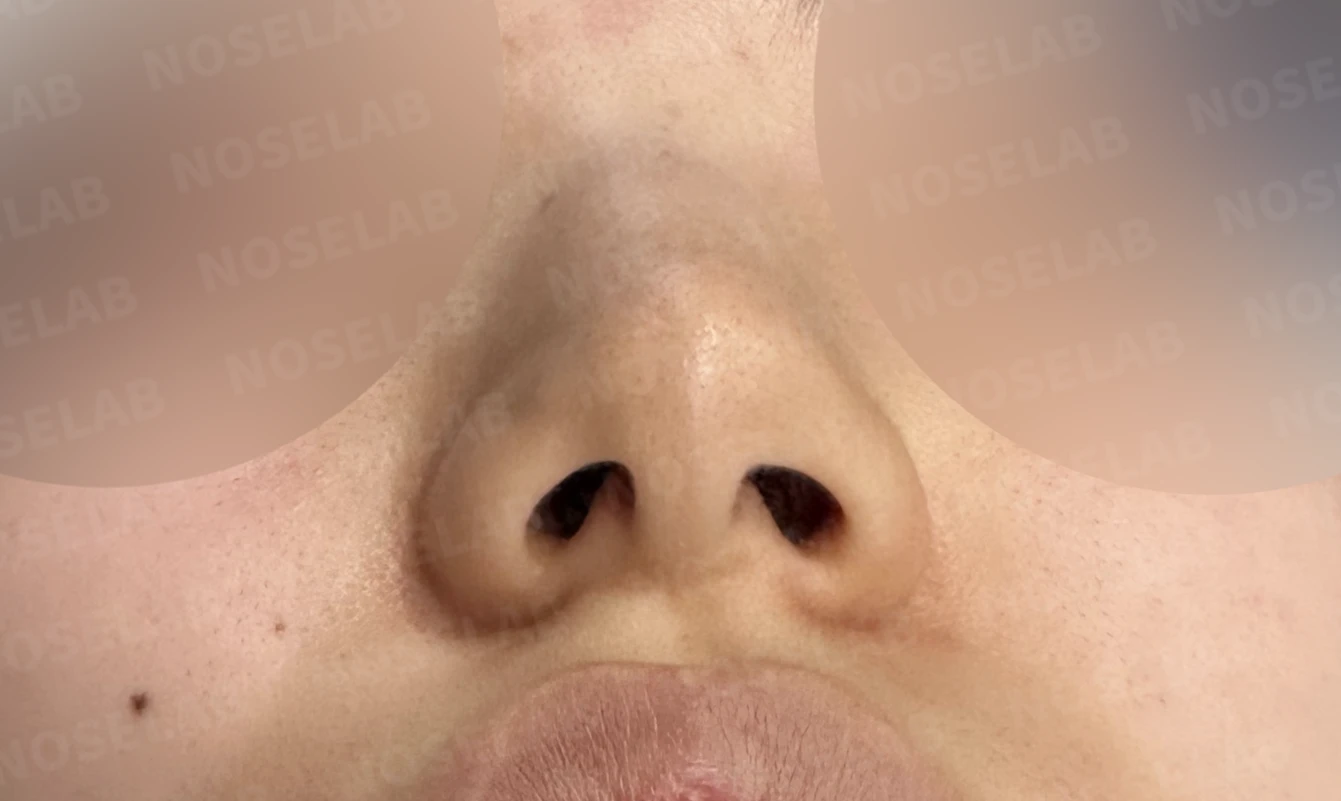
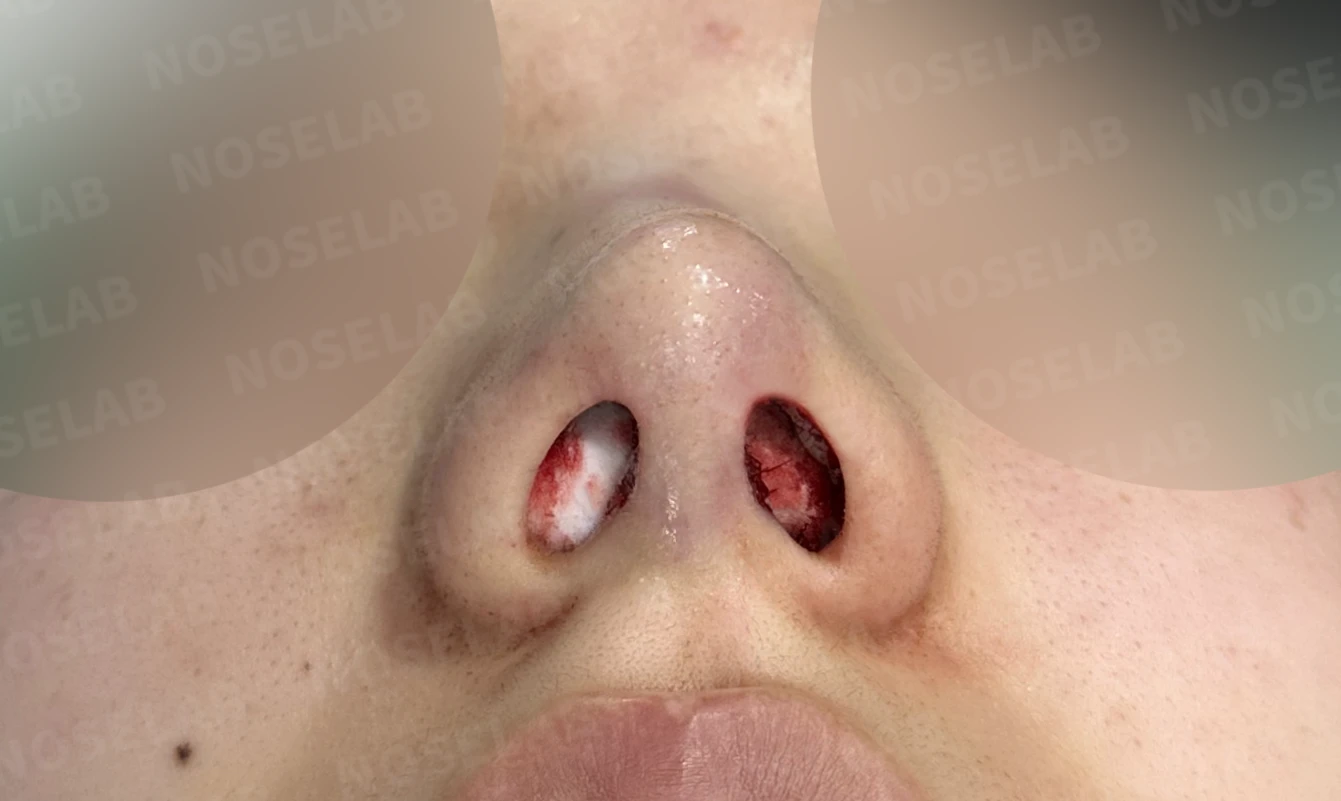
Before surgery / Day 0 immediately after surgery Photos taken immediately after surgery show swelling and may differ from the final result.
💡 Specialist assessment
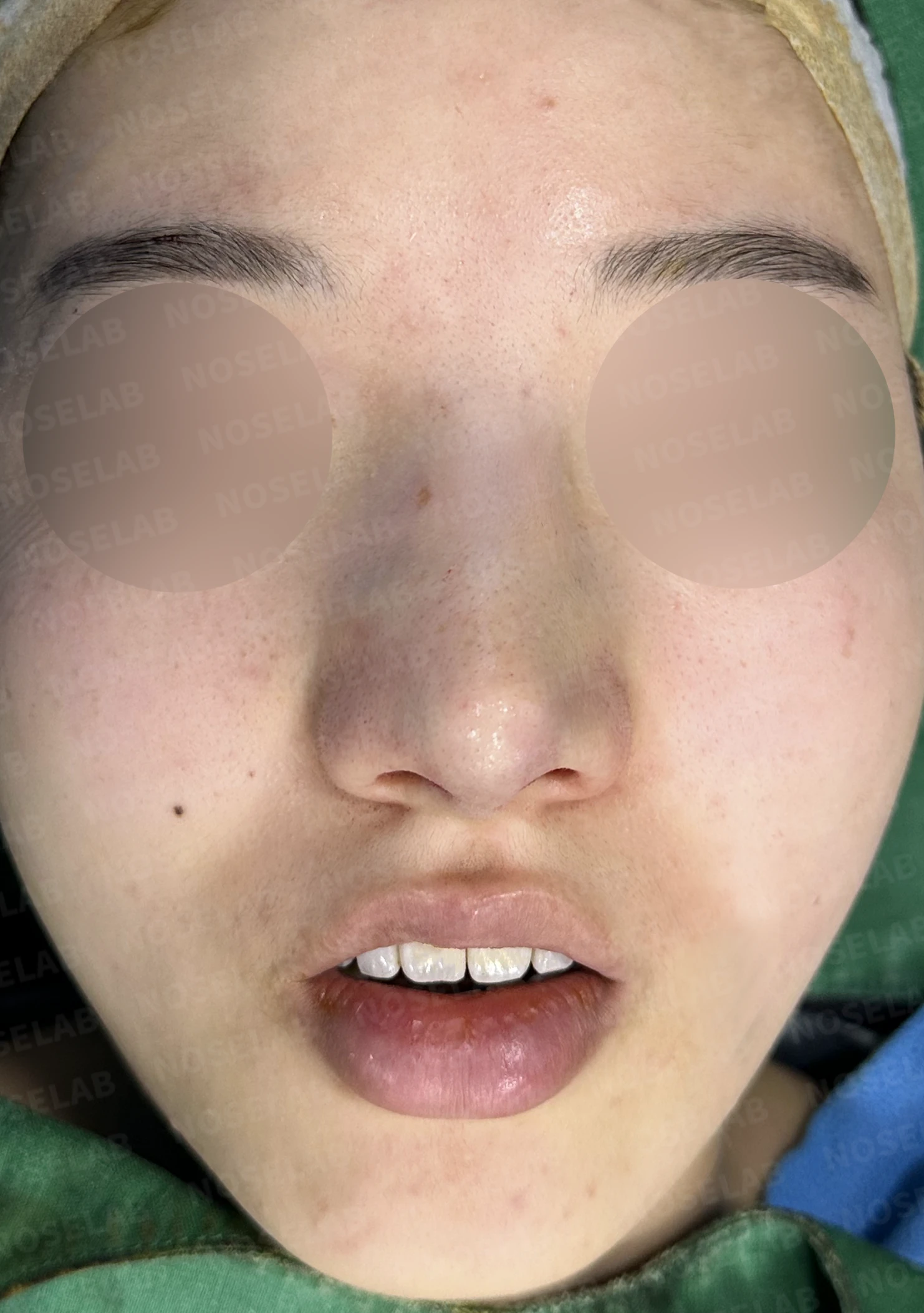
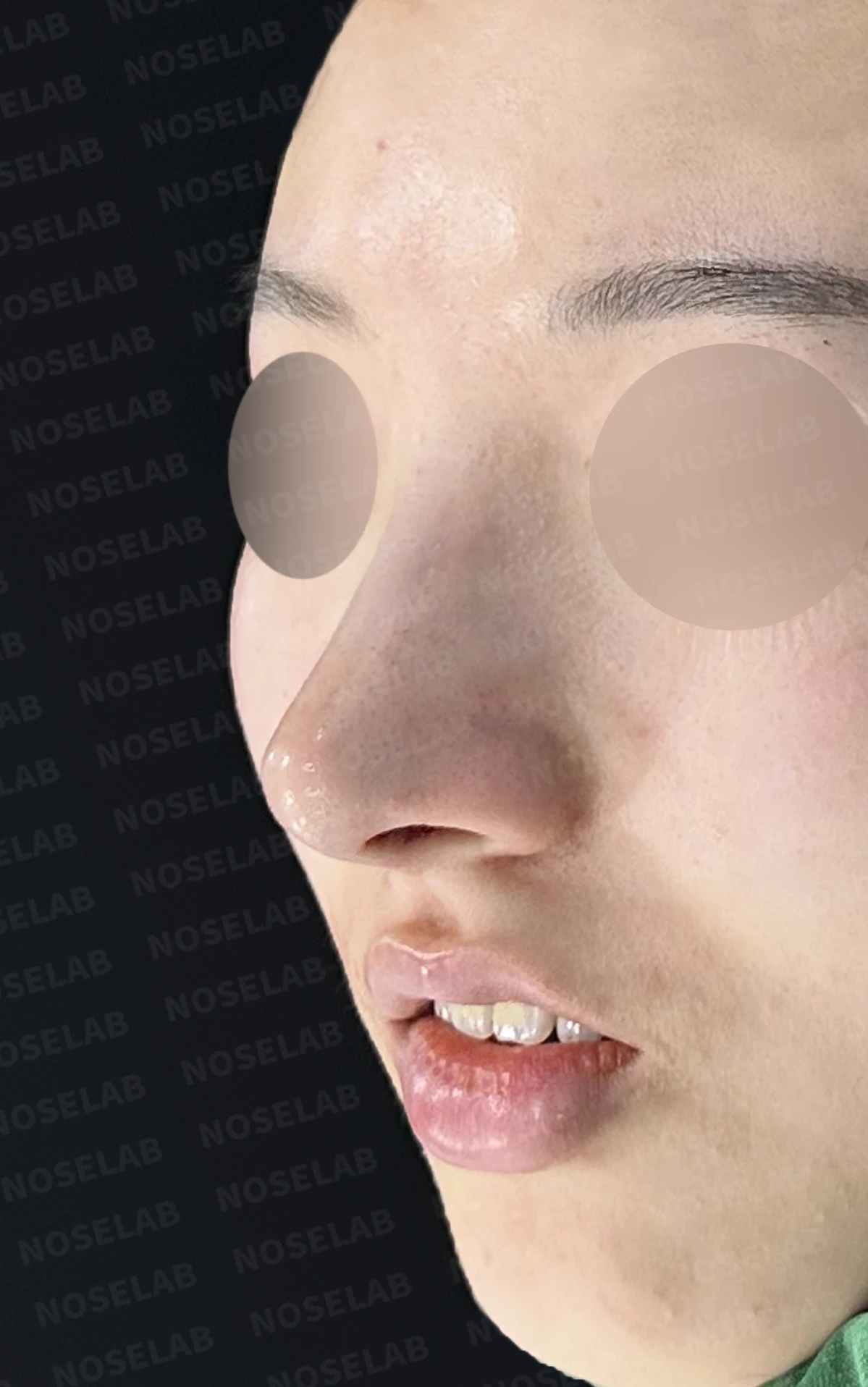
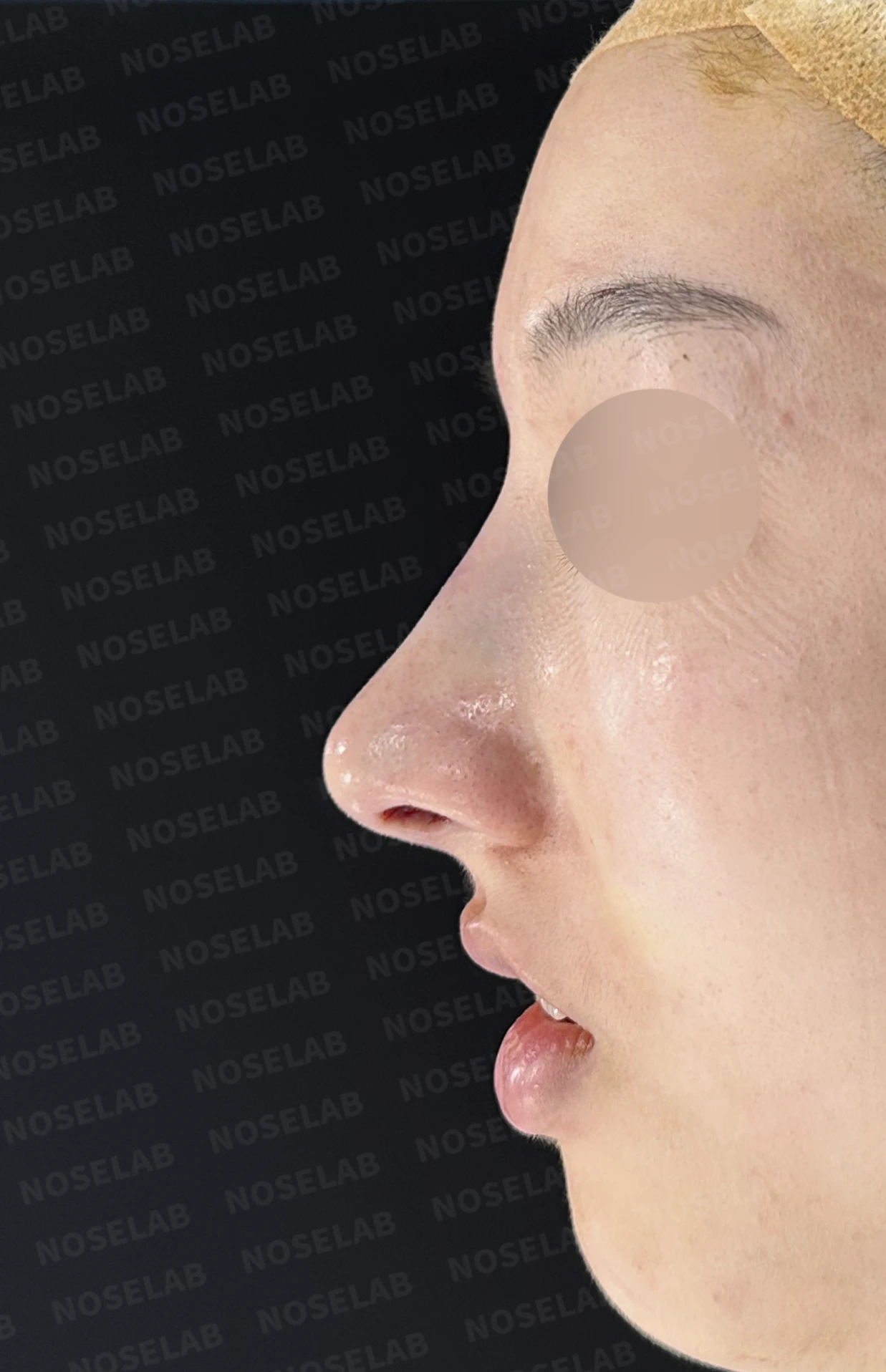
Front, oblique, and profile views on day 0 immediately after surgery. Photos taken immediately after surgery show swelling and may differ from the final result.
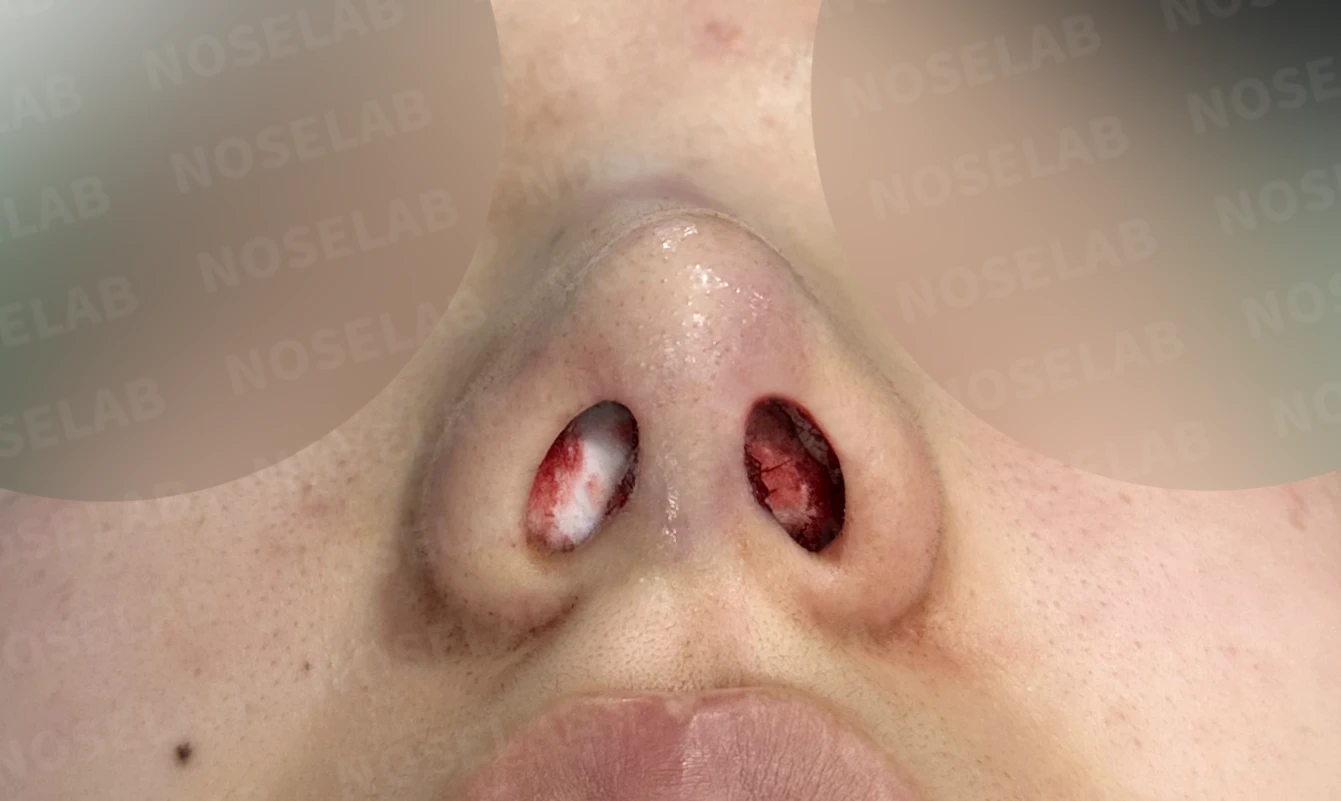
Nostril view on day 0 immediately after surgery. Photos taken immediately after surgery show swelling and may differ from the final result.
When a dorsal hump, long nose, and crooked nose coexist, rather than addressing each issue separately, a comprehensive correction considering overall balance is essential.
In this type of case, autologous rib cartilage was used to build a stable support structure while adjusting the tip height and angle. The hump was precisely rasped and the deviated nasal bridge was straightened via lateral osteotomy to create natural lines on both front and profile views.
In particular, trimming and repositioning the lower lateral cartilages along with adjusting skin thickness plays a central role in refining a blunt tip. Furthermore, performing septoplasty for the deviated septum and rhinitis surgery concurrently improved not only the aesthetic appearance but also respiratory function.
Simultaneously improving function and aesthetics in rhinoplasty greatly enhances a patient's quality of life. NOSELAB systematically analyzes such complex concerns and provides customized surgical plans.
This was Dr. Peter C. Kang. Thank you.
#closedrhinoplasty #dorsalhumpcorrection #crookednosecorrection #droopingtipcorrection #autologousribrhinoplasty #deviatedseptum #nasalobstructionsurgery #lateralosteotomy

Limitations and risks
When autologous rib cartilage is used, scarring and pain may remain at the donor site on the chest, and pneumothorax (pleural injury) can occur rarely. Over time, the grafted cartilage may warp or undergo partial resorption.
When the septum is corrected at the same time, nasal obstruction may persist or recur, and in rare cases, septal perforation or changes in smell may occur.
Common potential risks include infection, bleeding, asymmetry, scarring, skin necrosis, and insufficient improvement; results vary depending on individual skin condition and previous surgical history.