Hello, this is Dr. Peter C. Kang, medical director.
Today, I would like to share a natural nasal tip rhinoplasty case for a patient concerned about a dorsal hump and an arrow nose that appeared when smiling.
🔎 Initial consultation findings
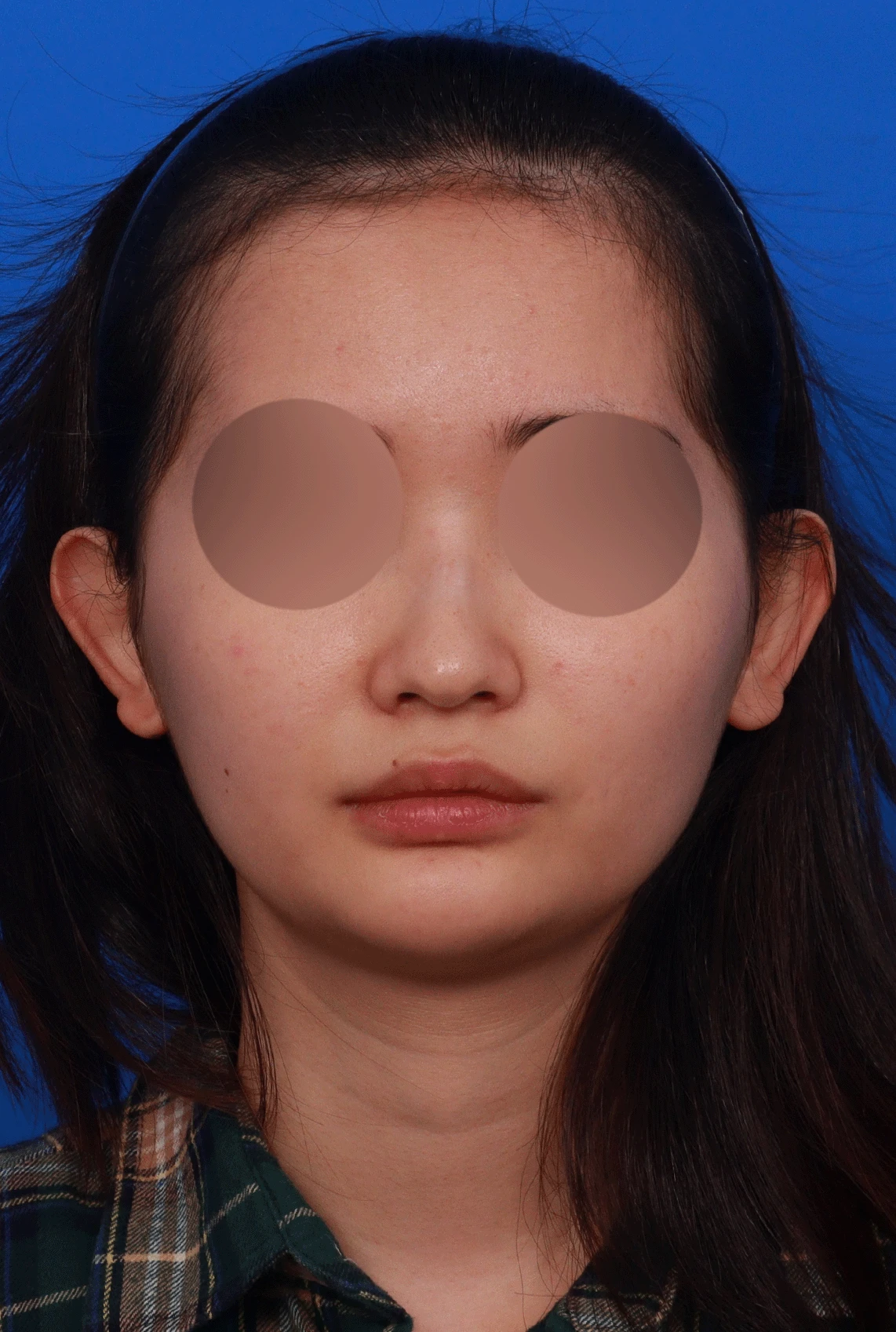
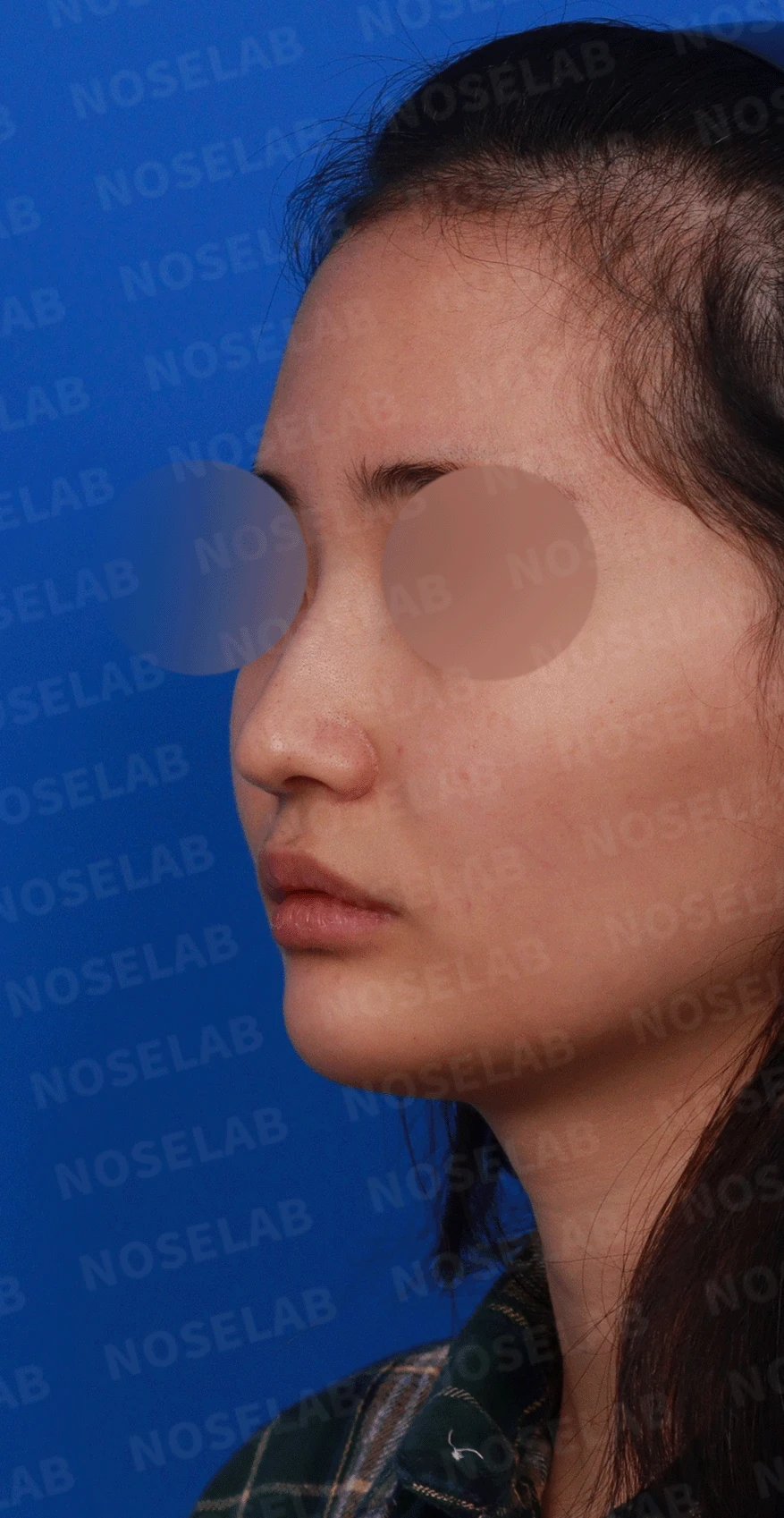
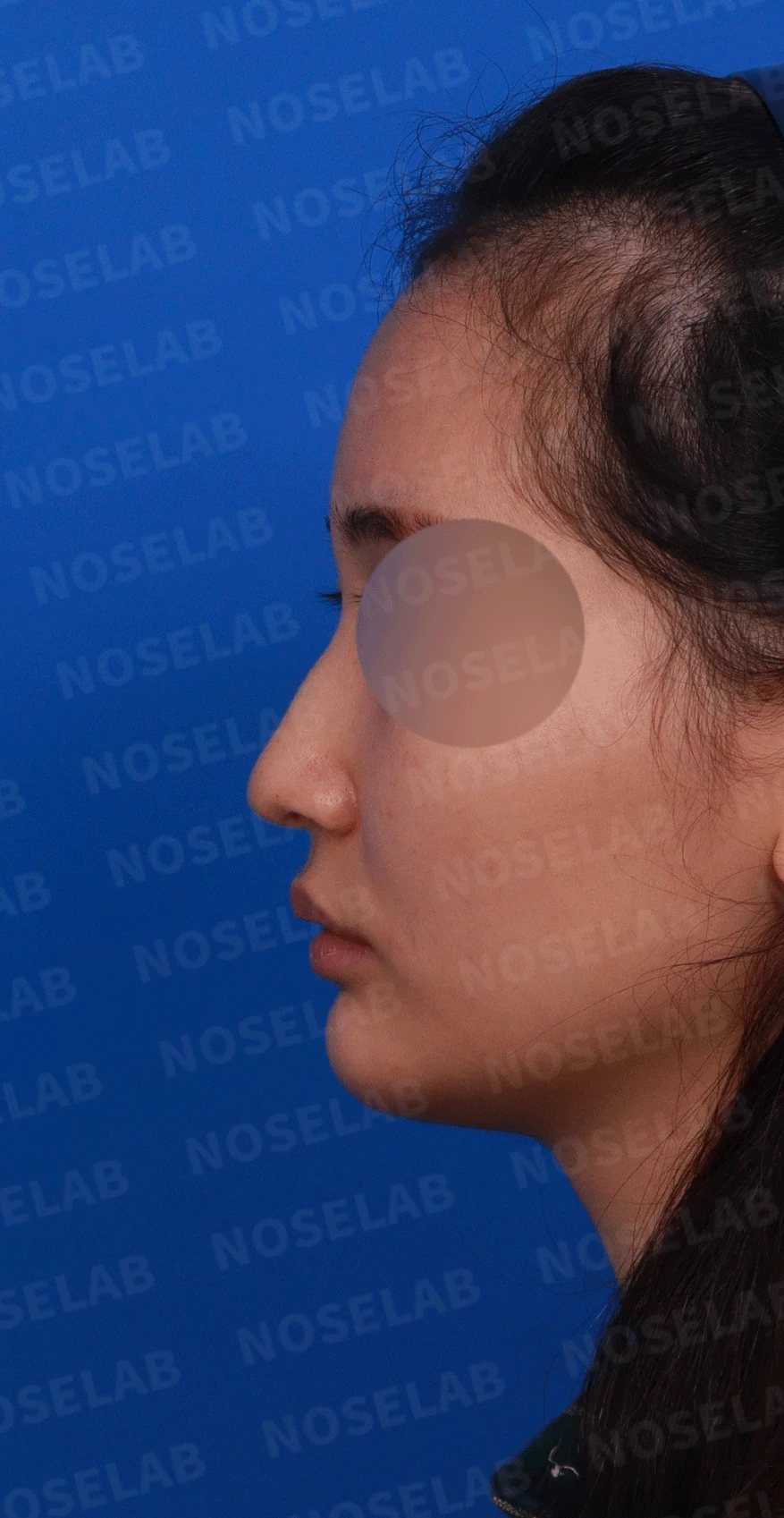
Front, left profile, and oblique views during design consultation.
Functional issues
Rhinitis symptoms
Recent worsening of nasal obstruction (right > left)
Aesthetic concerns
Dorsal hump shape
Crooked nose
Drooping tip
Arrow nose phenomenon when smiling
Bulbous nasal tip appearance
Nose appearing long
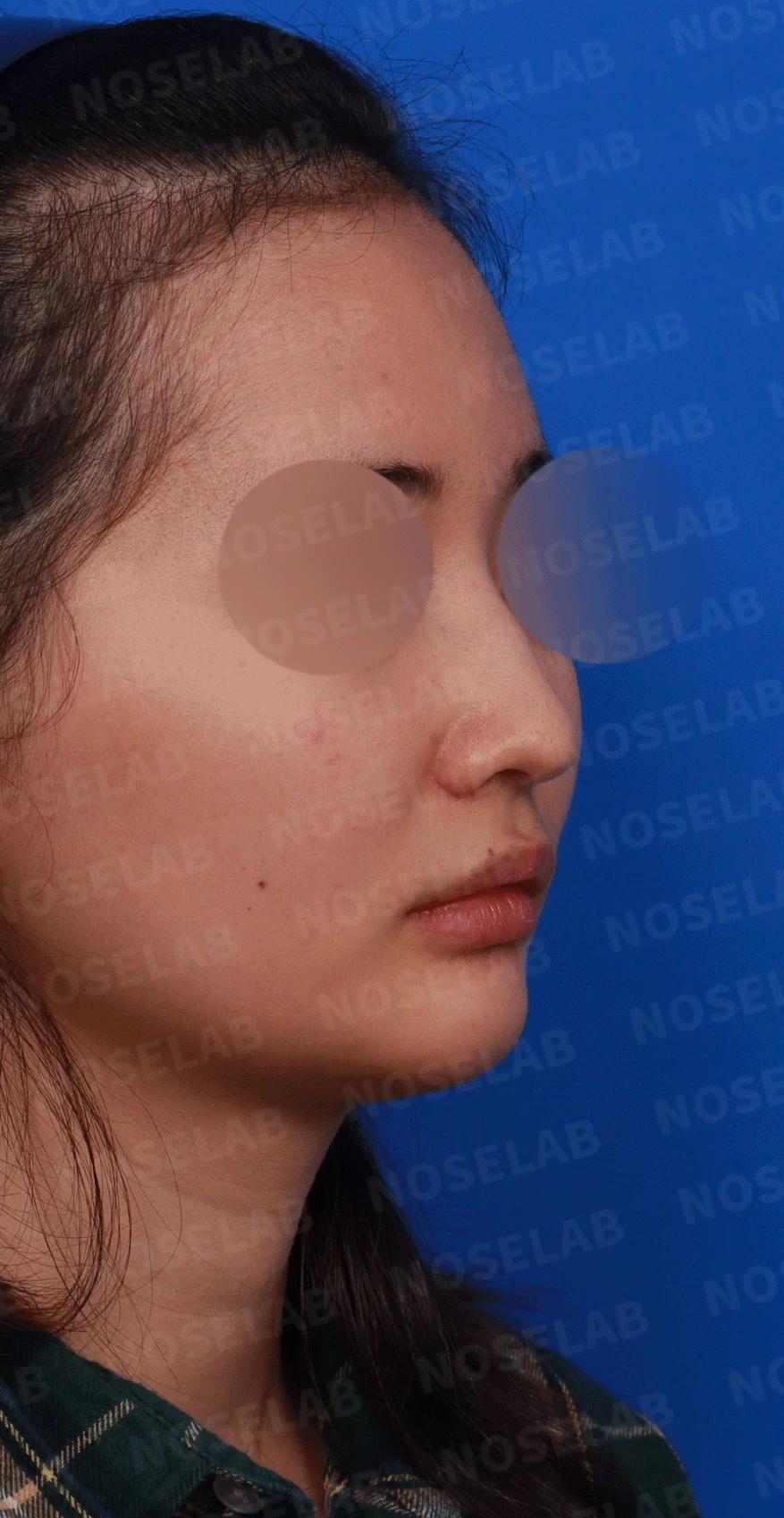
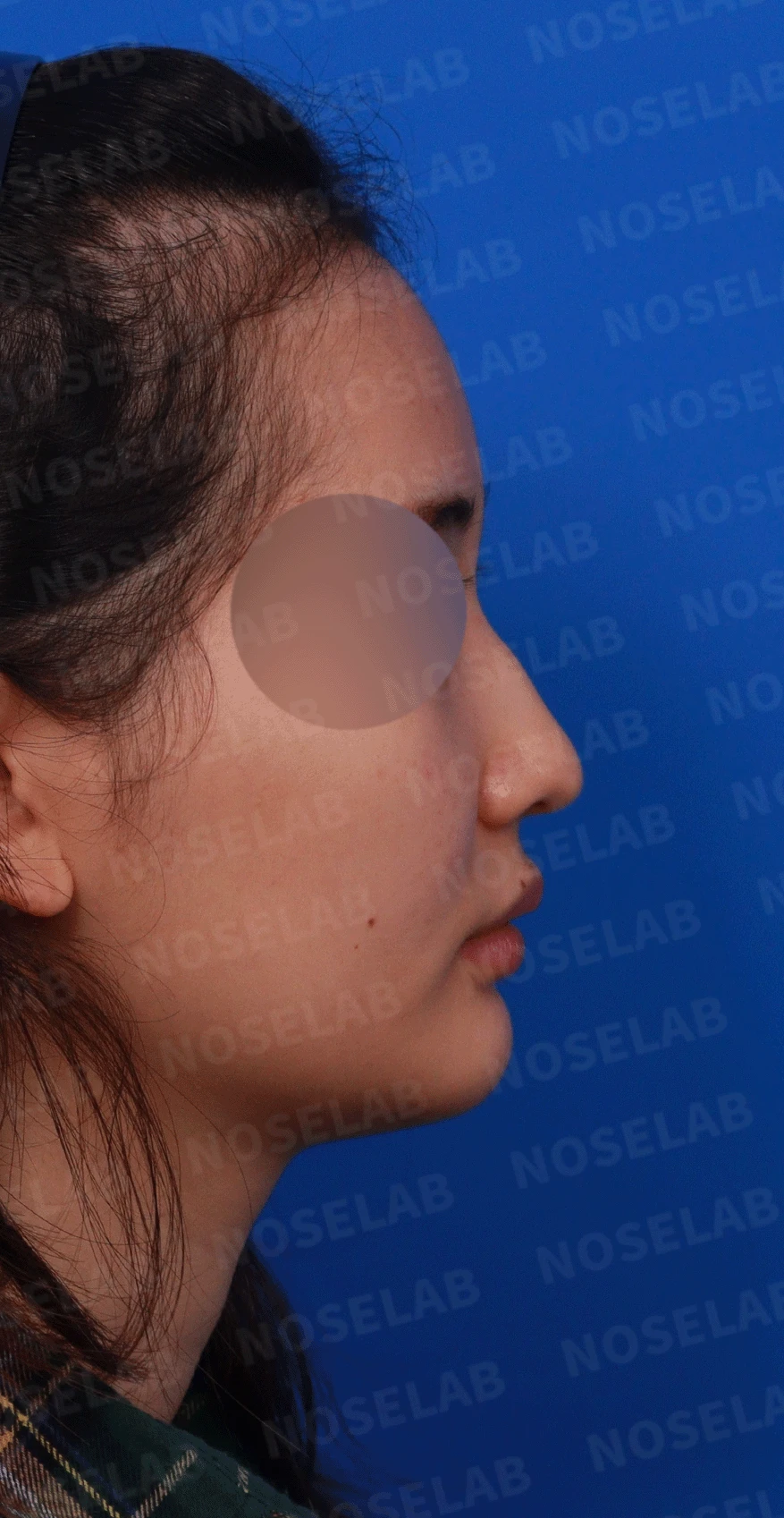
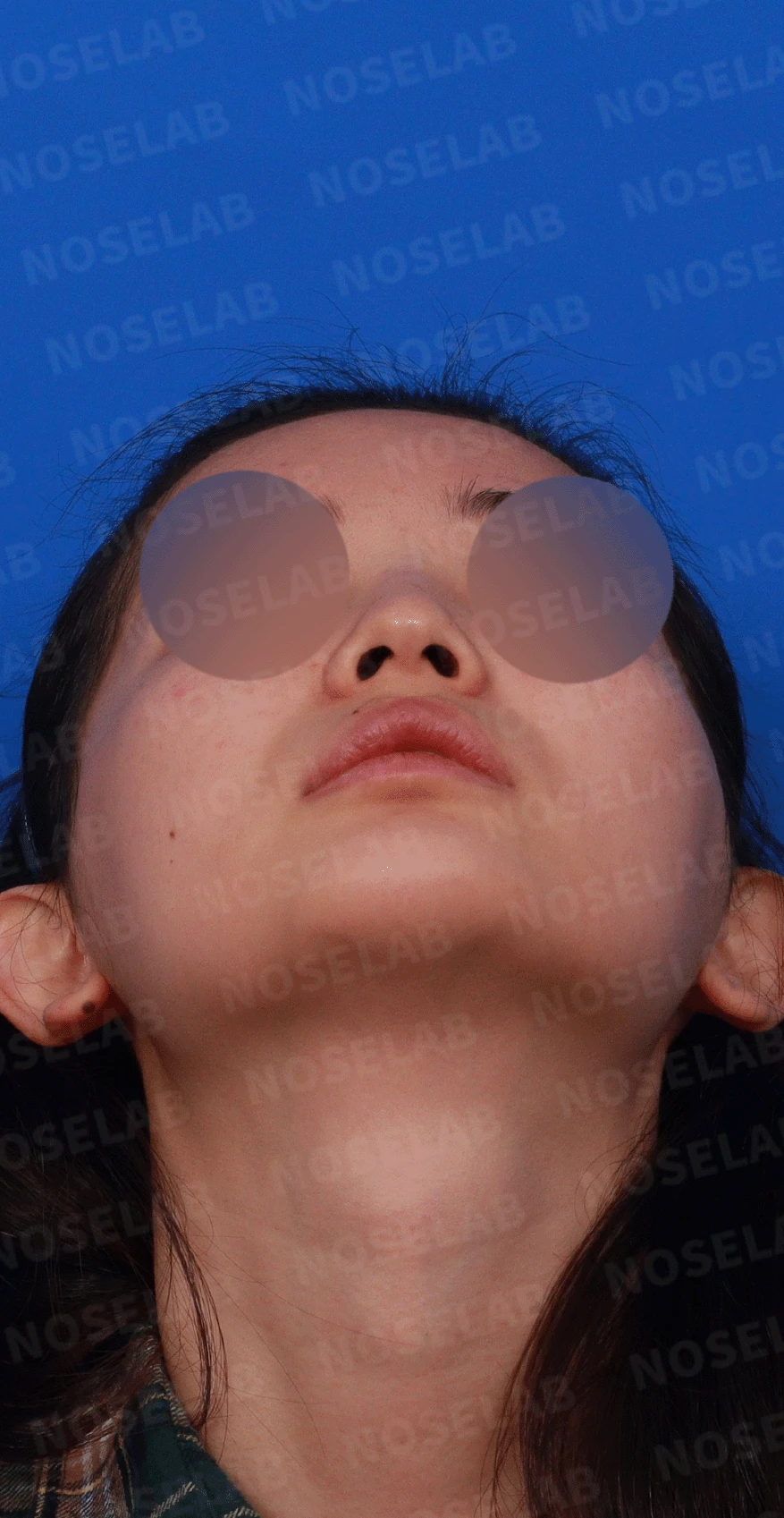
Design consultation: right oblique, profile, and basal (nostril) views.
✨ Patient's requests

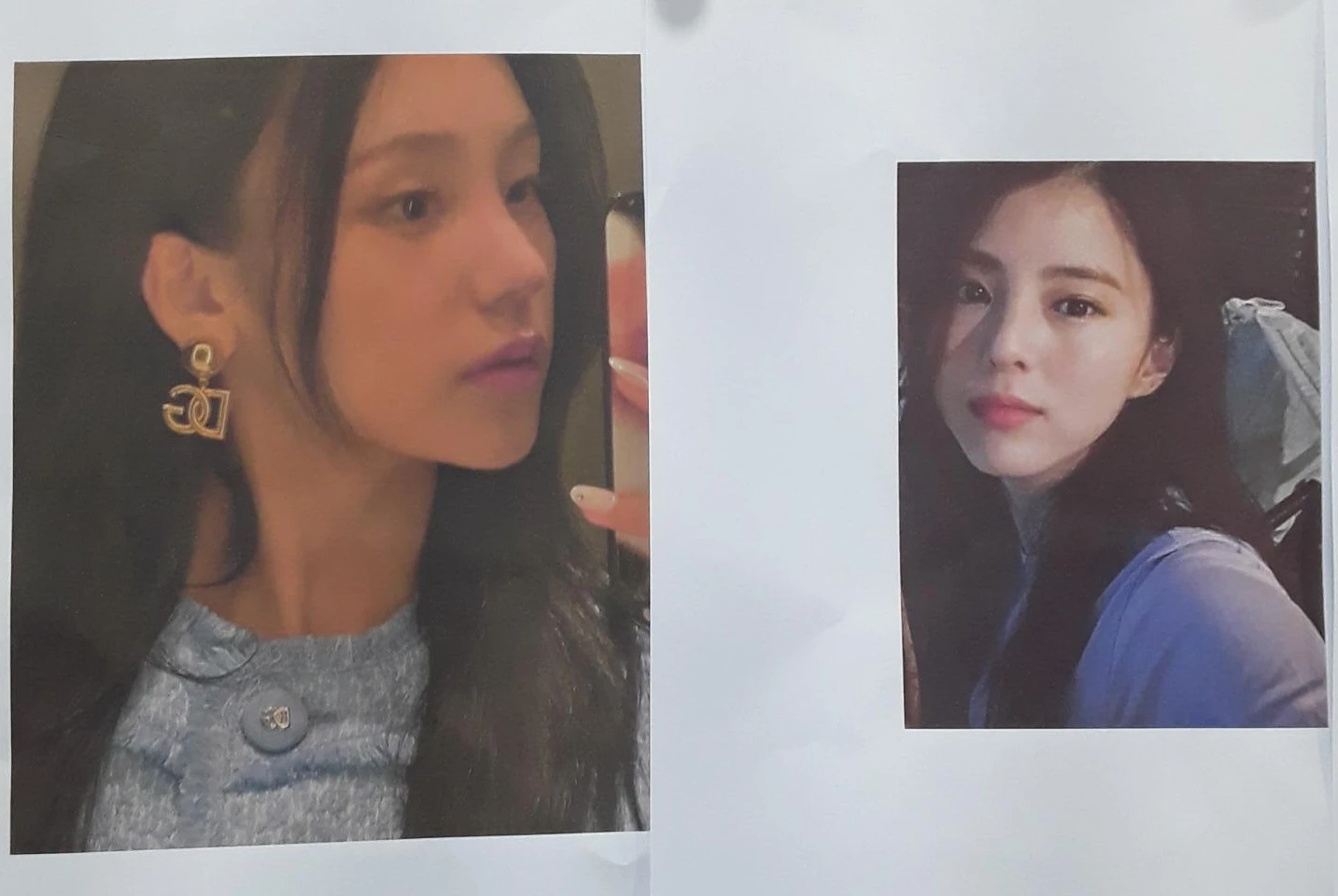
The patient's desired look
Dorsal hump reduction
Correction of the crooked nose
Improvement of drooping tip
Improvement of the arrow nose when smiling
Creating a slim nasal tip
Correction of the blunt appearance
Improving the elongated appearance
💉 Surgical procedure details
Structural improvement
Nasal tip rhinoplasty using autologous rib cartilage due to small septal cartilage
Dorsal hump reduction
Correction of the crooked nasal bridge using osteotomy
Improvement of a drooping tip
Specialized nasal tip correction
Refining a bulbous nasal tip into a slim shape
Correction of the arrow nose phenomenon when smiling
Improvement in elongated appearance
Achieving a natural tip shape
Functional improvement
Correction of rhinitis and deviated septum through septoplasty and radiofrequency laser submucosal inferior turbinectomy
✅ Surgical results
Functional improvement
Alleviation of rhinitis symptoms
Relief of nasal obstruction
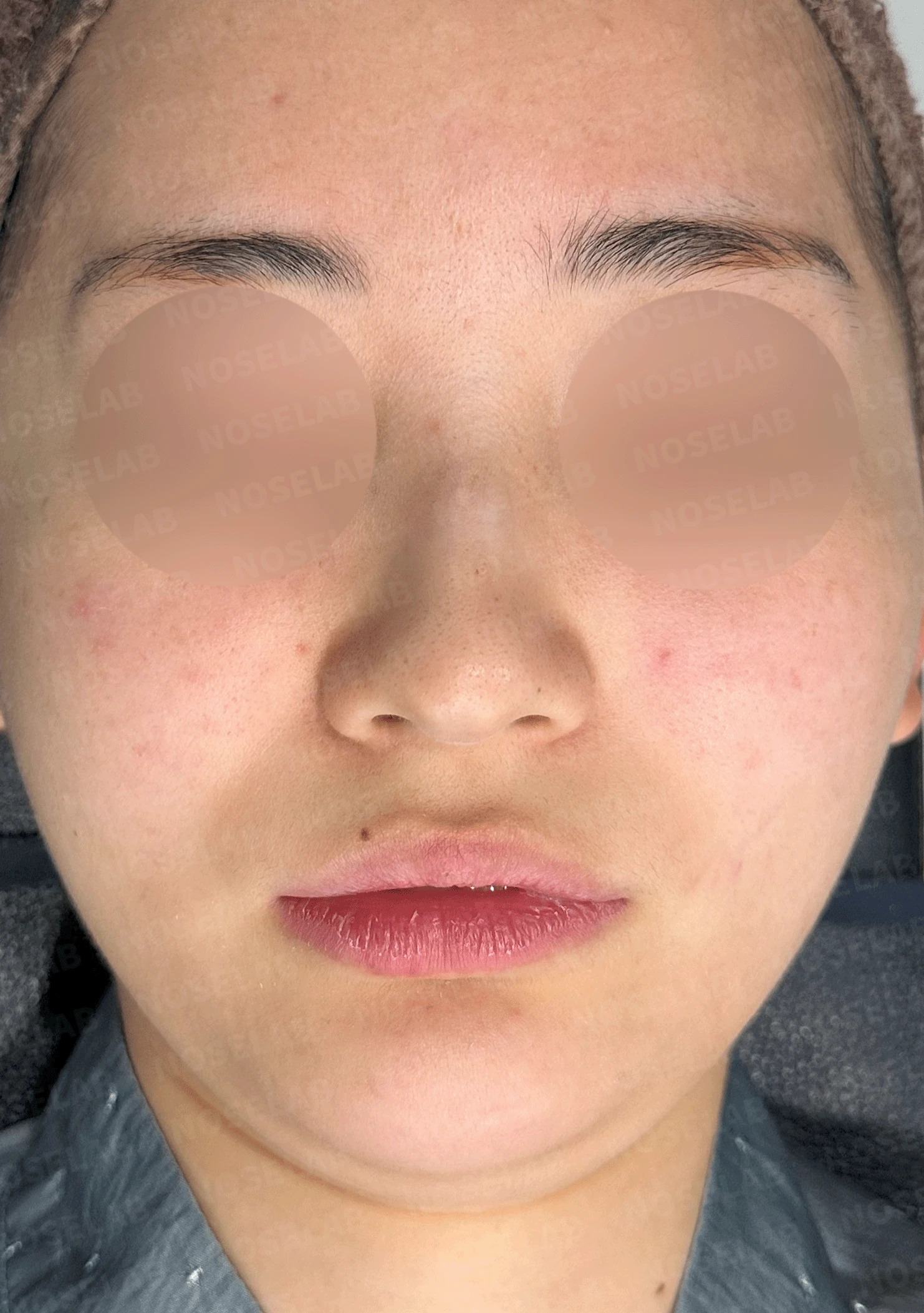
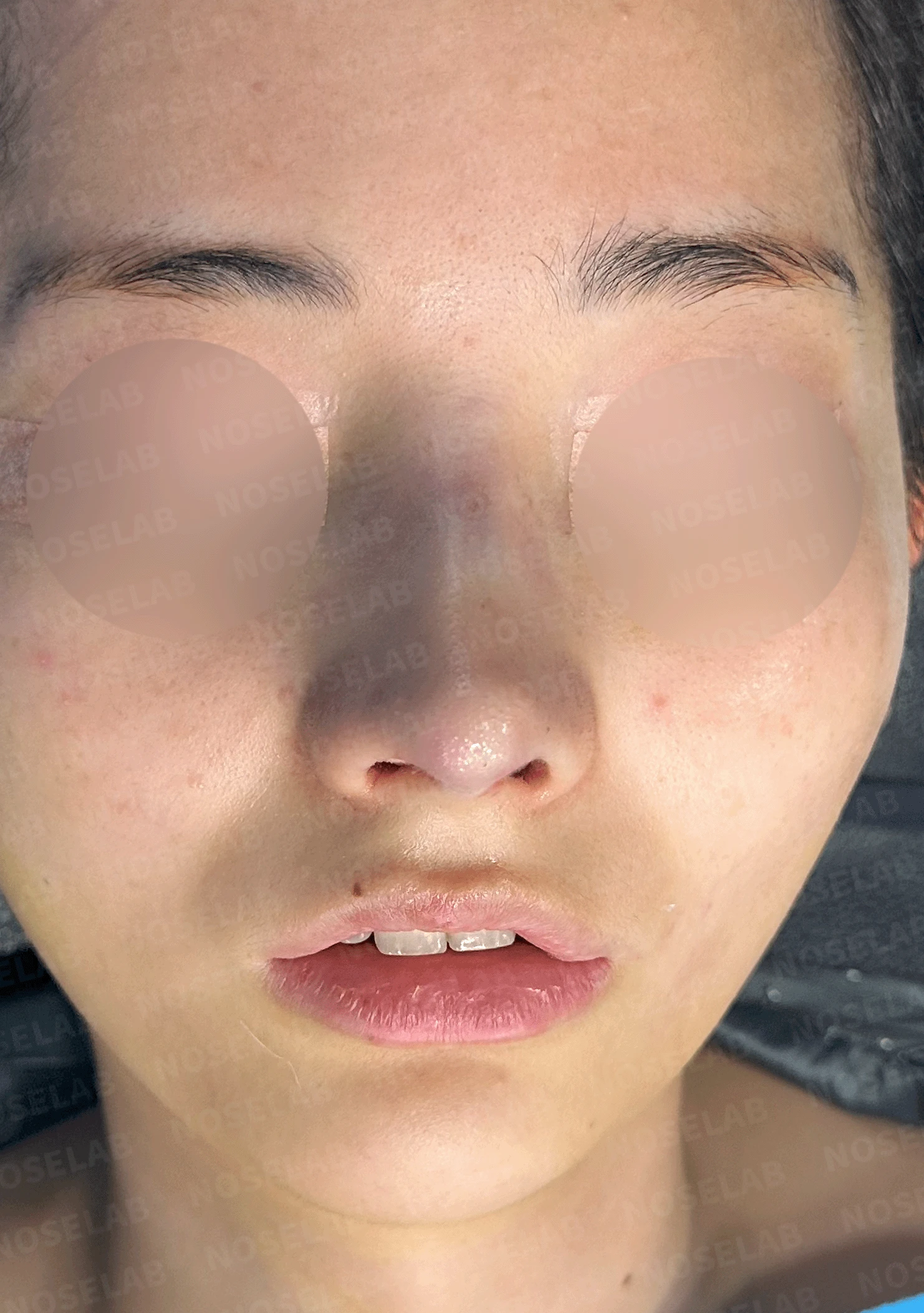
Before surgery / Day 0 immediately after surgery Photos taken immediately after surgery show swelling and may differ from the final result.
Front view
Naturally corrected arrow nose
Improvement of the crooked nose
Slim and refined nasal tip
Balanced overall proportions
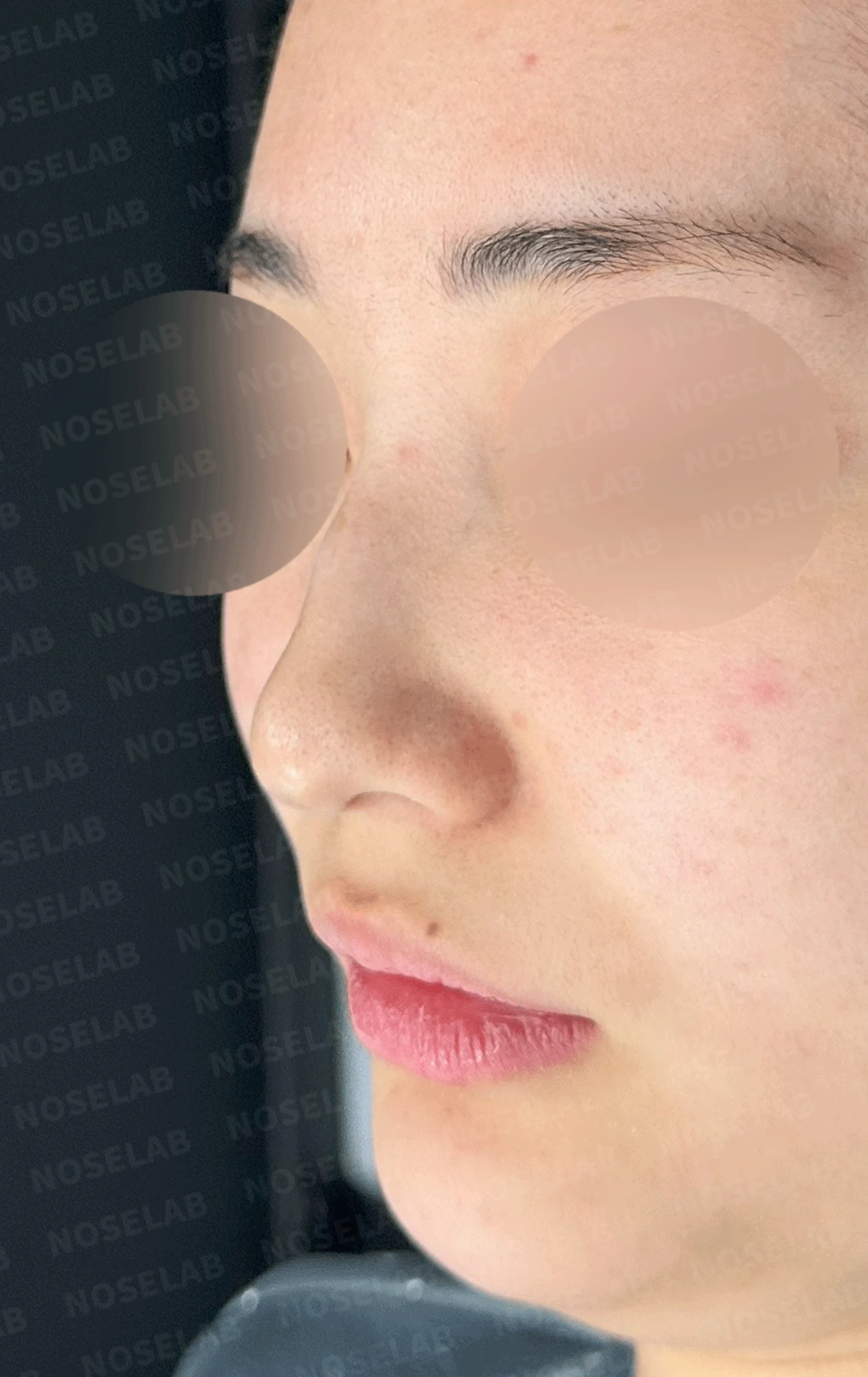
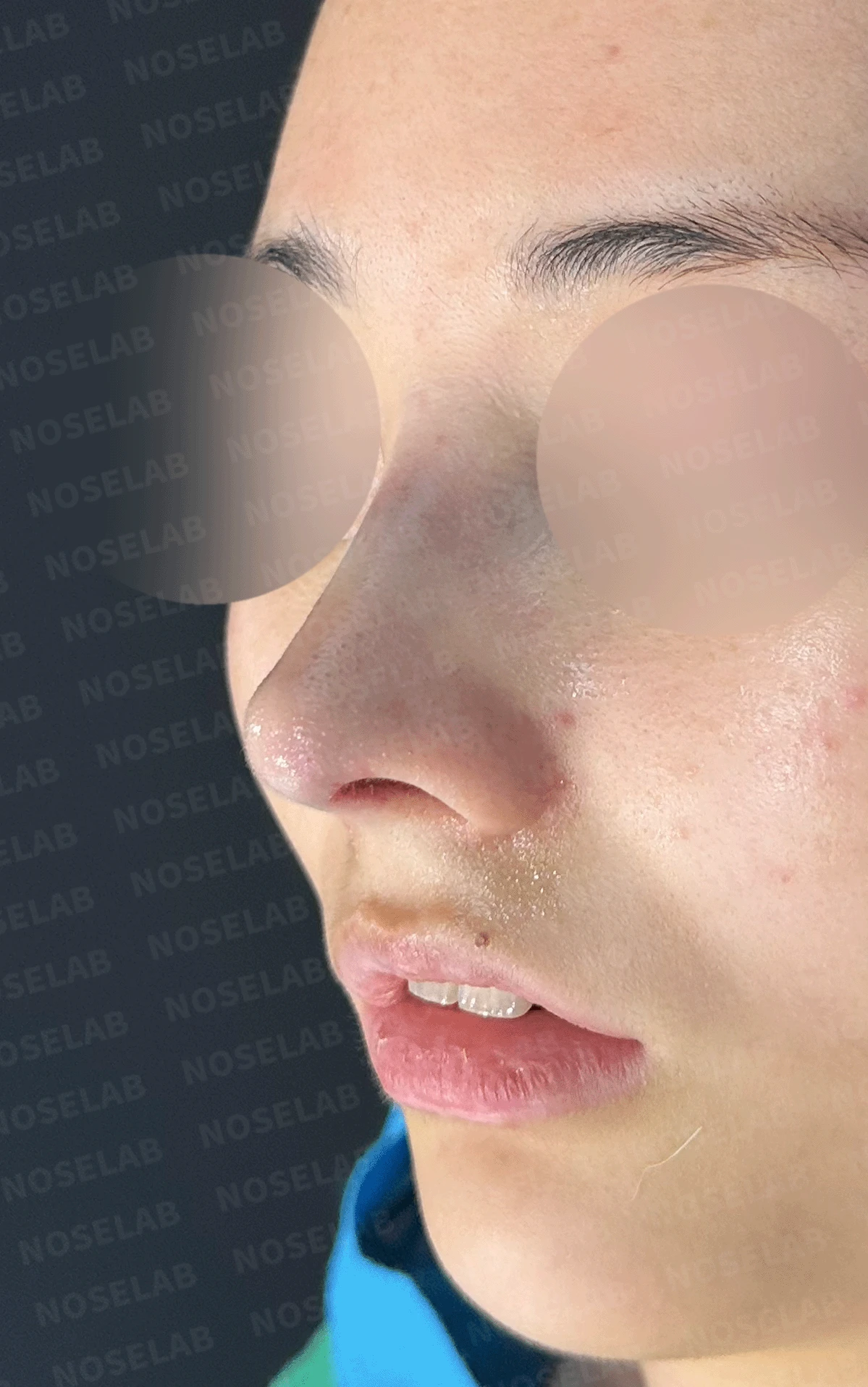
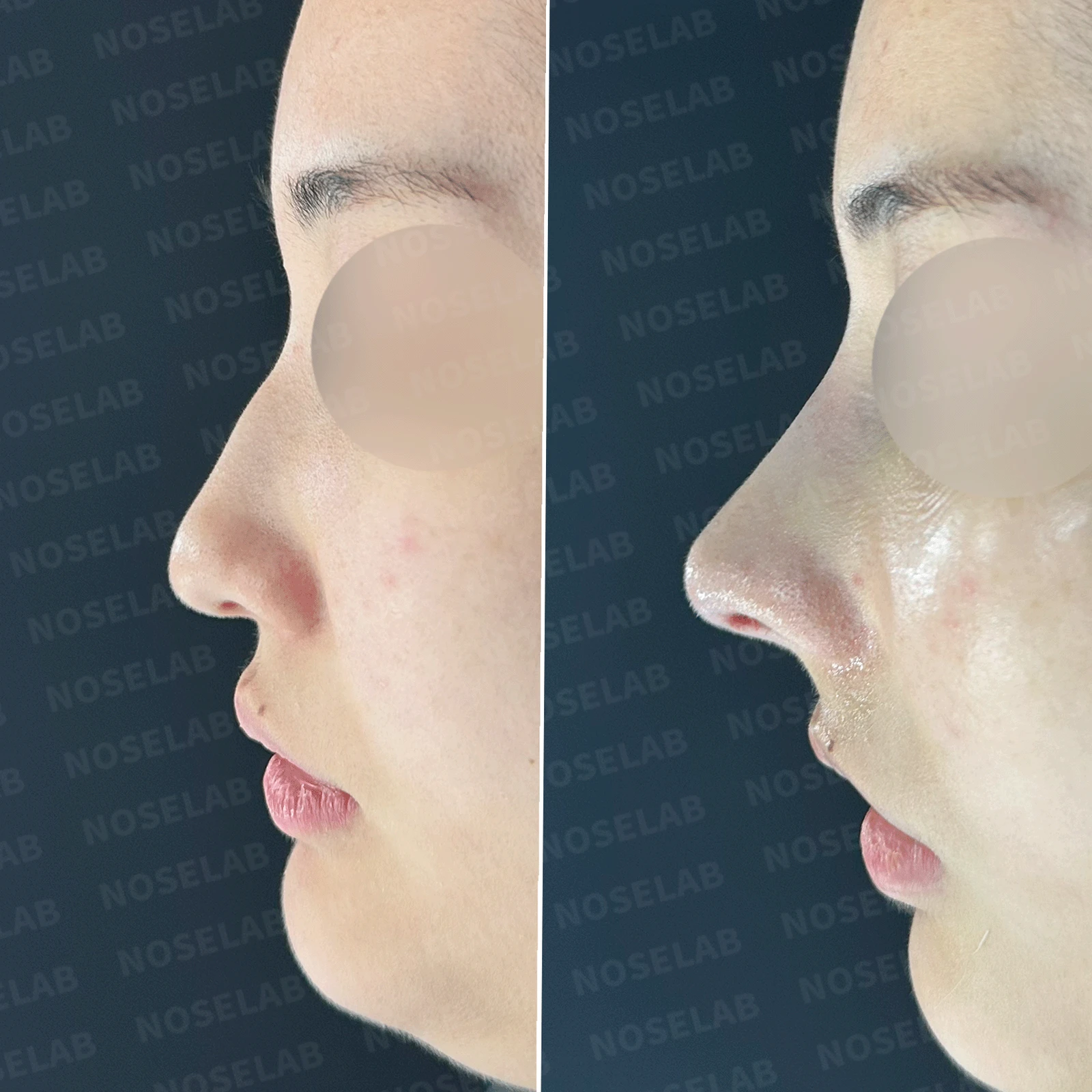
Before surgery / Day 0 immediately after surgery Photos taken immediately after surgery show swelling and may differ from the final result.
Profile view
Smoothly contoured dorsal hump line
Correction of the drooping tip
Adequate nasal length
Harmonious profile contour
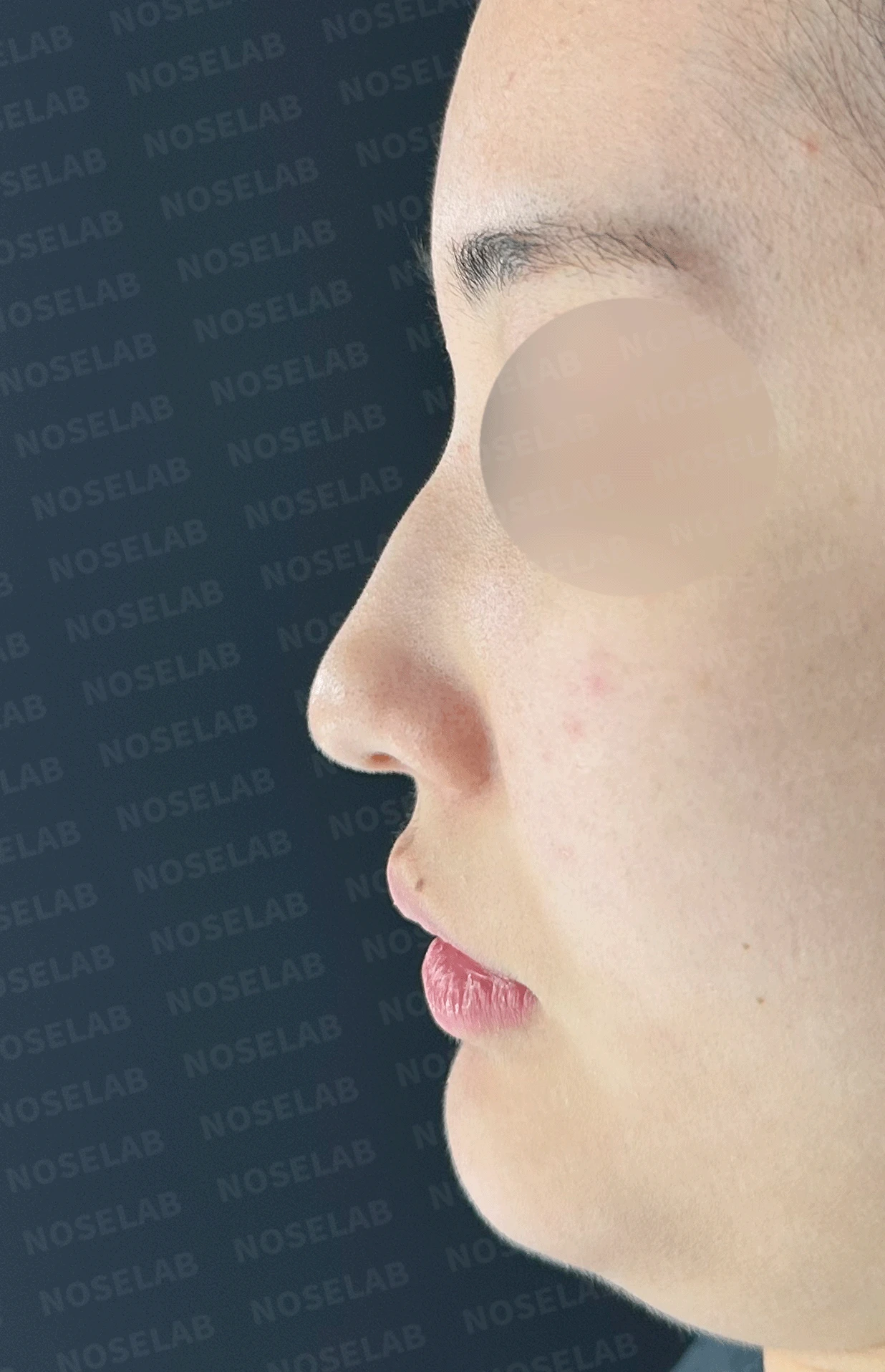
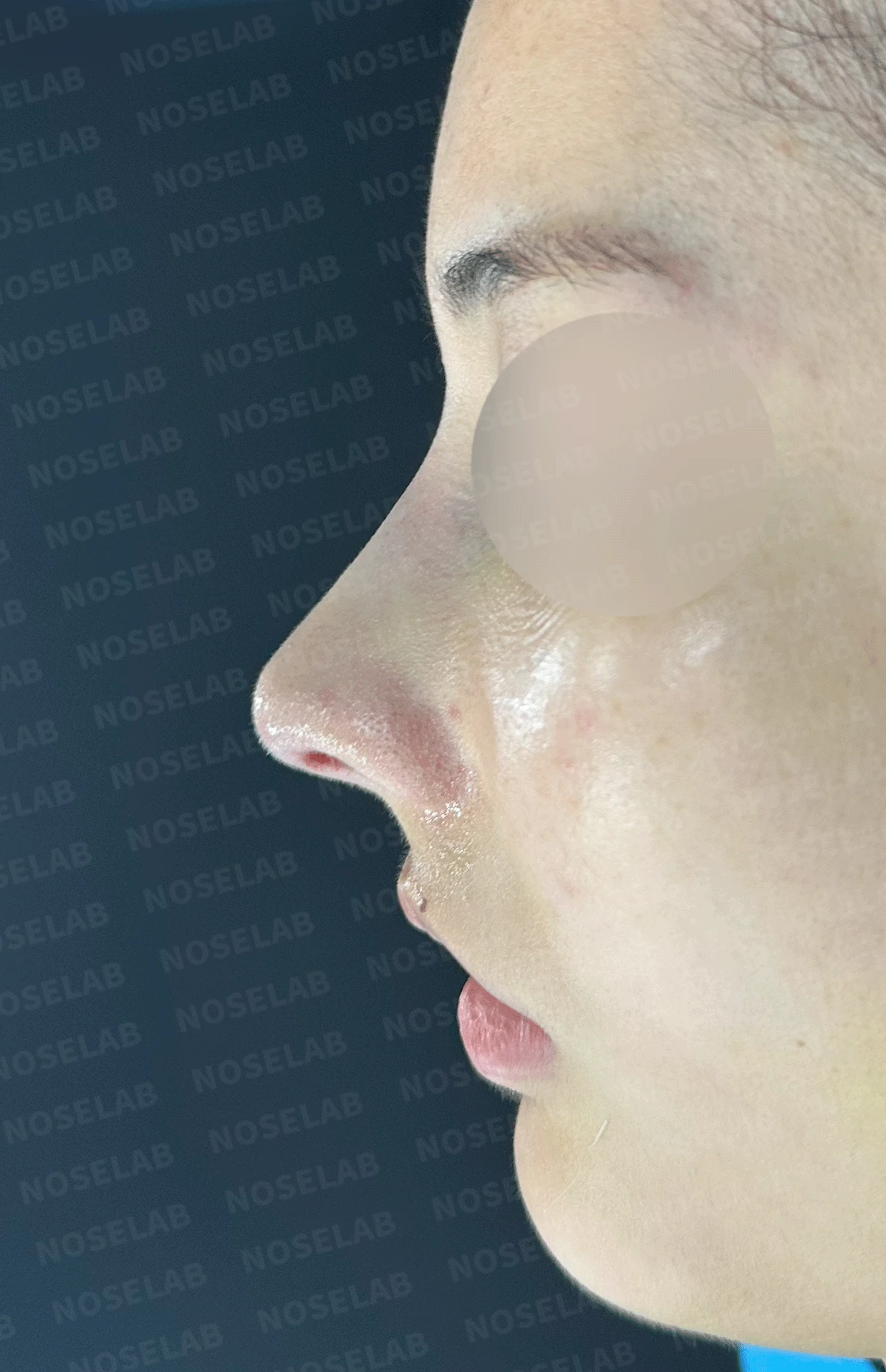
Before surgery / Day 0 immediately after surgery Photos taken immediately after surgery show swelling and may differ from the final result.
Changes with facial expressions
Expected improvement of the arrow nose phenomenon when smiling
Refined nasal tip with bulbousness eliminated
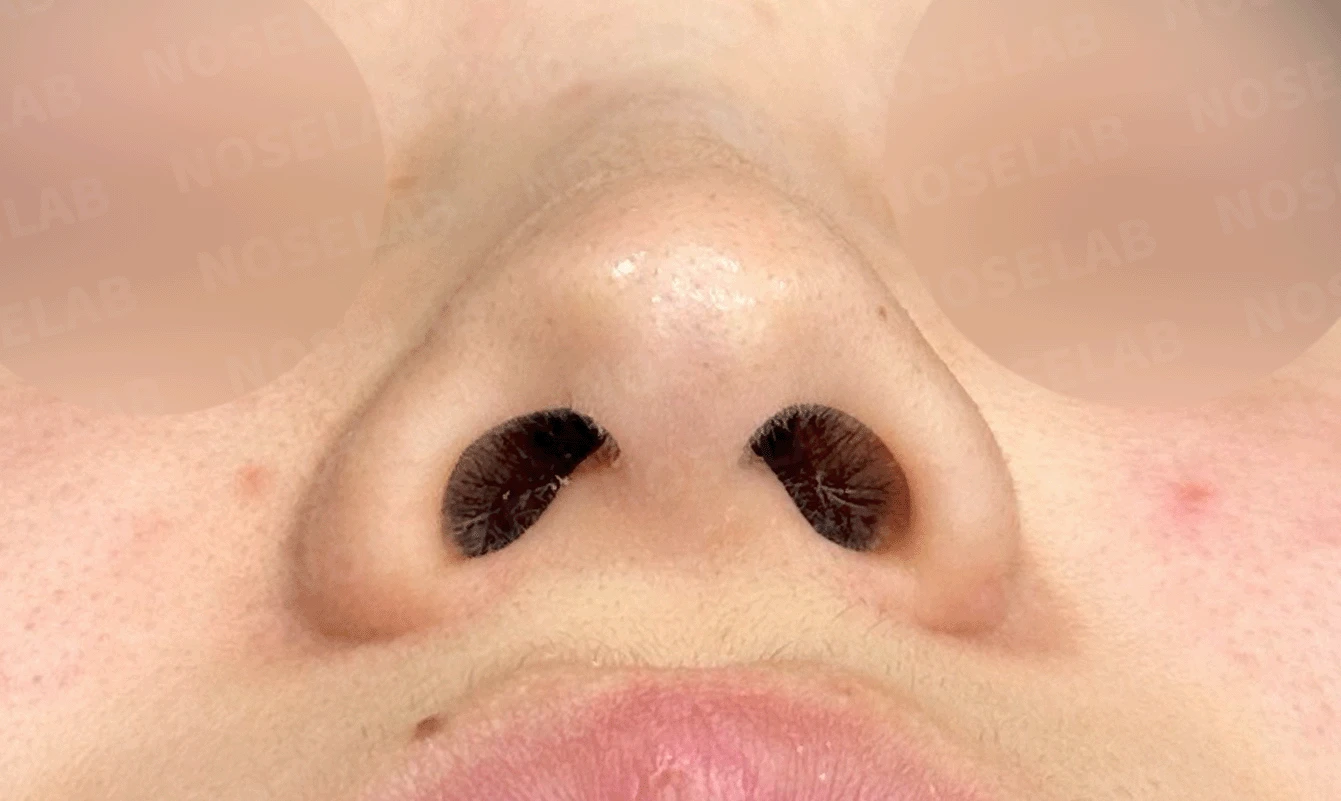
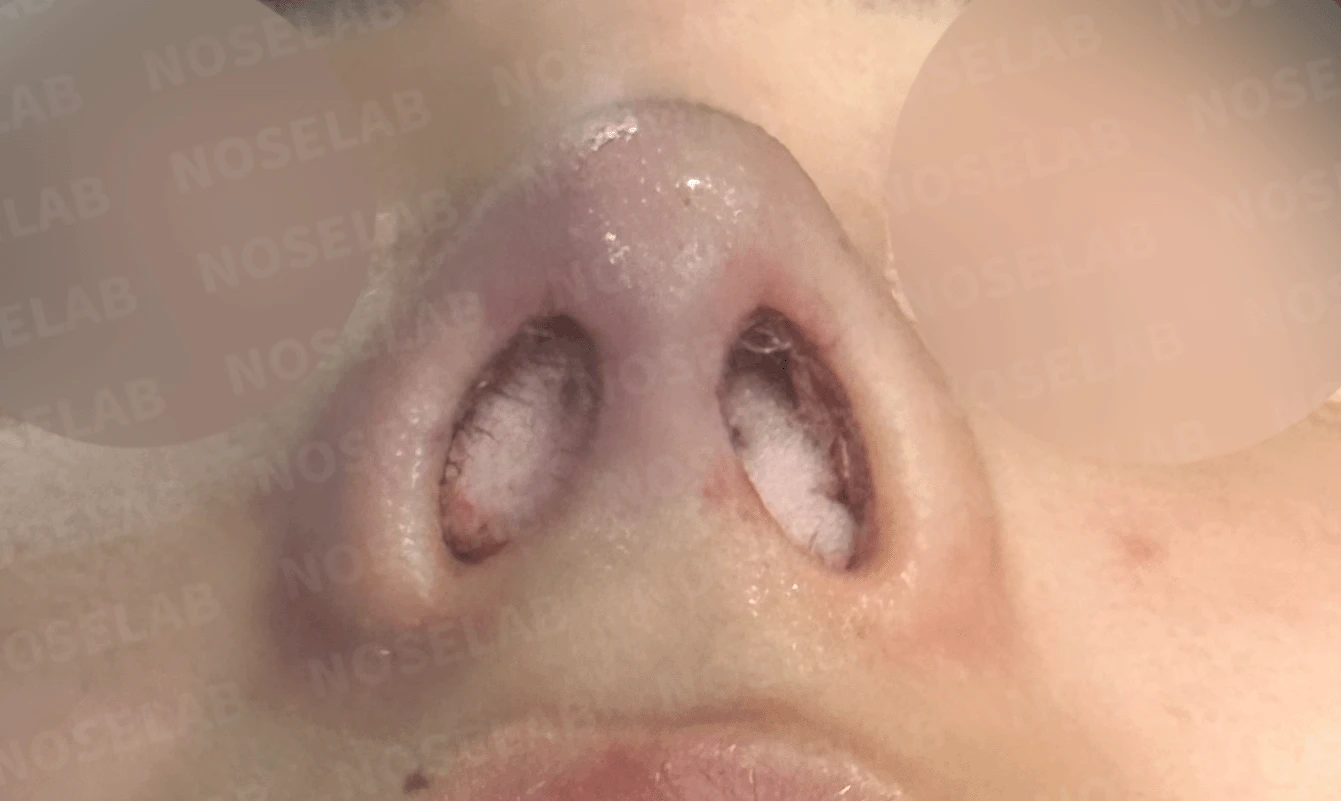
Before surgery / Day 0 immediately after surgery Photos taken immediately after surgery show swelling and may differ from the final result.
👨⚕️Specialist's assessment
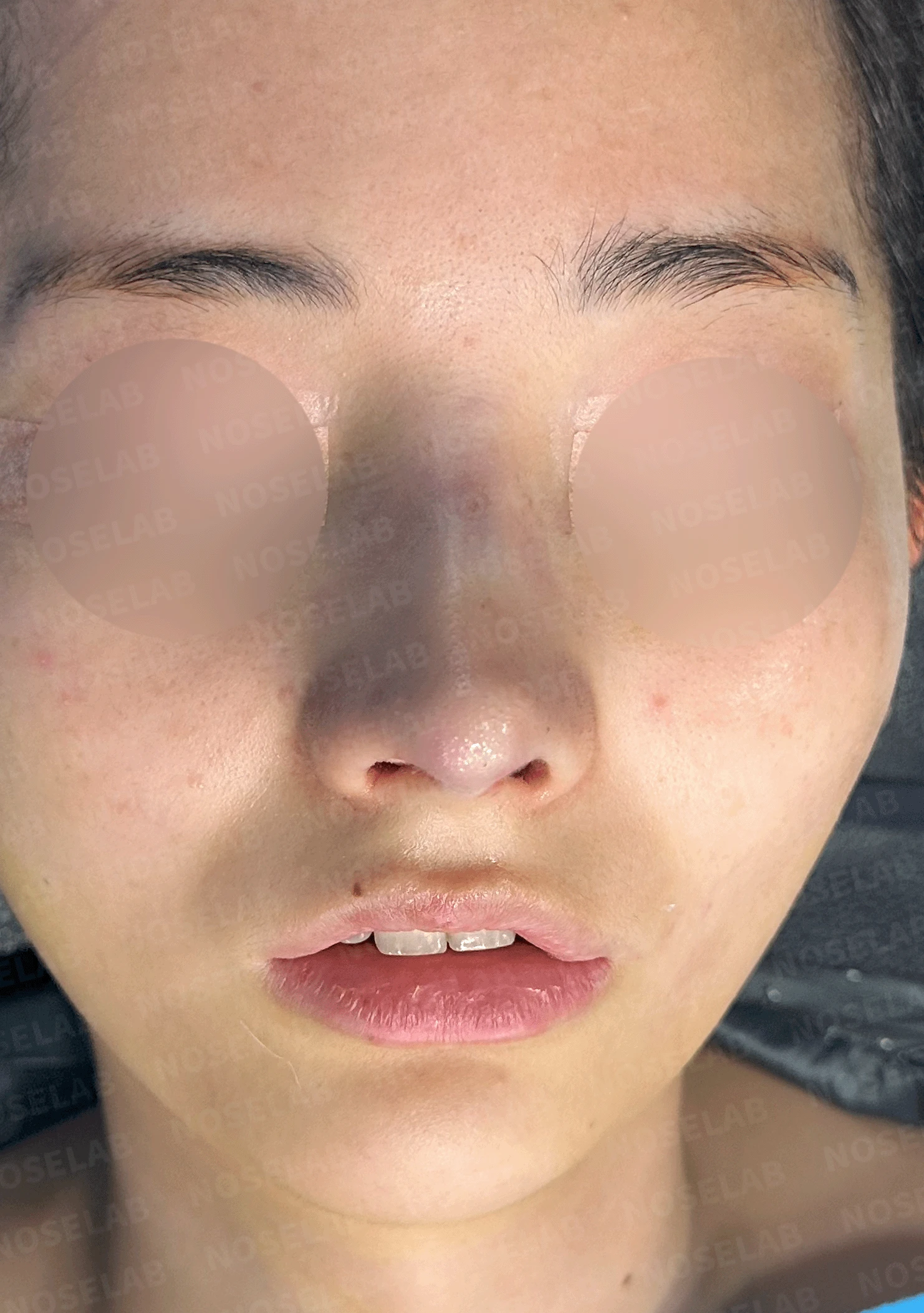
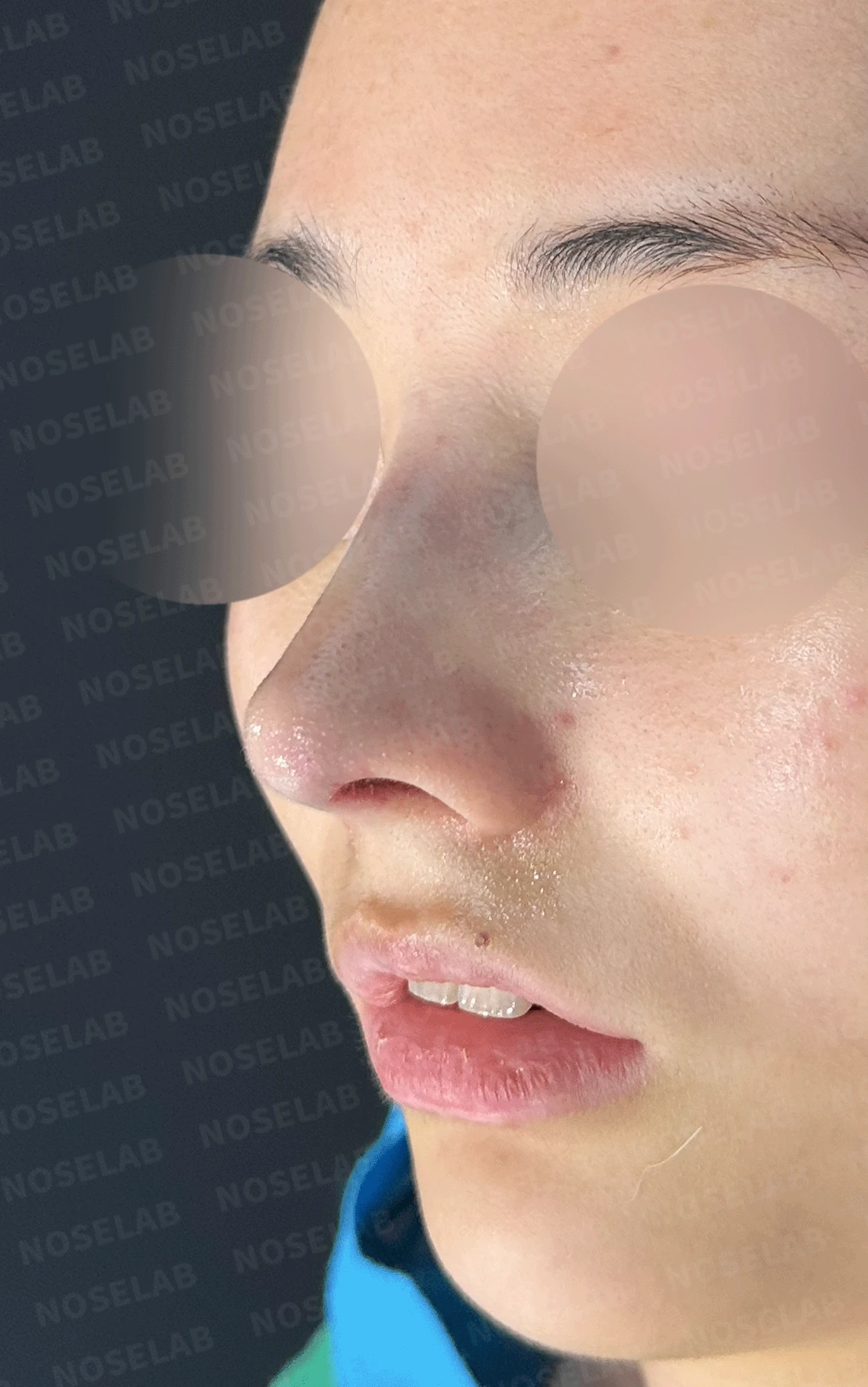
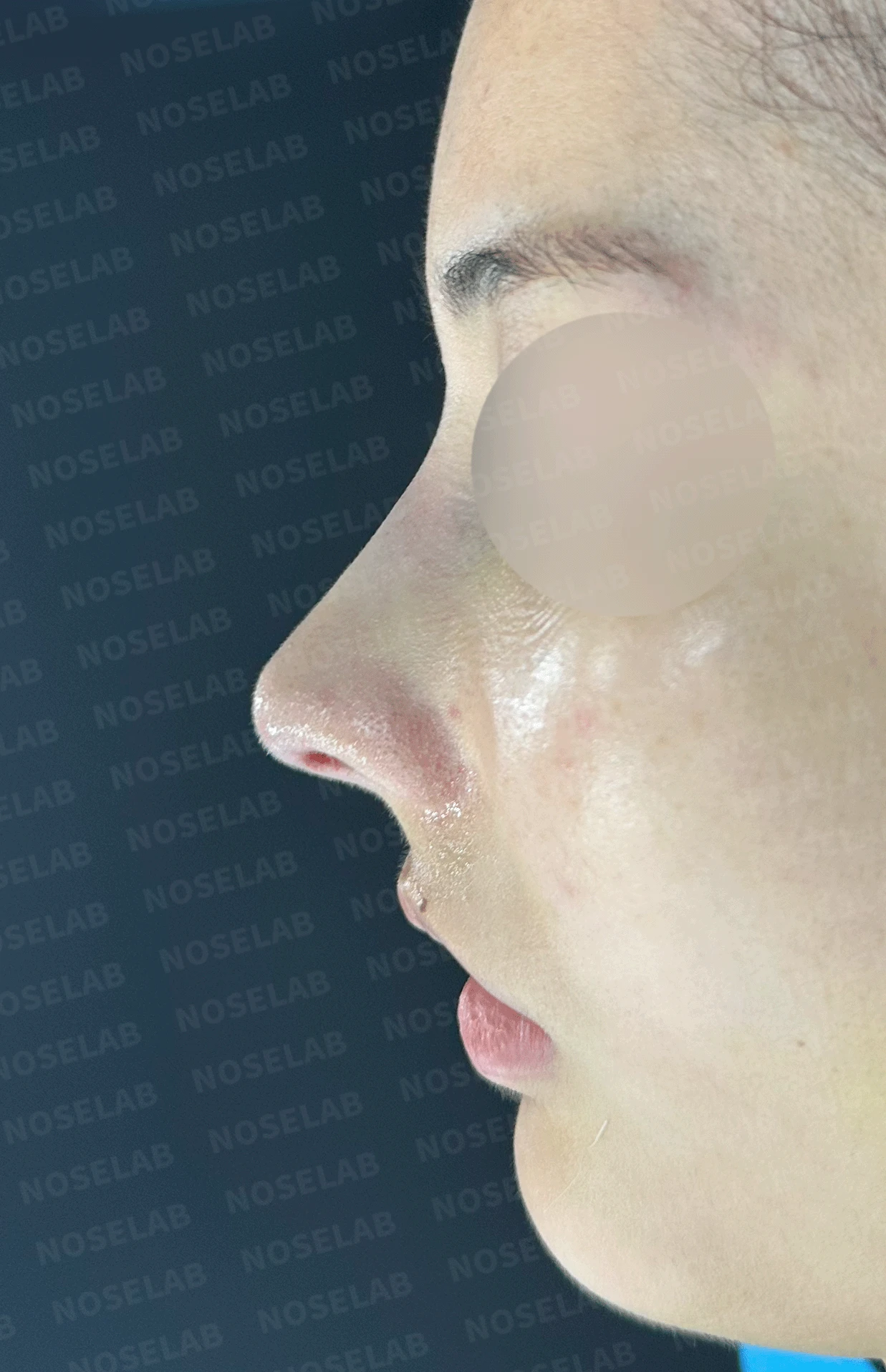
Immediately after surgery on day 0: front, oblique, and profile views Immediate postoperative photos show swelling and may differ from the final result.
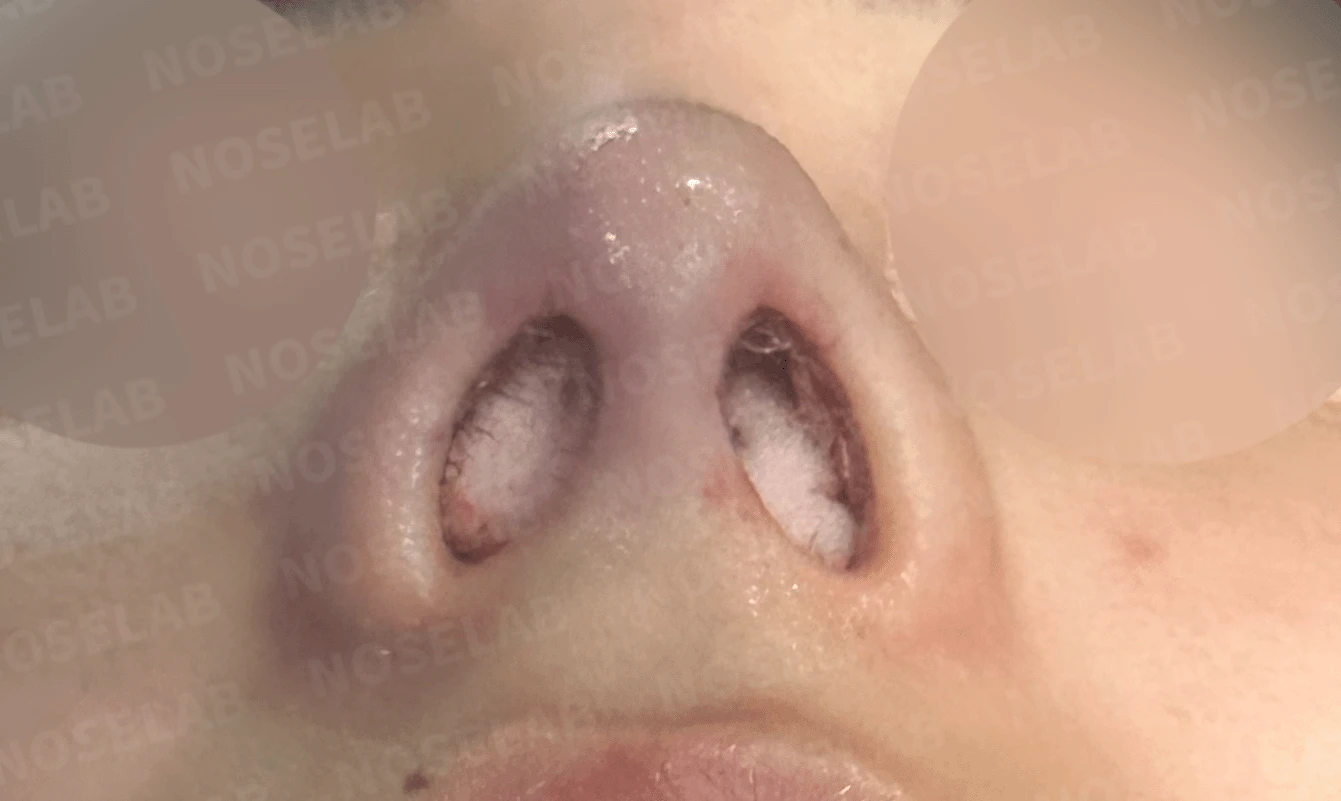
Nostril view on day 0 immediately after surgery Photos taken immediately after surgery show swelling and may differ from the final result.
This case involved a patient who was concerned about a dorsal hump, a crooked nose, and especially an arrow nose phenomenon that appeared when smiling. An arrow nose that becomes apparent when smiling is a complex problem resulting from the structure of the nasal tip cartilage and the pull of facial muscles, making it difficult to resolve with simple nasal tip surgery alone.
The patient's primary concerns were the arrow nose phenomenon in which the nasal tip drooped long when smiling, and the bulbous appearance of the nasal tip at rest. In addition, the patient wished to improve the overall elongated look of the nose.
While dorsal hump correction and crooked nose correction are relatively common procedures, meticulous adjustment of the nasal tip was the key in this case. Using autologous rib cartilage, it was important to make the nasal tip slim while minimizing unnatural distortion during smiling.
To address the arrow nose that appears when smiling, the shape and position of the nasal tip cartilage must be precisely adjusted. The cartilage was repositioned to refine the bulbous tip while preventing excessive deformation with facial expressions.
In addition, to improve the elongated appearance of the nose, overall proportions were adjusted, and the drooping tip was suitably elevated to achieve a balanced nasal contour. The dorsal hump was also naturally smoothed to create a soft profile line.
Functionally, to relieve the recently worsened nasal obstruction and rhinitis symptoms, septoplasty and radiofrequency laser submucosal inferior turbinectomy were performed concurrently.
As a result, the arrow nose phenomenon when smiling—which was the patient's greatest concern—was substantially improved, and a slim, refined nasal tip without bulbousness was achieved at rest. The dorsal hump and crooked nose were also naturally corrected, making this a rewarding case that achieved a harmonious overall nasal shape.
This has been Dr. Peter C. Kang, medical director.
Thank you.
#closedrhinoplasty #dorsalhumpcorrection #arrownosecorrection #slimnasaltip #autologouscartilage #customrhinoplasty

Limitations and risks
When autologous rib cartilage is used, scarring and pain may remain at the donor site on the chest, and pneumothorax (pleural injury) can occur rarely. Over time, the grafted cartilage may warp or undergo partial resorption.
When the septum is corrected at the same time, nasal obstruction may persist or recur, and in rare cases, septal perforation or changes in smell may occur.
Common potential risks include infection, bleeding, asymmetry, scarring, skin necrosis, and insufficient improvement; results vary depending on individual skin condition and previous surgical history.