Hello, I am Dr. Peter C. Kang.
Today, I would like to share the case of a patient who visited our clinic with concerns about nasal obstruction and asymmetry that developed after previous surgeries.
🔍 Surgical history
2014: Closed rhinoplasty for dorsal hump + silicone implant + ear cartilage
2024: Silicone implant removal + ear cartilage + lateral osteotomy + dorsal hump correction + drooping tip correction
Worsened left-sided nasal obstruction and narrowing of the nasal airway after the second surgery
📊 The patient's requests
Reconstruction of excessive lateral osteotomy
Improvement of a wide nasal shape and low height
Correction of surface irregularities and implant visibility
Desire for implant-free rhinoplasty
Correction of crooked nose
A natural straight bridge line
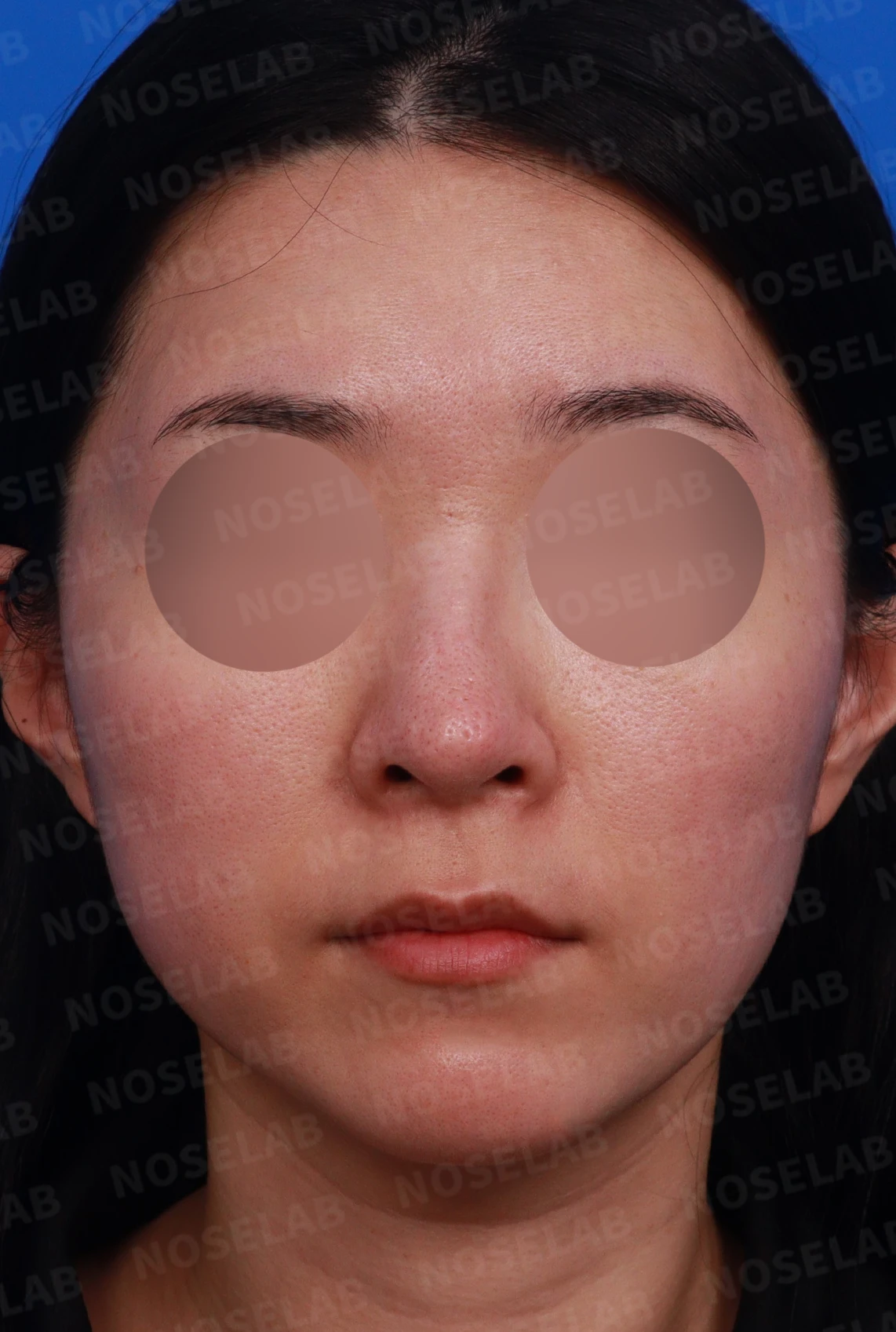
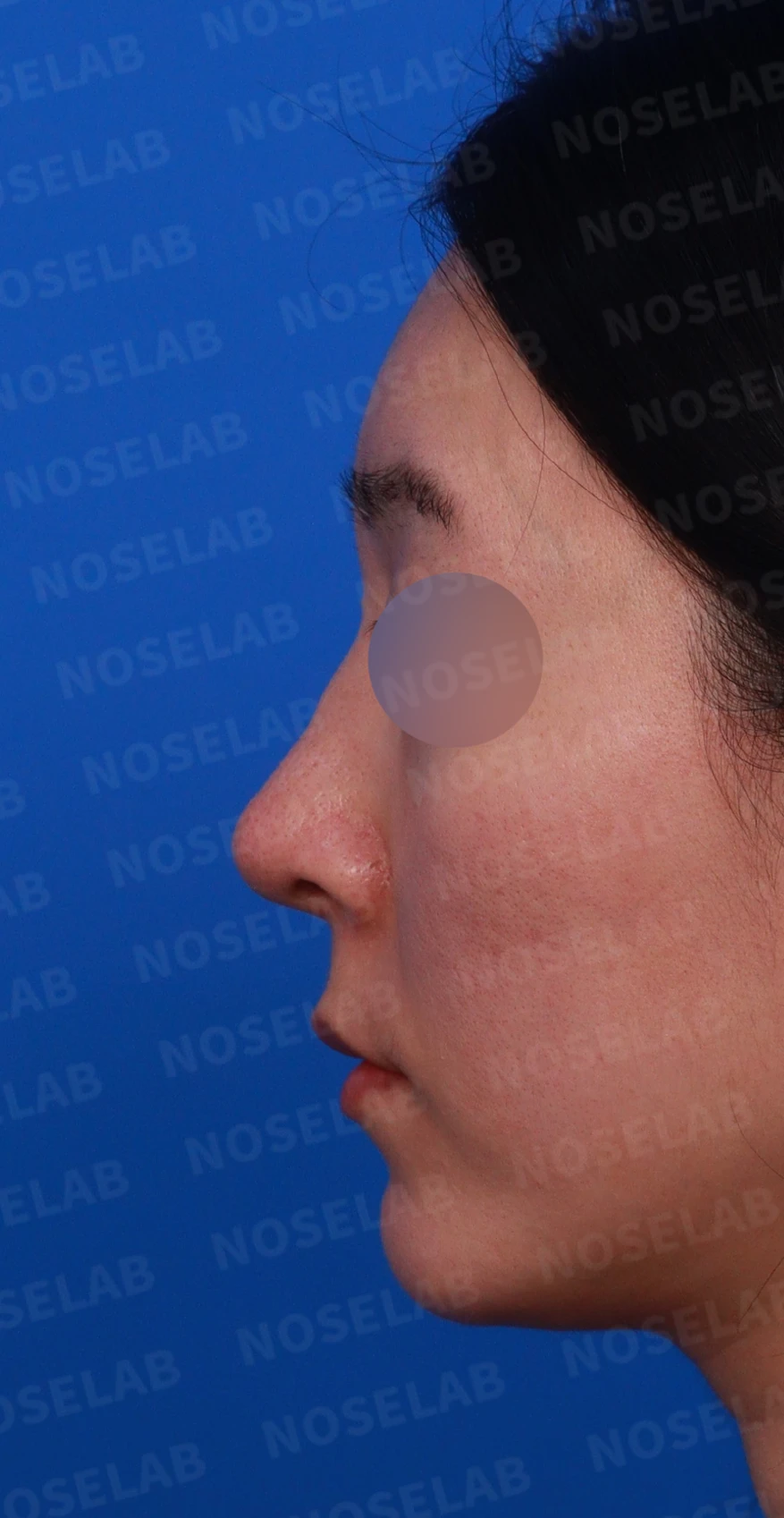
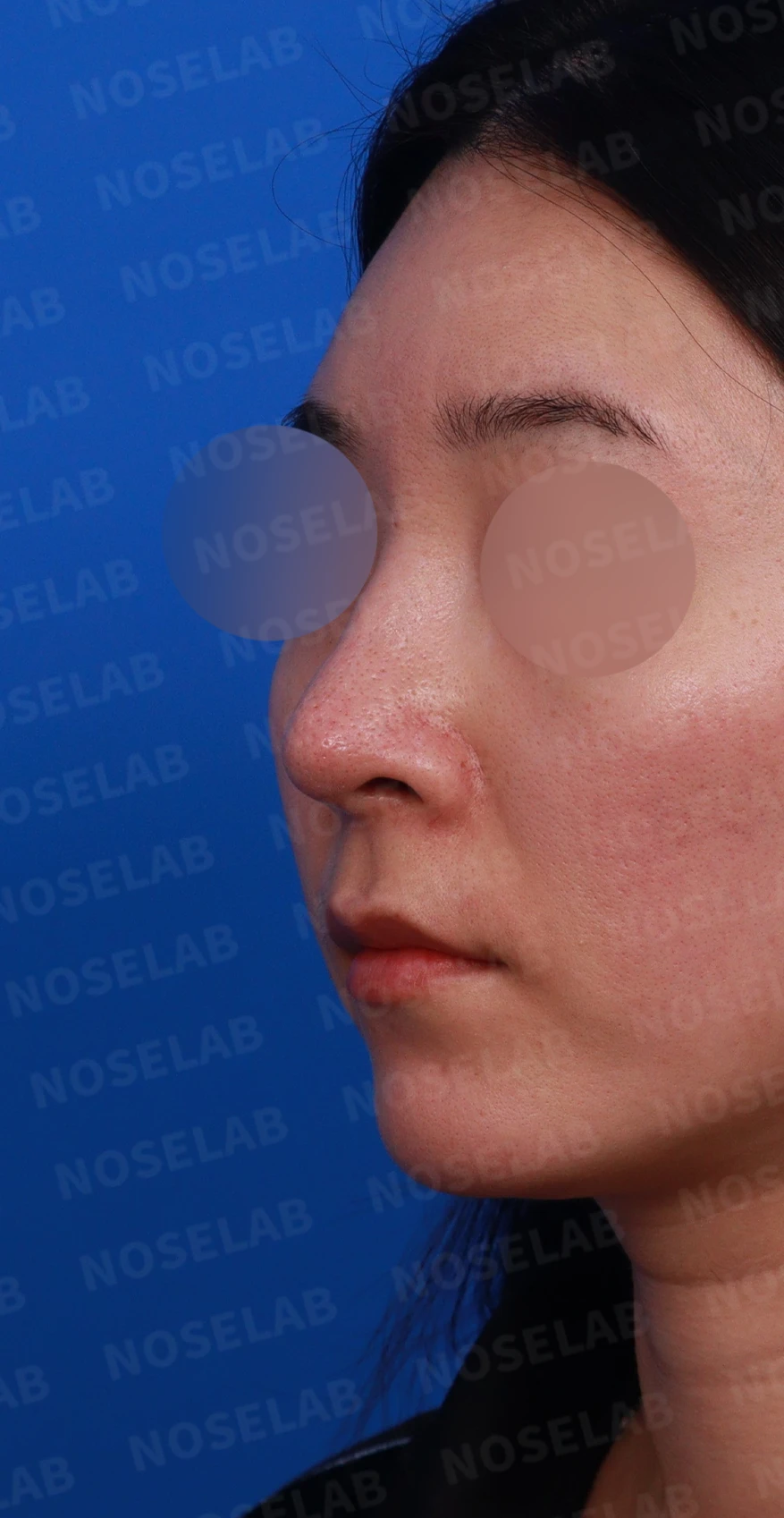
Front, left profile, and oblique views during design consultation
💉 Preoperative analysis
Nasal bone asymmetry and a crooked nose due to left nasal bone depression
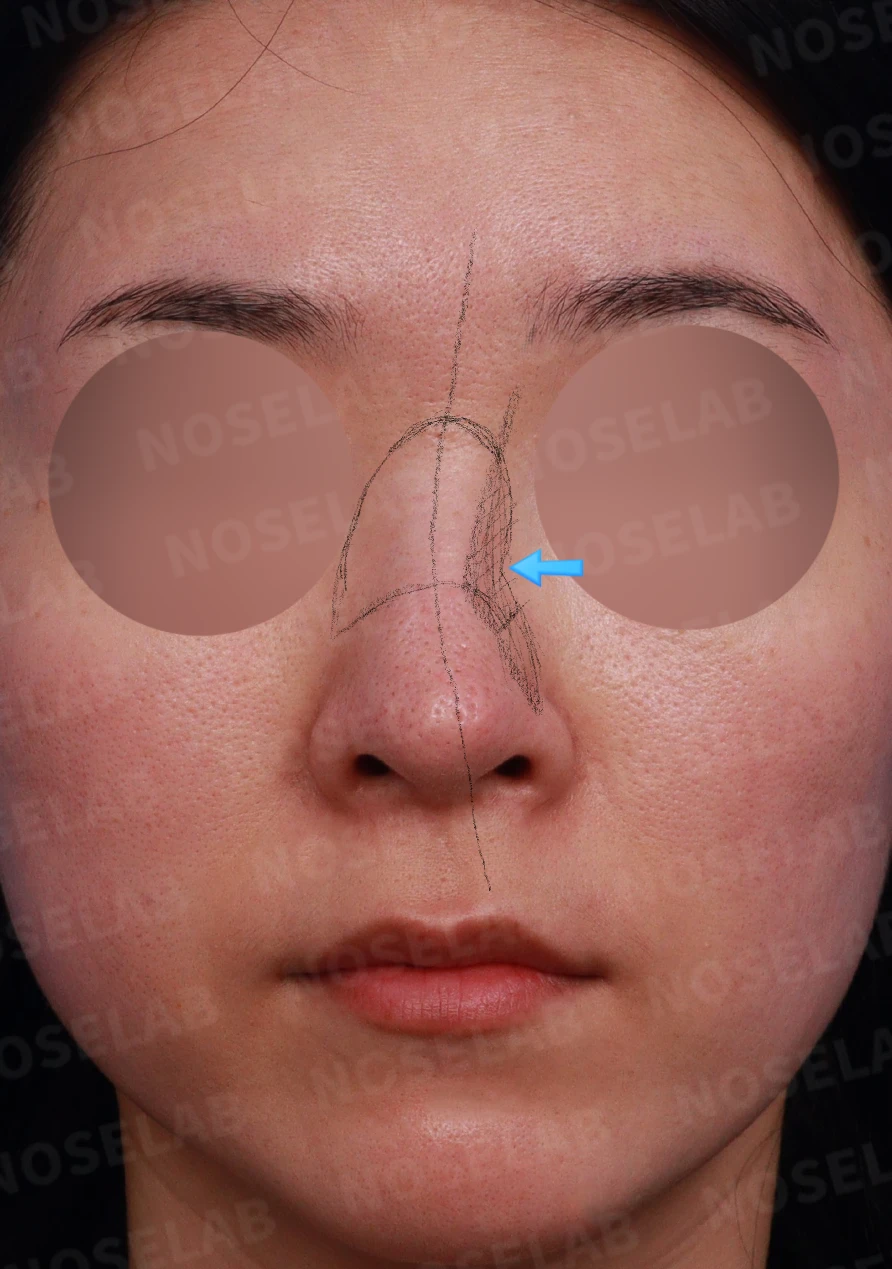
Deviated nose resulting from left nasal bone depression
Blunt and broad nasal tip
Irregular nasal bridge, dorsal hump
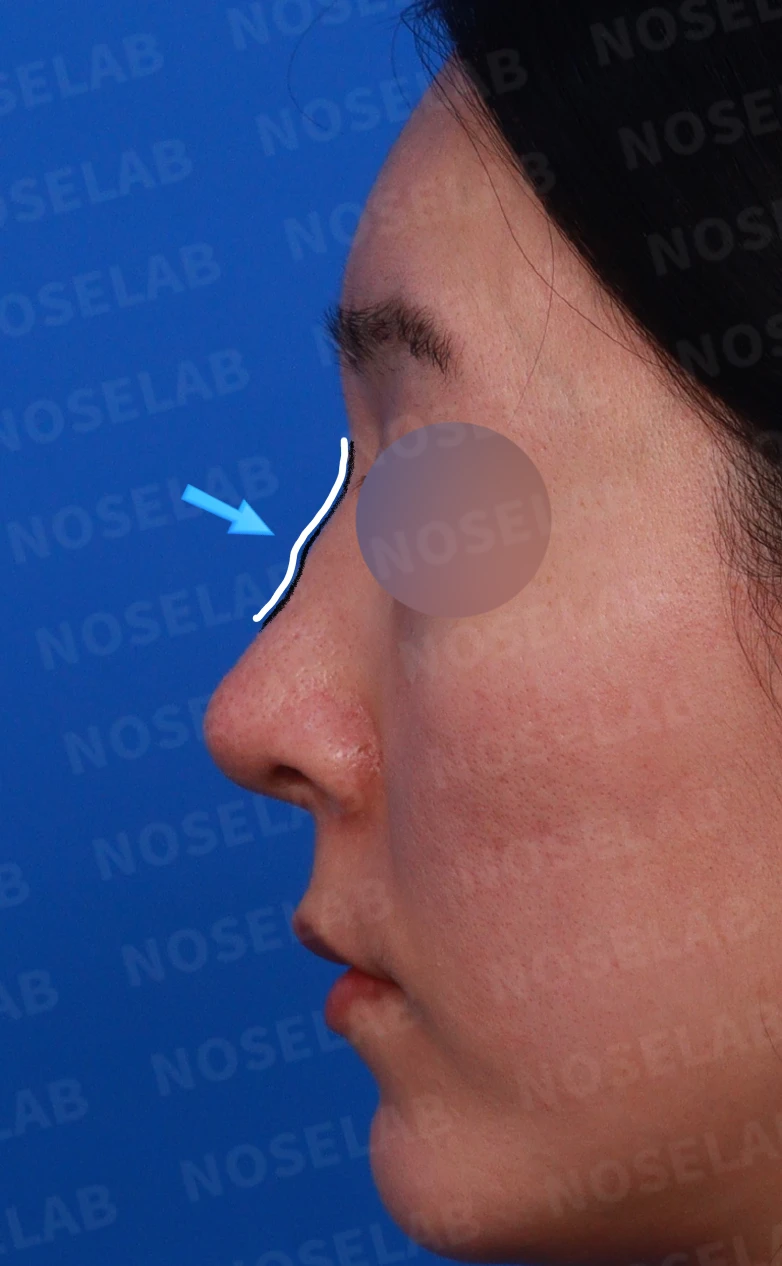
Residual dorsal hump under-corrected during the previous surgery
Examination for nasal obstruction revealed leftward deviation of the septal cartilage, left nasal valve stenosis, and inferior turbinate hypertrophy
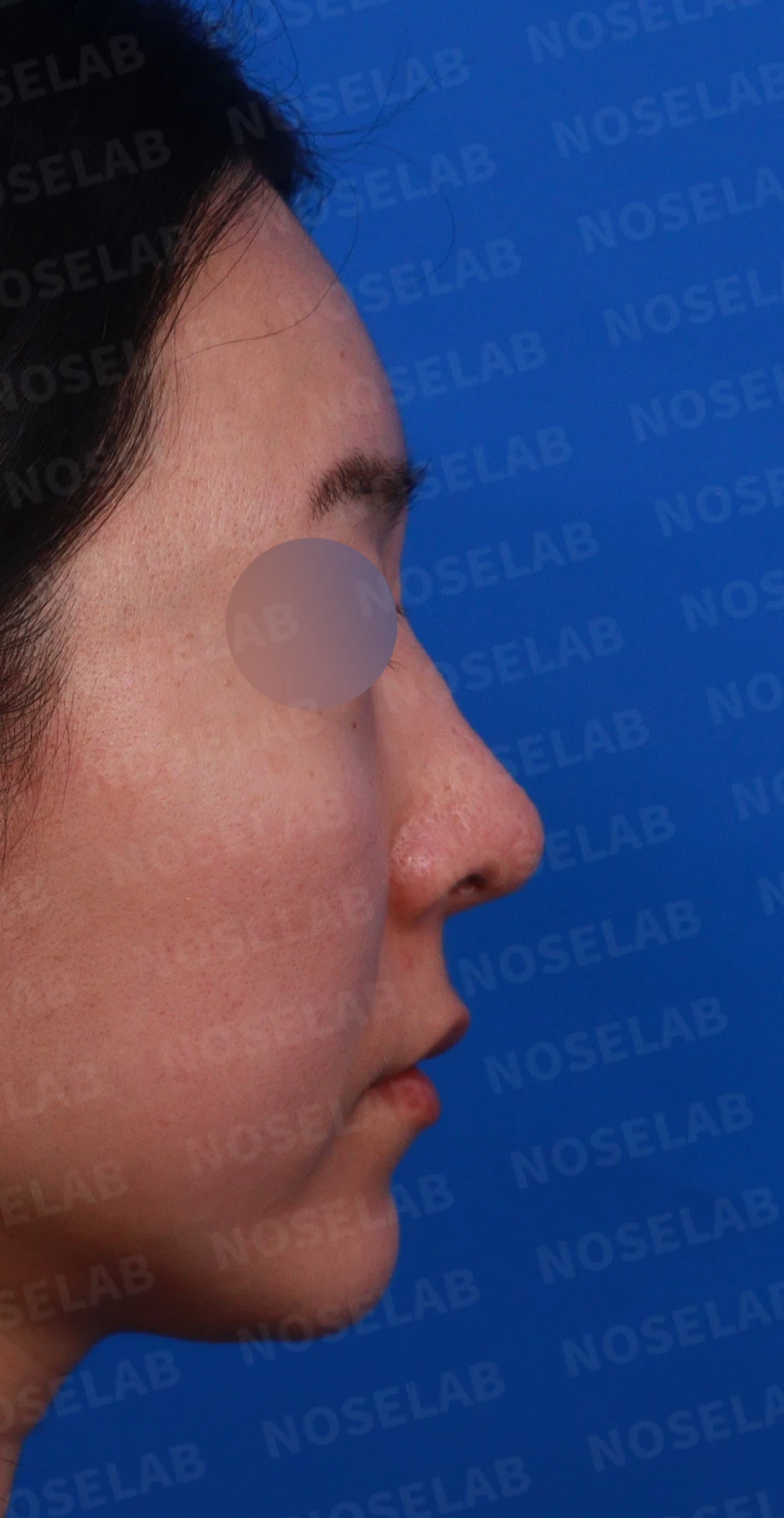
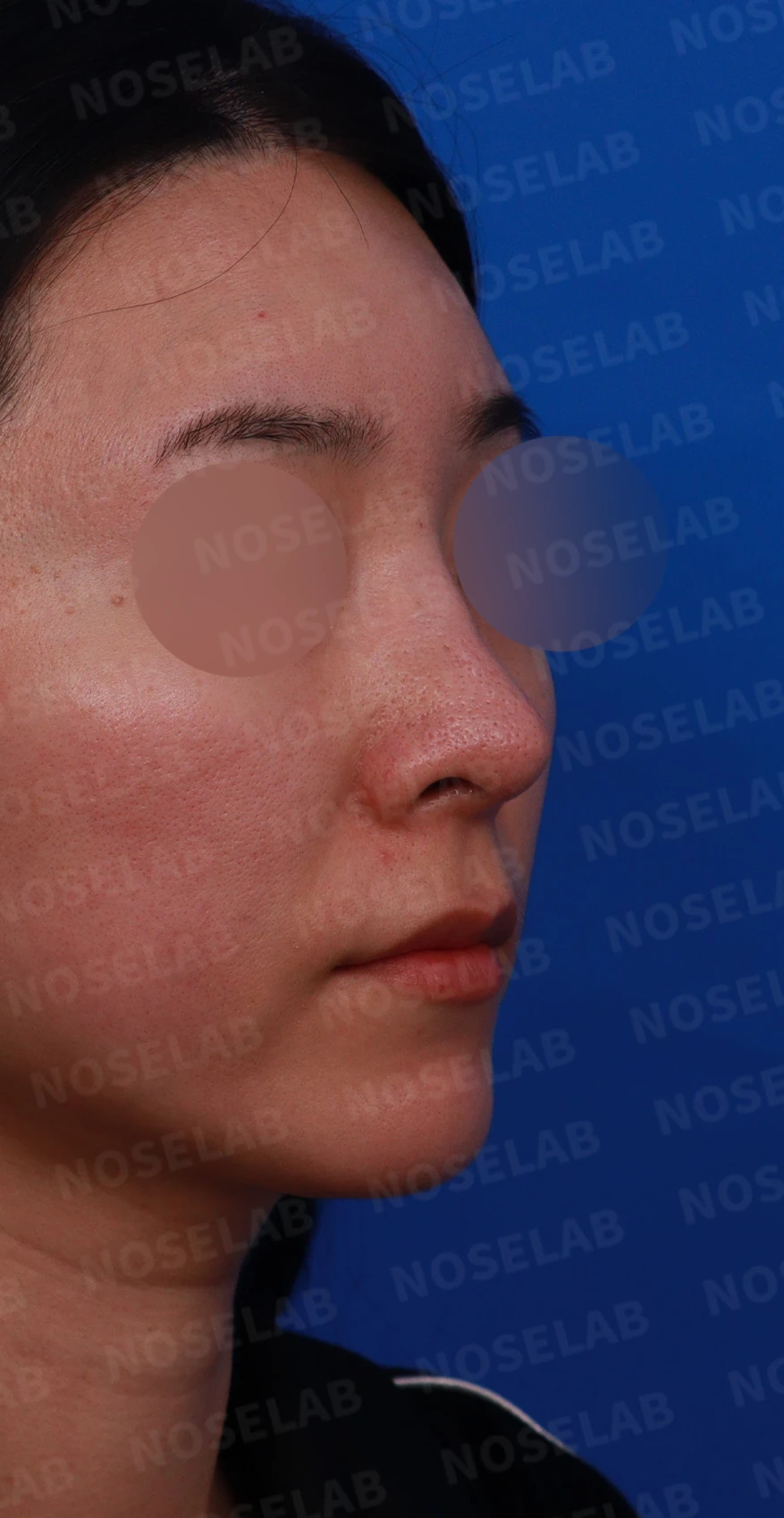
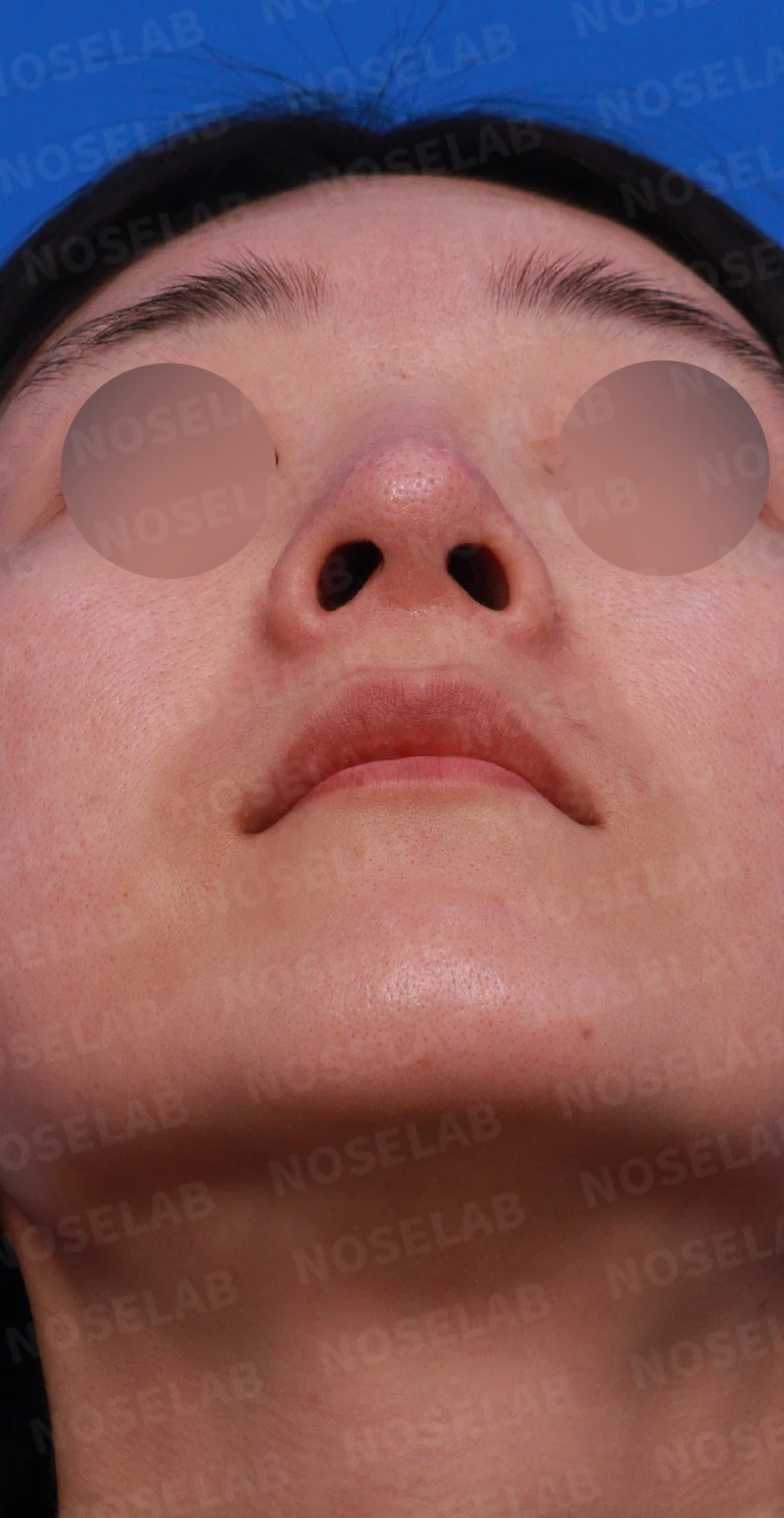
Right profile, oblique, and nostril views during design consultation
🔧 Surgical procedure details
Functional surgery to improve nasal obstruction
Septoplasty
Radiofrequency submucosal resection of the inferior turbinates
Left internal nasal valve reconstruction
Structural correction
Lateral mobilization of the depressed left nasal bone (lateral osteotomy reconstruction)
Additional dorsal hump correction
Dorsal augmentation using autologous rib cartilage
Nasal tip improvement
Septal extension using autologous rib cartilage
Subcutaneous scar tissue removal
Lower lateral cartilage repositioning and suturing
🌟 Surgical results
1. Front view
Improvement of left nasal bone depression
Correction of crooked nose
Refinement of the bulbous nasal tip
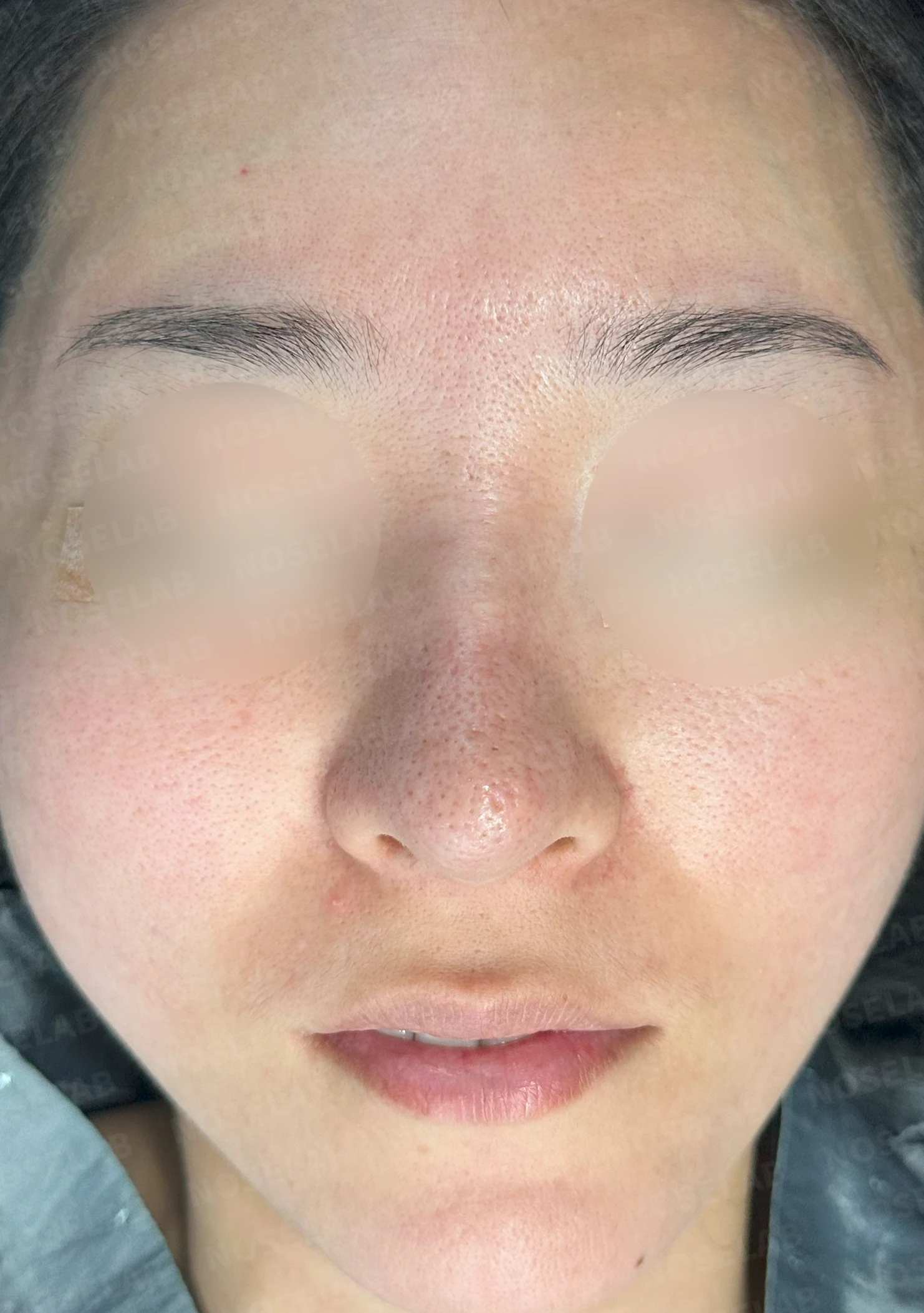
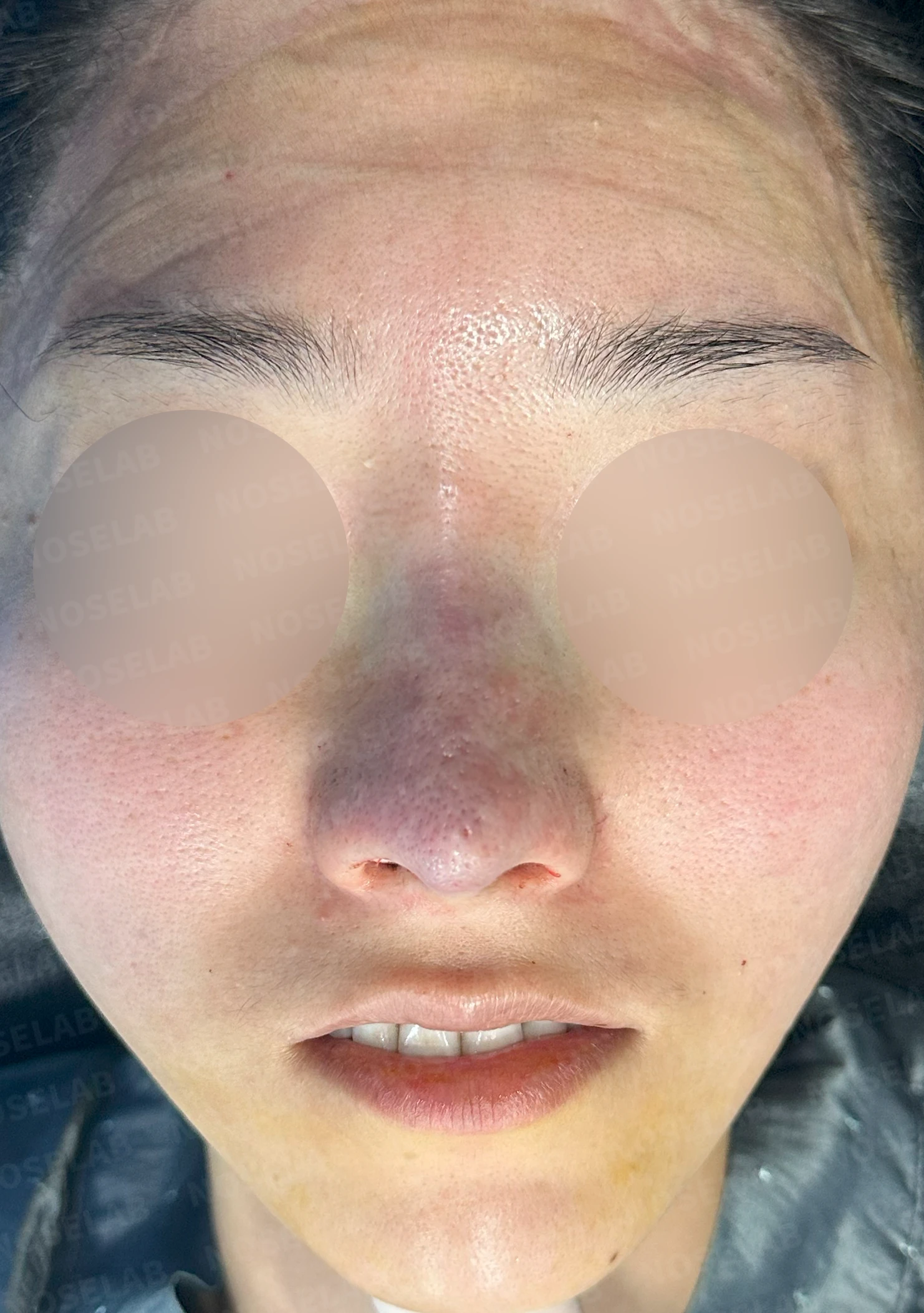
Before surgery / Day 0 immediately after surgery Photos taken immediately after surgery show swelling and may differ from the final result.
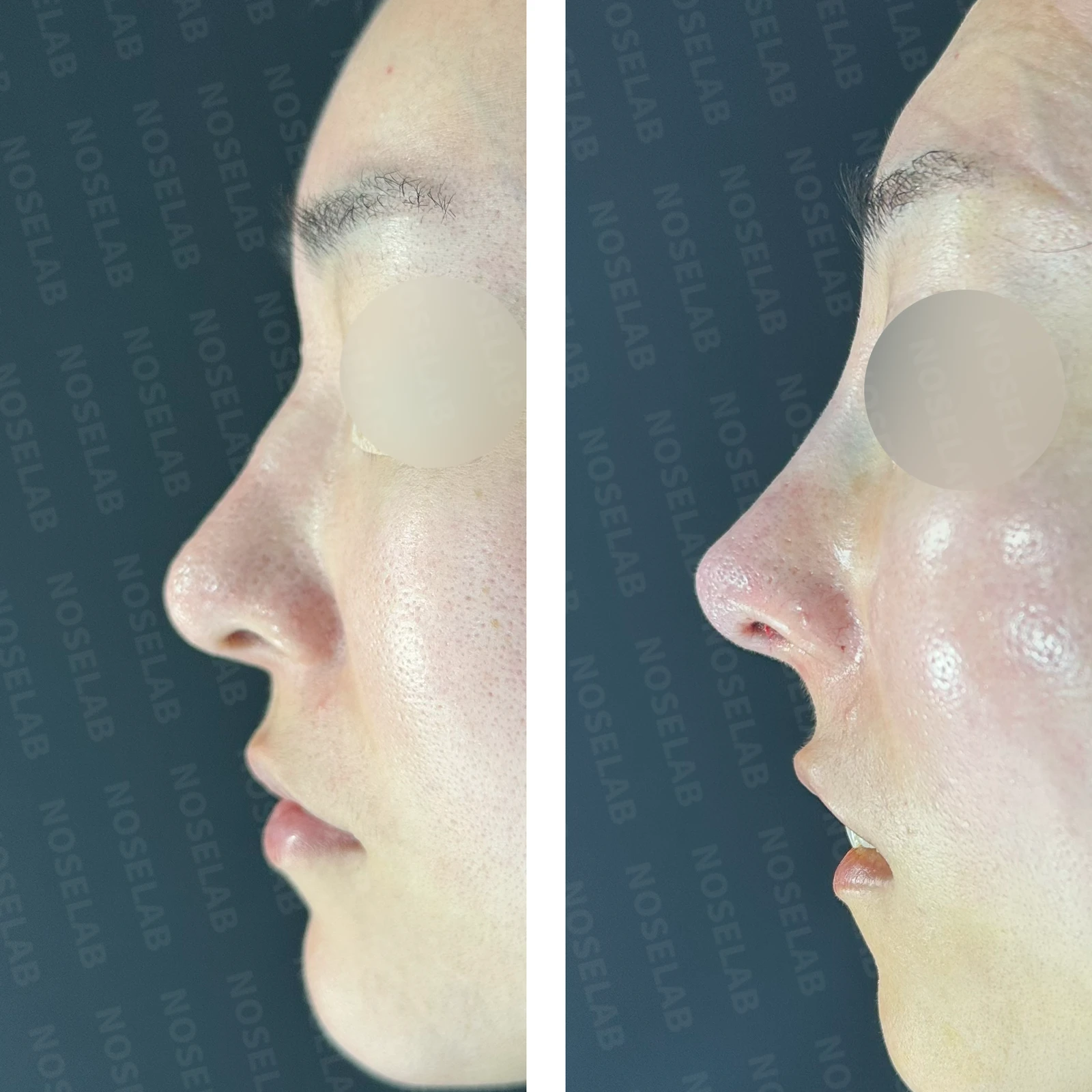
2. Profile view
Creation of a natural dorsal height
Correction of the dorsal hump
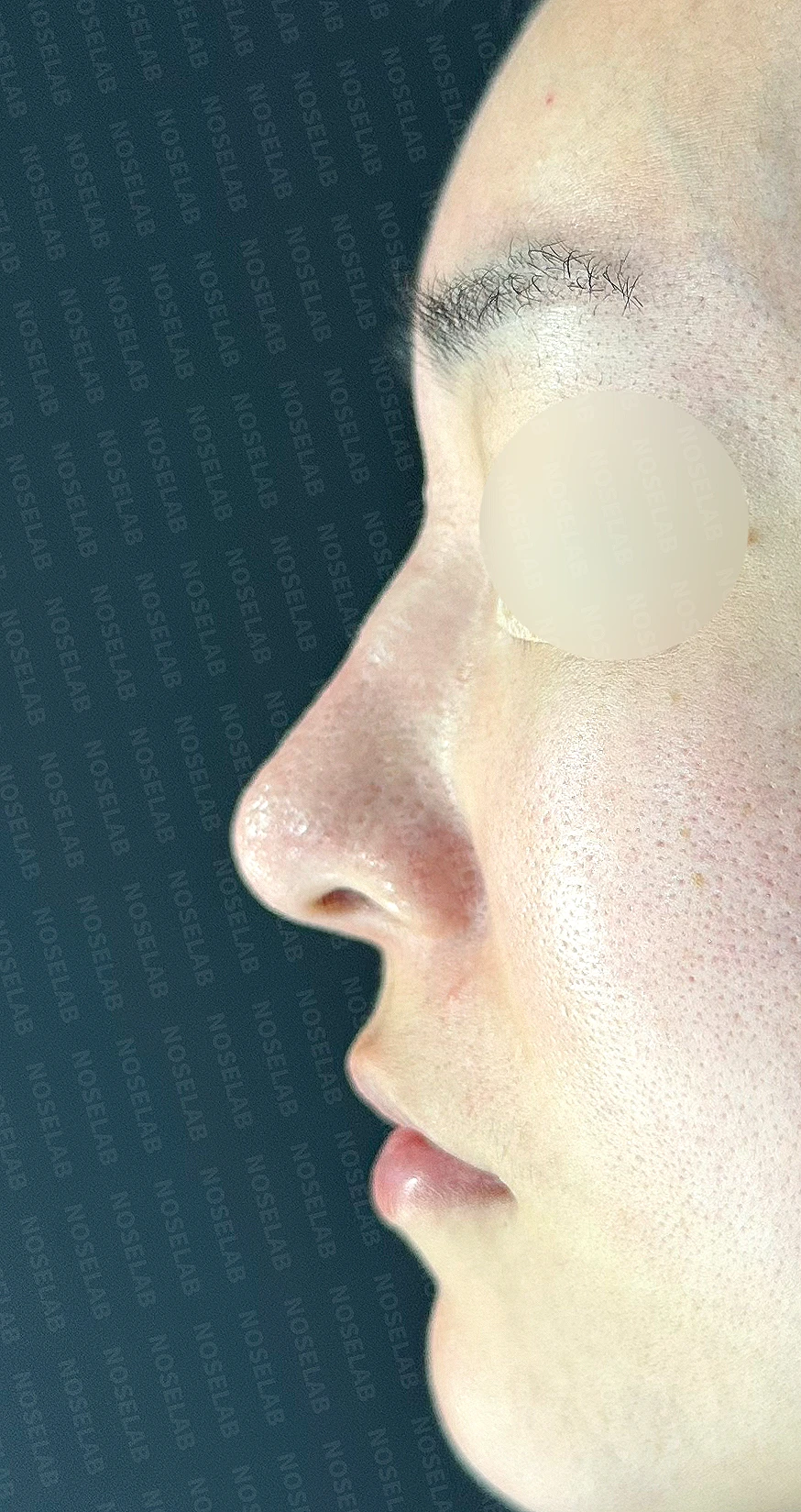
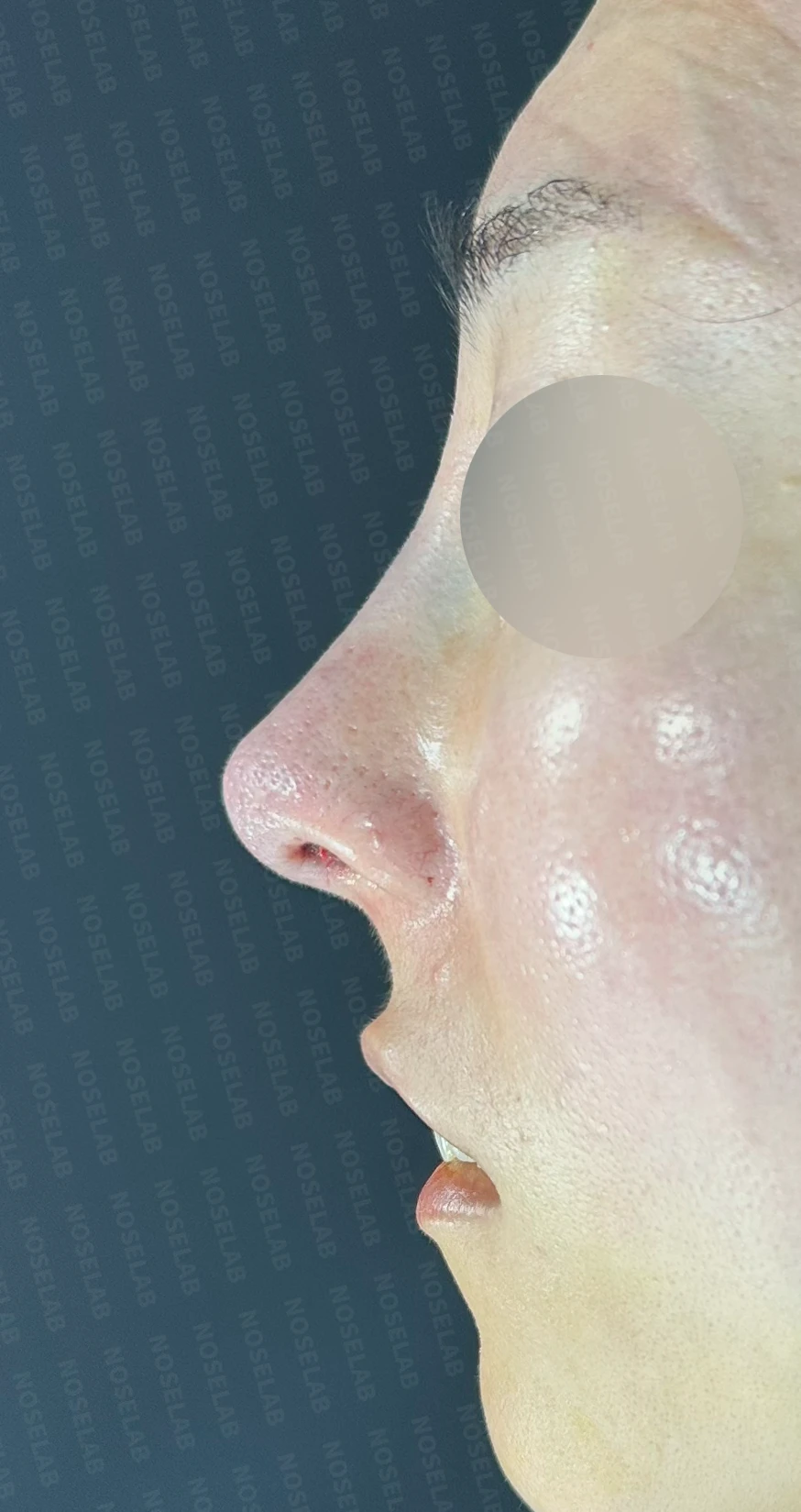
Before surgery / Day 0 immediately after surgery Photos taken immediately after surgery show swelling and may differ from the final result.
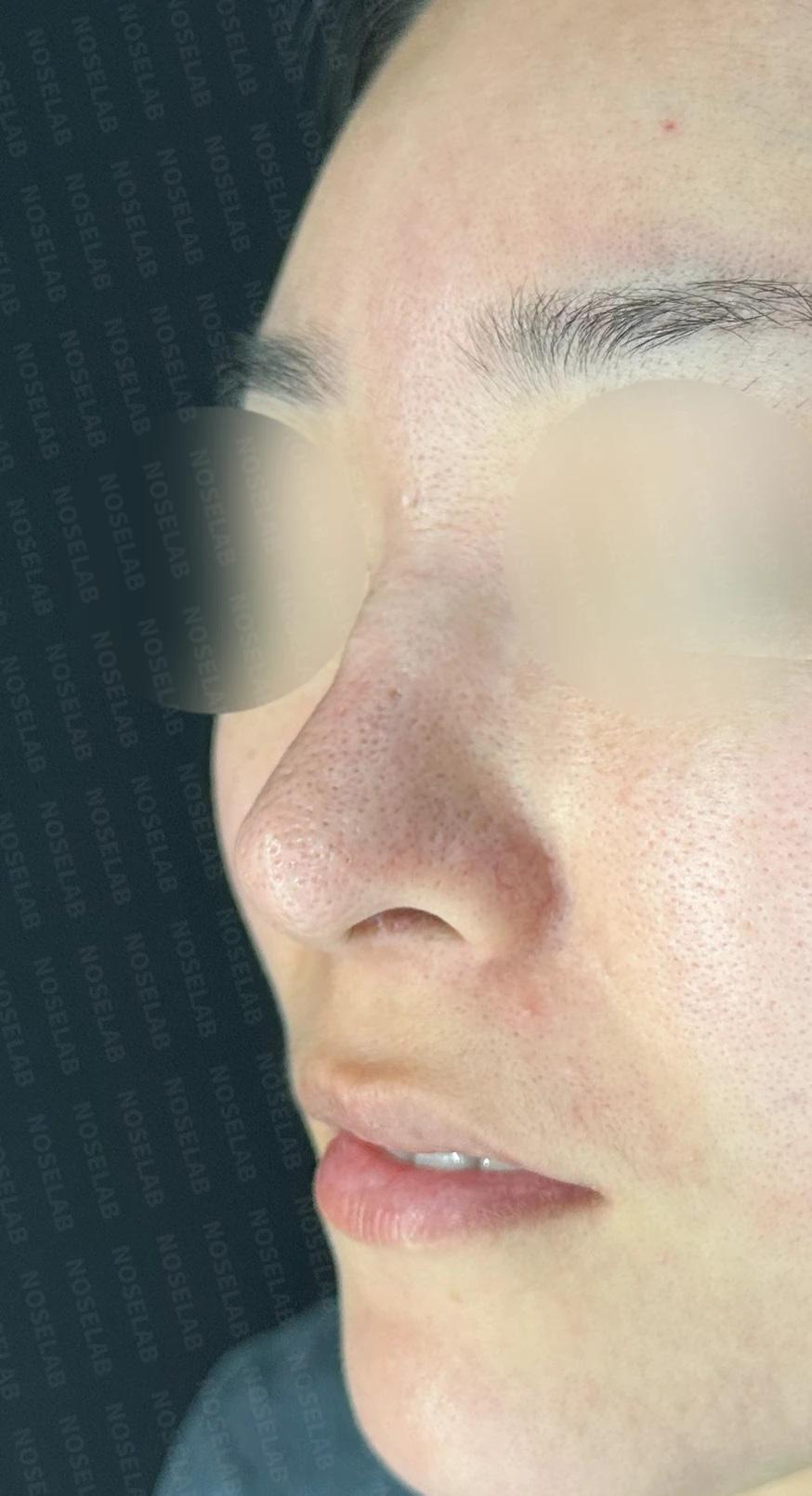
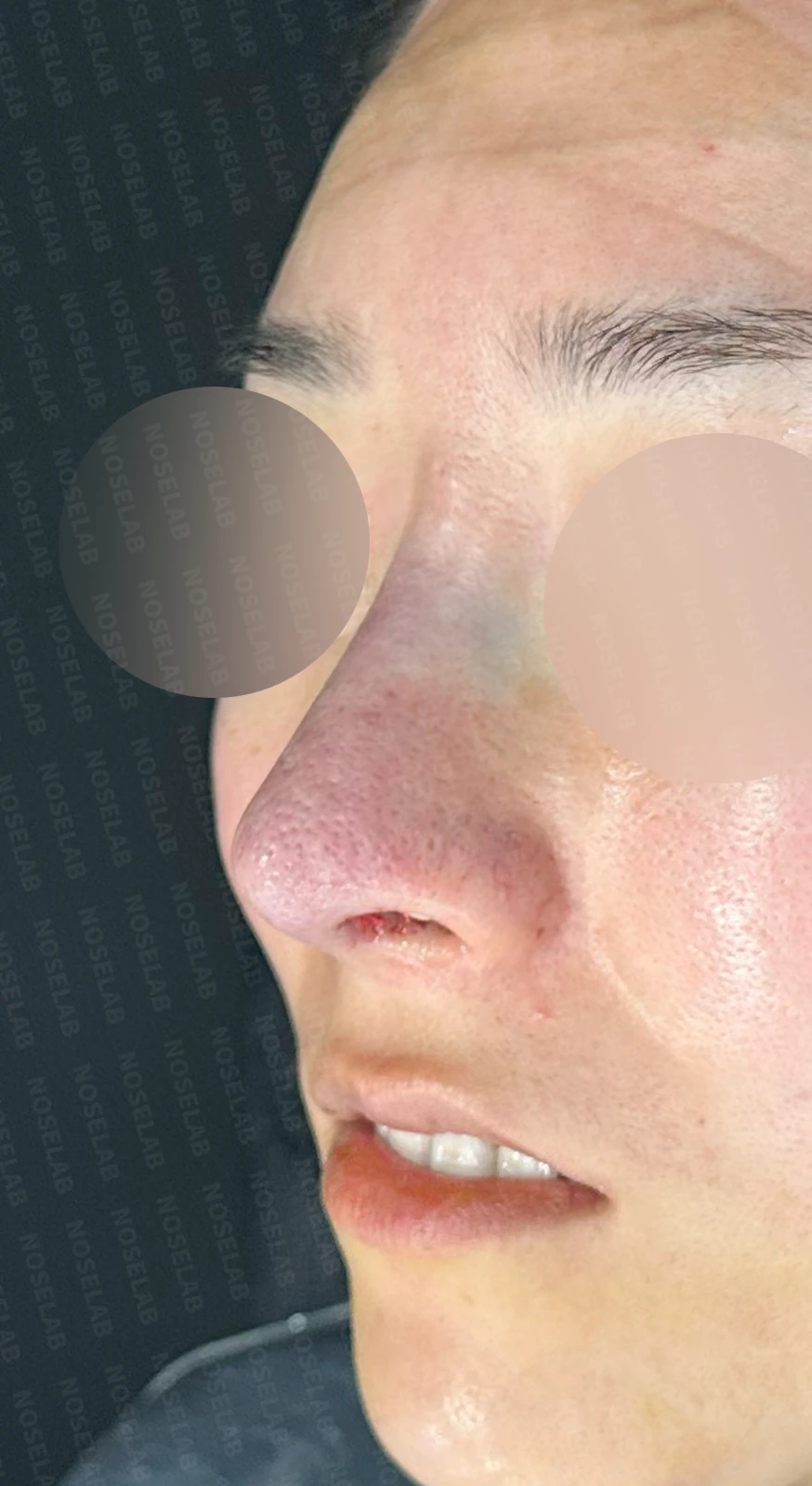
Before surgery / Day 0 immediately after surgery Photos taken immediately after surgery show swelling and may differ from the final result.
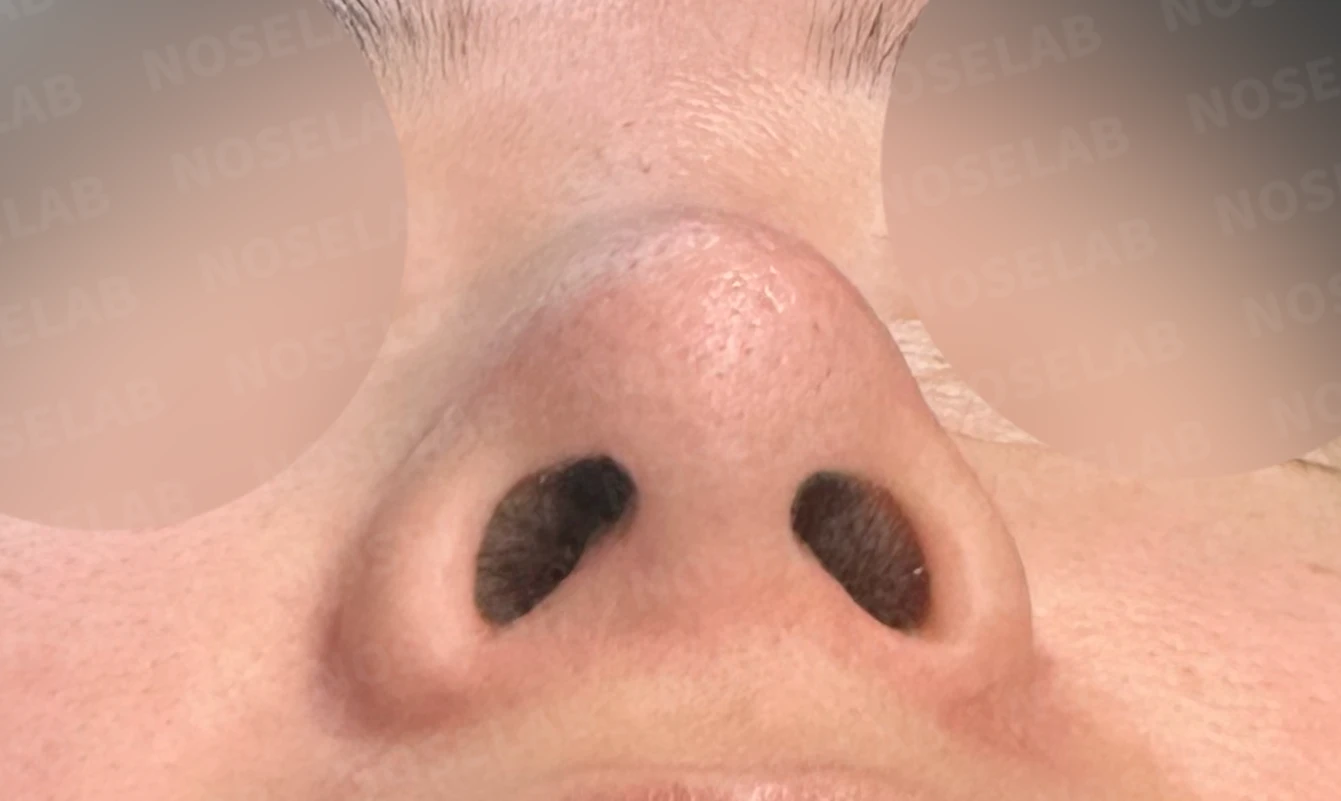
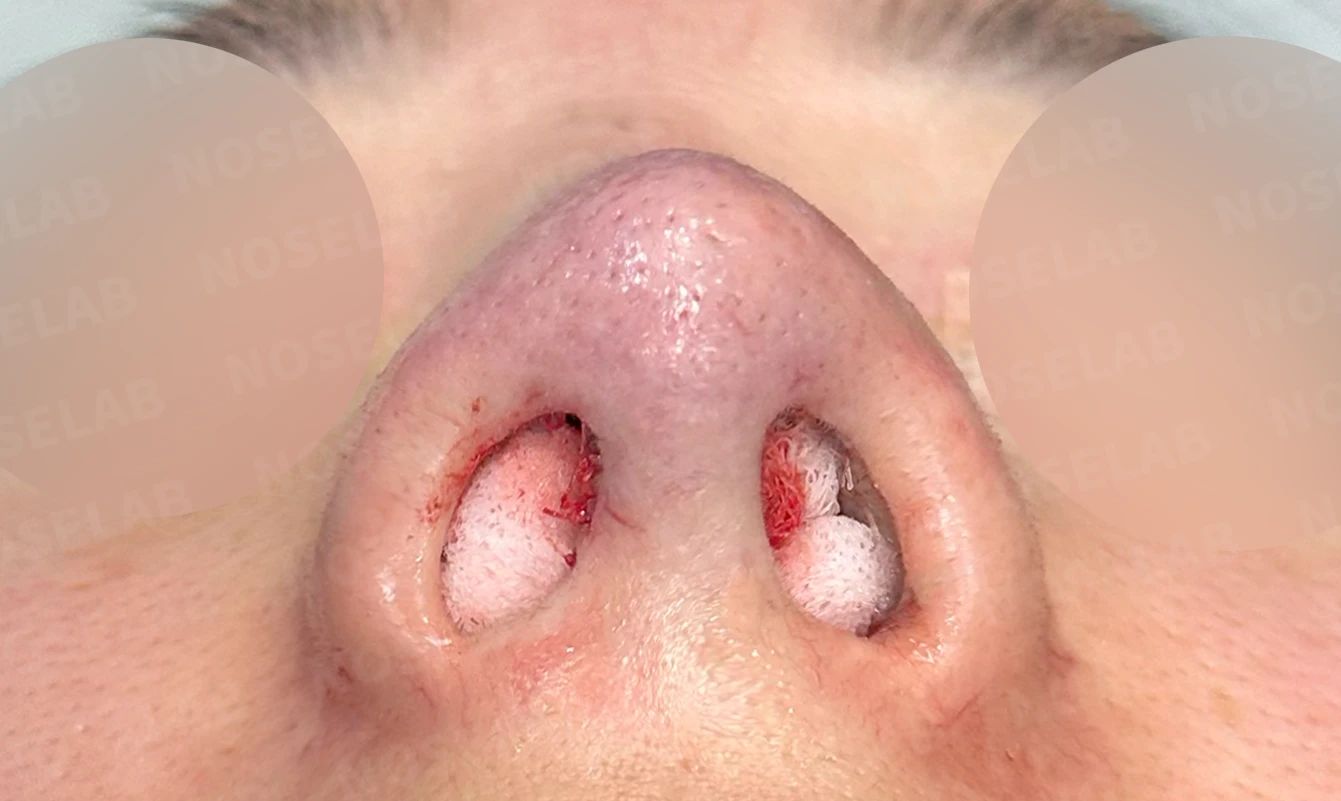
Before surgery / Day 0 immediately after surgery Photos taken immediately after surgery show swelling and may differ from the final result.
💡 Specialist opinion
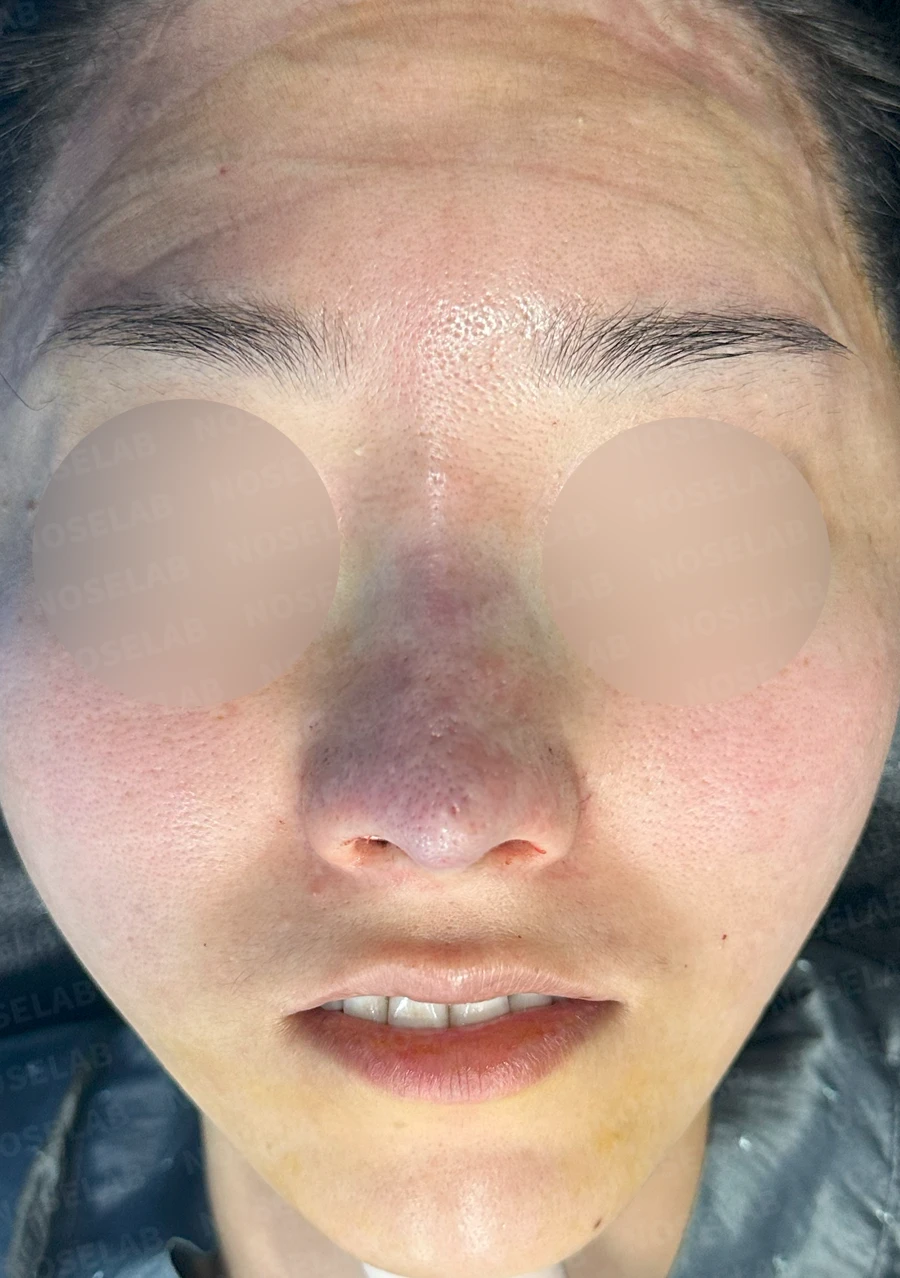
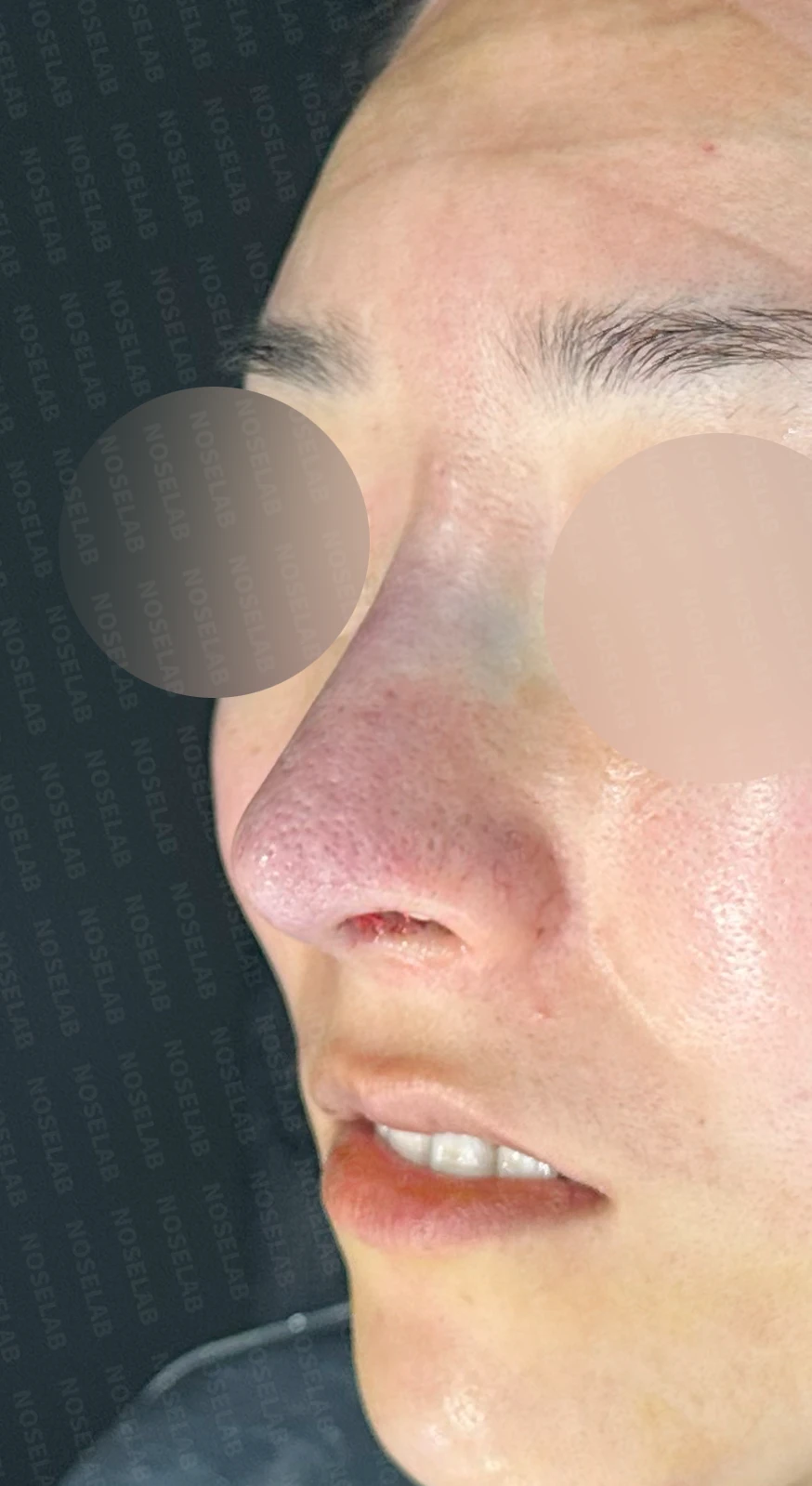
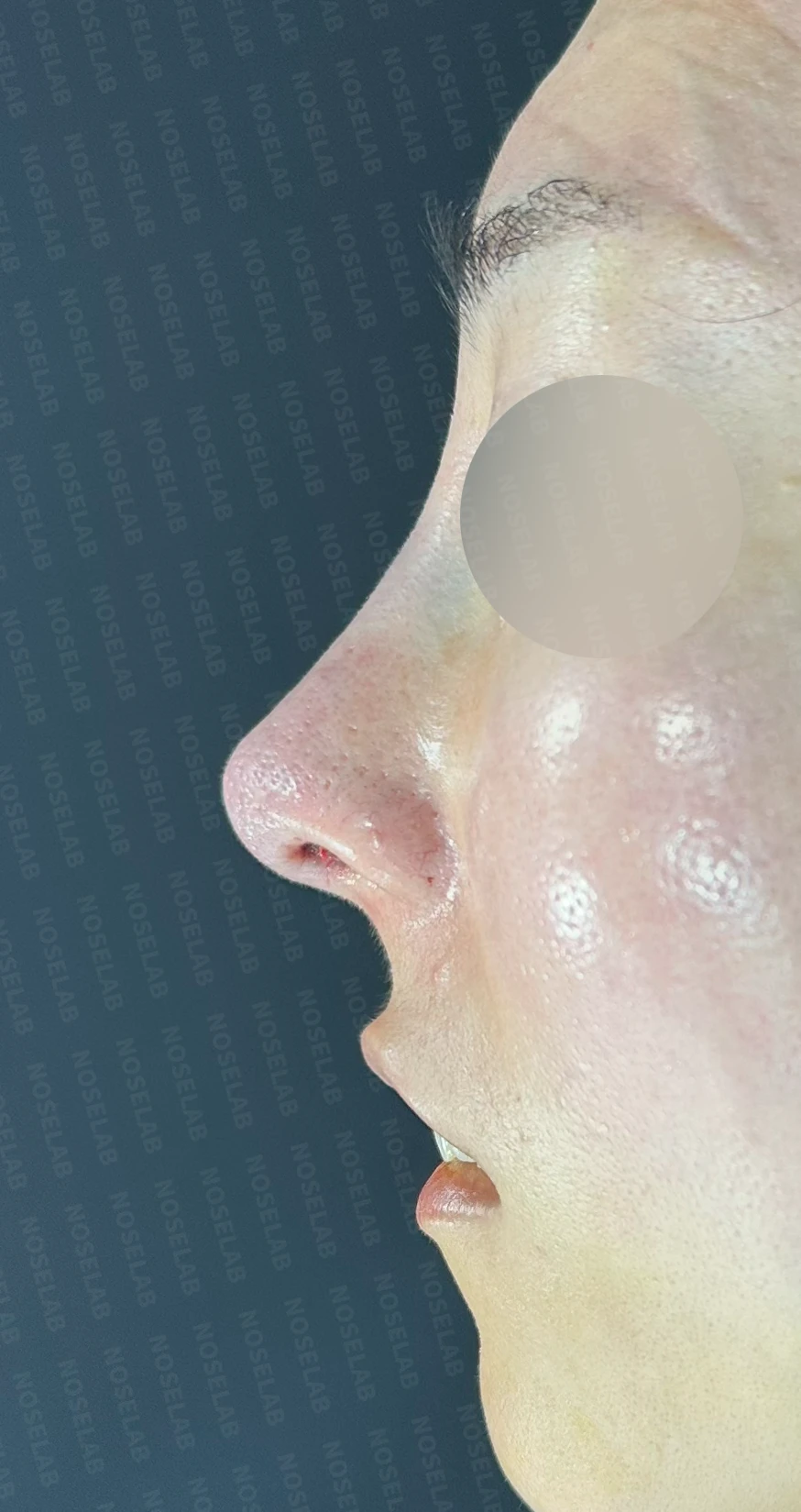
Front, oblique, and profile views immediately after surgery on day 0. Photos taken immediately after surgery show swelling and may differ from the final result.
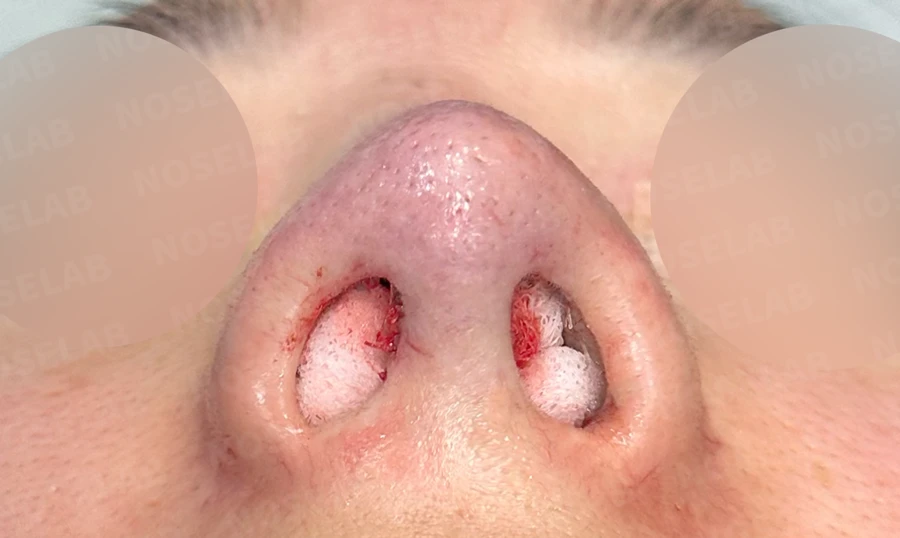
Nostril view on day 0 immediately after surgery Photos taken immediately after surgery show swelling and may differ from the final result.
Excessive lateral osteotomy can cause serious functional issues beyond simple cosmetic concerns. When the nasal bone is depressed, the upper lateral cartilage collapses, leading to nasal valve stenosis and significant nasal obstruction.
In these situations, rather than simple adjustment, nasal bone reconstruction must be performed alongside internal nasal valve reconstruction. In this case as well, proceeding with structural reconstruction and functional improvement at the same time helped resolve the patient's concerns.
I will continue to do my best to address both functional and cosmetic concerns simultaneously for our patients.
This was Dr. Peter C. Kang. Thank you.
Thank you.
#closedrhinoplasty #closedrevisionrhinoplasty #closednasalobstructionsurgery #closedfunctionalrhinoplasty #revisionrhinoplasty #excessiveosteotomy #lateralosteotomyreconstruction #nasalobstructionrelief #nasalvalvereconstruction #autologousribcartilagegraft #implantfreerhinoplasty #functionalnasalsurgery #rhinoplastyrevision

Limitations and risks
When autologous rib cartilage is used, scarring and pain may remain at the donor site on the chest, and pneumothorax (pleural injury) can occur rarely. Over time, the grafted cartilage may warp or undergo partial resorption.
When revising after implant removal, contracture may progress again after removal, the nasal height and length may decrease, and staged surgery may be necessary depending on the skin condition.
When the septum is corrected at the same time, nasal obstruction may persist or recur, and in rare cases, septal perforation or changes in smell may occur.
Common potential risks include infection, bleeding, asymmetry, scarring, skin necrosis, and insufficient improvement; results vary depending on individual skin condition and previous surgical history.