Hello, I am Dr. Peter C. Kang.
Today, I will share the case of a patient who underwent natural dorsal hump correction and rhinitis surgery with minimal changes.
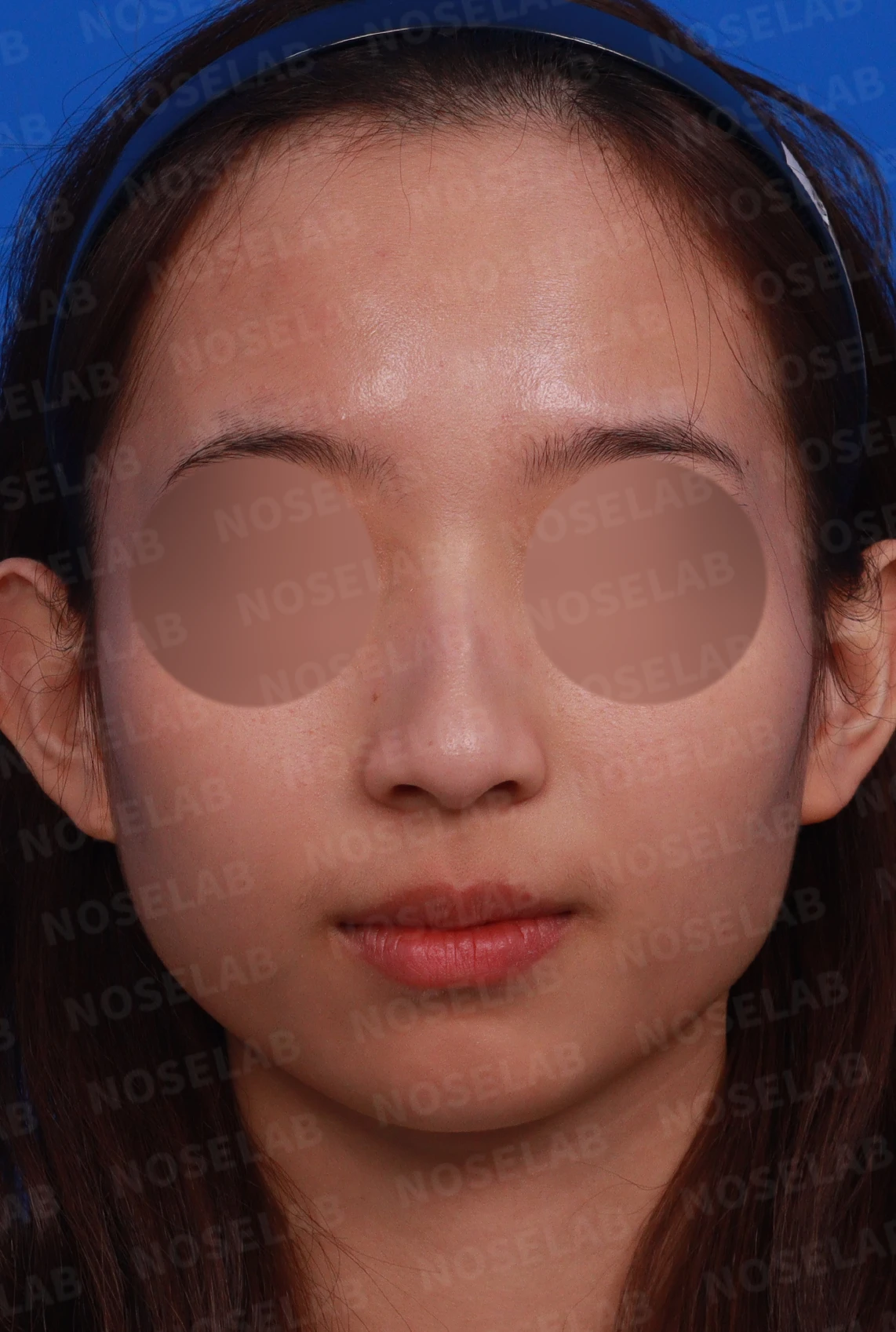
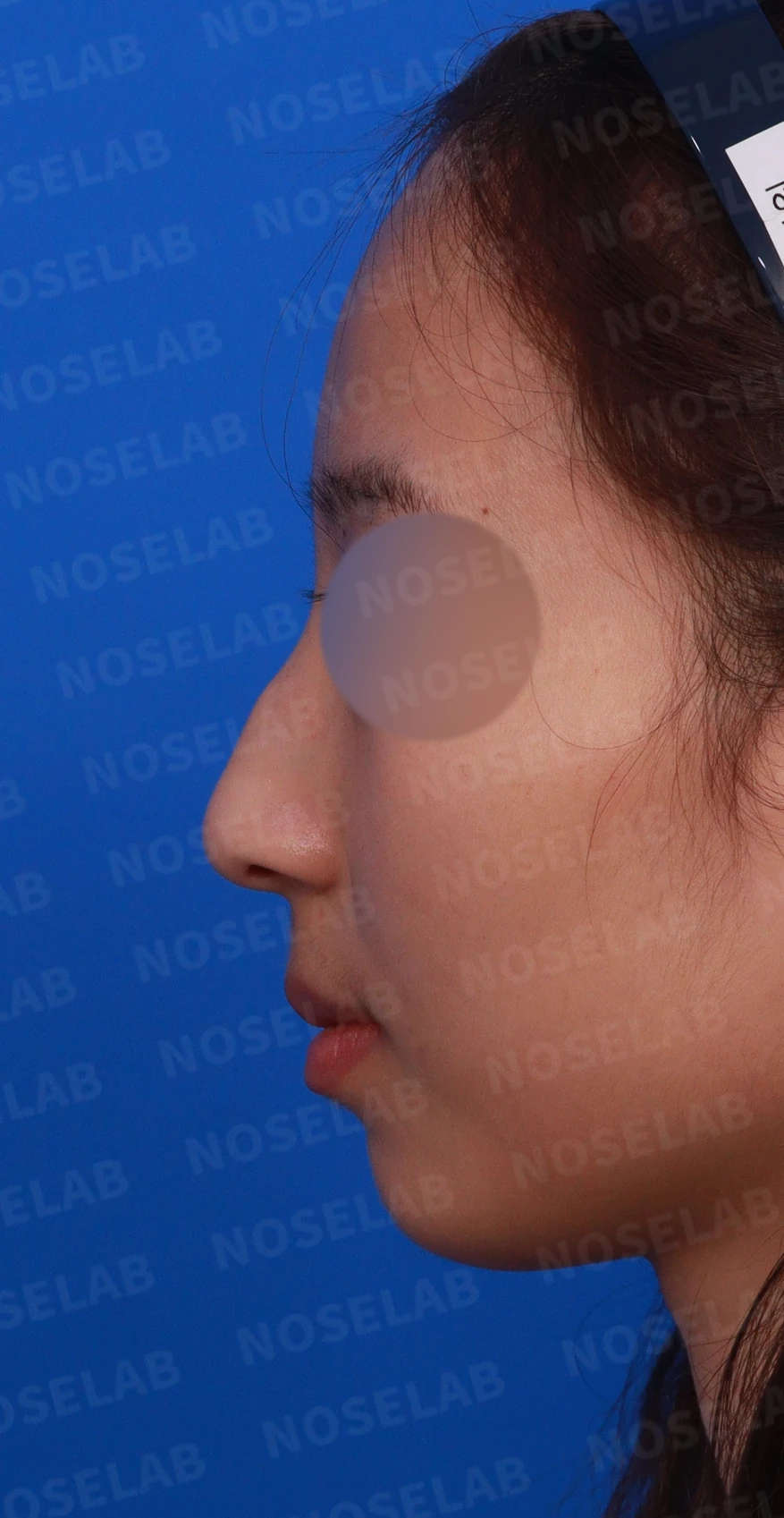
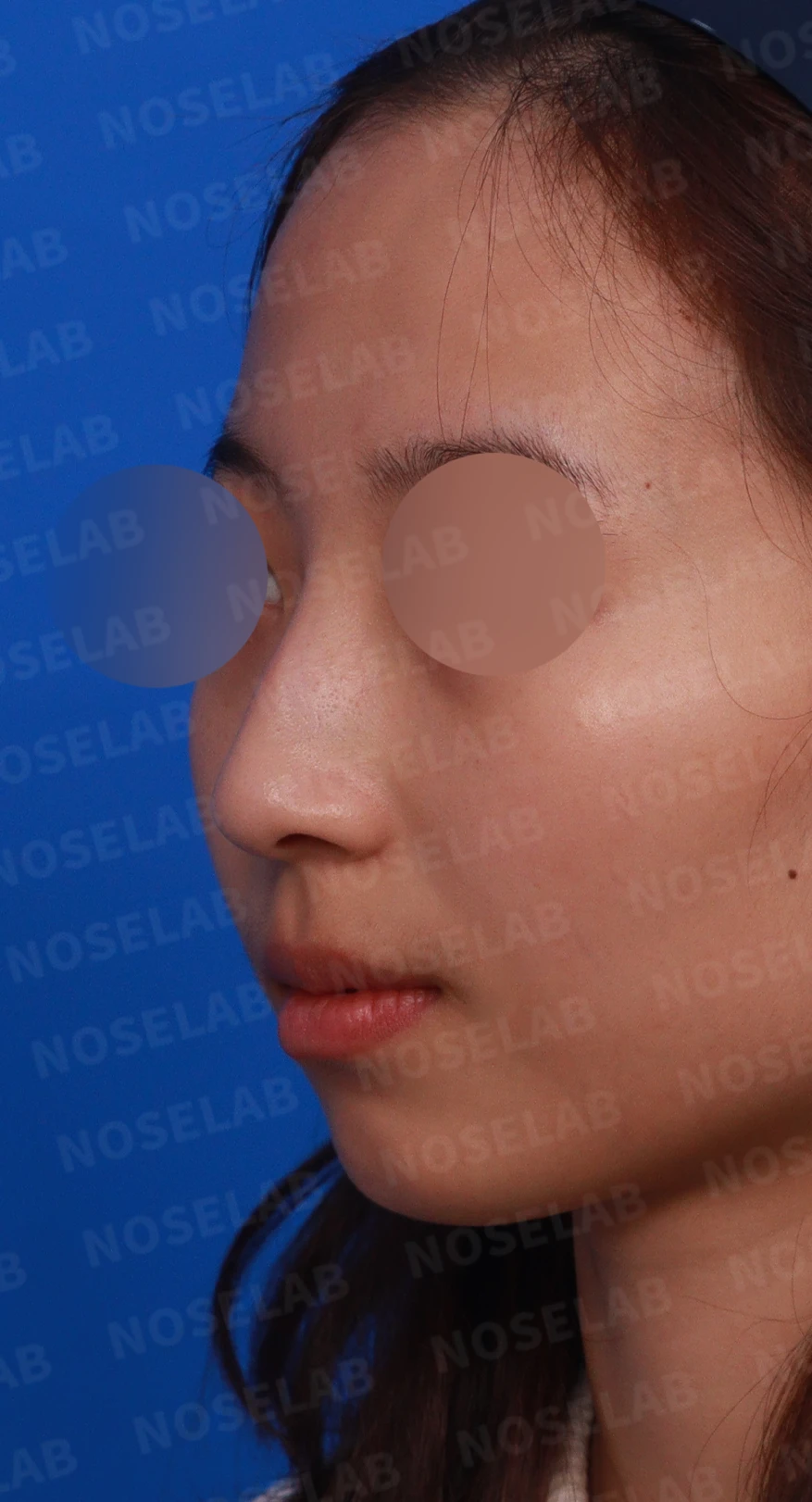
Front, left profile, and oblique views during design consultation
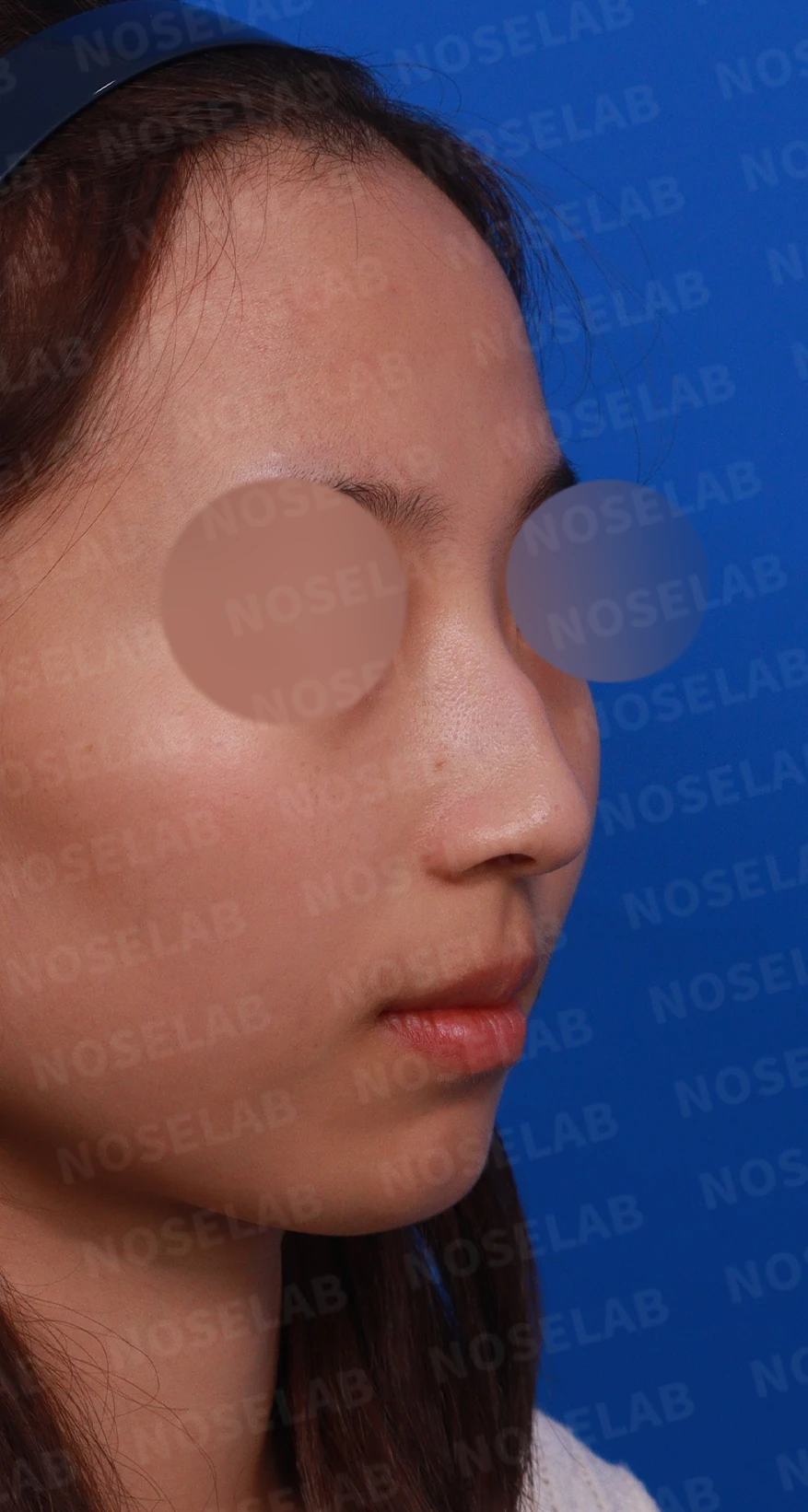
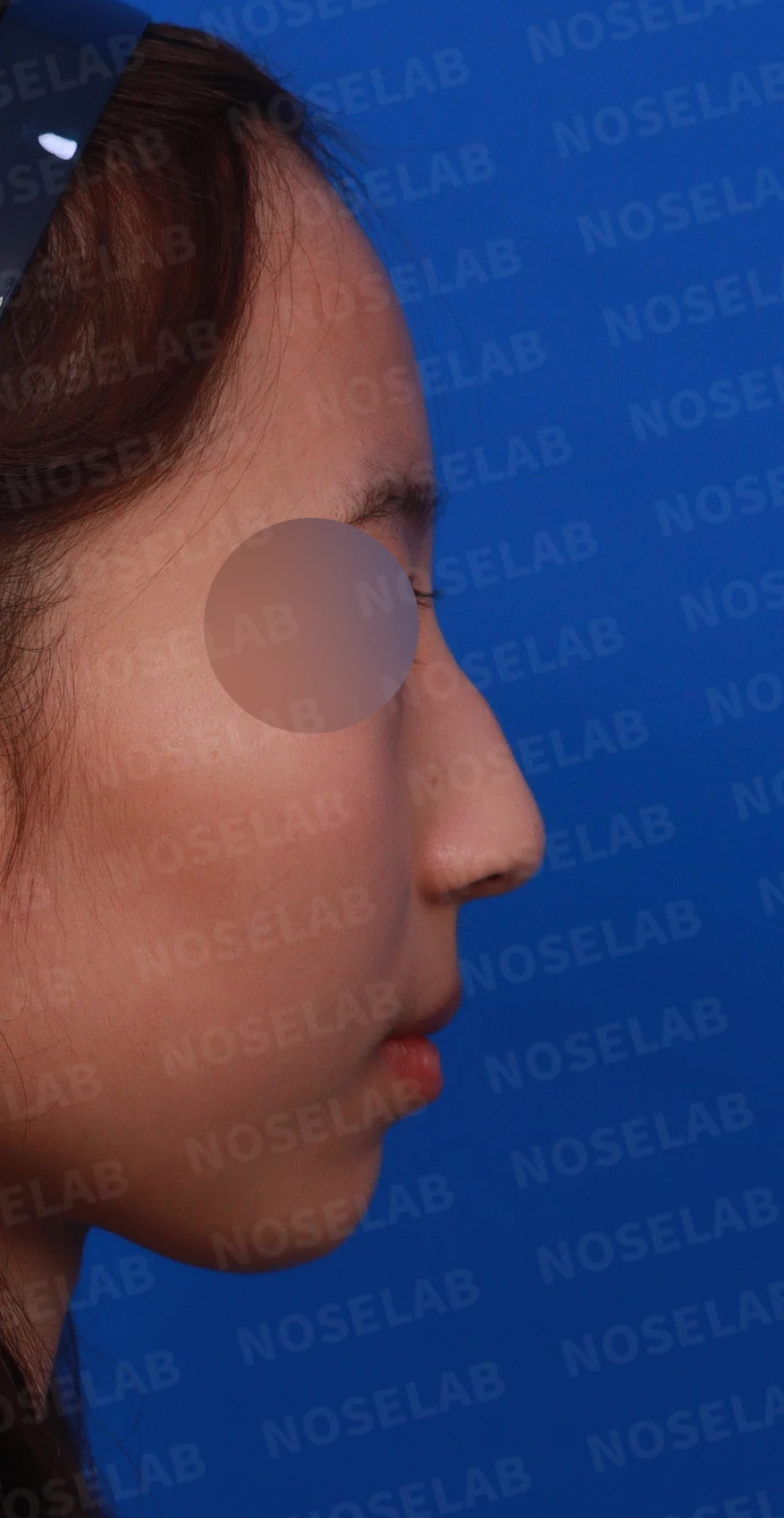
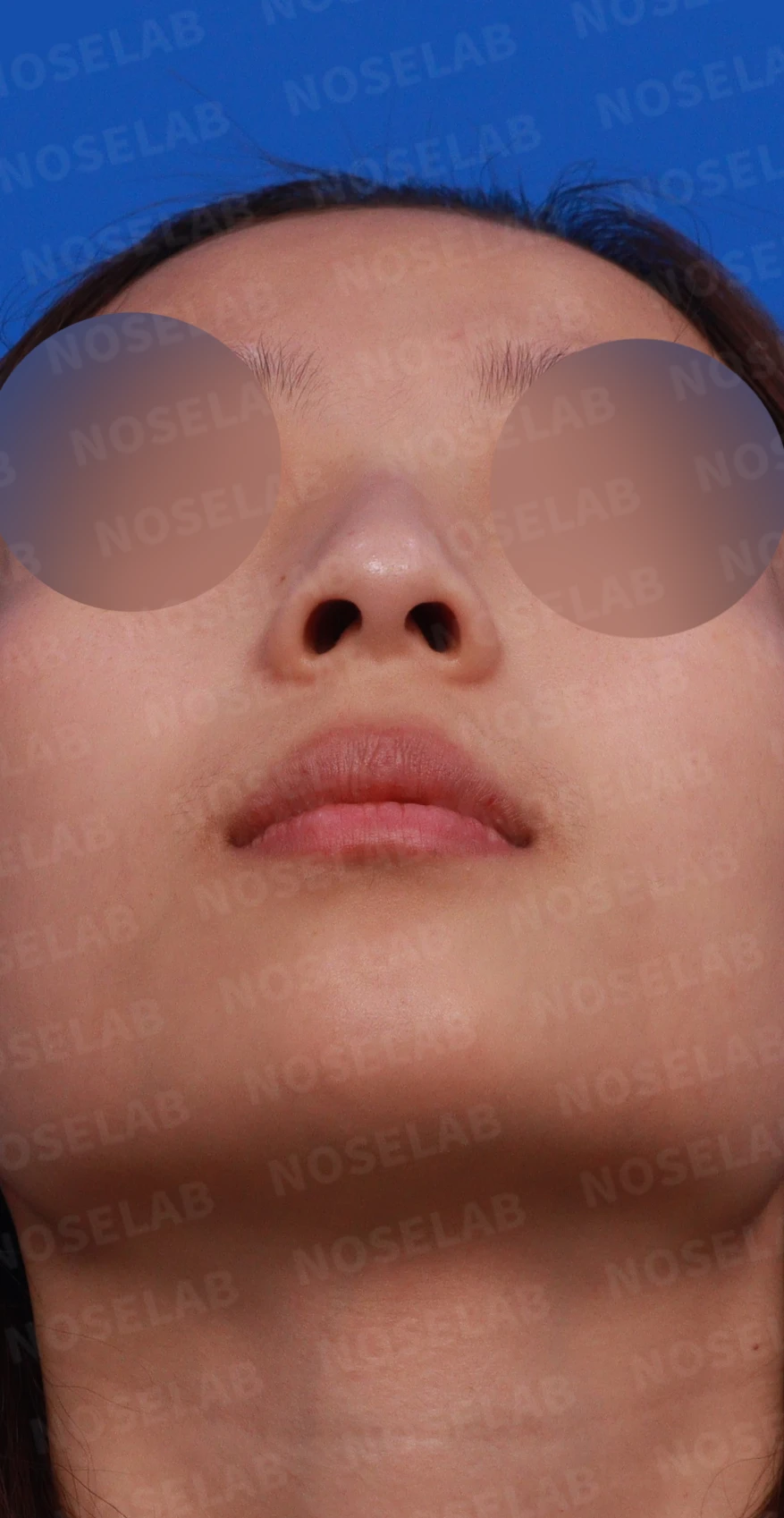
Right profile, oblique, and nostril views during design consultation
📍 Initial consultation findings
• Naturally high nasal bridge
• Dorsal hump worsened following trauma in 2023
• Crooked nose
• Drooping nasal tip
• Deviated septum
• Chronic rhinitis symptoms
• Frequent rhinorrhea
✨ Patient's requests
• Minimal and natural change
• Dorsal hump correction
• Correction of the crooked nose
• Desired no major changes to nostril shape
• Improvement of rhinitis symptoms
💉 Surgical procedure details
1. Structural improvement
• Correction of the crooked nasal bone via lateral osteotomy
• Septal extension using donor rib cartilage
• Septoplasty to improve nasal obstruction
2. Functional improvement
• Treatment of hypertrophic rhinitis
• Relief of runny nose symptoms
• Relief of nasal obstruction
3. Shape improvement
• Natural shaving of the dorsal hump
• Bringing the tip together and slightly elevating it with cartilage suturing
• Natural refinement of widened areas
✅ Surgical results
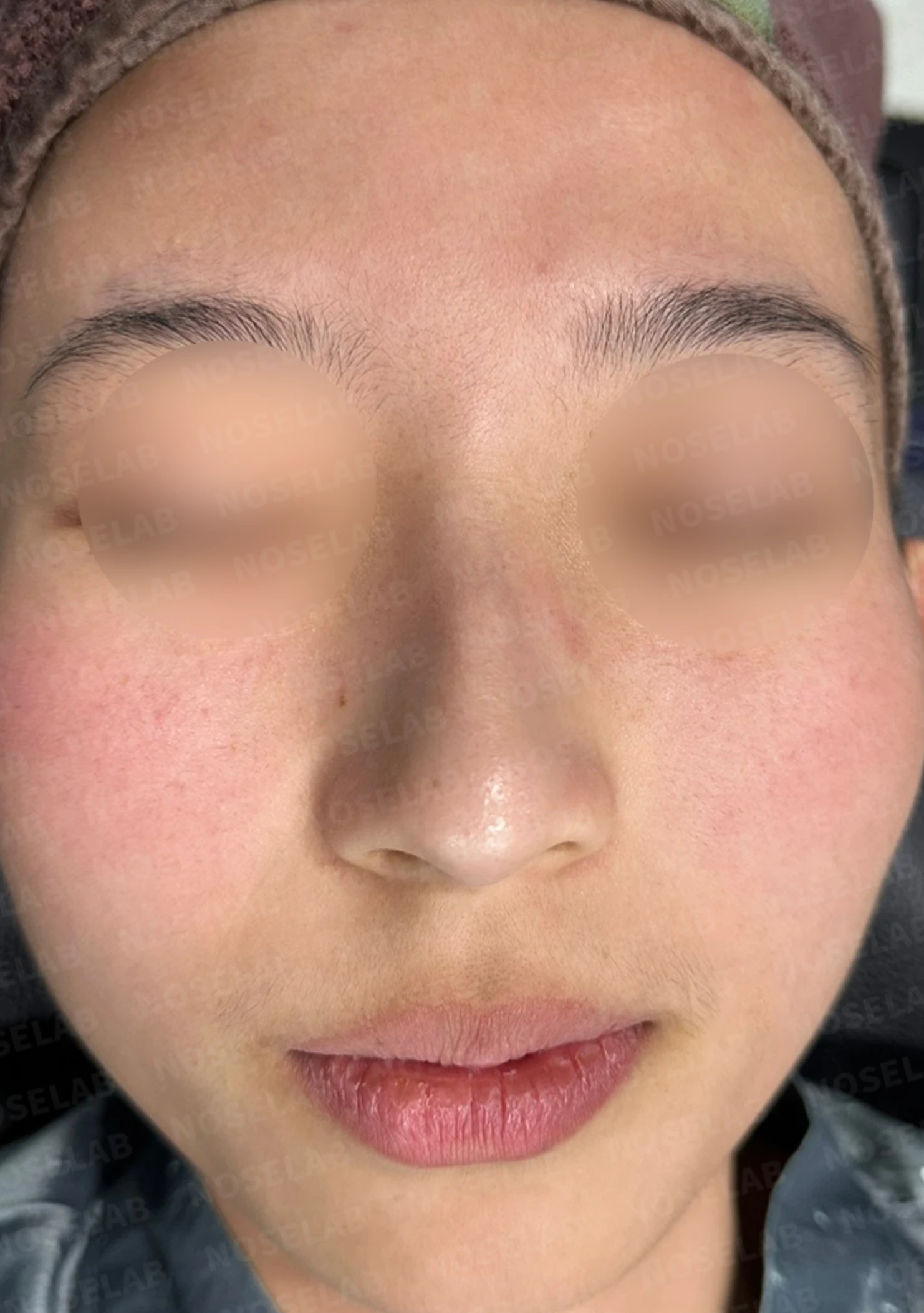
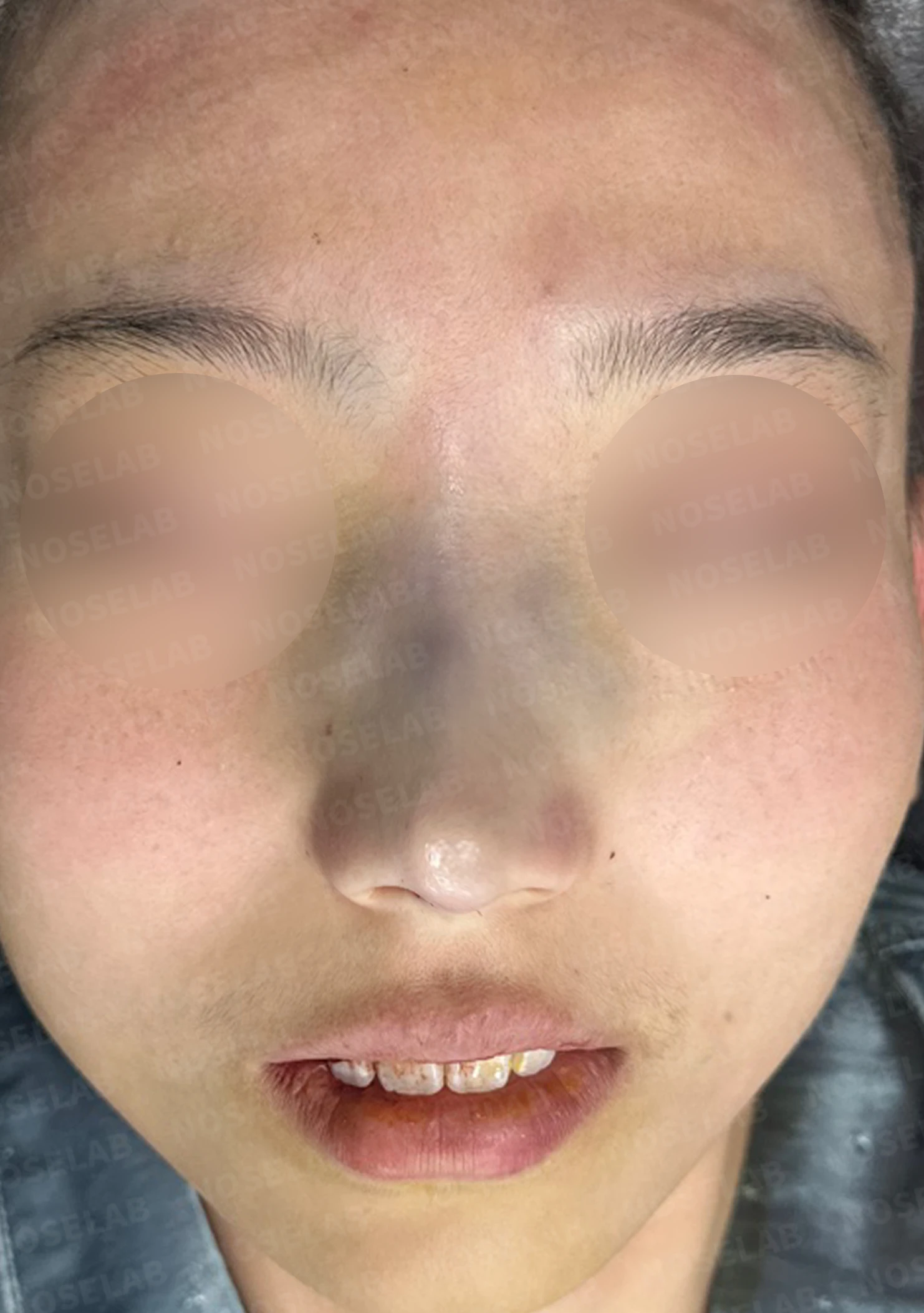
Before surgery / Day 0 immediately after surgery Photos taken immediately after surgery show swelling and may differ from the final result.
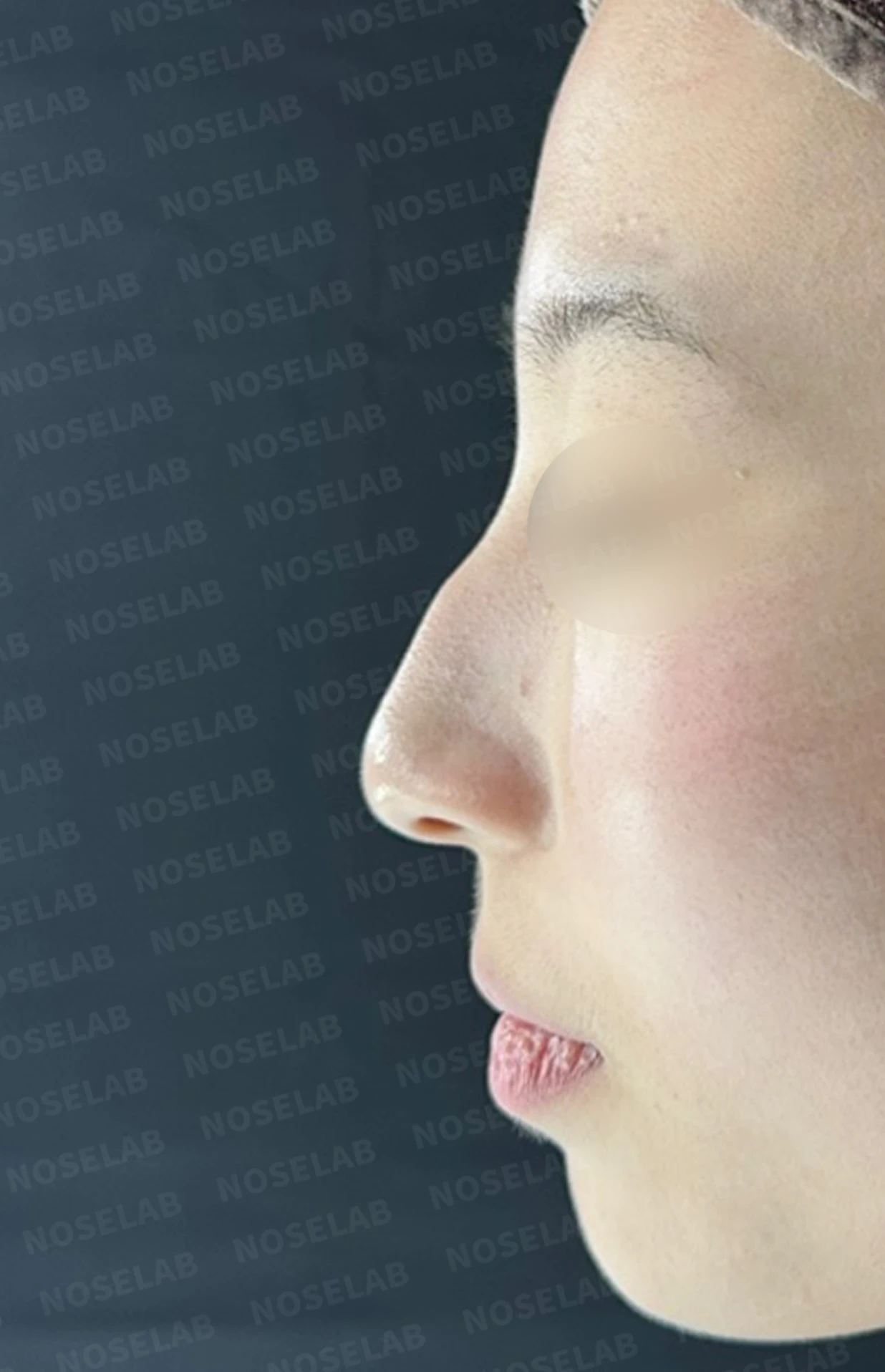
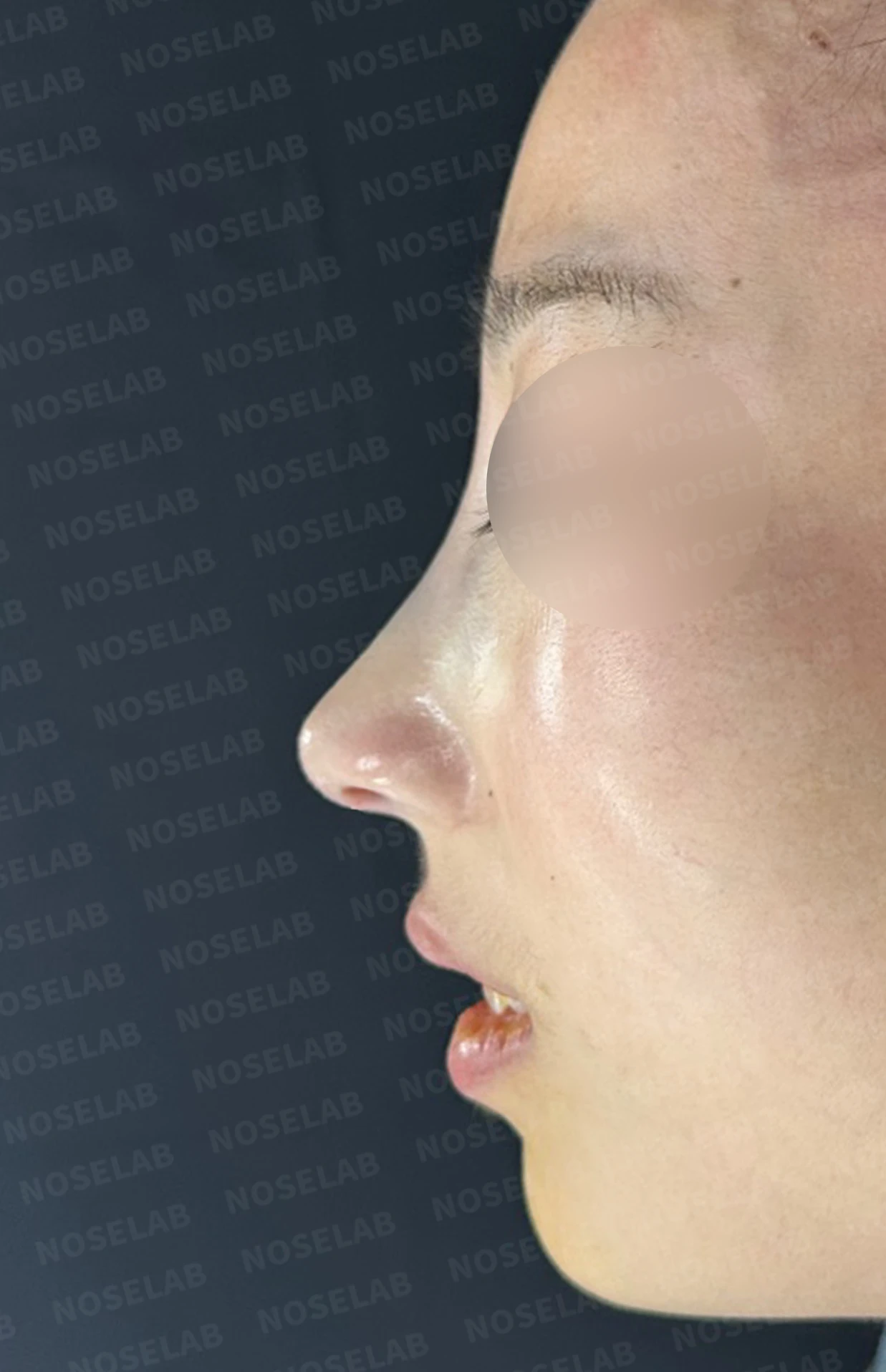
Before surgery / Day 0 immediately after surgery Photos taken immediately after surgery show swelling and may differ from the final result.
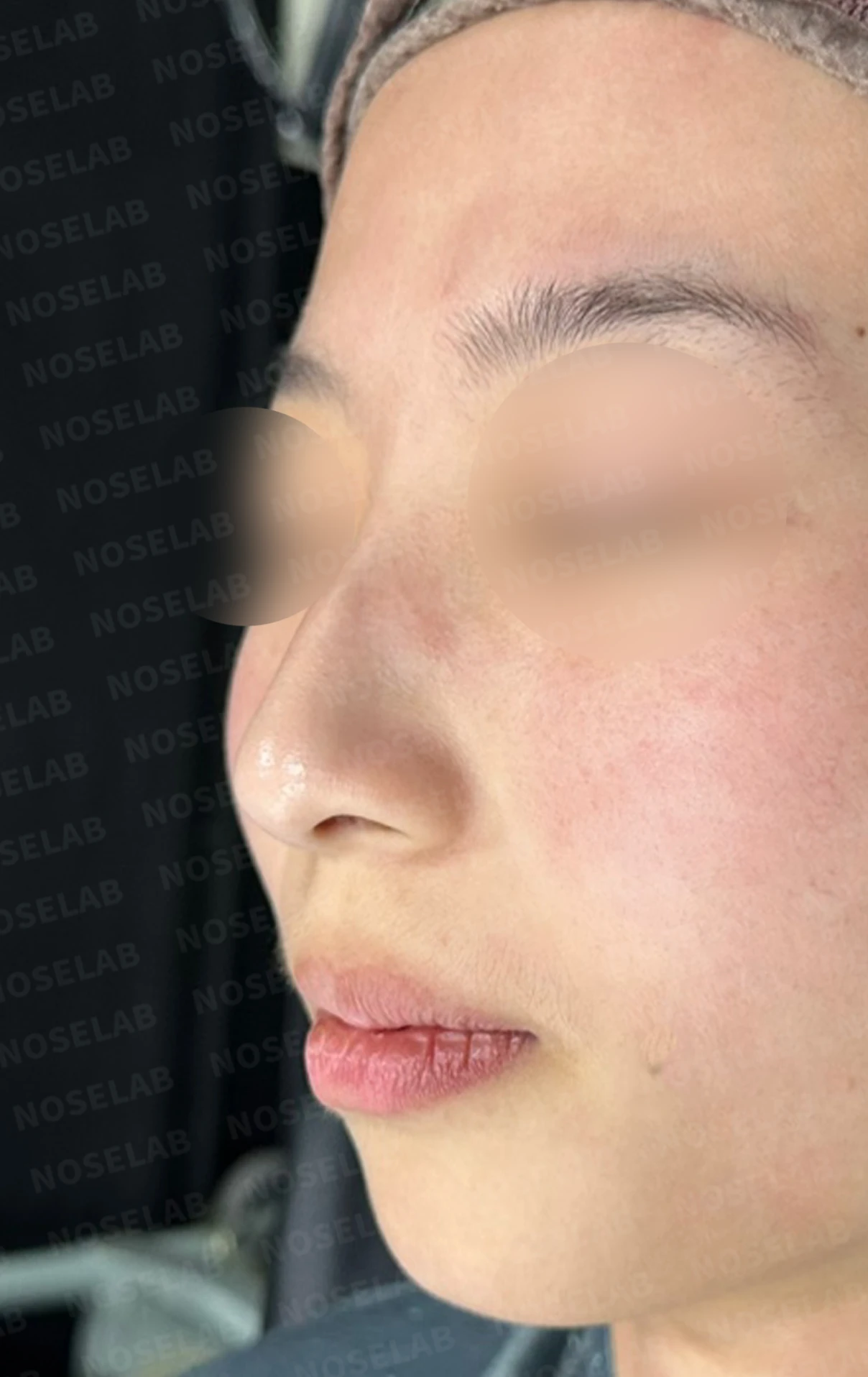
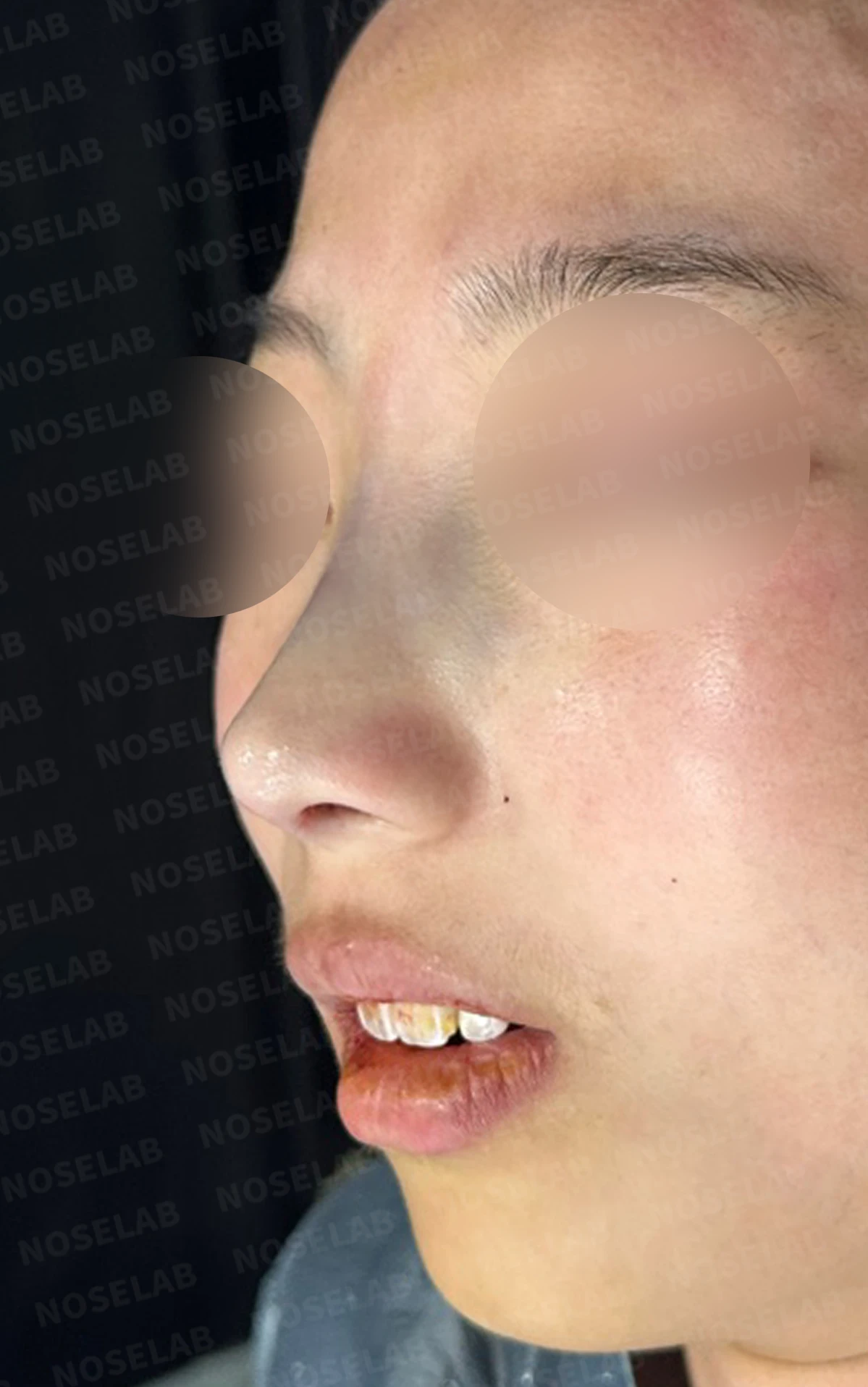
Before surgery / Day 0 immediately after surgery Photos taken immediately after surgery show swelling and may differ from the final result.
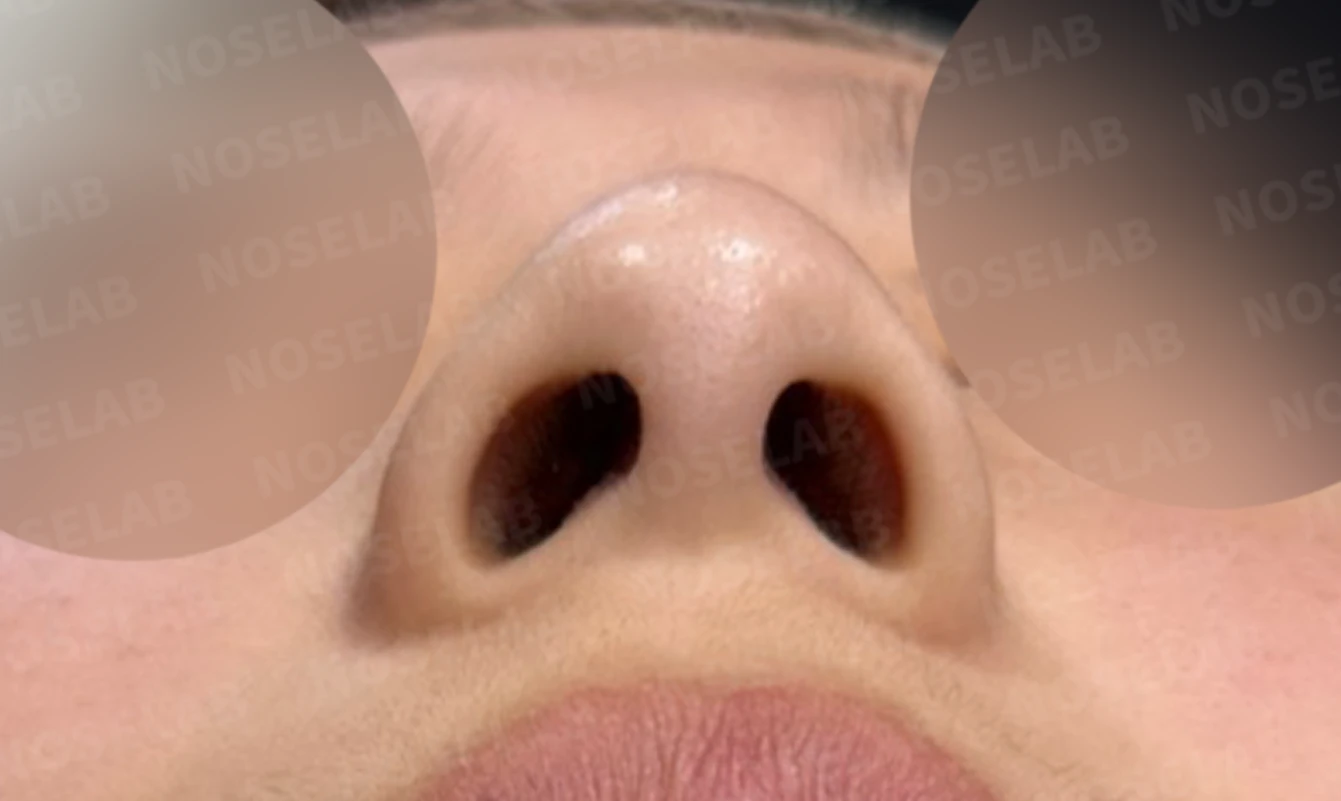
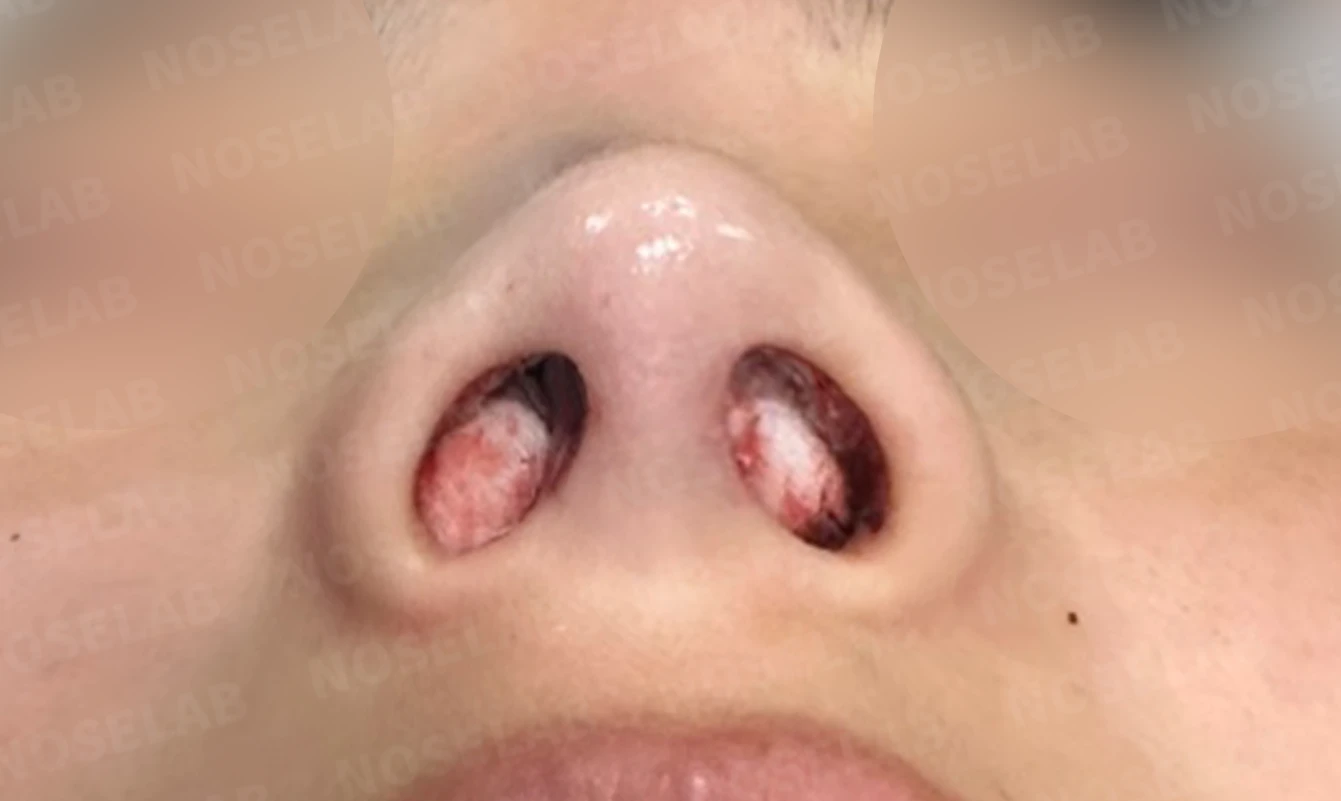
Before surgery / Day 0 immediately after surgery Photos taken immediately after surgery show swelling and may differ from the final result.
1. Front view
• Straightened nasal line
• Widened tip brought together naturally
• Balanced proportions
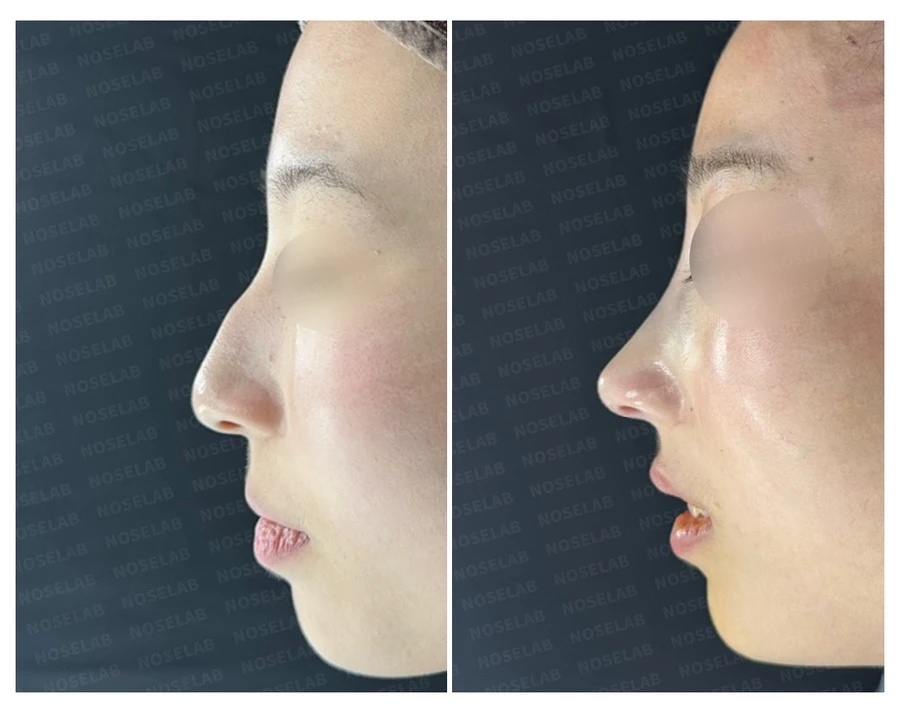
2. Profile view
• Softened nasal bridge line
• Natural tip height
• Harmonious overall proportions
3. Function
• Relief of nasal obstruction
• Expected reduction in runny nose
👨⚕️ Specialist's assessment
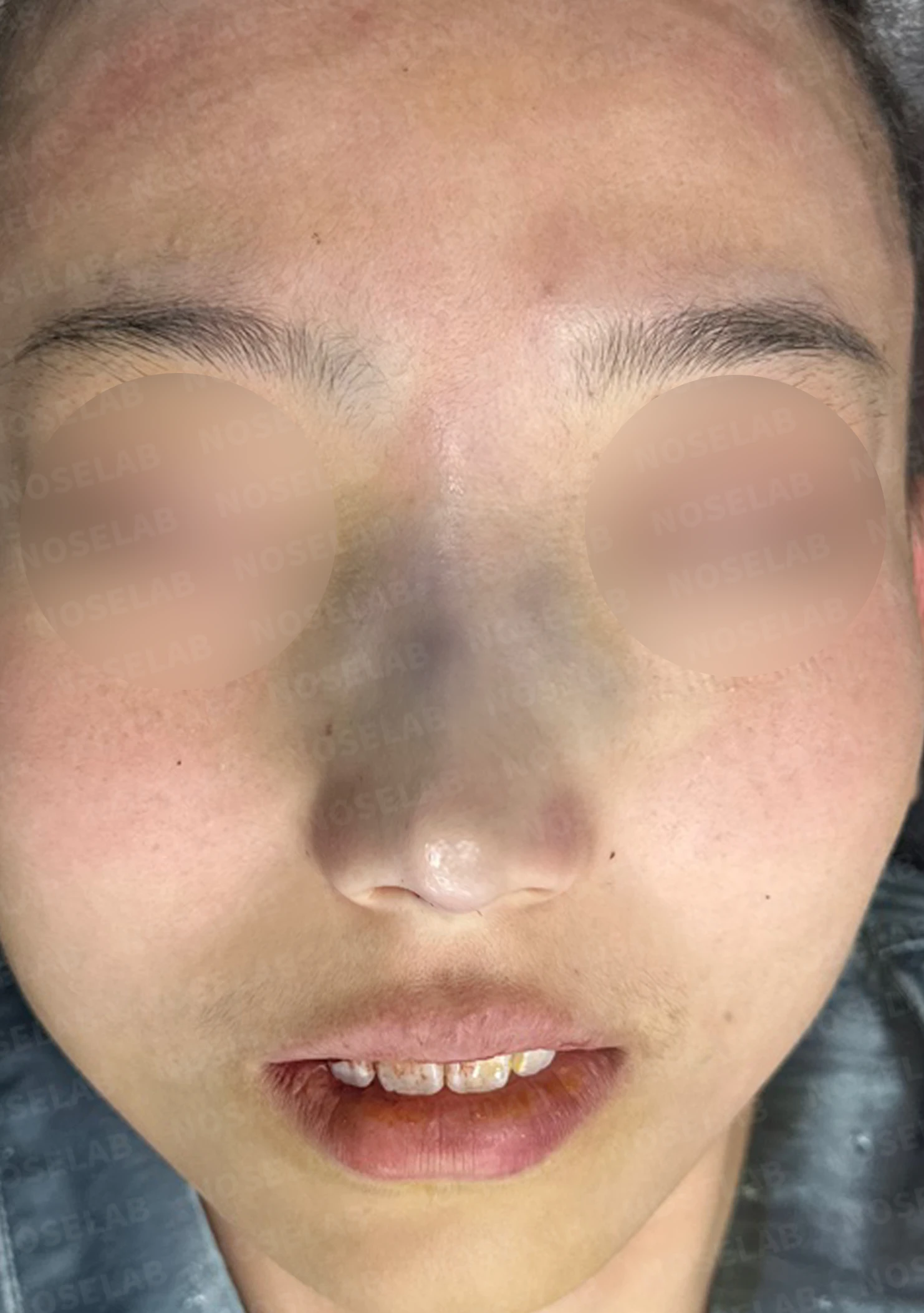
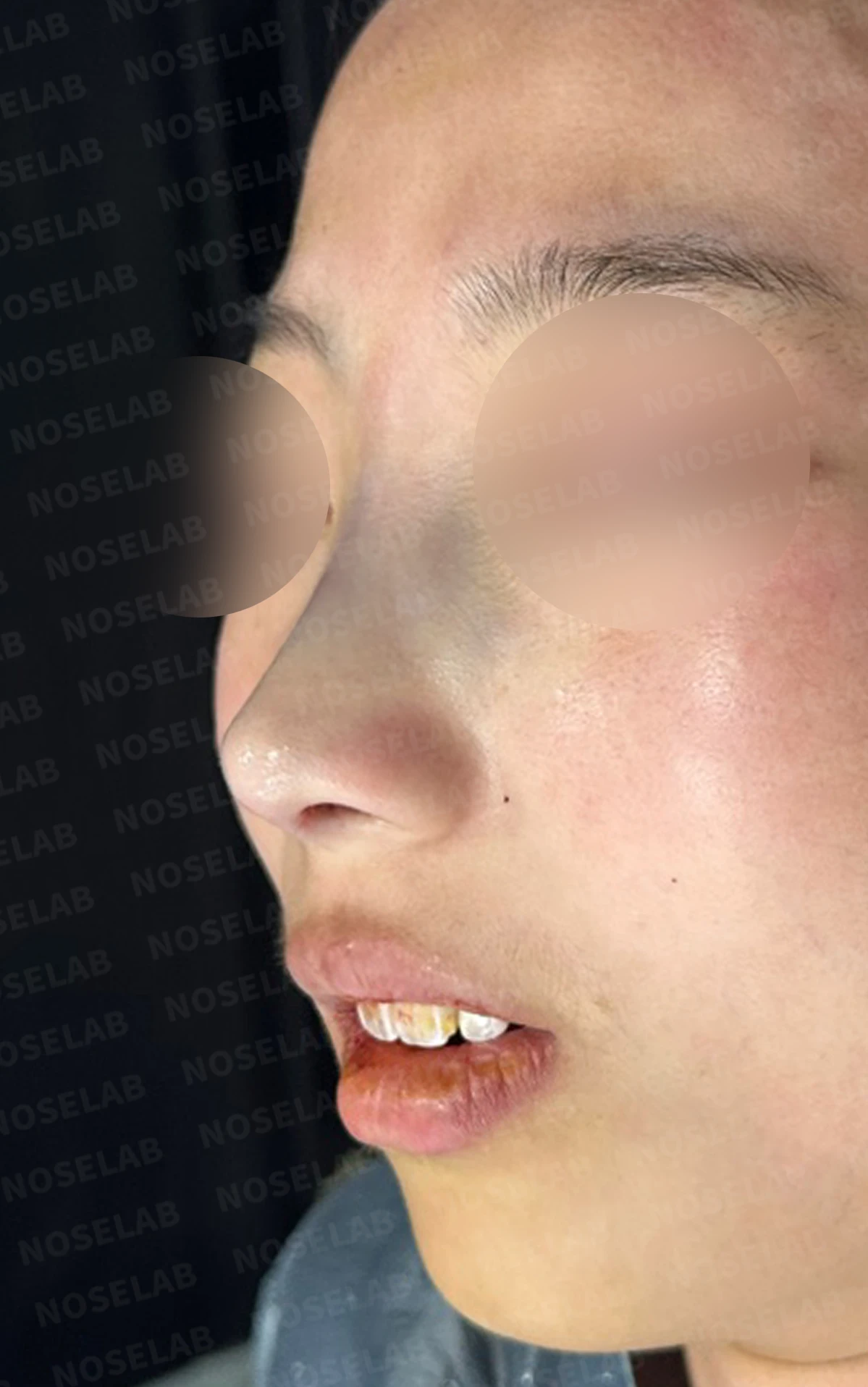
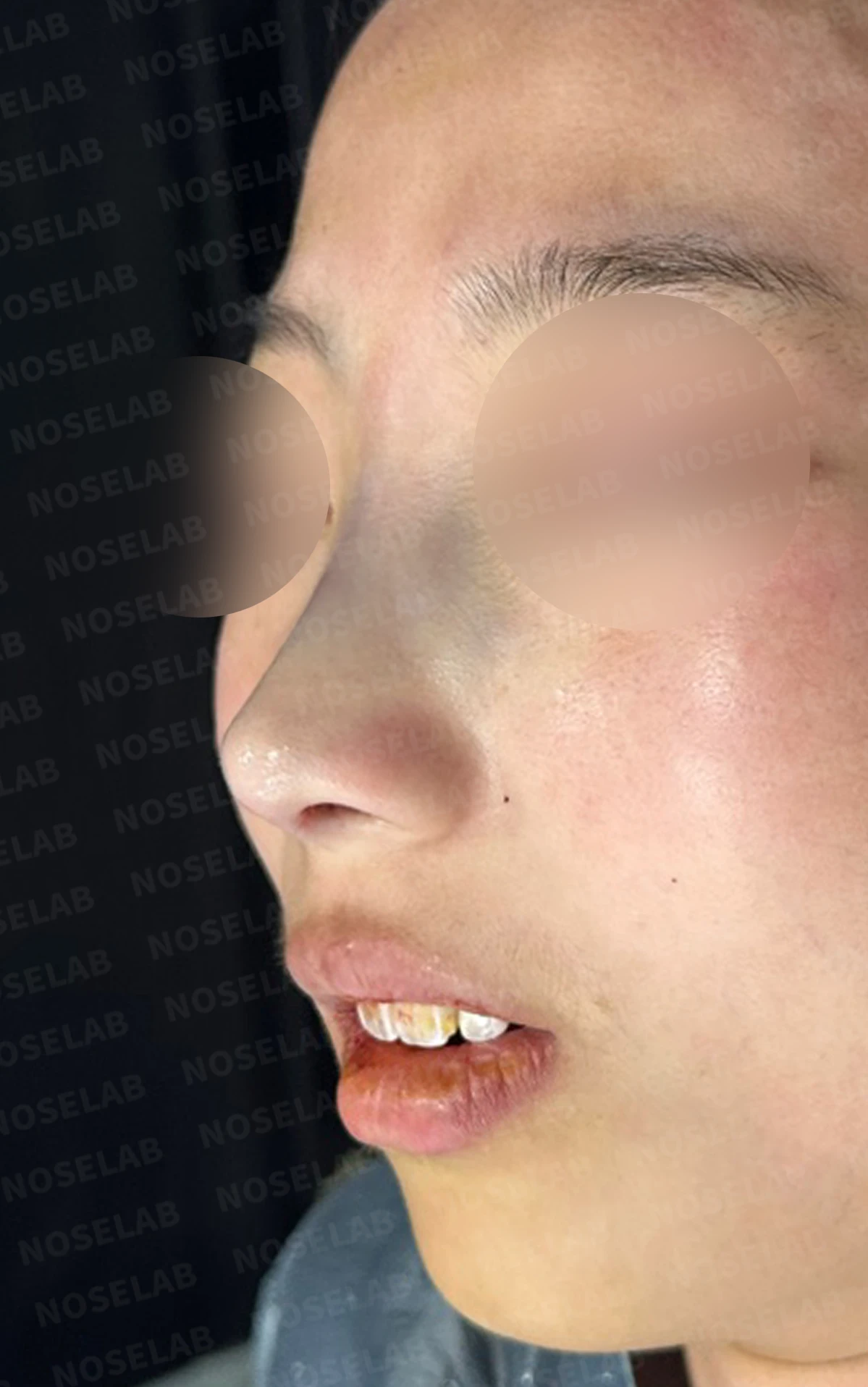
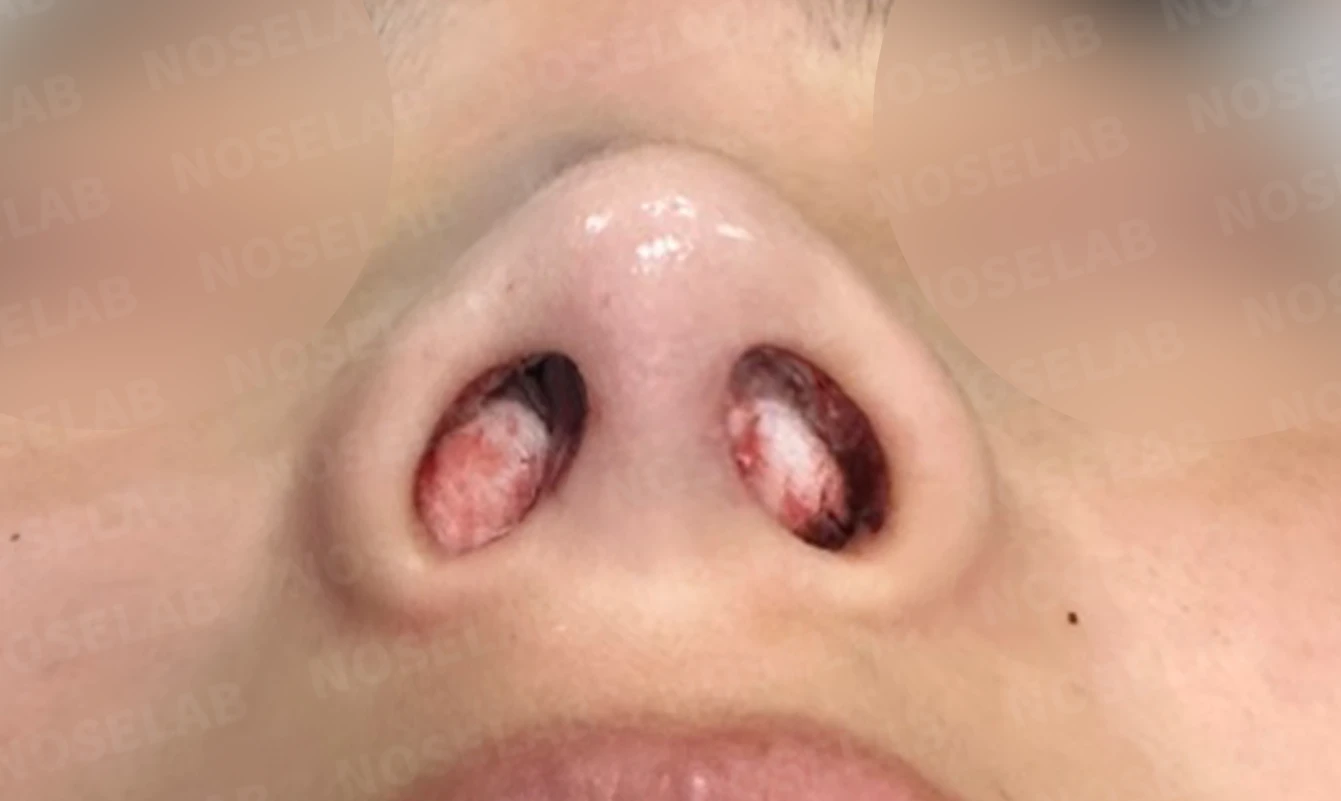
This was a case aiming for natural improvement through minimal change. Because the patient was especially concerned about changes to the nostril shape, the nasal tip was delicately refined using only cartilage suturing. Having a naturally high bridge allowed for a natural line without implants, and septoplasty using donor rib cartilage provided functional improvement as well.
This was Dr. Peter C. Kang. Thank you.
Thank you.
#closedrhinoplasty #rhinoplasty #dorsalhumpcorrection #rhinitissurgery #customrhinoplasty

Limitations and risks
When using donor rib cartilage, long-term follow-up is necessary because the grafted cartilage may resorb or warp.
When the septum is corrected at the same time, nasal obstruction may persist or recur, and in rare cases, septal perforation or changes in smell may occur.
Common potential risks include infection, bleeding, asymmetry, scarring, skin necrosis, and insufficient improvement; results vary depending on individual skin condition and previous surgical history.