Hello, this is Dr. Peter C. Kang, medical director.
Today, I would like to introduce an implant-free rhinoplasty case for a patient who wanted natural improvement rather than a dramatic change.
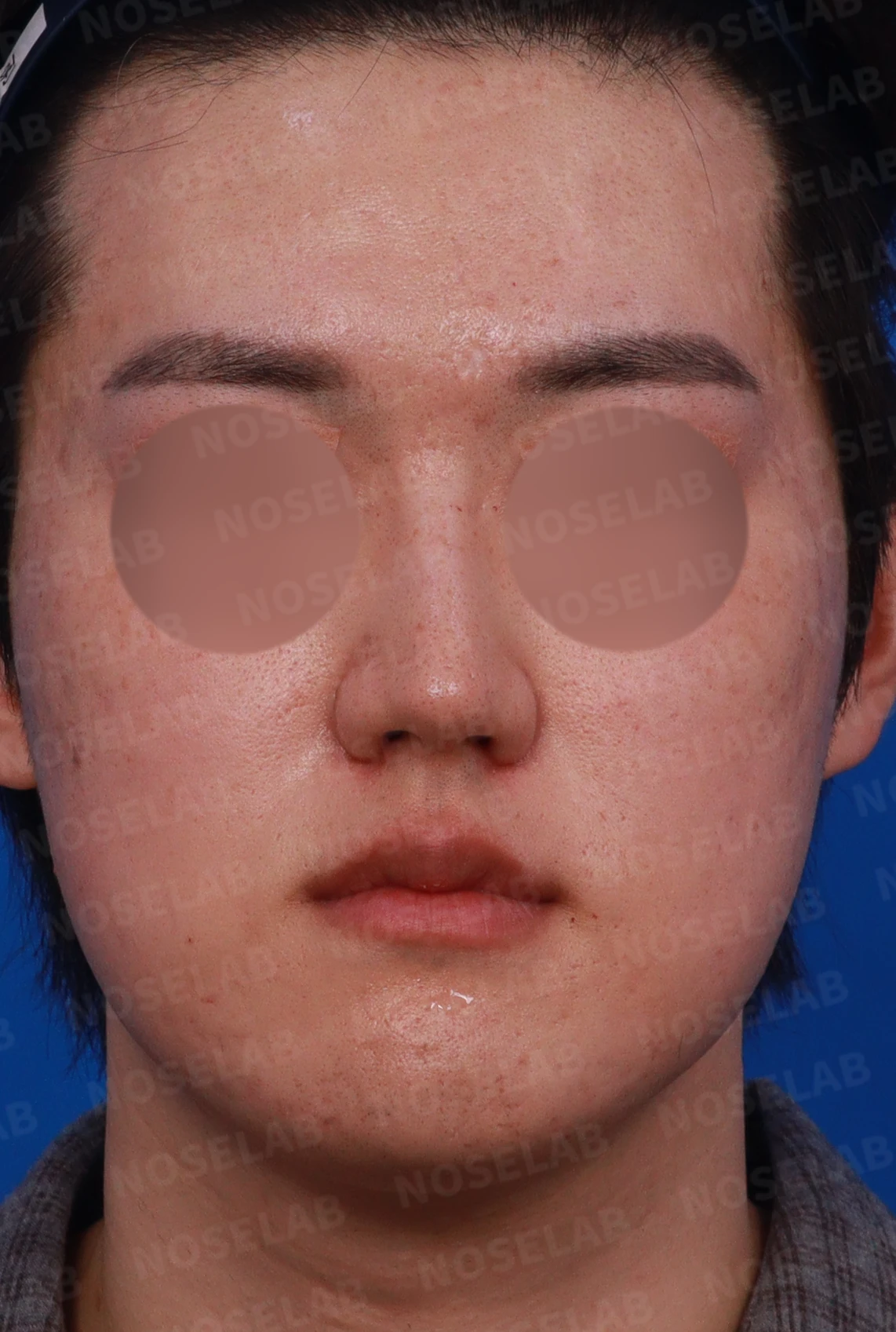
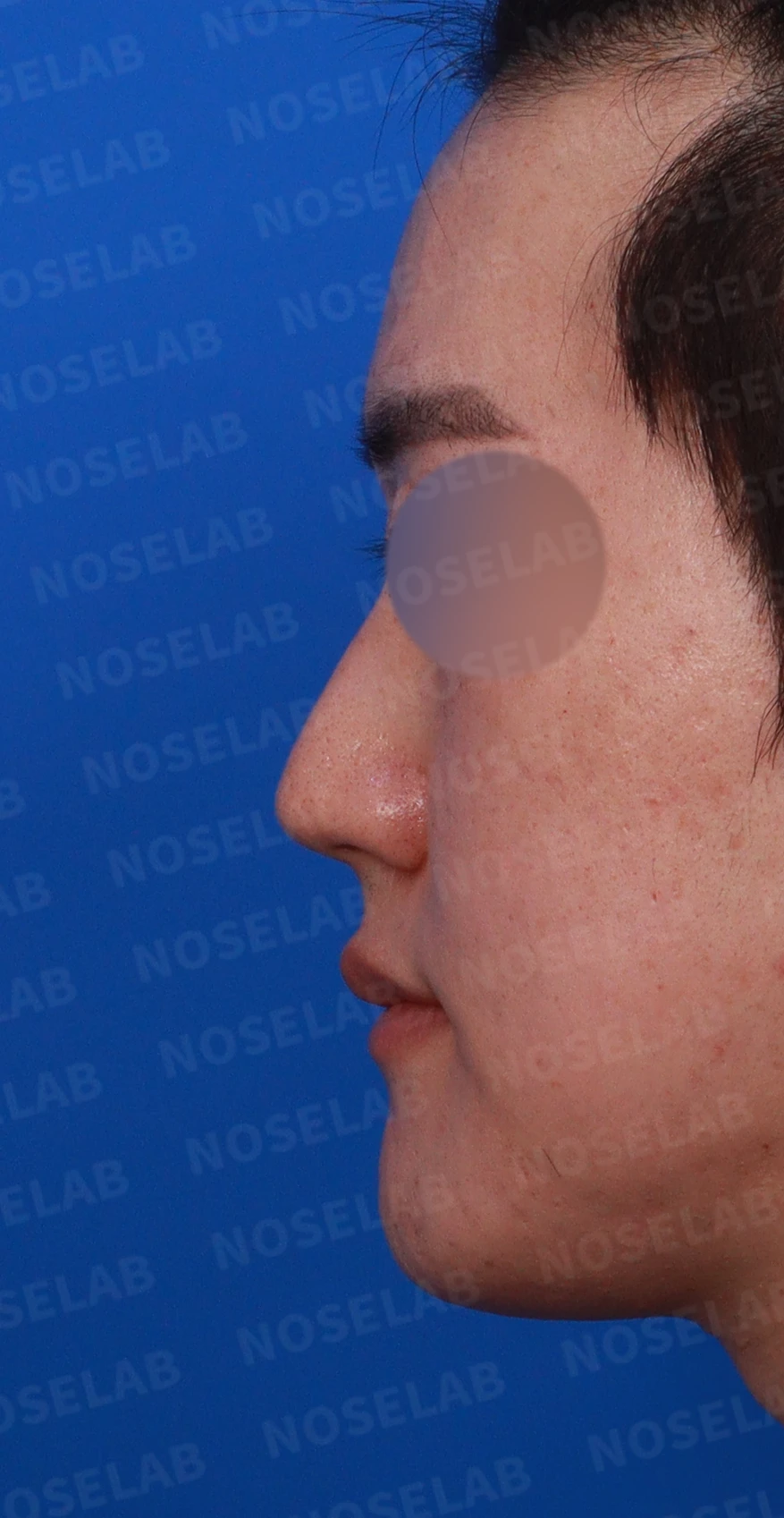
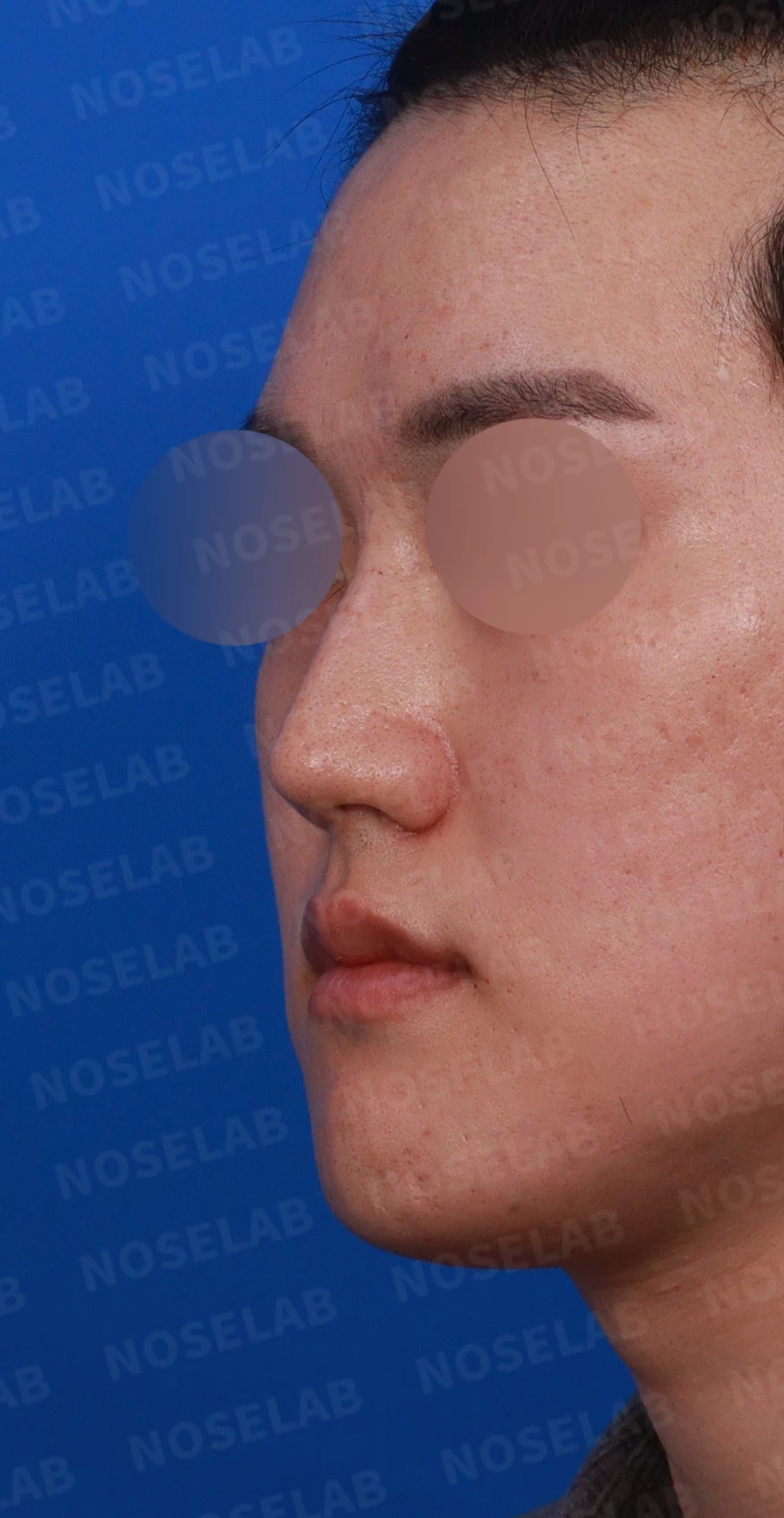
Front, left profile, and oblique views during design consultation
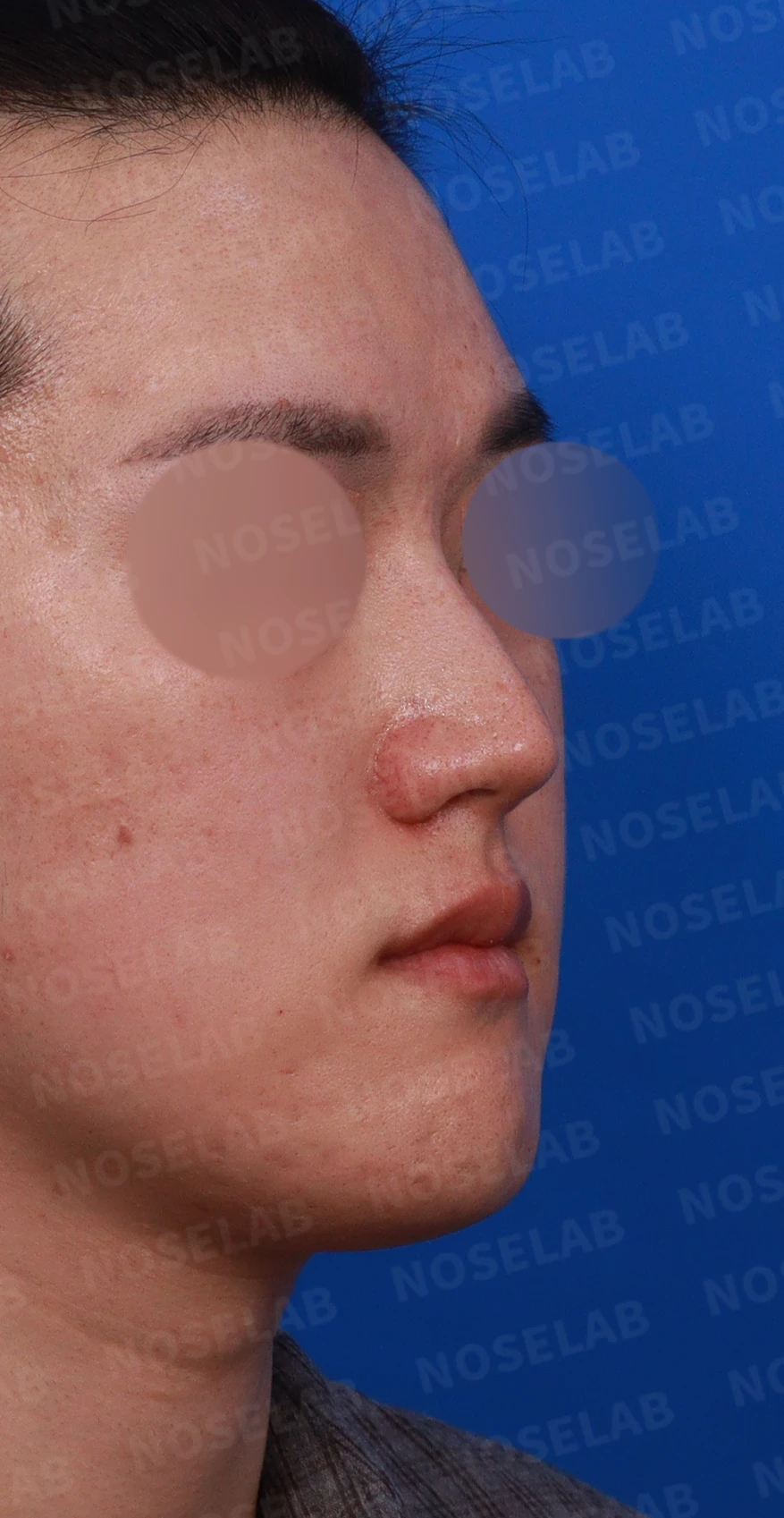
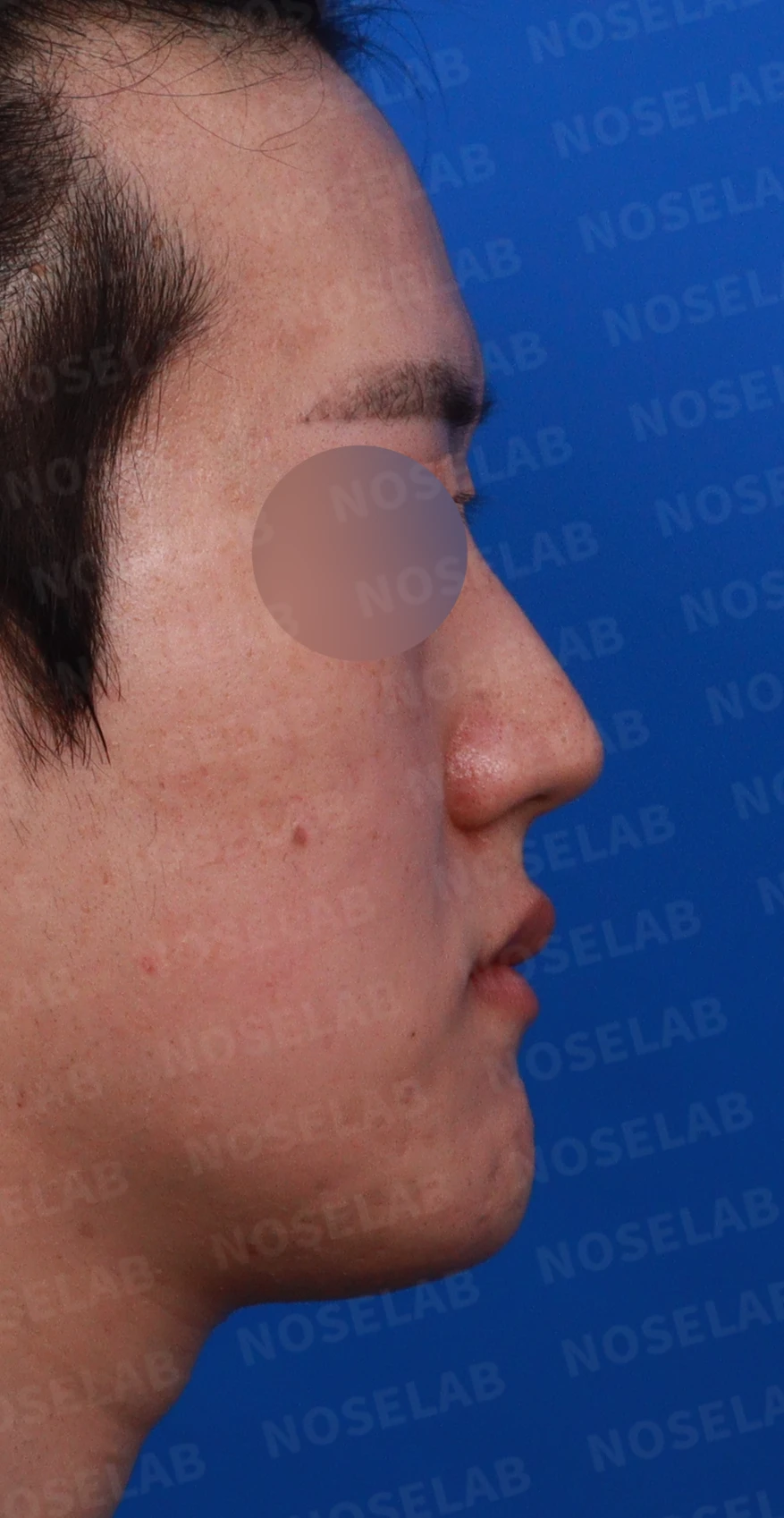
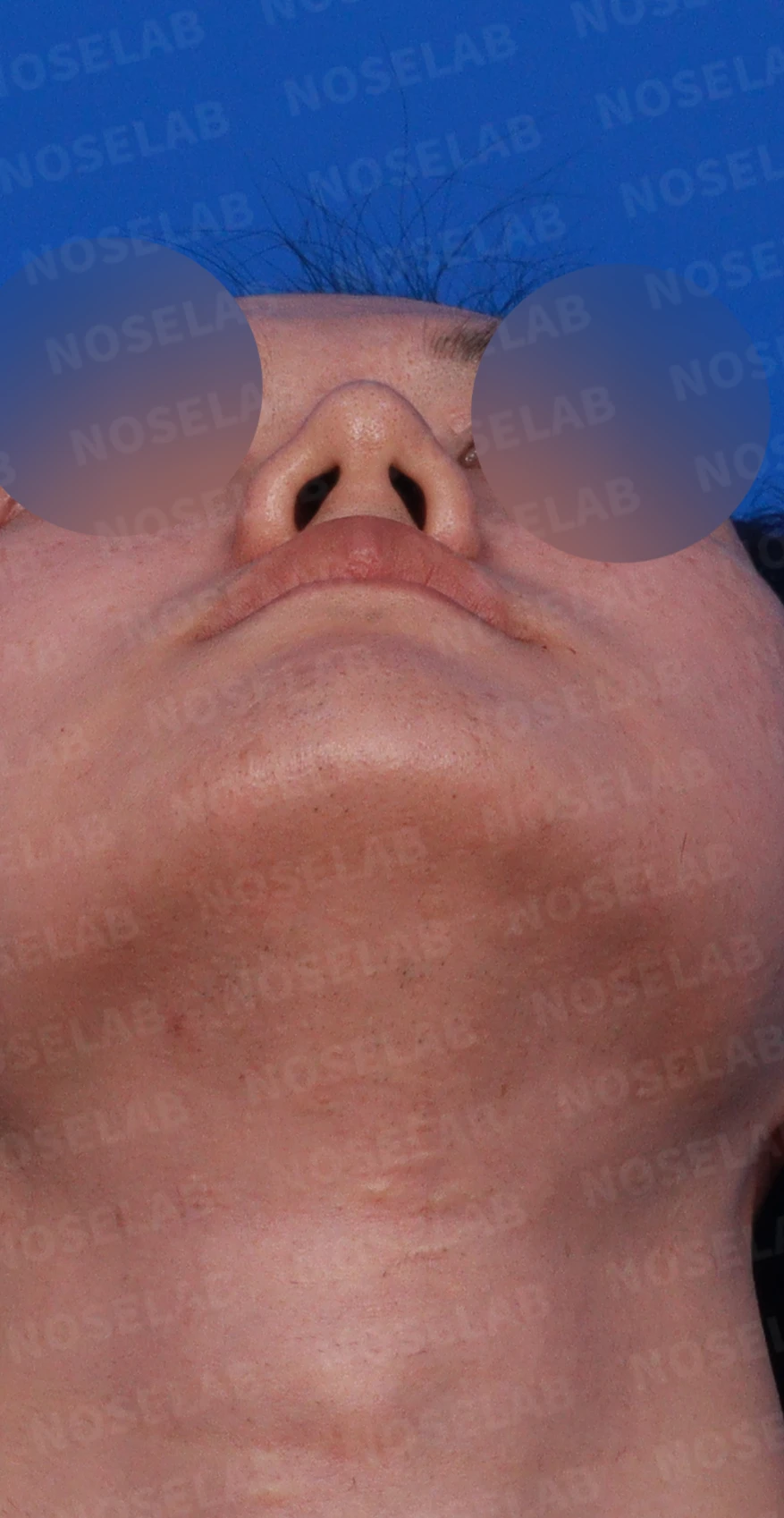
Design consultation oblique, right profile, and nostril views
🔎 Initial consultation findings
Functional issues
Rhinitis symptoms
Morphological features
Crooked nasal shape
Short nose
Nose small relative to the face
Relatively long lower face
Drooping tip
Dorsal hump shape
Small nostrils
✨ Patient's requests
Very natural results
Apprehension about major changes
Preserving the current bridge line
Refining only the nasal tip and transition area without an implant
Relief of rhinitis
💉 Surgical procedure details
Structural improvement
Implant-free rhinoplasty
Nasal tip refinement using autologous cartilage (septal/ear cartilage)
Lateral osteotomy to correct a crooked nose
Dorsal hump reduction
Natural lowering of the columella
Two types of functional nasal surgery to improve rhinitis
Improvement in shape
Preserving the existing nasal bridge line
Improvement of a drooping tip
Natural proportion adjustment
Adjusting the length of a small nose to suit the face
✅ Surgical results
Functional improvement
Alleviation of rhinitis symptoms
Smooth breathing function
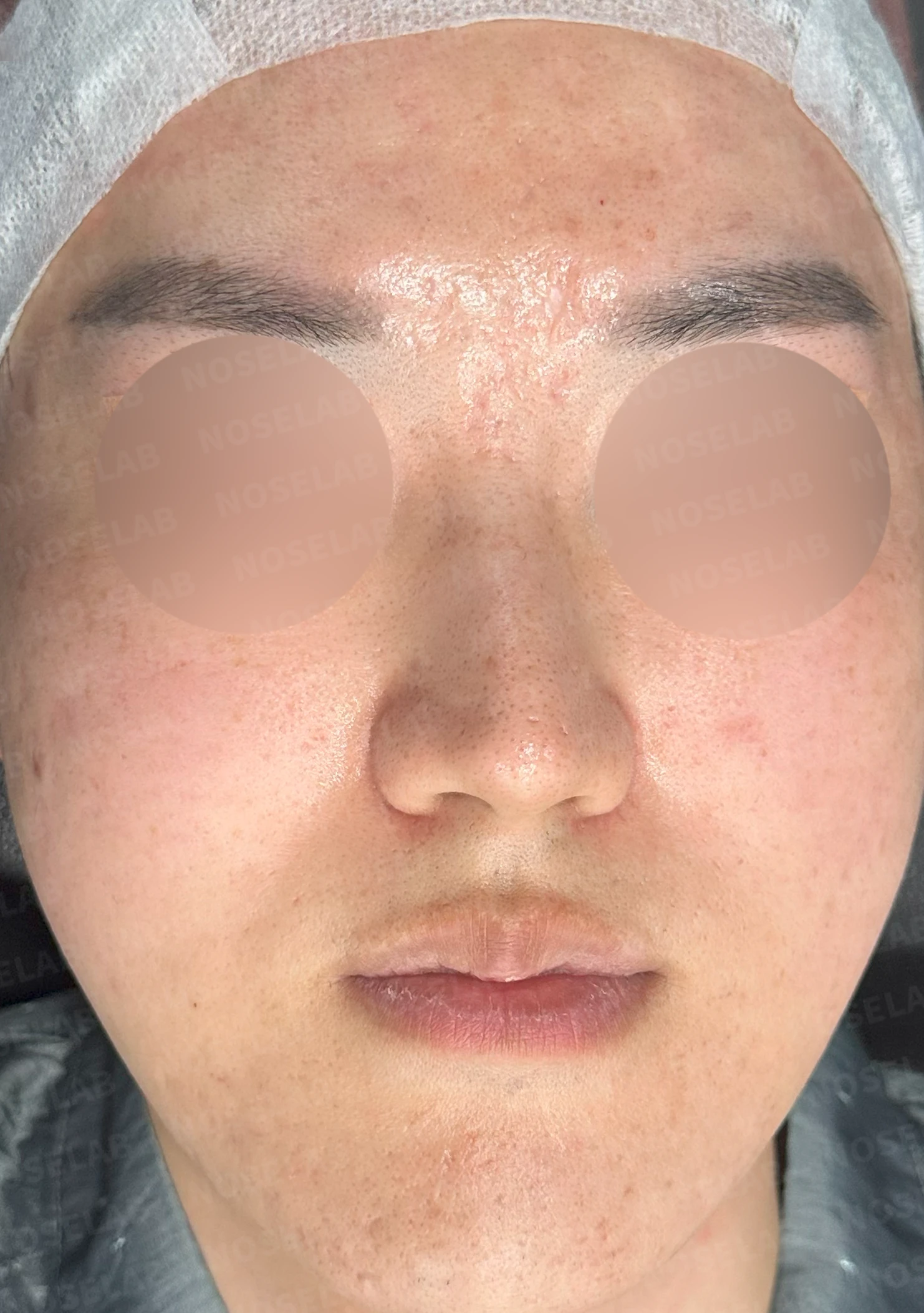
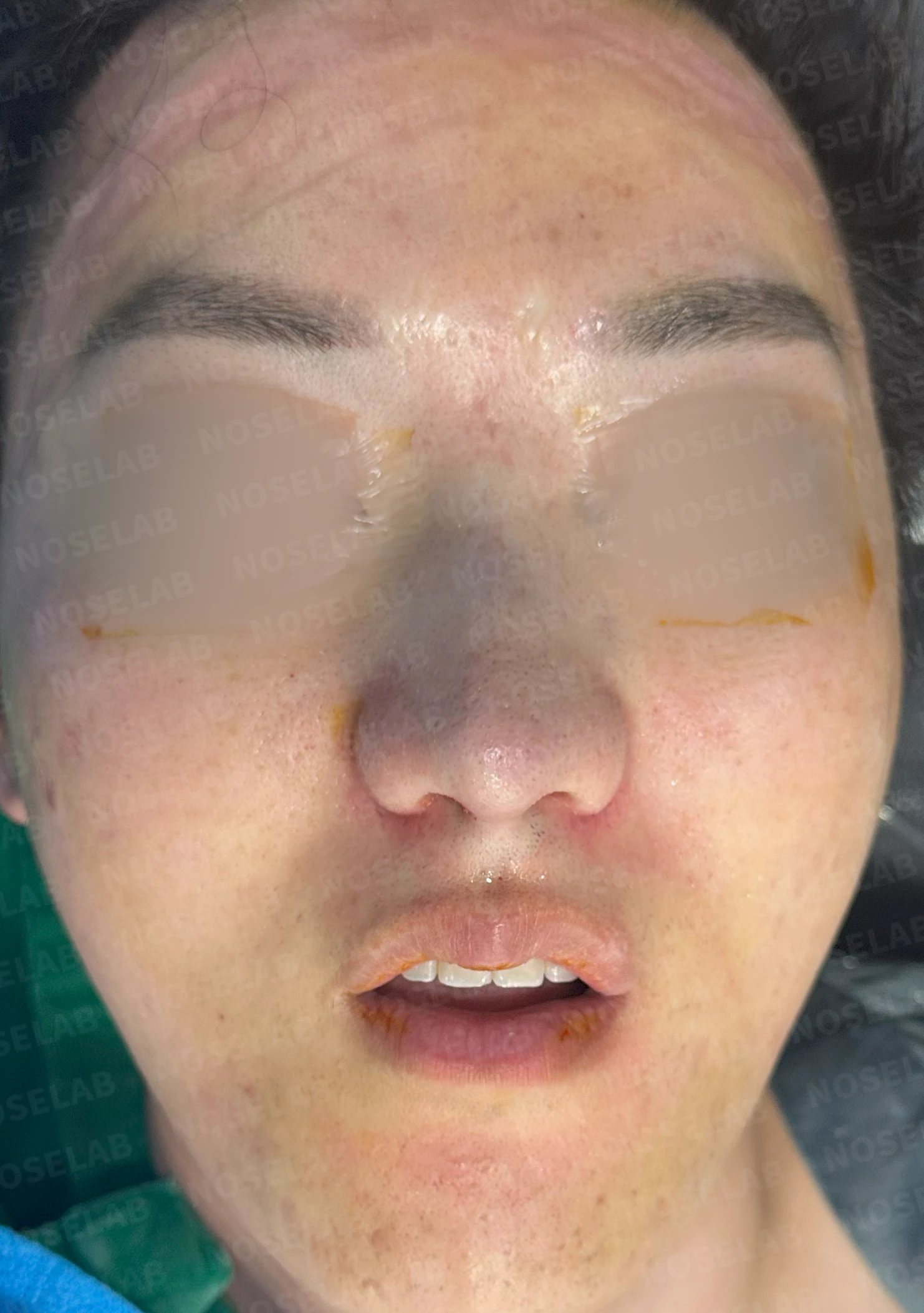
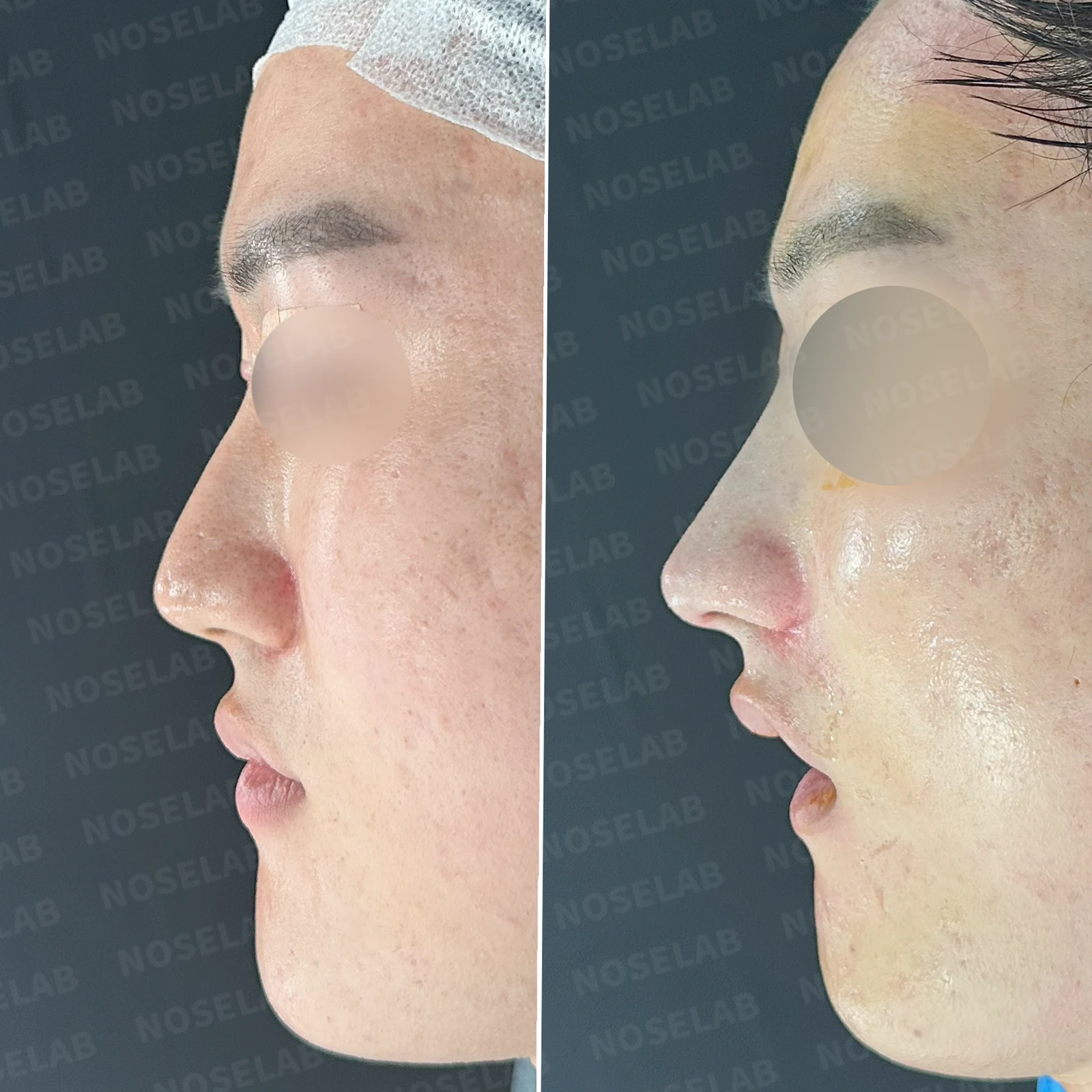
Before surgery / Day 0 immediately after surgery Photos taken immediately after surgery show swelling and may differ from the final result.
Front view
Correction of crooked nose
Naturally improved nasal size
Harmonious facial proportions
Natural bridge line
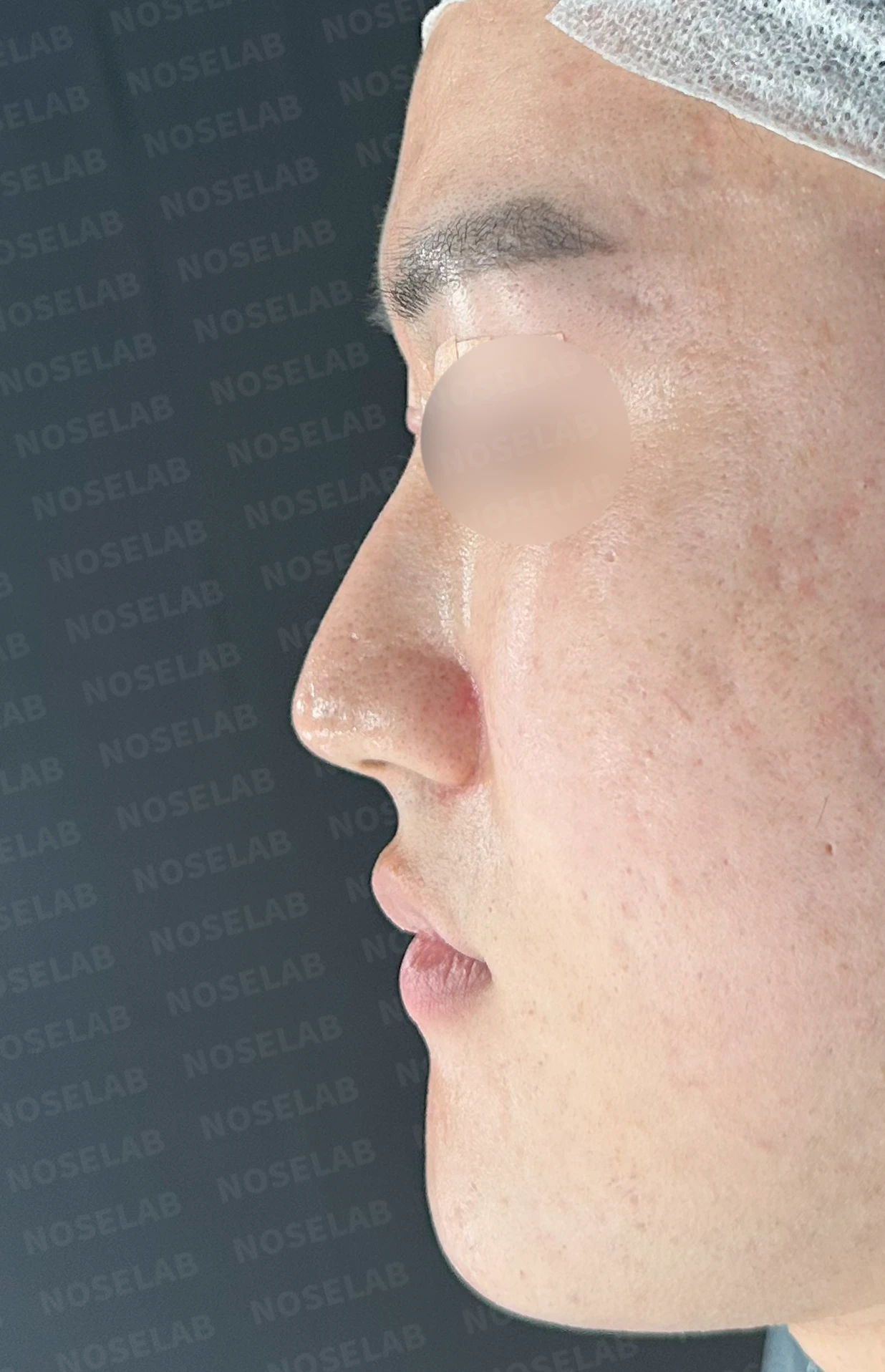
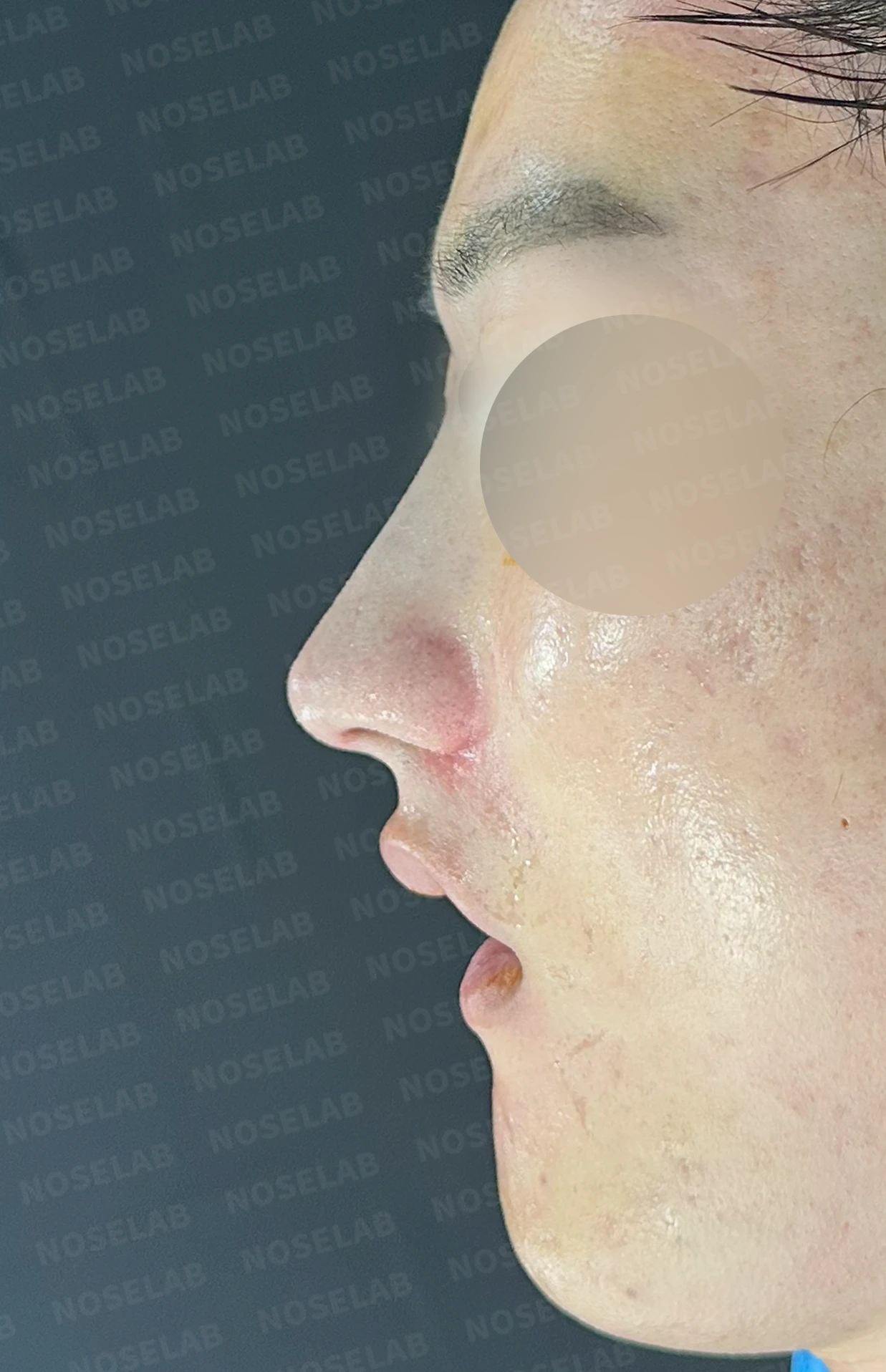
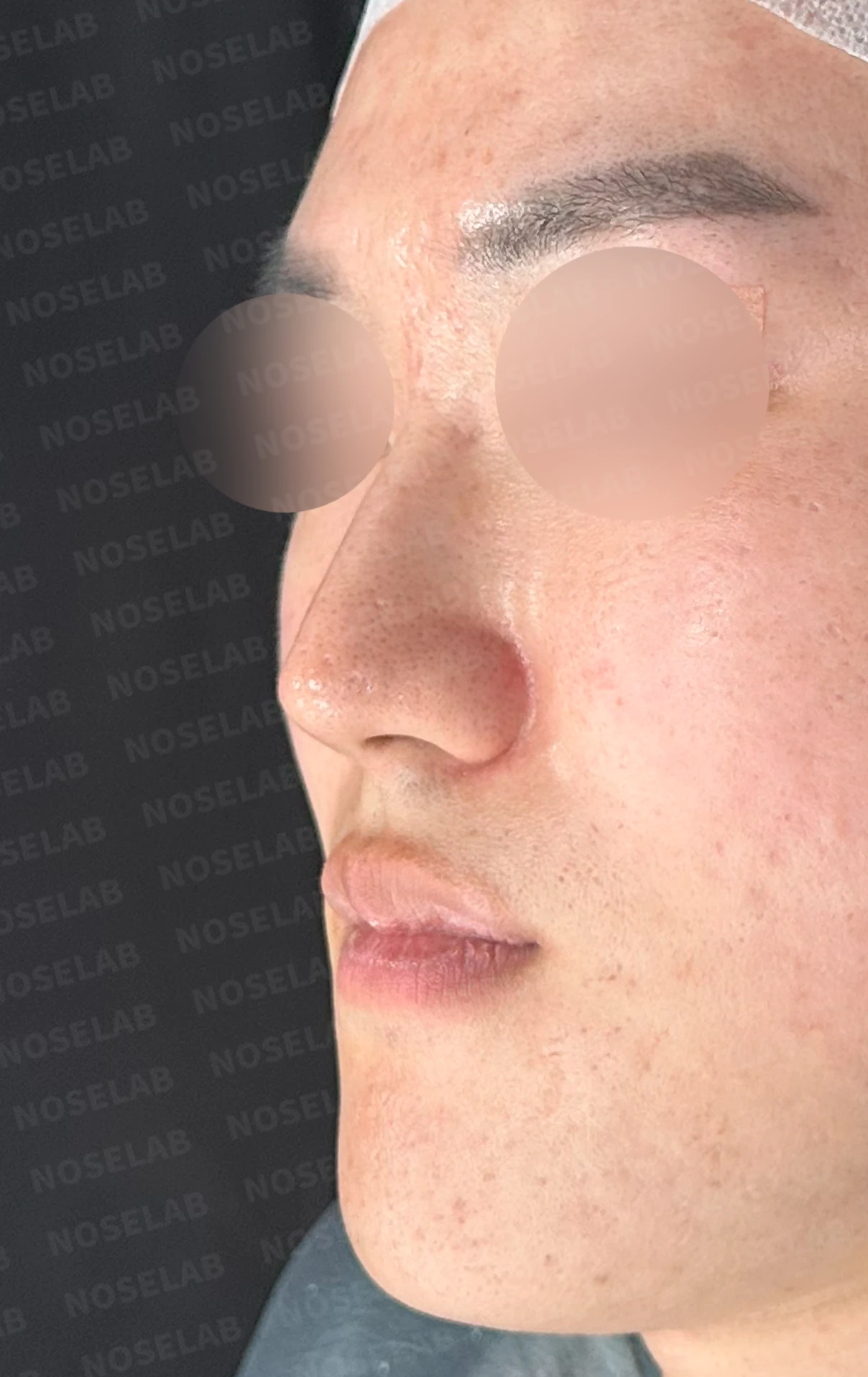
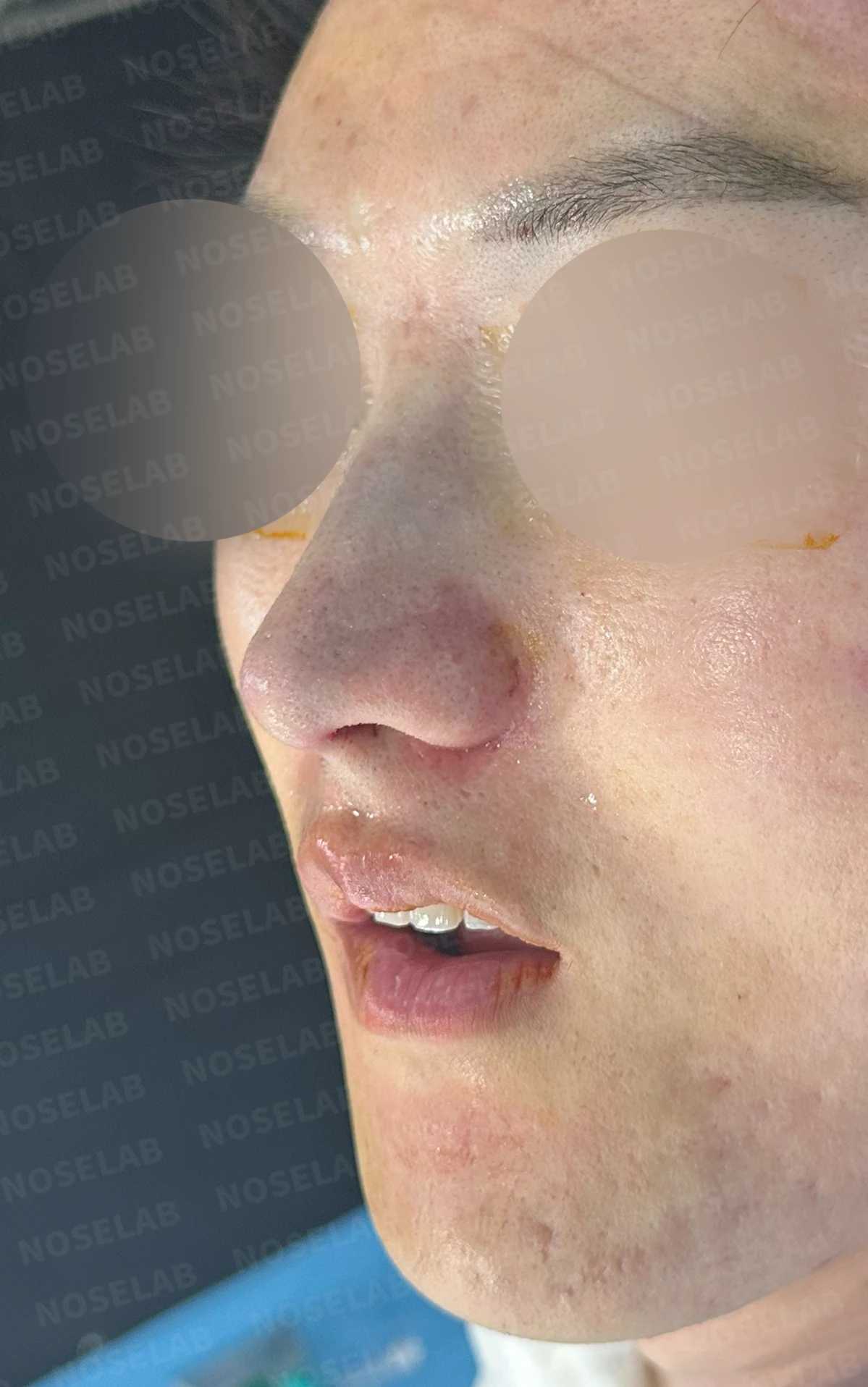
Profile view
Naturally smoothed dorsal hump
Correction of the drooping tip
Appropriately lowered columella
Natural nasal length
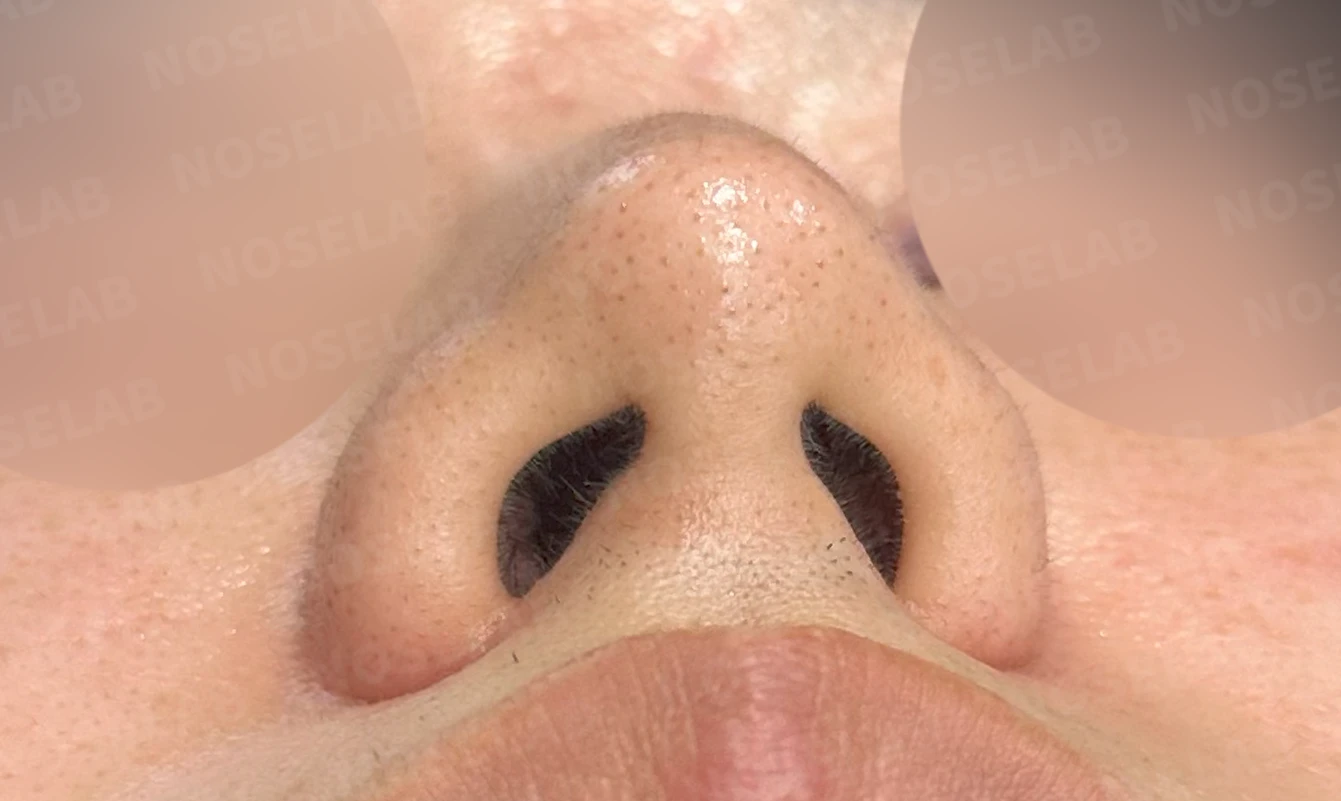
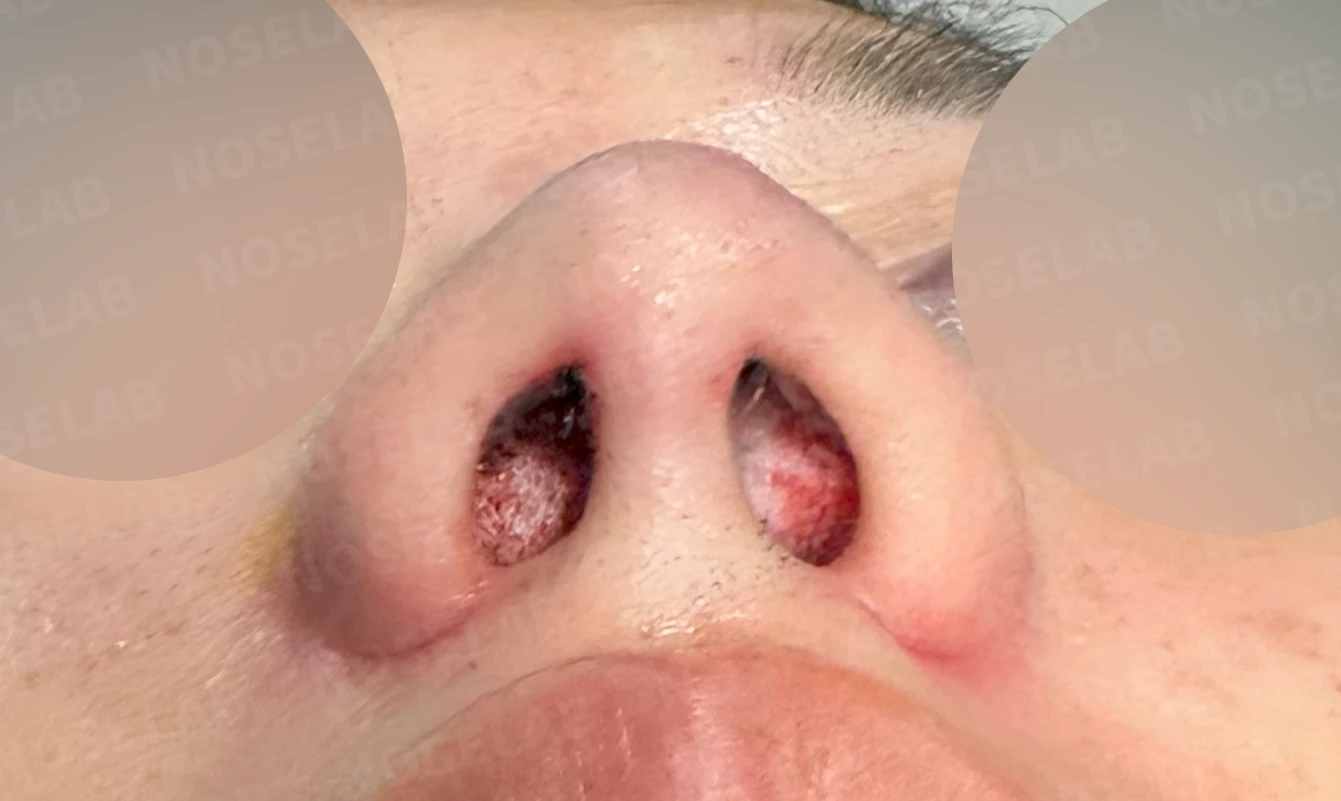
👨⚕️ Specialist's assessment
This patient experienced discomfort from rhinitis while also desiring very natural results. In particular, the patient expressed concern about major changes and wanted to preserve the current bridge line, refining only the nasal tip and the transition area without implants.
Taking the patient's requests fully into account, I chose an approach that preserved the natural characteristics of the existing nasal bridge line as much as possible while meticulously refining only the necessary areas. Through implant-free surgery, autologous rib cartilage alone was used to improve the bridge and tip.
A lateral osteotomy was performed to straighten the crooked nose, and the dorsal hump was naturally trimmed to improve the profile without compromising the patient's distinct features. The columella was also naturally lowered to achieve balanced facial proportions.
Considering that the nose was small relative to the face and the lower face was long, the size and length of the nose were adjusted naturally to improve overall facial harmony. In addition, the small nostrils were appropriately improved to assist with respiratory function.
Rather than making the dramatic change the patient had feared most, we maintained the existing natural appearance while effectively addressing both functional and aesthetic nasal concerns. In particular, implant-free surgery allowed us to achieve natural, unforced results that matched what the patient desired.
By performing functional surgery alongside the procedure to improve rhinitis, we achieved both aesthetic refinement and enhanced breathing, making this a meaningful case that helped improve the patient's quality of life.
This has been Dr. Peter C. Kang, medical director.
Thank you.
#closedrhinoplasty #implantfreerhinoplasty #naturalnose #humpreduction #autologouscartilage #customrhinoplasty
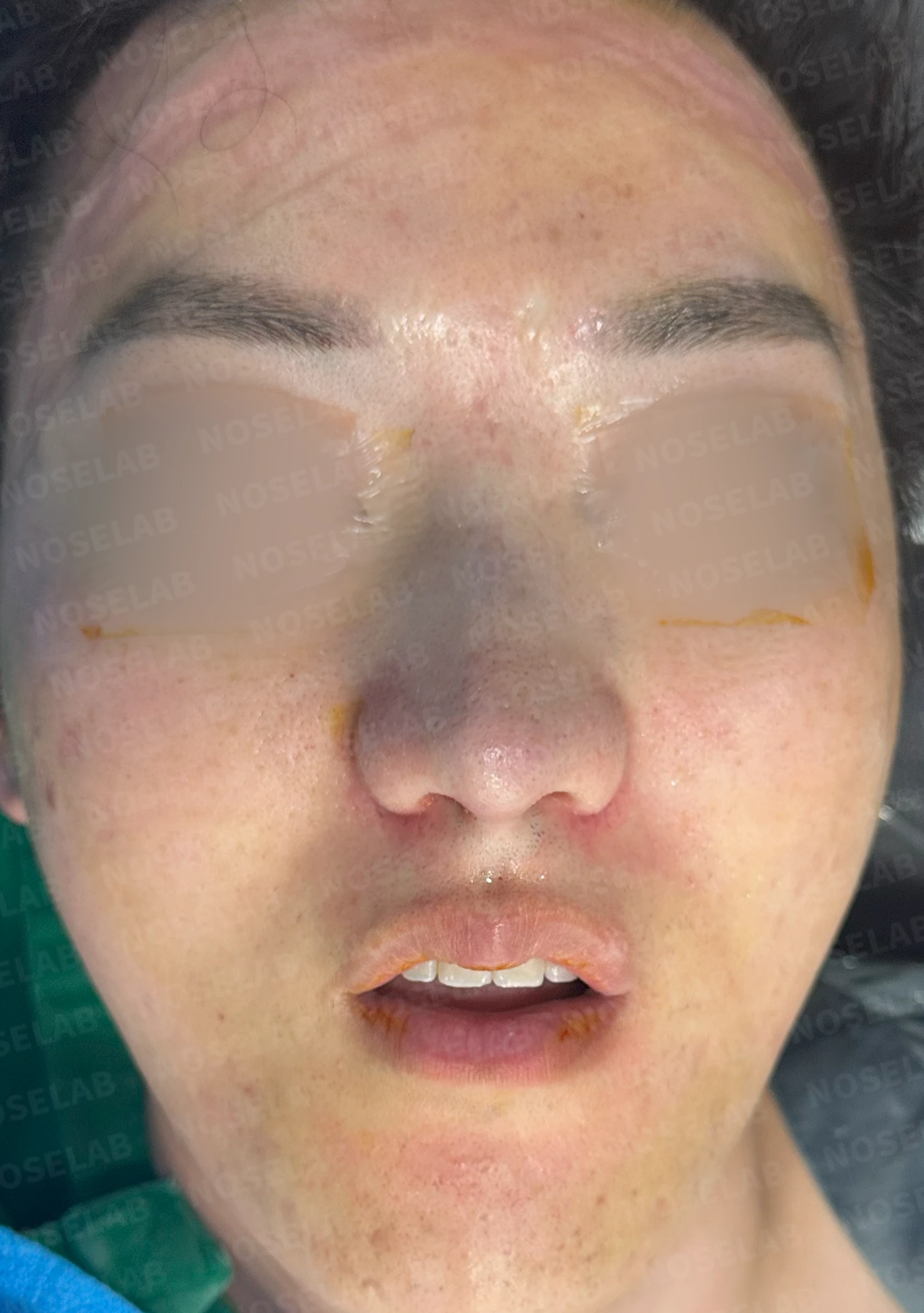
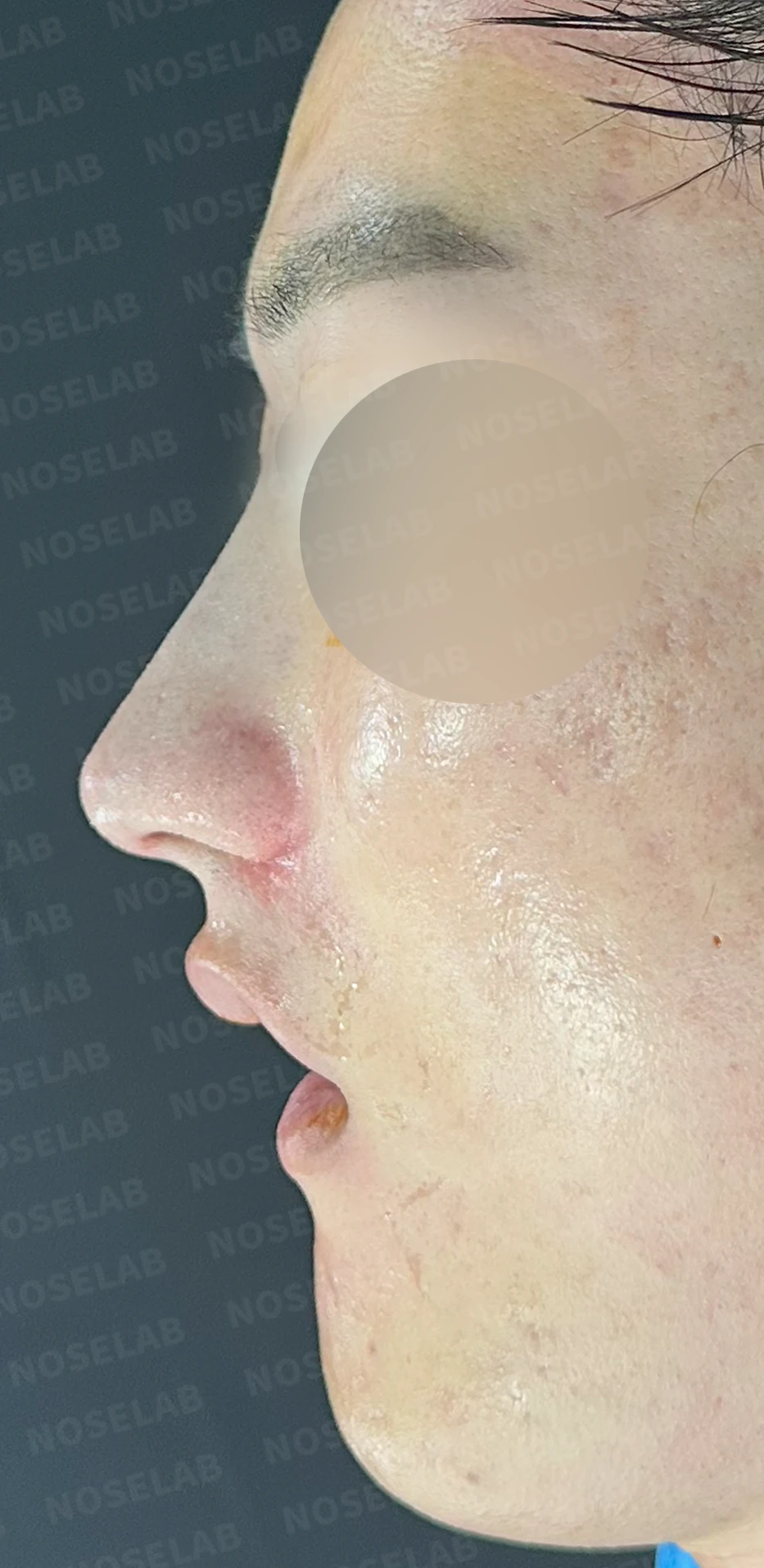
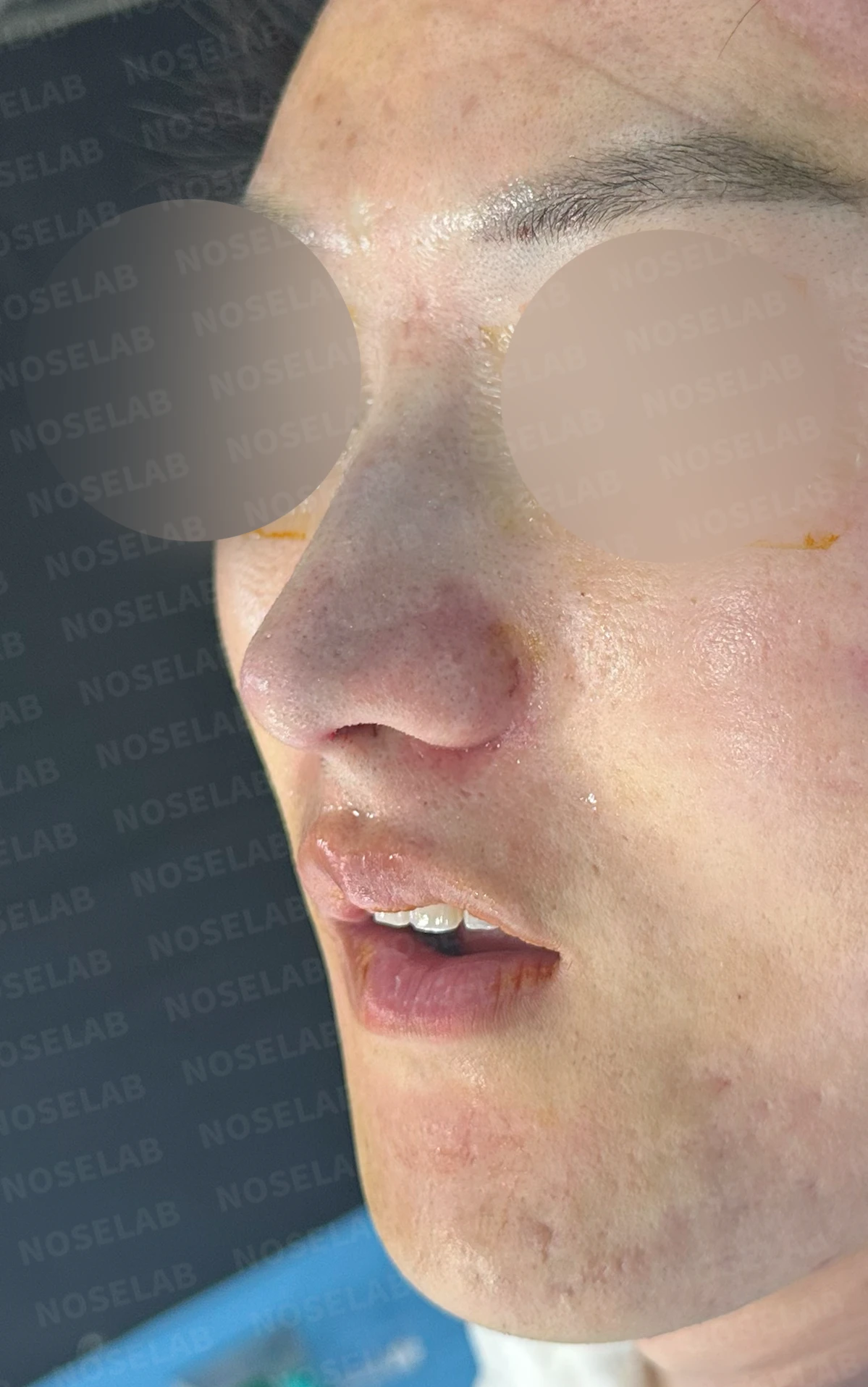
Day 0 immediately after surgery: front, profile, and oblique viewsImmediate postoperative photos show swelling and may differ from the final outcome.
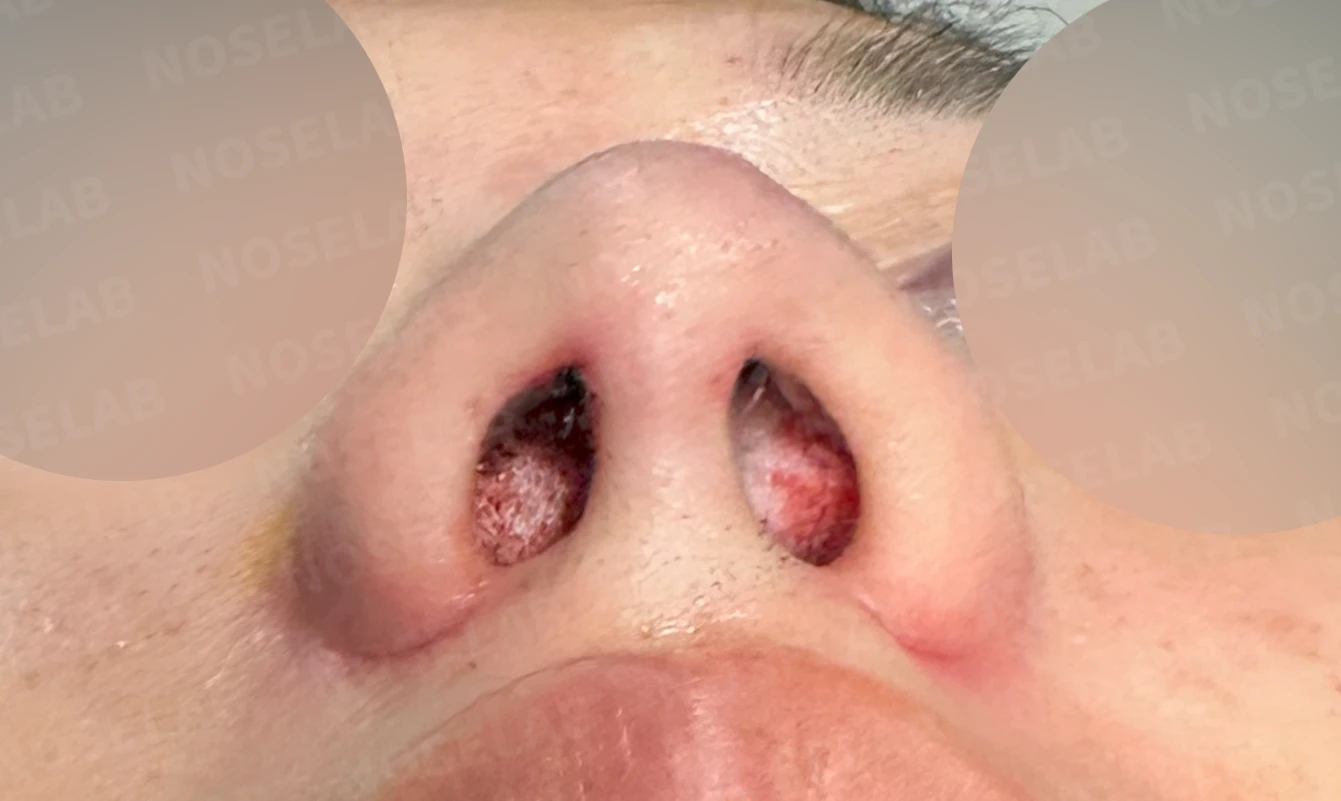
Nostril view on day 0 immediately after surgery Photos taken immediately after surgery show swelling and may differ from the final result.

Limitations and risks
When autologous rib cartilage is used, scarring and pain may remain at the donor site on the chest, and pneumothorax (pleural injury) can occur rarely. Over time, the grafted cartilage may warp or undergo partial resorption.
When the septum is corrected at the same time, nasal obstruction may persist or recur, and in rare cases, septal perforation or changes in smell may occur.
Common potential risks include infection, bleeding, asymmetry, scarring, skin necrosis, and insufficient improvement; results vary depending on individual skin condition and previous surgical history.