Hello, I am Dr. Peter C. Kang.
Today, I would like to introduce the case of a patient who visited our clinic with concerns regarding a crooked dorsal hump and a drooping tip.
🔍 Surgical history
This was the patient's first rhinoplasty.
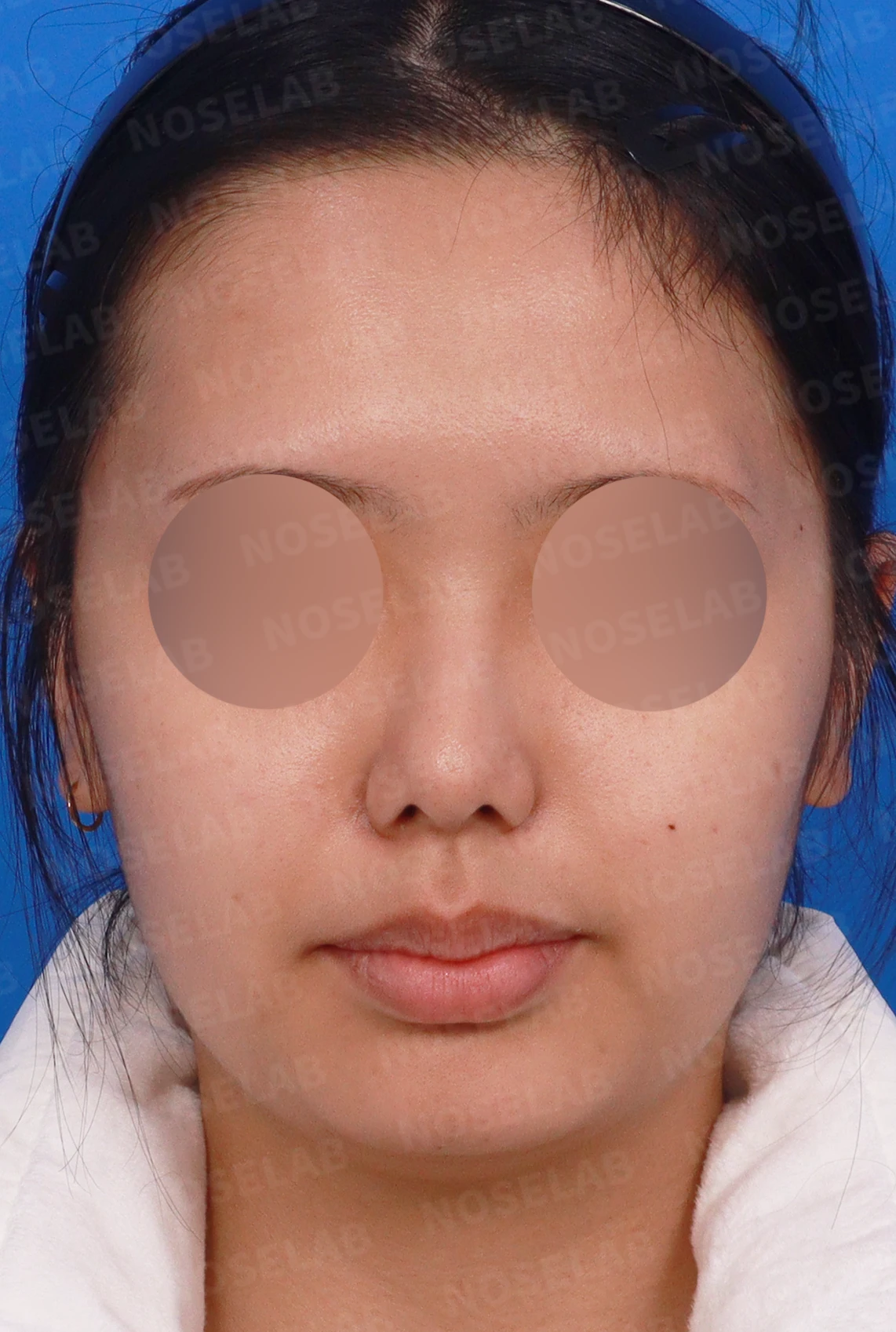
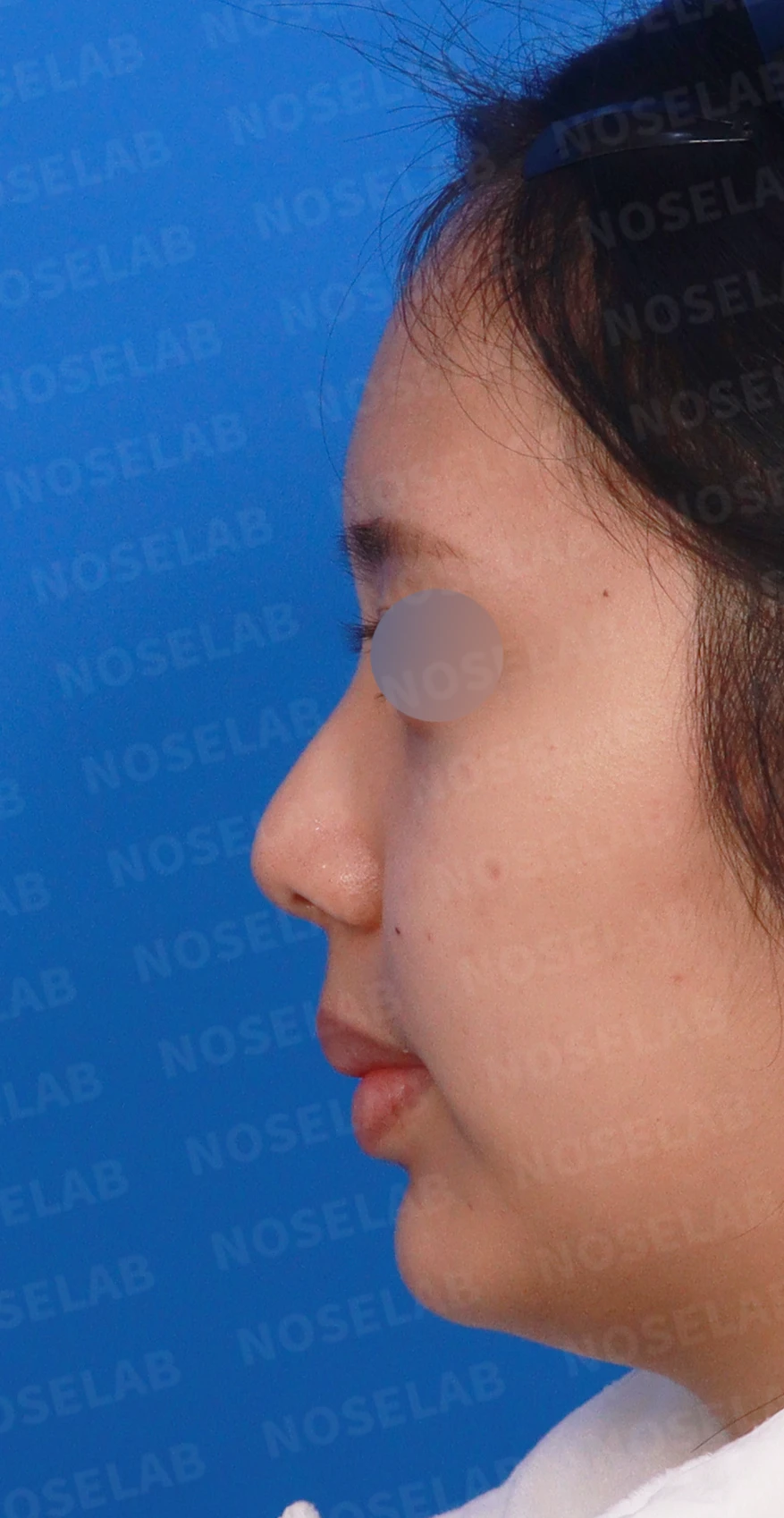
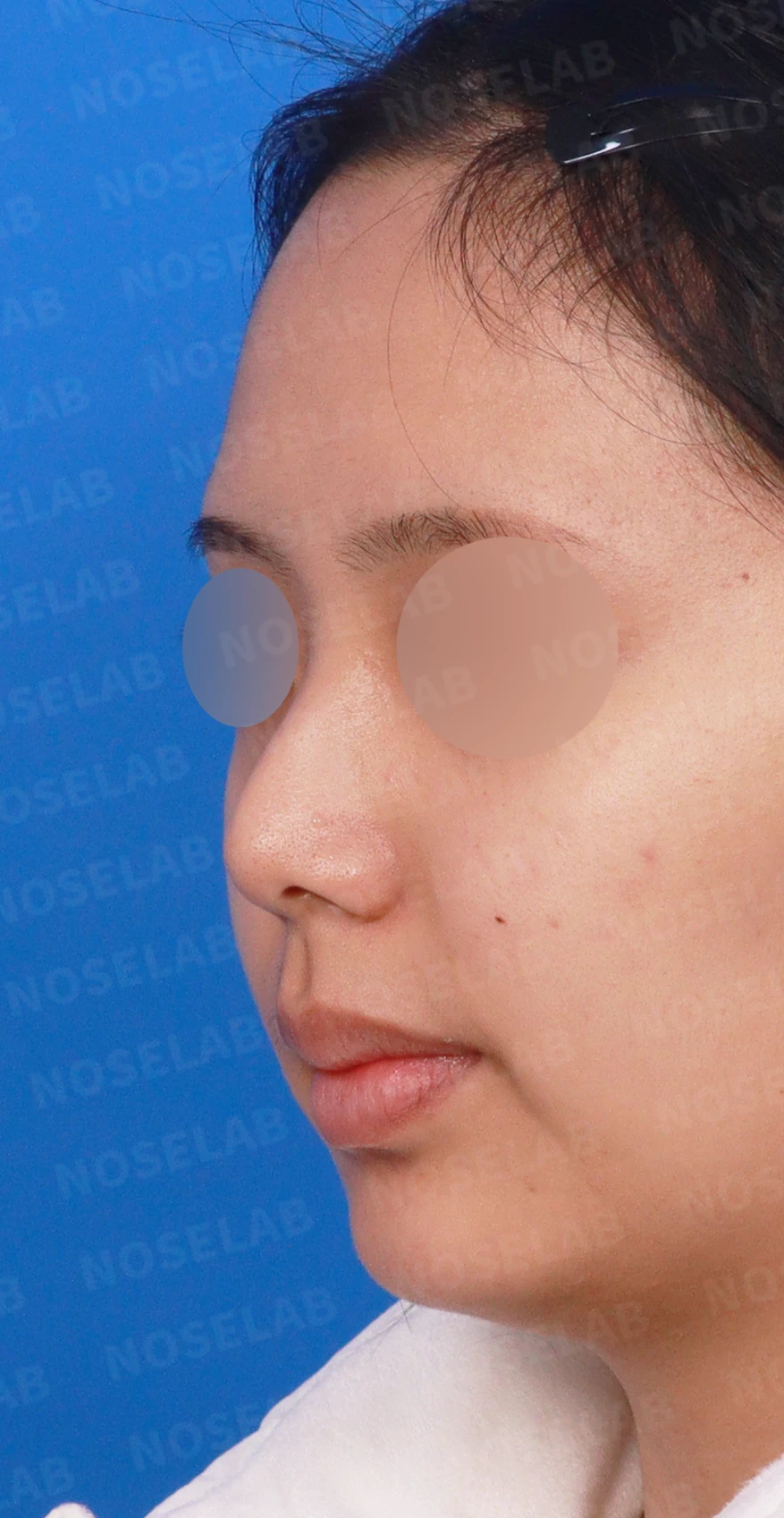
Front, left profile, and oblique views during design consultation.
💉 Patient requests
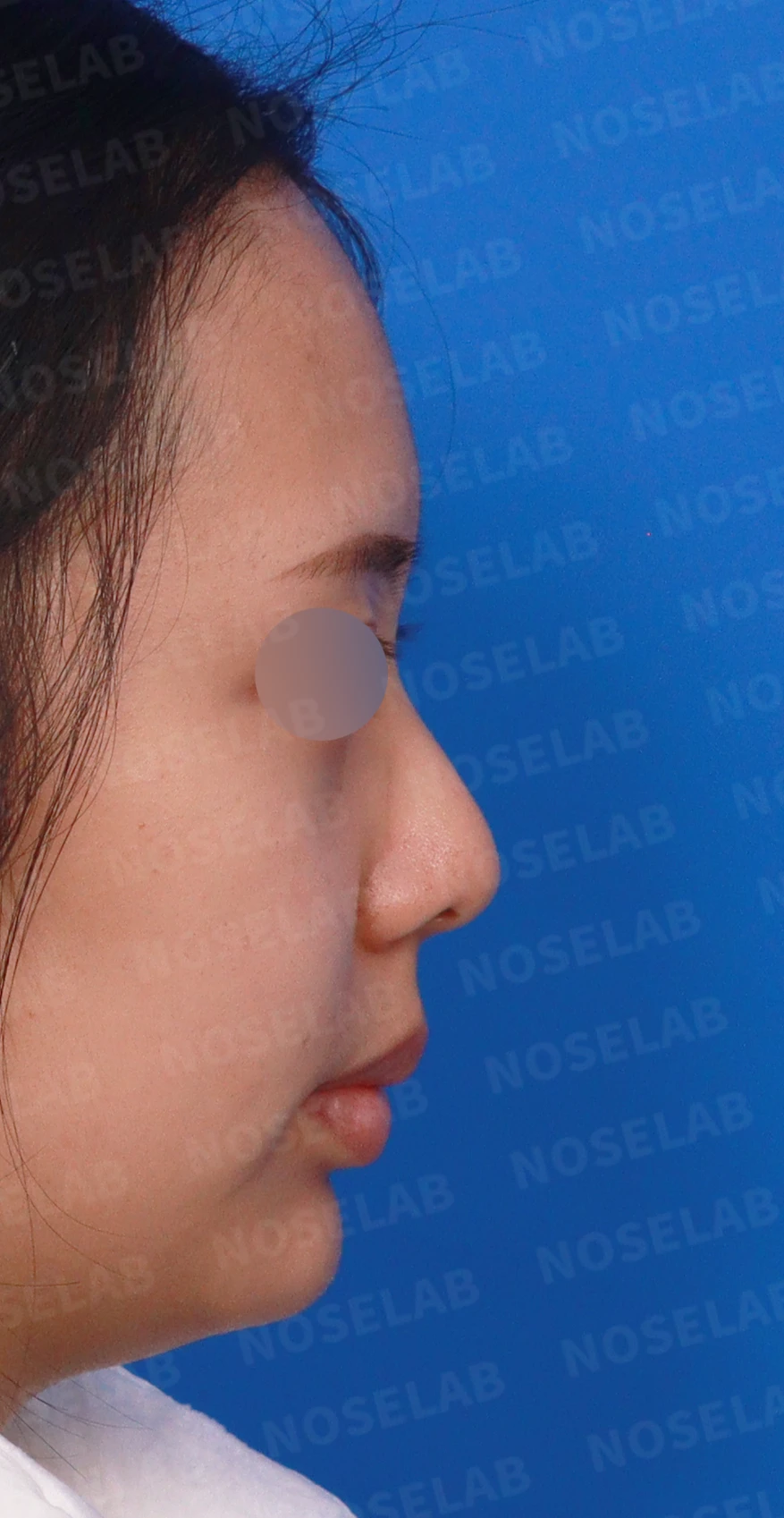
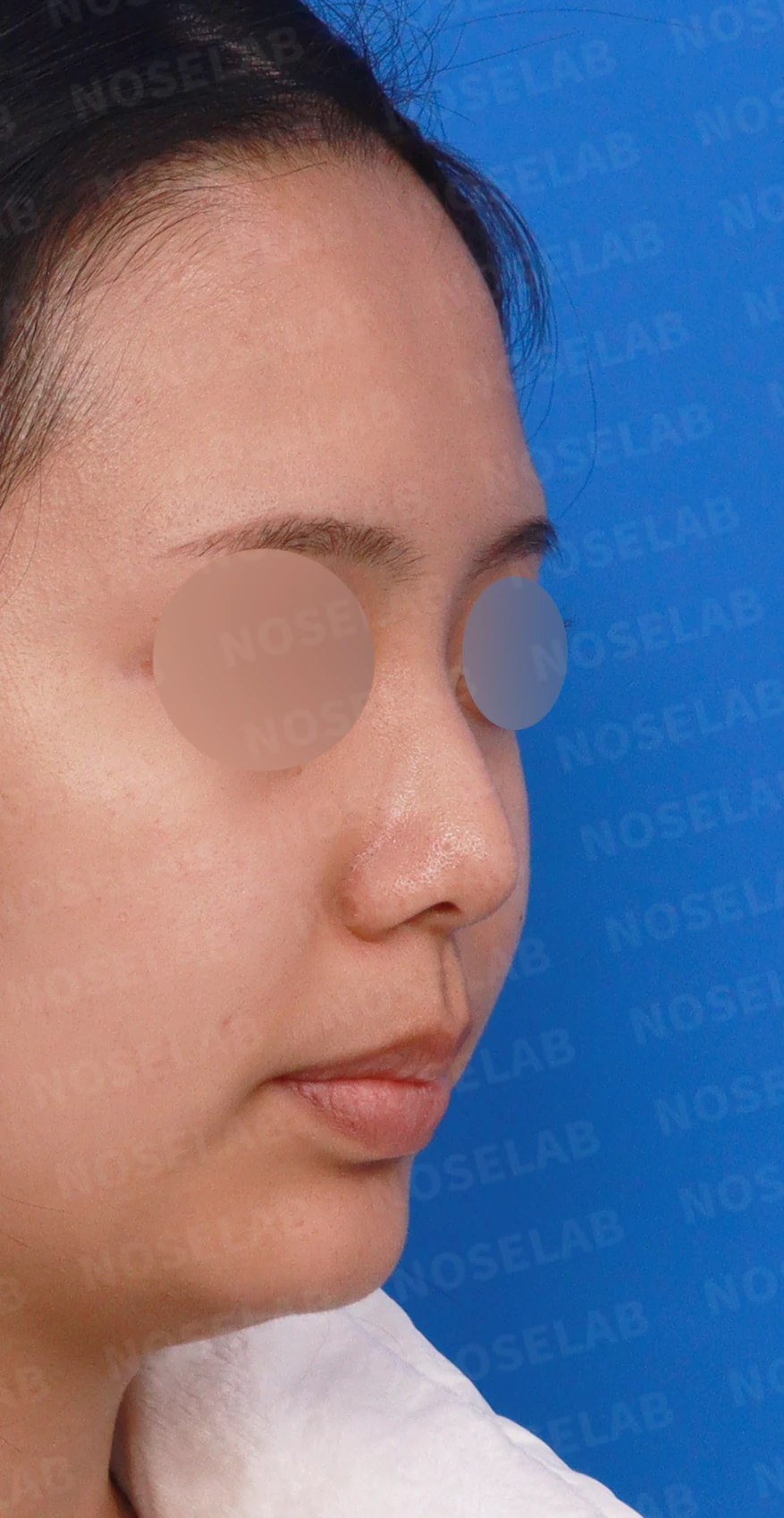
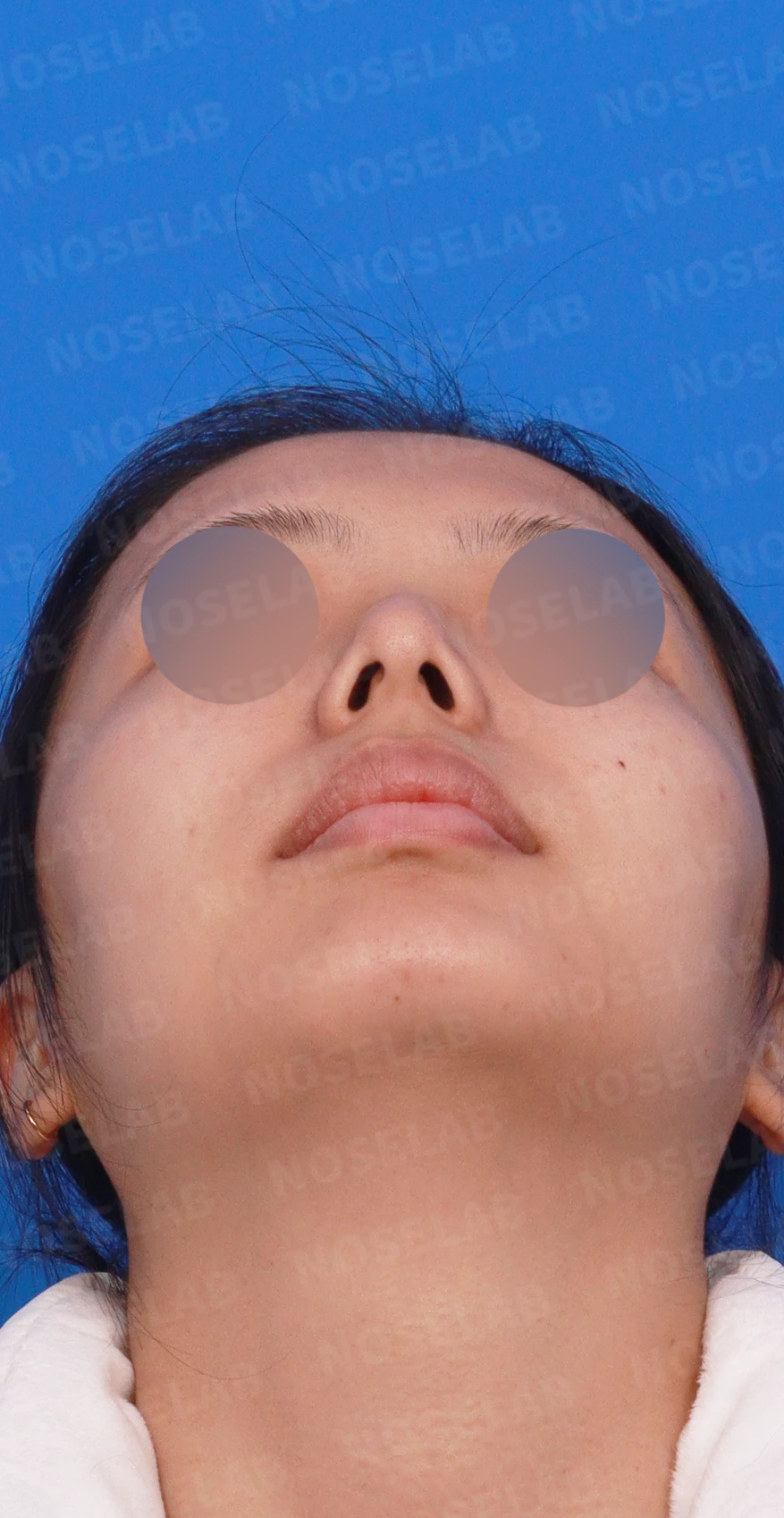
Right profile, oblique, and nostril views during design consultation.
The patient visited our clinic with the following concerns:
Crooked dorsal hump: Nasal bone deviation and a hump causing asymmetry on the front view
Drooping tip: A downward-drooping tip giving a tired and aged impression
Protruding mouth: The appearance of mouth protrusion on the profile view
Rhinitis: Chronic nasal obstruction and breathing discomfort
Natural improvement: A natural nose that matches the patient's facial features without being overdone
Surgical plan and procedure
In this patient's case, a natural result was desired while correcting the crooked dorsal hump and drooping tip. Additionally, nasal obstruction caused by rhinitis needed to be addressed at the same time.
1. Nasal bone lateral osteotomy
Precise correction of deviated nasal bones
Natural removal of the dorsal hump
Achieving bilateral symmetry
Formation of a balanced nasal bridge line on the front view
2. Septal extension (donor rib cartilage + septal cartilage)
Elevating the drooping tip to create a more open impression
Stable structural support by using donor rib cartilage together with septal cartilage
Appropriate adjustment of the tip angle
Shaping a natural yet refined tip
Maintaining long-term tip stability
3. Utilization of septal cartilage and ear cartilage
Building the foundational framework with septal cartilage
Adding natural volume to the nasal tip with ear cartilage
A soft, feminine nasal tip line
4. Correction of nasolabial angle
Optimizing the angle between the nose and the upper lip
Naturally improving the impression of a protruding mouth
Refining the profile line to be sleek and soft
Enhancing overall facial balance and proportions
5. Septoplasty
Septal correction to address rhinitis
Restoring internal nasal volume balance
Improvement of breathing function
6. Inferior turbinoplasty
Reduction of hypertrophic inferior turbinates
Securing internal nasal airway space
Addressing the root cause of nasal obstruction
🌟 Surgical results
1. Structural improvement
Deviated nasal bones were accurately corrected for better symmetry
The dorsal hump was naturally removed, creating a smooth nasal bridge
Septal extension established a stable support framework for the nasal tip
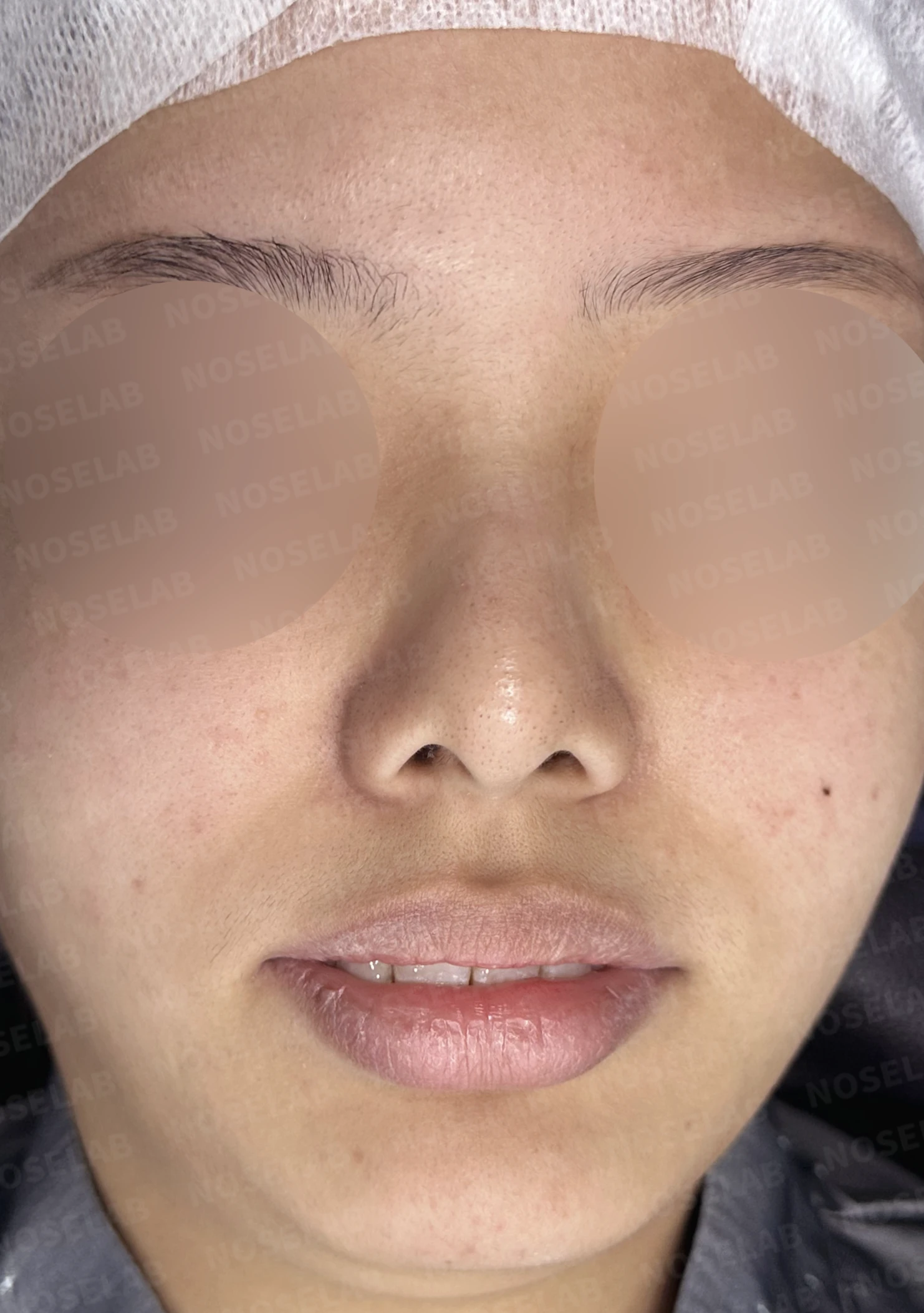
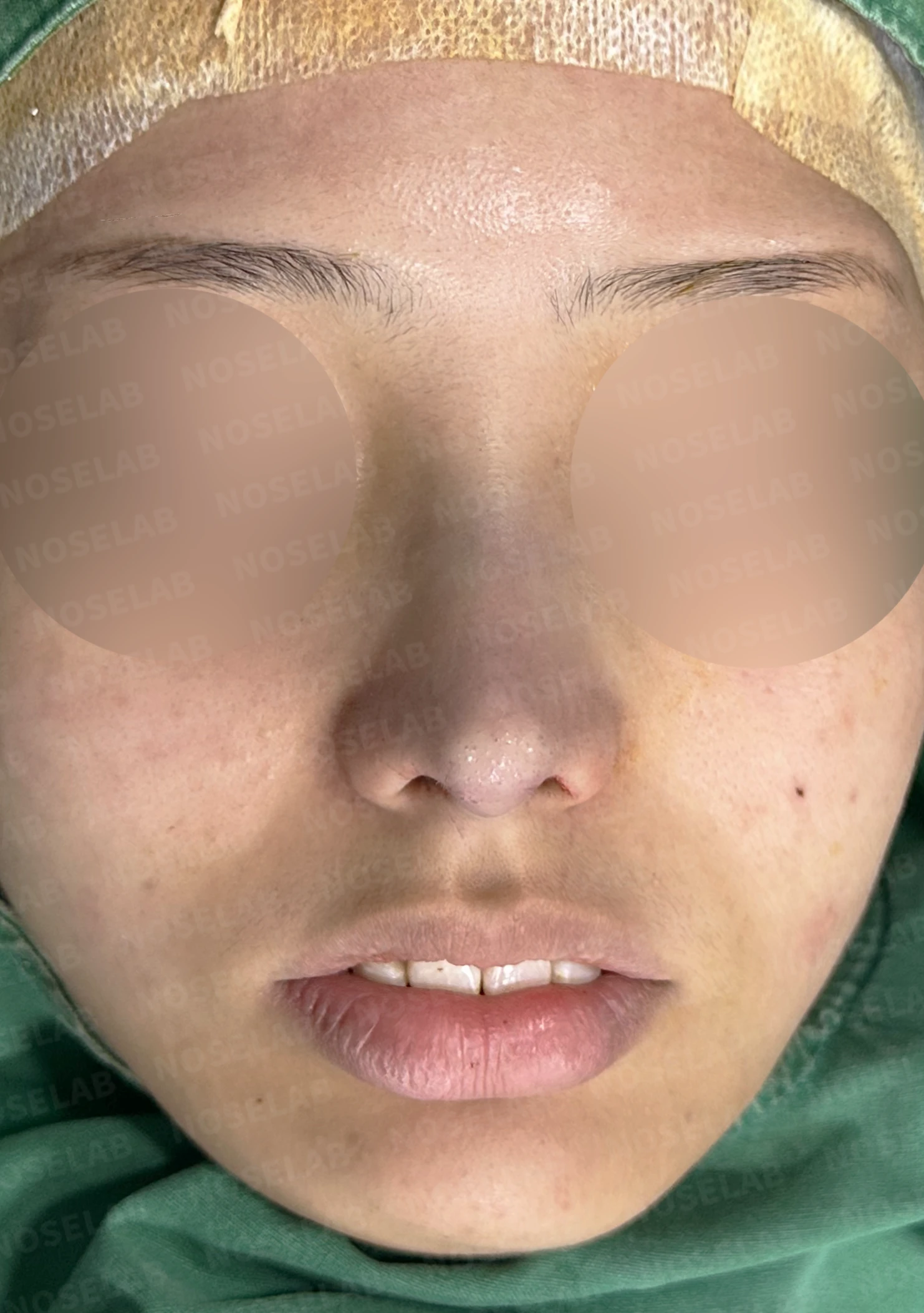
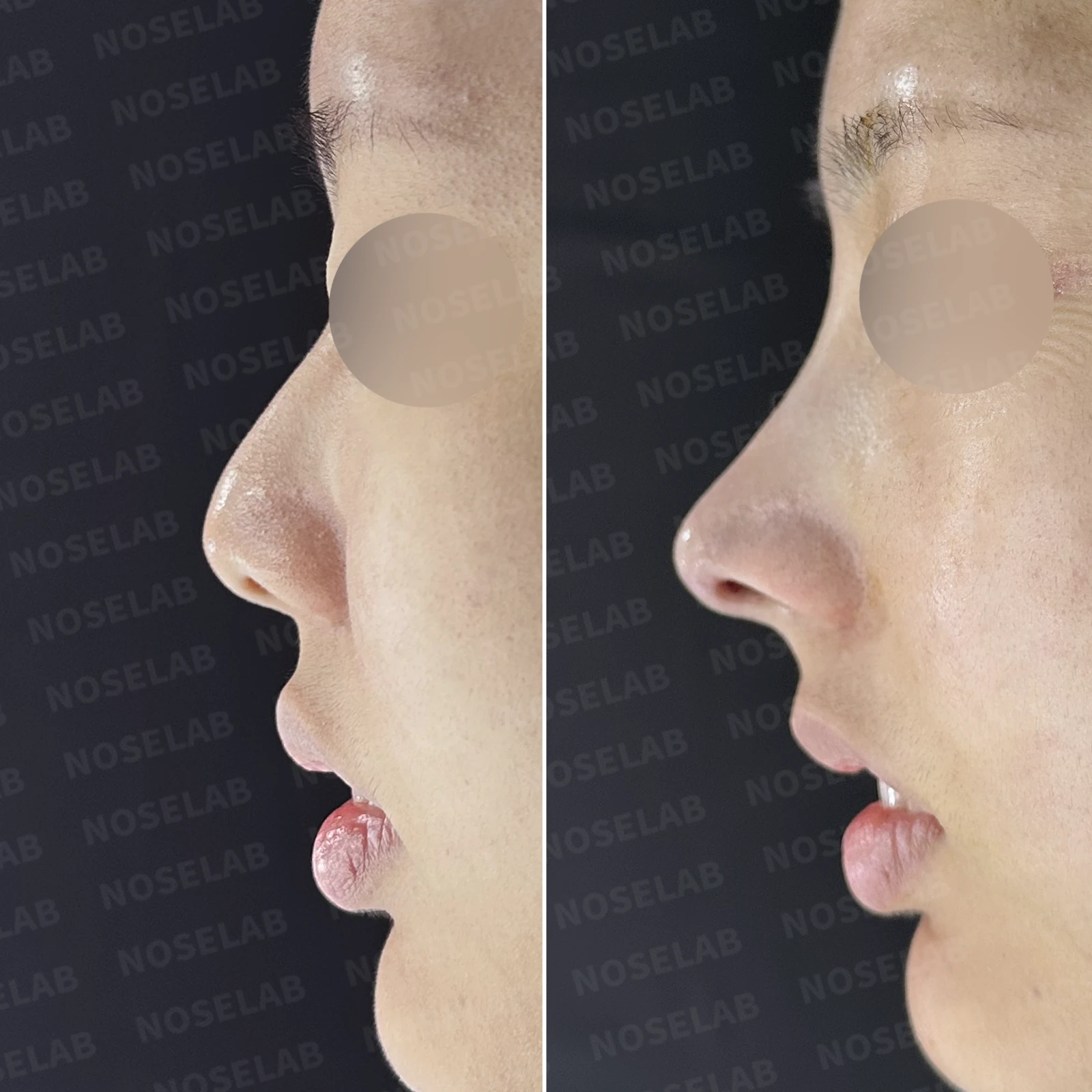
Before surgery / Day 0 immediately after surgery Photos taken immediately after surgery show swelling and may differ from the final result.
2. Aesthetic improvement
Front view: The crooked nose was straightened, creating symmetrical nasal lines on both sides
Profile view: The drooping tip was appropriately elevated for a refreshed look, and nasolabial angle correction improved the appearance of a protruding mouth
Nasal tip: A natural, feminine tip with an appropriate, unexaggerated angle
Nasal bridge: The dorsal hump was removed, creating a smooth line
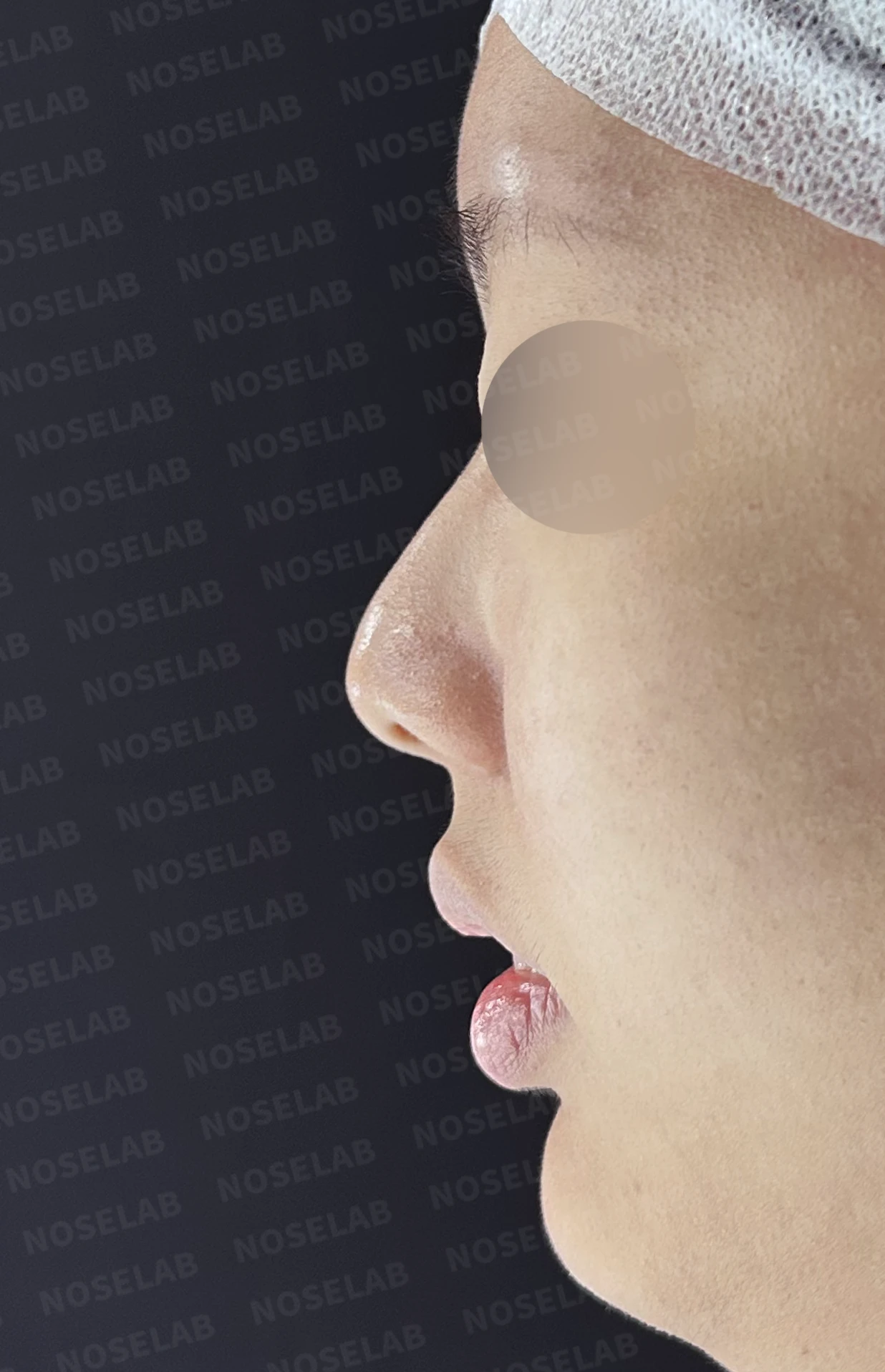
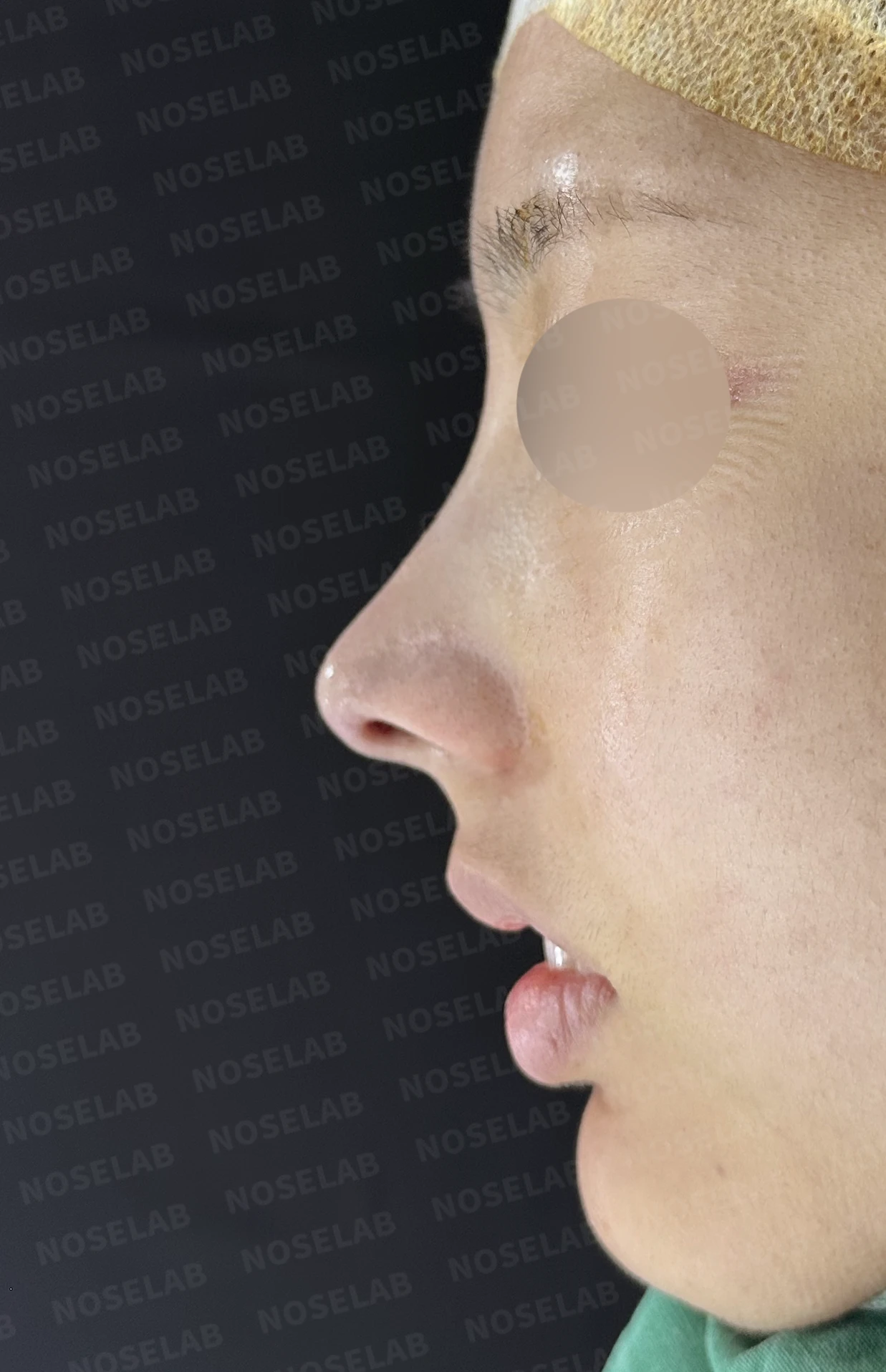
Before surgery / Day 0 immediately after surgery Photos taken immediately after surgery show swelling and may differ from the final result.
3. Functional improvement
Internal nasal structures were improved through septoplasty
Securing internal nasal airway space with turbinoplasty
Smooth breathing through both sides
Substantial improvement in chronic nasal obstruction
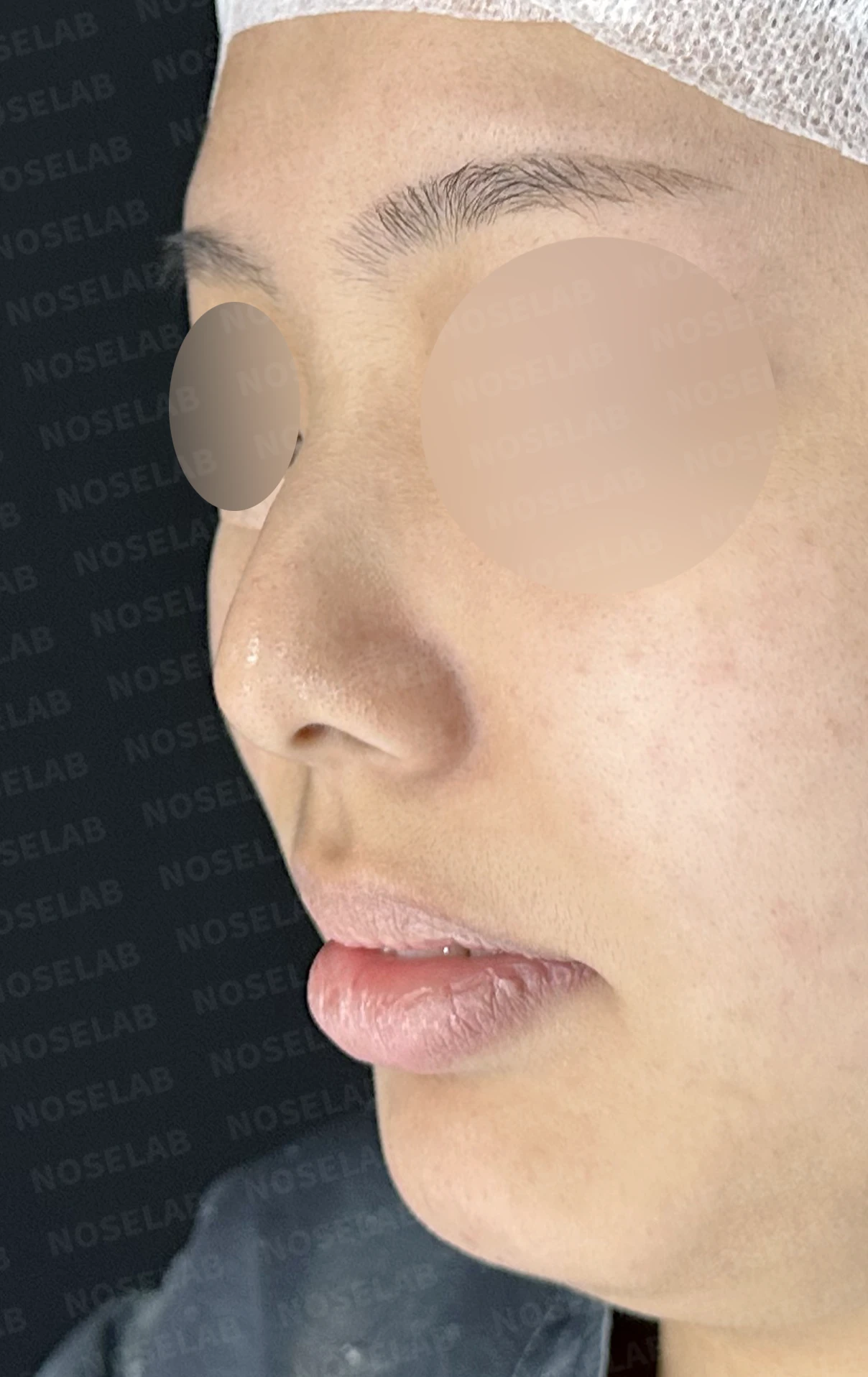
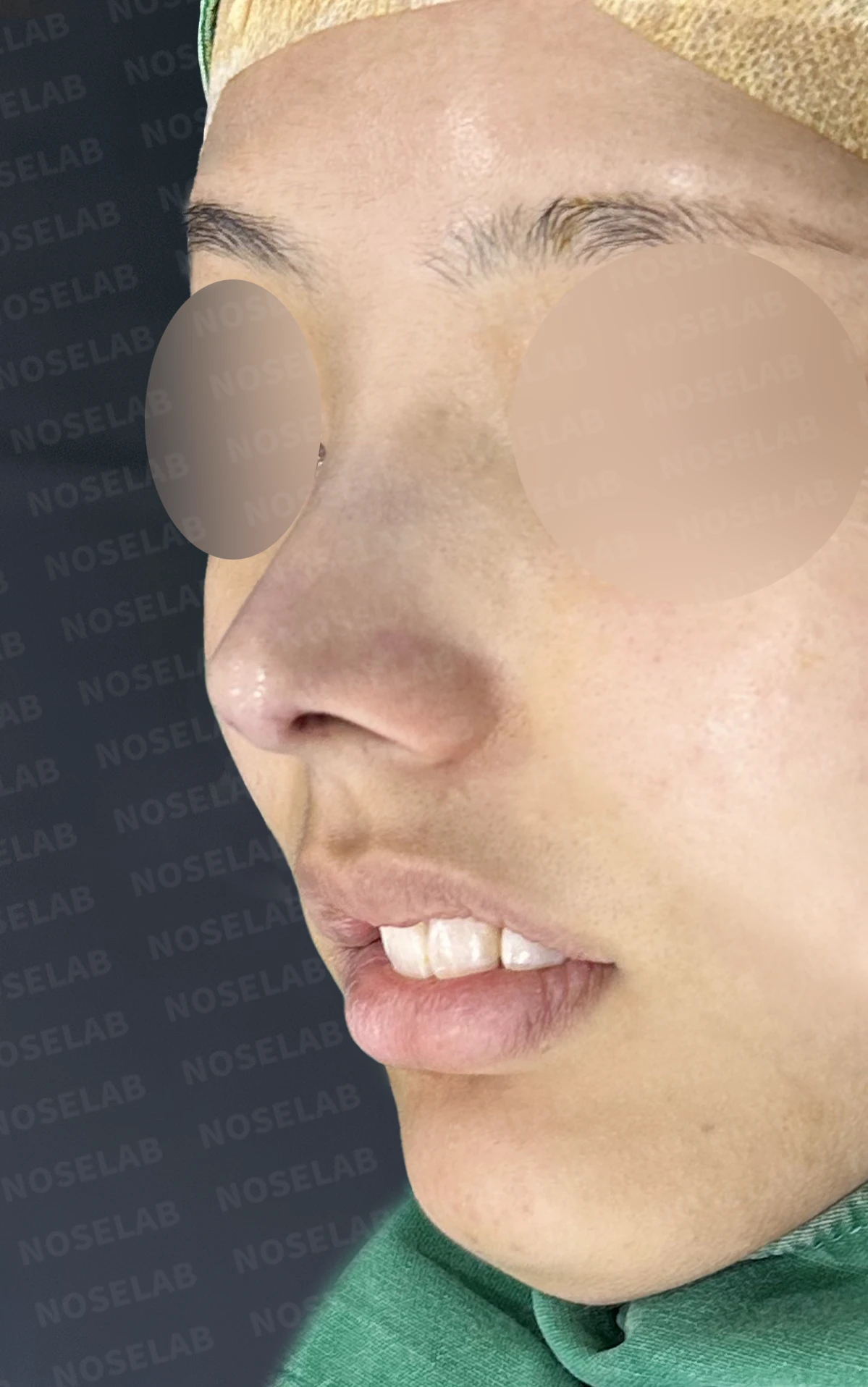
Before surgery / Day 0 immediately after surgery Photos taken immediately after surgery show swelling and may differ from the final result.
4. Overall harmony
A natural nose that harmonizes with the entire face
A refined, youthful look suited to the patient's age
Balanced proportions that do not look excessive
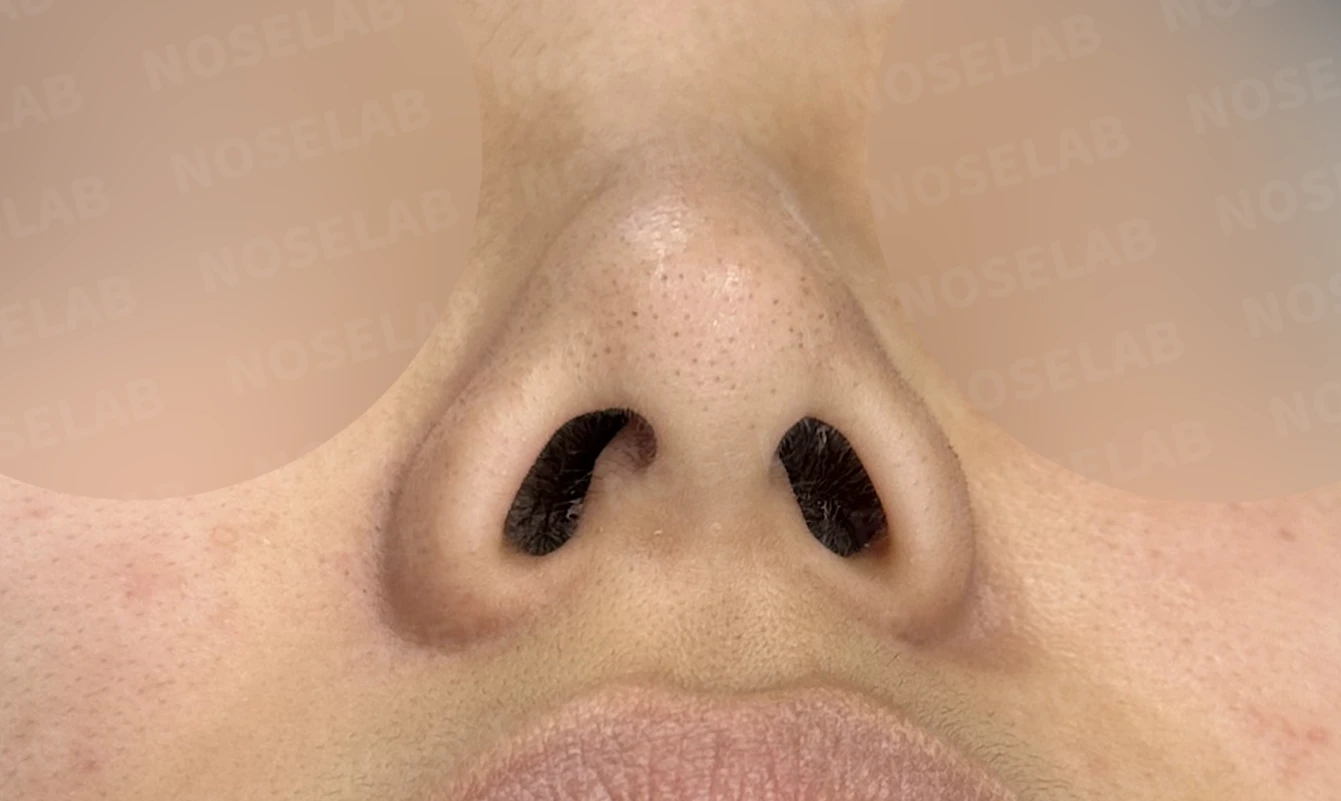
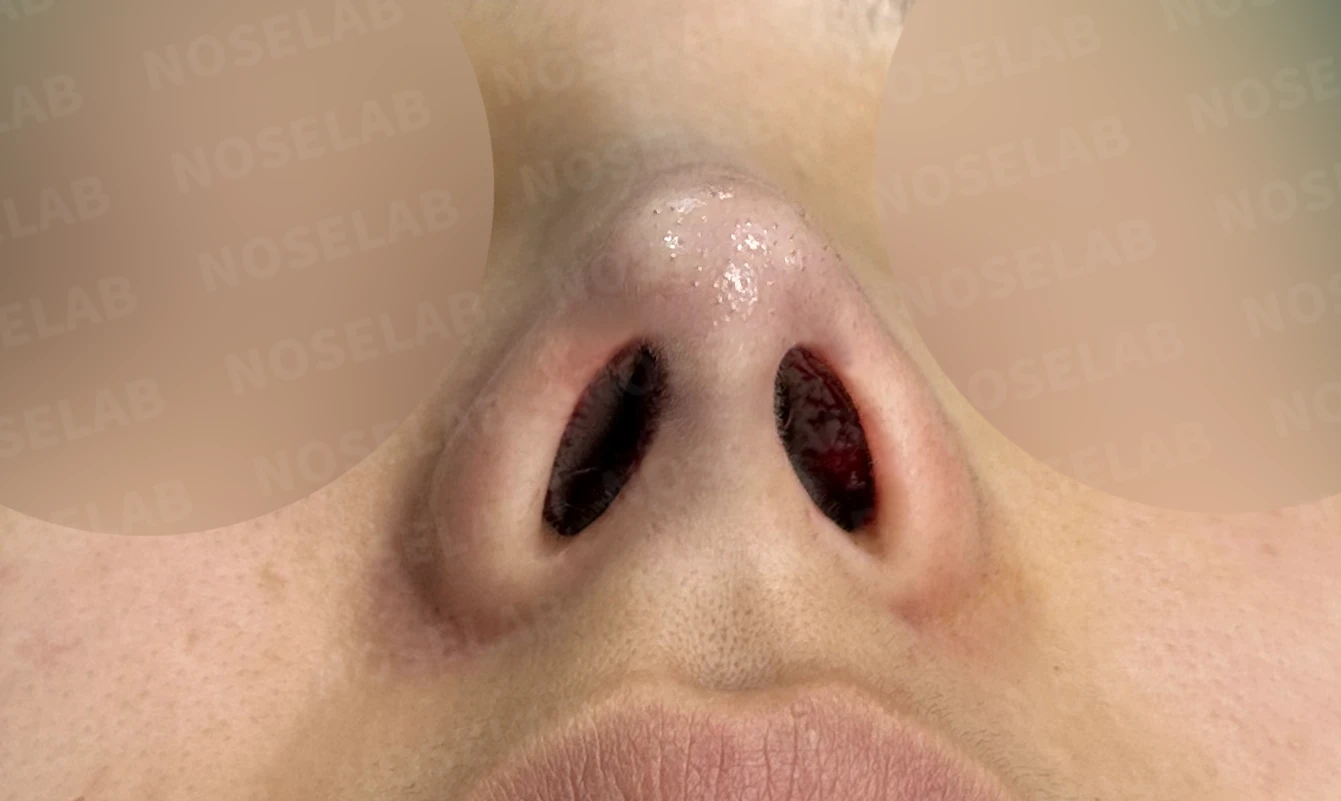
Before surgery / Day 0 immediately after surgery Photos taken immediately after surgery show swelling and may differ from the final result.
💡 Specialist opinion
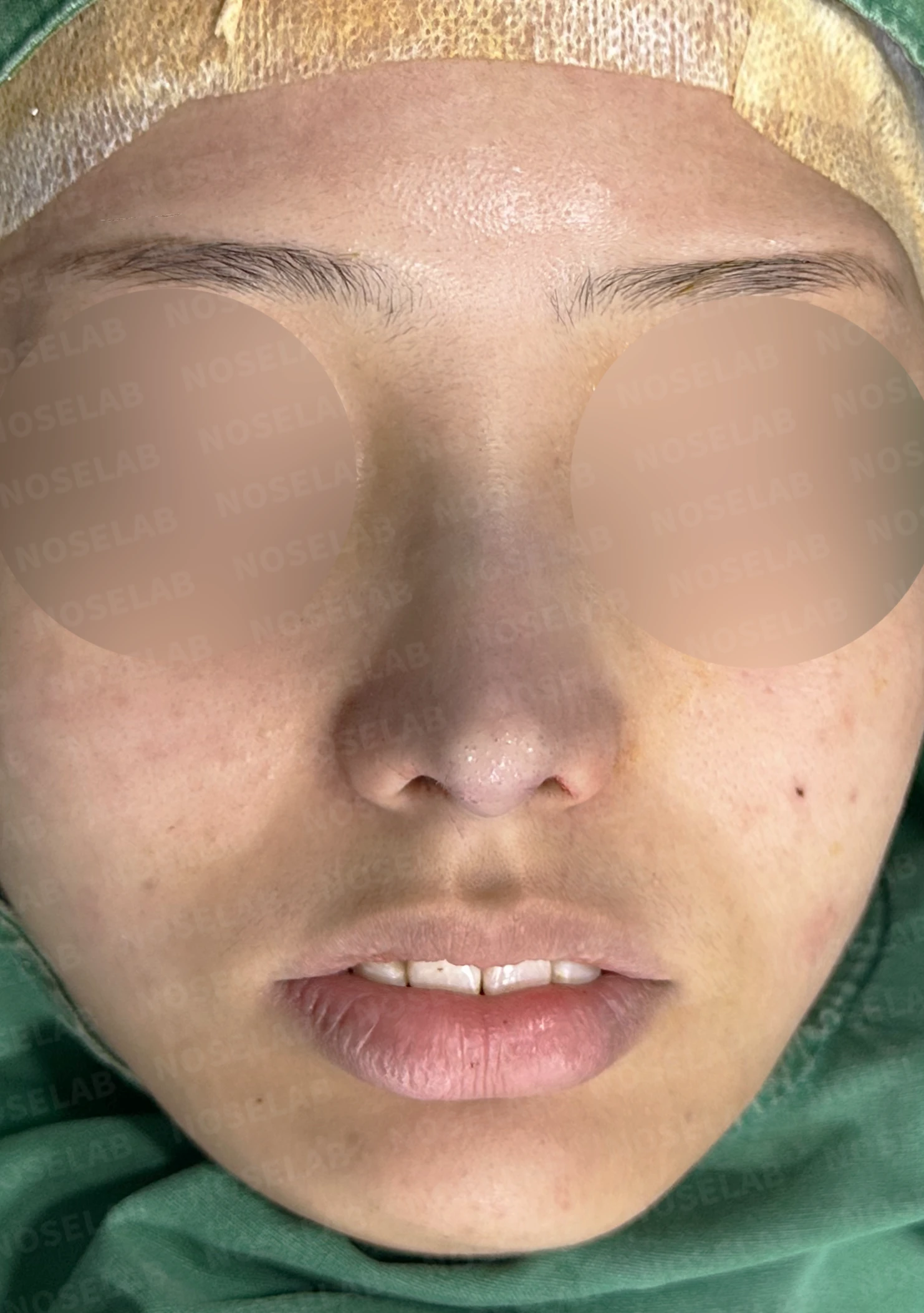
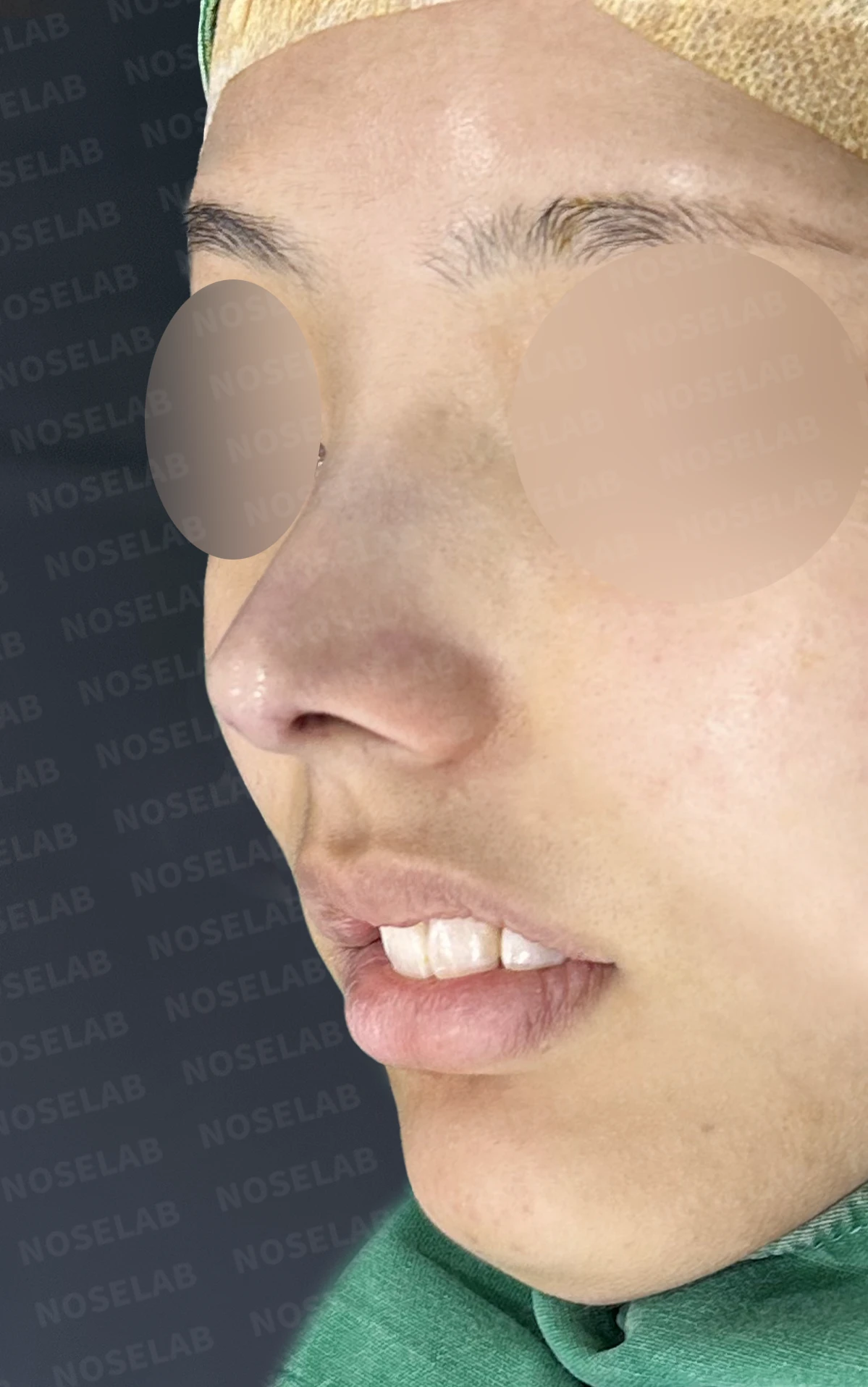
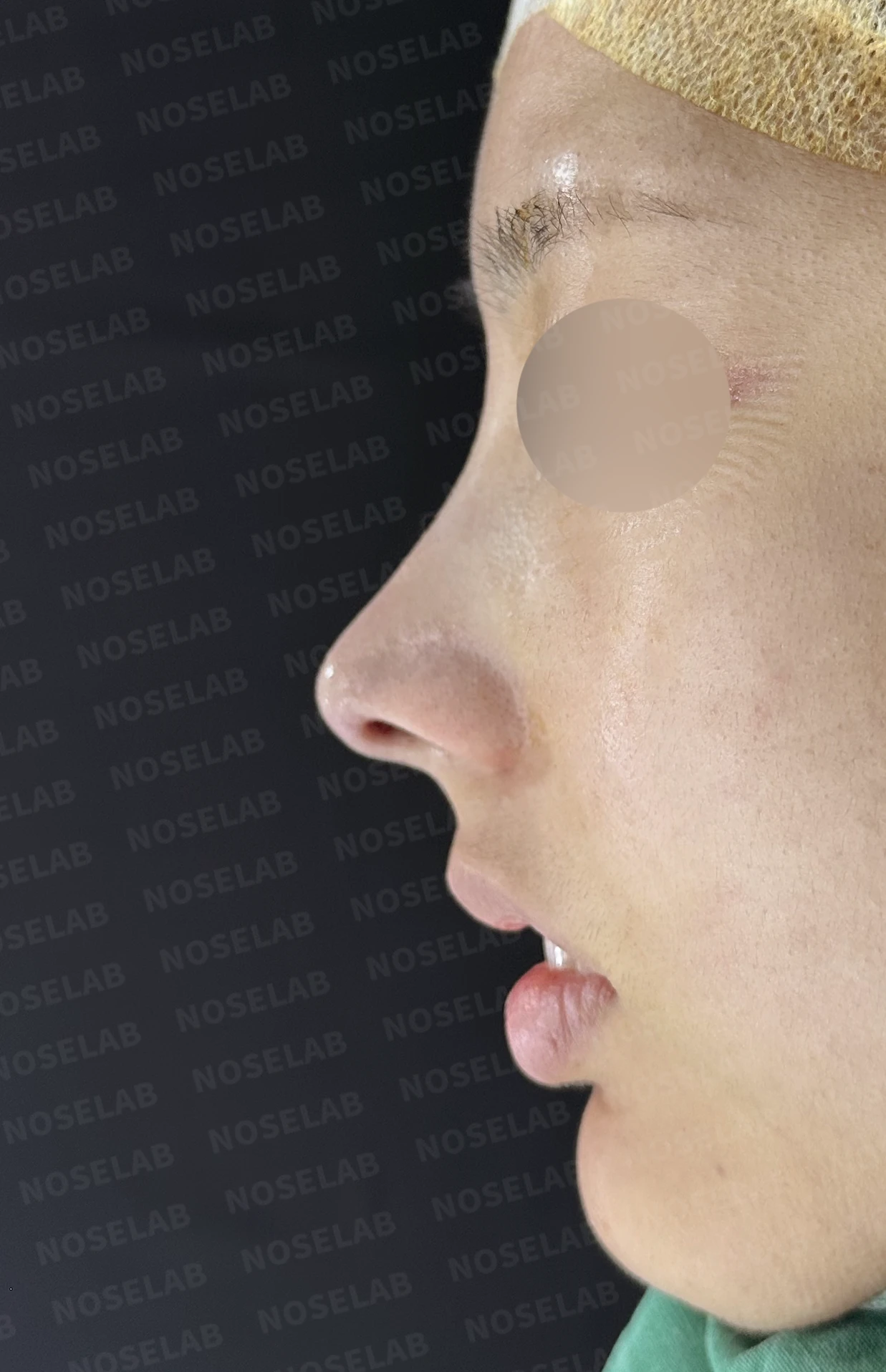
Front, oblique, and profile views on day 0 immediately after surgery. Photos taken immediately after surgery show swelling and may differ from the final result.
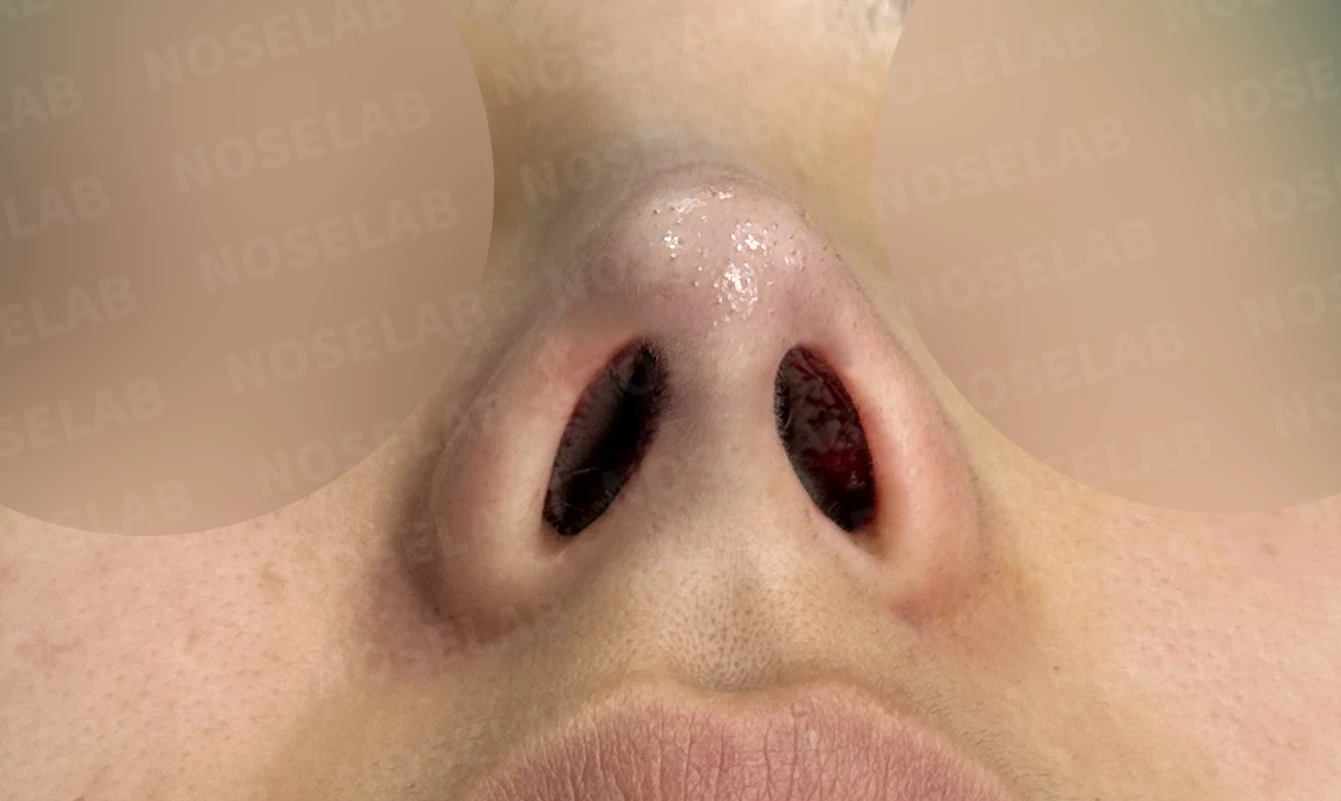
Nostril view on day 0 immediately after surgery. Photos taken immediately after surgery show swelling and may differ from the final result.
In surgery to correct a drooping tip, setting the appropriate angle is essential. Elevating the tip too much can look unnatural and artificial, while elevating it too little may still leave a drooping appearance.
In this patient's case, the drooping tip was corrected via septal extension. Septal extension is a method that extends the septum—the central support structure of the nose—to elevate the nasal tip, yielding a very stable and natural outcome.
For this procedure, donor rib cartilage and septal cartilage were used together. Donor rib cartilage provides sufficient strength and volume, making it suitable as the foundational framework for septal extension. Septal cartilage harvested from inside the nose was utilized for supplementary support and natural tip contouring. Ear cartilage was then added to complete the smooth volume of the nasal tip.
The crooked dorsal hump was corrected with lateral osteotomy. Rather than simply filing down the hump, realigning the entire nasal bone framework is crucial to creating a symmetrical and natural bridge line.
Furthermore, nasolabial angle correction improved the impression of a protruding mouth. The nasolabial angle refers to the angle between the nose and the upper lip; when this angle is properly formed, the mouth appears less prominent from the profile view and the entire facial silhouette looks more refined.
Rhinoplasty is not merely about changing the height or shape of the nose; it must consider the balance and harmony of the entire face. Particularly in younger patients, achieving a refined outcome that remains natural and not overdone is vital.
I will continue to respect each patient's individuality and aesthetic goals, doing my utmost to create natural, harmonious noses. This has been Medical Director Dr. Peter C. Kang. Thank you.
#closedrhinoplasty #dorsalhumpcorrection #deviatednosecorrection #droopingtipcorrection #septalextension #donorribcartilage #protrudingmouthimprovement #nasolabialanglecorrection #lateralosteotomy #rhinitissurgery #nasalobstructionimprovement #primaryrhinoplasty #naturalrhinoplasty

Limitations and risks
When using donor rib cartilage, long-term follow-up is necessary because the grafted cartilage may resorb or warp.
When the septum is corrected at the same time, nasal obstruction may persist or recur, and in rare cases, septal perforation or changes in smell may occur.
Common potential risks include infection, bleeding, asymmetry, scarring, skin necrosis, and insufficient improvement; results vary depending on individual skin condition and previous surgical history.