Hello, I am Dr. Peter C. Kang.
Today, I would like to introduce a revision rhinoplasty case of a patient who experienced an uneven nasal bridge and nasal obstruction following a previous rhinoplasty.
🔍 Surgical history
The patient had previously undergone rhinoplasty using a silicone implant.
After surgery, the nasal bridge remained uneven rather than smooth, and residual hyaluronic acid (HA) filler was still present along the dorsum. In addition, aggressive harvesting of septal cartilage during the prior surgery had led to significant damage to the septal cartilage framework. The patient was also suffering from nasal obstruction caused by rhinitis and a deviated septum.
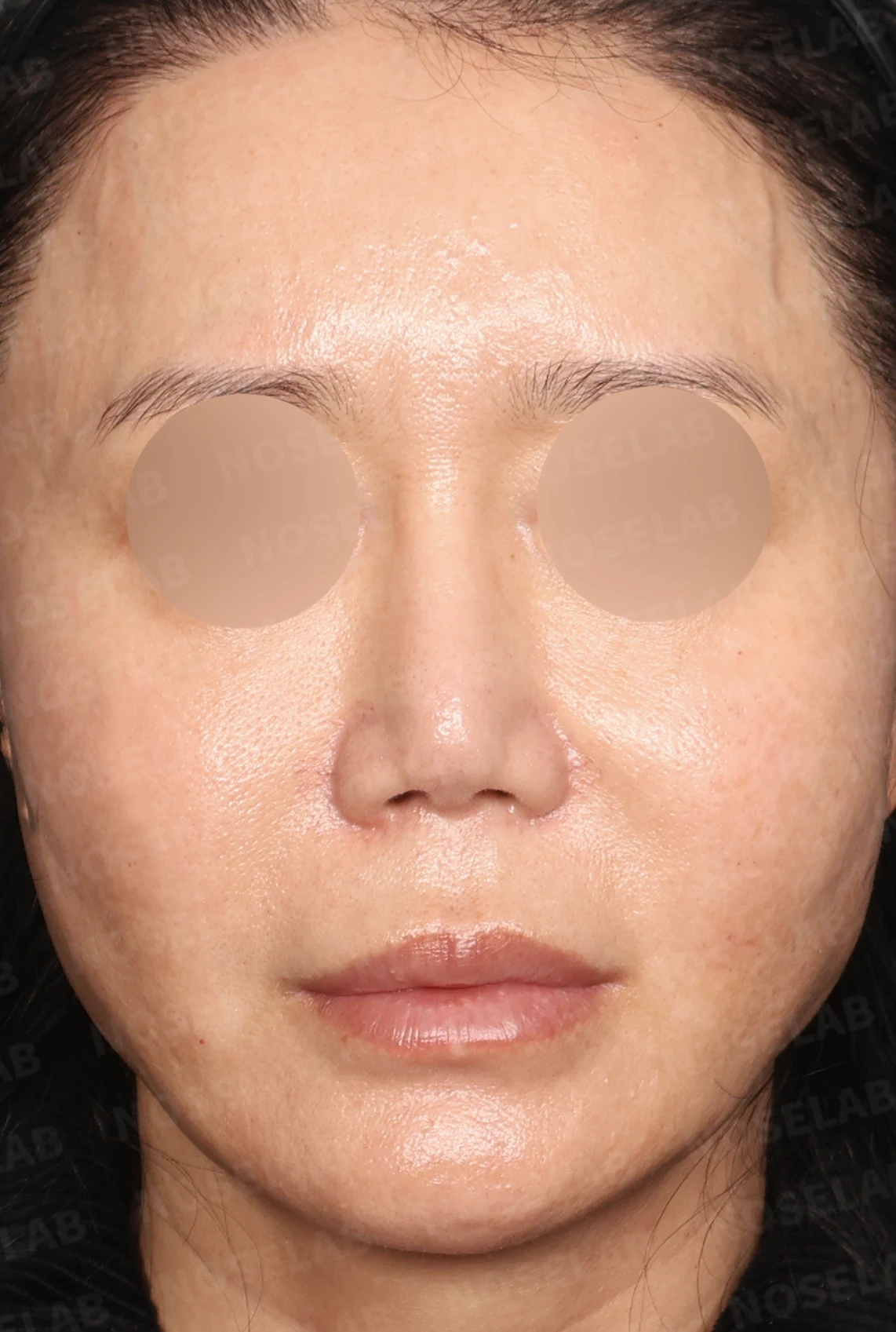
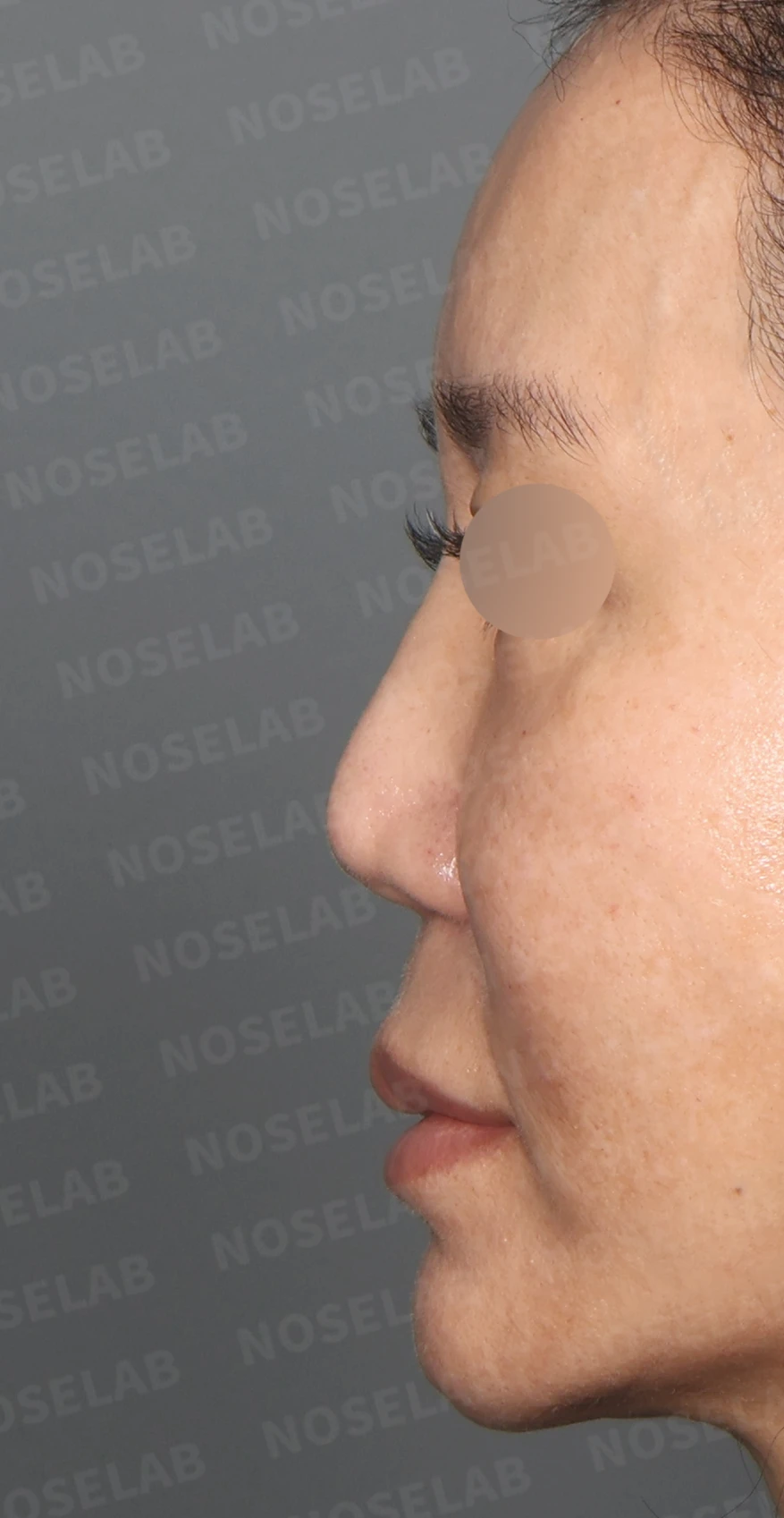
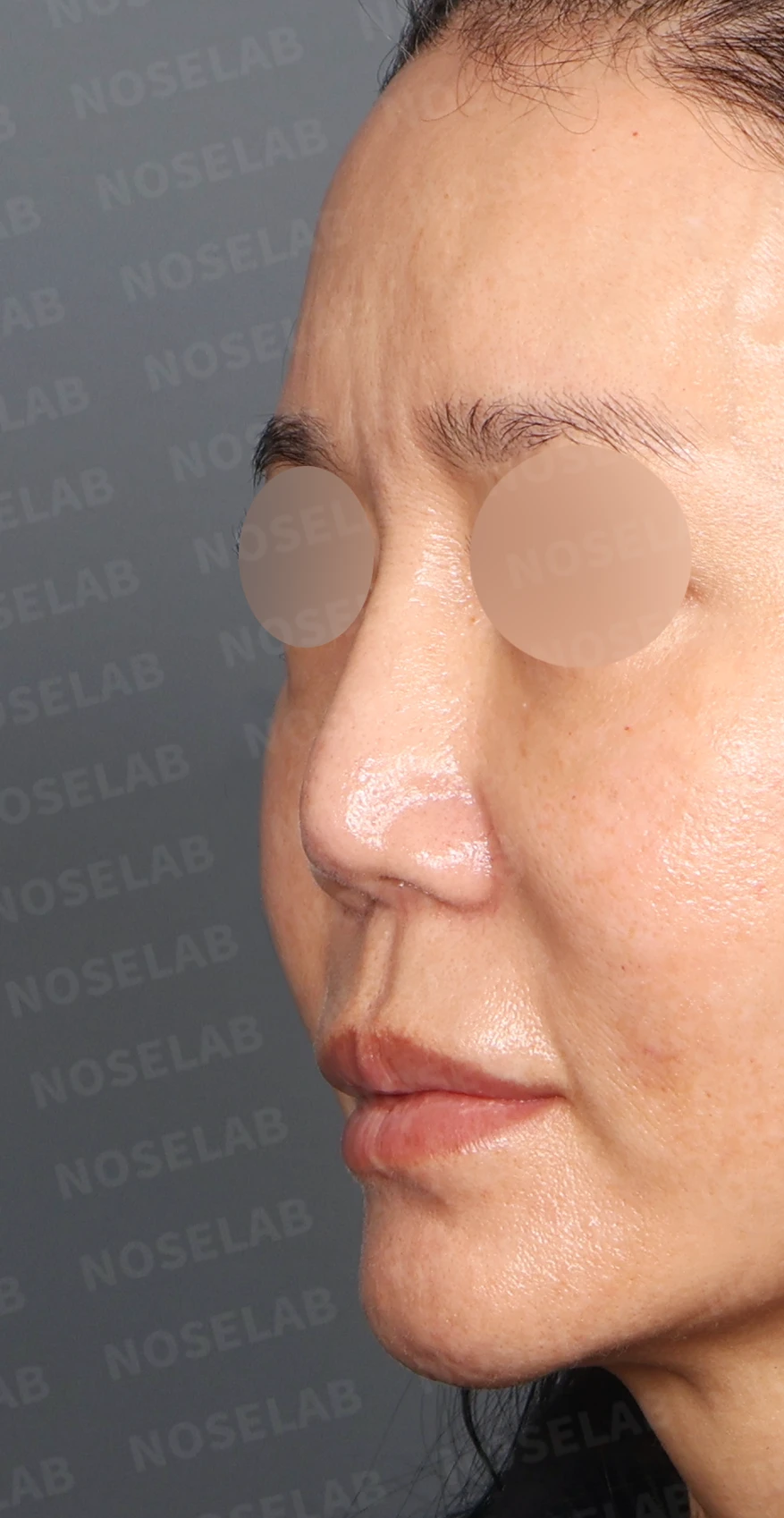
Front, left profile, and oblique views during design consultation.
💉 Patient requests
The patient had three primary concerns.
First, the patient wanted to smooth out the uneven nasal bridge; second, to refine the nasal tip to make it slightly more defined; and third, to relieve long-standing nasal obstruction. The goal was a procedure that could address both functional and aesthetic aspects simultaneously.
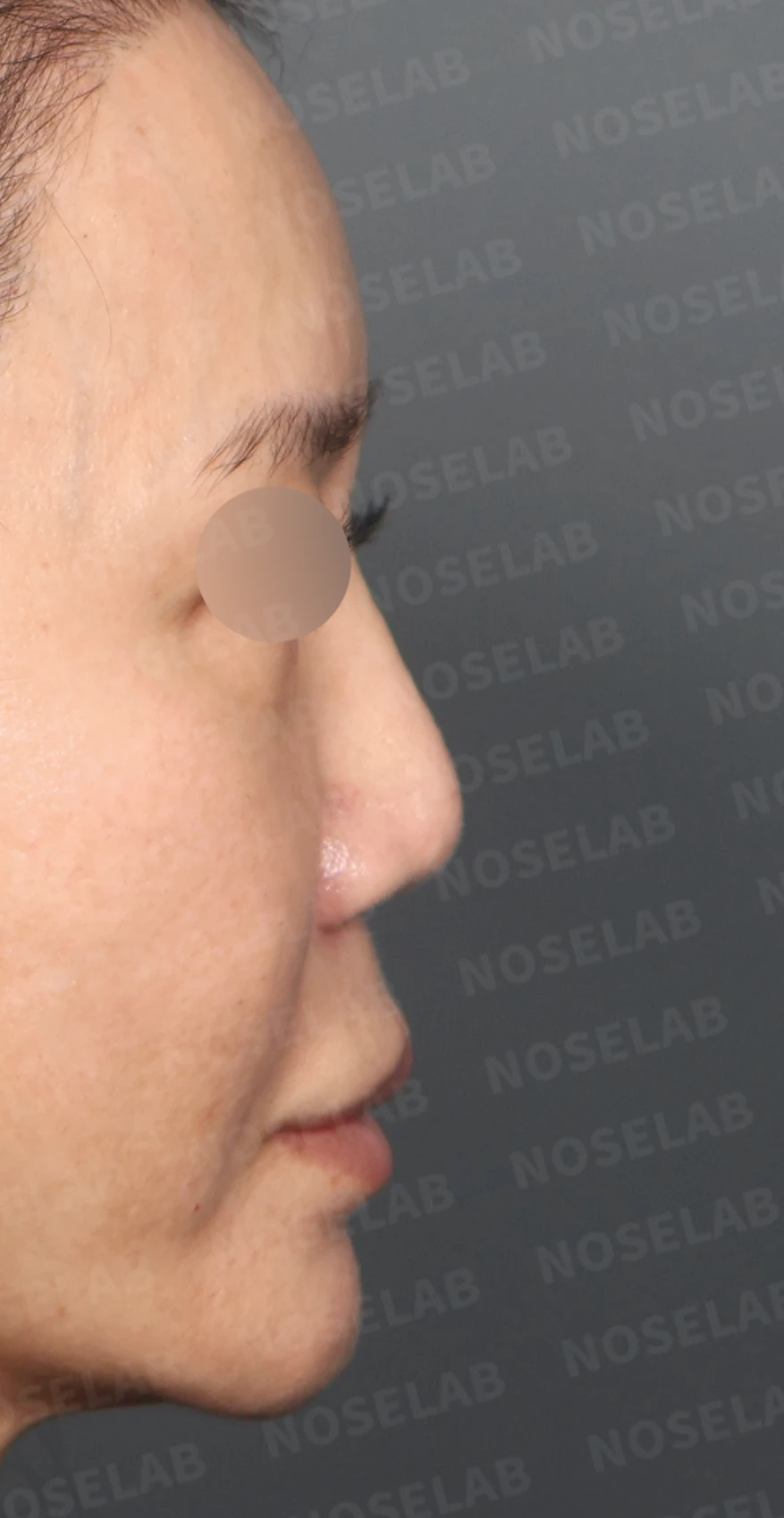
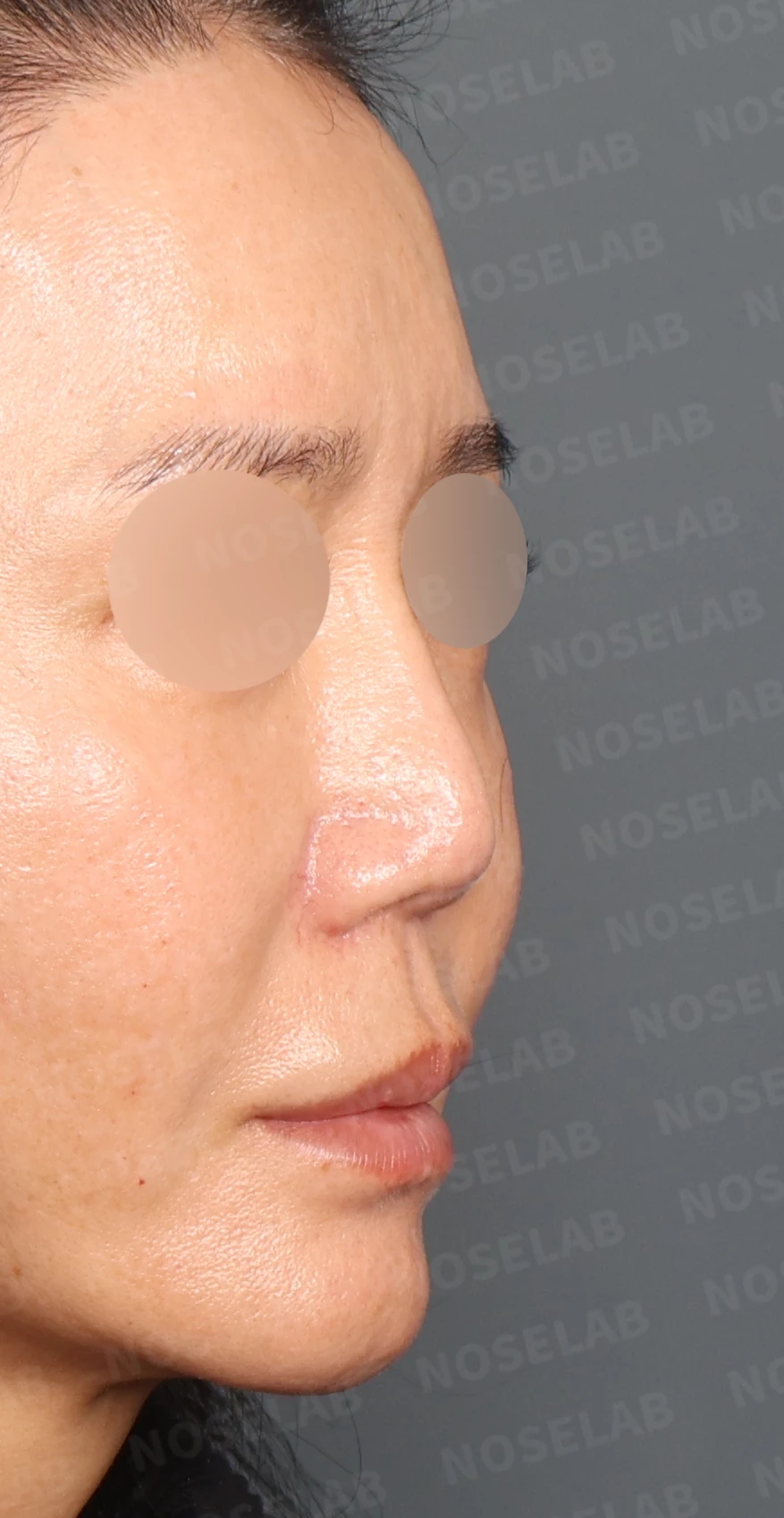
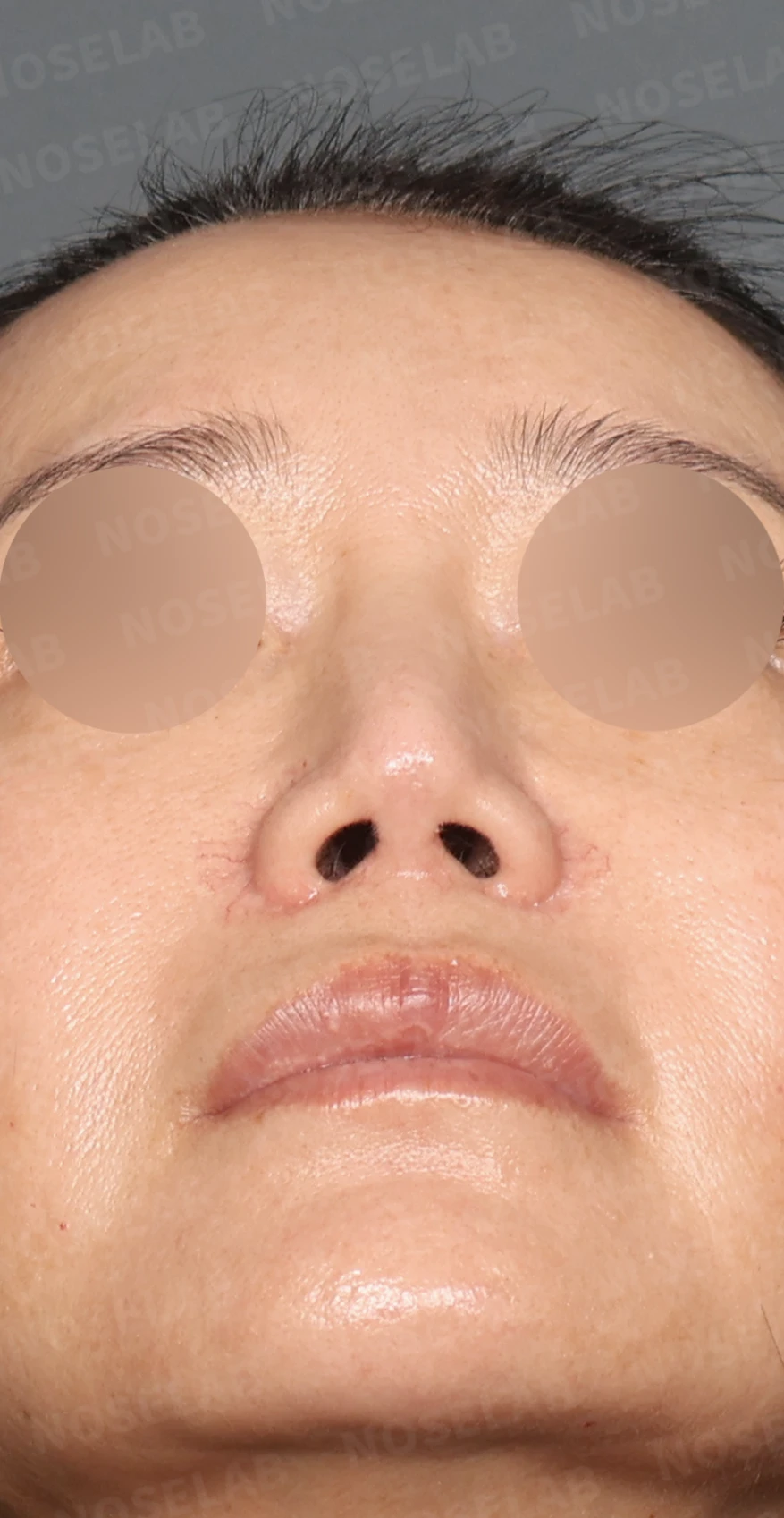
Right profile, oblique, and nostril views during design consultation.
🔧 Surgical plan and procedure
This surgery was performed using a closed approach.
1. Septal reconstruction using autologous rib cartilage
The septal cartilage damaged from the previous surgery was reinforced with autologous rib cartilage, stably reconstructing the support framework of the nose.
2. Removal of existing implant and smoothing of the nasal bridge
The existing silicone implant was removed, and the uneven nasal bridge was smoothed down. The filler remaining in the dorsum was also completely removed.
3. Re-insertion of a customized silicone implant
A silicone implant was precisely carved to match the patient's nasal bone structure and placed along the dorsum. It was meticulously adjusted to create a natural line harmonizing with the nasal tip.
4. Nasal tip refinement and nasolabial angle adjustment
Because the skin was rigid and had limited elasticity, a careful approach was required. Within a safe anatomical limit, the nasal tip was elevated to achieve a well-defined look.
5. Lateral osteotomy
An osteotomy was performed to correct nasal bone asymmetry, achieving balance and symmetry along the nasal bridge.
6. Concurrent functional surgery
Correction of the deviated septum and inferior turbinate reduction were performed simultaneously to improve nasal obstruction symptoms.
🌟 Surgical results
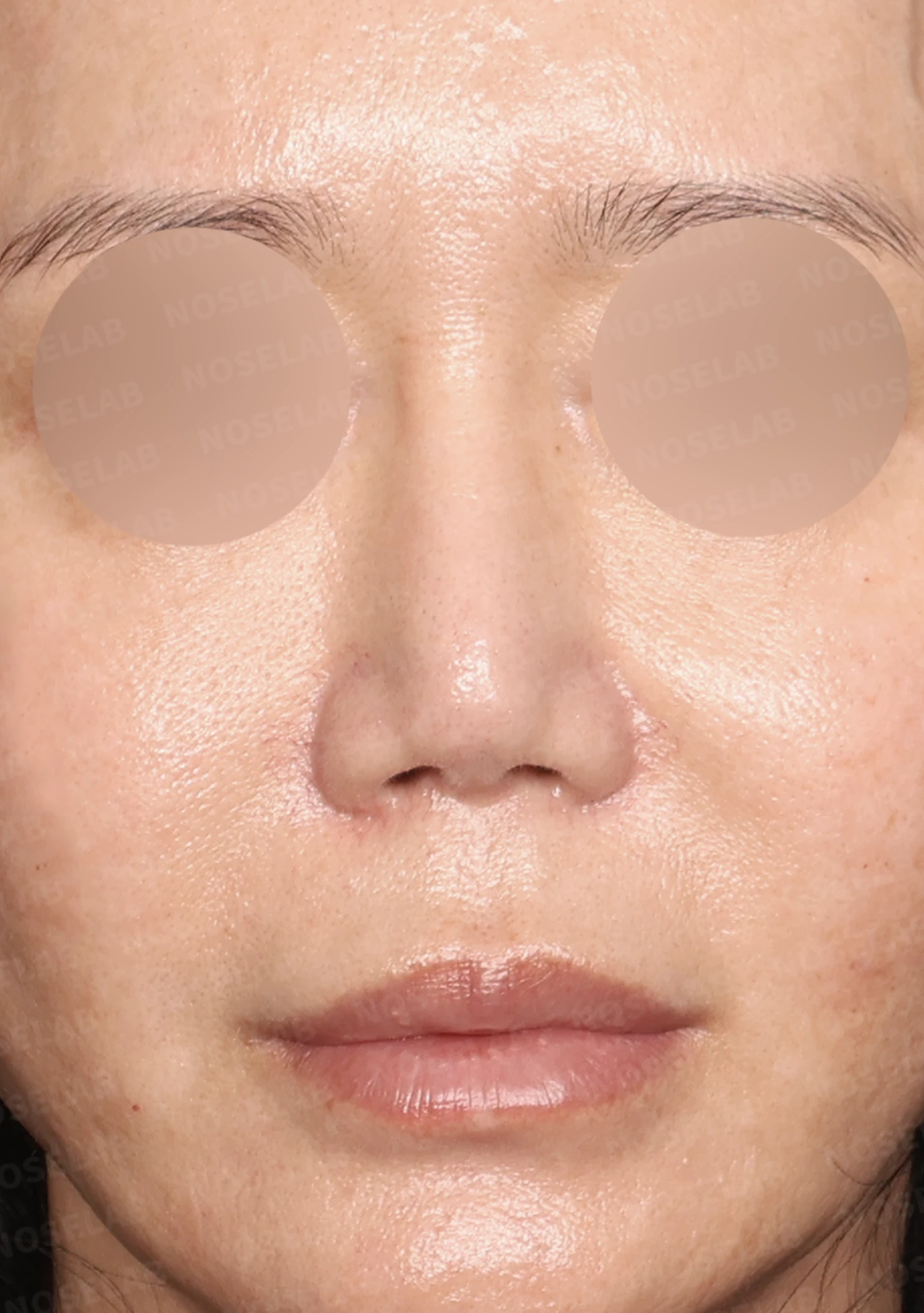
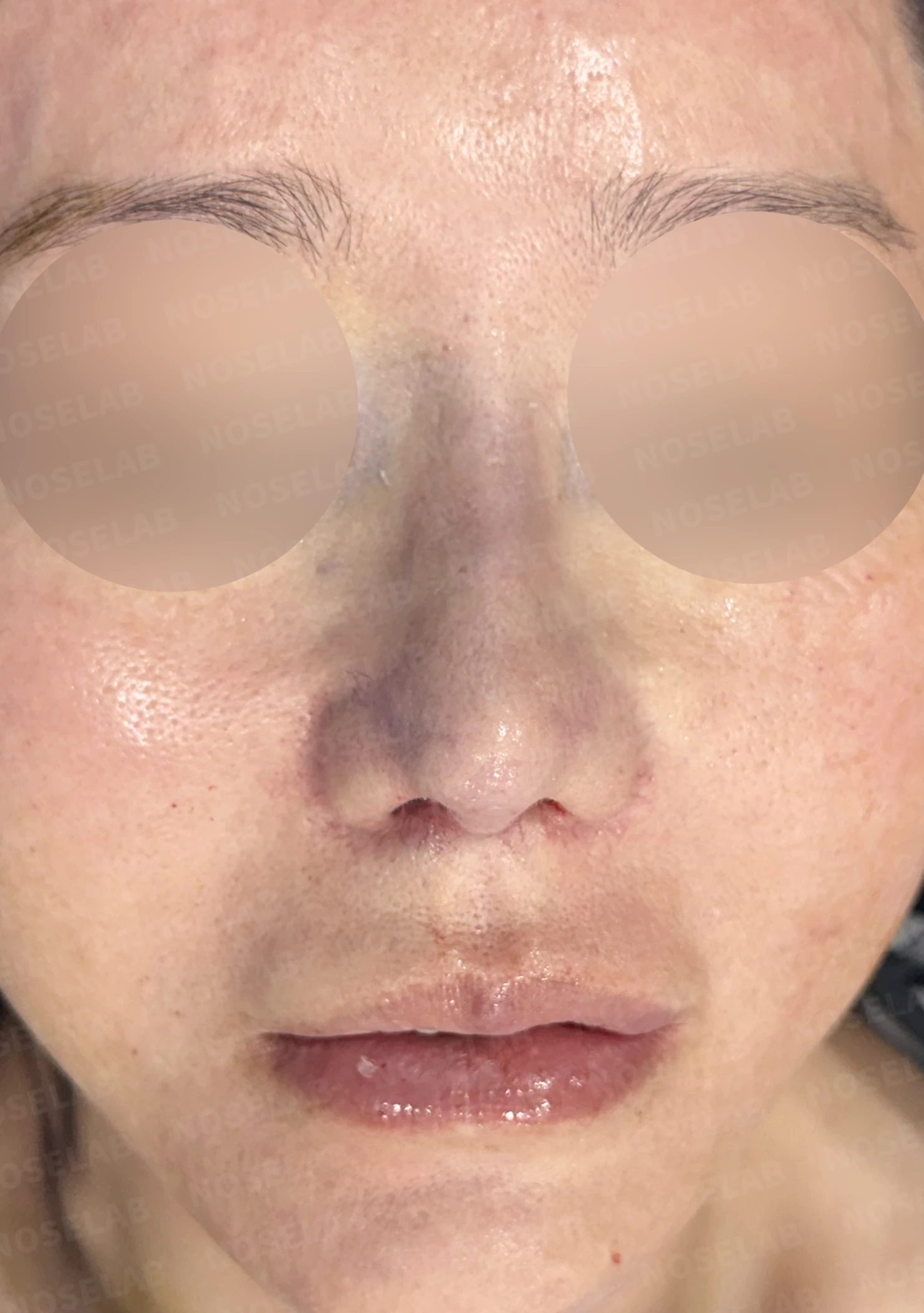
Before surgery / Day 0 immediately after surgery Photos taken immediately after surgery show swelling and may differ from the final result.
On the front view, the uneven nasal bridge was realigned into a smooth line, and the asymmetry across the dorsum was balanced.
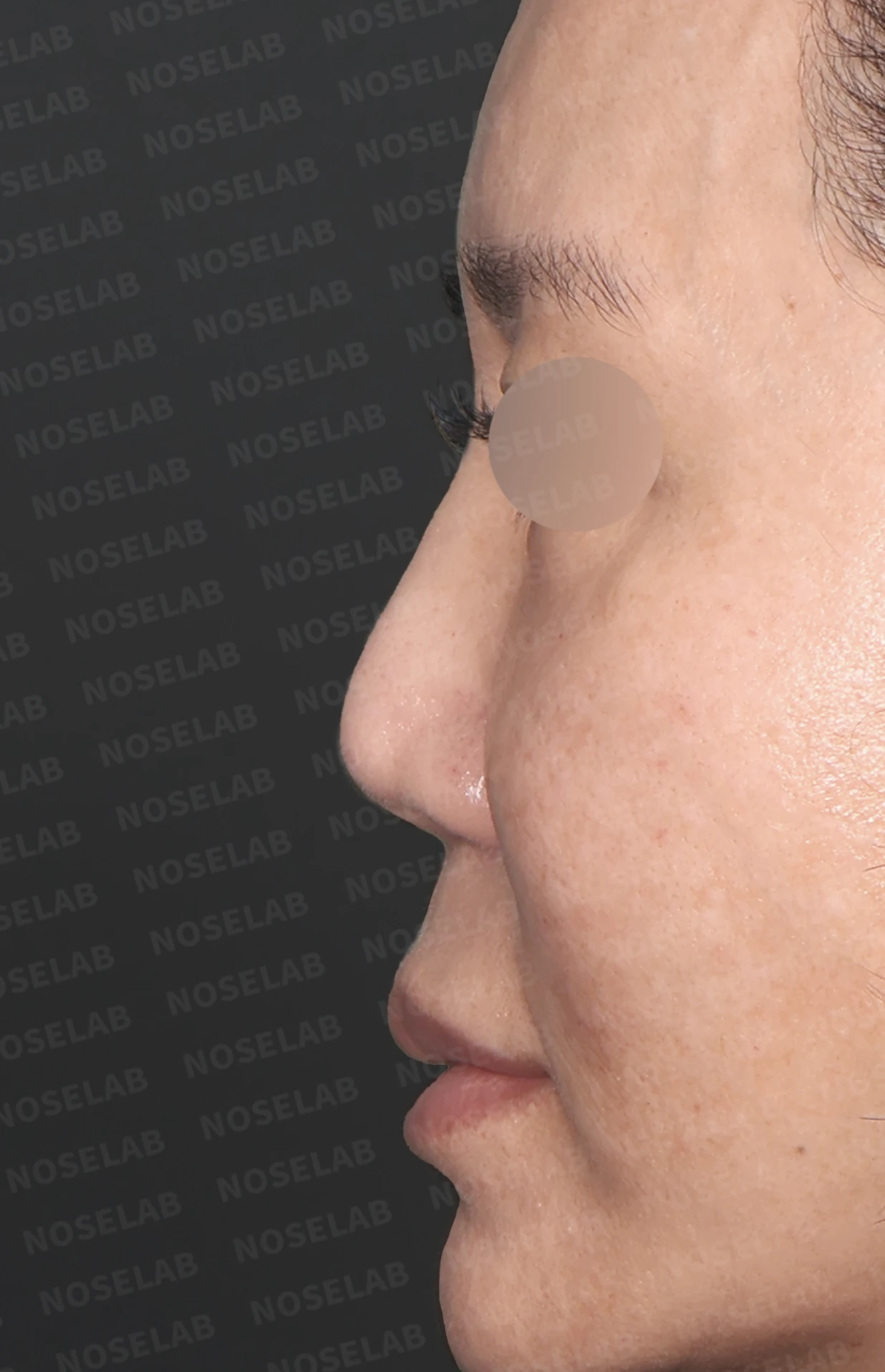
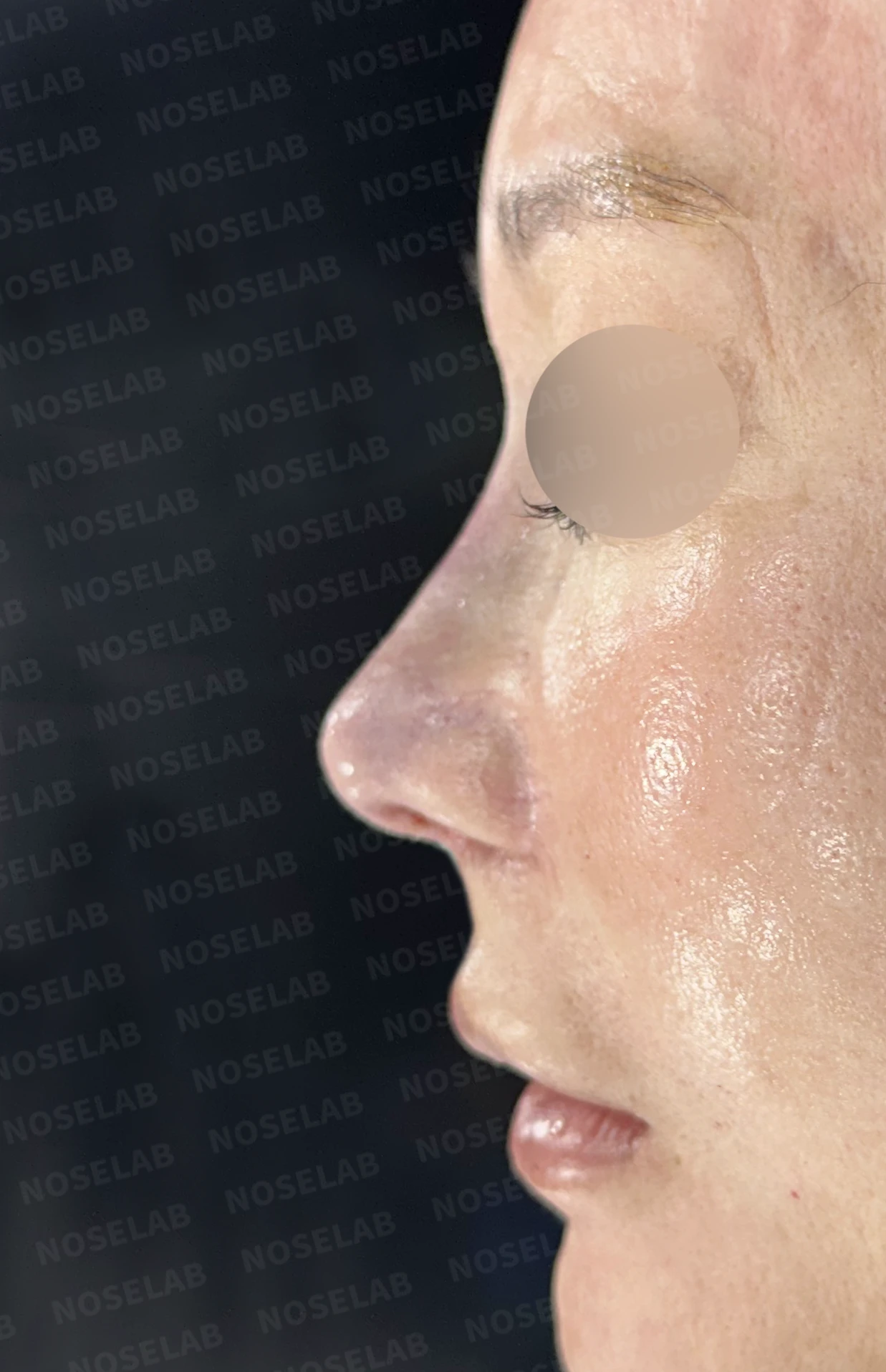
Before surgery / Day 0 immediately after surgery Photos taken immediately after surgery show swelling and may differ from the final result.
On the profile view, the nasal tip was naturally elevated, creating a refined lateral profile. The nasolabial angle was also appropriately adjusted, enhancing overall facial harmony.
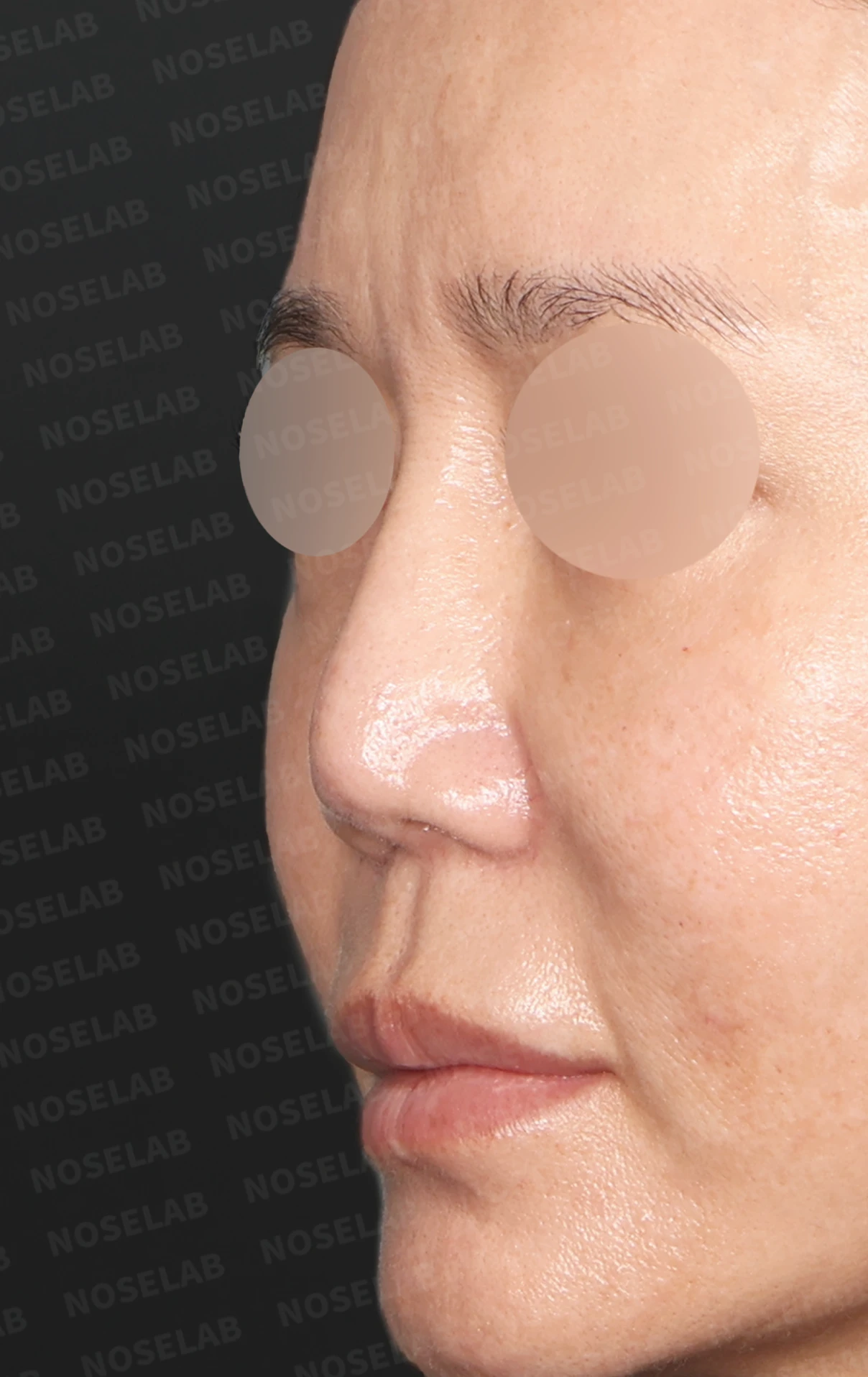
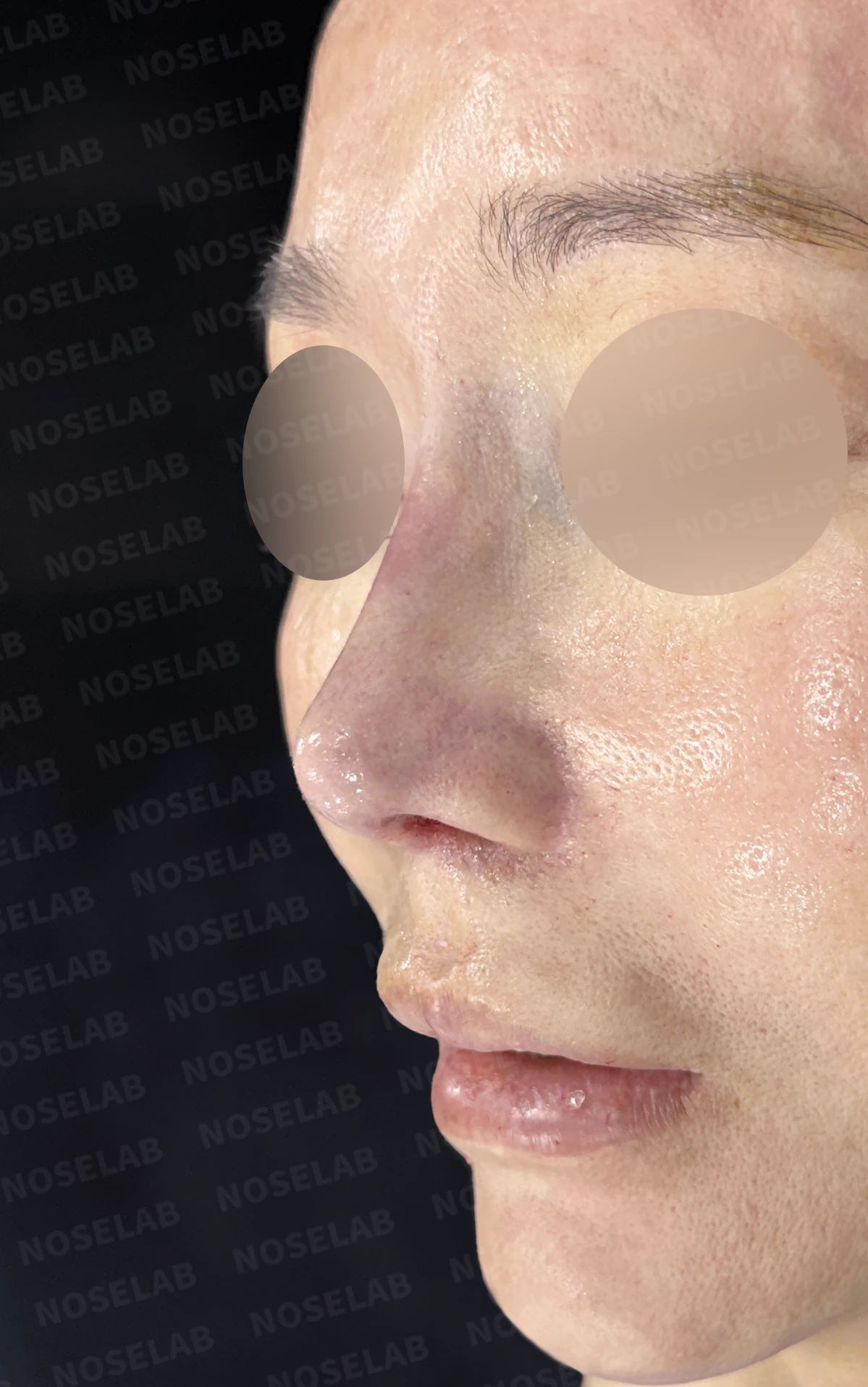
Before surgery / Day 0 immediately after surgery Photos taken immediately after surgery show swelling and may differ from the final result.
Functionally, septal deviation correction and inferior turbinate reduction are expected to relieve nasal obstruction.
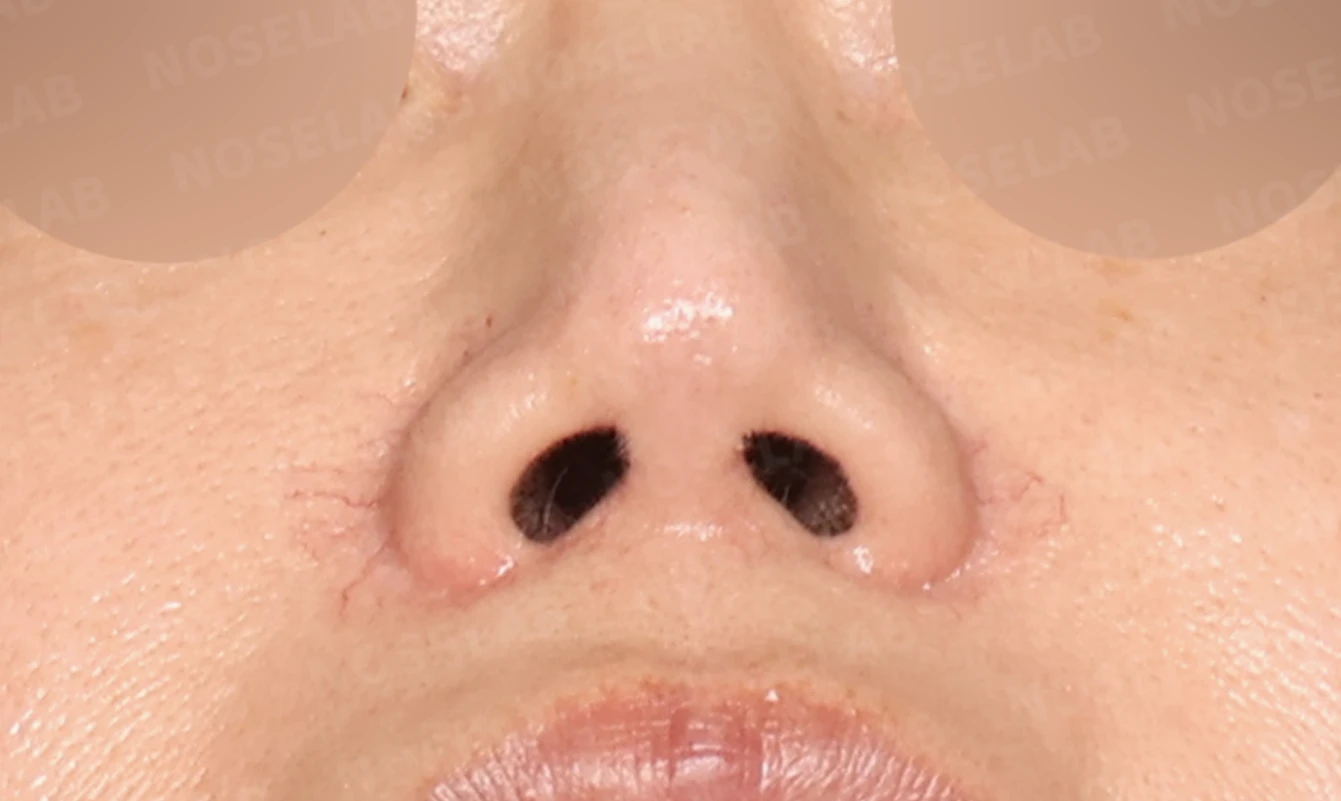
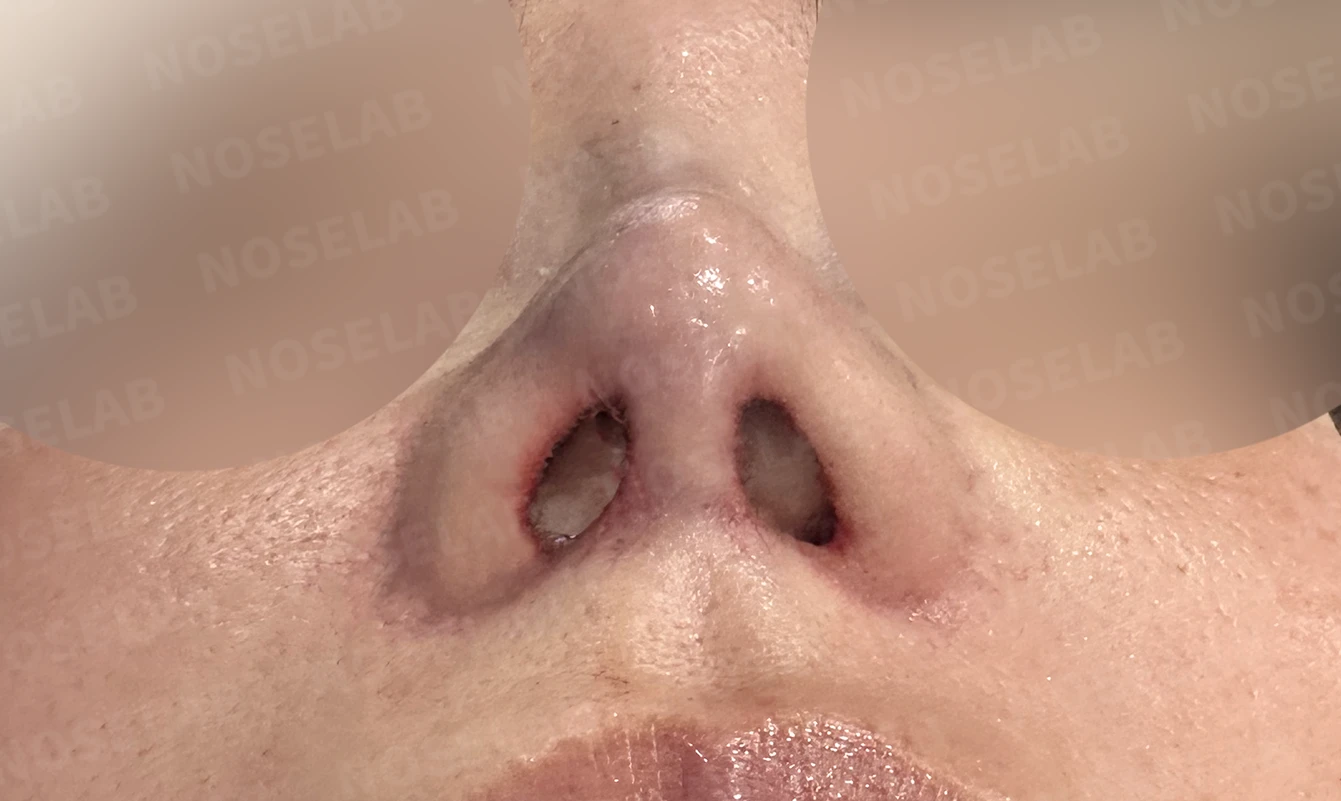
Before surgery / Day 0 immediately after surgery Photos taken immediately after surgery show swelling and may differ from the final result.
💡 Specialist opinion
In revision rhinoplasty, accurately identifying tissue alterations and the extent of damage from previous procedures is critical.
In cases like this where the septal cartilage is substantially compromised, rebuilding the support structure using autologous rib cartilage is key to achieving a stable long-term result.
Particularly when the skin is firm and does not stretch easily, it is important to aim for an optimal result within a safe range rather than being overly ambitious. A meticulous approach tailored to the tissue condition, rather than excessive changes, reduces complications and leads to satisfying results.
Addressing functional concerns such as nasal obstruction concurrently with aesthetic correction is an essential consideration in revision rhinoplasty. I hope this case helps those facing similar concerns.
This was Dr. Peter C. Kang. Thank you.
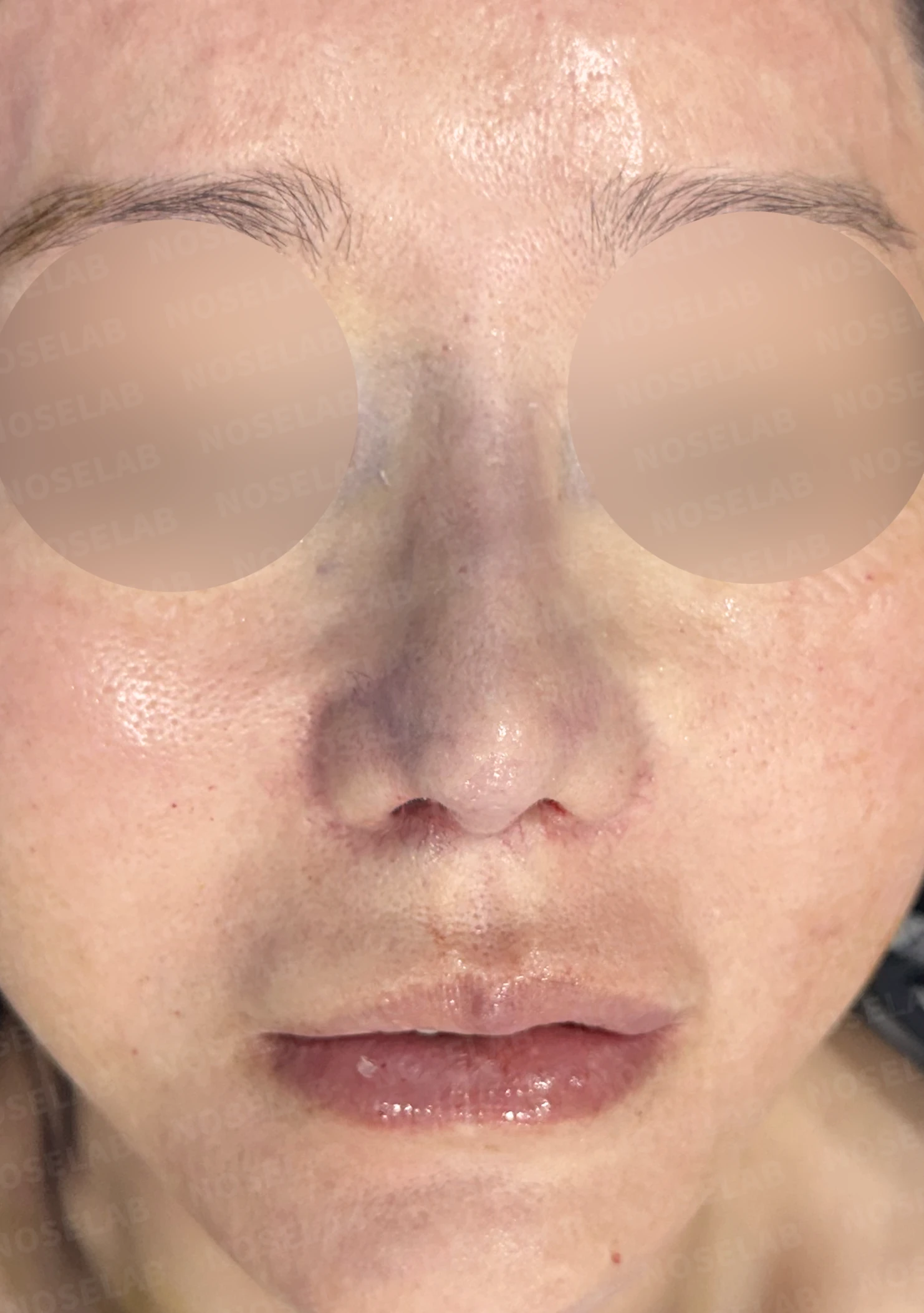
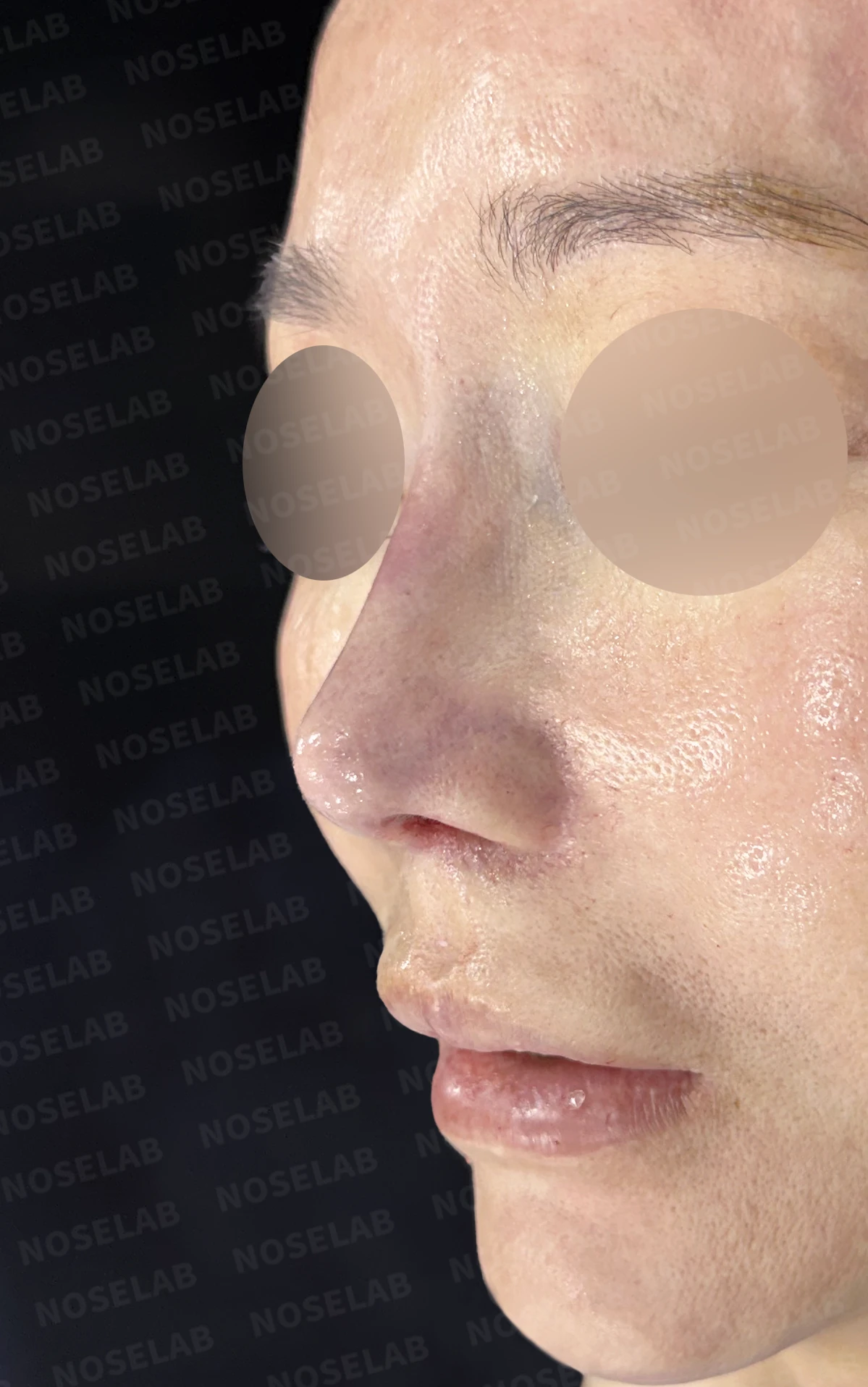
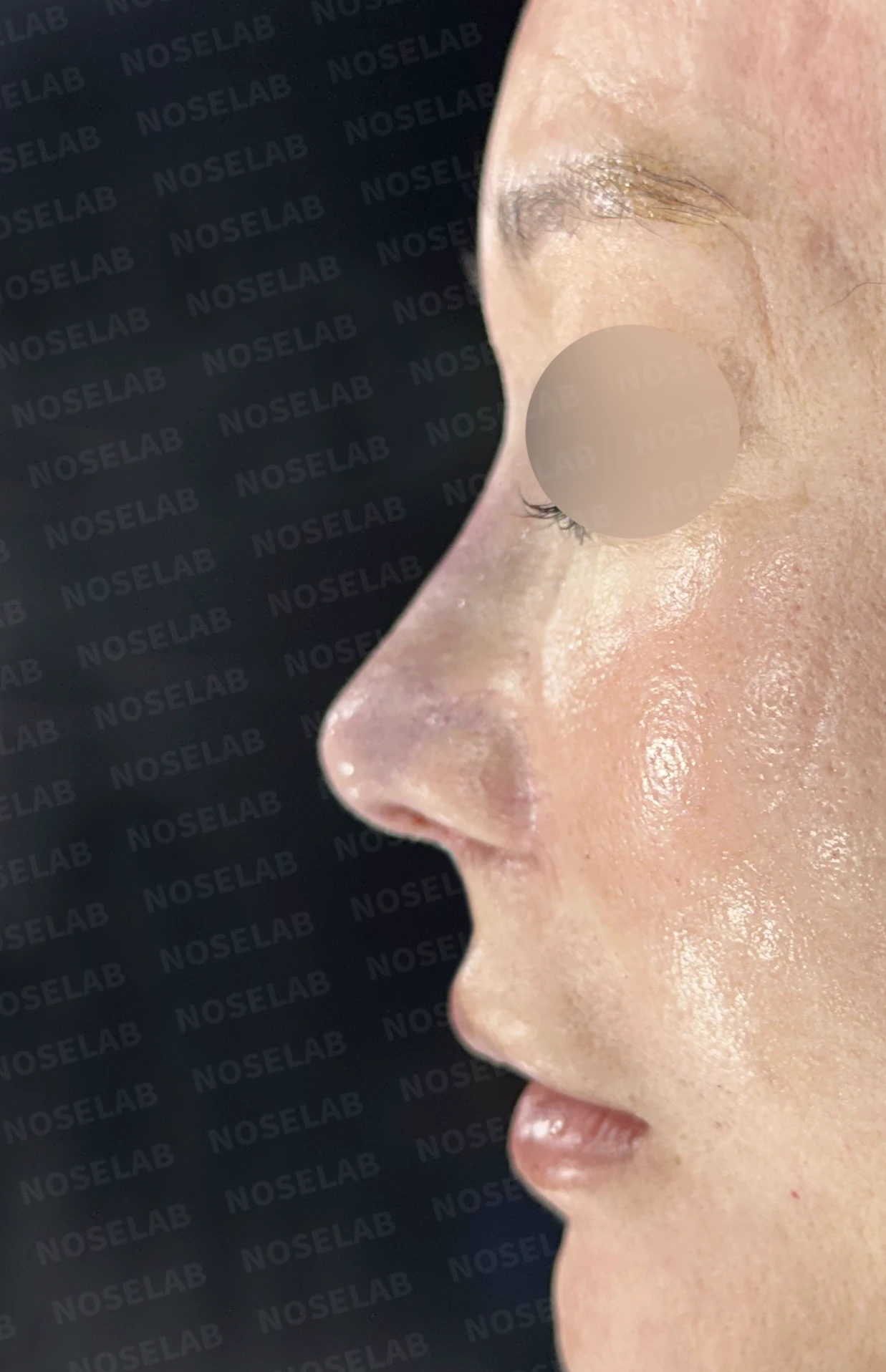
Immediately after surgery (day 0): front, oblique, and profile views. Immediate postoperative photos show swelling and may differ from the final result.
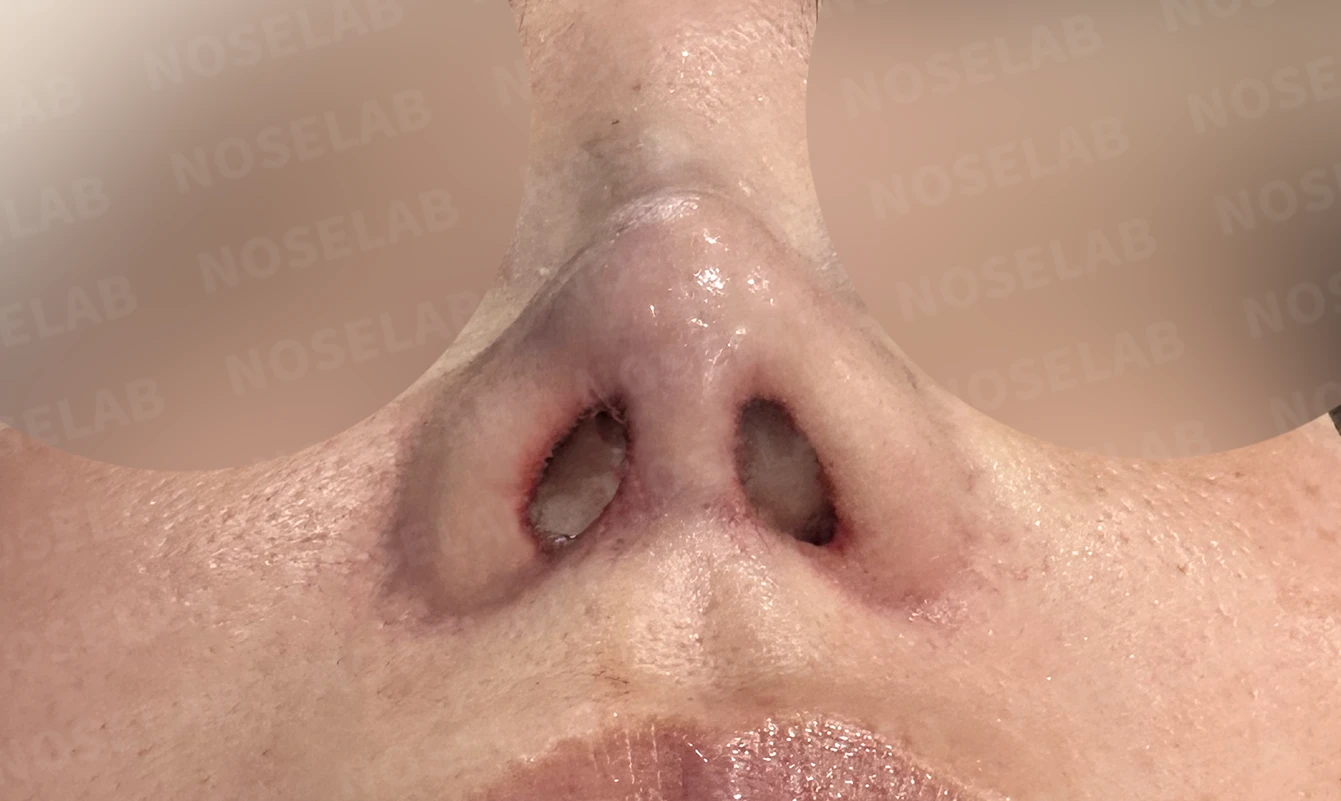
Nostril view on day 0 immediately after surgery. Photos taken immediately after surgery show swelling and may differ from the final result.
#closedrhinoplasty #closedrevisionrhinoplasty #revisionrhinoplasty #ribcartilagerhinoplasty #siliconeimplantreplacement #septoplasty #nasalobstructionrelief #nasolabialanglecorrection #unevennasalbridge

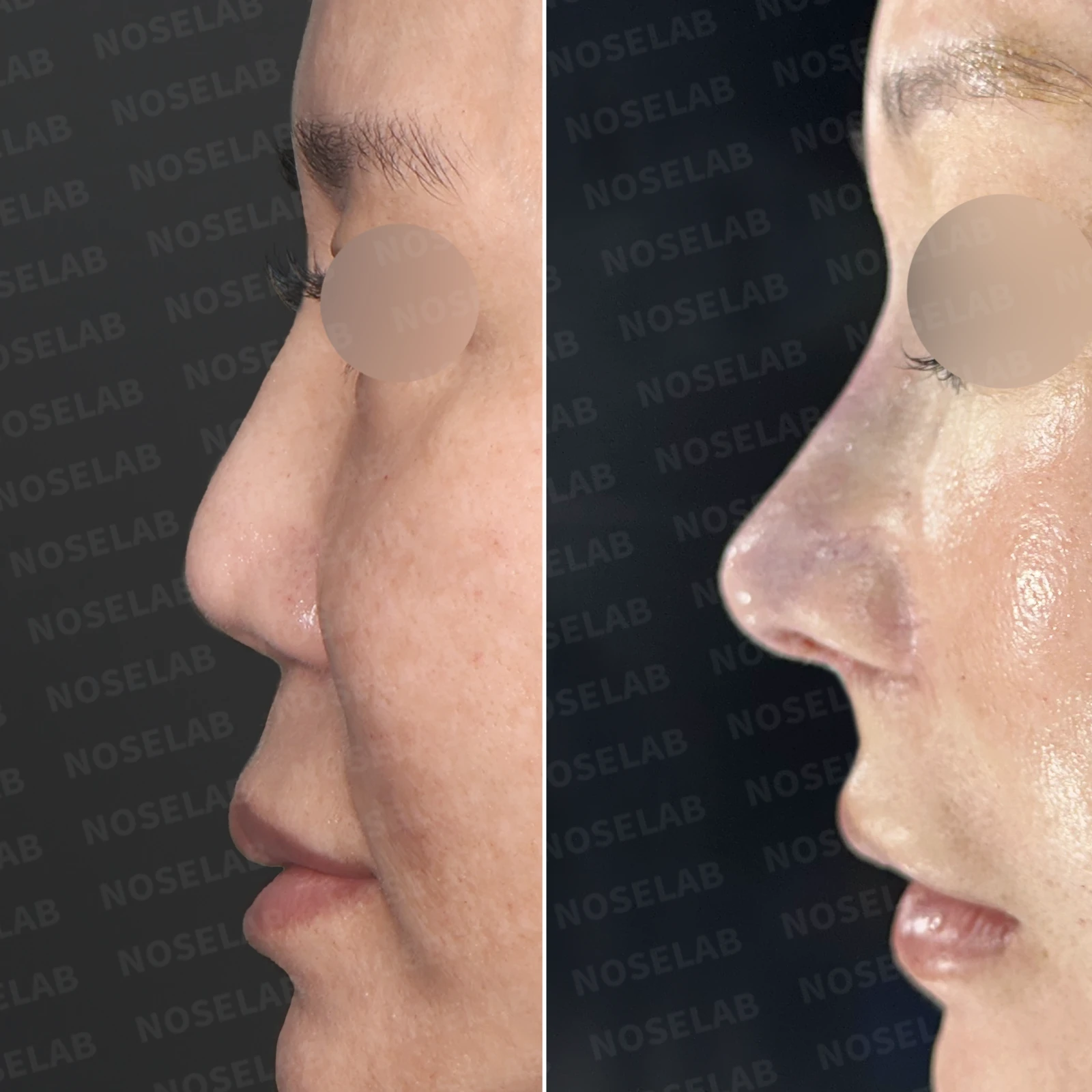
Limitations and risks
When autologous rib cartilage is used, scarring and pain may remain at the donor site on the chest, and pneumothorax (pleural injury) can occur rarely. Over time, the grafted cartilage may warp or undergo partial resorption.
When revising after implant removal, contracture may progress again after removal, the nasal height and length may decrease, and staged surgery may be necessary depending on the skin condition.
When the septum is corrected at the same time, nasal obstruction may persist or recur, and in rare cases, septal perforation or changes in smell may occur.
Common potential risks include infection, bleeding, asymmetry, scarring, skin necrosis, and insufficient improvement; results vary depending on individual skin condition and previous surgical history.