Hello.
I am Dr. Peter C. Kang, medical director.
The human body is truly remarkable, and every face is distinct. However, sometimes a slight imbalance can cause significant distress, as was the case for the patient in today's story.
The onset of long-standing concerns
15 years ago, this type of patient decided to undergo rhinoplasty for the first time. The patient had surgery using ear cartilage, septal cartilage, and donor rib cartilage to achieve the semi-curved nasal line popular at that time. 2 years later, the patient also had an additional procedure to improve the lip line.
Over time, however, gradual changes developed. The right nostril sill became depressed, nostril show increased, and nostril asymmetry became pronounced, causing the patient considerable stress.
A new beginning with a personalized approach
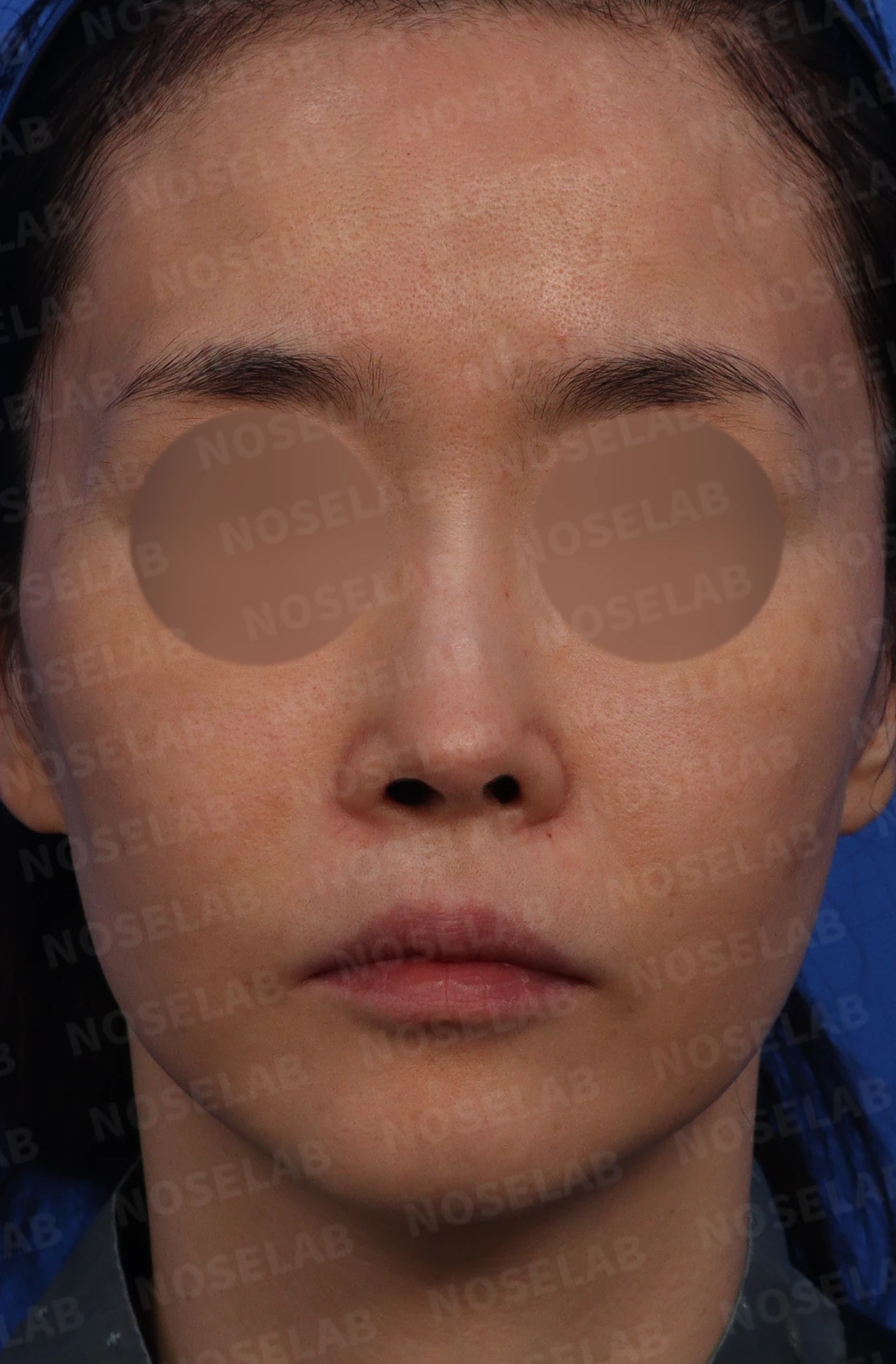
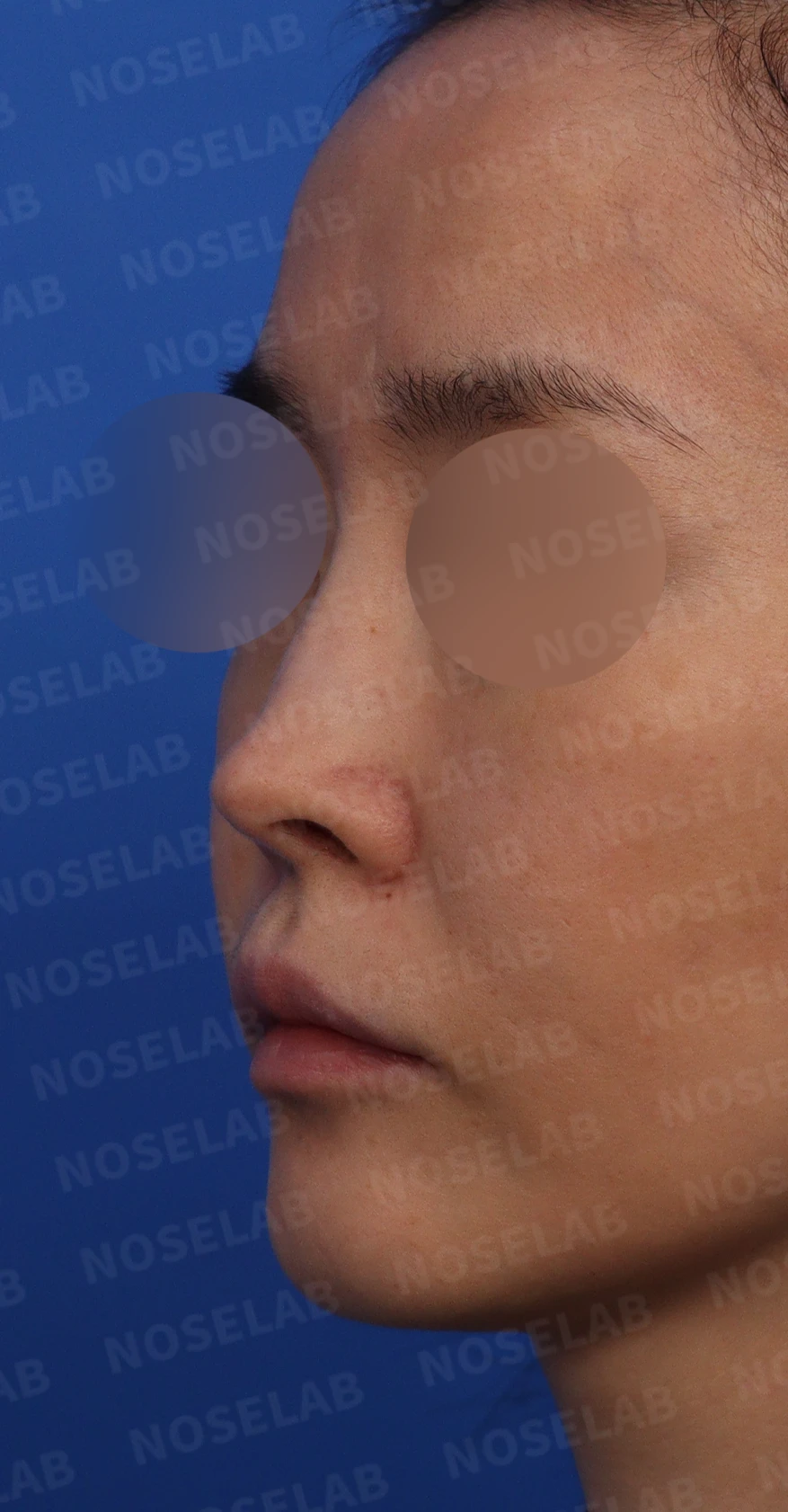
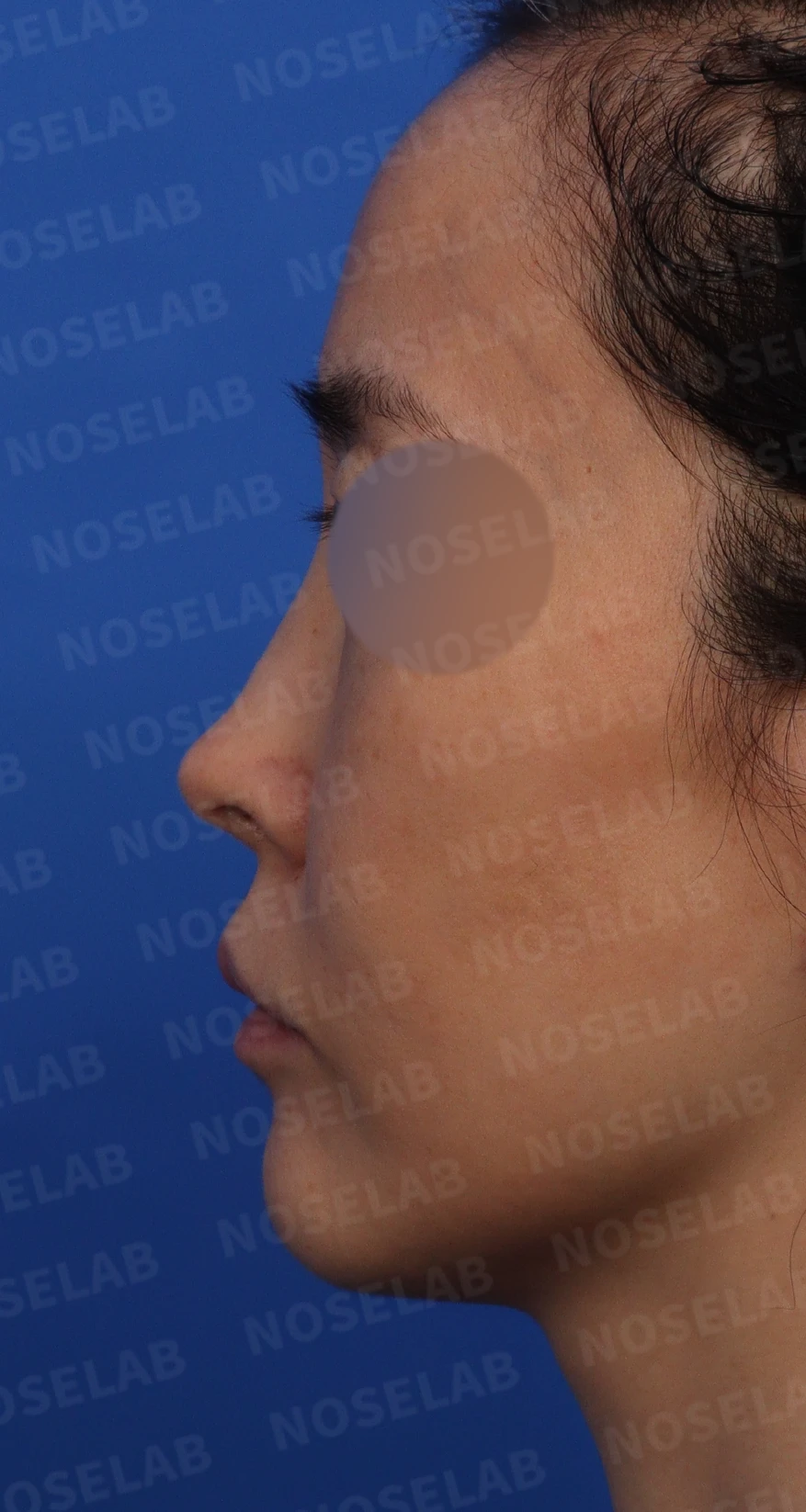
Preoperative design consultation: front, left oblique, and profile views.
When visiting our clinic, the patient asked, "Can this nostril asymmetry be corrected?" I could clearly sense the prolonged distress behind that question.
I carefully evaluated the patient's facial features. Several concerns were present, including an upturned nose, a crooked nose, nostril asymmetry, a depressed dorsum, and a high radix. At the same time, I viewed these characteristics as part of the patient's unique facial anatomy.
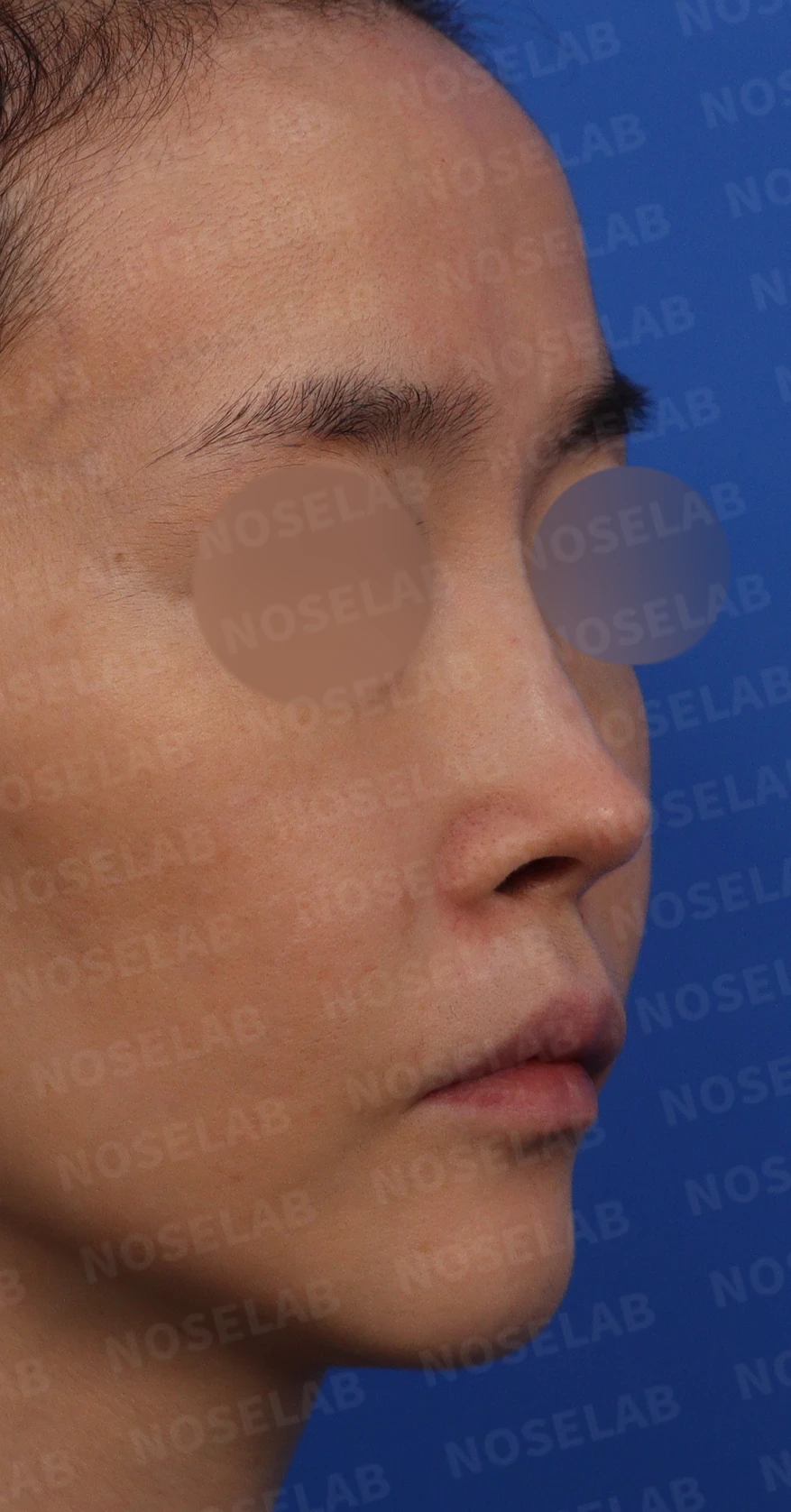
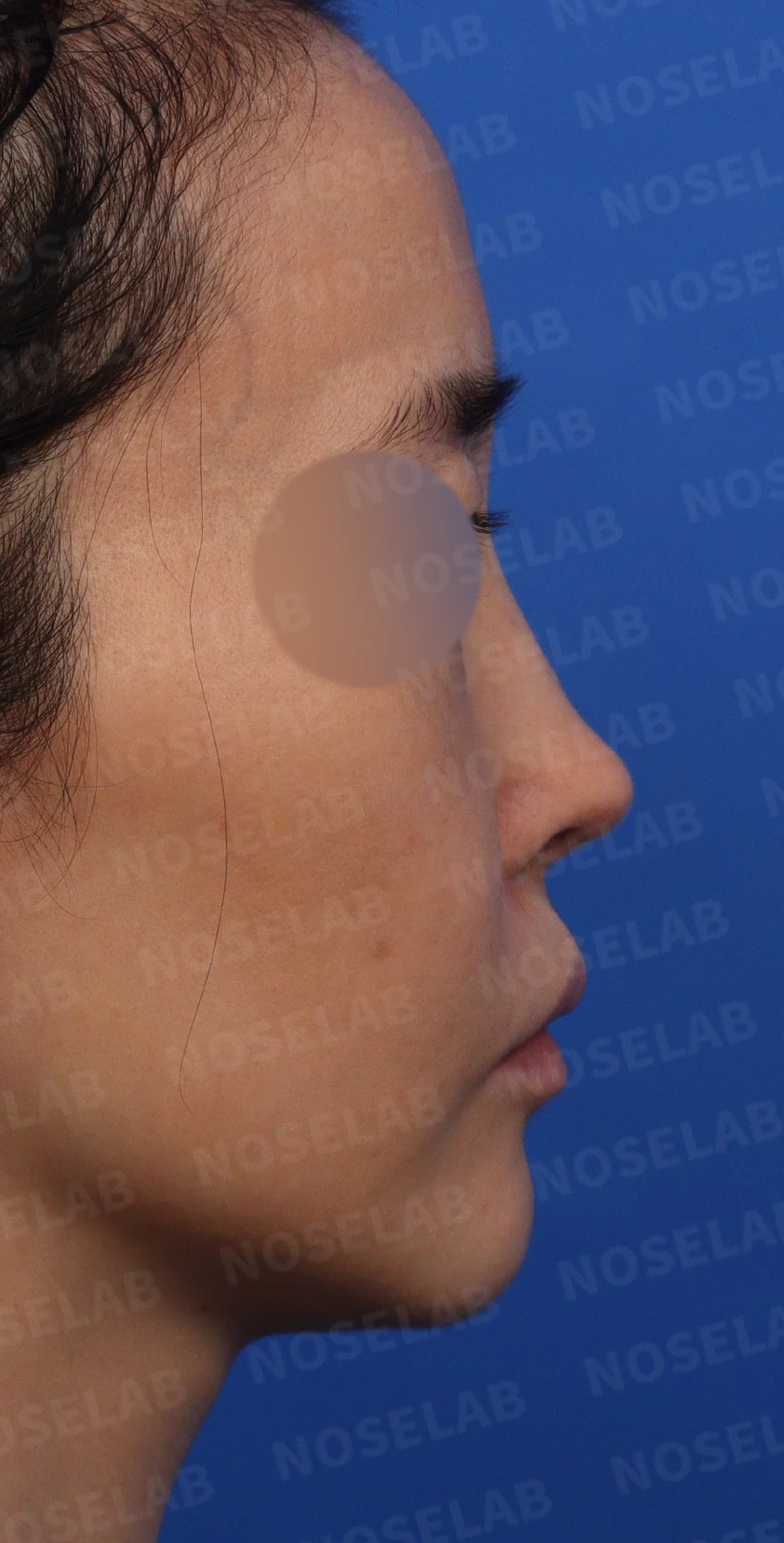
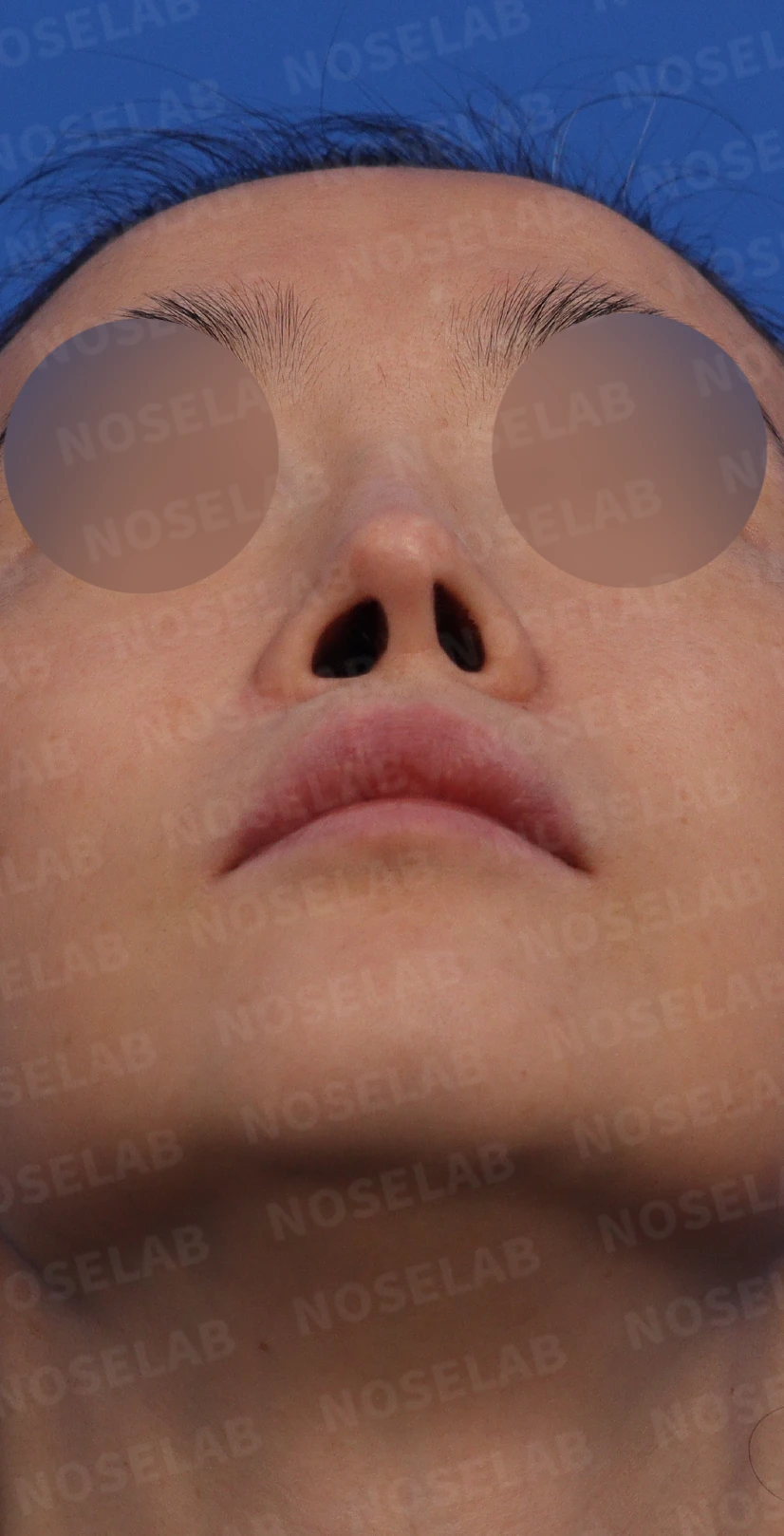
Right profile, right oblique, and basal (nostril) views from the preoperative design consultation.
Detailed surgical planning
Planning the revision surgery was like piecing together a complex puzzle. I considered several surgical techniques, including septal reconstruction, adjustment of the lower lateral cartilages, and placement of a new implant. In particular, reconstruction using ear cartilage or autologous rib cartilage was planned to restore volume to the right nostril sill.
Noticeable improvement and patient satisfaction
Immediately after surgery on day 0, the outcome showed distinct improvement. Nostril asymmetry was significantly corrected, and overall nasal balance was achieved. On the profile view, the dorsal line became natural, and the appearance of the protruding mouth was also improved. Immediate postoperative photos show swelling and may differ from the final result.
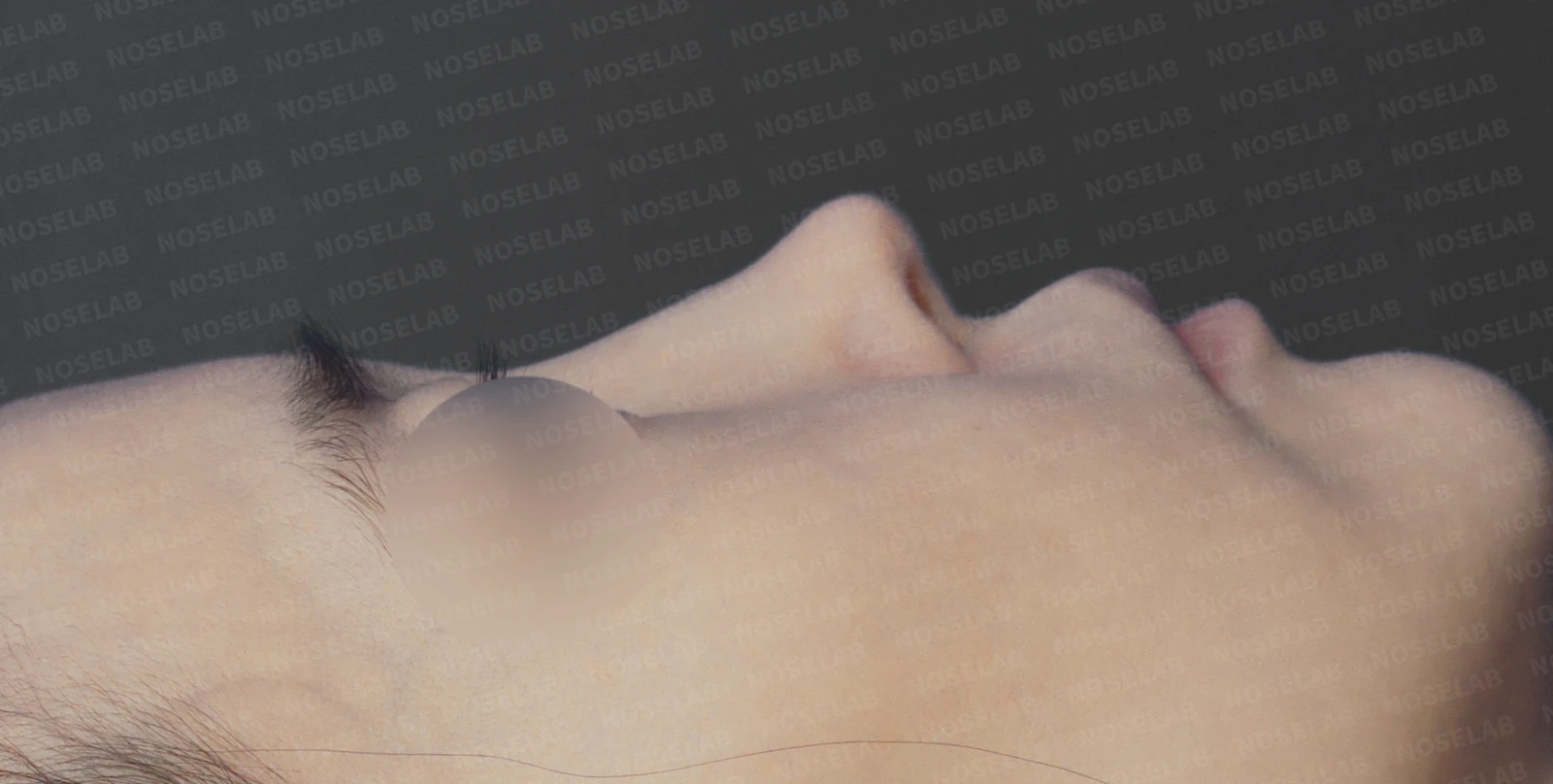
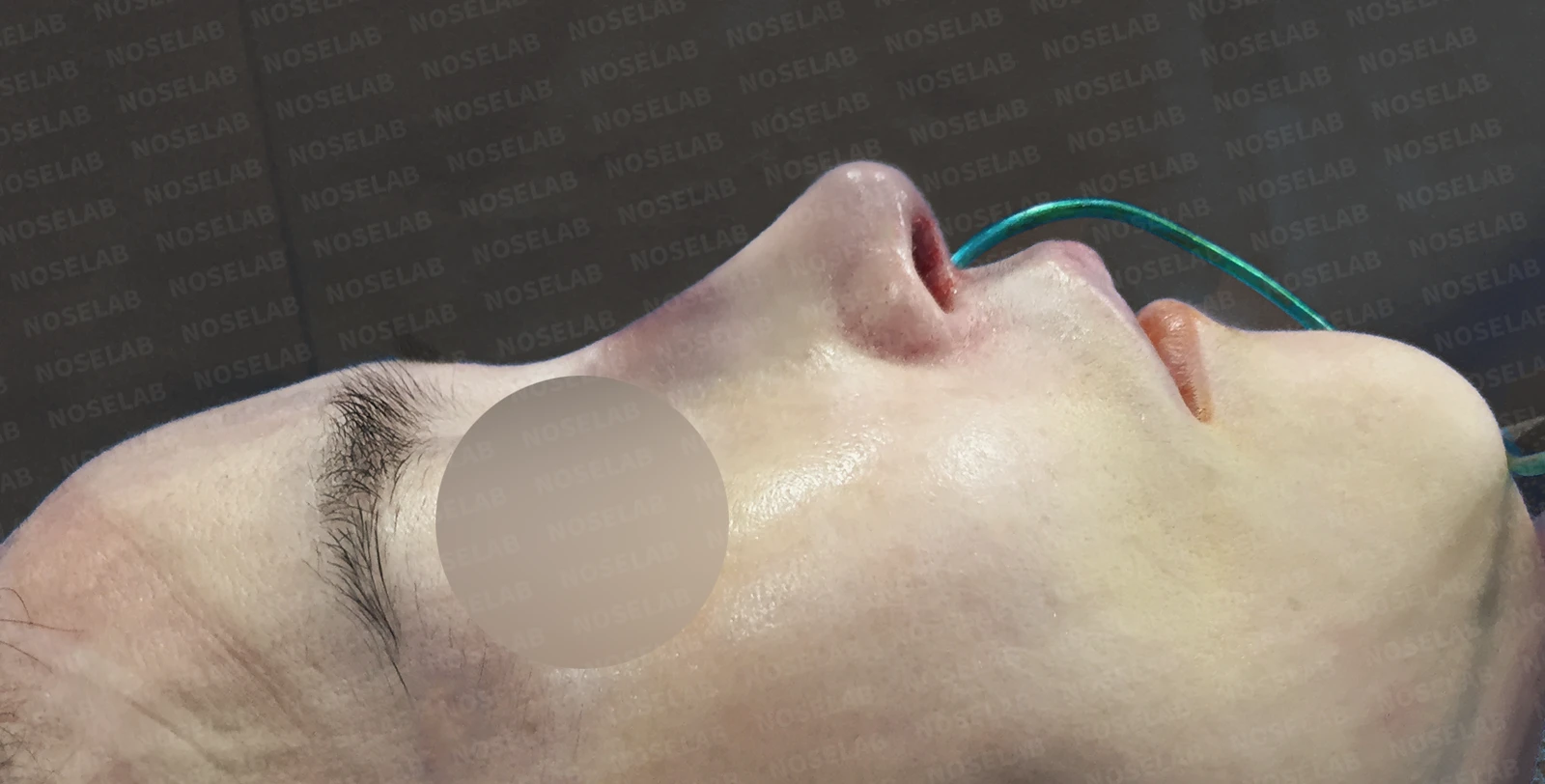
Before surgery / Day 0 immediately after surgery Photos taken immediately after surgery show swelling and may differ from the final result.
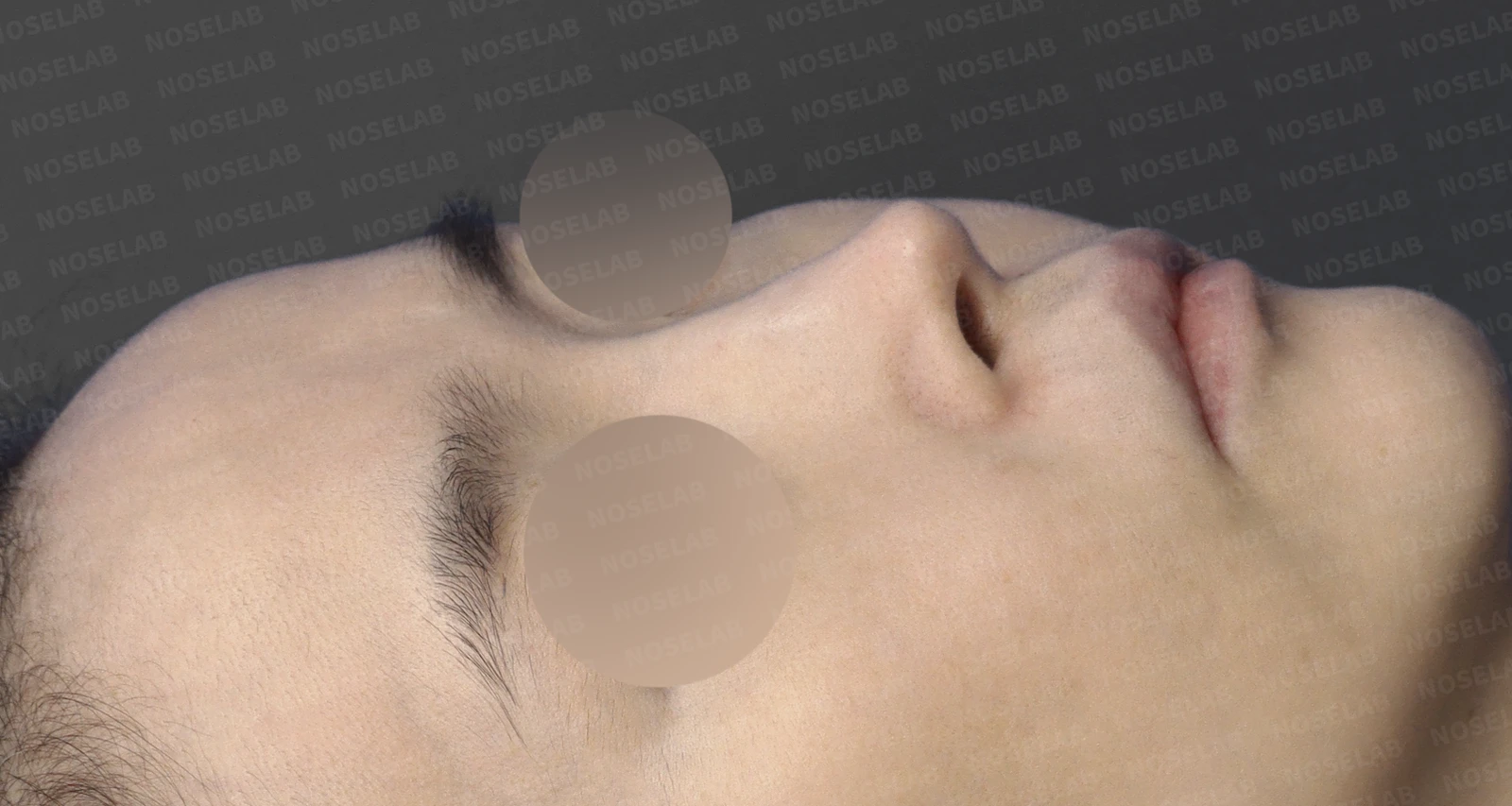
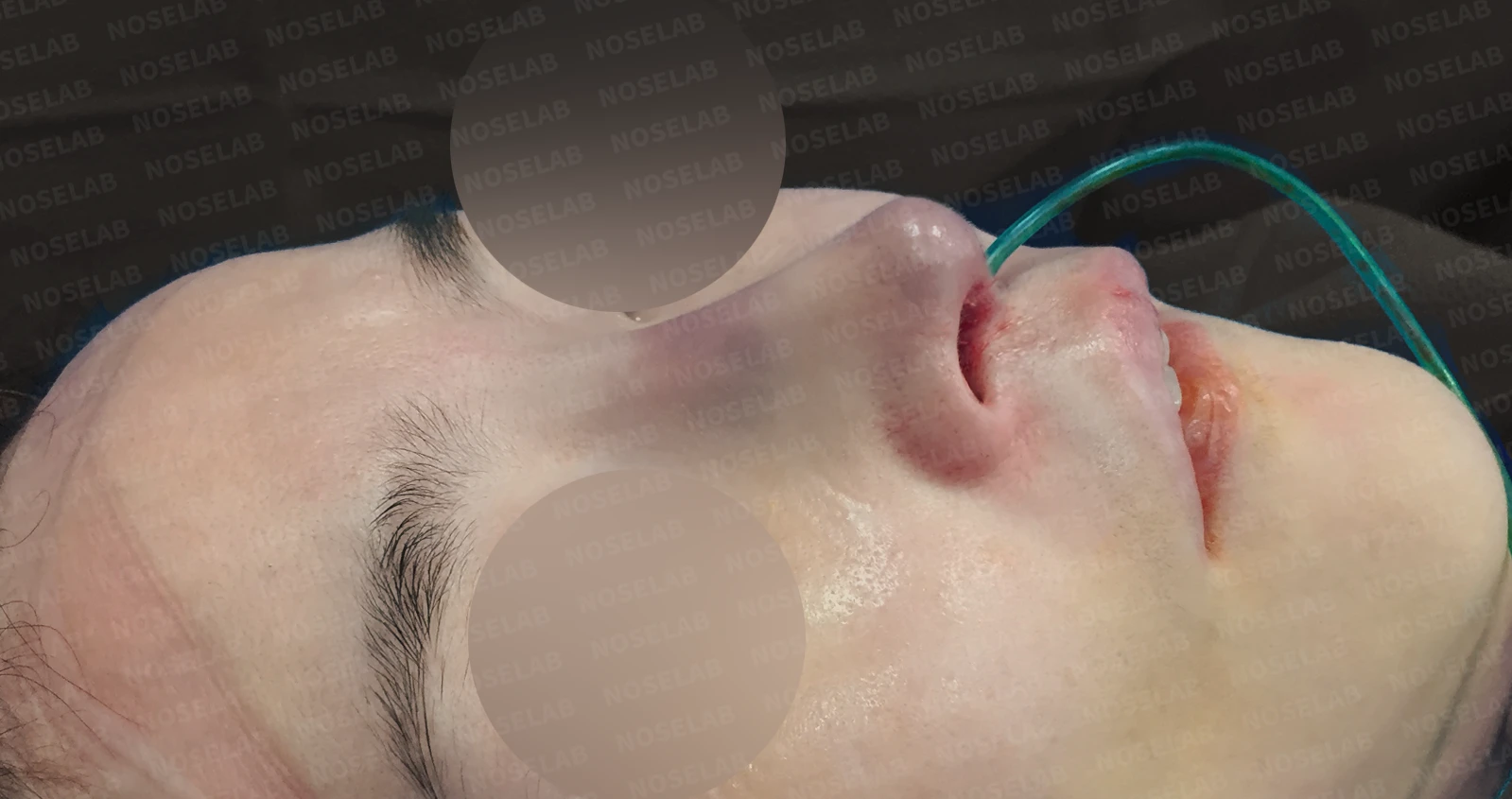
Before surgery / Day 0 immediately after surgery Photos taken immediately after surgery show swelling and may differ from the final result.
Most importantly, the patient was very satisfied with the outcome, which was deeply rewarding to see.
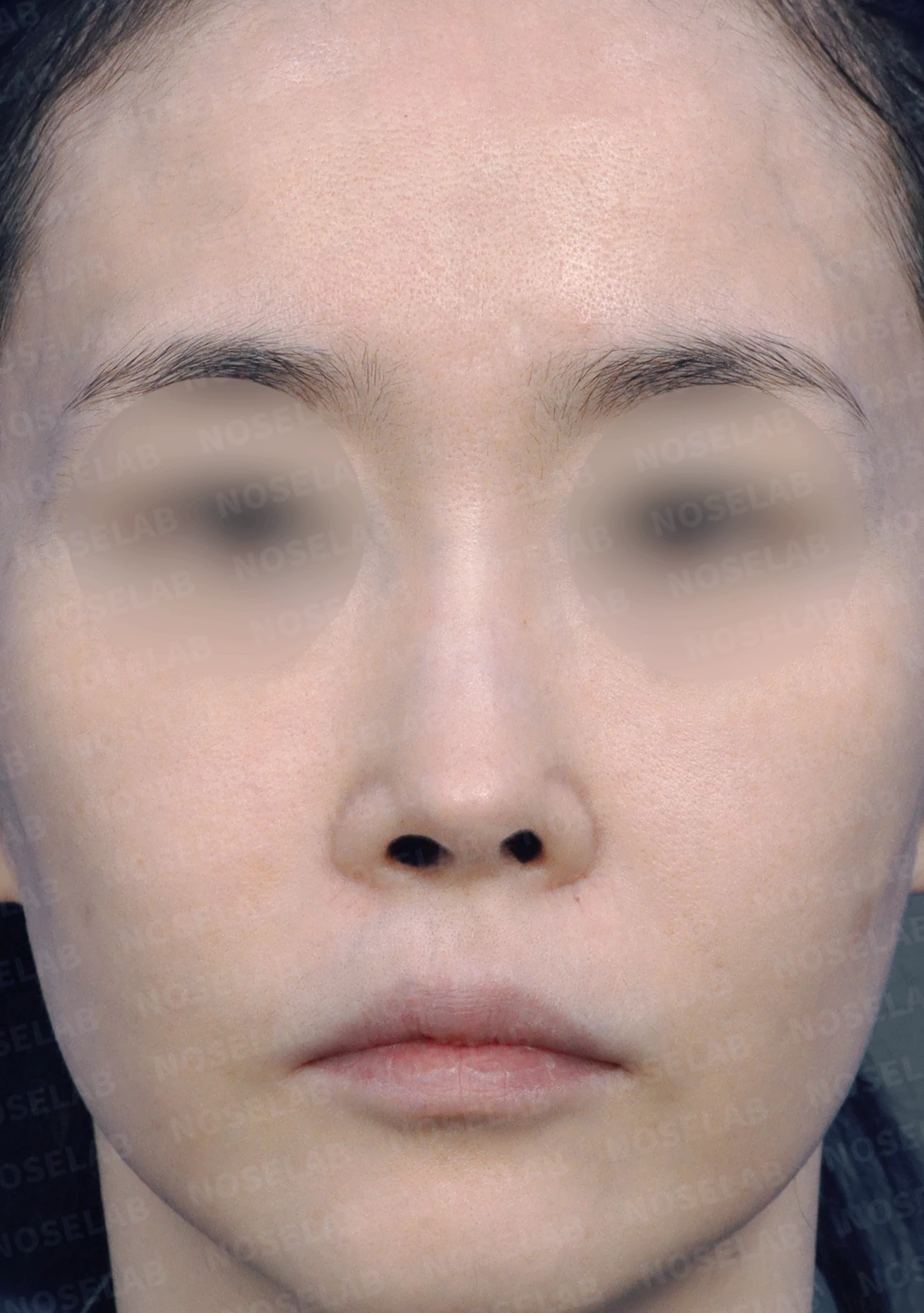
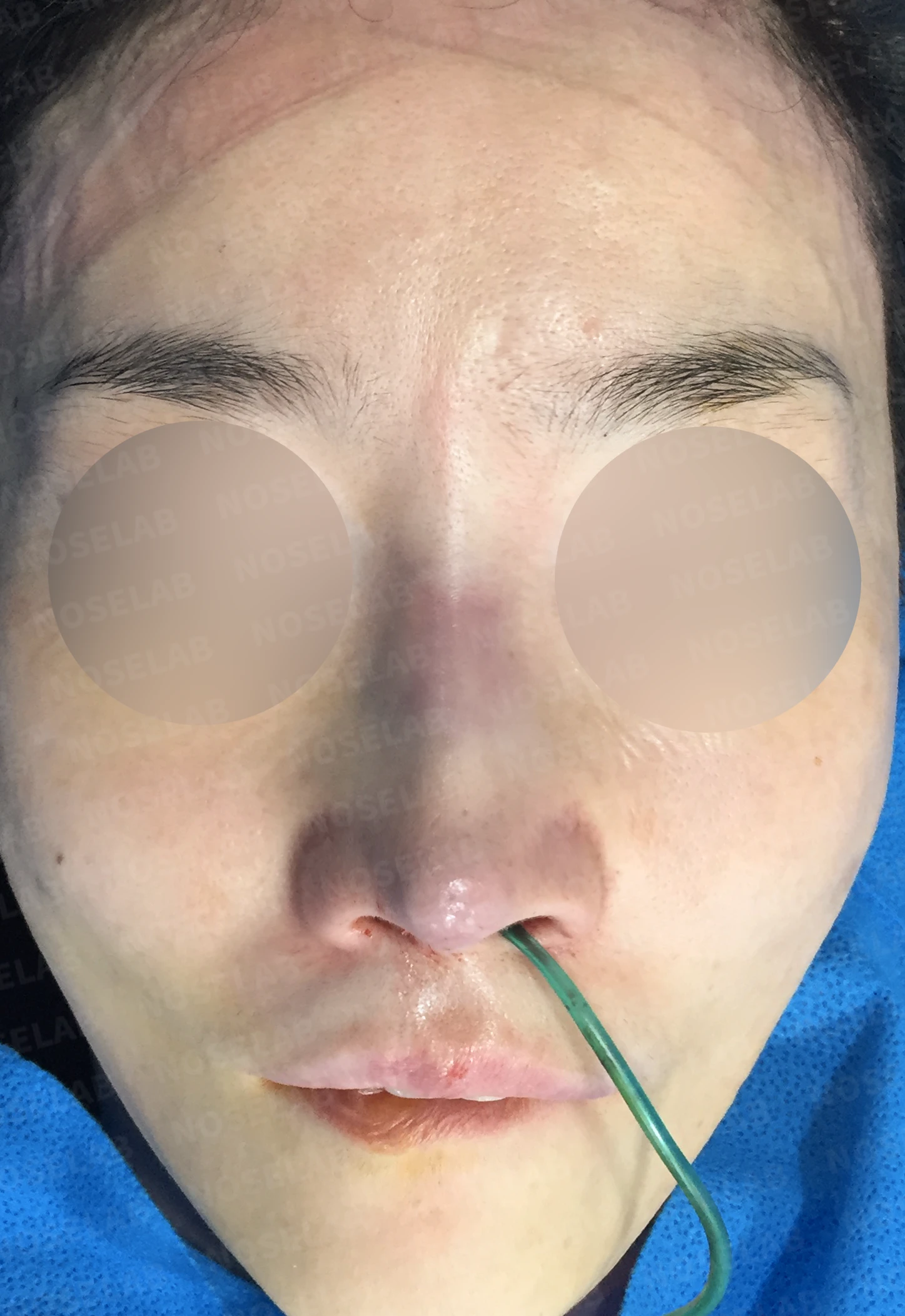
Before surgery / Day 0 immediately after surgery Photos taken immediately after surgery show swelling and may differ from the final result.
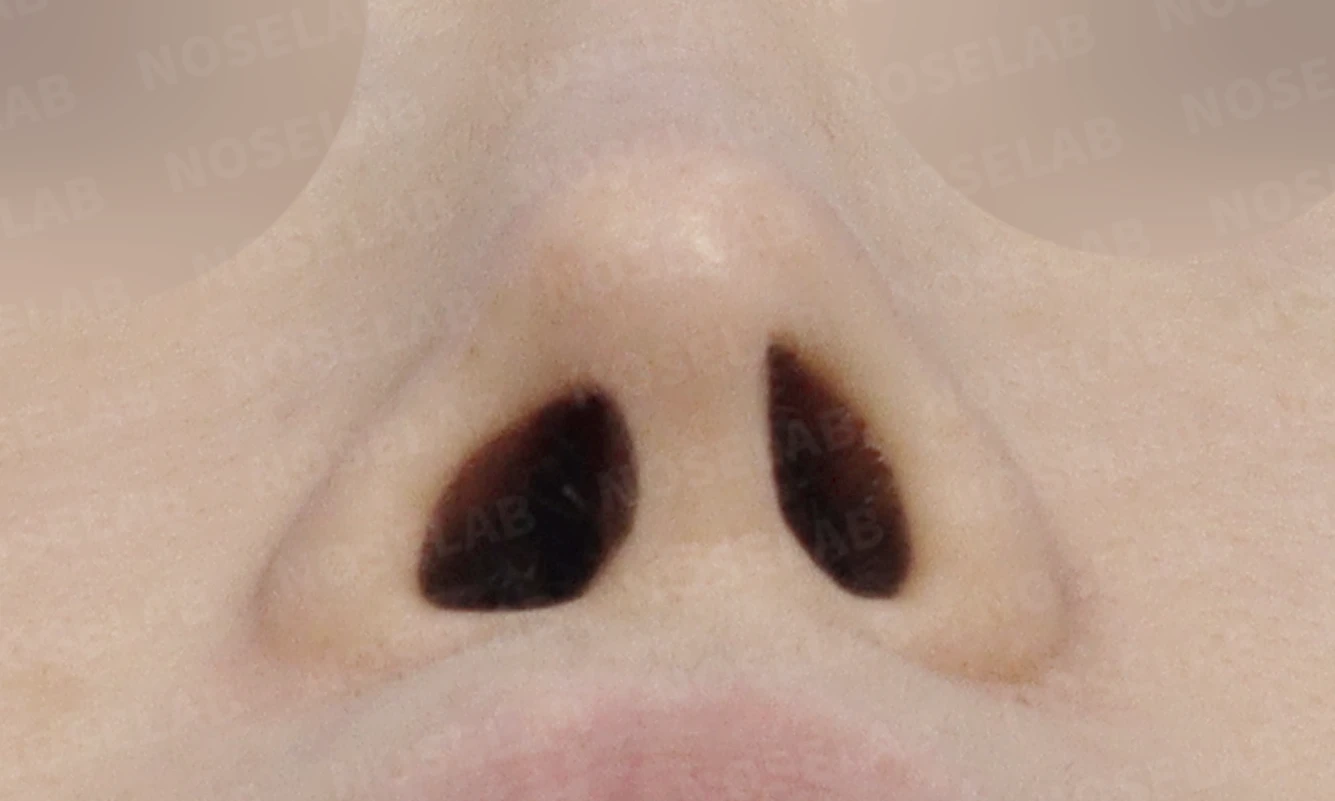
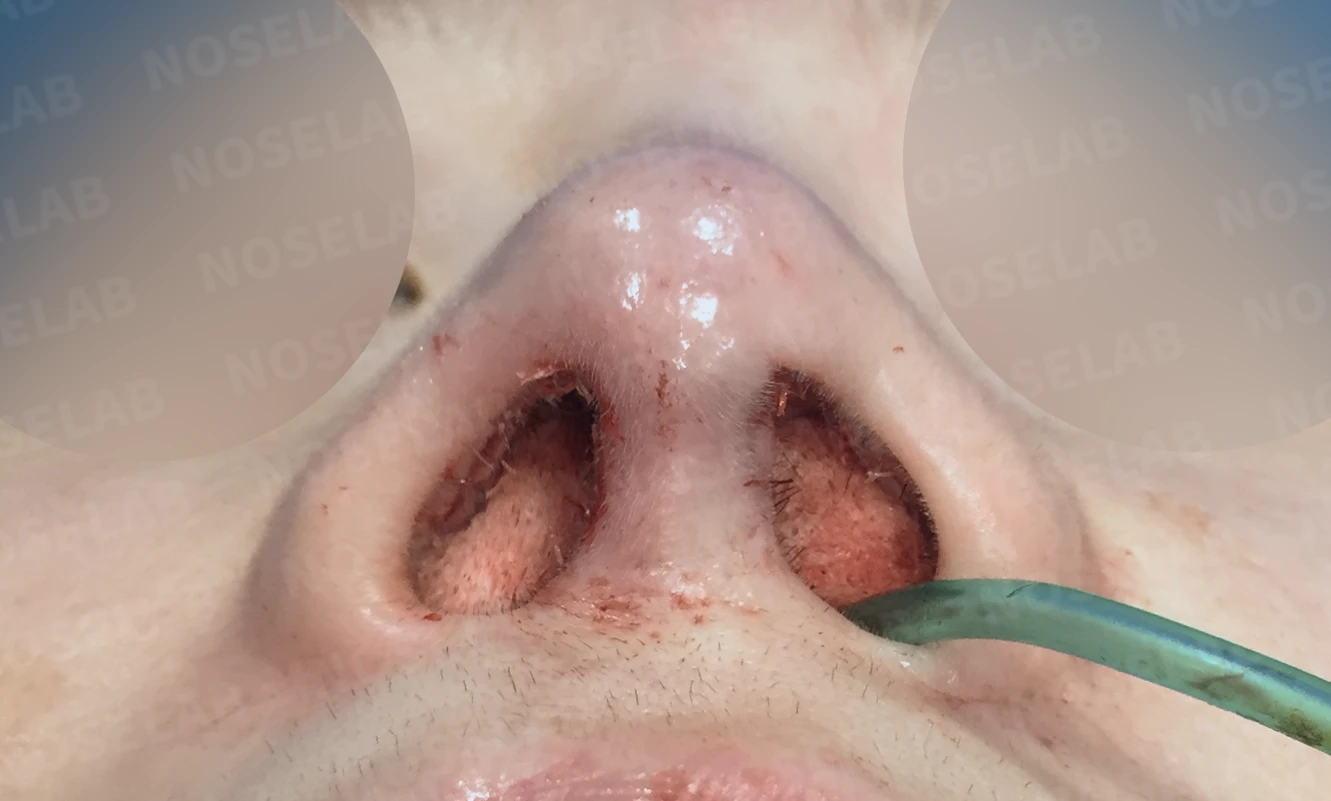
Before surgery / Day 0 immediately after surgery Photos taken immediately after surgery show swelling and may differ from the final result.
A message for patients
There is an important takeaway from this case: correcting nasal asymmetry is not solely about the nose itself. Overall facial balance must be taken into account. At times, rather than striving for absolute symmetry, preserving subtle individual characteristics in harmony with the entire face can yield a more balanced and sound outcome.
If you are struggling with nostril asymmetry, a crooked nose, or an upturned nose—especially if you have hesitated to pursue rhinoplasty due to facial asymmetry—do not lose hope. As demonstrated in this case, a customized surgical plan tailored to each patient's specific facial anatomy is essential.
We remain dedicated to helping you achieve natural, balanced, and healthy results. I wish you health and happiness.
This was Dr. Peter C. Kang. Thank you.
Thank you.
#closedrhinoplasty #revisionrhinoplasty #nostrilasymmetry #crookednose #upturnednose #plasticsurgery #ENTspecialist #facialasymmetry
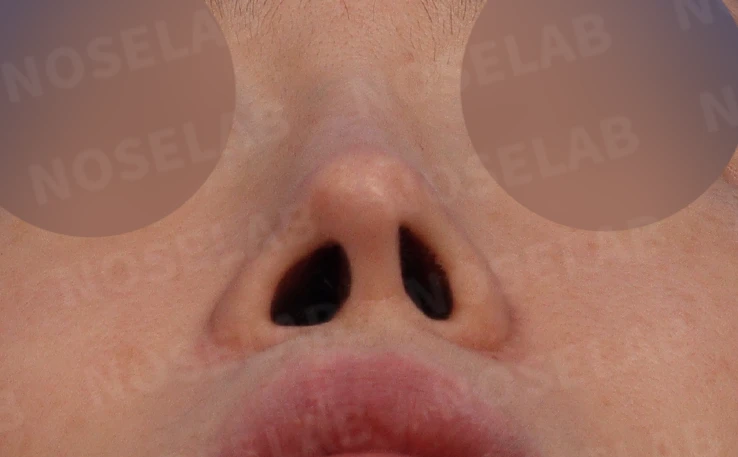
Nostril asymmetry
Limitations and risks
When autologous rib cartilage is used, scarring and pain may remain at the donor site on the chest, and pneumothorax (pleural injury) can occur rarely. Over time, the grafted cartilage may warp or undergo partial resorption.
When using donor rib cartilage, long-term follow-up is necessary because the grafted cartilage may resorb or warp.
When revising after implant removal, contracture may progress again after removal, the nasal height and length may decrease, and staged surgery may be necessary depending on the skin condition.
When the septum is corrected at the same time, nasal obstruction may persist or recur, and in rare cases, septal perforation or changes in smell may occur.
Common potential risks include infection, bleeding, asymmetry, scarring, skin necrosis, and insufficient improvement; results vary depending on individual skin condition and previous surgical history.