Hello, I am Dr. Peter C. Kang.
Today, I would like to introduce the case of a patient who visited our clinic concerned about an upturned nose and nostril show, desiring a natural, straight bridge line.
The patient had a history of multiple rhinoplasty procedures, during which various materials were used.
In complex cases like this, meticulous analysis and a customized surgical plan are essential.
1. Preoperative design consultation
First, let us review the patient's surgical history:
- 2016: Silicone implant + ear cartilage
- 2018: Dermis + ear cartilage
7 months later: Silicone implant + septal cartilage + donor rib cartilage
- 2021: Silicone implant + donor rib cartilage
Despite undergoing multiple surgeries, the patient was unable to achieve a satisfactory outcome. Let us analyze the preoperative condition in detail.
Front view:
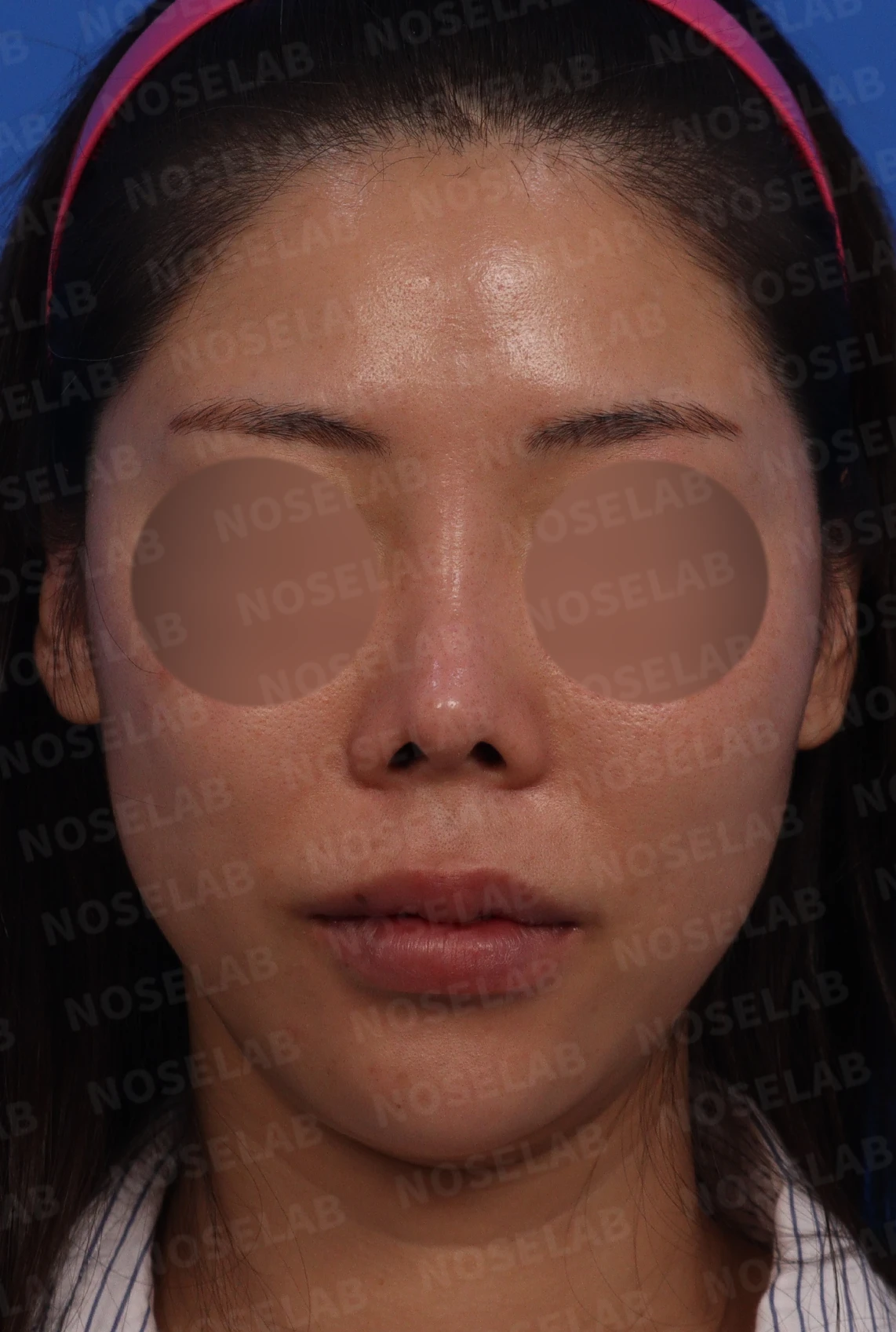
Front view
- Excessive nostril show with a pinched appearance of the right nostril
- A high radix making the facial impression appear strong
- Asymmetry of the nasal bones causing the nose to appear crooked
Profile view:
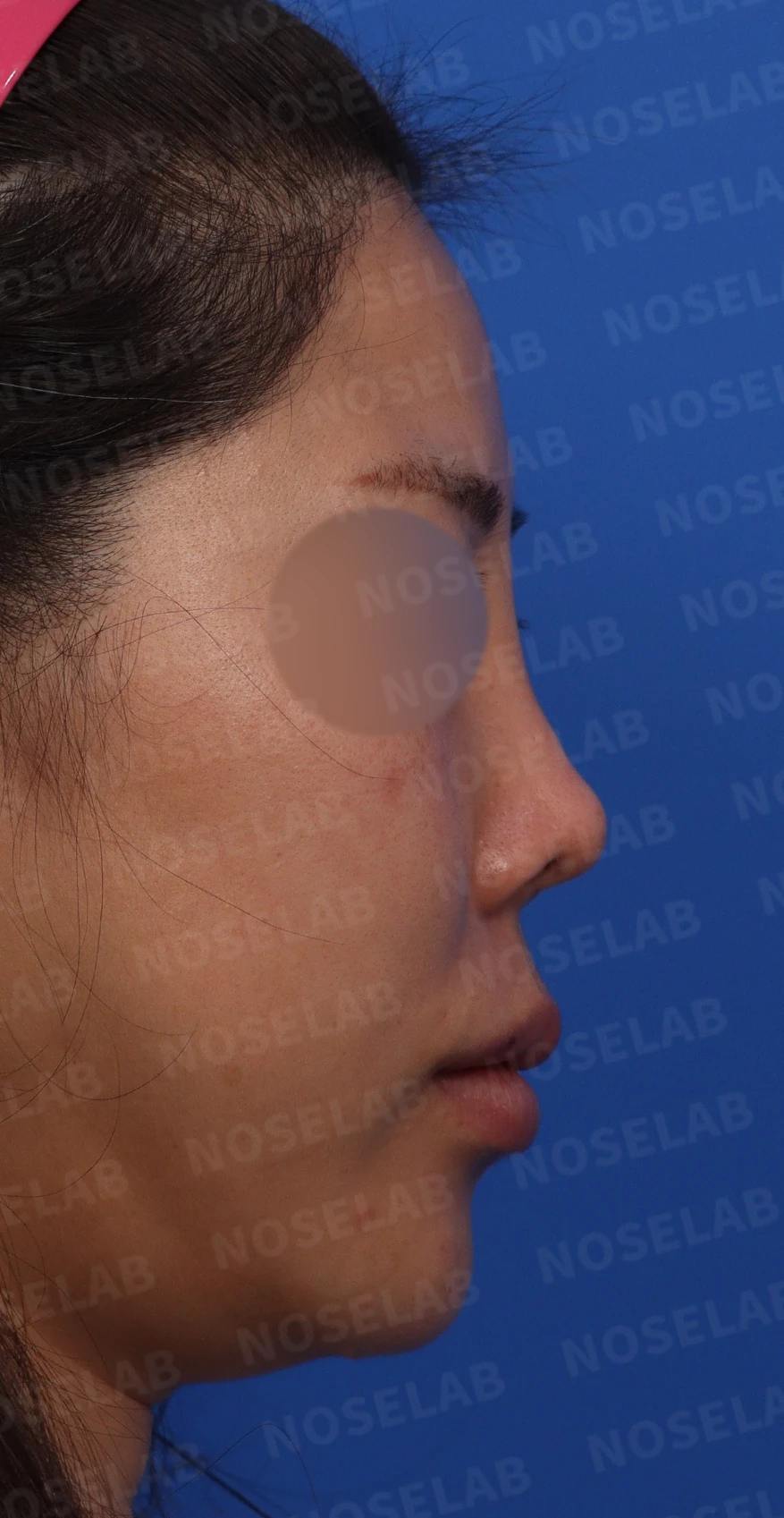
Profile view
- An unnatural bridge line due to a high radix
- The nasal tip appears upturned
- Protruding mouth appearance and a long philtrum
- Retracted columella
Oblique view:
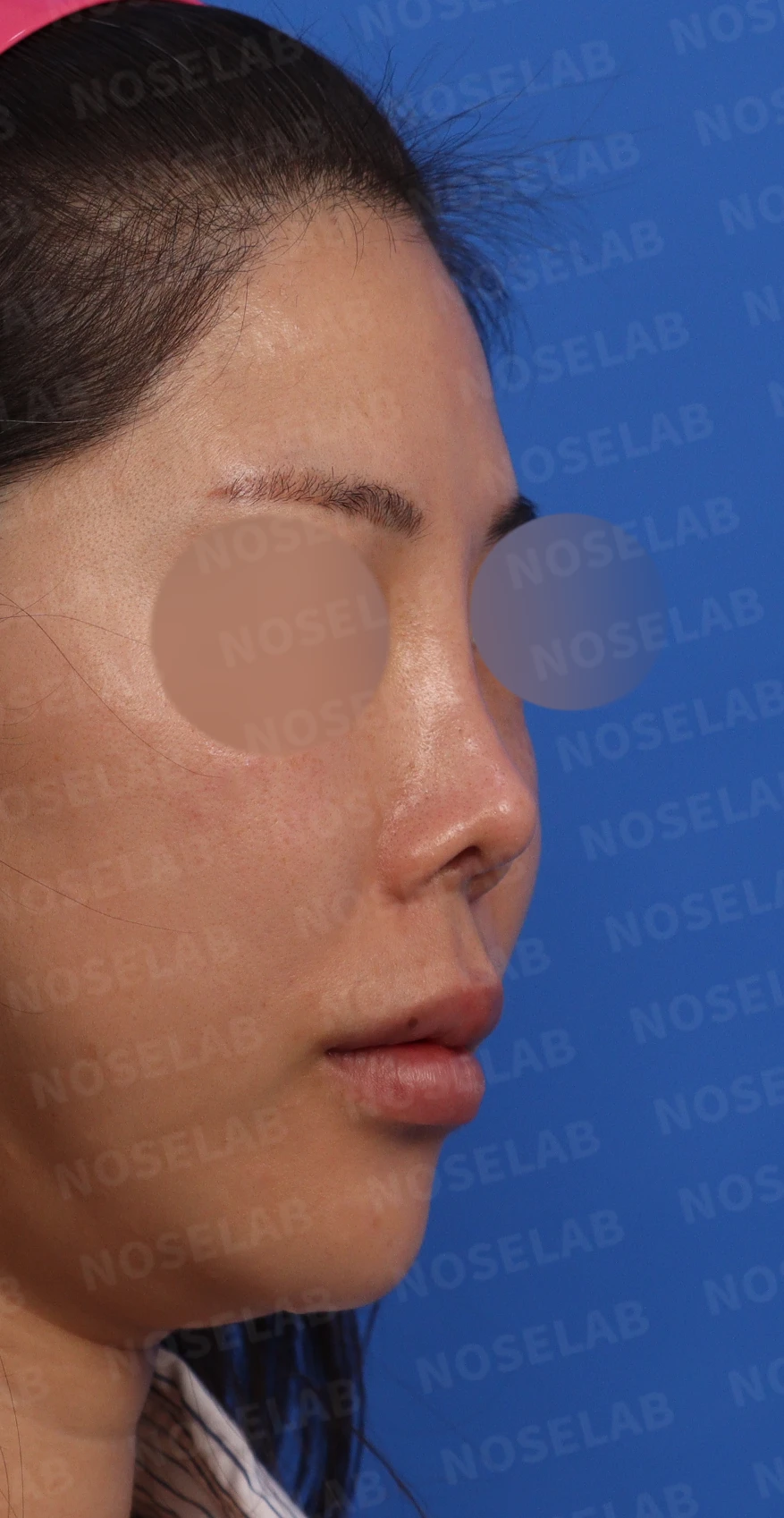
Oblique view
- The nasal bridge is uneven
- The radix is high
- The nasal tip appears upturned
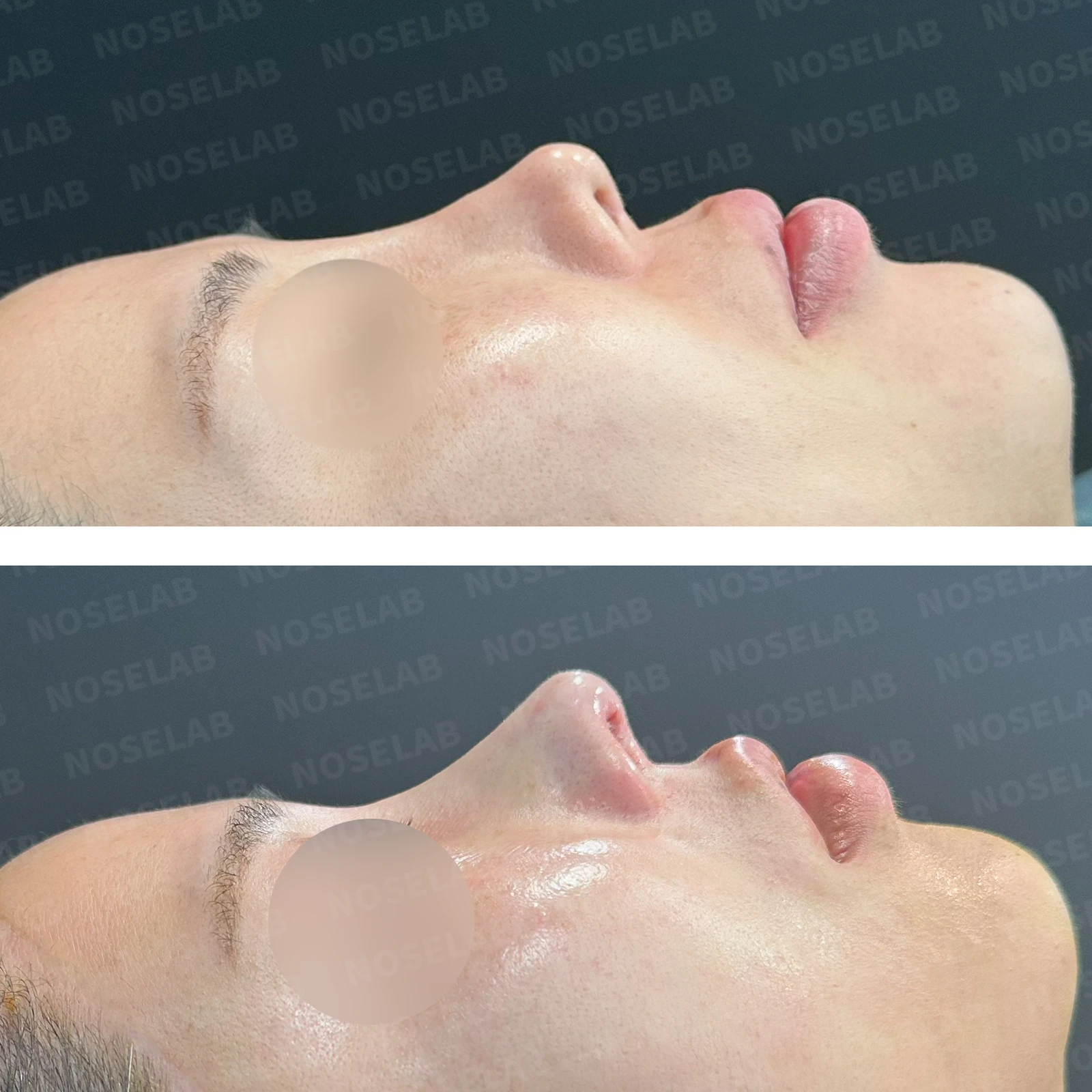
Nostrils:
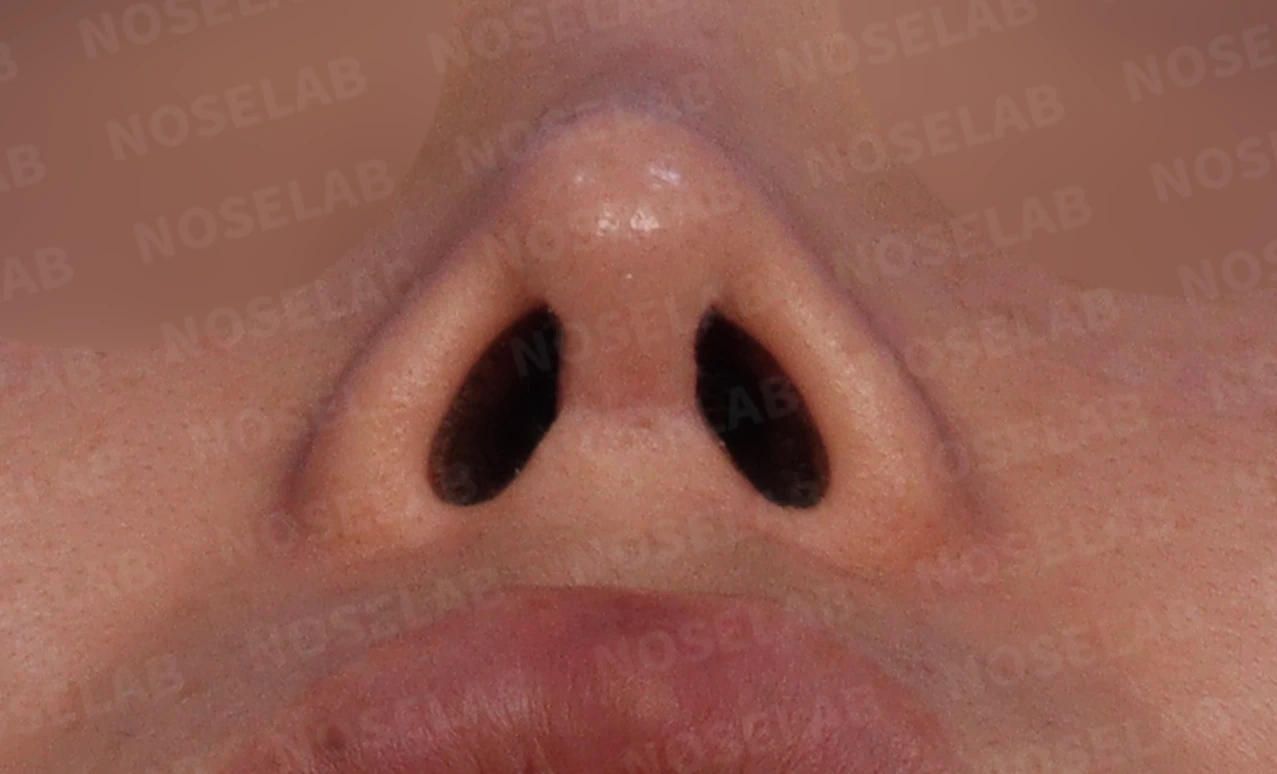
Nostrils
- Nostril asymmetry
- Deviated columella
To resolve these complex issues, I established the following surgical plan:
2. Surgical plan
a) Septal reconstruction using autologous rib cartilage
b) Septal extension
c) Bilateral lower lateral cartilage reconstruction (using autologous rib cartilage)
d) Nostril lowering
e) Lateral osteotomy (correction of the crooked nasal bridge)
This plan was formulated taking into account the patient's complex surgical history and current condition to achieve the intended result. In particular, to ensure a long-term stable outcome, I decided to use autologous rib cartilage for the nasal tip.
3. Surgical procedure
The surgery was performed via a closed approach according to the plan. The surgical steps were as follows:
a) Autologous rib cartilage harvest:
First, about 4 cm of the patient's right 8th rib cartilage was harvested. This was done to secure cartilage of sufficient quantity and strength needed for nasal structural reconstruction.
b) Septal reconstruction surgery:
The septum, which had been damaged by multiple previous surgeries, was partially reconstructed using autologous rib cartilage. This is a critical step in securing the structural stability of the nose.
c) Septal extension:
Septal extension was performed on the reconstructed septum using autologous rib cartilage. This allowed the upturned nasal tip to be lowered, improving the overall length and shape of the nose.
d) Lower lateral cartilage reconstruction:
Because both lower lateral cartilages were severely damaged, they were completely reconstructed using autologous rib cartilage. This plays a key role in improving tip shape and increasing structural support.
e) Nostril lowering:
Nostril lowering was performed by adjusting the position of the reconstructed lower lateral cartilages. This naturally covered the visible nostrils on the front view and corrected the pinched alar appearance.
f) Lateral osteotomy:
Lateral osteotomy was performed to correct the crooked nasal bridge, which helps improve the overall symmetry of the nose.
All procedures were performed using a closed approach, completing the surgery without external scars.
4. Comparison of before-and-after photos
Comparing photos taken immediately after surgery on day 0 shows the following improvements: Photos taken immediately after surgery show swelling and may differ from the final result.
Front view:
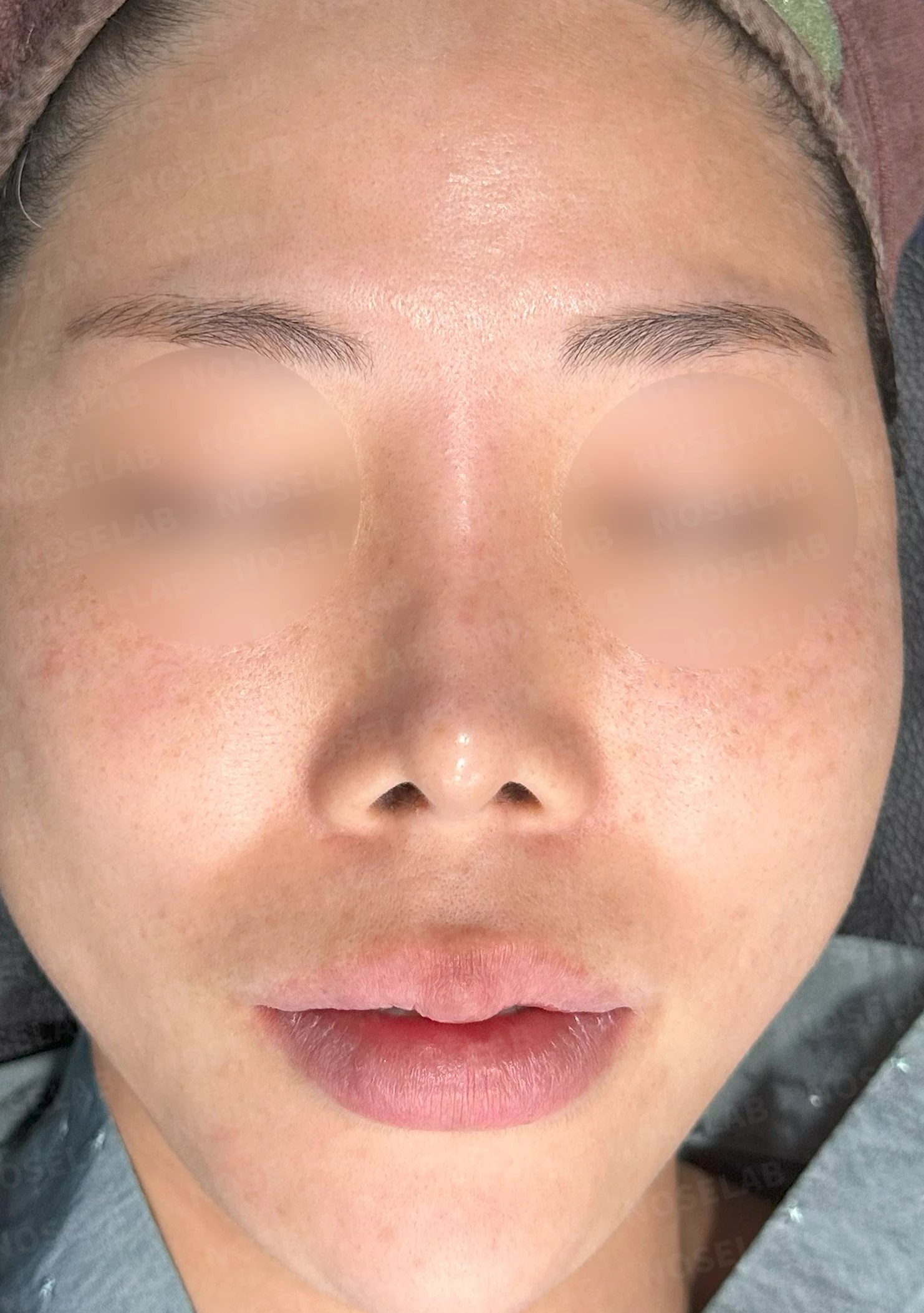
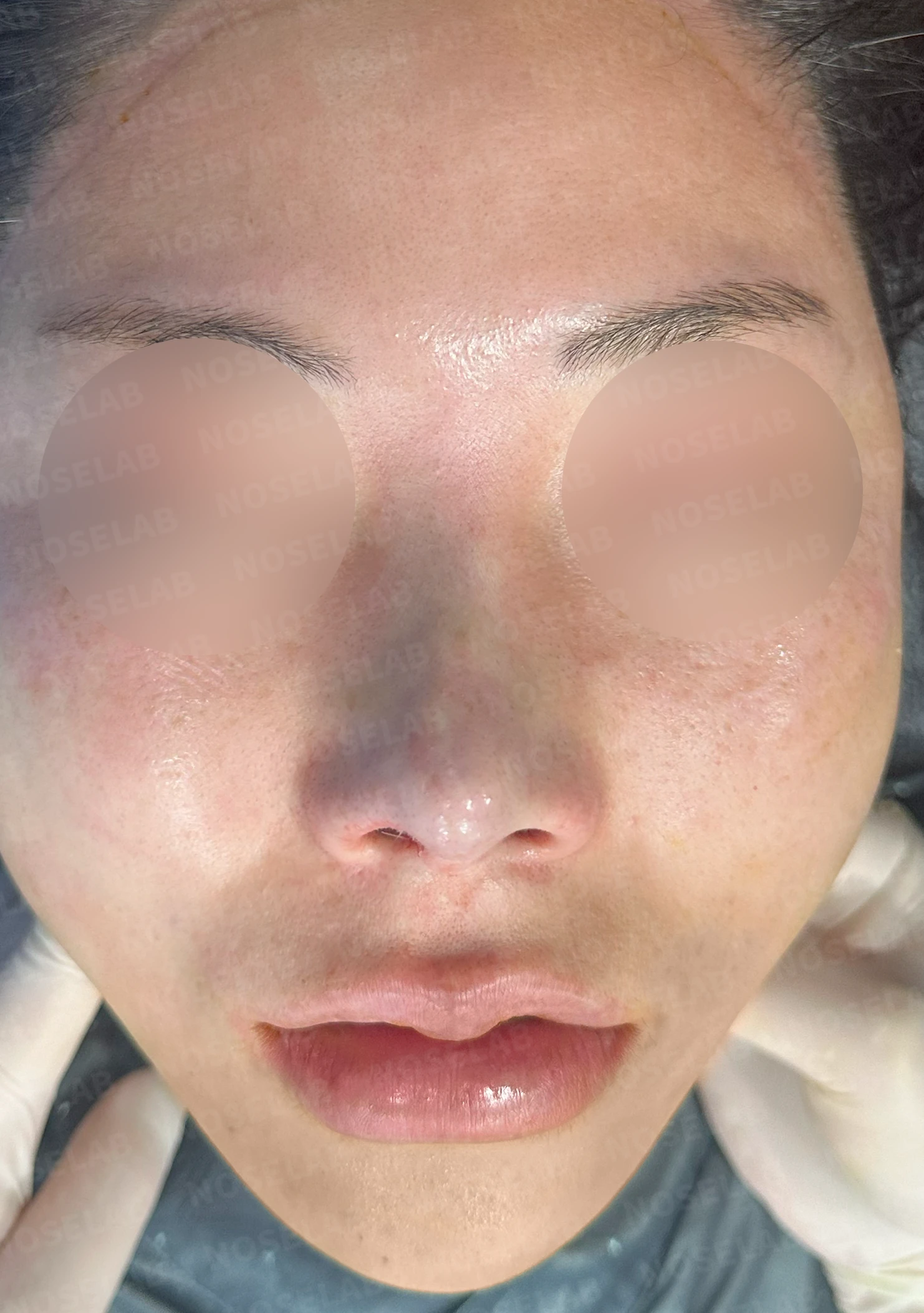
Before surgery / Day 0 immediately after surgery Photos taken immediately after surgery show swelling and may differ from the final result.
- Excessively visible nostrils are now naturally covered.
- The pinched nasal tip has been improved into a smooth, natural shape.
- The previously high radix was lowered, softening the facial impression.
- Asymmetry of the bilateral nasal bones was corrected, making the nose appear straight overall.
Profile view:
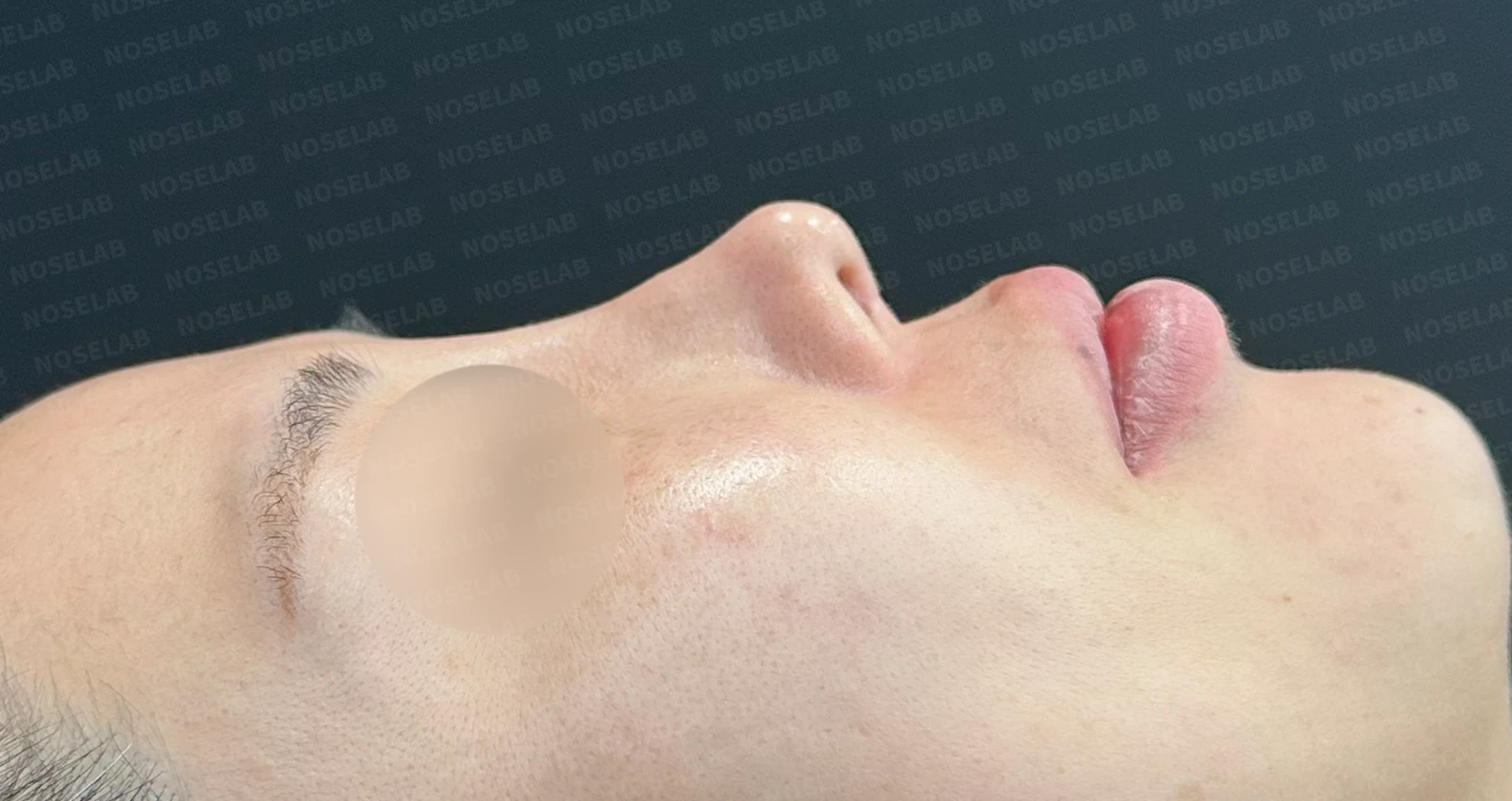
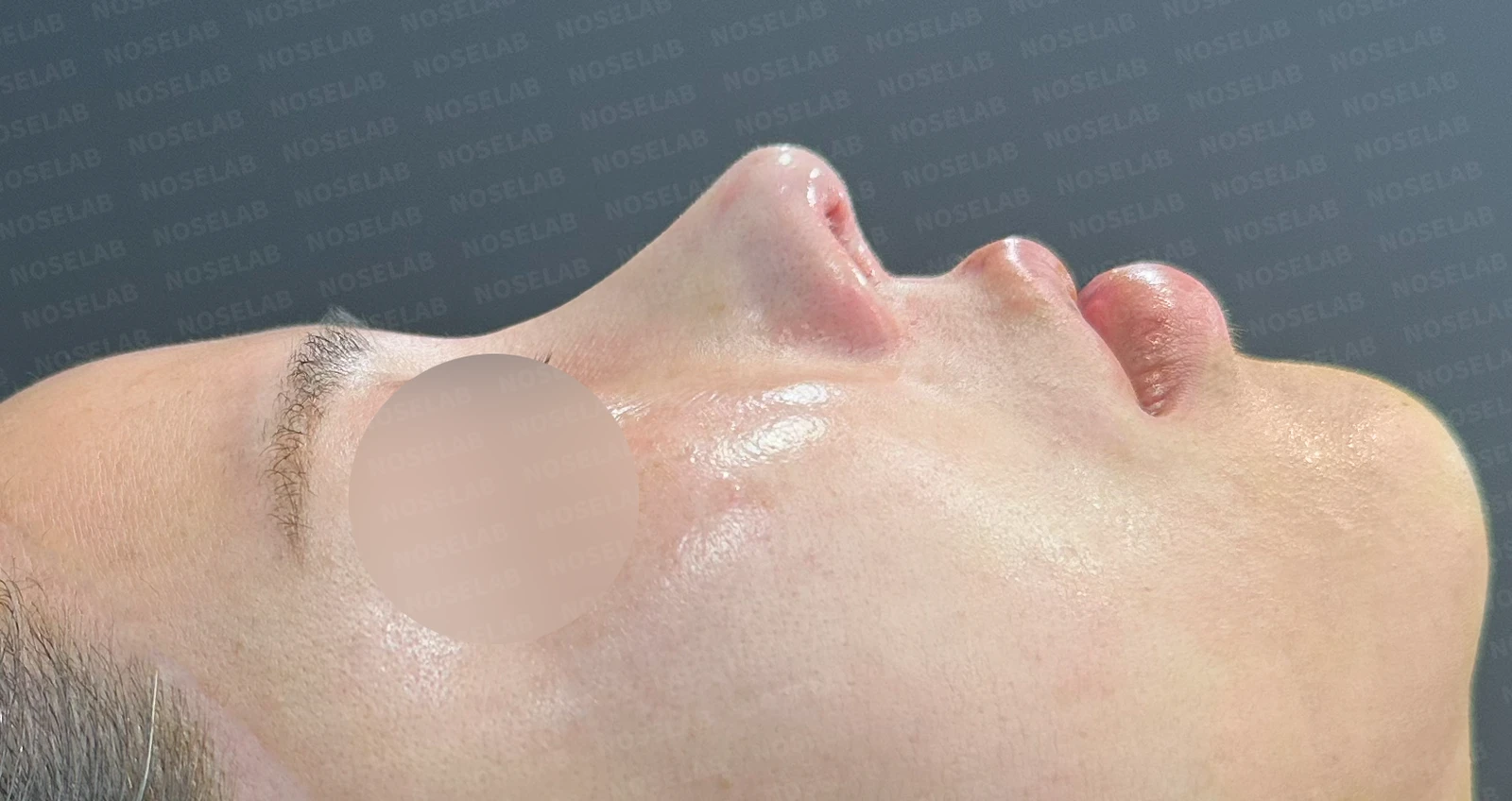
Before surgery / Day 0 immediately after surgery Photos taken immediately after surgery show swelling and may differ from the final result.
- The nasal bridge line has become natural.
- The upturned nasal tip was appropriately lowered, improving overall facial balance.
- The appearance of the protruding mouth improved, creating an effect where the long philtrum appears shorter.
- The retracted columella was naturally filled out.
Oblique view:
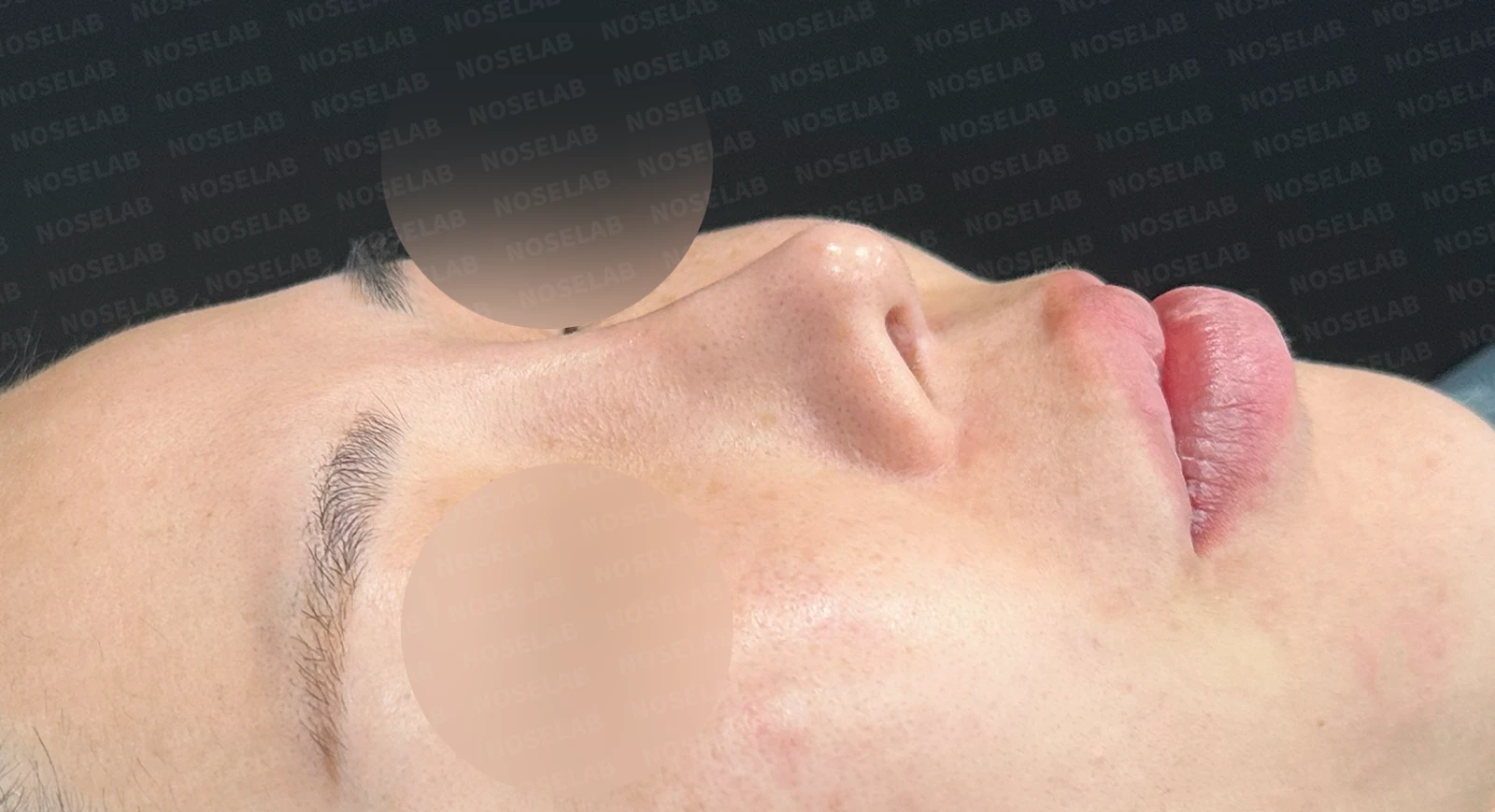
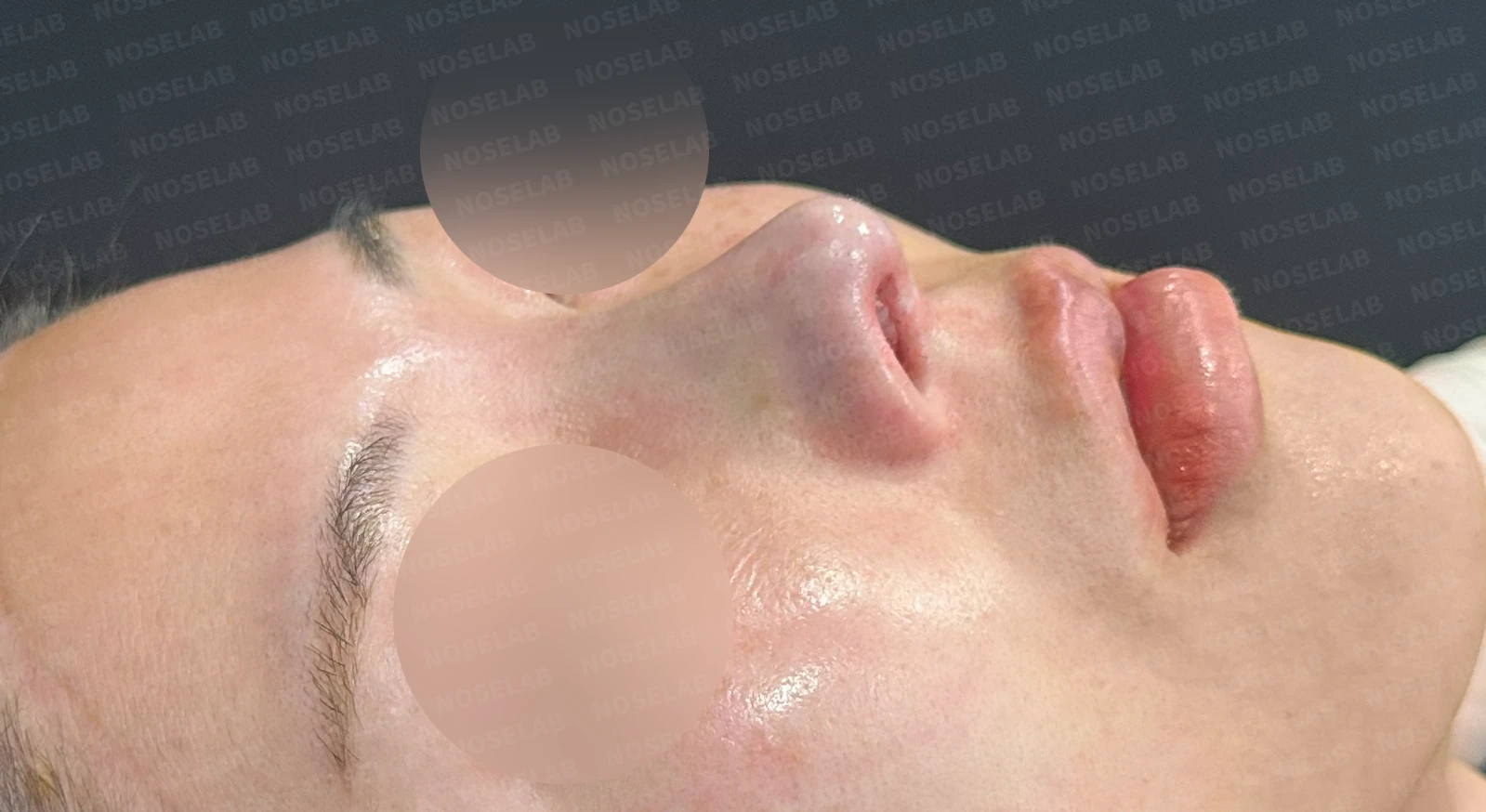
Before surgery / Day 0 immediately after surgery Photos taken immediately after surgery show swelling and may differ from the final result.
- The uneven nasal bridge is now smooth.
- The starting point of the bridge was lowered, creating a smoother overall profile.
- The upturned nasal tip was naturally corrected.
Nostrils:
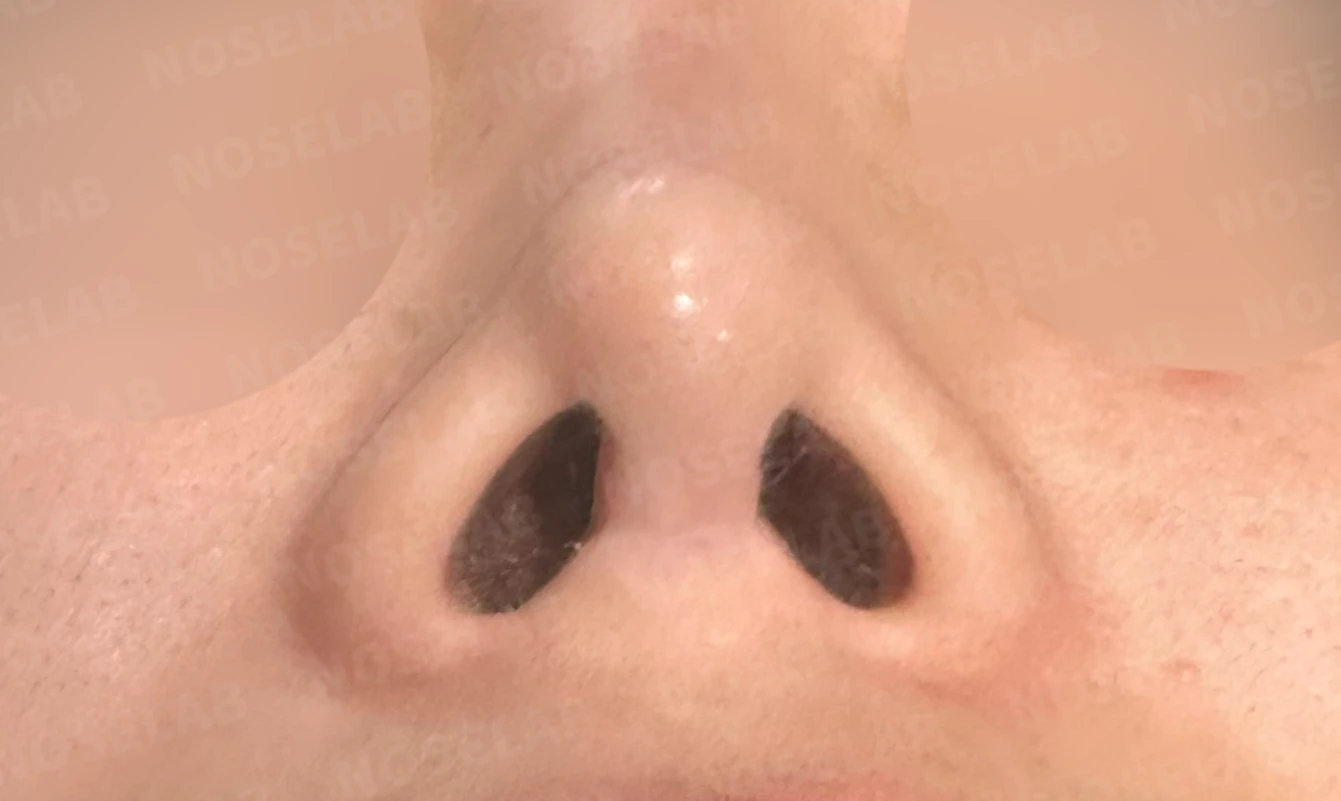
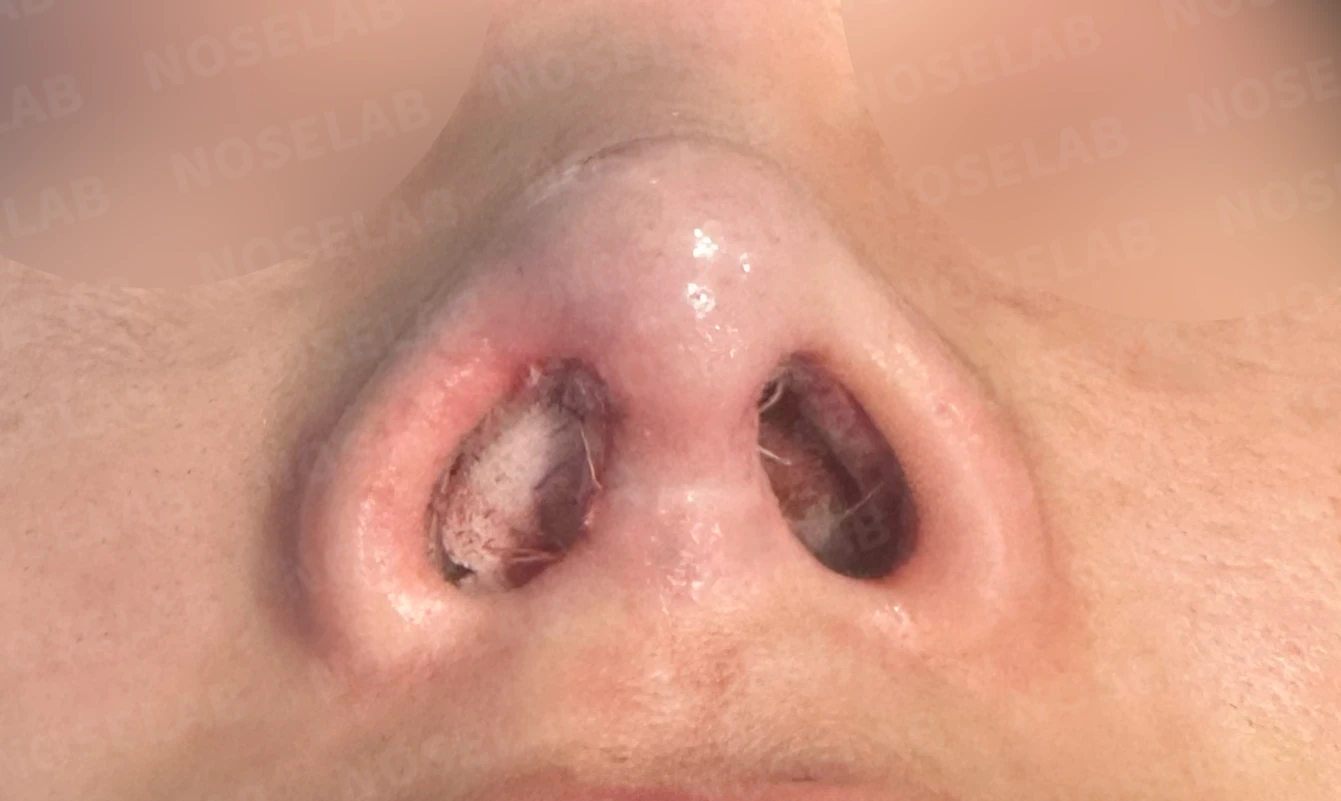
Before surgery / Day 0 immediately after surgery Photos taken immediately after surgery show swelling and may differ from the final result.
- Nostril asymmetry has been improved.
- The deviated columella was straightened.
5. Photos immediately after surgery on day 0 Photos taken immediately after surgery show swelling and may differ from the final result.
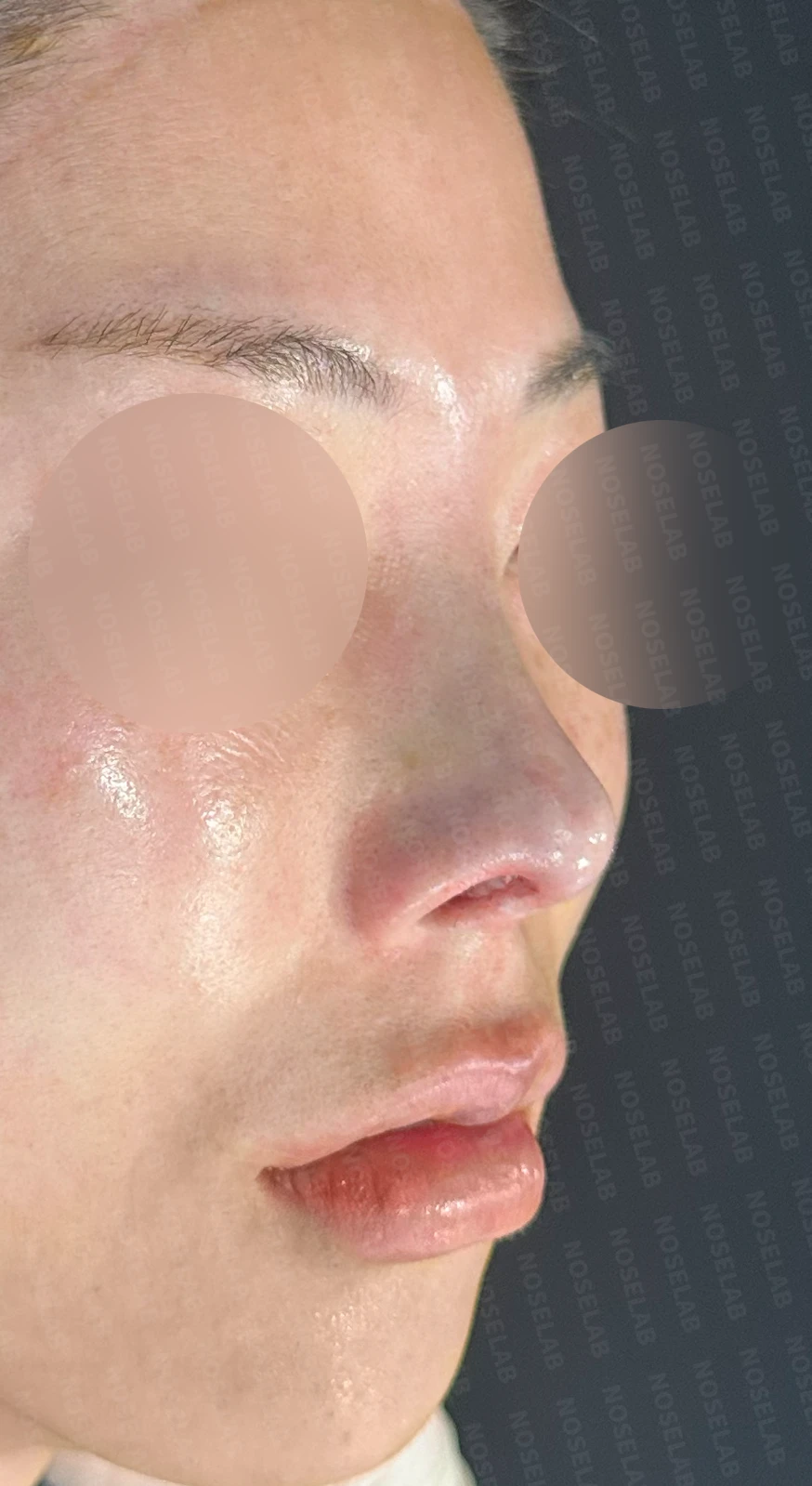
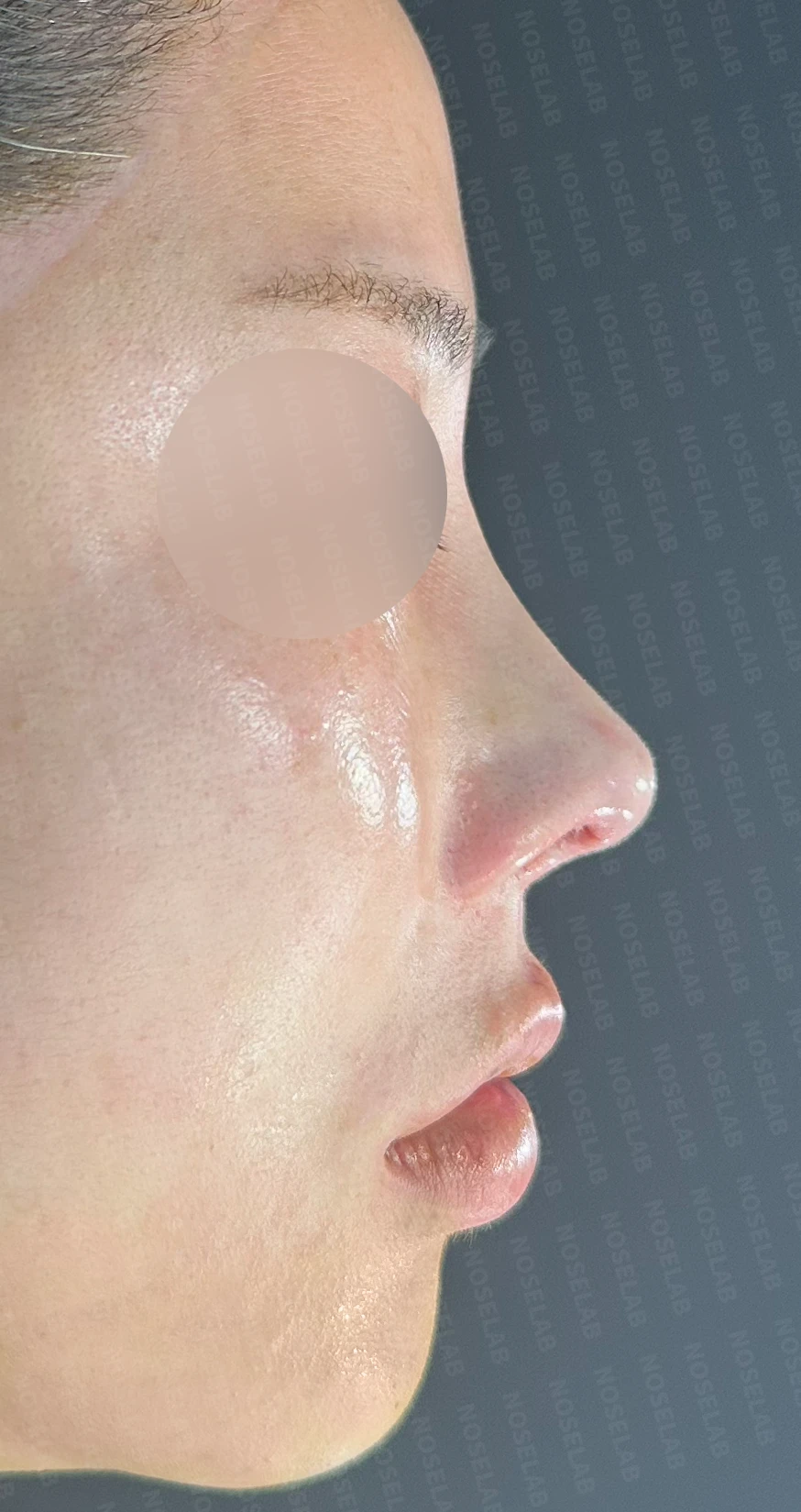
Front, oblique, and profile views immediately after surgery on day 0. Photos taken immediately after surgery show swelling and may differ from the final result.
Basal (nostril) view immediately after surgery (Day 0)Immediate postoperative photos show swelling and may differ from the final result.
6. Overall evaluation
This case addressed the complex issues that can develop after multiple rhinoplasty procedures. In particular, comprehensive structural reconstruction using autologous rib cartilage played a key role.
The height of the nasal bridge should not simply be raised higher; it must be determined by comprehensively considering the patient's forehead and brow bone prominence, as well as the shape and height of the nasal tip. In this process, the radix and the nasolabial angle are critical factors.
In this case, the bridge height at the glabella had been excessively elevated in previous surgeries, resulting in an unnatural and artificial transition to the tip. While nasal shape is important, harmonizing it with the overall facial skeletal structure and proportions is just as crucial.
Through this surgery, I was able to resolve both the upturned nose and nostril show while creating a natural nasal shape that balances well with the entire face. In particular, using a closed approach helped shorten the postoperative recovery period and completed the surgery without external scarring.
7. Conclusion
I hope this case brings encouragement to those troubled by complex nasal concerns such as an upturned nose, excessive nostril show, or a crooked nose—especially those who have undergone multiple surgeries without achieving satisfactory results.
Rhinoplasty must consider overall facial harmony rather than viewing the nose in isolation. Every element—bridge height, radix, tip shape, and nasolabial angle—is closely interconnected. Therefore, a comprehensive approach is required, supported by the clinical experience and expertise of a specialist.
Drawing on anatomical knowledge and extensive surgical experience as a board-certified otolaryngologist, I provide surgical plans tailored to each individual patient. Through a comprehensive approach that considers both functional and cosmetic improvement, I strive to create a beautiful and healthy nose.
I will be with you every step of the way to achieve a beautiful and healthy nose.
This was Dr. Peter C. Kang. Thank you.
Thank you.
#rhinoplasty #upturnednosecorrection #nostrilshowcorrection #crookednosecorrection #autologousribcartilage #closedrhinoplasty #septalextension #ENTspecialistrhinoplasty #safelyplannedrhinoplasty #nasalbridgecorrection #tiprhinoplasty #protrudingmouthcorrection #naturalnose

Limitations and risks
When autologous rib cartilage is used, scarring and pain may remain at the donor site on the chest, and pneumothorax (pleural injury) can occur rarely. Over time, the grafted cartilage may warp or undergo partial resorption.
When using donor rib cartilage, long-term follow-up is necessary because the grafted cartilage may resorb or warp.
When the septum is corrected at the same time, nasal obstruction may persist or recur, and in rare cases, septal perforation or changes in smell may occur.
Common potential risks include infection, bleeding, asymmetry, scarring, skin necrosis, and insufficient improvement; results vary depending on individual skin condition and previous surgical history.