Hello, I am Dr. Peter C. Kang.
Today, I would like to share the case of a patient who visited our clinic concerned about a dorsal hump and a drooping nasal tip. Having had no prior surgical experience, the patient decided to undergo rhinoplasty for the first time, hoping for a natural yet distinctly defined transformation.
🔍 Preoperative condition
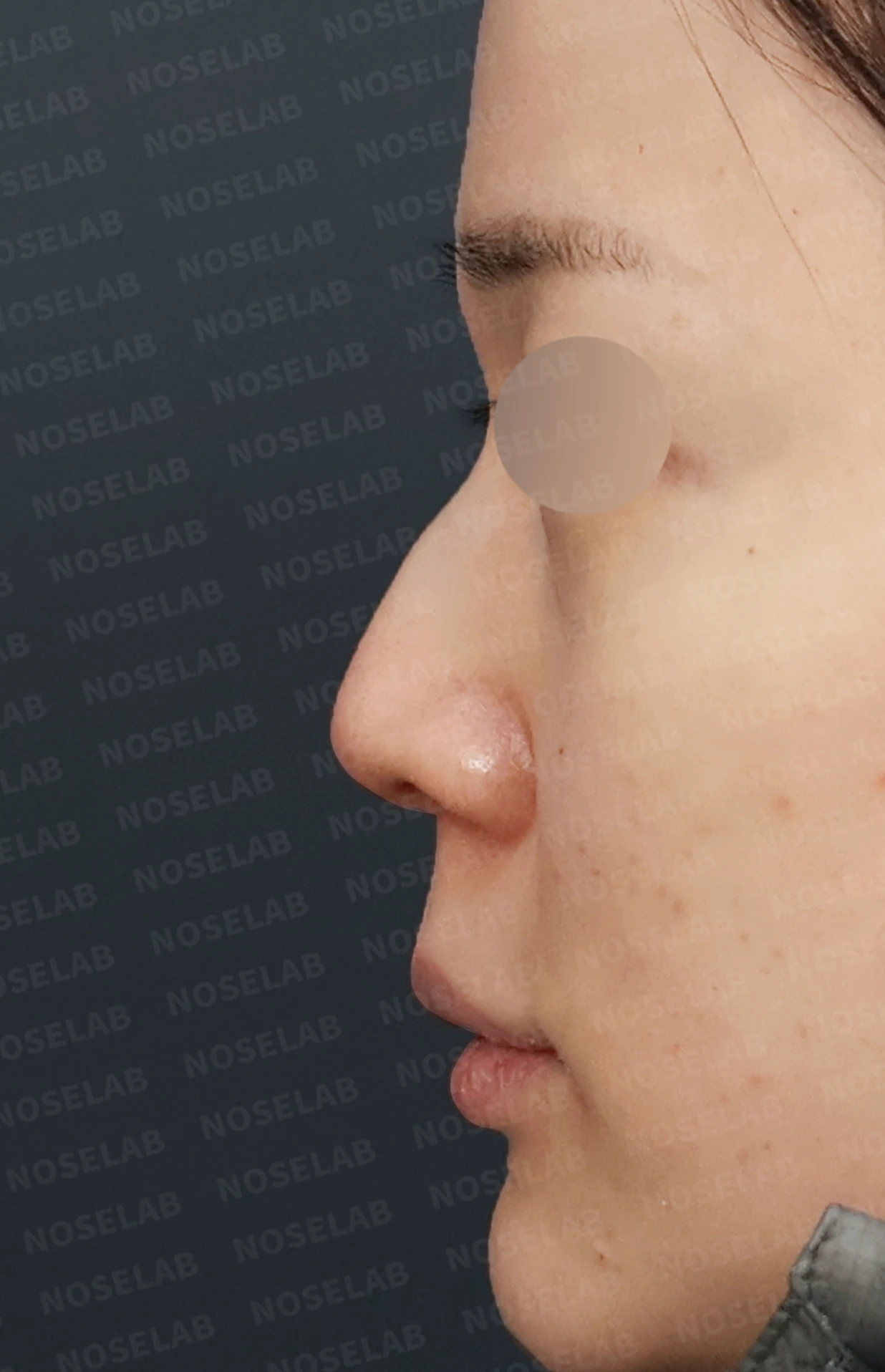
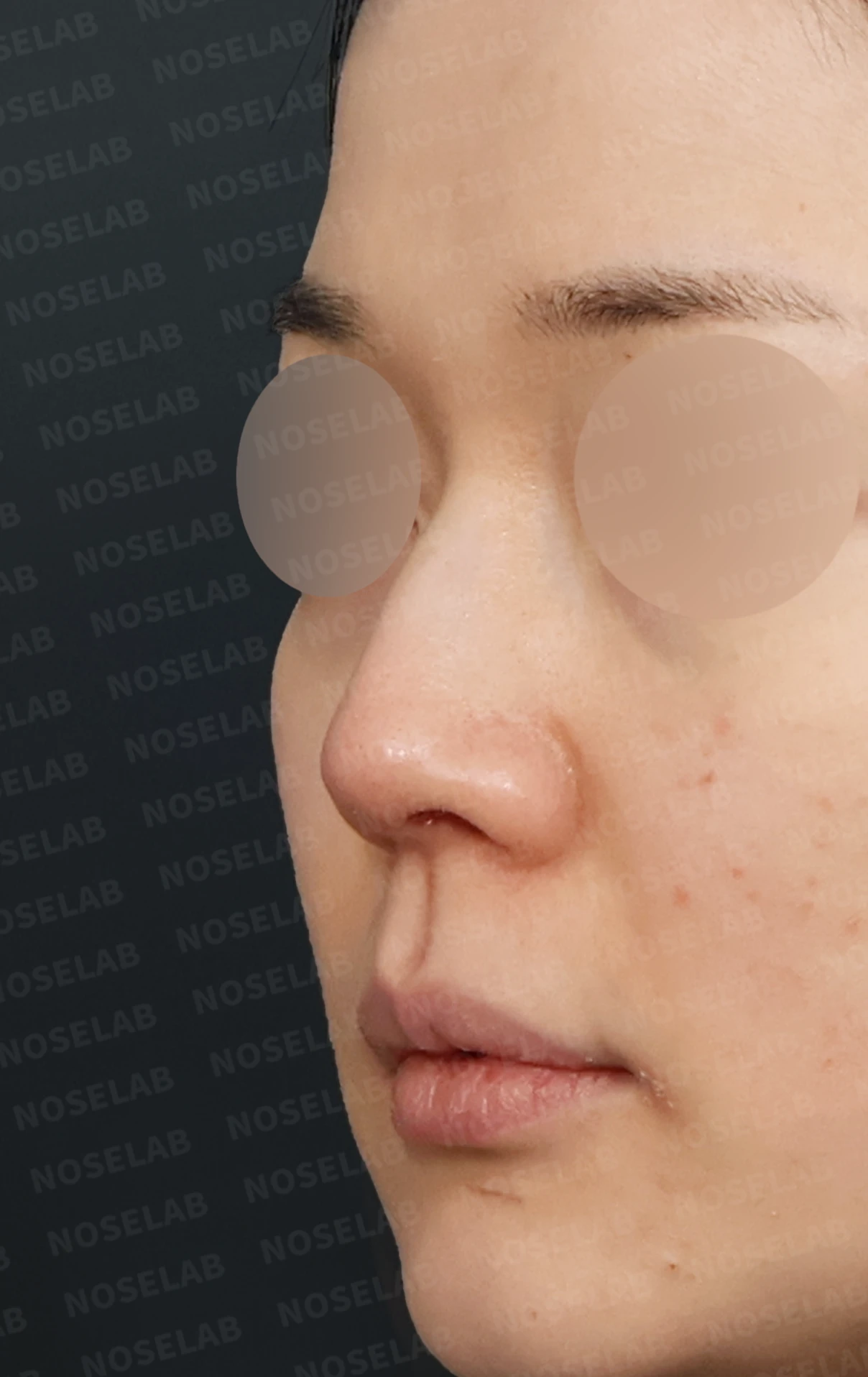
When viewed from the profile, the dorsal hump was prominent and the nasal tip drooped downward, giving the nose an elongated appearance. From the front, the tip appeared bulbous and blunt rather than defined, and the overall unrefined nasal line had been a long-standing concern.
Although there was no functional discomfort, the dorsal hump and drooping tip left the patient lacking confidence in profile views.
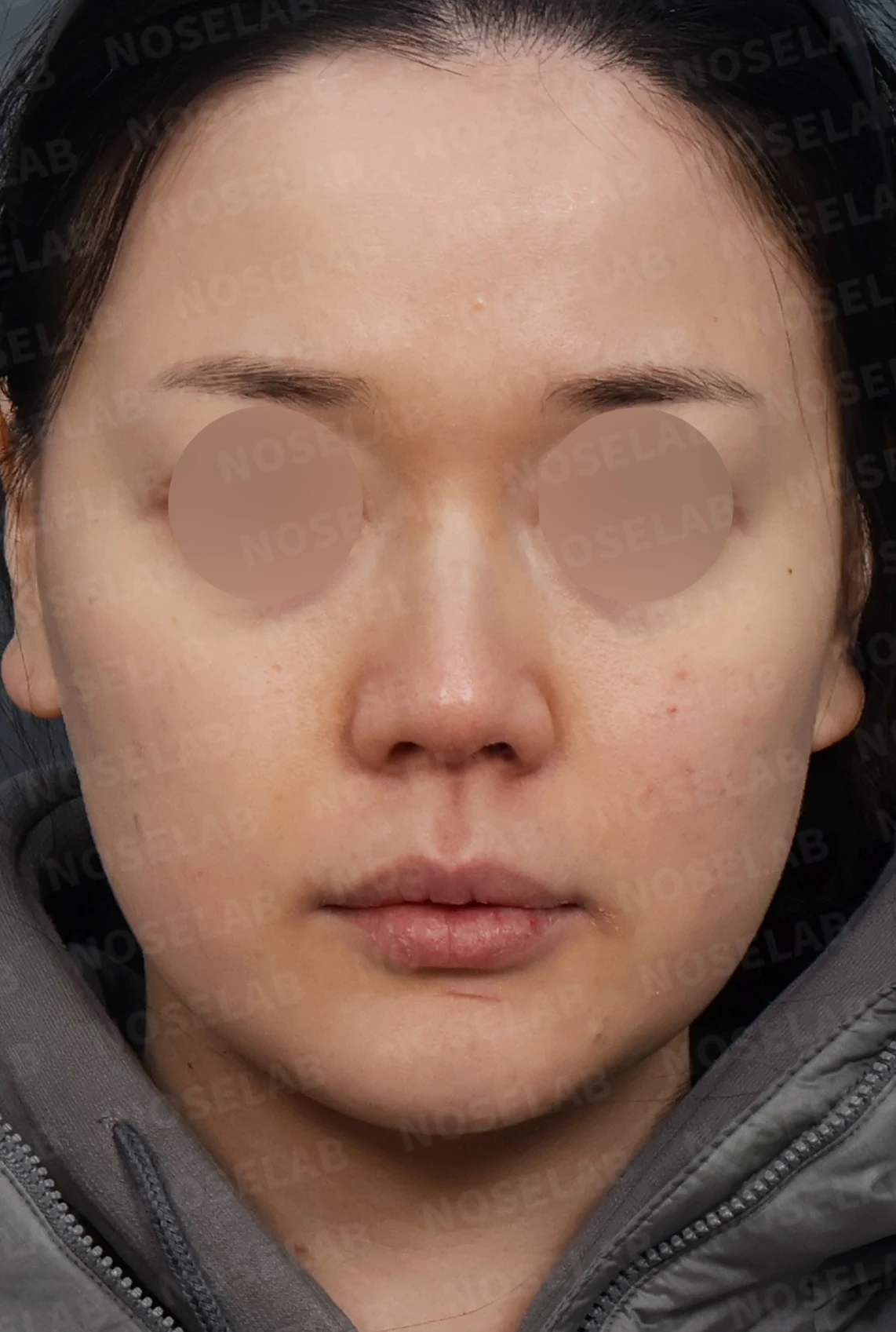
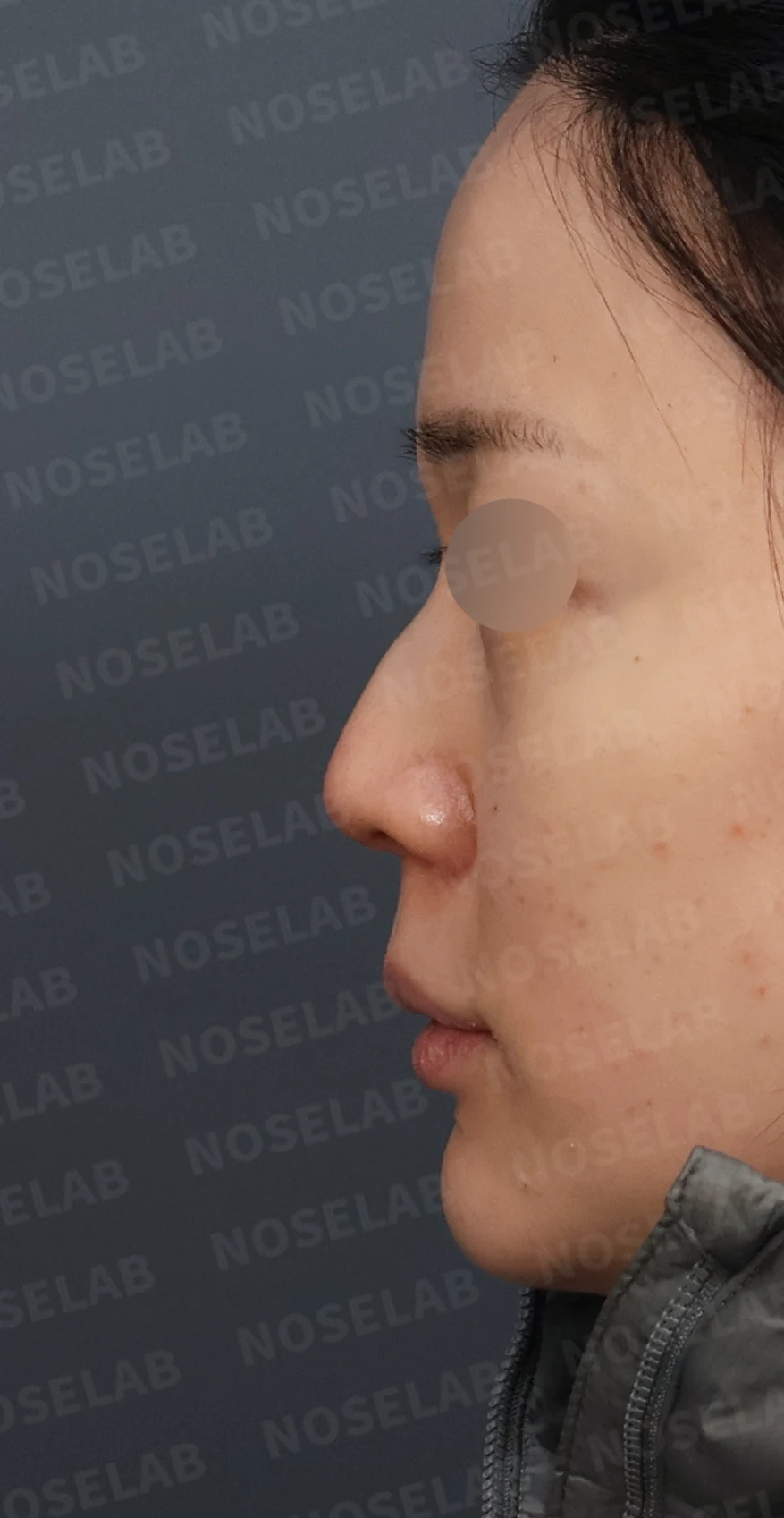
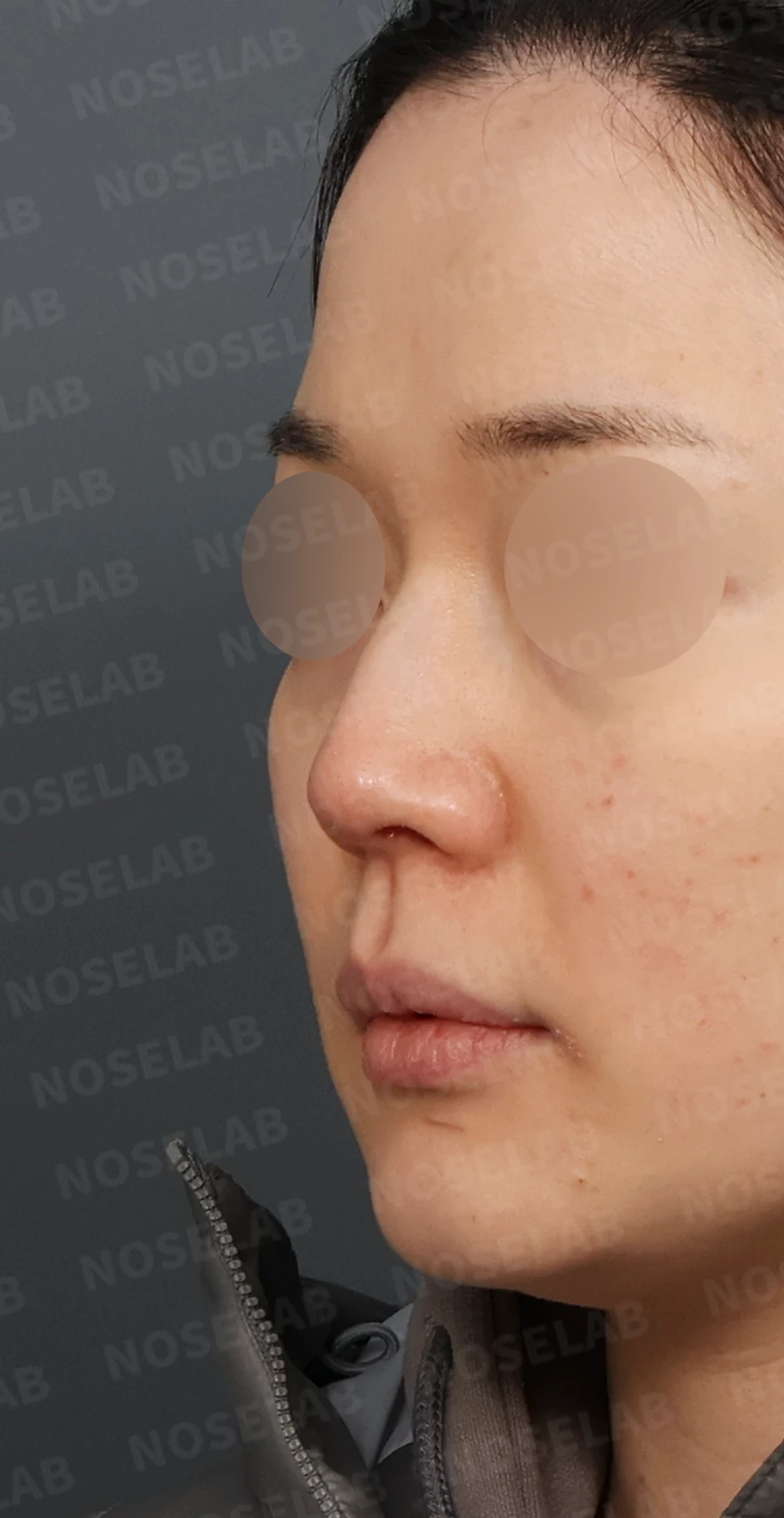
Front, left profile, and oblique views during design consultation.
💉 Patient requests
"Please smoothly refine the protruding dorsal hump."
"Please lift and project the nasal tip."
"I want a natural yet distinctly refined look."
Rather than an excessively high or artificial appearance, the patient wanted a well-defined nasal line that suited their facial features naturally.
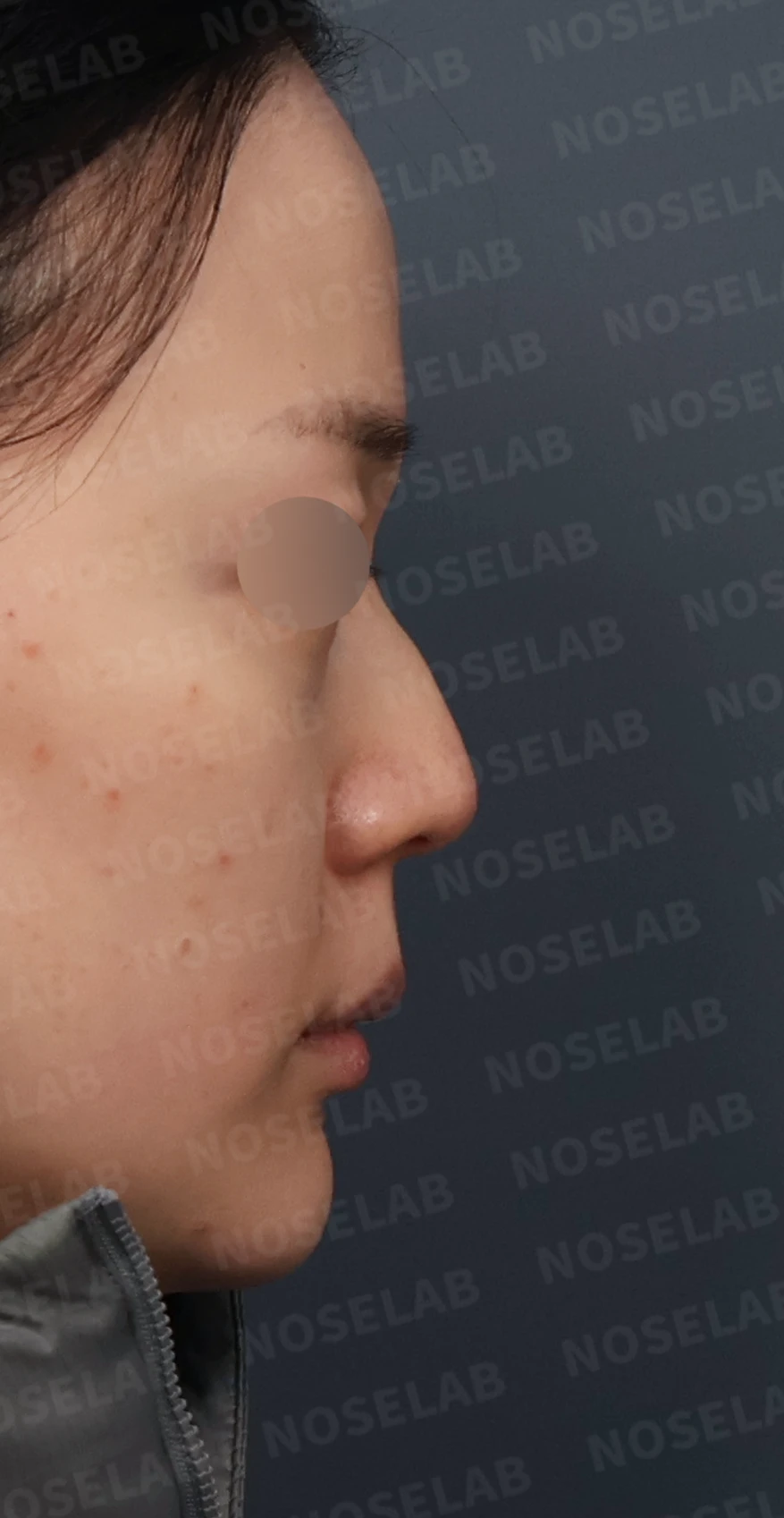
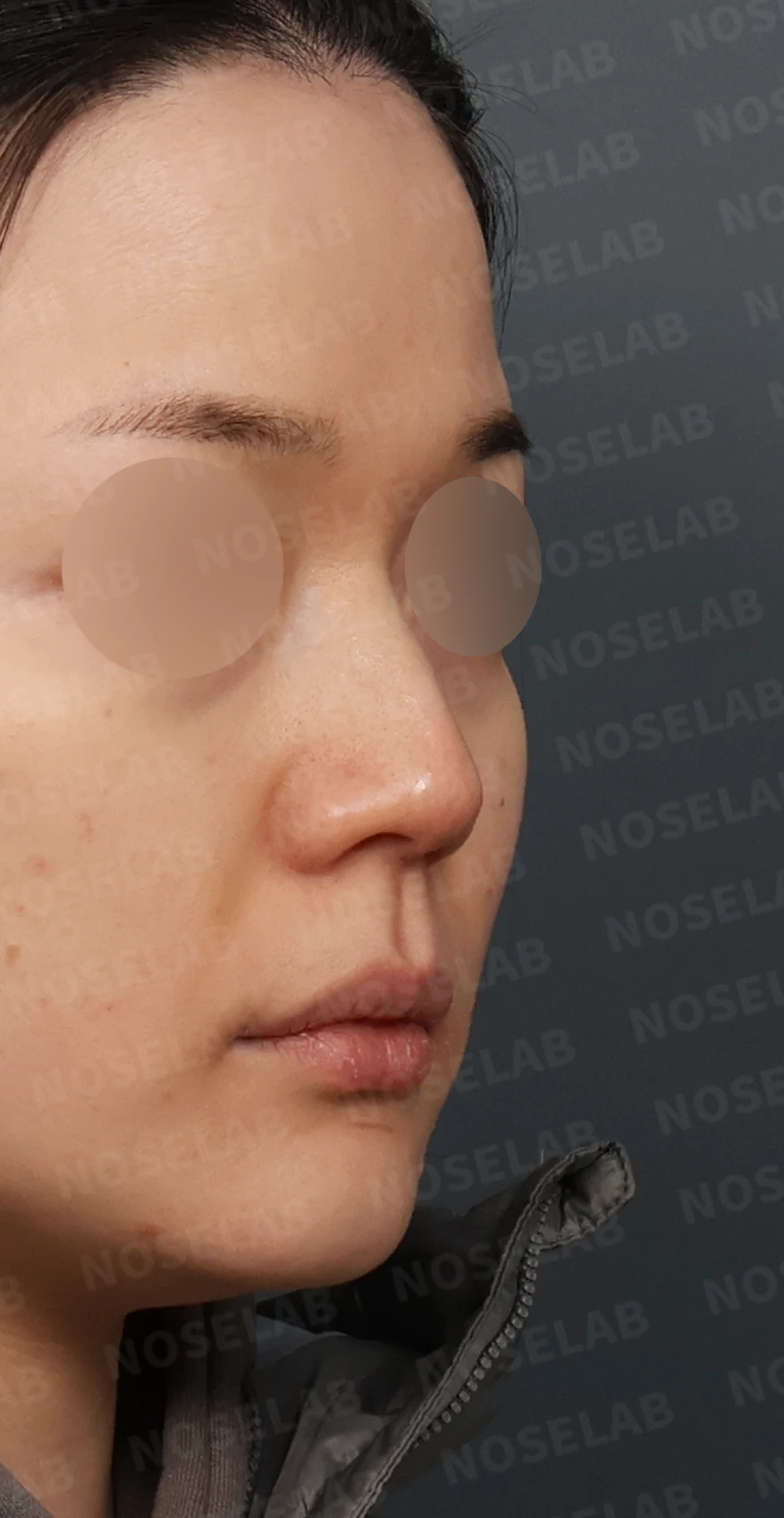
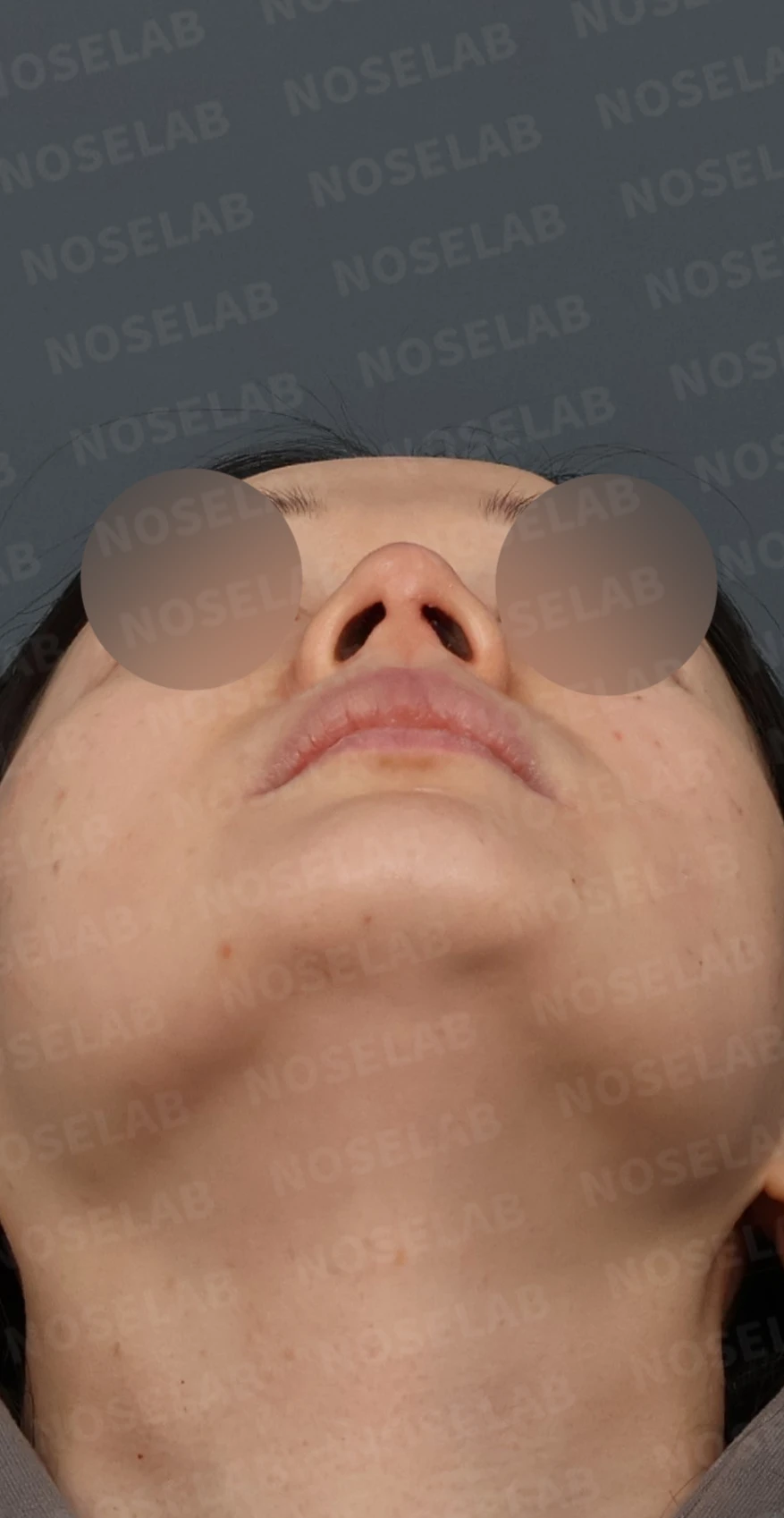
Right profile, oblique, and nostril views during design consultation.
🔧 Surgical plan and procedure
1. Nasal tip plasty using autologous rib cartilage
Securing nasal tip support using autologous tissue
Elevating the drooping tip to improve it into a refined shape
2. Hump reduction
Gently smoothing the convex protrusion on the nasal dorsum to create a sleek bridge line
Finely adjusting the dorsum to maintain a natural contour
3. Lateral osteotomy
Precisely performing osteotomy on the nasal bones to adjust the bridge width
Correcting the open roof deformity that occurs after hump resection
Achieving a sleek, defined bridge line when viewed from the front
4. Correction of nasolabial angle
Appropriately adjusting the angle between the nose and upper lip
Improving the impression of a drooping nasal tip
Creating a more refined profile silhouette
🌟 Surgical results
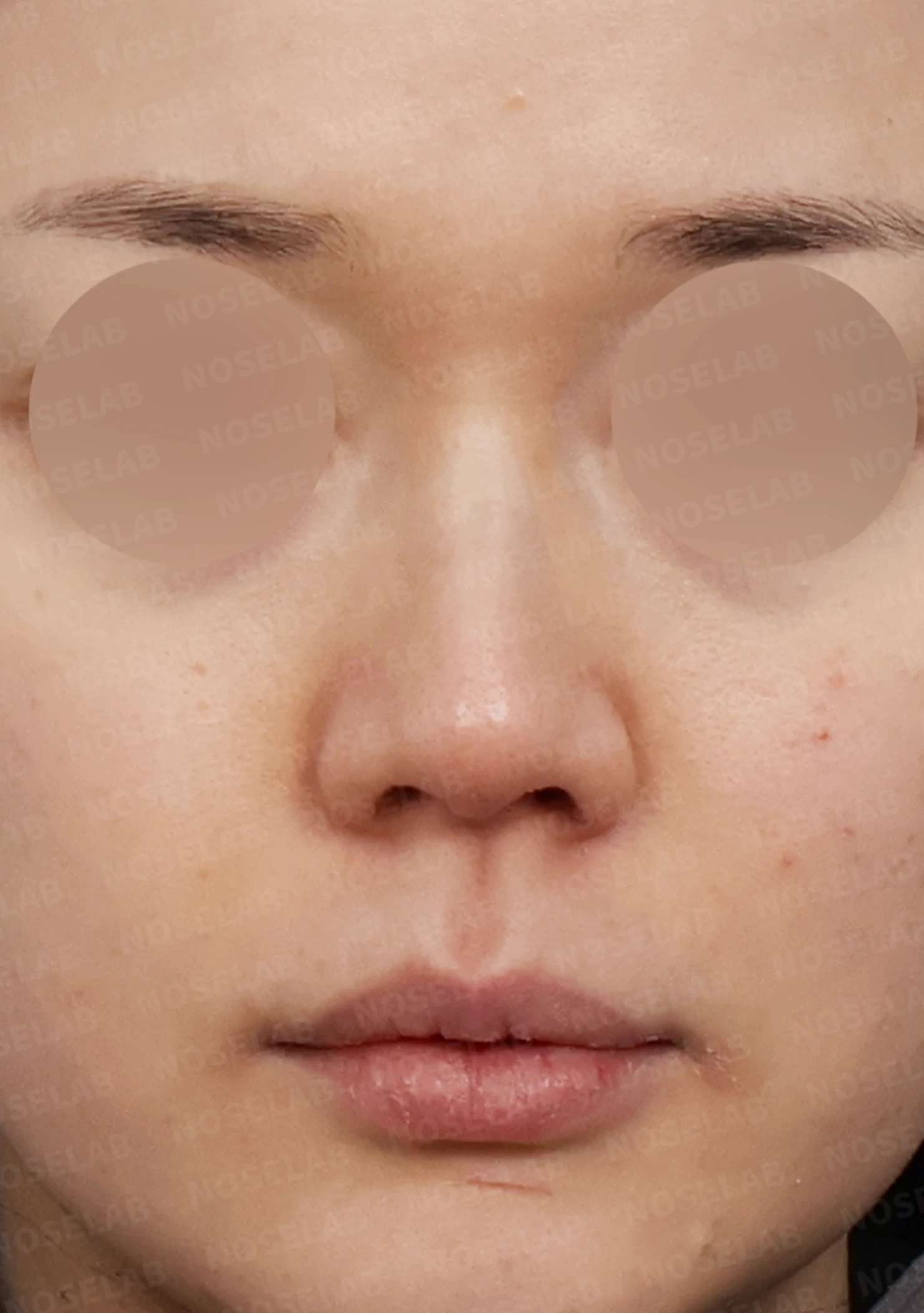
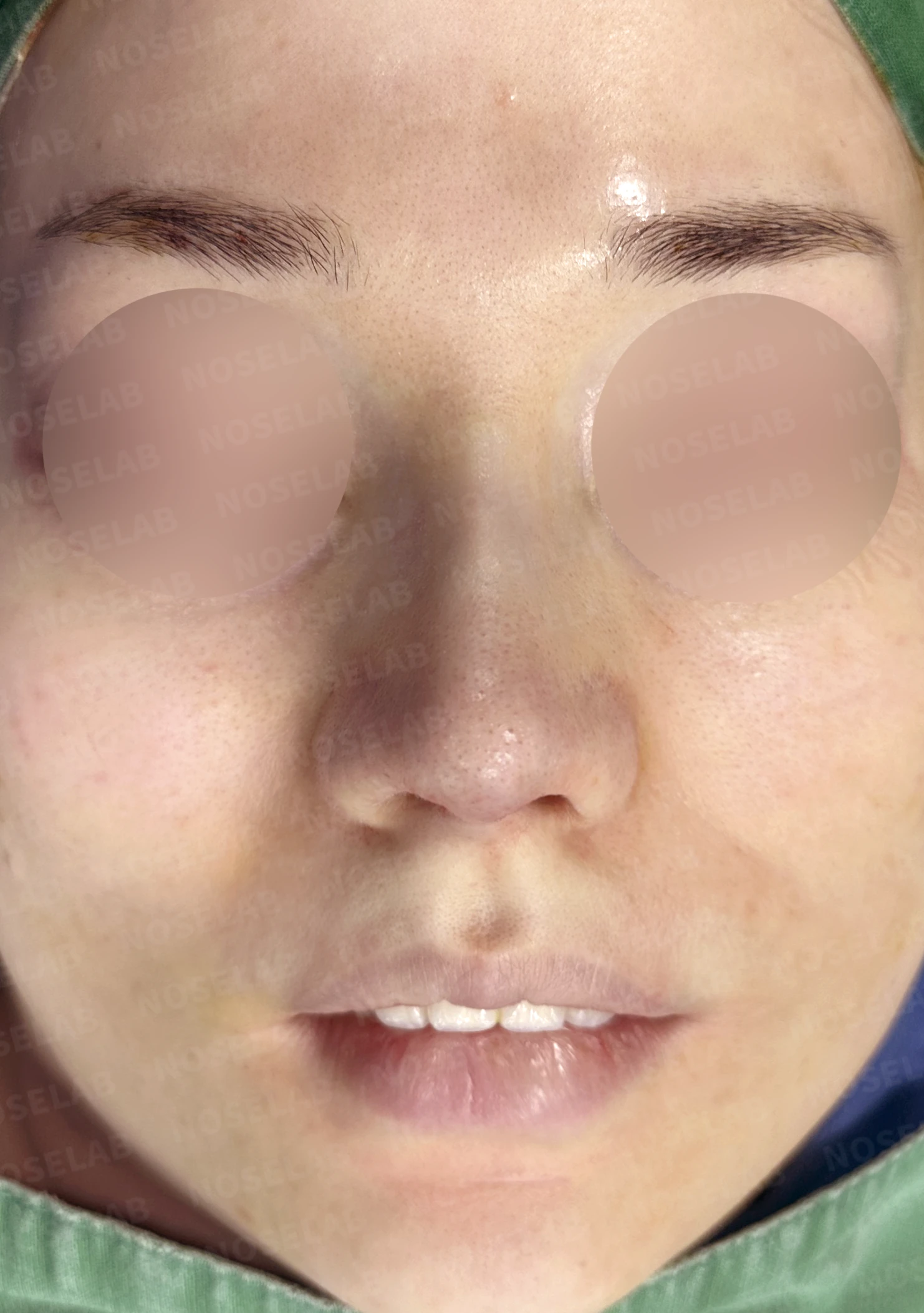
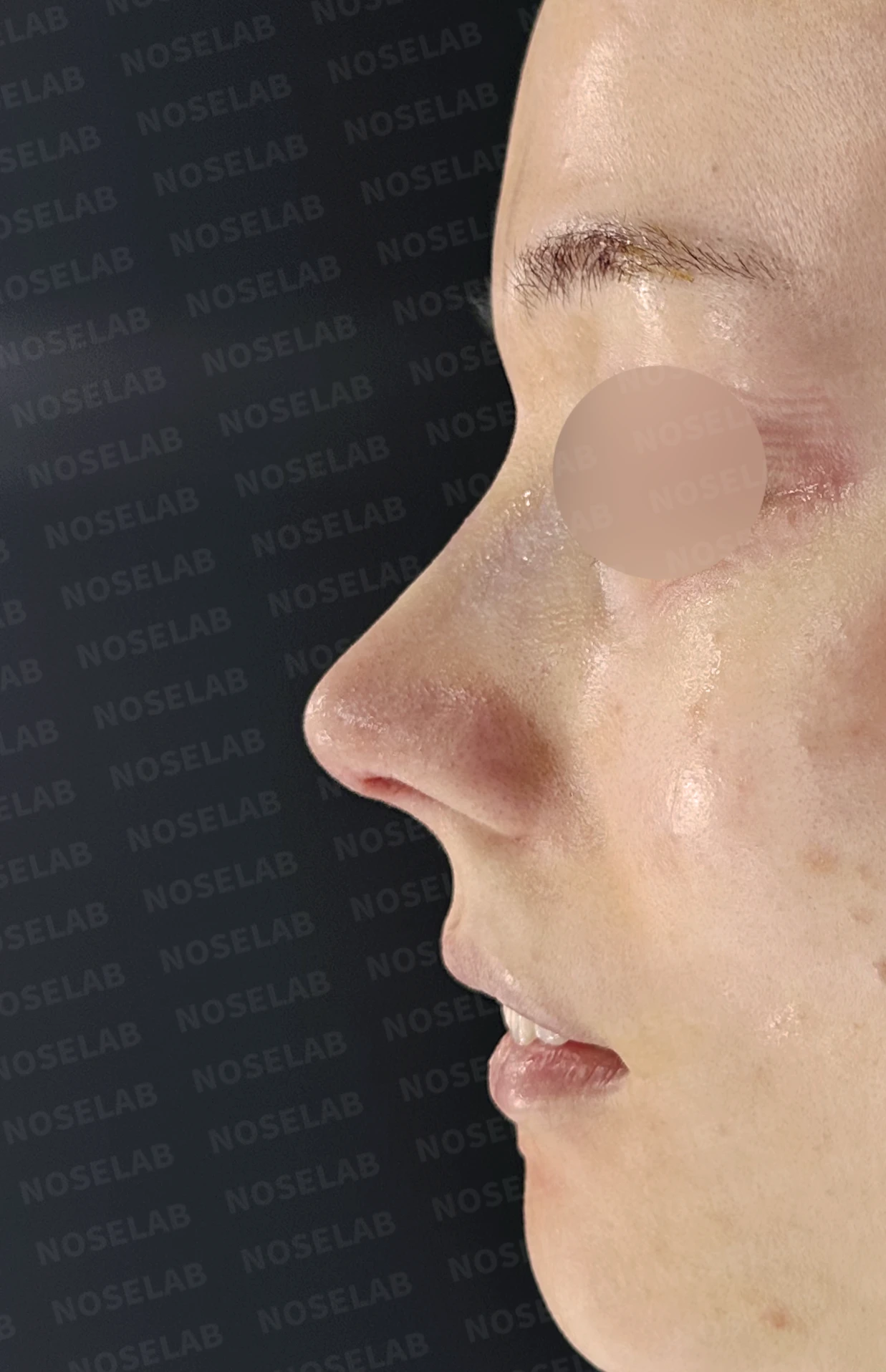
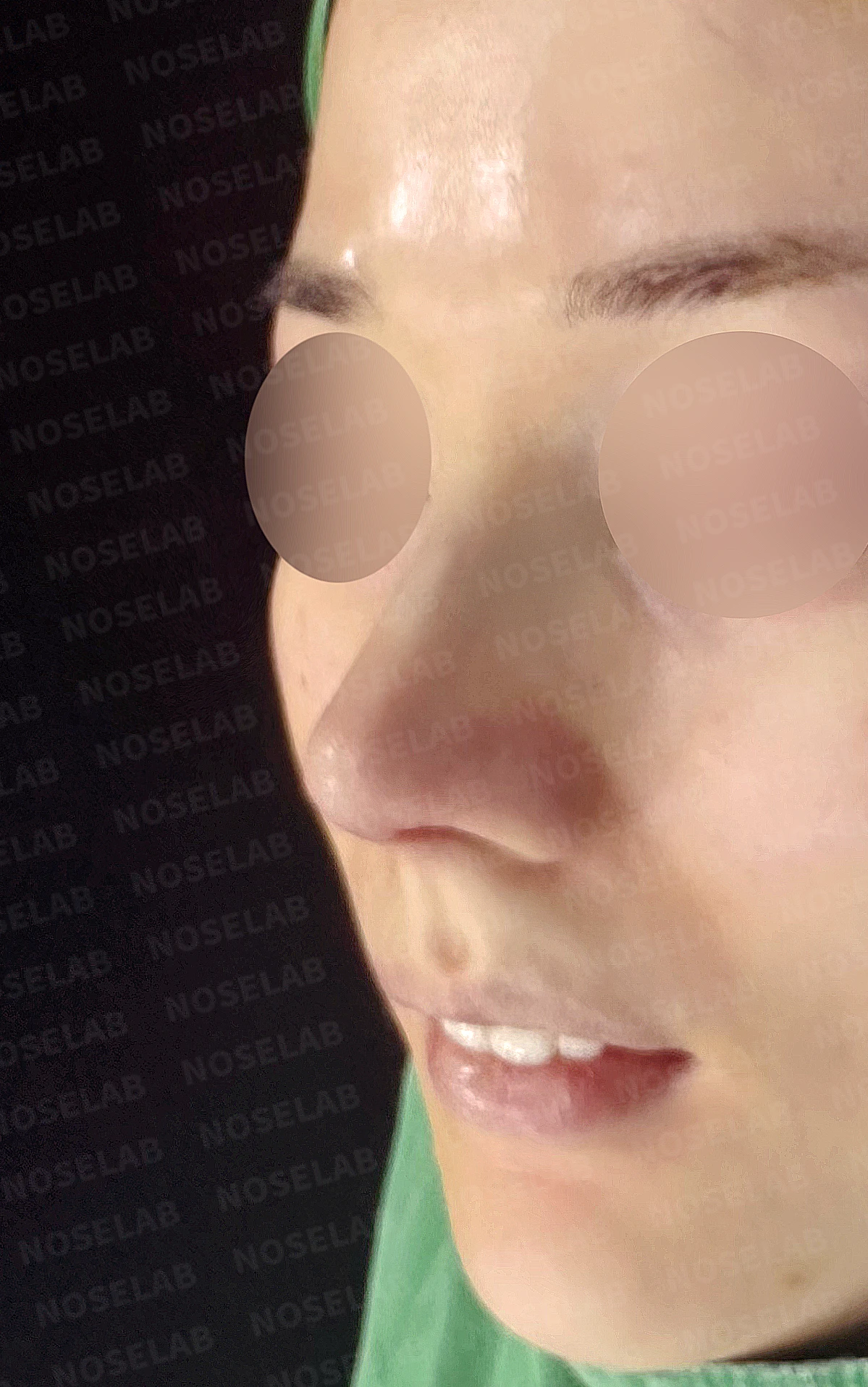
Before surgery / Day 0 immediately after surgery Photos taken immediately after surgery show swelling and may differ from the final result.
Front view changes:
The blunt nasal tip became projected and defined
The nasal bridge line became clearer, creating a sophisticated impression
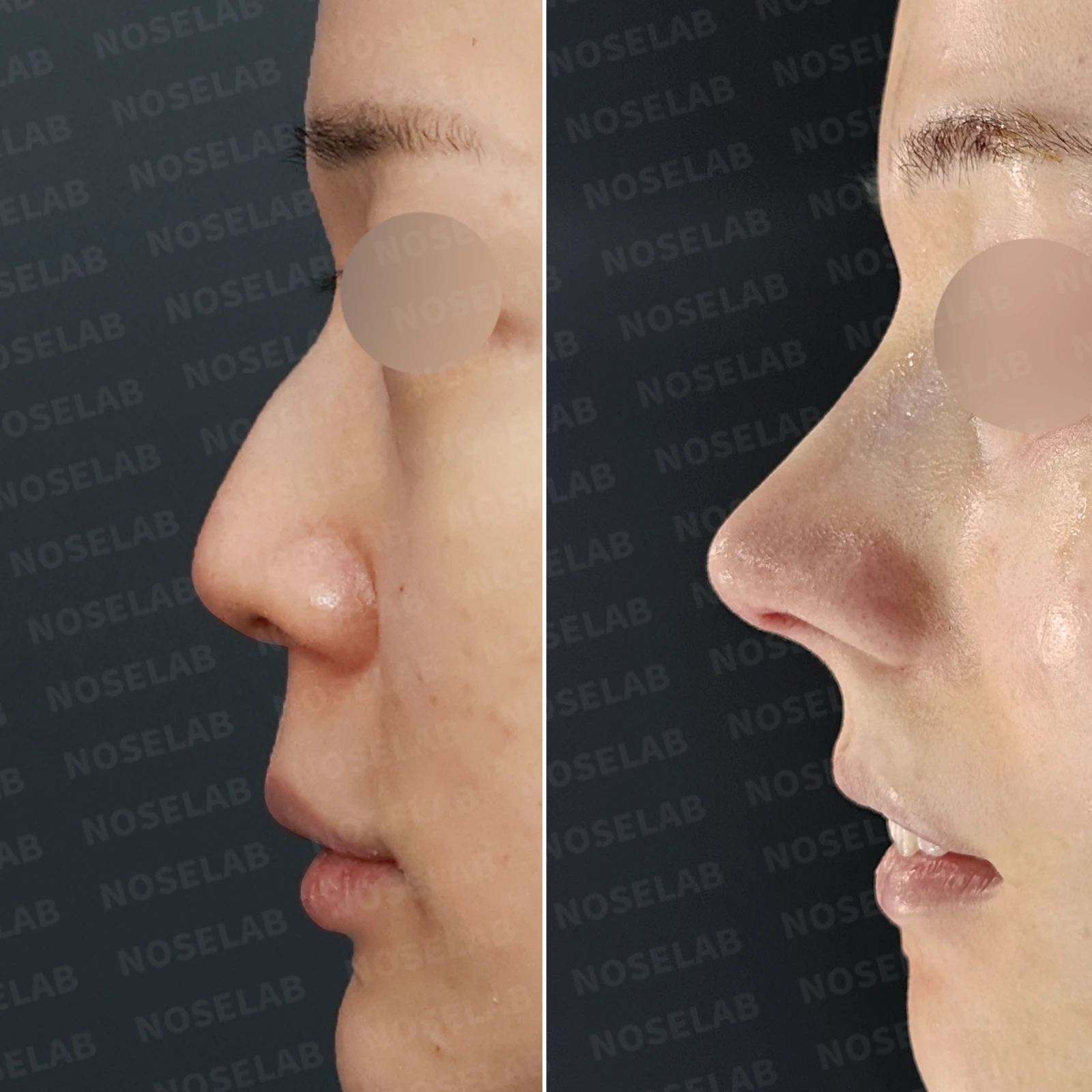
Before surgery / Day 0 immediately after surgery Photos taken immediately after surgery show swelling and may differ from the final result.
Profile view changes:
The dorsal hump was resolved, forming a smooth bridge line
The drooping tip was naturally lifted, presenting a distinct, elegant look
The nasolabial angle was improved, creating a brighter profile impression
Before surgery / Day 0 immediately after surgery Photos taken immediately after surgery show swelling and may differ from the final result.
Nostril view changes:
As the tip was elevated, nostril show was appropriately adjusted
An overall balanced nasal shape was achieved
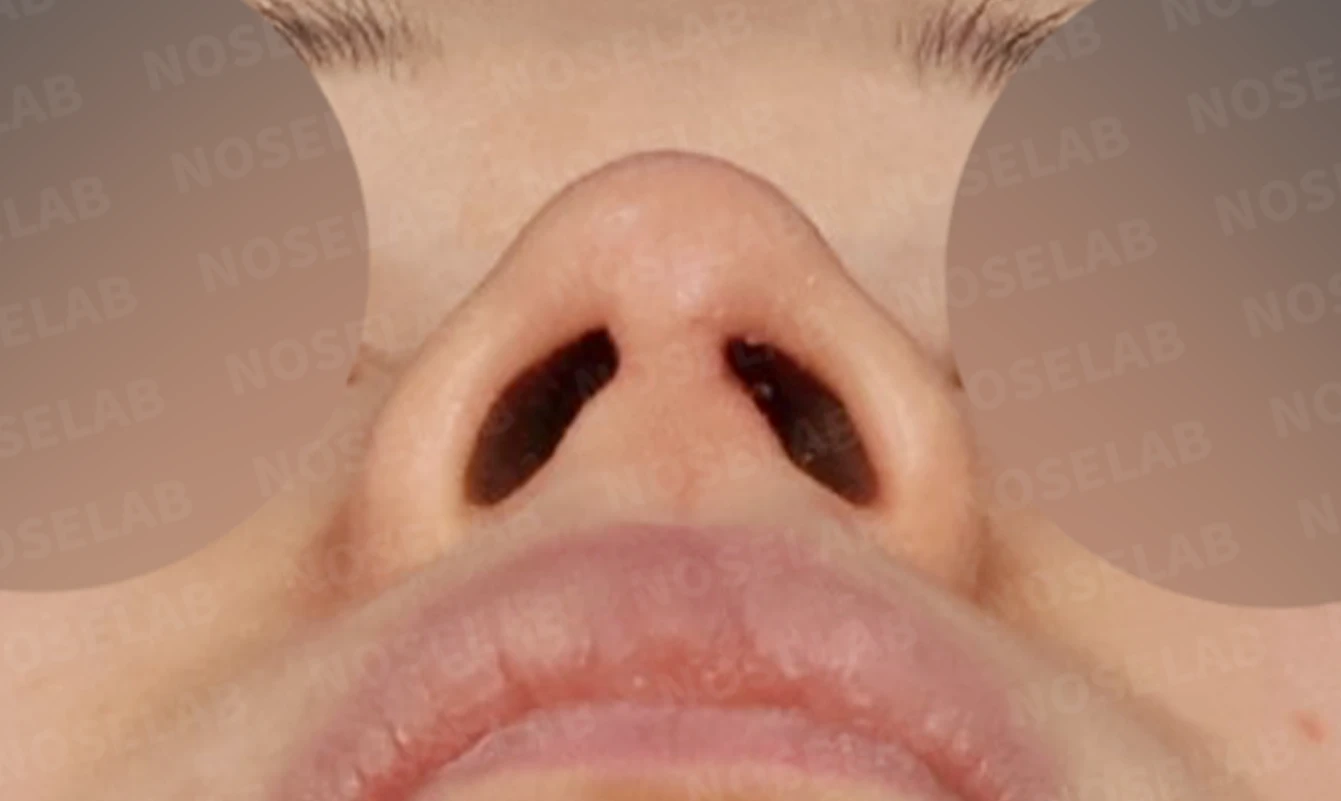
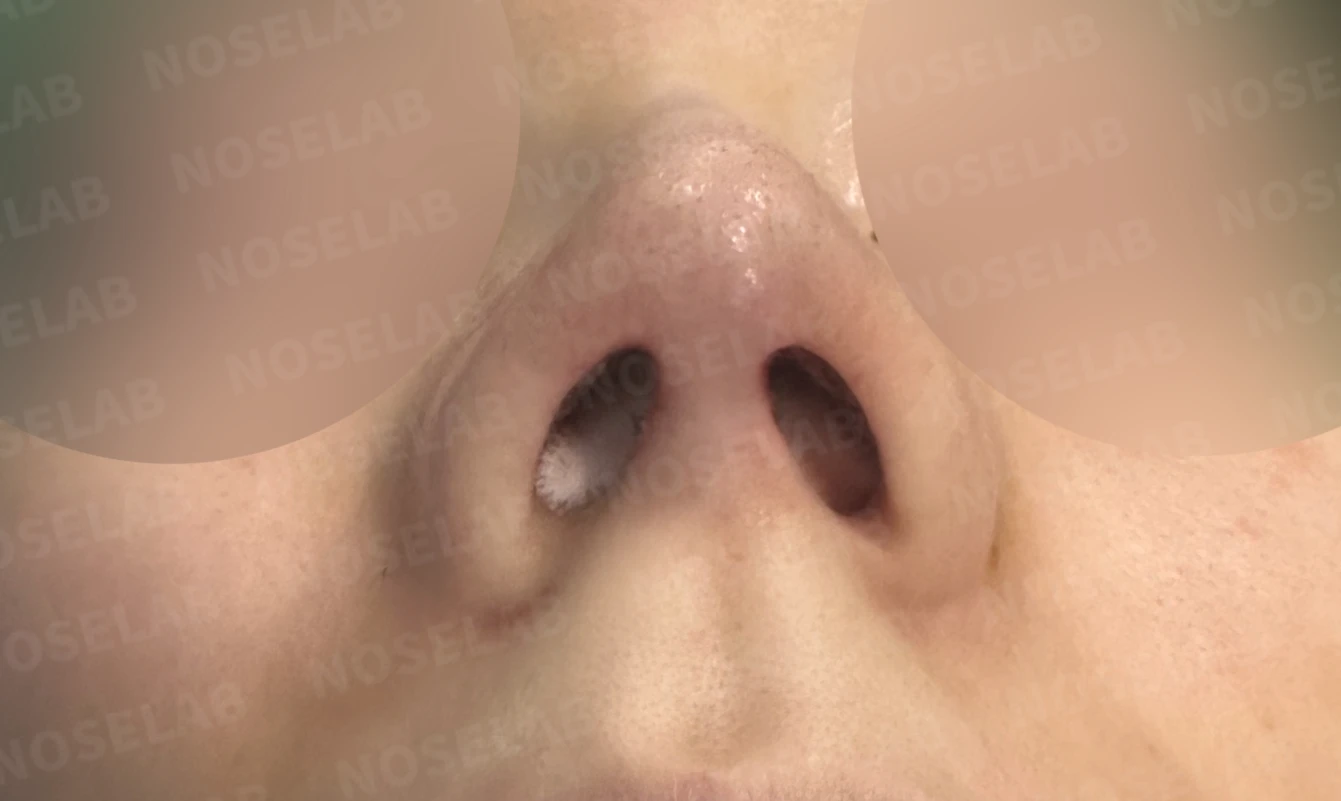
Before surgery / Day 0 immediately after surgery Photos taken immediately after surgery show swelling and may differ from the final result.
🌟 Surgical results
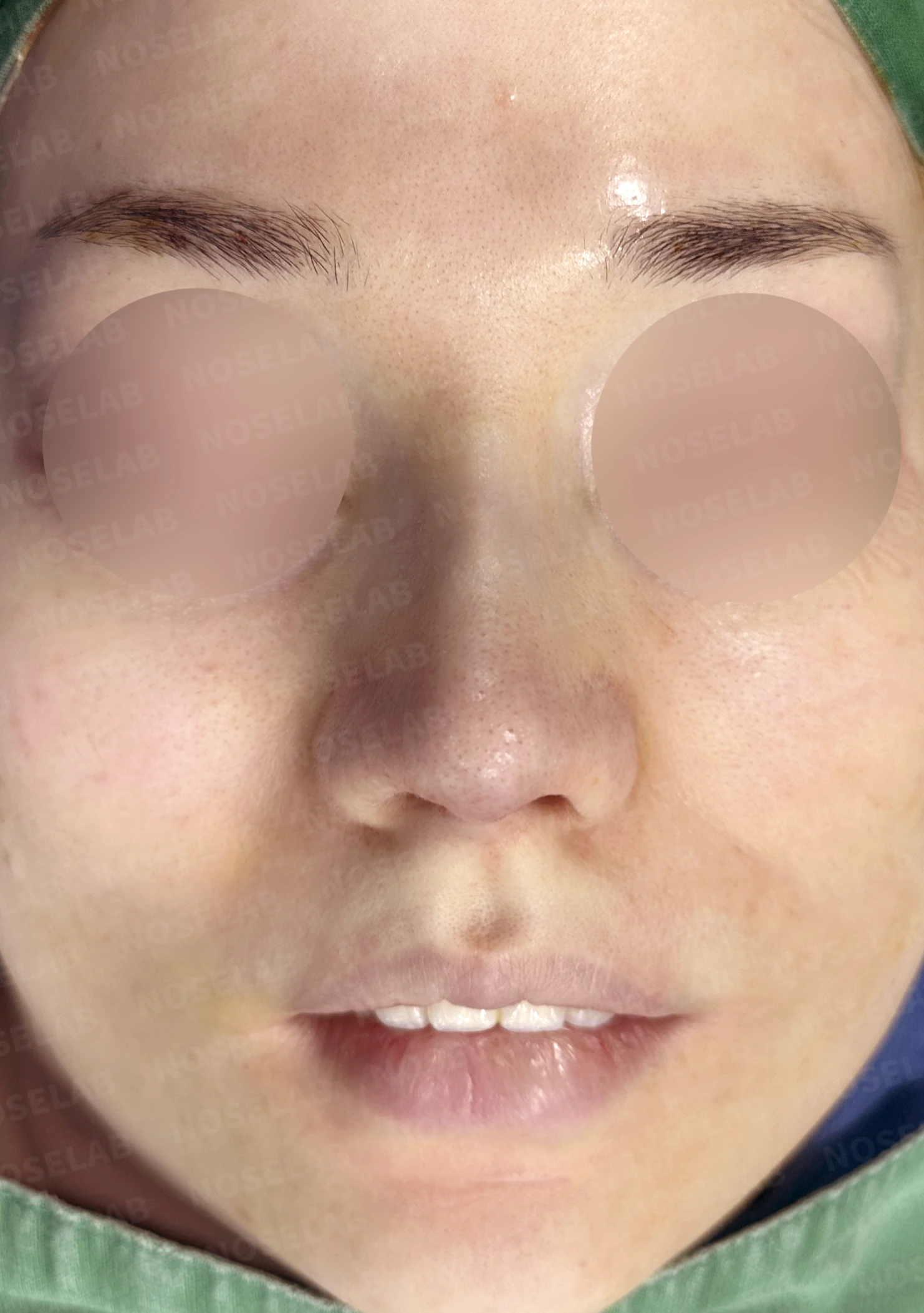
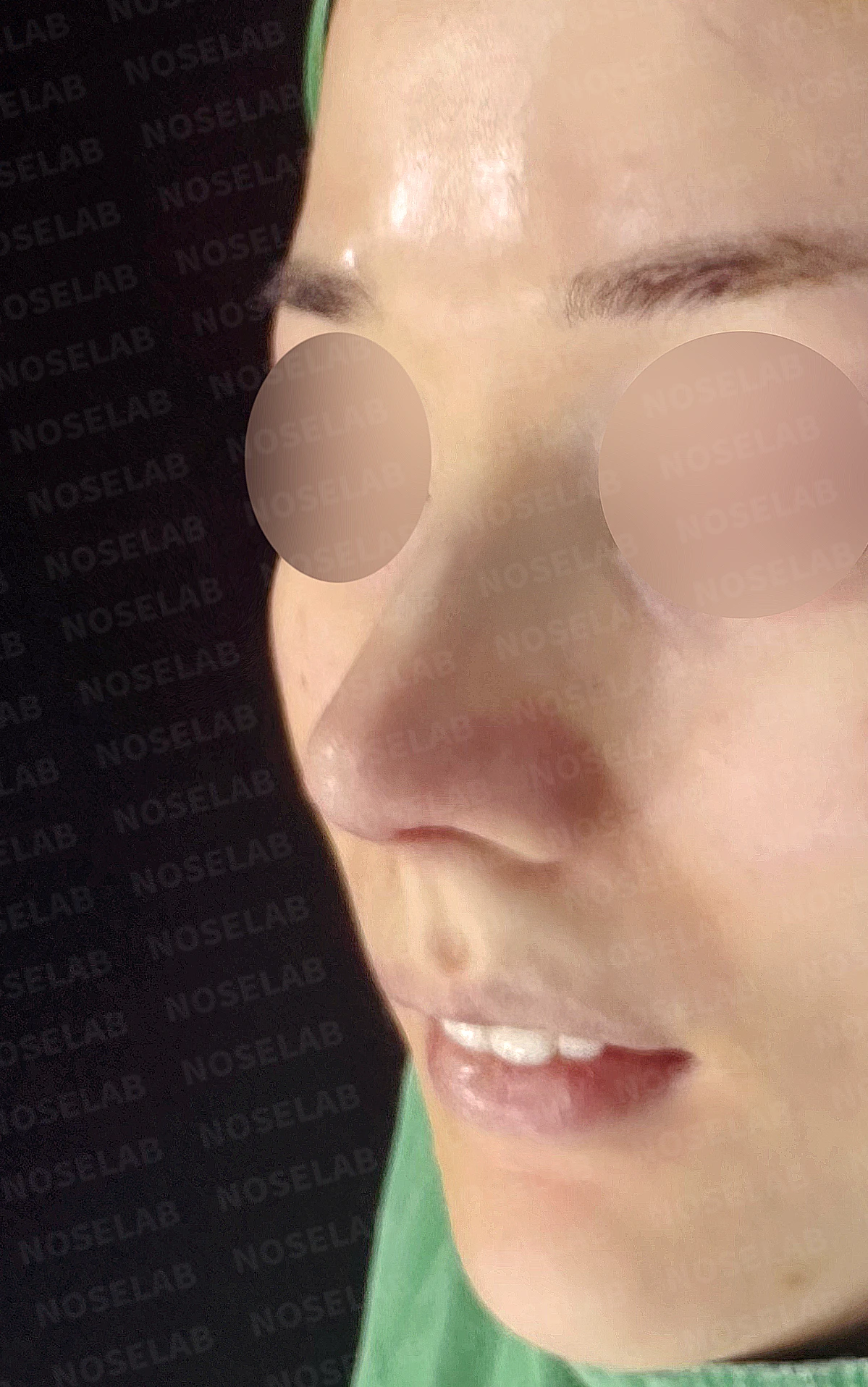
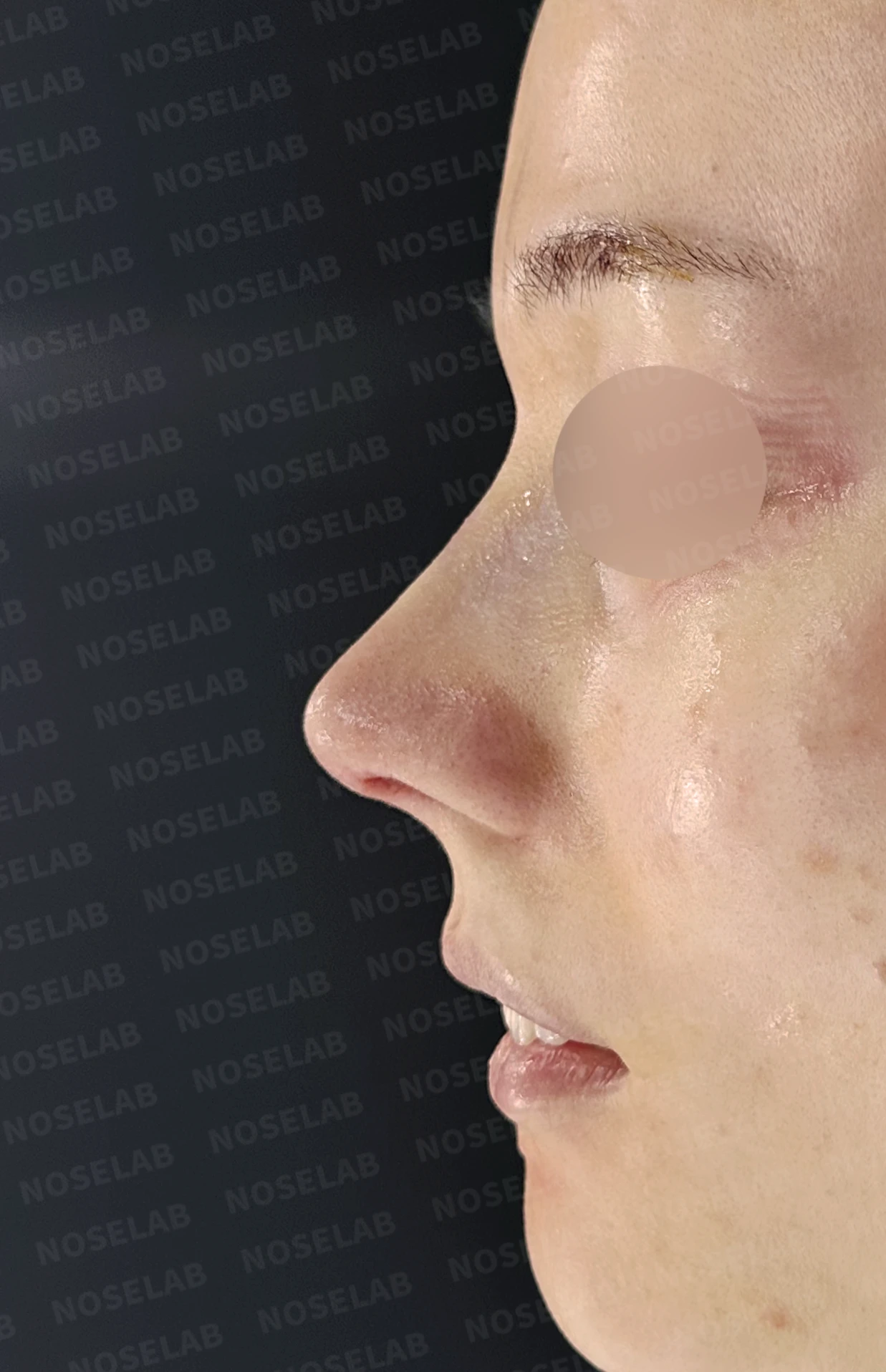
Front, oblique, and profile views on day 0 immediately after surgery. Photos taken immediately after surgery show swelling and may differ from the final result.
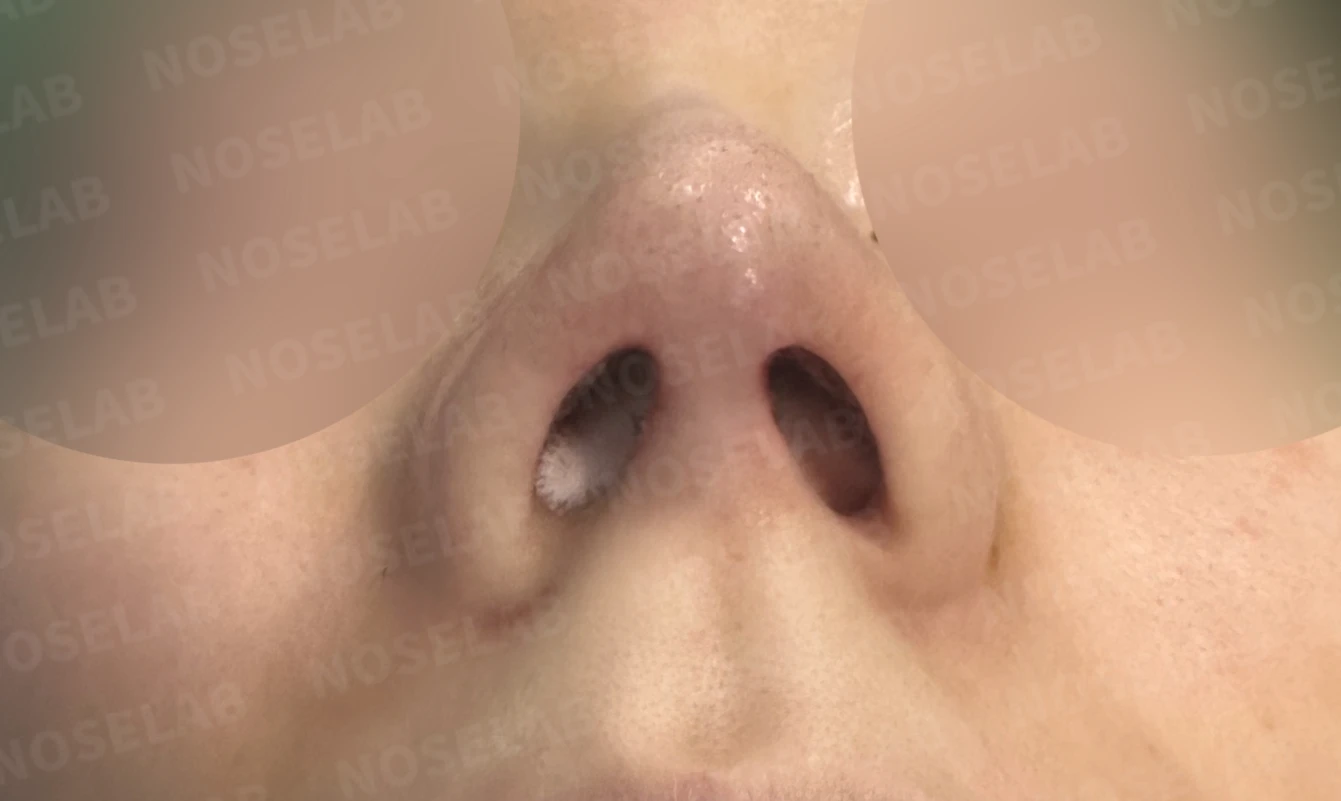
Nostril view on day 0 immediately after surgery. Photos taken immediately after surgery show swelling and may differ from the final result.
Dorsal hump correction cannot be completed simply by shaving down the protruding area. Because a gap opens between the nasal bones after removing a hump, osteotomy is necessary to bring the bridge width together properly.
In cases like this where a dorsal hump is accompanied by a drooping tip, it is particularly important to establish a solid support framework for the tip before balancing the overall line. Using autologous rib cartilage provides strong structural support with body-friendly tissue, helping to maintain a stable shape over time.
In this type of case, performing hump reduction, osteotomy, tip plasty, and nasolabial angle correction together allowed us to achieve a natural yet distinct nasal contour. I hope this case serves as a helpful reference for those with similar concerns.
This was Dr. Peter C. Kang. Thank you.

#dorsalhumpcorrection #dorsalhumprhinoplasty #droopingtipcorrection #closedrhinoplasty #autologousribcartilagerhinoplasty #osteotomy #nasolabialanglecorrection
Limitations and risks
When autologous rib cartilage is used, scarring and pain may remain at the donor site on the chest, and pneumothorax (pleural injury) can occur rarely. Over time, the grafted cartilage may warp or undergo partial resorption.
Common potential risks include infection, bleeding, asymmetry, scarring, skin necrosis, and insufficient improvement; results vary depending on individual skin condition and previous surgical history.