Hello, I am Dr. Peter C. Kang.
Today, I would like to introduce the case of a patient who underwent revision rhinoplasty after having previously received surgery using mesh in the nasal bridge and nasal tip.
In this type of case, the patient had undergone surgery in November 2022 using mesh throughout the nasal bridge and nasal tip, but was dissatisfied with the outcome and visited our clinic.
1. Preoperative design consultation
Patient's requests:
- Lowering the radix
- Correcting the crooked nose
- Correcting the dorsal hump
- Creating a natural nasal tip that is not overly sharp
- Implant-free rhinoplasty
Analysis of preoperative condition:
Front view:
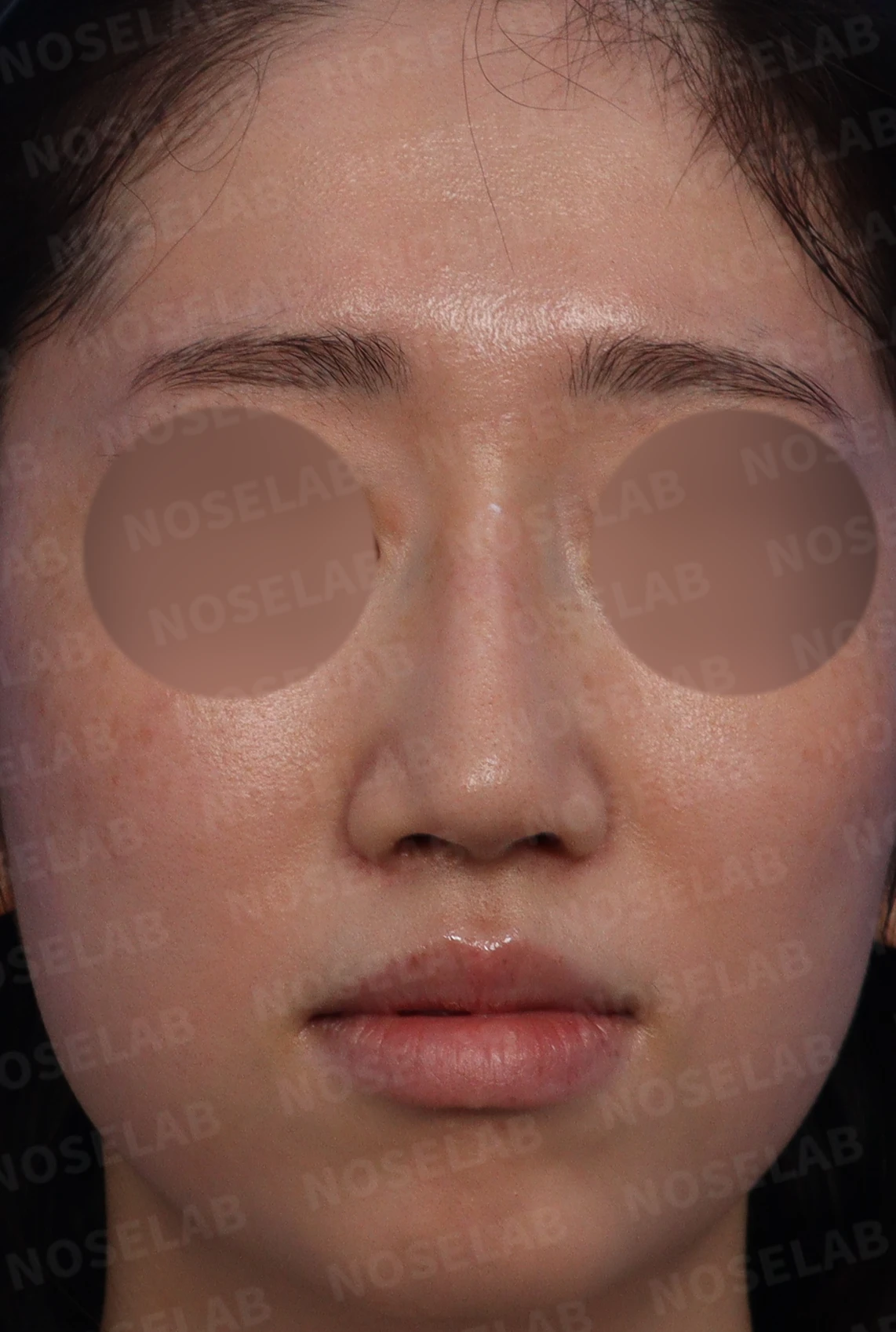
Front view
- Crooked nasal bridge
- The radix is high
- The nasal tip appears flared
- Overall unbalanced appearance
Profile view:
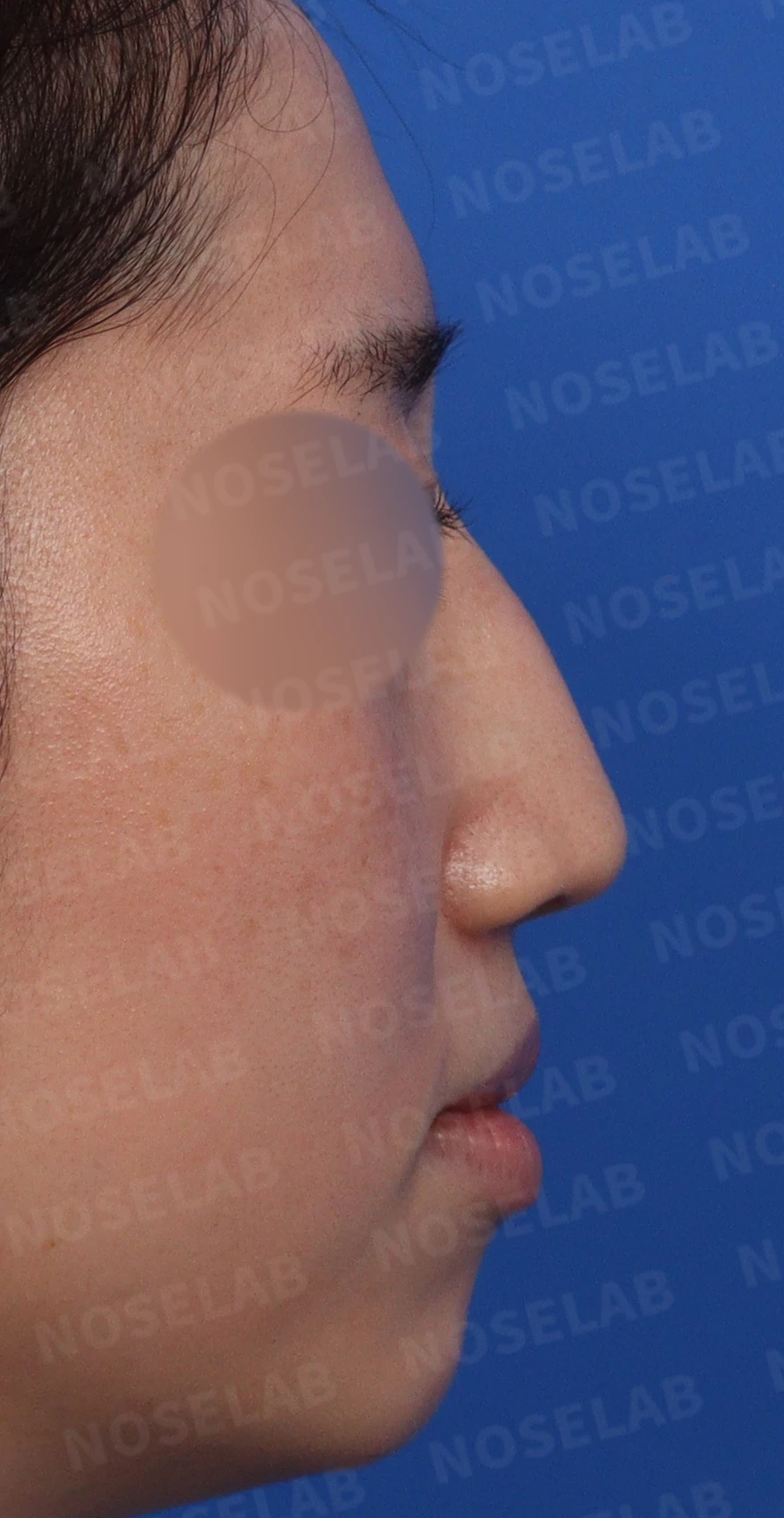
Profile view
- Distinct dorsal hump
- Findings of a protruding mouth are observed
- The nose appears long overall
Oblique view:
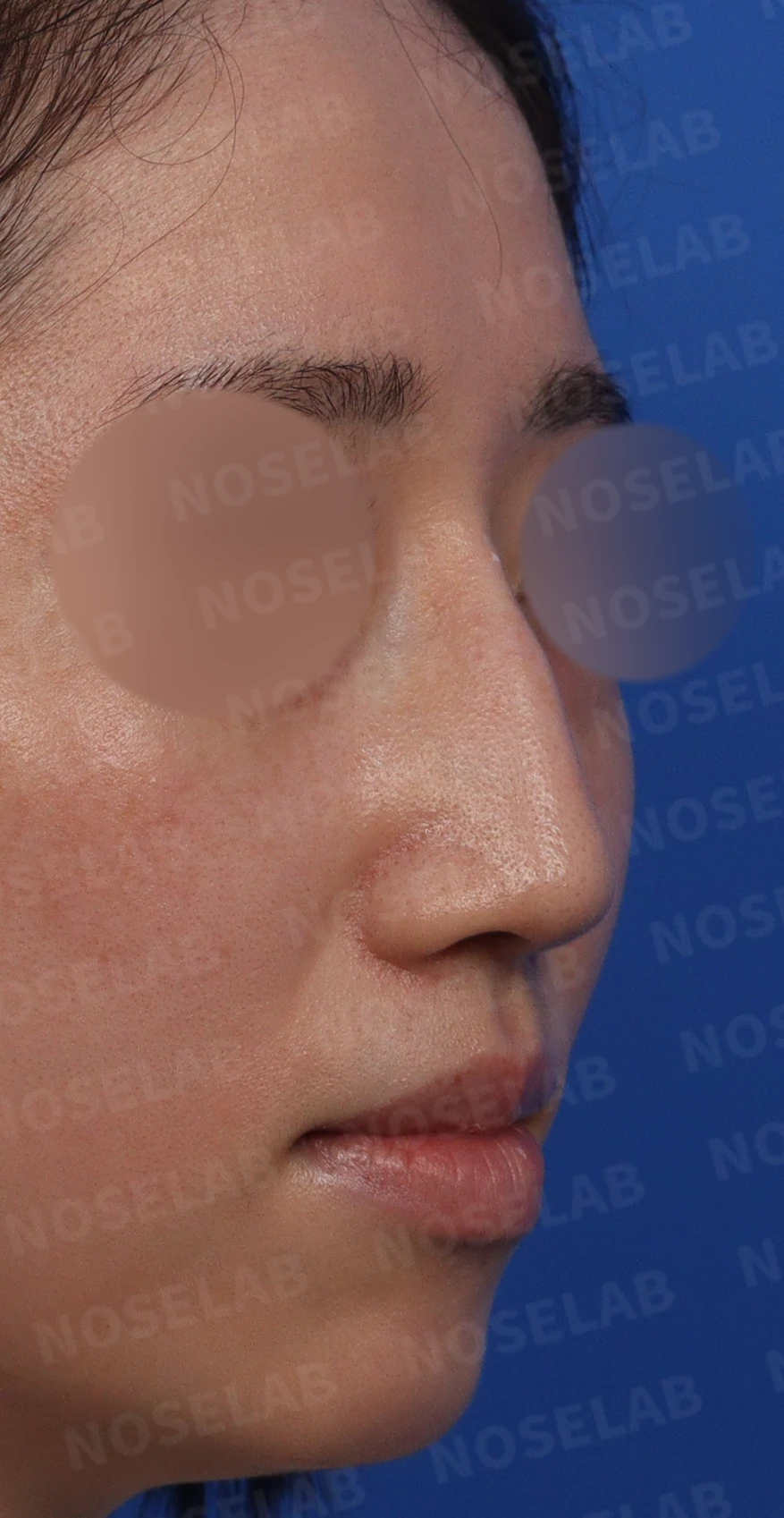
Oblique view
- More prominent dorsal hump appearance
- The nose appears long
- Signs of a protruding mouth are evident
Nostrils:
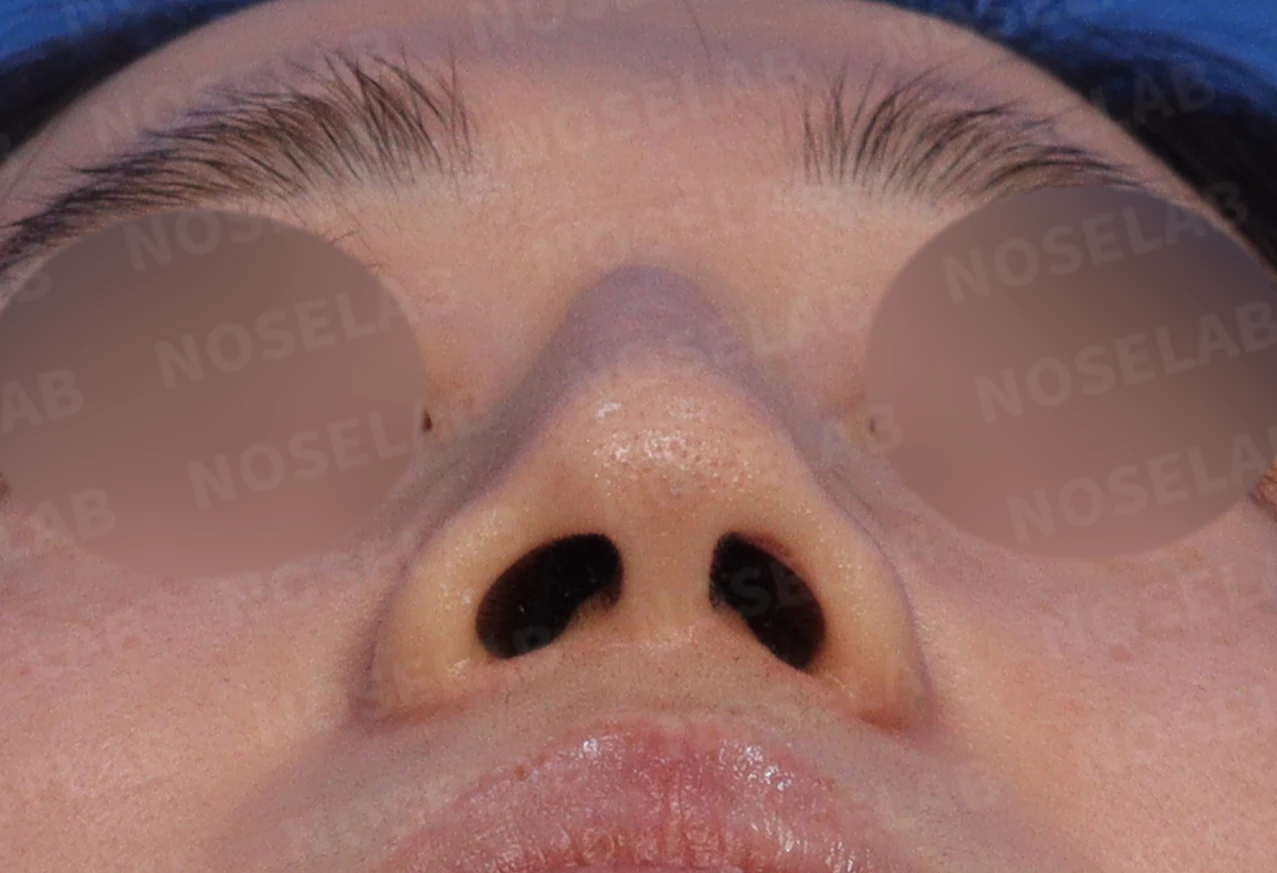
Basal (nostril) view
- Nostril asymmetry observed
- Nasal tip appears pressed toward the left
2. Surgical plan
Taking into account the patient's condition and requests, the following surgical plan was established:
a) Removal of existing foreign materials (mesh, threads)
b) Dorsal hump reduction
c) Correction of the crooked nose via lateral osteotomy
d) Nasal tip reconstruction using autologous rib cartilage
e) Nasal bridge contouring using autologous rib cartilage
f) Lowering the radix
g) Correction of the nasolabial angle
3. Surgical procedure
The following procedures were performed using a closed approach:
a) Foreign material removal:
- The mesh and threads in the nasal bridge and nasal tip were carefully removed.
- The removed foreign materials were shown to the patient.
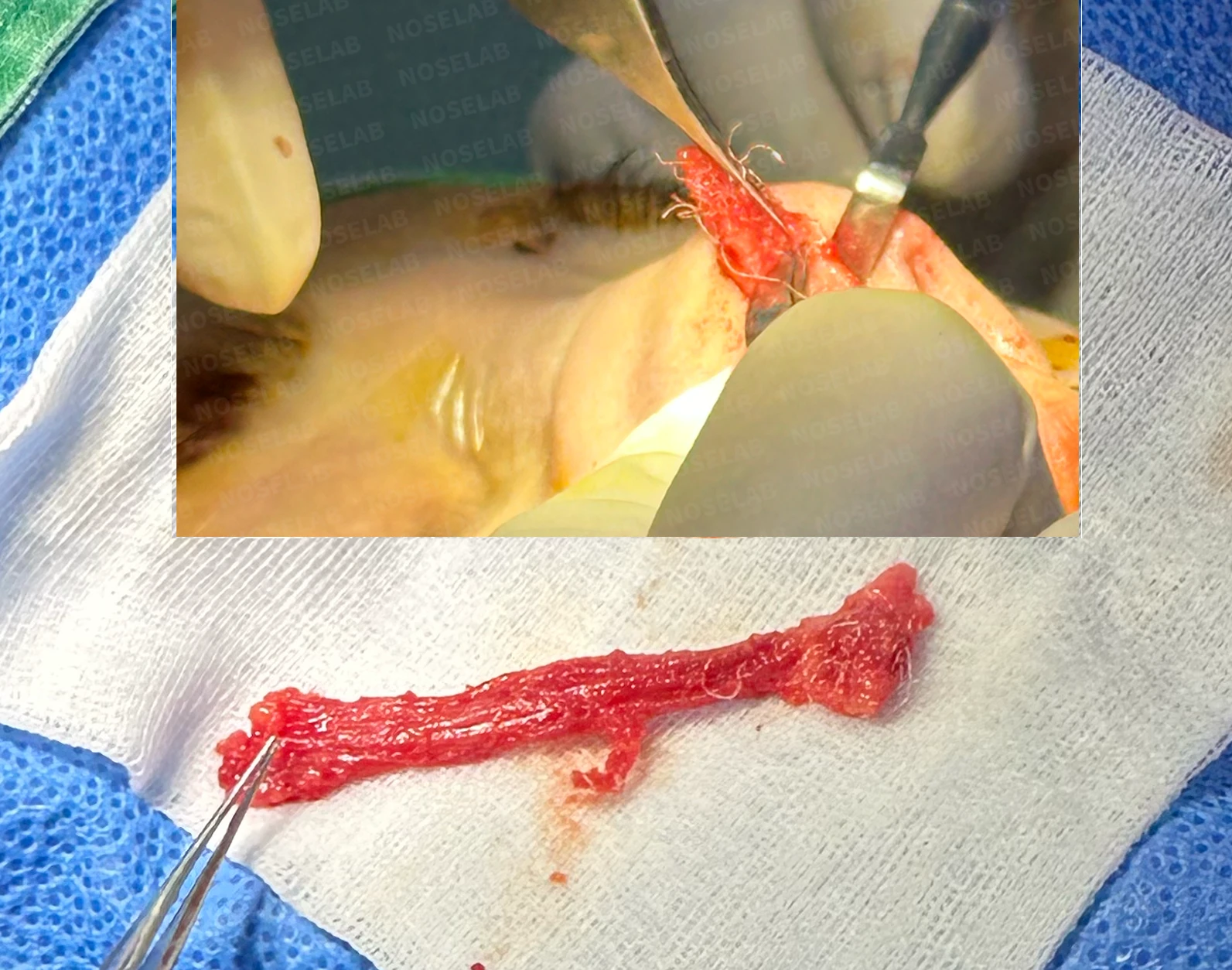
Photo of the removed foreign materials (mesh and threads).
b) Dorsal hump reduction:
- The excessively prominent dorsal hump was delicately contoured.
c) Lateral osteotomy:
- Precise osteotomy was performed to straighten the crooked nose.
d) Autologous rib cartilage harvest and grafting:
- The patient's rib cartilage was harvested to secure an adequate amount of cartilage for nasal reconstruction.
- Nasal tip reconstruction: Autologous rib cartilage was used to project the nasal tip. As requested by the patient, a natural, non-pointed shape was achieved.
- Nasal bridge contouring: Autologous rib cartilage was used to naturally build up the line of the nasal bridge.
e) Lowering the radix:
- The excessively high radix between the eyebrows was appropriately lowered to balance the overall nasal length.
f) Correction of the nasolabial angle:
- The columella was slightly lowered to naturally correct the nasolabial angle.
All procedures were performed using a closed approach, completing the surgery without external scars.
4. Comparison of before-and-after photos
Comparing photos taken immediately after surgery on day 0 shows the following improvements: Photos taken immediately after surgery show swelling and may differ from the final result.
Front view:
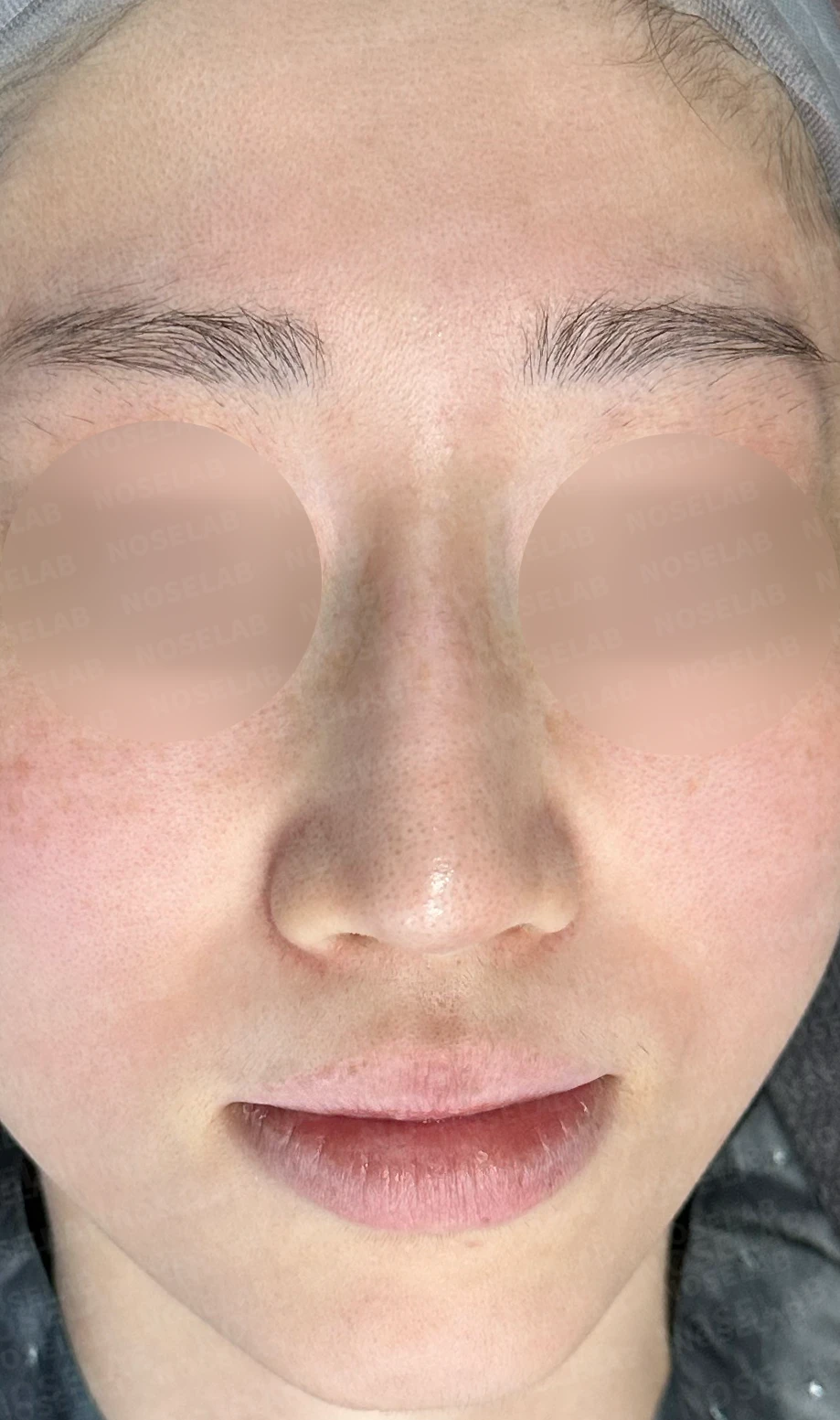
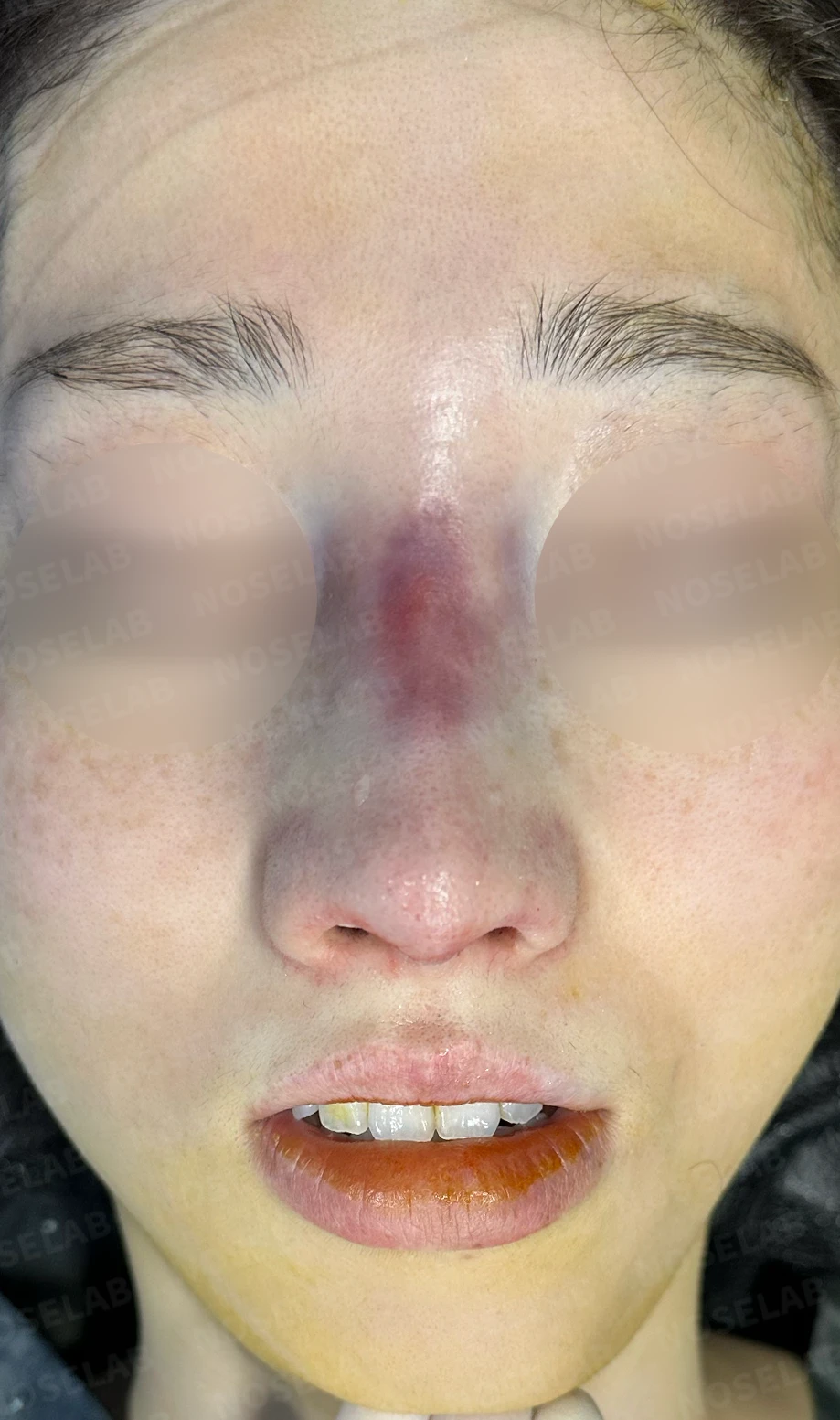
Before surgery / Day 0 immediately after surgery Photos taken immediately after surgery show swelling and may differ from the final result.
- The nasal bridge, which appeared crooked, was straightened.
- The high radix was lowered naturally.
- The previously splayed nasal tip was appropriately refined, creating a more sophisticated impression.
- The nose shows an overall balanced appearance.
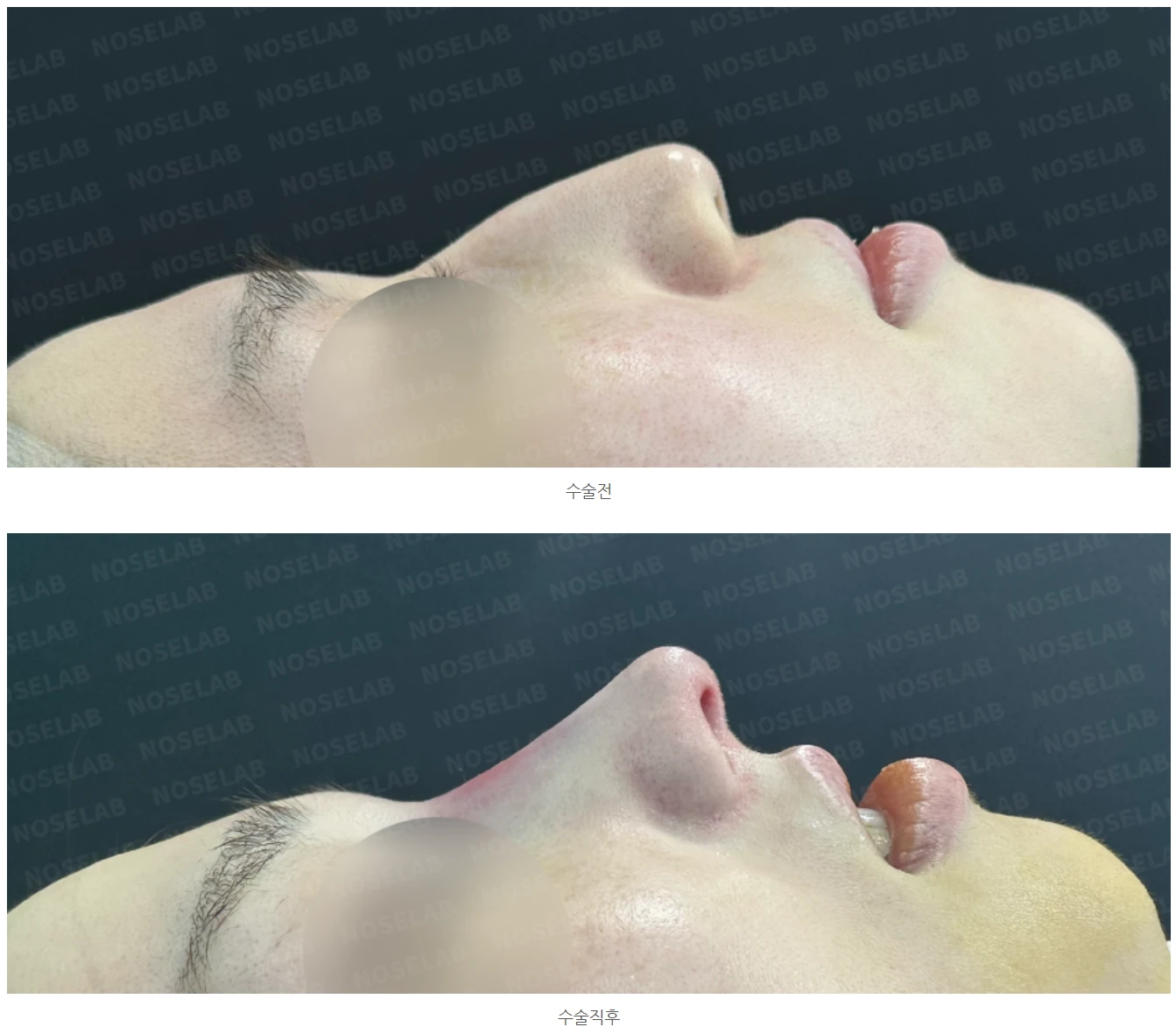
Profile view:
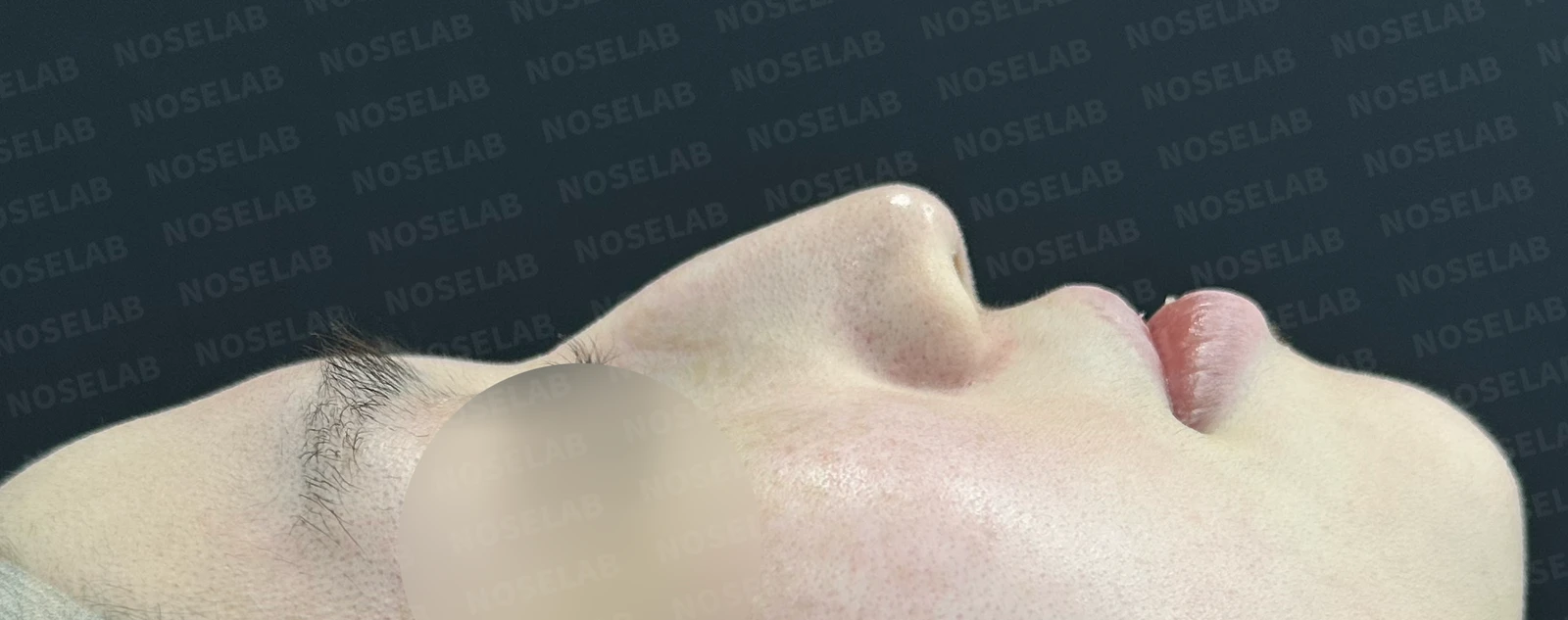
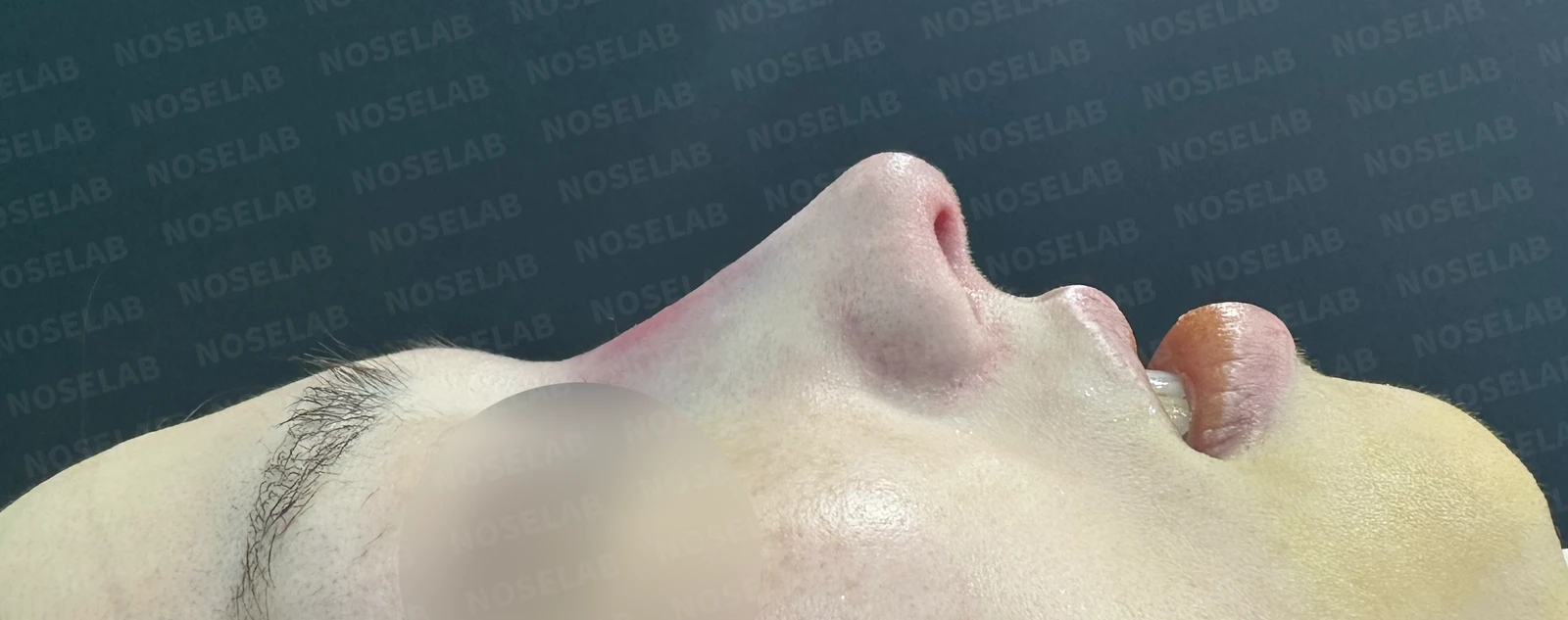
Before surgery / Day 0 immediately after surgery Photos taken immediately after surgery show swelling and may differ from the final result.
- The dorsal hump has been corrected, creating a smooth profile line.
- The appearance of a protruding mouth improved, enhancing overall facial balance.
- The previously elongated nasal length has been suitably reduced.
Oblique view:
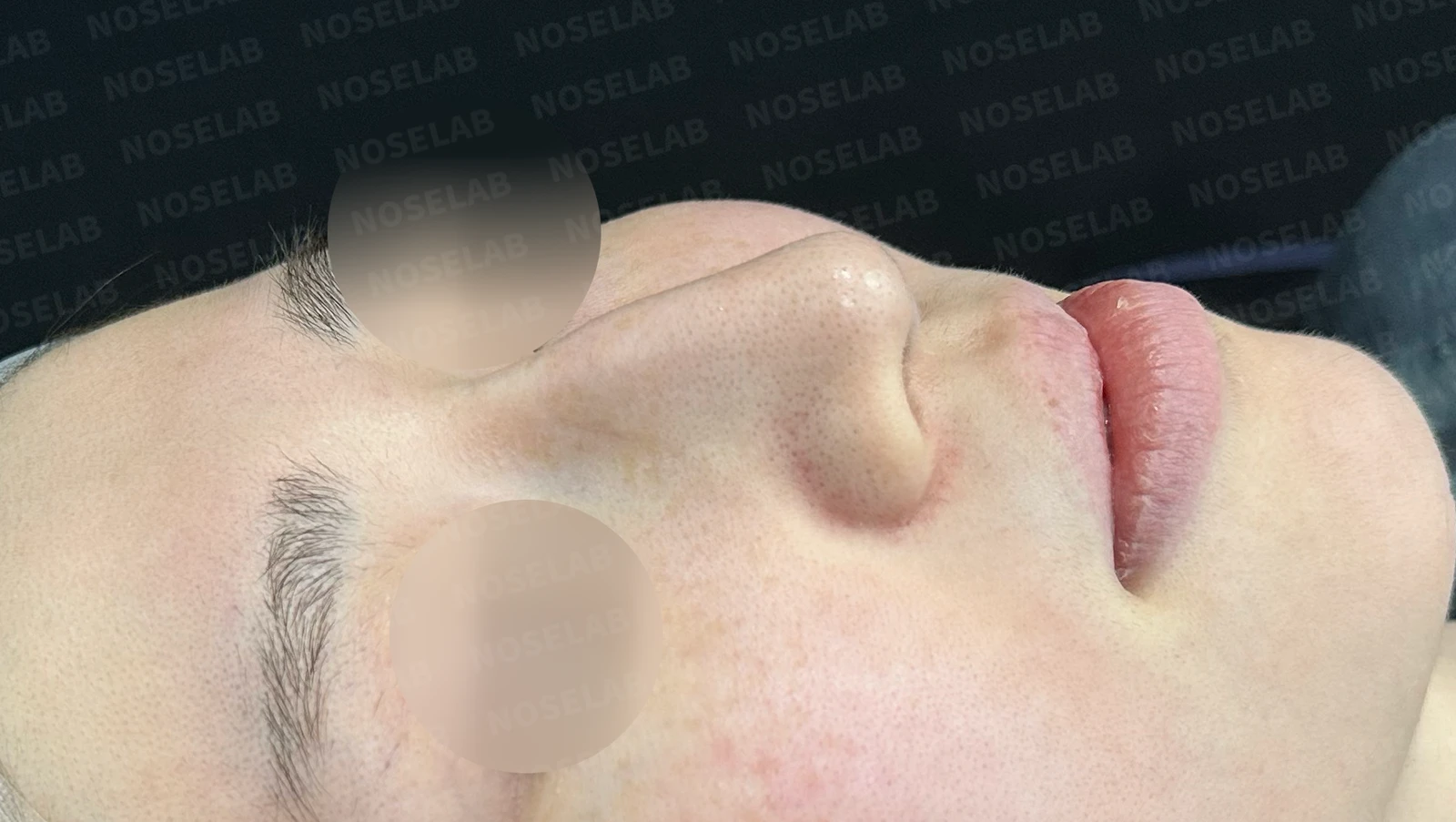
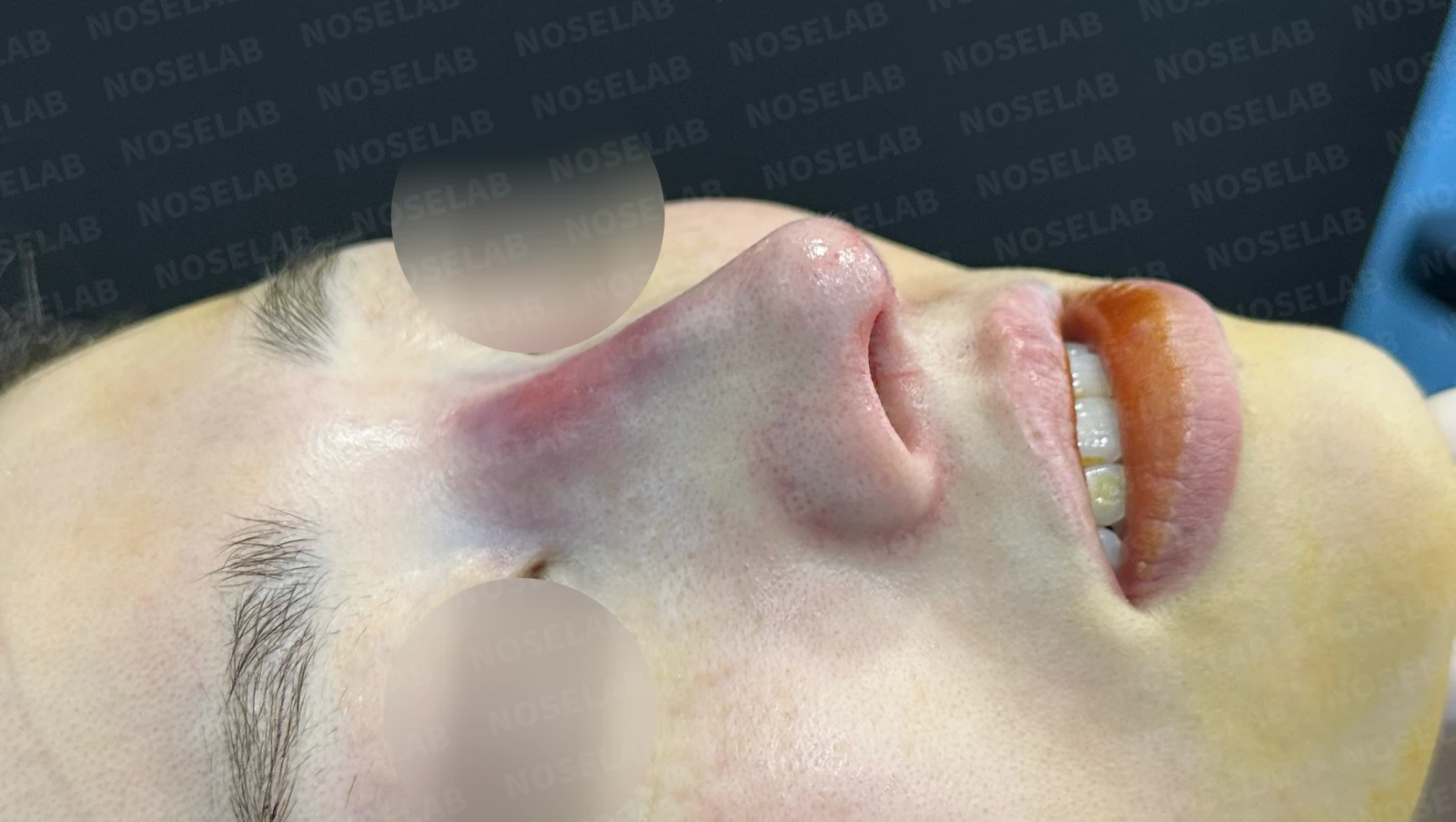
Before surgery / Day 0 immediately after surgery Photos taken immediately after surgery show swelling and may differ from the final result.
- The hump-like appearance has resolved, showing a natural nasal profile.
- The nasal length has been improved, creating harmonious facial proportions.
- Protruding mouth findings were softened, resulting in a gentler lateral profile.
Nostrils:
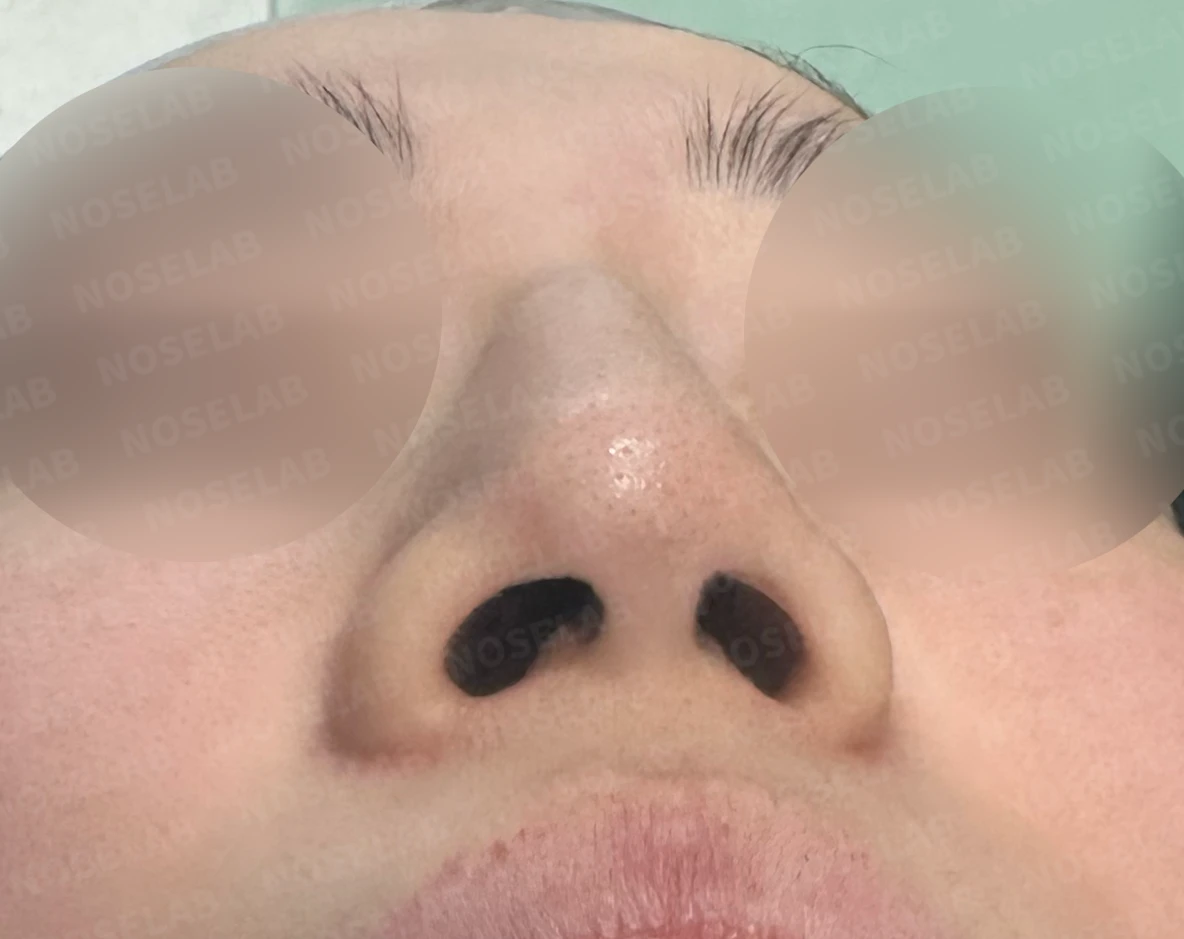
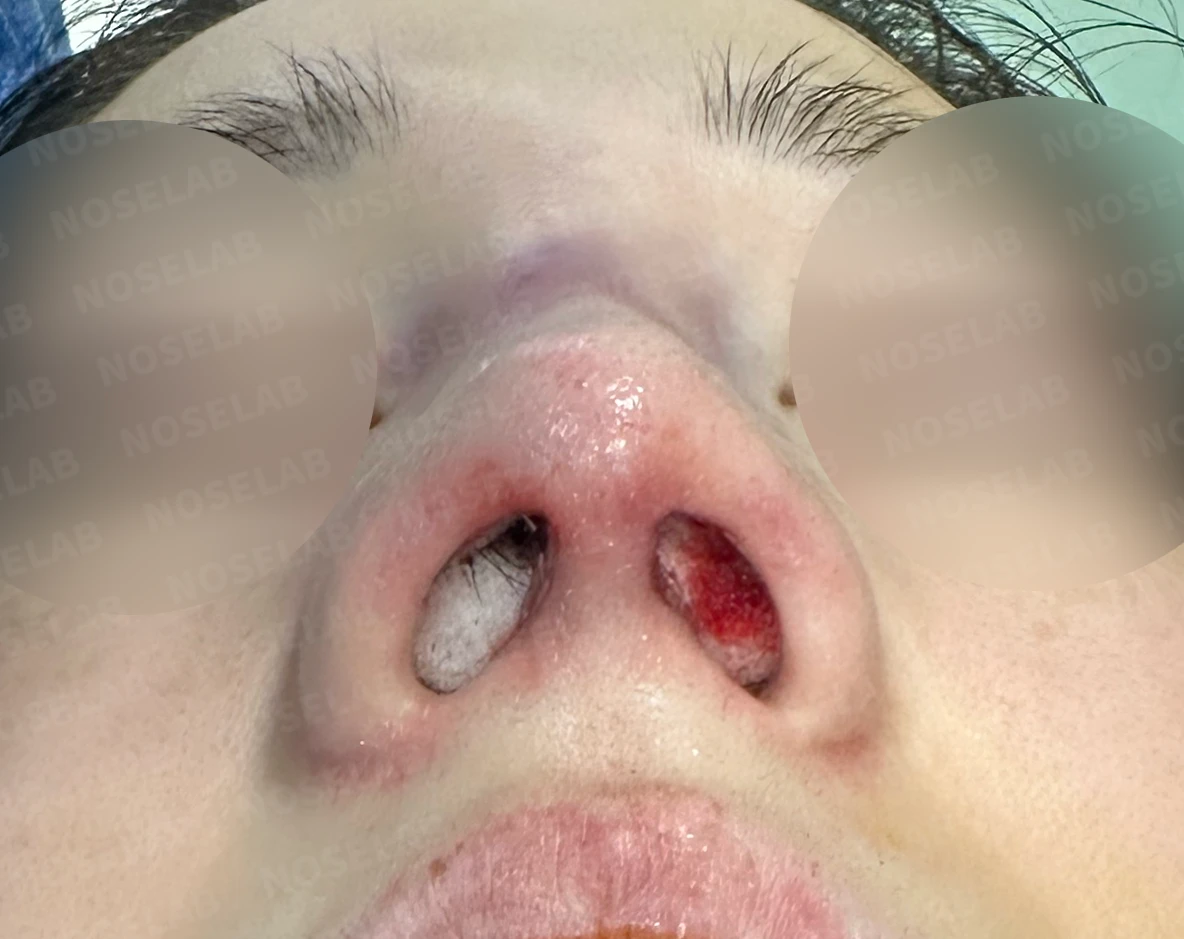
Before surgery / Day 0 immediately after surgery Photos taken immediately after surgery show swelling and may differ from the final result.
- Nostril asymmetry improved significantly.
- The nasal tip shape has become well-balanced and natural.
5. Photos immediately after surgery on day 0 Photos taken immediately after surgery show swelling and may differ from the final result.
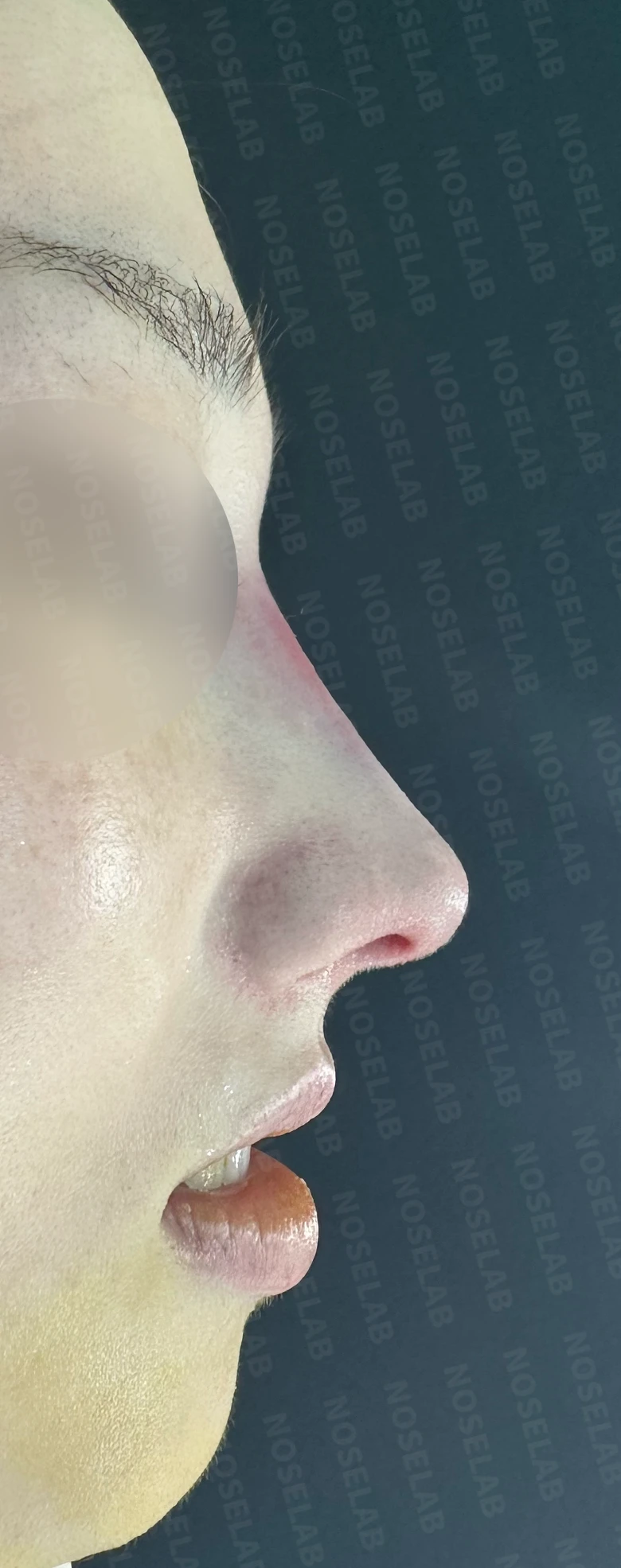
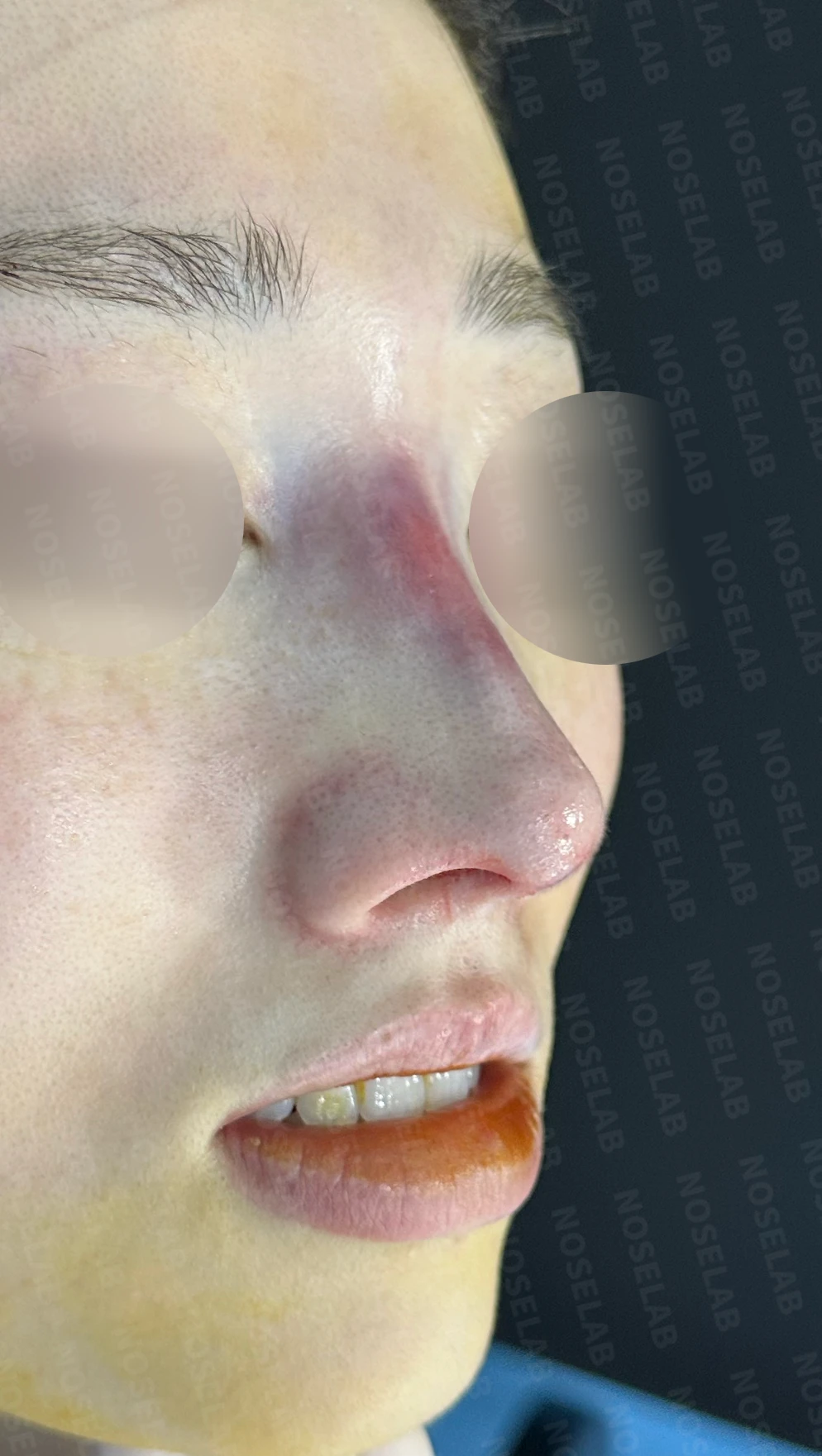
Front, profile, and oblique views immediately after surgery on day 0 Photos taken immediately after surgery show swelling and may differ from the final result.
Basal (nostril) view immediately after surgery (Day 0)Immediate postoperative photos show swelling and may differ from the final result.
6. Overall evaluation
This case involved revision surgery following prior rhinoplasty performed with mesh. Artificial materials like mesh carry risks of deformation or foreign body reactions over the long term, so revision using autologous tissue is frequently necessary.
In this surgery, the nasal framework was reconstructed using autologous rib cartilage. Utilizing autologous tissue minimizes the risk of rejection and supports long-term structural stability. In particular, reconstructing both the nasal tip and nasal bridge with autologous rib cartilage allowed us to establish a natural yet sturdy nasal structure.
The lateral osteotomy performed to correct the deviated nose played a significant role in improving nasal symmetry. Furthermore, reducing the dorsal hump and lowering the radix softened the overall nasal length and facial impression.
Correcting the nasolabial angle also improved the appearance of the protruding mouth, playing an important role in enhancing overall facial balance.
Using a closed approach shortened the postoperative recovery period and allowed surgery to be completed without external scars. This contributed significantly to patient satisfaction.
7. Conclusion
I hope this case brings reassurance to those dealing with unsatisfactory outcomes after rhinoplasty using artificial materials such as mesh or threads. In revision surgery, because previous surgical traces must be cleared and the nasal framework newly reconstructed, selecting a surgeon with extensive clinical experience and expertise is crucial.
Drawing on anatomical knowledge and extensive surgical experience as a board-certified otolaryngologist, I provide surgical plans tailored to each individual patient. Through a comprehensive approach that considers both functional and cosmetic improvement, I strive to create a beautiful and healthy nose.
If you are considering revision rhinoplasty, please be sure to consult with a specialist to find the approach best suited for you. NOSELAB is here to understand your concerns and provide the most suitable solutions.
I will be with you every step of the way to achieve a beautiful and healthy nose.
This was Dr. Peter C. Kang. Thank you.
Thank you.
#revisionrhinoplasty #meshremoval #autologousribcartilagegraft #closedrhinoplasty #crookednosecorrection #dorsalhumpcorrection #ENTrhinoplasty #rhinoplastysafety #nasalbridgecorrection #nasaltiprhinoplasty #implantfreerhinoplasty #protrudingmouthcorrection

Limitations and risks
When autologous rib cartilage is used, scarring and pain may remain at the donor site on the chest, and pneumothorax (pleural injury) can occur rarely. Over time, the grafted cartilage may warp or undergo partial resorption.
When foreign materials such as injected fillers are removed and reconstructed, contracture may recur, nasal height and length may decrease, and staged surgery may be necessary depending on the skin condition.
Common potential risks include infection, bleeding, asymmetry, scarring, skin necrosis, and insufficient improvement; results vary depending on individual skin condition and previous surgical history.