Hello, I am Dr. Peter C. Kang.
Surgical history: The patient's requests
2018: Rhinoplasty using septal cartilage, mesh, and osteotomy
Desired outcome: A natural line, a subtle nose that does not draw excessive attention
Preoperative analysis
1. Front view
Blunt and broad nasal tip
Broad nasal bridge
Nostril asymmetry
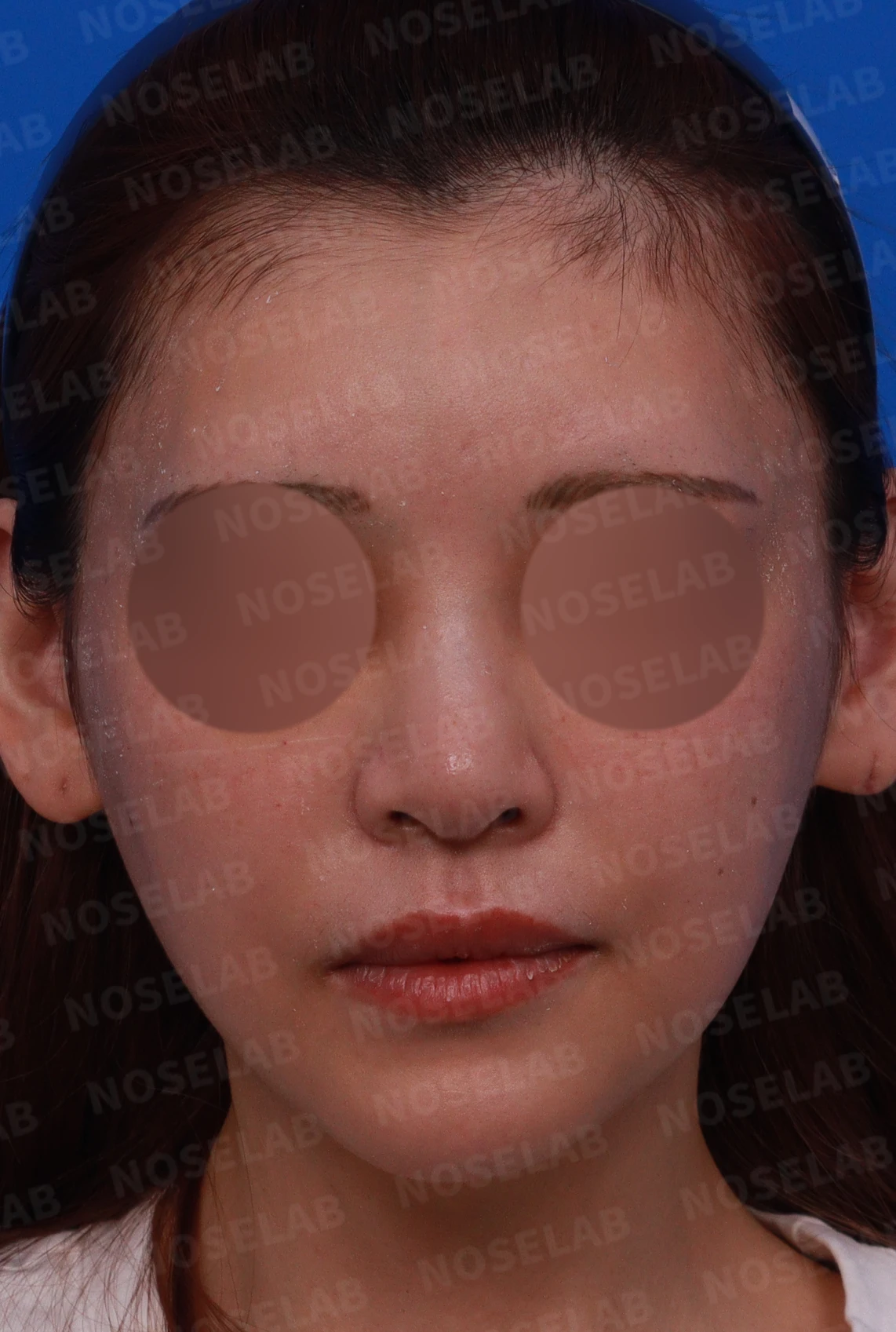
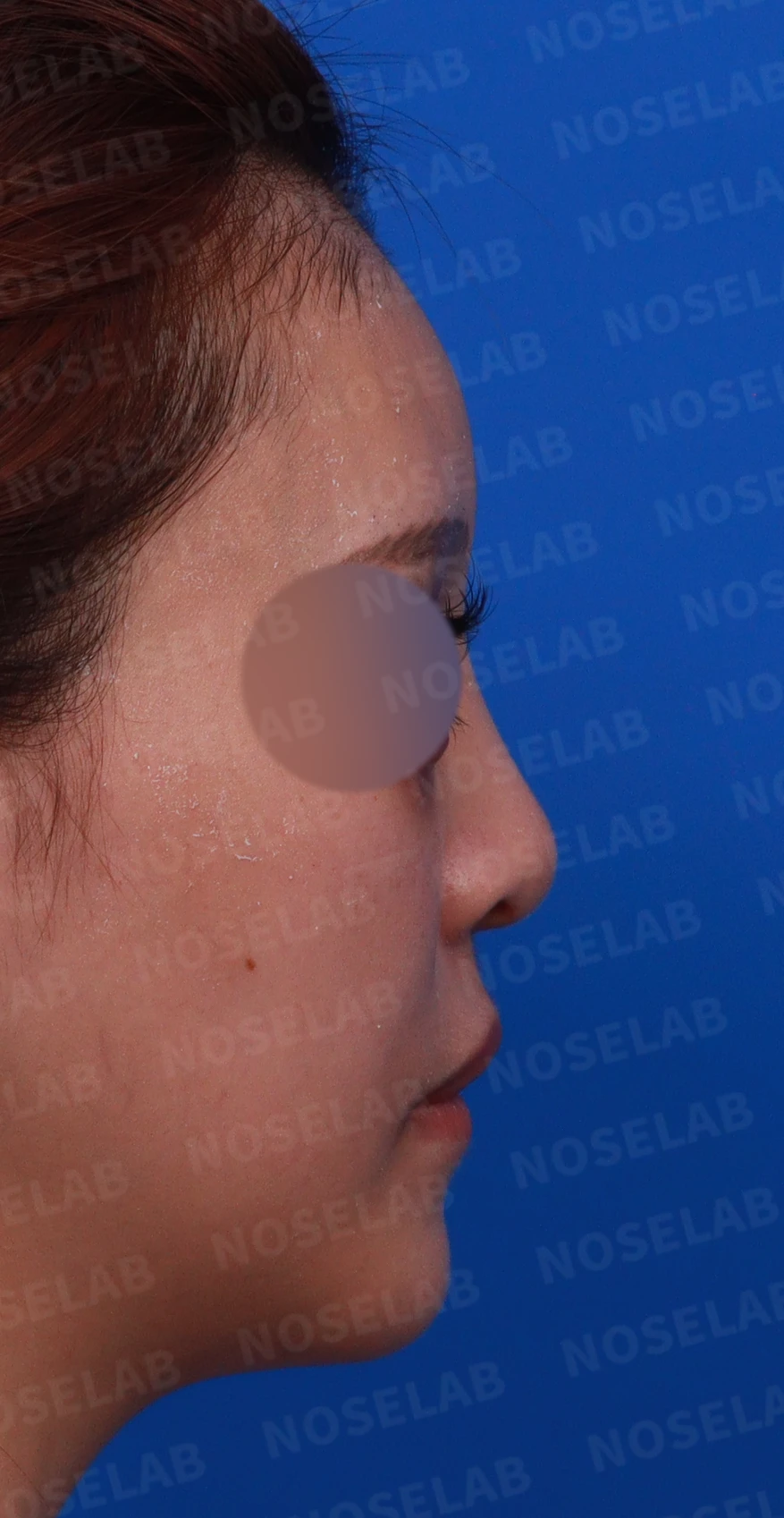
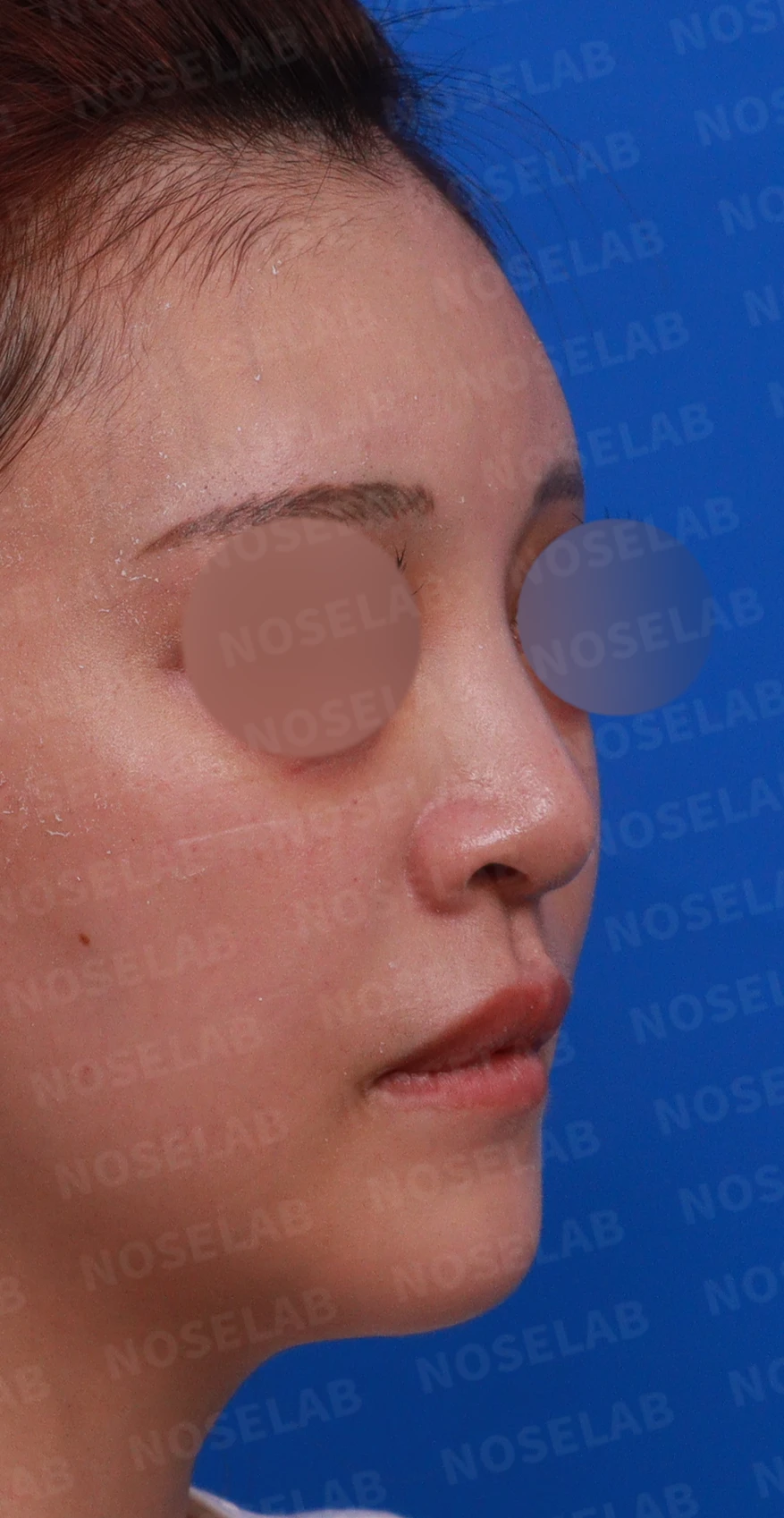
Preoperative design consultation photos.
2. Profile view
High radix starting point
Bulbous nasal tip
Drooping columella
3. Oblique view
An overall bulbous and wide nose
Drooping nasal tip
4. Nostrils
Nostril asymmetry
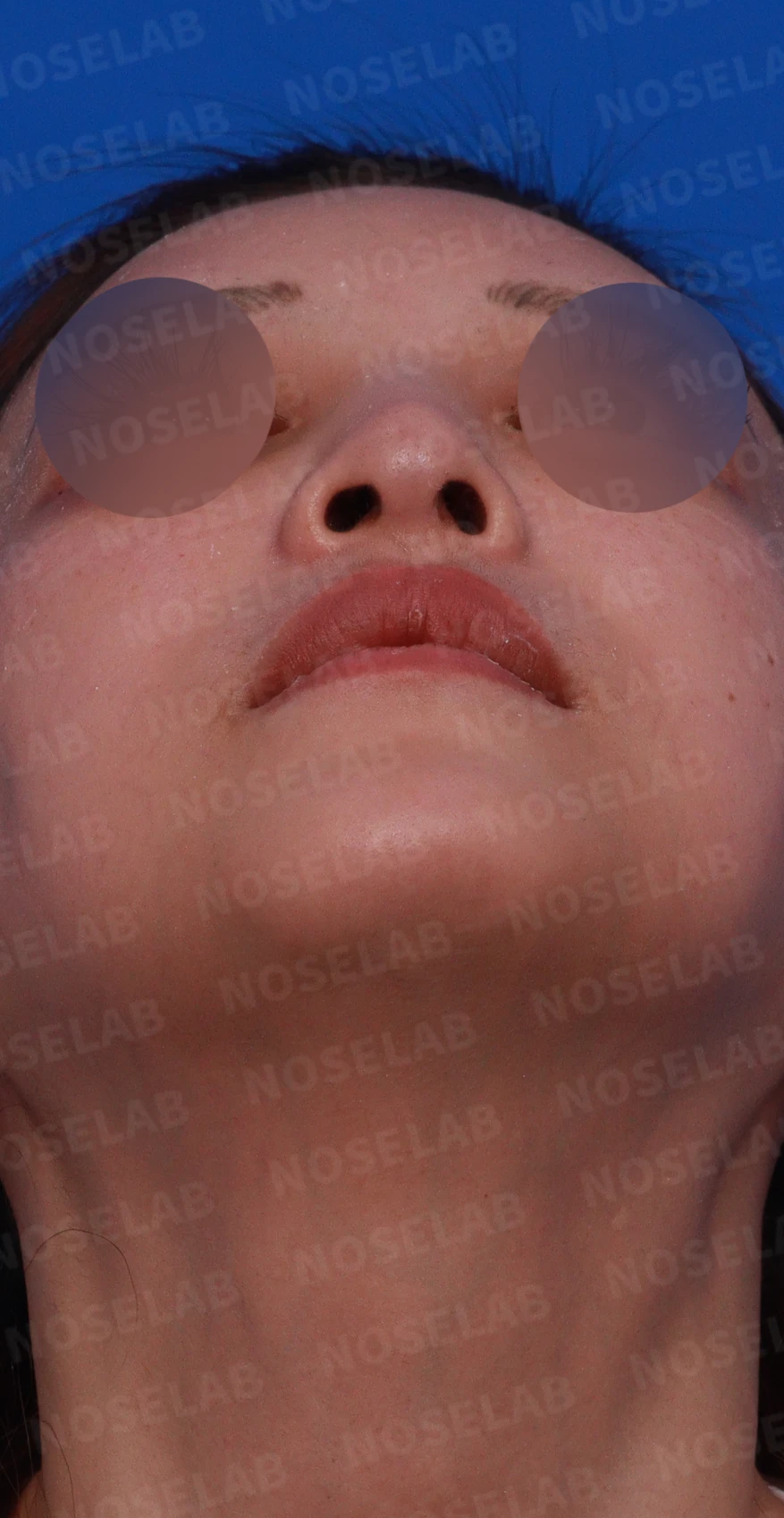
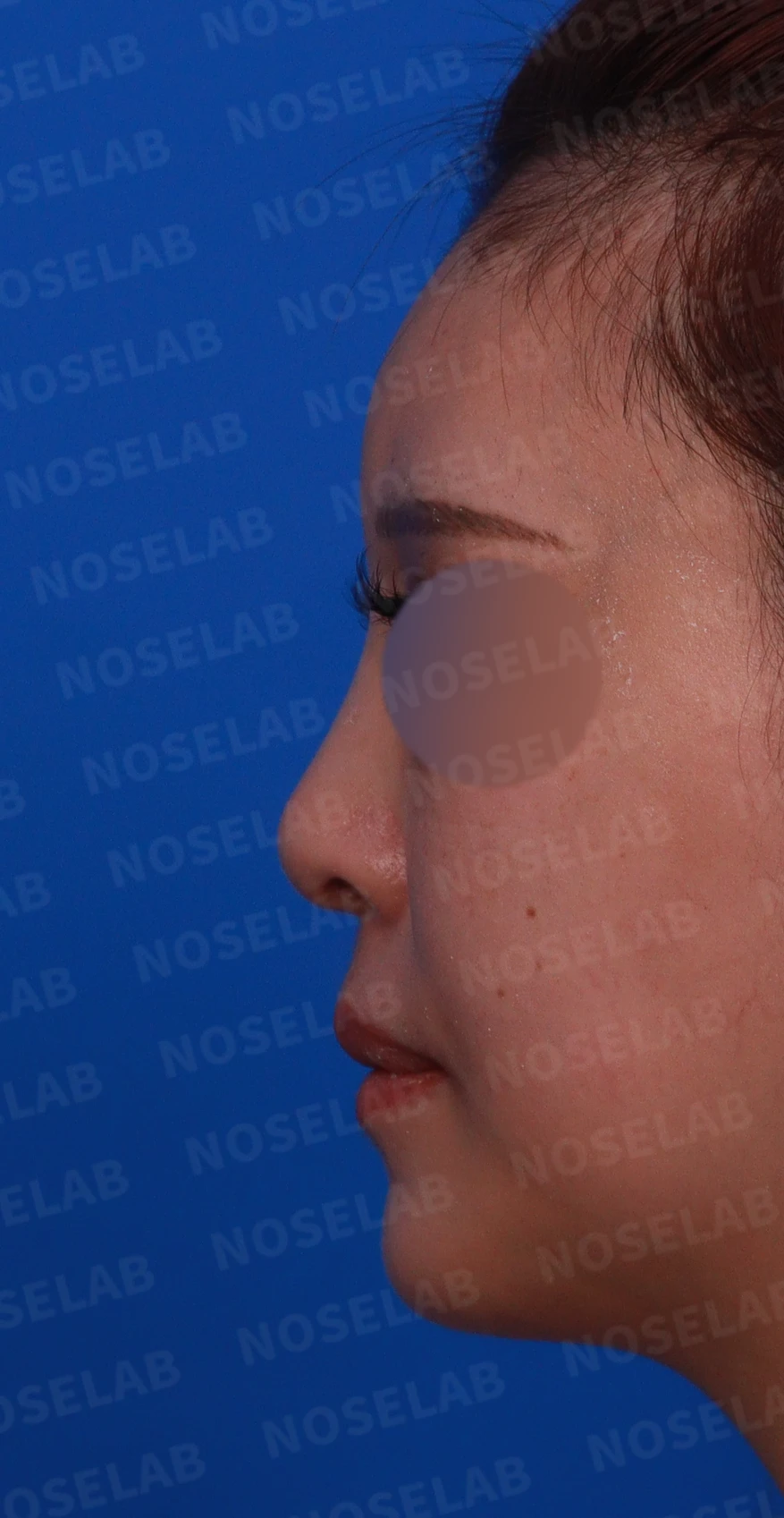
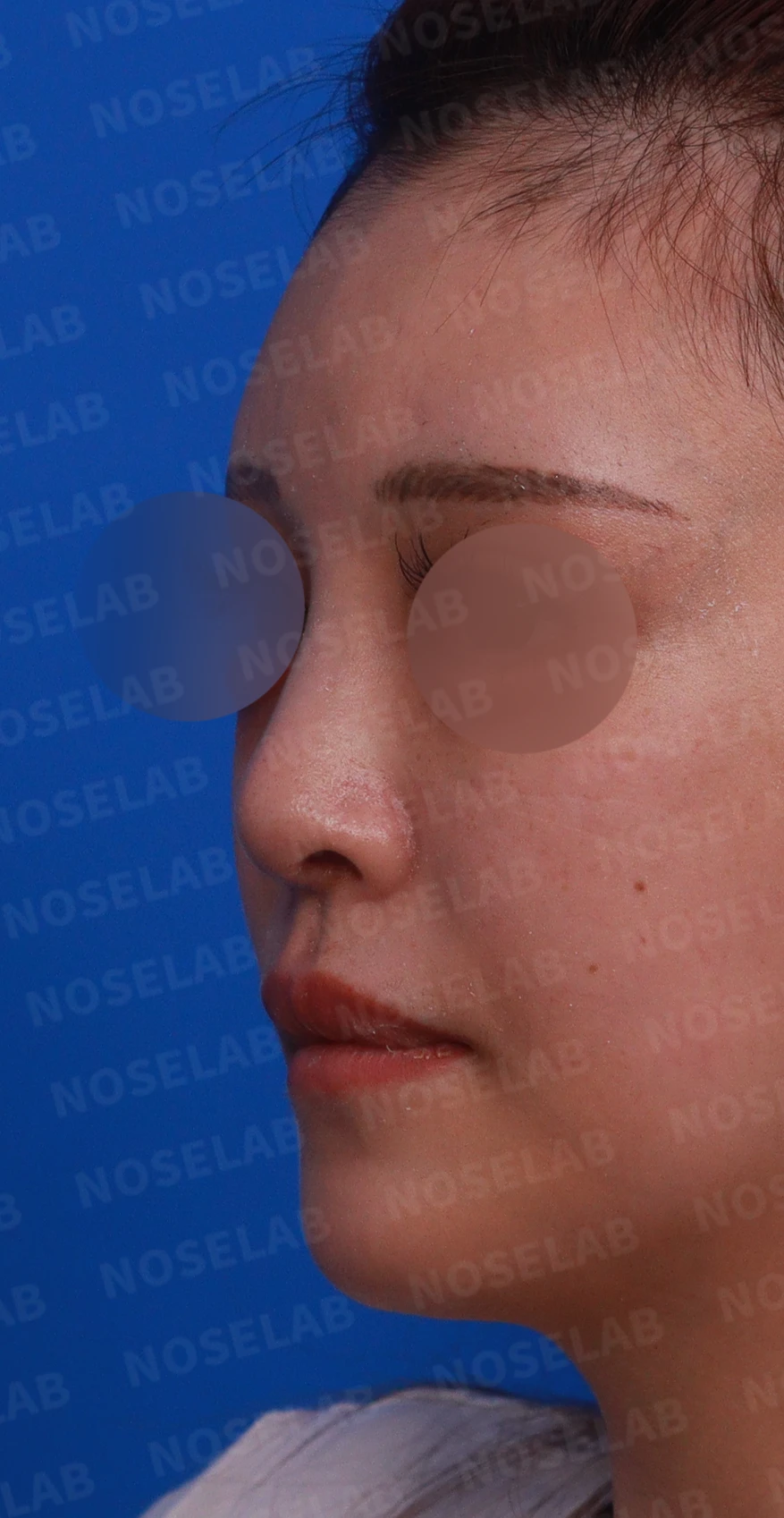
Preoperative design consultation photos.
Tip: Multi-angle photographic analysis is also critical during the preoperative consultation!
Surgical plan: Strategies for addressing complex problems
Lateral nasal bone osteotomy: Narrowing the width of the nose
Adjusting the height of the nasal bridge: Lowering the radix starting point
Refining the nasal tip:
Partial removal of subcutaneous tissue
Repositioning of lower lateral cartilage
Cartilage suturing
4. Using autologous rib cartilage:
Septal reconstruction and septal extension
Augmenting the nasal dorsum
5. Nasolabial angle correction
Surgical procedure: Unexpected challenges
Identified issues:
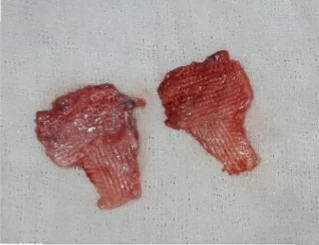
Discovery and complete removal of 4 pieces of mesh (2 on each side)
Severe damage to septal cartilage
Caution: Mesh is an unsuitable material for rhinoplasty!
Surgical results: A natural nose with high patient satisfaction
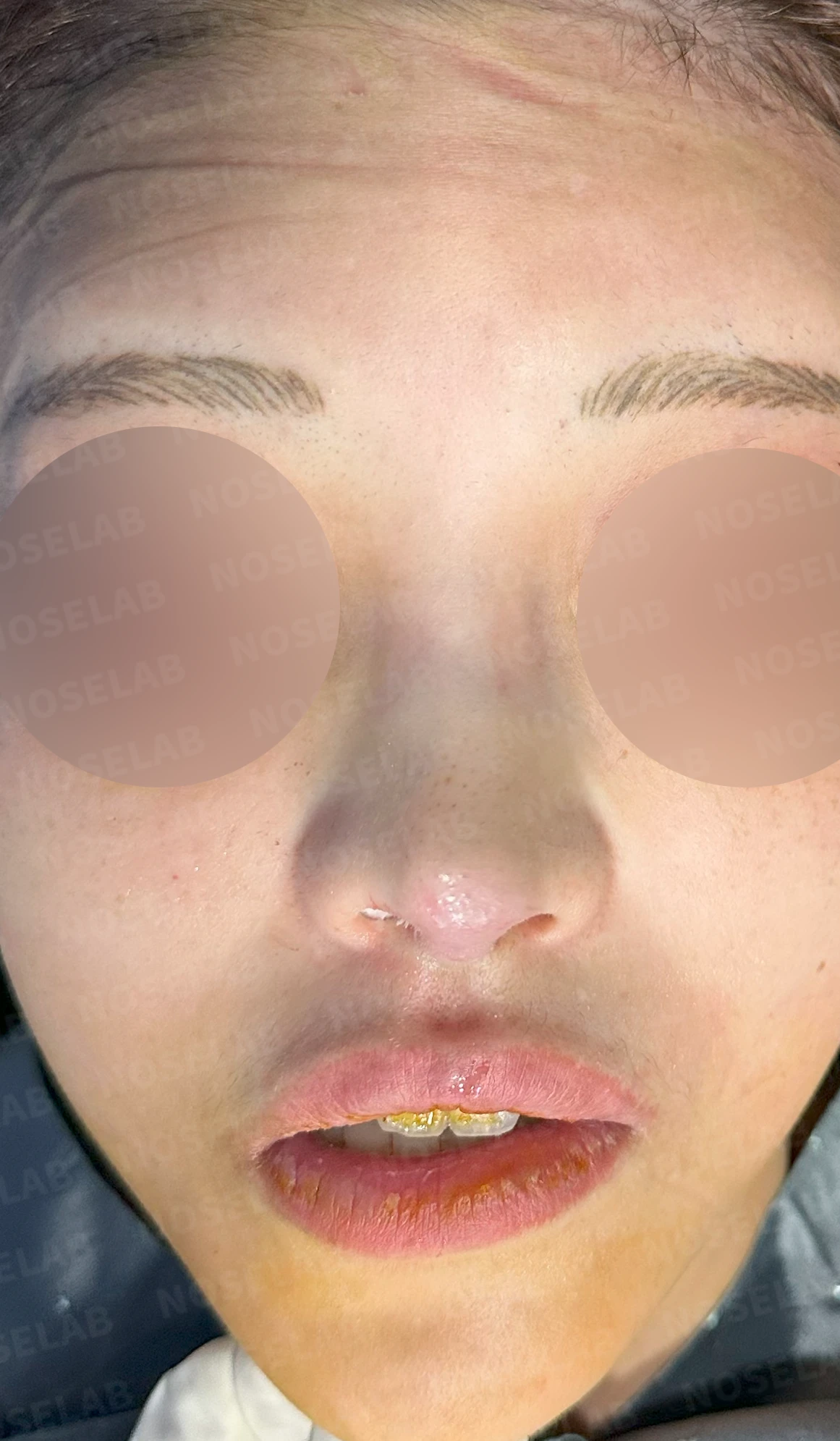
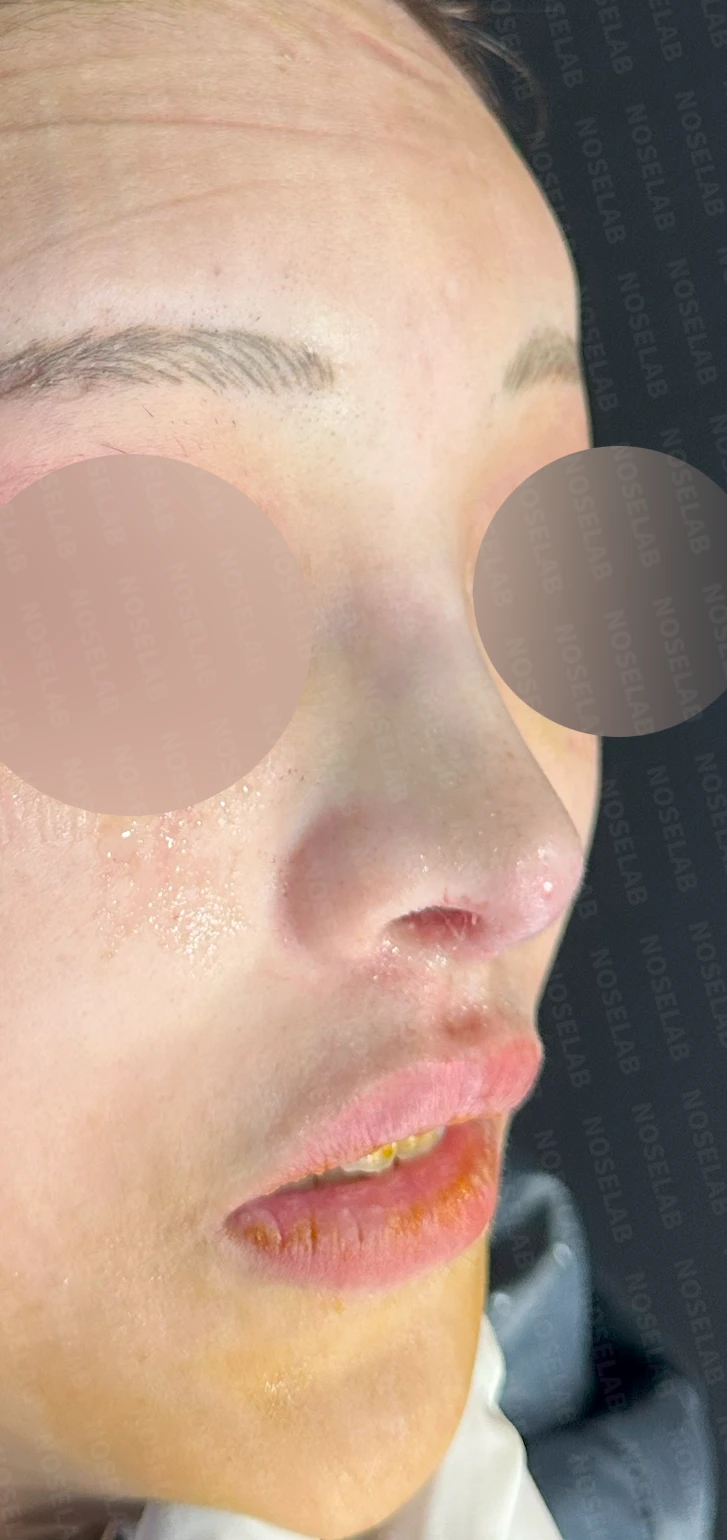
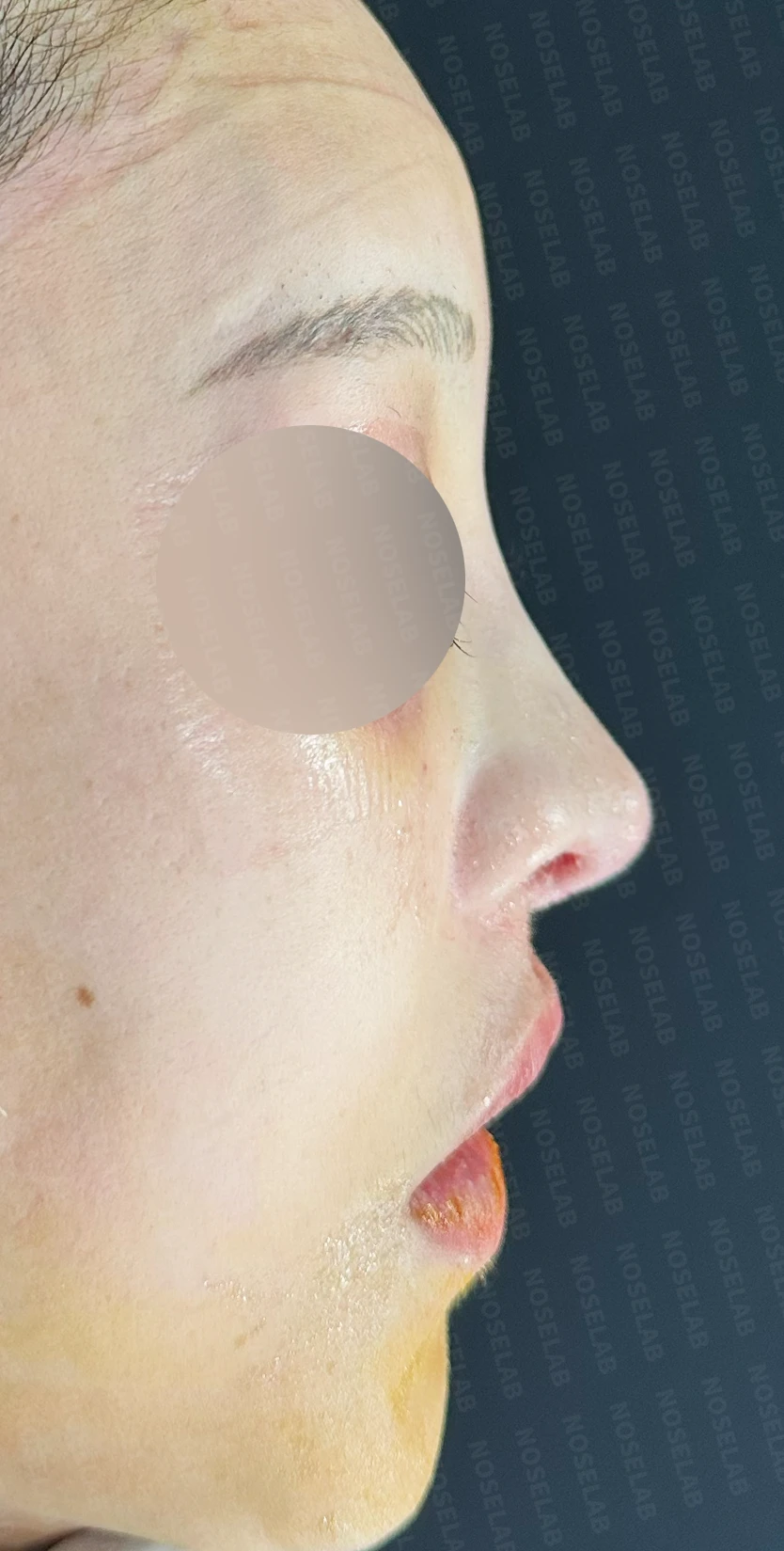
Front, oblique, and profile views on day 0 immediately after surgery. Photos taken immediately after surgery show swelling and may differ from the final result.
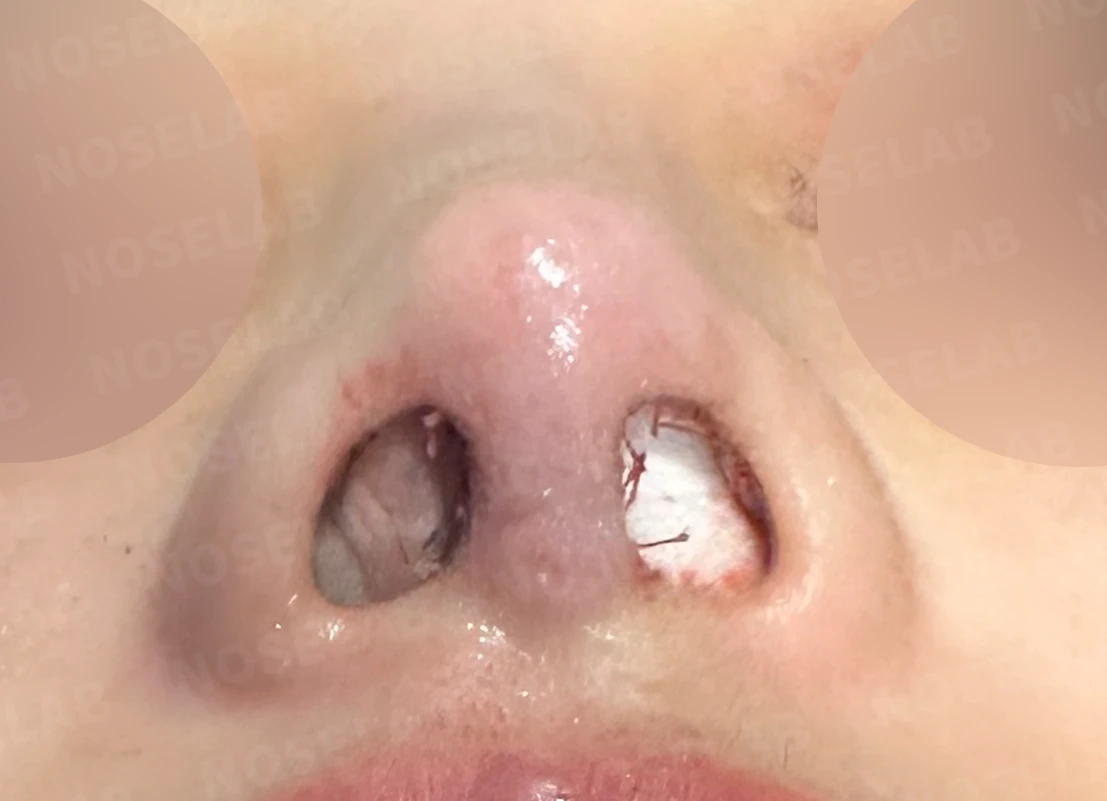
Basal (nostril) view immediately after surgery (Day 0).Immediate postoperative photos show swelling and may differ from the final result.
A slimmer nasal tip
Natural bridge line
Improved facial proportions
Corrected columella
Noticeable changes: Before & after photos
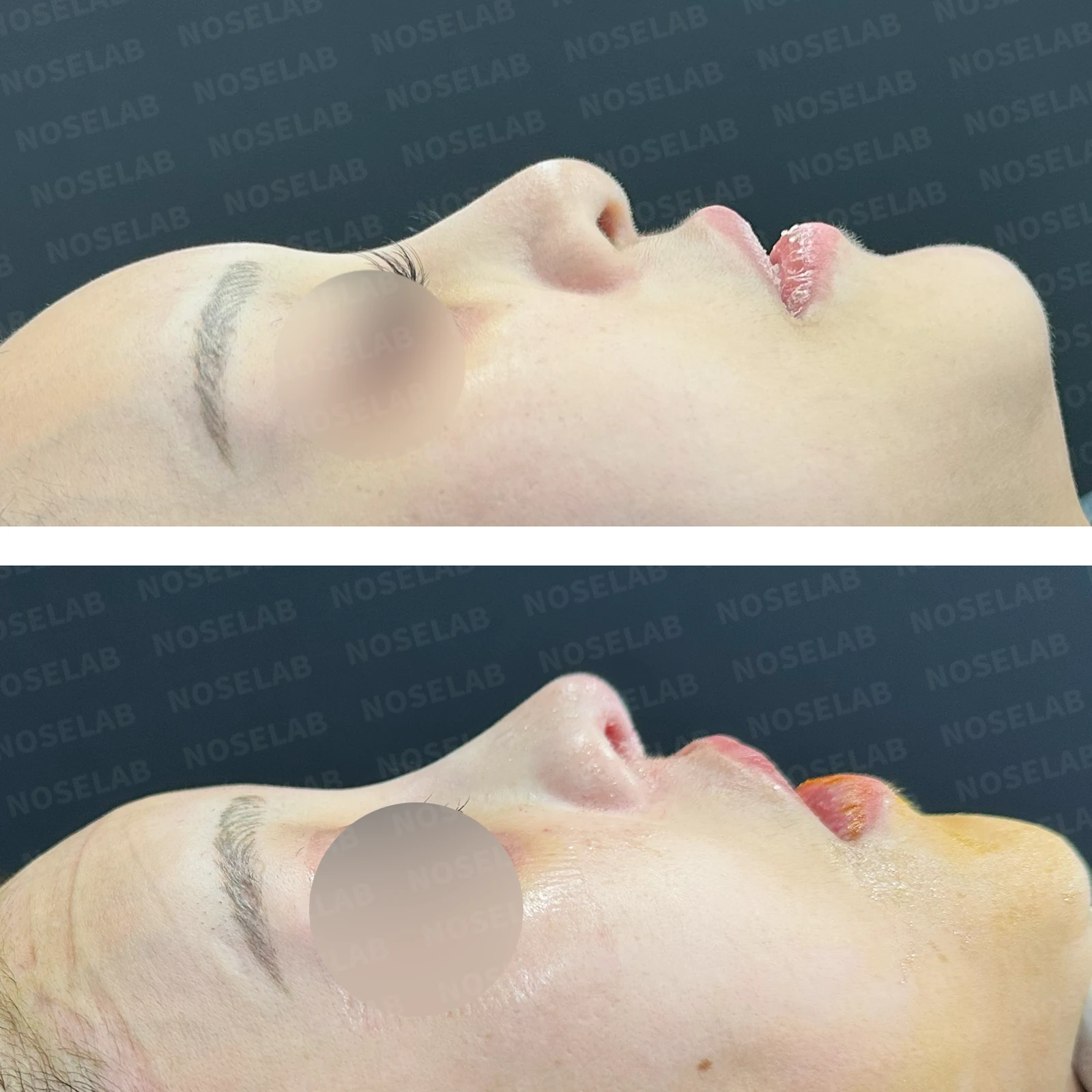
Comparing the before-and-after photos clearly shows the transformation. The bulbous and spread nasal tip became slimmer, and the nasal bridge line achieved a natural contour. By lowering the radix starting point between the eyebrows, overall facial balance improved, successfully delivering the subtle and natural nose the patient desired.
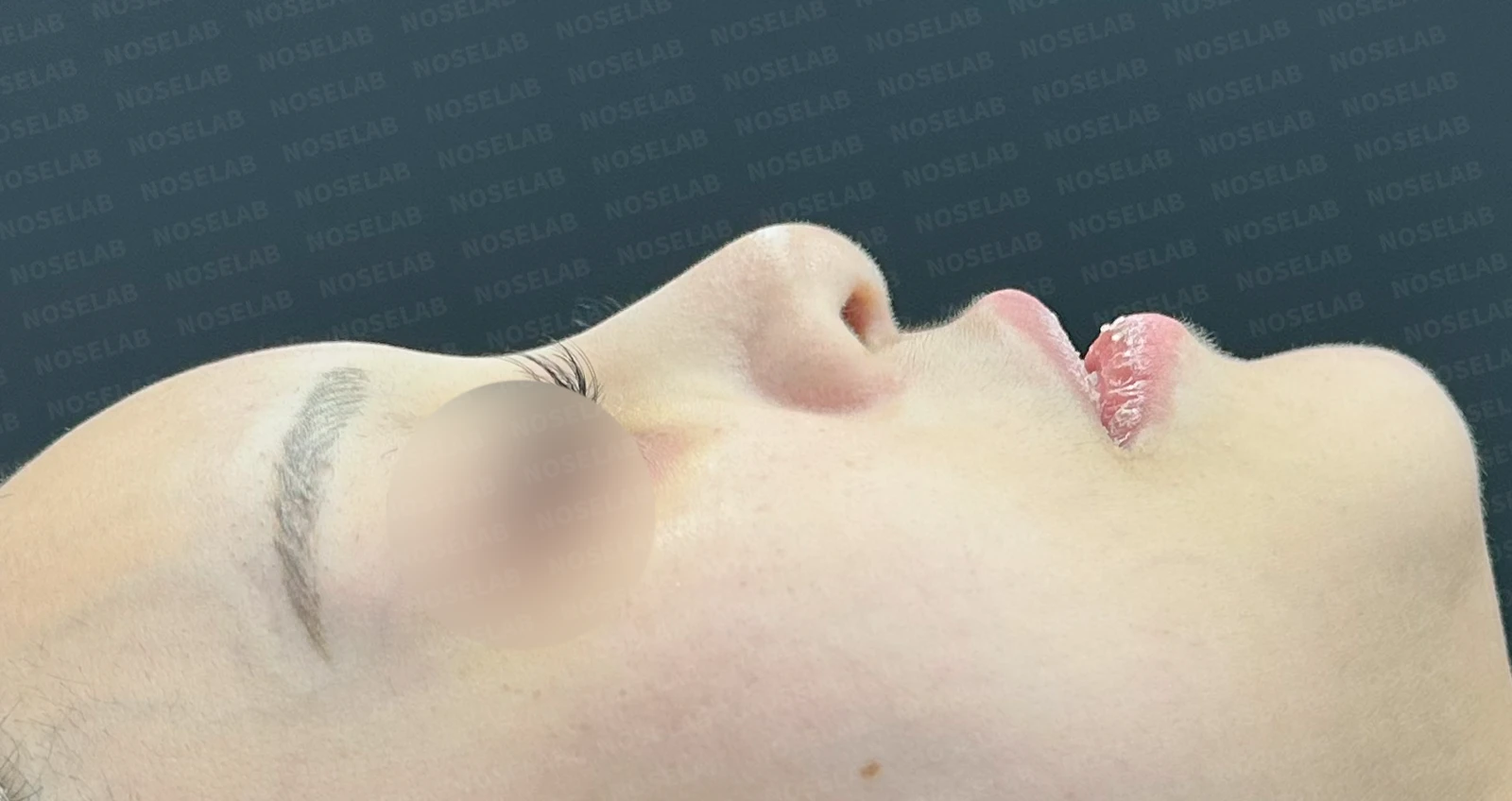
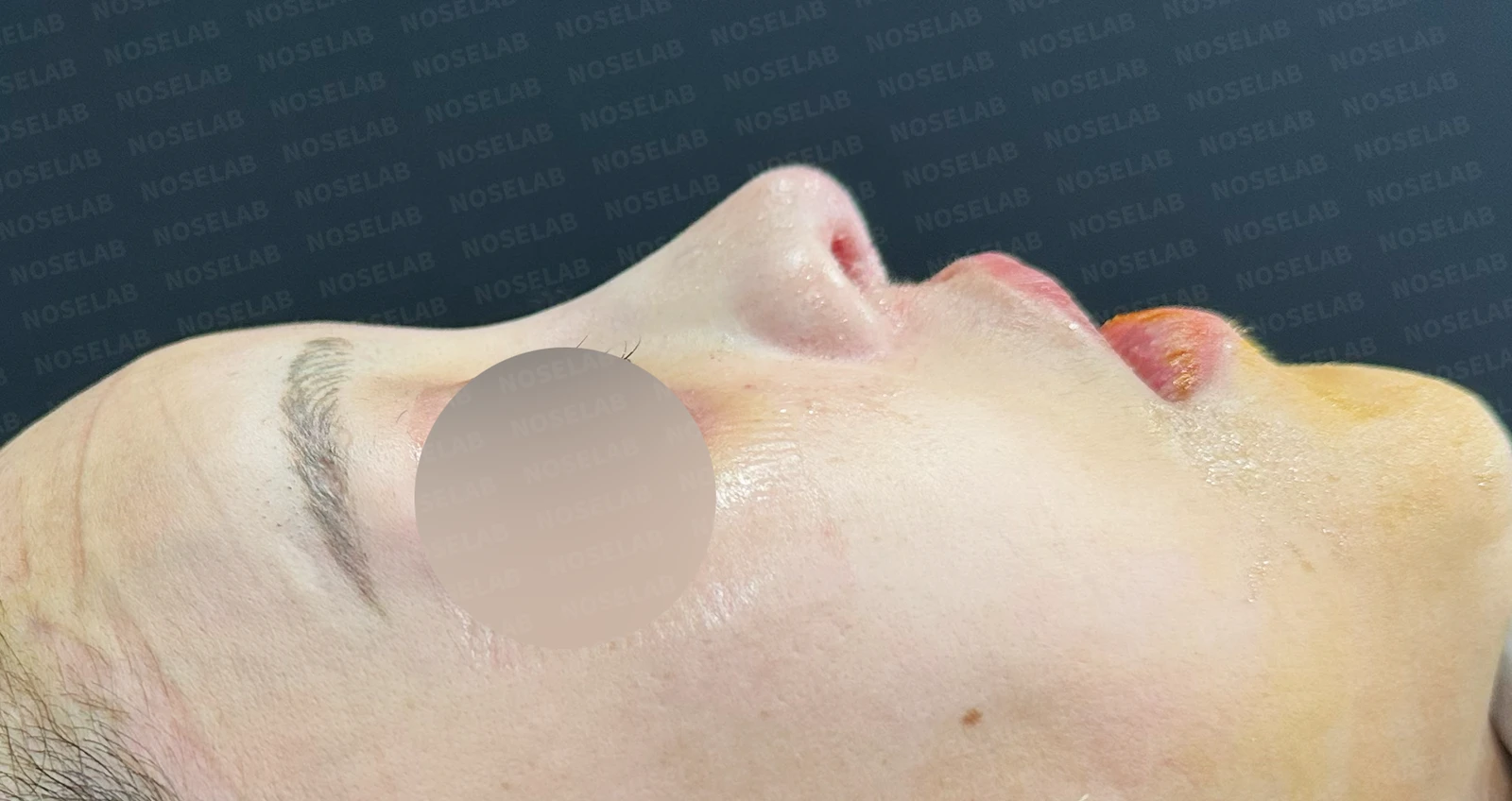
Before surgery / Day 0 immediately after surgery Photos taken immediately after surgery show swelling and may differ from the final result.
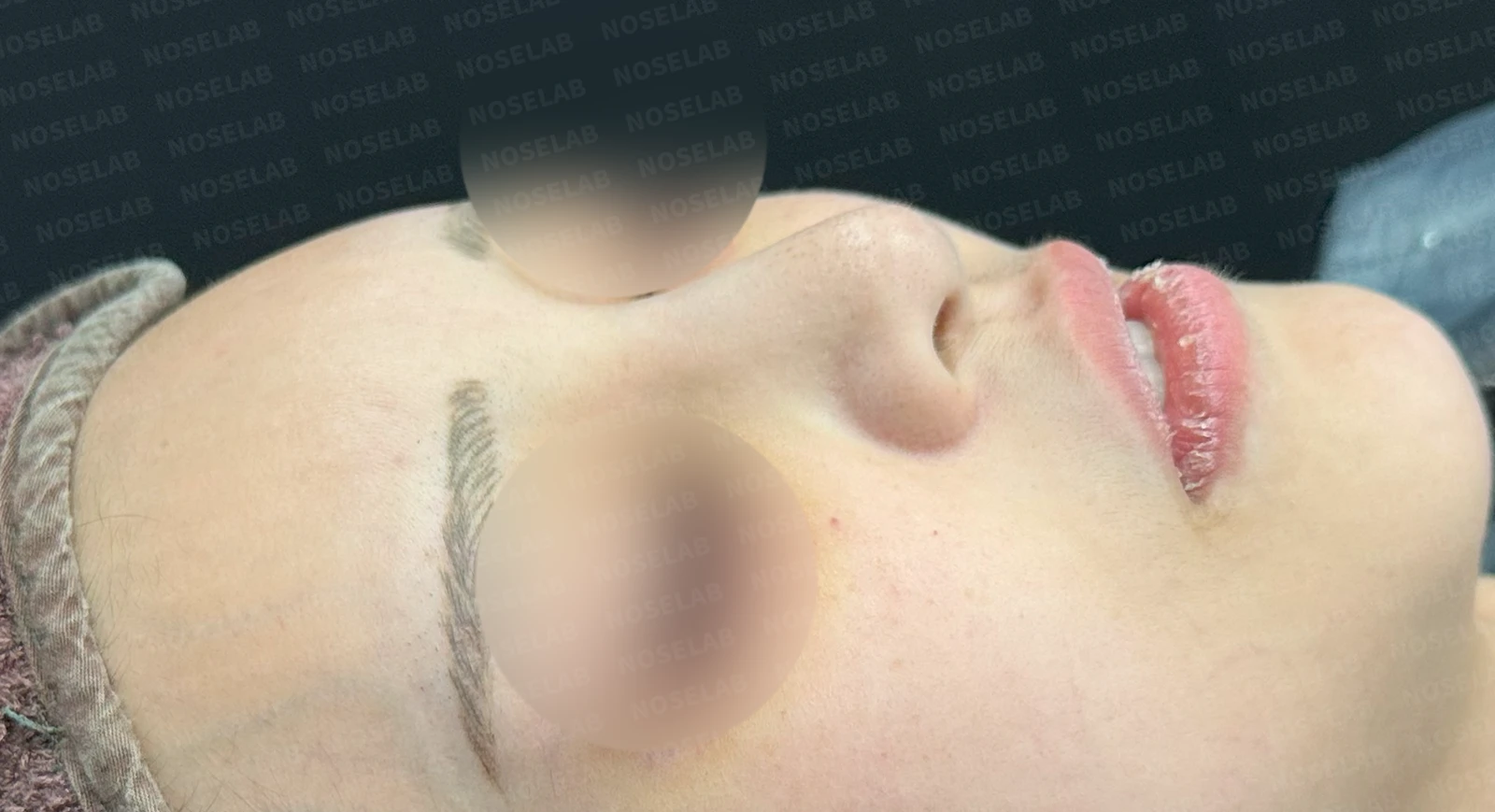
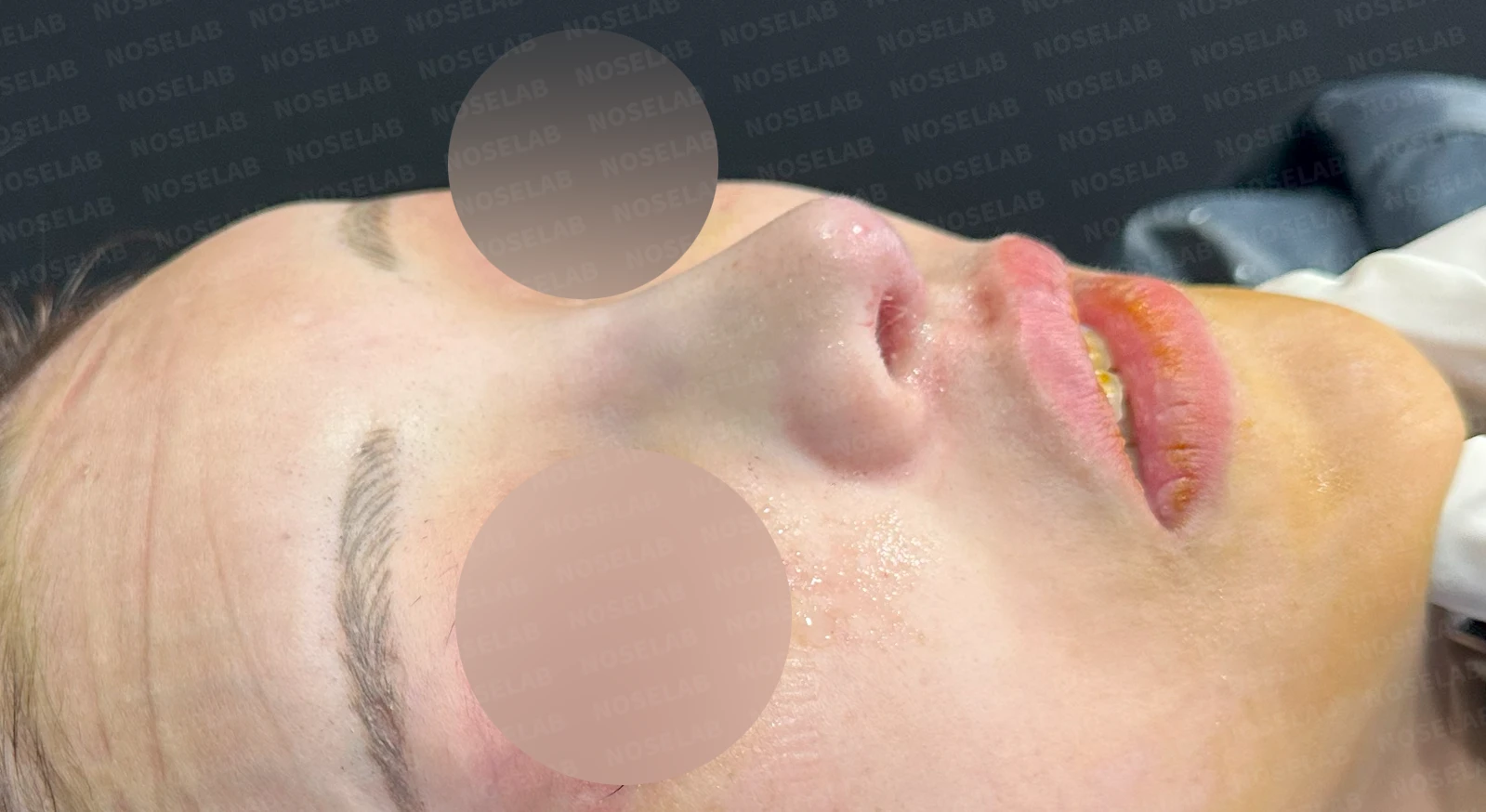
Before surgery / Day 0 immediately after surgery Photos taken immediately after surgery show swelling and may differ from the final result.
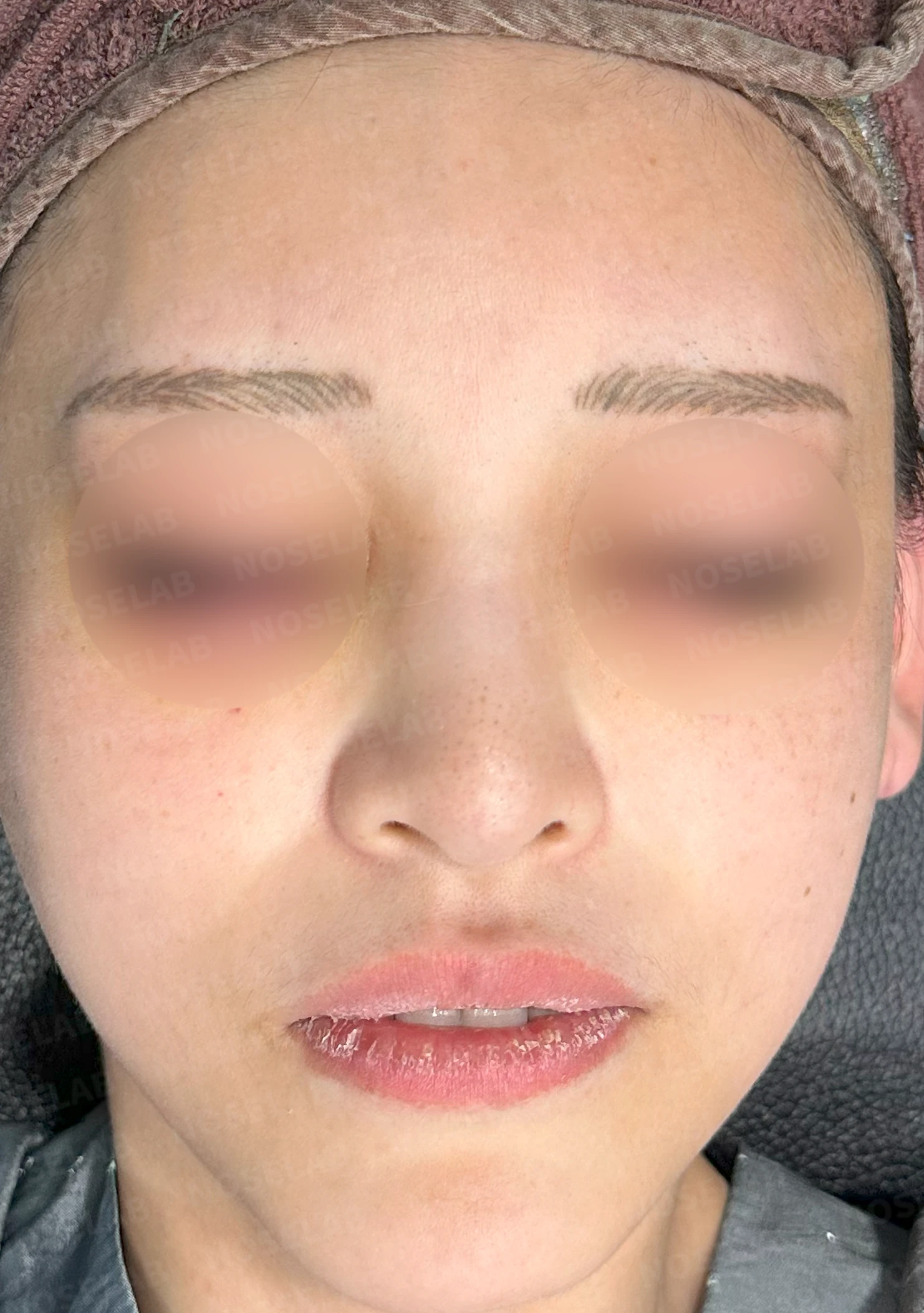
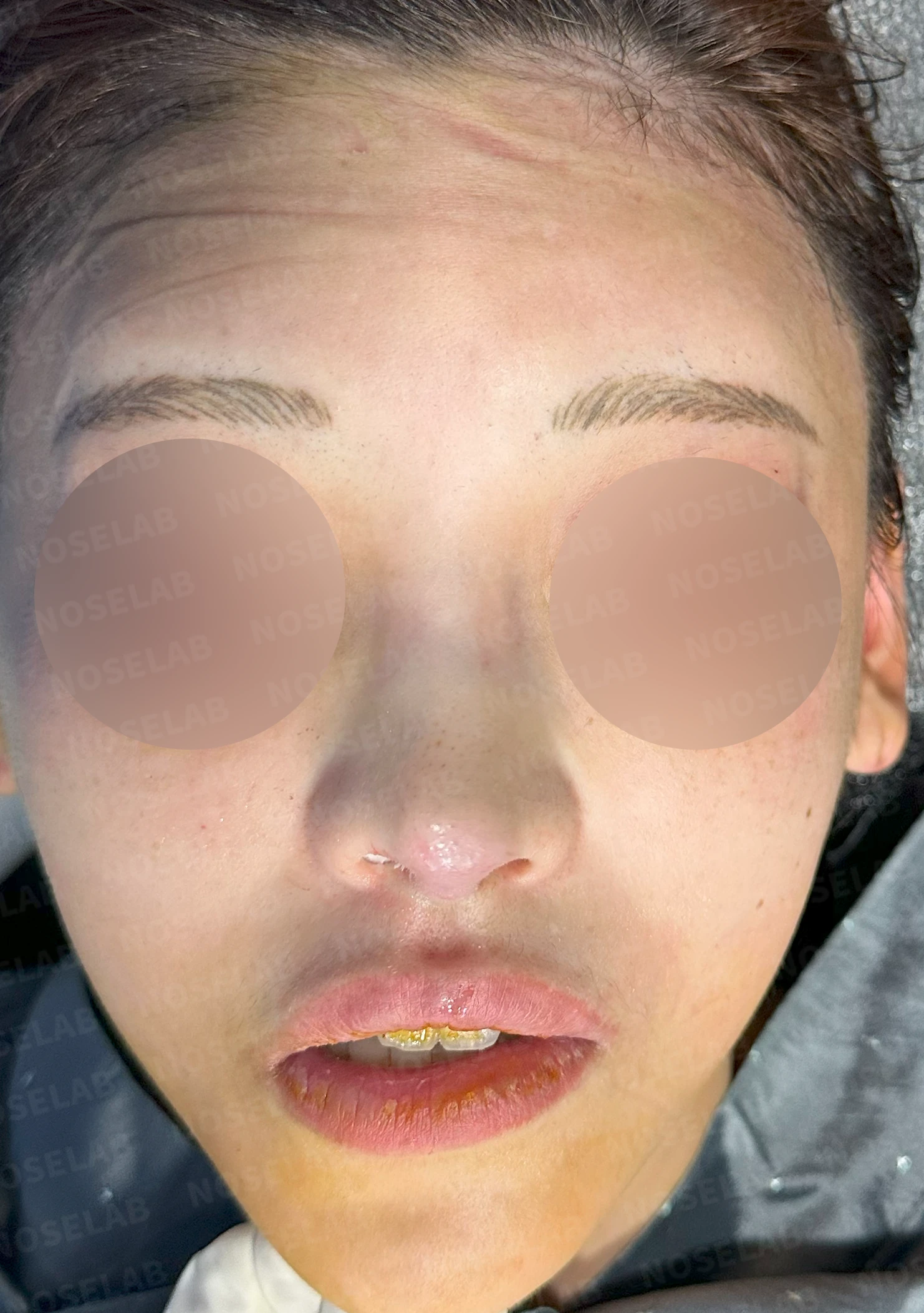
Before surgery / Day 0 immediately after surgery Photos taken immediately after surgery show swelling and may differ from the final result.
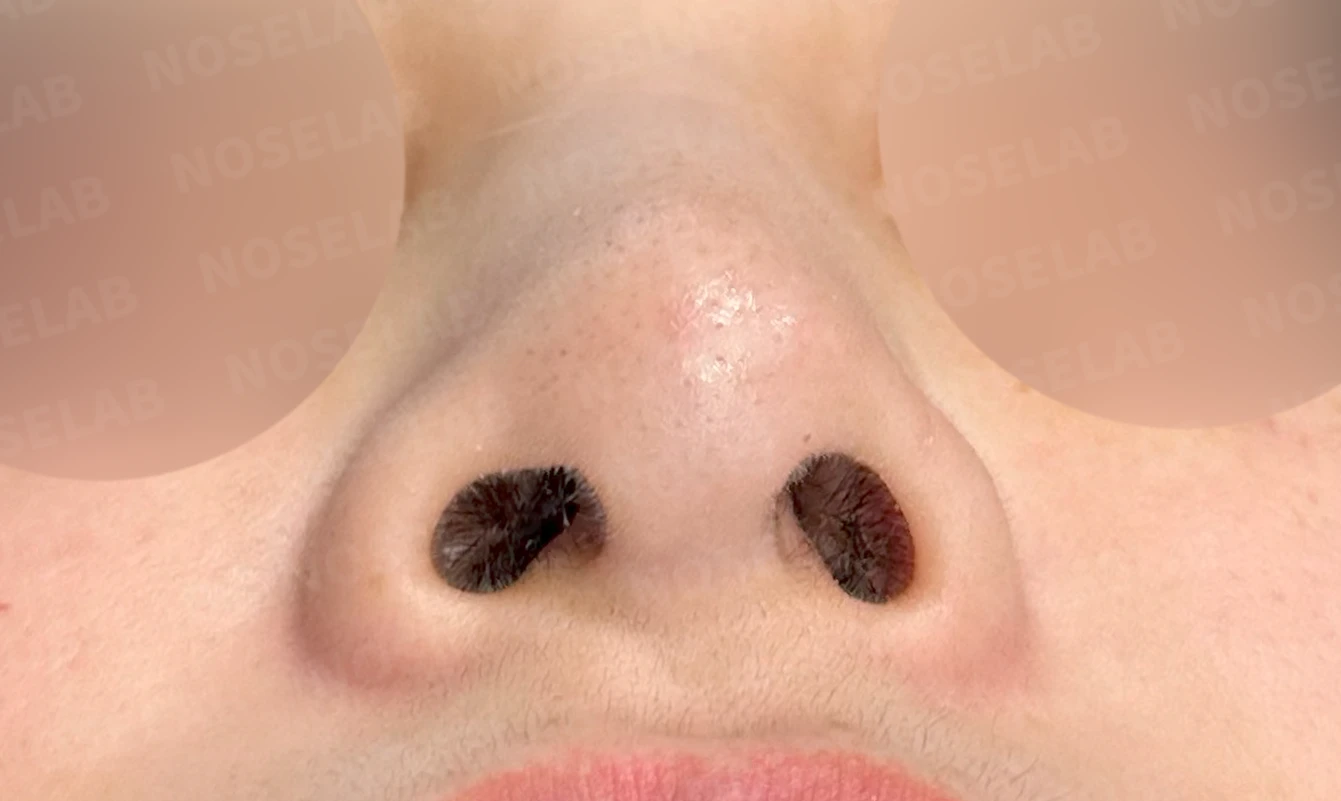
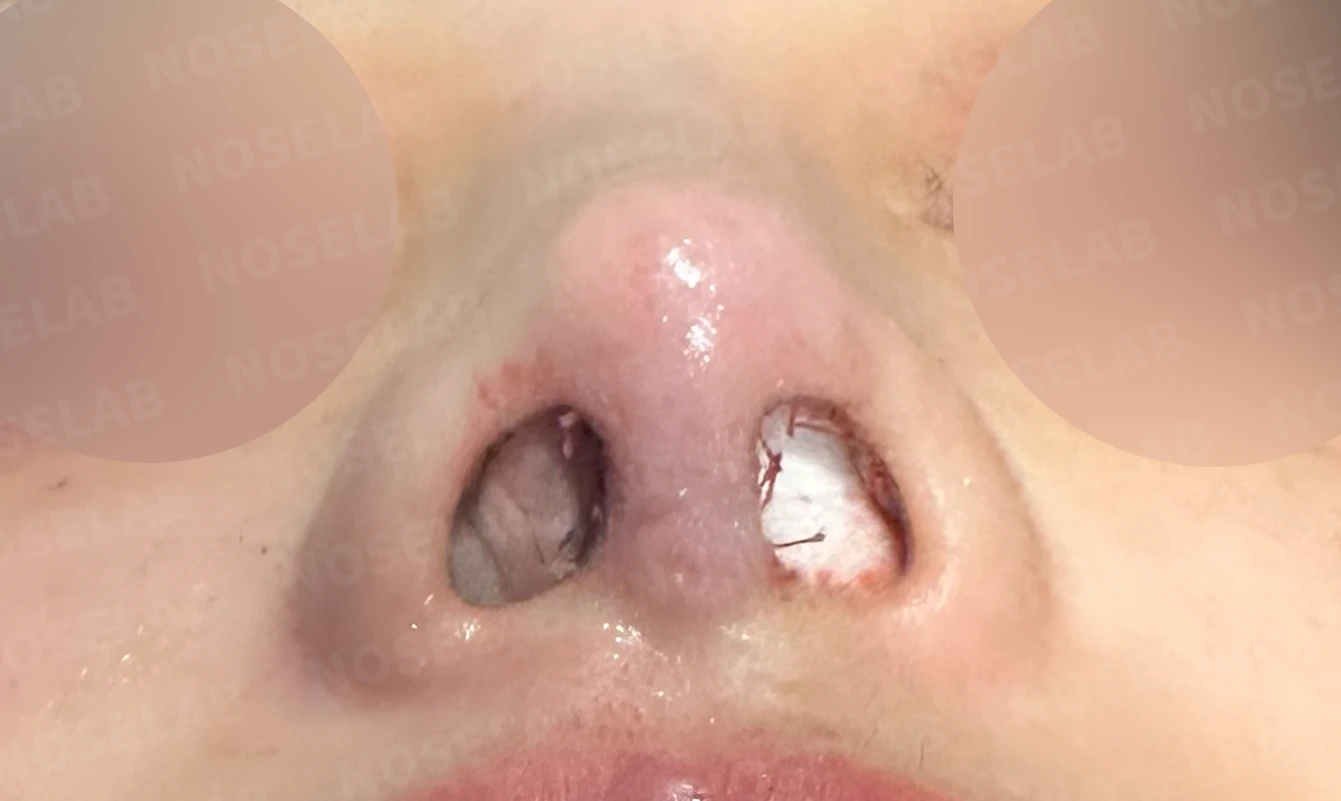
Before surgery / Day 0 immediately after surgery Photos taken immediately after surgery show swelling and may differ from the final result.
The core of rhinoplasty: Safety and expertise
Cases like this highlight the critical importance of safety and surgical expertise in rhinoplasty. In particular, the risks of using mesh should be recognized. Mesh can lead to inflammation and contracture, making it inappropriate for nasal surgery.
For those considering rhinoplasty, I strongly advise consulting a specialist who uses techniques and materials with established safety profiles. In revision rhinoplasty, accurately assessing the anatomical status from prior surgeries and applying a customized approach is essential.
Closing remarks: A commitment to your well-being
Patient safety and satisfaction are always the top priorities. Rather than merely altering nasal shape, the goal is customized rhinoplasty tailored to overall facial balance and harmony.
A natural and healthy nose goes beyond cosmetic change, fostering confidence and quality of life. NOSELAB will continue to do its utmost for your natural beauty and well-being.
This was Dr. Peter C. Kang. Thank you.
Thank you.

Limitations and risks
When autologous rib cartilage is used, scarring and pain may remain at the donor site on the chest, and pneumothorax (pleural injury) can occur rarely. Over time, the grafted cartilage may warp or undergo partial resorption.
When the septum is corrected at the same time, nasal obstruction may persist or recur, and in rare cases, septal perforation or changes in smell may occur.
Common potential risks include infection, bleeding, asymmetry, scarring, skin necrosis, and insufficient improvement; results vary depending on individual skin condition and previous surgical history.