Hello, I am Dr. Peter C. Kang.
Today, I would like to introduce a rhinoplasty case of a male patient who wanted to correct a bulbous, crooked nose with a dorsal hump.
🔍 Surgical history
This was the patient's first rhinoplasty.
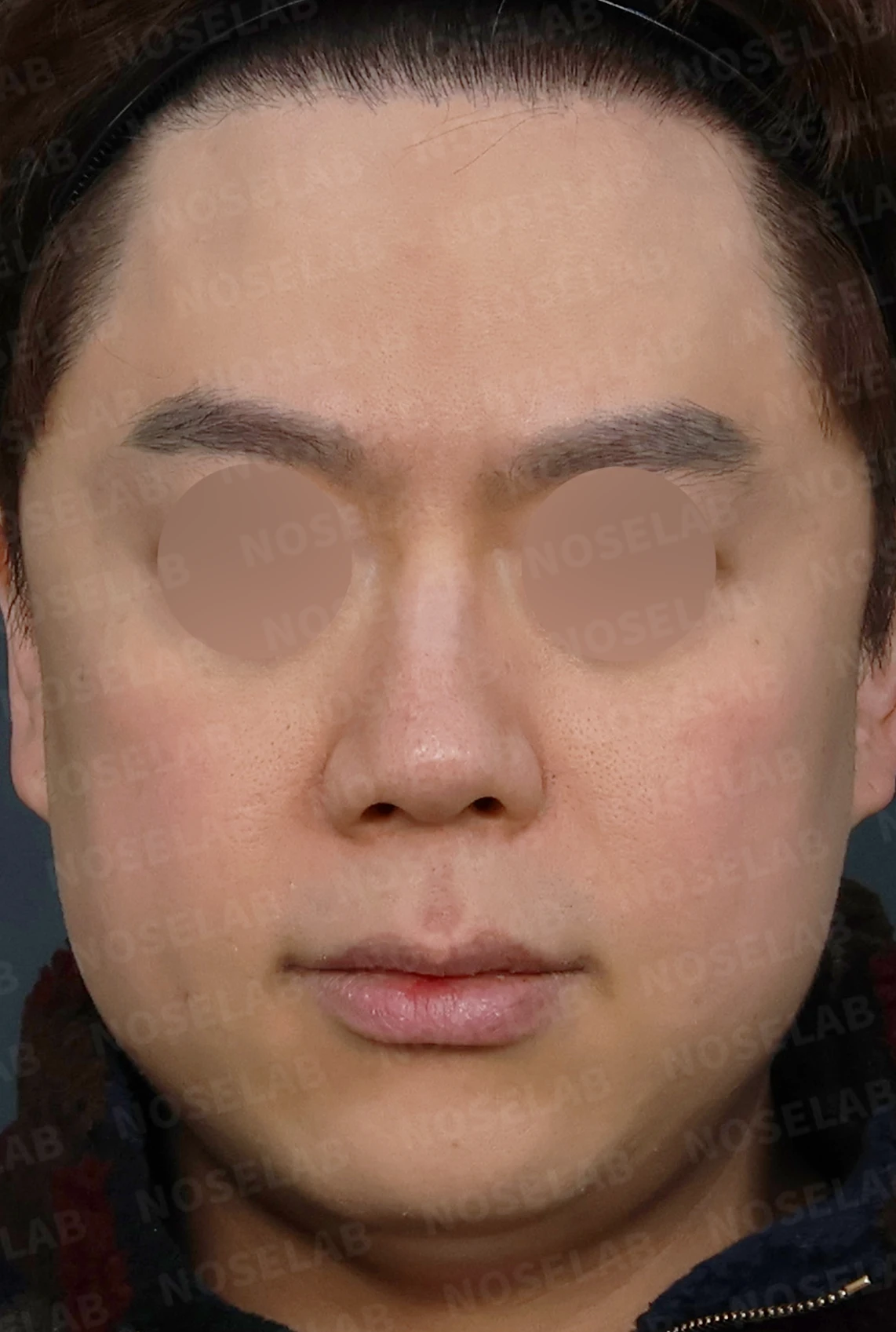
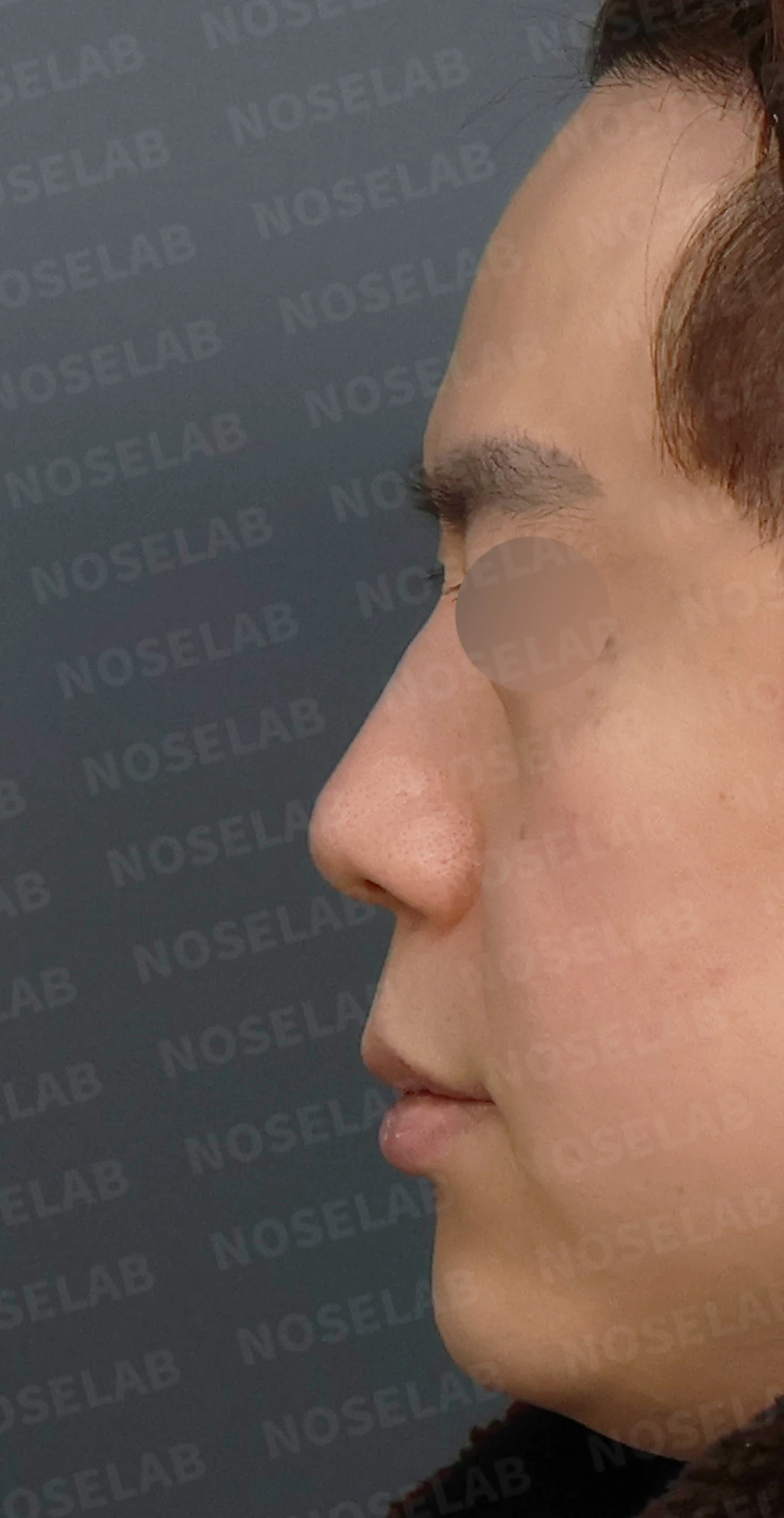
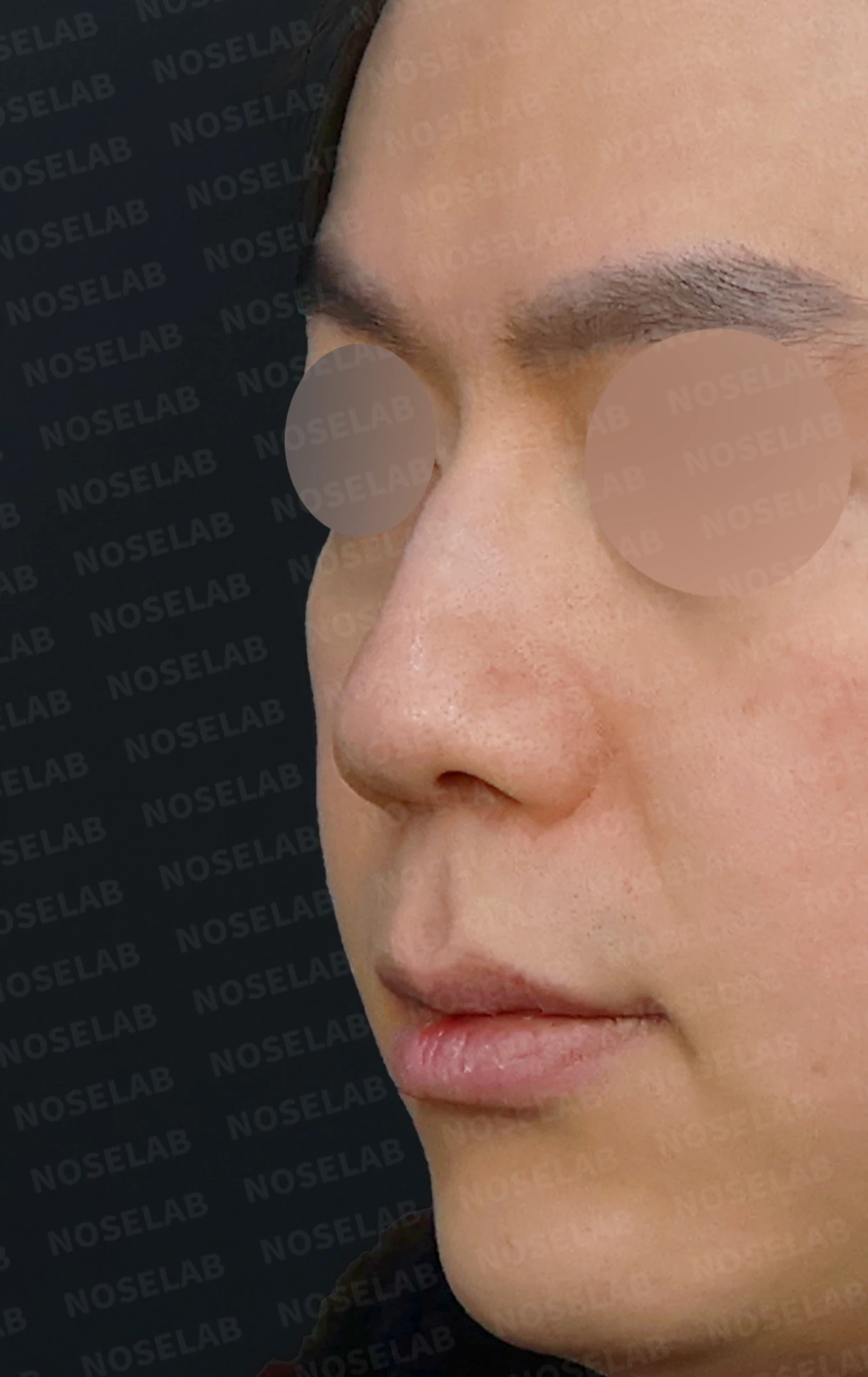
Design consultation: front view, left profile, and oblique view.
💉 Patient requests
When the patient visited our clinic for consultation, the requests were as follows:
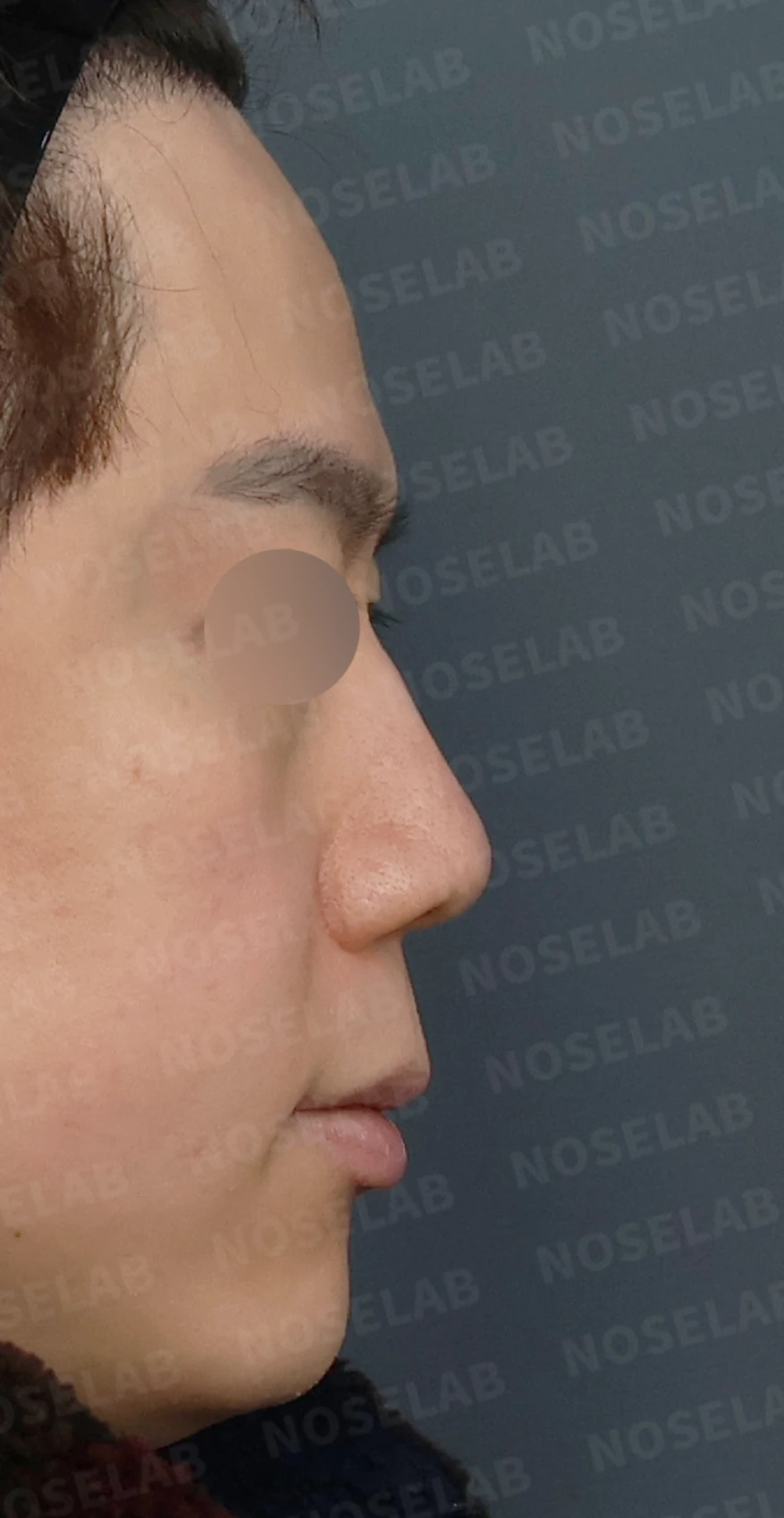
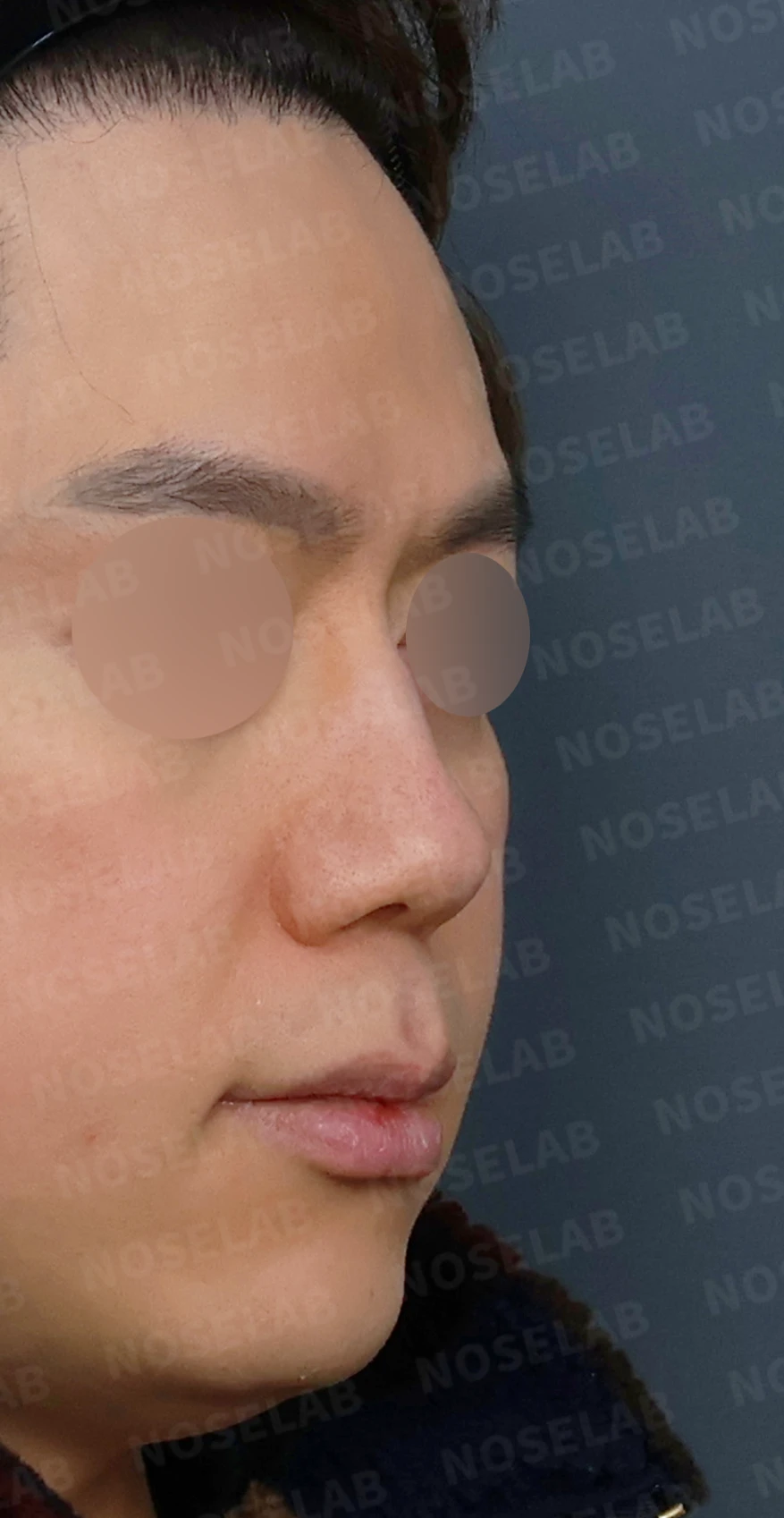
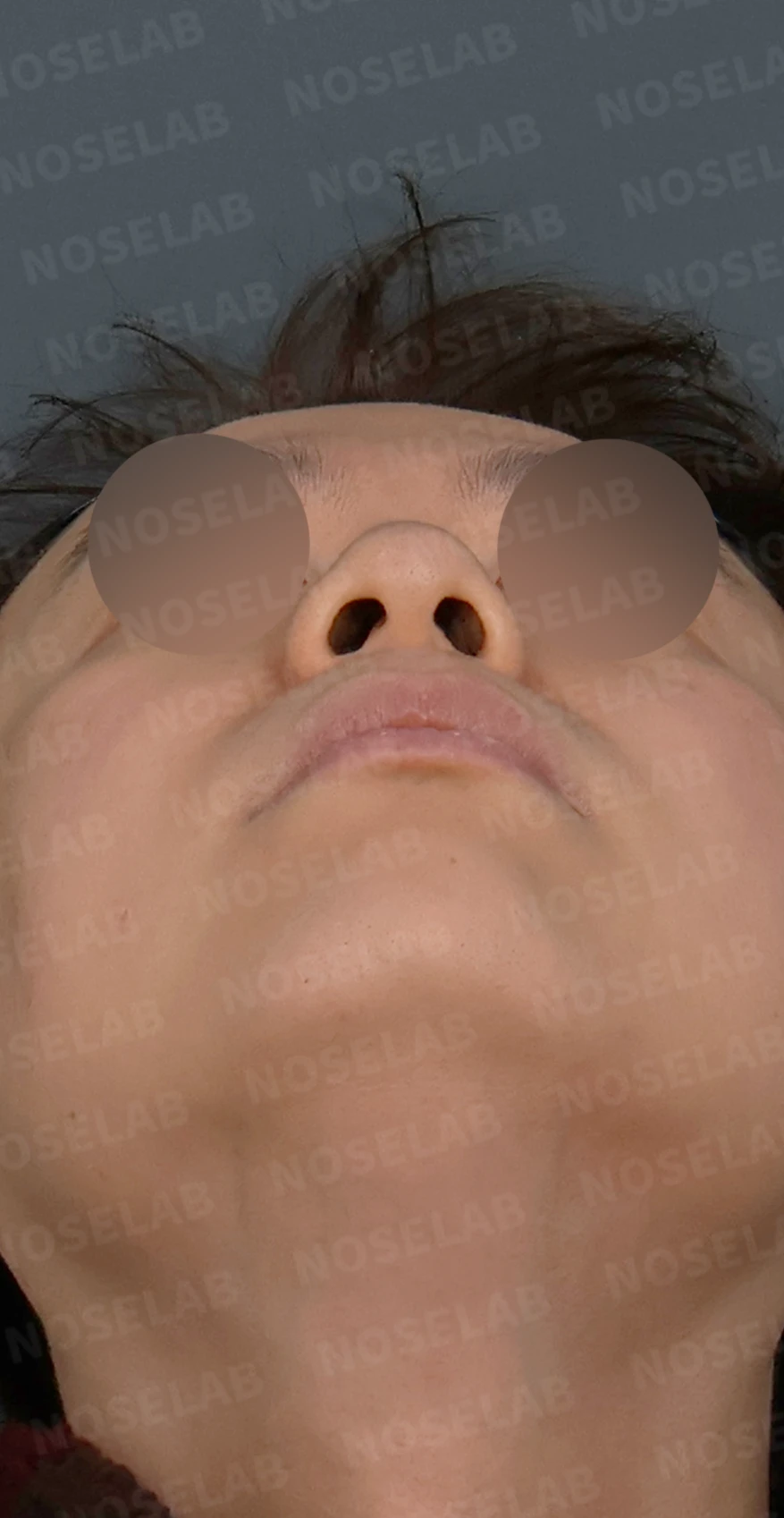
Correction of dorsal hump
Correction of crooked nose
Also desired functional improvement
A natural nose in harmony with the entire face
In particular, while resolving the dorsal hump and crooked nose, the patient wanted a natural result harmonious with the entire face.
🔧 Surgical plan and procedure
After analyzing the patient's requests and current condition, a comprehensive surgical plan was established.
1. Trimming and tying of the lower lateral cartilages
Trimming the lower lateral cartilages to refine the bulbous nasal tip
Bringing the nasal tip together through cartilage tying
Achieved a naturally defined tip shape
2. Lateral osteotomy
Straightening the deviated nasal bones
Correcting the dorsal hump area
Securing a symmetrical nasal bridge line
3. Nasal tip plasty using autologous rib cartilage
Projecting the nasal tip using autologous rib cartilage
Long-term shape maintained with stable structural support
Forming a masculine yet natural nasal tip line
4. Custom carving of the silicone implant
Silicone implant precisely carved to fit the patient's nasal bone contours
Precise carving to fit the nasal bridge line where the dorsal hump was corrected
Completing a natural, smooth nasal bridge
5. Nasolabial angle correction
Adjustment of the angle between the nose and the lips
Refined profile silhouette achieved
Improvement in overall facial balance
🌟 Surgical results
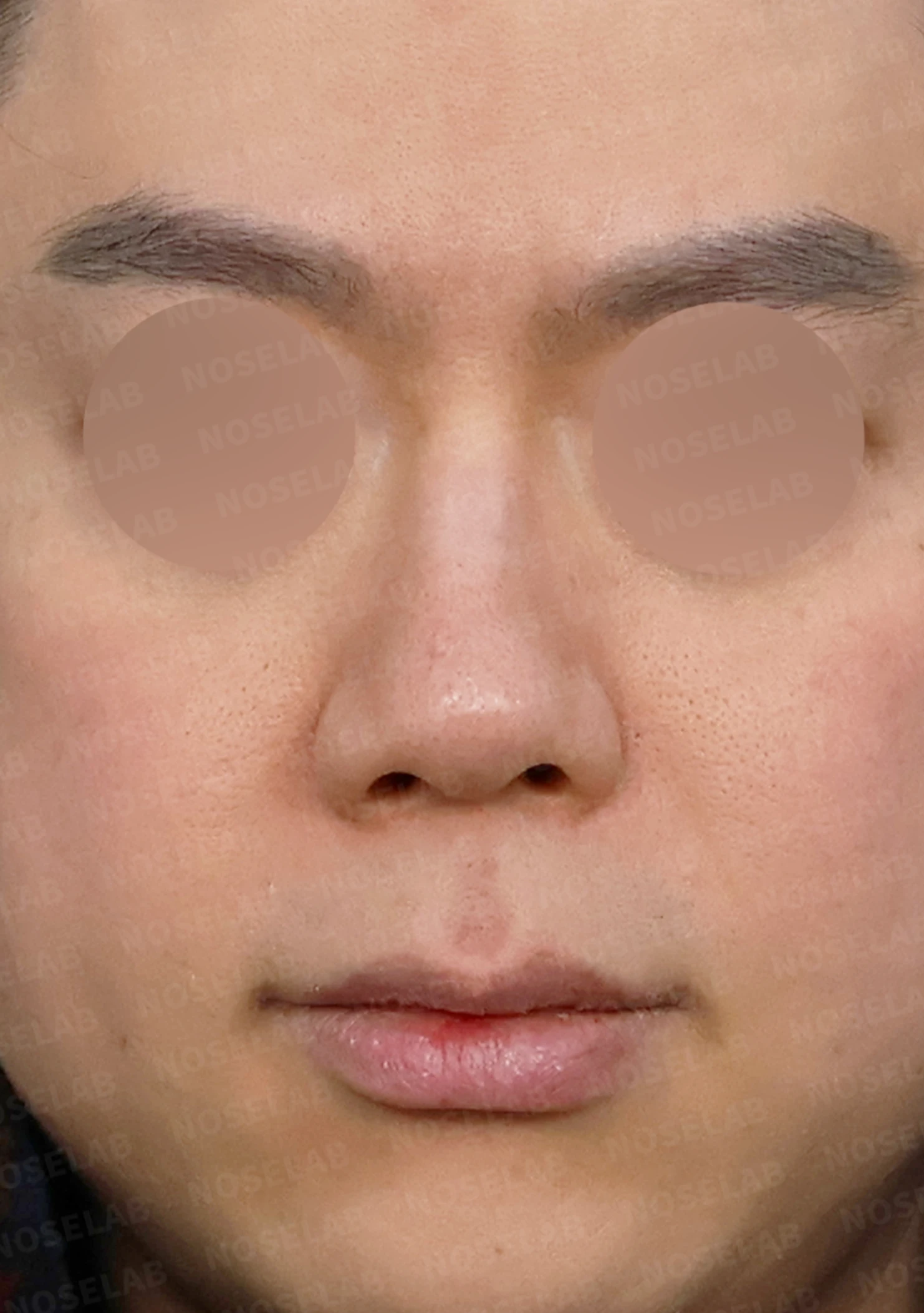
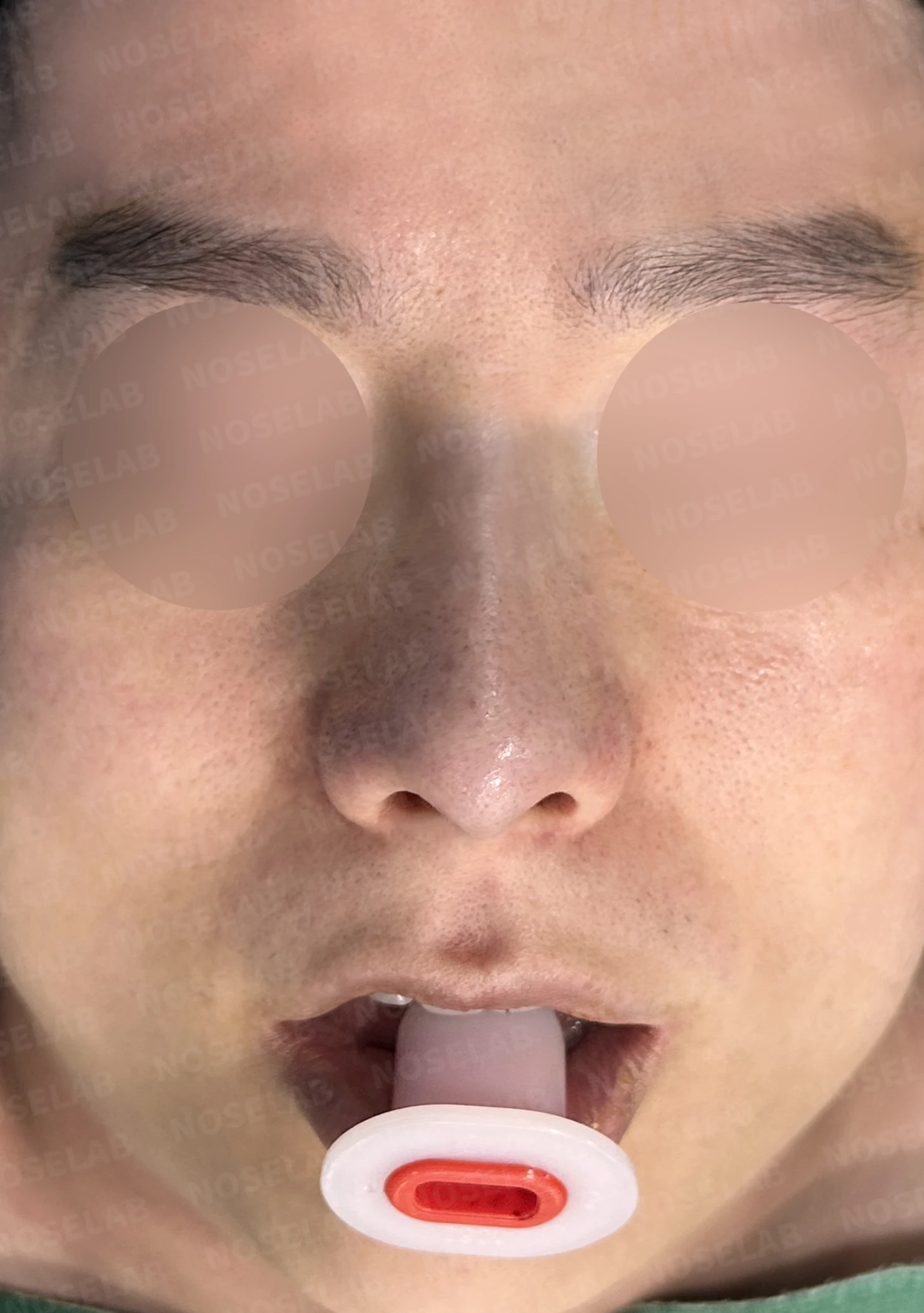
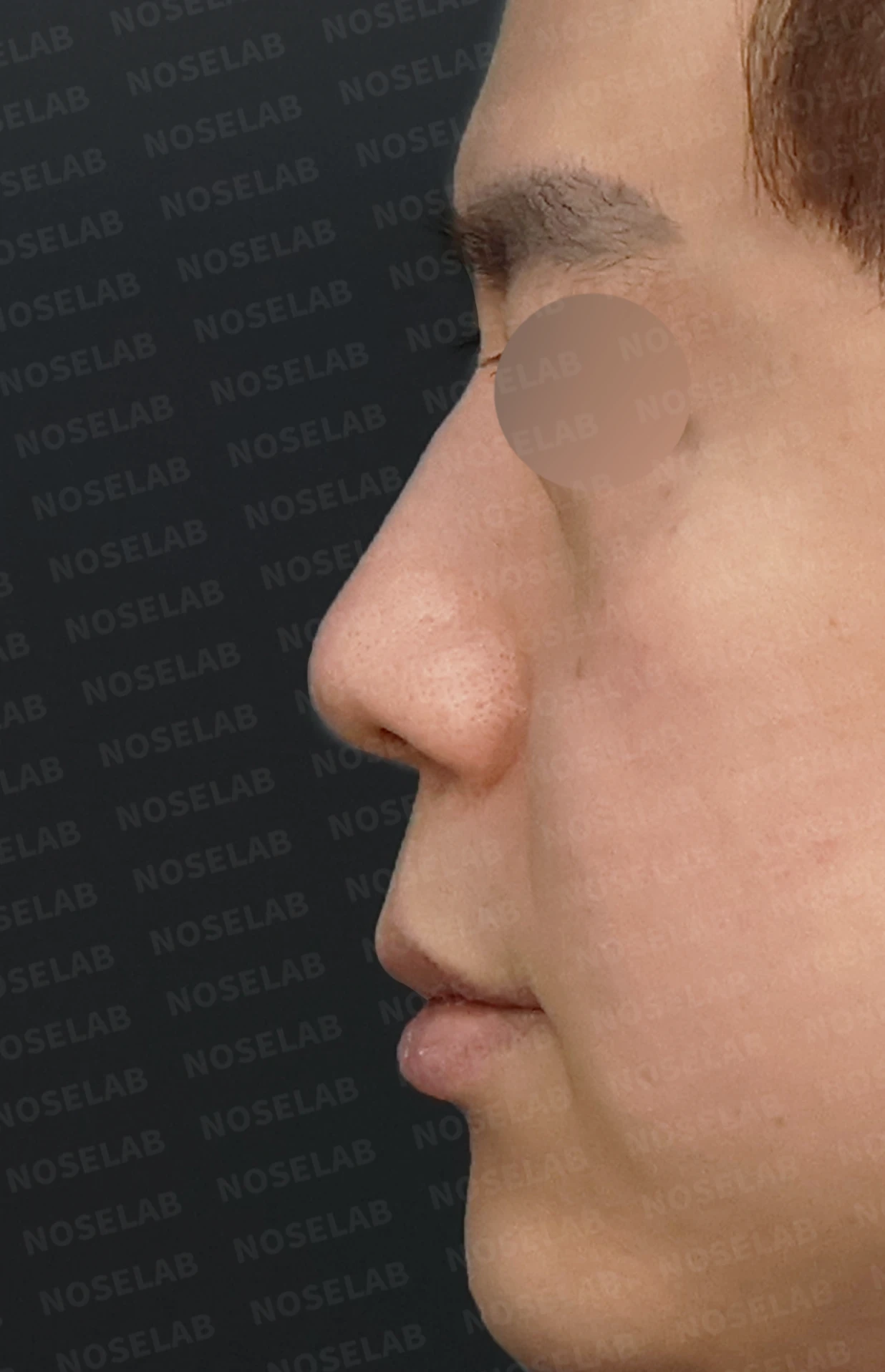
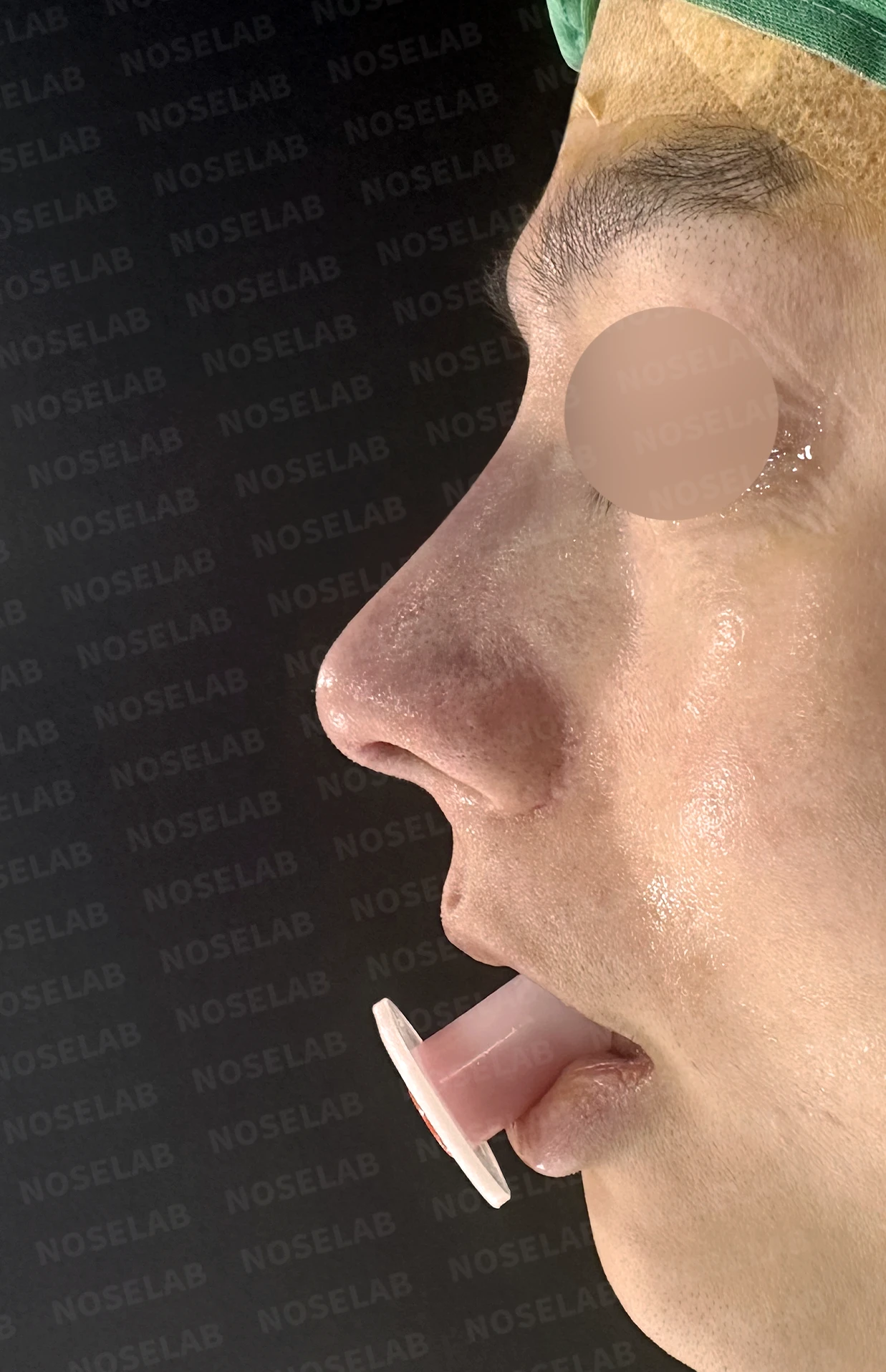
Before surgery / Day 0 immediately after surgery Photos taken immediately after surgery show swelling and may differ from the final result.
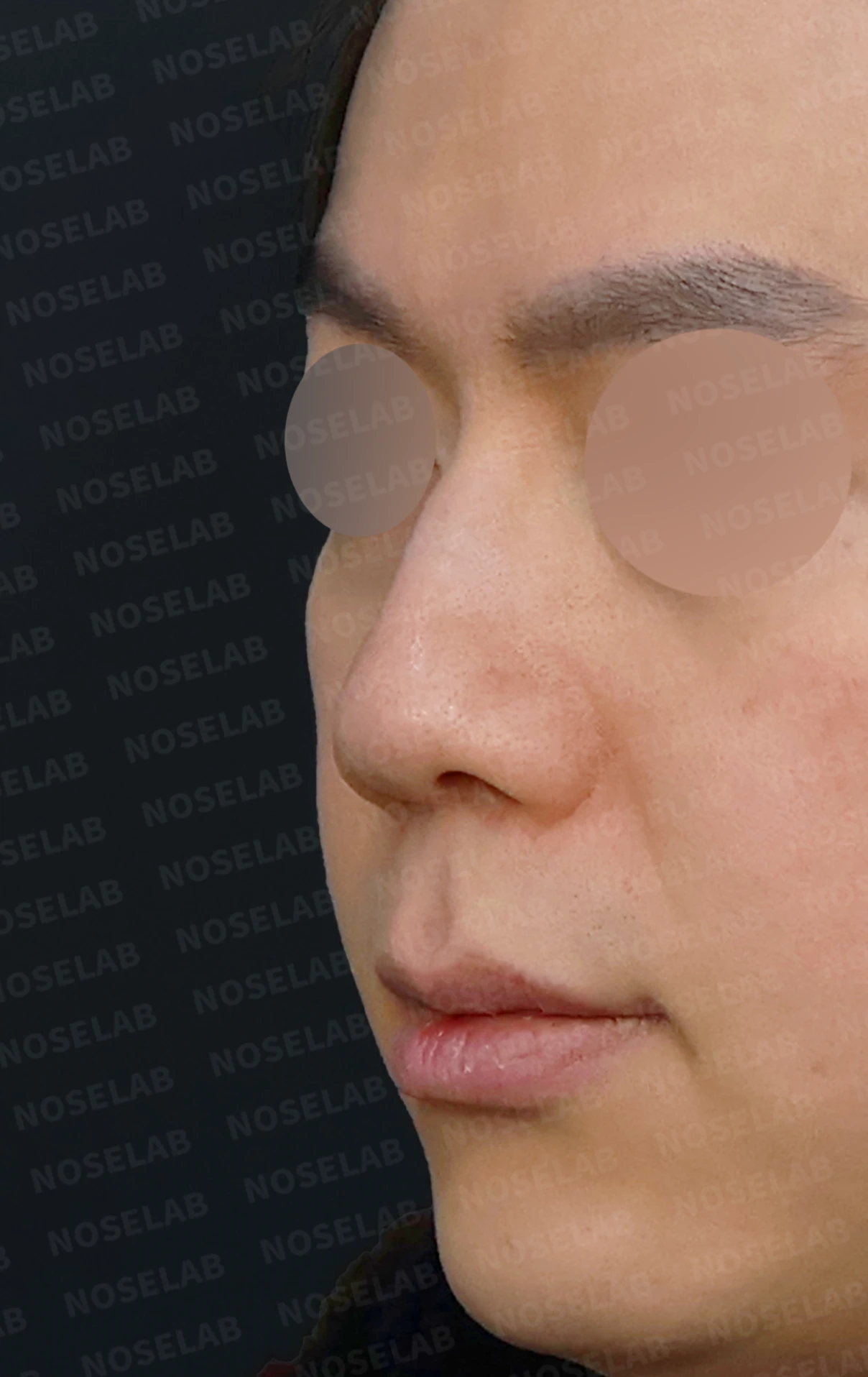
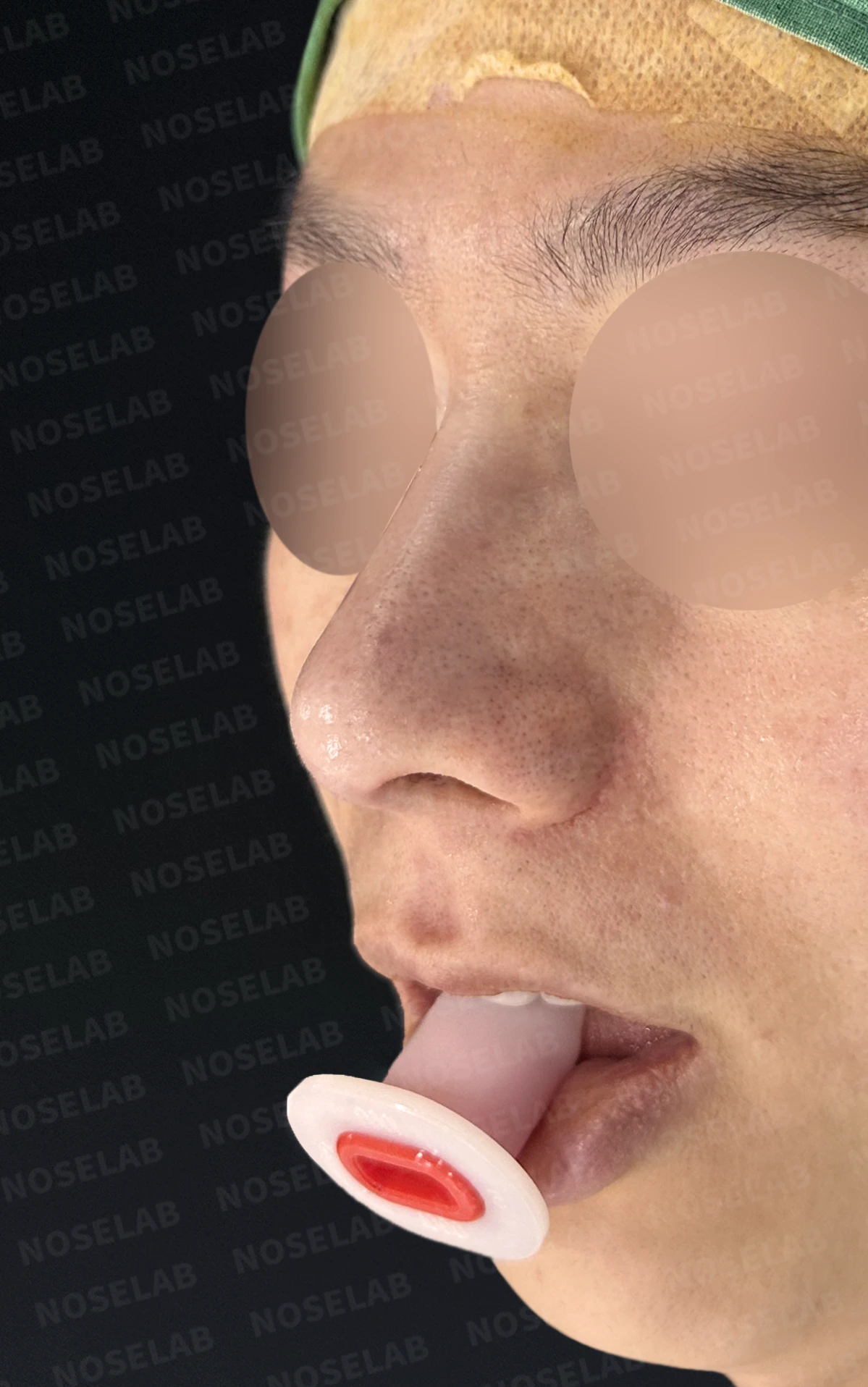
Front view changes:
The crooked nose was straightened
The previously bulbous nasal tip was refined and defined
Overall neat and refined impression
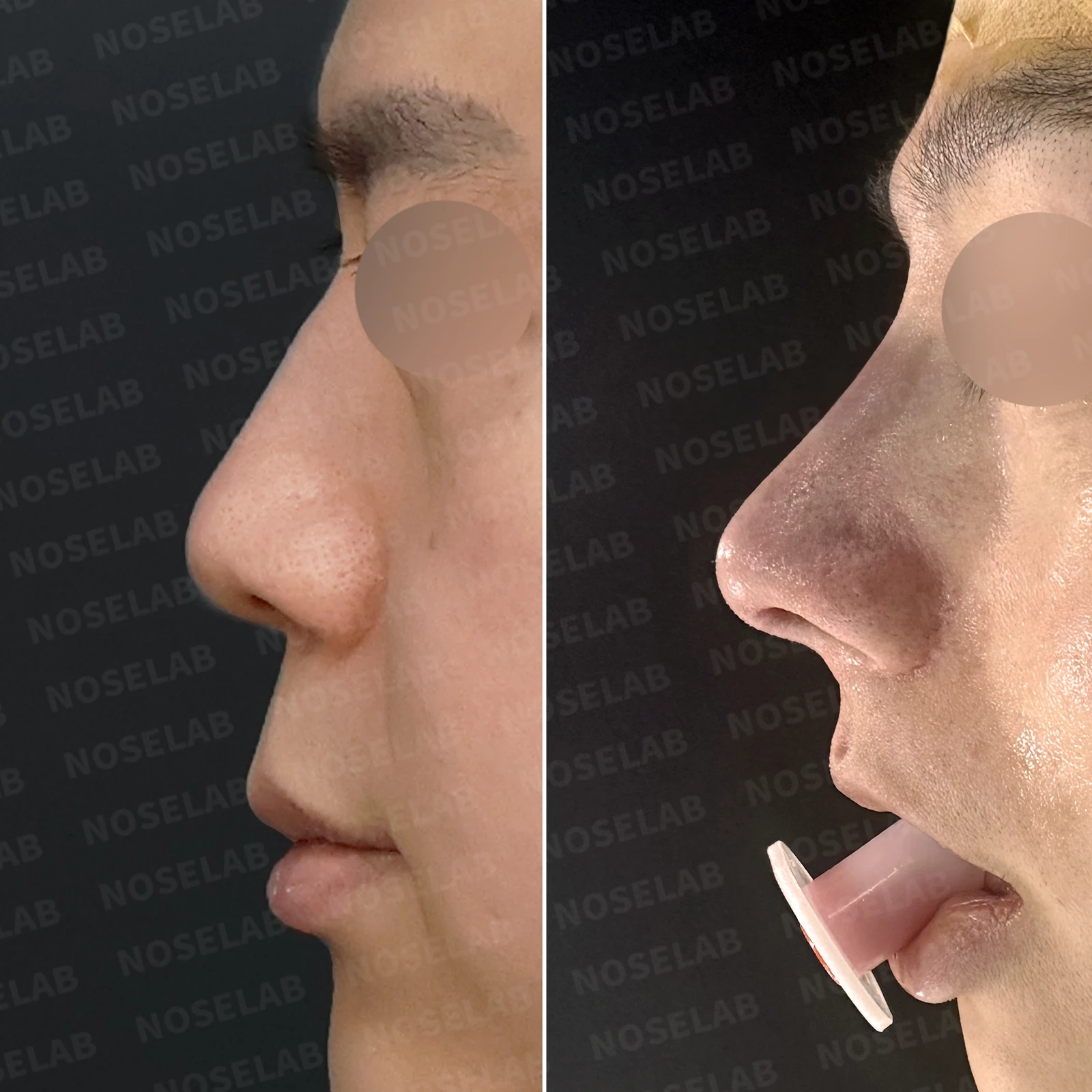
Before surgery / Day 0 immediately after surgery Photos taken immediately after surgery show swelling and may differ from the final result.
Profile view changes:
Smooth nasal bridge line achieved by correcting the dorsal hump
Nasal tip elevated cleanly and prominently
Natural side profile through nasolabial angle correction
A masculine and refined profile
Before surgery / Day 0 immediately after surgery Photos taken immediately after surgery show swelling and may differ from the final result.
Overall changes:
A natural nose in harmony with the entire face
Both bulbousness and deviation were improved
Comfortable breathing functionally as well
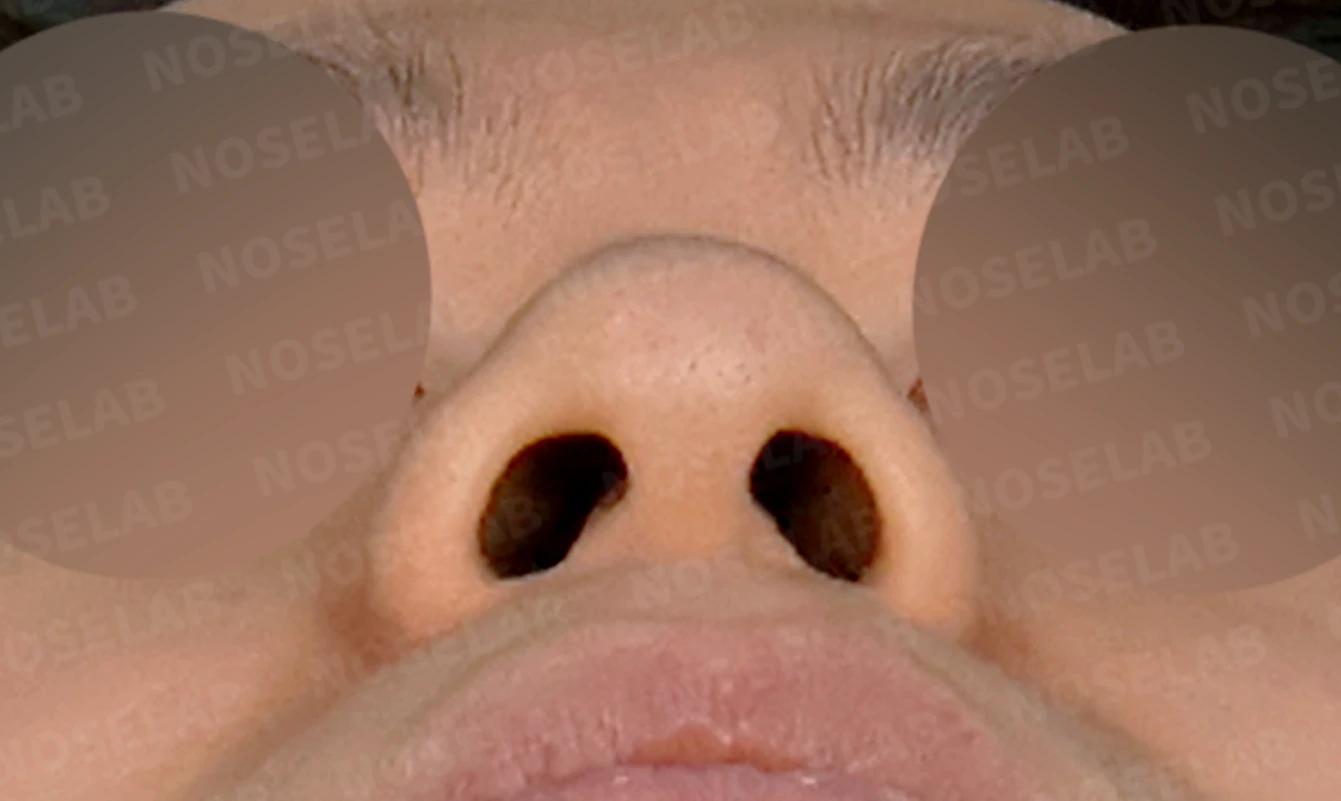
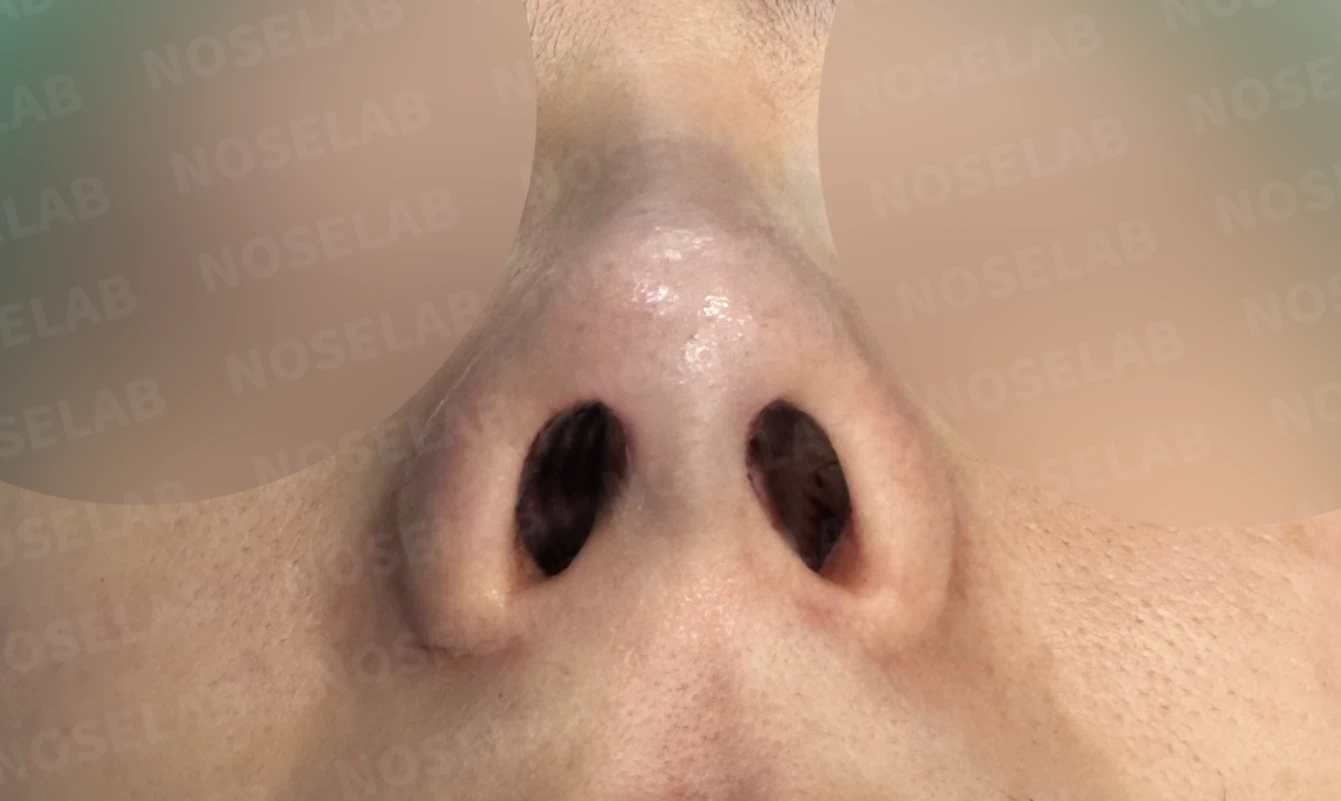
Before surgery / Day 0 immediately after surgery Photos taken immediately after surgery show swelling and may differ from the final result.
💡 Specialist opinion
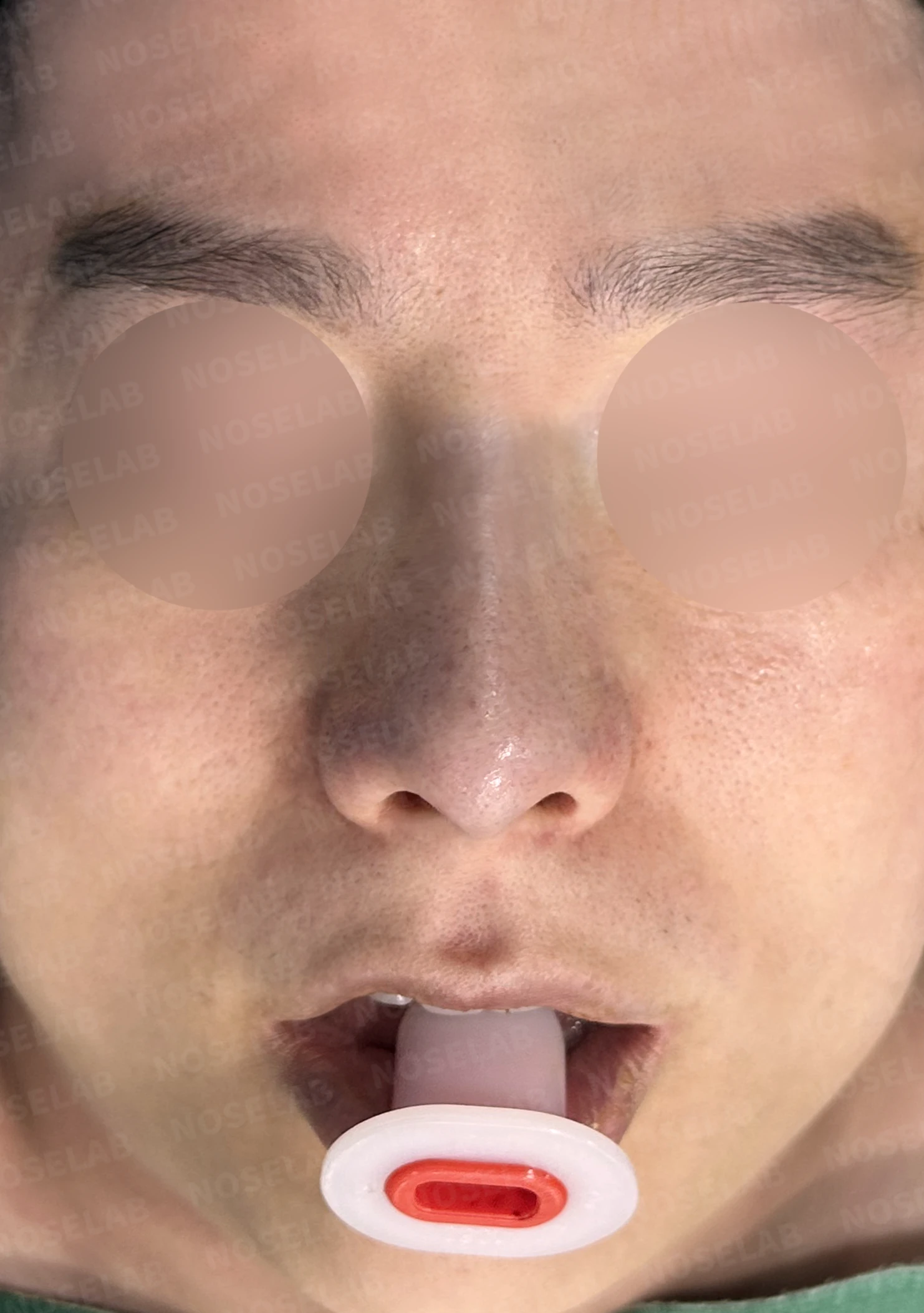
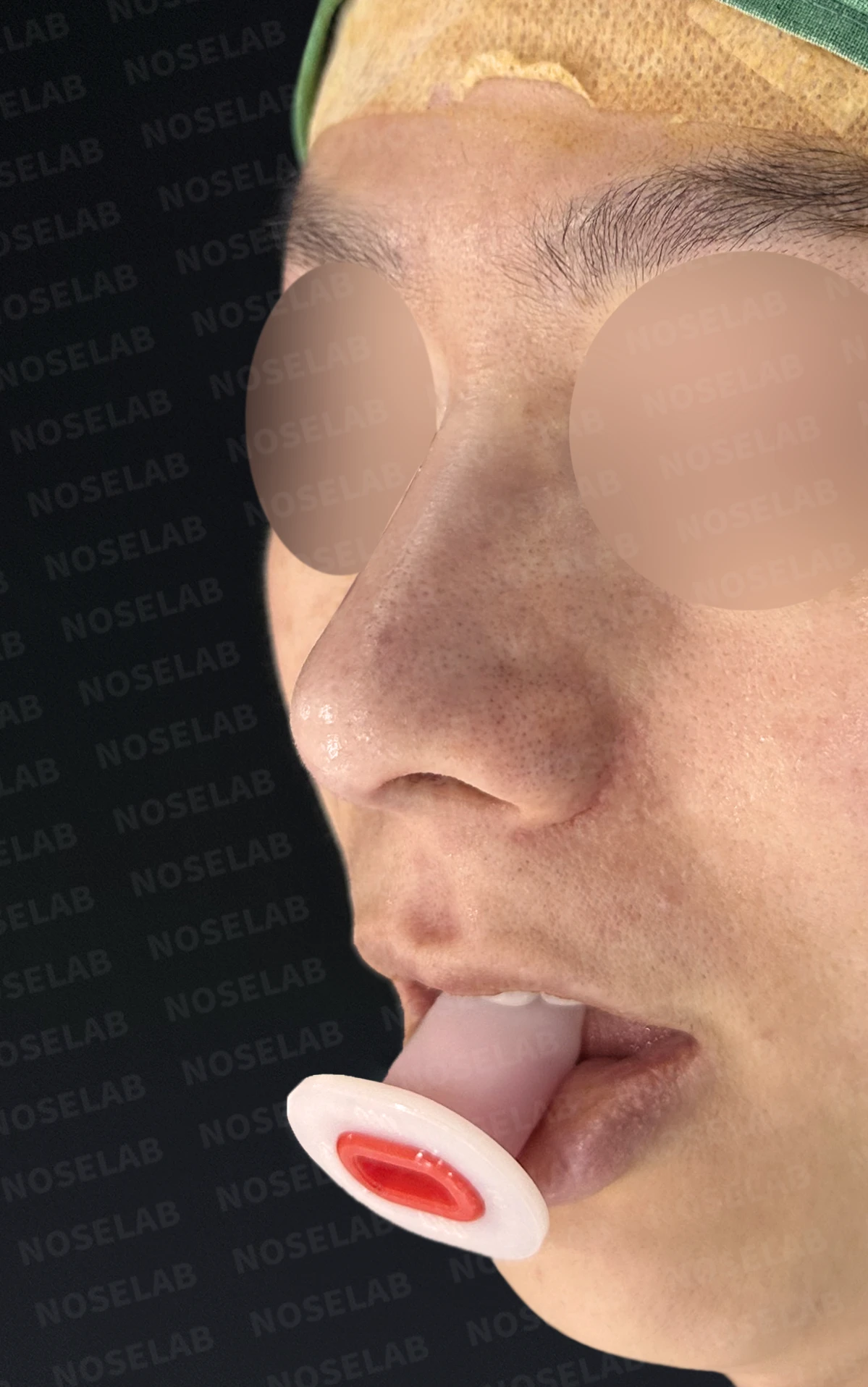
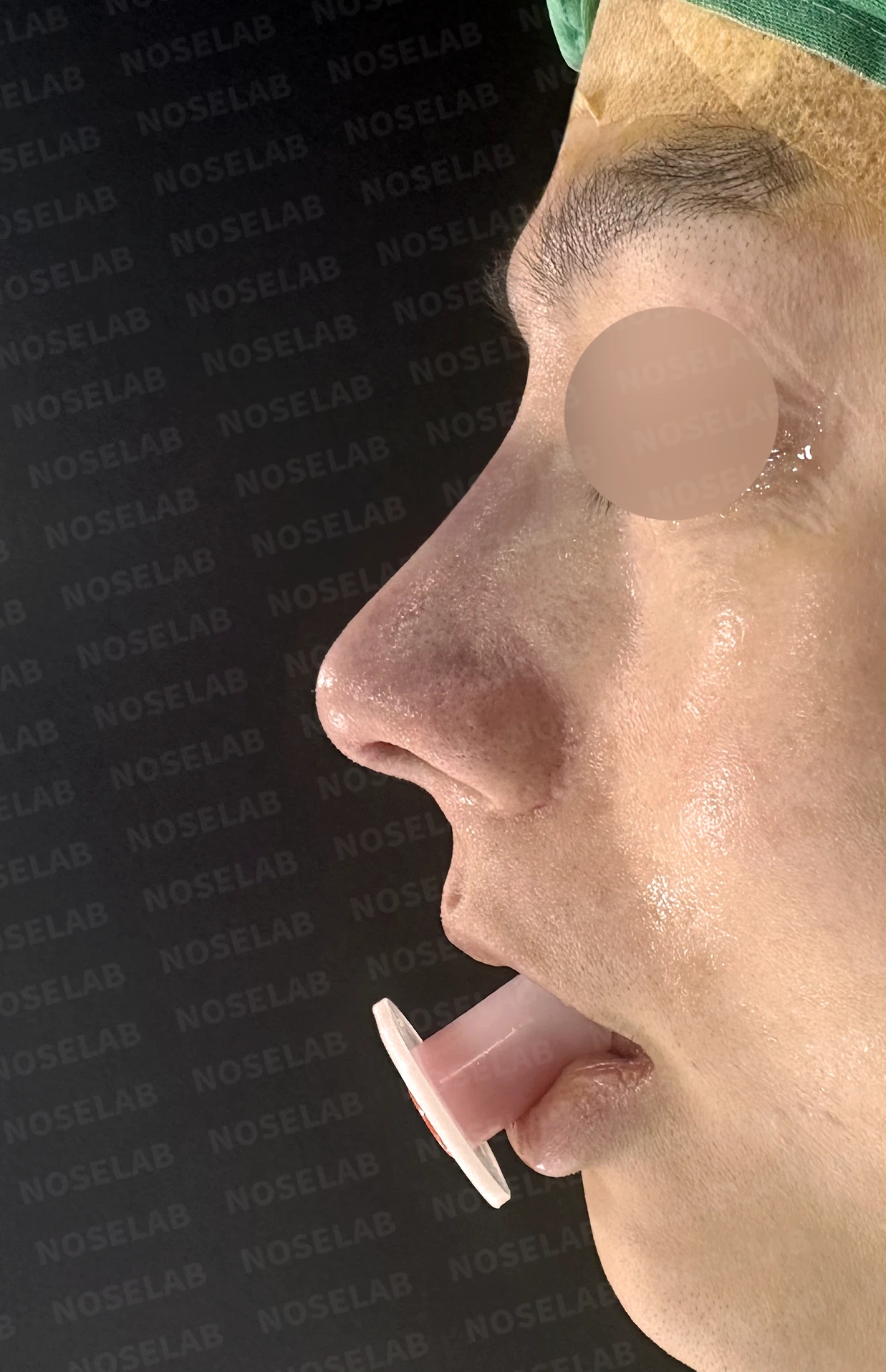
Front, oblique, and profile views on day 0 immediately after surgery. Photos taken immediately after surgery show swelling and may differ from the final result.
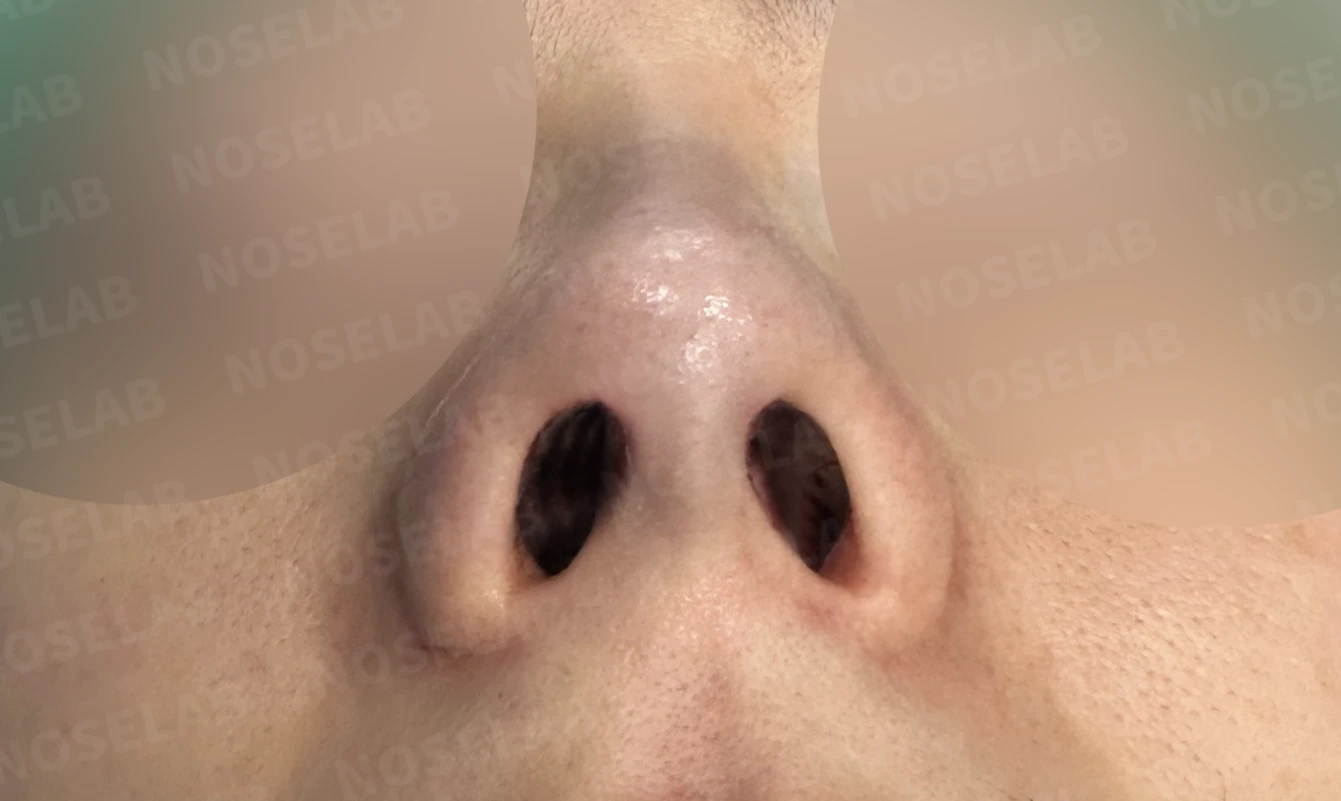
Nostril view on day 0 immediately after surgery. Photos taken immediately after surgery show swelling and may differ from the final result.
Correcting a dorsal hump and a crooked nose at the same time is a common case in male rhinoplasty. In this case, because the bulbous nasal tip also needed to be improved, several surgical techniques were applied in combination.
The bulbous nasal tip was improved by appropriately trimming the lower lateral cartilages and bringing them together naturally through cartilage tying. This method refines the nasal tip effectively without looking overdone.
For the crooked nose and dorsal hump, lateral osteotomy was performed to straighten the nasal bones, and autologous rib cartilage was used to support and project the nasal tip stably. Because autologous rib cartilage is the patient's own tissue, there is no rejection response, and it maintains a structurally stable shape over the long term.
The most important aspect of male rhinoplasty is achieving a natural result that is not overdone and remains in harmony with the entire face. In this case as well, the patient was able to achieve a natural result where both the dorsal hump and deviation were corrected as desired.
I will continue to provide customized surgery for each and every patient. I hope this helps those with similar concerns. This has been Medical Director Dr. Peter C. Kang. Thank you.
#closedrhinoplasty #closedrevisionrhinoplasty #dorsalhumpcorrection #crookednosecorrection #autologousribrhinoplasty #lateralosteotomy #malerhinoplasty #bulboustip #nasolabialanglecorrection

Limitations and risks
When autologous rib cartilage is used, scarring and pain may remain at the donor site on the chest, and pneumothorax (pleural injury) can occur rarely. Over time, the grafted cartilage may warp or undergo partial resorption.
Common potential risks include infection, bleeding, asymmetry, scarring, skin necrosis, and insufficient improvement; results vary depending on individual skin condition and previous surgical history.