Hello, I am Dr. Peter C. Kang.
Today, I would like to share a closed rhinoplasty case using autologous rib cartilage for an international patient who desired a natural yet refined, distinct nasal line.
🔍 Surgical history
The patient was an international patient visiting for their primary rhinoplasty.

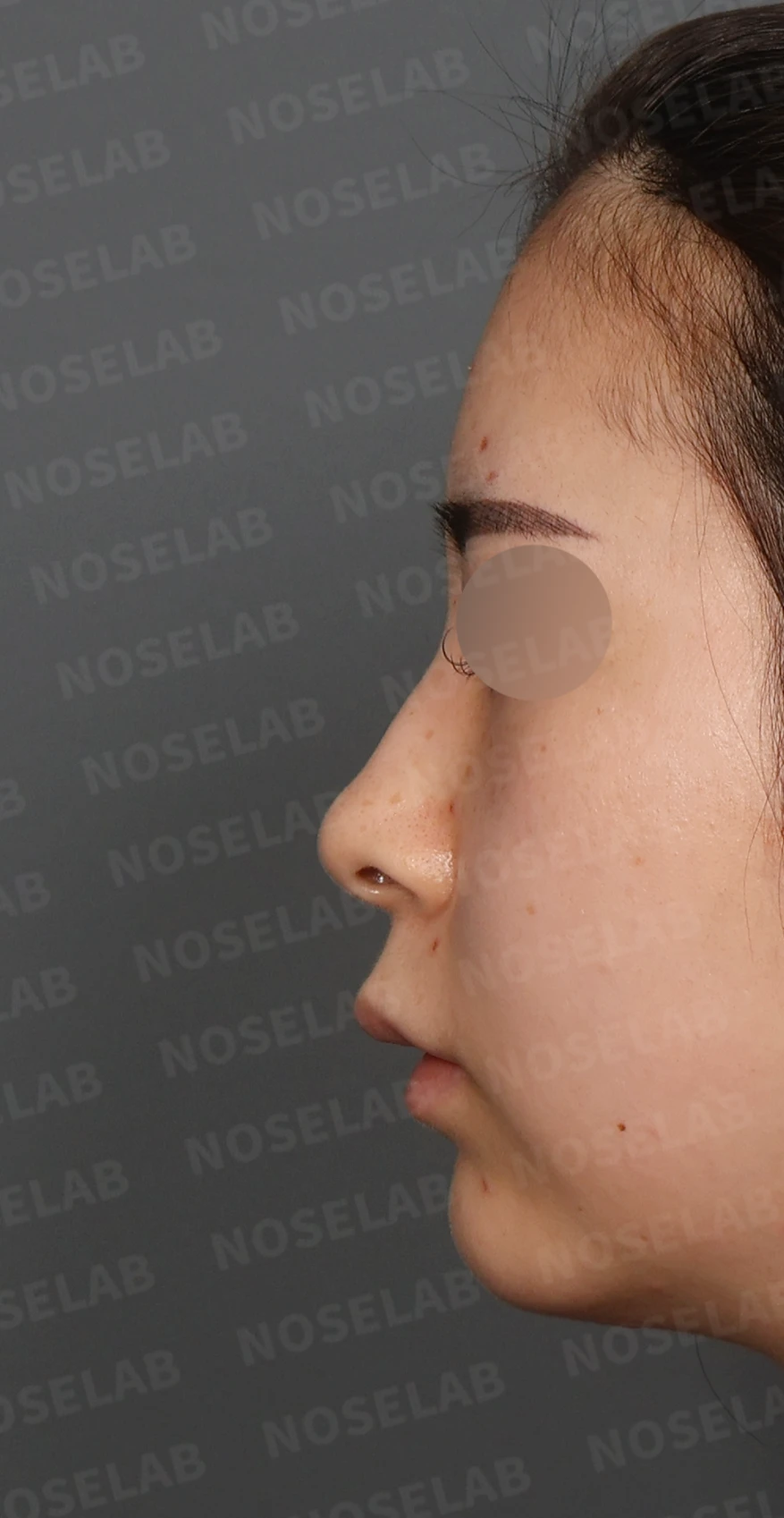
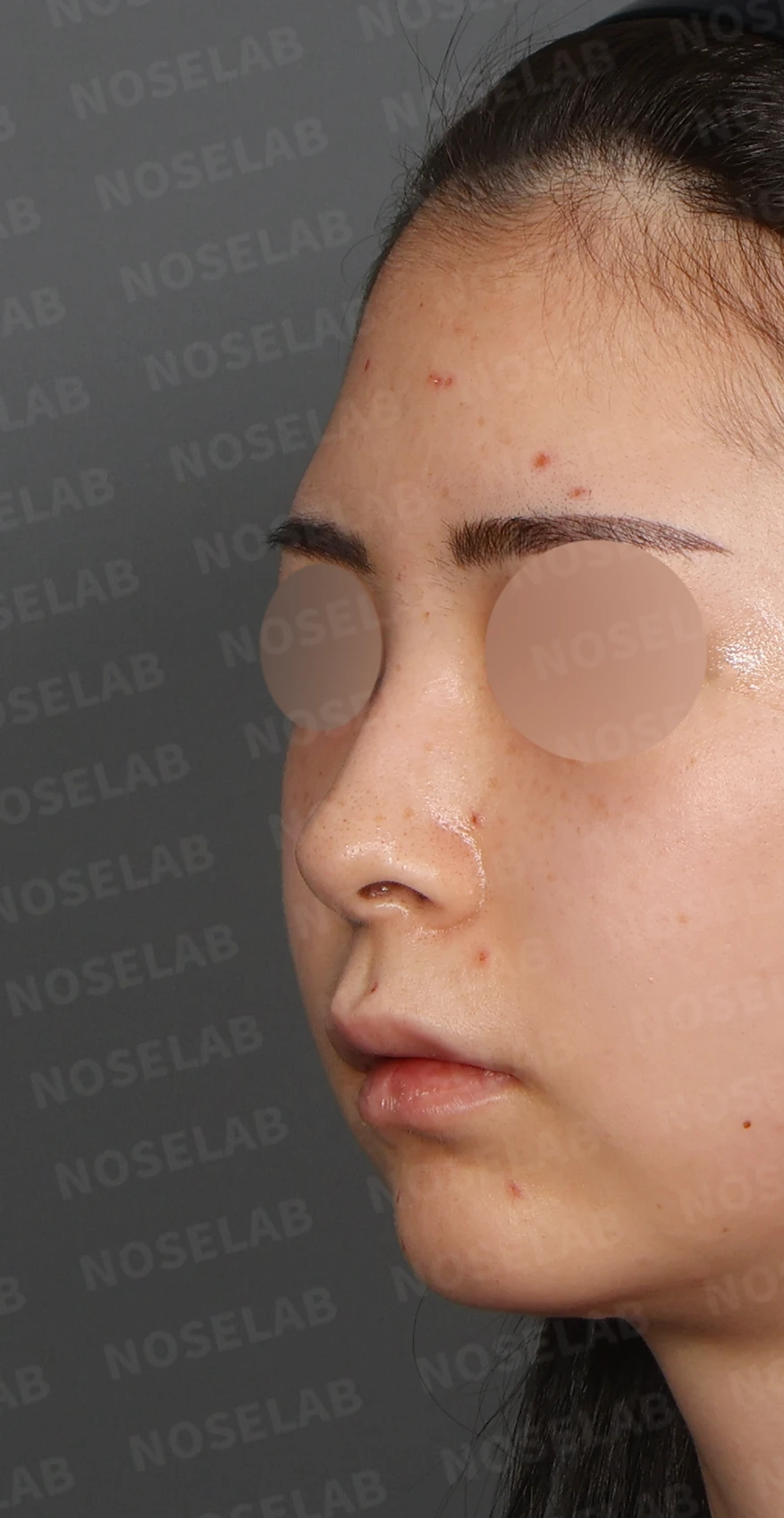
Design consultation: front, left profile, and oblique views.
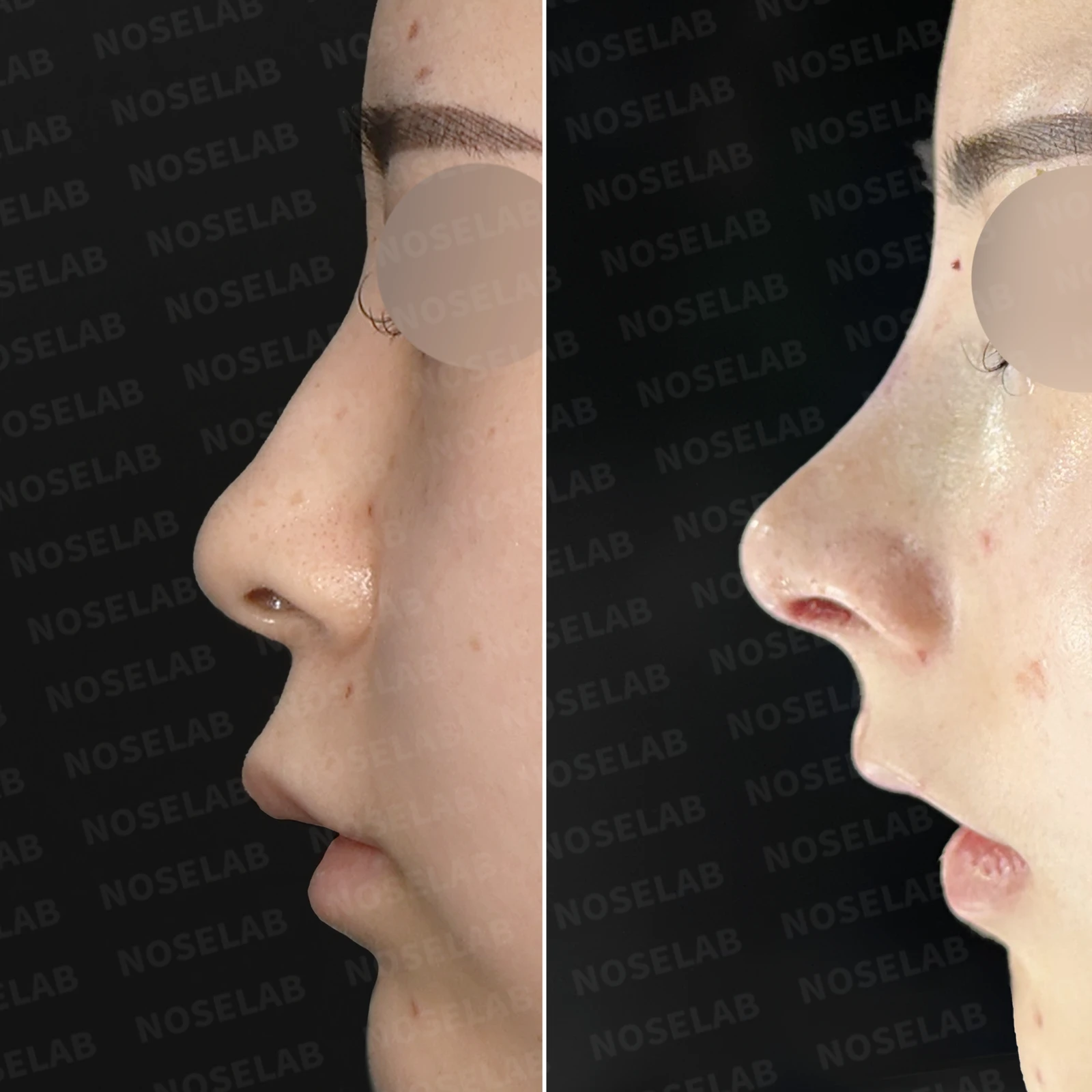
Looking at the preoperative condition, the nasal bridge was uneven with visible irregularities, and the prominent dorsal hump gave the overall nose a somewhat heavy, coarse impression. Additionally, the angle where the nose meets the upper lip (nasolabial angle) was narrow, making the mouth appear relatively protruding. The nasal tip was low and lacked volume, leaving room for improvement in harmony between the nose and face on profile view.
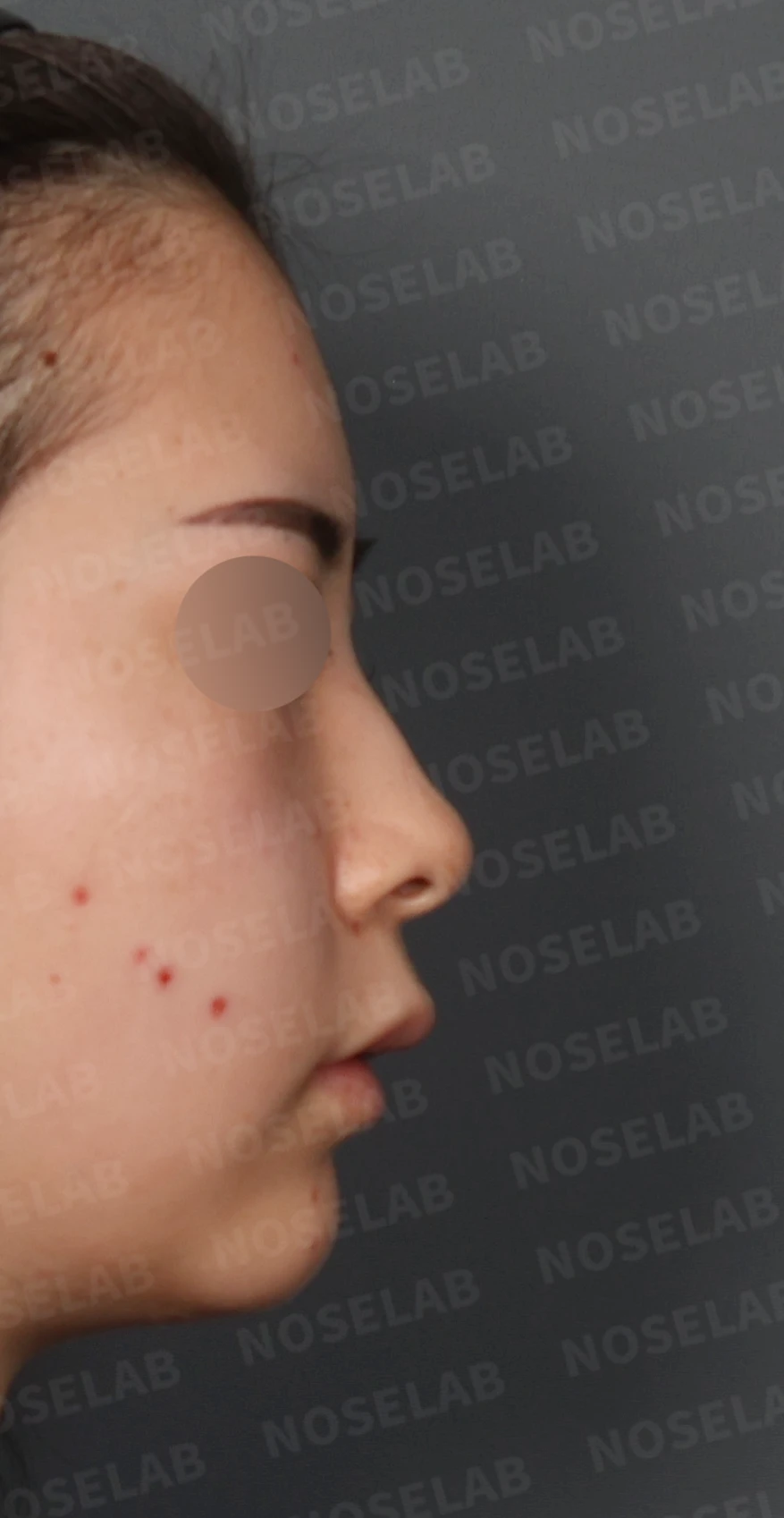
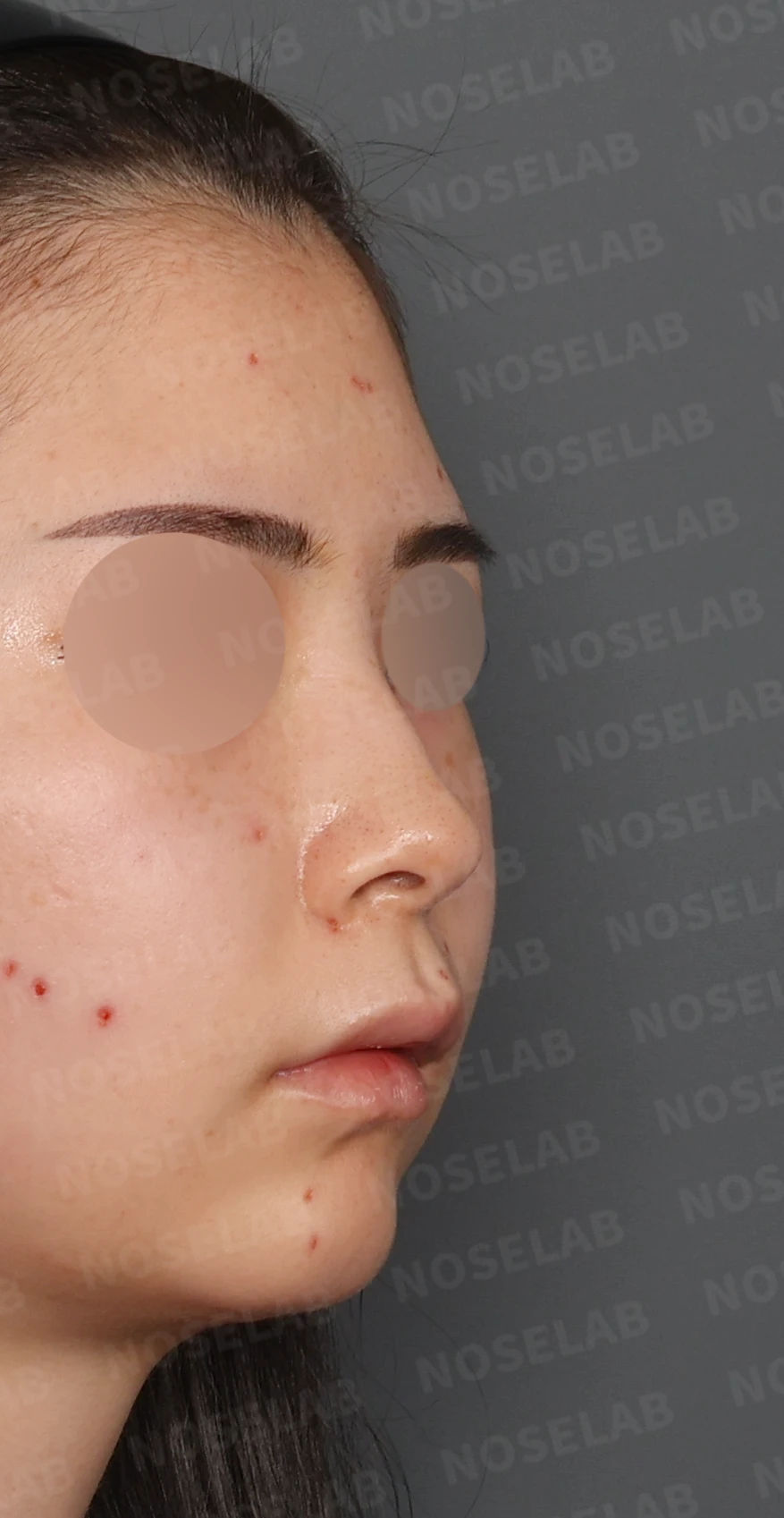
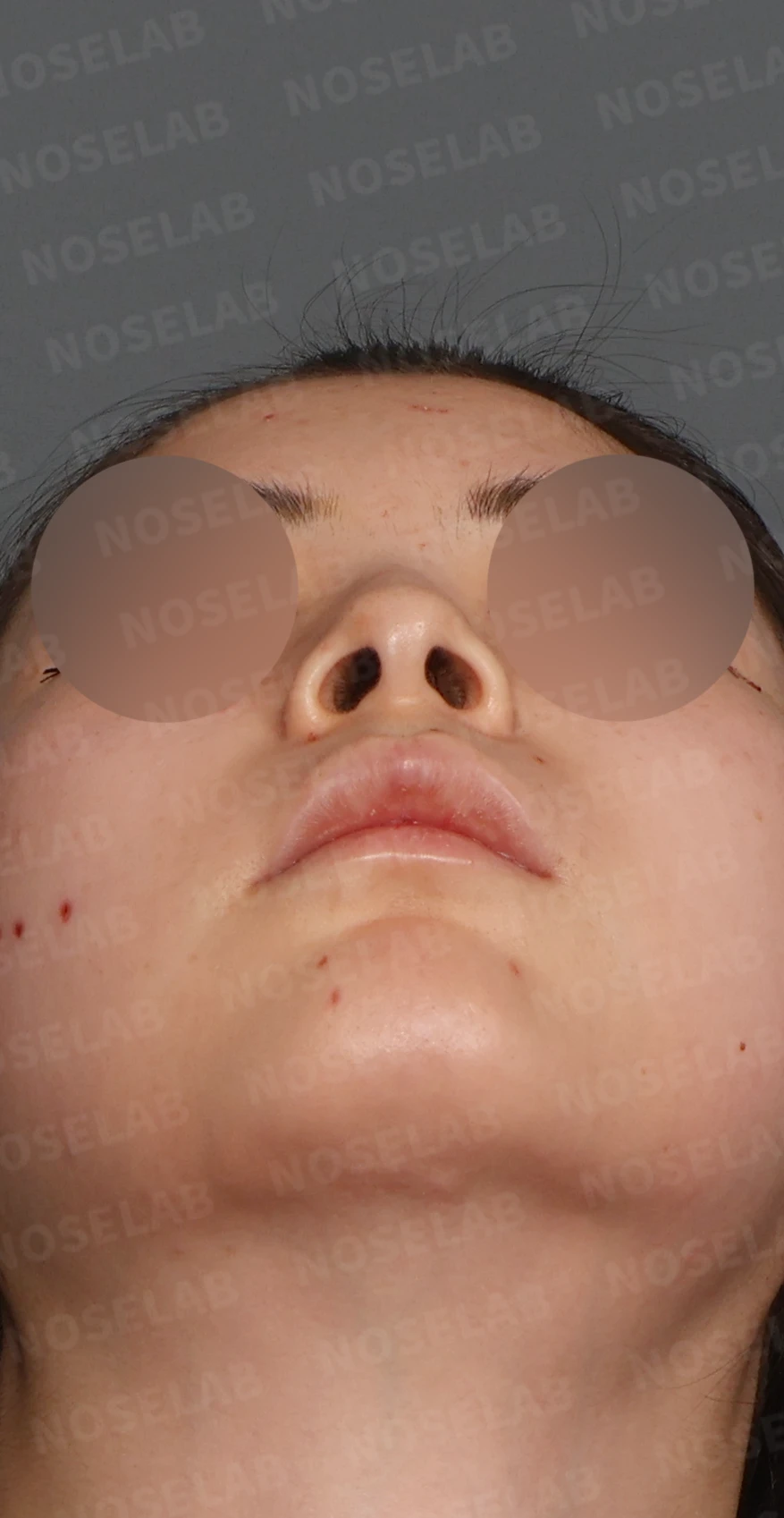
Design consultation: right profile, oblique, and nostril views.
💉 Patient requests
Desired a natural yet distinct and refined nasal line
Desired a smooth dorsal line by shaving the uneven nasal bridge and dorsal hump
Desired to naturally raise the nasal tip using autologous rib cartilage
Desired to improve the appearance of a protruding mouth by correcting the nasolabial angle
🔧 Surgical plan and procedure
1. Dorsal hump correction and bridge implant placement: After shaving down the irregular dorsal hump on the nasal bridge, a silicone implant was precisely carved to match the contours of the nasal bone and placed along the dorsum. Using an implant sculpted precisely to the nasal bone created a natural dorsal line.
2. Septal reconstruction: By stably reconstructing the internal septal structure (the dividing partition inside the nose), we secured a firm support structure to uphold the nasal tip. The septum plays a pivotal role in tip shape, height, and long-term structural maintenance.
3. Nasal tip plasty using autologous rib cartilage: Using a closed approach, the patient's own rib cartilage was used to elevate the nasal tip and delicately shape it in the desired direction. Because autologous tissue is used, a natural outcome without foreign body reaction can be expected.
4. Nasolabial angle correction: By correcting the angle between the nose and the upper lip, the lower part of the nose was given a gentle, natural upward tilt. Through this, the appearance of a protruding mouth was improved from both the front and profile views, establishing a balanced proportion between the nose and lips.
🌟 Surgical results
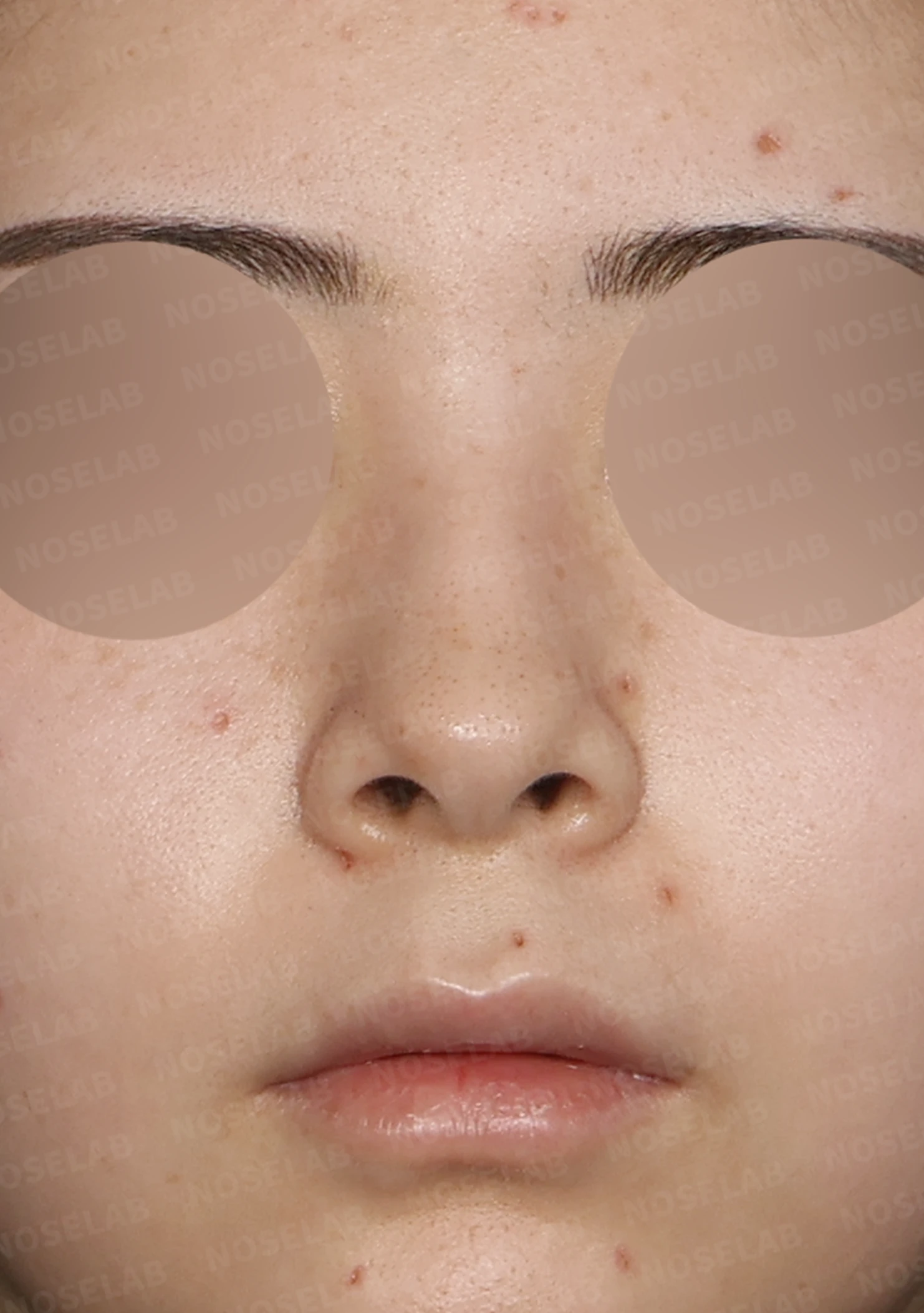
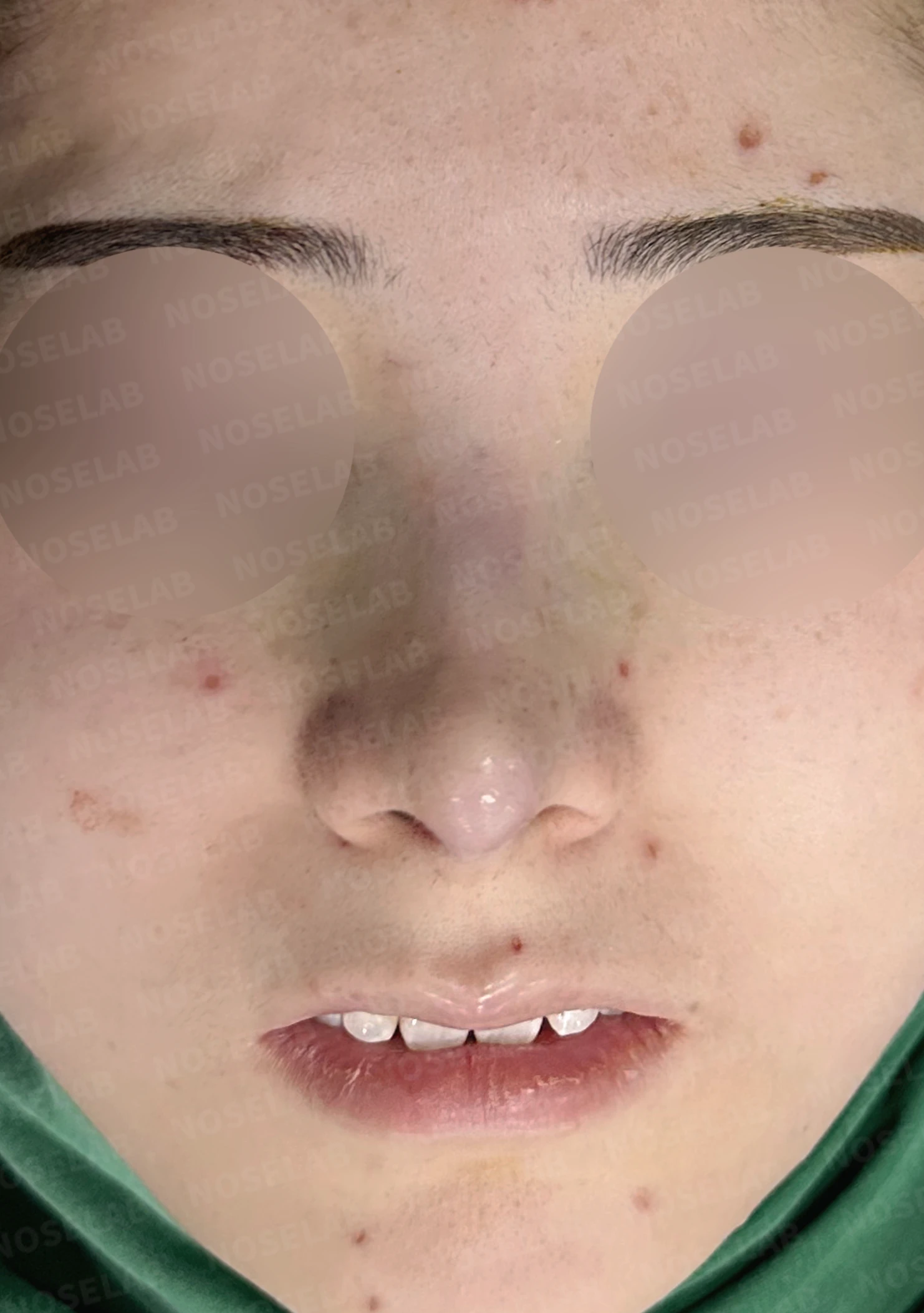
Before surgery / Day 0 immediately after surgery Photos taken immediately after surgery show swelling and may differ from the final result.
Front view changes
The nasal bridge became smooth and straight, changing the overall impression of the nose to look much more refined and defined.
The implant sculpted to match the nasal bone contours blends naturally, completing an aesthetically pleasing dorsal line without an artificial appearance.
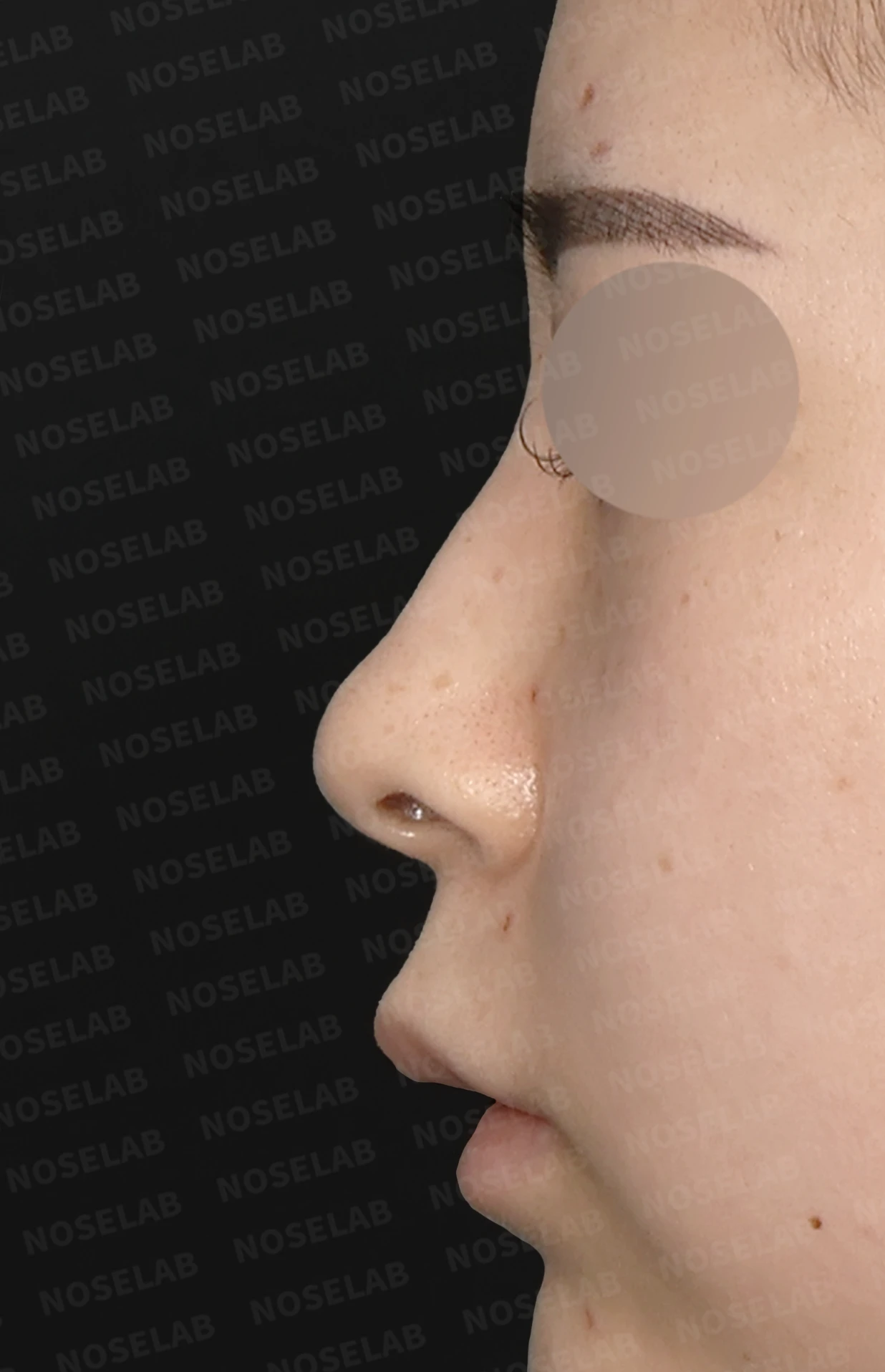
Before surgery / Day 0 immediately after surgery Photos taken immediately after surgery show swelling and may differ from the final result.
Profile view changes
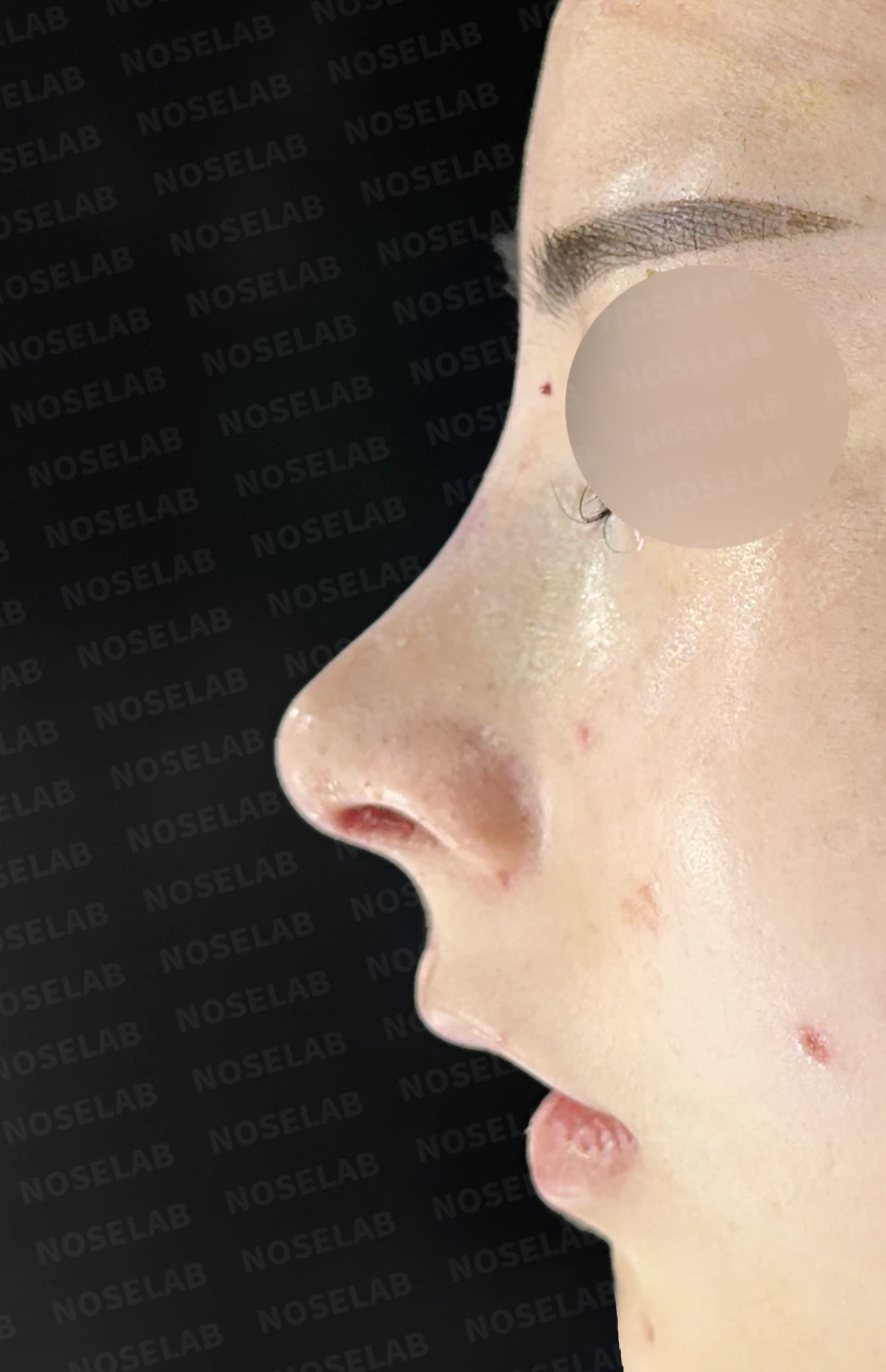
With appropriate elevation of the nasal tip and a smooth transition along the bridge line, the profile silhouette was significantly improved.
Correcting the nasolabial angle refined the infratip and lower nasal line, making the overall profile view more balanced.
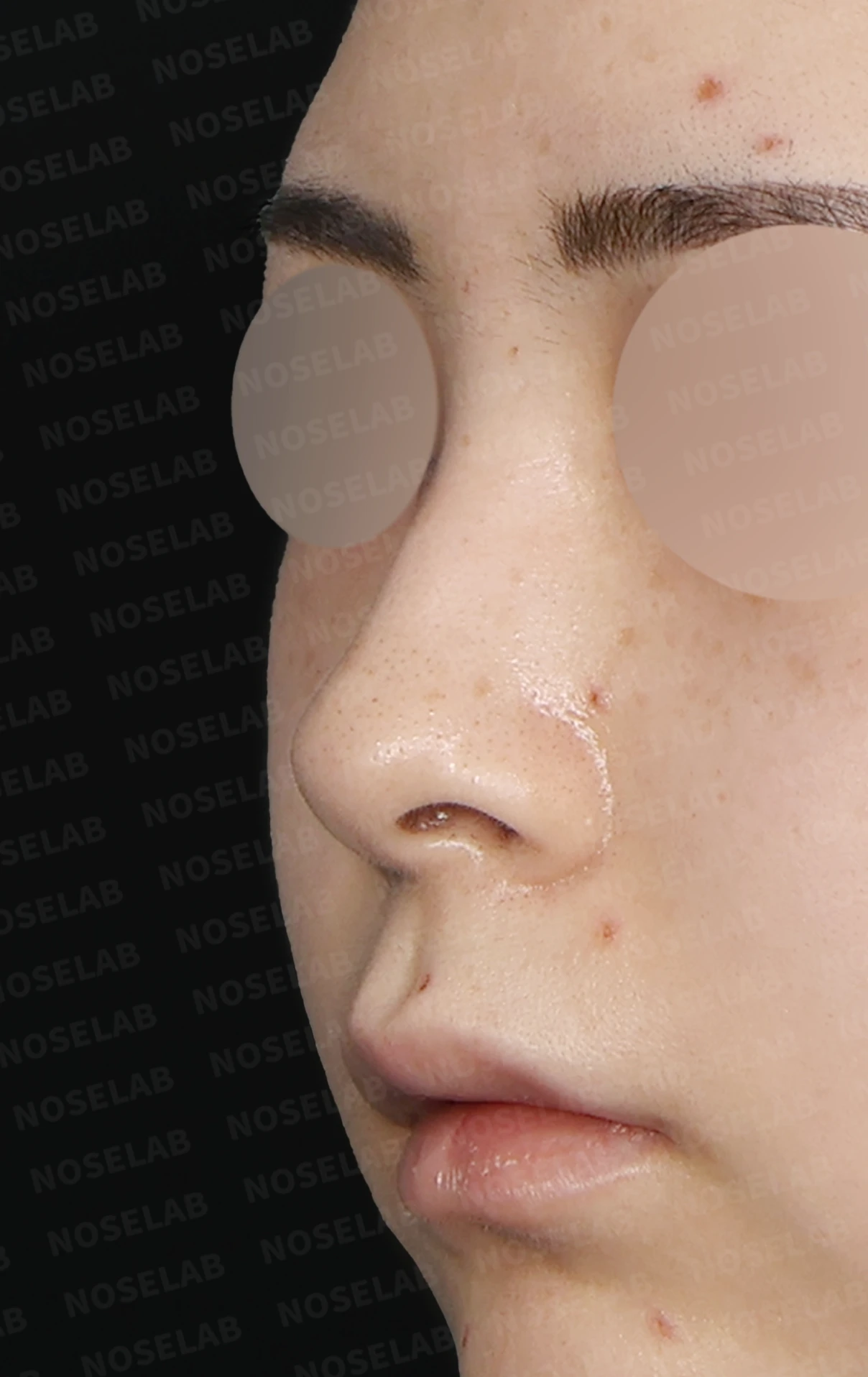
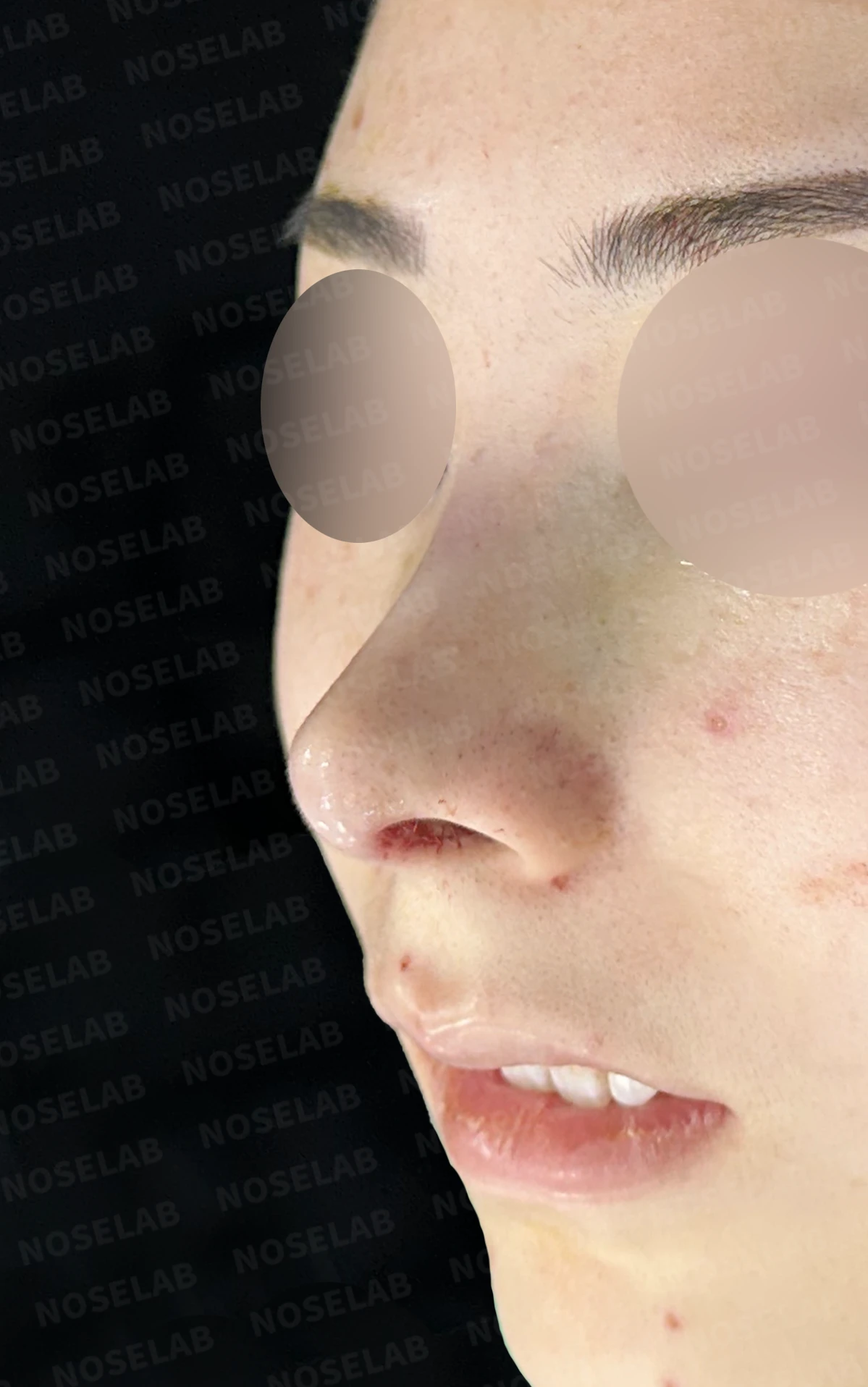
Before surgery / Day 0 immediately after surgery Photos taken immediately after surgery show swelling and may differ from the final result.
Overall change in impression
Along with a natural nasal line, correcting the nasolabial angle reduced the appearance of a protruding mouth and improved overall facial balance.
The natural yet distinct nasal line desired by the patient was successfully achieved.
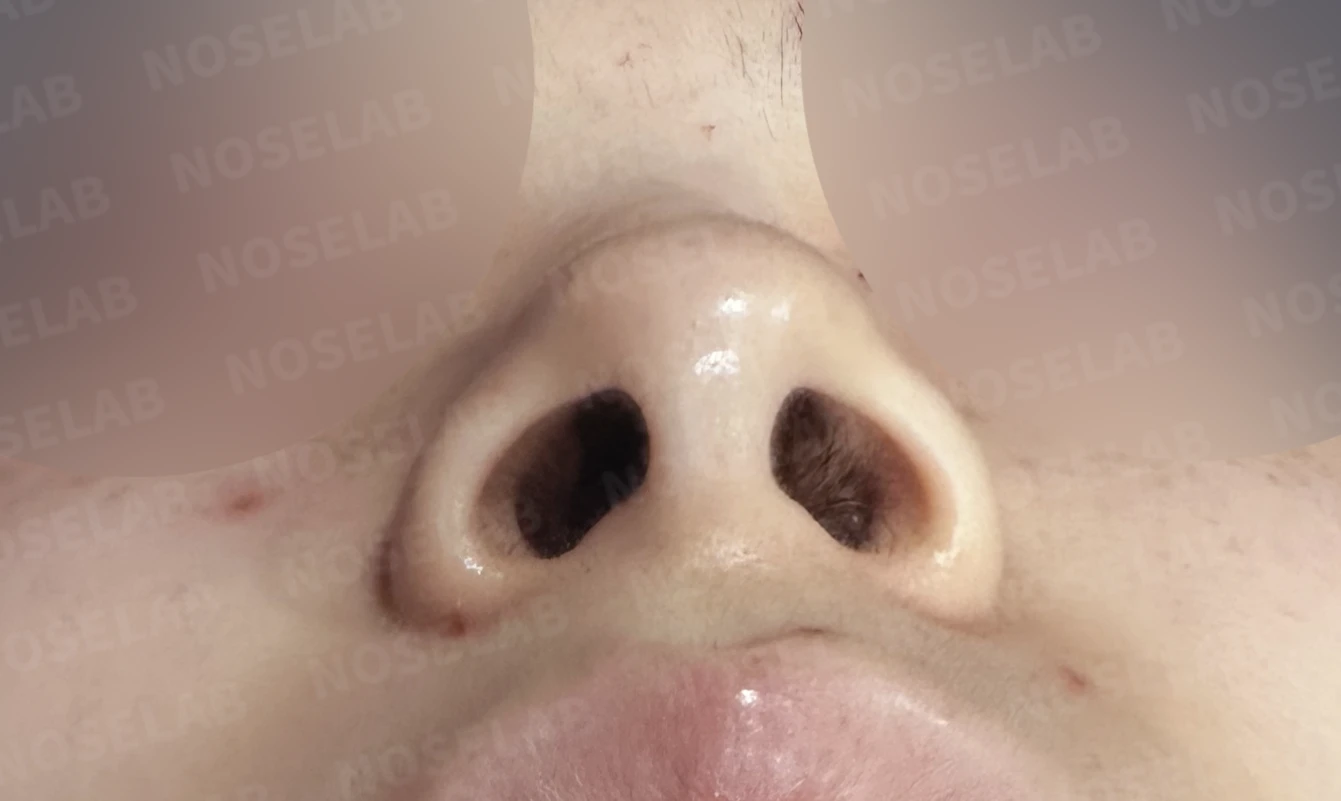
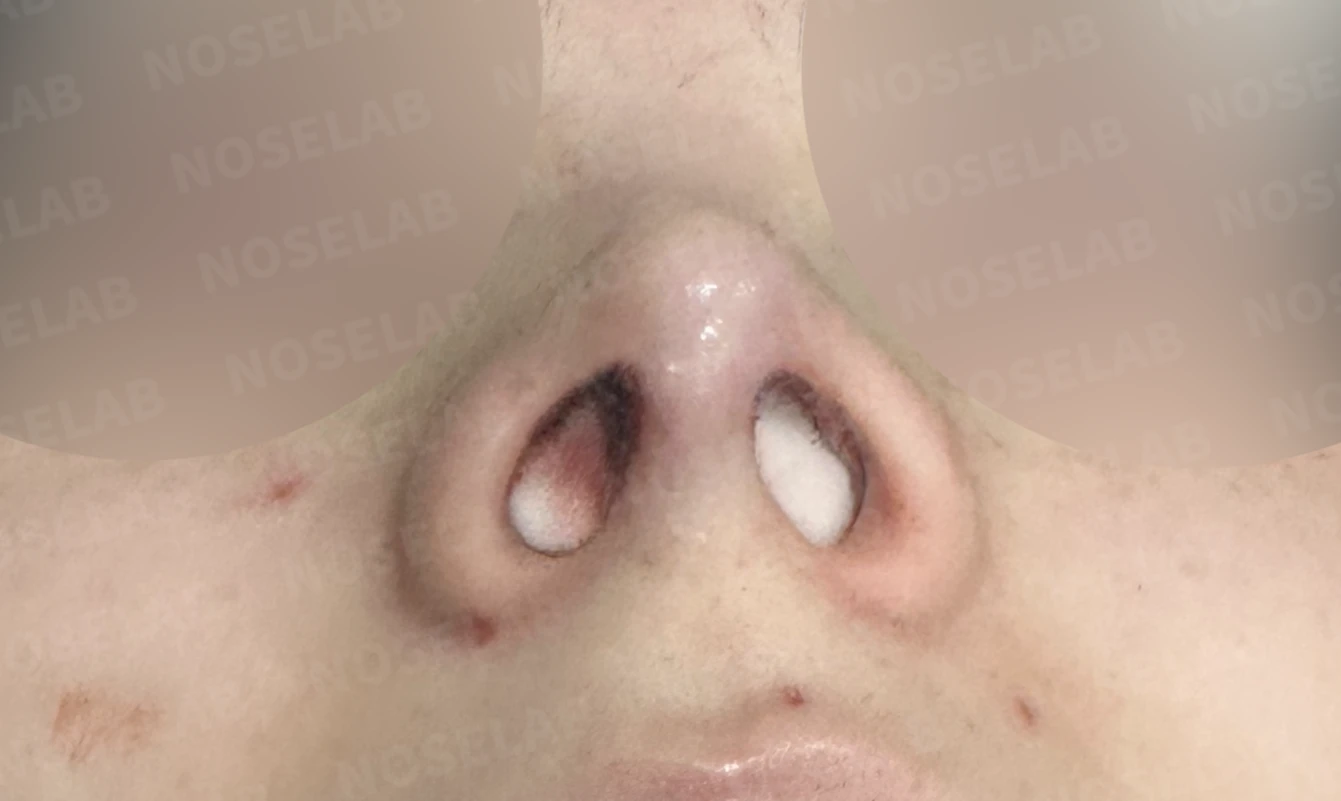
Before surgery / Day 0 immediately after surgery Photos taken immediately after surgery show swelling and may differ from the final result.
💡 Specialist opinion

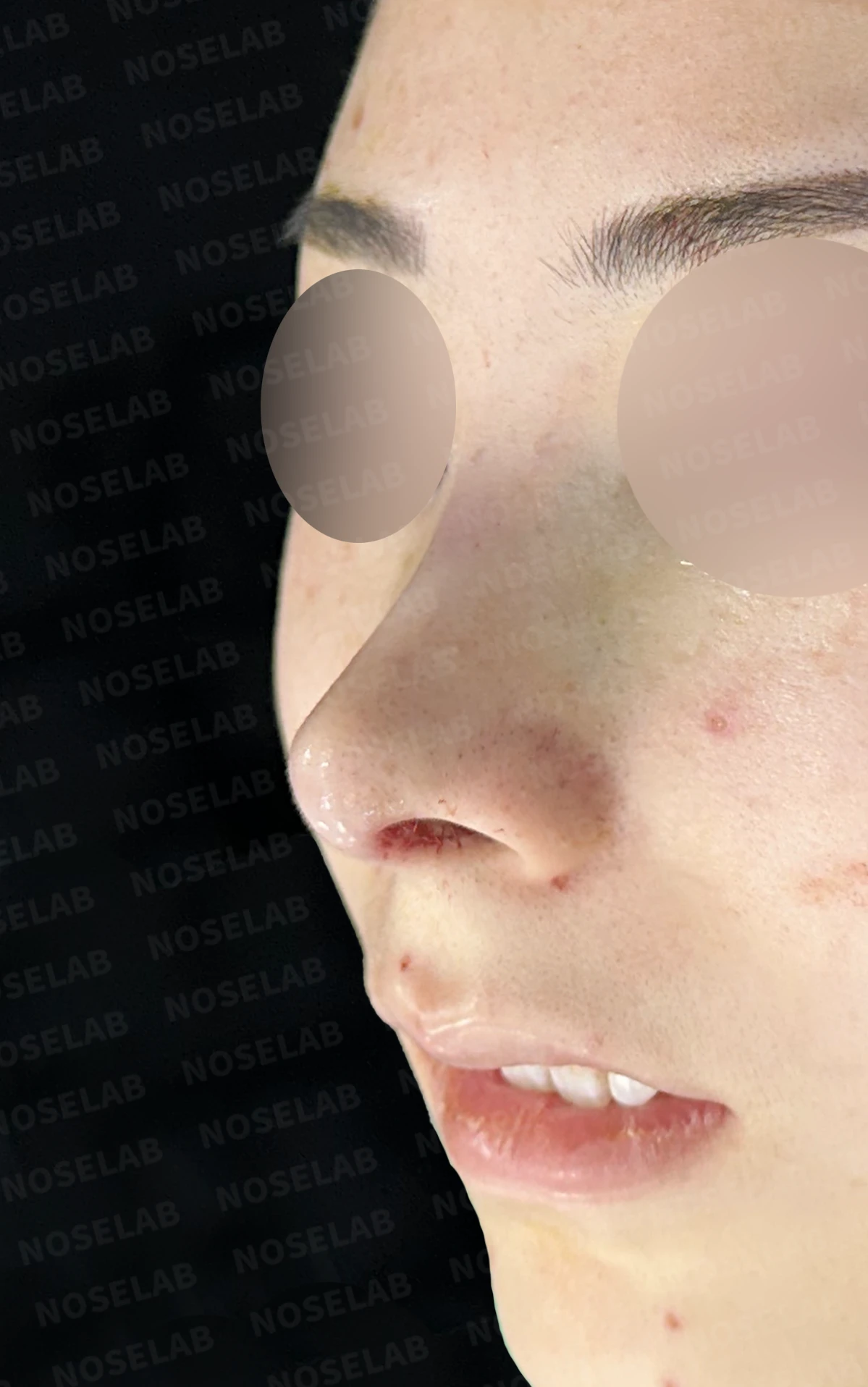
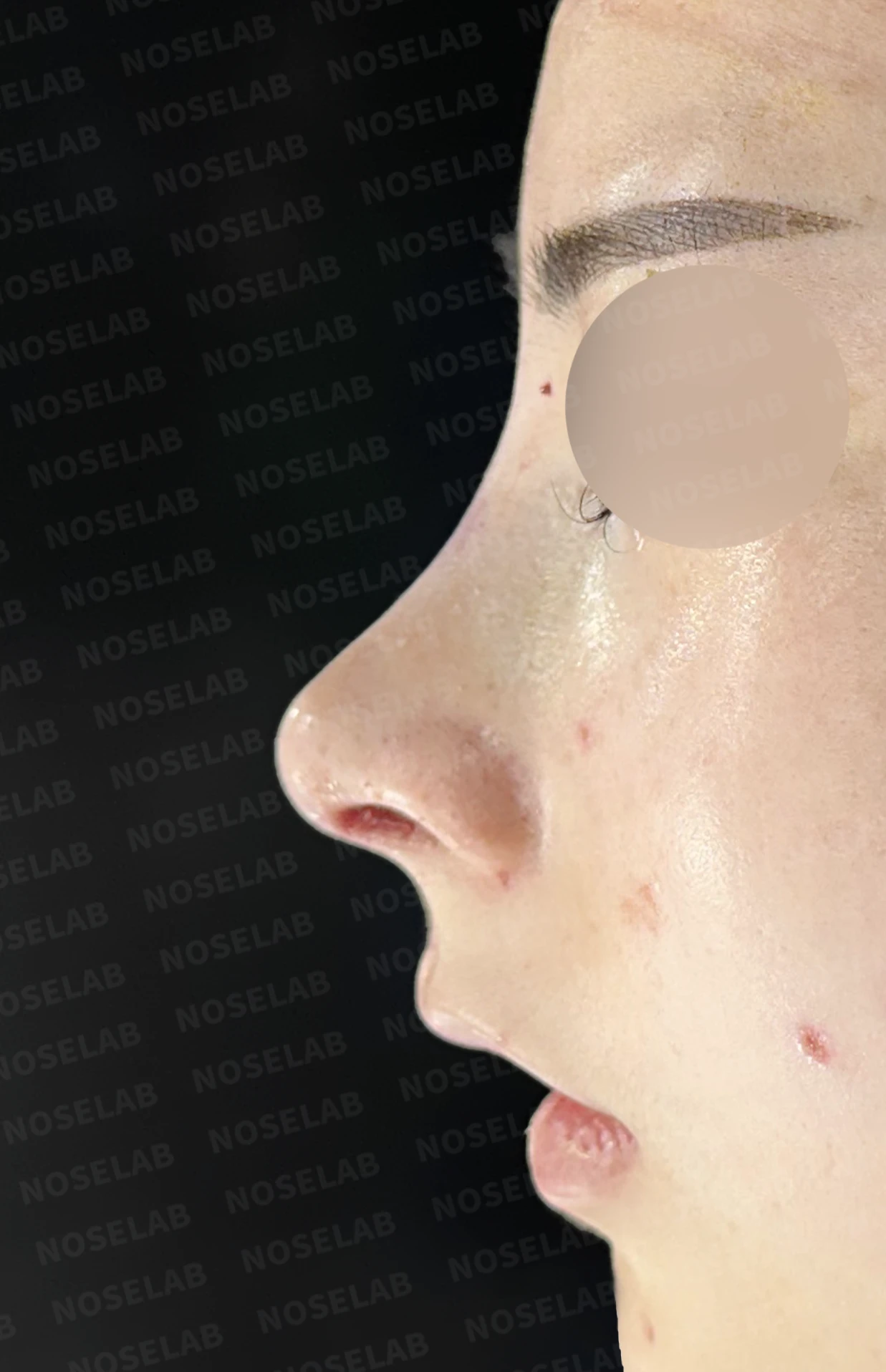
Immediately after surgery (day 0): front, oblique, and profile views. Immediate postoperative photos show swelling and may differ from the final result.
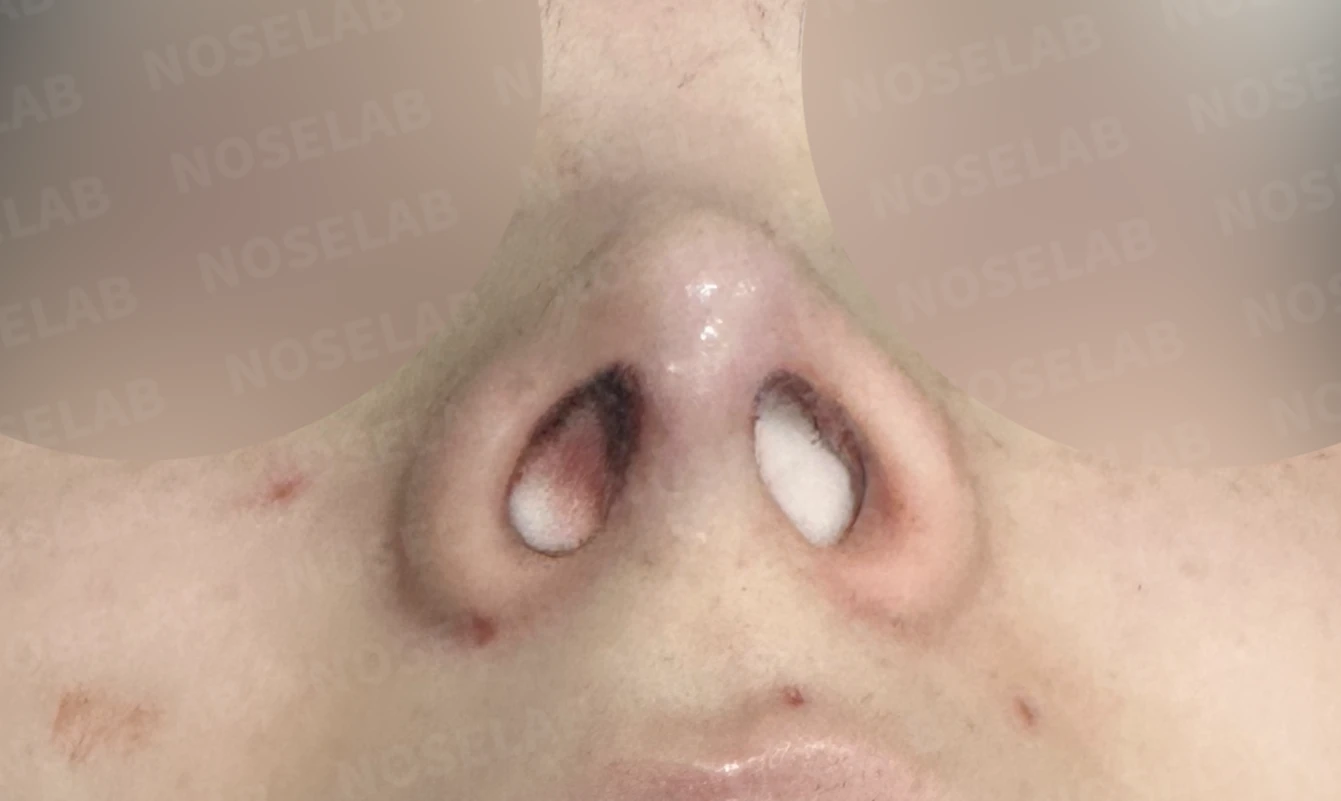
Nostril view on day 0 immediately after surgery. Photos taken immediately after surgery show swelling and may differ from the final result.
The core of this surgery was a customized approach tailored to the patient's nasal anatomy. When placing an implant after hump reduction, it is essential to carve it precisely according to the height and width of the nasal bone. Creating an implant that conforms to the shape of the nasal bone allows for a natural and stable result.
Combining the establishment of tip support through septal reconstruction with autologous rib cartilage tip plasty was planned not merely to raise the tip height, but to elevate the structural stability of the entire nose. Nasolabial angle correction served as the finishing touch of the nasal profile, contributing significantly to balancing the entire face rather than changing the nose alone.
This was Dr. Peter C. Kang. Thank you.
#closedrhinoplasty #autologousribcartilagerhinoplasty #dorsalhumpcorrection #tipplasty #nasolabialanglecorrection #rhinoplastybeforeandafter #internationalpatientrhinoplasty #septalreconstruction

Limitations and risks
When autologous rib cartilage is used, scarring and pain may remain at the donor site on the chest, and pneumothorax (pleural injury) can occur rarely. Over time, the grafted cartilage may warp or undergo partial resorption.
When the septum is corrected at the same time, nasal obstruction may persist or recur, and in rare cases, septal perforation or changes in smell may occur.
Common potential risks include infection, bleeding, asymmetry, scarring, skin necrosis, and insufficient improvement; results vary depending on individual skin condition and previous surgical history.