Hello, I am Dr. Peter C. Kang.
Today, I would like to introduce the case of a patient who suffered from severe nasal obstruction due to a septum severely deviated to the left, alongside concerns regarding a crooked nose, a dorsal hump, and maxillary protrusion.
🔍 Surgical history
Past medical history: Adenoidectomy 20 years ago
Main concerns:
Severe nasal obstruction due to a septum severely deviated to the left
Crooked nose (nasal bone asymmetry)
Dorsal hump
Drooping nose
Maxillary protrusion
3. Key considerations: A case involving both functional issues (nasal obstruction) and cosmetic concerns
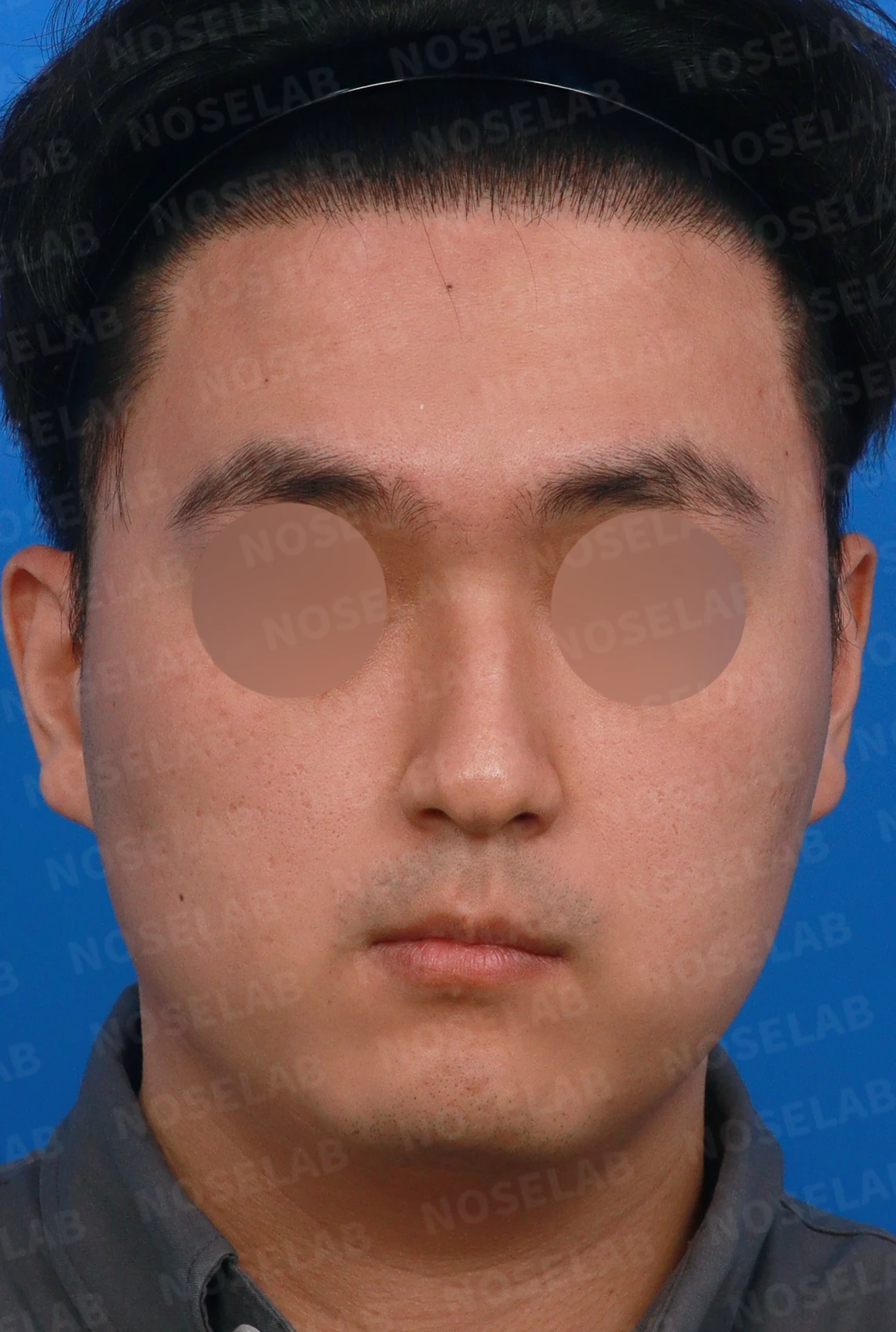
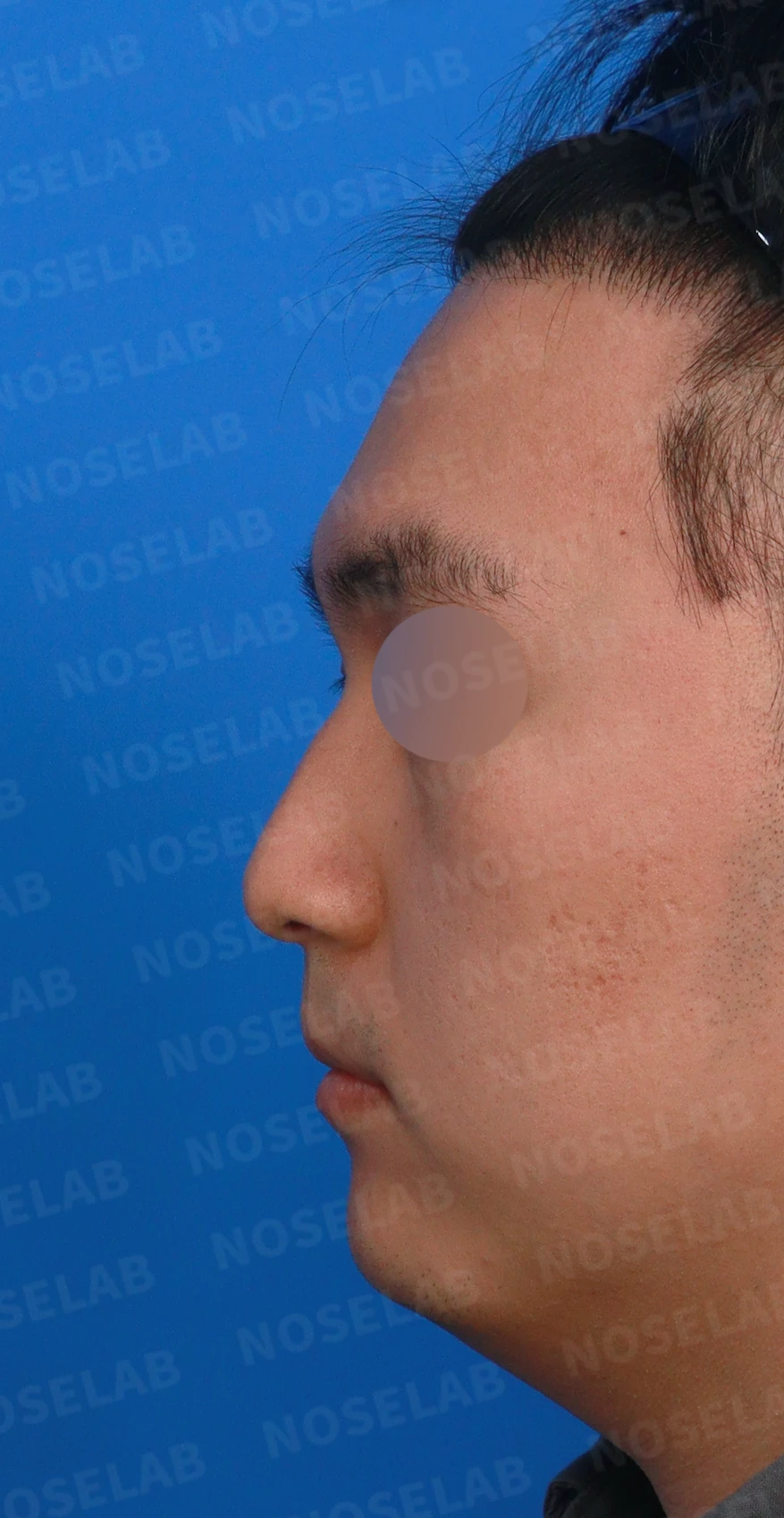
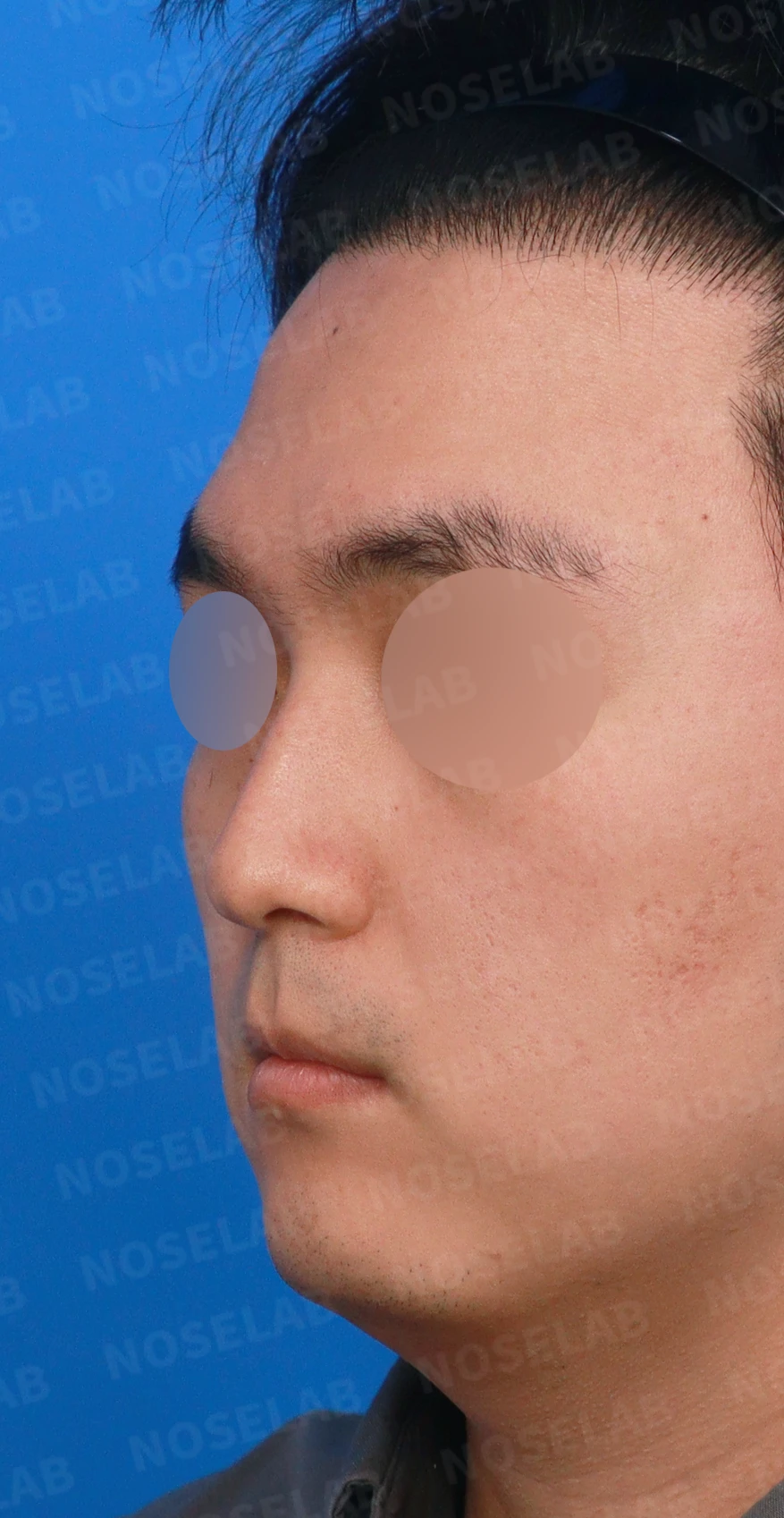
Front, left profile, and oblique views during design consultation.
💉 Patient requests
A straight and natural nose
Correction of deviated nose
Correction of the drooping nasal tip
Overall elevation while maintaining a natural appearance
Functional improvement: Relief of nasal obstruction
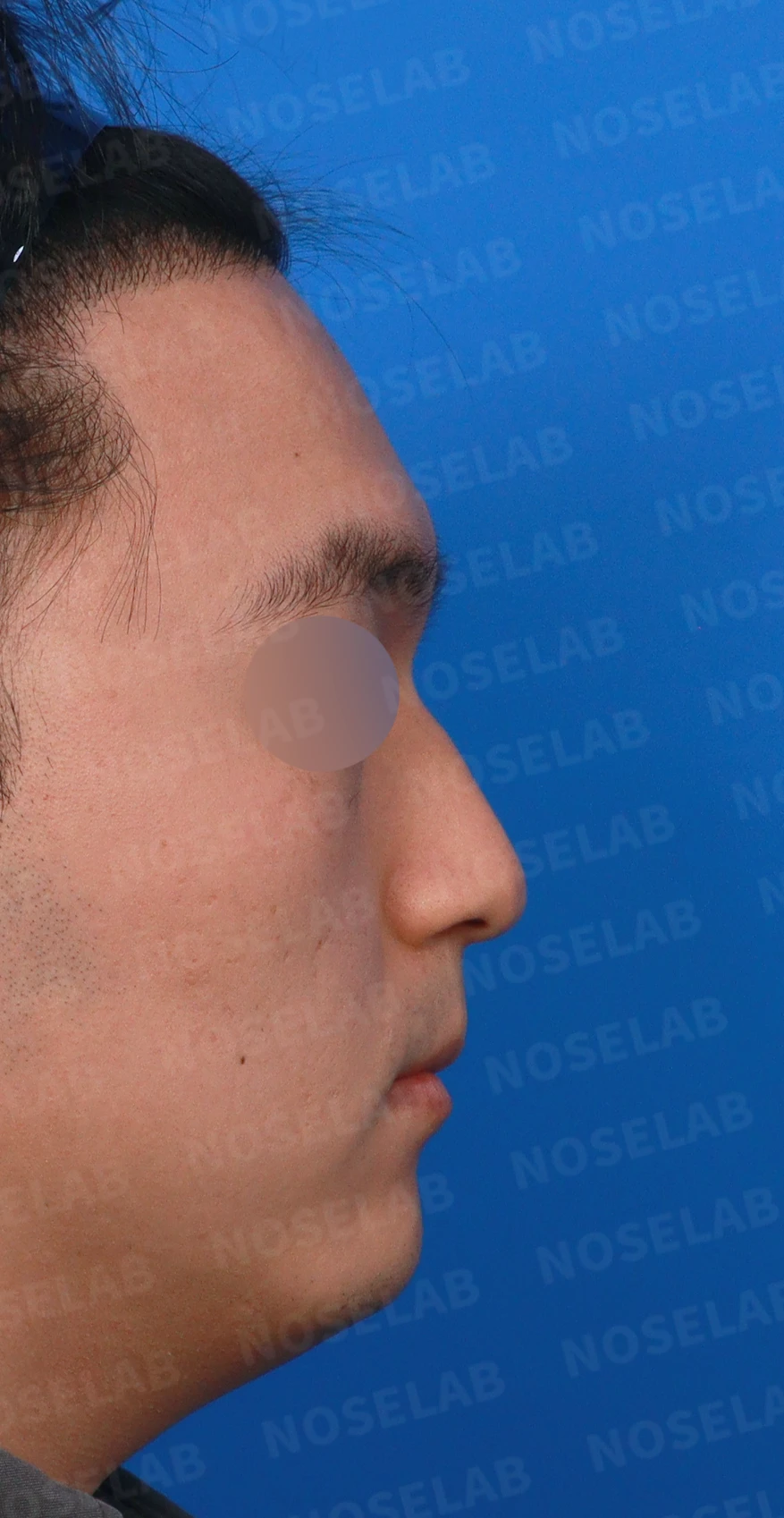
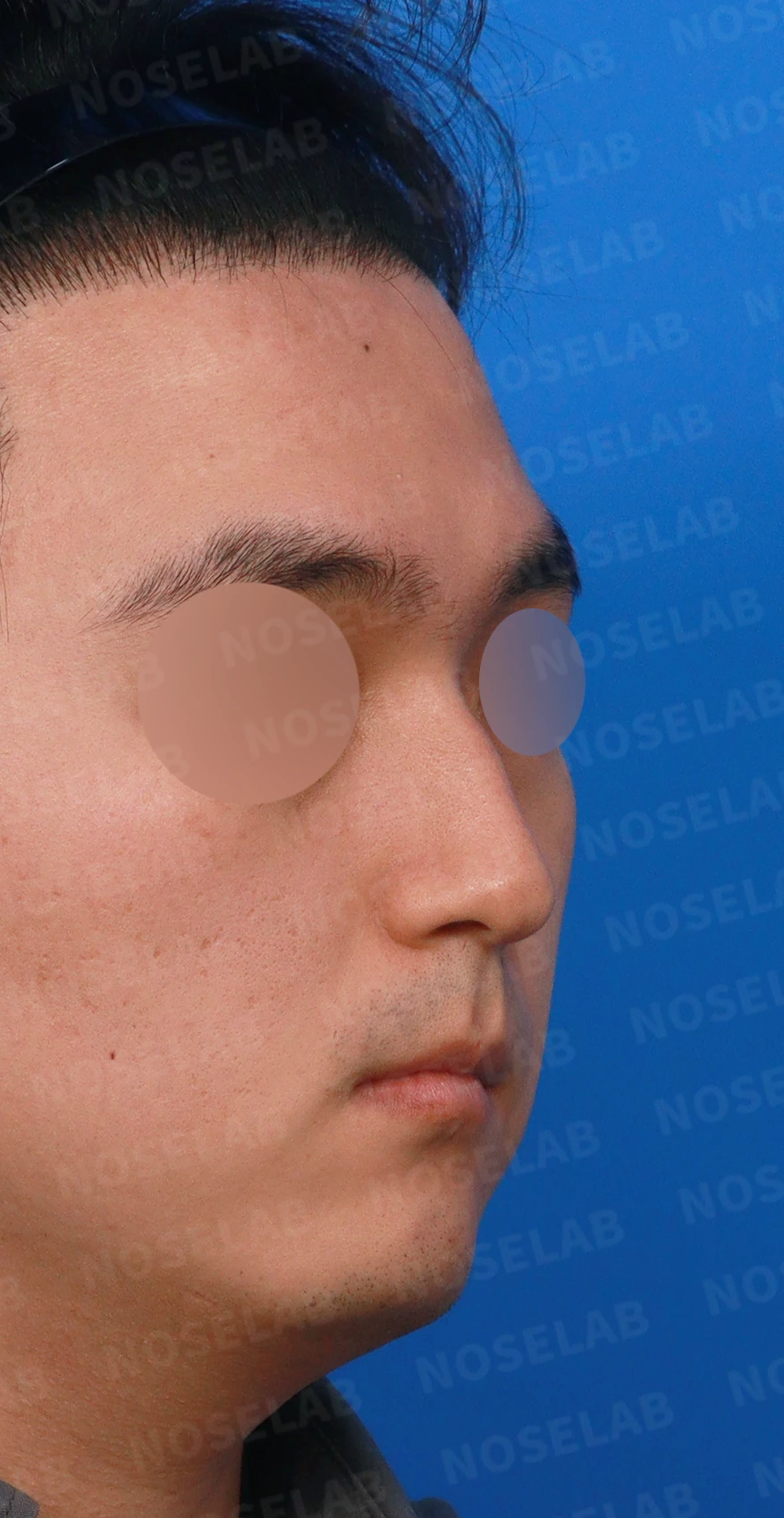
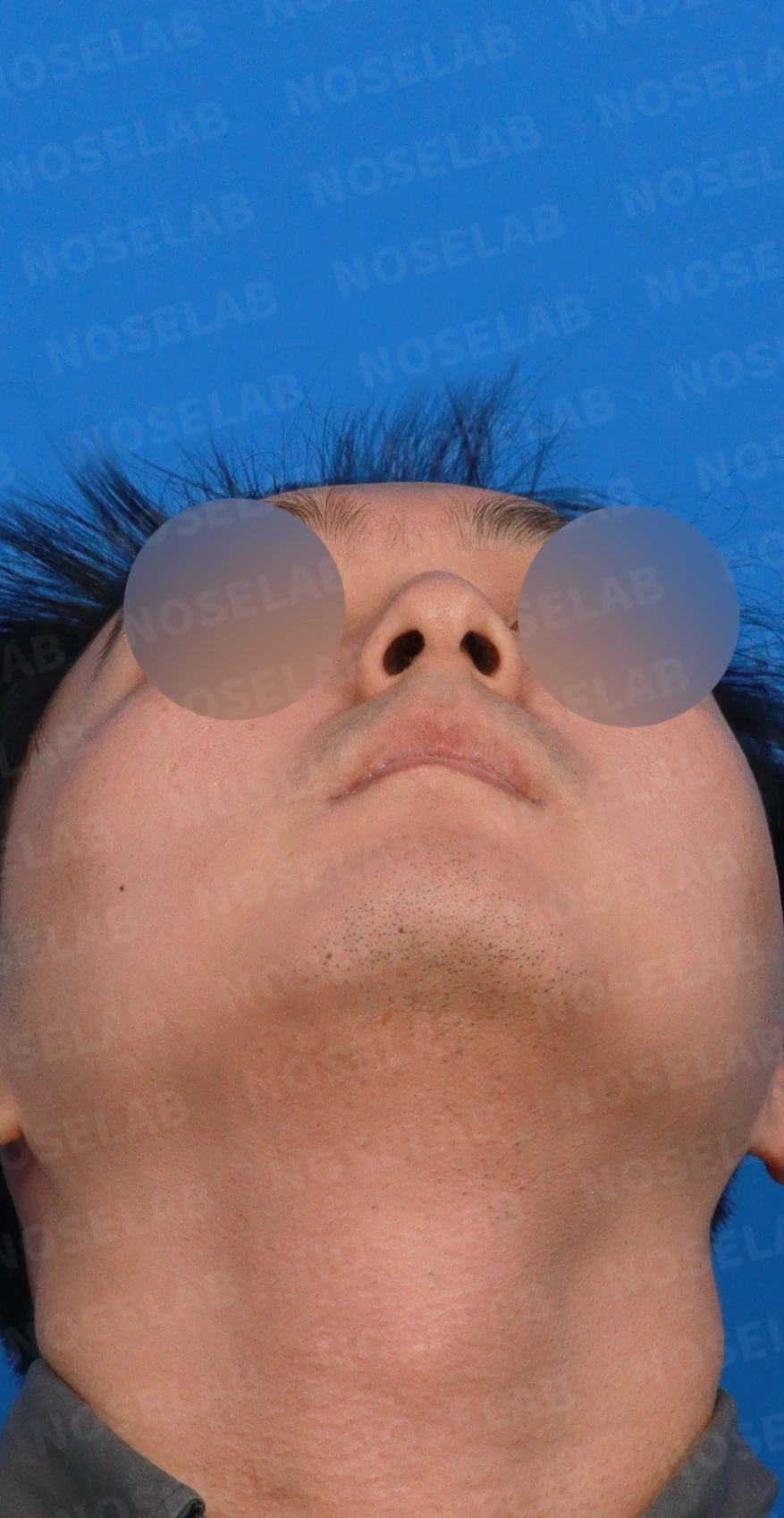
Right profile, oblique, and nostril views during design consultation.
🔧 Surgical plan and procedure
1. Septal reconstruction using autologous rib cartilage
The septum, which was severely deviated to the left, was reconstructed using autologous rib cartilage. Because the septum serves as both the central support of the nose and the core airway passage, rebuilding it sturdily with the patient's own cartilage established a long-term stable structure.
2. Crooked nose correction and lateral osteotomy
A lateral osteotomy was performed to correct the nose deviated by nasal bone asymmetry. By repositioning the nasal bones into their precise alignment, a straight bridge line was achieved from the front view.
3. Dorsal hump correction
The dorsal hump was smoothly shaved to ensure a continuous, refined profile line.
4. Improvement of maxillary protrusion through nasolabial angle correction
The area of maxillary protrusion was naturally improved through nasolabial angle correction. Adjusting the angle between the nose and the upper lip restored overall balance.
5. Correction of the drooping nasal tip
By adequately elevating the nasal tip using autologous rib cartilage, the drooping appearance was resolved, creating an overall refined impression.
🌟 Surgical results
Relief of nasal obstruction via septal reconstruction (functional improvement)
Crooked nose straightened
Dorsal hump smoothly reduced
Drooping nasal tip appropriately corrected
Maxillary protrusion naturally refined via nasolabial angle correction
A natural and well-balanced overall nasal appearance achieved
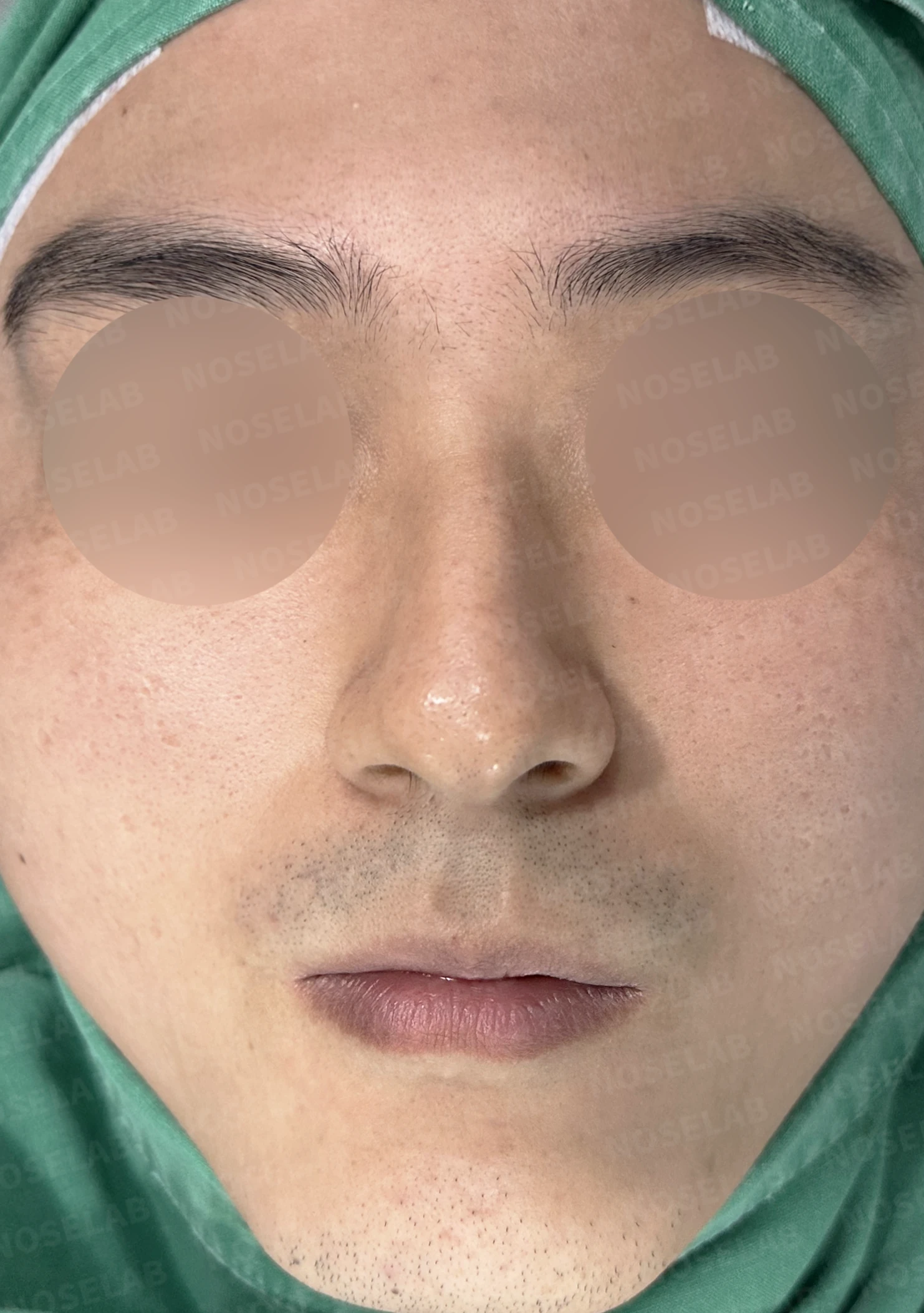
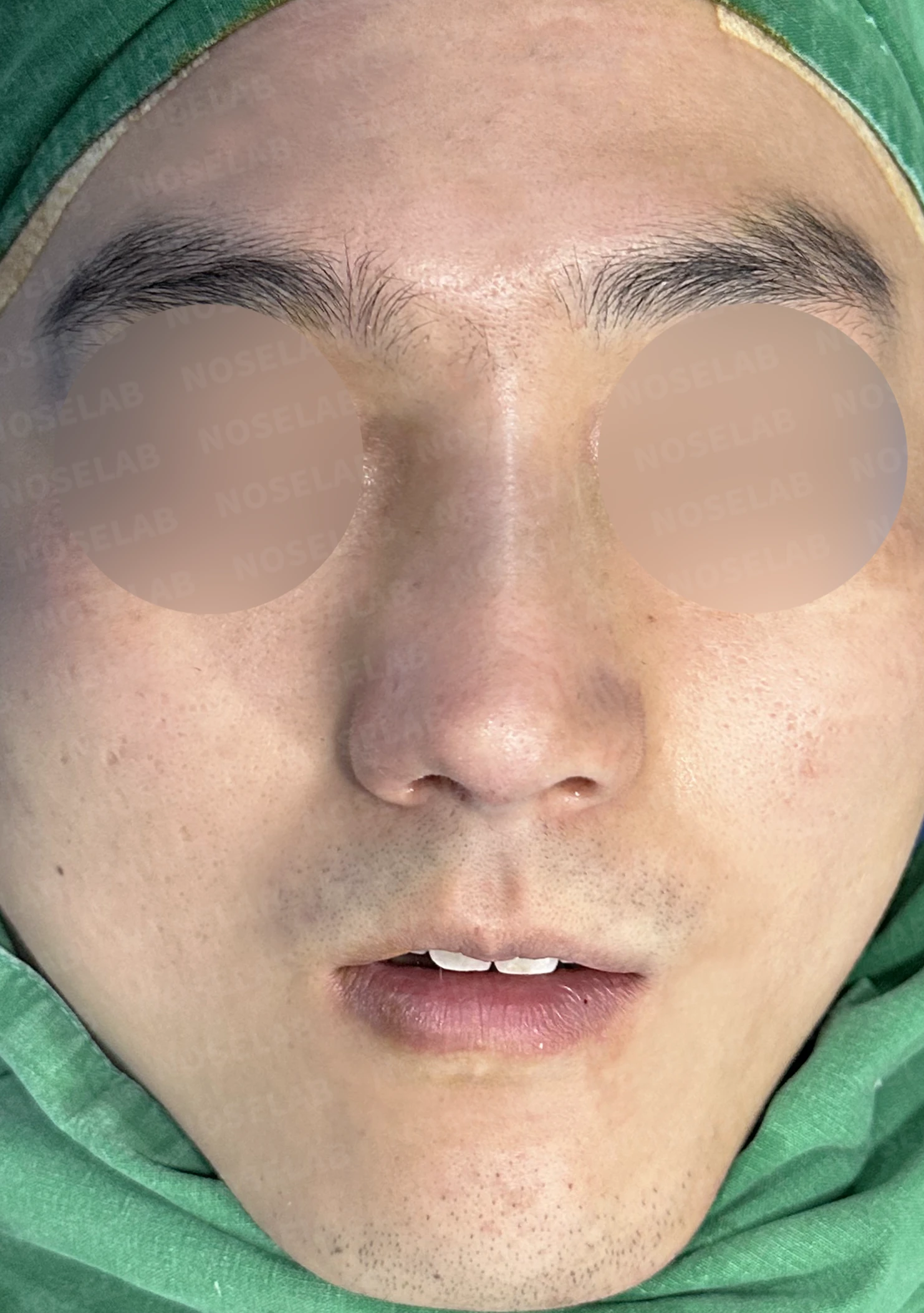
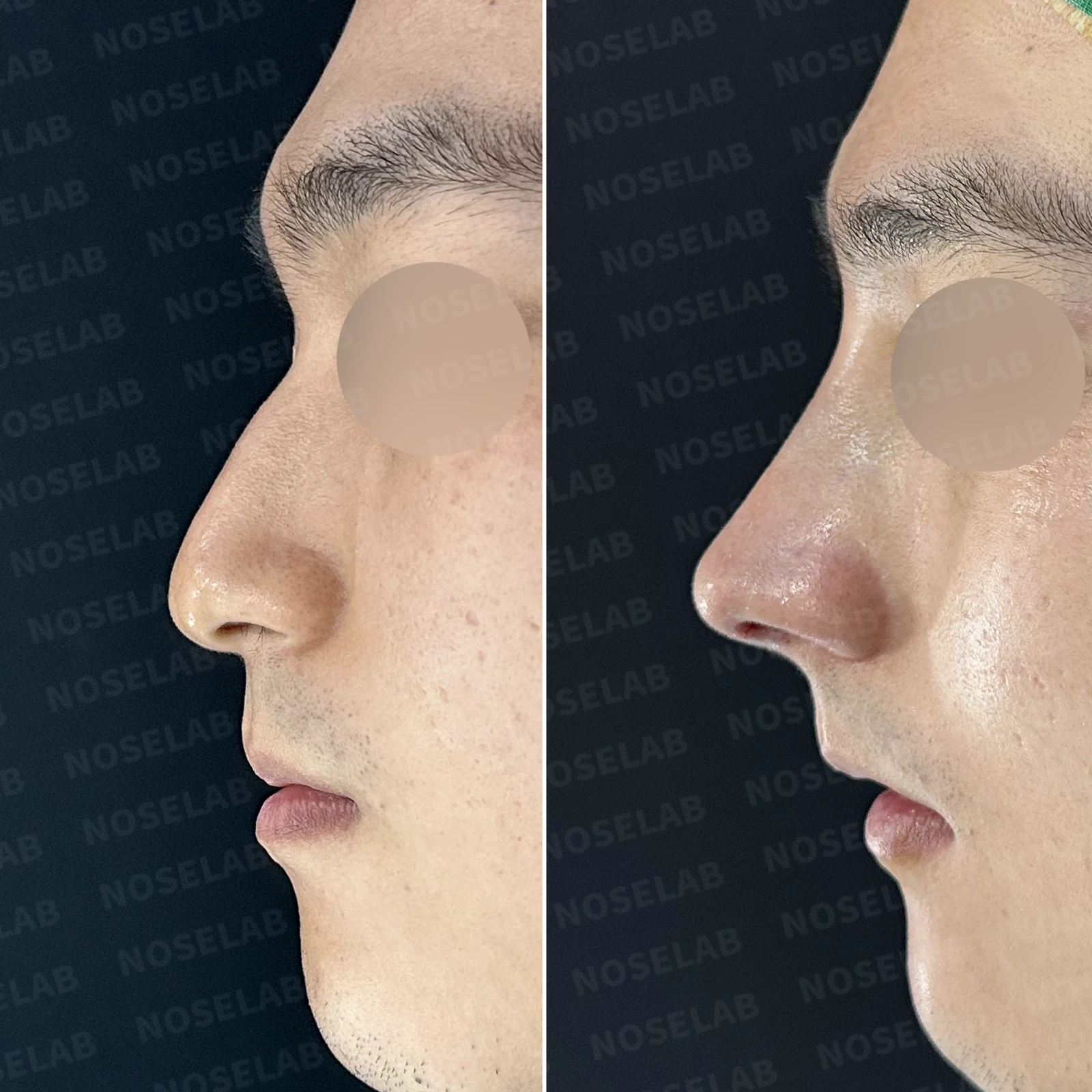
Before surgery / Day 0 immediately after surgery Photos taken immediately after surgery show swelling and may differ from the final result.
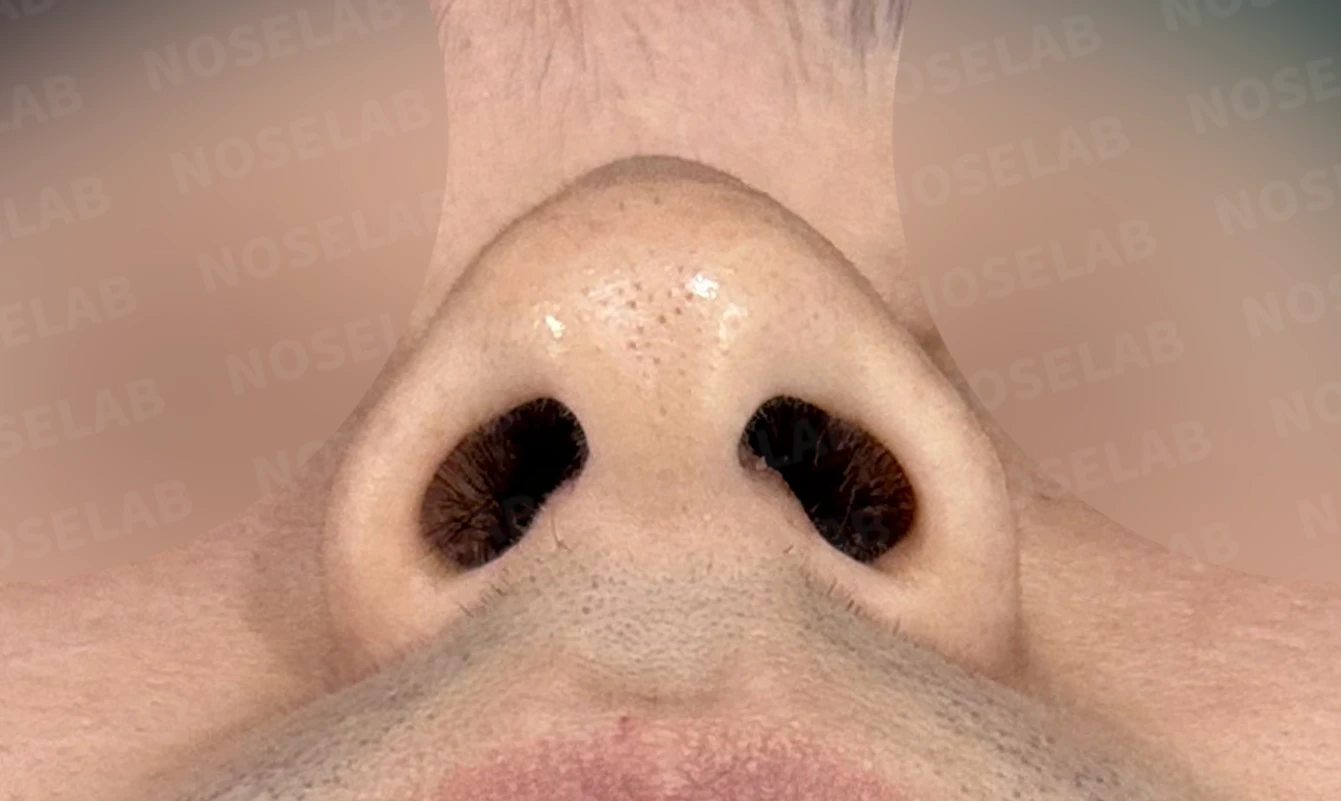
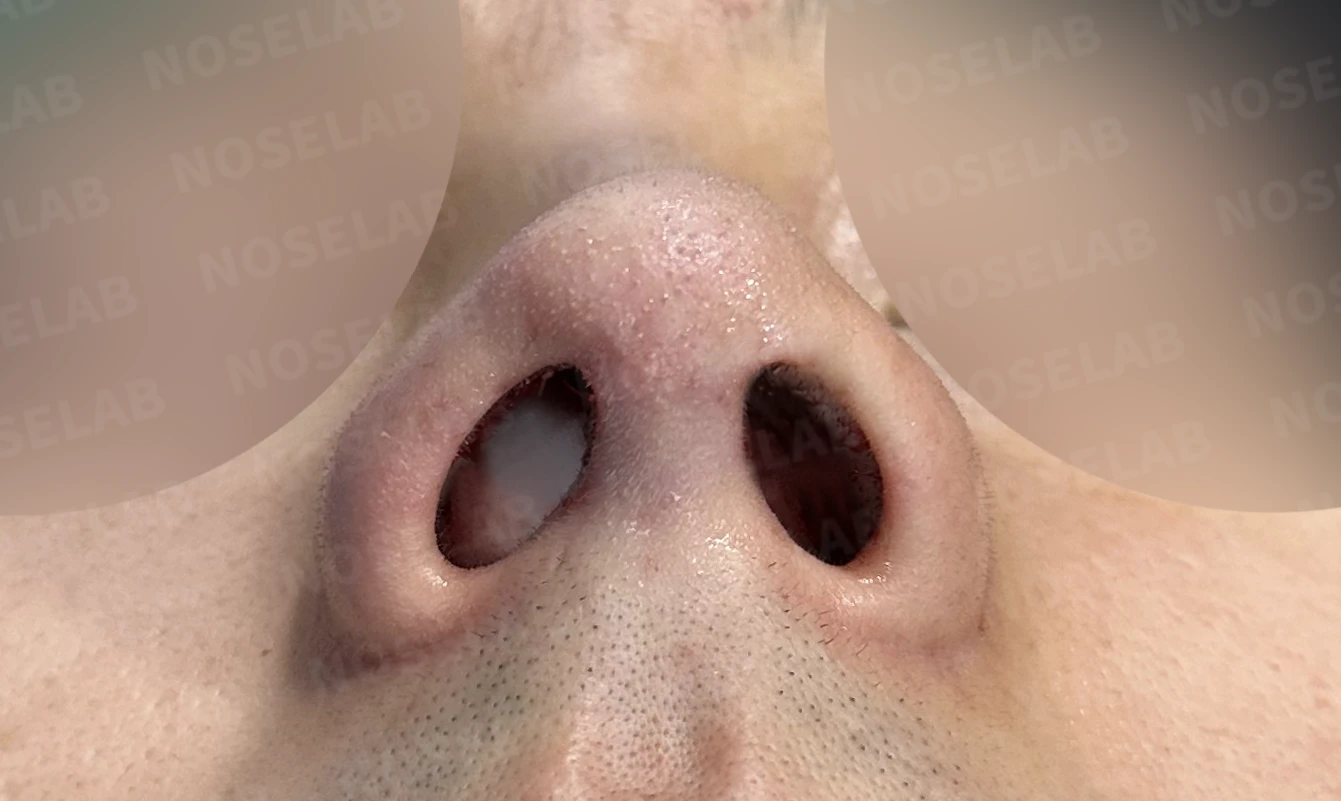
Before surgery / Day 0 immediately after surgery Photos taken immediately after surgery show swelling and may differ from the final result.
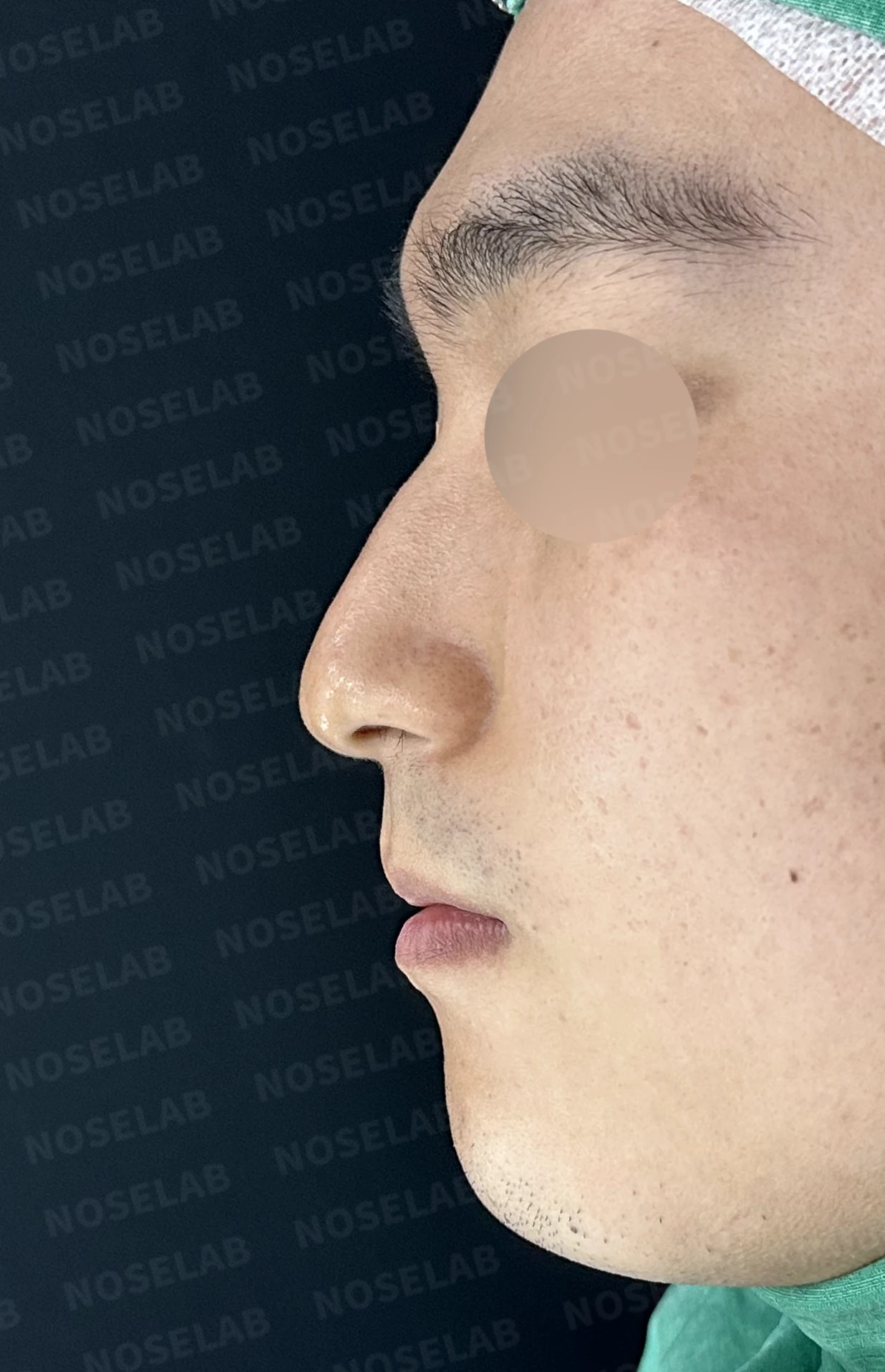
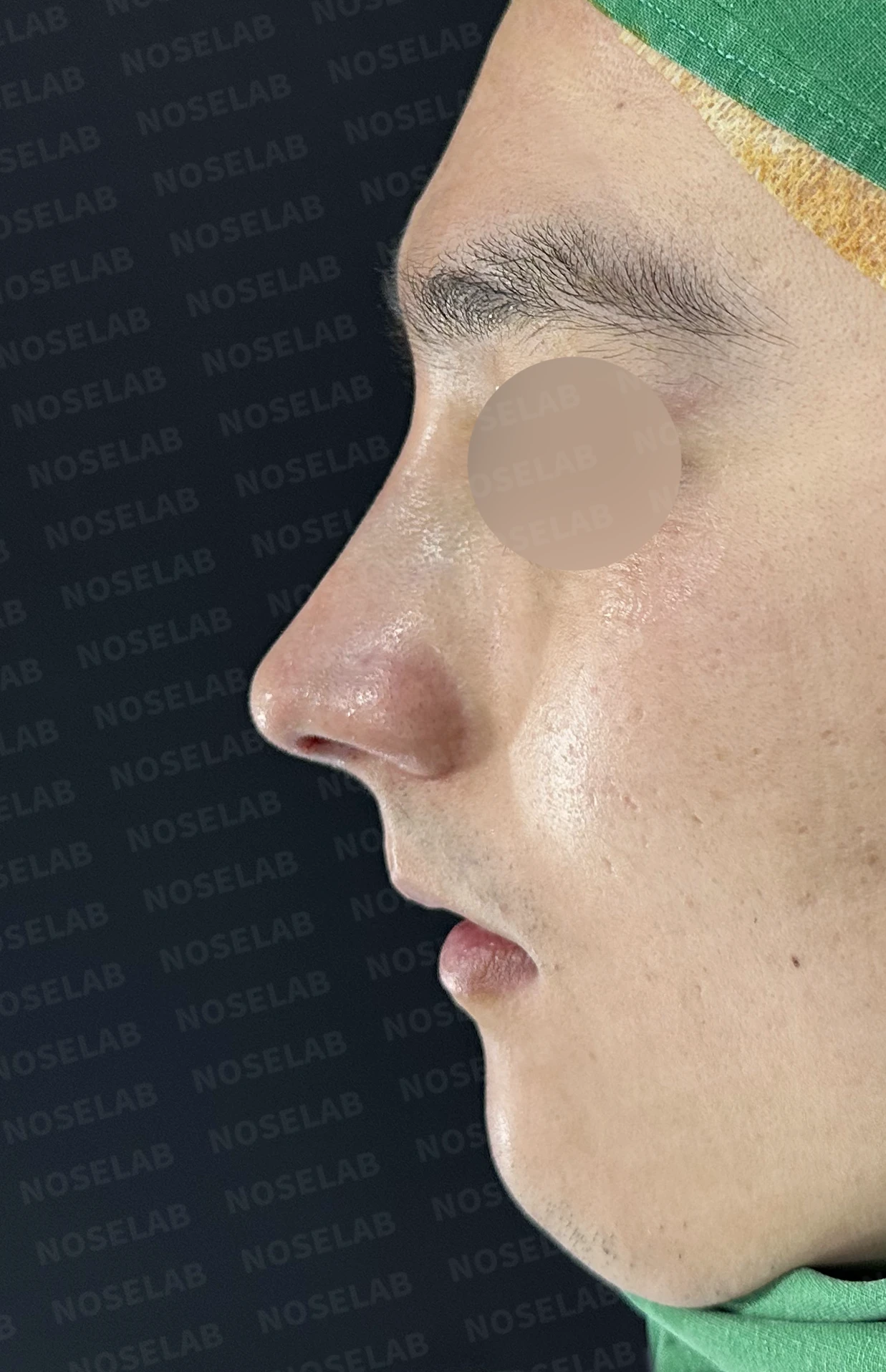
Before surgery / Day 0 immediately after surgery Photos taken immediately after surgery show swelling and may differ from the final result.
💡 Specialist opinion
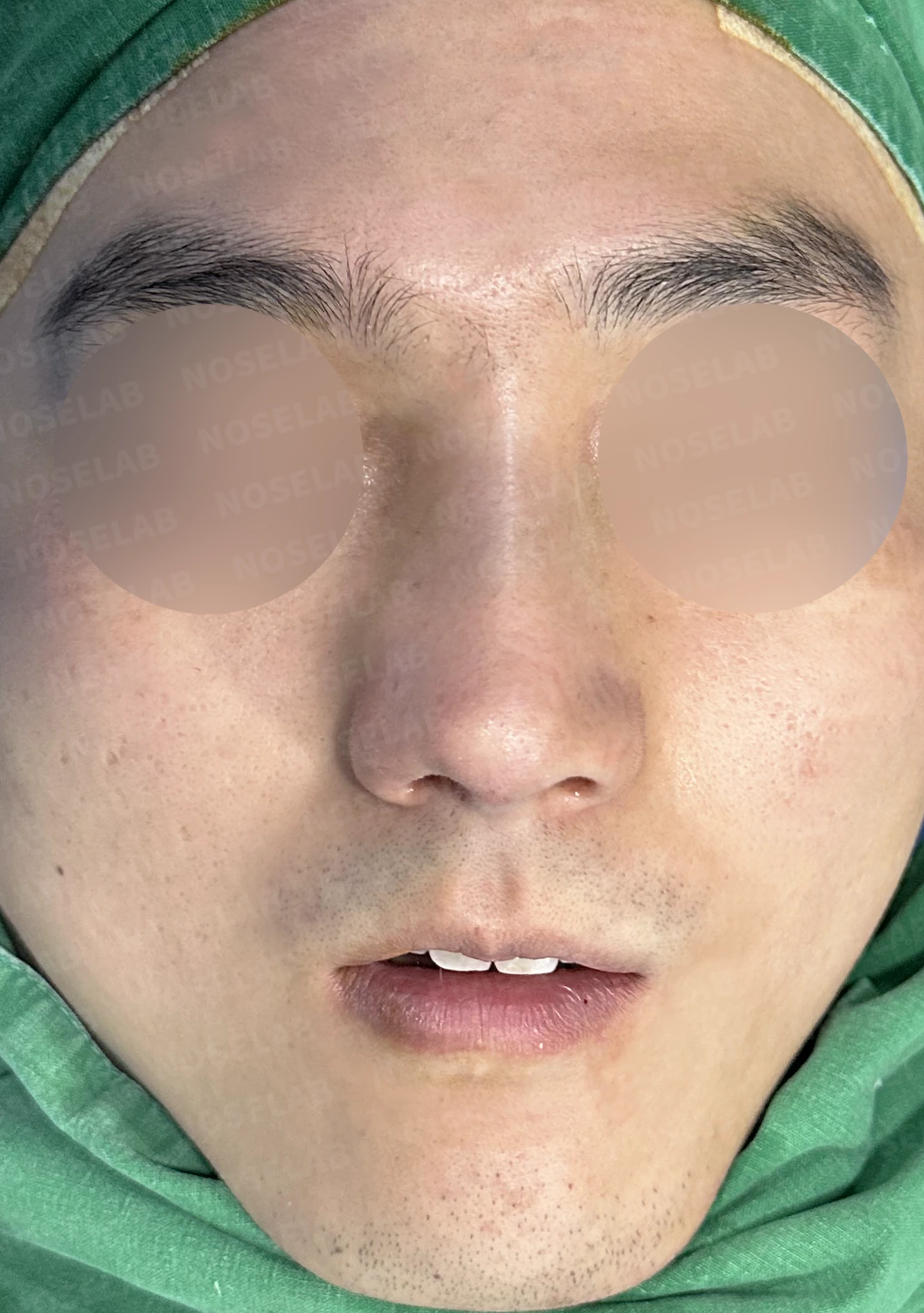
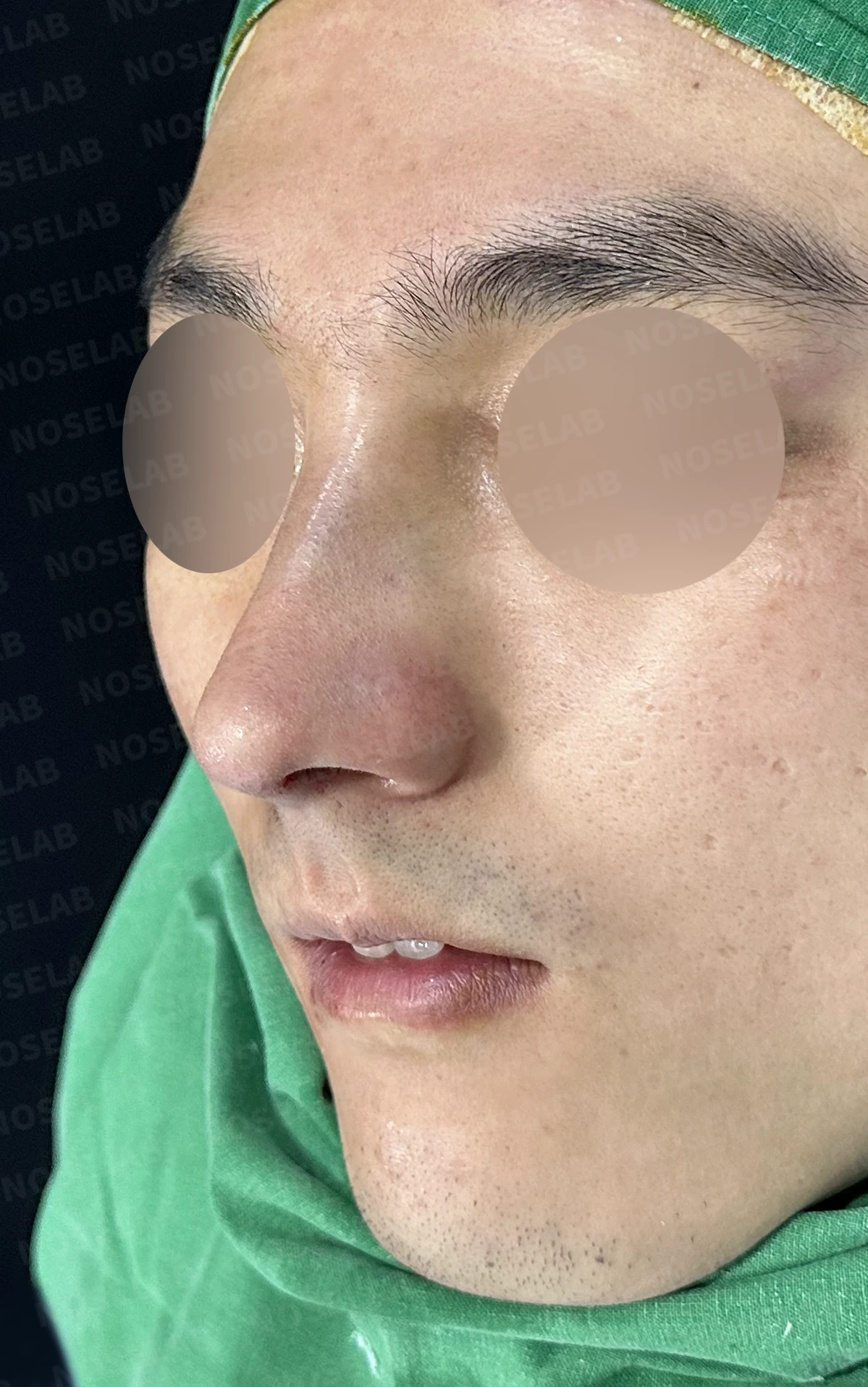
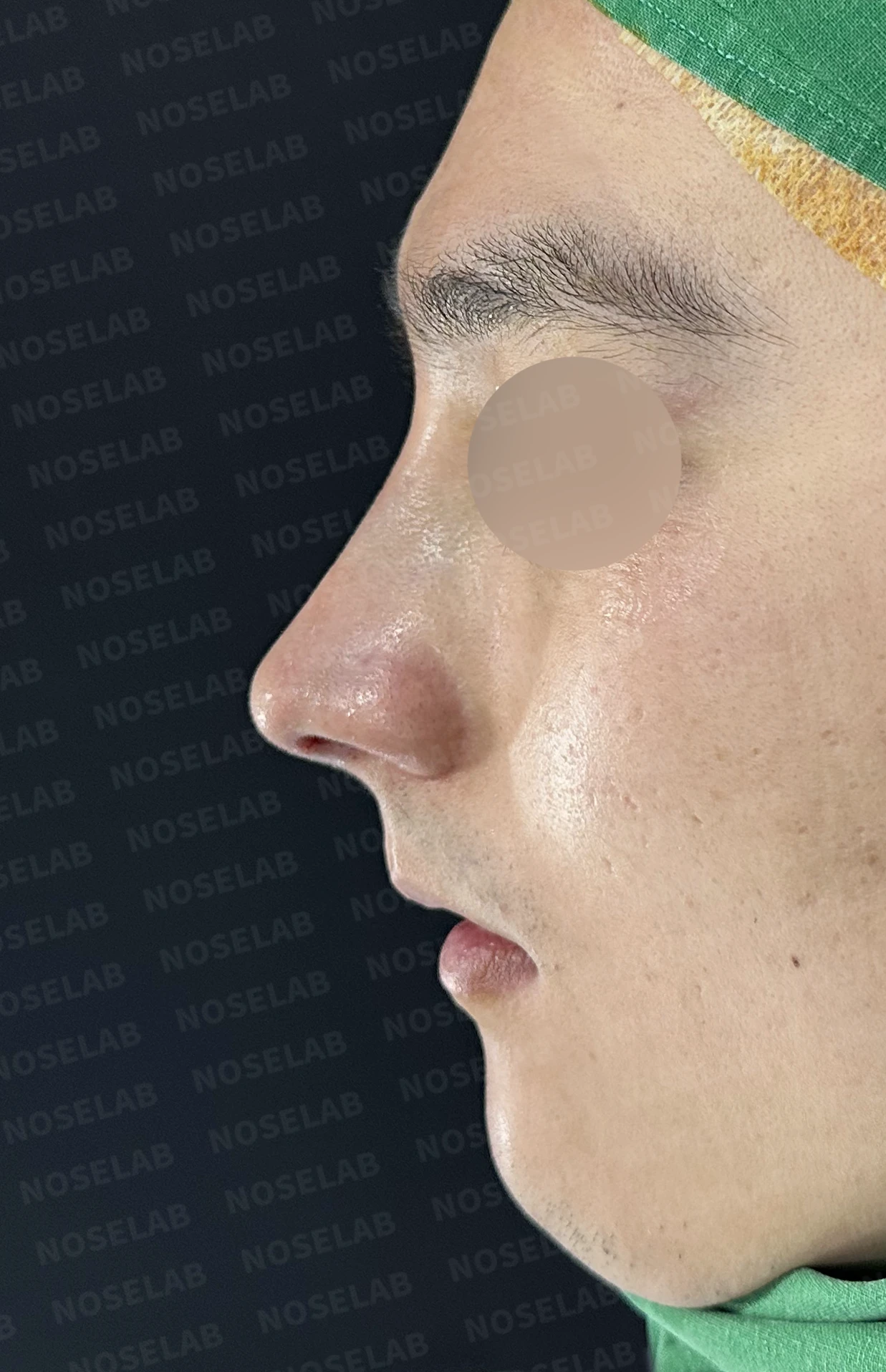
Front, oblique, and profile views on day 0 immediately after surgery. Photos taken immediately after surgery show swelling and may differ from the final result.
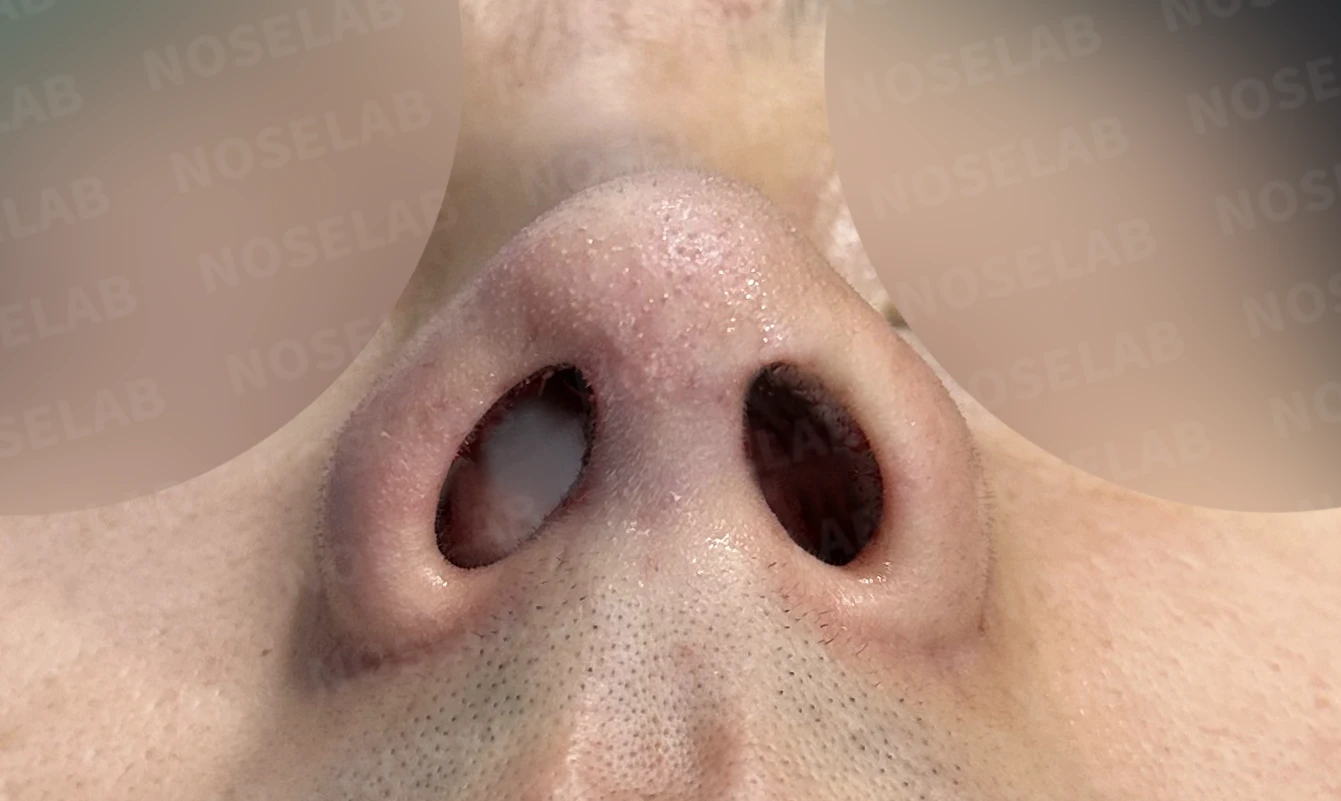
Nostril view on day 0 immediately after surgery. Photos taken immediately after surgery show swelling and may differ from the final result.
This case required resolving functional and cosmetic issues at the same time.
Importance of septal reconstruction
When the septum is severely deviated, simply altering the external appearance cannot provide a fundamental solution. The septum must be reconstructed to resolve nasal obstruction and properly straighten a crooked nose. Using autologous rib cartilage maintains a stable structure over a lifetime without concerns of absorption or deformation.
Nasolabial angle overcorrection and the recovery process
Following nasolabial angle correction to improve maxillary protrusion, the nasolabial angle may appear overcorrected for about 3 to 6 months after surgery, causing the upper lip to feel slightly pulled. This can create a sensation of requiring slight effort to close the mouth, but it is part of the natural recovery process. As time passes and the tissues soften and settle, this resolves naturally.
Harmony of function and aesthetics
In rhinoplasty, functional aspects are just as essential as aesthetic improvements. When nasal obstruction and external concerns are resolved together, as in this case, the patient's quality of life improves significantly. Breathing becomes easier while self-confidence is enhanced. NOSELAB will continue to provide customized surgical plans that carefully account for both function and aesthetics.
This was Dr. Peter C. Kang. Thank you.
#closedrhinoplasty #closedrevisionrhinoplasty #septalreconstruction #autologousribcartilage #crookednosecorrection #dorsalhumpcorrection #nasolabialanglecorrection #nasalobstructionrelief #functionalrhinoplasty

Limitations and risks
When autologous rib cartilage is used, scarring and pain may remain at the donor site on the chest, and pneumothorax (pleural injury) can occur rarely. Over time, the grafted cartilage may warp or undergo partial resorption.
When the septum is corrected at the same time, nasal obstruction may persist or recur, and in rare cases, septal perforation or changes in smell may occur.
Common potential risks include infection, bleeding, asymmetry, scarring, skin necrosis, and insufficient improvement; results vary depending on individual skin condition and previous surgical history.