English日本語简体中文
Skip to main content
Dr. Peter C. Kang's Rhinoplasty Stories
PrologueBlogMy thoughtsNasal obstructionSurgical journalSurgical photos
About the surgeon

Rhinoplasty scars and adhesions: distinguishing external indentations from internal nasal tissue

When looking at scars and adhesions, visible external scars can be distinguished from internal adhesions inside the nose. One original record documents depressions caused by skin adhesion around the alae, an open rhinoplasty scar on the columella, and alar reduction scars. Another patient describes worsening right-sided nasal obstruction after mucosal adhesions developed inside the nose following revision rhinoplasty.

In addition, records from relatively early post-surgery phases took into account residual swelling along with forming scar tissue around the nasal tip. In this collection of cases, you can read where the scar was located, whether it was an aesthetic concern or related to breathing discomfort, and how the timeline from the previous surgery was documented. Compare each case without grouping all scars into the same tissue condition.

View before-and-after cases ↓Comprehensive rhinoplasty guide

Searching for surgical cases matching your criteria.
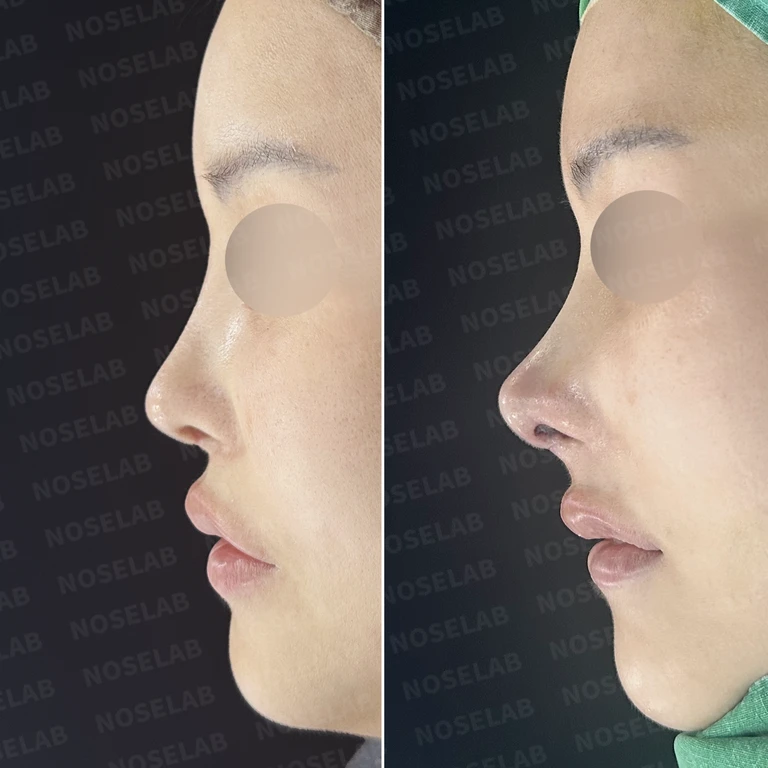
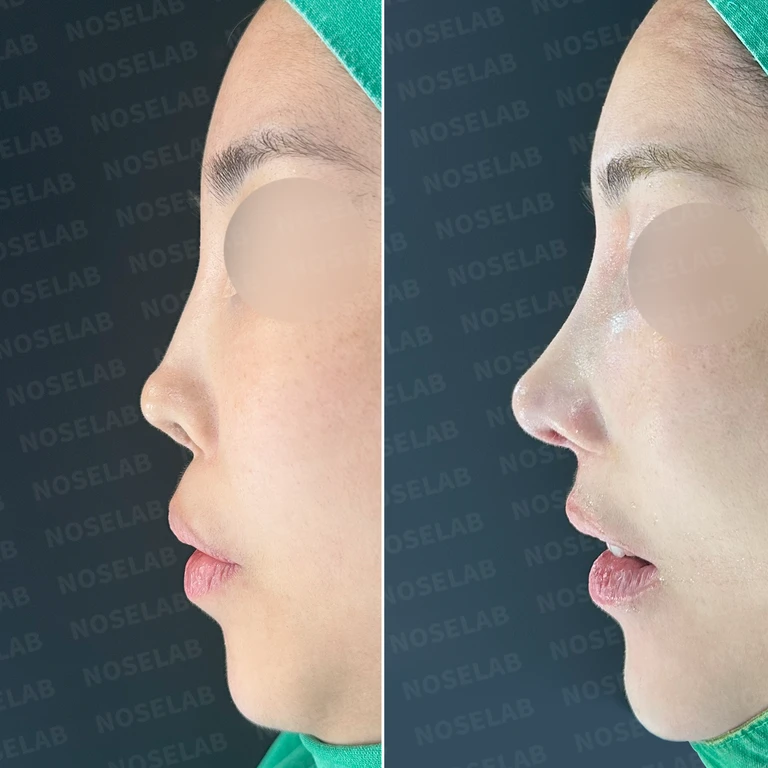
Why a high radix makes the nose look long and overly prominent — Before-and-after comparison
Before-and-after comparison

Why a high radix makes the nose look long and overly prominent

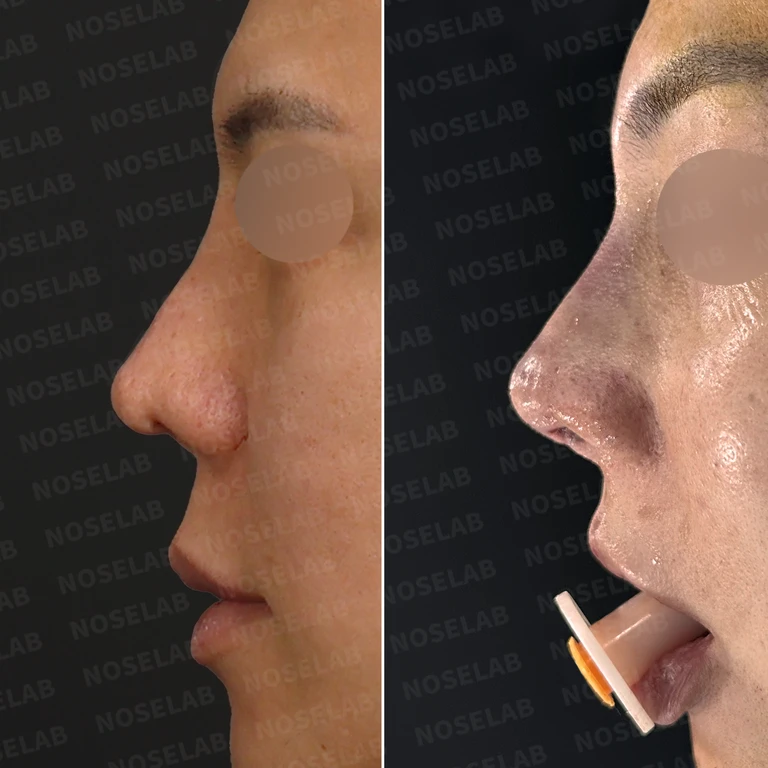
Following prior surgeries, a bulbous and drooping long nose with an excessively high radix and nasal obstruction was corrected using a closed approach. Scar tissue debridement, osteotomy, nasolabial angle correction, and septoplasty were performed concurrently.

Preoperative condition
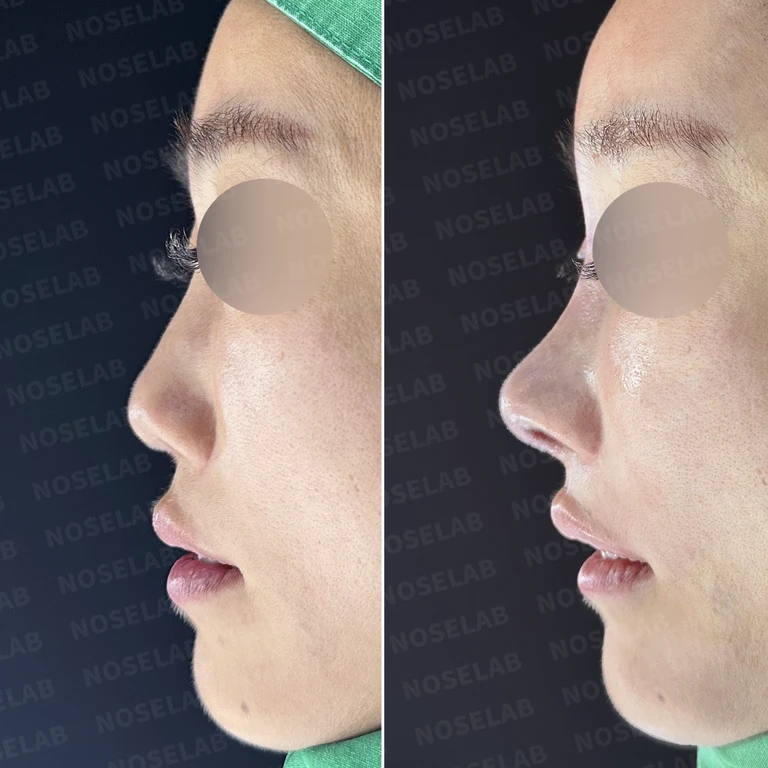
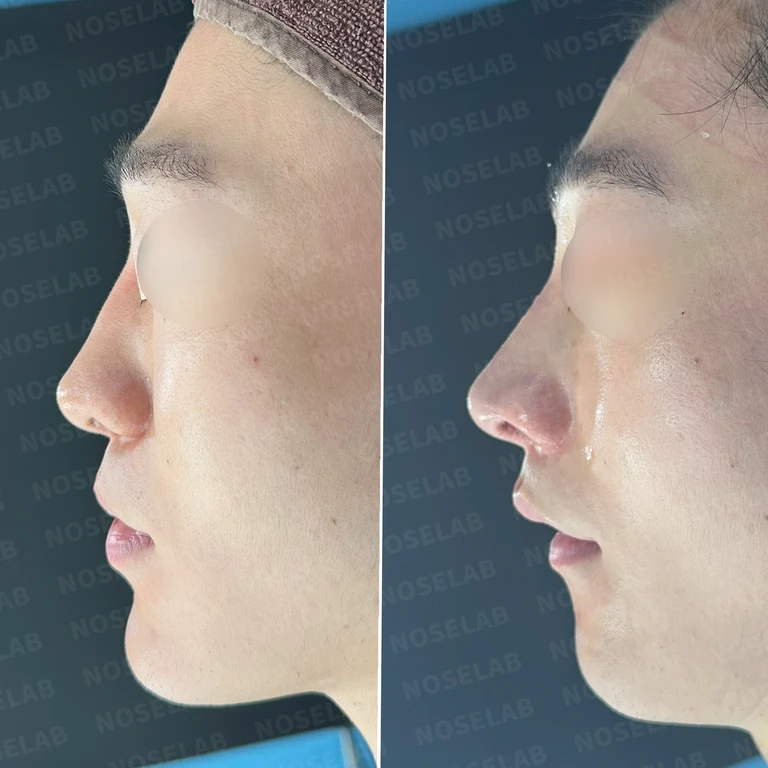
Why the nasal tip elongates and droops years after rhinoplasty, and how to correct it — Before-and-after comparison
Before-and-after comparison

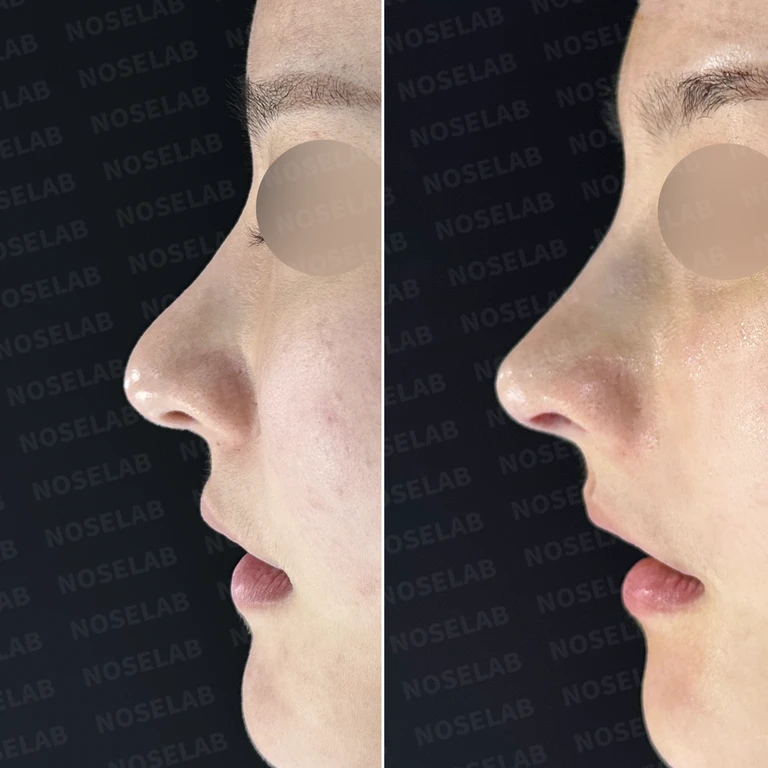
Why the nasal tip elongates and droops years after rhinoplasty, and how to correct it

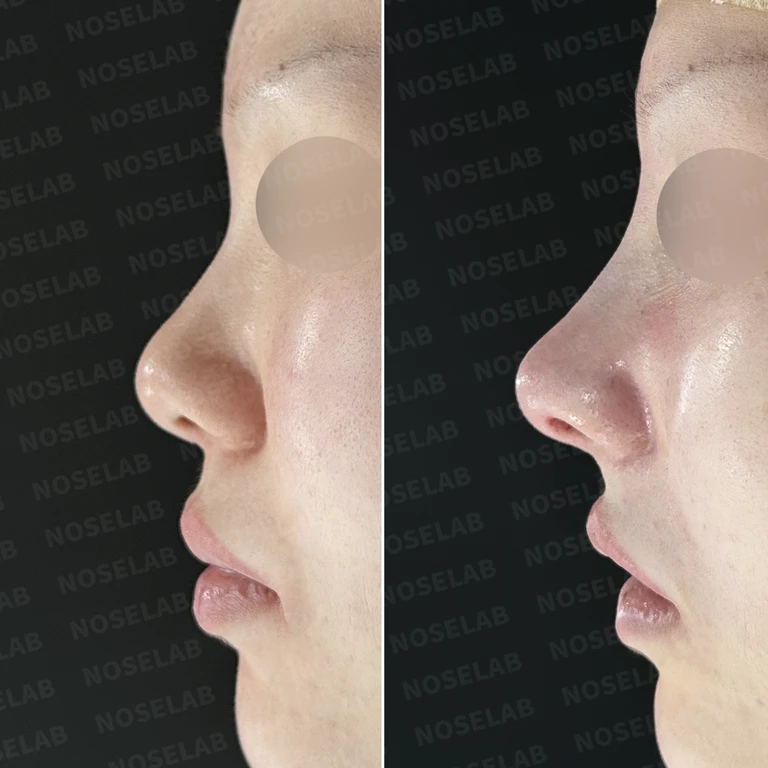
A case involving a long, drooping nasal tip and nasal obstruction following previous rhinoplasty with a silicone implant and septal cartilage. The nasal tip was corrected using autologous rib cartilage, performed concurrently with septoplasty, inferior turbinate reduction, and synechia adhesiolysis.

Preoperative condition · Postoperative record

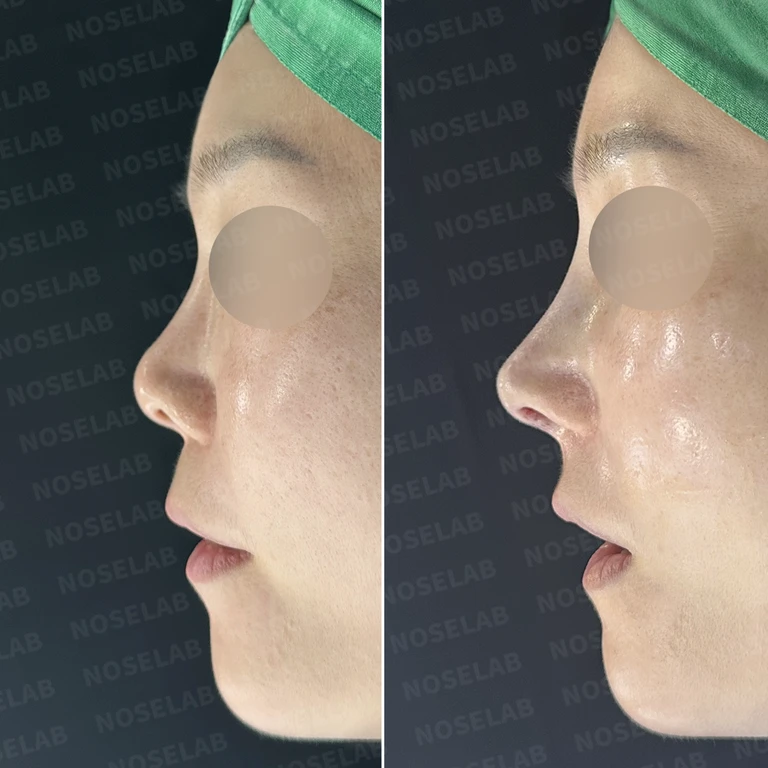
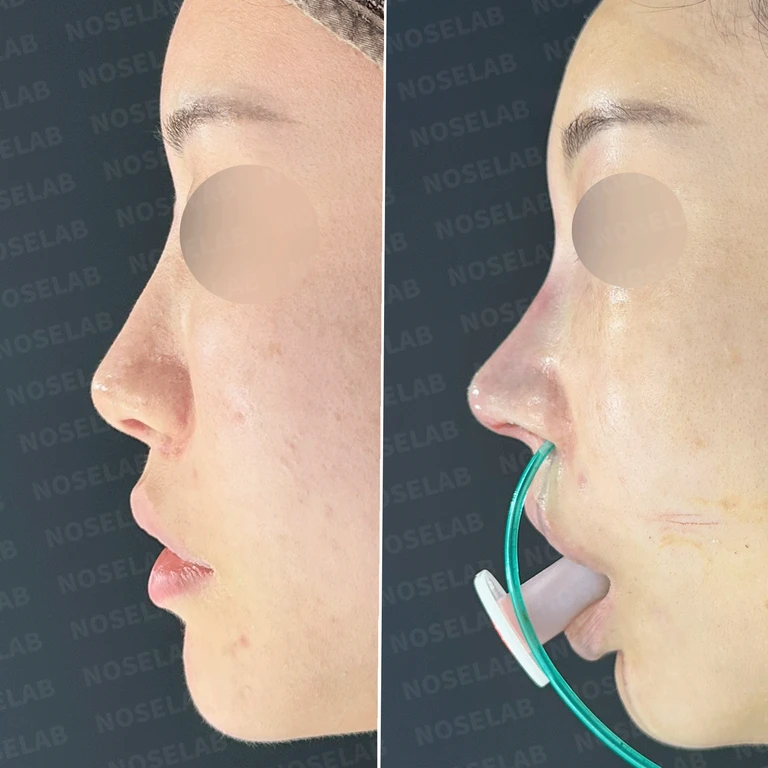
Why contracture remains in multiply operated noses: Reconstructing the columella and support framework — Before-and-after comparison
Before-and-after comparison

Why contracture remains in multiply operated noses: Reconstructing the columella and support framework

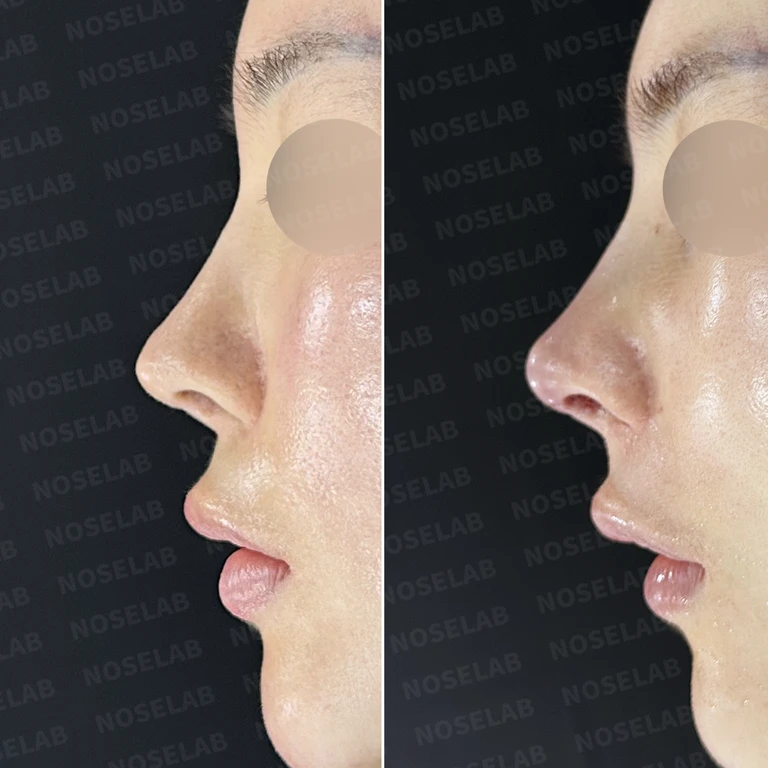
Contracture and septal defect resulting from repeated surgeries were reconstructed using autologous rib cartilage. For the retracted columella, retroauricular free skin flap grafting and perichondrium grafting were performed to restore its shape.

Preoperative condition

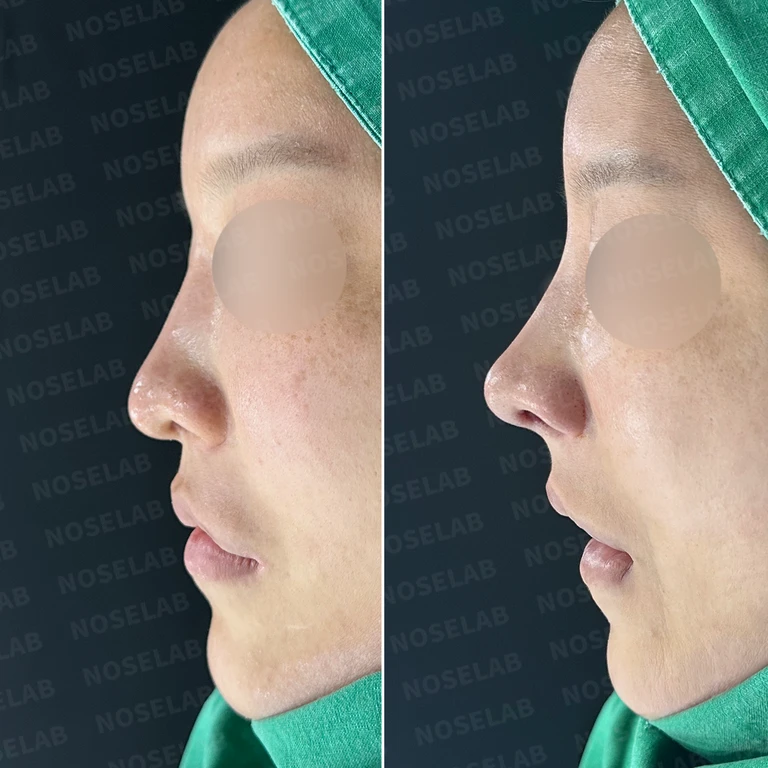
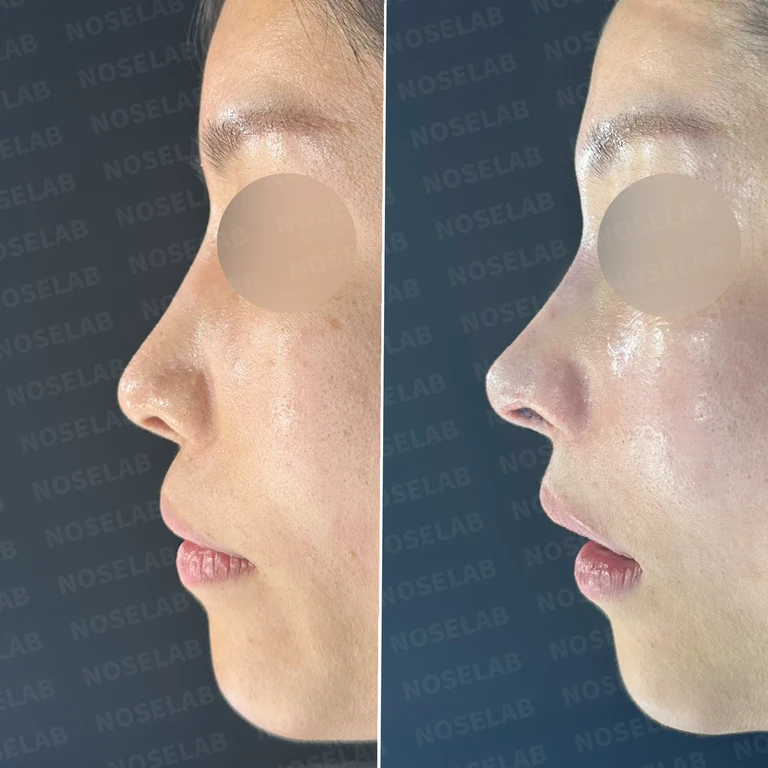
Why bulbous tip returns after tip surgery with ear cartilage and reconstruction methods — Before-and-after comparison
Before-and-after comparison

Why bulbous tip returns after tip surgery with ear cartilage and reconstruction methods

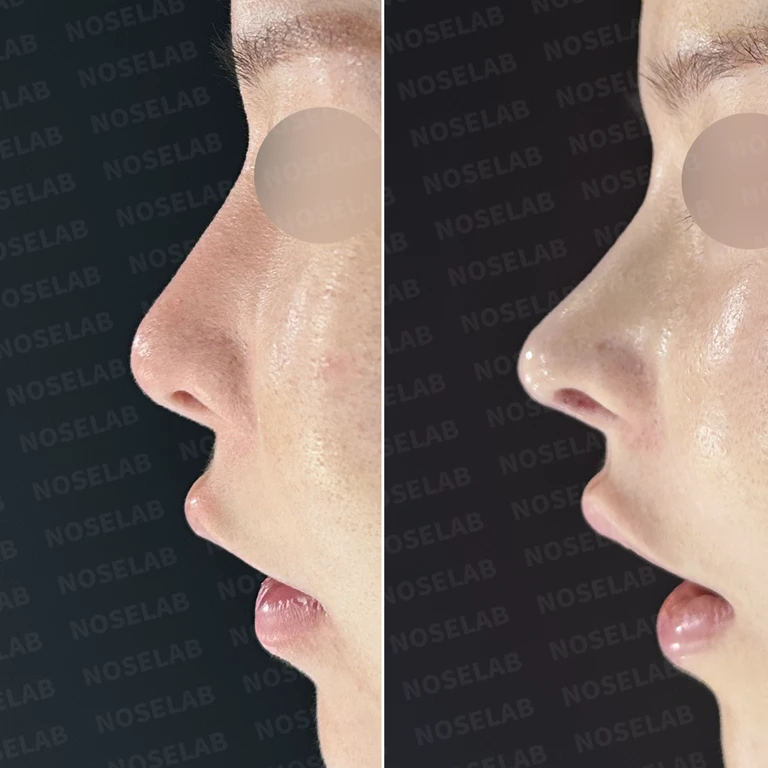
Persistent bulbous tip and upturned nasal tip after surgery with ear cartilage were addressed with autologous rib cartilage septal extension, partial scar tissue excision, cartilage repositioning, and a silicone implant.

Performed or used in this surgery

Why nasal obstruction persists after multiple surgeries: How to reconstruct the septum and nasal valve — Before-and-after comparison
Before-and-after comparison

Why nasal obstruction persists after multiple surgeries: How to reconstruct the septum and nasal valve

For a patient whose septum had collapsed after repeated surgeries, causing internal nasal valve stenosis and inferior turbinate adhesions, we performed septal reconstruction with autologous rib cartilage, osteotomy reversal, and adhesiolysis.

Preoperative condition

Why the nose flattens and widens after double-jaw surgery, and septal reconstruction — Before-and-after comparison
Before-and-after comparison

Why the nose flattens and widens after double-jaw surgery, and septal reconstruction

After double-jaw surgery weakened the septum, the nose became lower and wider; we reinforced it through septal reconstruction with autologous rib cartilage and completed a smooth profile using a customized silicone implant.

Previous surgeries and procedures

When tip skin is lacking after alar and philtrum reduction, how to determine the elevation limit — Before-and-after comparison
Before-and-after comparison

When tip skin is lacking after alar and philtrum reduction, how to determine the elevation limit

In a patient with limited skin elasticity and mucosal adhesion following multiple nasal surgeries along with alar and philtrum reductions, we performed septal reconstruction with autologous rib cartilage, nasolabial angle correction, columellar extension, and nasal synechia adhesiolysis.

Preoperative condition

Foreign materials from illegal procedures in the nasal bridge: how to perform removal and total septal reconstruction — Before-and-after comparison
Before-and-after comparison

Foreign materials from illegal procedures in the nasal bridge: how to perform removal and total septal reconstruction

We removed foreign materials from illegal injections in the nasal bridge, completely reconstructed the cartilage-depleted septum using autologous rib cartilage, and performed dermal grafting on the thinned skin.

Preoperative condition

Why the nasal tip turns upward and nostril show increases years after rhinoplasty: Medpor removal and autologous dermis reconstruction — Before-and-after comparison
Before-and-after comparison

Why the nasal tip turns upward and nostril show increases years after rhinoplasty: Medpor removal and autologous dermis reconstruction

To resolve an upturned nose and nostril asymmetry resulting from surgery performed 13 years ago, adhered Medpor was carefully dissected and removed, and the septum was reconstructed using autologous dermis.

Preoperative condition

Why a crooked nose and nasal obstruction persist after surgery, and how revision is performed — Before-and-after comparison
Before-and-after comparison

Why a crooked nose and nasal obstruction persist after surgery, and how revision is performed

Residual crooked nose and rhinitis-induced nasal obstruction following previous surgery were corrected through partial septal reconstruction with autologous rib cartilage, silicone implant replacement, lateral osteotomy, and submucosal resection of the inferior turbinates.

Preoperative condition

Depression along the nasal bridge and an upturned feel after repeated implant insertions and removals — Before-and-after comparison
Before-and-after comparison

Depression along the nasal bridge and an upturned feel after repeated implant insertions and removals

Correcting nostril asymmetry, an upturned nasal tip, and an overly high radix caused by repeated surgeries using autologous rib cartilage septal extension and height adjustment.

Preoperative condition

Scar tissue and nostril asymmetry after nasal fracture and repeated revision surgeries: reconstructive approaches — Before-and-after comparison
Before-and-after comparison

Scar tissue and nostril asymmetry after nasal fracture and repeated revision surgeries: reconstructive approaches

Following trauma and revision surgery, the patient presented with concerns over silicone implant complications, nostril asymmetry, and scar adhesions. After removing the implant, autologous rib cartilage reconstruction and septoplasty were performed.

Preoperative condition

Bulbous nasal tip unresolved by previous surgeries: causes and reconstruction methods — Before-and-after comparison
Before-and-after comparison

Bulbous nasal tip unresolved by previous surgeries: causes and reconstruction methods

A case resolving a persistent bulbous tip, excessive nostril show, and residual filler after previous surgeries by removing the filler and reconstructing the septum and alae using autologous rib cartilage.

Preoperative condition

Changes that occur when inflammation persists after rhinoplasty and reconstruction methods — Before-and-after comparison
Before-and-after comparison

Changes that occur when inflammation persists after rhinoplasty and reconstruction methods

To resolve chronic inflammation, an upturned nose, and redness of the nasal bridge that persisted after previous surgeries, artificial materials were removed, and structural reconstruction using autologous rib cartilage was performed along with nasal valve surgery.

Preoperative condition
How the nose changes when donor rib cartilage is resorbed, and how autologous rib cartilage reconstruction is performed — Before-and-after comparison
Before-and-after comparison

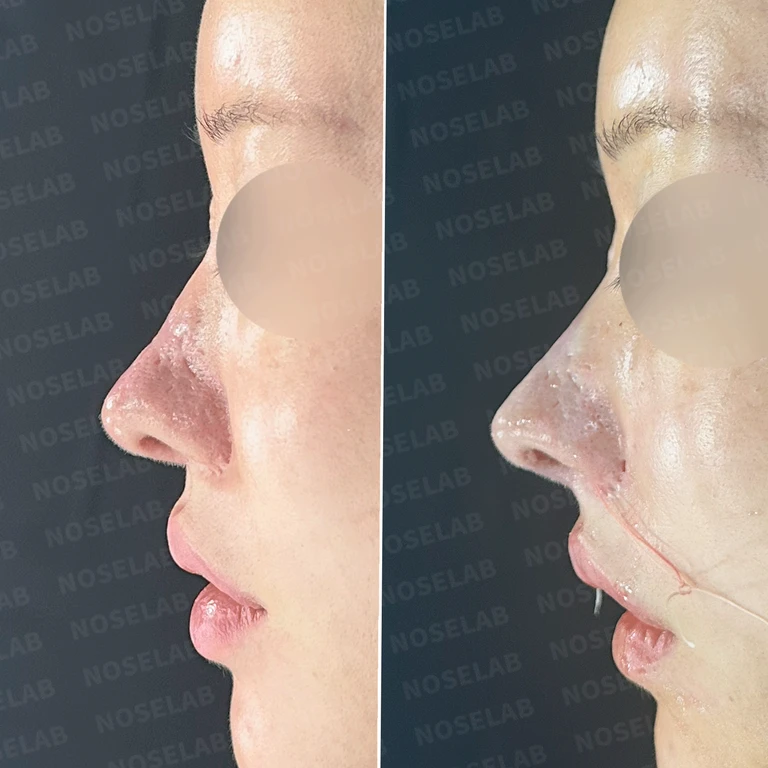
How the nose changes when donor rib cartilage is resorbed, and how autologous rib cartilage reconstruction is performed

For a patient whose nasal tip had shrunk, whose alae appeared pinched, and whose nasal bridge developed scarring due to donor rib cartilage resorption, we performed alar reconstruction with autologous rib cartilage, septal extension, and cartilage and dermal graft reinforcement.

Preoperative condition
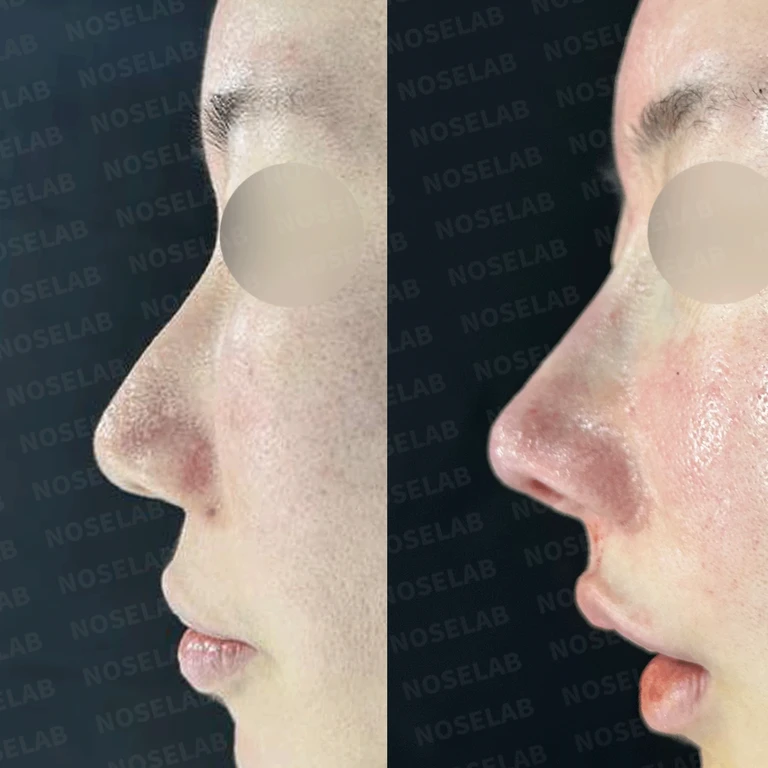
Changes following nasal bridge skin necrosis after rhinoplasty and how reconstruction is performed — Before-and-after comparison
Before-and-after comparison

Changes following nasal bridge skin necrosis after rhinoplasty and how reconstruction is performed

In a case with signs of nasal bridge skin necrosis and alar asymmetry after multiple rhinoplasties, the nasal bridge and nostril shape were reconstructed using autologous rib cartilage grafting, alar repositioning, and growth factor application.

Preoperative condition
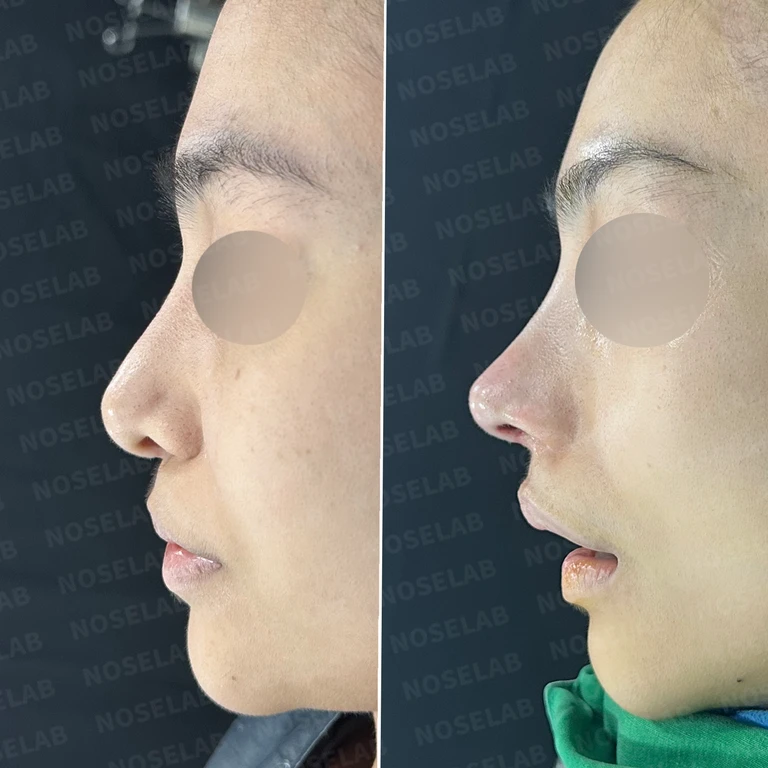
Why the columella retracts and the nasal tip becomes bulbous years after rhinoplasty, and how to reconstruct it — Before-and-after comparison
Before-and-after comparison

Why the columella retracts and the nasal tip becomes bulbous years after rhinoplasty, and how to reconstruct it

Columellar retraction and bulbous tip deformity after previous dorsal hump reduction and osteotomy were corrected through septal extension with autologous rib cartilage, columellar cartilage grafting, and lateral osteotomies.

Preoperative condition · Postoperative record

Why the columella droops severely into an arrow nose, and rib cartilage reconstruction methods — Before-and-after comparison
Before-and-after comparison

Why the columella droops severely into an arrow nose, and rib cartilage reconstruction methods

For a patient presenting with a severely drooping columella, an arrow nose, and nostril asymmetry after previous surgeries, autologous rib cartilage septal extension and lower lateral cartilage repositioning were performed to improve tip drooping and asymmetry.

Preoperative condition · Postoperative record

No search results found

Please try searching with different keywords.

Scroll to keep reading

1 / 4Next case

Common questions before reading the cases

Are alar reduction scars and internal mucosal adhesions categorized together?

While they can be found under the same broad topic, their anatomical locations and functional impacts are evaluated separately in the original records. One article describes visible scars and skin depressions in the columella and alar reduction areas, whereas another records severe nasal obstruction following mucosal adhesions inside the nose. We have linked each reference so that external scarring and internal nasal cavity conditions are not interpreted as the same problem.

Do revision rhinoplasty records ever mention swelling and scar tissue together?

Yes. One original record notes that a surgical plan was designed to minimize tissue trauma, considering that swelling on the nasal tip and bridge had not fully subsided and scar tissue was actively forming around the tip cartilage. This description explains the clinical progress of that specific patient at the time. Rather than looking solely at the word "scar," please consider the timing and progress following the previous surgery.

Related topics to explore

Alar retraction and pinchingColumellar retraction and short columellaNasal obstruction and breathing discomfortMultiple revision rhinoplasties

Surgical records referenced in this guide

  • How to correct a crooked nose and nostril asymmetry together
  • How to correct nasal obstruction and a wide, spread-out nose
  • Key points to check in early revision rhinoplasty at 14 days post-op
Original article

Read more records

Planning a visit to Seoul?Prepare your consultation with the NOSELAB team.

International patient guideWhatsApp ↗
Dr. Peter C. Kang's Rhinoplasty Stories
Rhinoplasty guideCases by topicDr. Peter C. KangNaver Blog ↗
View original photo
Enlarged photo
WhatsAppChat with NOSELAB↗