English日本語简体中文
Skip to main content
Dr. Peter C. Kang's Rhinoplasty Stories
PrologueBlogMy thoughtsNasal obstructionSurgical journalSurgical photos
About the surgeon

Cases of multiple revision rhinoplasties: changes behind the number of surgeries

The simple fact that a patient has undergone multiple nasal surgeries is not enough to describe their current condition. In one case, the first surgery used septal and ear cartilage, while the second surgery used autologous rib cartilage; subsequent records note tip drooping, deviation, and nasal obstruction caused by mucosal adhesions.

Records of repeated surgeries reveal clearer differences when reviewed in chronological order. Another case notes that different sections of the septum had been harvested during prior surgeries, leaving almost no cartilage remaining. In addition to the number of surgeries, observe which areas were addressed with specific procedures and whether the focus this time was on reshaping or reconstruction.

View before-and-after cases ↓Comprehensive rhinoplasty guide

Searching for surgical cases matching your criteria.
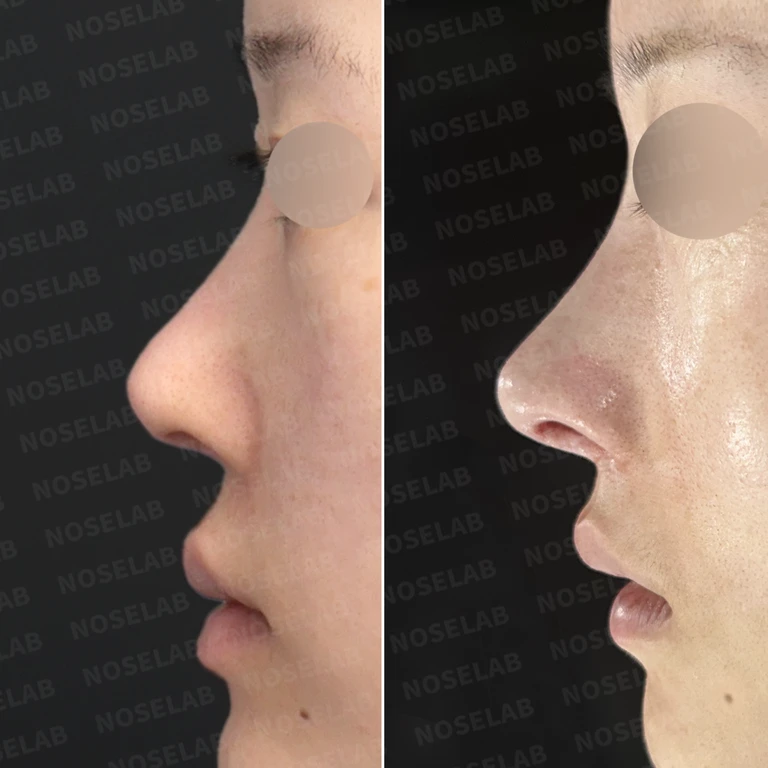
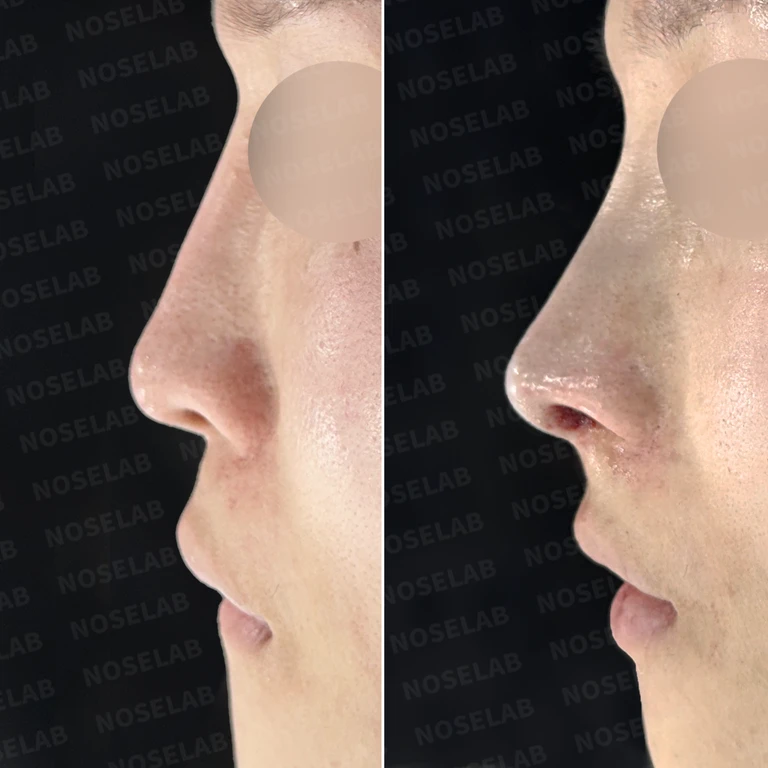
Nasal reconstruction when almost no septum remains after two nose surgeries — Before-and-after comparison
Before-and-after comparison

Nasal reconstruction when almost no septum remains after two nose surgeries

This is a case of septal cartilage deficit, nasal bone asymmetry, and nasal obstruction remaining after two surgeries. Through a closed approach, autologous rib cartilage was used for septal reconstruction, along with nasolabial angle correction, nasal bone asymmetry correction, and radix adjustment.

Previous surgeries and procedures
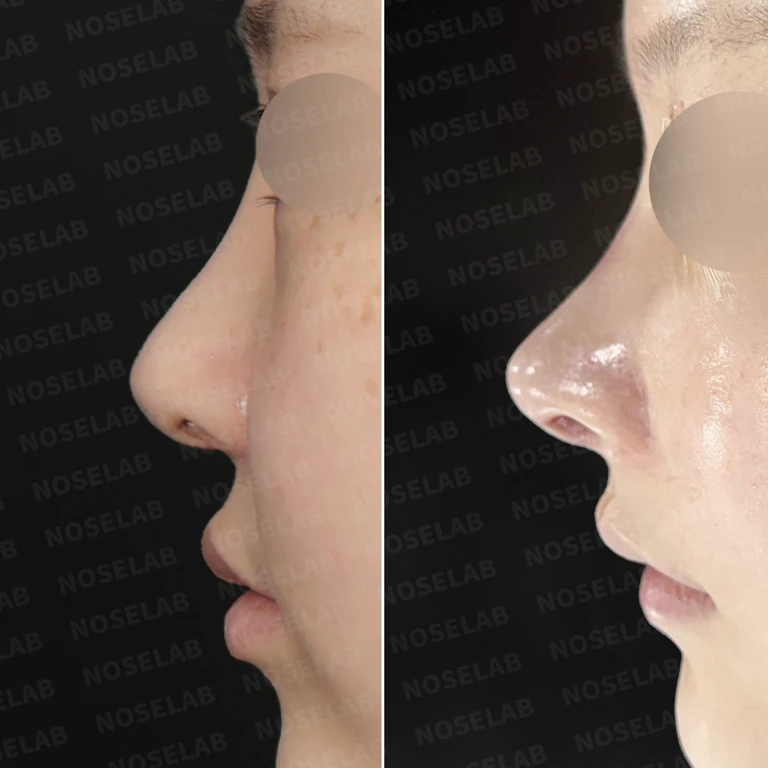
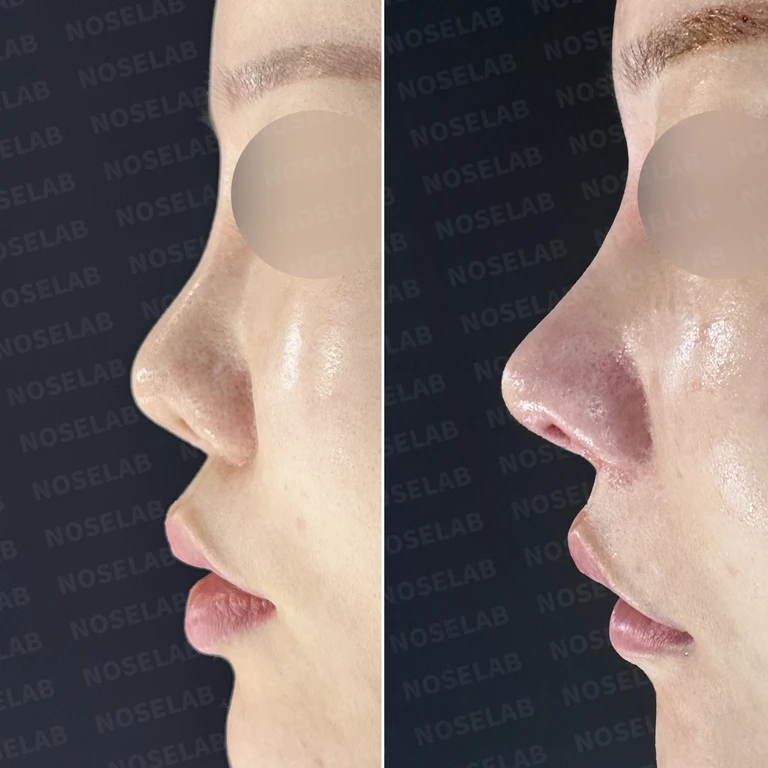
Why noses deviate and bulbous tips persist after double jaw surgery, and how rib cartilage septal reconstruction is performed — Before-and-after comparison
Before-and-after comparison

Why noses deviate and bulbous tips persist after double jaw surgery, and how rib cartilage septal reconstruction is performed

This is a case of septal damage, a deviated nasal bridge, a bulbous nose, and nasal obstruction following double jaw surgery and two prior rhinoplasties. Autologous rib cartilage septal reconstruction, cartilage repositioning, lateral osteotomy, and functional nasal surgery were performed.

Previous surgeries and procedures

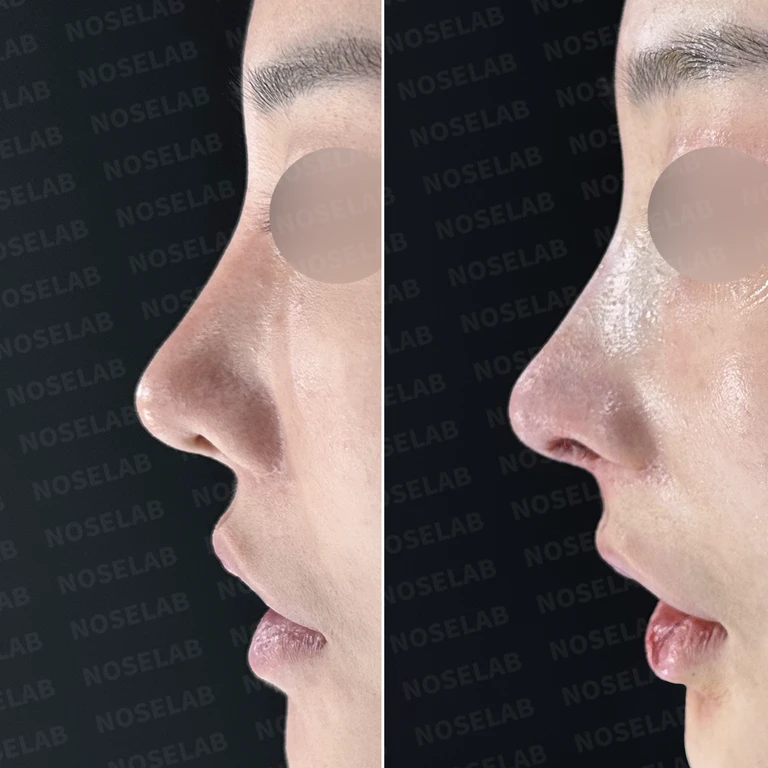
Why a high radix makes the nose look long and overly prominent — Before-and-after comparison
Before-and-after comparison

Why a high radix makes the nose look long and overly prominent

Following prior surgeries, a bulbous and drooping long nose with an excessively high radix and nasal obstruction was corrected using a closed approach. Scar tissue debridement, osteotomy, nasolabial angle correction, and septoplasty were performed concurrently.

Previous surgeries and procedures

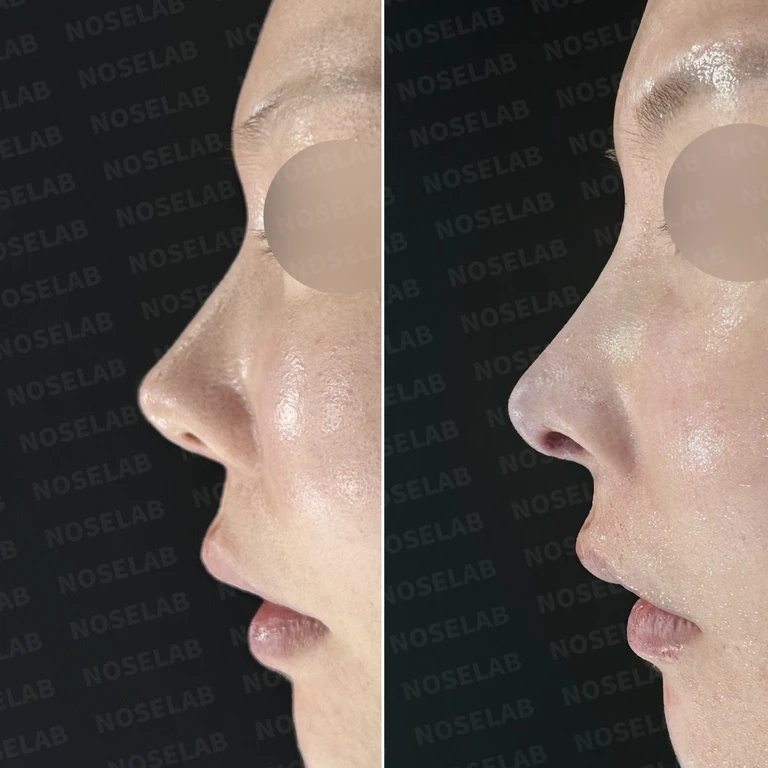
Why mesh remaining in the septum causes an upturned nose, and reconstruction after removal — Before-and-after comparison
Before-and-after comparison

Why mesh remaining in the septum causes an upturned nose, and reconstruction after removal

This is a case where mesh left in the septum after previous surgeries resulted in an upturned nose and excessive nostril show. All foreign material was removed, followed by septal reconstruction using autologous rib cartilage, replacement of the silicone implant, and reinforcement of the skin with acellular dermal matrix.

Preoperative condition

Why a nose becomes upturned and the columella retracts after repeated revisions, and how to reconstruct the septum — Before-and-after comparison
Before-and-after comparison

Why a nose becomes upturned and the columella retracts after repeated revisions, and how to reconstruct the septum

A case where damage from previous surgeries led to collapse of the anterior septum and nostril asymmetry. The septum was reconstructed using autologous rib cartilage, followed by nasal tip rhinoplasty with donor rib cartilage and implant replacement.

Previous surgeries and procedures
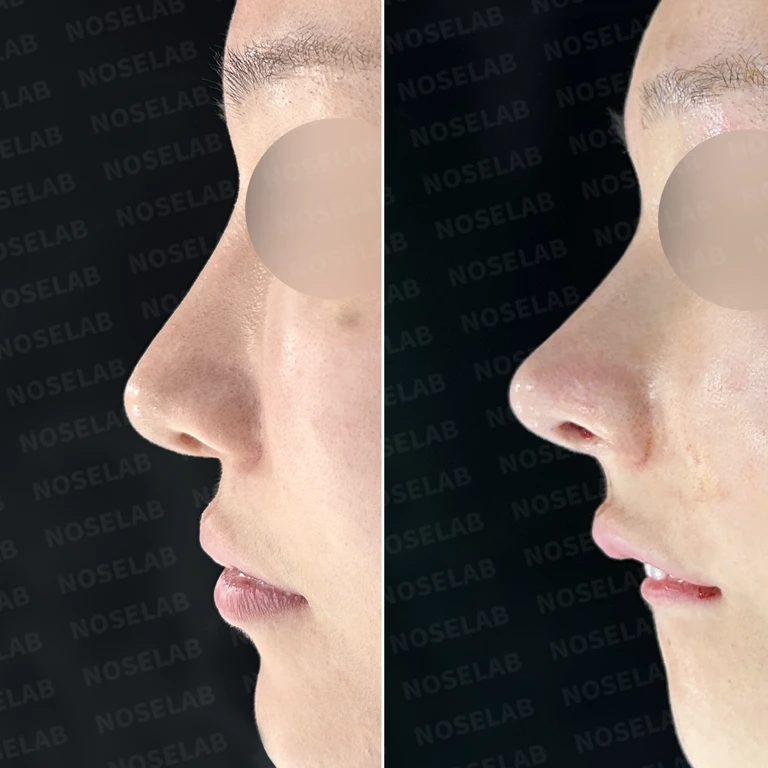
Why noses become short and upturned after multiple revision surgeries, and methods for reconstruction — Before-and-after comparison
Before-and-after comparison

Why noses become short and upturned after multiple revision surgeries, and methods for reconstruction

A case correcting an upturned nasal tip caused by loss of the septum from repeated revision surgeries. Autologous rib cartilage septal reconstruction, nasal mucosal advancement flap, silicone implant adjustment, and rhinitis surgery were performed concurrently.

Previous surgeries and procedures

Why implant inflammation recurs, and how staged reconstruction with a resting period is performed — Before-and-after comparison
Before-and-after comparison

Why implant inflammation recurs, and how staged reconstruction with a resting period is performed

A case of staged nasal reconstruction for a nose damaged by recurrent implant inflammation. After foreign body removal, a 2-year resting period, and stem cell therapy, the structure was rebuilt using donor rib cartilage and an implant was inserted.

Previous surgeries and procedures

Why a operated nose deviates and nostrils become asymmetric after physical trauma, and how septal reconstruction is performed — Before-and-after comparison
Before-and-after comparison

Why a operated nose deviates and nostrils become asymmetric after physical trauma, and how septal reconstruction is performed

A case where post-surgical trauma caused a septal tear, resulting in a crooked nose and nostril asymmetry. Septal reconstruction was performed using autologous rib cartilage, along with realigning the columellar central axis and replacing the implant.

Previous surgeries and procedures
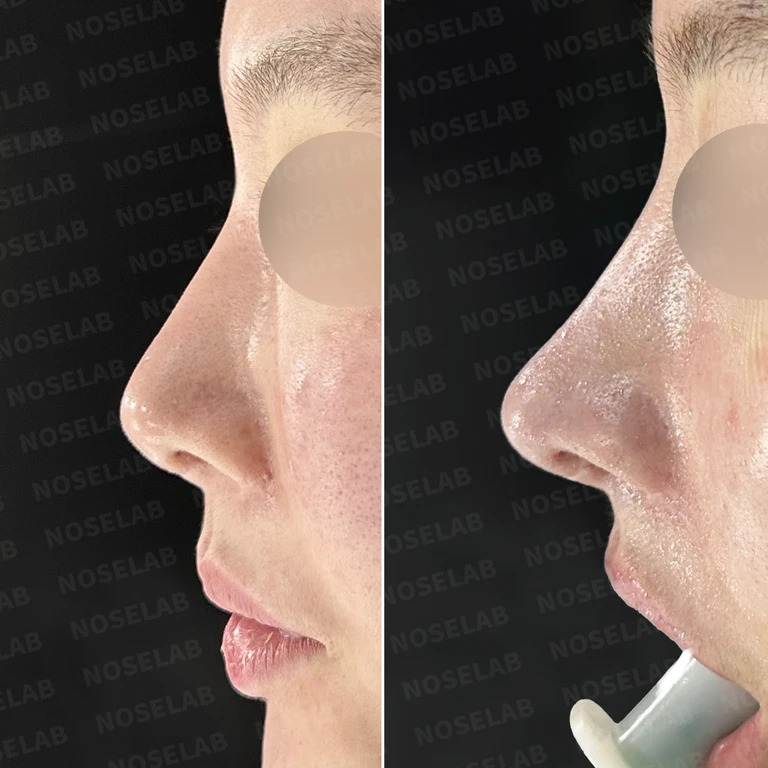
Why nasal tip skin depresses and implants show through after inflammation, and how to reconstruct it — Before-and-after comparison
Before-and-after comparison

Why nasal tip skin depresses and implants show through after inflammation, and how to reconstruct it

A case where repeated surgeries and inflammation led to depressed nasal tip skin and implant show-through. The damaged skin was revised, dermal and cartilage grafts were placed, the septum was reinforced with autologous rib cartilage, and the implant was replaced.

Previous surgeries and procedures
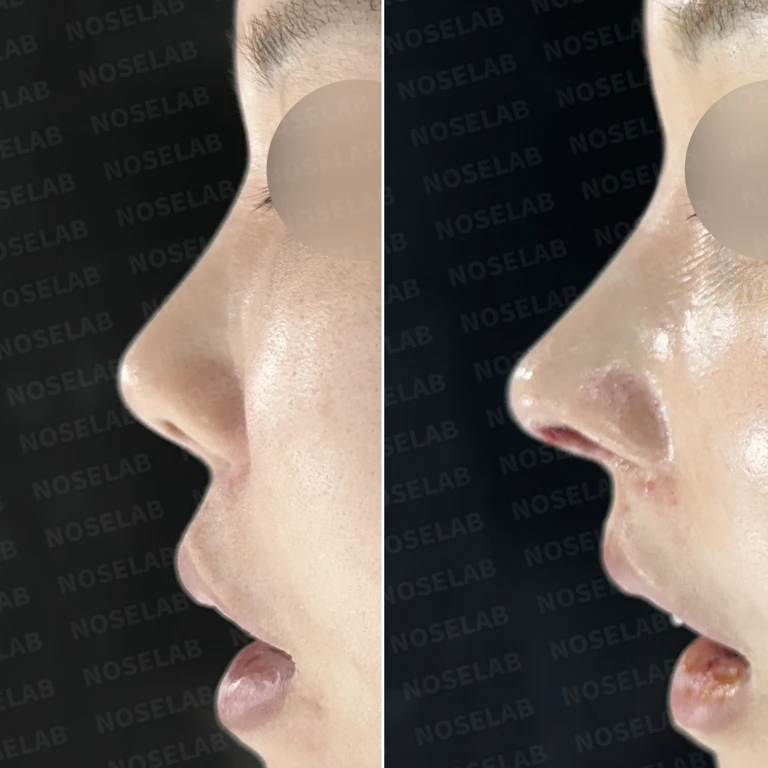
Why a nose operated on twice looks long and drooping, and how septal reconstruction using rib cartilage is performed — Before-and-after comparison
Before-and-after comparison

Why a nose operated on twice looks long and drooping, and how septal reconstruction using rib cartilage is performed

A revision rhinoplasty case where the septum was depleted due to excessive cartilage use in prior surgeries. The septum was reconstructed using autologous rib cartilage, a cartilage fragment on the bridge was removed, and silicone implant replacement was combined with osteotomy.

Previous surgeries and procedures
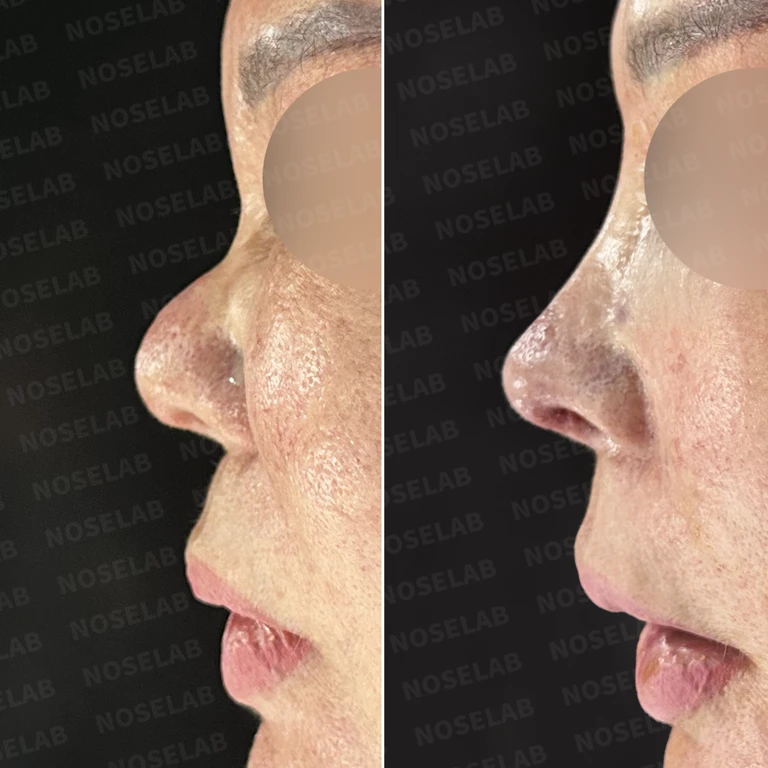
Changes that occur when an implant is positioned high and deviated: methods for replacement and bulbous tip correction — Before-and-after comparison
Before-and-after comparison

Changes that occur when an implant is positioned high and deviated: methods for replacement and bulbous tip correction

A high, deviated silicone implant was replaced to lower the radix, and septal extension was performed using donor rib cartilage. Partial soft tissue resection, cartilage tie, and rhinitis surgery addressed the bulbous tip and nasal obstruction.

Previous surgeries and procedures
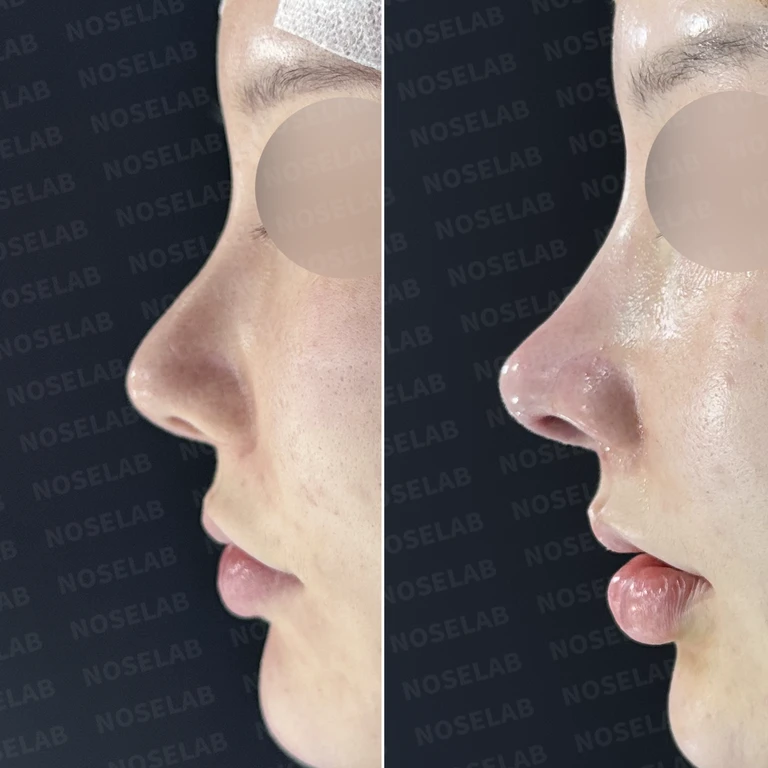
Why the nasal tip deviates to one side after rhinoplasty and methods for reconstructing its support structure — Before-and-after comparison
Before-and-after comparison

Why the nasal tip deviates to one side after rhinoplasty and methods for reconstructing its support structure

Septal cartilage damaged from previous surgeries was reconstructed using autologous rib cartilage, and the lower lateral cartilages were restored. Lateral osteotomy and rhinitis surgery were performed concurrently to correct the crooked nose and nostril asymmetry.

Previous surgeries and procedures
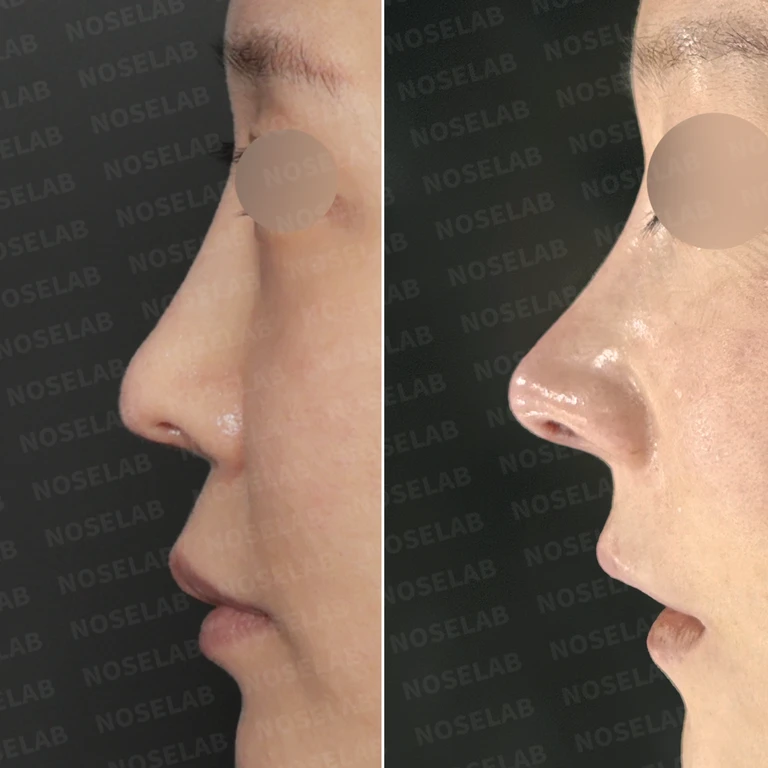
Why the nose looks long and the nostrils look pinched after multiple rhinoplasties — Before-and-after comparison
Before-and-after comparison

Why the nose looks long and the nostrils look pinched after multiple rhinoplasties

Lost lower lateral cartilage was reconstructed using autologous rib cartilage, and asymmetric, pinched nostrils were corrected. By lowering the radix, the appearance of a long nose was reduced, and surgery for rhinitis and nasal valve stenosis was performed concurrently.

Previous surgeries and procedures
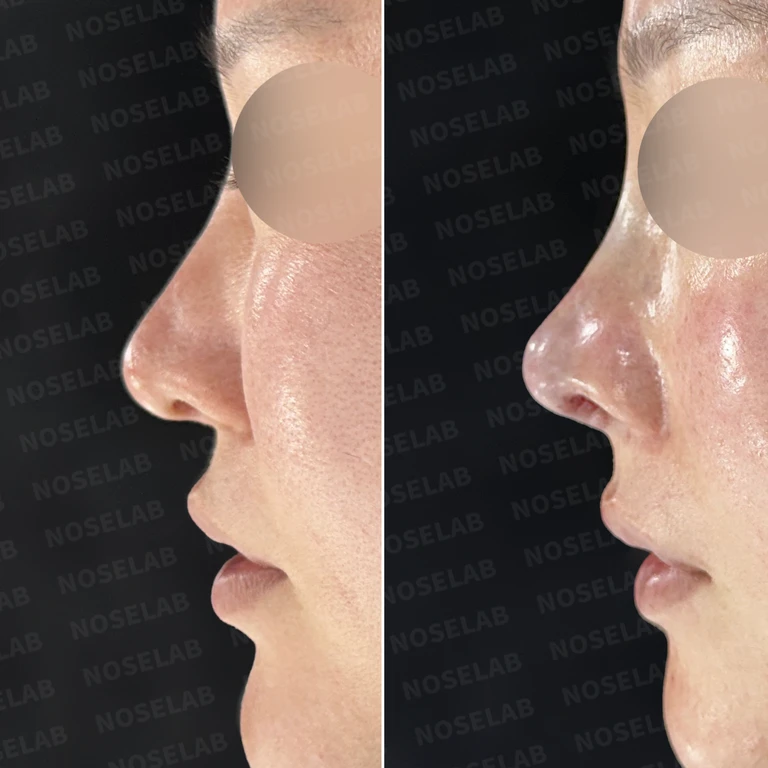
Why implants show through and nostrils look M-shaped, and how to reconstruct them — Before-and-after comparison
Before-and-after comparison

Why implants show through and nostrils look M-shaped, and how to reconstruct them

Implant show-through at the nasal tip and thinned skin were reinforced with donor dermis, and foreign substances were removed. The nasal tip was reconstructed using autologous rib cartilage, along with dragon nose correction and lateral osteotomy.

Previous surgeries and procedures
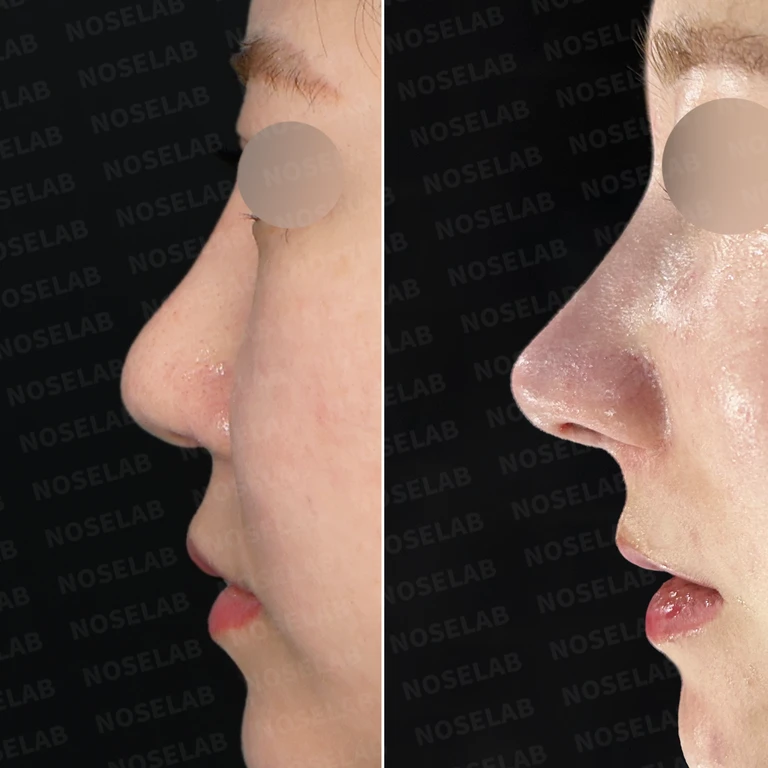
Why contracture remains in multiply operated noses: Reconstructing the columella and support framework — Before-and-after comparison
Before-and-after comparison

Why contracture remains in multiply operated noses: Reconstructing the columella and support framework

Contracture and septal defect resulting from repeated surgeries were reconstructed using autologous rib cartilage. For the retracted columella, retroauricular free skin flap grafting and perichondrium grafting were performed to restore its shape.

Previous surgeries and procedures
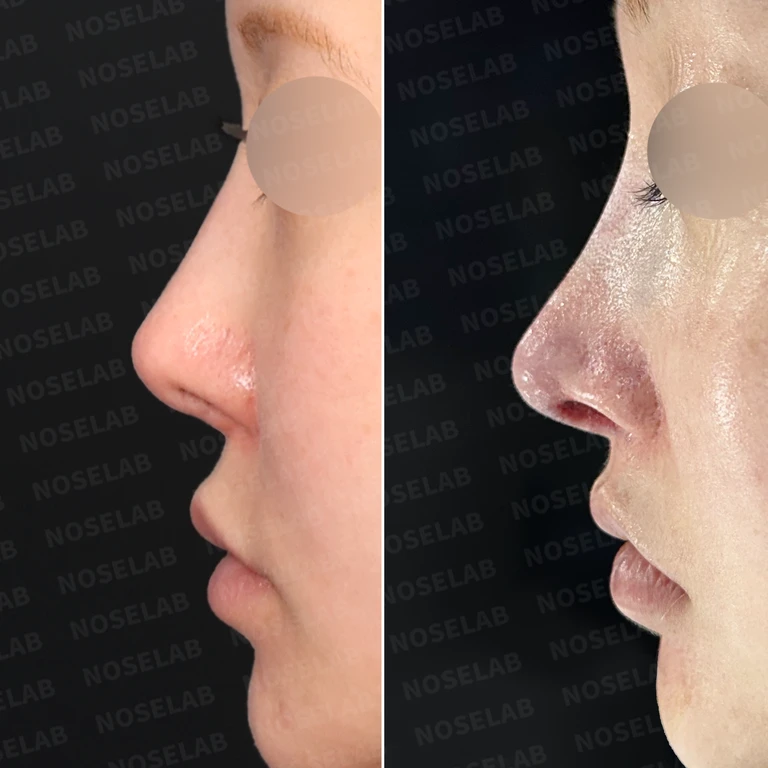
Why the nose looks short and the columella retracts after revision rhinoplasty, and how to reconstruct the septum — Before-and-after comparison
Before-and-after comparison

Why the nose looks short and the columella retracts after revision rhinoplasty, and how to reconstruct the septum

To correct septal cartilage loss from 3 prior surgeries, a short nose appearance, and a bulbous tip, the septum was reconstructed using autologous rib cartilage and the radix was lowered.

Previous surgeries and procedures
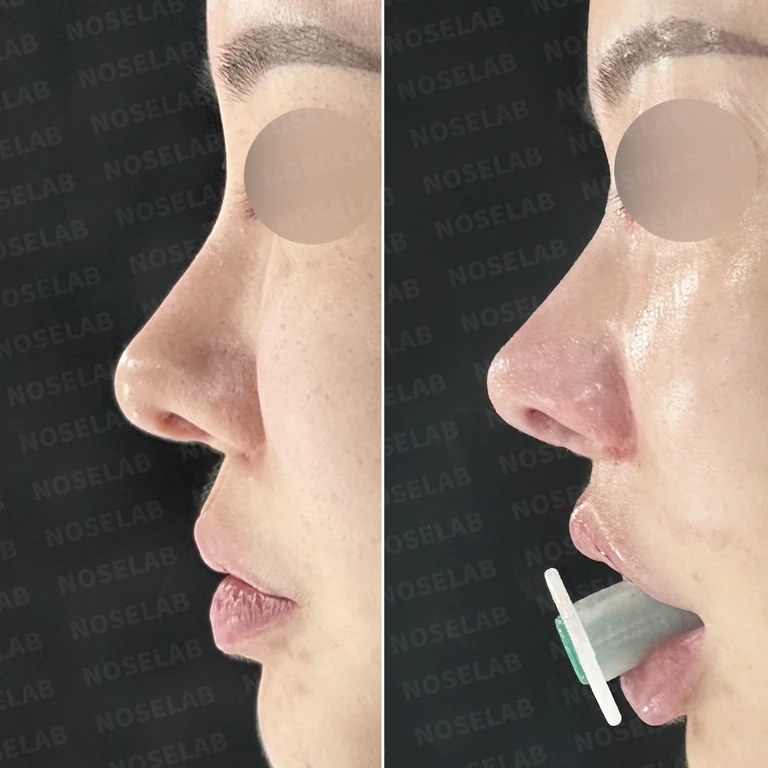
Why a multiply operated nose deviates and develops a widened tip, and how cartilage is reconstructed — Before-and-after comparison
Before-and-after comparison

Why a multiply operated nose deviates and develops a widened tip, and how cartilage is reconstructed

Following three prior procedures, a deviated nose caused by septal damage and a missing right lower lateral cartilage was restored through autologous rib cartilage structural reconstruction, silicone implant replacement, nasolabial angle correction, and rhinitis surgery.

Previous surgeries and procedures
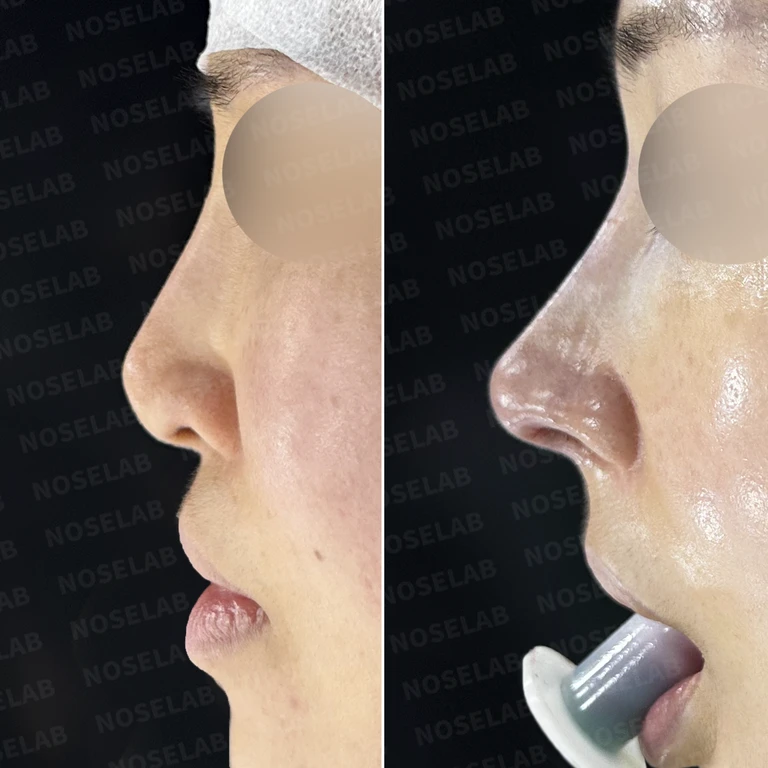
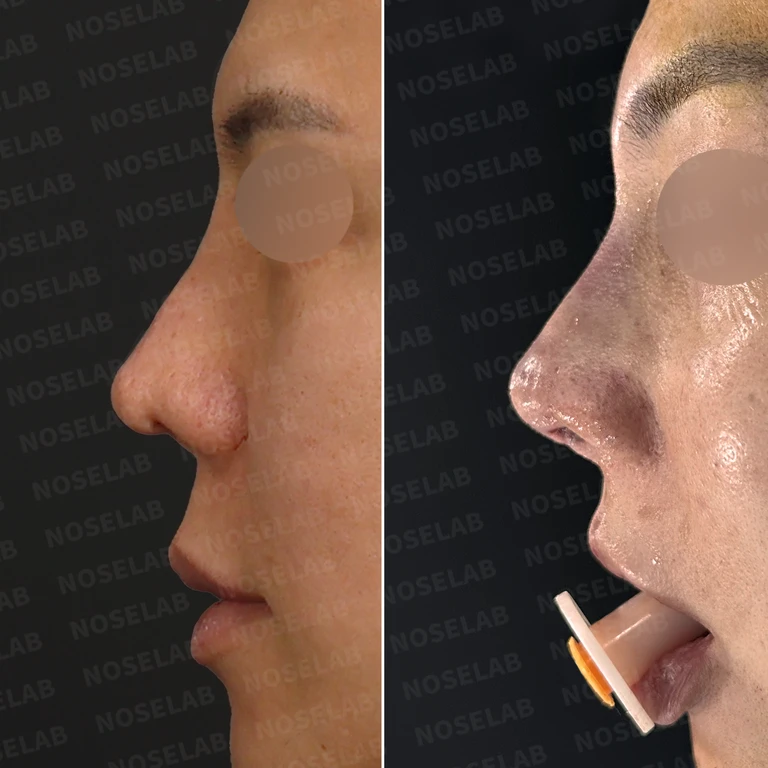
Why the nasal tip can remain upturned after revision rhinoplasty, and when donor rib cartilage is used — Before-and-after comparison
Before-and-after comparison

Why the nasal tip can remain upturned after revision rhinoplasty, and when donor rib cartilage is used

An upturned and deviated nose, accompanied by hesitation toward autologous rib cartilage due to past pneumothorax, was improved without implants using donor rib cartilage, recycled previous rib cartilage, nasal bone rasping, and nasolabial angle correction.

Previous surgeries and procedures
No search results found

Please try searching with different keywords.

Scroll to keep reading

1 / 9Next case

Common questions before reading the cases

How do third rhinoplasty cases compare with second surgery cases?

Rather than focusing solely on the number of surgeries, compare the materials used in each procedure alongside the changes that followed. One patient who underwent revision with autologous rib cartilage after an initial surgery with septal and ear cartilage presented not only with nasal tip deformity, but also with right mucosal adhesions and severe nasal obstruction. In this way, the ongoing issues serve as the basis for comparison rather than the names or counts of prior procedures.

Is the remaining cartilage also evaluated in repeated revision surgeries?

In these records, the condition of the remaining cartilage is directly linked to the surgical plan. In one case, previous clinics had harvested from both the posterior and anterior septum, leaving almost none intact; the septum and lower lateral cartilage were reconstructed using autologous rib cartilage. However, findings from this case cannot be generalized to every patient undergoing repeated revision surgery.

Related topics to explore

Revision rhinoplastyScars and adhesionsSeptal damage and defectsNasal obstruction and breathing discomfort

Surgical records referenced in this guide

  • How to correct nasal obstruction and a wide, spread-out nose
  • Revision rhinoplasty with autologous rib cartilage for a bulbous and drooping nose, along with columellar and nostril correction
  • Why nostrils become visible and nasal bridge volume is lost after multiple surgeries
Original article

Read more records

Planning a visit to Seoul?Prepare your consultation with the NOSELAB team.

International patient guideWhatsApp ↗
Dr. Peter C. Kang's Rhinoplasty Stories
Rhinoplasty guideCases by topicDr. Peter C. KangNaver Blog ↗
View original photo
Enlarged photo
WhatsAppChat with NOSELAB↗